Kakemono Chawan and Tea Whisk
One of a kind — this work exists only once.
- Period:
- Meiji (1868–1912)
- Dimensions (height x width):
- 184 x 54 cm
- Item number:
- 4721
This piece has been sold.
Sold – no longer available
This piece was a handmade one-of-a-kind work. It cannot be reordered and will never exist in this form again. The page stays online as part of our archive.
More items in category CalligraphyAll one-of-a-kind Japanese Painting pieces
See new one-of-a-kind pieces first
We feature every delivery from Japan in the newsletter first – before the pieces show up in search results.
You might like these pieces
Shogen Heian
Chawan Tea Bowl Made of Raku Ware by Shogen Heian
Chawan, unique work, with box, 8 x 12 cm
€220.00

Matsuyama Fujii
Ink Sketch of a Tea Bowl on Red Cloth
Kakemono, unique work, 122 x 48 cm
€180.00
Kazuki Omi
Chawan Tea Bowl Made of Shigaraki Ware by Kazuki Omi
Chawan, unique work, with box, 8 x 12 cm
€210.00
Tamura Goro
Handcrafted Japanese Hagi Tea Bowl (Chawan) by Goro Tamura
Chawan, unique work, with box, 9 x 12 cm
€390.00
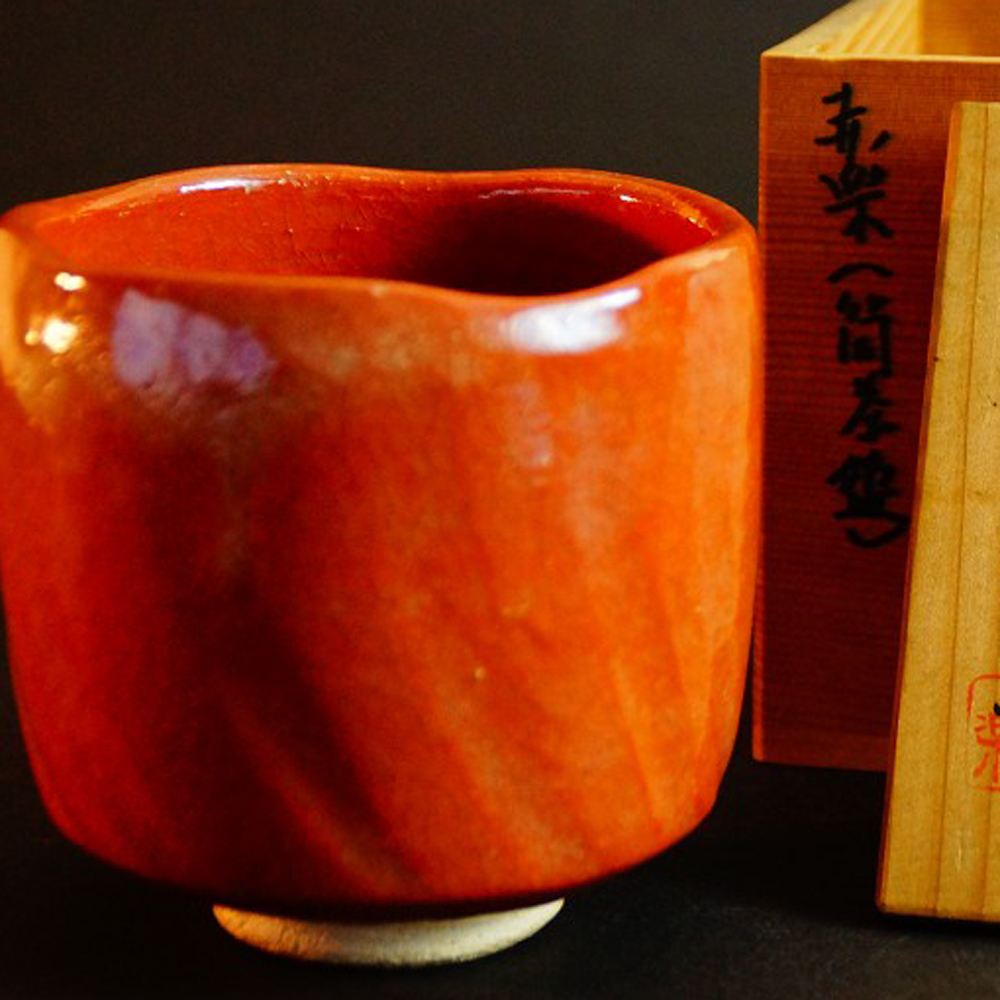
Seiraku
Chawan Tea Bowl Made of Raku Ware by Seiraku
Chawan, unique work, with box, 9,5 x 9,5 cm
€280.00
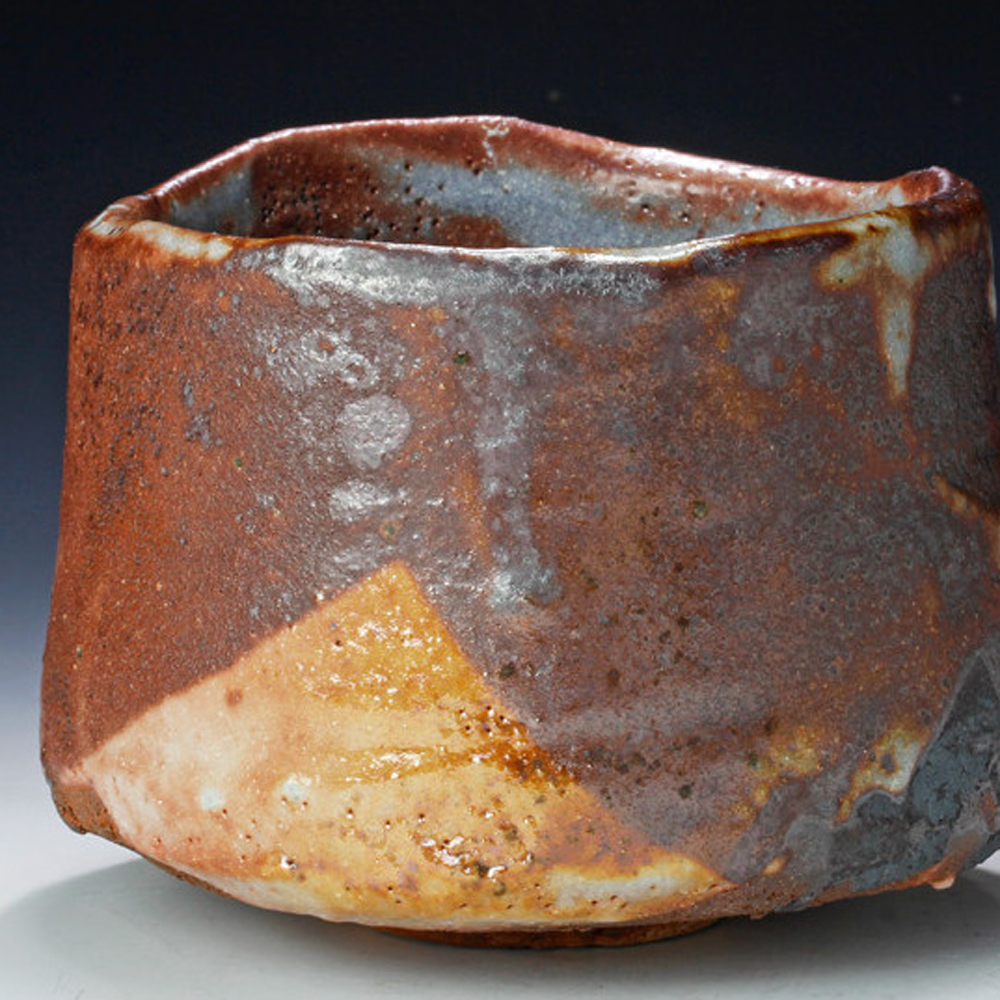
Shibayama Riiya
Tea Bowl (Chawan) by Shibayama Riiya
Chawan, unique work, with box, 8 x 11 cm
€410.00
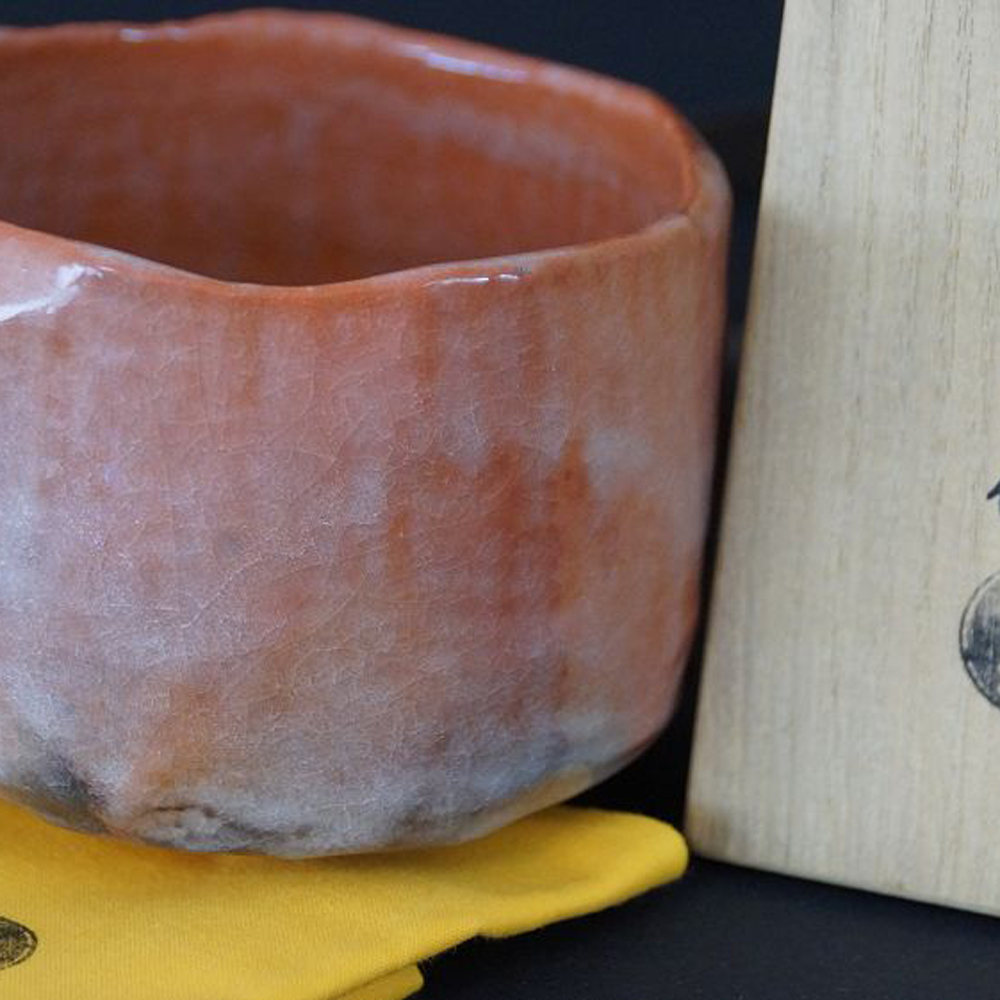
Ichiraku Nishimura
Chawan Tea Bowl Made of Raku Ware by Ichiraku Nishimura
Chawan, unique work, with box, 8 x 11,5 cm
€420.00
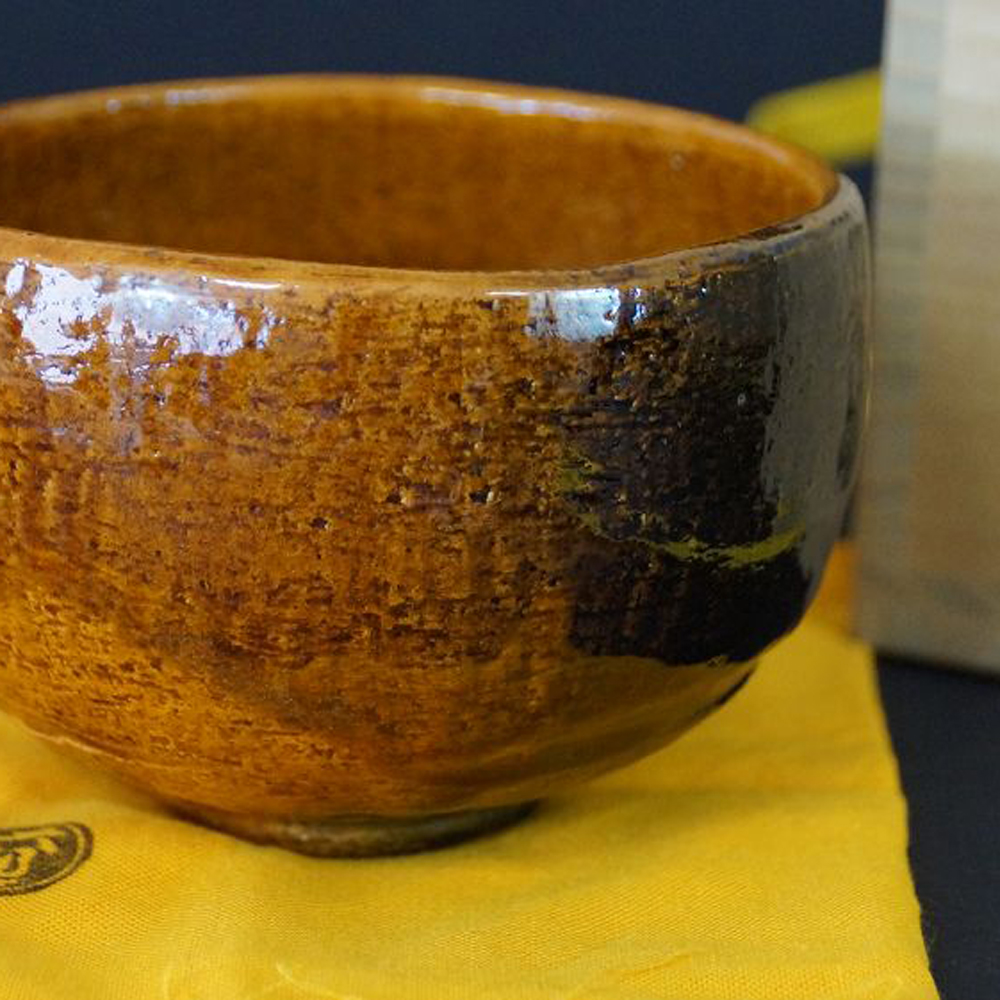
Hisashi Ohi
Chawan Tea Bowl Made of Ohi Ware by Hisashi Ohi
Chawan, unique work, with box, 8 x 11,5 cm
€240.00




Details about the sold piece
- JikusakiWood
- Material HonshiPaper
- MotifCalligraphy
- TechniqueHand-Painted
Description
In the lower half of this hanging scroll, the painter sketched a Japanese tea bowl and its accompanying tea whisk with a few confident ink strokes – loosely thrown down and yet carried by great powers of observation, complemented by a few delicately blooming grasses at the edge of the image. The reference to the tea ceremony, Chanoyu, turns the motif into a quiet symbol of mindfulness and simple beauty in everyday life.
Above the painting rises a line of cursive calligraphy, whose flowing brushwork echoes the calm brush movement of the drawing below and unites both pictorial levels into a coherent whole. Red seal impressions next to the signature confirm the artist's authorship and give the sheet its individual character, while the shimmering blue-green border lends the overall composition a calm, refined mounting.
This unique work, painted on paper, dates from the Meiji period and is mounted on a wooden rod, as is customary for traditional kakemono. Anyone interested in Japanese tea culture or looking for an evocative wall image with a connection to Chanoyu will find in this hand-painted hanging scroll a particularly personal piece of Japanese art, unusual in its choice of motif.