
Kakemono Crane by Bamboo on Gold Background
One of a kind — this work exists only once.
- Signature / Stamp:
- Jikoji Sanenaka
- Period:
- Edo (1603–1868)
- Dimensions (height x width):
- 179 x 52 cm
- Item number:
- 6172
This piece has been sold.
Sold – no longer available
This piece was handmade by Jikoji Sanenaka and was a one-of-a-kind work. It cannot be reordered and will never exist in this form again. The page stays online as part of our archive.
More items in category AnimalsAll one-of-a-kind Japanese Painting pieces
See new one-of-a-kind pieces first
We feature every delivery from Japan in the newsletter first – before the pieces show up in search results.
You might like these pieces
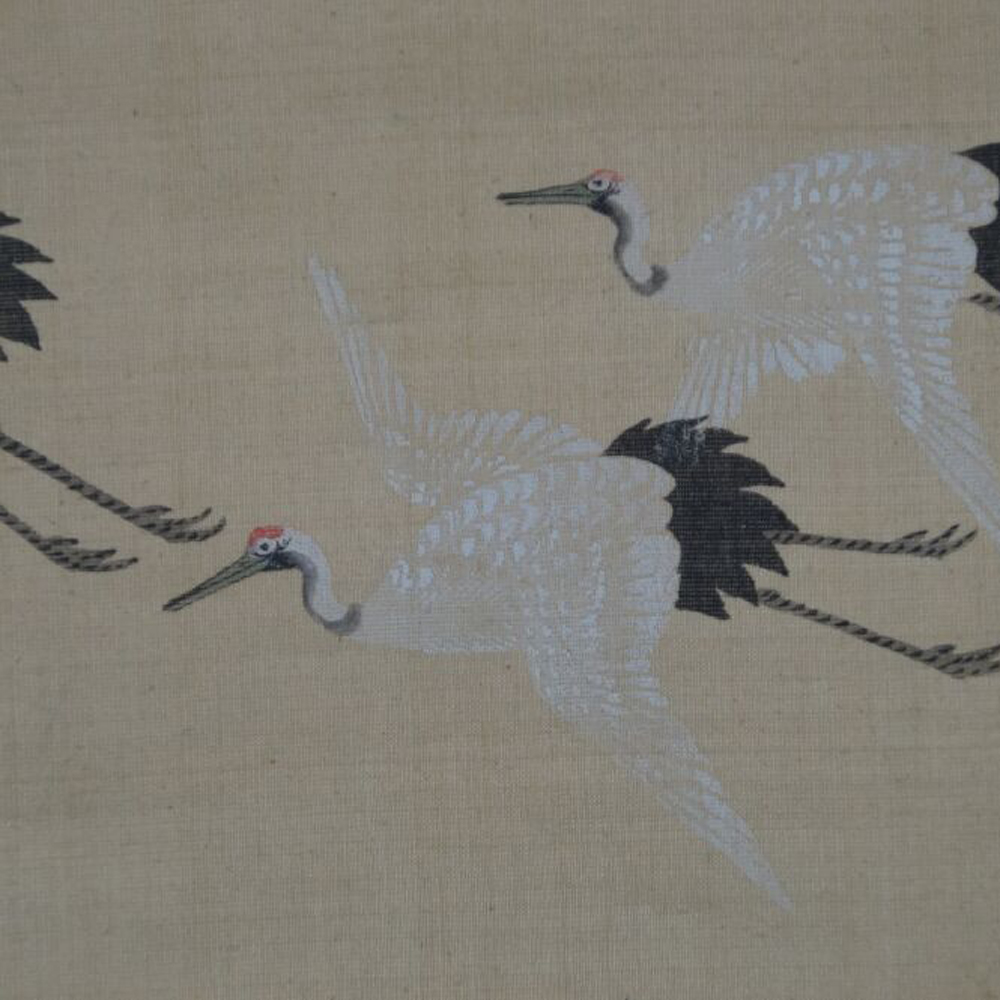
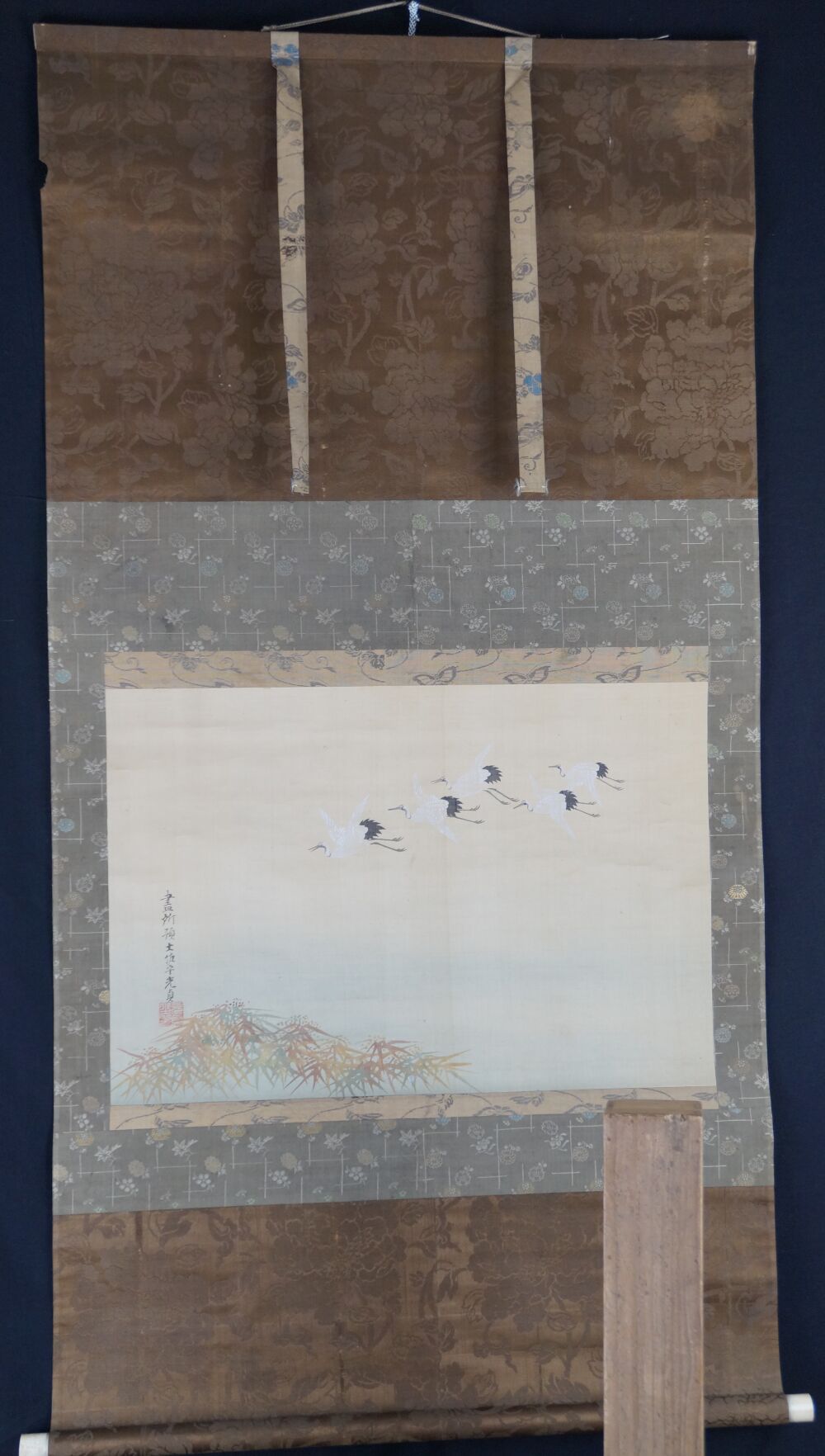
Tosa Mitsusada
Cranes in Flight over Bamboo
Kakemono, unique work, with box, 126 x 69 cm
€360.00
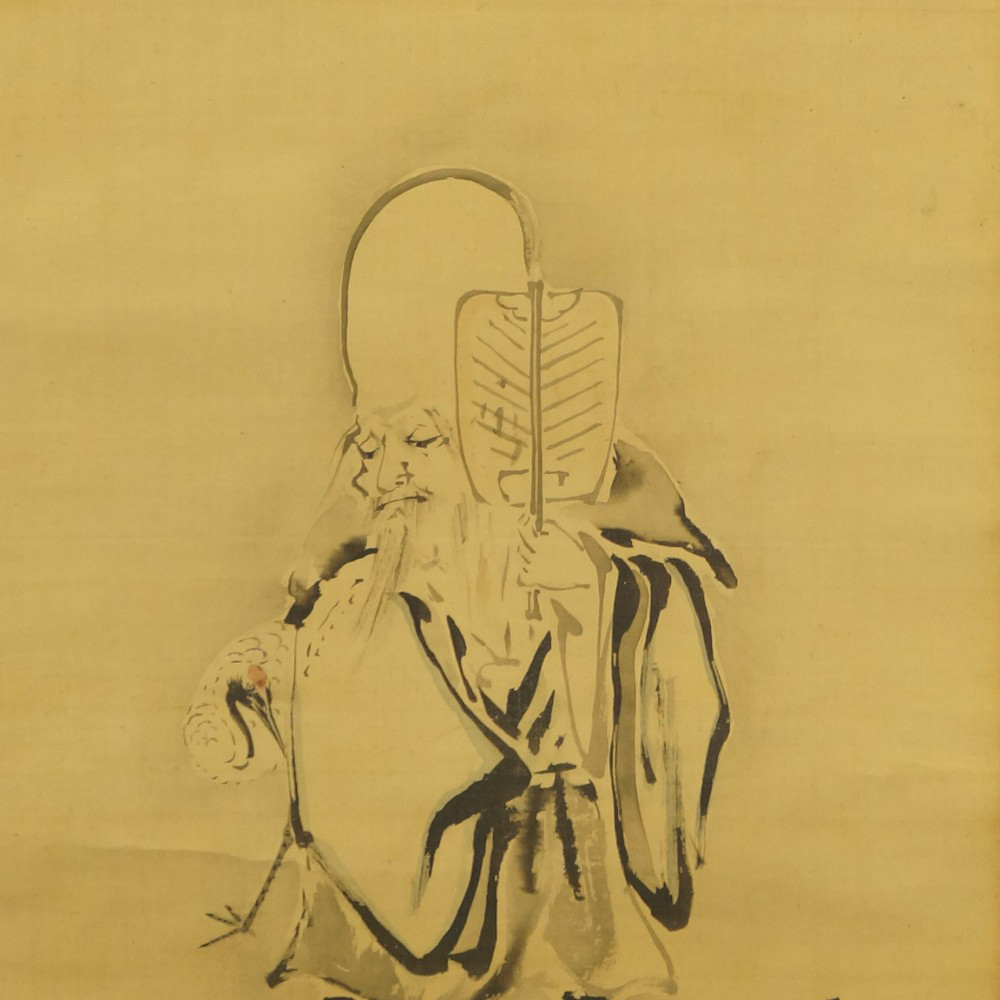
Kano Shunobu
Jurojin with Crane of Longevity
Kakemono, unique work, 183 x 52 cm
€330.00
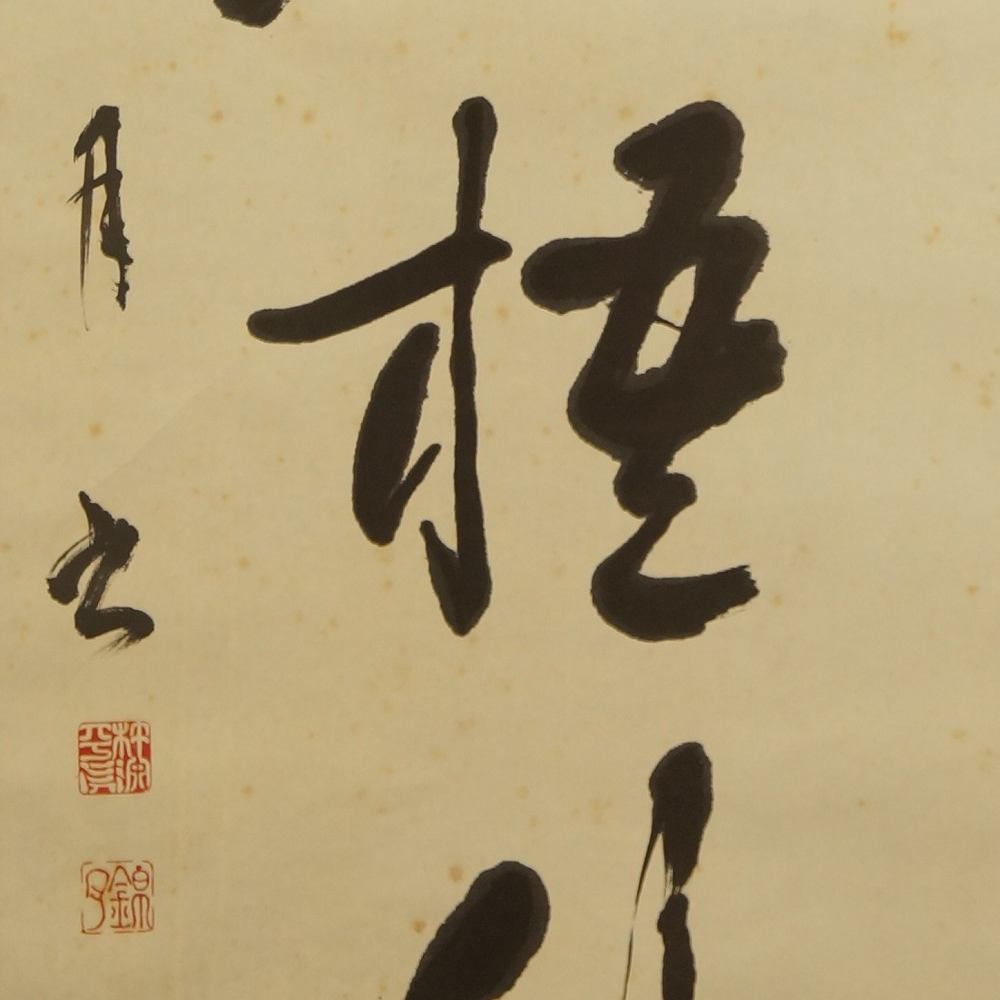
Calligraphy: Wind in the Bamboo
Kakemono, unique work, 193 x 53 cm
€210.00

Fuchin Decorative Weights for Kakemono - Kiyomizu, Bamboo Motif
Fuchin
€55.00

Fuchin Scroll Weights for Kakemono - Bamboo Motif, Purple Tassels
Fuchin
€55.00
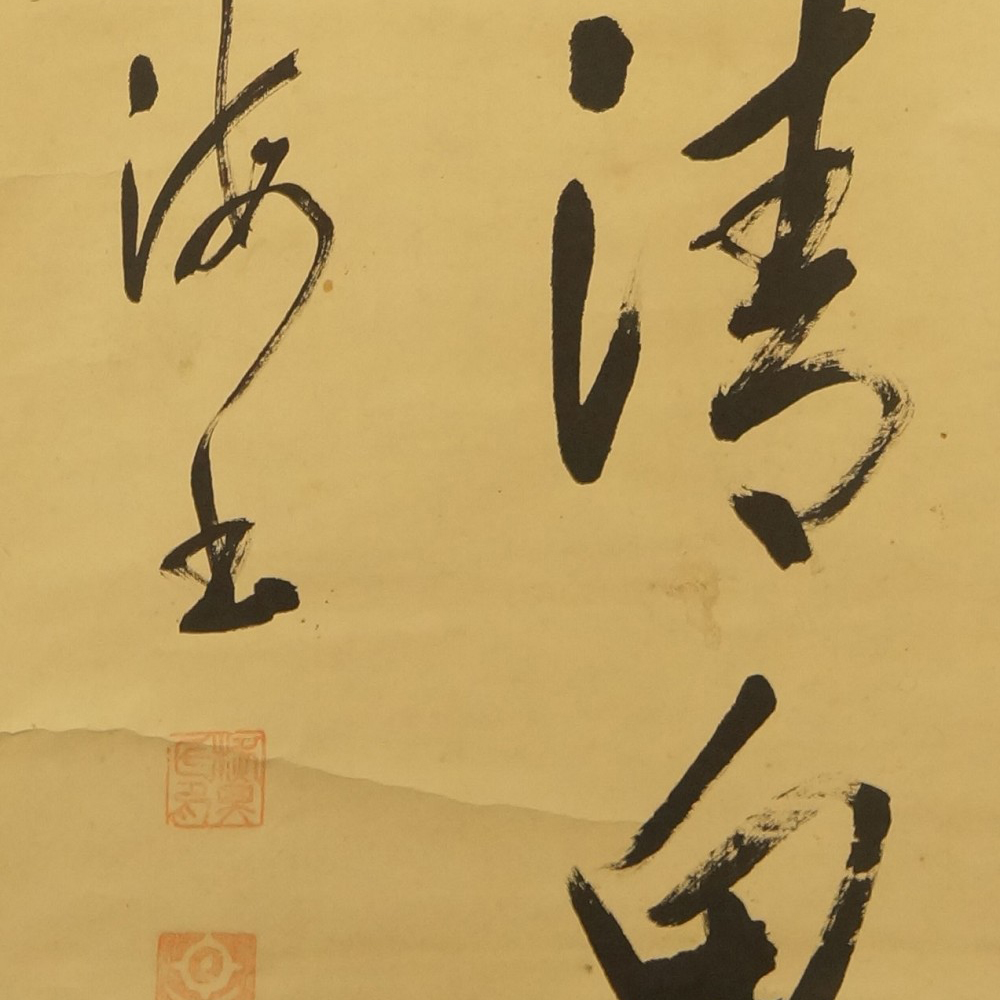
Calligraphy: Wind in the Bamboo Grove, Fish in Clear Water
Kakemono, unique work, 165 x 51 cm
€115.00
Calligraphy Poem: Bamboo by the Window
Kakemono, unique work, 195 x 50 cm
€180.00
Fuchin Scroll Weights for Kakemono - Bamboo Motif, Green Tassels
Fuchin
€55.00



Details about the sold piece
- JikusakiWood
- Material HonshiSilk
- MotifAnimals
- TechniqueHand-Painted
Description
This finely crafted hanging scroll dates from the Edo period, its precious brocade mounting with floral pattern already testifying to the former esteem in which the work was held. At the center stands a crane turning elegantly toward bamboo branches, while in the washed background a second, only faintly indicated bird becomes visible.
Cranes are among the most significant auspicious symbols in Japanese art and stand for longevity, fidelity, and grace. The reduced brushwork, set down with a confident hand, and the delicate washing of the plumage reveal the characteristic pictorial language of the classical Kano school, to which the artist of this work was also closely affiliated.
The sheet bears the signature and seal of Jikoji Sanenaka (1787-1861). As a testament to painting of the early 19th century, this hanging scroll combines art-historical value with timeless decorative effect and is a special addition for collectors of antique Japanese hanging scrolls. Those interested in the origins of bird painting in Japan will find in this well-preserved piece a vivid example of that style-defining tradition.

