
Kakemono Cranes Under Pine Branches
One of a kind — this work exists only once.
- Signature / Stamp:
- Kano Naonobu
- Period:
- Shôwa (1926–1989)
- Dimensions (height x width):
- 188 x 51 cm
- Item number:
- 6335
This piece has been sold.
Sold – no longer available
This piece was handmade by Kano Naonobu and was a one-of-a-kind work. It cannot be reordered and will never exist in this form again. The page stays online as part of our archive.
More items in category AnimalsAll one-of-a-kind Japanese Painting pieces
See new one-of-a-kind pieces first
We feature every delivery from Japan in the newsletter first – before the pieces show up in search results.
You might like these pieces
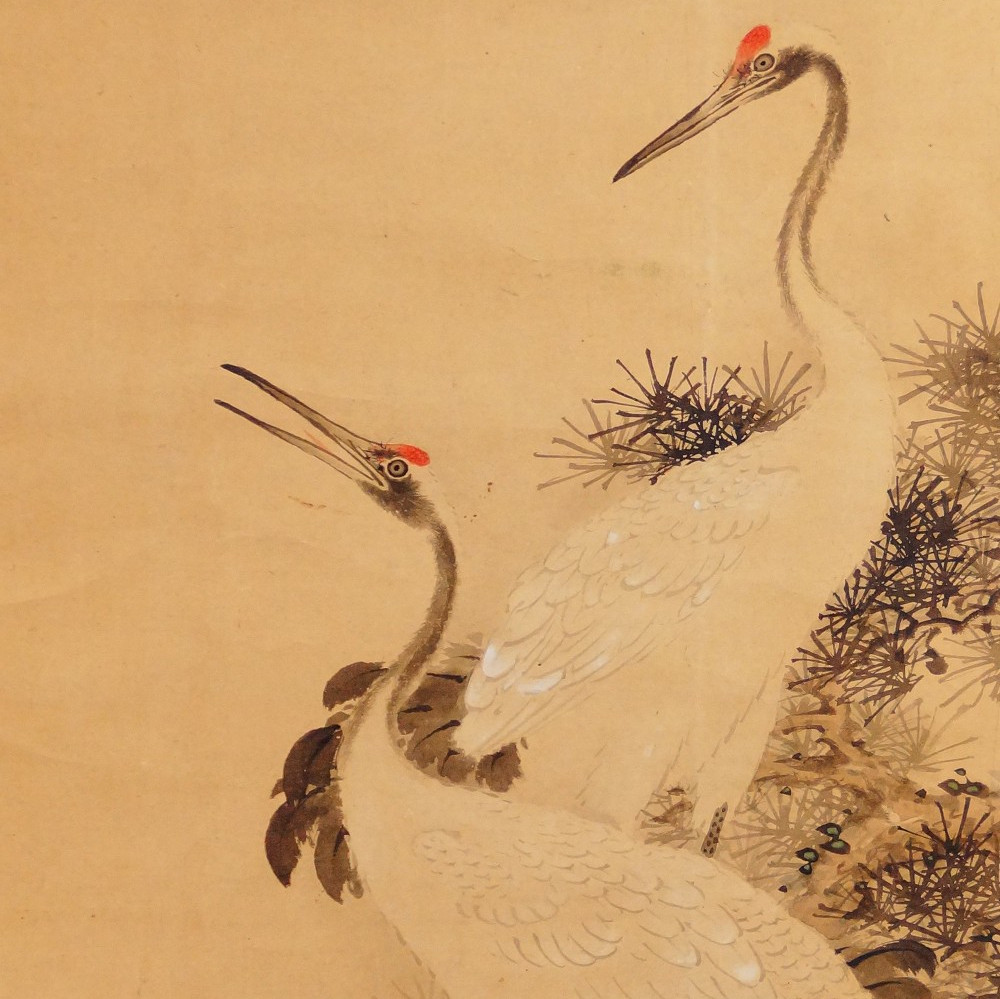
Murata Tōho
Pair of Cranes Between Pine Branches in Sepia Tones
Kakemono, unique work, 195 x 62 cm
€390.00
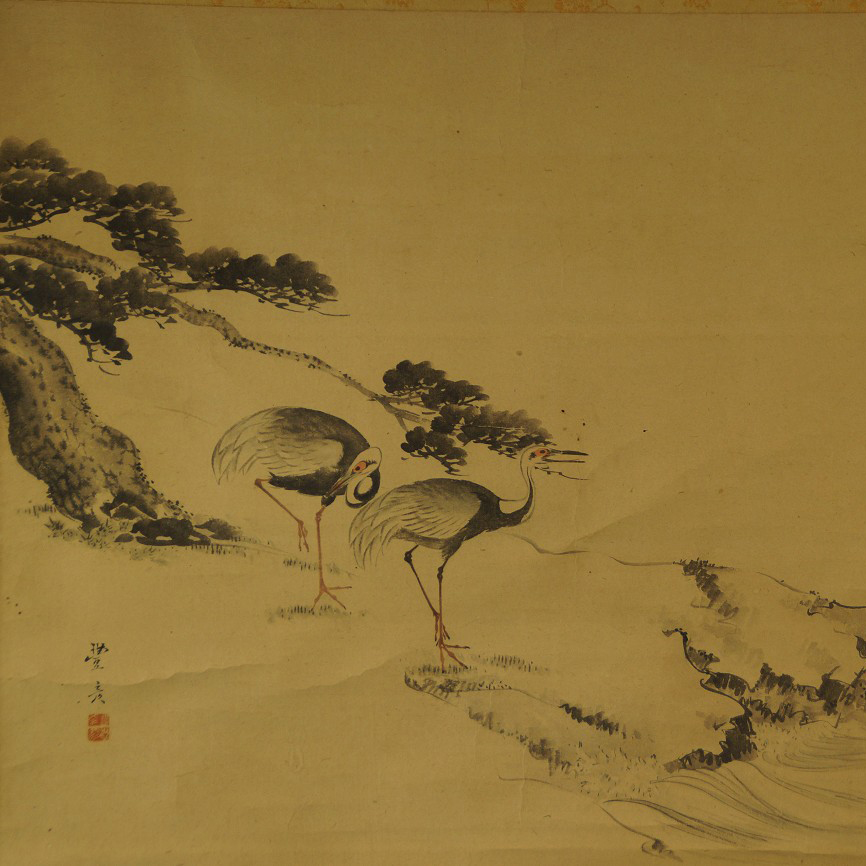
Okamoto Tohiyoko
Two Cranes Under Pines by the Shore
Kakemono, unique work, 139 x 65 cm
€330.00
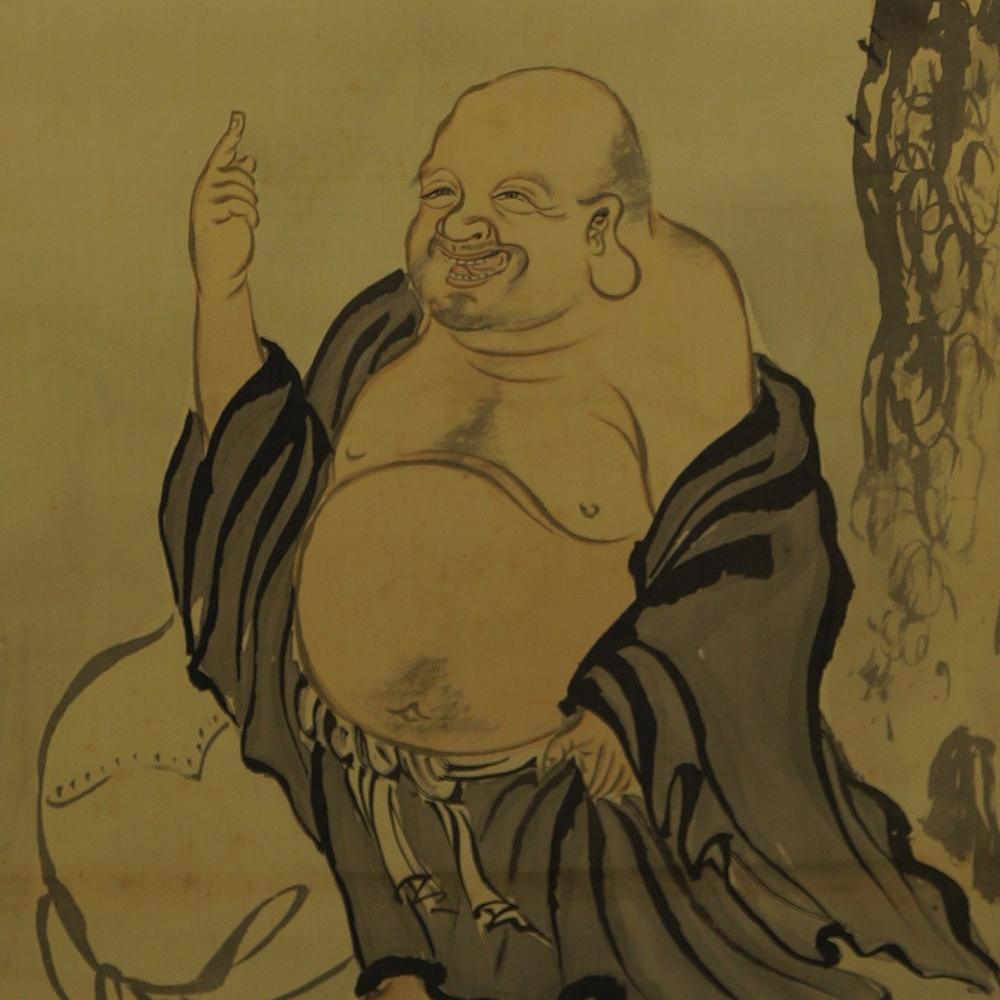
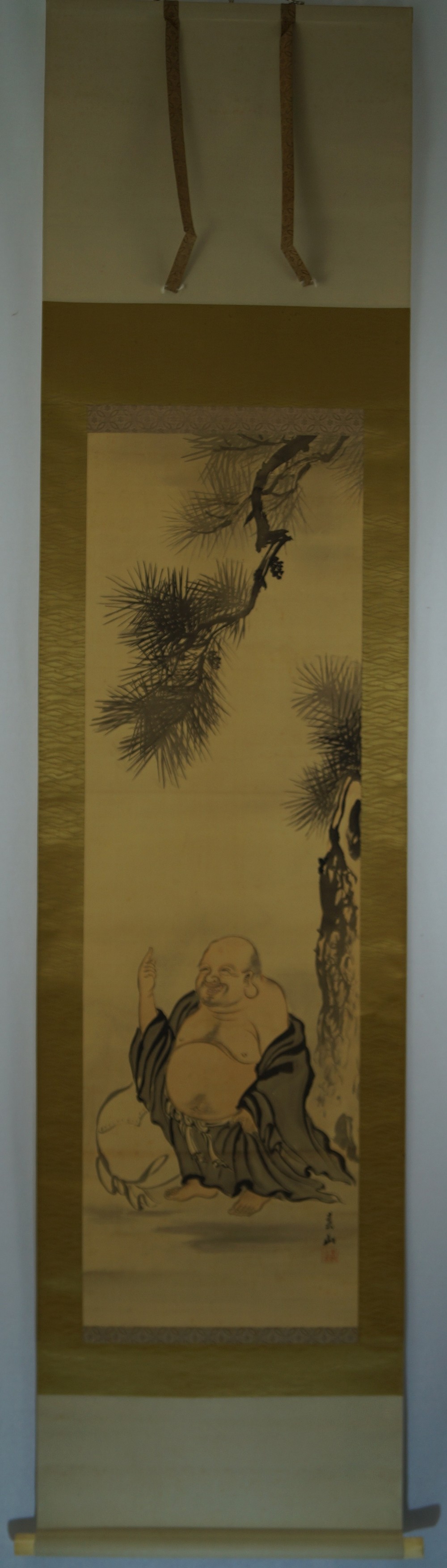
Hotei Under the Pine
Kakemono, unique work, 200 x 53 cm
€160.00
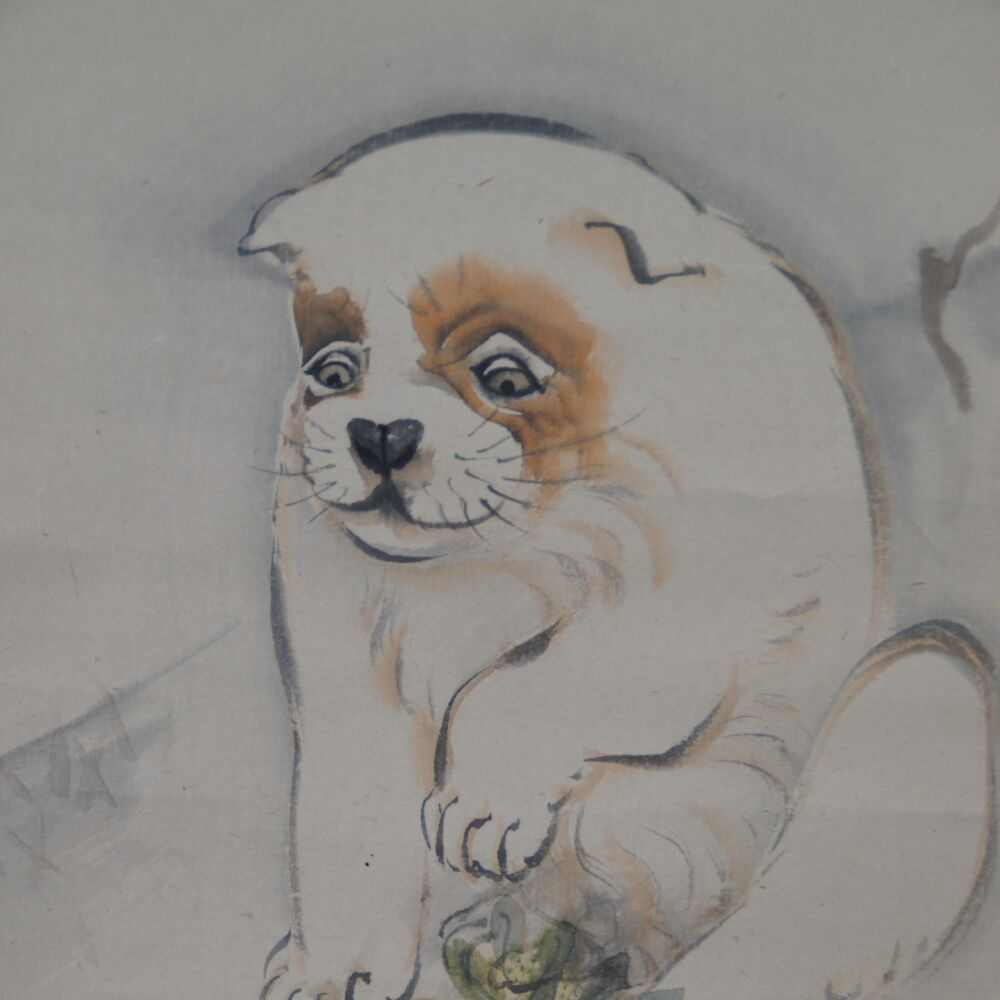
Puppy at Sunset Under Pine Trees
Kakemono, unique work, with box, 200 x 39 cm
€210.00
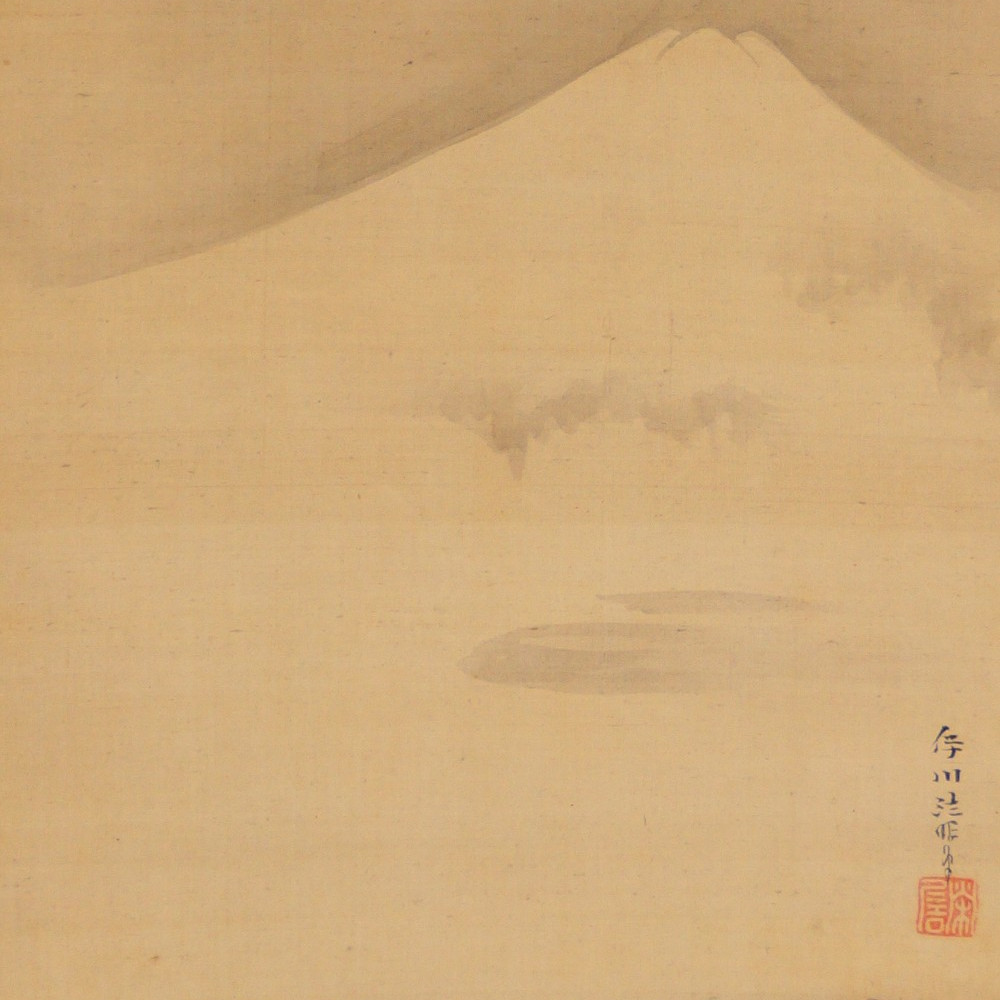
Kano Eishin und Kano Yoshinobu
Cranes Before Mount Fuji (in the Tradition of the Kano School)
Kakemono, unique work, with box, 162 x 41 cm
€450.00
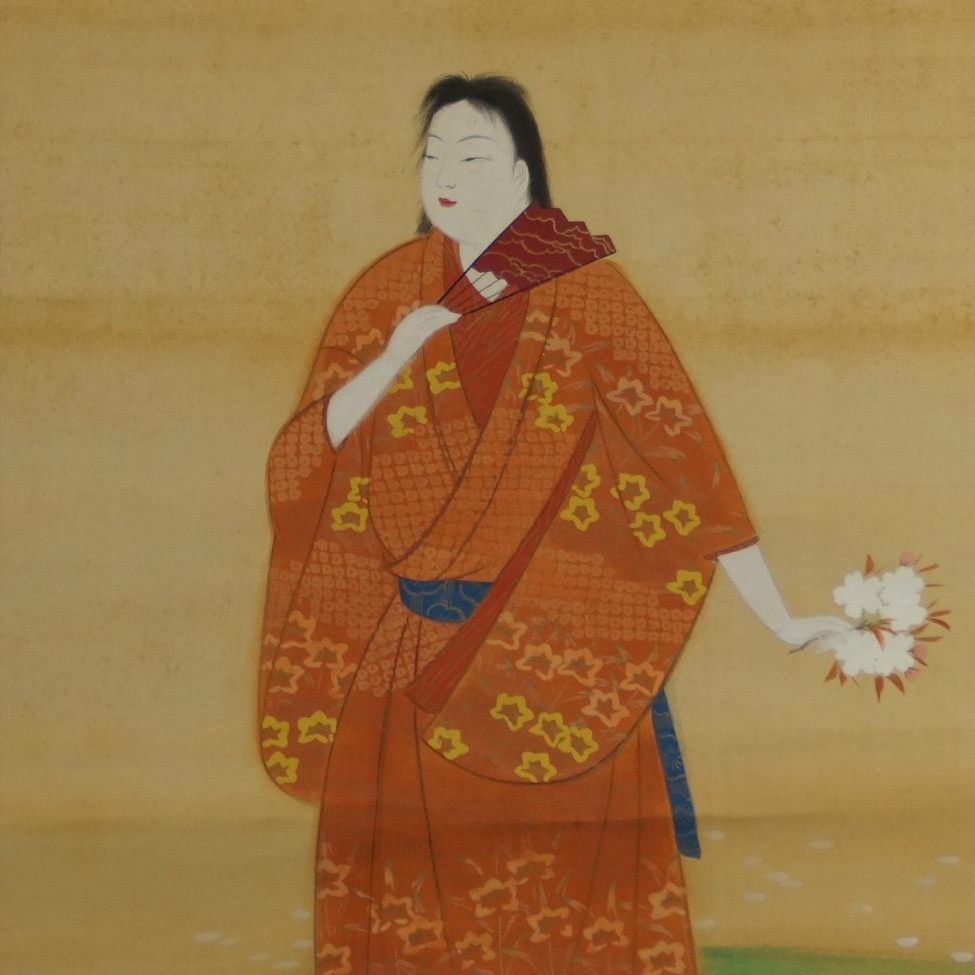
Kamenaga Goro
Woman Under a Sakura Branch
Kakemono, unique work, 190 x 60 cm
€320.00
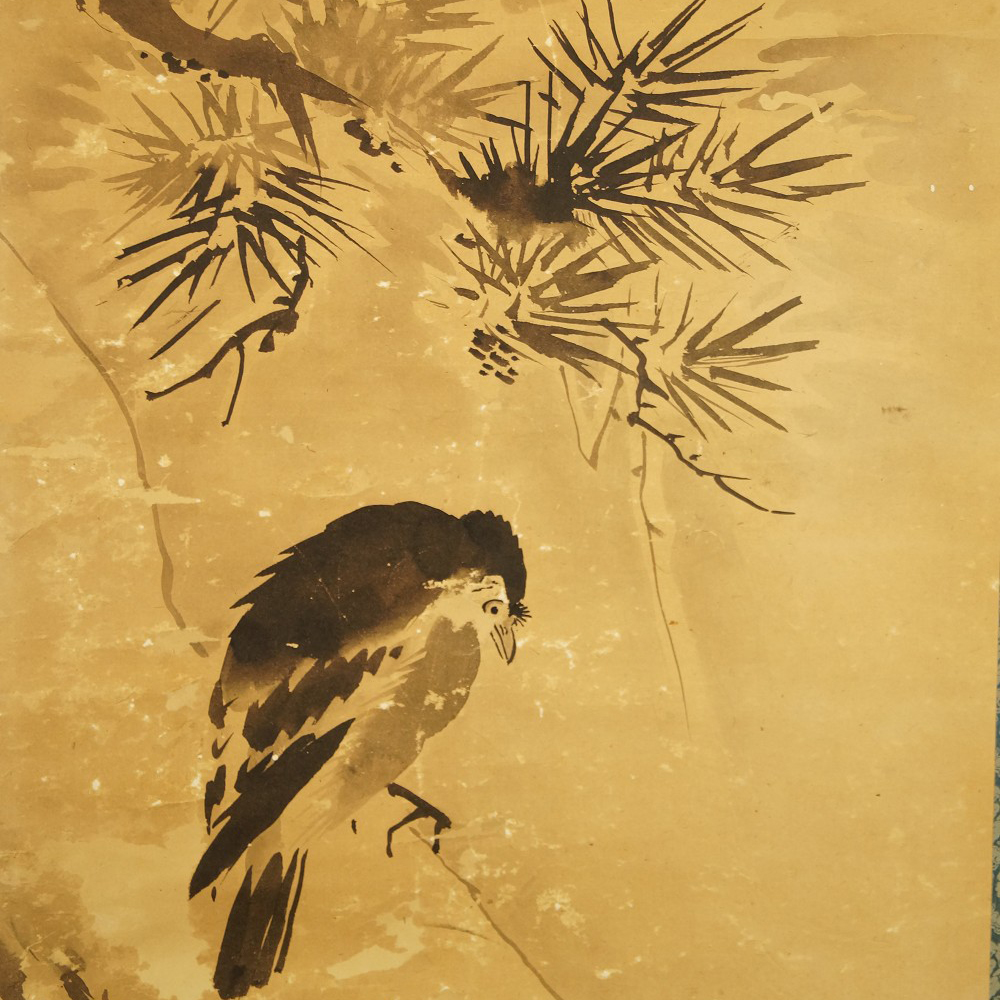
Tanaka Koga
Bird on a Pine Tree
Kakemono, unique work, 185 x 60 cm
€290.00

Two Nightingales in the Branches
Kakemono, unique work, with box, 185 x 60 cm
€240.00





Details about the sold piece
- JikusakiWood
- Material HonshiSilk
- MotifAnimals
- TechniqueHand-Painted
- Wooden BoxYes
Description
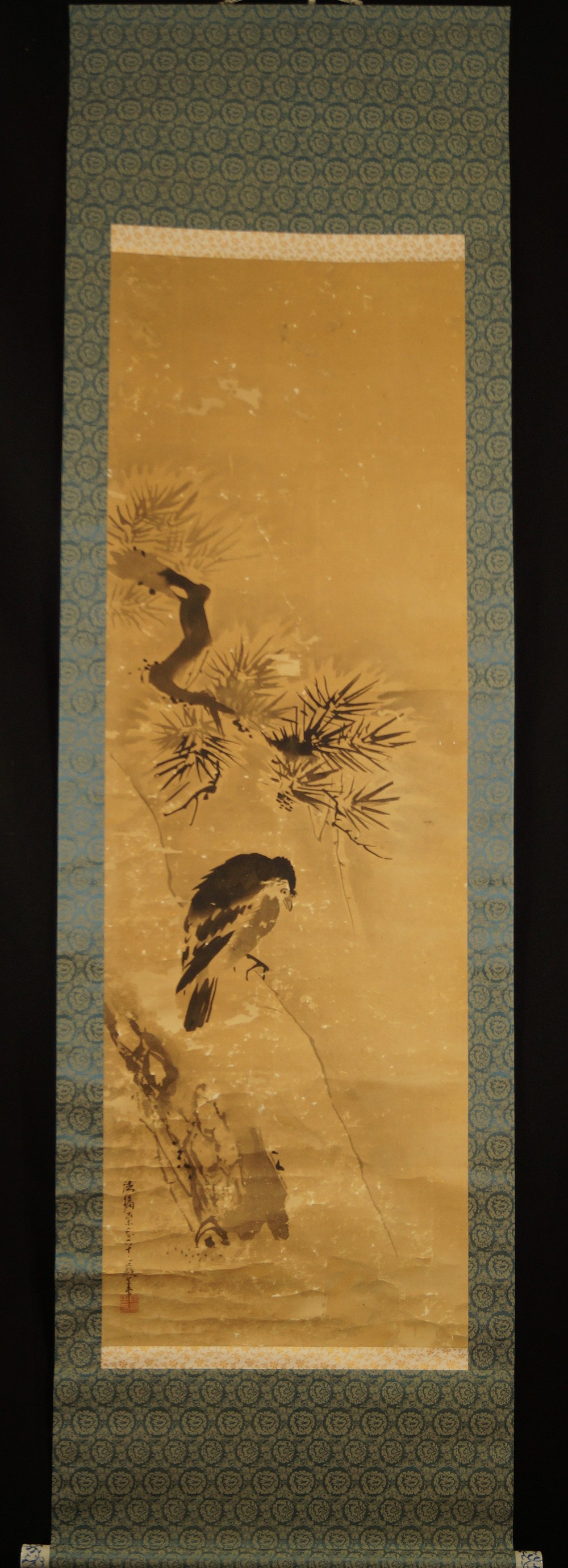
This noble kakemono from the Showa period depicts two cranes presenting themselves with raised necks in proud grace. The fine rendering of the plumage, combined with the bright red accents on their heads, lends the birds an impressive vividness. Above them stretch delicate pine branches, which, as a symbol of constancy and strength, round off the harmonious composition.
The painting is executed on fine silk, allowing the details of feathers and needles to come through with particular clarity. The work is complemented by jikusaki made of wood, which give the image a traditionally balanced frame. The composition masterfully unites calm and movement – the cranes seem to pause in a moment of harmony, while their posture at the same time radiates a certain dynamism.
In Japanese symbolism, cranes are regarded as a sign of good fortune, longevity, and peace. This kakemono, Cranes Under Pine Branches, combines these meanings with artful elegance and is therefore suited both as a decorative highlight in modern rooms and as a valuable collector's piece for lovers of classical Japanese painting.


