
Kakemono Cranes and Turtle
One of a kind — this work exists only once.
- Signature / Stamp:
- Suiu Oshida
- Period:
- Shôwa (1926–1989)
- Dimensions (height x width):
- 200 x 72 cm
- Item number:
- 5968
This piece has been sold.
Sold – no longer available
This piece was handmade by Suiu Oshida and was a one-of-a-kind work. It cannot be reordered and will never exist in this form again. The page stays online as part of our archive.
More items in category AnimalsAll one-of-a-kind Japanese Painting pieces
See new one-of-a-kind pieces first
We feature every delivery from Japan in the newsletter first – before the pieces show up in search results.
You might like these pieces
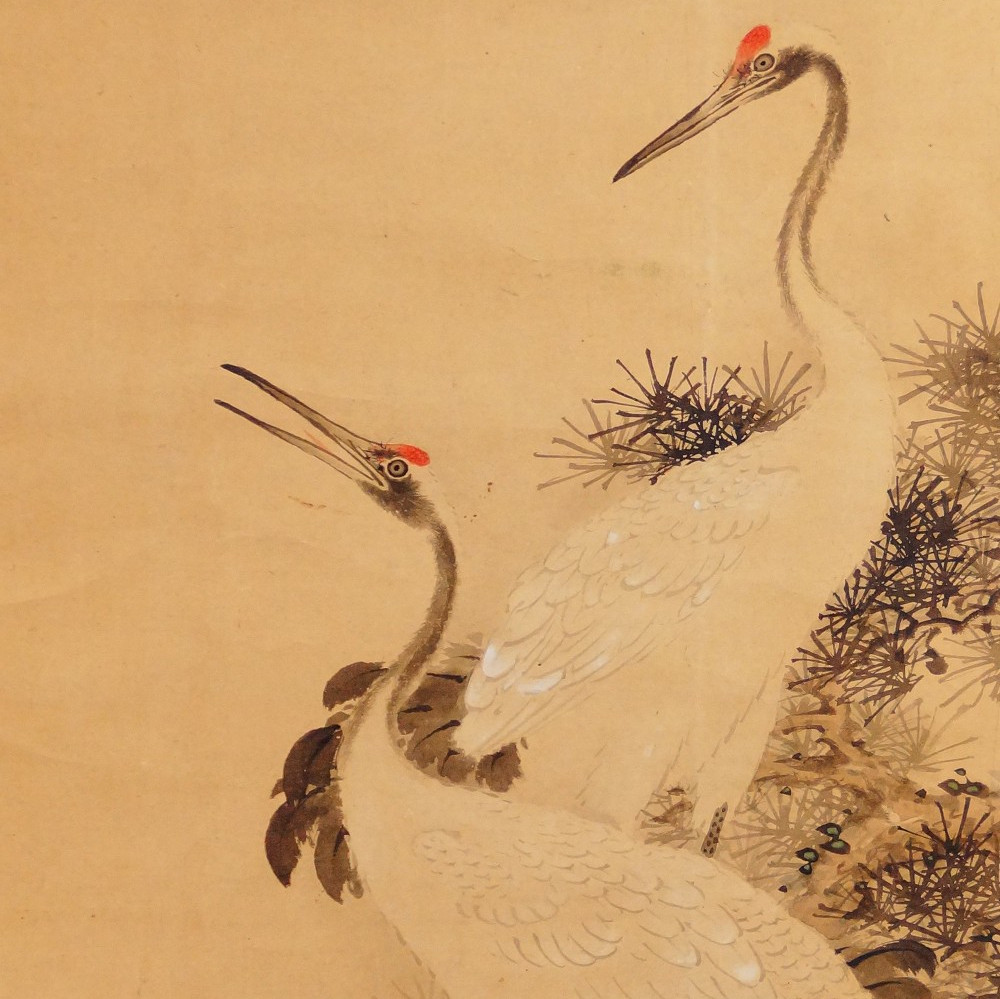
Murata Tōho
Pair of Cranes Between Pine Branches in Sepia Tones
Kakemono, unique work, 195 x 62 cm
€390.00

Takahashi Shuka
Two Cranes in Intimate Togetherness
Kakemono, unique work, 180 x 45 cm
€350.00
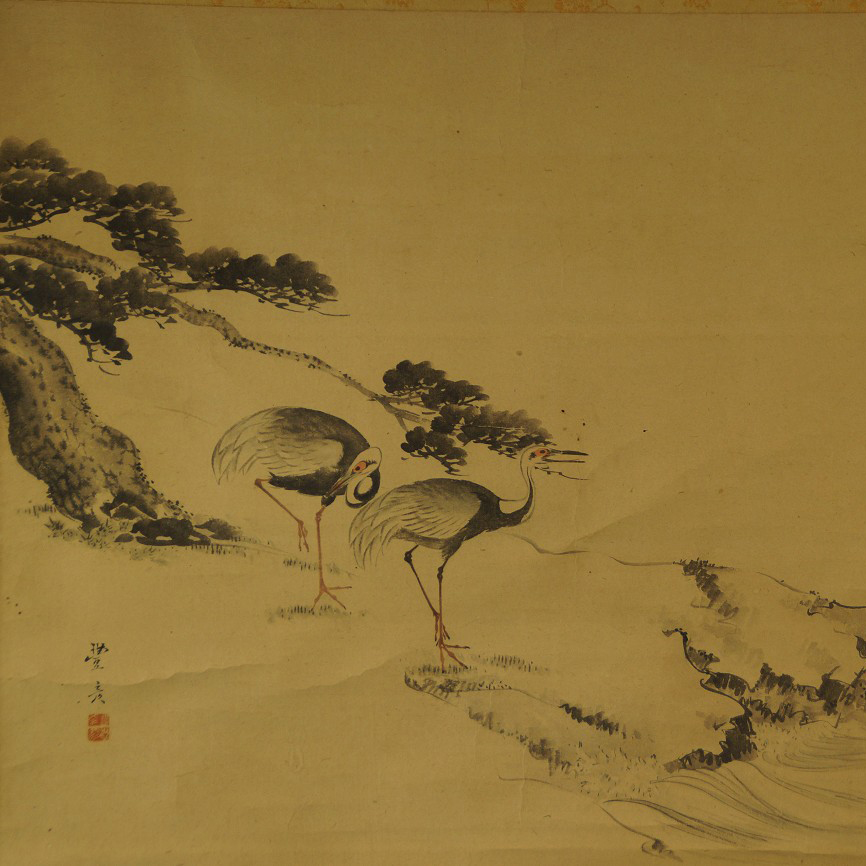
Okamoto Tohiyoko
Two Cranes Under Pines by the Shore
Kakemono, unique work, 139 x 65 cm
€330.00
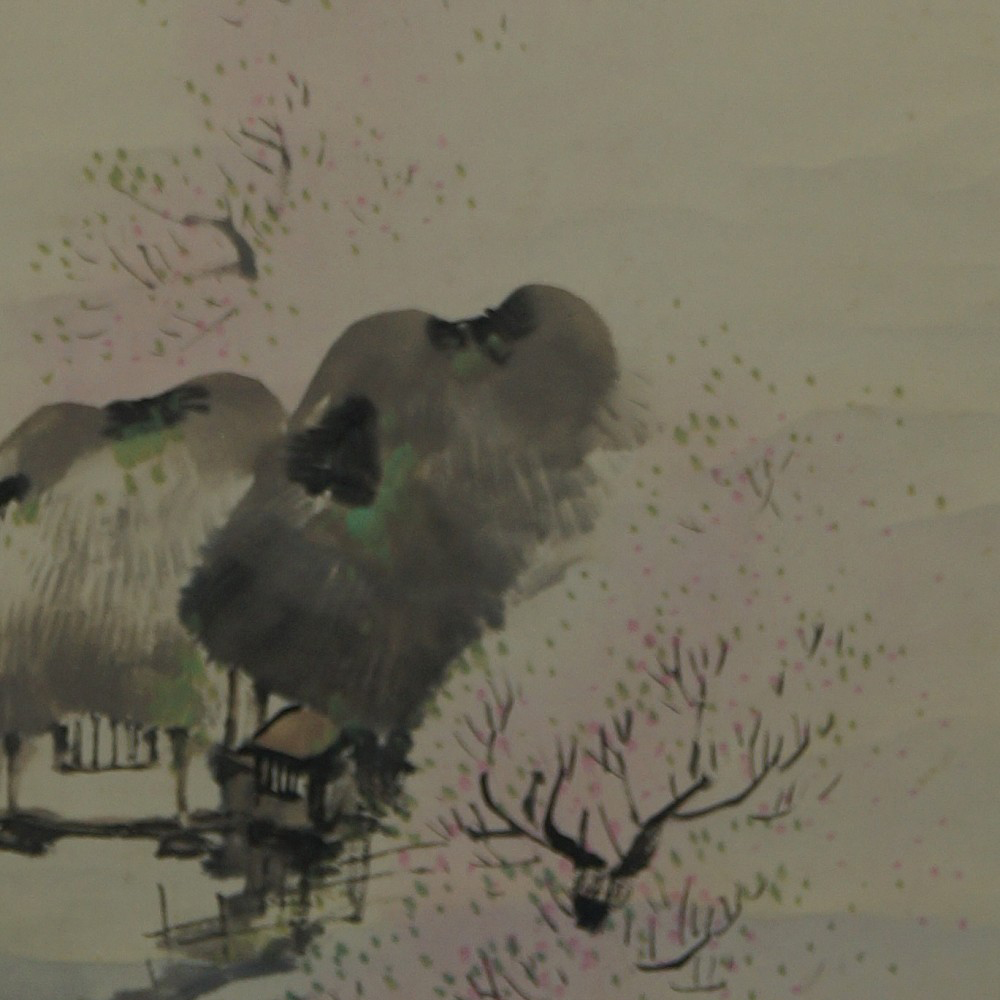
Plum Blossom in Snow
Kakemono, unique work, 197 x 47 cm
€140.00
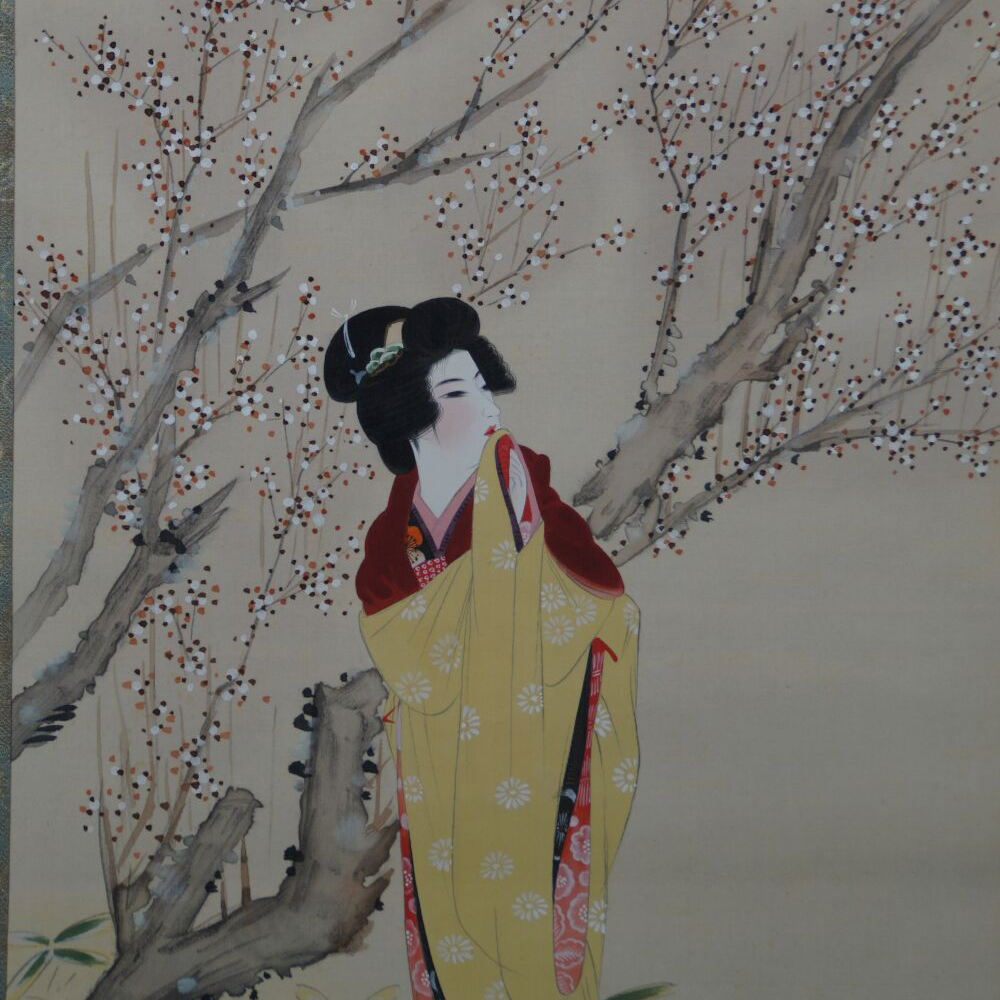
Itō Shinsui
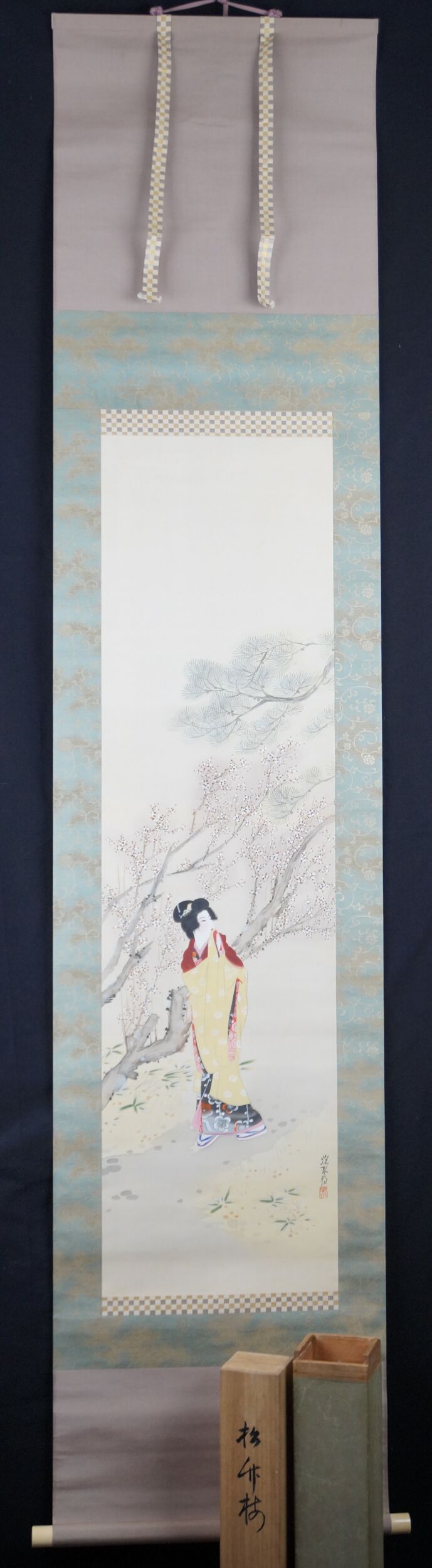
Lady in Kimono Under Blossoming Plum Tree
Kakemono, unique work, with box, 205 x 50 cm
€1,680.00
Ogawa Shodo
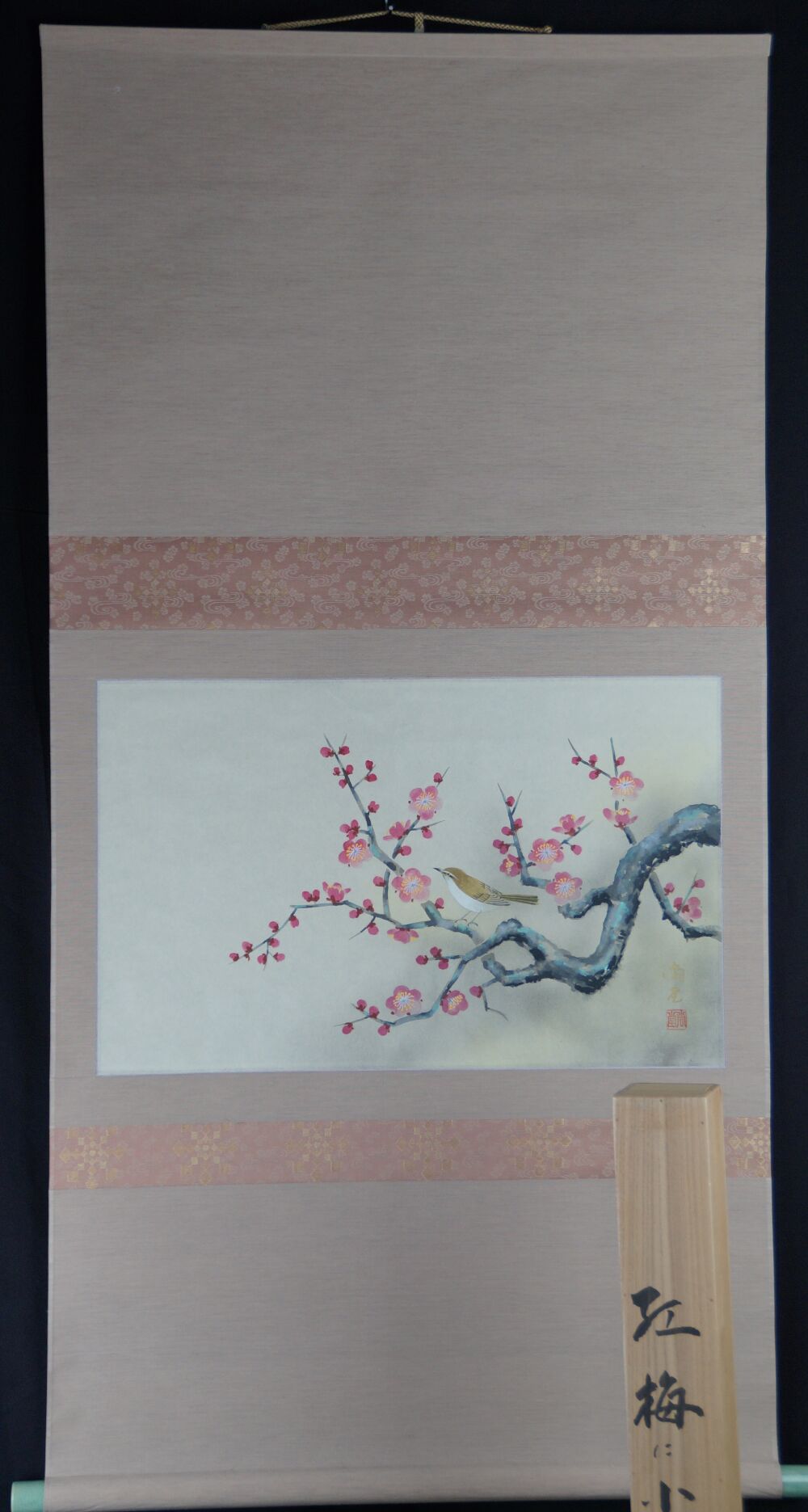
Songbird on Blooming Plum Tree
Kakemono, unique work, with box, 133 x 66 cm
€410.00
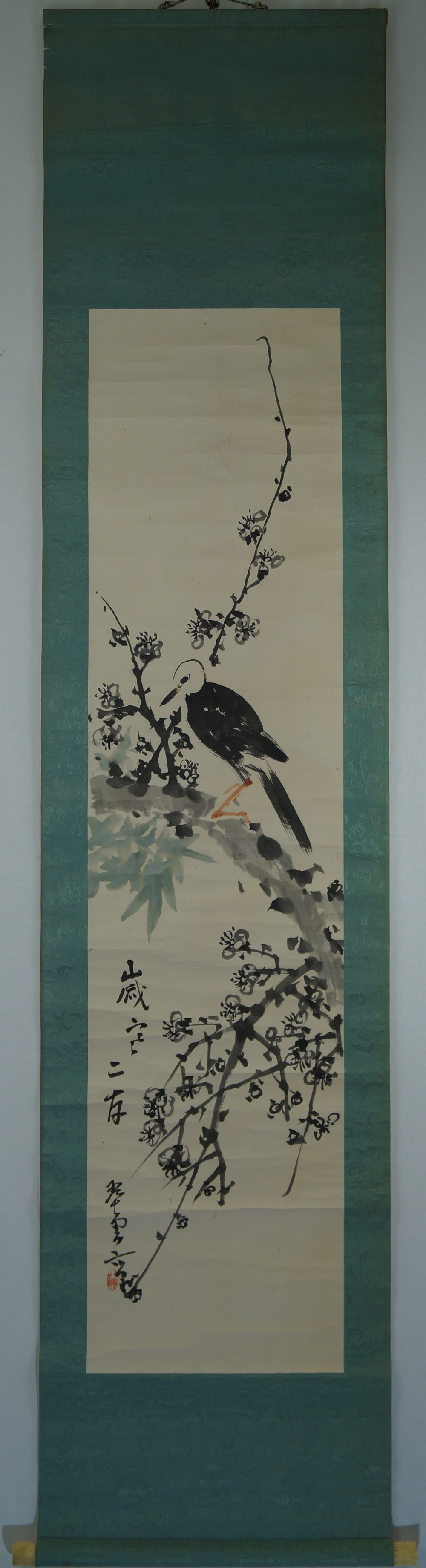
Heron Under Cherry Blossom Branch
Kakemono, unique work, 182 x 46 cm
€140.00
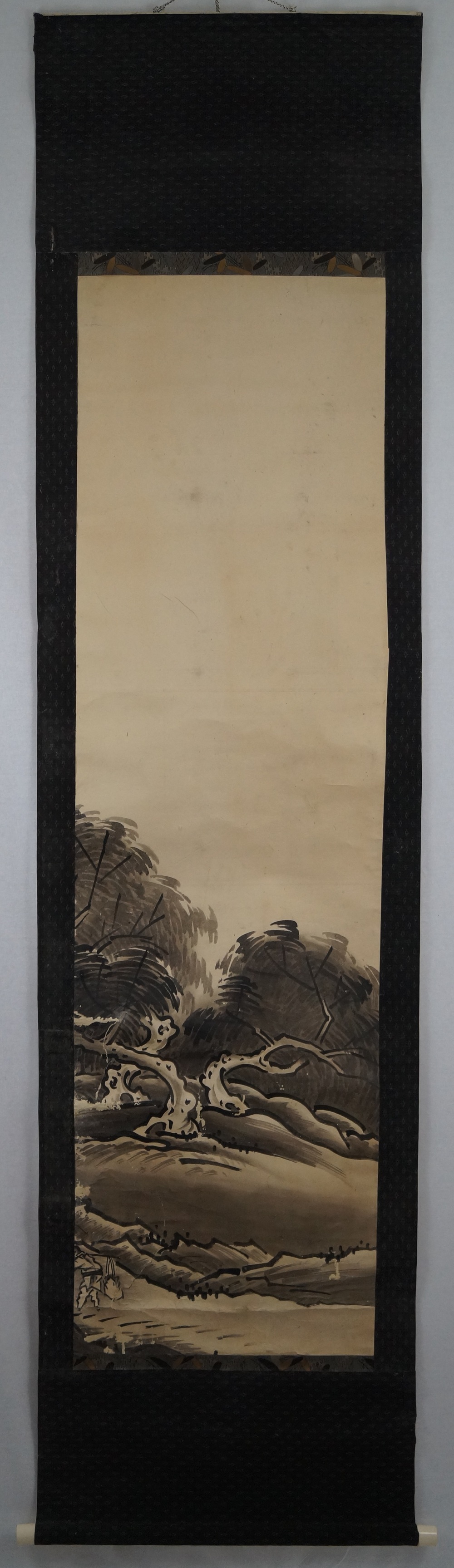
Two Gnarled Trees
Kakemono, unique work, 210 x 58 cm
€120.00


Details about the sold piece
- JikusakiWood
- Material HonshiSilk
- MotifAnimals
- TechniqueHand-Painted
Description
Beneath the gnarled branches of an old pine and the first blossoms of a plum tree, two cranes and a turtle meet on this kakemono – a pictorial combination that has stood for longevity, good fortune, and marital fidelity in Japanese art for centuries. The two birds face one another, their red-marked crowns and finely hatched plumage lending the scene a calm, almost reverent mood, while the turtle makes its way leisurely into the picture at the lower edge.
To the right of the motif, a calligraphic line of poetry completes the composition, uniting image and script into a classical whole, as is often found in traditional Japanese ink painting. The painting is executed on silk and bears the signature and seal of Suiu Oshida, whose seals can be seen at the lower edge of the picture. The restrained palette of earth tones, green, and a strong red on the cranes' heads sets a subtle accent within the muted composition.
The scroll mounting, with its wooden jikusaki ends, dates from the Shôwa period and displays the ornate border of patterned fabric typical of kakemono. As wall decoration, the painting can be presented in the classic manner in a tokonoma, but it works just as well as an eye-catcher in a Western-style room – a piece of Japanese painting that unites symbolism and craftsmanship in an unassuming way.

