
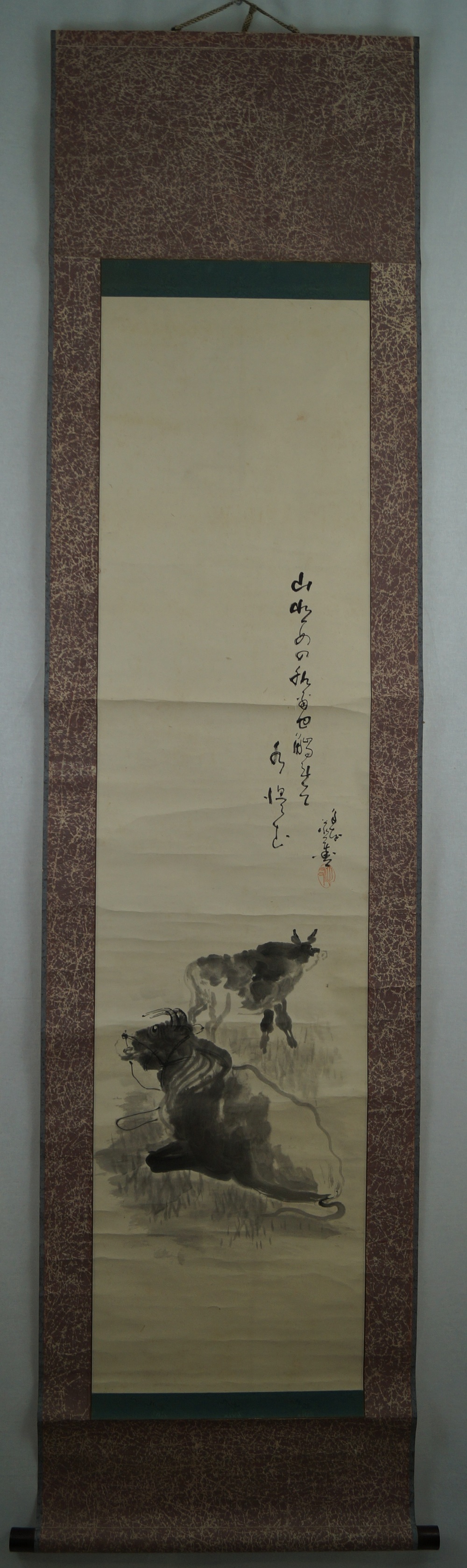
Kakemono Grazing Bull
One of a kind — this work exists only once.
- Period:
- Shôwa (1926–1989)
- Dimensions (height x width):
- 119 x 60 cm
- Item number:
- 4191
This piece has been sold.
Sold – no longer available
This piece was a handmade one-of-a-kind work. It cannot be reordered and will never exist in this form again. The page stays online as part of our archive.
More items in category AnimalsAll one-of-a-kind Japanese Painting pieces
See new one-of-a-kind pieces first
We feature every delivery from Japan in the newsletter first – before the pieces show up in search results.
You might like these pieces
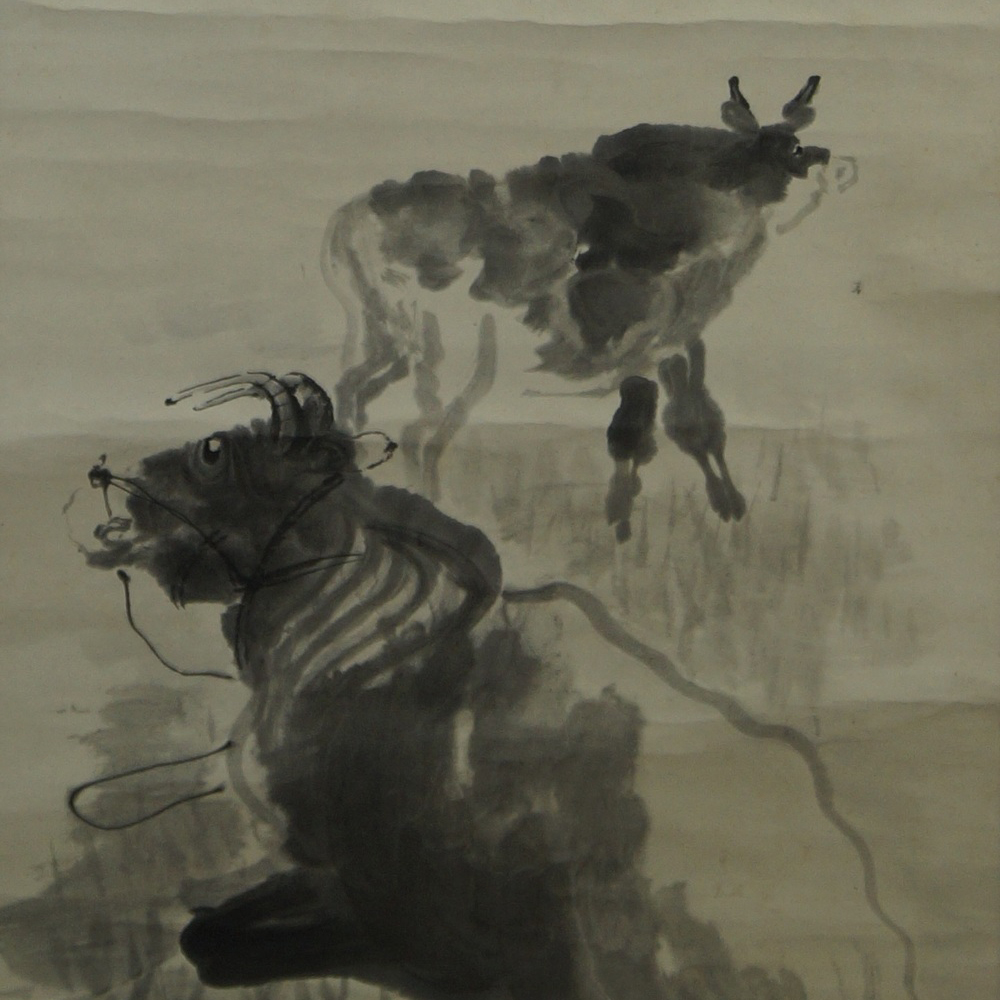
Two Bulls
Kakemono, unique work, 180 x 51 cm
€120.00
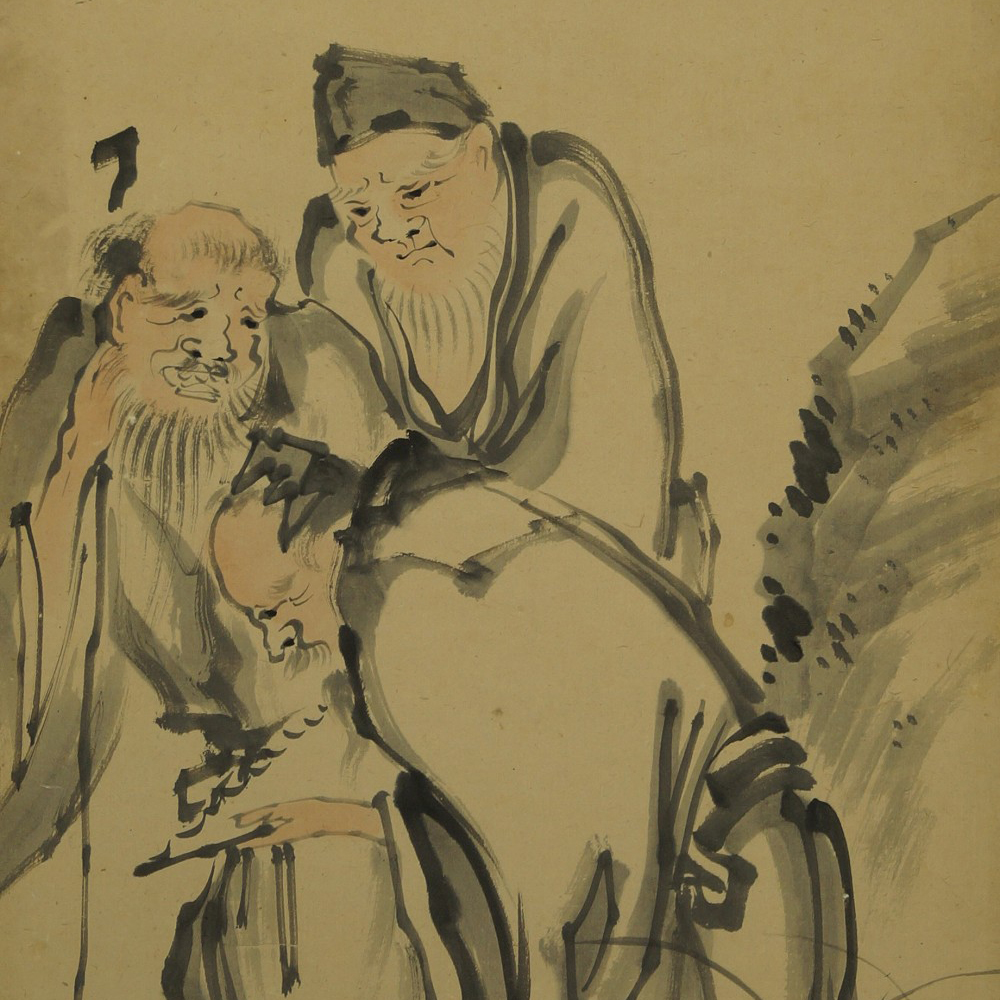
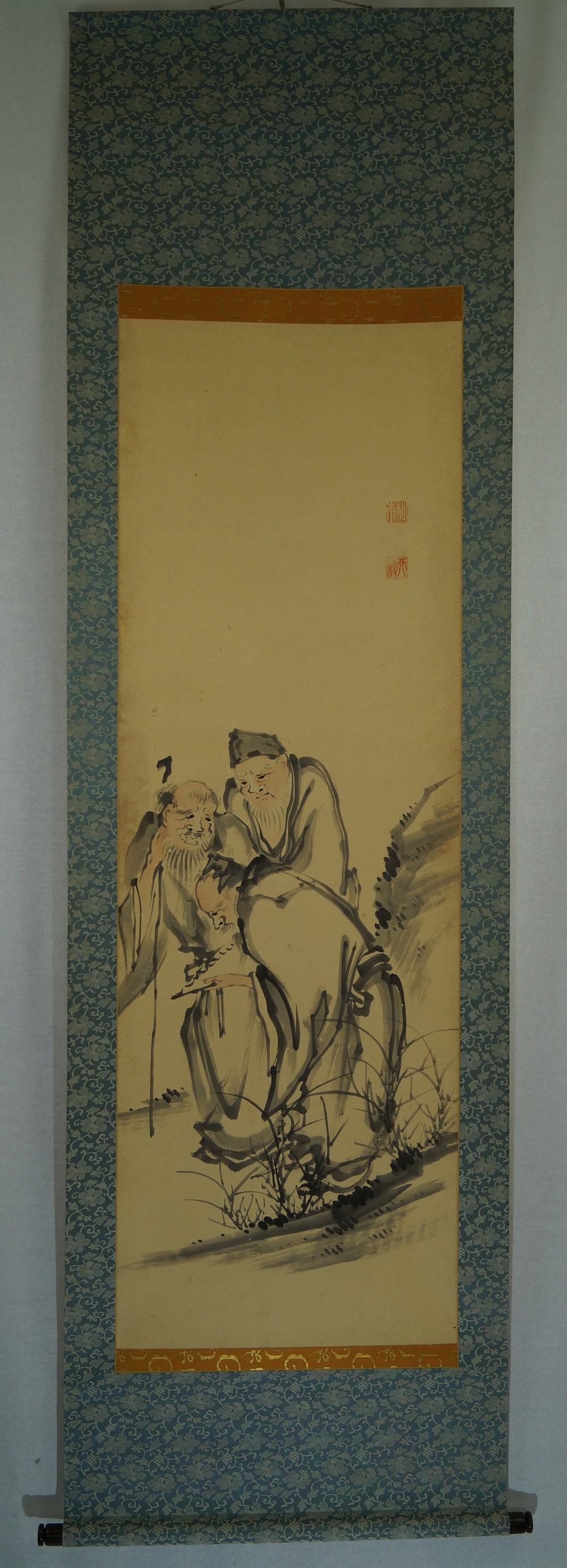
The Three Sages
Kakemono, unique work, 195 x 65 cm
€90.00
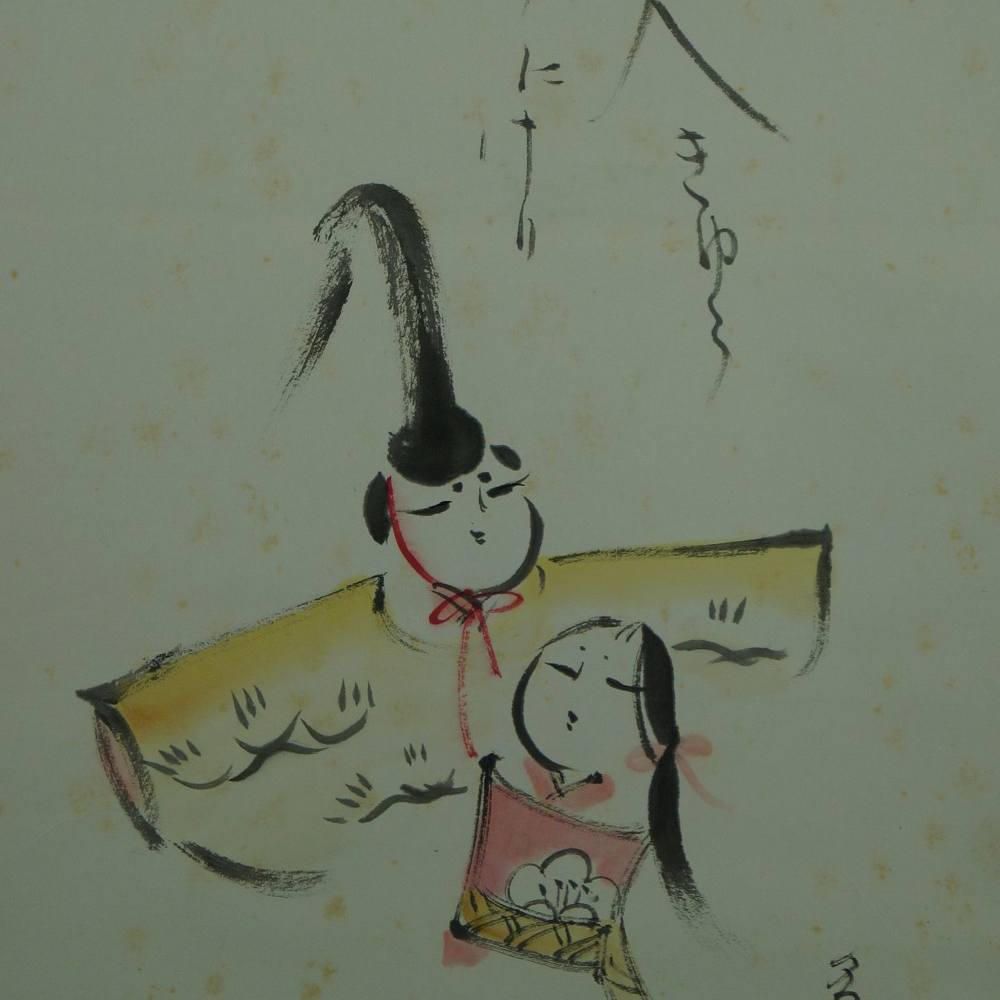
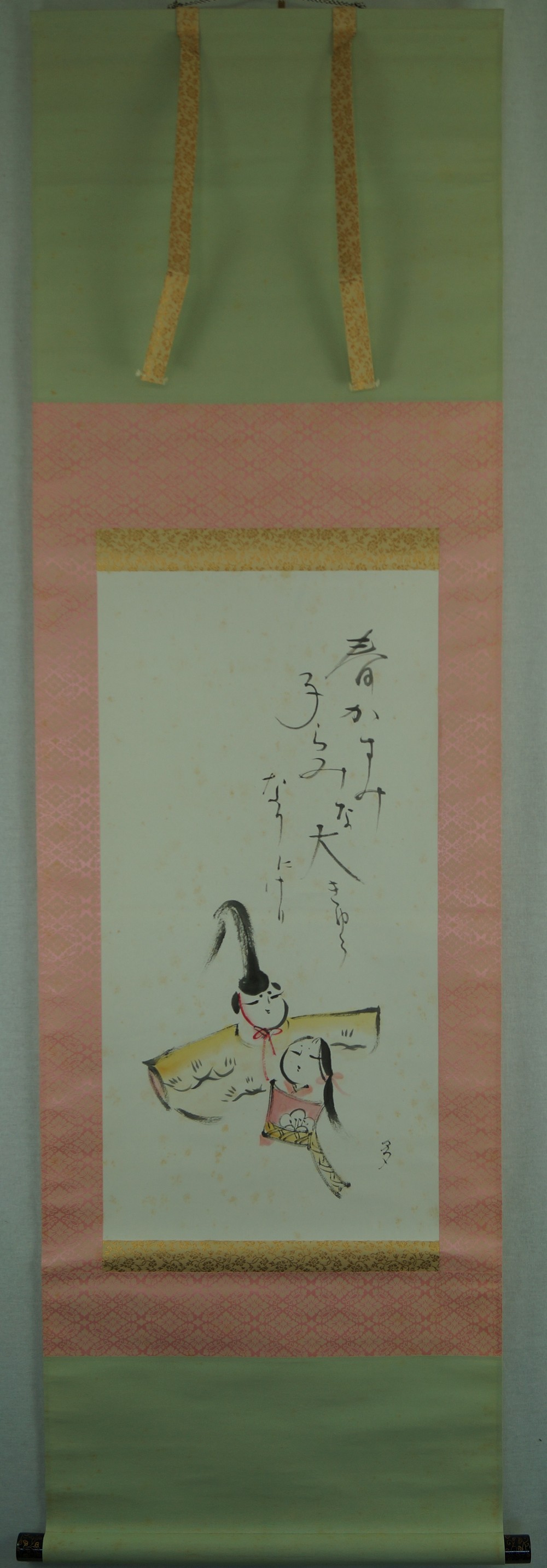
Hina Dolls with Poem
Kakemono, unique work, 151 x 51 cm
€90.00
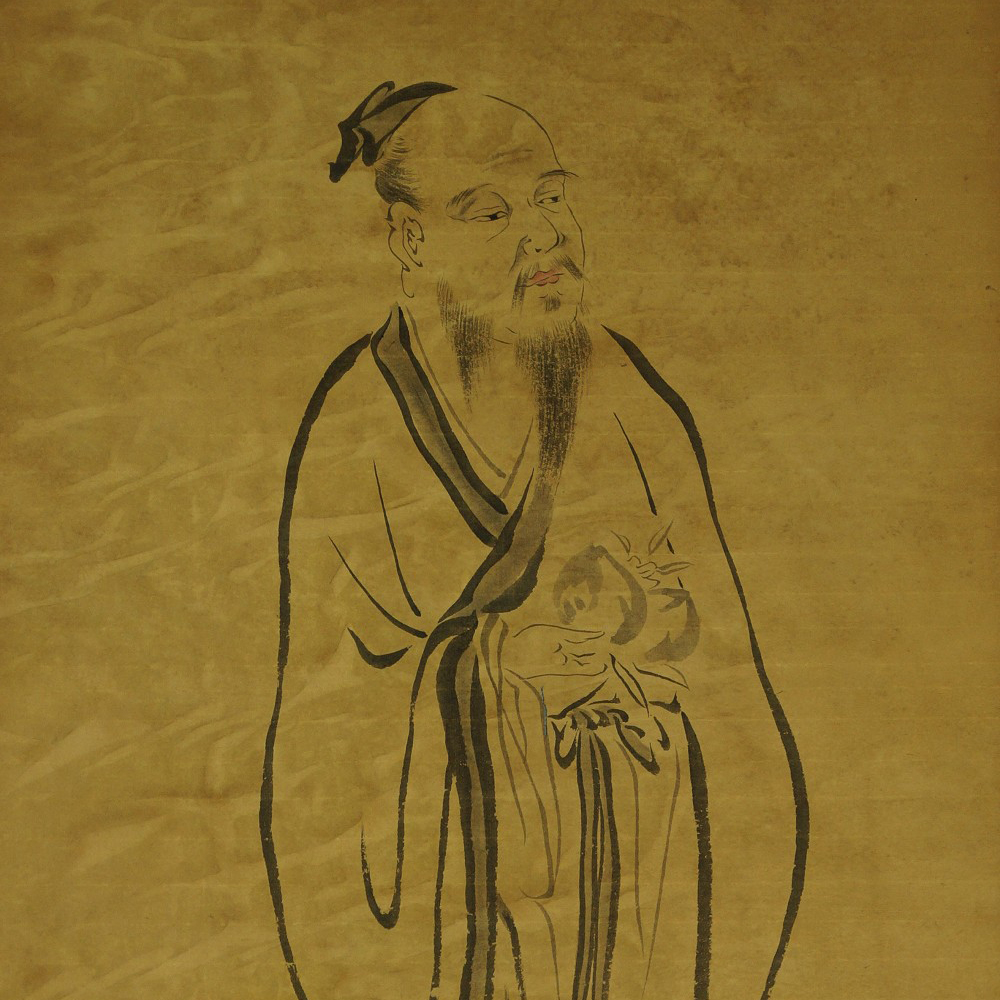
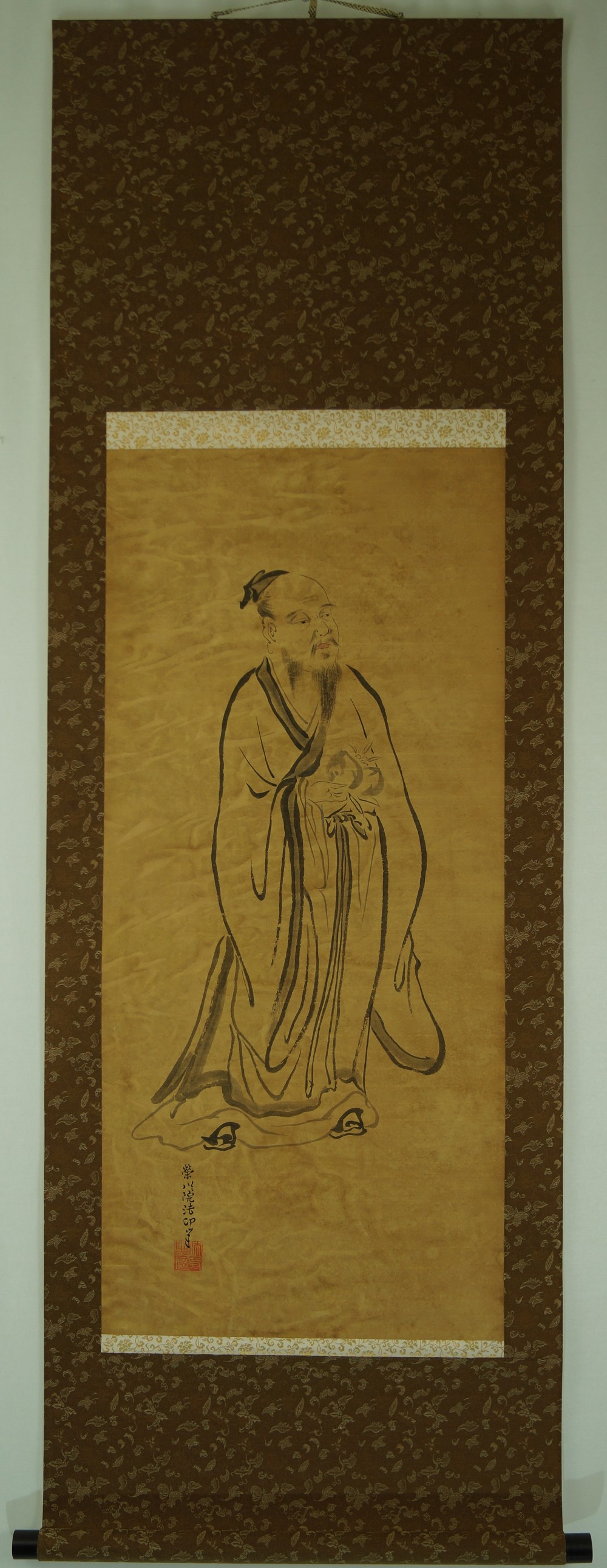
Eisen'in Hōin
Monk in Silent Devotion with Folded Hands
Kakemono, unique work, 150 x 55 cm
€140.00
Yawata Hakuhan
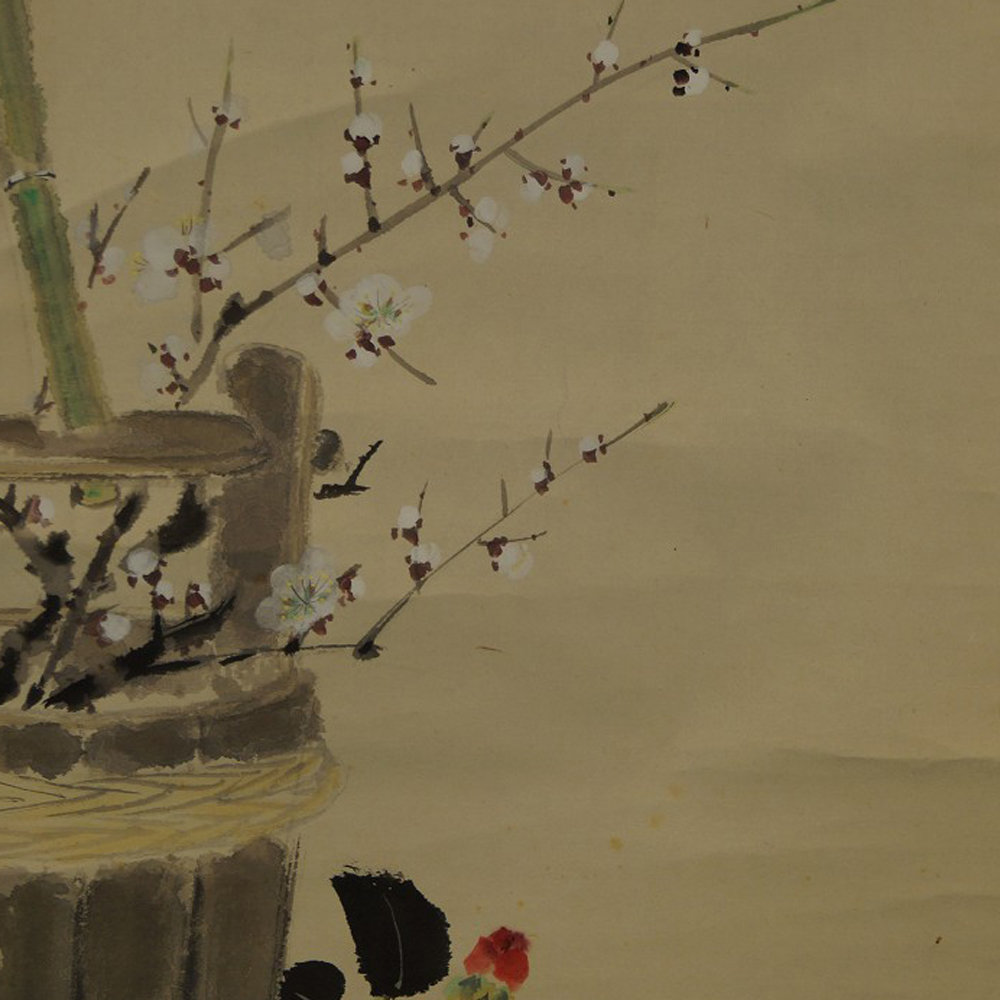
Plum Blossoms in a Vase
Kakemono, unique work, with box, 154 x 38 cm
€280.00

Sparrows at the Cliff
Kakemono, unique work, 187 x 57 cm
€180.00
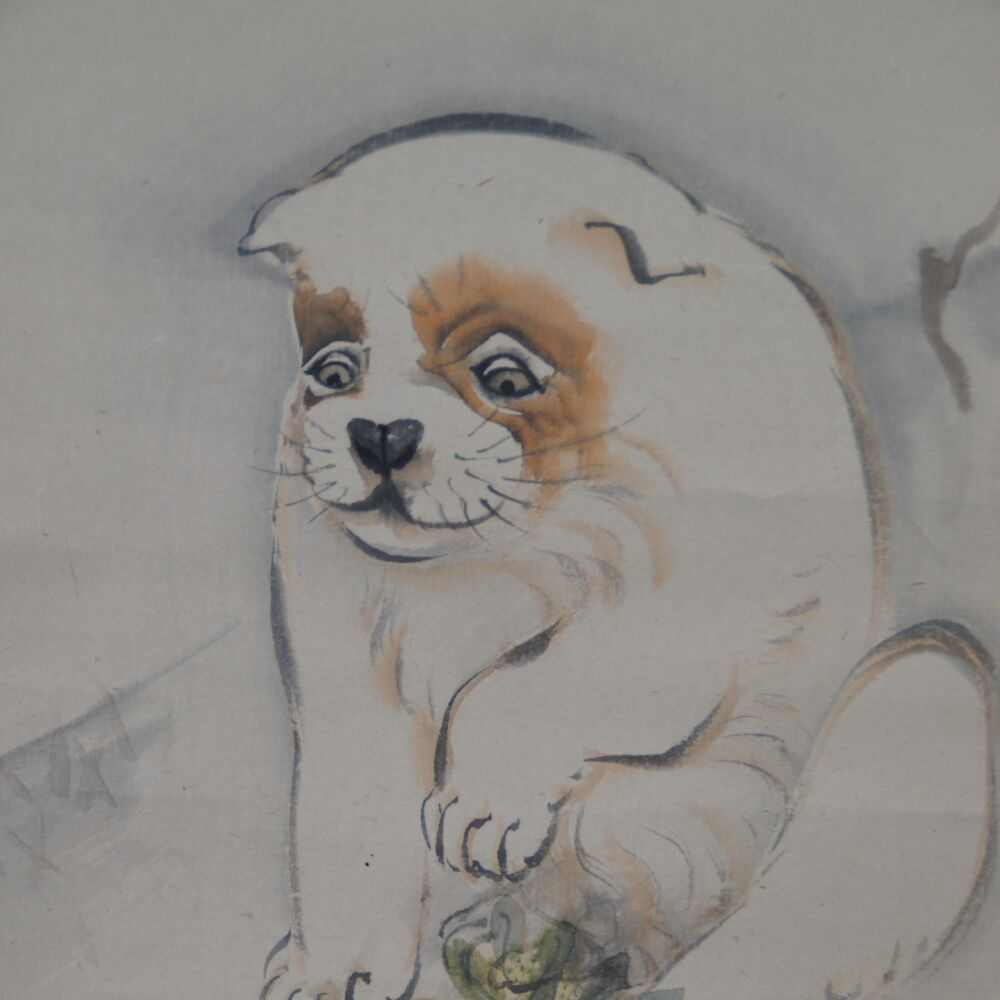
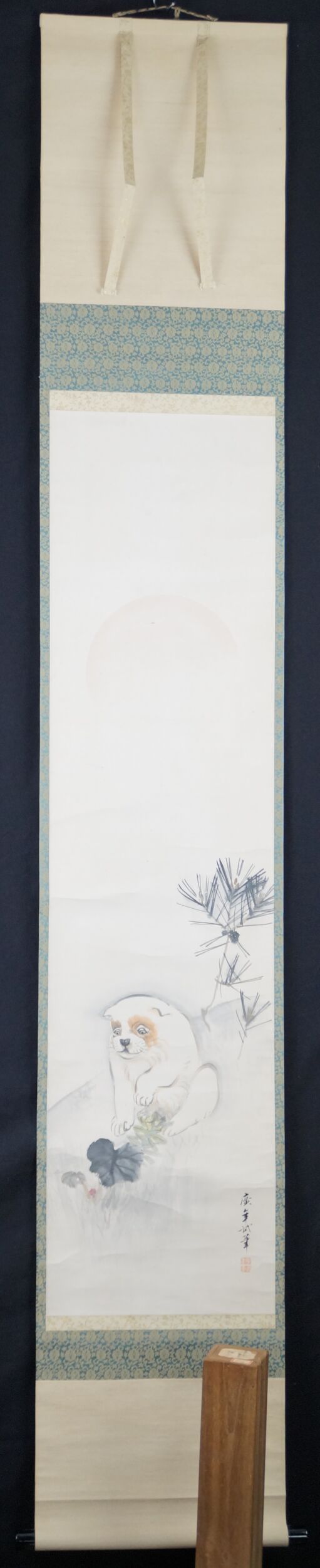
Puppy at Sunset Under Pine Trees
Kakemono, unique work, with box, 200 x 39 cm
€210.00
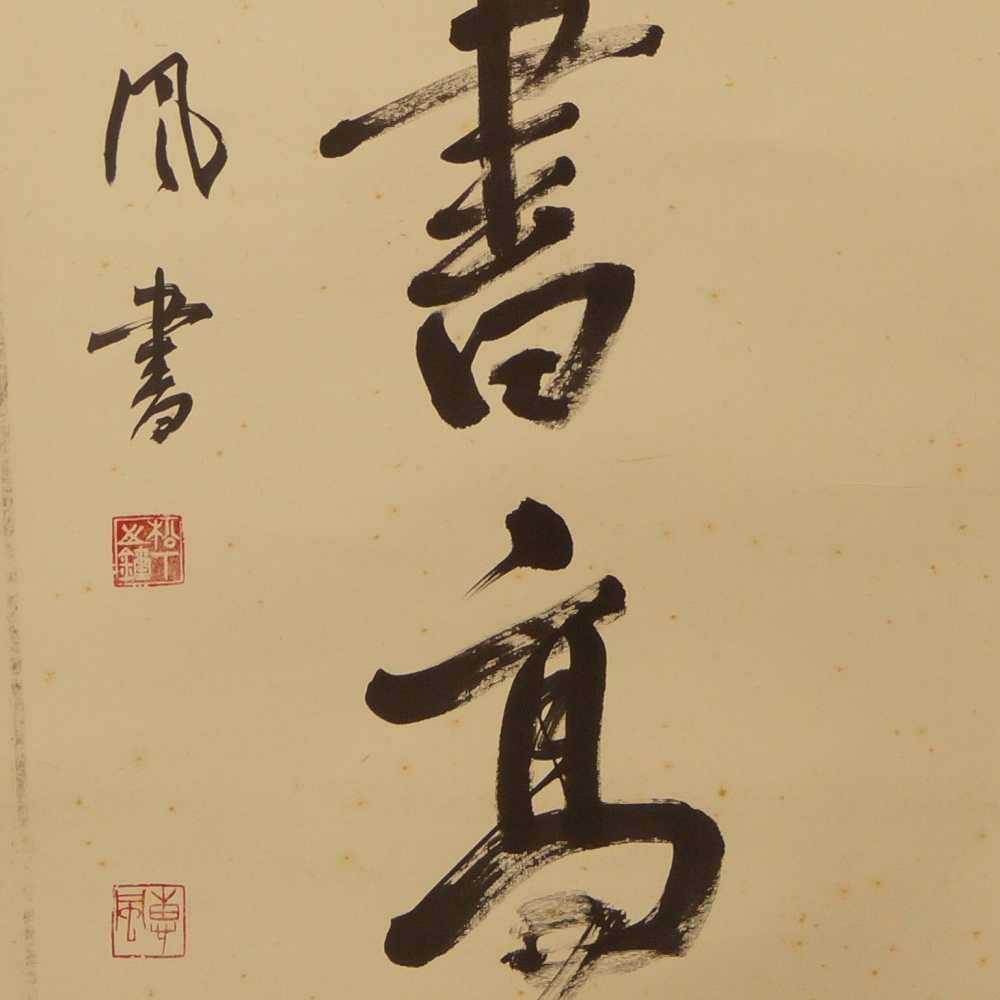
Calligraphy Poem: Bamboo by the Window
Kakemono, unique work, 195 x 50 cm
€180.00


Details about the sold piece
- JikusakiSculpture
- Material HonshiPaper
- MotifAnimals
- TechniqueHand-Painted
Description
With a few confident lines, a grazing bull is sketched here, its head with the characteristic horns lowered toward the ground, while the body is only suggested with sparing contours. This reduced, almost calligraphic pictorial language reveals the hand of a practiced painter who achieves maximum expressive power with minimal means.
The motif of the bull or ox stands in the East Asian pictorial tradition for patience, diligence, and rural tranquility, and was often painted at the turn of the year as a symbol of a calm, industrious new beginning. The airy composition with plenty of open paper space underscores the meditative effect of the image.
The kakemono is executed on paper, fitted with roller rods made of plastic, and dates from the Shôwa period. This sketch-like, charming depiction is especially suited for lovers of minimalist Japanese ink painting.

