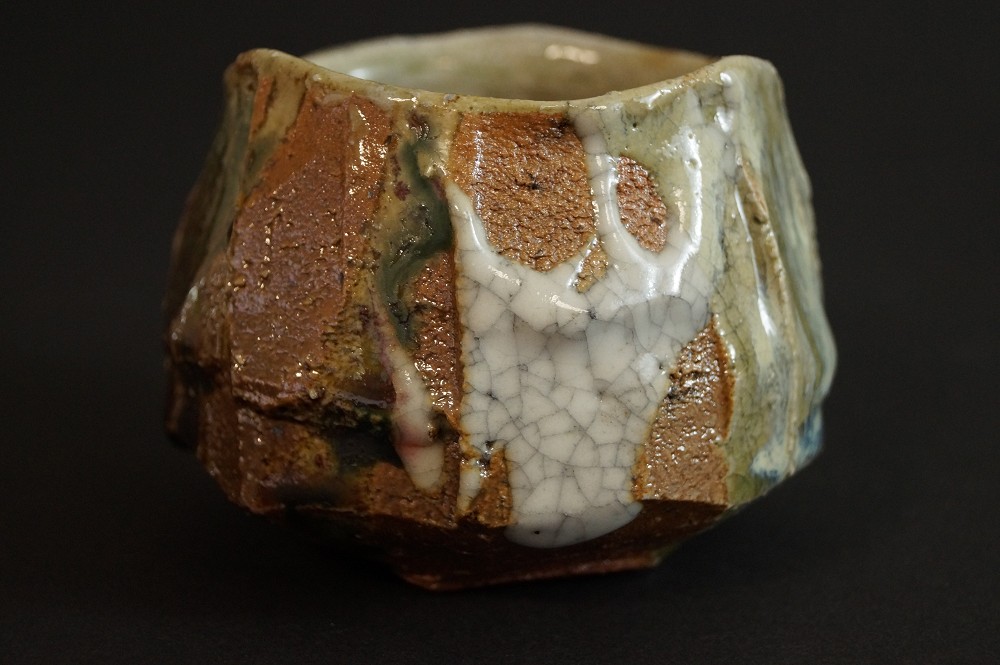
Guinomi Handcrafted Japanese Sake Cup (Guinomi), Satsuma Ware
One of a kind — this work exists only once.
- Period:
- Shôwa (1926–1989)
- Dimensions (height x width):
- 5 x 6,5 cm
- Weight:
- 0g
- Item number:
- 5734
This piece has been sold.
Sold – no longer available
This piece was a handmade one-of-a-kind work. It cannot be reordered and will never exist in this form again. The page stays online as part of our archive.
More items in category Guinomi and TokkuriAll one-of-a-kind Japanese Ceramics pieces
See new one-of-a-kind pieces first
We feature every delivery from Japan in the newsletter first – before the pieces show up in search results.
You might like these pieces
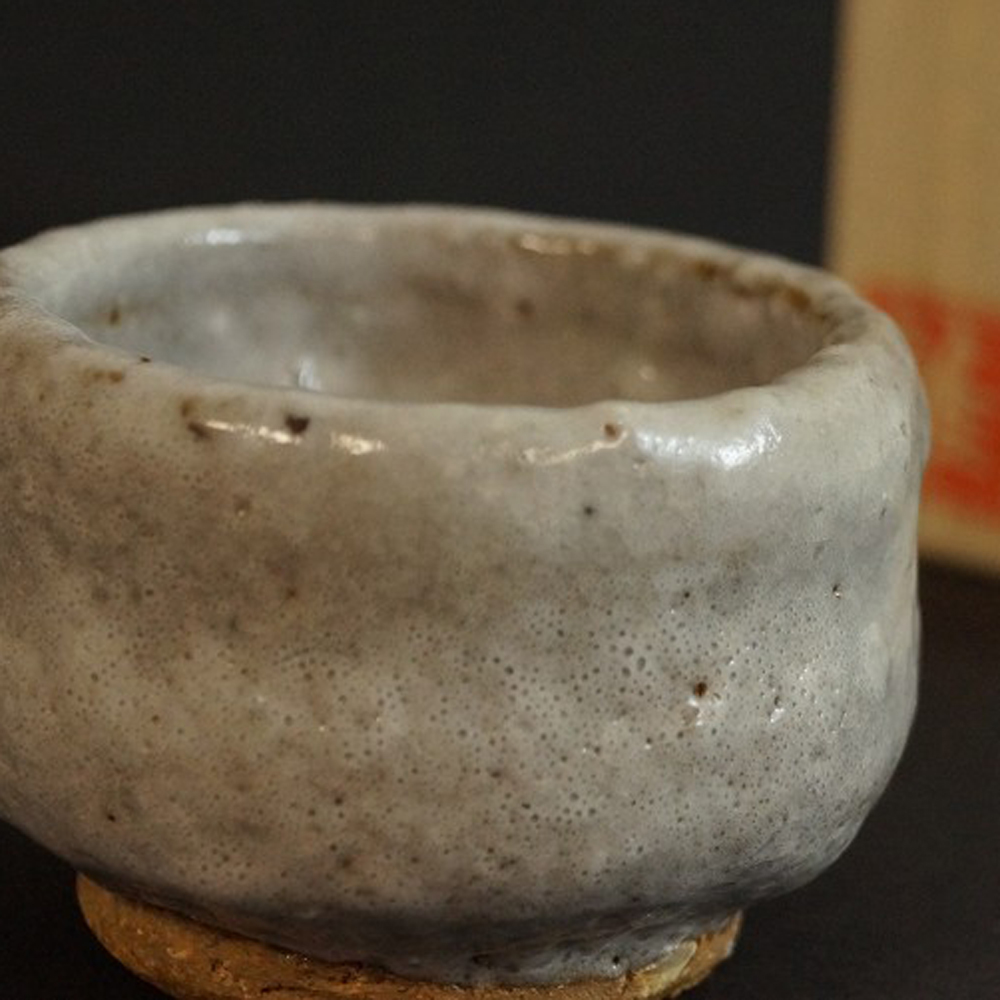
Handcrafted Japanese Sake Cup (Guinomi) Shino Ware
Guinomi, unique work, with box, 5 x 7 cm
€160.00
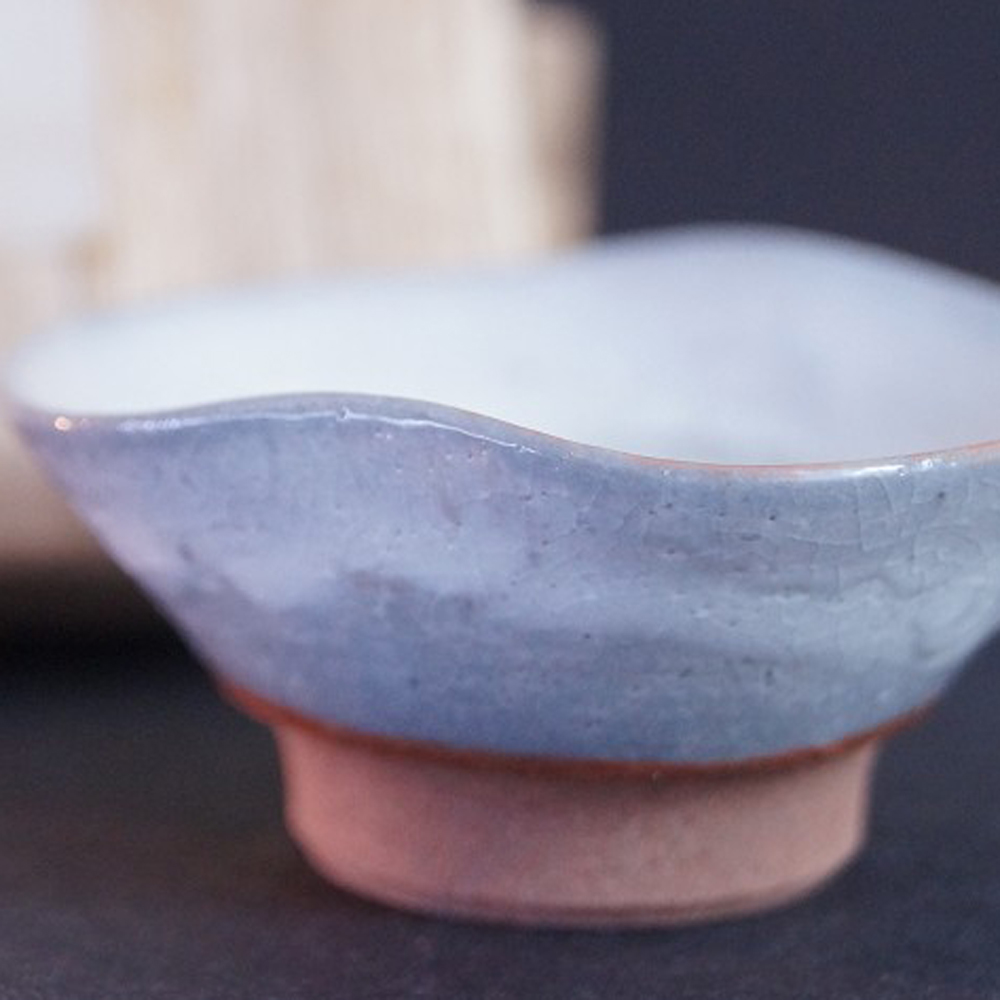
Handcrafted Japanese Seto Sake Cup (Guinomi)
Guinomi, unique work, with box, 2,5 x 5,5 cm
€130.00
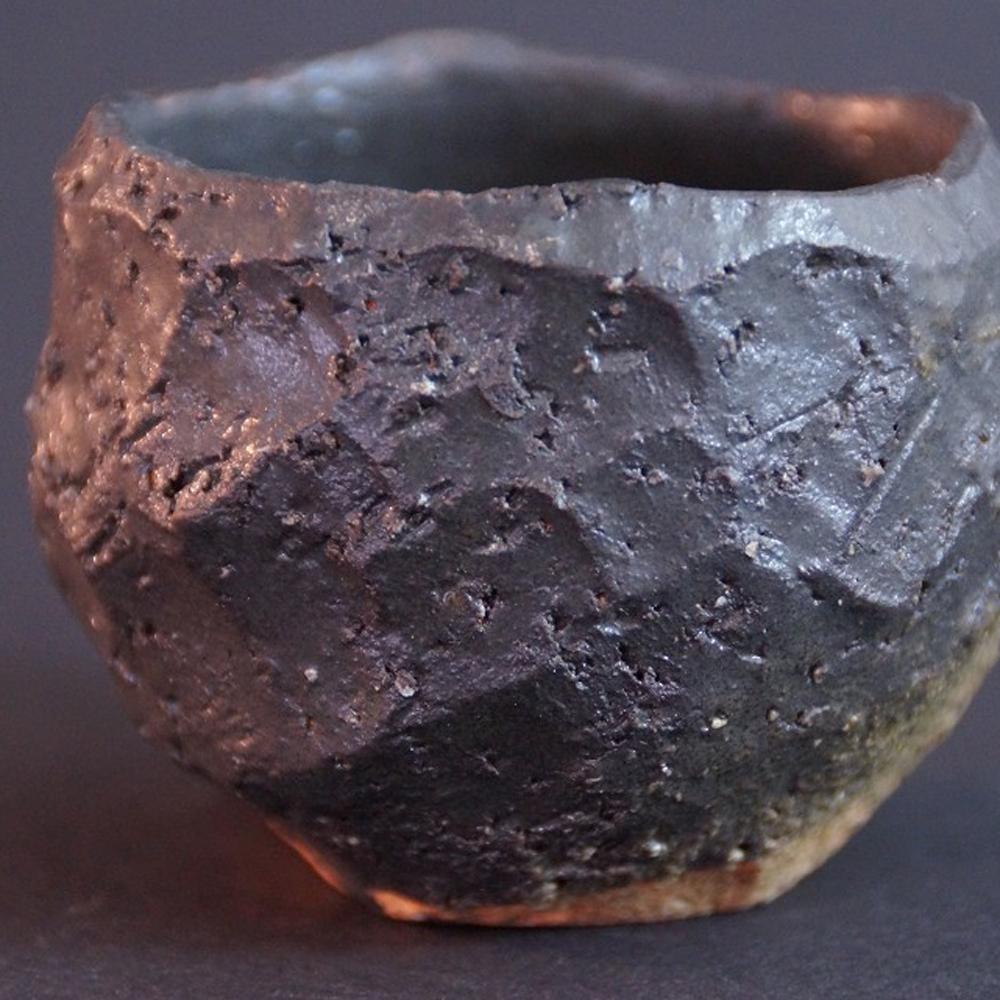
Handcrafted Japanese Hagi Sake Cup (Guinomi)
Guinomi, unique work, 6 x 5 cm
€340.00
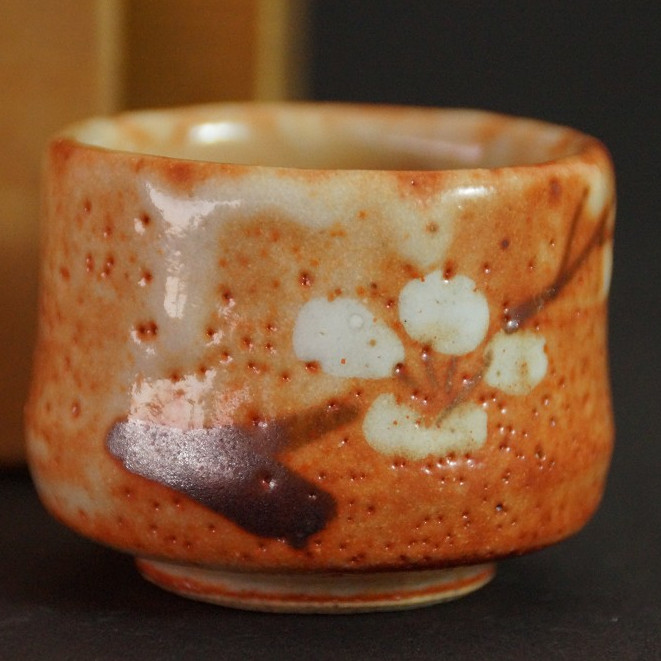
Sawada Shuichi
Guinomi Sake Cup Made of Shino Ware by Shuichi Sawada
Guinomi, unique work, with box, 5 x 6 cm
€210.00
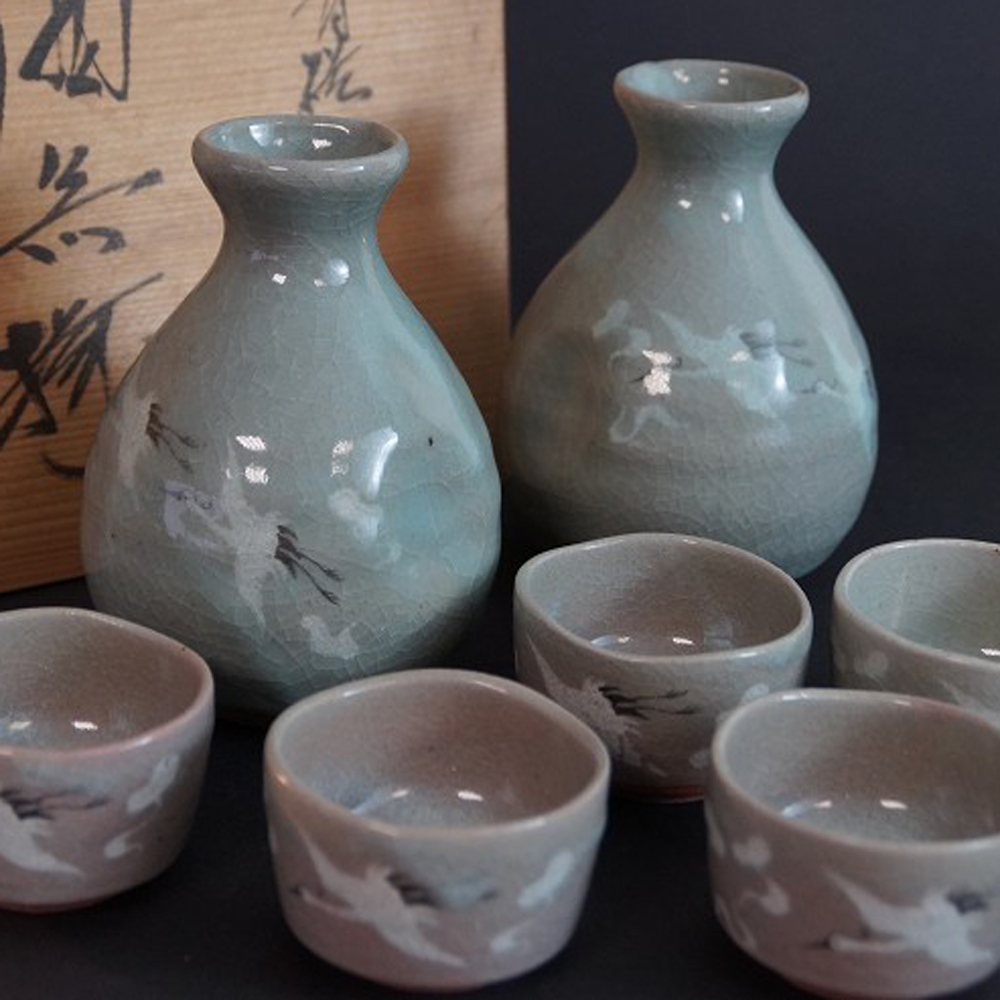
Sake Set Made of Mino Ware, Two Tokkuri and Five Guinomi
Set of Guinomi and Tokkuri, unique work, with box, 11 x 8 cm
€530.00
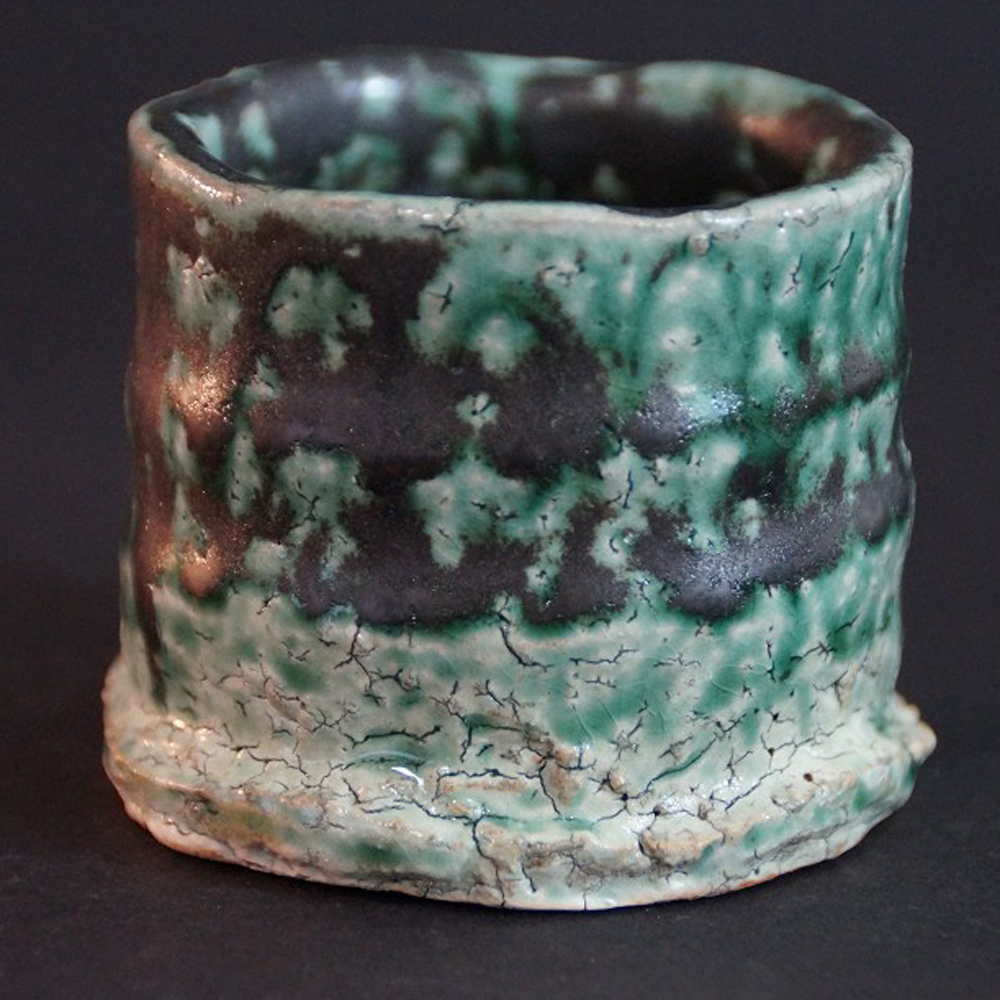
Sasaki Ken
Guinomi Made of Hagi Ware by Ken Sasaki
Guinomi, unique work, with box, 5,5 x 6 cm
€310.00
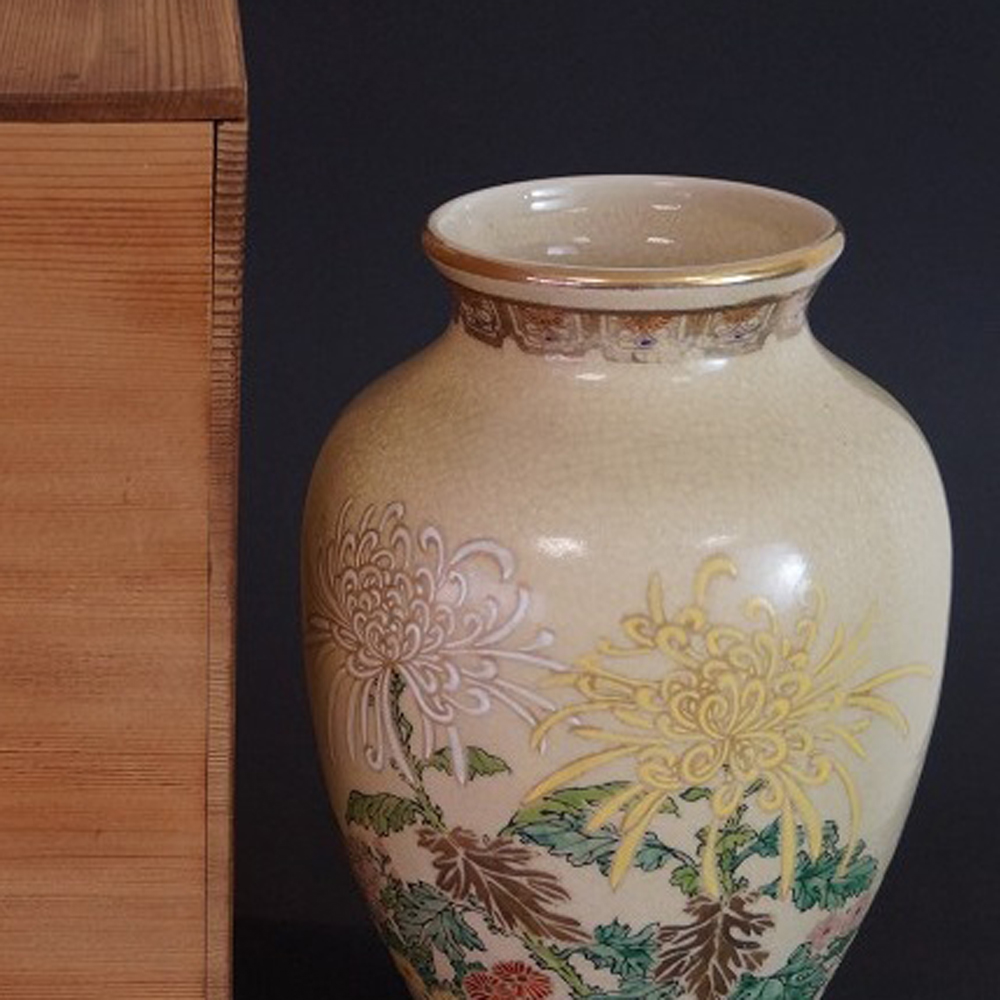
Hirota
Handcrafted Japanese Satsuma Vase by Hirota
Vase, unique work, with box, 29 x 17 cm
€290.00
Kato Gozan
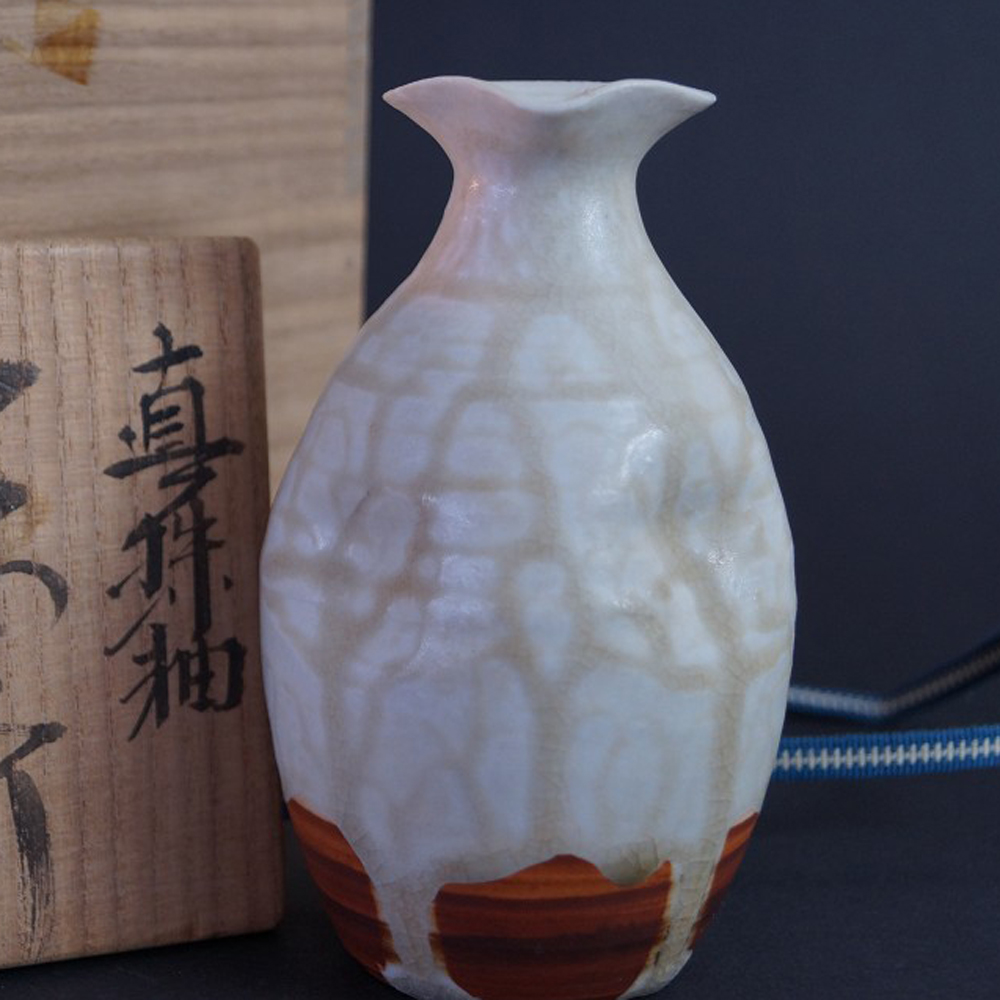
Handcrafted Japanese Sake Bottle (Tokkuri) by Kato Gozan
Tokkuri, unique work, with box, 14 x 8 cm
€280.00


Details about the sold piece
- ColorBrown, Green
- MaterialCeramics
- Style / TraditionSatsuma-yaki
- Wooden BoxYes
Description
Since the Momoyama period, Satsuma-yaki has stood for one of Japan's most elegant ceramic traditions, originally established by Korean potters in the Kagoshima region and later refined into courtly sophistication. This small sake cup bears the fine, creamy-white crackle glaze characteristic of classic Satsuma glazes, and shows a warm, olive-brown gradient along the upper rim that visually completes the wall.
The unglazed foot of reddish clay forms an appealing contrast to the pale glaze and hints at the care with which the piece was thrown by hand and fired. In raking light, the fine crackle structure of the glaze reveals an almost graphic pattern that gains character only with the years.
The Guinomi is delivered in a signed wooden box, which lends the piece additional value and is excellent for storage. Conceived as a compact drinking vessel for sake, it is equally convincing as a standalone collector's object for lovers of traditional Japanese ceramics from the Shōwa period.