Chawan Handcrafted Japanese Tea Bowl (Chawan) Shino Glaze
One of a kind — this work exists only once.
- Period:
- Shôwa (1926–1989)
- Dimensions (height x width):
- 8 x 11,5 cm
- Weight:
- 1g
- Item number:
- 4957
This piece has been sold.
Sold – no longer available
This piece was a handmade one-of-a-kind work. It cannot be reordered and will never exist in this form again. The page stays online as part of our archive.
More items in category Chawan and YunomiAll one-of-a-kind Japanese Ceramics pieces
See new one-of-a-kind pieces first
We feature every delivery from Japan in the newsletter first – before the pieces show up in search results.
You might like these pieces
Tamura Goro
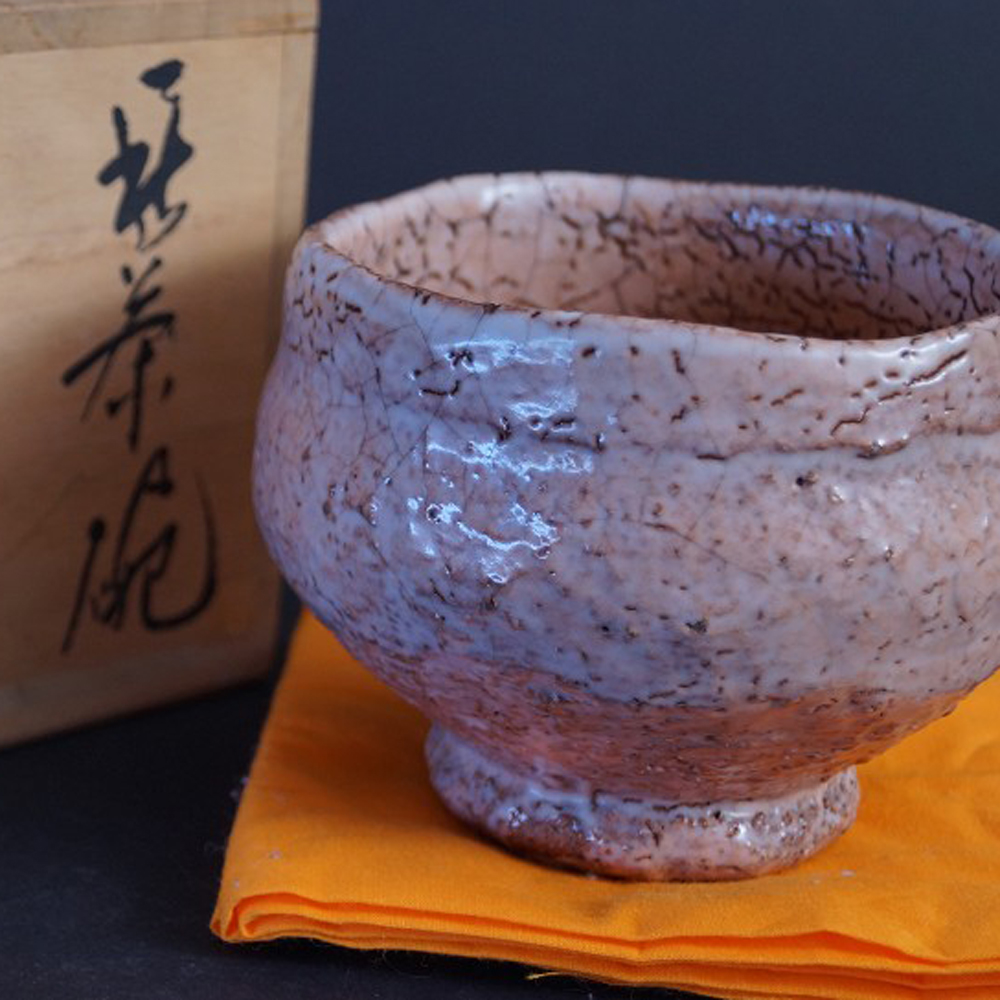
Handcrafted Japanese Hagi Tea Bowl (Chawan) by Goro Tamura
Chawan, unique work, with box, 9 x 12 cm
€390.00
Masao Nakajima
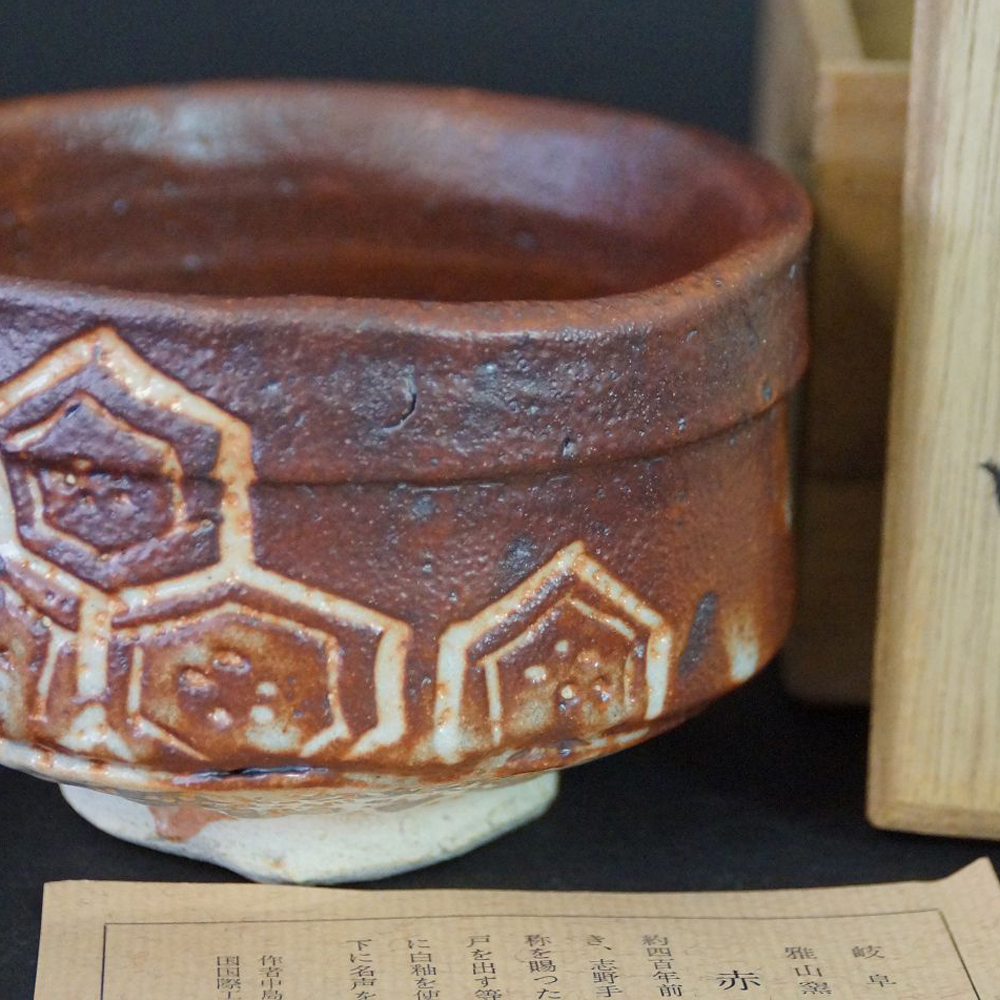
Chawan Tea Bowl Made of Shino Ware by Masao Nakajima
Chawan, unique work, with box, 12,5 x 8 cm
€380.00
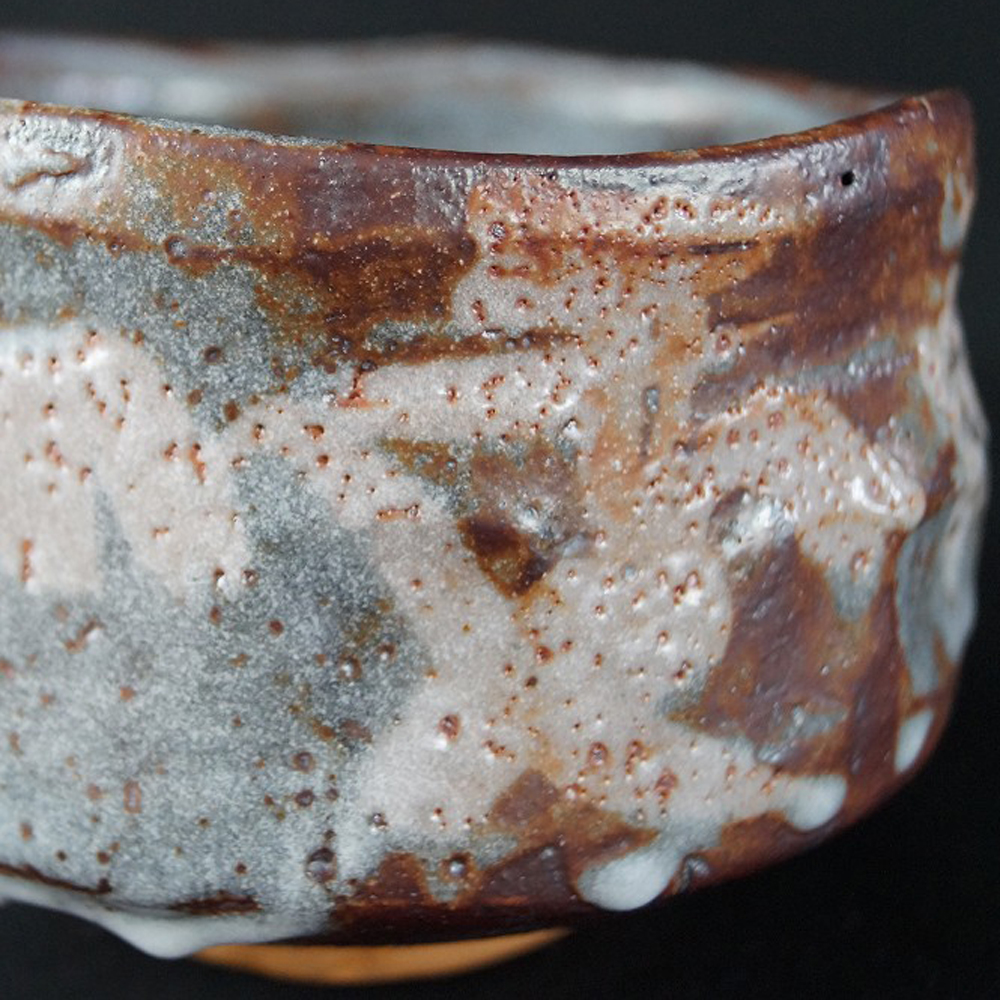
Chawan Made of Shino Ware with Gray-Speckled Glaze
Chawan, unique work, with box, 8 x 11 cm
€260.00
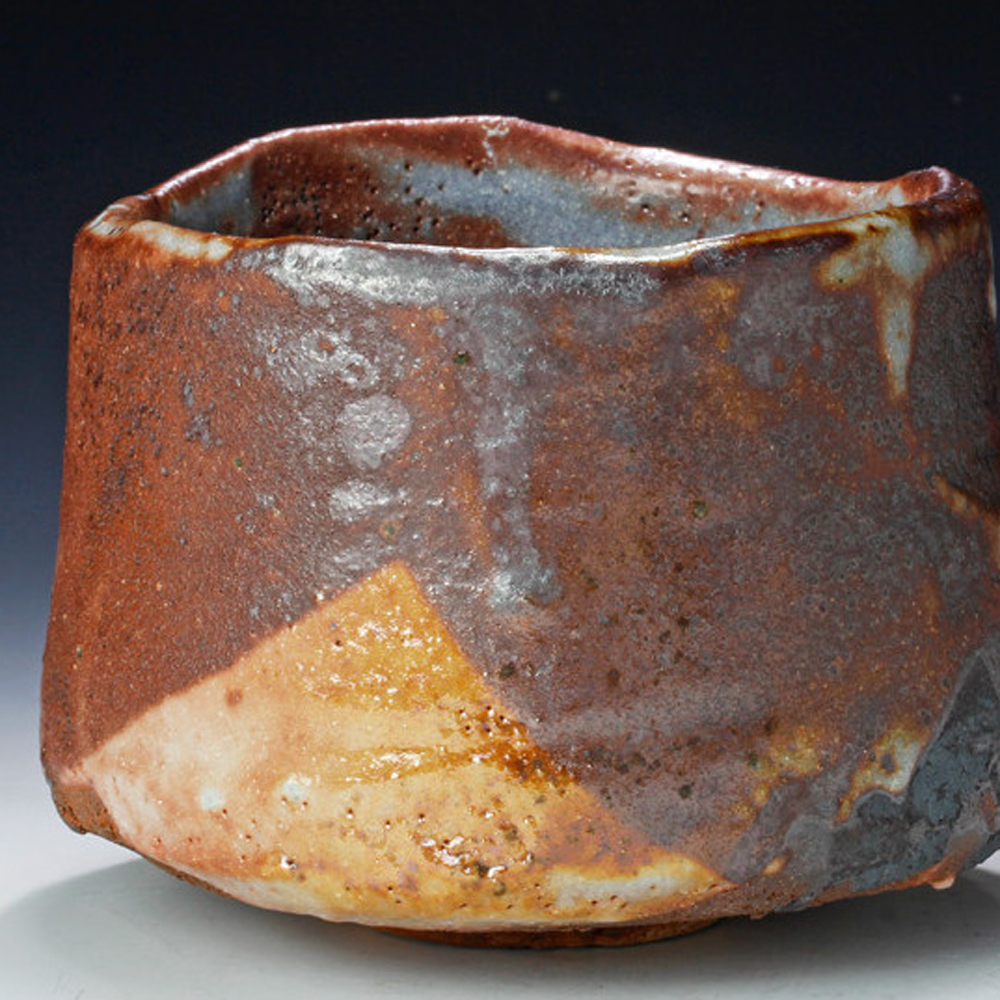
Shibayama Riiya
Tea Bowl (Chawan) by Shibayama Riiya
Chawan, unique work, with box, 8 x 11 cm
€410.00
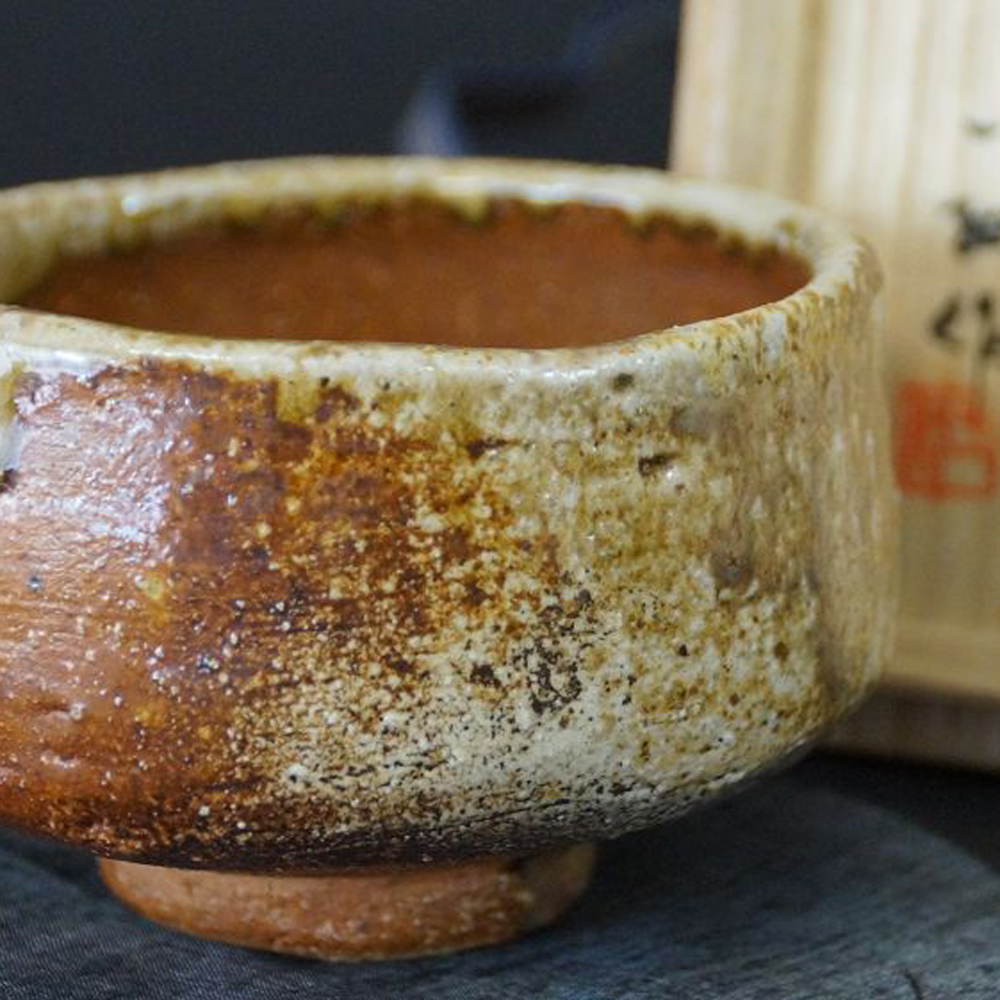
Kazuki Omi
Chawan Tea Bowl Made of Shigaraki Ware by Kazuki Omi
Chawan, unique work, with box, 8 x 12 cm
€210.00
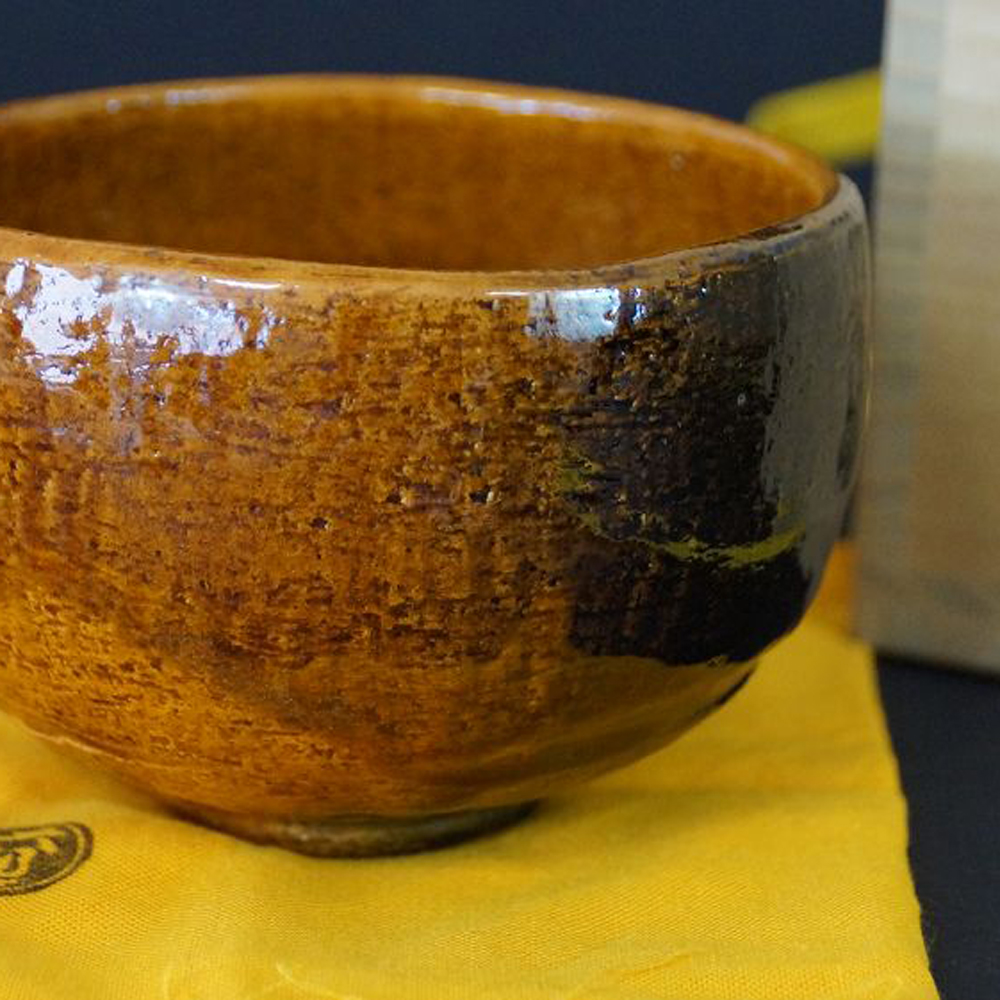
Hisashi Ohi
Chawan Tea Bowl Made of Ohi Ware by Hisashi Ohi
Chawan, unique work, with box, 8 x 11,5 cm
€240.00
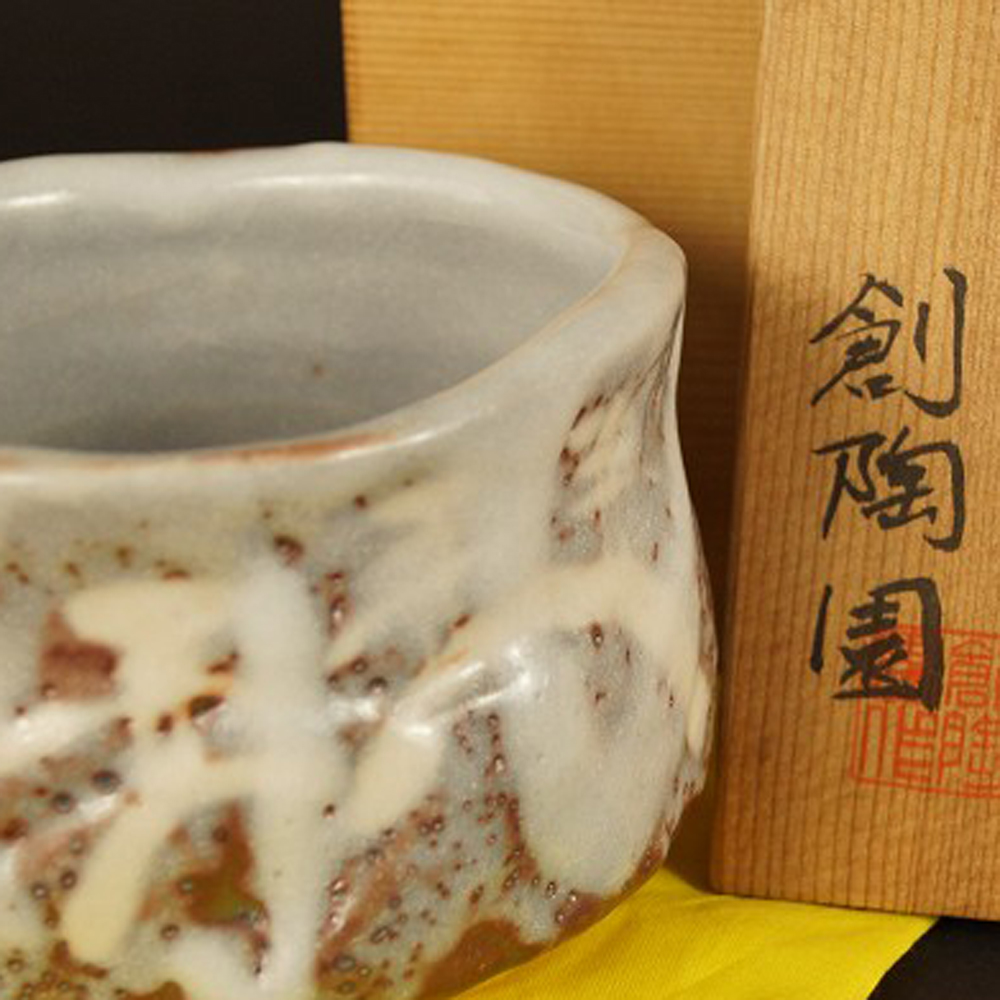
Chawan Made of Shino Ware with Characters Under the Glaze
Chawan, unique work, with box, 8,5 x 11,5 cm
€180.00
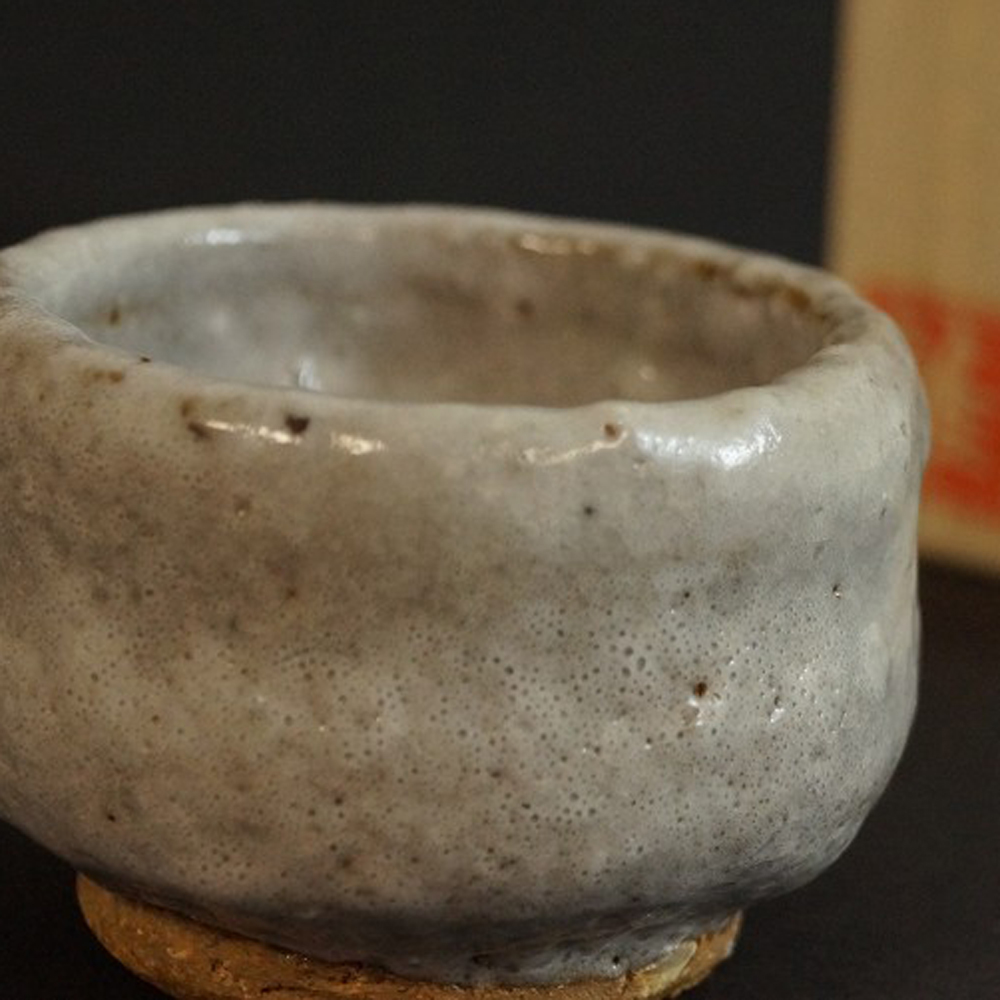
Handcrafted Japanese Sake Cup (Guinomi) Shino Ware
Guinomi, unique work, with box, 5 x 7 cm
€160.00





Details about the sold piece
- ColorBeige, Brown, Gray
- MaterialCeramics
- Style / TraditionShino-yaki
Description
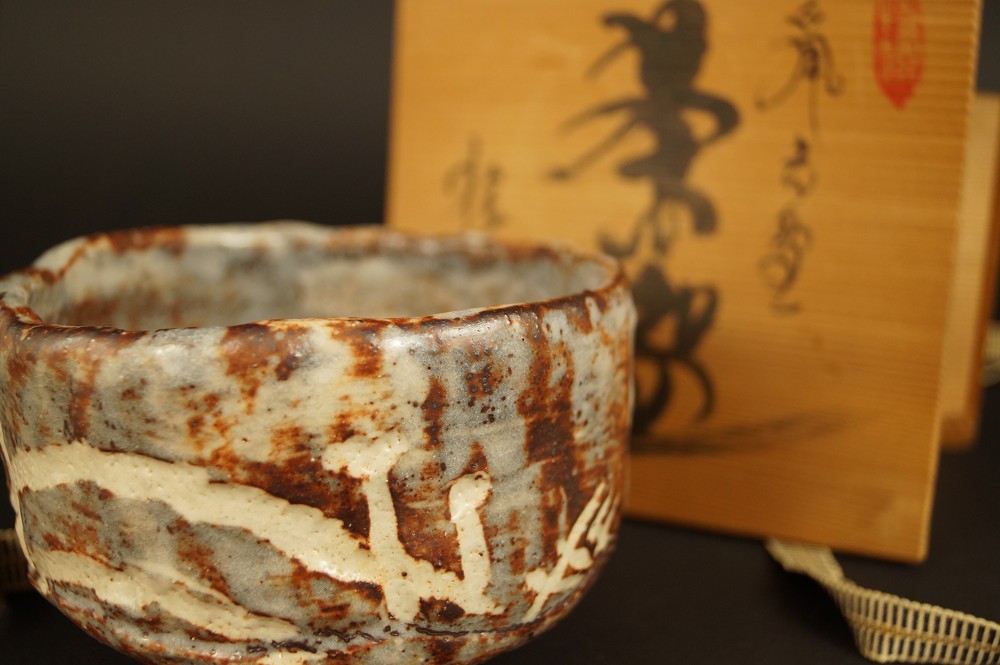
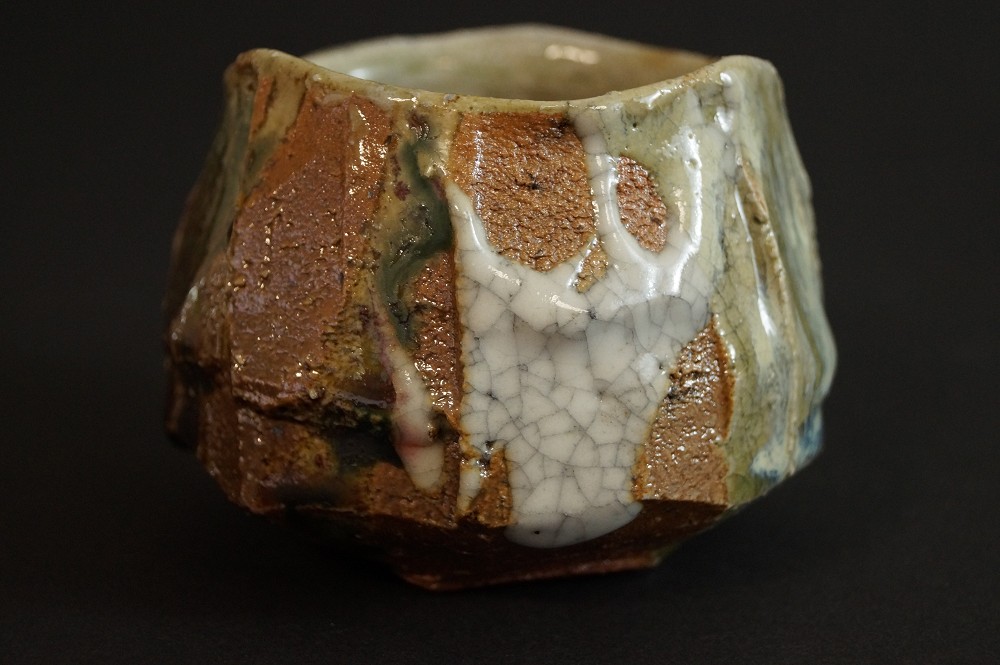
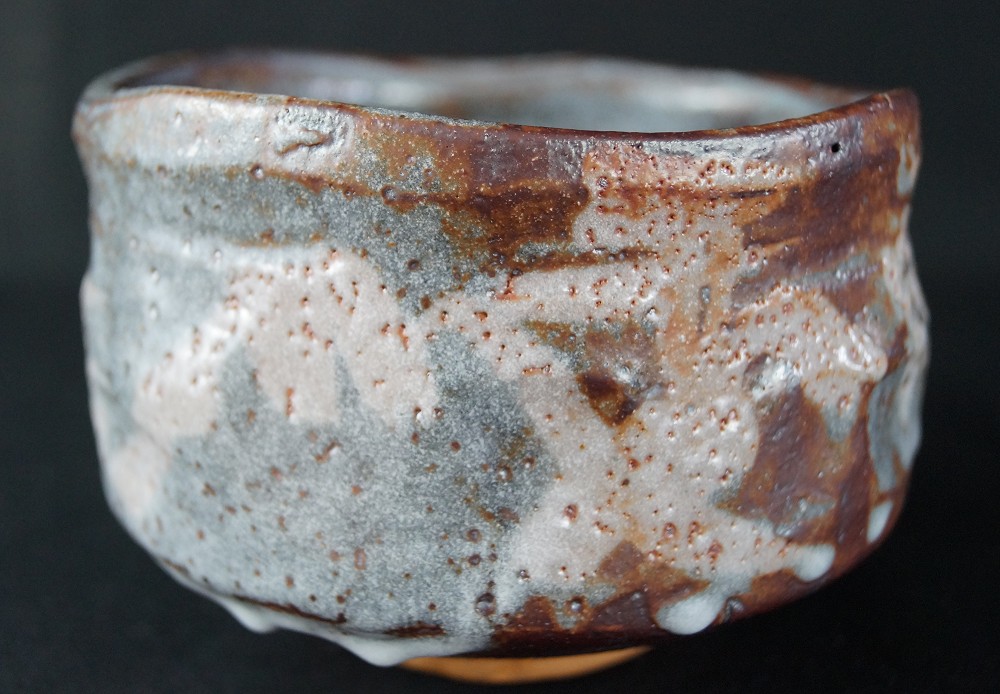
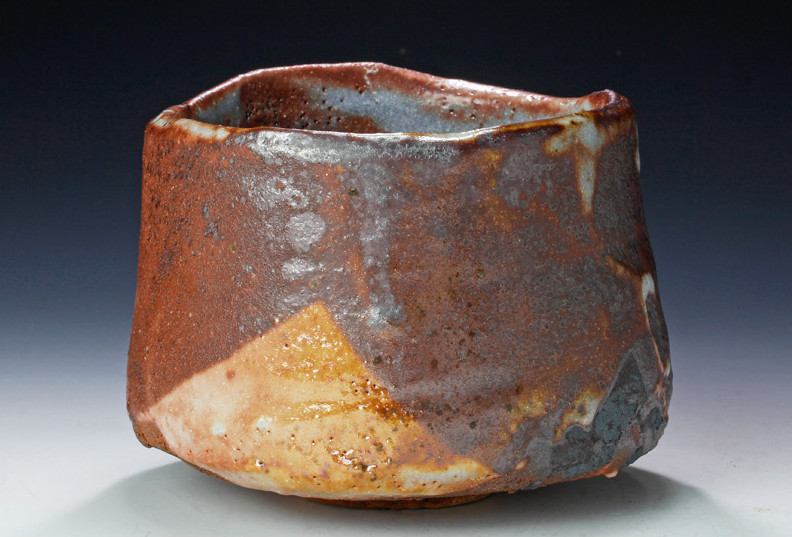
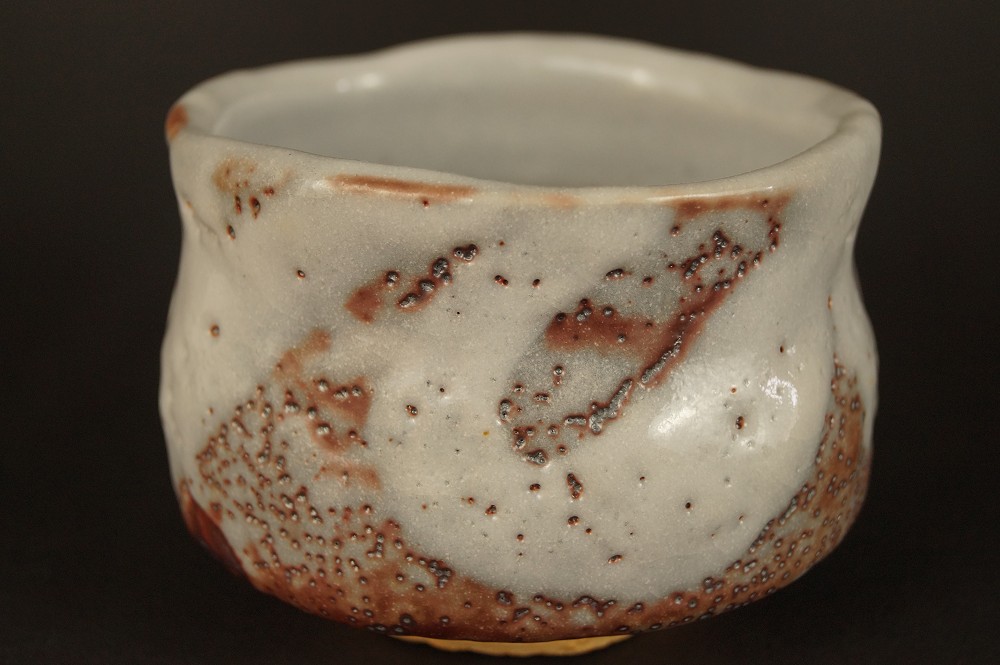
Between earthy rust brown and a shifting gray-blue, this tea bowl unfolds a play of colors typical of the Shino tradition of the Mino kilns. A broad, cream-white brushstroke runs across the wall of the piece, appearing as a deliberately placed contrast and lending the bowl an almost painterly quality, even though no brush in the true sense was at work here - rather, the glaze itself developed its own dynamic during firing.
The feldspathic Shino glaze reacts sensitively to temperature fluctuations in the wood-fired kiln, producing flame marks and color gradients that cannot be repeated. It is precisely this unrepeatability that has long made Shino chawan cherished objects of the art of tea. The strong, slightly squat form with its distinctive foot conveys groundedness, while the shifting glaze surface provides movement and depth.
Dating from the Shôwa period, this chawan displays the high level of artistry with which traditional firing techniques have been preserved into the present. Whether used as a utilitarian object for the tea ceremony or displayed as an independent exhibition piece, it unfolds its effect equally well in either role.