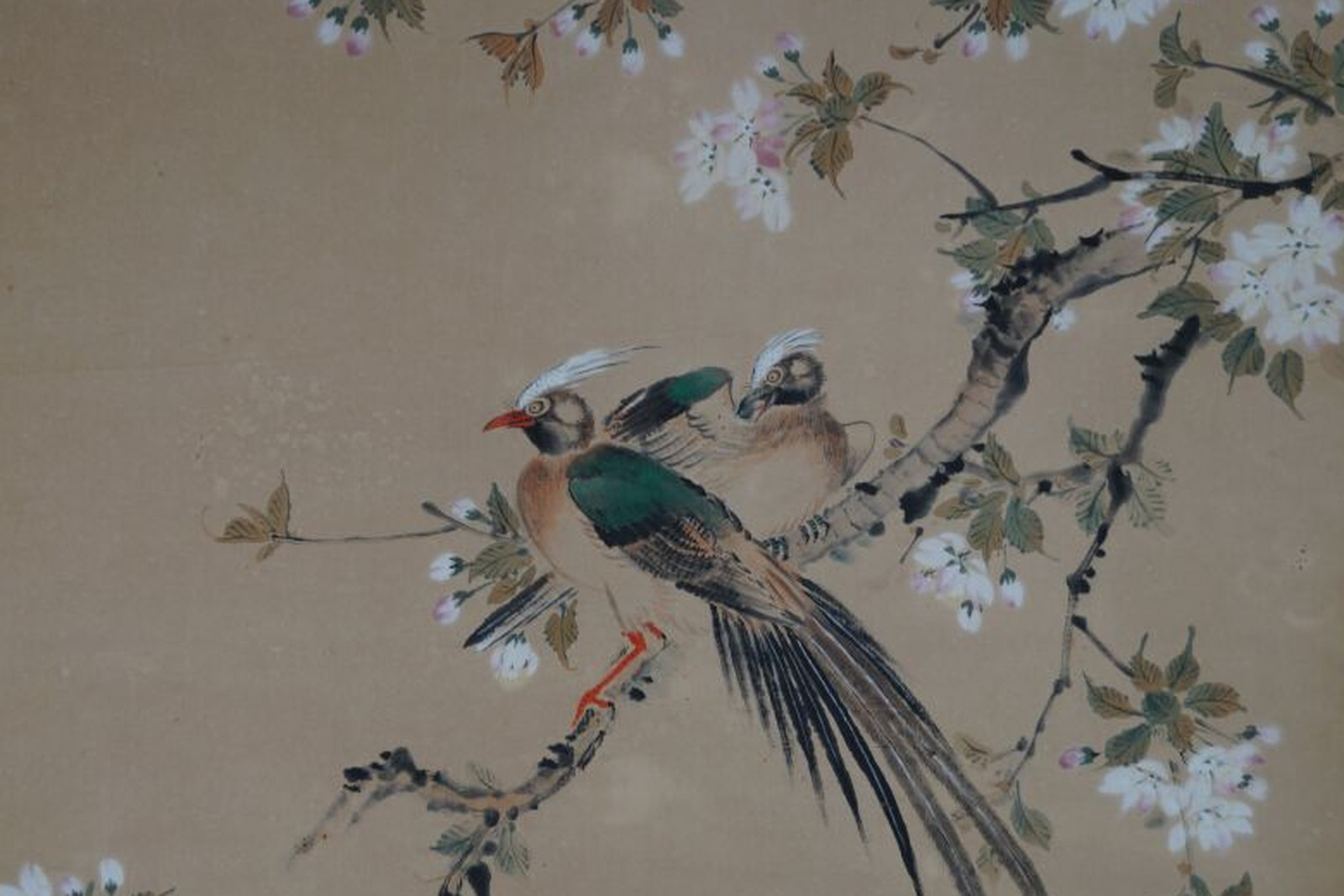
Makuri Lily with Bee
One of a kind — this work exists only once.
- Period:
- Shôwa (1926–1989)
- Dimensions (height x width):
- 36 x 6,5 cm
- Item number:
- 5937
This piece has been sold.
Sold – no longer available
This piece was a handmade one-of-a-kind work. It cannot be reordered and will never exist in this form again. The page stays online as part of our archive.
More items in category Flowers and PlantsAll one-of-a-kind Japanese Painting pieces
See new one-of-a-kind pieces first
We feature every delivery from Japan in the newsletter first – before the pieces show up in search results.
You might like these pieces
Ishikawa Yurin
Rhinoceros Beetle in Tall Grass
Kakemono, unique work, 125 x 67 cm
€1,490.00
Suzuki Shonen
Bee in Flight
Kakemono, unique work, 190 x 47 cm
€510.00
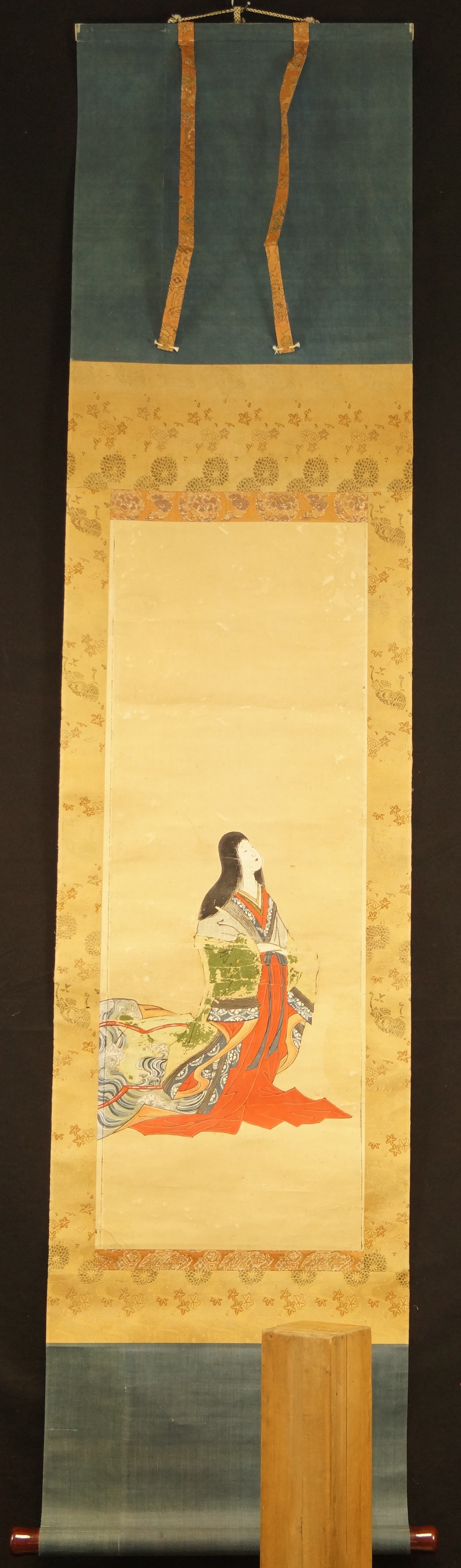
Court Lady of the Heian Period
Kakemono, unique work, 167 x 44 cm
€260.00
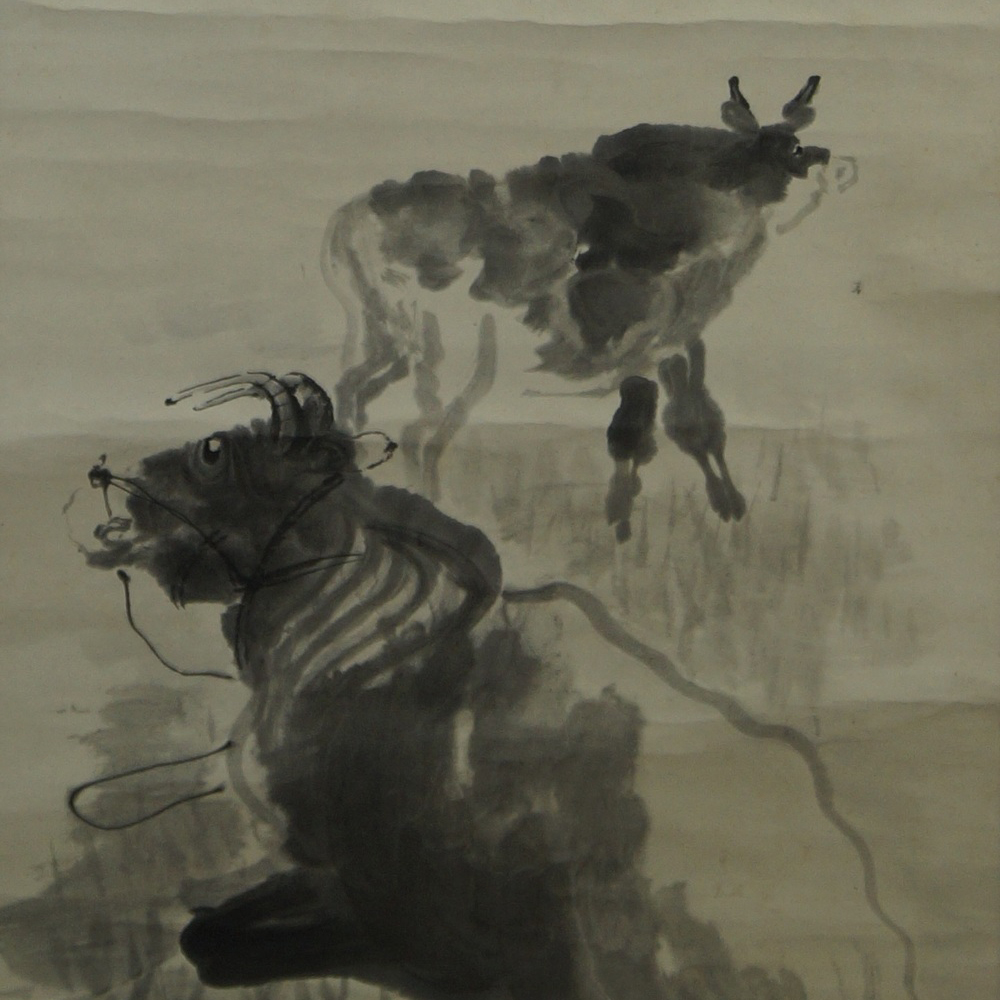
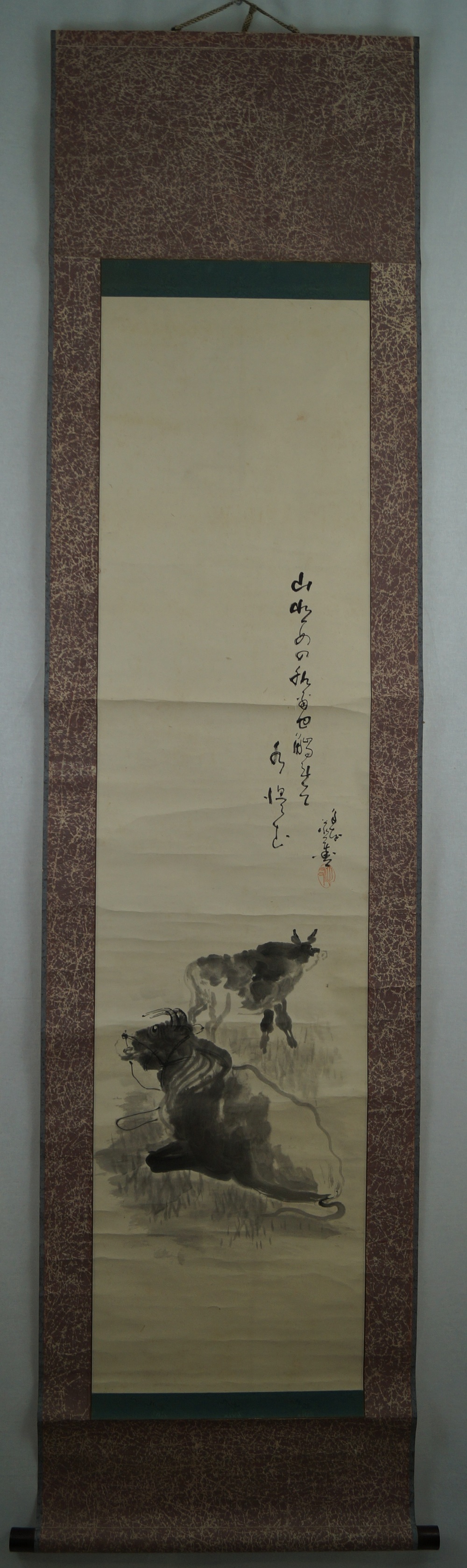
Two Bulls
Kakemono, unique work, 180 x 51 cm
€120.00
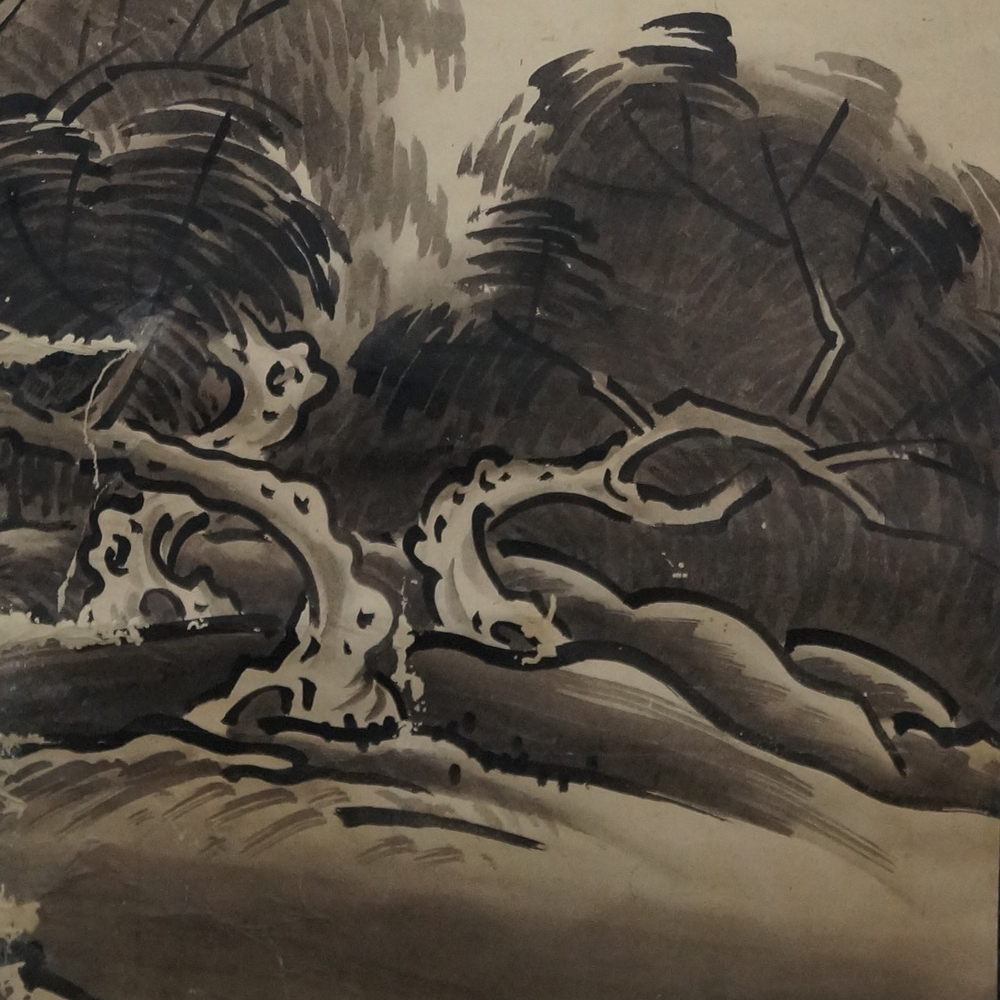
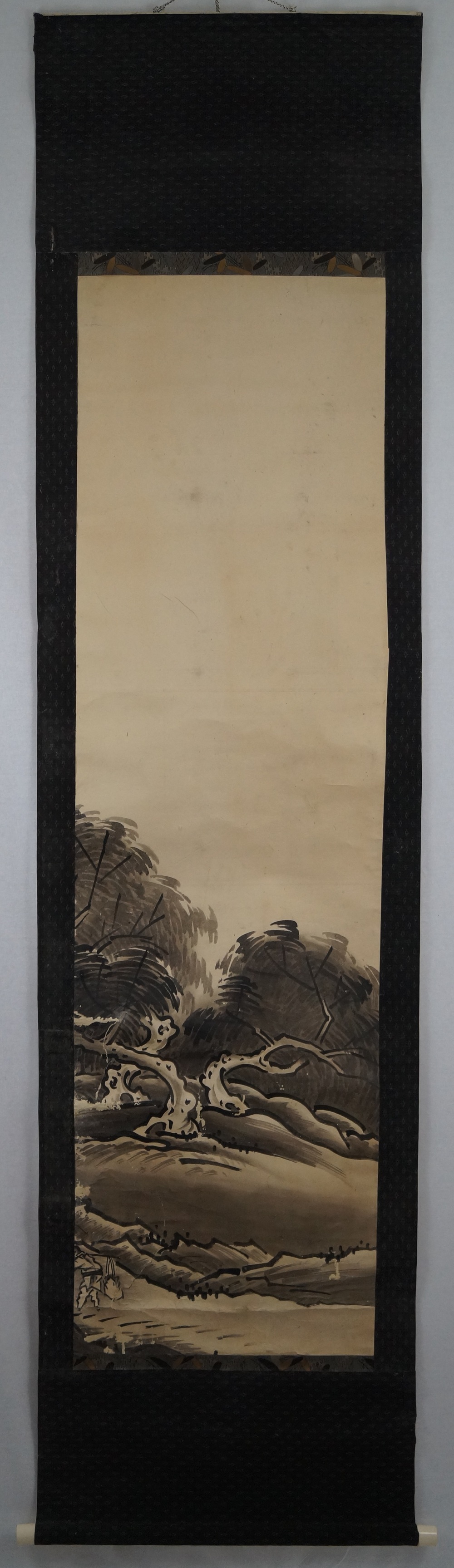
Two Gnarled Trees
Kakemono, unique work, 210 x 58 cm
€120.00
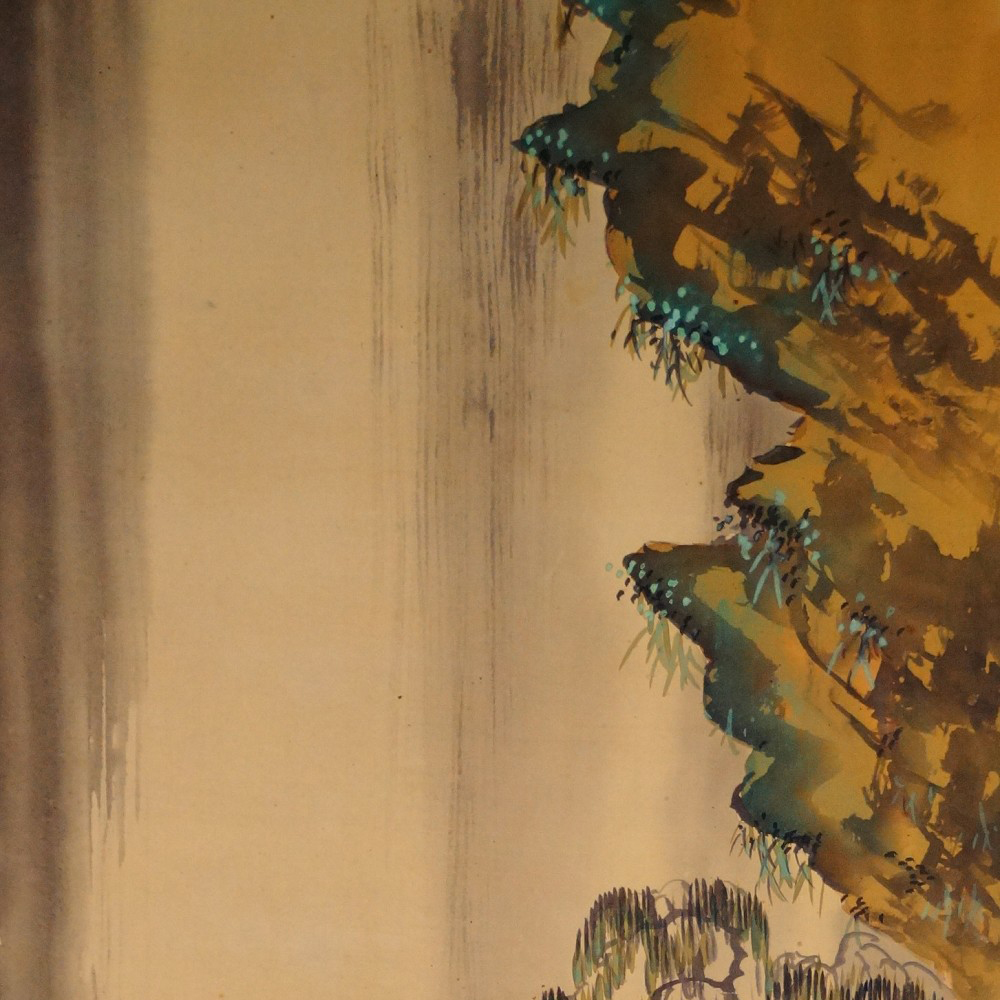
Jōdō
Bees Against a Waterfall Backdrop by Jodo
Kakemono, unique work, 188 x 62 cm
€375.00
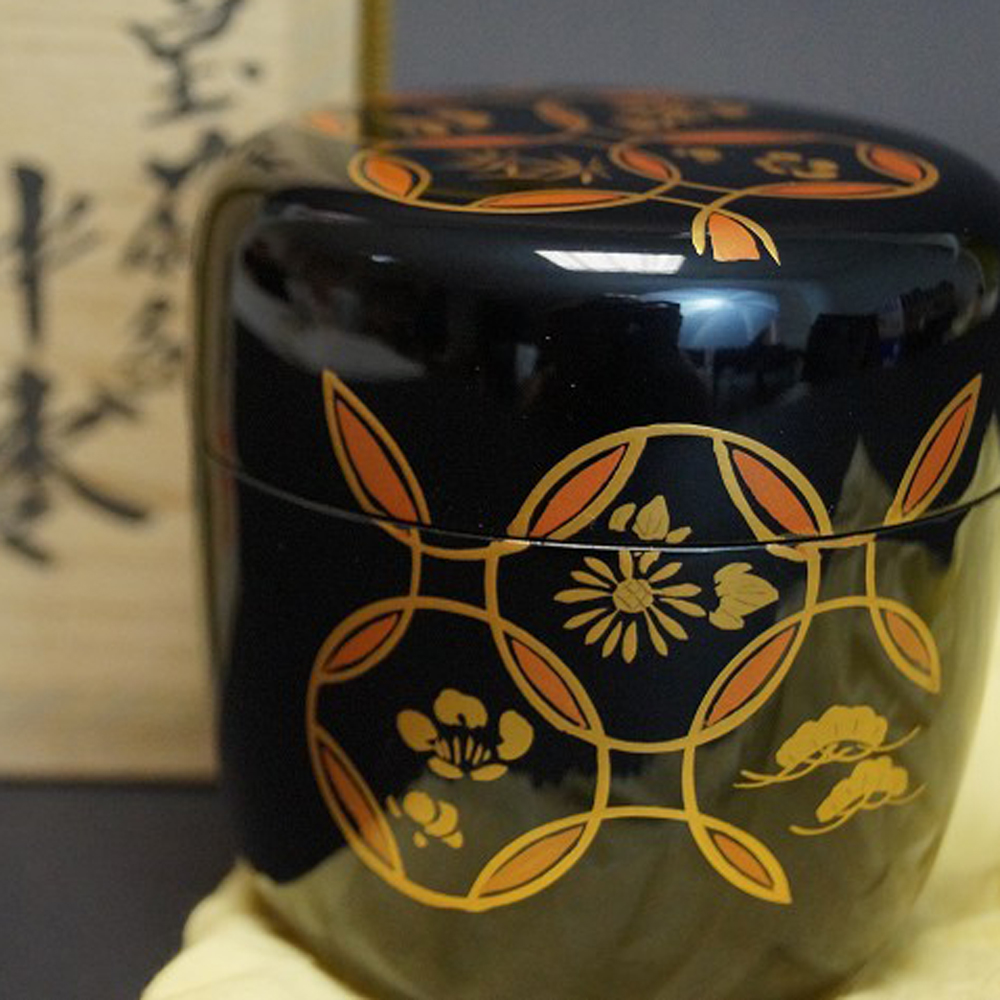
Shippo Makie Chu Natsume with Circle Pattern
Natsume, unique work, with box, 7 x 7 cm
€290.00
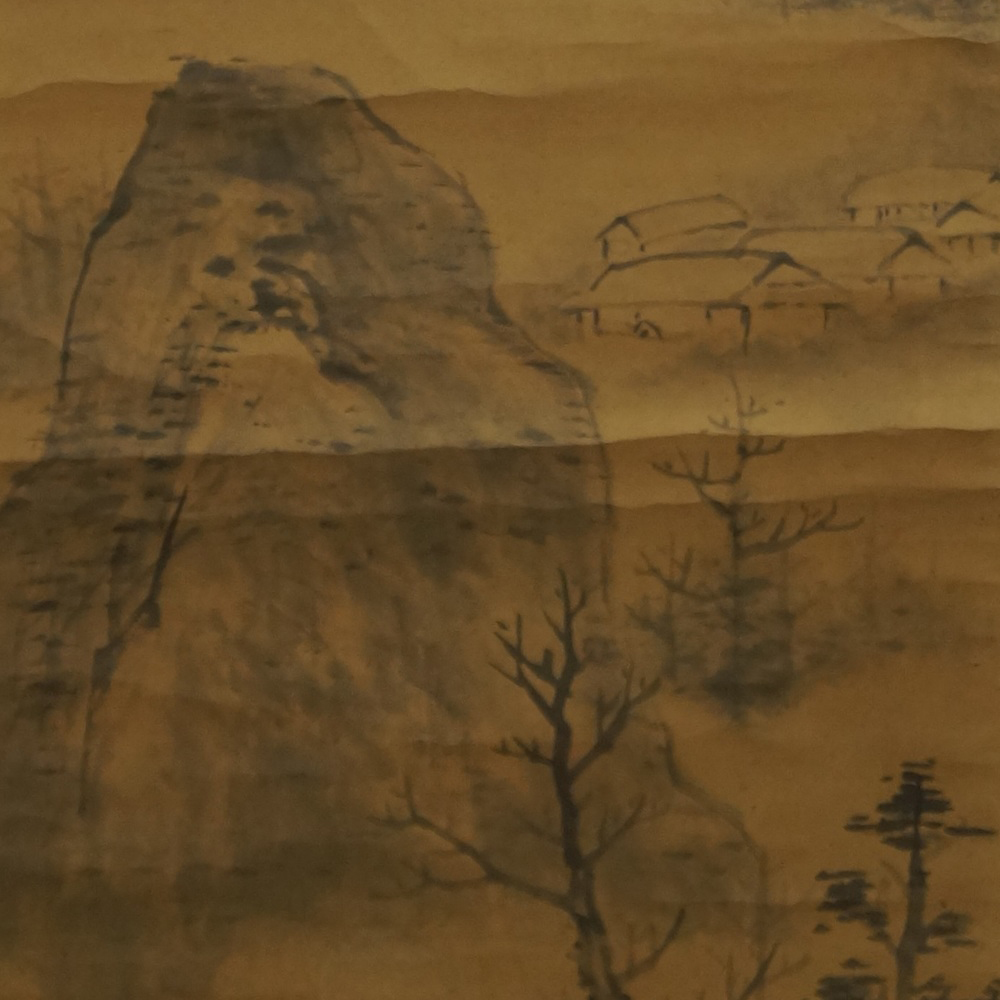
Mountain Village at the Foot of the Cliff
Kakemono, unique work, 195 x 56 cm
€150.00



Details about the sold piece
- Material HonshiPaper
- MotifAnimals, Flowers and Plants
- TechniqueHand-Painted
Description
A brightly orange lily whose flower calyx opens wide as a small bee approaches it – this sheet draws its life from the gift of observation for small, fleeting moments of nature, as valued in Japanese flower and insect painting.
The work exists as a Makuri, that is, unframed on the original Honshi. This leaves the choice of a later mounting – for instance as a Kakemono – entirely to the new owner. The petals are executed in bold orange with fine dark speckles, while the bee is indicated with only a few strokes. This combination of attention to detail in the flower and lightness in the insect gives the picture its particular tension.
Motifs of flower and insect belong to the Kachō-ga tradition, the flower-and-bird painting in the broader sense, and stand for the appreciation of the transient and the small in Japanese art.