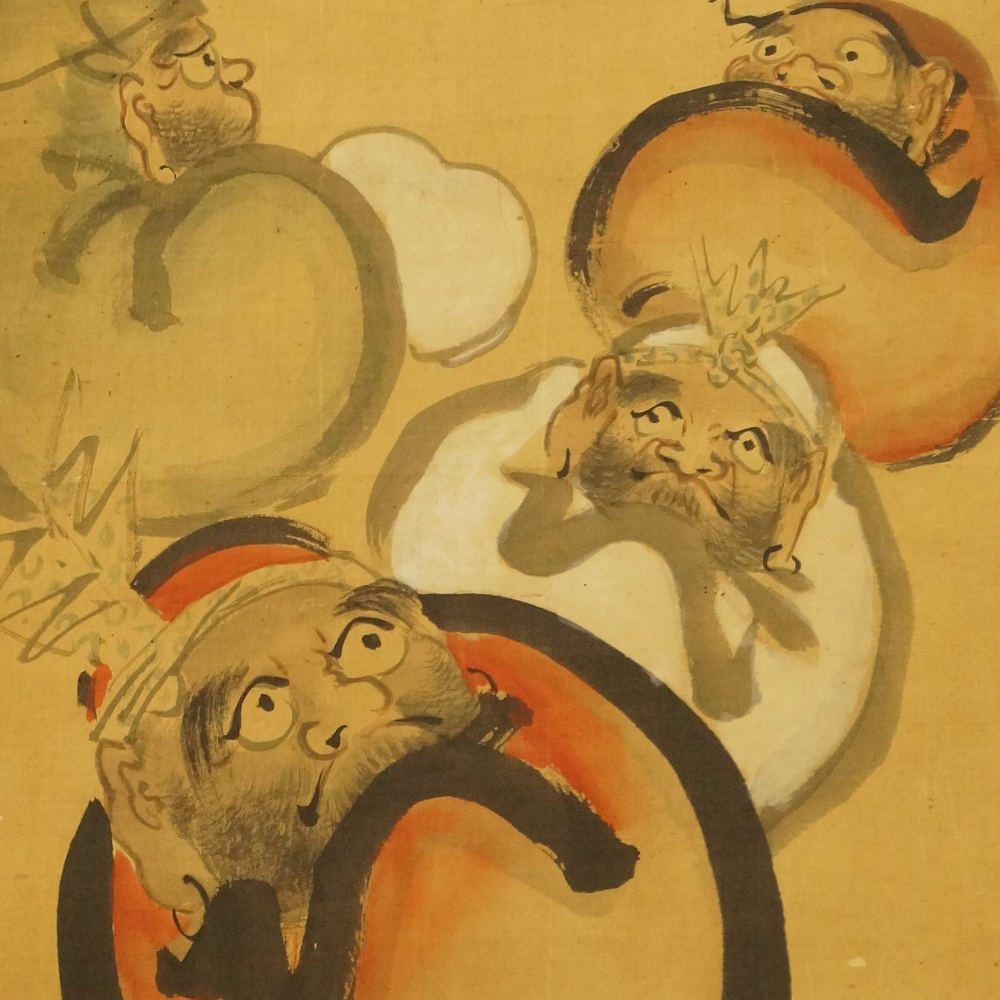
Kakemono Old Plum Tree in Full Bloom
One of a kind — this work exists only once.
- Period:
- Taishô (1912–1926)
- Dimensions (height x width):
- 195 x 52 cm
- Item number:
- 3939
This piece has been sold.
Sold – no longer available
This piece was a handmade one-of-a-kind work. It cannot be reordered and will never exist in this form again. The page stays online as part of our archive.
More items in category Flowers and PlantsAll one-of-a-kind Japanese Painting pieces
See new one-of-a-kind pieces first
We feature every delivery from Japan in the newsletter first – before the pieces show up in search results.
You might like these pieces
Ogawa Shodo
Songbird on Blooming Plum Tree
Kakemono, unique work, with box, 133 x 66 cm
€410.00
Nakamura Shunden
Uguisu on Blossoming Plum Tree
Kakemono, unique work, with box, 198 x 55 cm
€320.00
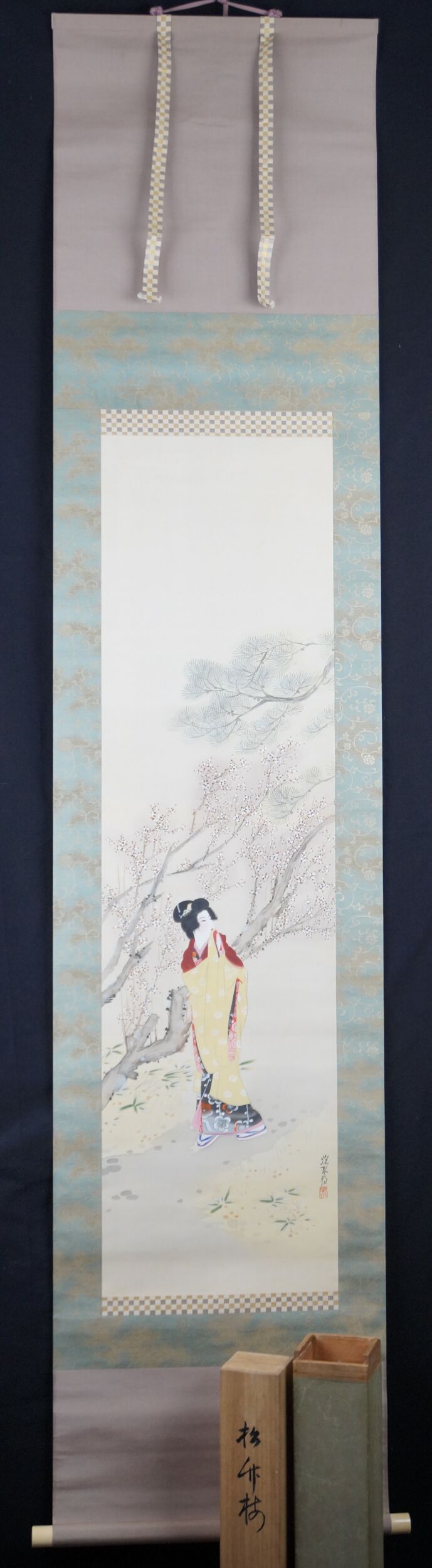
Itō Shinsui
Lady in Kimono Under Blossoming Plum Tree
Kakemono, unique work, with box, 205 x 50 cm
€1,680.00
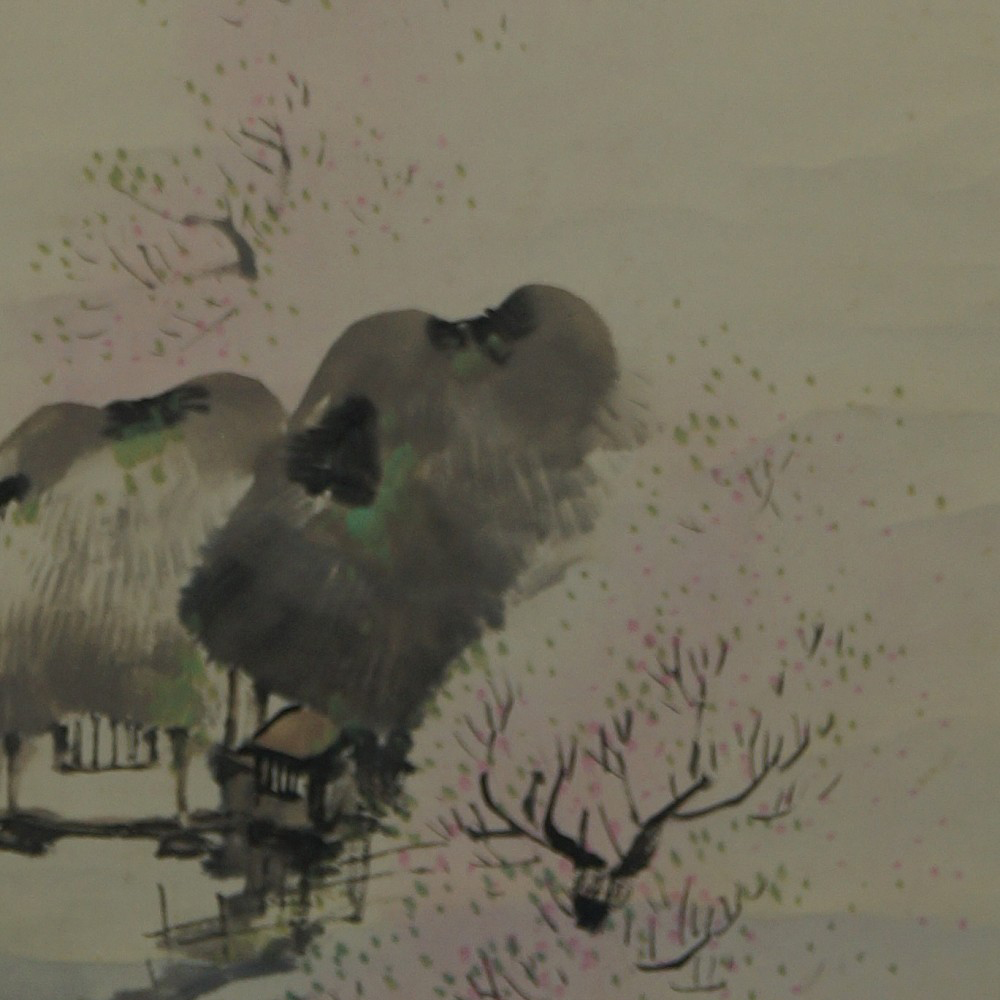
Plum Blossom in Snow
Kakemono, unique work, 197 x 47 cm
€140.00
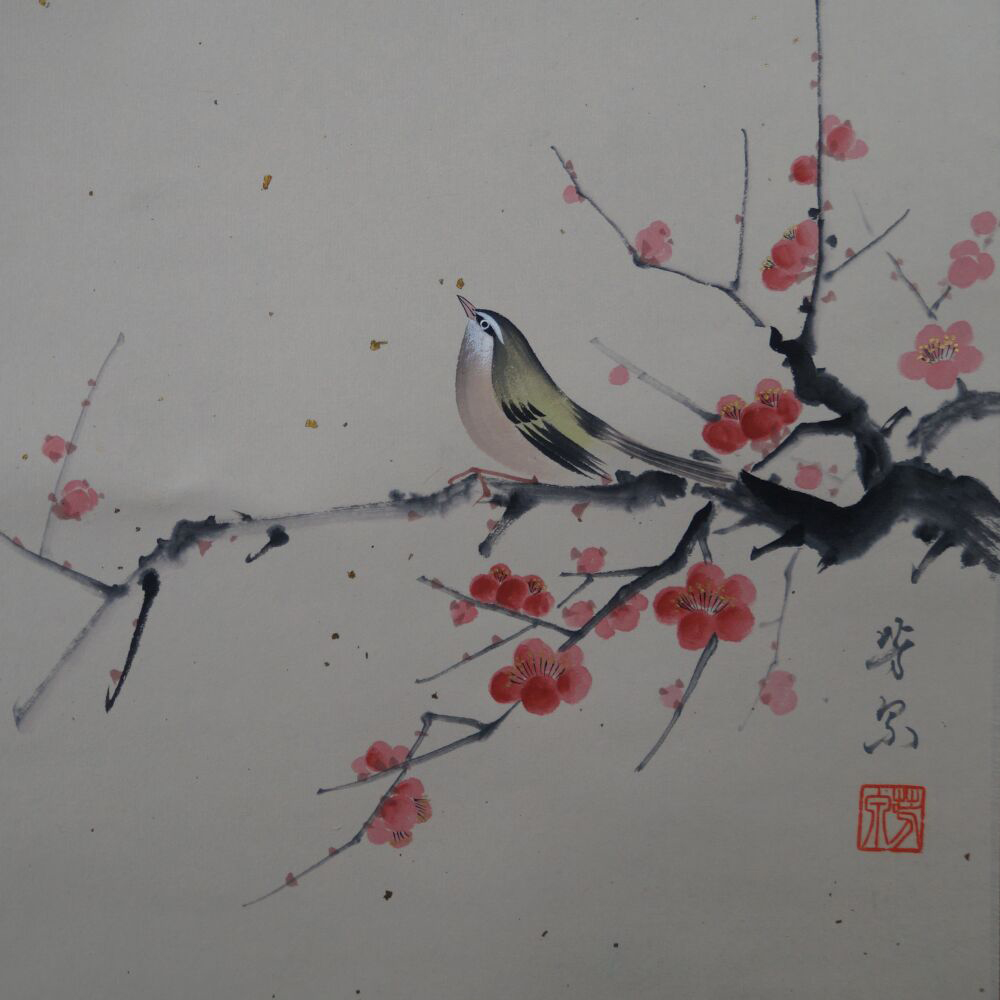
Sugaya Hosen
Pale Pink Plum Blossoms in Spring Light
Kakemono, unique work, with box, 193 x 46 cm
€490.00
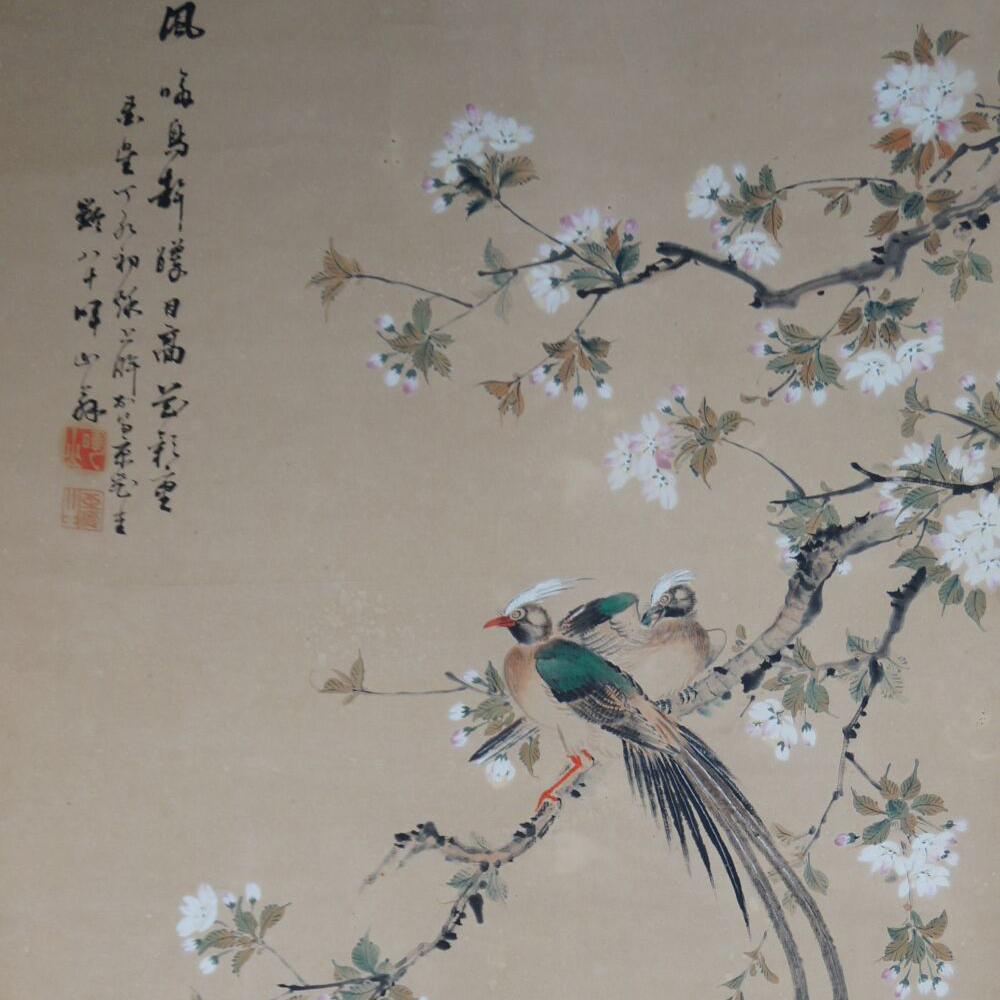
Takahashi Keizan
Spring Duet on Blooming Branch
Kakemono, unique work, 182 x 80 cm
€630.00
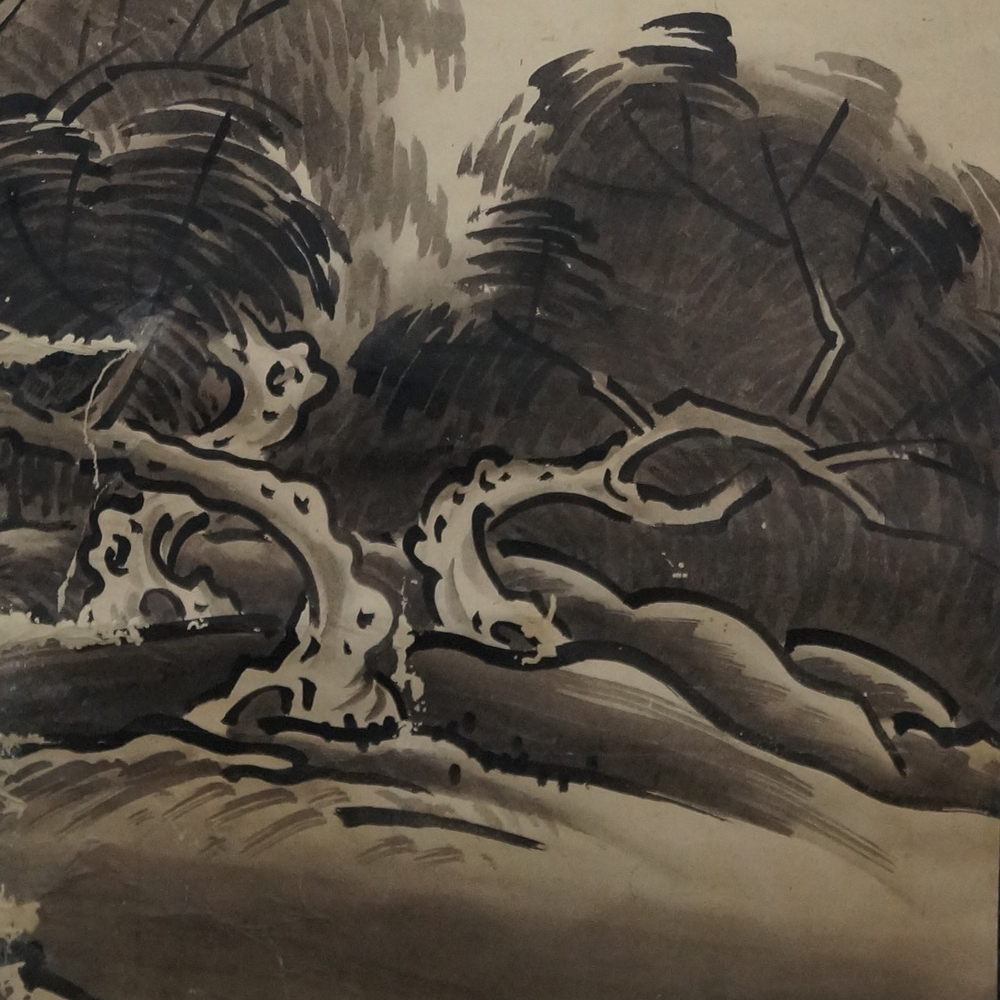
Two Gnarled Trees
Kakemono, unique work, 210 x 58 cm
€120.00
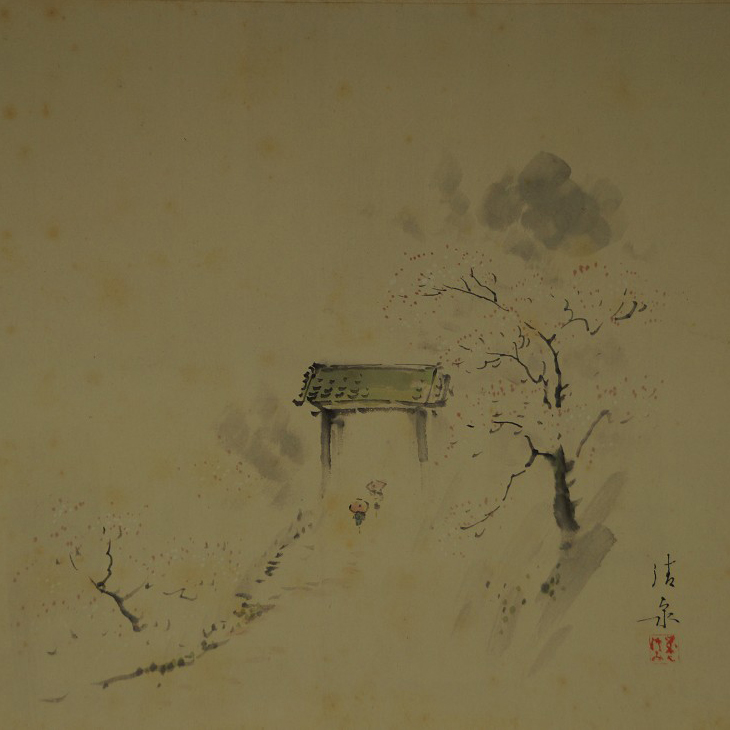
Seizumi
Small Wanderer Beneath Blossoming Trees at the Torii
Kakemono, unique work, 128 x 57 cm
€220.00

Details about the sold piece
- JikusakiWood
- Material HonshiPaper
- MotifFlowers and Plants
- TechniqueHand-Painted
Description
With sweeping, expressive, almost calligraphic brushstrokes, this work captures the gnarled, winding trunk of a blooming plum tree, whose branches spread energetically in all directions, while individual blossoms emerge like dabs of loose ink application, lending the image palpable vitality.
The plum tree is among the most popular motifs in East Asian painting, as it is the first tree to bloom in the year, thus symbolizing endurance, renewal, and the strength of early spring. An accompanying inscription refers to the southern region of Jiangnan, while two red artist's seals complete the composition and lend it additional weight.
Painted on paper, fitted with wooden roller ends, and dating from the Taishô period, this hand-painted unique work impresses with its spontaneous, powerful brushwork and the reduction to the essential typical of literati-style ink painting, without losing expressiveness. The onset of spring made this motif a popular choice for the cooler season in the tokonoma.