
Kakemono Sparrow in Nanten Bush
One of a kind — this work exists only once.
- Period:
- Meiji (1868–1912)
- Dimensions (height x width):
- 130 x 53 cm
- Item number:
- 3331
This piece has been sold.
Sold – no longer available
This piece was a handmade one-of-a-kind work. It cannot be reordered and will never exist in this form again. The page stays online as part of our archive.
More items in category Flowers and PlantsAll one-of-a-kind Japanese Painting pieces
See new one-of-a-kind pieces first
We feature every delivery from Japan in the newsletter first – before the pieces show up in search results.
You might like these pieces
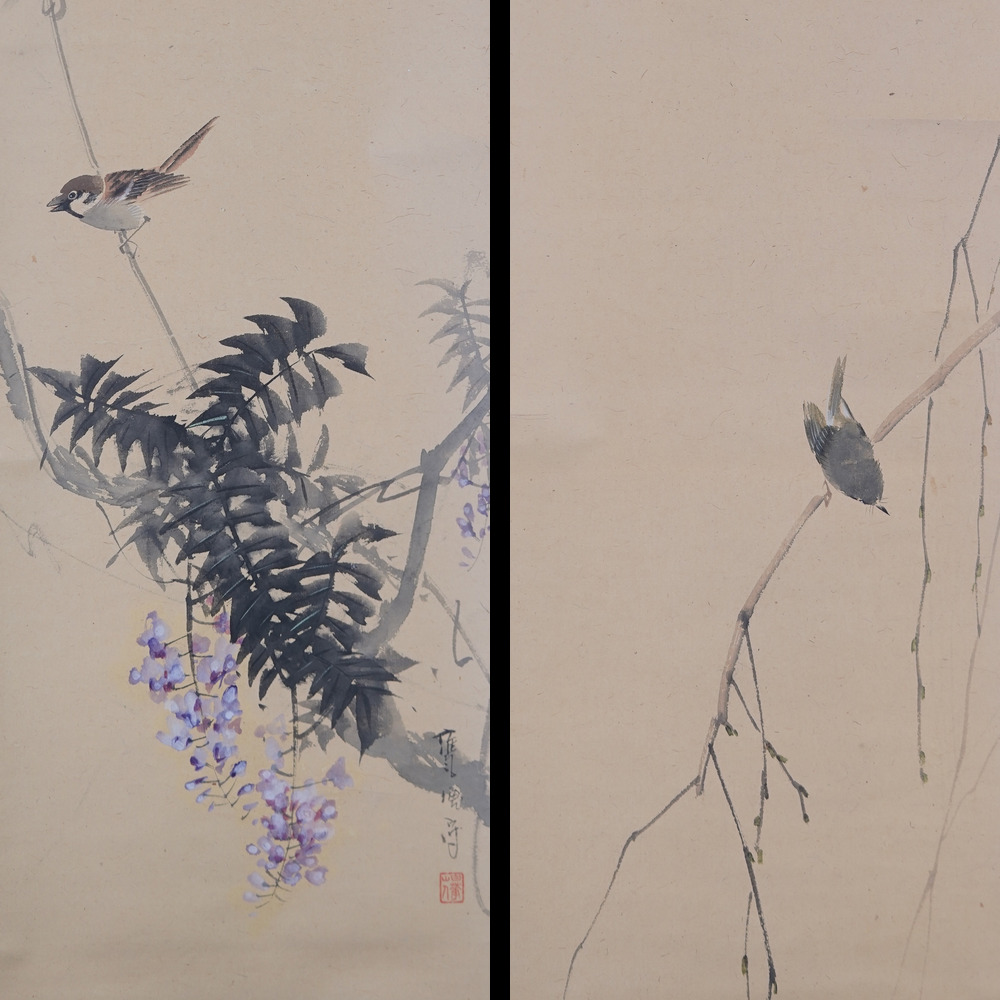
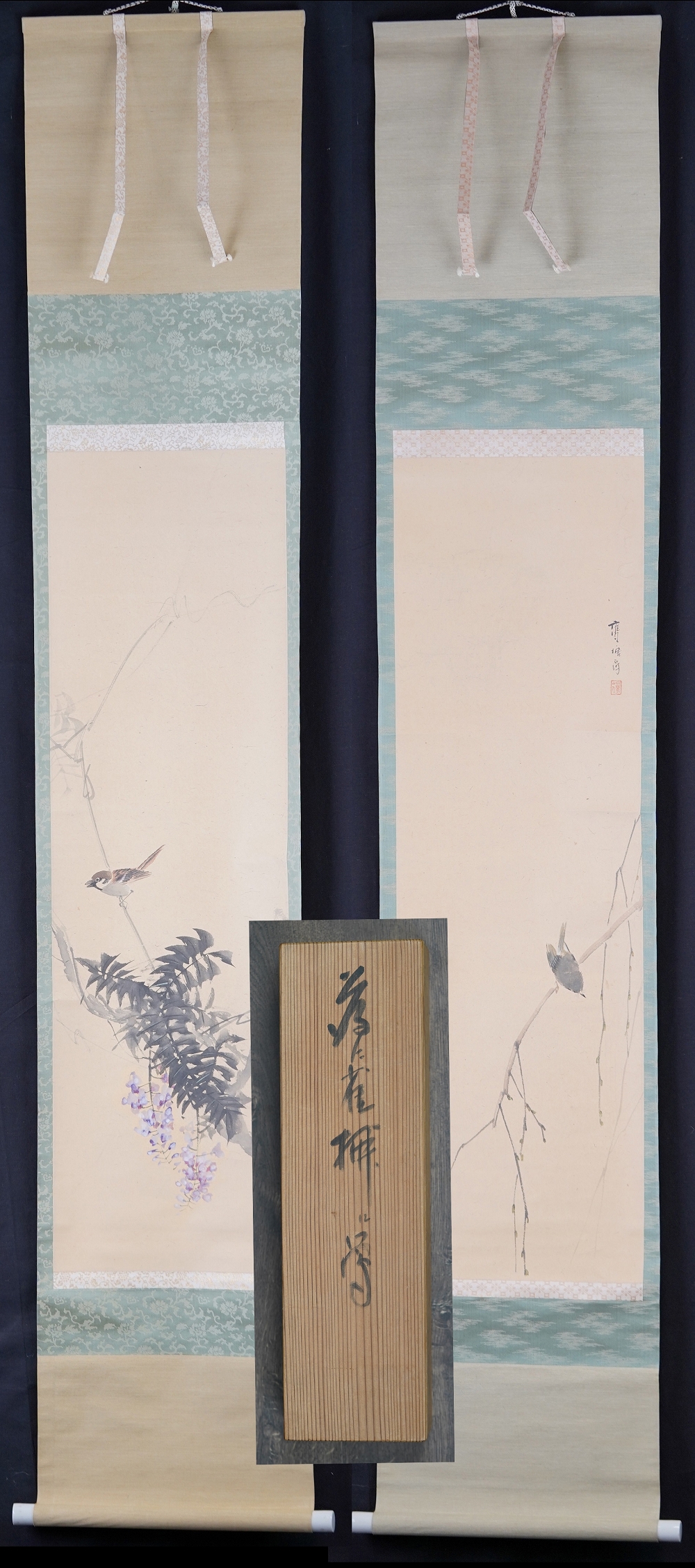
Nakahara Yōtō
Set of Two Paintings – Sparrows on Wisteria and Willow Branch
Kakemono, unique work, with box, 175 x 38 cm
€690.00
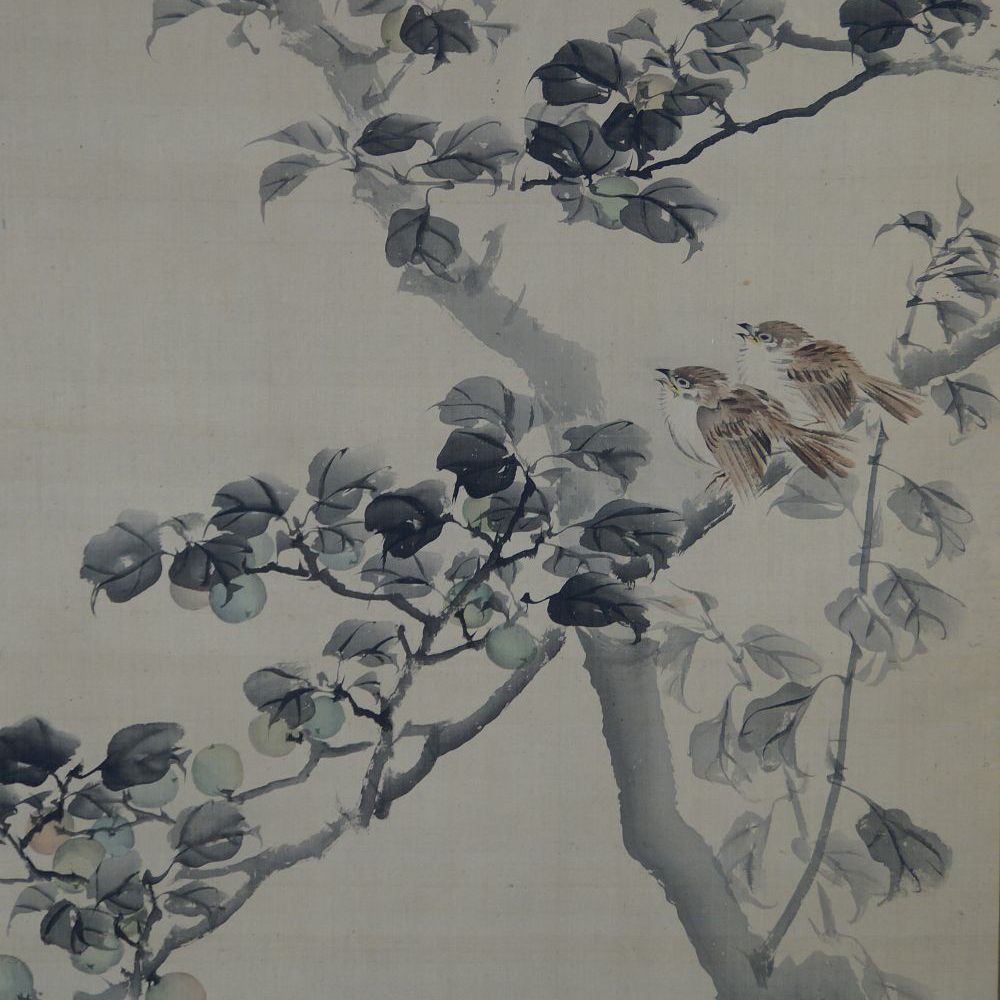
Okajima Kiyohiro
Sparrows on a Fruit Tree
Kakemono, unique work, with box, 190 x 60 cm
€340.00

Sparrows at the Cliff
Kakemono, unique work, 187 x 57 cm
€180.00
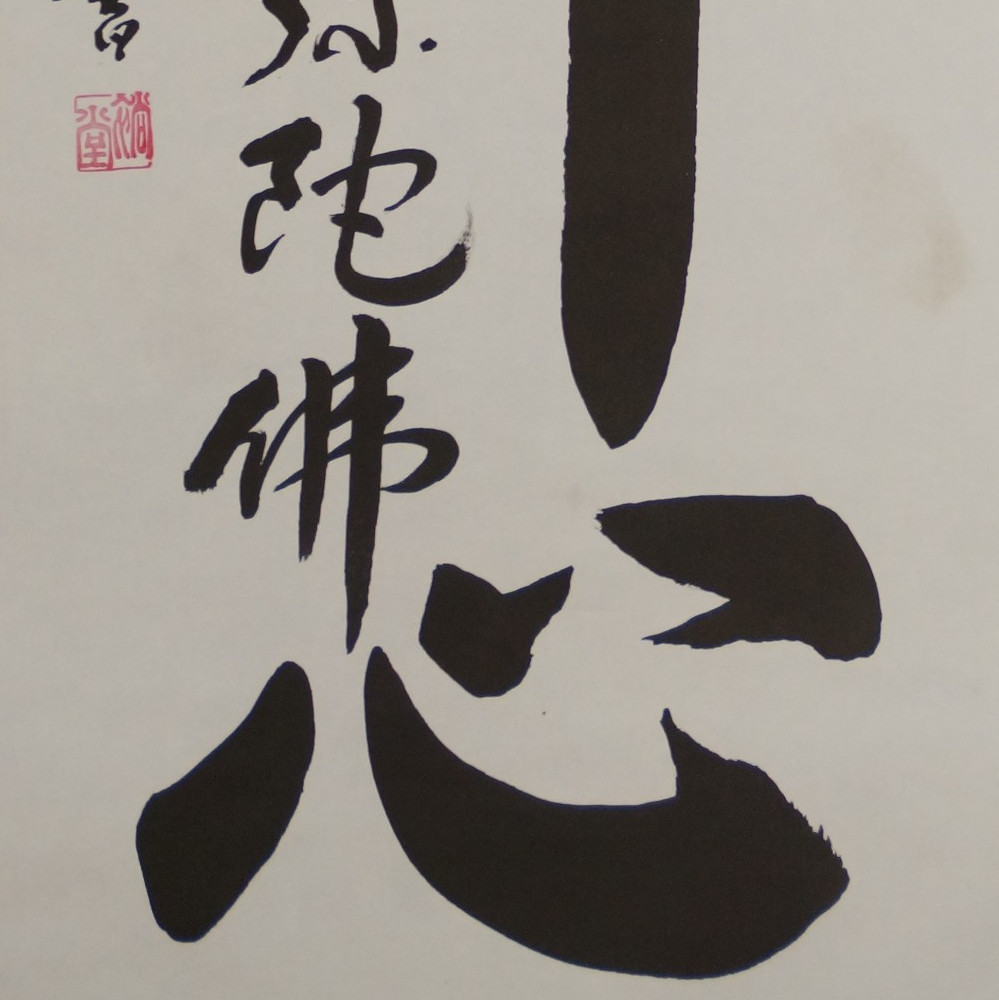
Zen Calligraphy "Bushin" (Buddha Spirit)
Kakemono, unique work, 187 x 60 cm
€350.00
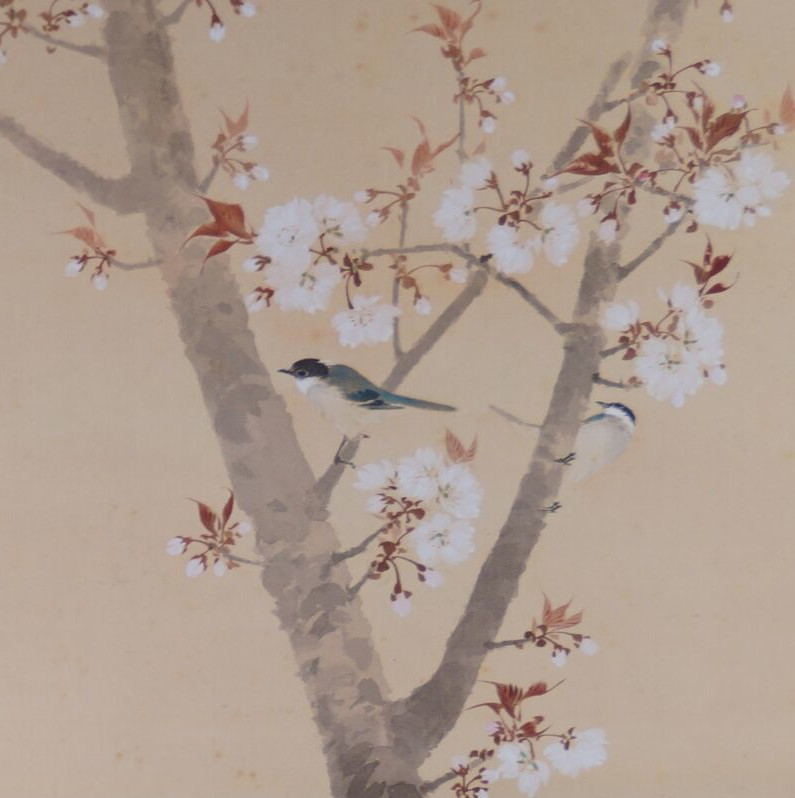
Suma Taisui
Spring at the Old Cherry Blossom
Kakemono, unique work, with box, 208 x 61 cm
€470.00
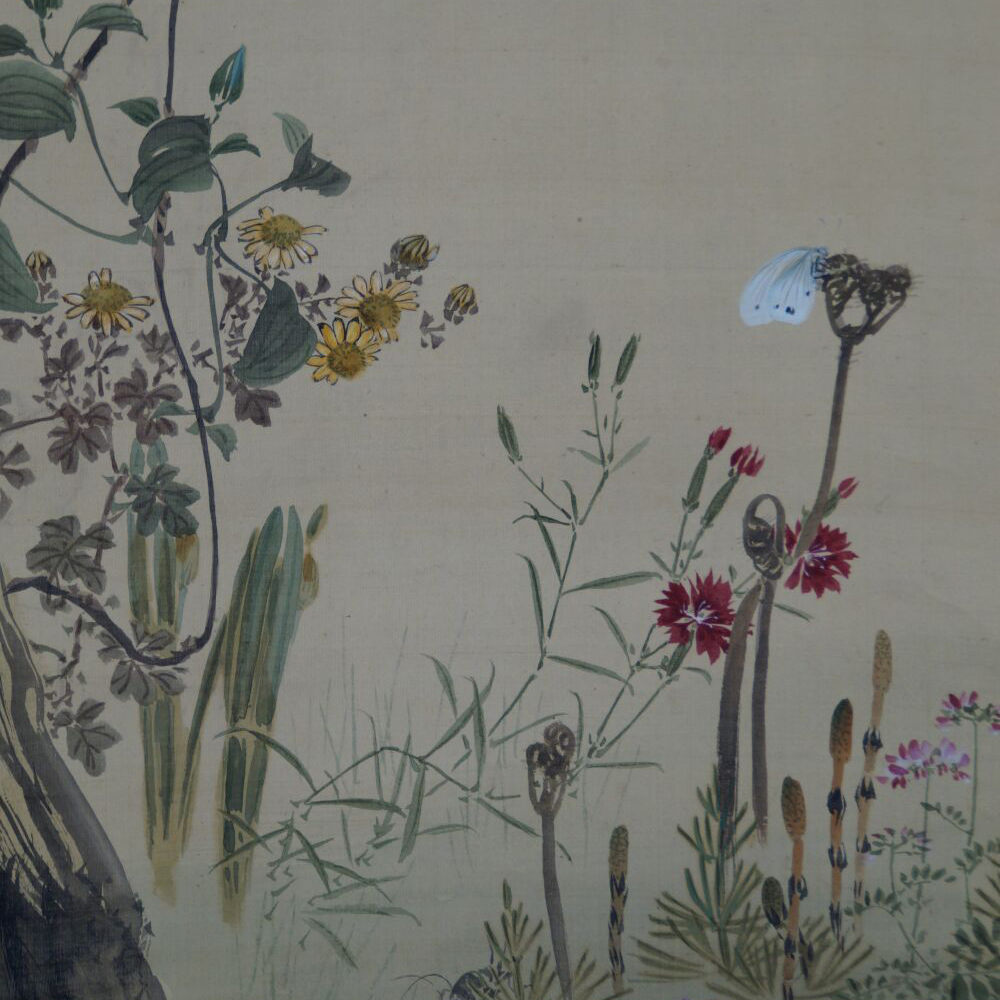
Shibata Zeshin
Autumn Riverside Vegetation with Butterfly
Kakemono, unique work, with box, 192 x 46 cm
€880.00
Mikami Kyokuhō
Naturstille
Kakemono, unique work, 202 x 61 cm
€265.00
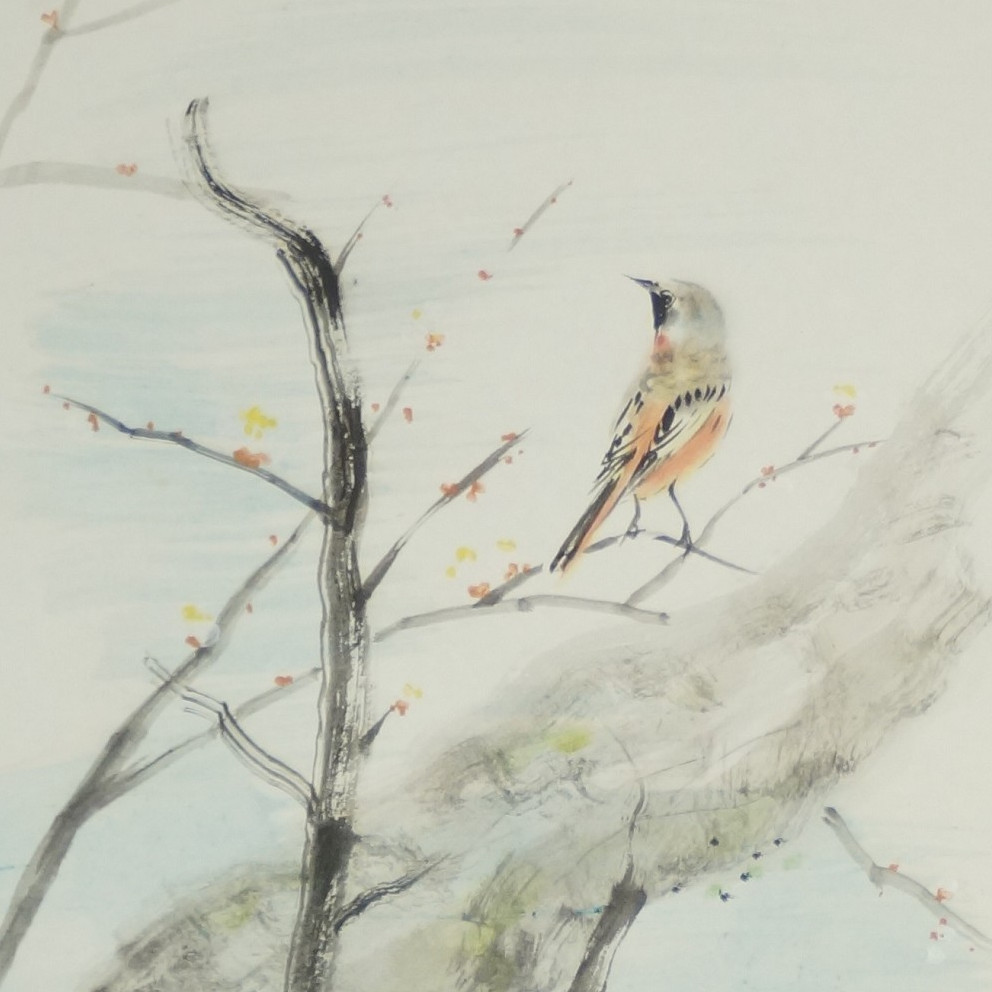
Sparrow on Snow-Covered Plum Branch
Kakemono, unique work, 193 x 50 cm
€280.00




Details about the sold piece
- JikusakiWood
- Material HonshiPaper
- MotifAnimals, Flowers and Plants
- TechniqueHand-Painted
Description
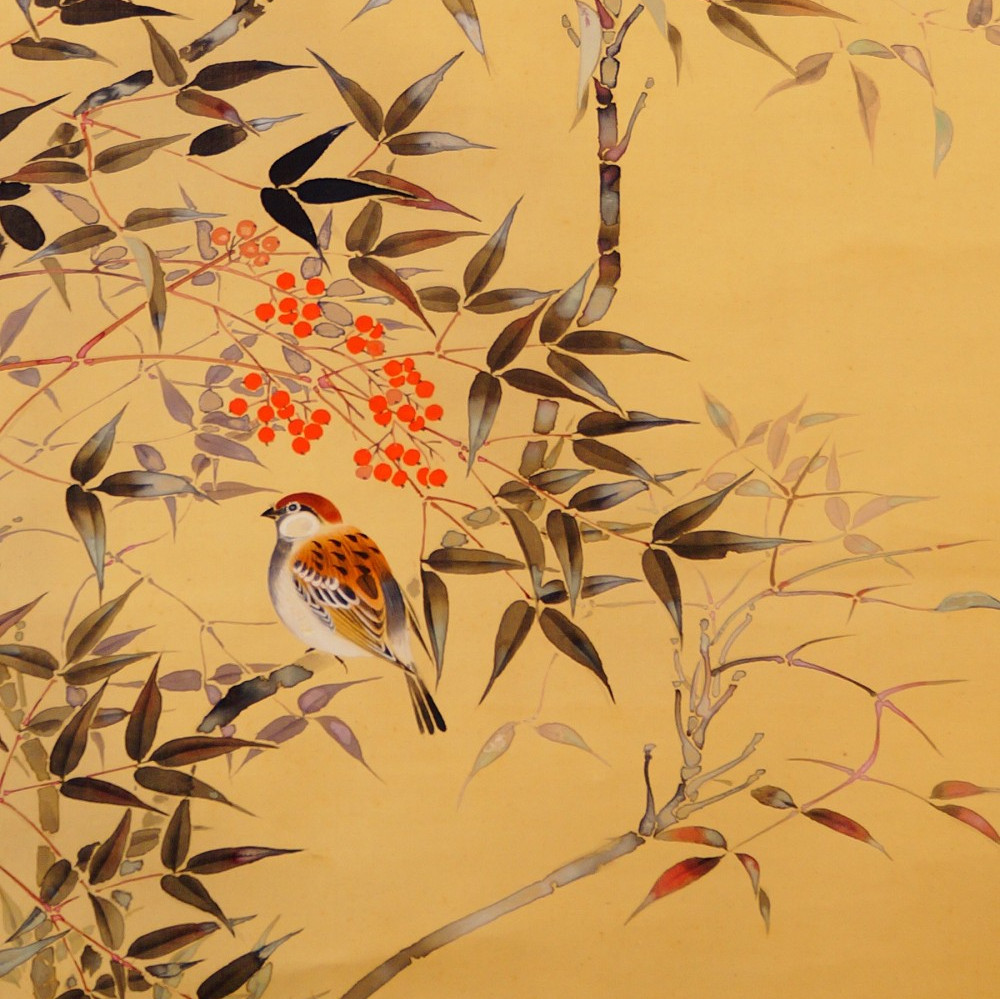
Among the finely feathered leaves of a nanten bush, its branches bending under the weight of bright red berries, a small sparrow sits and looks curiously at the clusters at its feet.
Nanten, also known in German as "Himmelsbambus" (heavenly bamboo), is regarded in Japan as a bringer of good fortune and is traditionally planted or used as a motif at the turn of the year, since its name sounds similar to the word for "averting misfortune." At the lower edge of the image, small yellow chrysanthemums complement the autumnal palette of red, green, and ocher.
The fine, colored brushwork and the carefully balanced composition attest to great painterly skill. The hanging scroll is painted on paper, fitted with wooden jikusaki, and was probably created in the Meiji period.
