
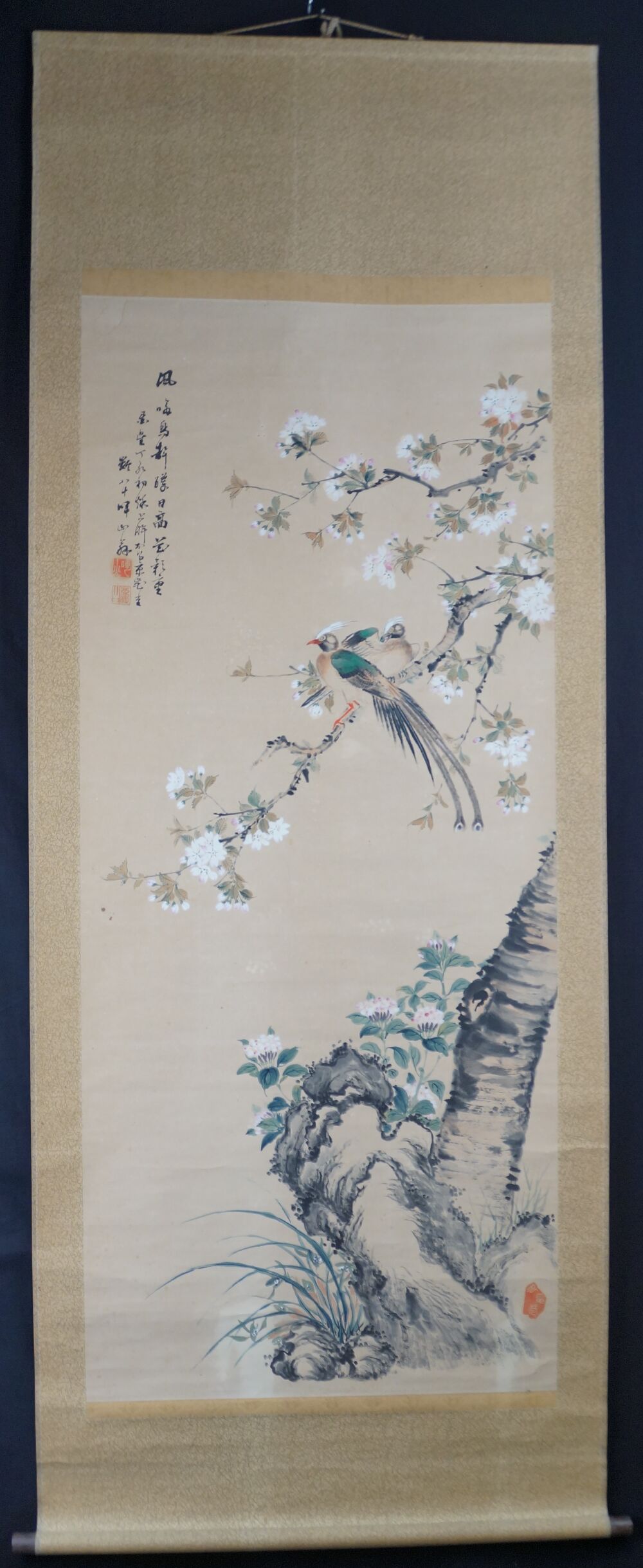
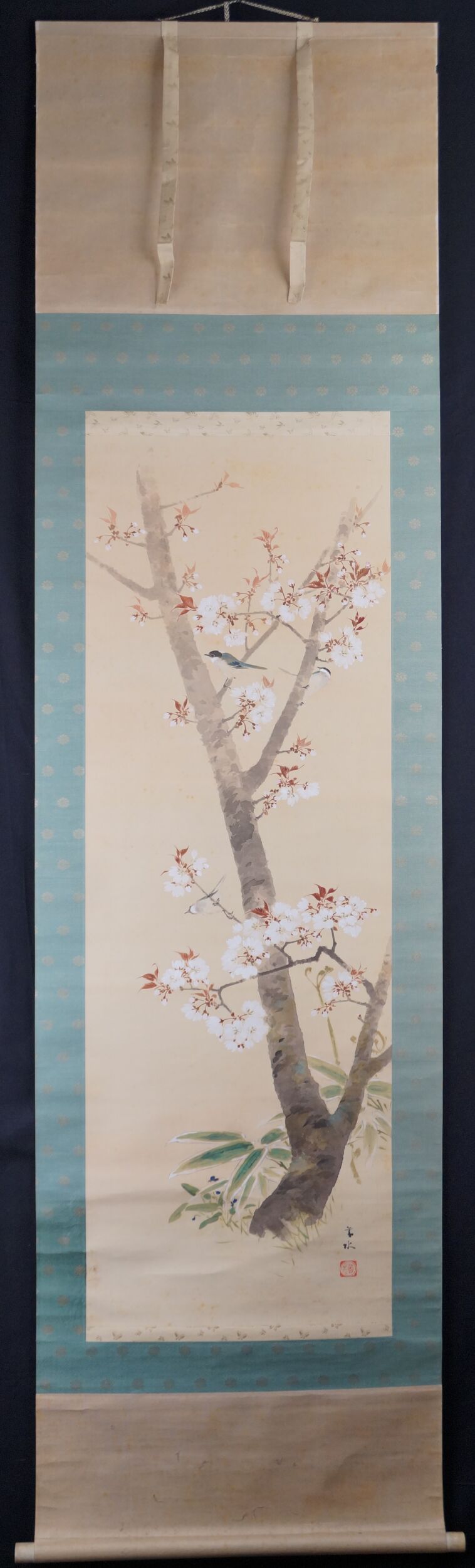
Kakemono Spring Awakening - Two Birds on a Blossoming Cherry Branch
One of a kind — this work exists only once.
- Period:
- Shôwa (1926–1989)
- Dimensions (height x width):
- 185 x 62 cm
- Item number:
- 6345
This piece has been sold.
Sold – no longer available
This piece was a handmade one-of-a-kind work. It cannot be reordered and will never exist in this form again. The page stays online as part of our archive.
More items in category AnimalsAll one-of-a-kind Japanese Painting pieces
See new one-of-a-kind pieces first
We feature every delivery from Japan in the newsletter first – before the pieces show up in search results.
You might like these pieces
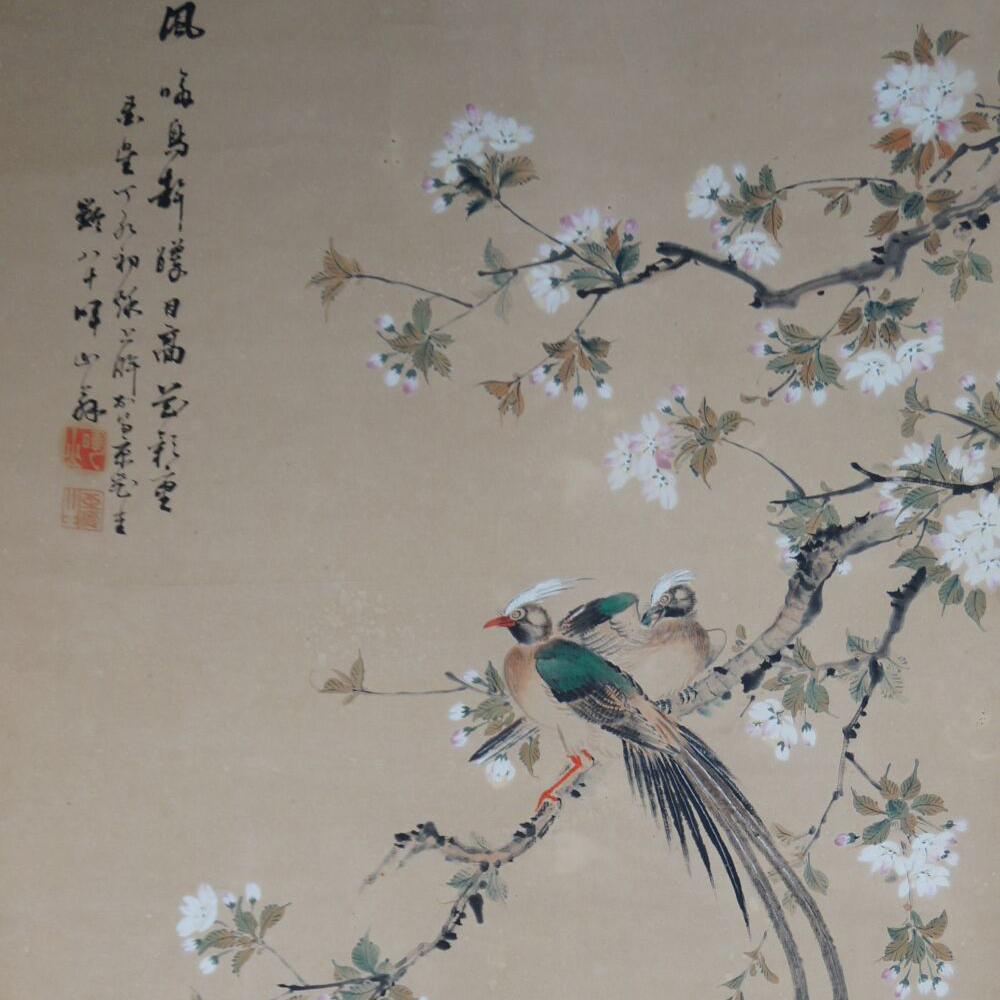
Takahashi Keizan
Spring Duet on Blooming Branch
Kakemono, unique work, 182 x 80 cm
€630.00
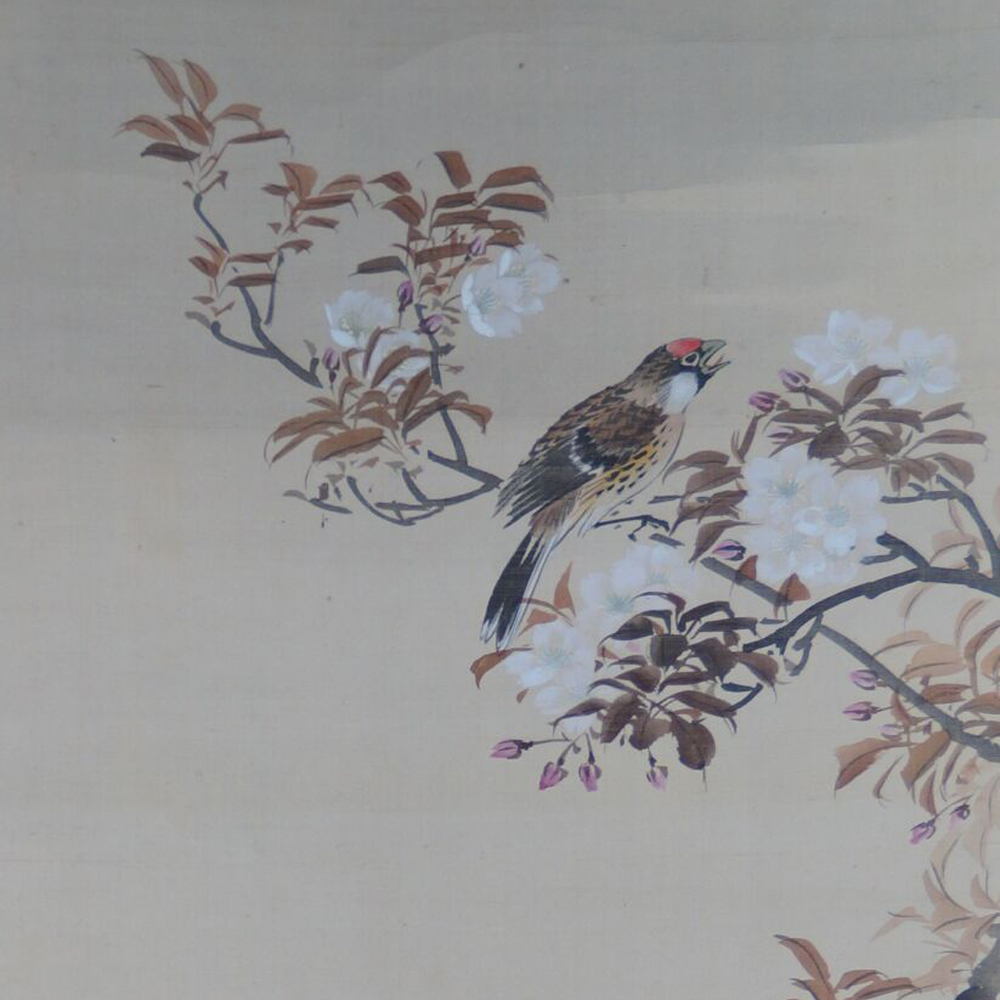
Hirose Hakuen
Singing Bird in Cherry Blossom Branch
Kakemono, unique work, 182 x 51 cm
€370.00
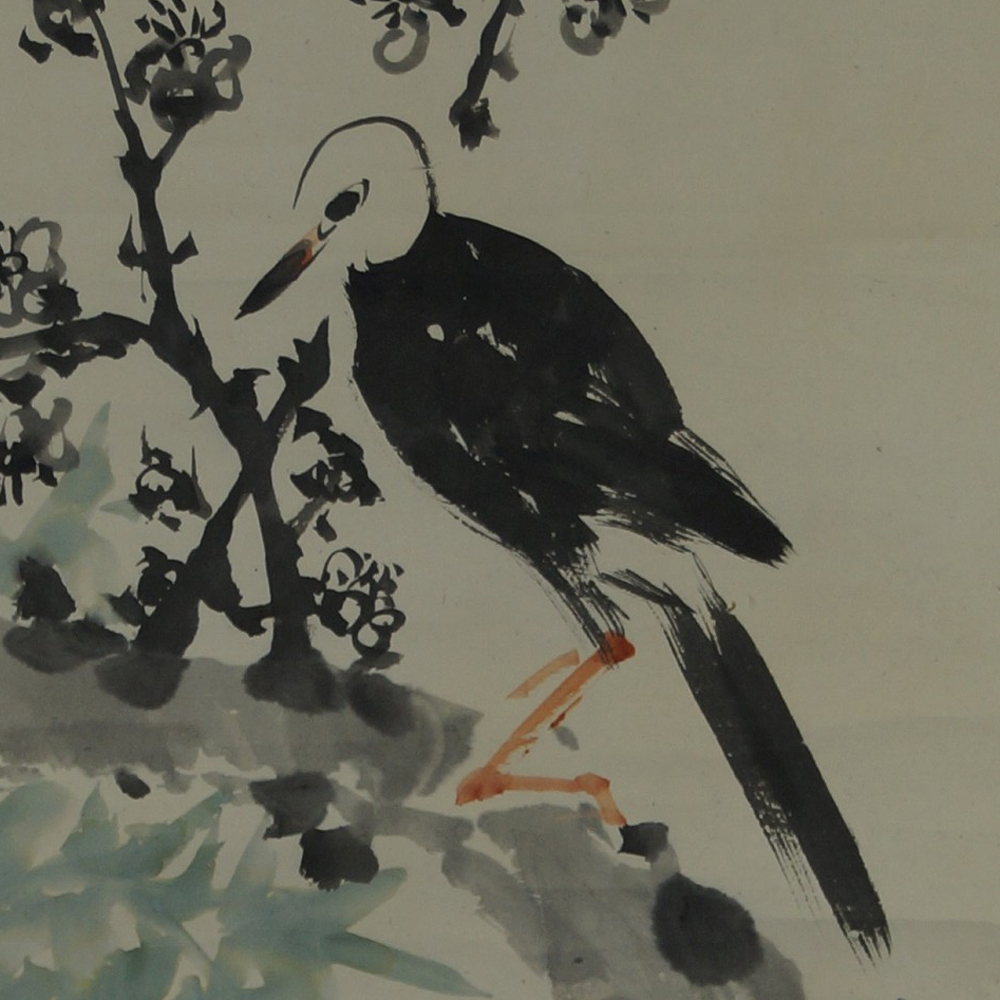
Heron Under Cherry Blossom Branch
Kakemono, unique work, 182 x 46 cm
€140.00
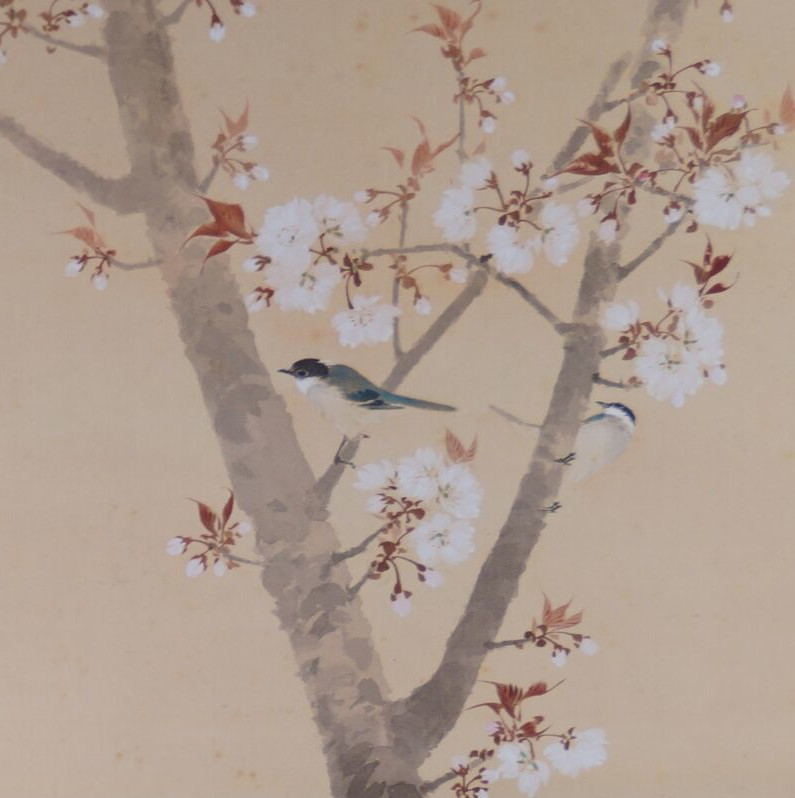
Suma Taisui
Spring at the Old Cherry Blossom
Kakemono, unique work, with box, 208 x 61 cm
€470.00
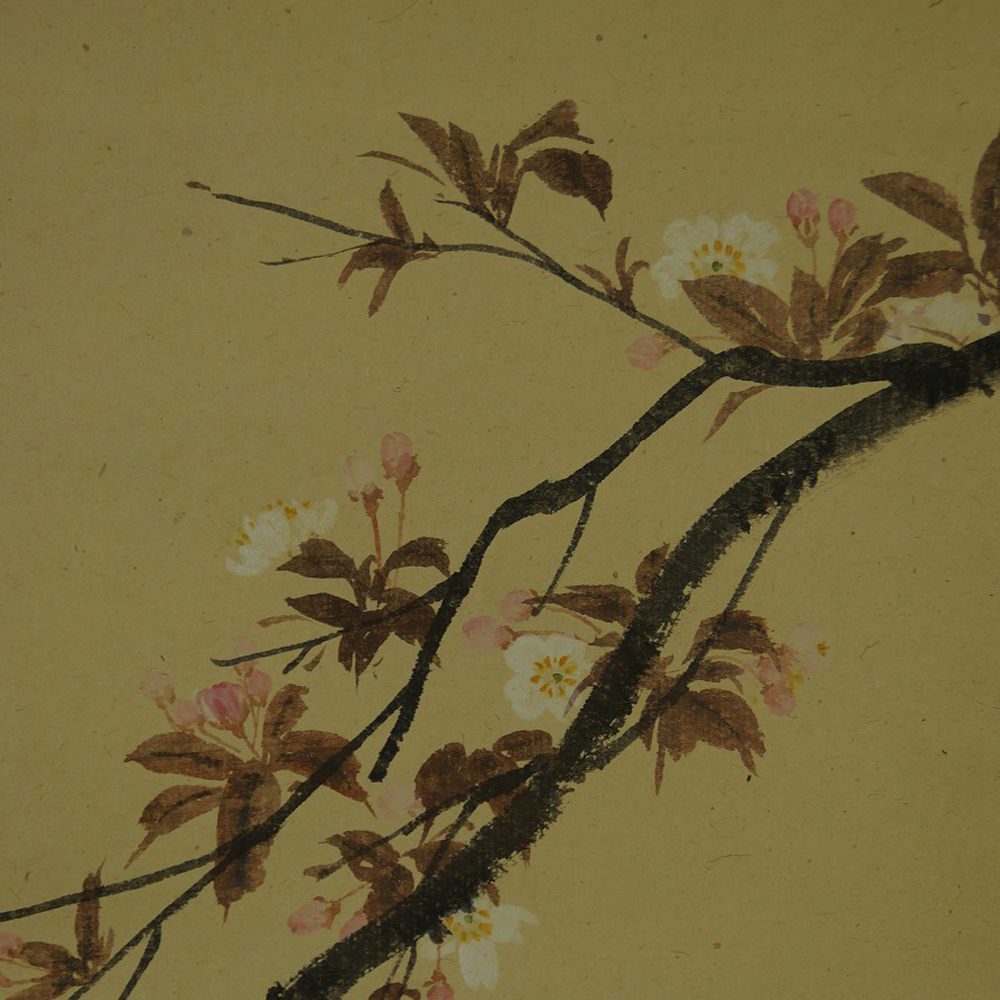
Hishida Shigehiru
Sakura Branch in Delicate Spring Light
Kakemono, unique work, with box, 187 x 40 cm
€420.00
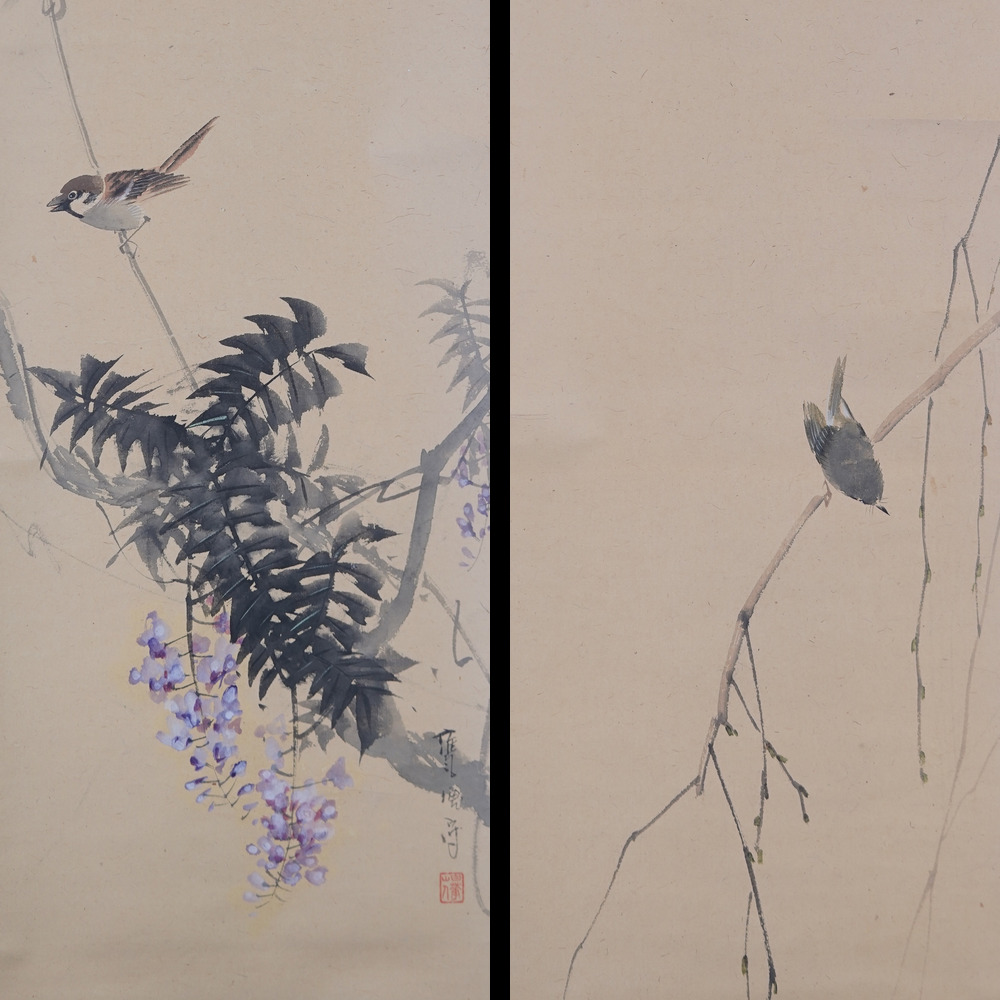
Nakahara Yōtō
Set of Two Paintings – Sparrows on Wisteria and Willow Branch
Kakemono, unique work, with box, 175 x 38 cm
€690.00
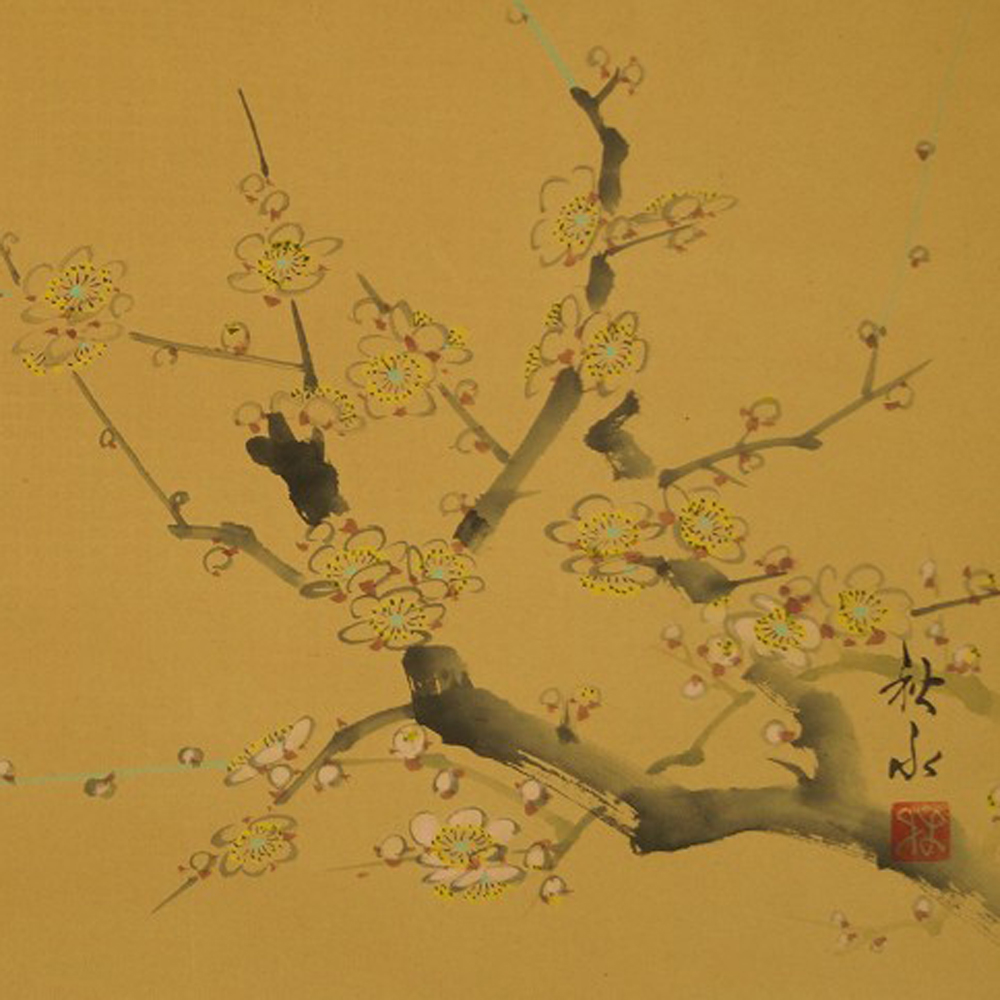
Branch Full of Sakura Blossoms
Kakemono, unique work, 120 x 60 cm
€190.00
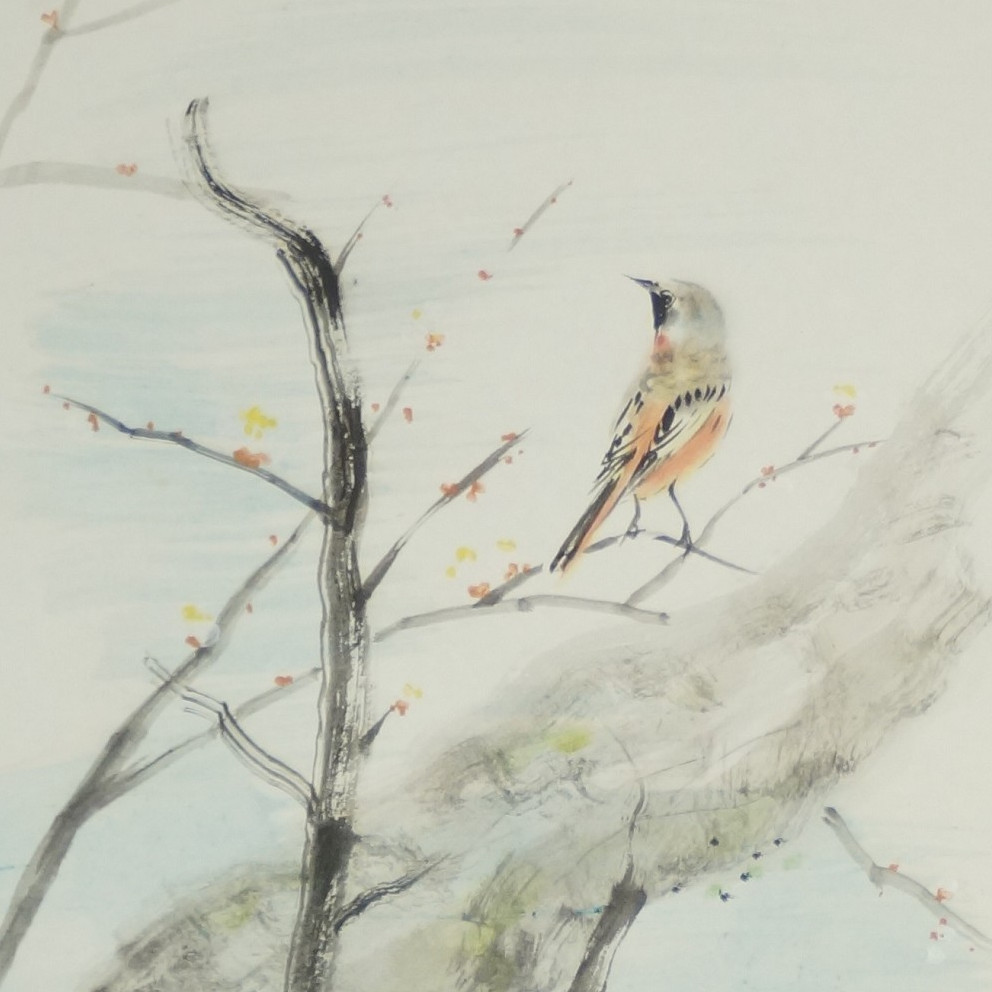
Sparrow on Snow-Covered Plum Branch
Kakemono, unique work, 193 x 50 cm
€280.00


Details about the sold piece
- JikusakiWood
- Material HonshiSilk
- MotifAnimals
- TechniqueHand-Painted
- Wooden BoxYes
Description
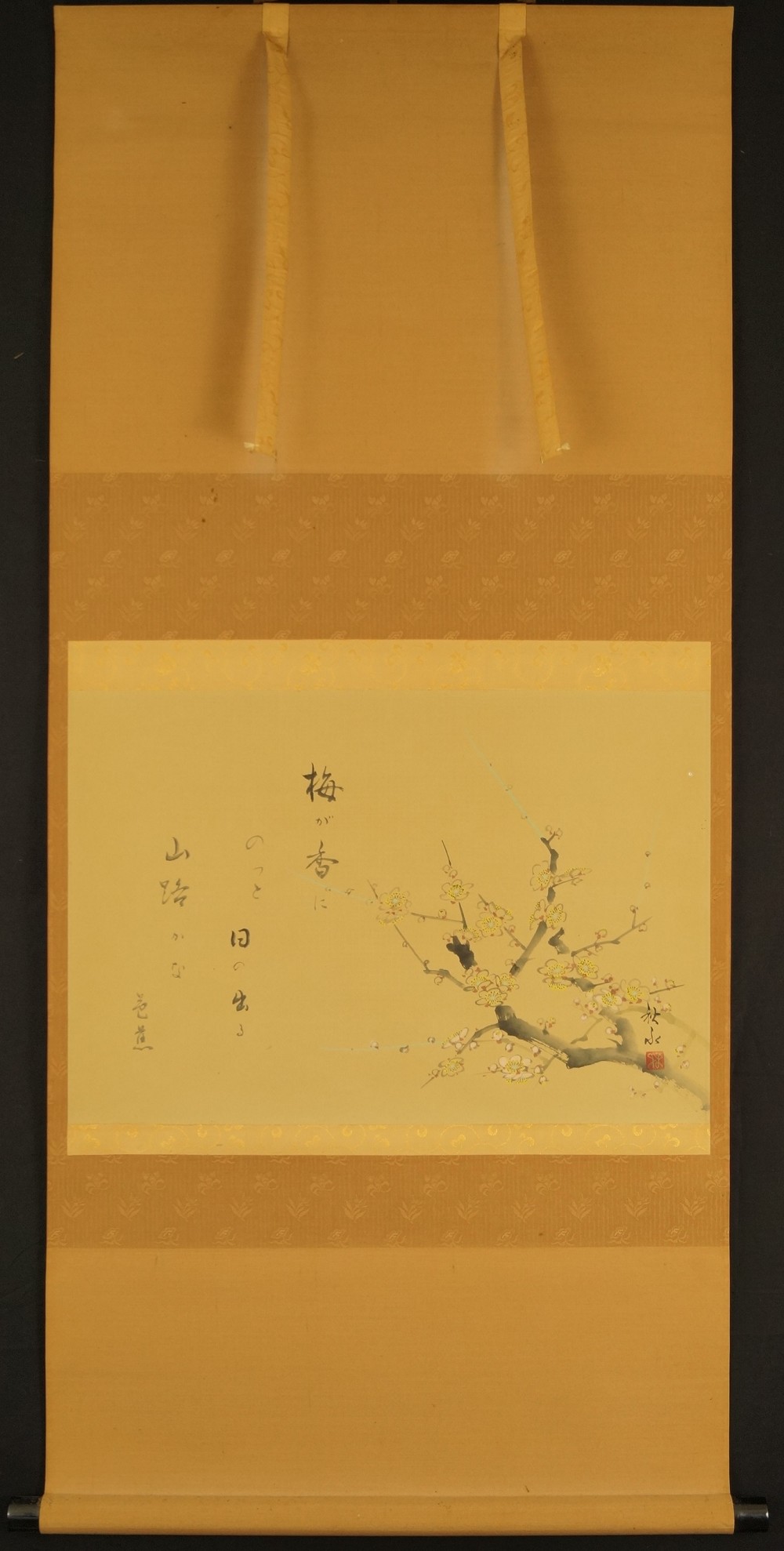
Two delicate birds sit close together on a blossoming cherry branch, surrounded by lush white blossoms. The composition radiates calm and harmony, while the soft color palette of cream, brown, and pink tones conveys the impression of quiet spring days. The artist places particular emphasis on the subtle rendering of the plumage structures and the transparency of the petals, giving the work both technical precision and poetic grace.
The painting was created in the Shōwa period and is executed on fine silk. The jikusaki are made of wood. The seal could not be clearly attributed to a known artist, but the stylistic execution points to a school oriented toward the classical Nihonga tradition, in which observation of nature and emotional restraint merge. This work combines artful composition with a quiet, timeless elegance typical of Japanese painting of the 20th century.

