
Kakemono Tea Master
One of a kind — this work exists only once.
- Period:
- Meiji (1868–1912)
- Dimensions (height x width):
- 150 x 60 cm
- Item number:
- 4243
This piece has been sold.
Sold – no longer available
This piece was a handmade one-of-a-kind work. It cannot be reordered and will never exist in this form again. The page stays online as part of our archive.
More items in category PeopleAll one-of-a-kind Japanese Painting pieces
See new one-of-a-kind pieces first
We feature every delivery from Japan in the newsletter first – before the pieces show up in search results.
You might like these pieces
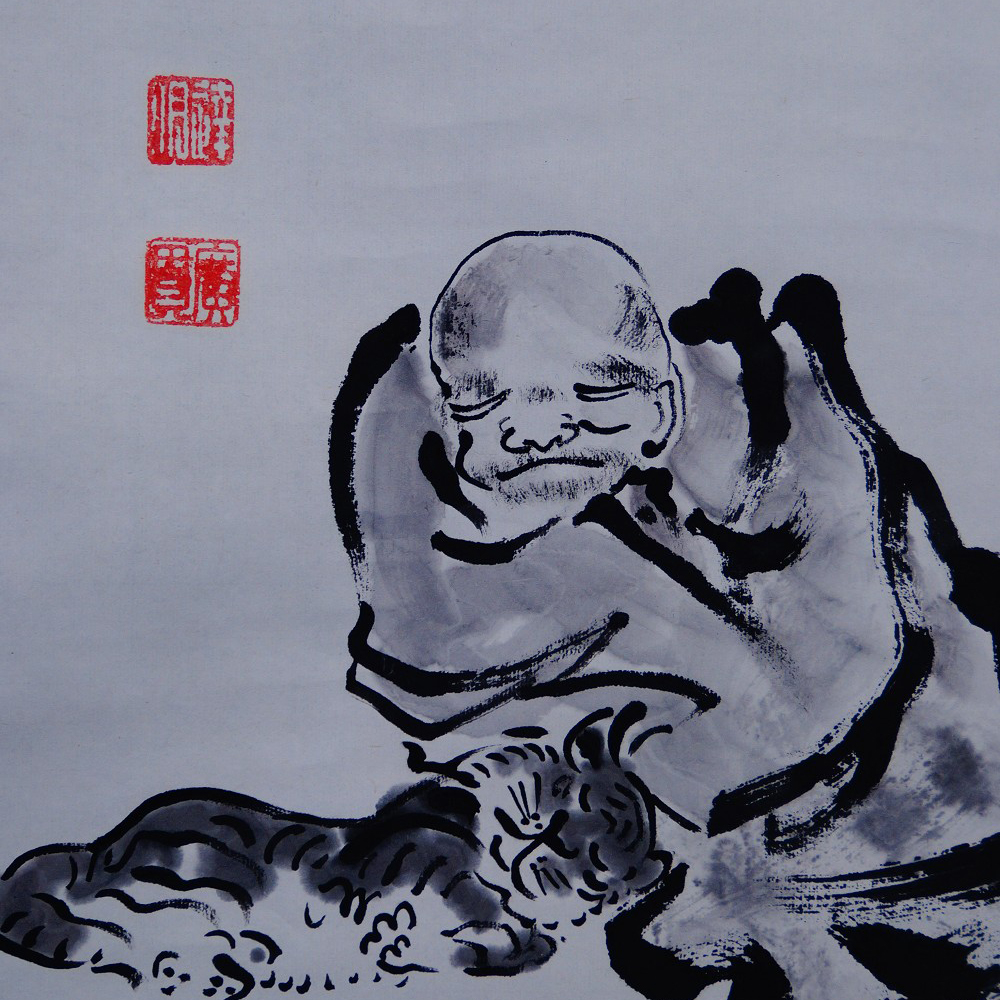
Akamatsu Tatsuaki
Zen Master Hokan
Kakemono, unique work, with box, 185 x 37 cm
€690.00

Matsuyama Fujii
Ink Sketch of a Tea Bowl on Red Cloth
Kakemono, unique work, 122 x 48 cm
€180.00
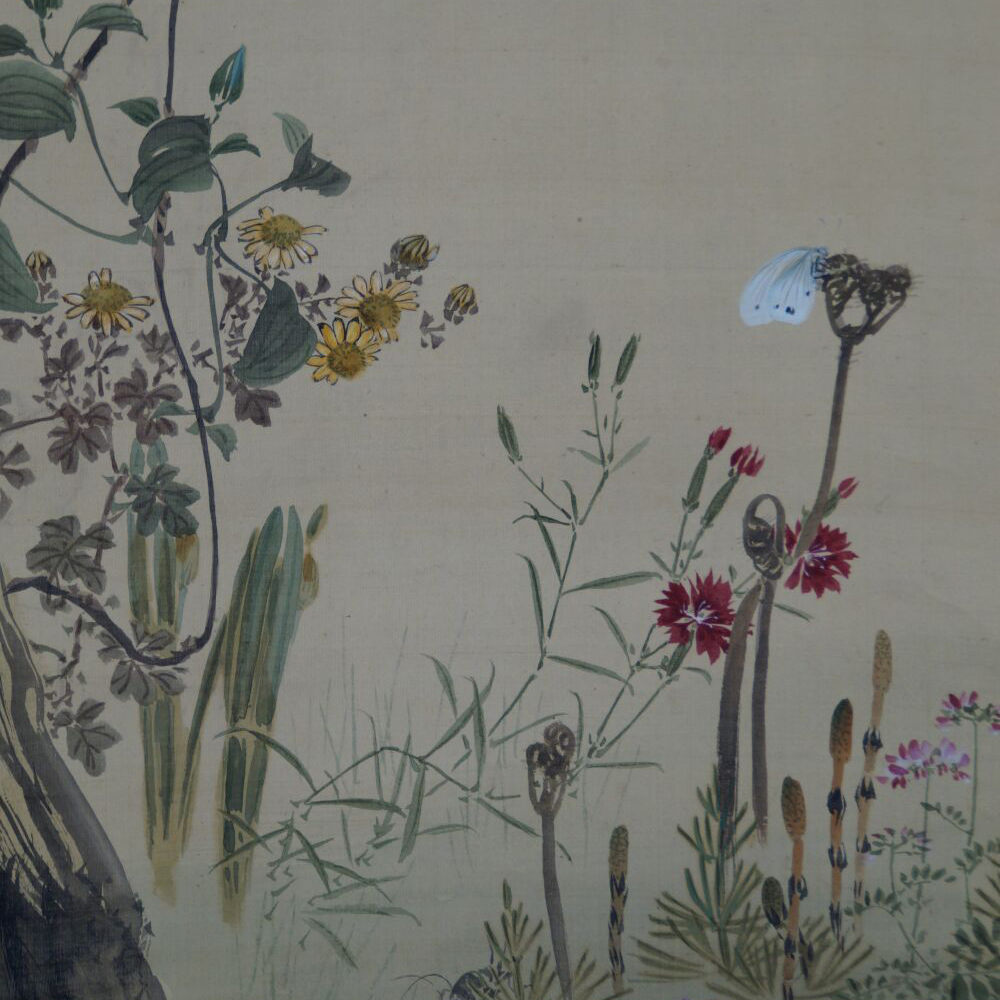
Shibata Zeshin
Autumn Riverside Vegetation with Butterfly
Kakemono, unique work, with box, 192 x 46 cm
€880.00
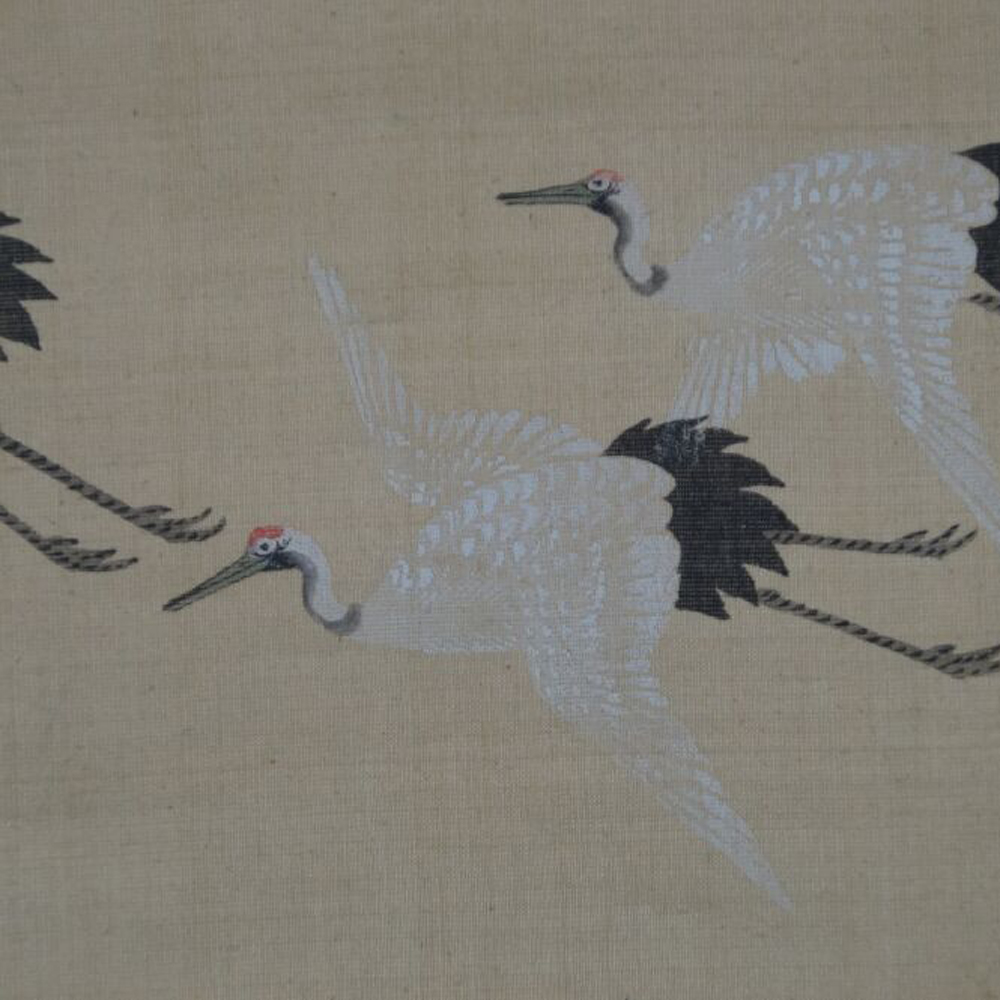
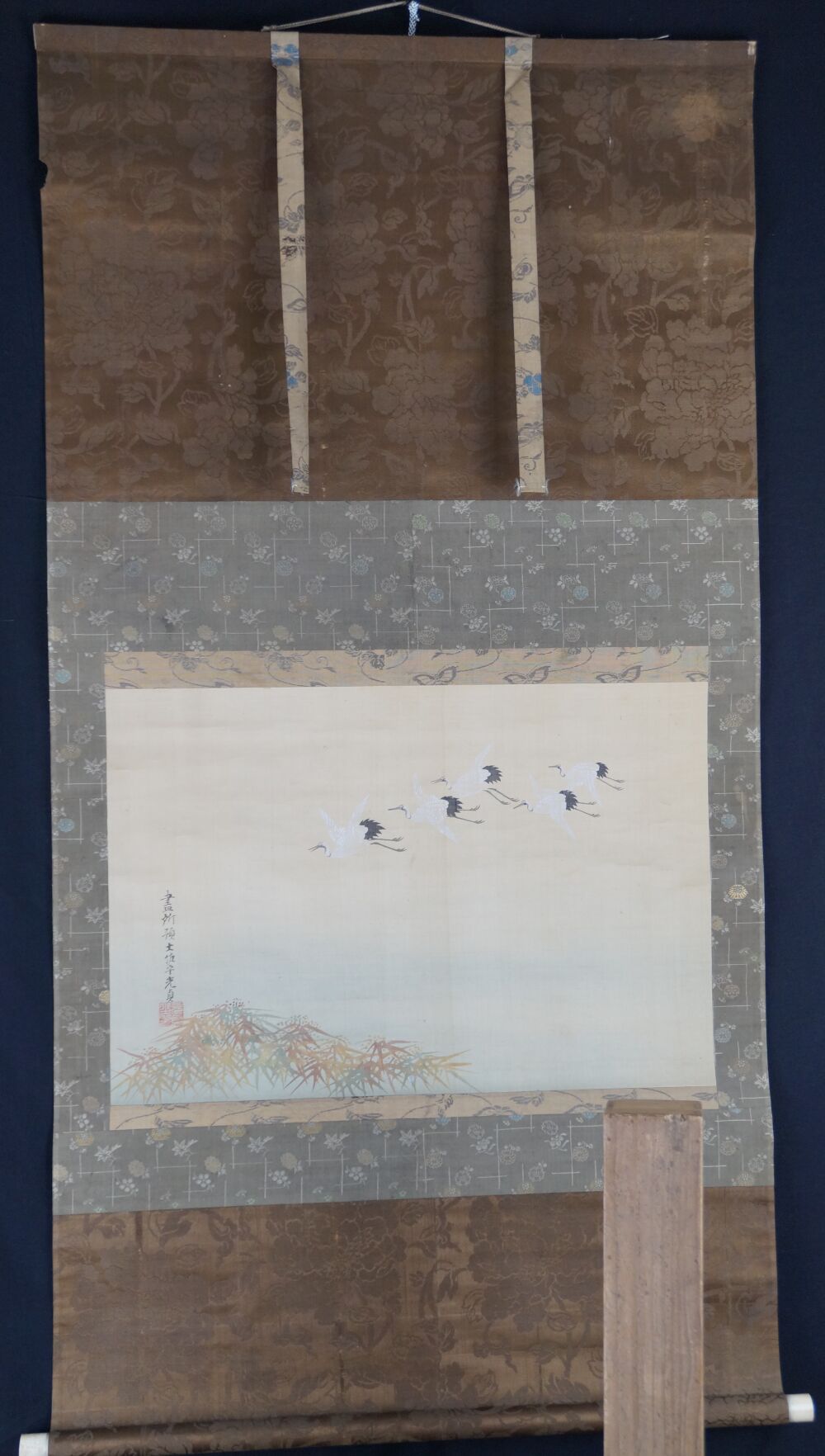
Tosa Mitsusada
Cranes in Flight over Bamboo
Kakemono, unique work, with box, 126 x 69 cm
€360.00
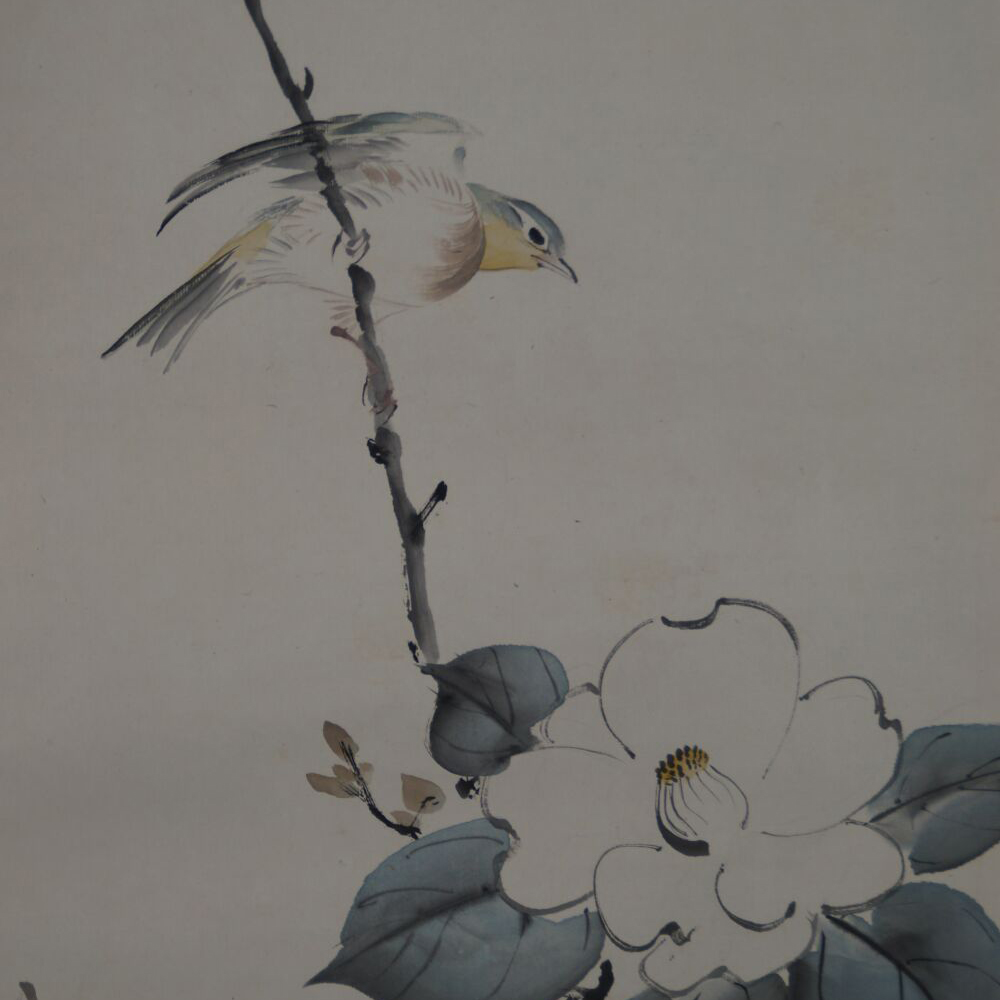
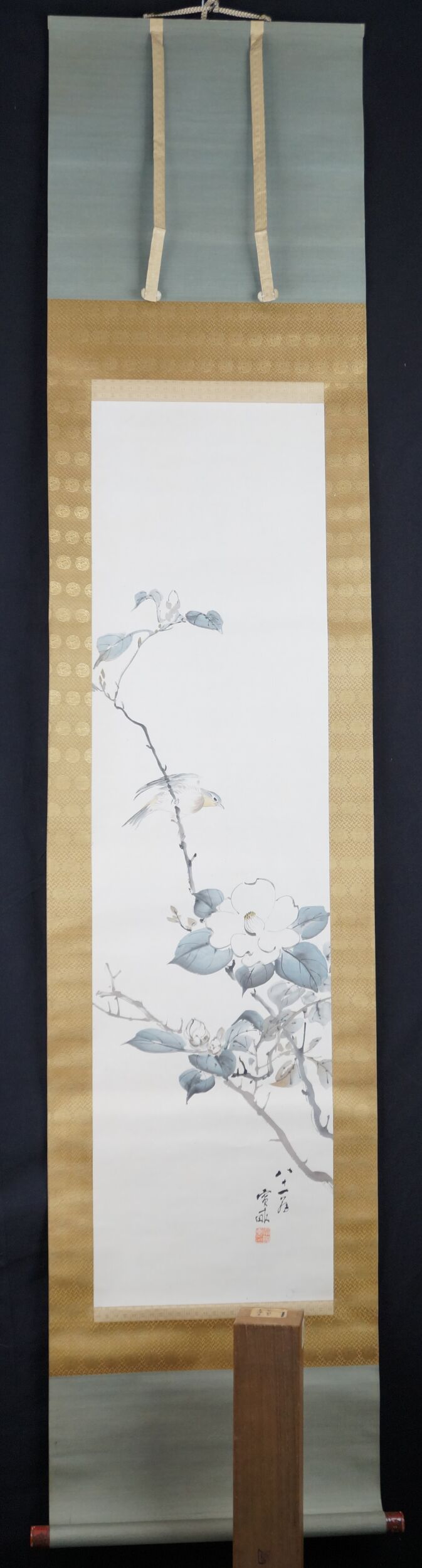
Araki Kanpo
Songbird on Blooming Camellia Branch
Kakemono, unique work, with box, 192 x 46 cm
€1,210.00
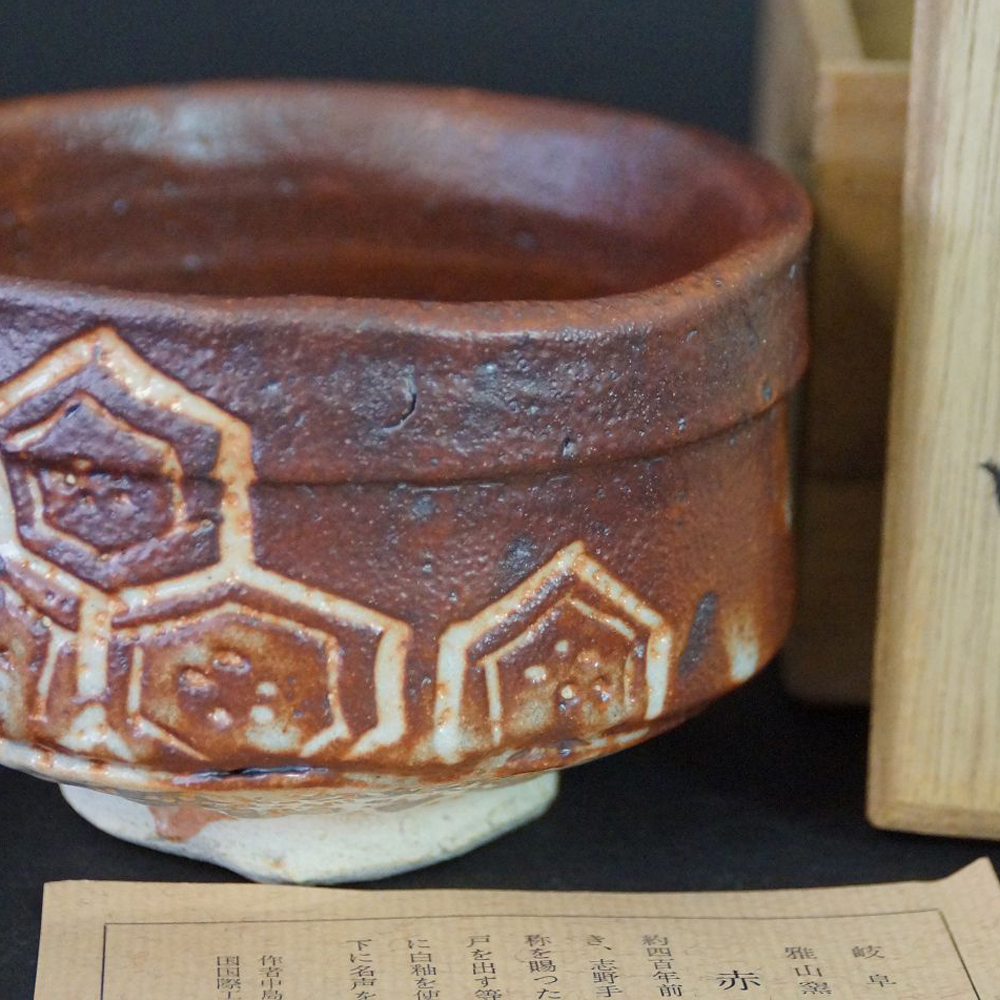
Masao Nakajima
Chawan Tea Bowl Made of Shino Ware by Masao Nakajima
Chawan, unique work, with box, 12,5 x 8 cm
€380.00
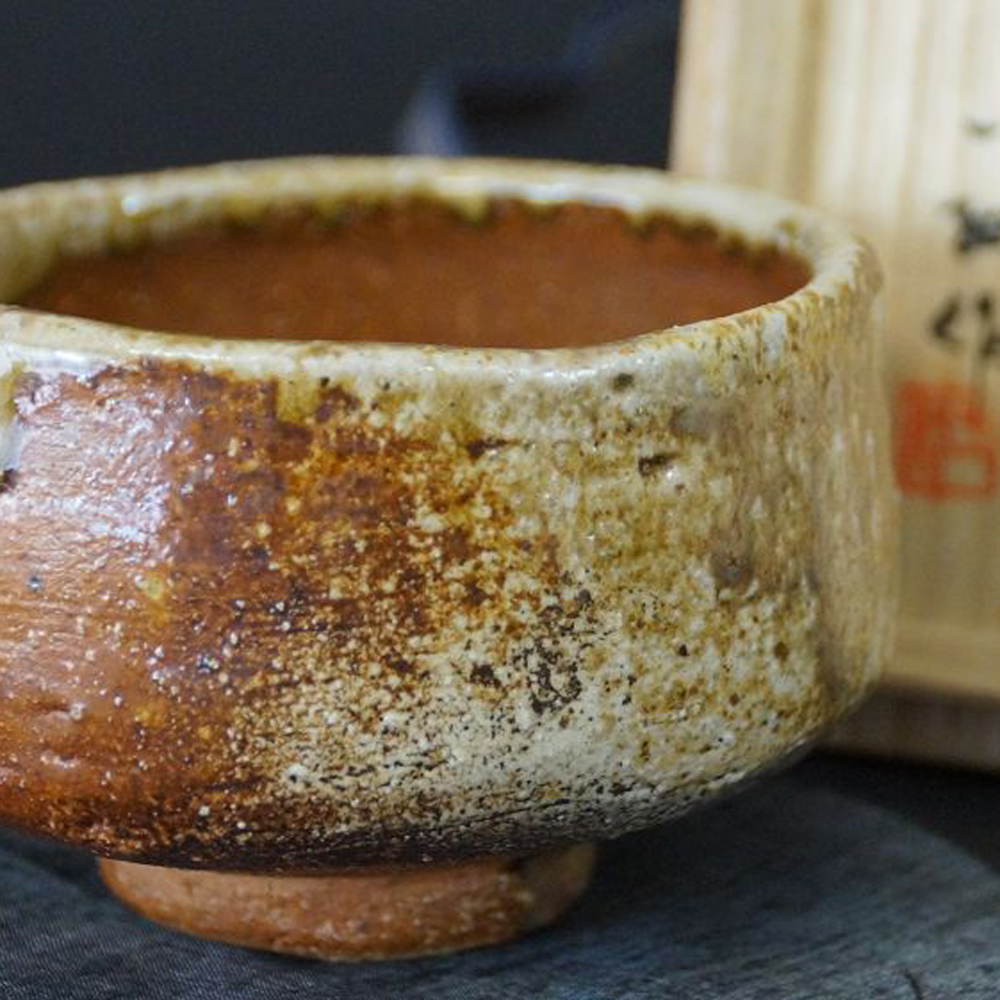
Kazuki Omi
Chawan Tea Bowl Made of Shigaraki Ware by Kazuki Omi
Chawan, unique work, with box, 8 x 12 cm
€210.00
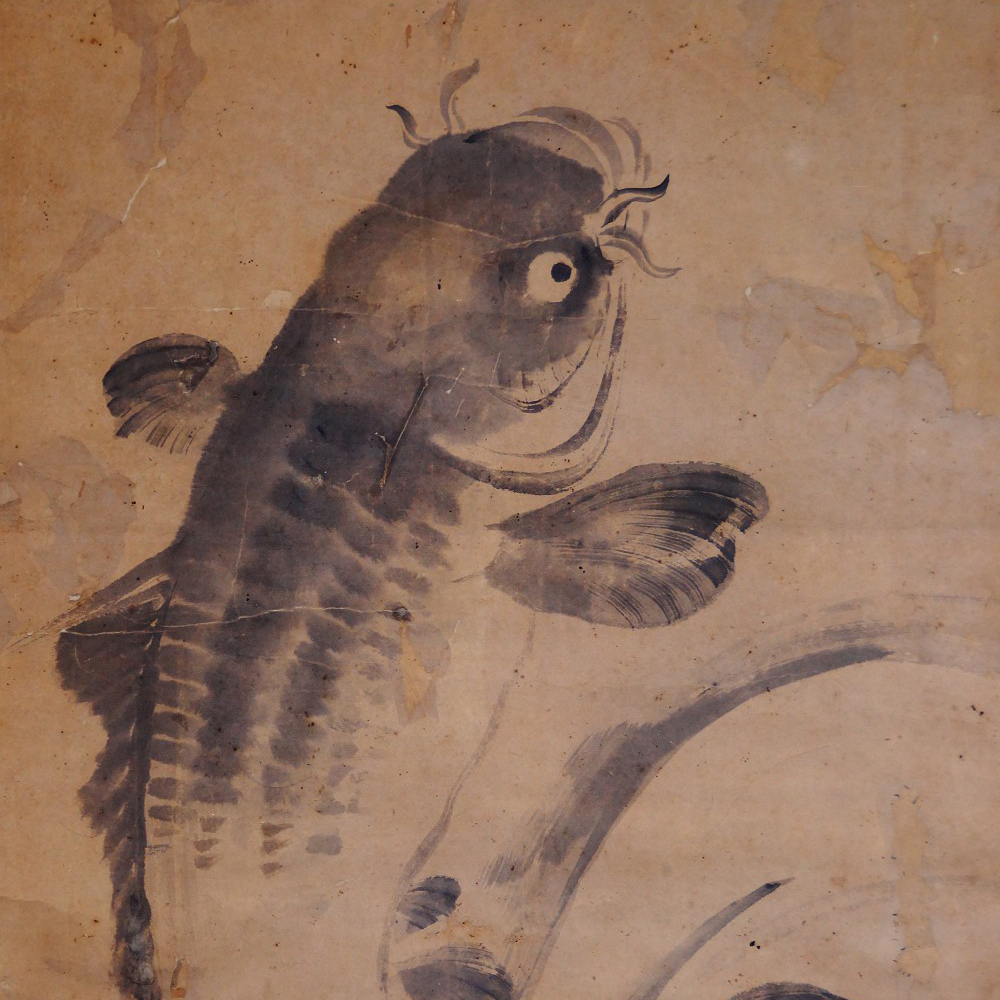
Shūjō
Carp Dancing in Water
Kakemono, unique work, 165 x 68 cm
€460.00


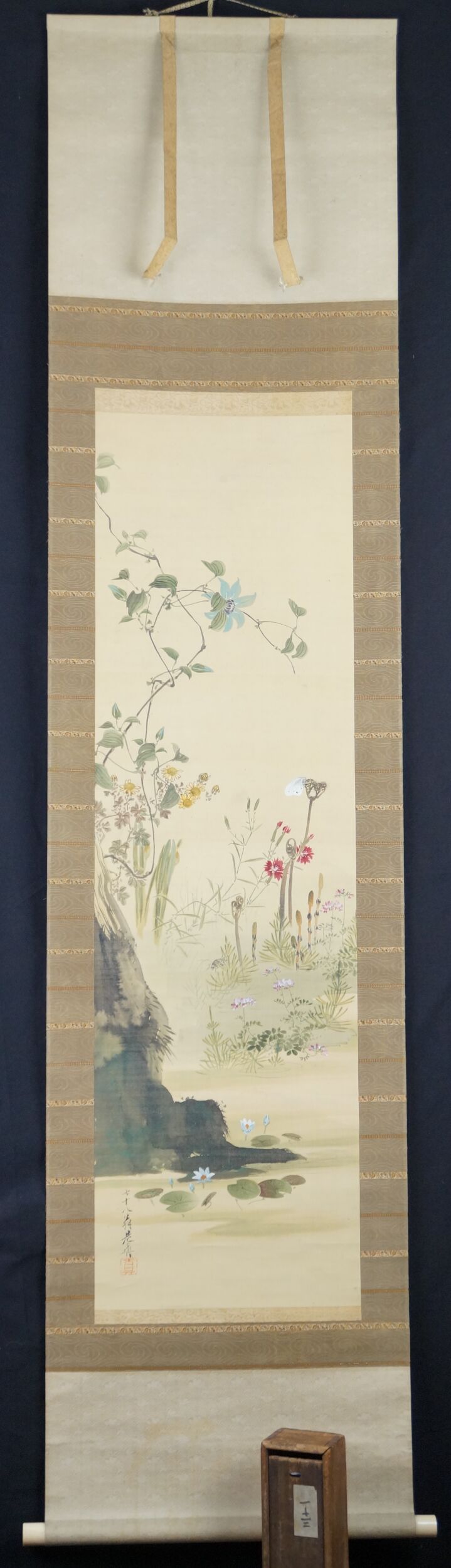


Details about the sold piece
- JikusakiWood
- Material HonshiPaper
- MotifPeople
- TechniqueHand-Painted
Description
With a fine brush and in warm ochre and brown tones, the painter captured two aged figures bending over a stone on which water is apparently being heated or tea prepared – a scene reminiscent of the traditional images of Taoist sages and hermits.
The robes are rendered with calm, flowing lines, while the facial features of the two figures were individualized with striking care: one tall with a long white beard, the other stooped and absorbed in his work. A calligraphic inscription in the upper left completes the scene. Painted in the Meiji period on paper, the scroll has wooden jikusaki-ended rollers.
Depictions of tea ceremonies and learned hermits are among the most popular motifs of Japanese hanging scroll painting, as they radiate calm, leisure, and mental clarity. This kakemono brings this contemplative mood directly into the home.

