
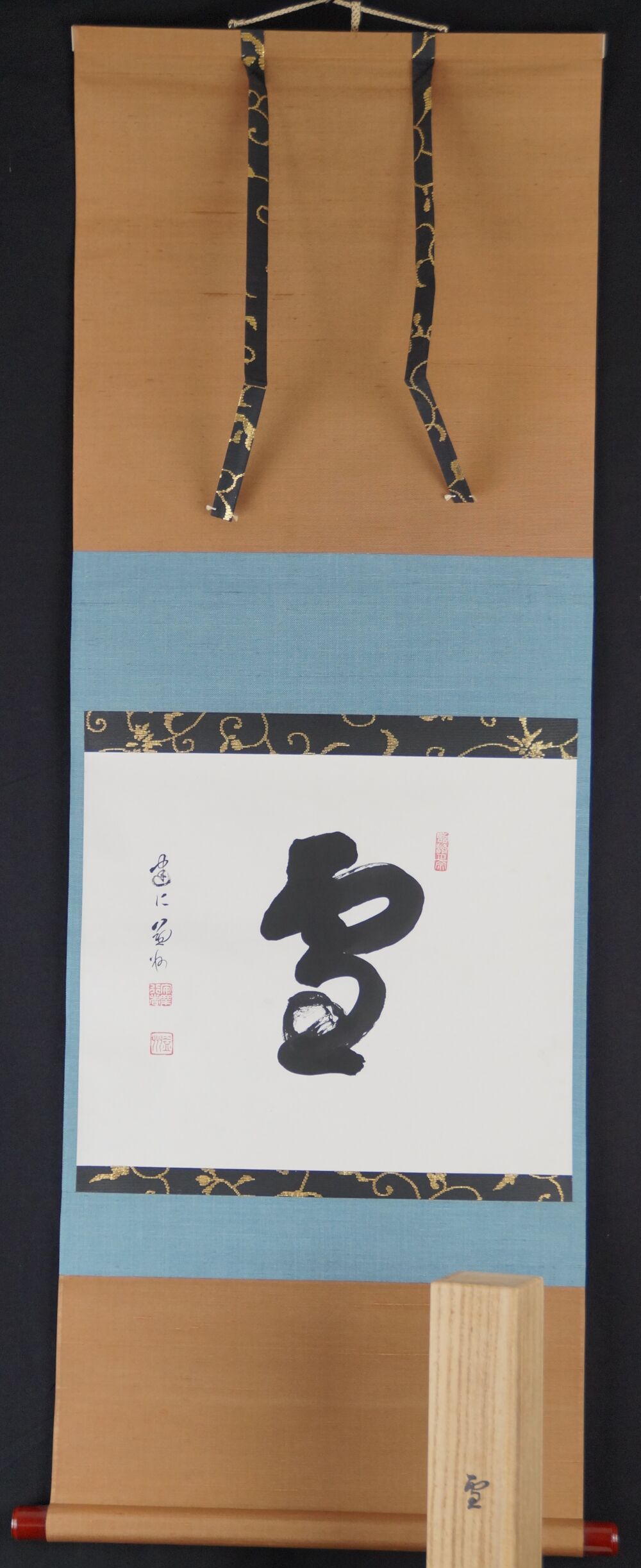
Kakemono The Sword That Splits a Hair
One of a kind — this work exists only once.
- Period:
- Shôwa (1926–1989)
- Dimensions (height x width):
- 134 x 70 cm
- Item number:
- 5470
This piece has been sold.
Sold – no longer available
This piece was a handmade one-of-a-kind work. It cannot be reordered and will never exist in this form again. The page stays online as part of our archive.
More items in category CalligraphyAll one-of-a-kind Japanese Painting pieces
See new one-of-a-kind pieces first
We feature every delivery from Japan in the newsletter first – before the pieces show up in search results.
You might like these pieces
Kobayashi Taigen
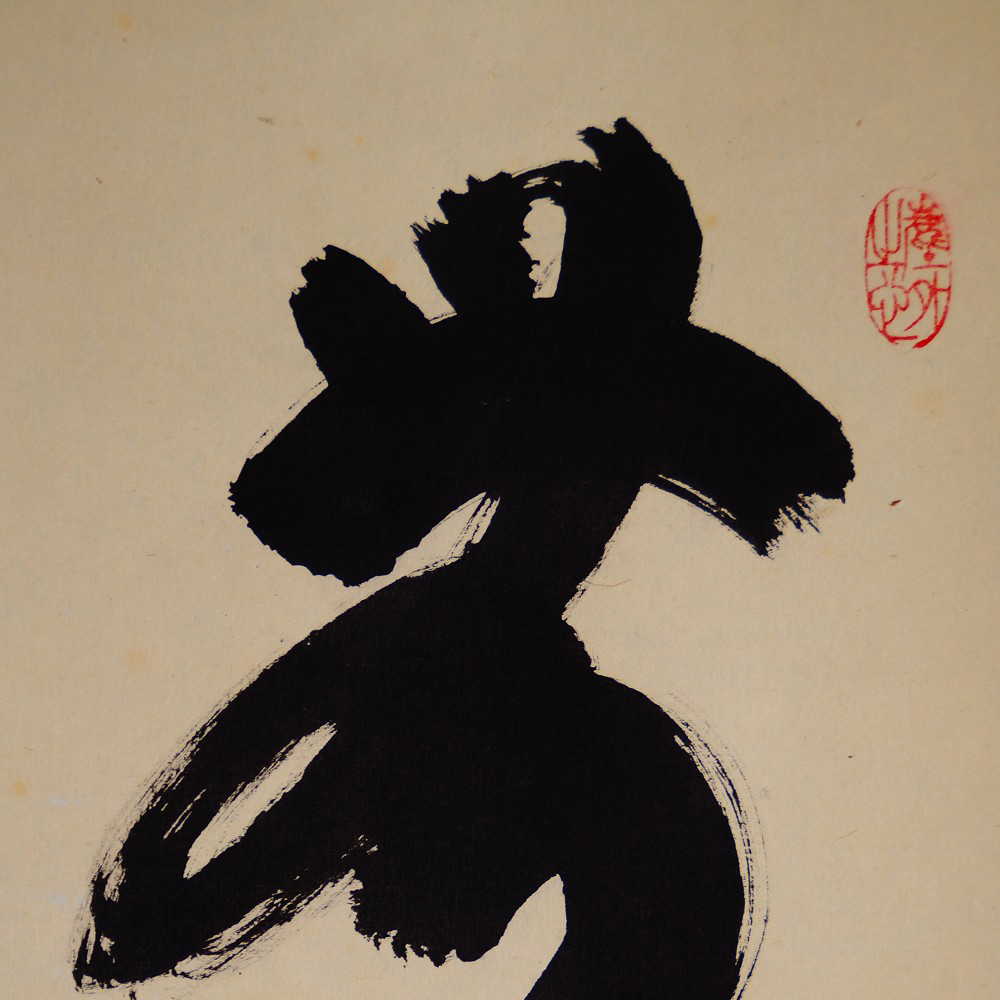
No Mind, the Great Way – Zen Calligraphy, Gold-Mounted
Kakemono, unique work, with box, 173 x 37 cm
€720.00
Ueda Gizan
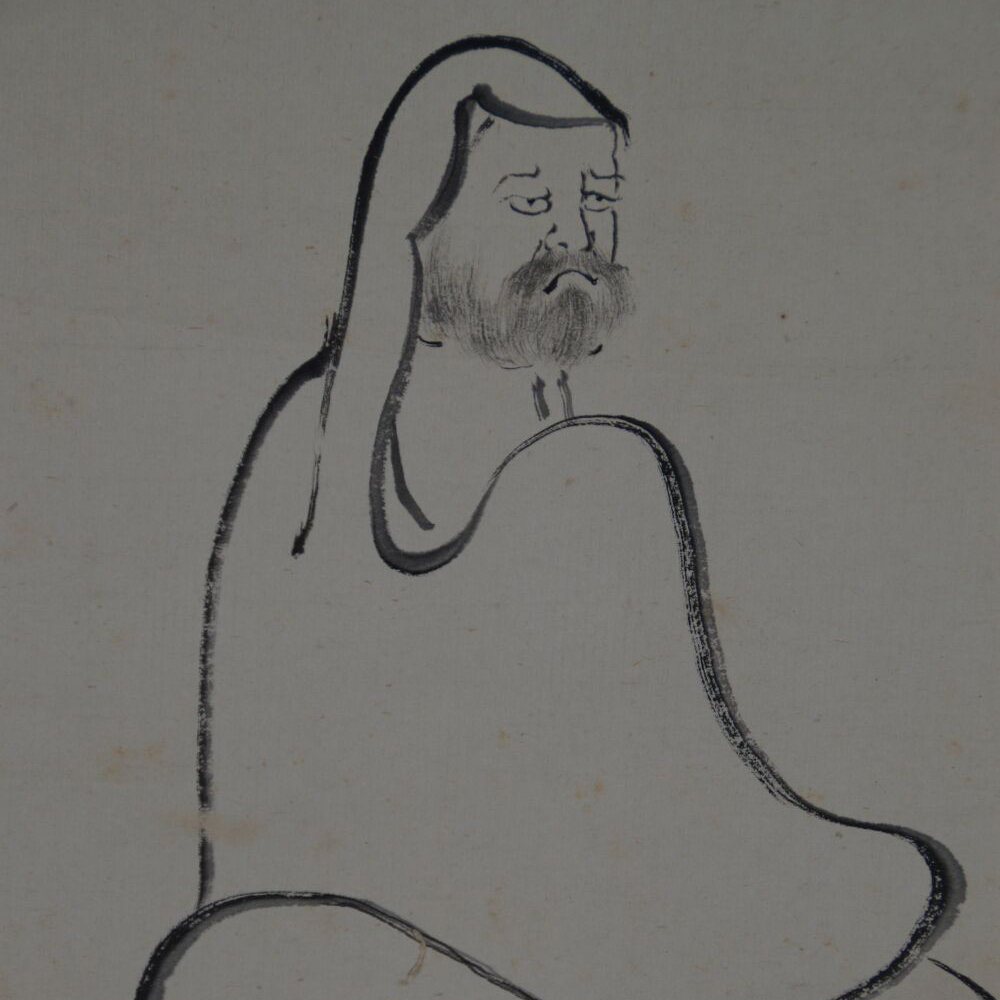
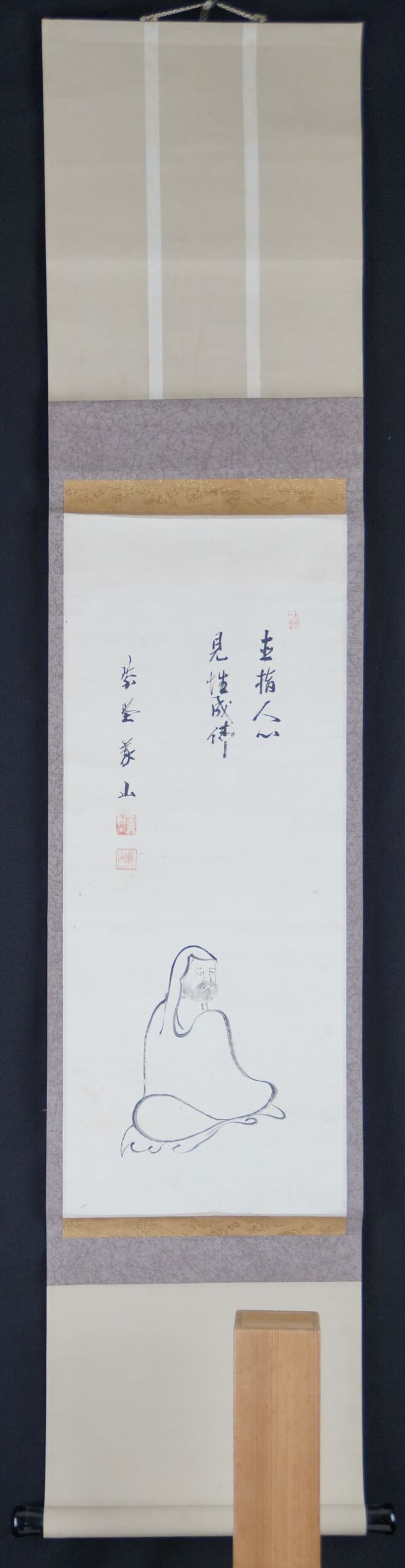
Bodhidharma - Straight to the Heart
Kakemono, unique work, with box, 135 x 34 cm
€450.00
Takeda Masuyoshi
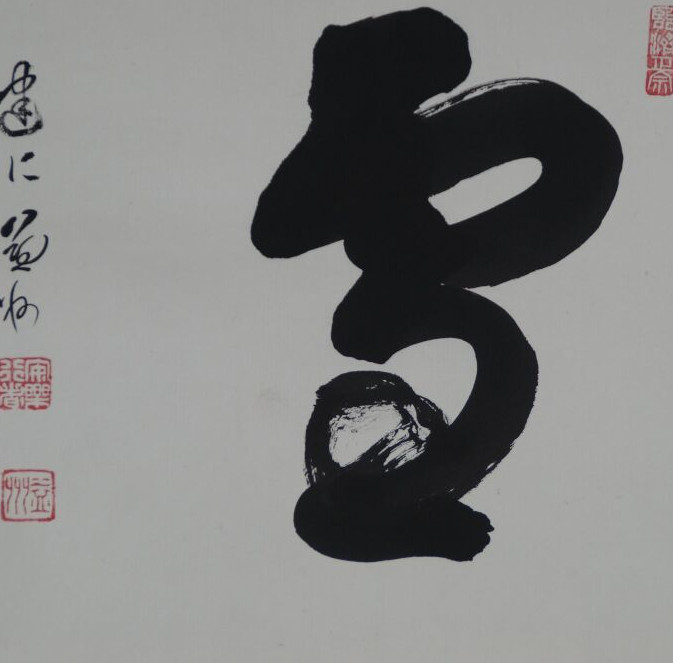
Calligraphy "Snow"
Kakemono, unique work, with box, 118 x 48 cm
€470.00
Shūjō
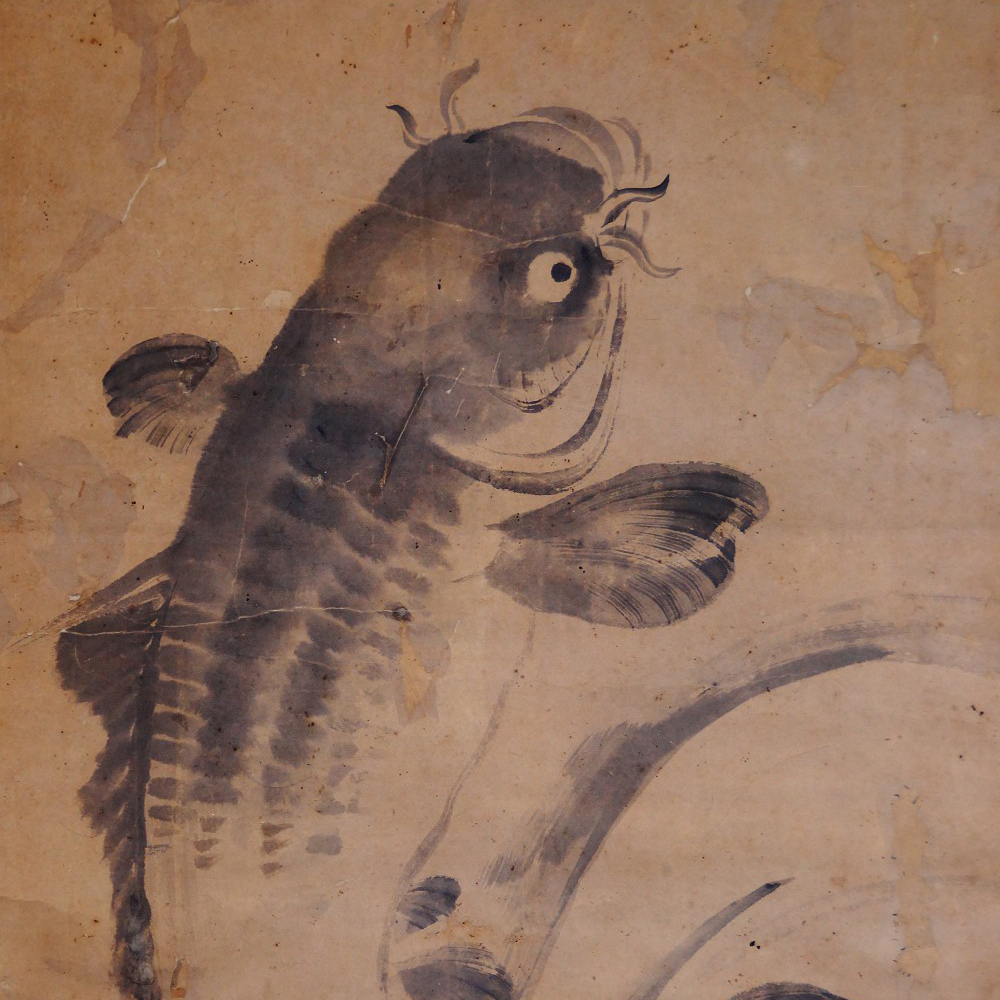
Carp Dancing in Water
Kakemono, unique work, 165 x 68 cm
€460.00
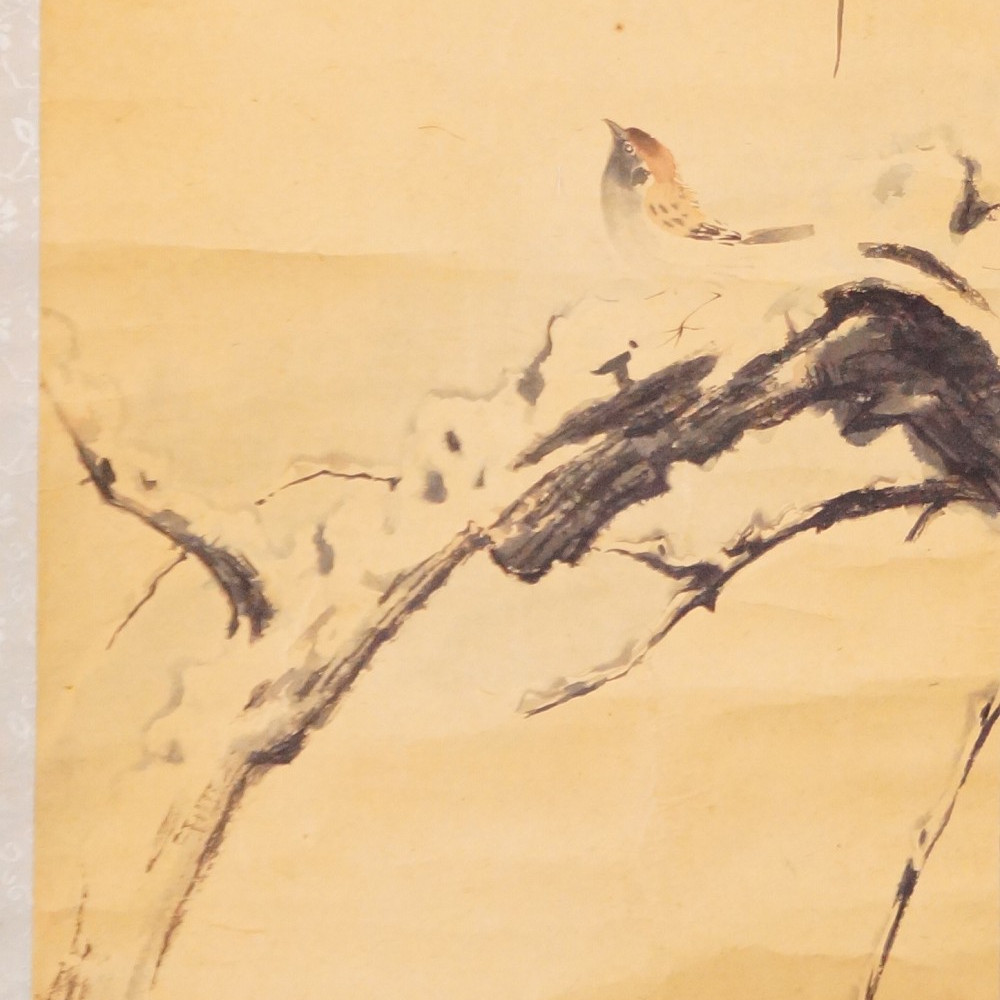
Sansō
Moment of Silence
Kakemono, unique work, 200 x 48 cm
€280.00
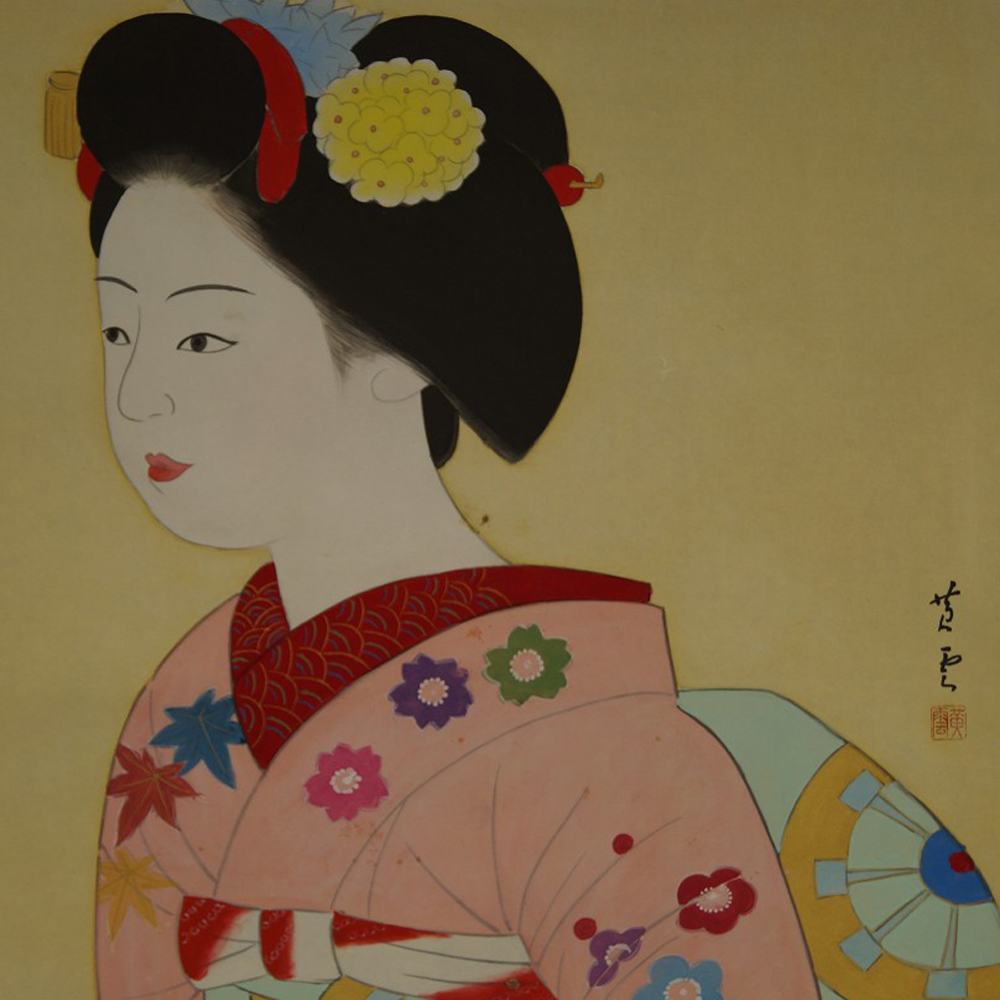
Beauty with Chrysanthemum Ornament in Her Hair
Kakemono, unique work, 136 x 70 cm
€160.00
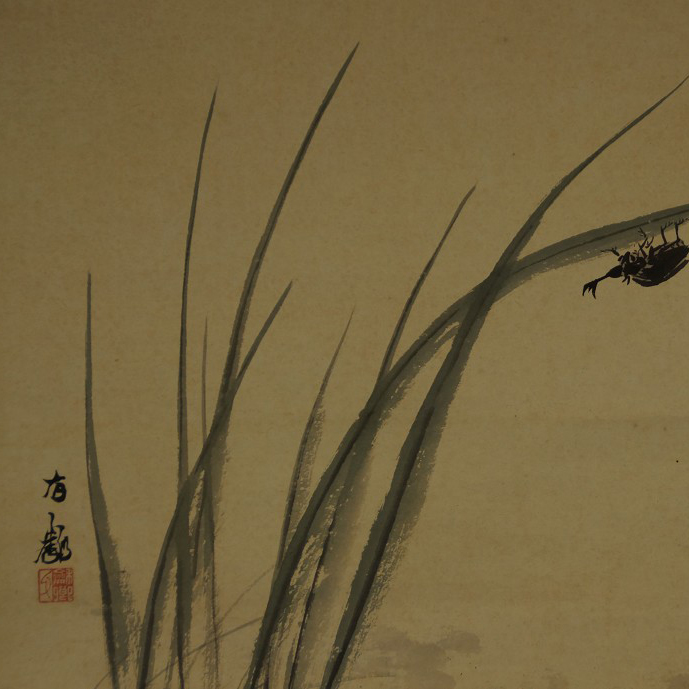
Ishikawa Yurin
Rhinoceros Beetle in Tall Grass
Kakemono, unique work, 125 x 67 cm
€1,490.00

Crow in Autumn Branches
Kakemono, unique work, 200 x 52 cm
€440.00



Details about the sold piece
- JikusakiWood
- Material HonshiPaper
- MotifCalligraphy
- TechniqueHand-Painted
Description
With a few powerful brushstrokes, a calligraphy of remarkable dynamism unfolds on the cream-colored paper. The black ink characters appear to have been written in a single flow, broad, rich strokes alternating with thin, attenuated lines in which the individual bristles of the brush remain visible. Two red seals set quiet accents beside the energetic script.
The characters carry the meaning "The Sword That Splits a Hair" – an image for sharpness, clarity, and incorruptible precision, as it is frequently used in the tradition of the martial arts and of Zen. Whoever regards the hanging scroll senses, in the force of the brushwork, something of this resolve conjured up in the characters.
The work, dating from the Shôwa period, is written on paper, fitted with roller rods of wood, and mounted in the classical manner as a kakemono. As a hand-written unique work by a Japanese calligrapher, it is suited both to collectors of East Asian calligraphy and to lovers of restrained, powerful spatial art.

