
Kakemono Two Ducks at the Pond's Edge
One of a kind — this work exists only once.
- Period:
- Edo (1603–1868)
- Dimensions (height x width):
- 194 x 61 cm
- Item number:
- 3356
This piece has been sold.
Sold – no longer available
This piece was a handmade one-of-a-kind work. It cannot be reordered and will never exist in this form again. The page stays online as part of our archive.
More items in category AnimalsAll one-of-a-kind Japanese Painting pieces
See new one-of-a-kind pieces first
We feature every delivery from Japan in the newsletter first – before the pieces show up in search results.
You might like these pieces
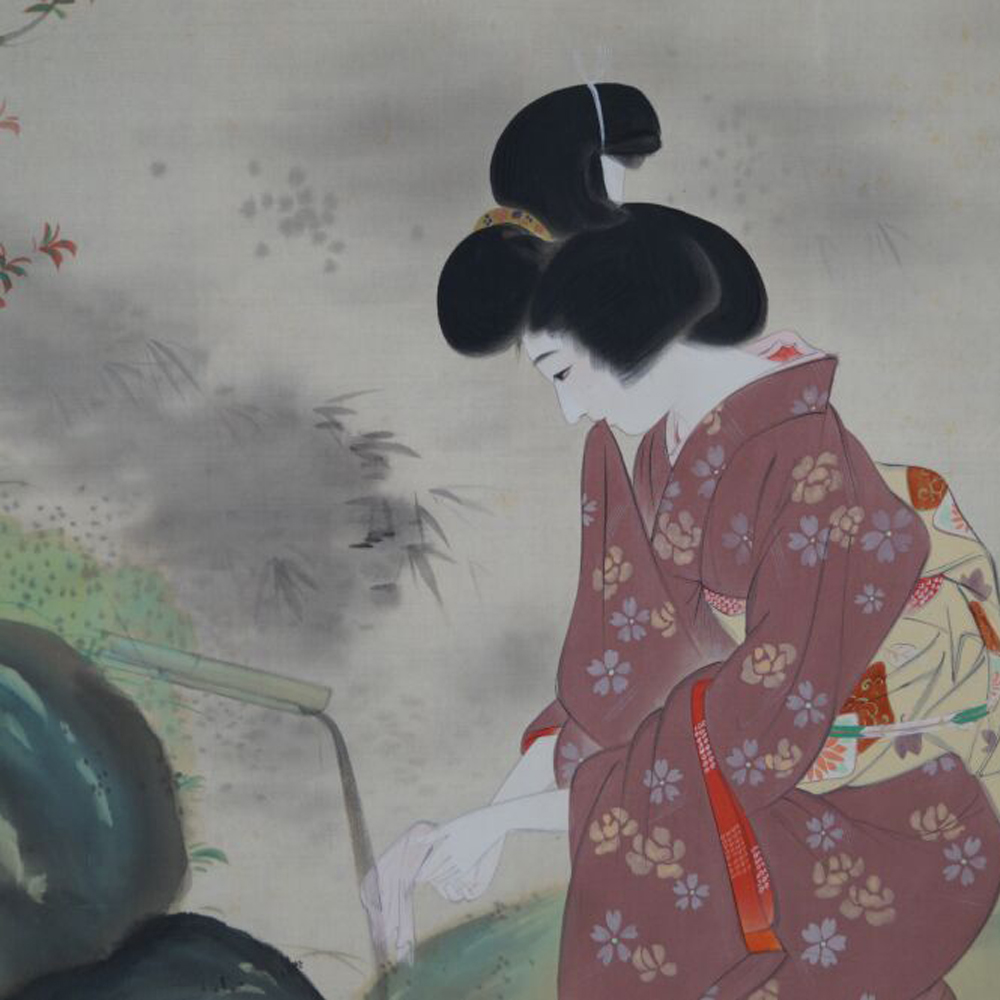
Lady in Kimono by the Garden Pond
Kakemono, unique work, with box, 136 x 71 cm
€480.00
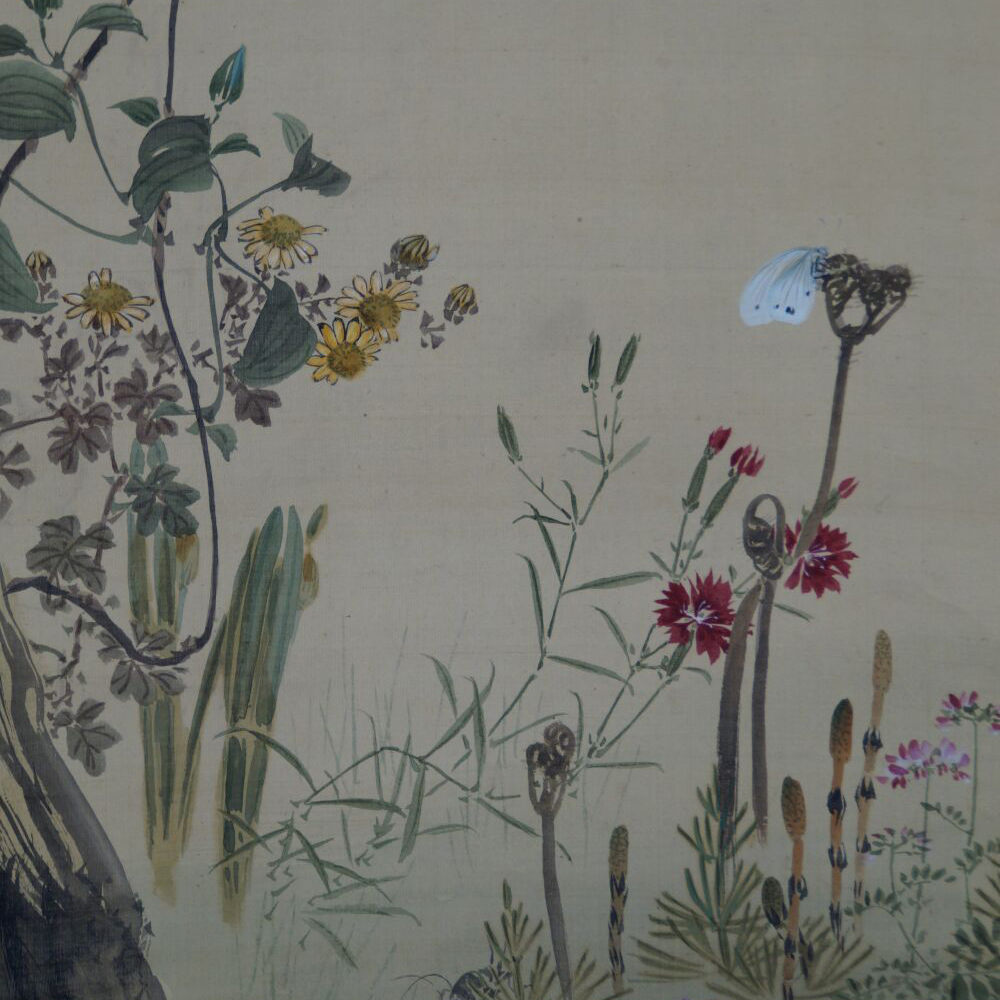
Shibata Zeshin
Autumn Riverside Vegetation with Butterfly
Kakemono, unique work, with box, 192 x 46 cm
€880.00

Two Nightingales in the Branches
Kakemono, unique work, with box, 185 x 60 cm
€240.00
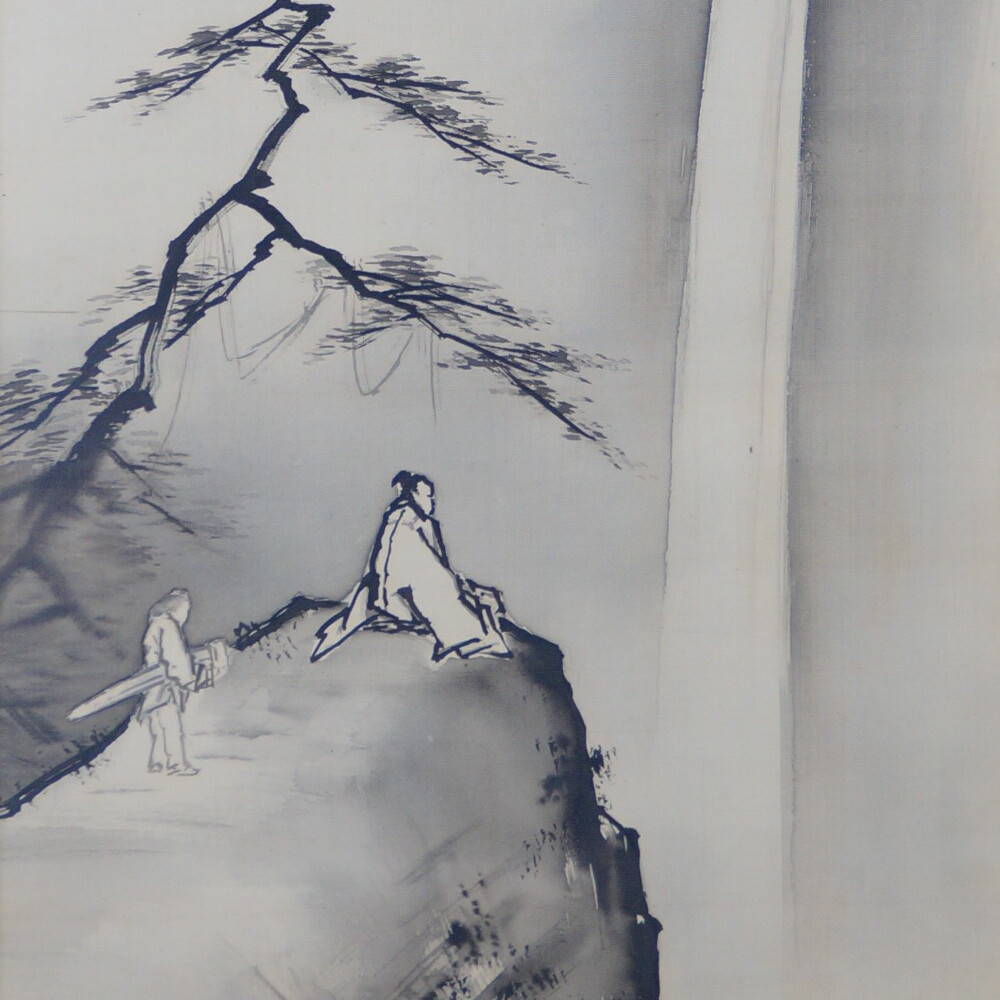
Yagioka Shunzan
Encounter at the Edge of the Waterfall
Kakemono, unique work, with box, 200 x 44 cm
€880.00

Sparrows at the Cliff
Kakemono, unique work, 187 x 57 cm
€180.00
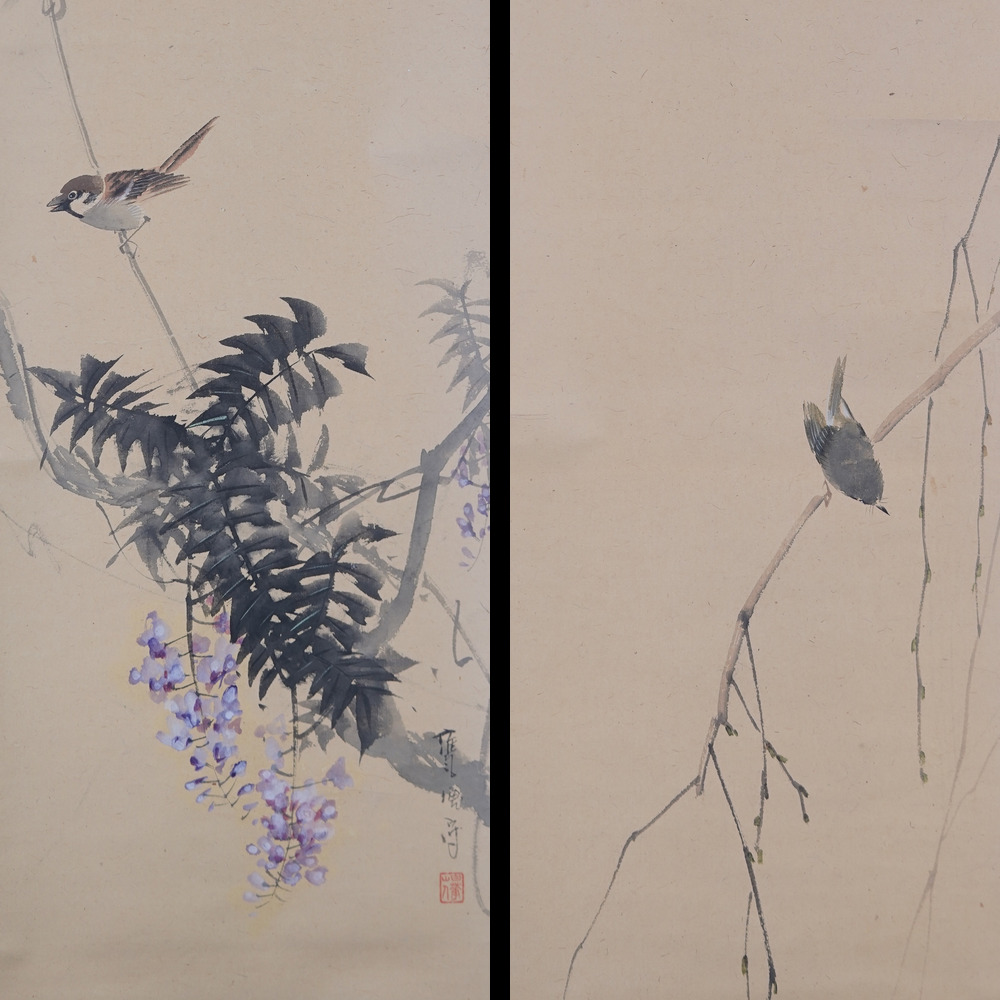
Nakahara Yōtō
Set of Two Paintings – Sparrows on Wisteria and Willow Branch
Kakemono, unique work, with box, 175 x 38 cm
€690.00
Tokuoka Shinsen
Plum Blossoms in Quiet Morning Light
Kakemono, unique work, with box, 124 x 49 cm
€280.00
The 13 Buddhas
Kakemono, Print, 117 x 41 cm
€90.00



Details about the sold piece
- JikusakiBone
- Material HonshiSilk
- MotifAnimals
- TechniqueHand-Painted
Description
At the edge of a quiet pond, one duck rests in dense plumage, while a second, its head bent low toward the water, searches for food. Between rocks grow delicately blooming orchids as well as a branch bearing small red berries.
The coloring is warm and subdued, with fine shadings in the plumage and restrained accents of color in the blossoms and berries, lending the image a calm, autumnal mood. The composition follows the classical kachō-ga tradition, the pairing of birds and flowers as a symbol for the passing of the seasons.
The hanging scroll is painted on silk and bears the artist's signature and two red seals in the upper left. It was presumably created during the Edo period and shows the finely observed nature painting typical of this era.
