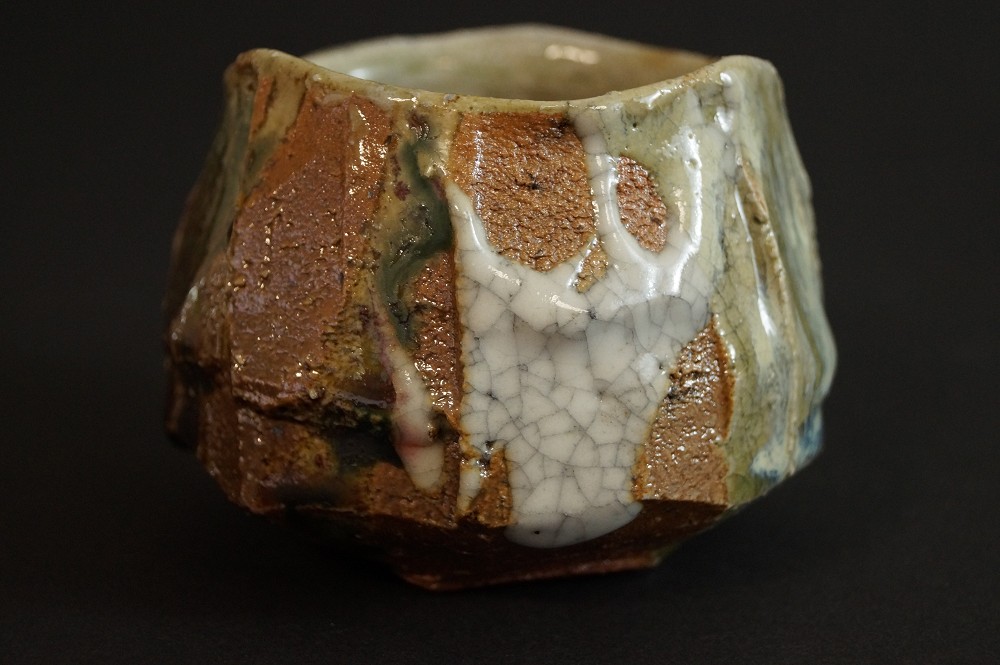
Guinomi Set of Five Guinomi Made of Seto Ware
One of a kind — this work exists only once.
- Period:
- Heisei (1989–2019)
- Dimensions (height x width):
- 5 x 5 cm
- Item number:
- 5735
This piece has been sold.
Sold – no longer available
This piece was a handmade one-of-a-kind work. It cannot be reordered and will never exist in this form again. The page stays online as part of our archive.
More items in category Guinomi and TokkuriAll one-of-a-kind Japanese Ceramics pieces
See new one-of-a-kind pieces first
We feature every delivery from Japan in the newsletter first – before the pieces show up in search results.
You might like these pieces
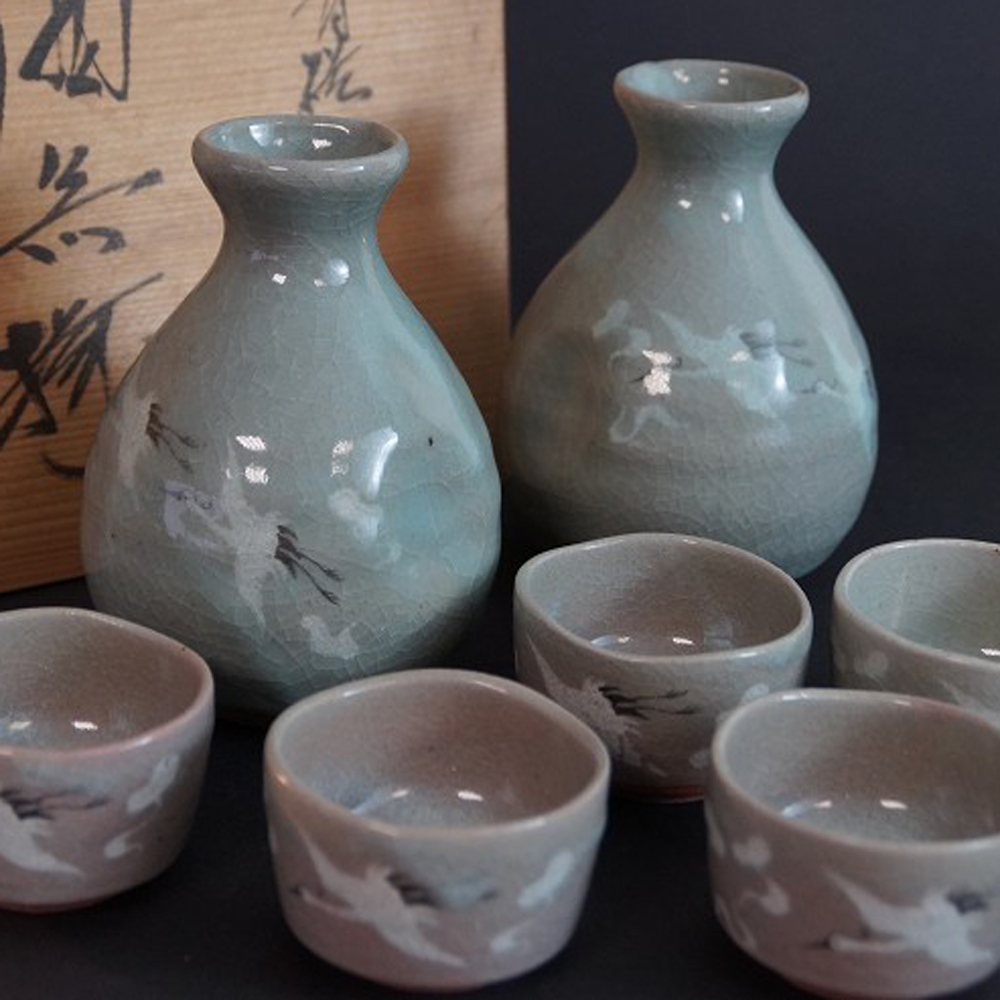
Sake Set Made of Mino Ware, Two Tokkuri and Five Guinomi
Set of Guinomi and Tokkuri, unique work, with box, 11 x 8 cm
€530.00
Yano Totozo
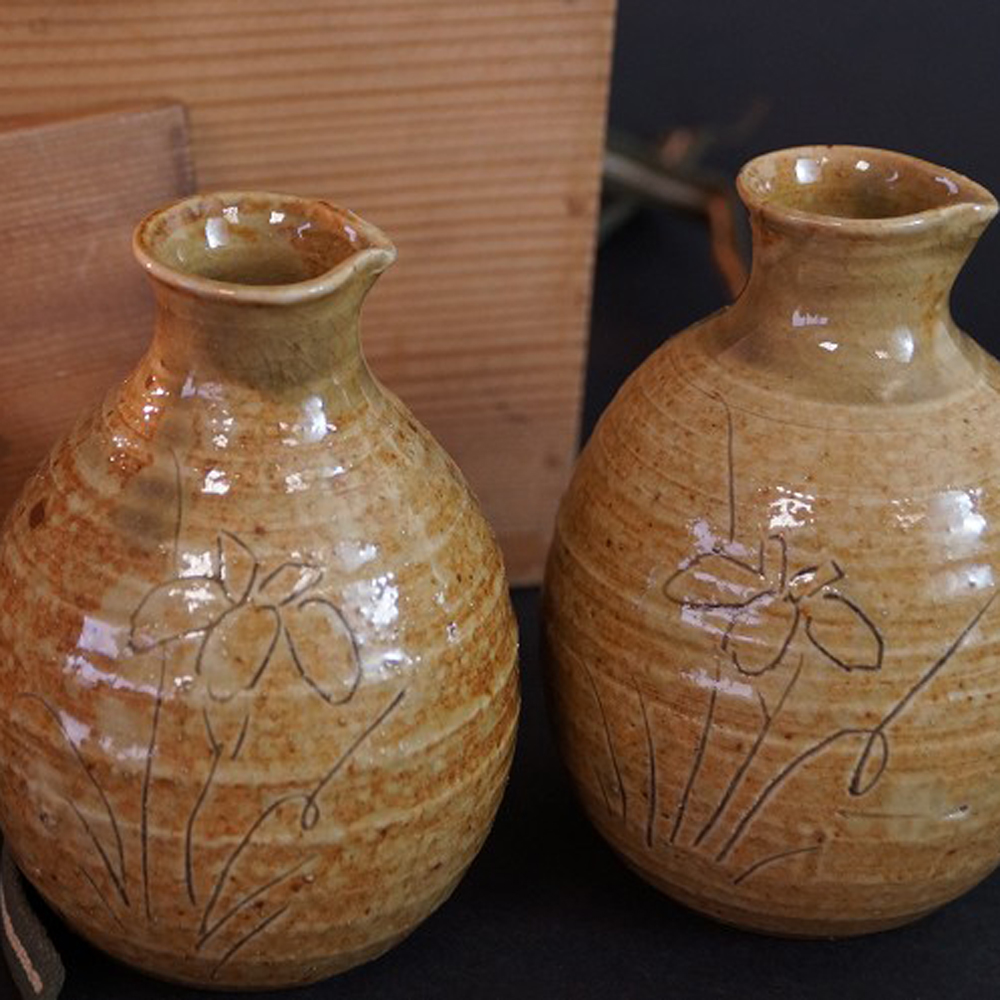
Two Tokkuri Made of Seto Ware by Yano Totozo
Tokkuri, unique work, with box, 11 x 8 cm
€370.00
Kato Shozan
Guinomi Seto Ware by Kato Shozan
Guinomi, unique work, with box, 5 x 6 cm
€180.00
Handcrafted Japanese Seto Sake Cup (Guinomi)
Guinomi, unique work, with box, 2,5 x 5,5 cm
€130.00
Kawachi Hidetoshi
Guinomi Made of Oribe Ware by Kawachi Hidetoshi with Blue
Guinomi, unique work, with box, 7,5 x 7 cm
€310.00
Chawan Made of Seto Ware
Chawan, unique work, with box, 8 x 12 cm
€160.00
Sasaki Ken
Guinomi Made of Hagi Ware by Ken Sasaki
Guinomi, unique work, with box, 5,5 x 6 cm
€310.00

Kimura Takaaki
Guinomi Made of Bizen Ware by Takaaki Kimura
Guinomi, unique work, with box, 4,5 x 6 cm
€830.00




Details about the sold piece
- ColorBrown, Orange, White
- MaterialCeramics
- Style / TraditionSeto-yaki
- Wooden BoxYes
Description
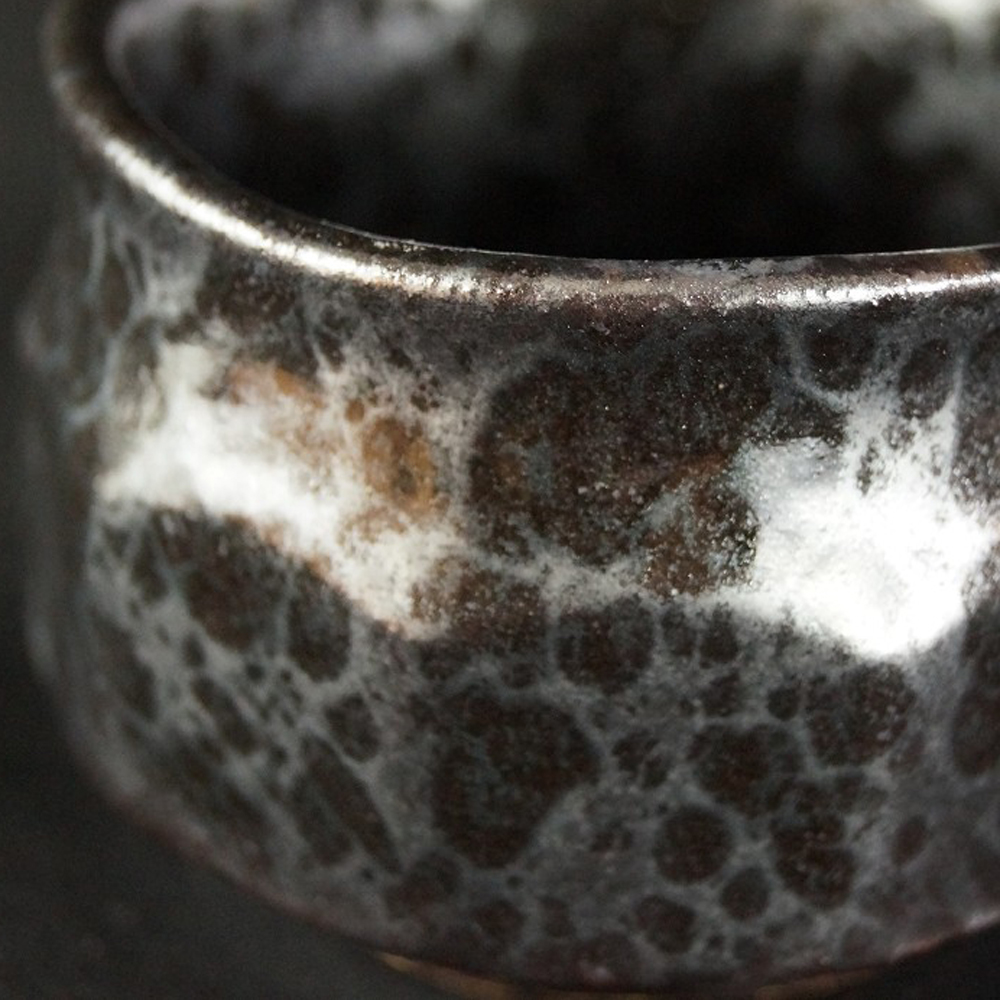
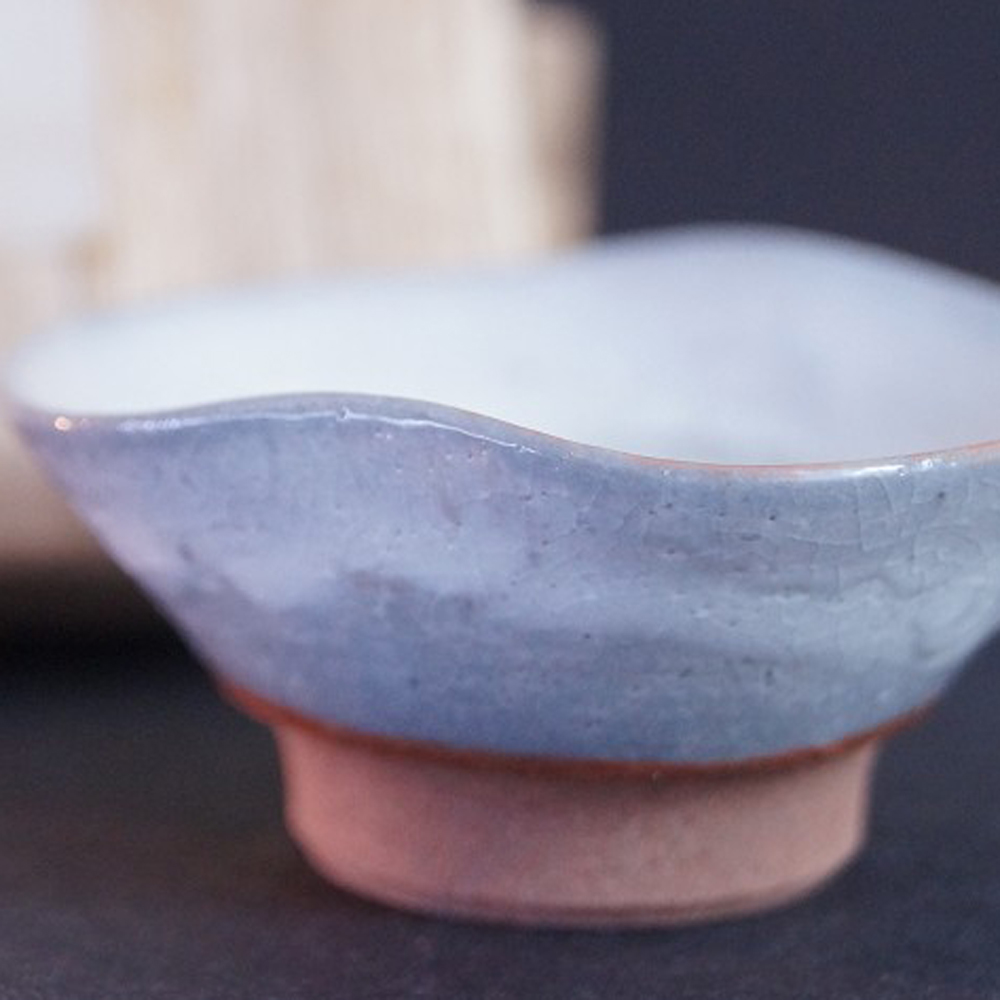
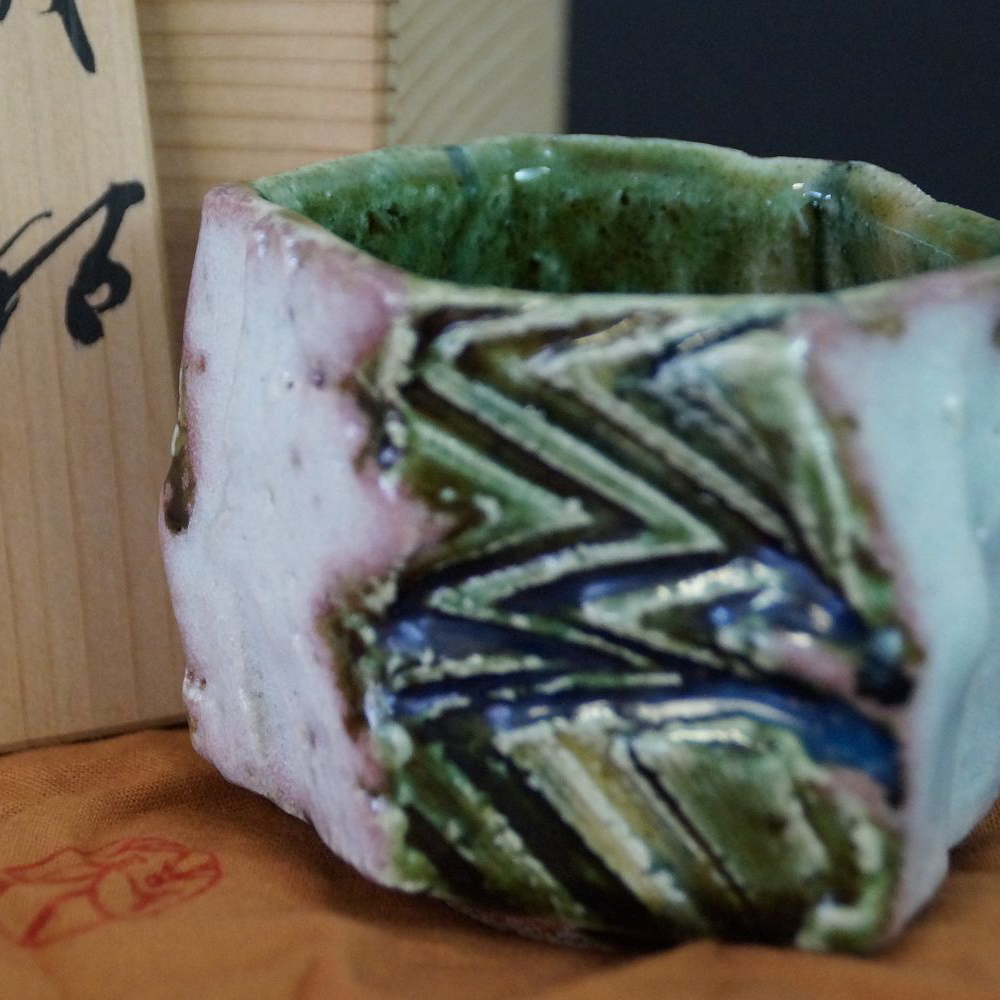
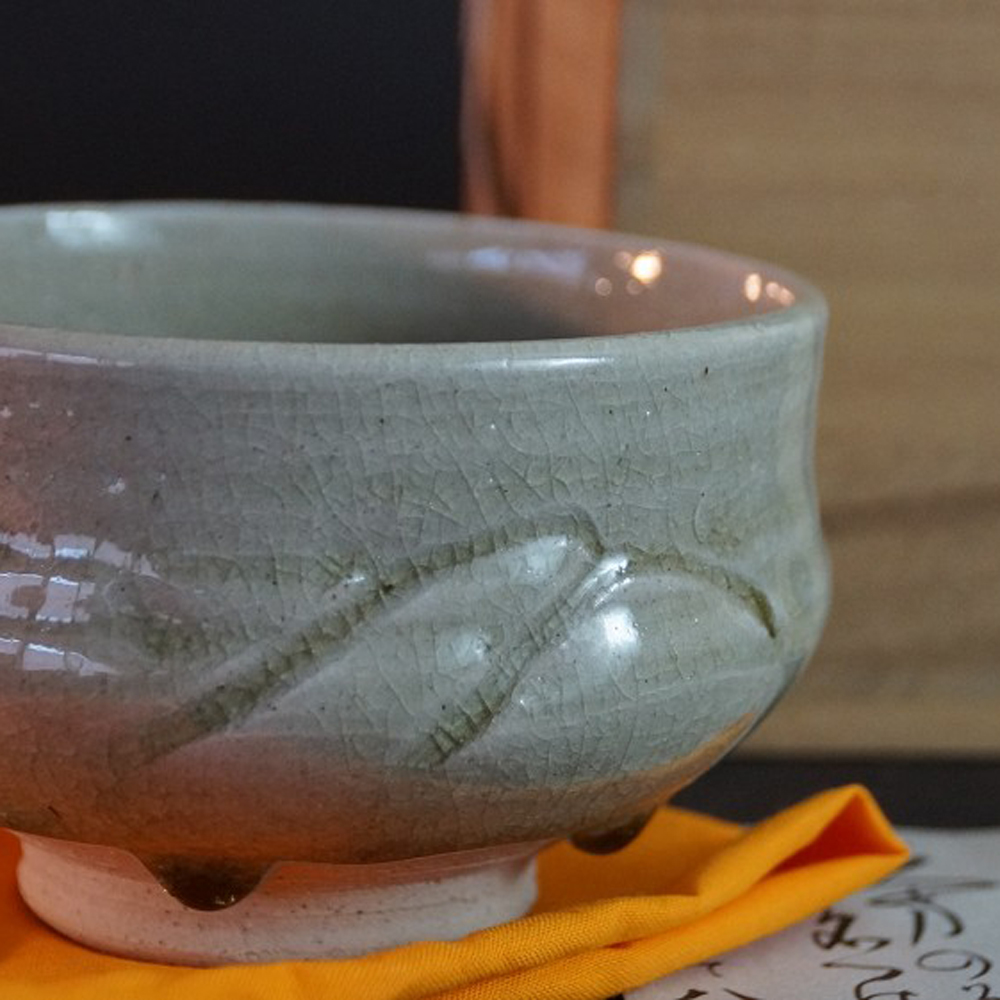
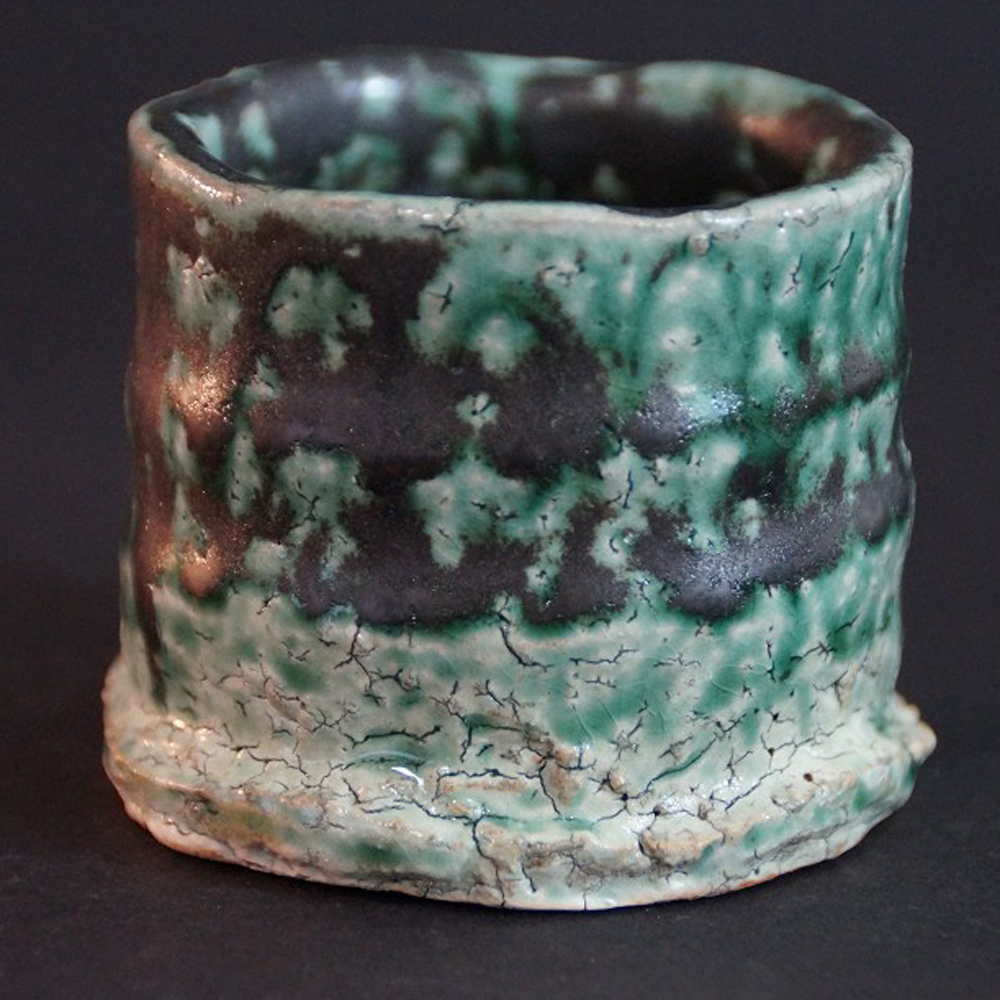
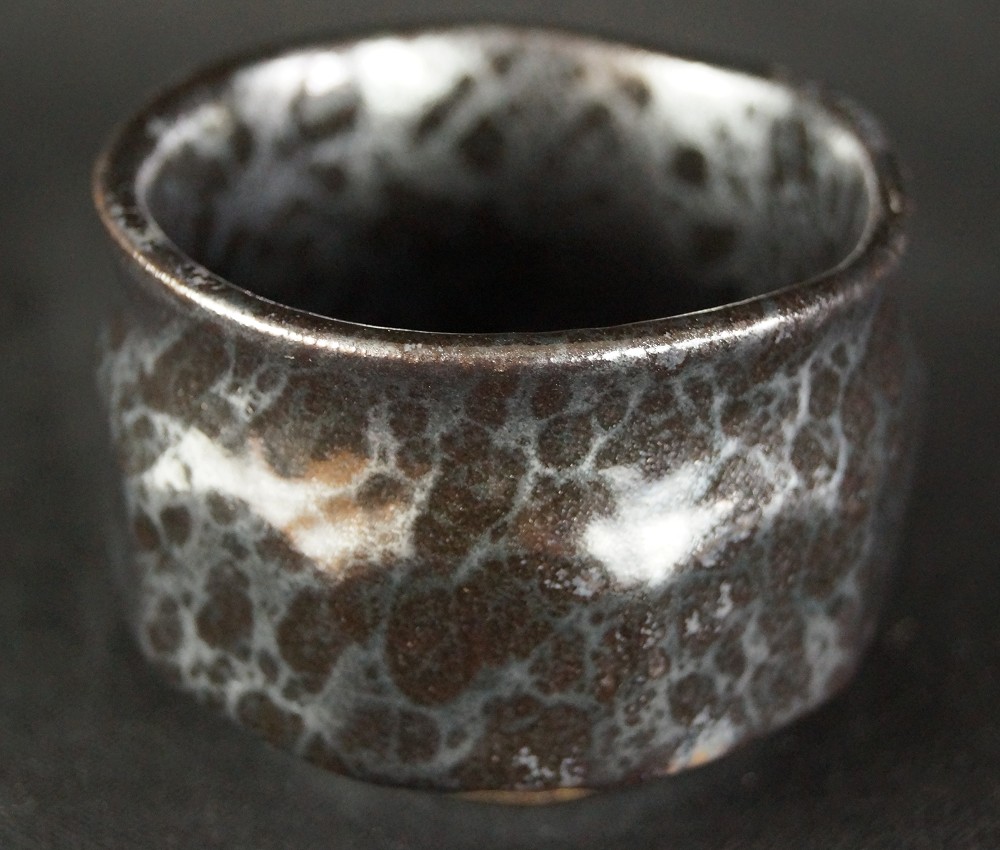
Five small sake cups, each in its own glaze color ranging from warm orange through creamy white to mossy green, make up this set and impressively display the range of Seto ware. Seto-yaki is one of the oldest kiln sites in Japan and is known for its versatility in glazes and shapes, which is why hardly any other tradition can unite such varied color worlds within a single set.
Each of the five cups was thrown by hand, resulting in subtle differences in shape and wall thickness – no piece exactly matches the next. One of the cups has a ribbed surface, another a speckled glaze, so that viewing them together creates a dynamic ensemble.
The set is delivered in a signed wooden box with hand-written calligraphy on the lid, which documents the origin of the ensemble and also offers a dignified form of storage. Ideal for convivial sake gatherings in which each guest receives their own distinctive cup, this set from the Heisei period combines functionality with Japanese collecting culture.