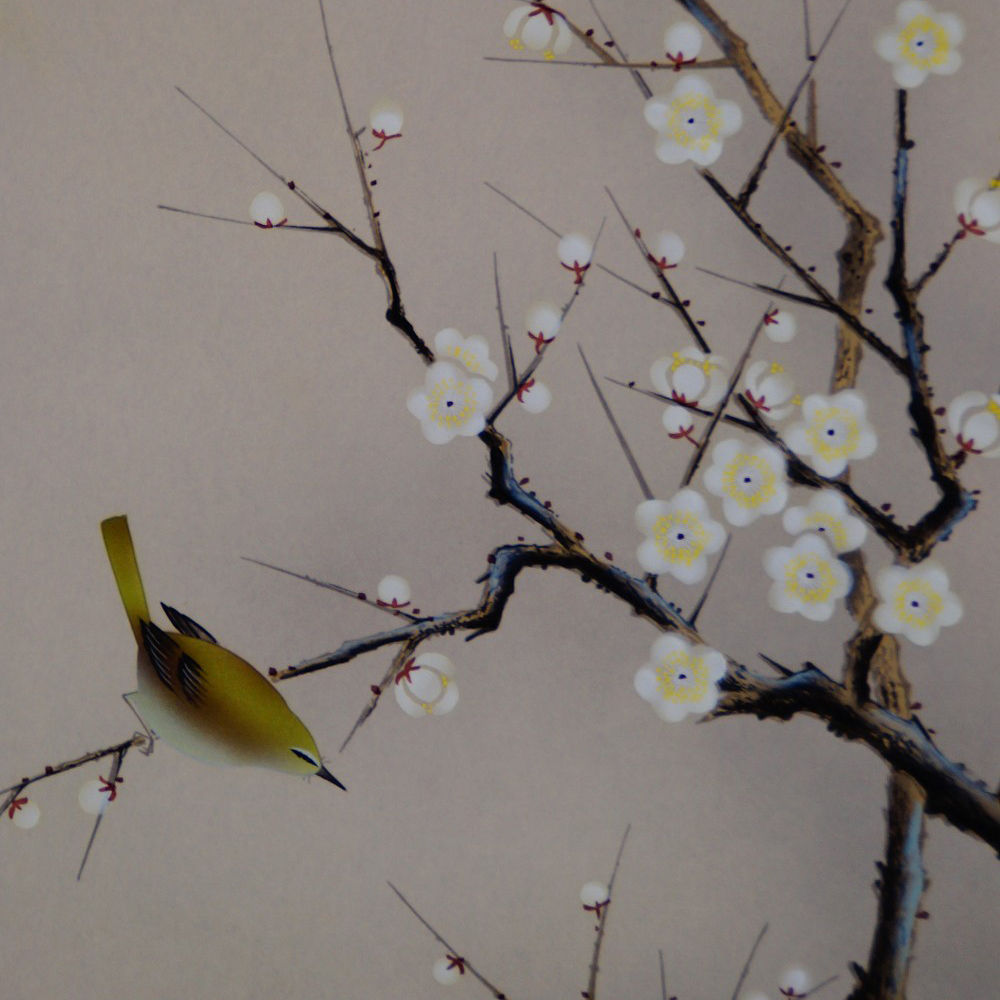
Kakemono Calligraphy – A Good Year
One of a kind — this work exists only once.
- Period:
- Shôwa (1926–1989)
- Dimensions (height x width):
- 202 x 41 cm
- Item number:
- 3325
This piece has been sold.
Sold – no longer available
This piece was a handmade one-of-a-kind work. It cannot be reordered and will never exist in this form again. The page stays online as part of our archive.
More items in category CalligraphyAll one-of-a-kind Japanese Painting pieces
See new one-of-a-kind pieces first
We feature every delivery from Japan in the newsletter first – before the pieces show up in search results.
You might like these pieces
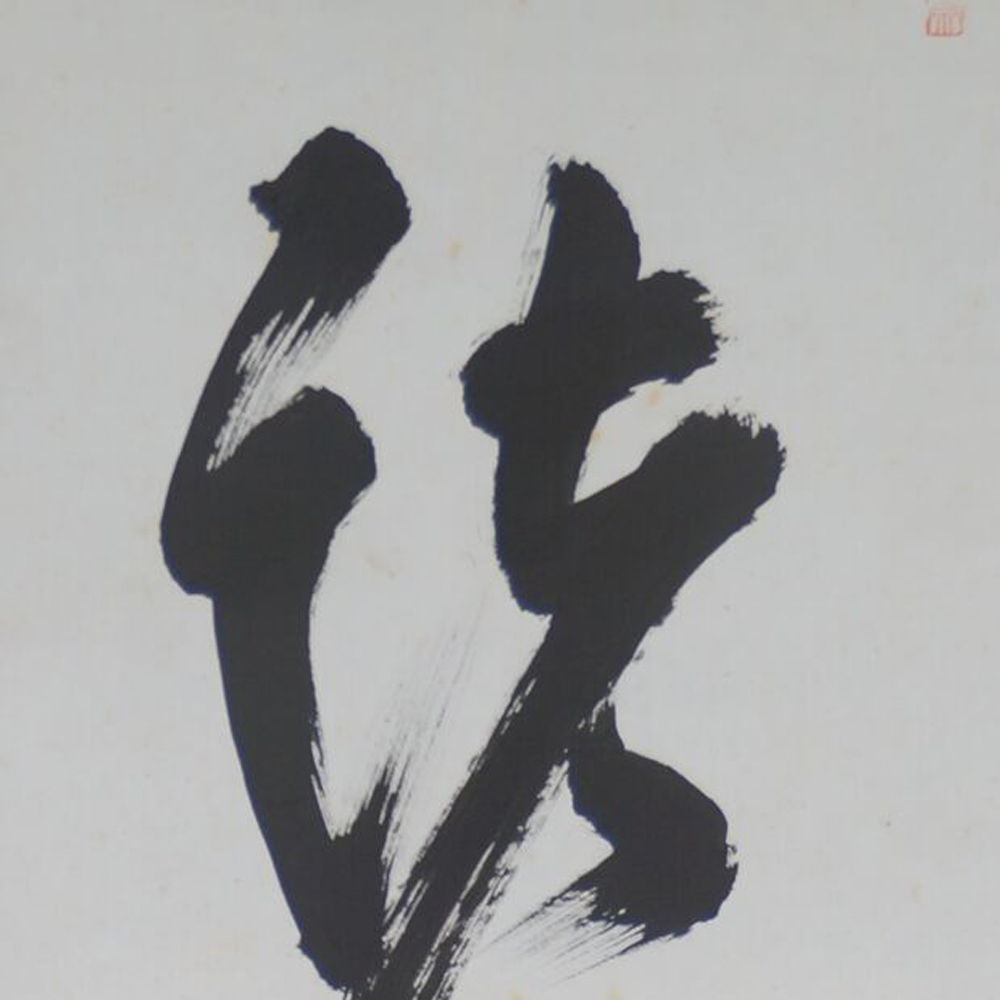
Hashimoto Gyōin
Calligraphy "Shoaku Makusa"
Kakemono, unique work, with box, 200 x 38 cm
€350.00
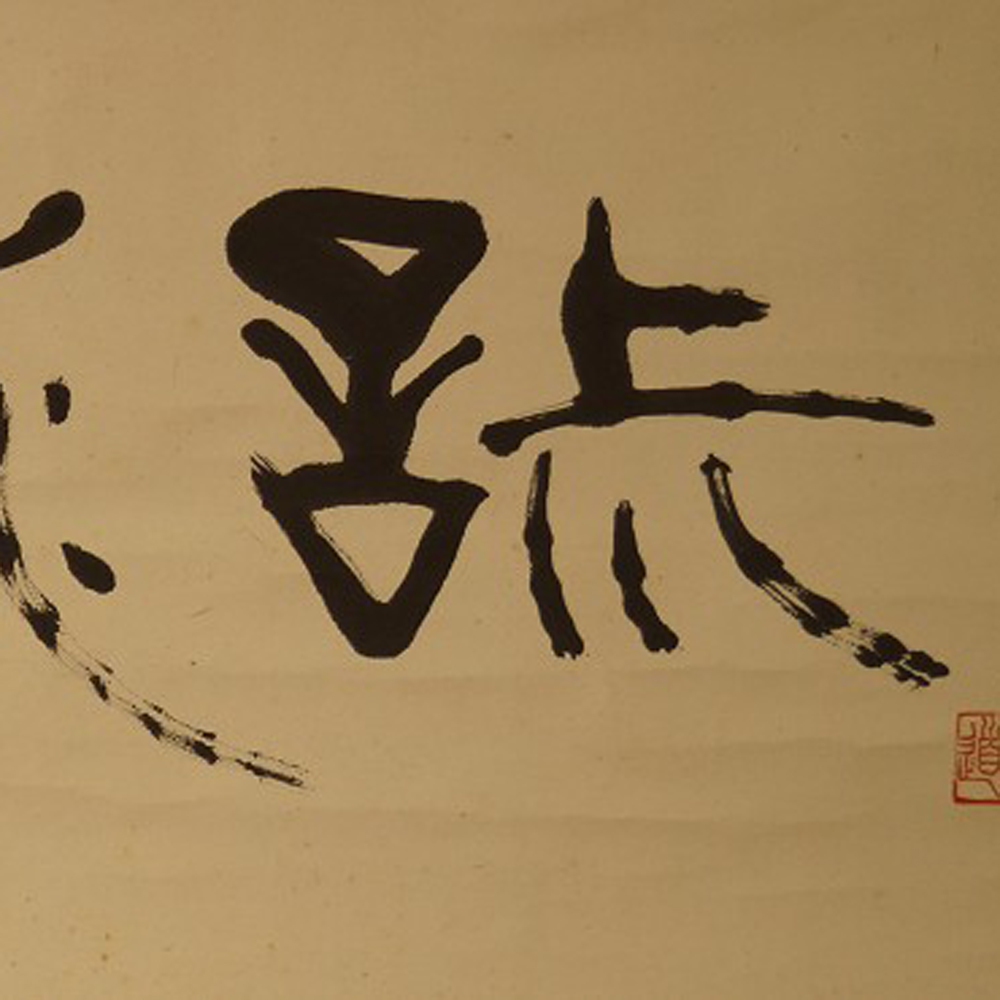
Calligraphy: The Four Virtues of Chado
Kakemono, unique work, 128 x 98 cm
€640.00
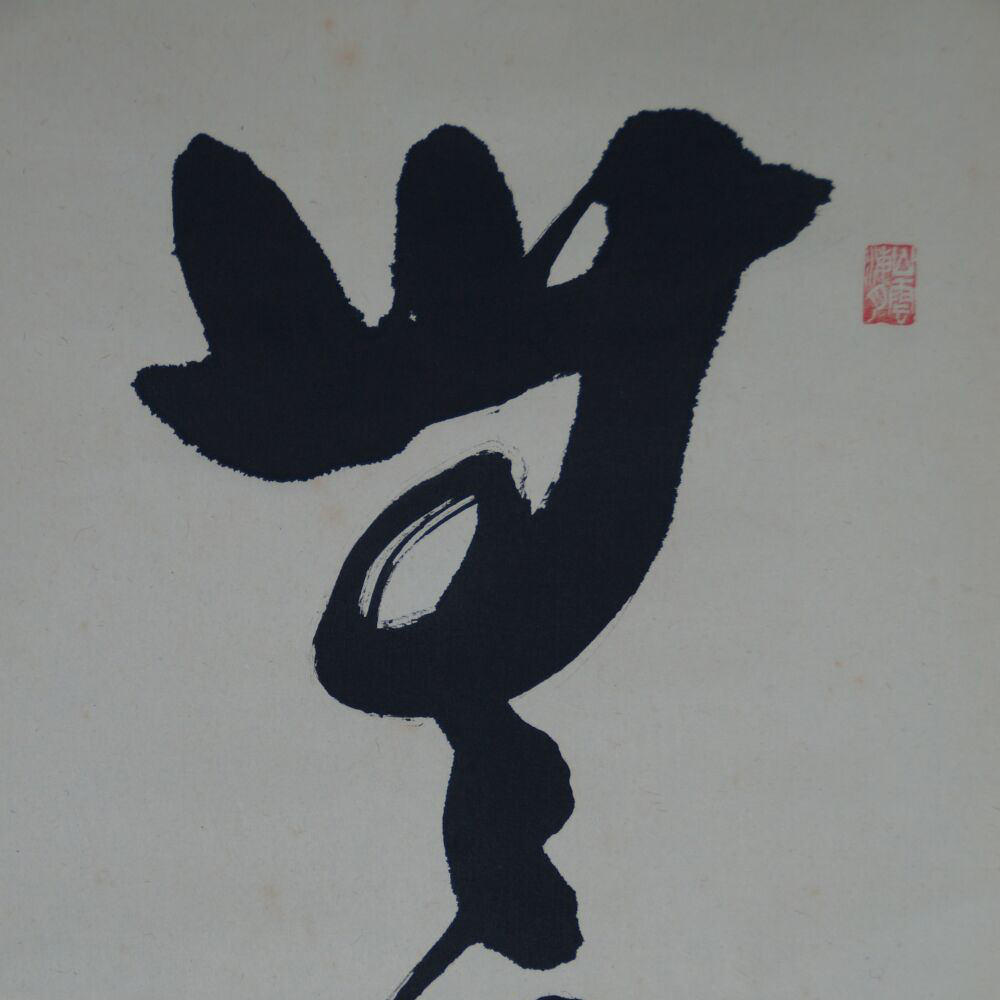
Yamaguchi Daichi
Calligraphy "No Business"
Kakemono, unique work, with box, 176 x 34 cm
€540.00
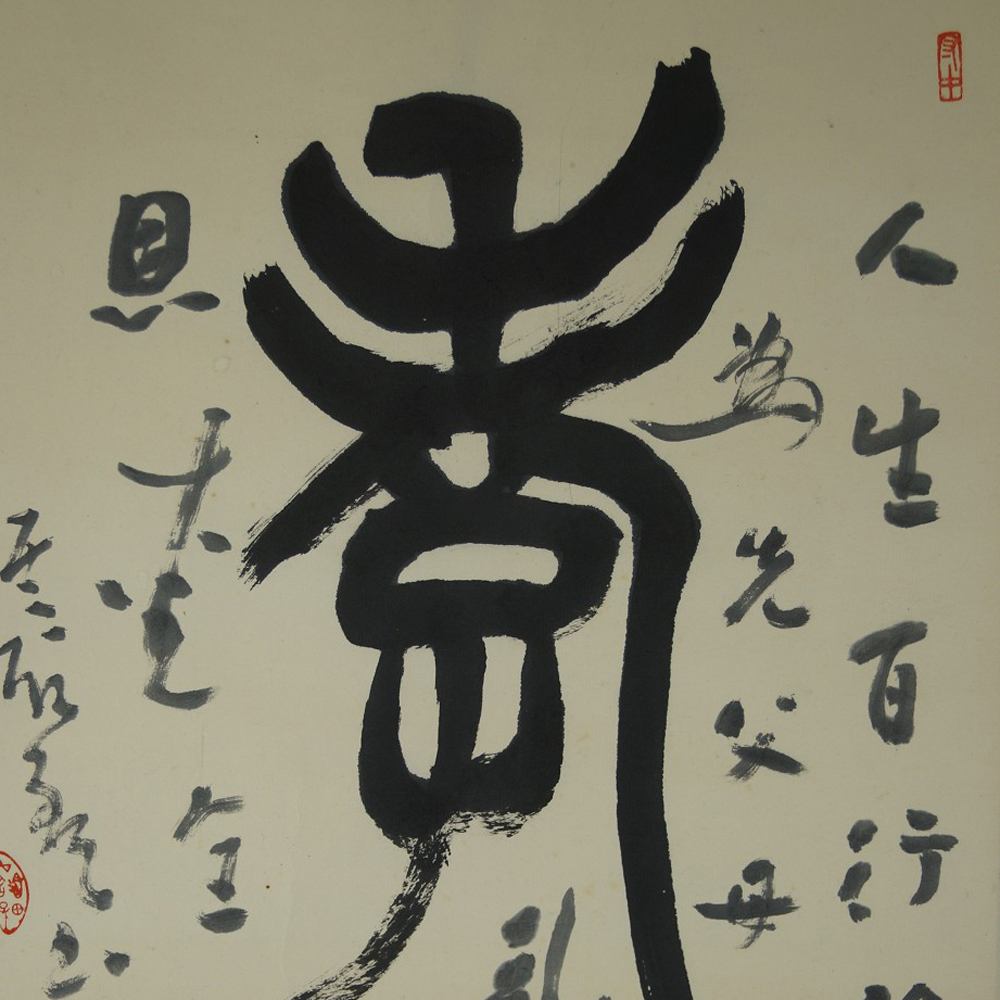
Calligraphy "Long Life"
Kakemono, unique work, 105 x 54 cm
€120.00
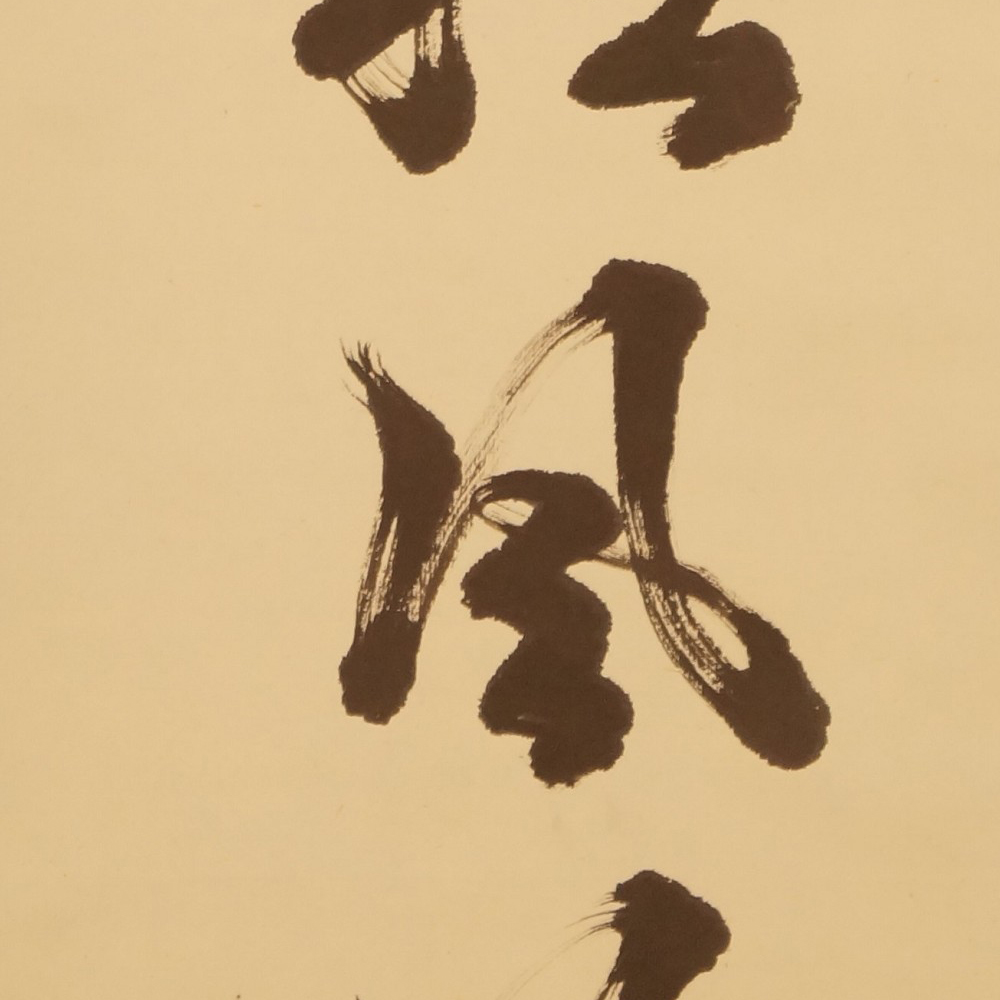
Calligraphy: Moon Over the Bay
Kakemono, unique work, 160 x 38 cm
€270.00
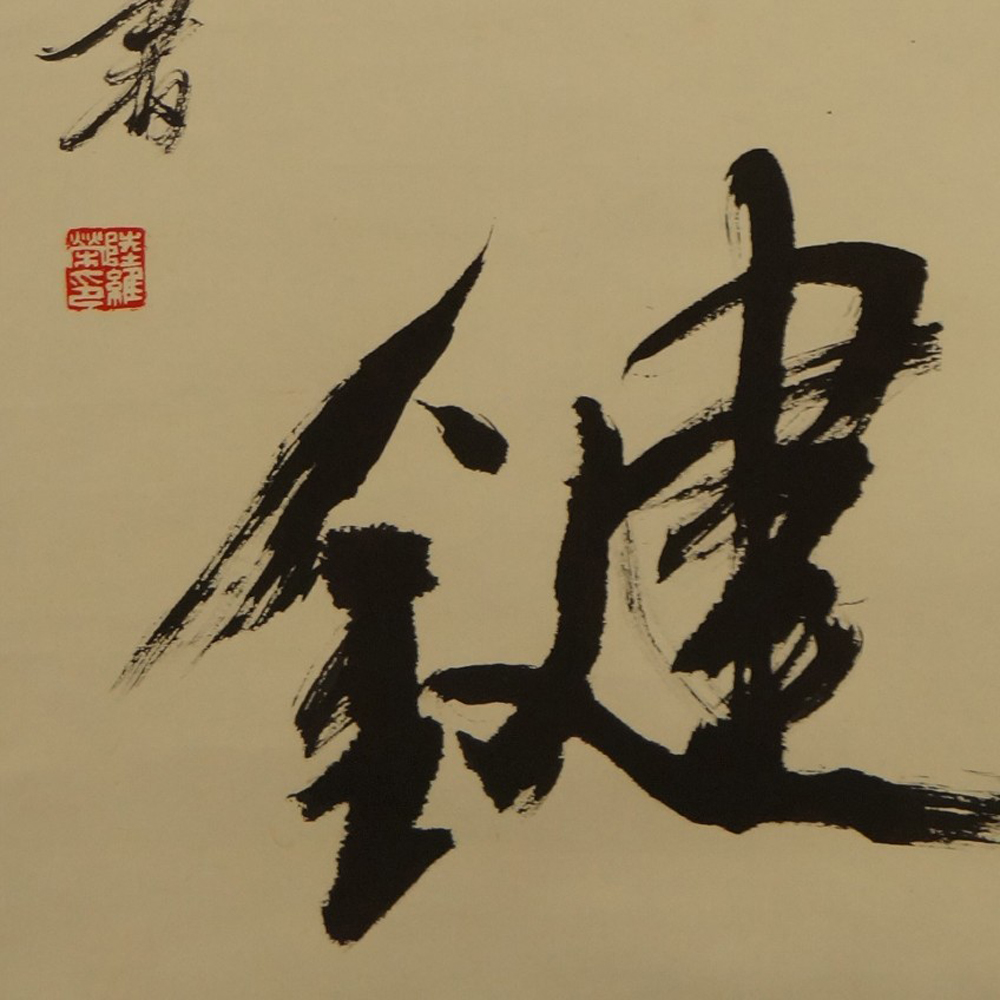
Calligraphy: The Key to Happiness
Kakemono, unique work, 180 x 50 cm
€240.00
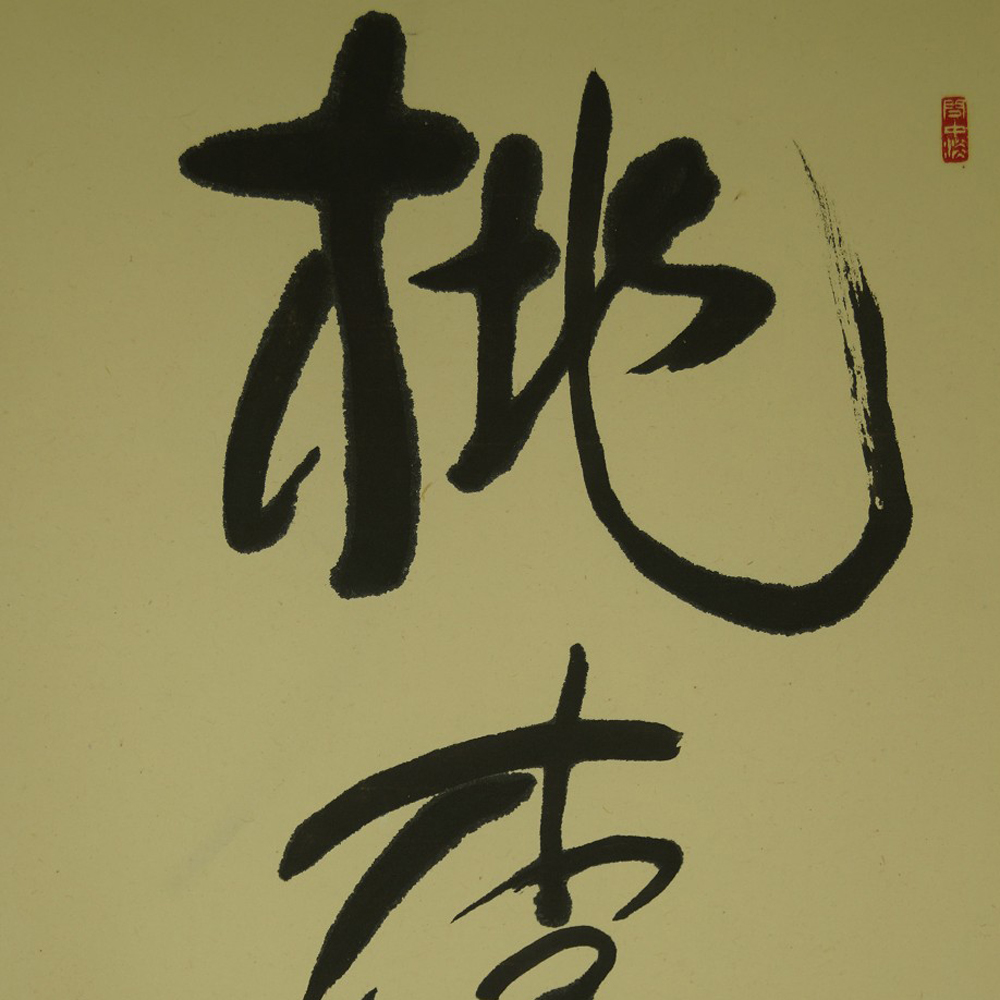
Calligraphy "Peaches and Plums"
Kakemono, unique work, 196 x 54 cm
€140.00
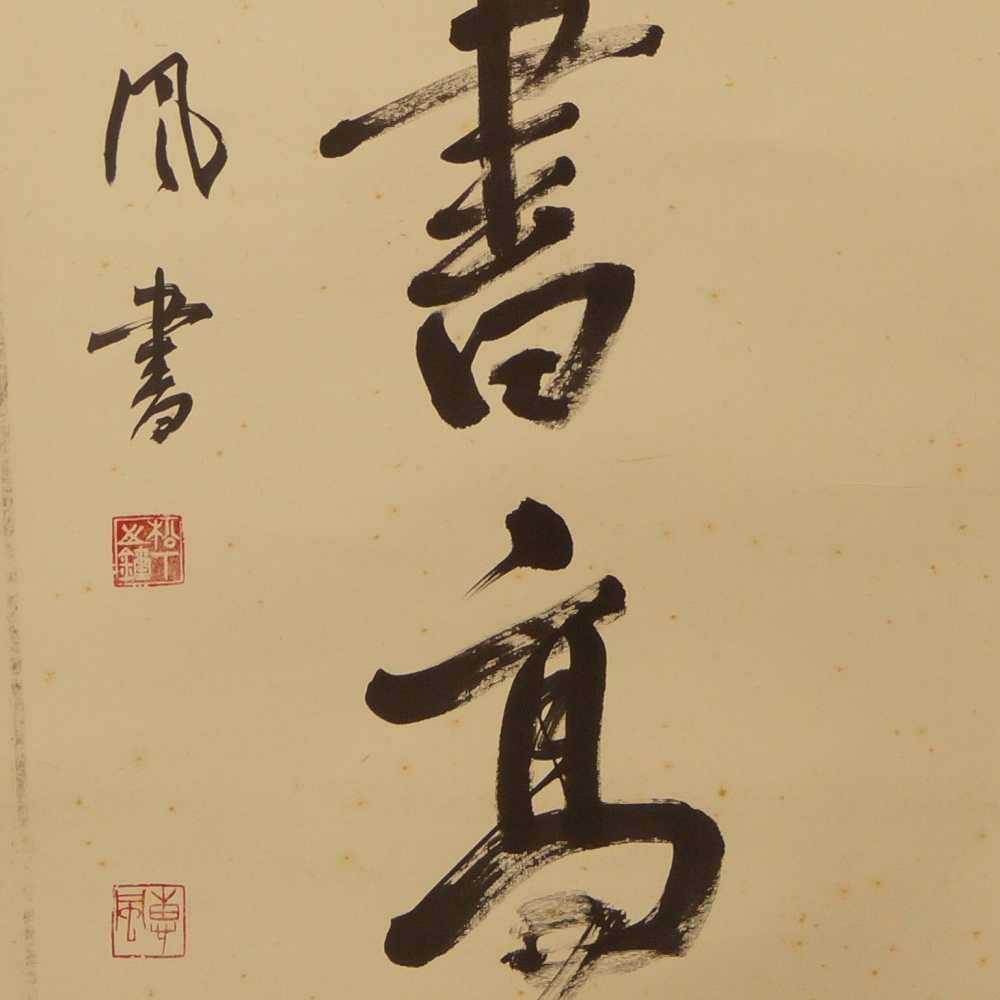
Calligraphy Poem: Bamboo by the Window
Kakemono, unique work, 195 x 50 cm
€180.00
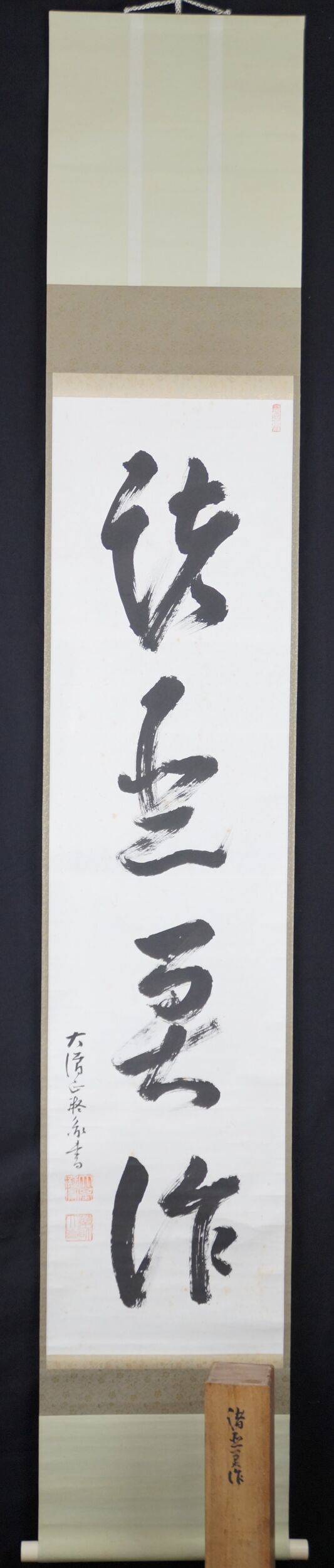

Details about the sold piece
- JikusakiWood
- Material HonshiPaper
- MotifCalligraphy
- TechniqueHand-Painted
Description
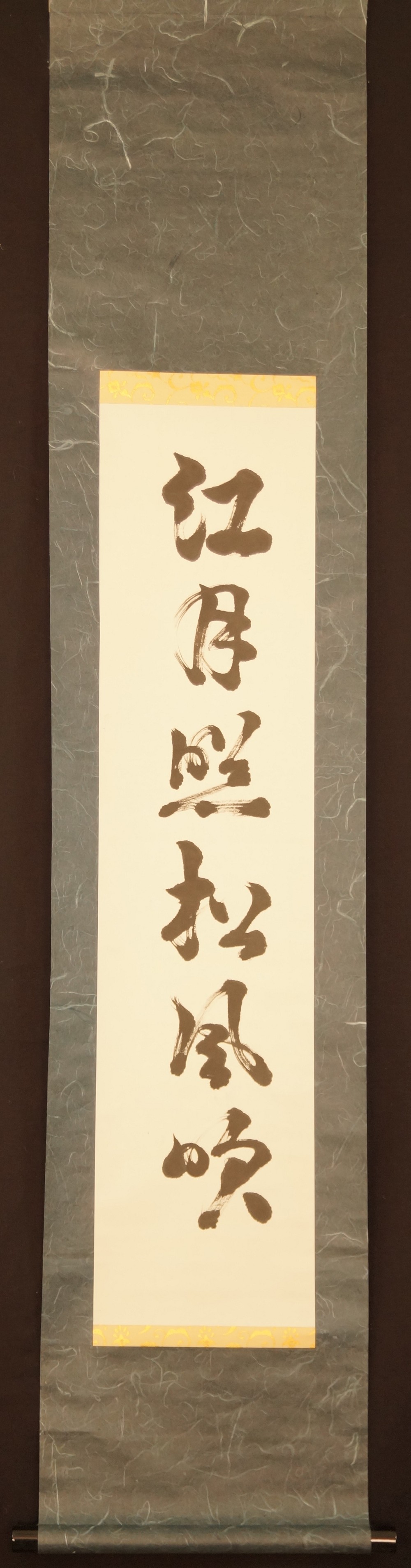
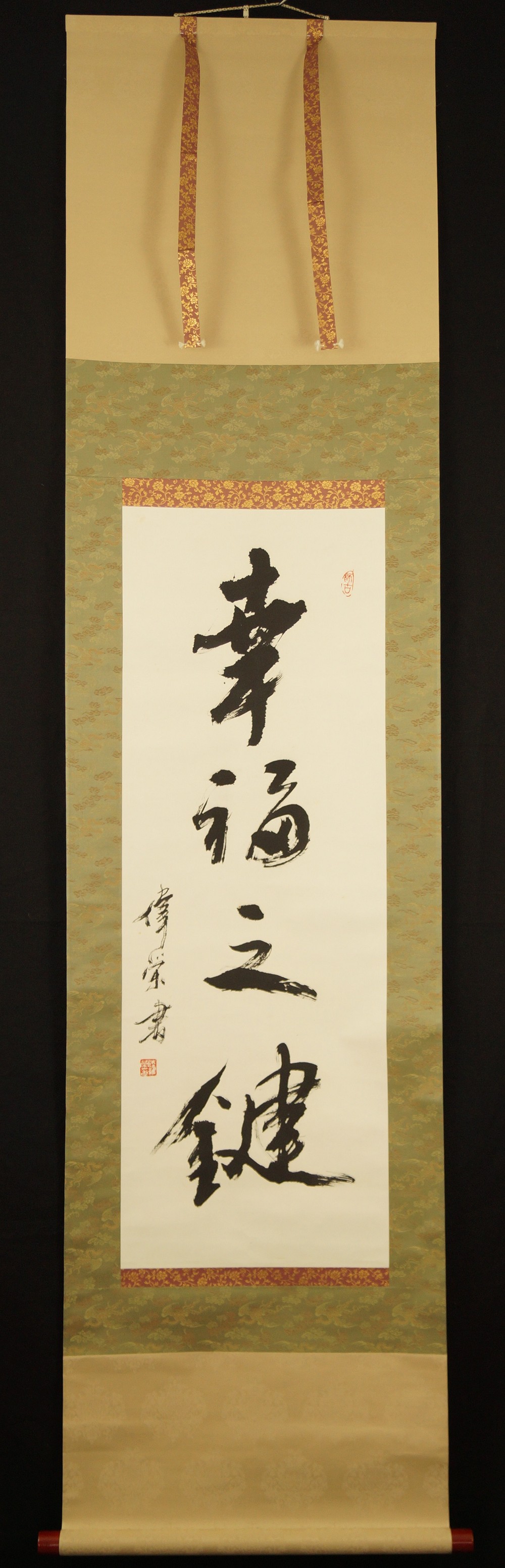
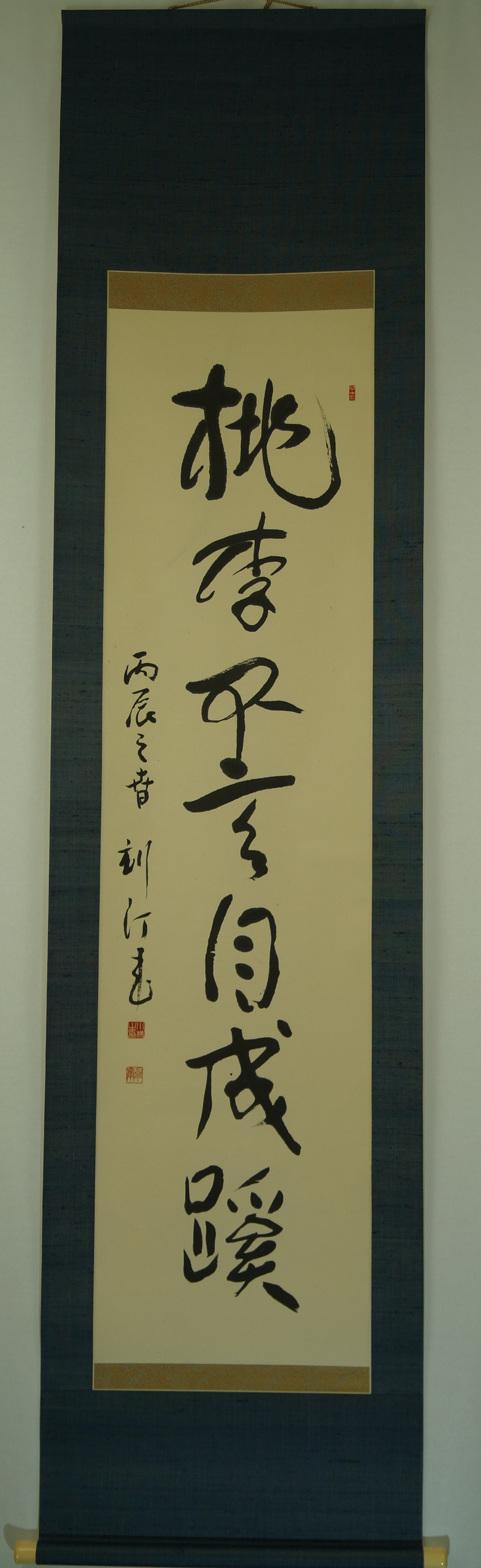
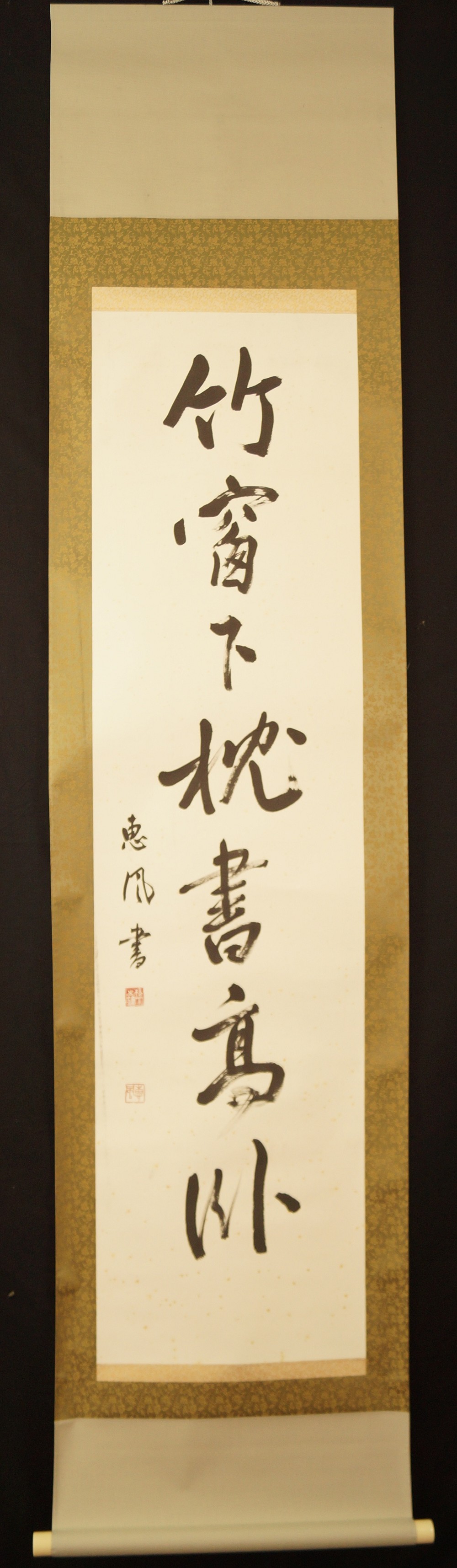
With four characters generously distributed across the paper, this calligraphy wishes the viewer a good, uneventful year, a motif that was traditionally painted and given as a gift at the turn of the year in Japan.
The brushwork is fluid and confident, the characters appear to have been written in a single stroke, lending the wish a spontaneous, heartfelt quality. Calligraphies of this kind were regarded as a blessing for health, peace, and a quiet year free of unfortunate incidents.
Framed by an understated border and mounted on paper with wooden jikusaki, this kakemono was presumably created in the Shôwa period and can still be unrolled on the wall today as an evocative New Year's greeting.