
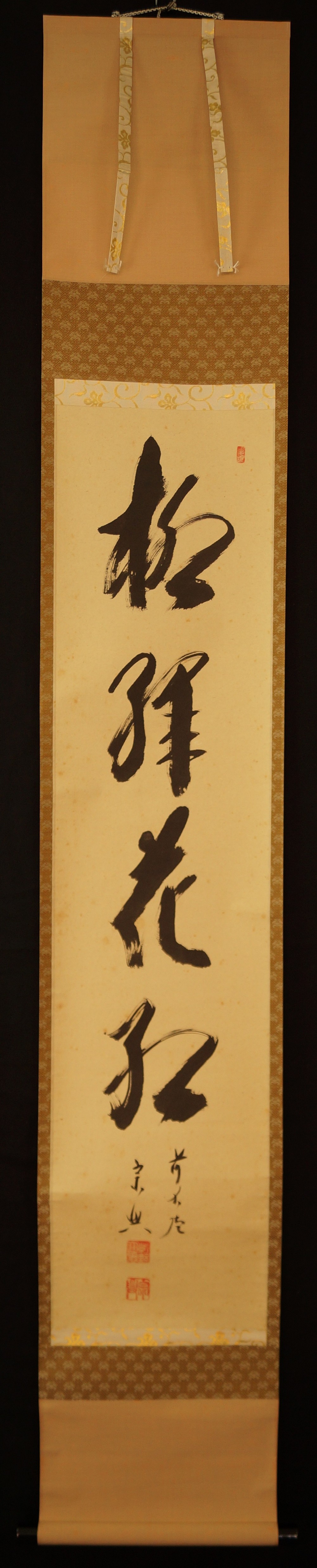
Kakemono Calligraphy in Flowing Cursive Script
One of a kind — this work exists only once.
- Period:
- Meiji (1868–1912)
- Dimensions (height x width):
- 183 x 32 cm
- Item number:
- 3904
This piece has been sold.
Sold – no longer available
This piece was a handmade one-of-a-kind work. It cannot be reordered and will never exist in this form again. The page stays online as part of our archive.
More items in category CalligraphyAll one-of-a-kind Japanese Painting pieces
See new one-of-a-kind pieces first
We feature every delivery from Japan in the newsletter first – before the pieces show up in search results.
You might like these pieces
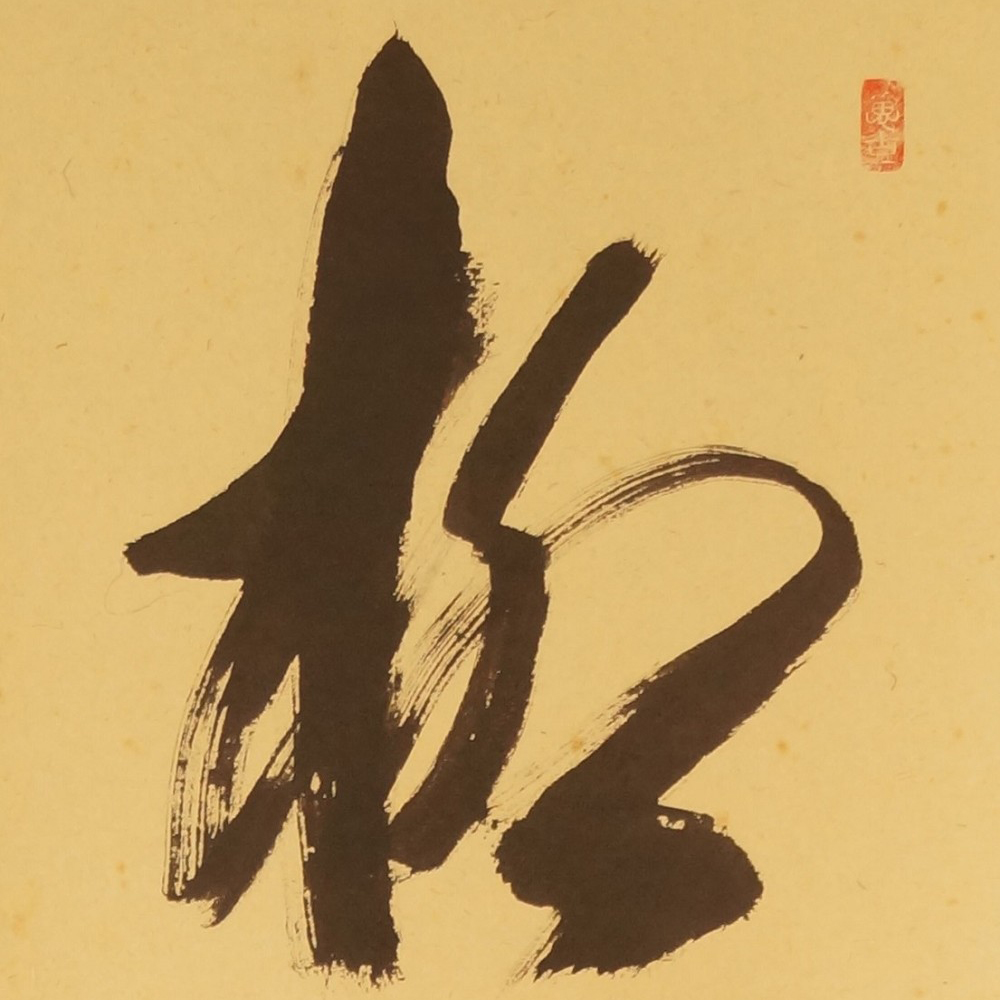
Calligraphy in Sōsho Style
Kakemono, unique work, 184 x 35 cm
€230.00
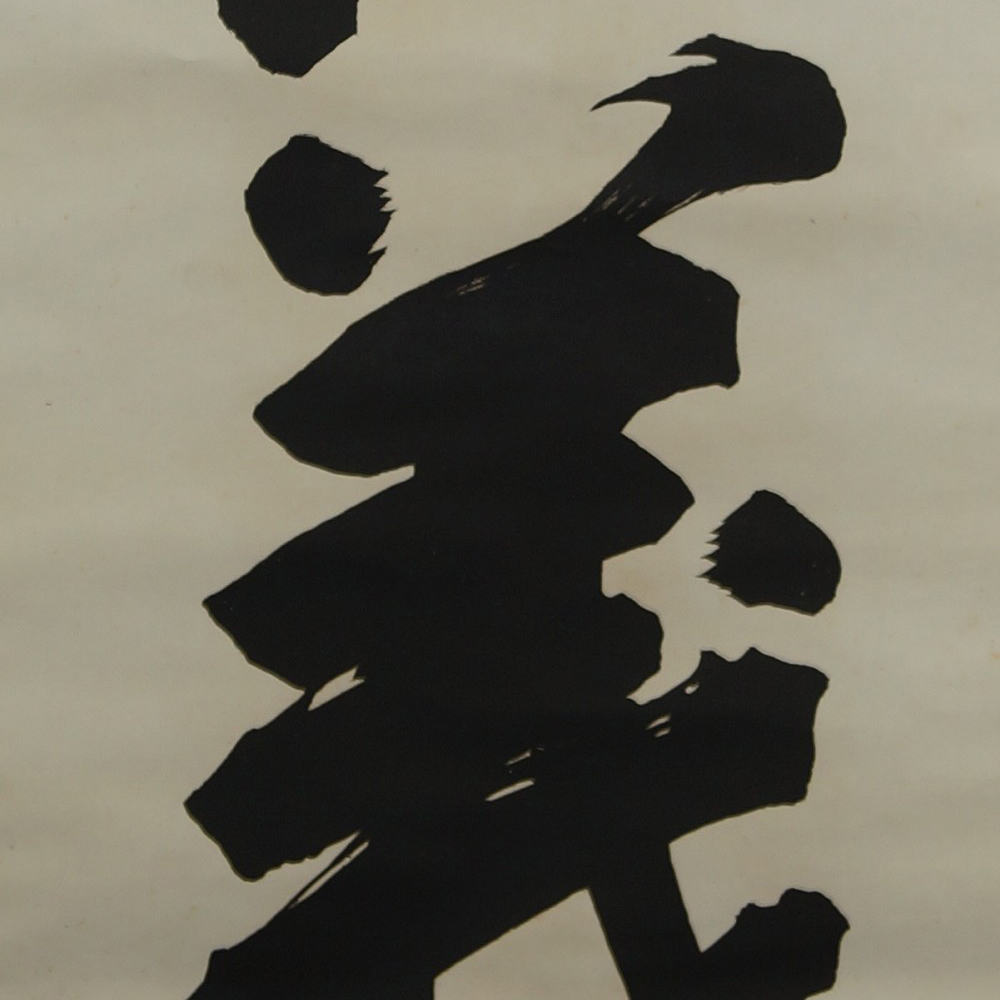
Calligraphy Print "Create Justice" in Large Script
Kakemono, Print, 200 x 50 cm
€60.00
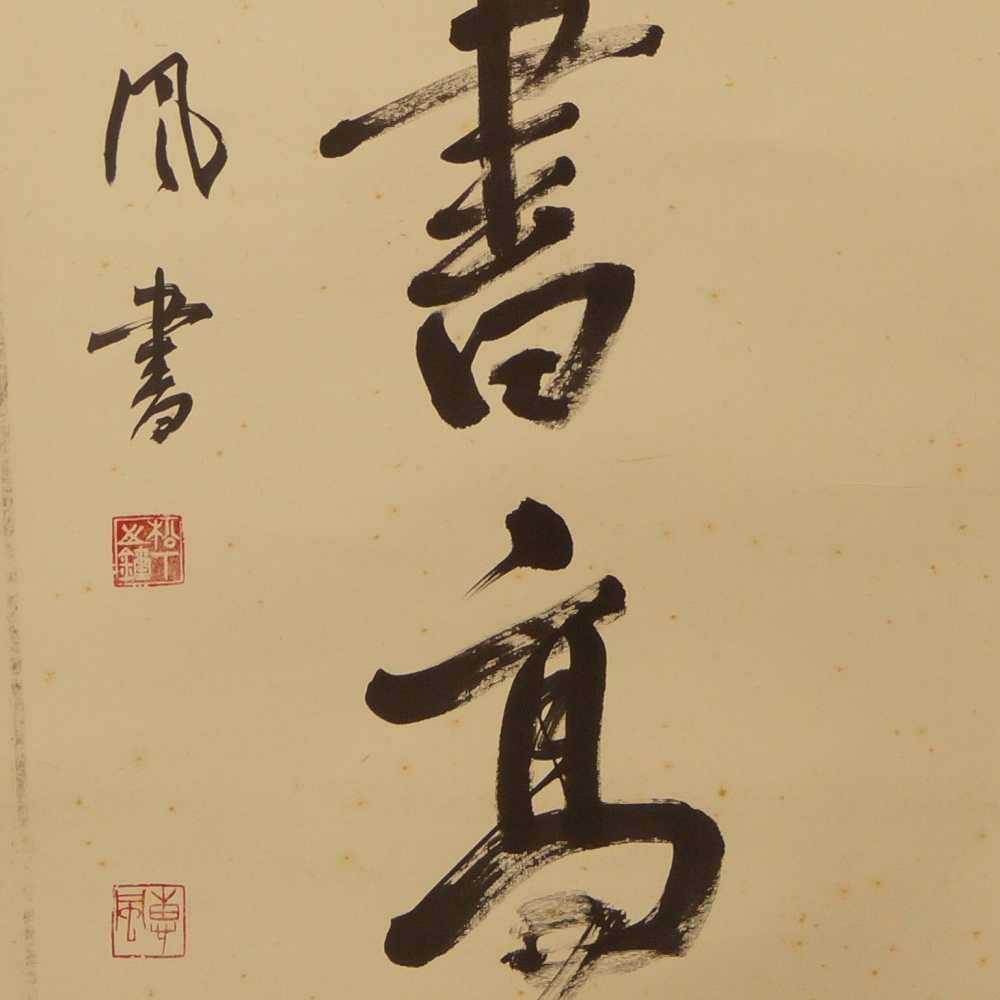
Calligraphy Poem: Bamboo by the Window
Kakemono, unique work, 195 x 50 cm
€180.00
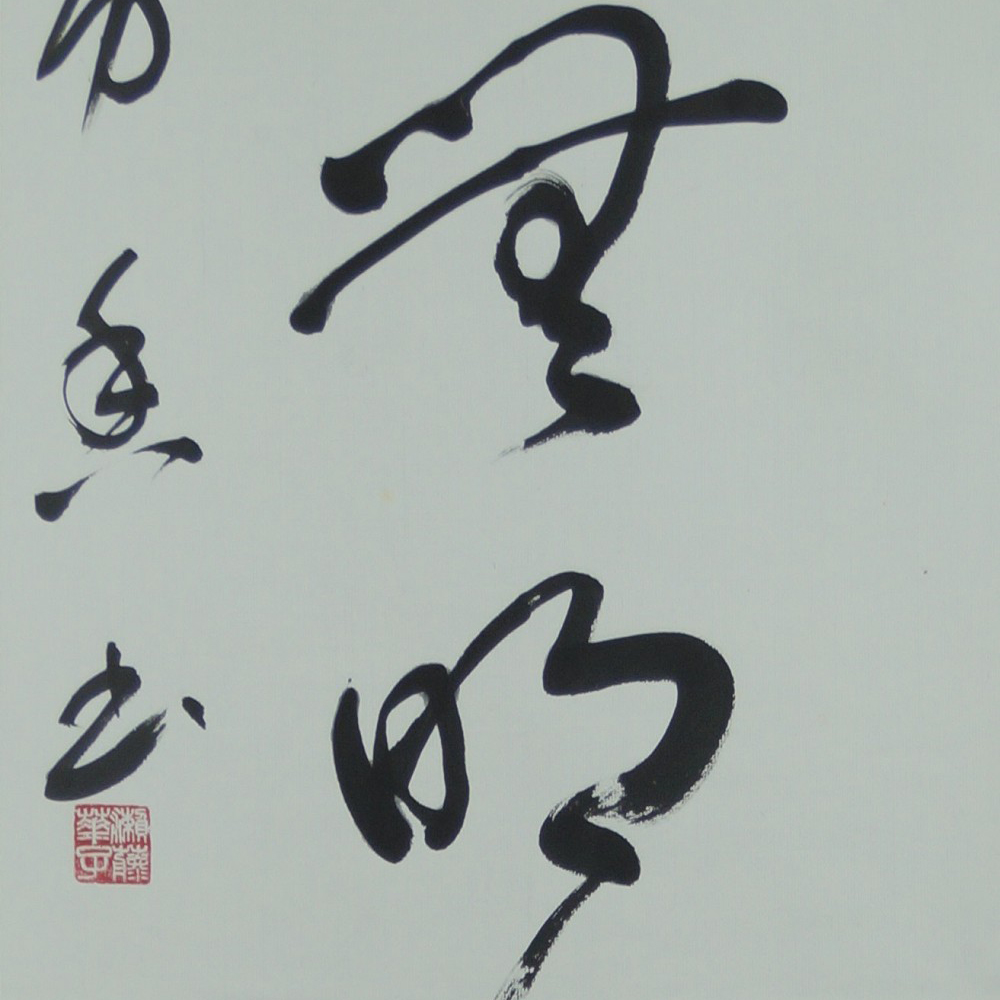
Calligraphy "Breeze in Moonlight"
Kakemono, unique work, 190 x 53 cm
€180.00
Calligraphy: Monkey's Cry and Wild Geese
Kakemono, unique work, 145 x 34 cm
€180.00
Calligraphy: The Four Virtues of Chado
Kakemono, unique work, 128 x 98 cm
€640.00

Calligraphy: Purple Light on the Mountains
Kakemono, unique work, 203 x 53 cm
€170.00
Calligraphy: Moon Over the Bay
Kakemono, unique work, 160 x 38 cm
€270.00

Details about the sold piece
- JikusakiSculpture
- Material HonshiPaper
- MotifCalligraphy
- TechniqueHand-Painted
Description
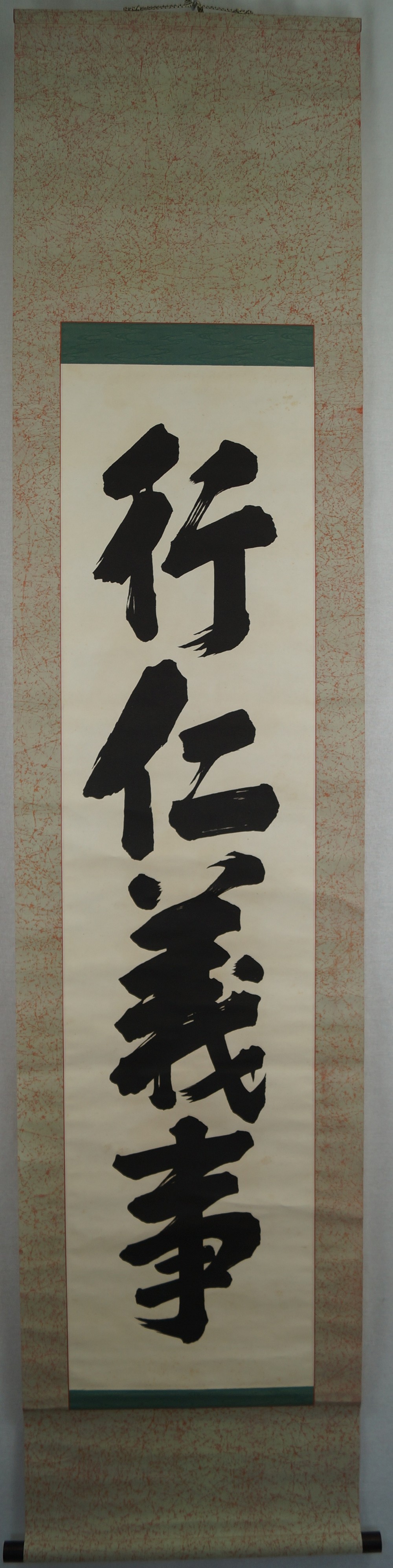
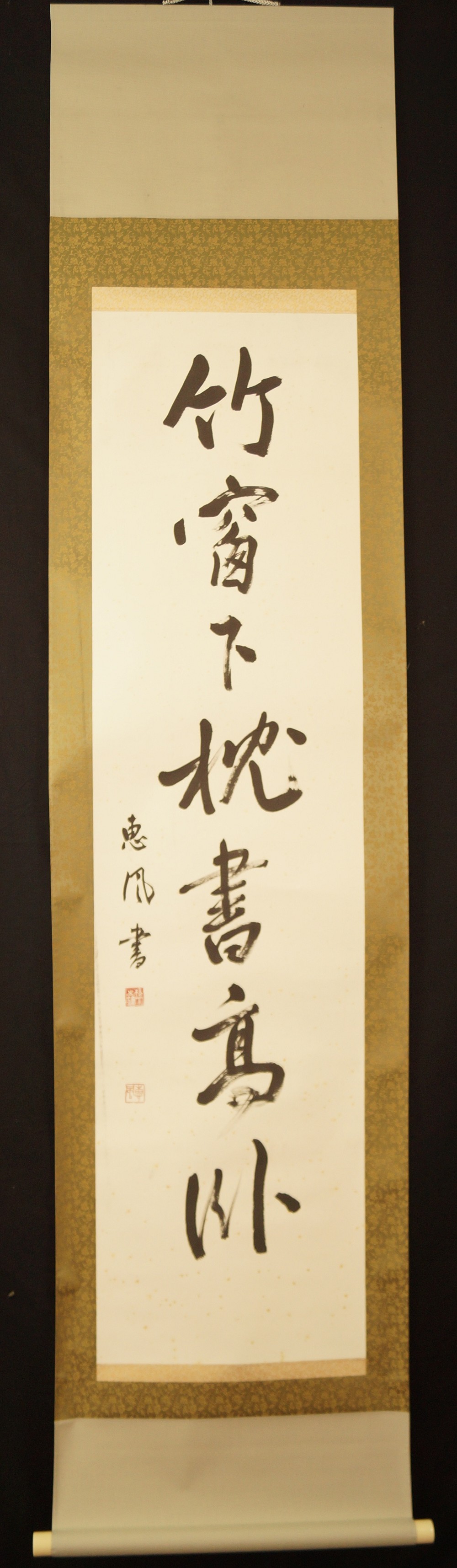
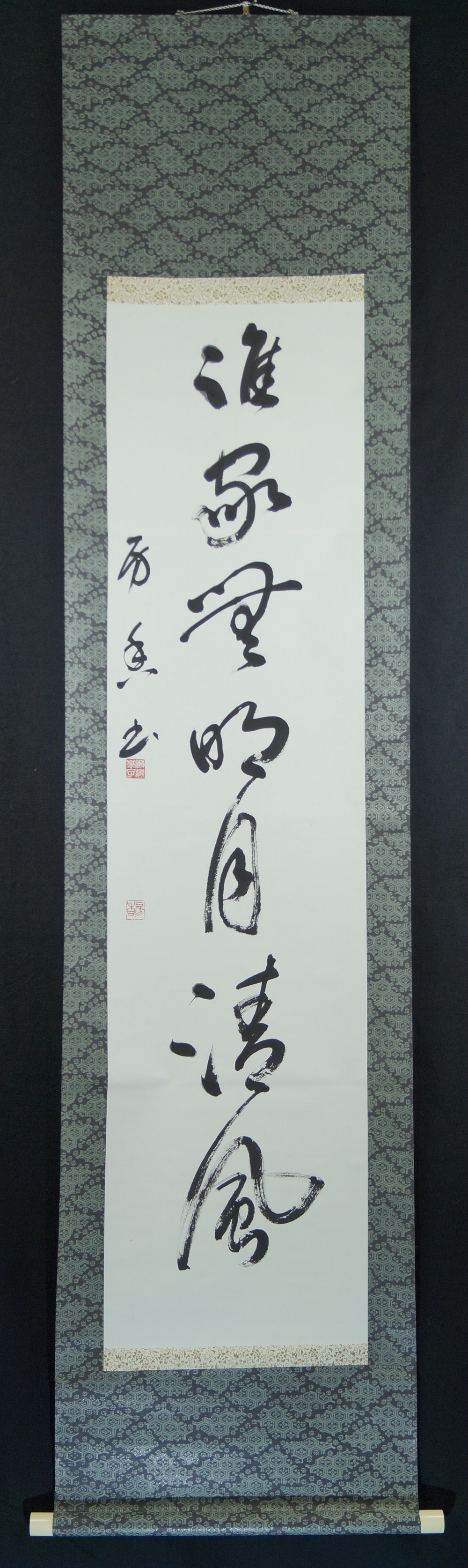
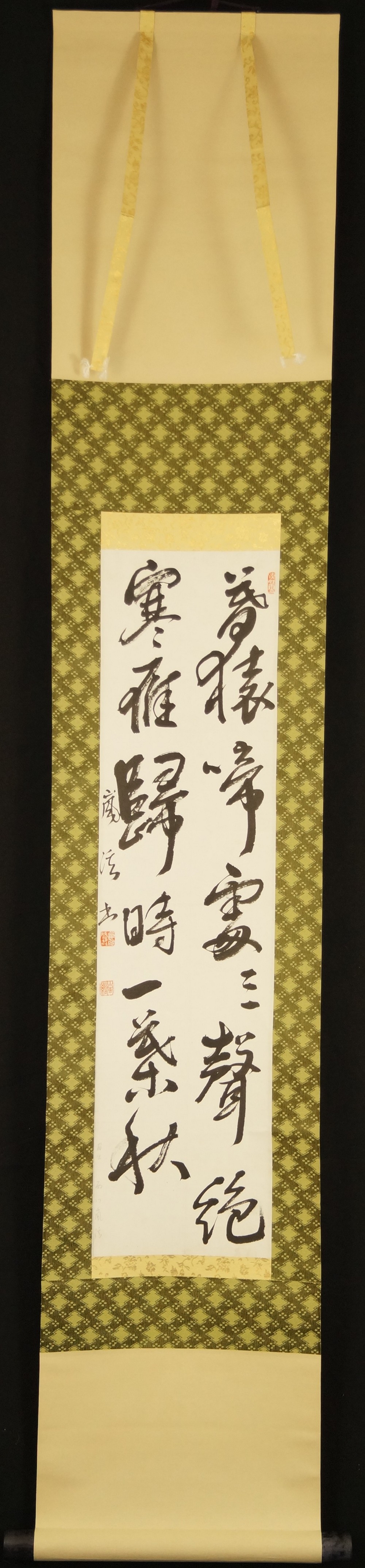
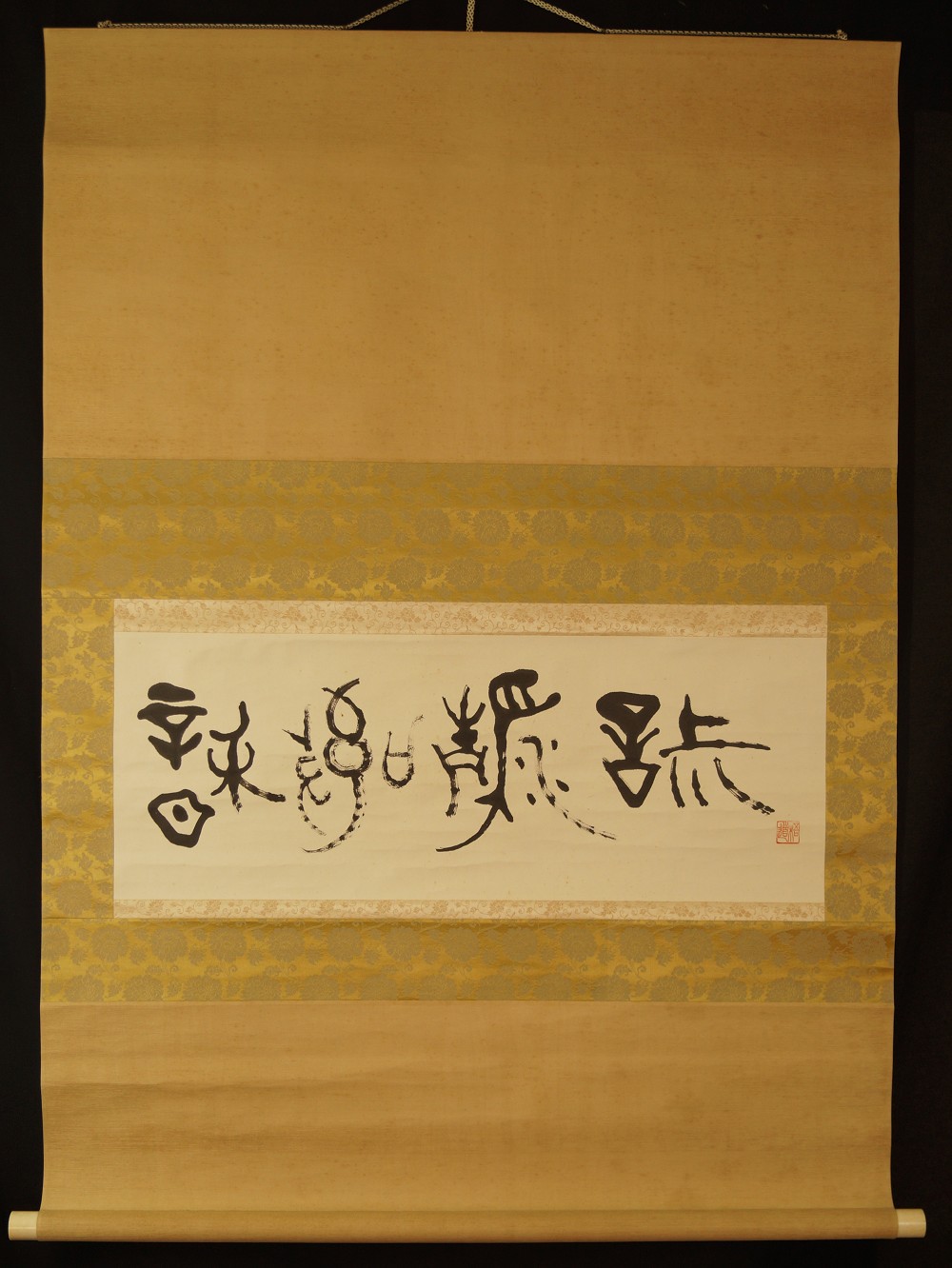
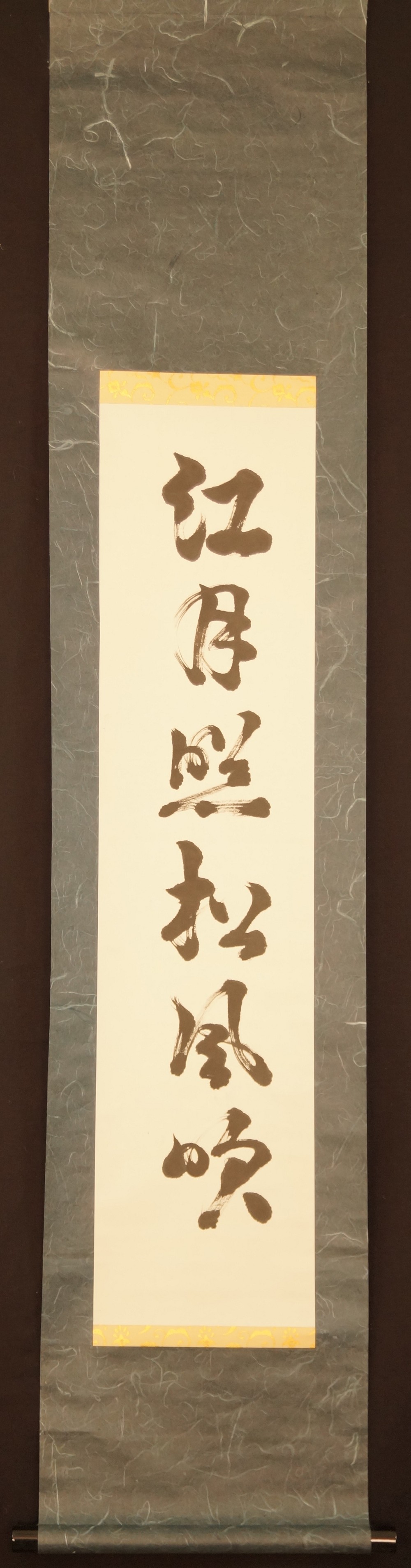
Loose and with confident momentum, the characters of this calligraphy connect into a flowing line that runs from top to bottom across the paper, making the movement of the writing hand immediately palpable. Individual strokes interlock, as if they had emerged in a continuous, uninterrupted flow.
The meaning of the characters can be translated approximately as the statement that the heart of man resembles the stars in the sky – an image for the quiet vastness and unfathomability of the human spirit, as it has been taken up again and again in the classical calligraphy tradition. A red seal accompanies the signature at the lower edge of the image and completes the composition.
Written on paper, fitted with plastic roller ends, and dating from the Meiji period, this hand-painted unique work is a vivid example of Japanese calligraphic art, combining expressive power with depth of meaning and appealing particularly to collectors of calligraphy. Such scrolls were often hung in private studies to encourage concentration and reflection.

