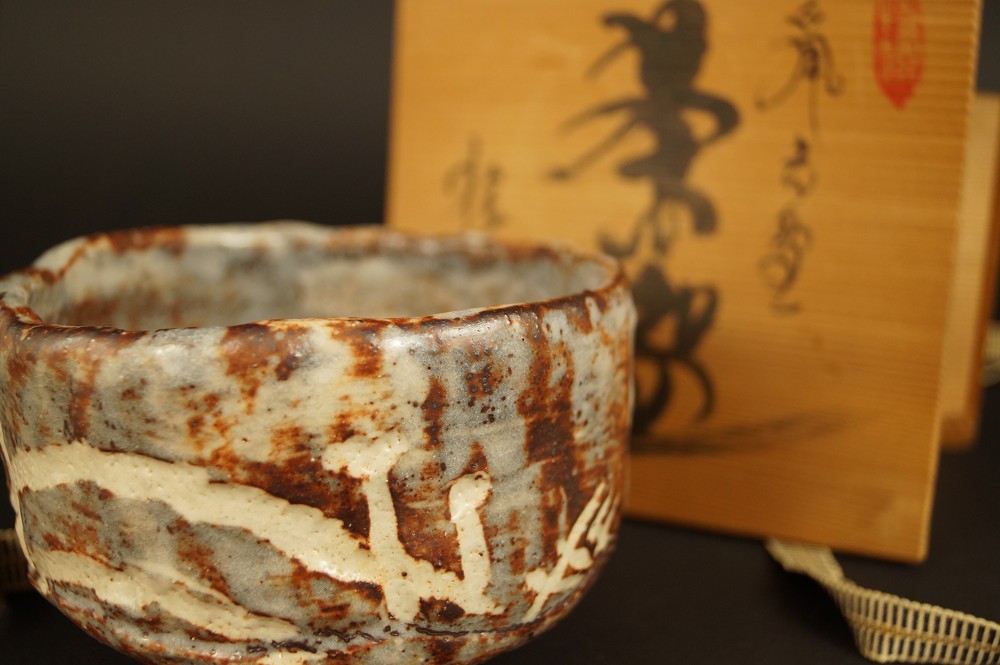
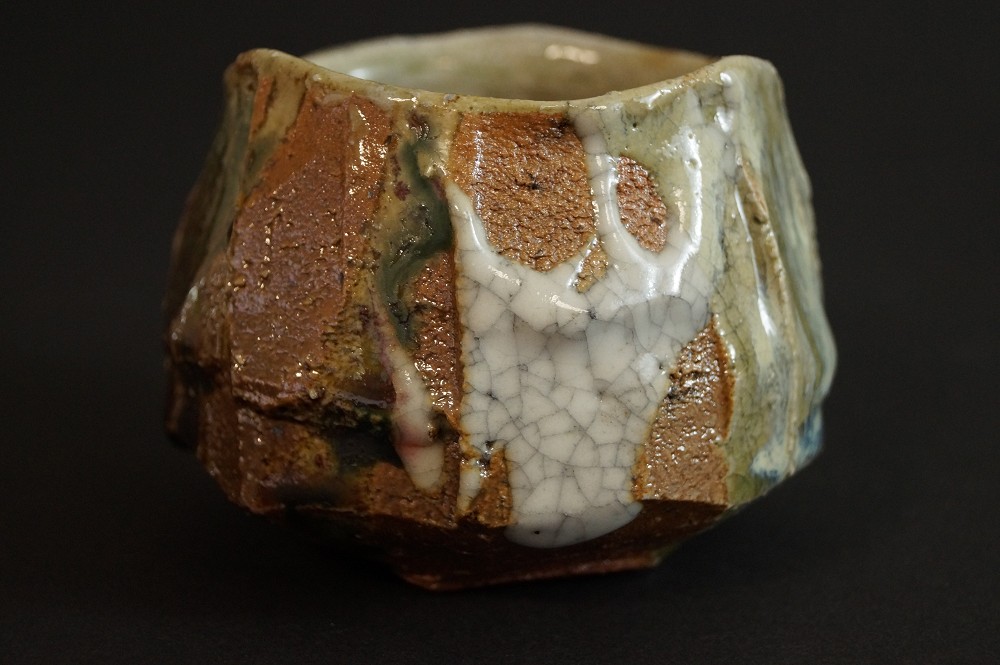
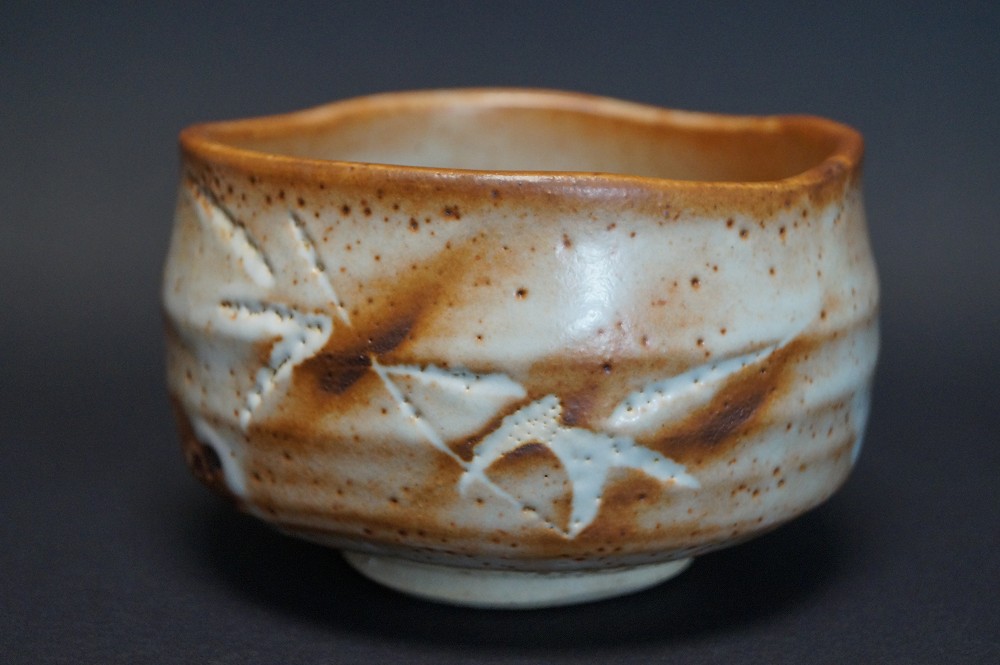
Chawan Chawan with Shino Glaze by Jyuzo Sato
One of a kind — this work exists only once.
- Signature / Stamp:
- Jyuzo Sato
- Period:
- Shôwa (1926–1989)
- Dimensions (height x width):
- 8 x 12 cm
- Weight:
- 1g
- Item number:
- 4956
This piece has been sold.
Sold – no longer available
This piece was handmade by Jyuzo Sato and was a one-of-a-kind work. It cannot be reordered and will never exist in this form again. The page stays online as part of our archive.
More items in category Chawan and YunomiAll one-of-a-kind Japanese Ceramics pieces
See new one-of-a-kind pieces first
We feature every delivery from Japan in the newsletter first – before the pieces show up in search results.
You might like these pieces
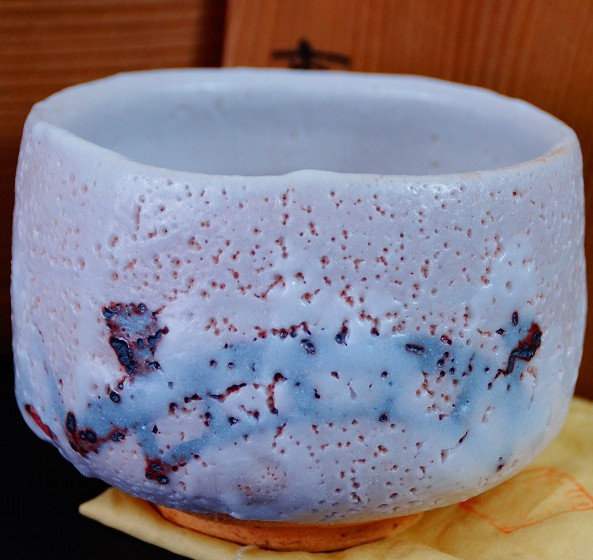
Jyuzo Sato
Chawan Made of Shino Ware by Jyuzo Sato
Chawan, unique work, with box, 9 x 11,5 cm
€320.00
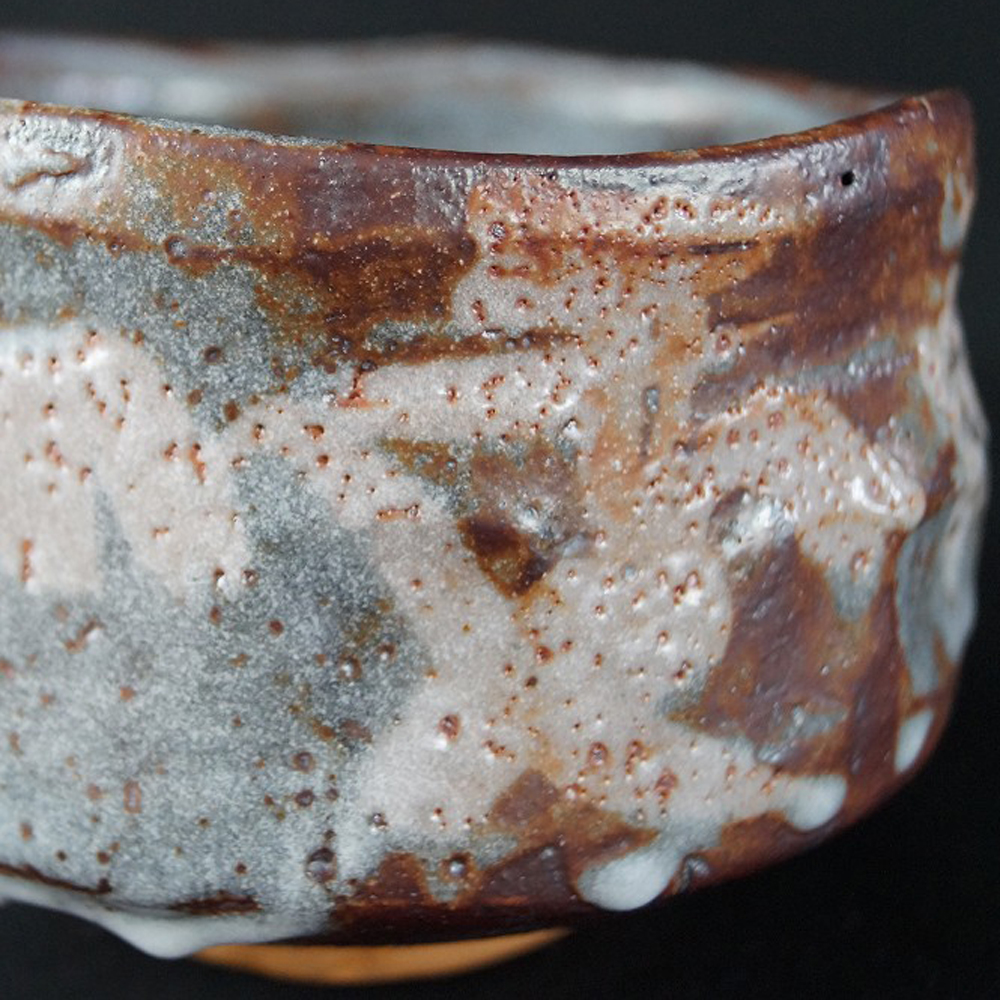
Chawan Made of Shino Ware with Gray-Speckled Glaze
Chawan, unique work, with box, 8 x 11 cm
€260.00
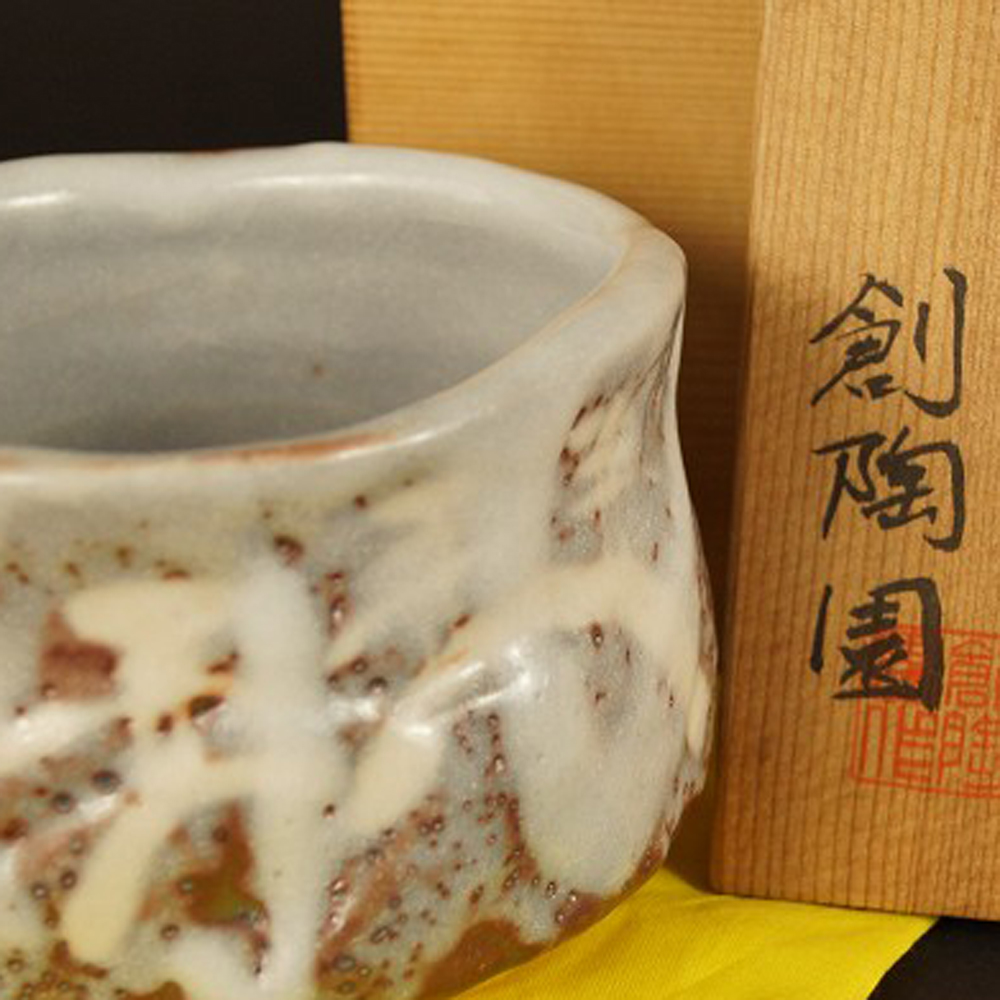
Chawan Made of Shino Ware with Characters Under the Glaze
Chawan, unique work, with box, 8,5 x 11,5 cm
€180.00
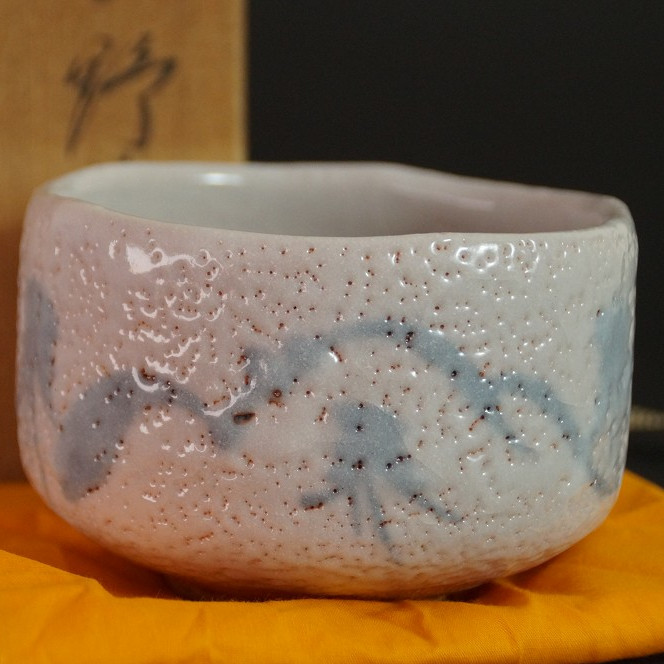
Jyuzo Sato
Chawan Made of Shino Ware by Juzo Sato
Chawan, unique work, with box, 8 x 12 cm
€280.00
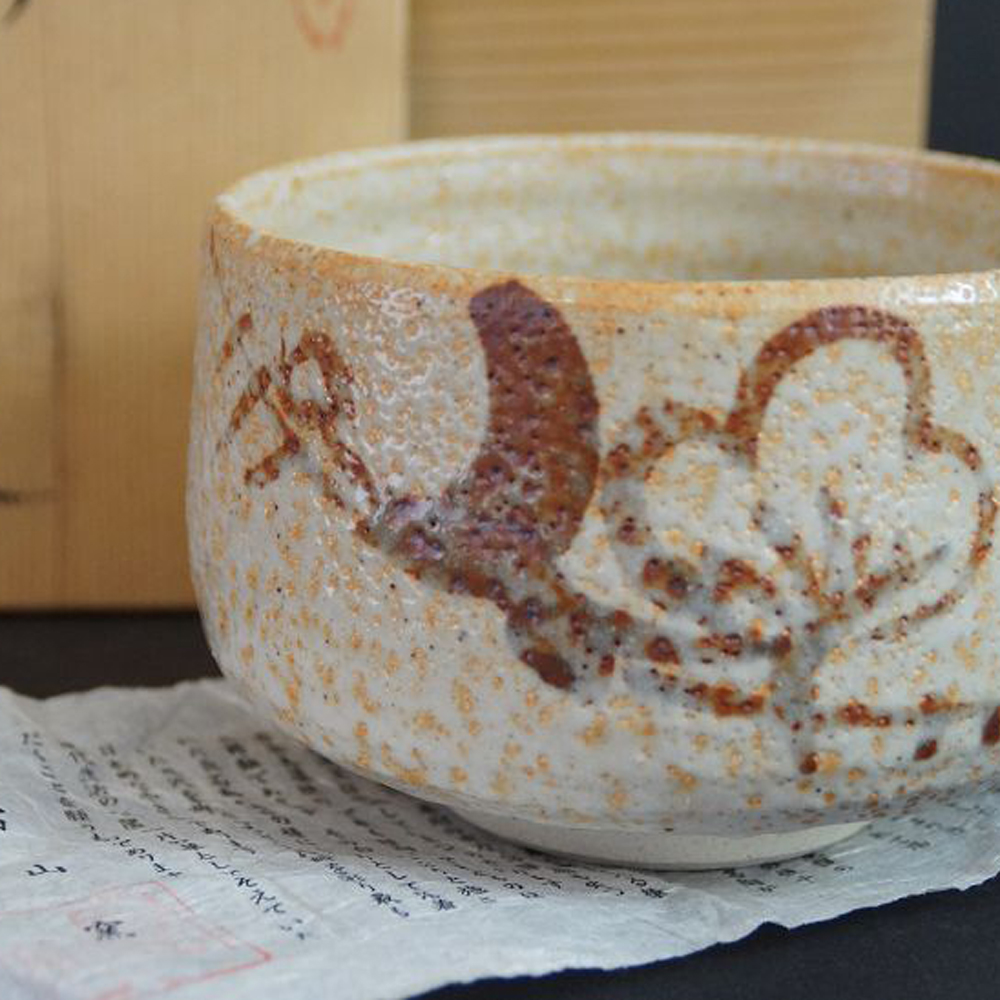
Toyama Ofen
Chawan Made of Shino Ware from Toyama Kiln
Chawan, unique work, with box, 8 x 12 cm
€280.00
Masayoshi Kato
Chawan Made of Shino Ware by Masayoshi Kato
Chawan, unique work, with box, 9 x 12 cm
€340.00
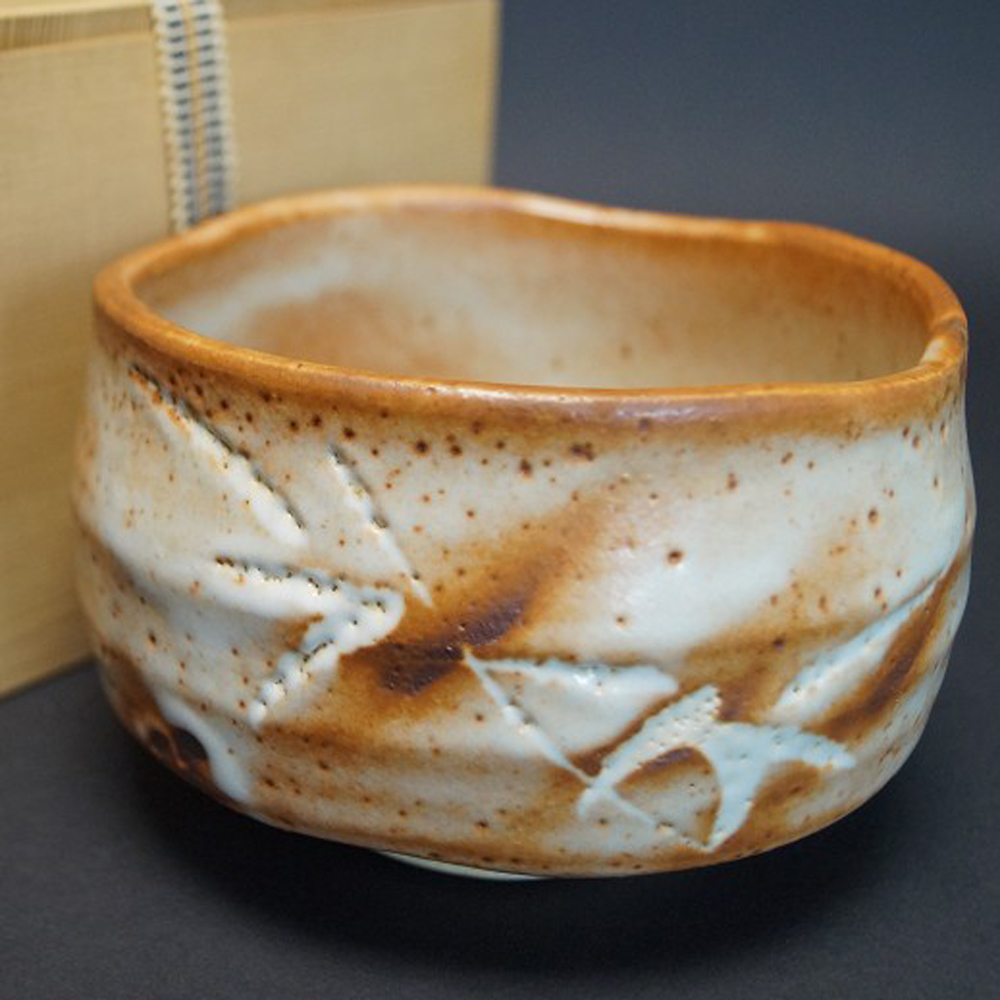
Sawada Shuichi
Chawan Made of Shino Ware by Shuichi Sawada with Fire Marks
Chawan, unique work, with box, 7 x 12 cm
€290.00
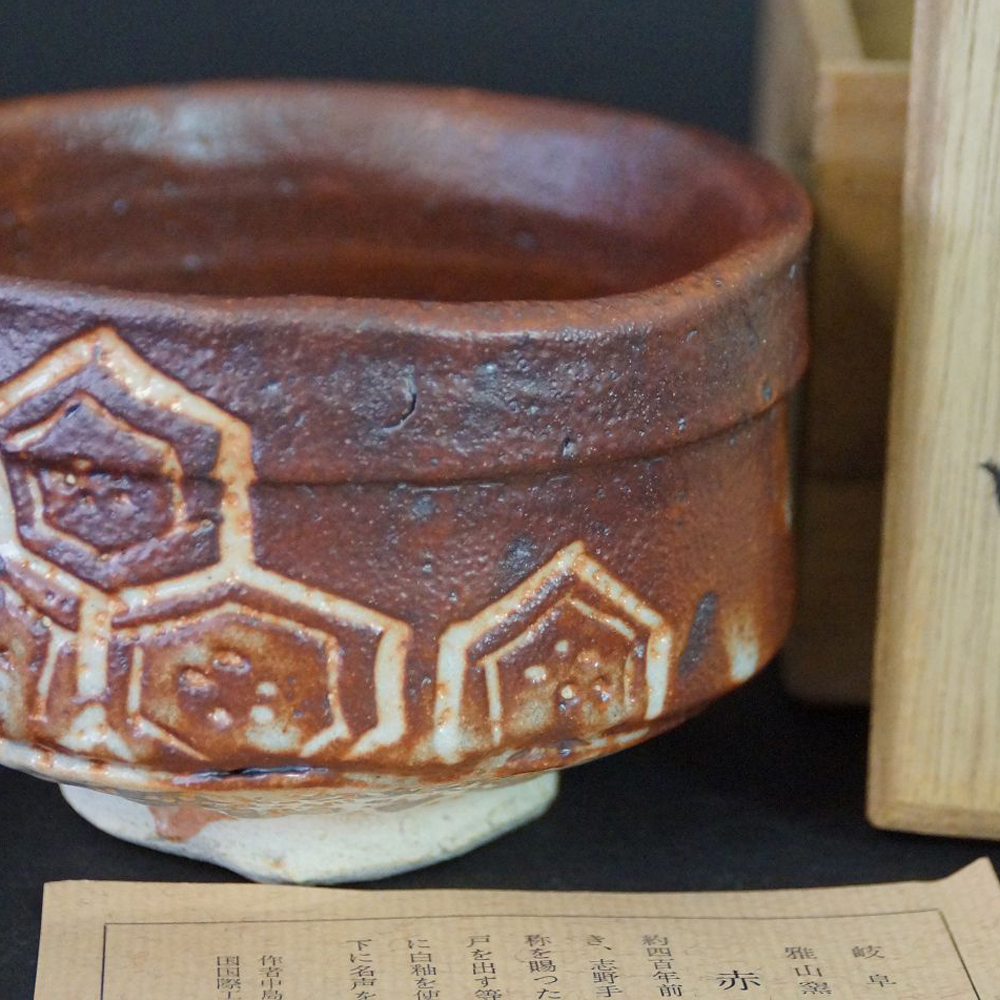
Masao Nakajima
Chawan Tea Bowl Made of Shino Ware by Masao Nakajima
Chawan, unique work, with box, 12,5 x 8 cm
€380.00




Details about the sold piece
- ColorBlue, Orange, White
- MaterialCeramics
- Style / TraditionShino-yaki
Description
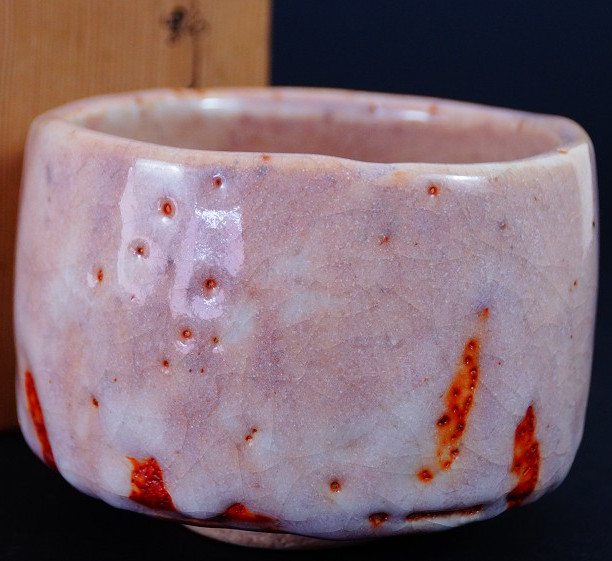
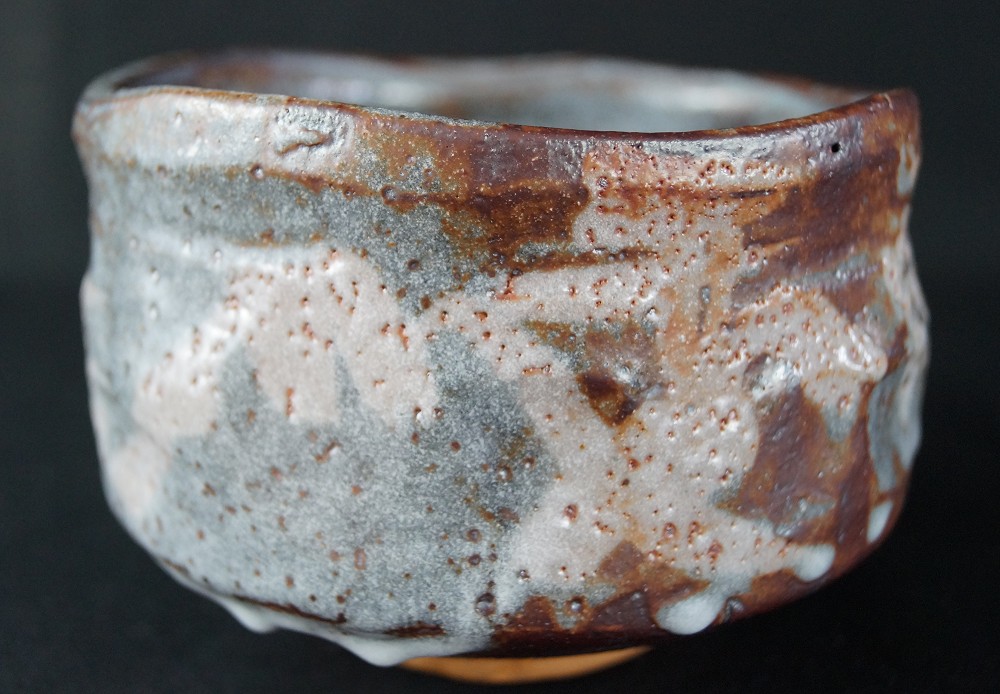
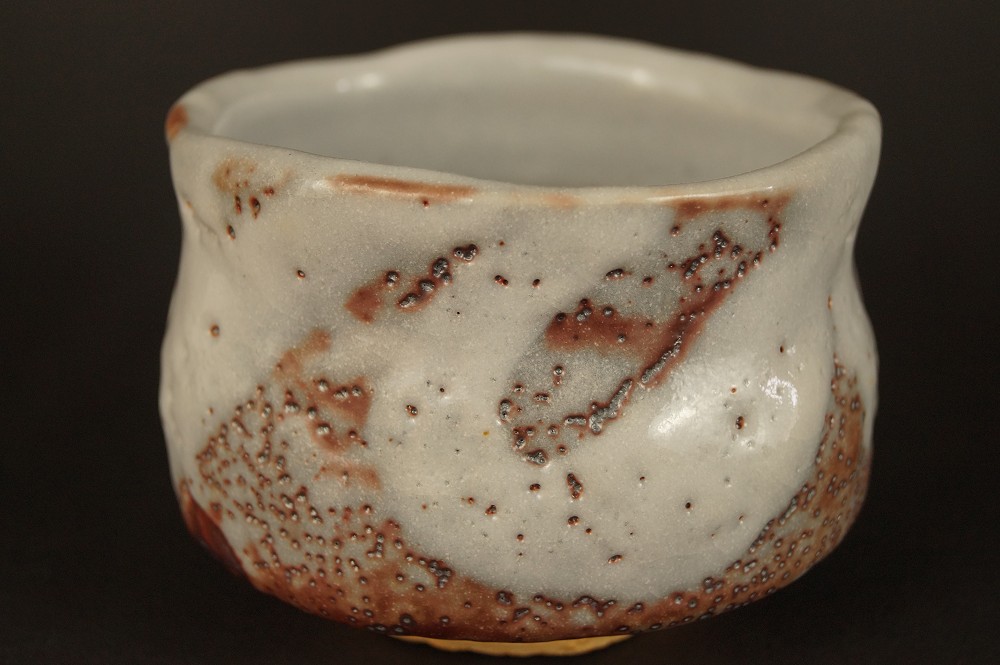
A delicate pink that shifts toward reddish at the edges and is crossed by fine, cloud-like mottling in gray-blue – the vitality of the Shino glaze becomes palpable at first glance at this tea bowl. The characteristic feldspathic glaze that established the Mino region's reputation in the history of Japanese ceramics reacts unpredictably to heat and oxygen supply during wood-fired kiln firing, producing the subtle interplay of colors that makes each bowl a unique work.
The slightly irregular, almost square-looking rim shape reveals the free hand of the potter, who deliberately dispensed with perfect symmetry to give the bowl character and vitality. Fine cracks in the glaze, known as kannyu, run across the body and deepen over the course of use, contributing to the piece's patina. The bowl bears the stamp of Jyuzo Sato, whose hallmark shows in the calm, balanced form.
Created during the Shôwa period, this chawan combines traditional craftsmanship with the restraint expected of a good tea bowl. It sits comfortably in the hand, is suited both to the tea ceremony and as a decorative collector's piece, and reflects the centuries-old tradition of Shino ware in an impressive way.