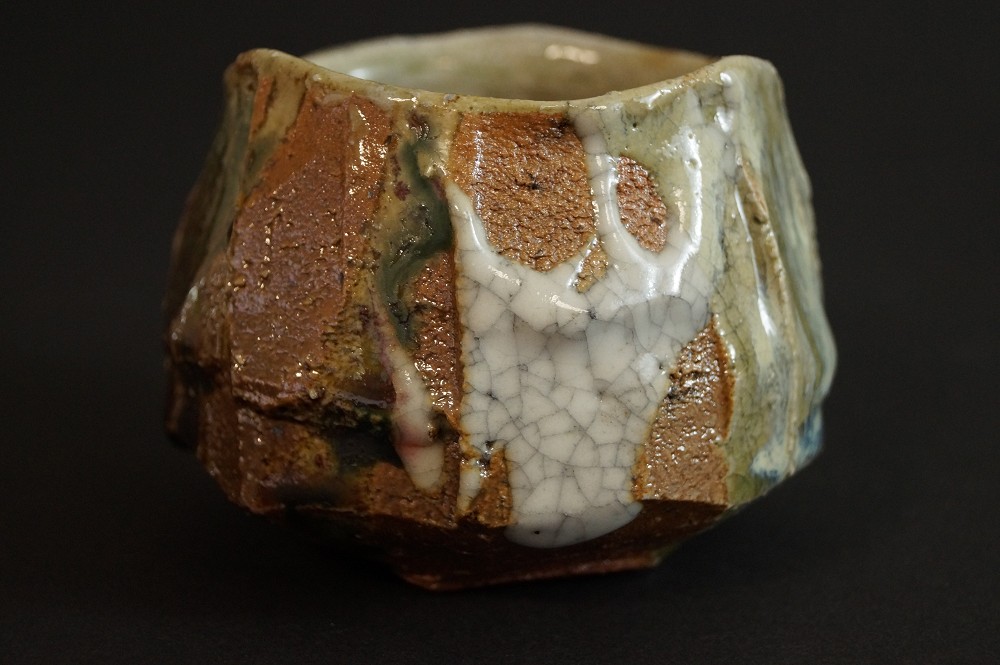
Chawan Set of Five Tea Bowls with Plum Blossom Motif
One of a kind — this work exists only once.
- Period:
- Shôwa (1926–1989)
- Dimensions (height x width):
- 6 x 11 cm
- Weight:
- 1g
- Item number:
- 6062
This piece has been sold.
Sold – no longer available
This piece was a handmade one-of-a-kind work. It cannot be reordered and will never exist in this form again. The page stays online as part of our archive.
More items in category Chawan and YunomiAll one-of-a-kind Japanese Ceramics pieces
See new one-of-a-kind pieces first
We feature every delivery from Japan in the newsletter first – before the pieces show up in search results.
You might like these pieces
Set of Five Tea Bowls Made of Kutani Porcelain with Autumn Grasses
Chawan, unique work, with box, 6 x 10 cm
€180.00
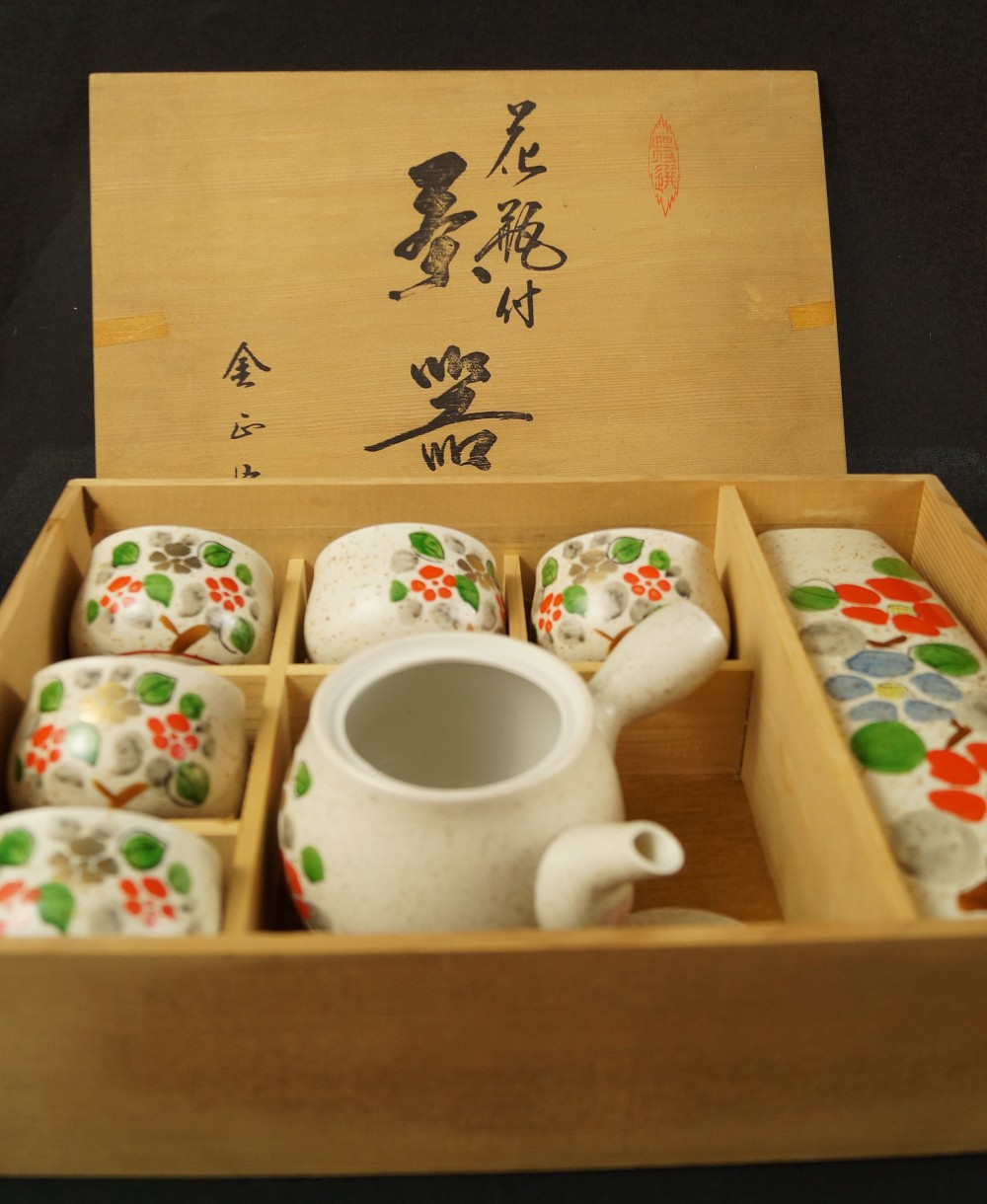
Tea Set with Floral Motif Made of Imari Porcelain
Tea Set, unique work, with box
€230.00
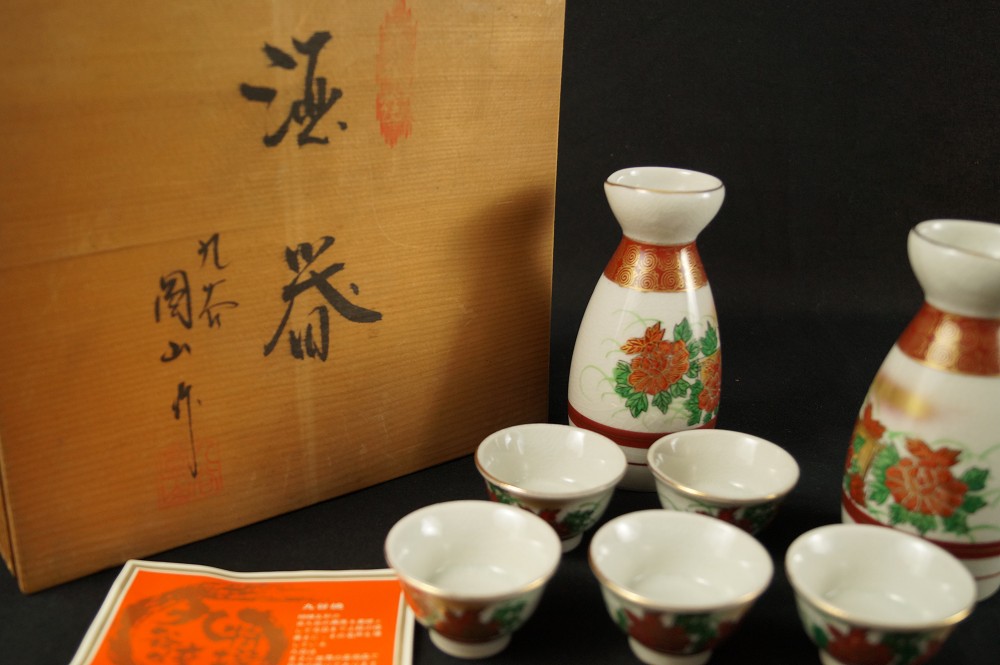
Sake Set with Peony Motif Made of Kutani Porcelain
Set of Guinomi and Tokkuri, unique work, with box
€160.00
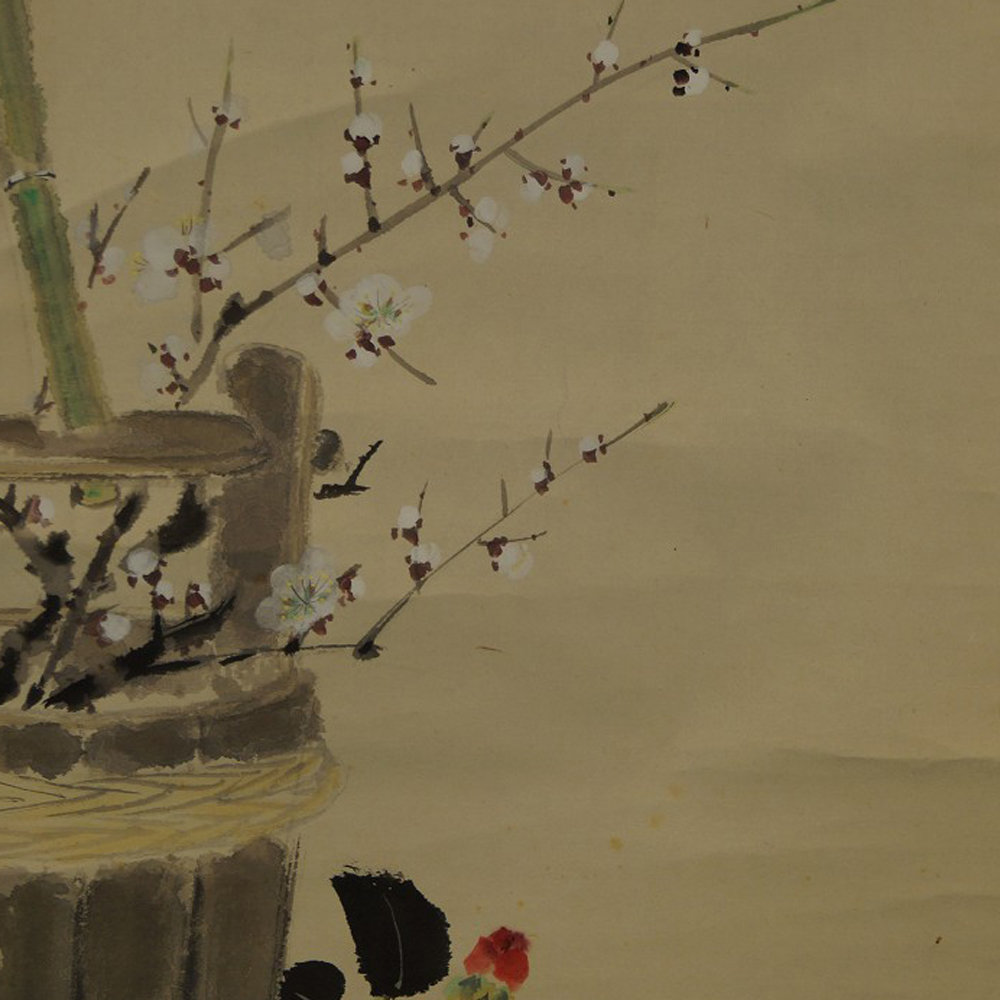
Yawata Hakuhan
Plum Blossoms in a Vase
Kakemono, unique work, with box, 154 x 38 cm
€280.00
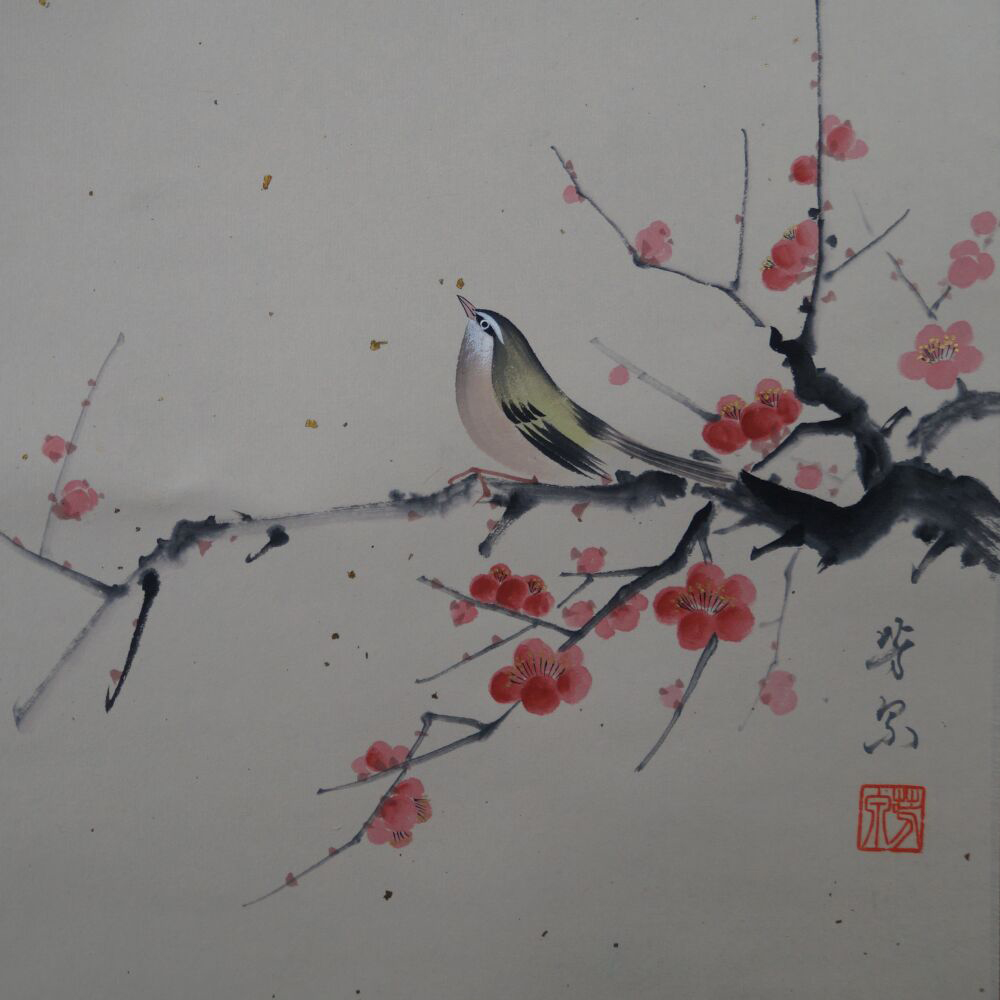
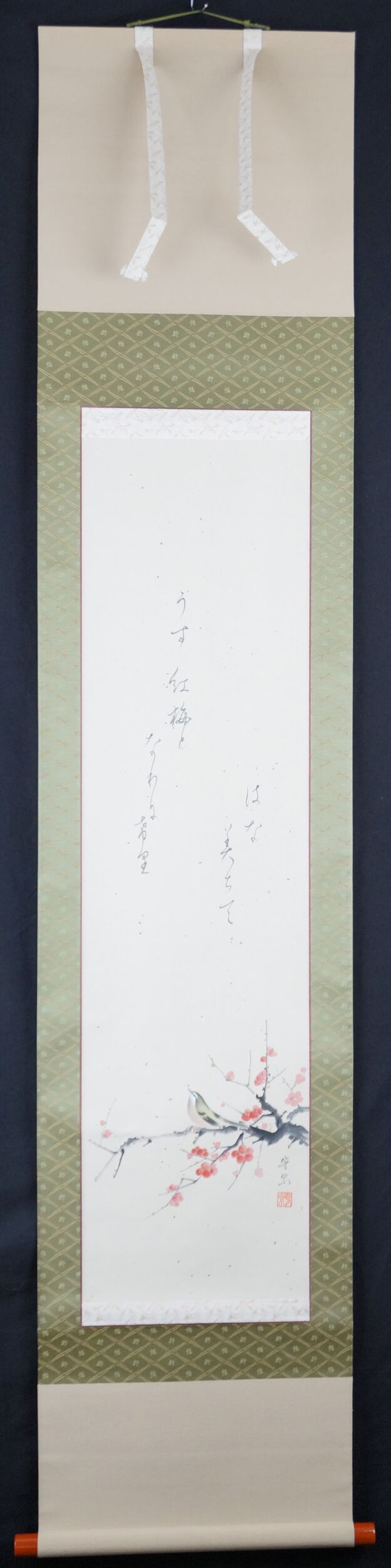
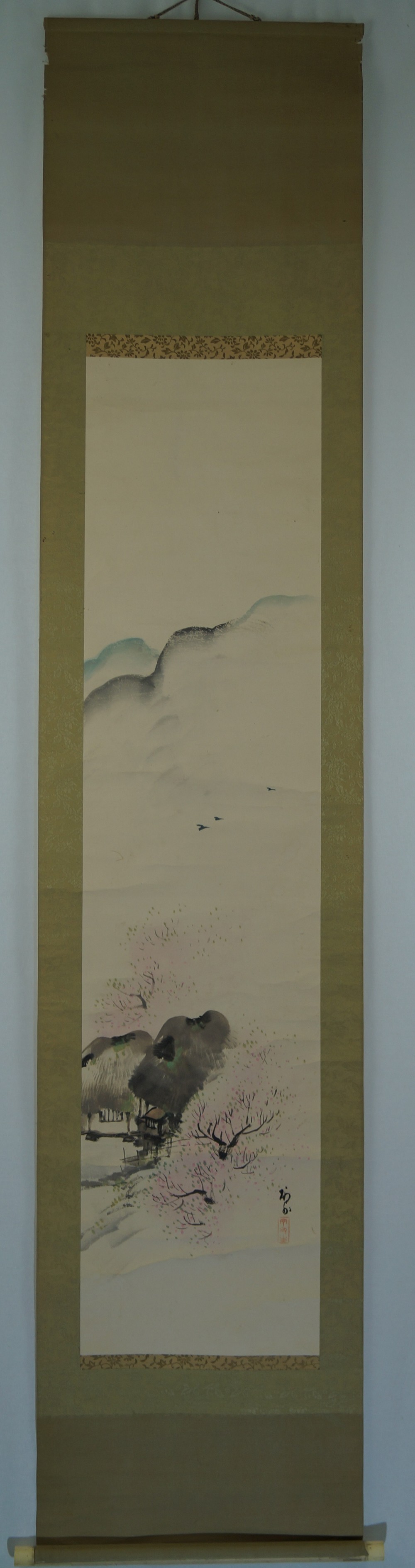
Sugaya Hosen
Pale Pink Plum Blossoms in Spring Light
Kakemono, unique work, with box, 193 x 46 cm
€490.00
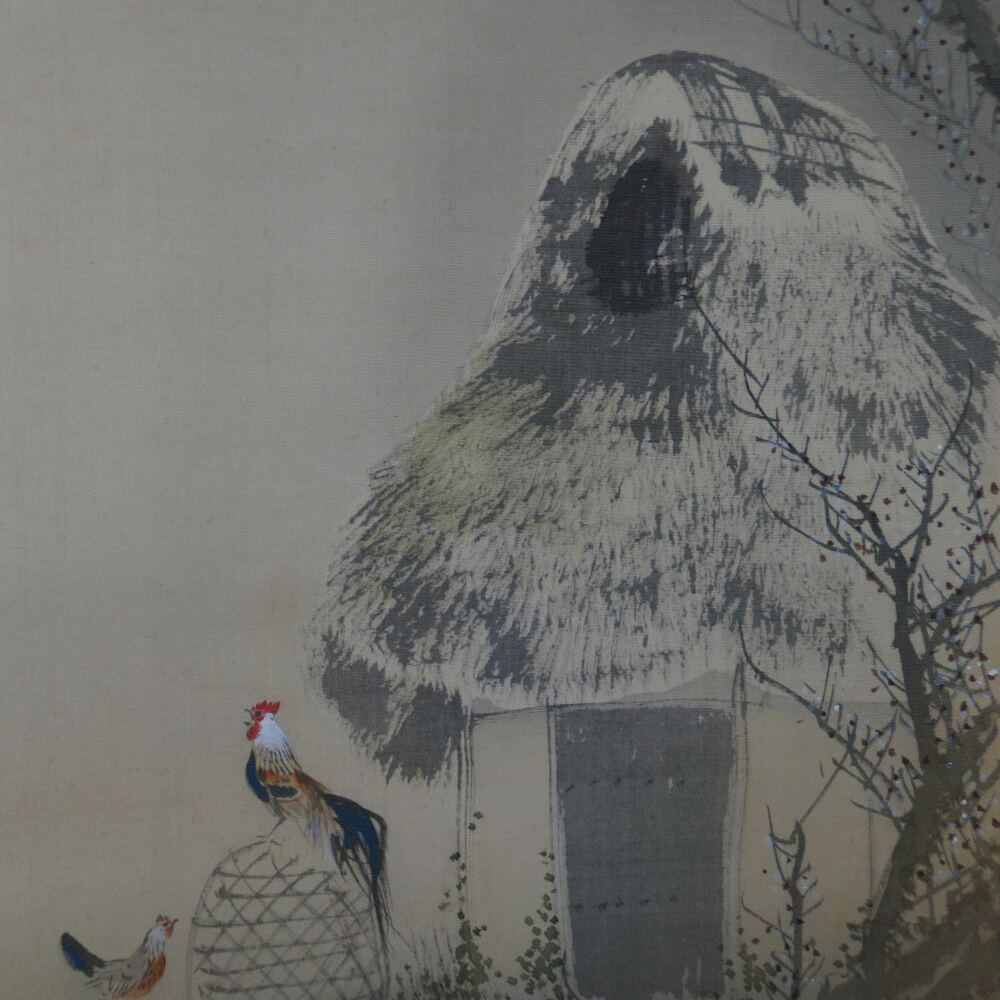
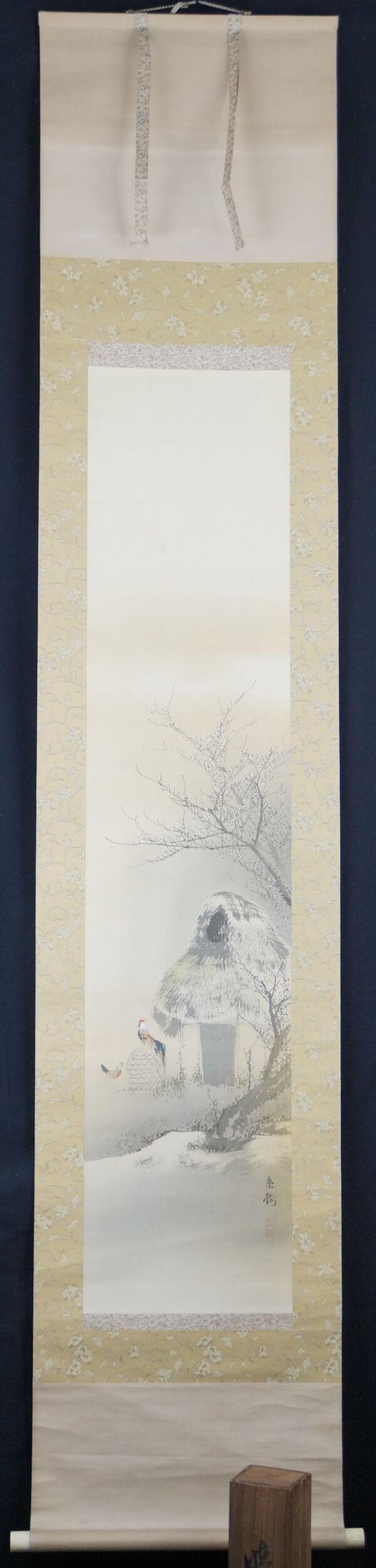
Imai Keiki
Rooster and Plum Blossoms
Kakemono, unique work, with box, 196 x 45 cm
€240.00
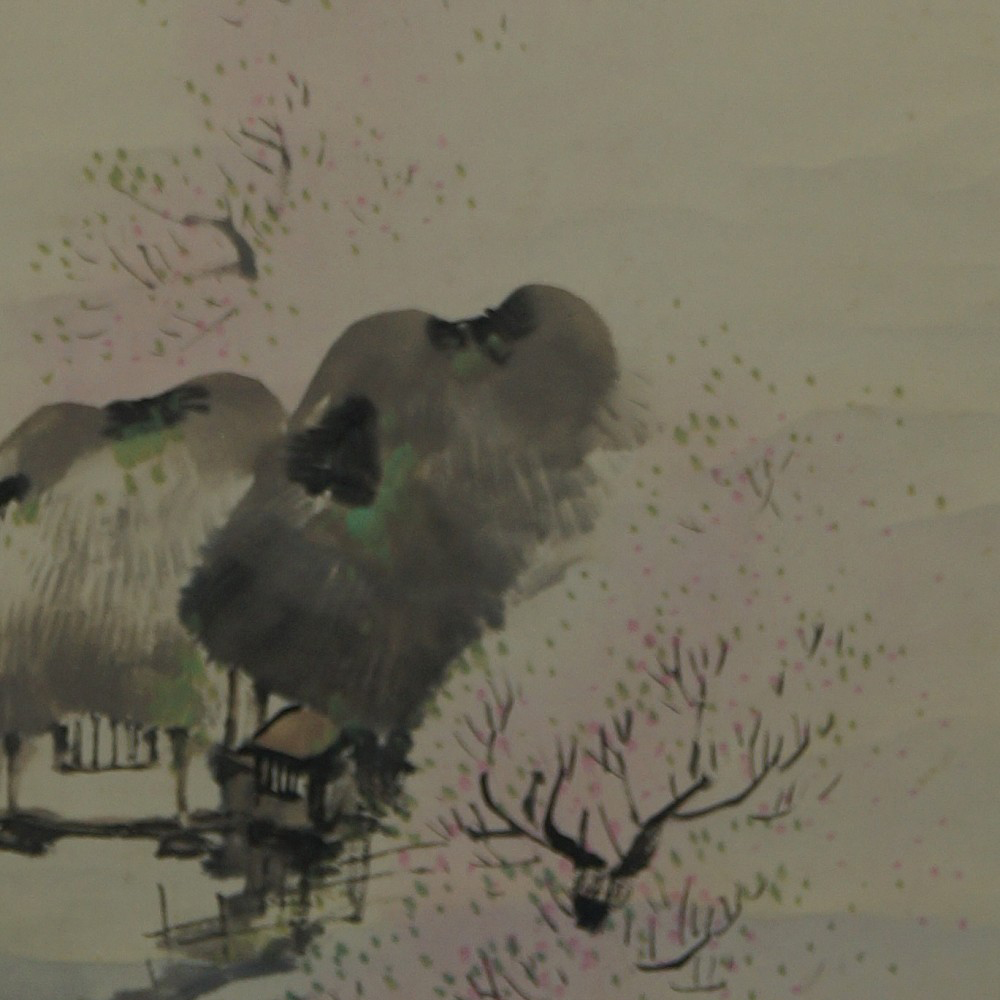
Plum Blossom in Snow
Kakemono, unique work, 197 x 47 cm
€140.00
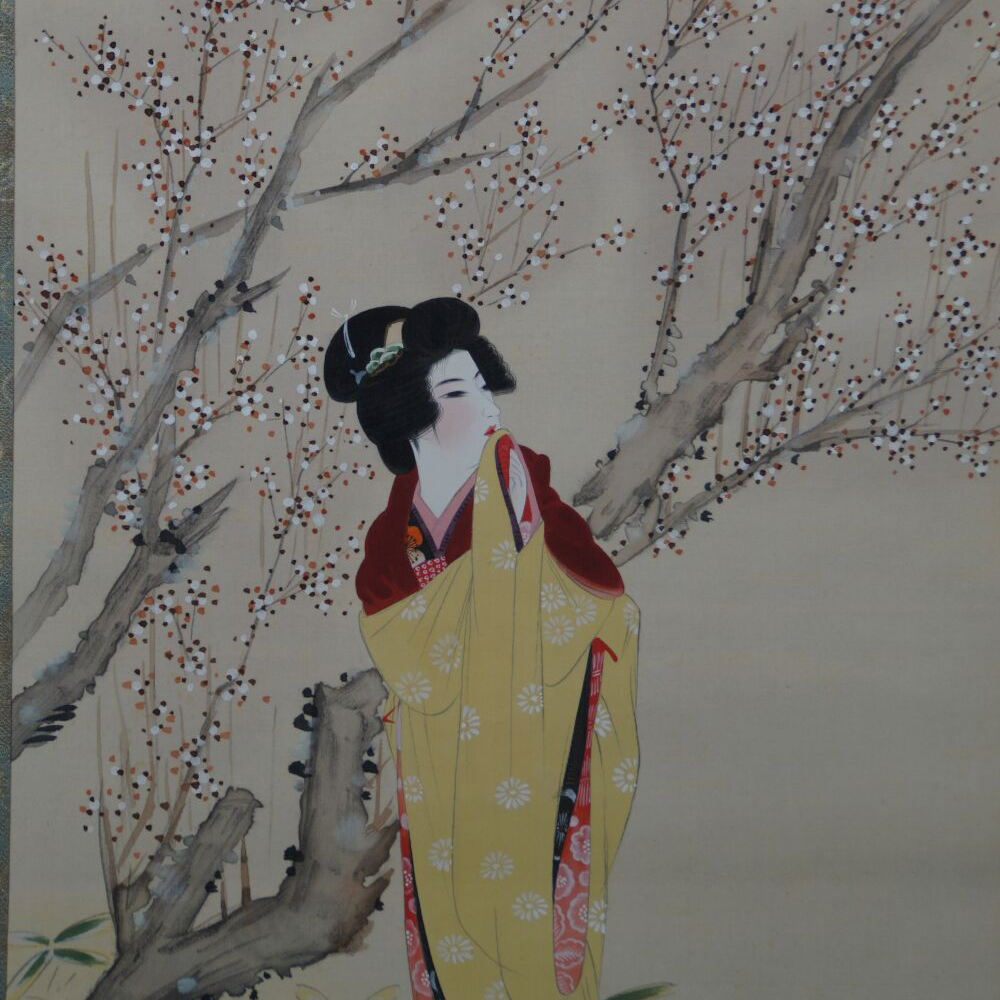
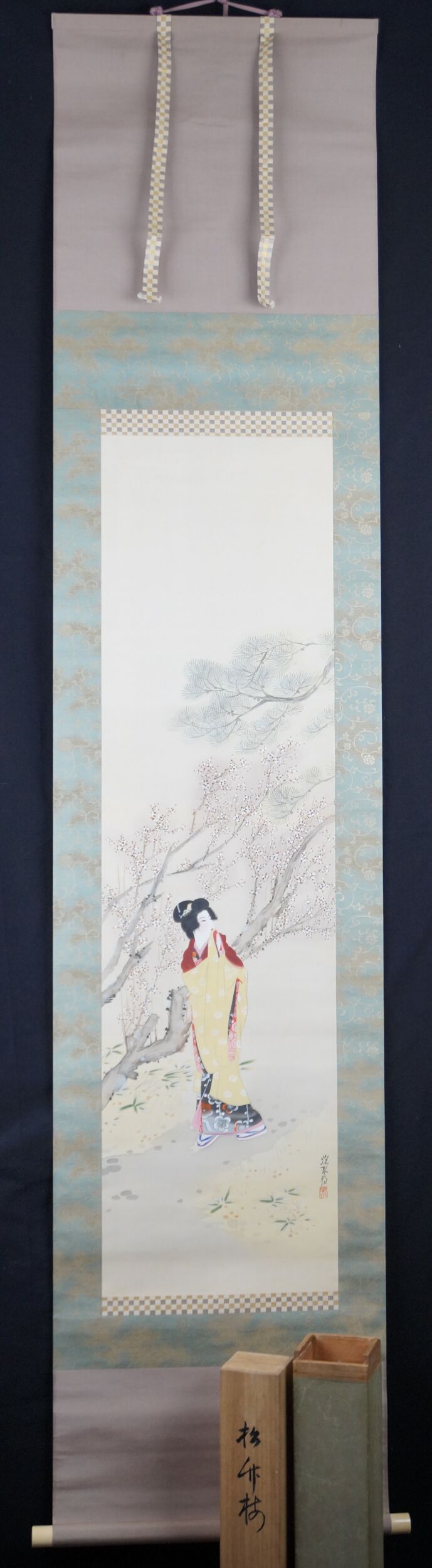
Itō Shinsui
Lady in Kimono Under Blossoming Plum Tree
Kakemono, unique work, with box, 205 x 50 cm
€1,680.00


Details about the sold piece
- ColorBeige, Red, White
- MaterialCeramics
- Style / TraditionOther
Description
Five small tea bowls, each decorated with a delicate branch of blooming plum blossoms in white and orange, make up this set of hand-thrown chawan from Japanese craftsmanship. The cream to honey-colored glaze runs into warm orange at the rim, letting the painted blossoms seem to wander almost randomly across the curved wall – each bowl bears the motif at a slightly different spot, so that despite the shared form no piece is identical to another.
In Japan, the plum blossom is regarded as a symbol of perseverance and the approaching spring, as it blooms even before the end of winter. In tea ceramics, the motif is therefore especially popular for bowls used during the cold season. The slightly irregular, hand-turned shape of the bowls and the shifting glaze reveal the traditional craftsmanship, free of industrial uniformity.
The accompanying wooden box bears a handwritten calligraphic signature, an indication of the careful provenance of the set. Five bowls of this kind are excellently suited for a shared tea ceremony within the family or with guests, and as an ensemble bring a touch of Japanese spring atmosphere to the table.