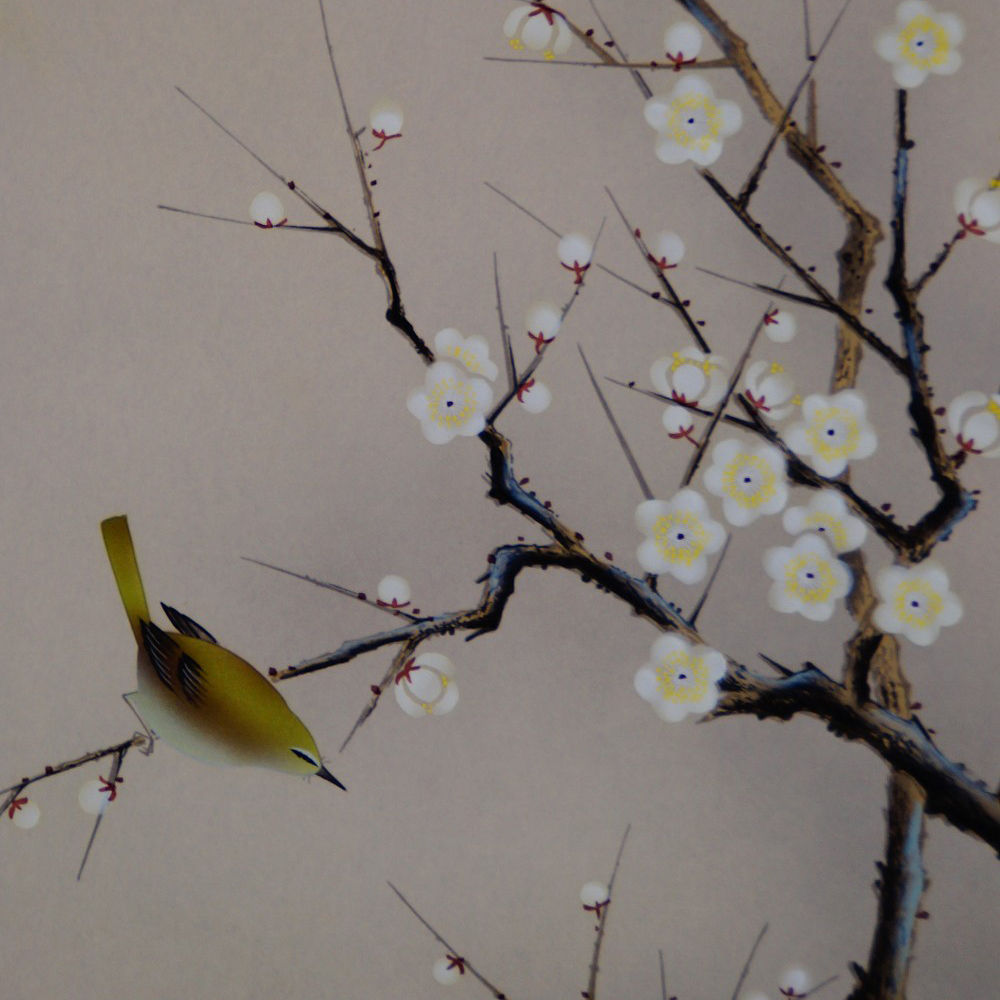
Kakemono The Hare in the Grass
One of a kind — this work exists only once.
- Period:
- Shôwa (1926–1989)
- Dimensions (height x width):
- 200 x 60 cm
- Item number:
- 3463
This piece has been sold.
Sold – no longer available
This piece was a handmade one-of-a-kind work. It cannot be reordered and will never exist in this form again. The page stays online as part of our archive.
More items in category AnimalsAll one-of-a-kind Japanese Painting pieces
See new one-of-a-kind pieces first
We feature every delivery from Japan in the newsletter first – before the pieces show up in search results.
You might like these pieces
Ishikawa Yurin
Rhinoceros Beetle in Tall Grass
Kakemono, unique work, 125 x 67 cm
€1,490.00
Gemeinschaftswerk
Dance of the Grasses
Kakemono, unique work, 190 x 43 cm
€460.00

Puppies in the Grass
Kakemono, unique work, 190 x 49 cm
€200.00
Doves in the Grass
Kakemono, unique work, 114 x 62 cm
€210.00
Kawasaki Shoko
Hibiscus Flowers and Grasshopper
Kakemono, unique work, with box, 215 x 53 cm
€380.00
Calligraphy: The True Fragrance of Tree and Grass
Kakemono, unique work, 202 x 54 cm
€220.00
Mountain Village at the Foot of the Cliff
Kakemono, unique work, 195 x 56 cm
€150.00
Hina Dolls with Plum Blossoms and Vase
Kakemono, unique work, 171 x 43 cm
€80.00


Details about the sold piece
- JikusakiWood
- Material HonshiPaper
- MotifAnimals
- TechniqueHand-Painted
Description
A hare sniffs curiously among grasses and autumnal chrysanthemum branches, ears raised, one paw slightly lifted. The fine rendering of the fur, with its countless carefully placed brush hairs, stands in charming contrast to the delicate blossoms in lighter tones that push into the scene from above.
In the East Asian pictorial tradition, the hare is regarded as a symbol of vigilance, fertility, and a long, happy life, and is often depicted together with autumnal plants such as chrysanthemums, which themselves stand for longevity and constancy. The combination of both motifs lends the image a warm, friendly overall mood.
The kakemono was hand-painted on paper during the Shôwa period and is fitted with wooden jikusaki. The naturalistic yet playful manner of depiction reveals the practiced hand of an artist familiar with animal and plant painting. As a unique work, this hanging scroll brings a light, buoyant note to any collection of traditional Japanese painting.