
Kakemono White Heron
One of a kind — this work exists only once.
- Period:
- Edo (1603–1868)
- Dimensions (height x width):
- 78 x 28 cm
- Item number:
- 5167
This piece has been sold.
Sold – no longer available
This piece was a handmade one-of-a-kind work. It cannot be reordered and will never exist in this form again. The page stays online as part of our archive.
More items in category AnimalsAll one-of-a-kind Japanese Painting pieces
See new one-of-a-kind pieces first
We feature every delivery from Japan in the newsletter first – before the pieces show up in search results.
You might like these pieces
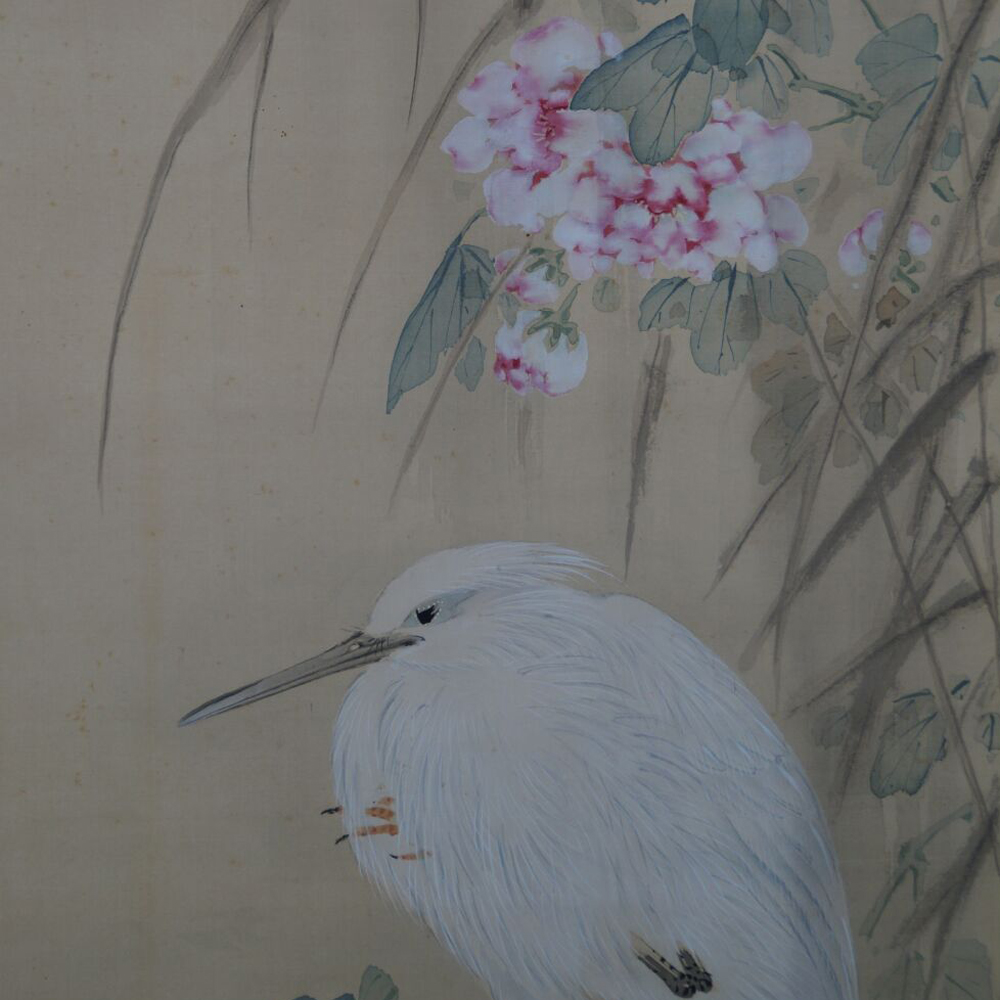
Koyama Setsurei
White Heron Among Blossoms and Reeds
Kakemono, unique work, with box, 195 x 54 cm
€720.00
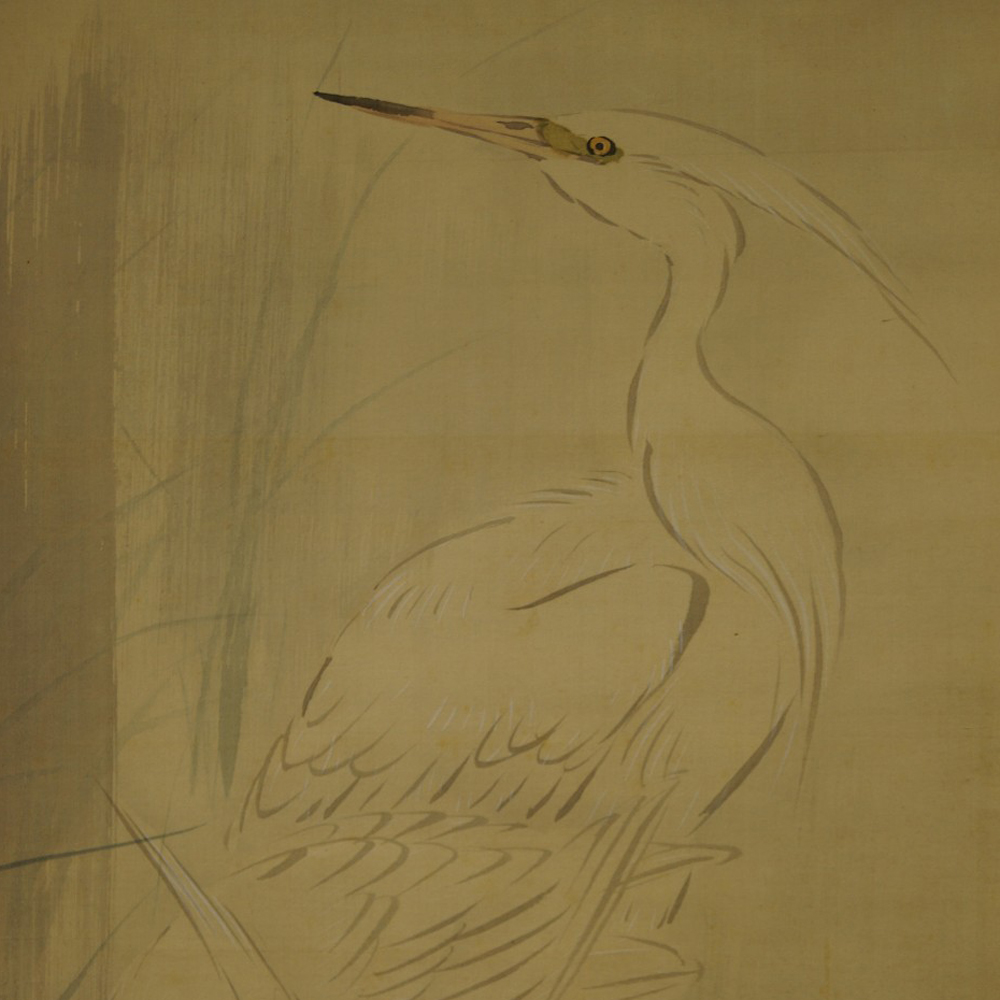
Kishi Renzan
Two White Herons
Kakemono, unique work, with box, 190 x 53 cm
€620.00
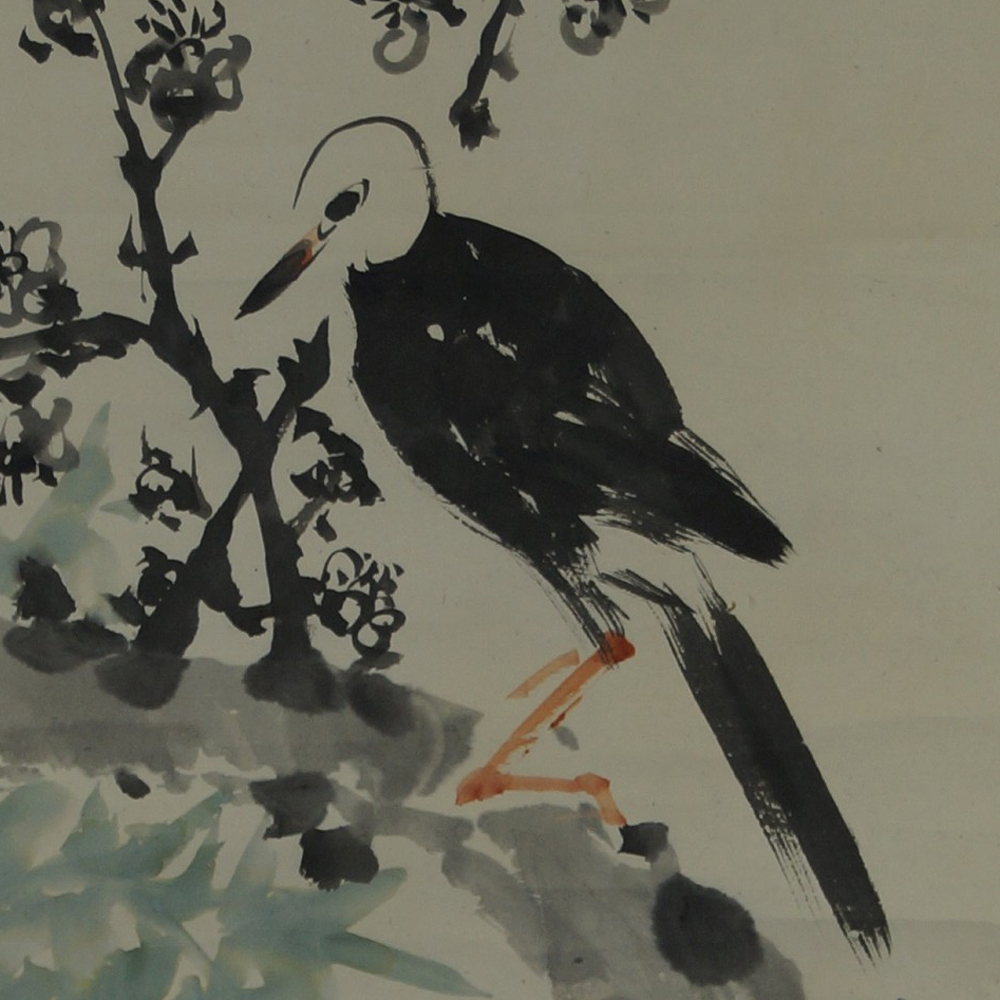
Heron Under Cherry Blossom Branch
Kakemono, unique work, 182 x 46 cm
€140.00
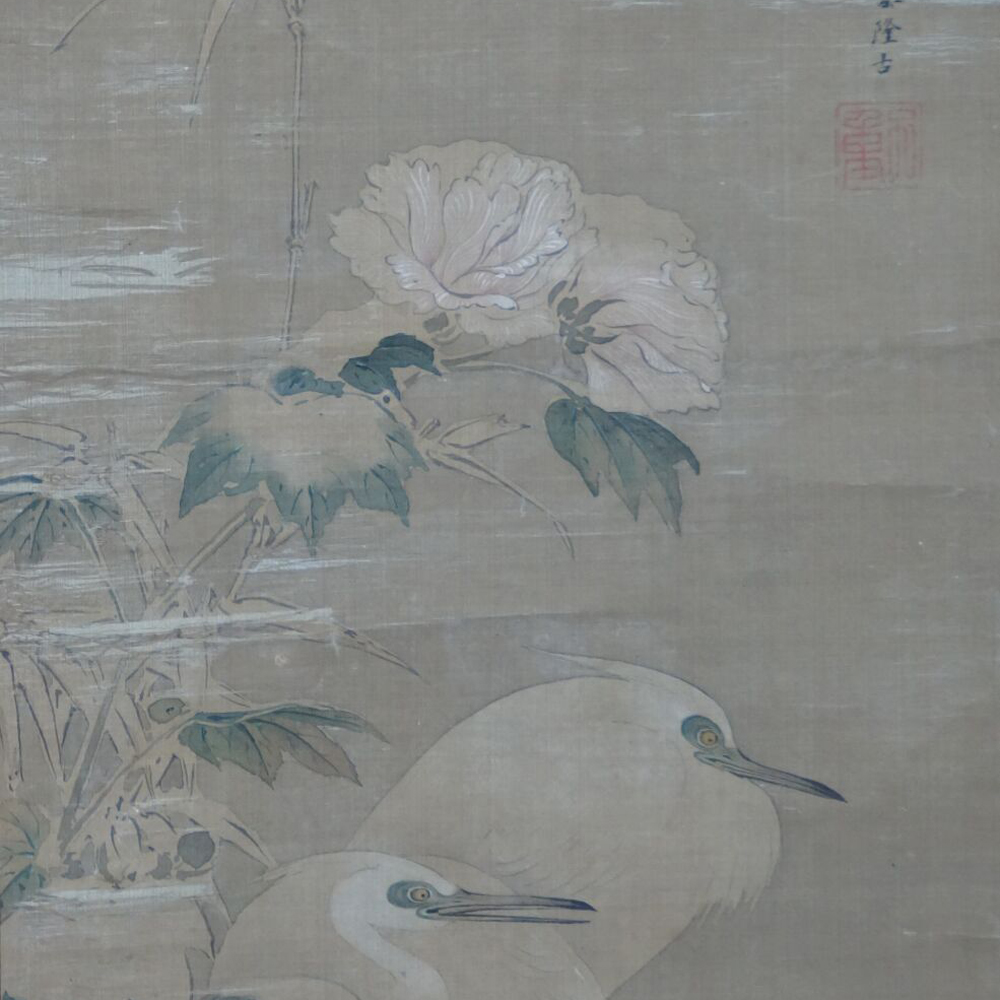
Takaku Ryūko
Heron in Silent Peony Splendor
Kakemono, unique work, with box, 186 x 50 cm
€1,300.00
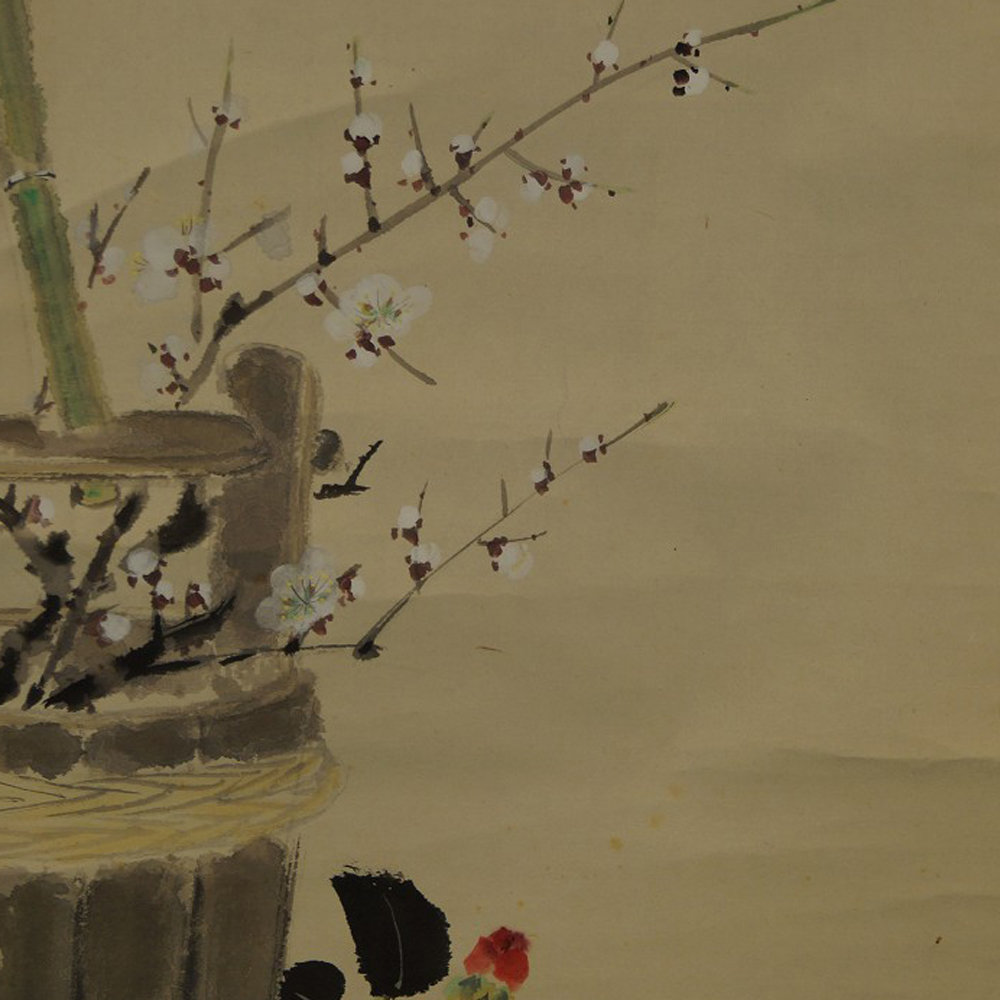
Yawata Hakuhan
Plum Blossoms in a Vase
Kakemono, unique work, with box, 154 x 38 cm
€280.00
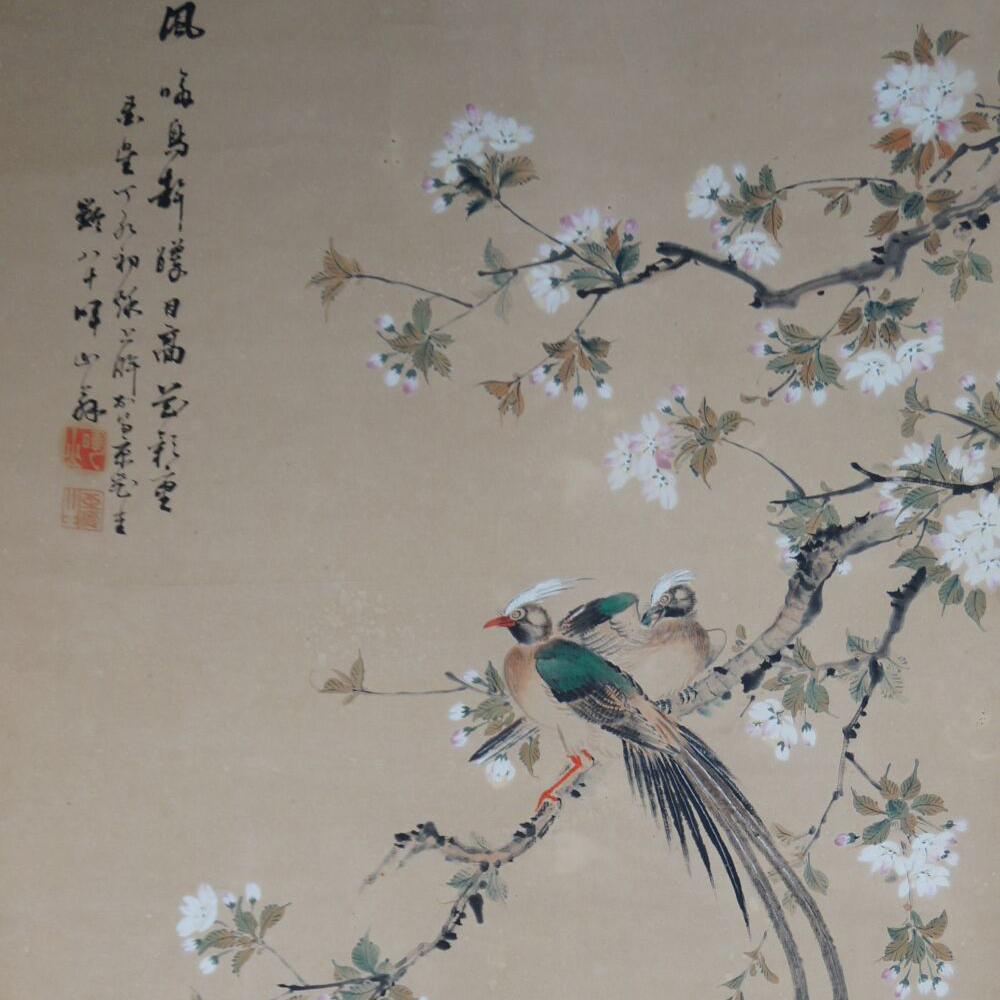
Takahashi Keizan
Spring Duet on Blooming Branch
Kakemono, unique work, 182 x 80 cm
€630.00
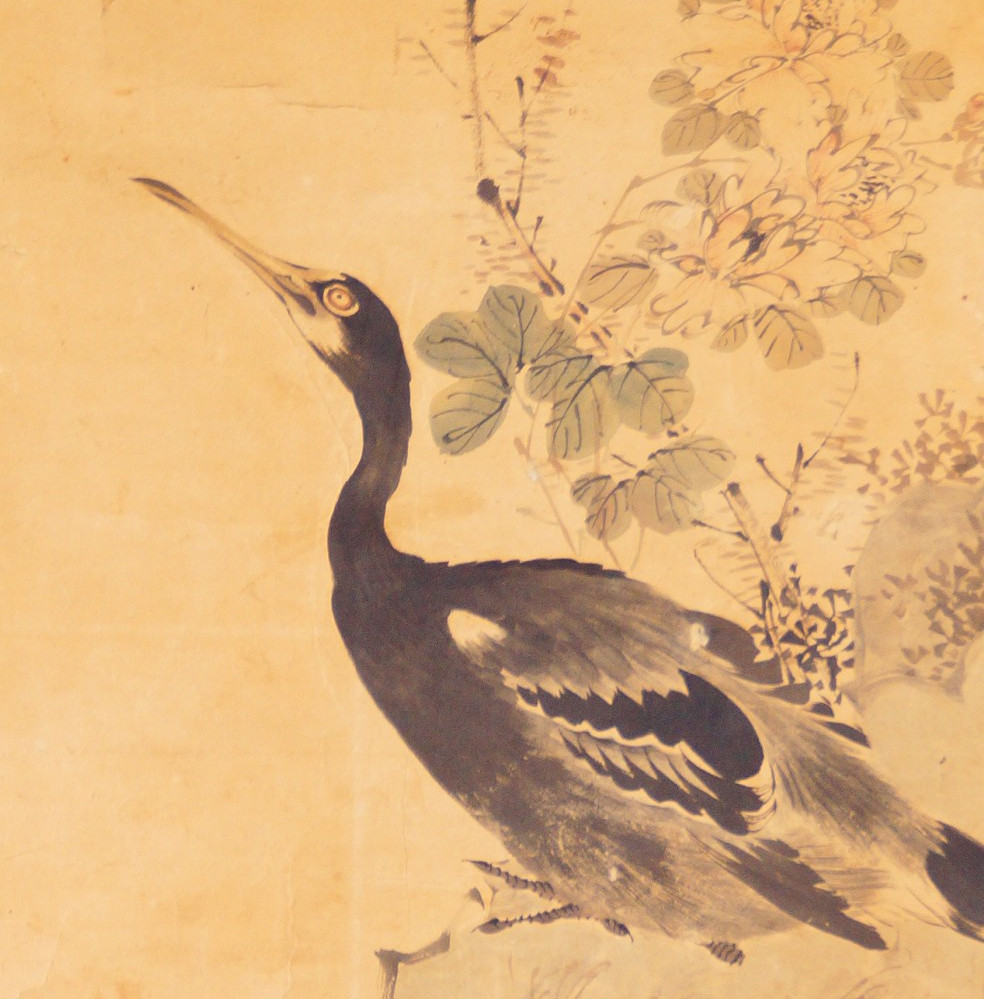
Yamamoto Baiitsu
Heron on Rock with Chrysanthemums
Kakemono, unique work, 189 x 60 cm
€290.00
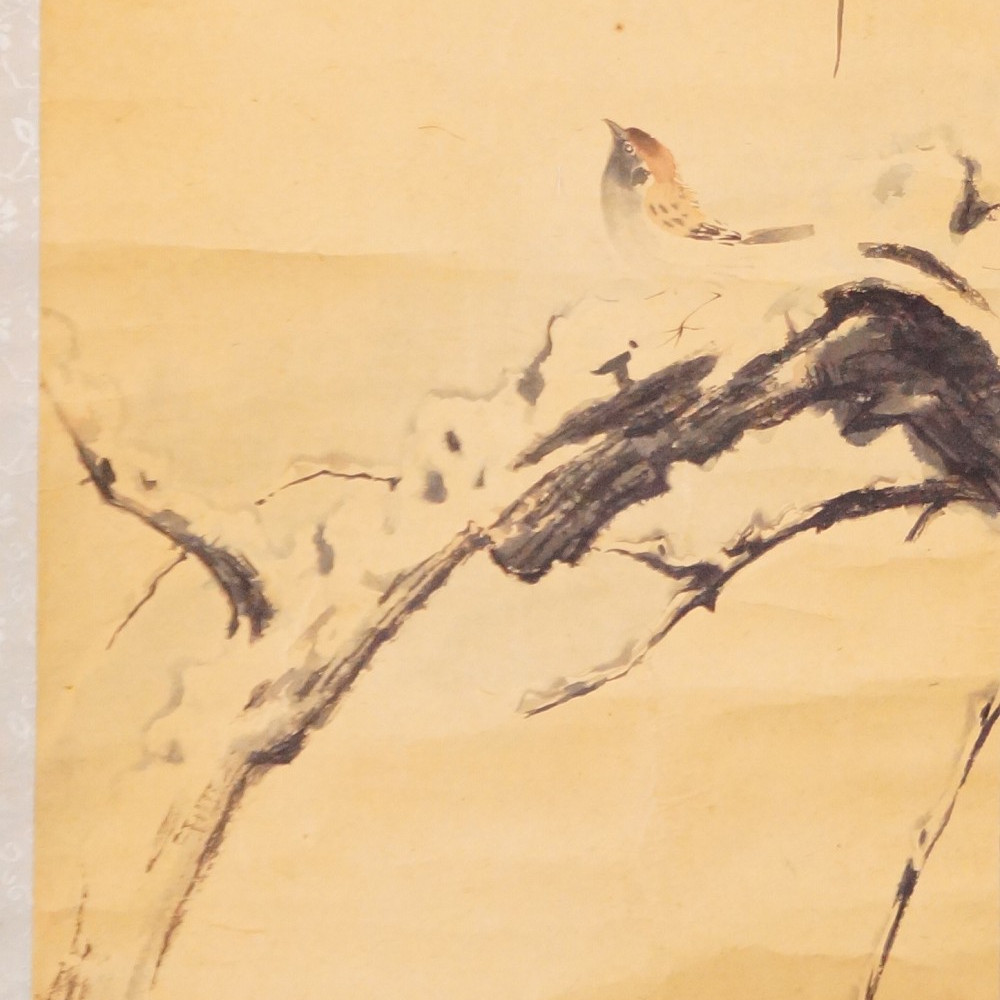
Sansō
Moment of Silence
Kakemono, unique work, 200 x 48 cm
€280.00




Details about the sold piece
- JikusakiSculpture
- Material HonshiPaper
- MotifAnimals
- TechniqueHand-Painted
Description
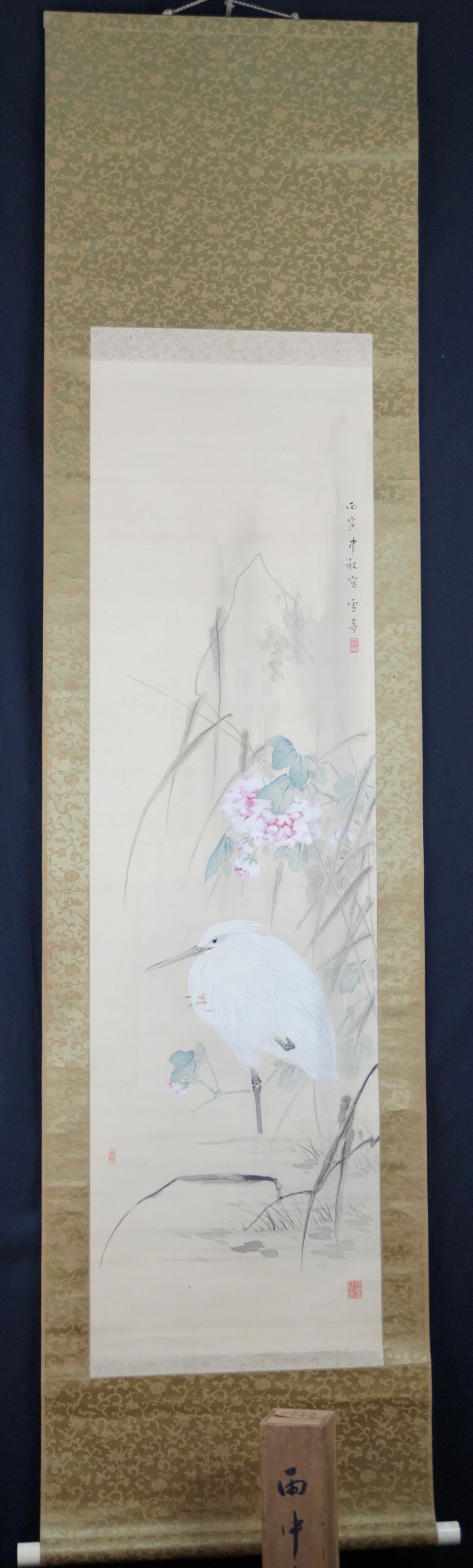
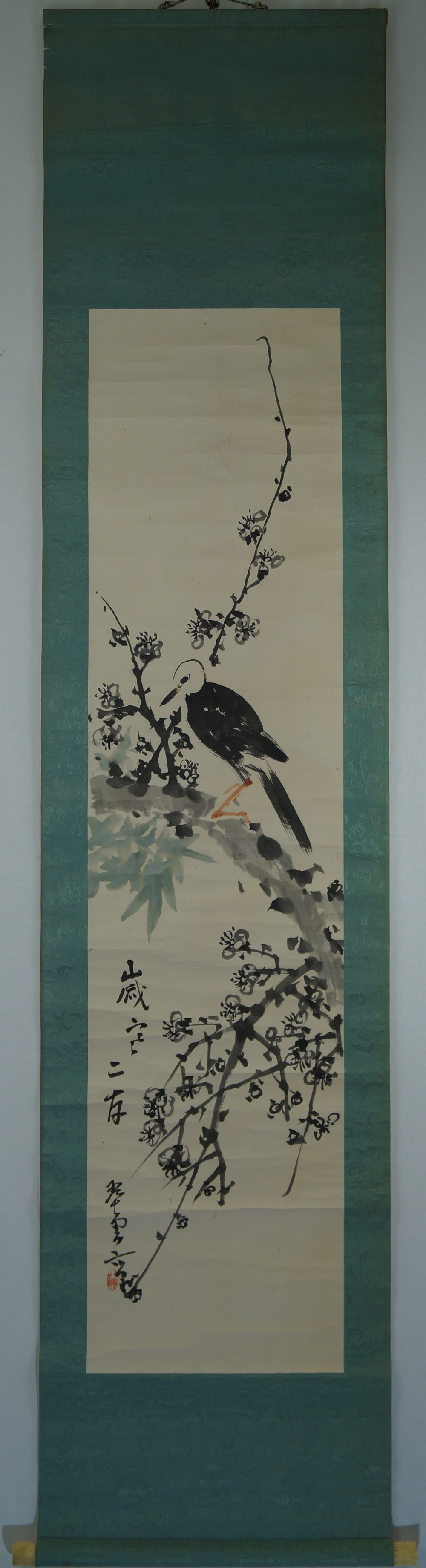
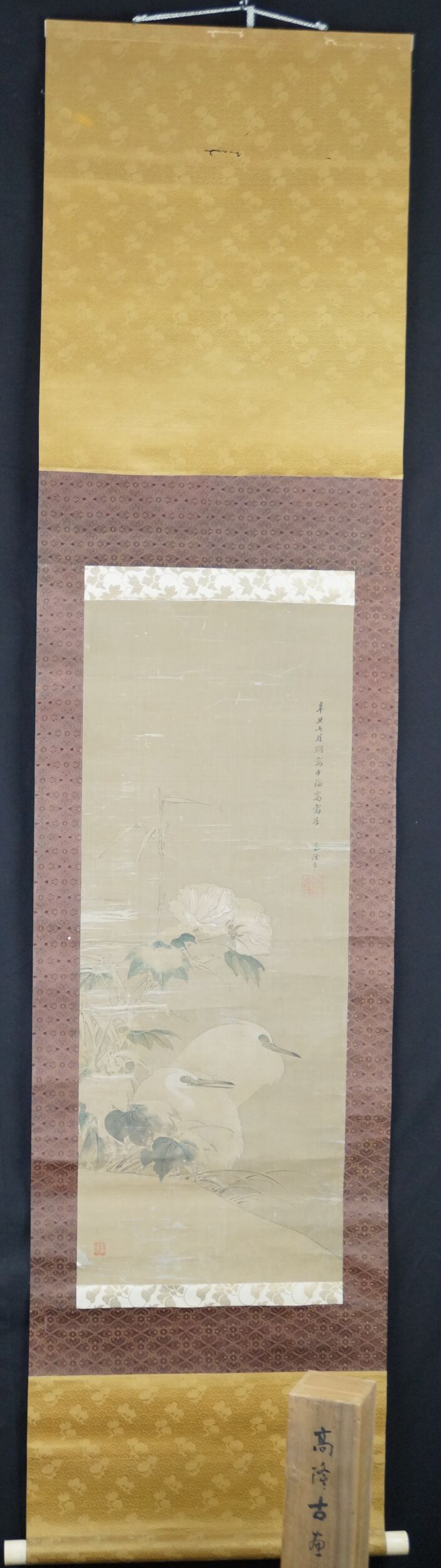
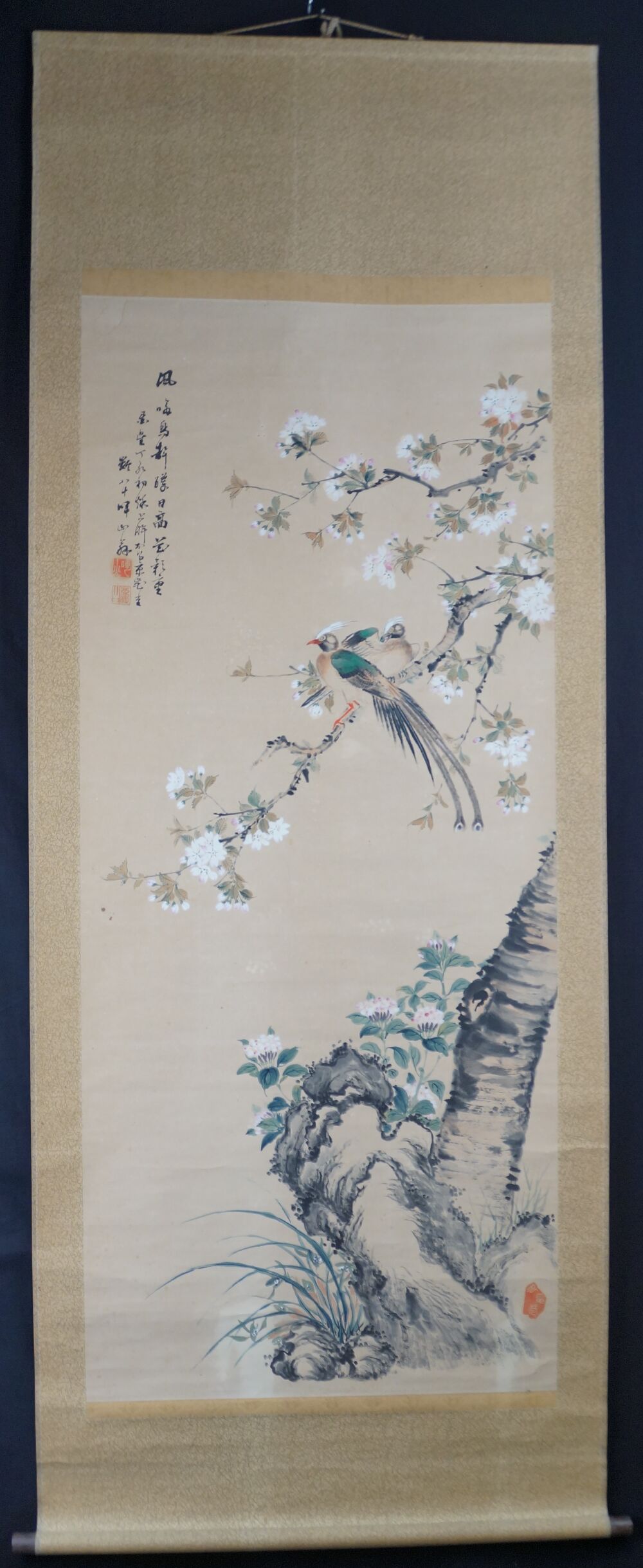
Perched on a gnarled branch suggested by only a few tones of ink sits a white heron, its delicate form standing out only faintly against the yellowed paper ground. The long, elegantly curved neck and pointed beak are worked out in fine lines and lend the bird, despite the heavily faded colors, a calm and graceful presence.
The painting dates from the late Edo or early Meiji period and shows clear, age-related wear as well as discoloration of the paper, testifying to its long history. The existing mounting was evidently added at a later time in an unprofessional manner and does not do justice to the quality of the actual painting; we therefore recommend that interested collectors remove the picture field from the mounting and instead present it in a classic picture frame.
The heron was painted by hand on paper, and the scroll has jikusaki made of plastic. Despite the visible signs of aging, this work remains a graceful testament to earlier Japanese bird painting.

