Kakemono Bamboo Between Rocks in Ink
One of a kind — this work exists only once.
- Signature / Stamp:
- Chikusen
- Period:
- Shôwa (1926–1989)
- Dimensions (height x width):
- 177 x 50 cm
- Item number:
- 3746
This piece has been sold.
Sold – no longer available
This piece was handmade by Chikusen and was a one-of-a-kind work. It cannot be reordered and will never exist in this form again. The page stays online as part of our archive.
More items in category Flowers and PlantsAll one-of-a-kind Japanese Painting pieces
See new one-of-a-kind pieces first
We feature every delivery from Japan in the newsletter first – before the pieces show up in search results.
You might like these pieces
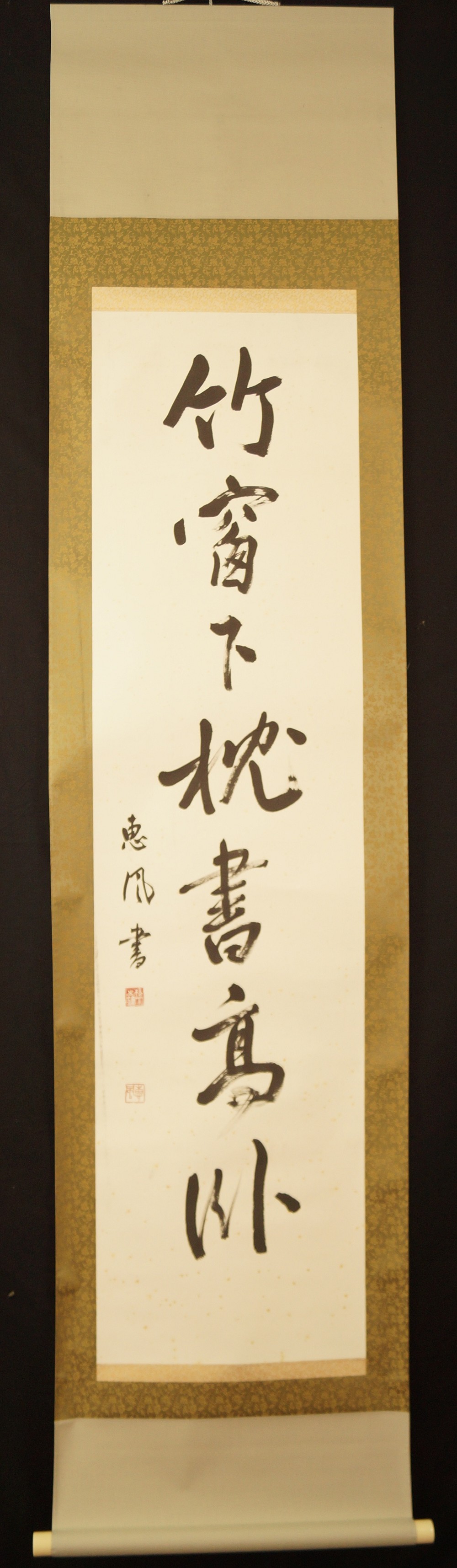
Calligraphy Poem: Bamboo by the Window
Kakemono, unique work, 195 x 50 cm
€180.00

Puppy Under Bamboo
Kakemono, unique work, 185 x 40 cm
€230.00
Kano Yasunobu, Kano Tanshin
Dragon Between Clouds and Waves (Kano School)
Kakemono, unique work, 177 x 44 cm
€540.00
Calligraphy: Wind in the Bamboo
Kakemono, unique work, 193 x 53 cm
€210.00
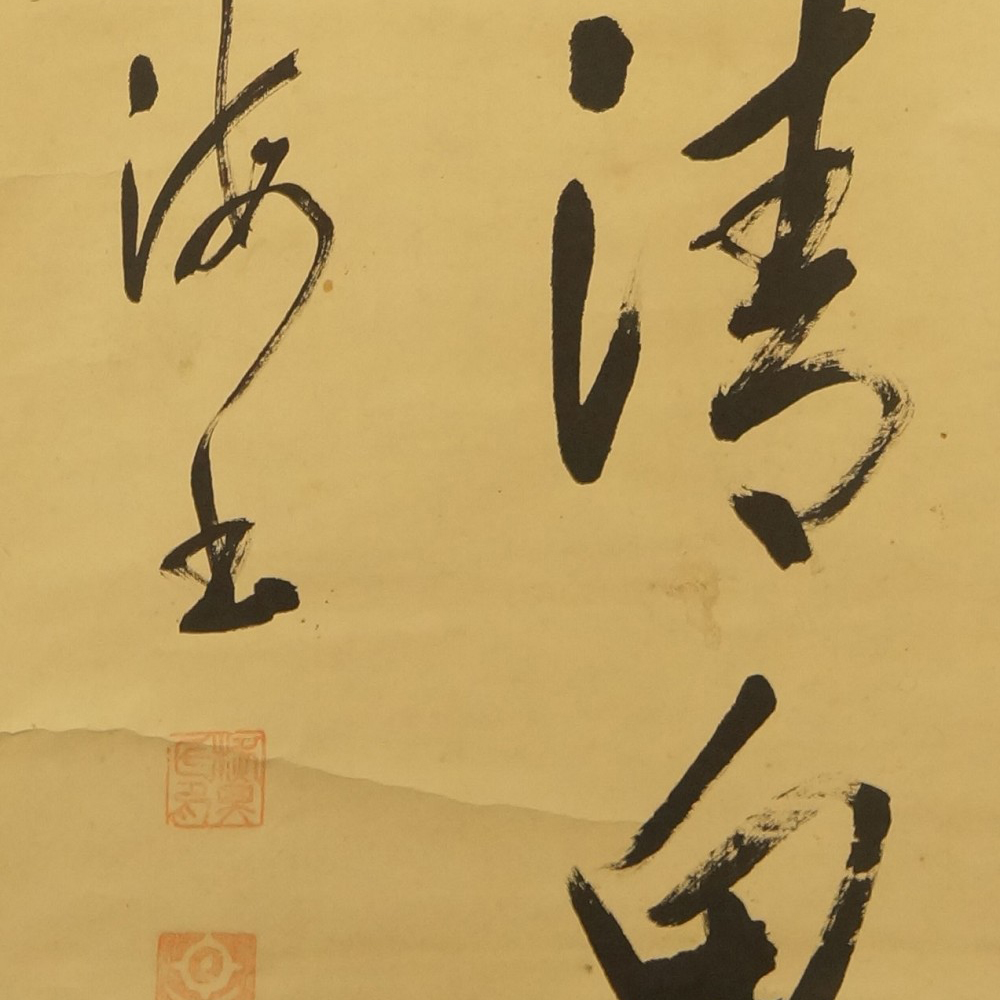
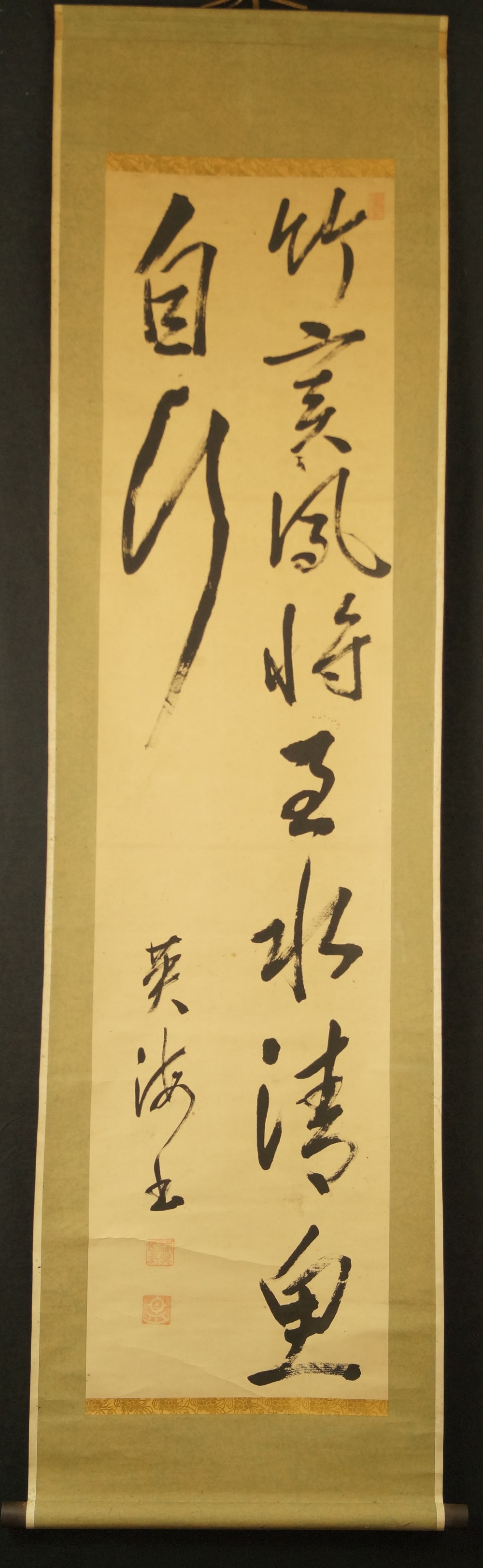
Calligraphy: Wind in the Bamboo Grove, Fish in Clear Water
Kakemono, unique work, 165 x 51 cm
€115.00
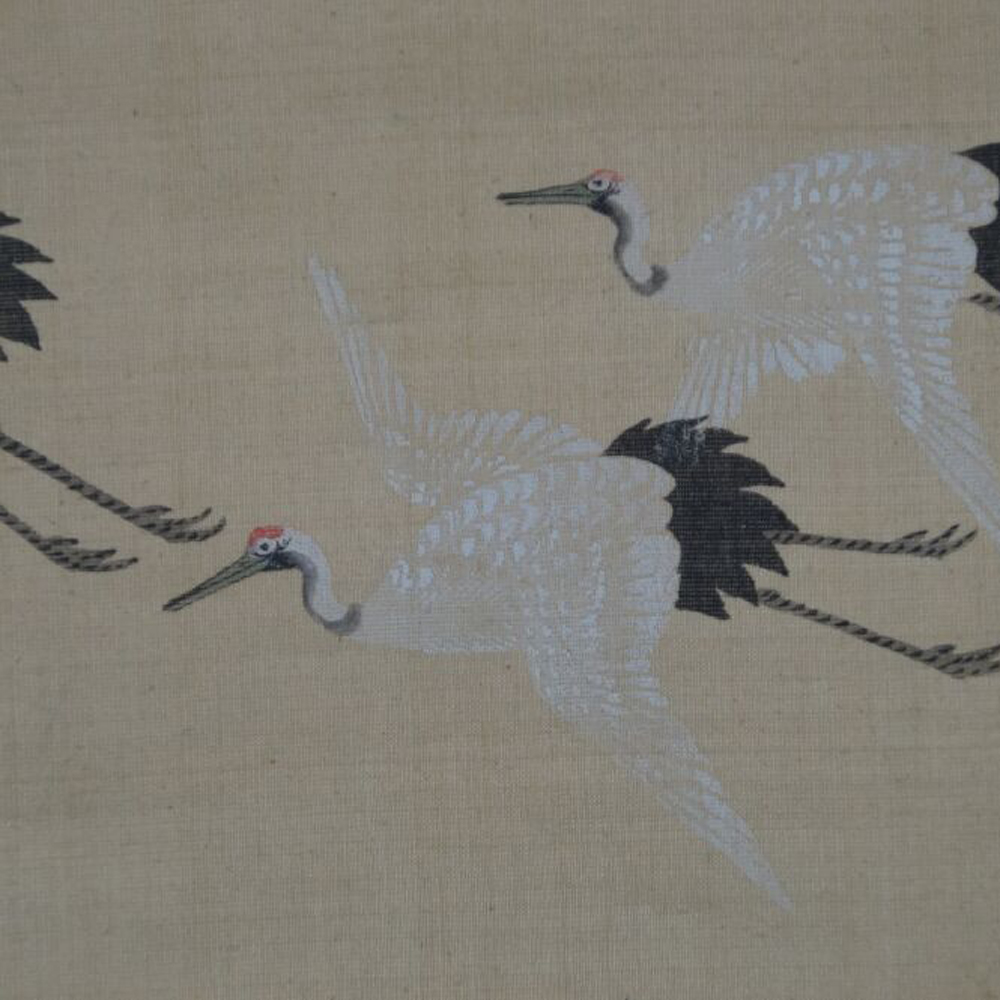
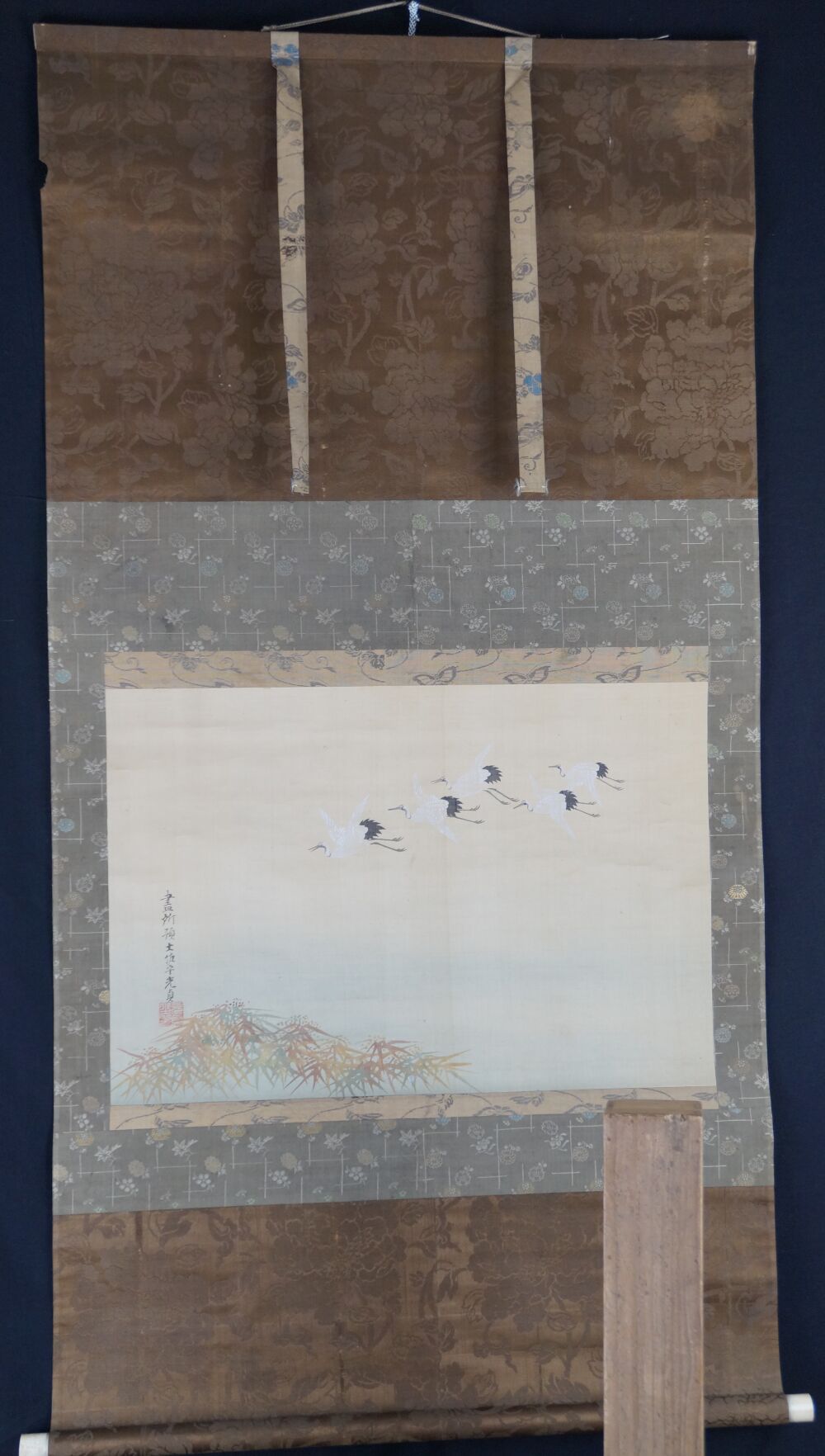
Tosa Mitsusada
Cranes in Flight over Bamboo
Kakemono, unique work, with box, 126 x 69 cm
€360.00
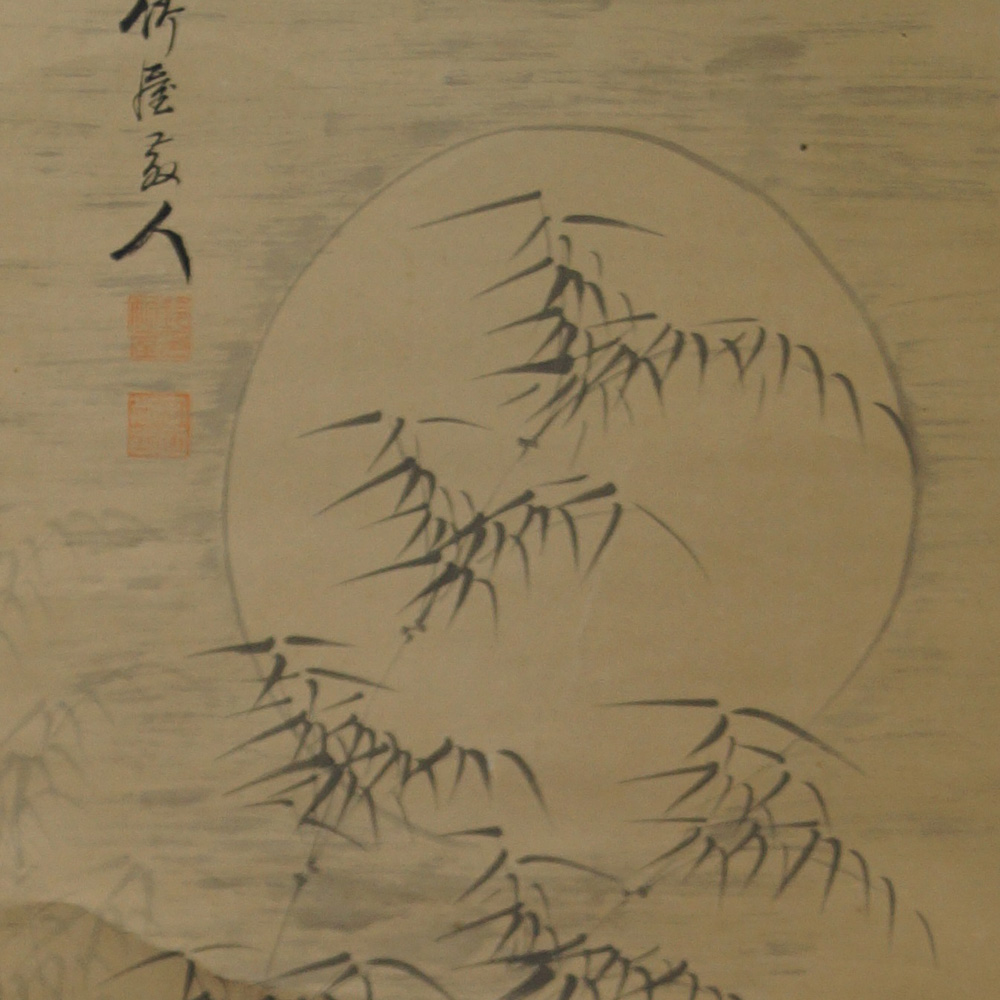
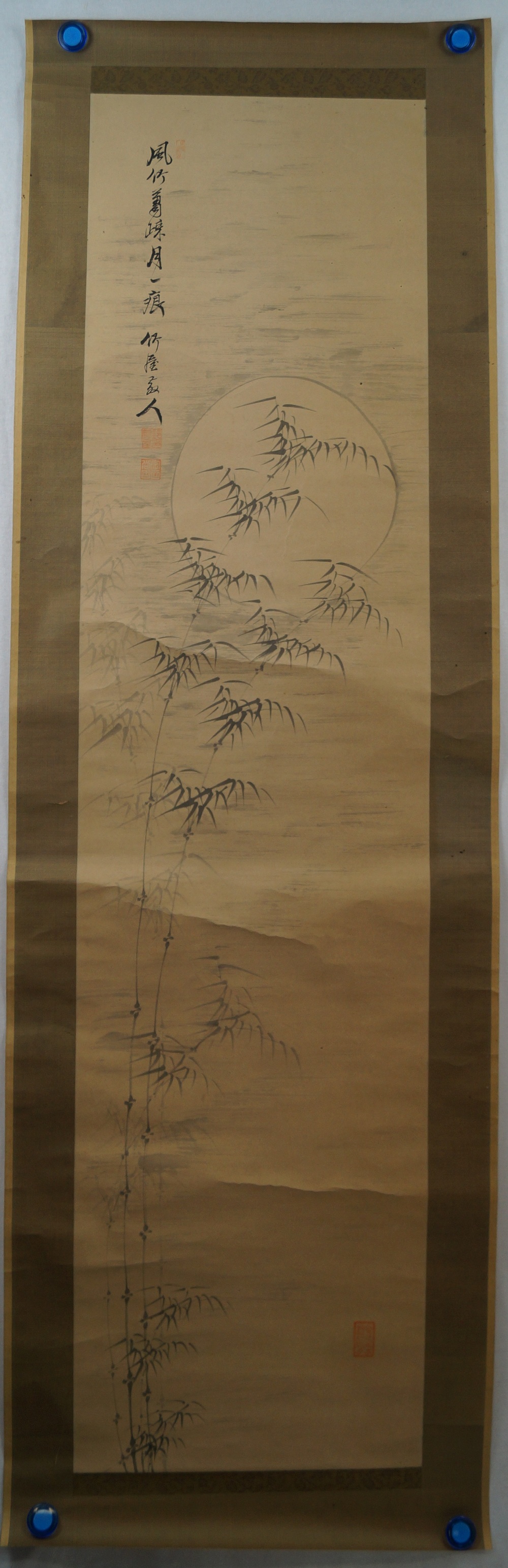
Makuri with Bamboo and Full Moon
Makuri, unique work
€168.00
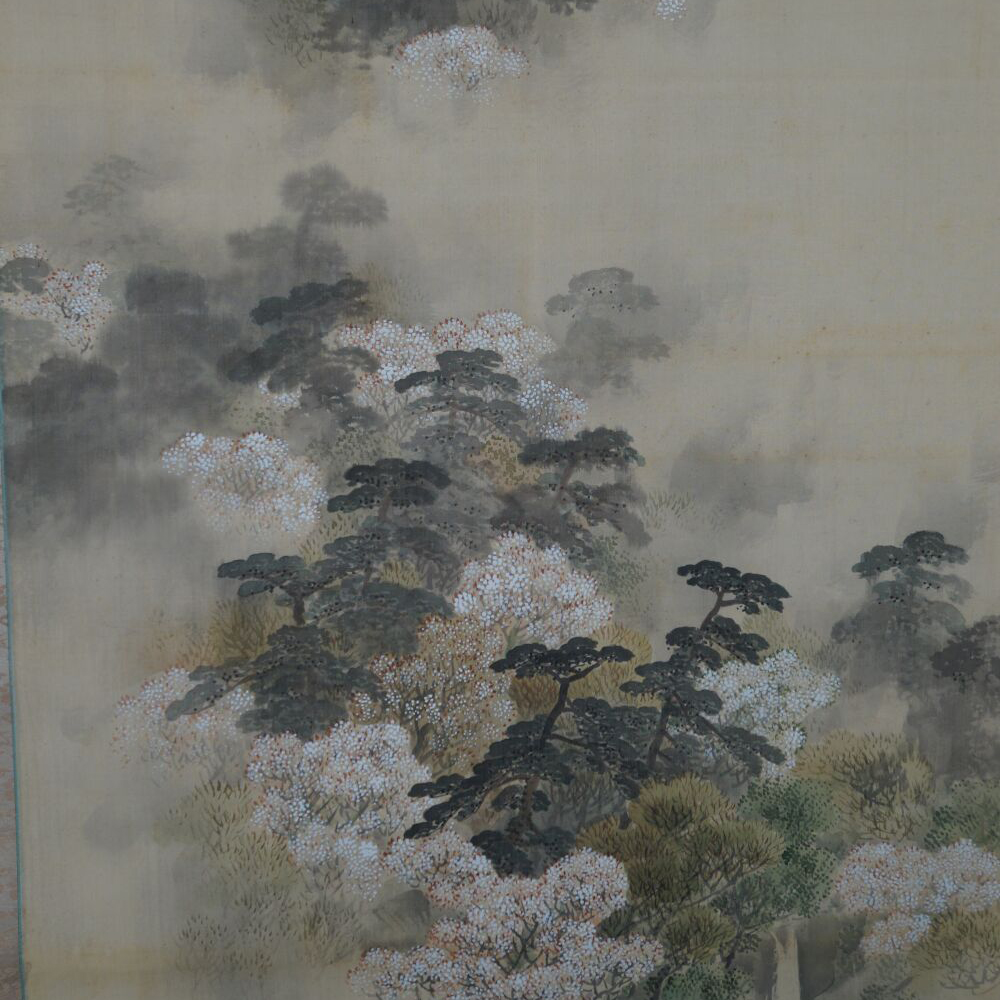
Haneda Getsushu
River in a Blooming Valley
Kakemono, unique work, with box, 192 x 72 cm
€250.00


Details about the sold piece
- JikusakiWood
- Material HonshiPaper
- MotifFlowers and Plants
- TechniqueHand-Painted
Description
In muted, nuanced shades of gray, bamboo grows here between towering rock formations, the leaves distributed across the pictorial space in sweeping, tapering brushstrokes. The characteristic, slightly knotted stalks are indicated with a dry brush, creating a pleasantly airy, almost sketch-like lightness that lends the motif a great deal of natural movement.
At the upper edge of the image, a multi-line inscription in fine calligraphy has been added, accompanied by a small red seal – an indication that this painting was once understood as a joint literary and artistic work. In East Asian pictorial language, bamboo has always been regarded as a symbol of constancy and inner strength, as it bends in the storm without breaking.
The ink painting on paper is set within a warm, brownish-golden silk border and dates from the Shôwa period. Together with the rocky formations from which the plant grows, it forms a quiet, contemplative landscape image that particularly showcases the reduced elegance of classical ink painting.