
Kakemono Bats in Moonlight
One of a kind — this work exists only once.
- Period:
- Meiji (1868–1912)
- Dimensions (height x width):
- 190 x 45 cm
- Item number:
- 6200
This piece has been sold.
Sold – no longer available
This piece was a handmade one-of-a-kind work. It cannot be reordered and will never exist in this form again. The page stays online as part of our archive.
More items in category AnimalsAll one-of-a-kind Japanese Painting pieces
See new one-of-a-kind pieces first
We feature every delivery from Japan in the newsletter first – before the pieces show up in search results.
You might like these pieces
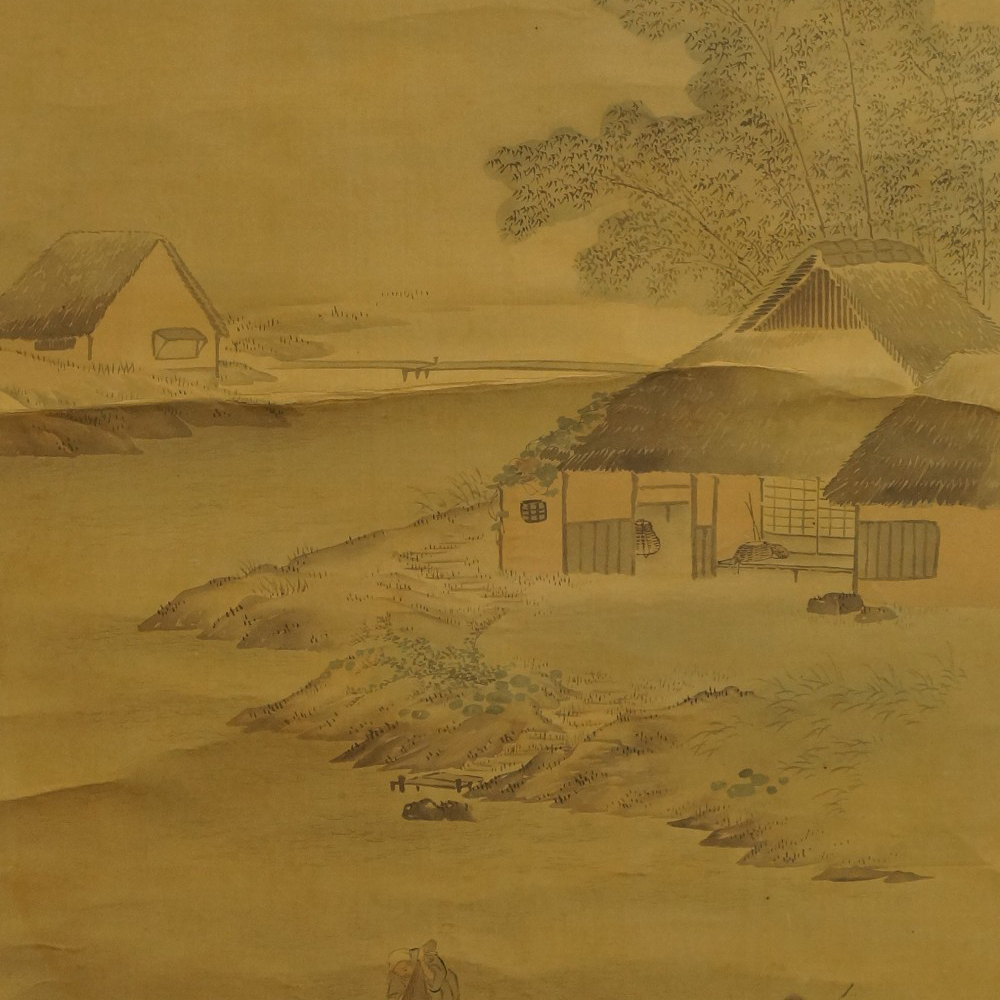
Mori Ippo
Fisherman's Huts in Moonlight
Kakemono, unique work, 180 x 53 cm
€290.00
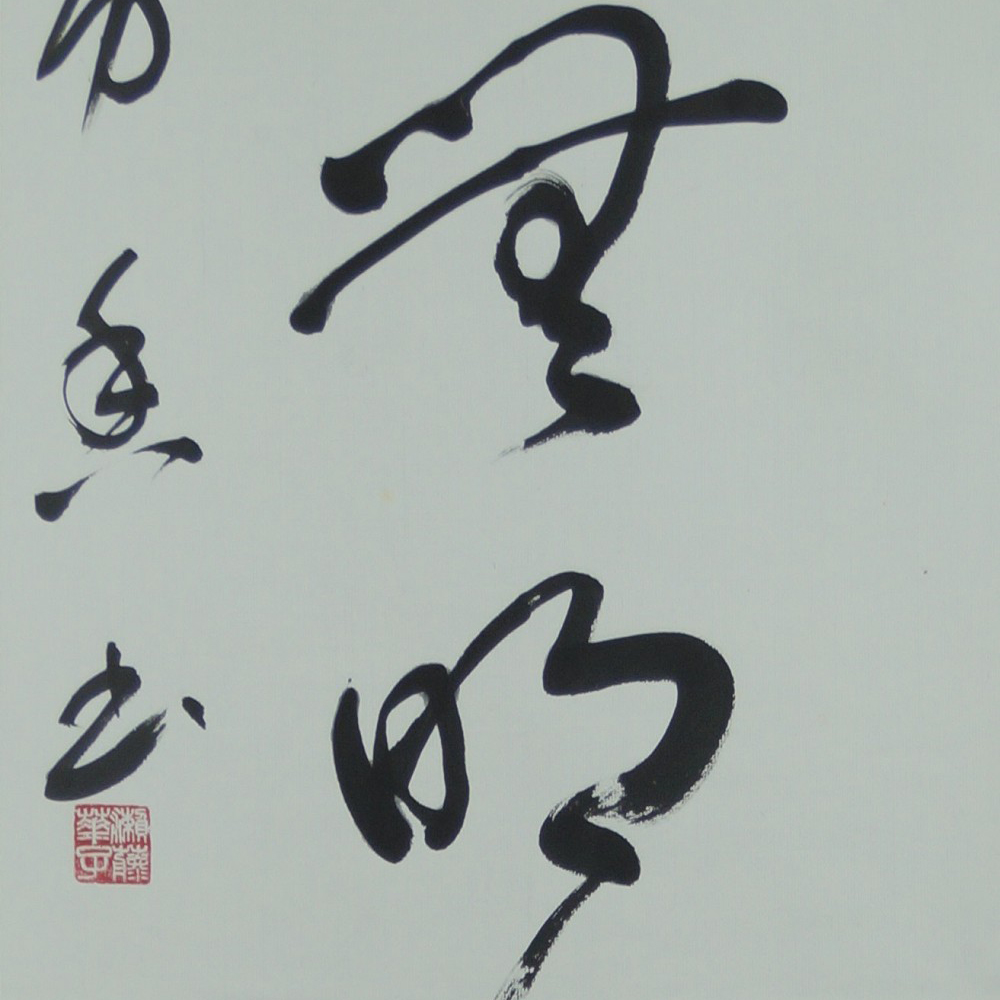
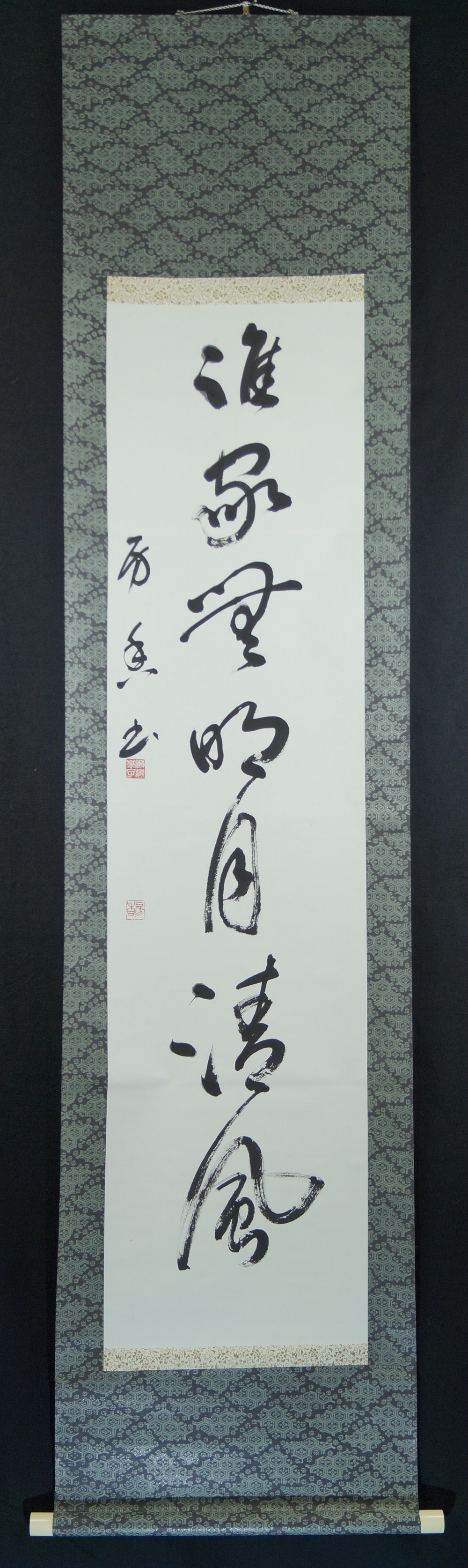
Calligraphy "Breeze in Moonlight"
Kakemono, unique work, 190 x 53 cm
€180.00
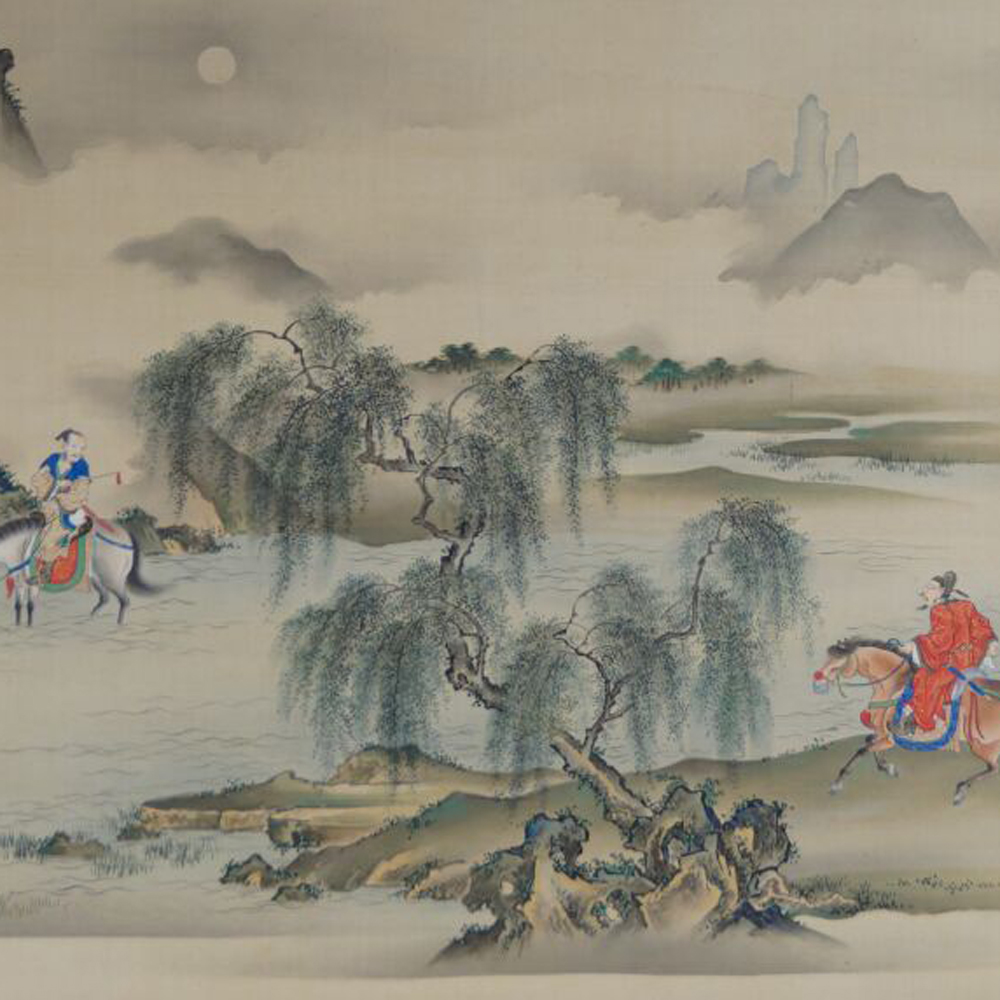
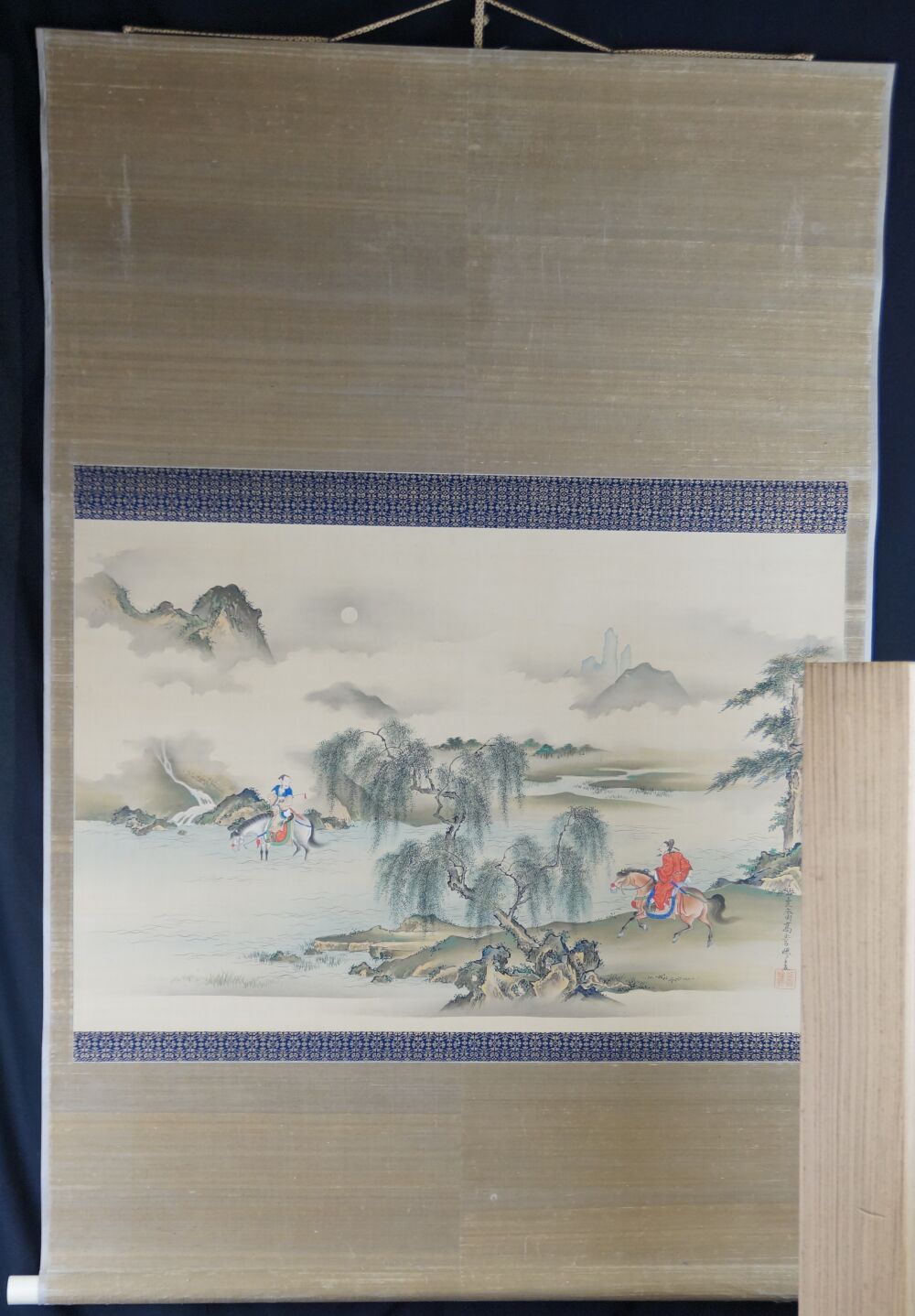
Kōsūkoku
Encounter by the River
Kakemono, unique work, with box, 136 x 97 cm
€1,290.00
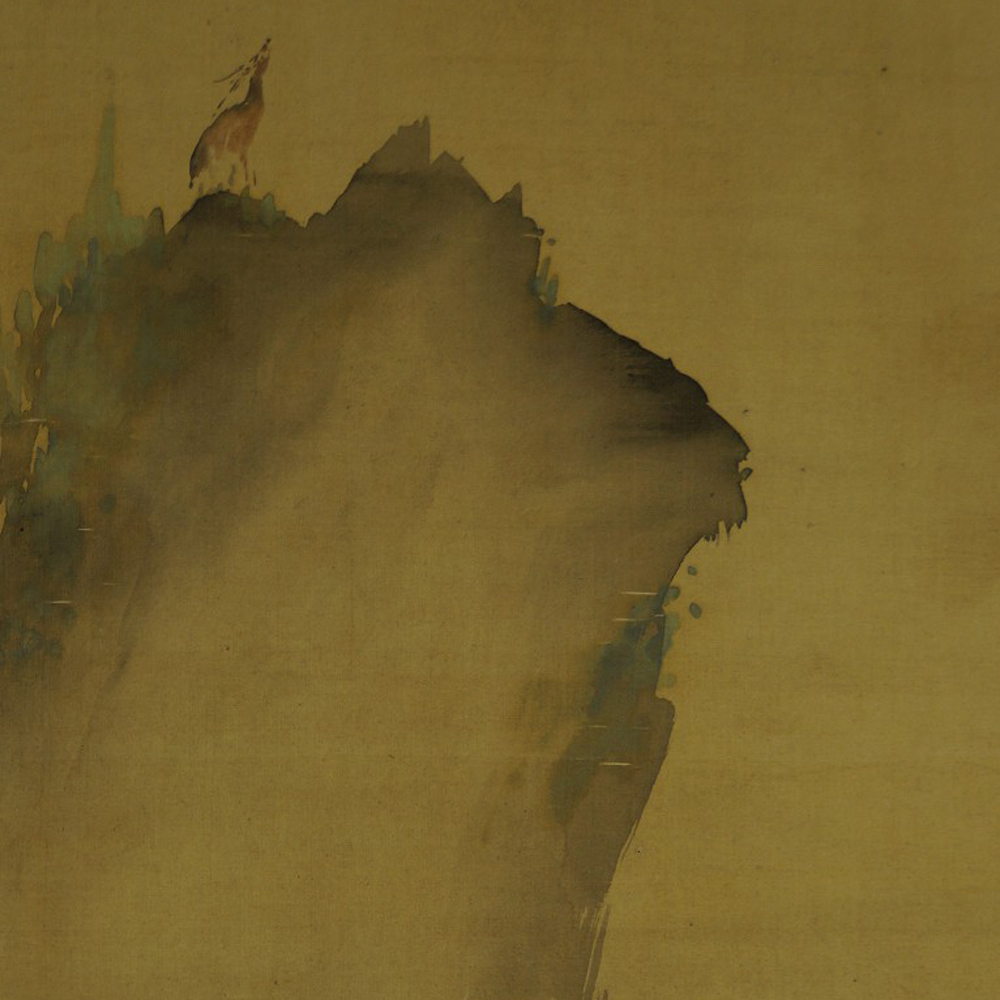
Tanaka Totsugen
Lone Deer in Moonlight
Kakemono, unique work, with box, 180 x 53 cm
€1,230.00

Tanaka Koga
Wild Goose in Moonlight
Kakemono, unique work, 185 x 64 cm
€290.00
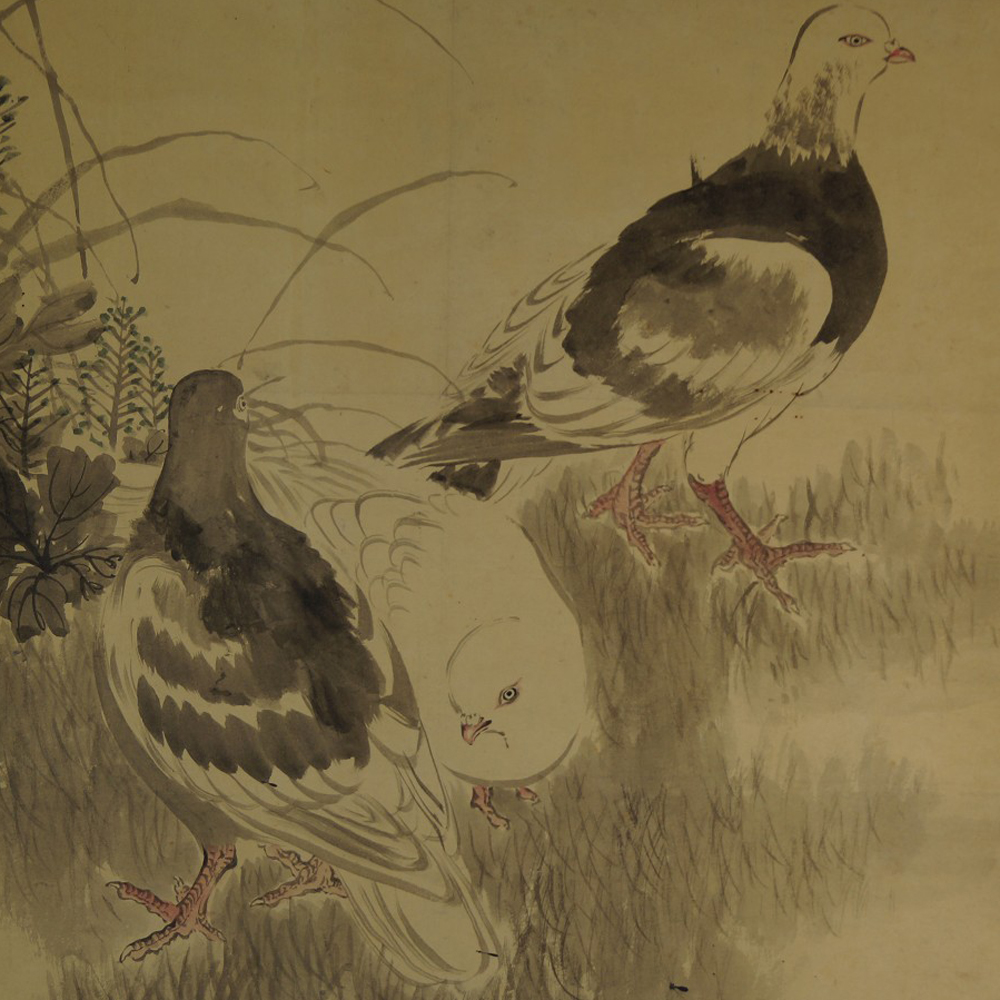
Doves in the Grass
Kakemono, unique work, 114 x 62 cm
€210.00
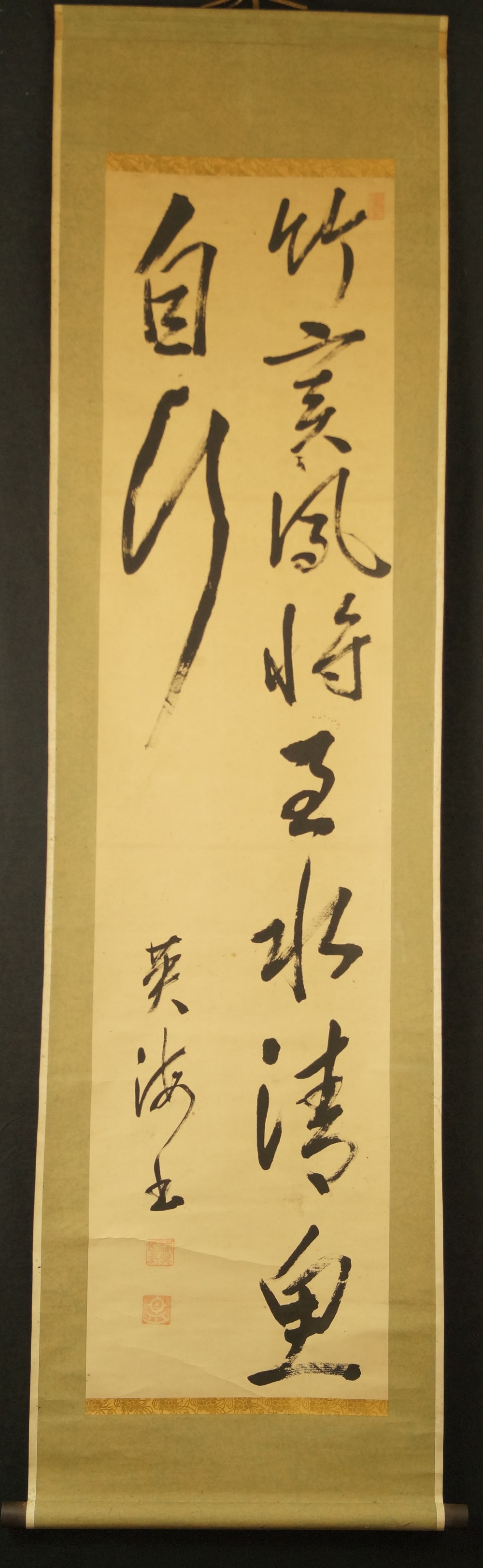
Calligraphy: Wind in the Bamboo Grove, Fish in Clear Water
Kakemono, unique work, 165 x 51 cm
€115.00
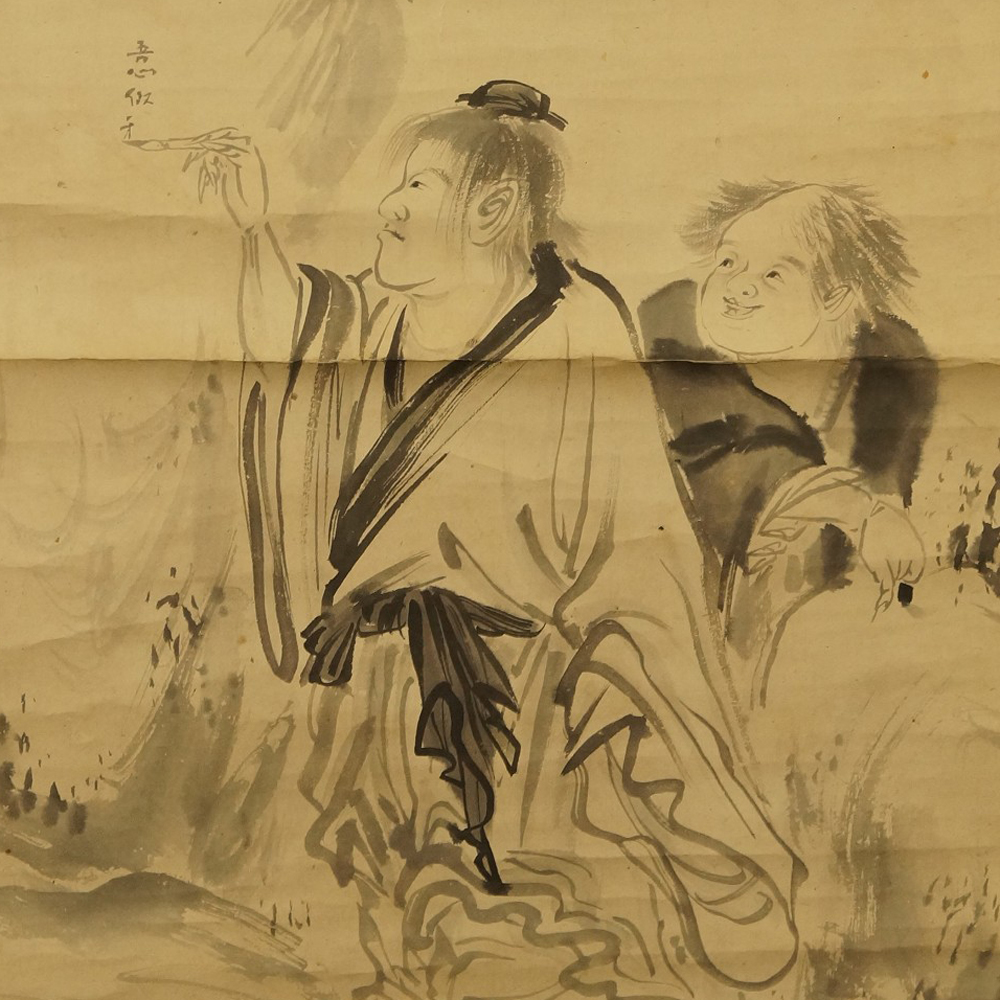
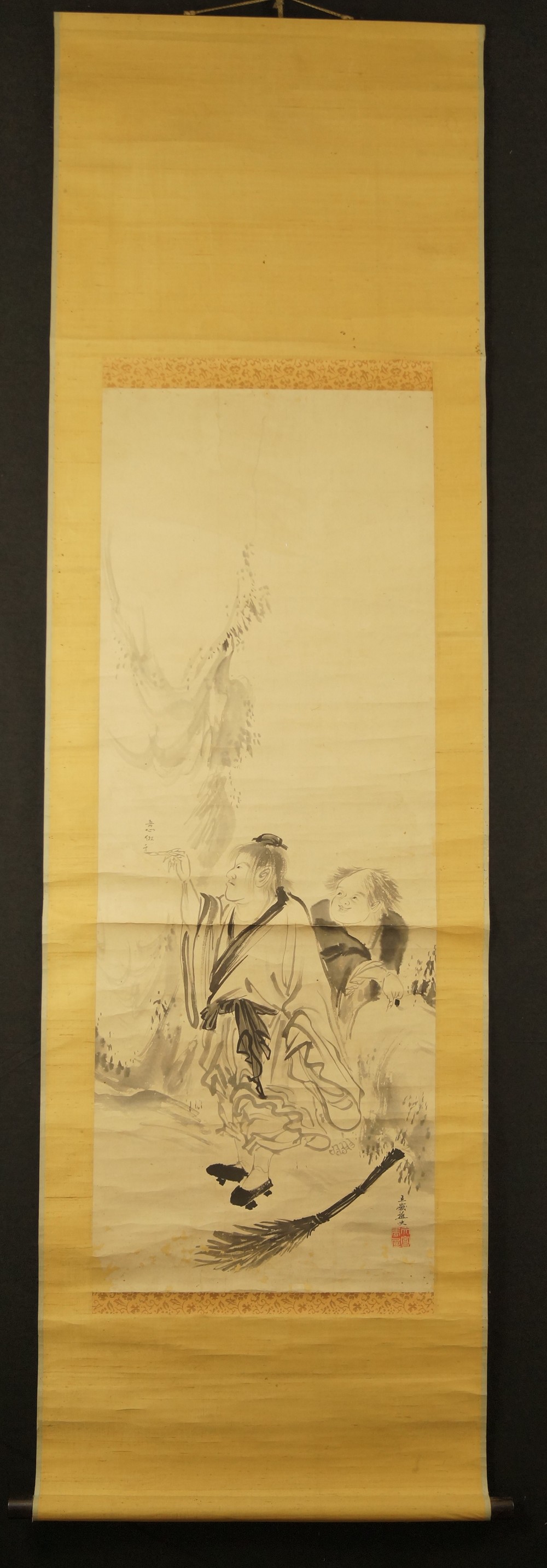
The Calligrapher and His Companion
Kakemono, unique work, with box, 184 x 60 cm
€210.00



Details about the sold piece
- JikusakiWood
- Material HonshiPaper
- MotifAnimals
- TechniqueHand-Painted
Description
Against a slender crescent moon, the filigree branches of a willow stand out in silhouette, through which - barely perceptible in the twilight - bats trace their nocturnal paths. The atmospheric composition, kept in subdued tones of gray, draws its life from the tension between light and dark, between the visible and the merely suggested.
Unlike in the West, bats are regarded in East Asian symbolism as a highly positive motif: the Chinese and Japanese word for bat sounds similar to the word for good fortune, which is why depictions of these nocturnal creatures were traditionally considered bringers of luck and were popular as gifts.
The hanging scroll is painted on paper, the roller fitted with wooden end knobs, and the work was created in the Meiji period. With its poetic, faintly mysterious nocturnal atmosphere, this hanging scroll is an unusual yet meaningful motif for collectors who, alongside the classical subjects, also value symbolically charged works of Japanese painting.

