
Kakemono Chrysanthemums and Plum Blossoms
One of a kind — this work exists only once.
- Period:
- Meiji (1868–1912)
- Dimensions (height x width):
- 188 x 77 cm
- Item number:
- 4398
This piece has been sold.
Sold – no longer available
This piece was a handmade one-of-a-kind work. It cannot be reordered and will never exist in this form again. The page stays online as part of our archive.
More items in category Flowers and PlantsAll one-of-a-kind Japanese Painting pieces
See new one-of-a-kind pieces first
We feature every delivery from Japan in the newsletter first – before the pieces show up in search results.
You might like these pieces
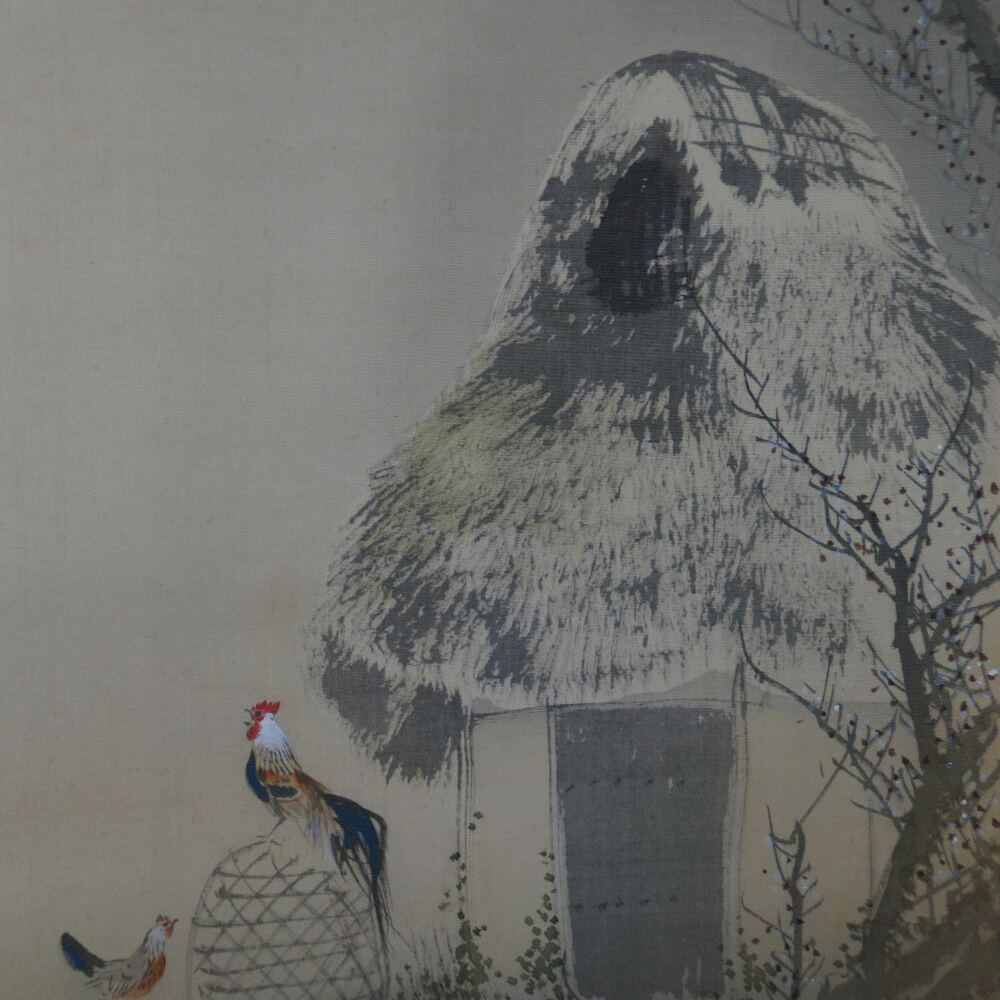
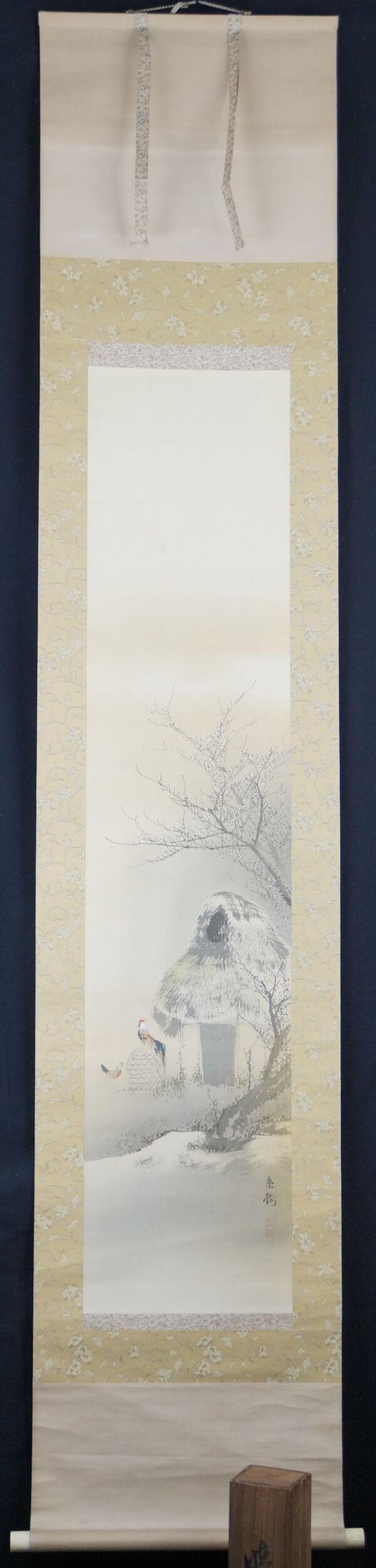
Imai Keiki
Rooster and Plum Blossoms
Kakemono, unique work, with box, 196 x 45 cm
€240.00
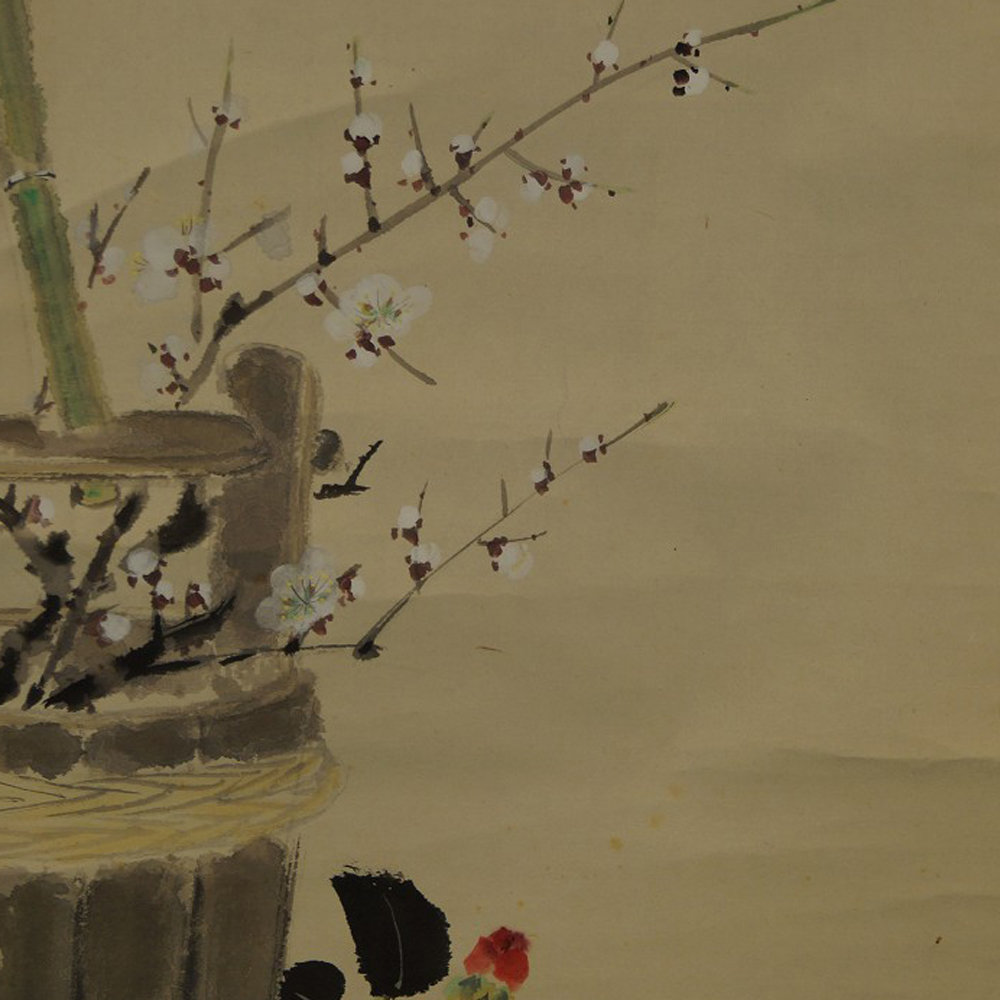
Yawata Hakuhan
Plum Blossoms in a Vase
Kakemono, unique work, with box, 154 x 38 cm
€280.00
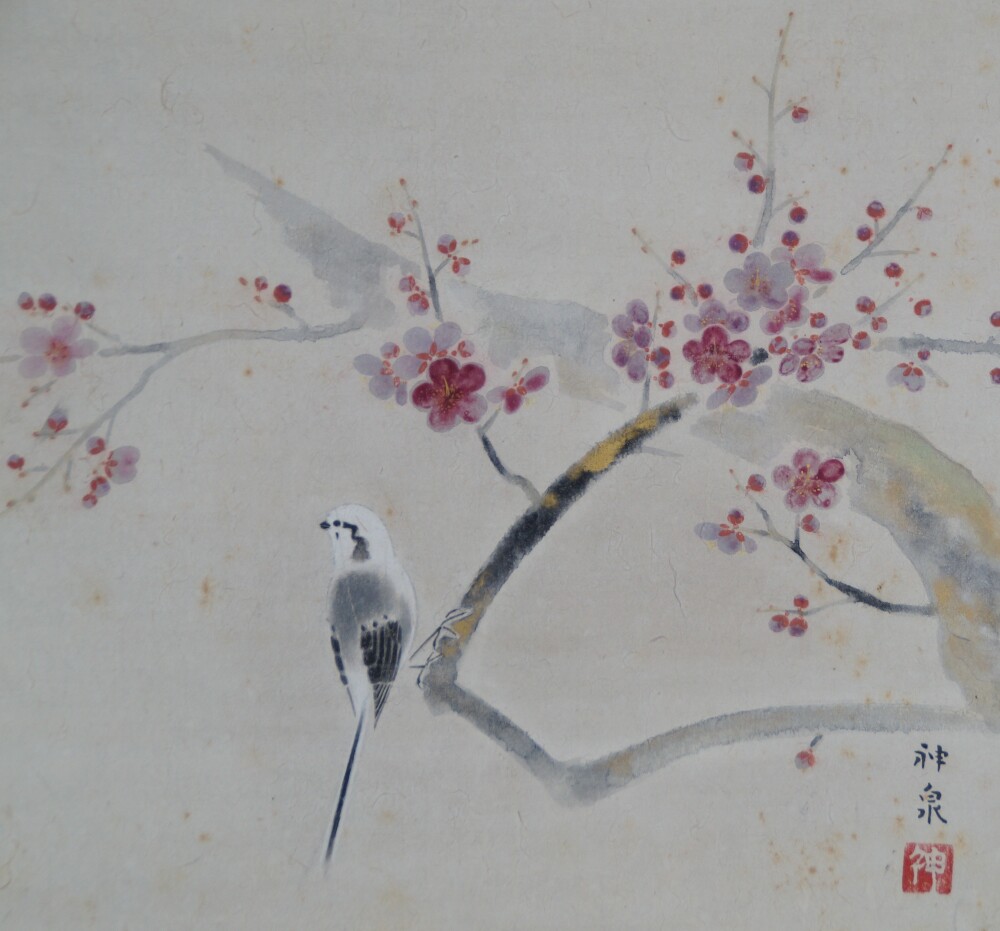
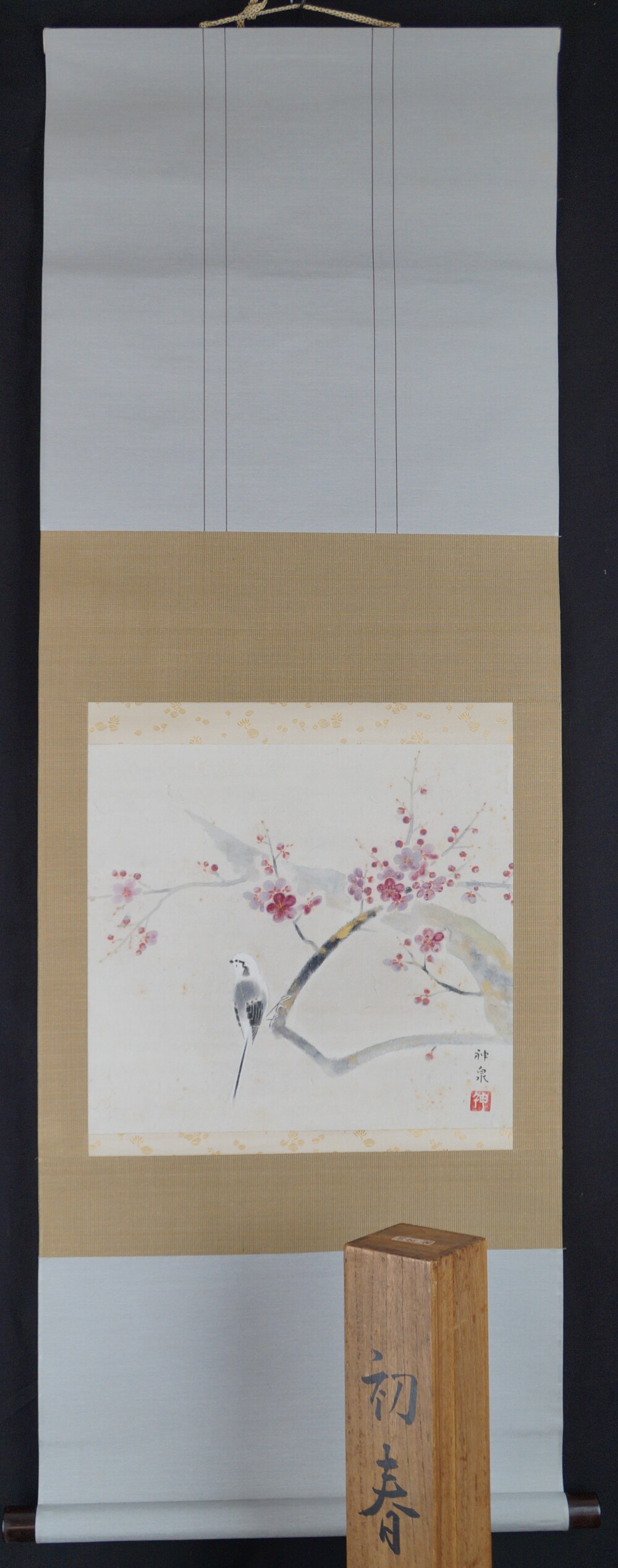
Tokuoka Shinsen
Plum Blossoms in Quiet Morning Light
Kakemono, unique work, with box, 124 x 49 cm
€280.00
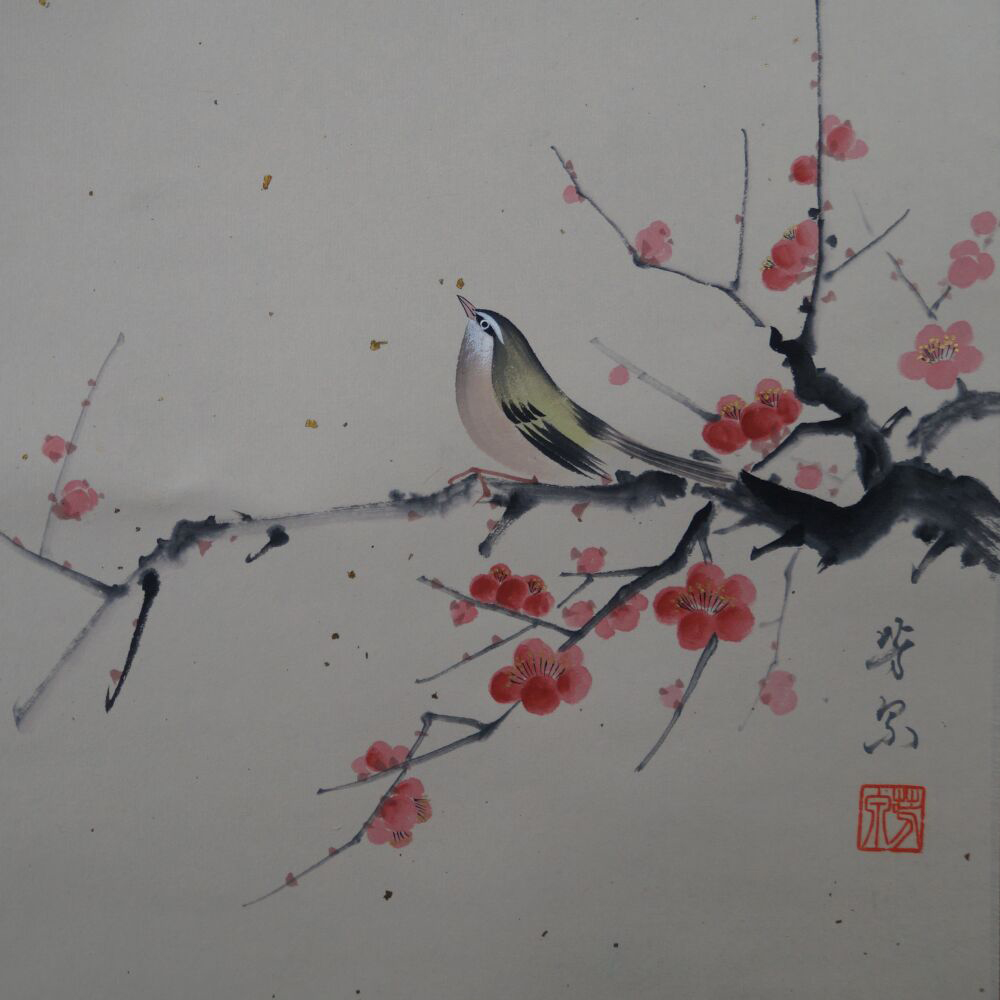
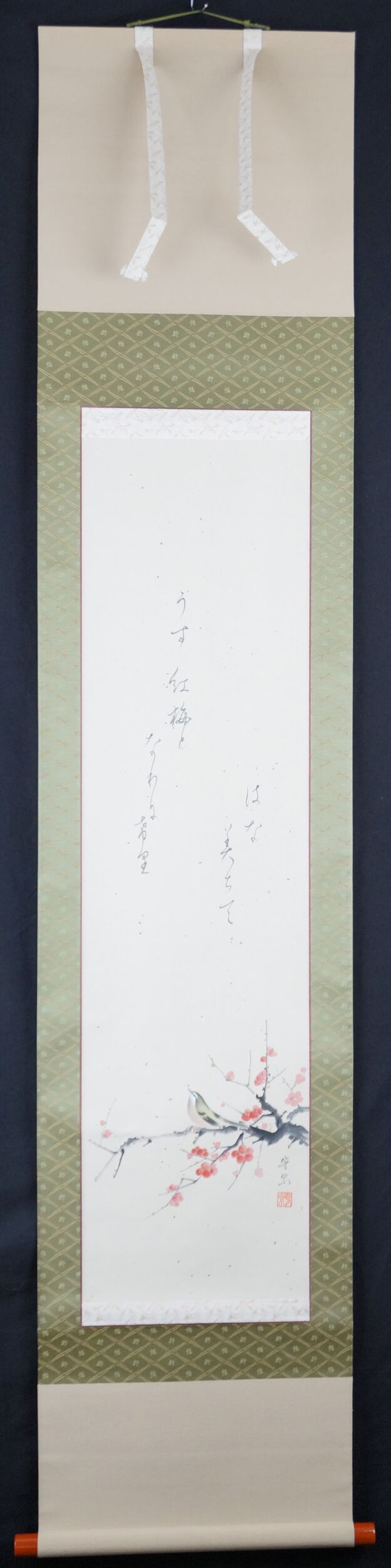
Sugaya Hosen
Pale Pink Plum Blossoms in Spring Light
Kakemono, unique work, with box, 193 x 46 cm
€490.00
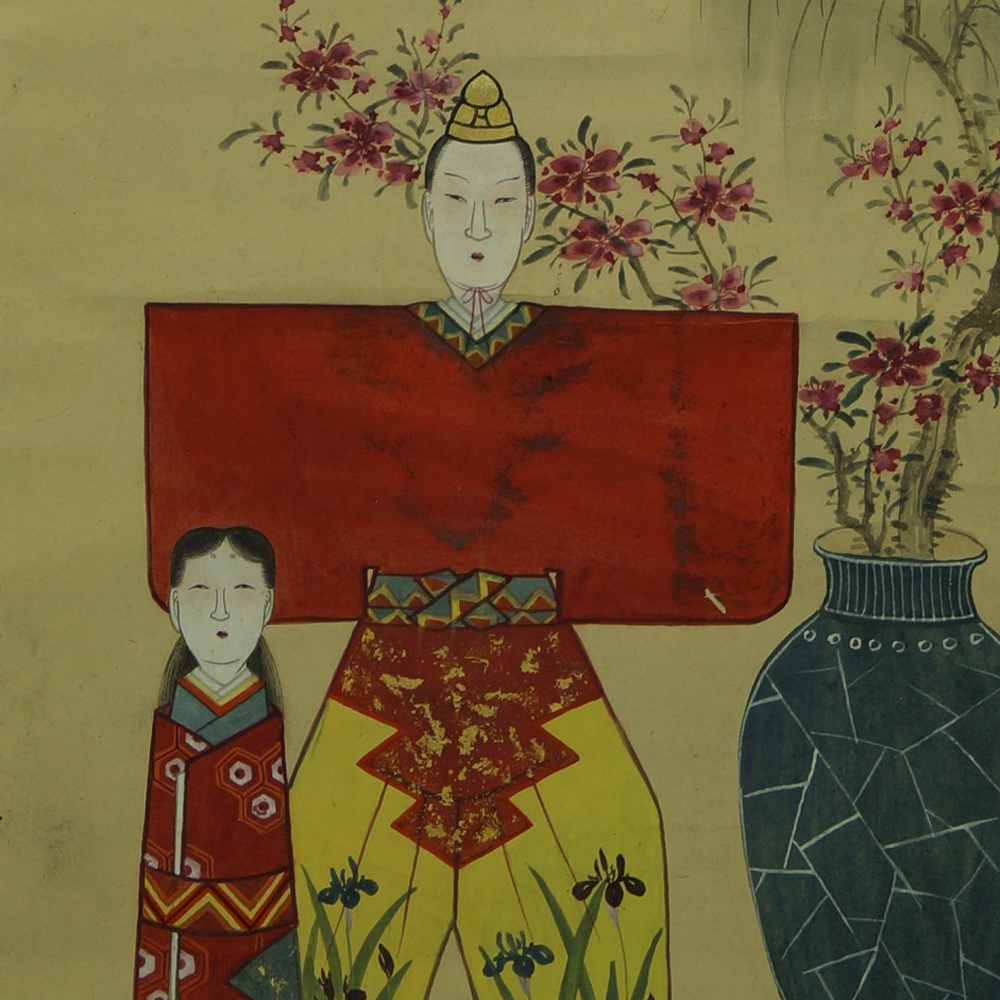
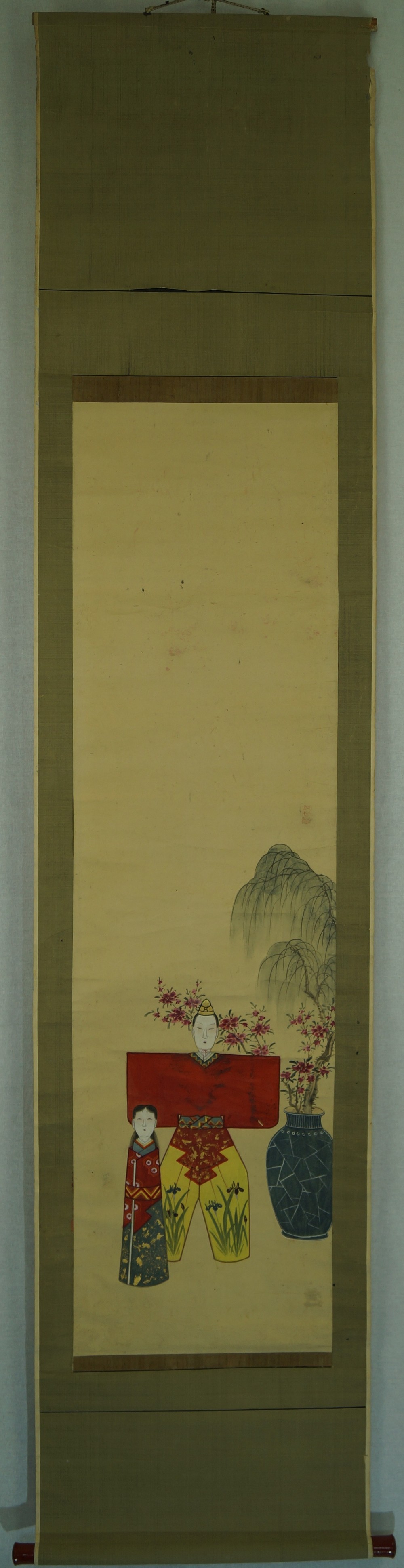
Hina Dolls with Plum Blossoms and Vase
Kakemono, unique work, 171 x 43 cm
€80.00
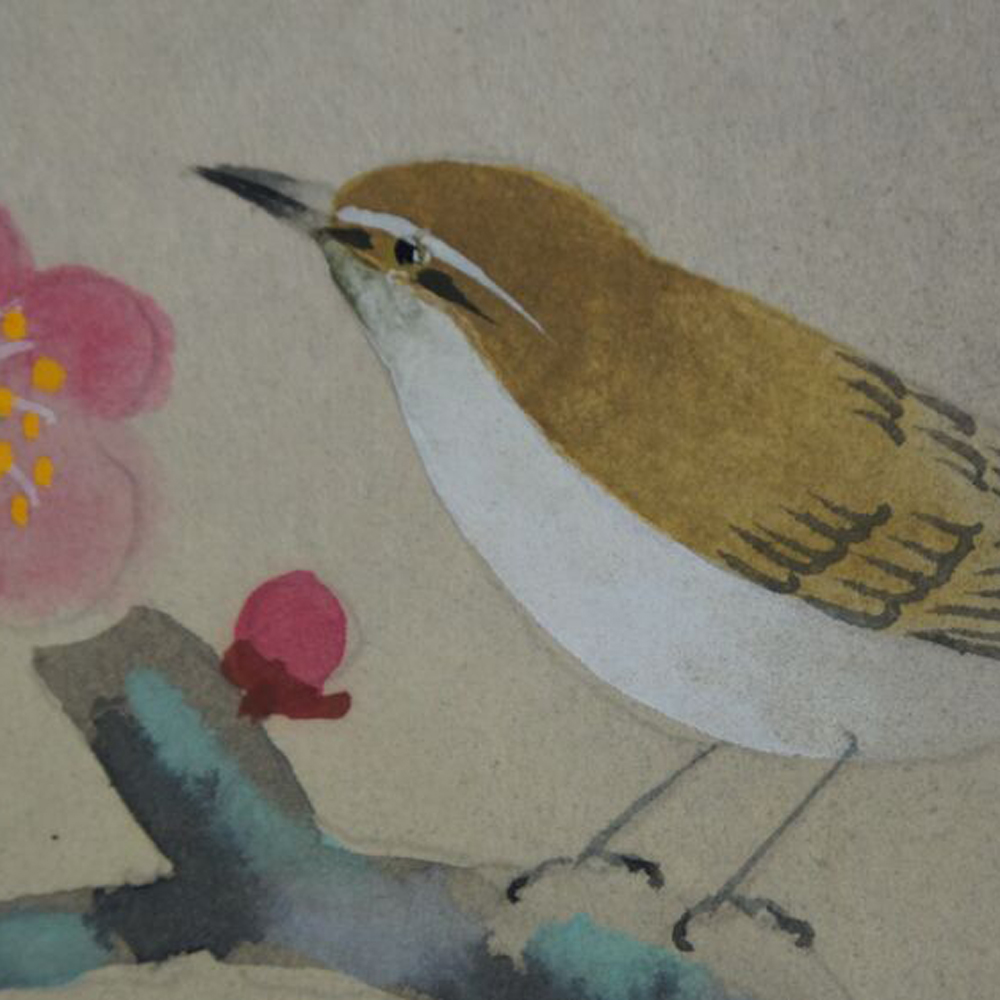
Ogawa Shodo
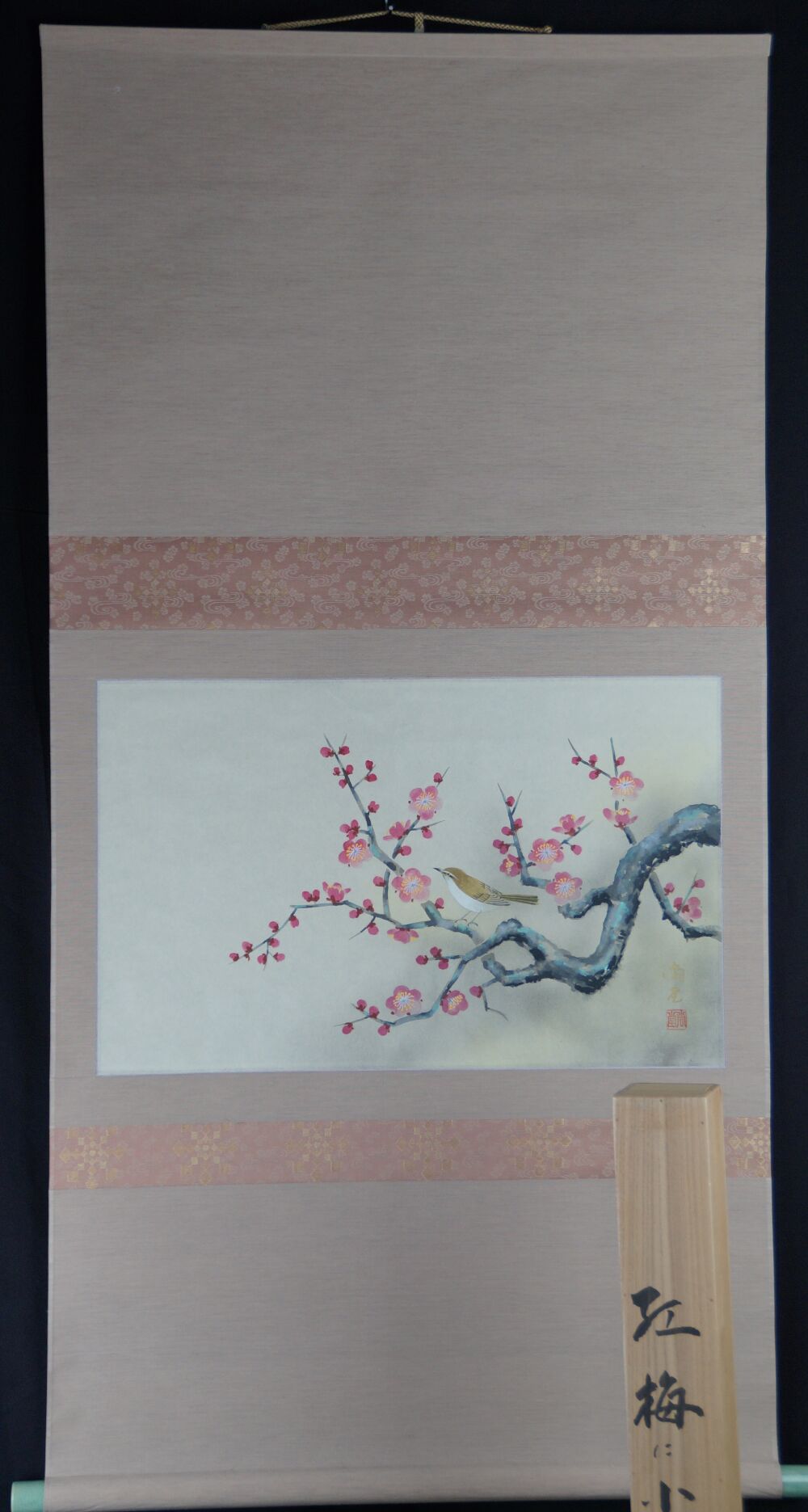
Songbird on Blooming Plum Tree
Kakemono, unique work, with box, 133 x 66 cm
€410.00
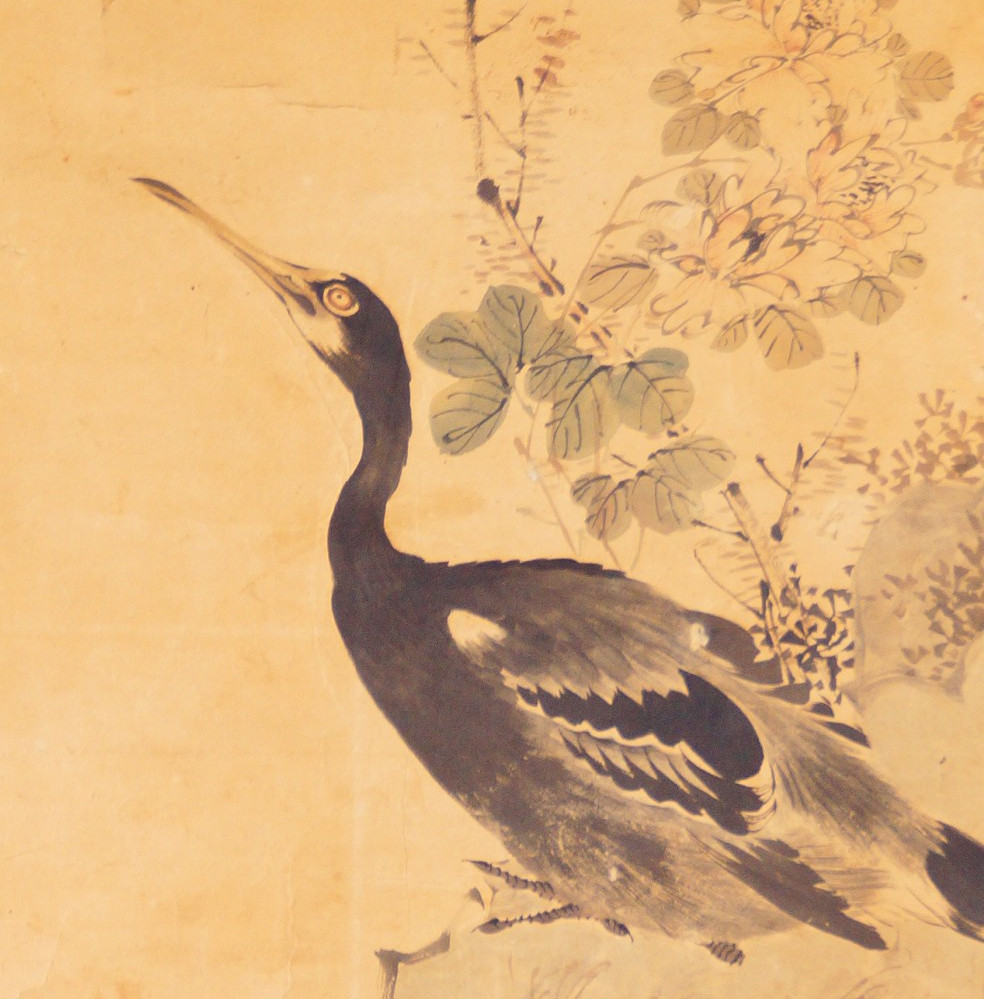
Yamamoto Baiitsu
Heron on Rock with Chrysanthemums
Kakemono, unique work, 189 x 60 cm
€290.00
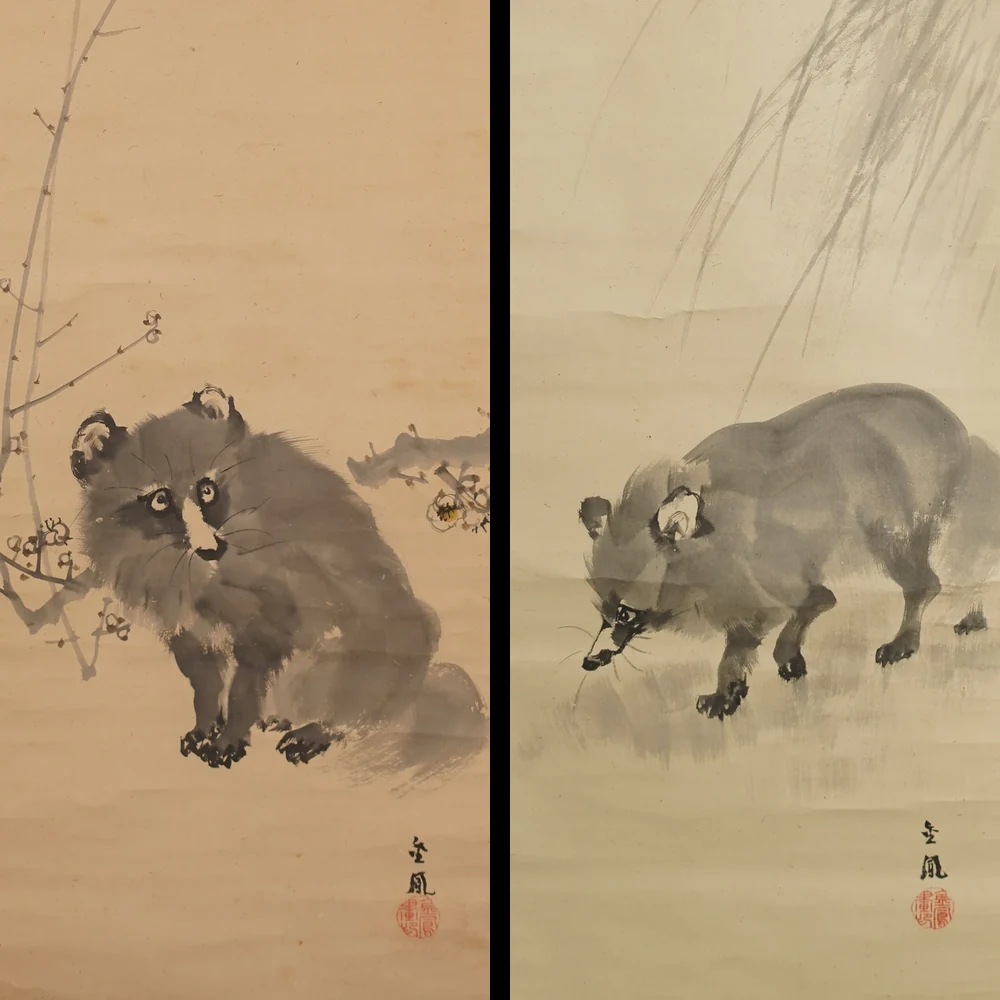
Mochizuki Kinpō
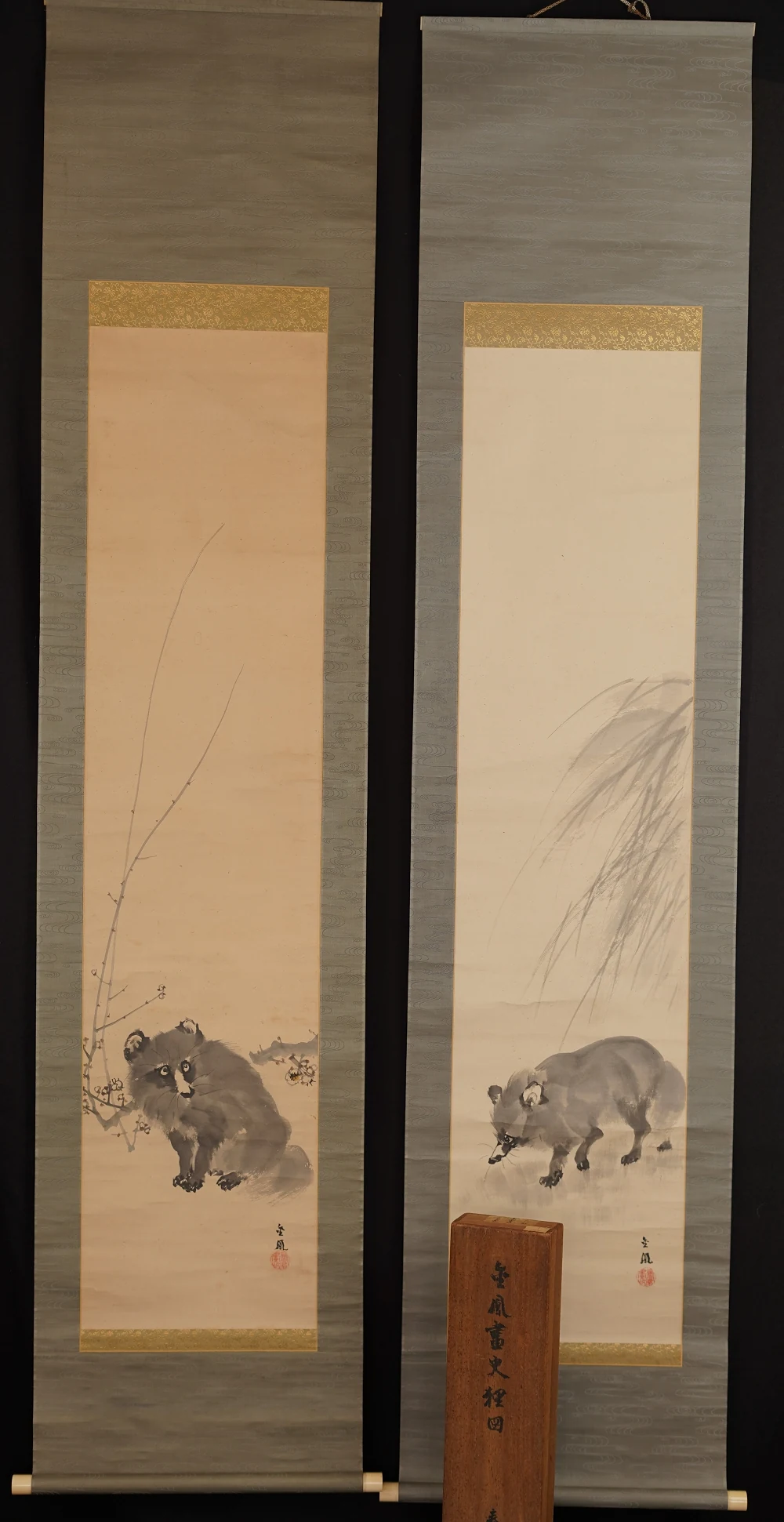
Set of Two Paintings – Tanuki Under Plum and Willow
Kakemono, unique work, with box, 195 x 48 cm
€3,590.00


Details about the sold piece
- JikusakiBone
- Material HonshiPaper
- MotifFlowers and Plants
- TechniqueHand-Painted
Description
On matte gold paper, a dense arrangement of snow-white and delicately reddish chrysanthemums unfolds, surmounted by a budding plum branch. Among the flower clusters, a fine branch with orange-red berries can still be discerned, while at the upper left a short line of calligraphy with a red artist's seal completes the composition. Despite the wealth of detail, the brushwork appears remarkably light, and the leaves are glazed in various shades of green, creating a lively, almost fragrant impression of late summer.
The hanging scroll dates from the Meiji period (1868–1912) and was painted entirely by hand, as was customary for traditional Japanese kakemono of this era. Such floral still lifes were regarded as an expression of prosperity and permanence and found their place in the tokonoma, the alcove of a living space, where they were changed according to the season.
The scroll rods are fitted with ends made of bone, and the support material is paper. As a unique work bearing the artist's visible hand, this kakemono is particularly suited to collectors who value an authentic piece of Japanese painting.

