
Kakemono Grapes
One of a kind — this work exists only once.
- Period:
- Shôwa (1926–1989)
- Dimensions (height x width):
- 120 x 42 cm
- Item number:
- 4377
This piece has been sold.
Sold – no longer available
This piece was a handmade one-of-a-kind work. It cannot be reordered and will never exist in this form again. The page stays online as part of our archive.
More items in category Flowers and PlantsAll one-of-a-kind Japanese Painting pieces
See new one-of-a-kind pieces first
We feature every delivery from Japan in the newsletter first – before the pieces show up in search results.
You might like these pieces
Calligraphy Poem: Bamboo by the Window
Kakemono, unique work, 195 x 50 cm
€180.00
Calligraphy "Cloud"
Kakemono, unique work, 184 x 49 cm
€160.00
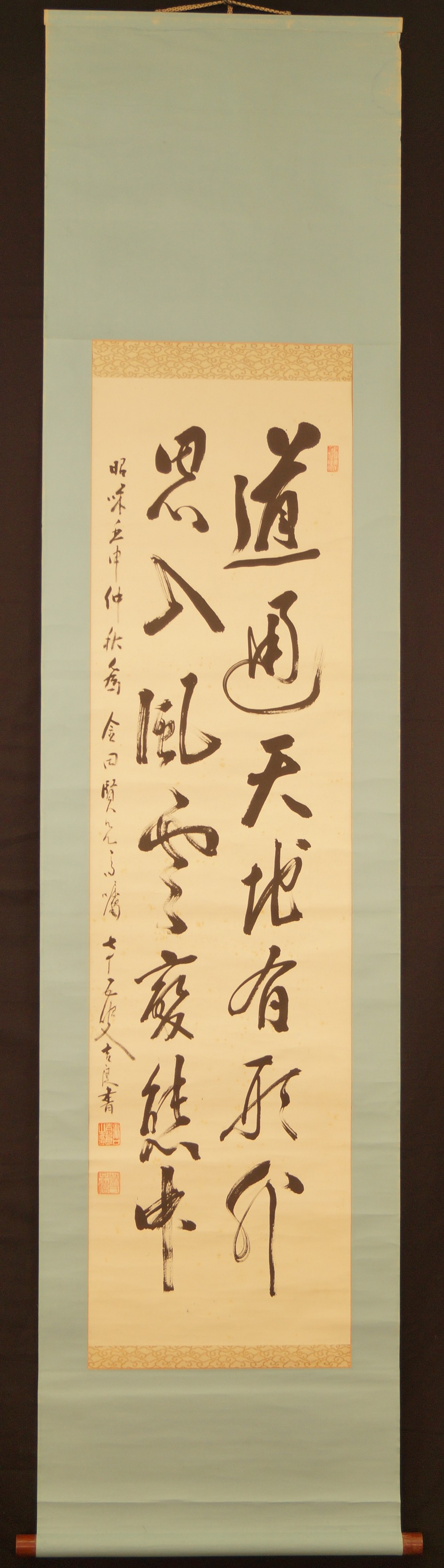
Calligraphy: Wind and Clouds
Kakemono, unique work, 190 x 50 cm
€220.00
Calligraphy: Moon Over the Bay
Kakemono, unique work, 160 x 38 cm
€270.00
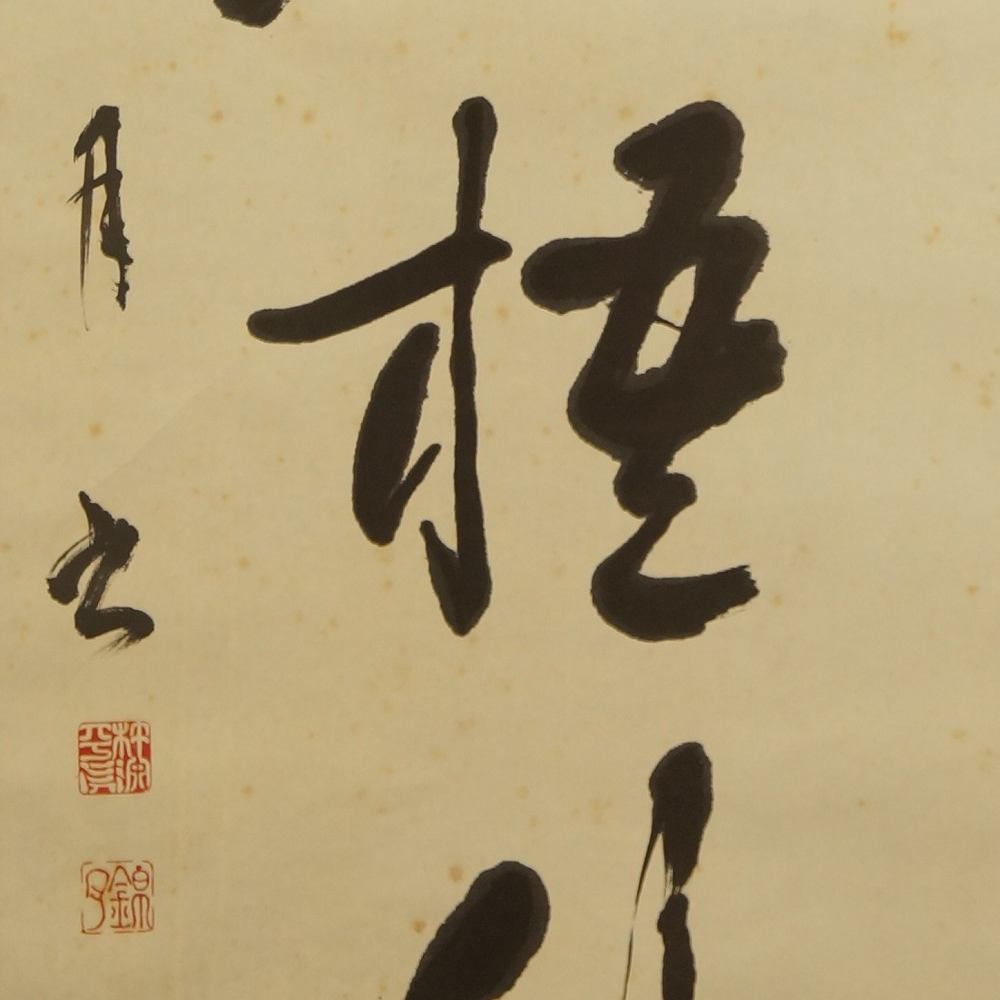
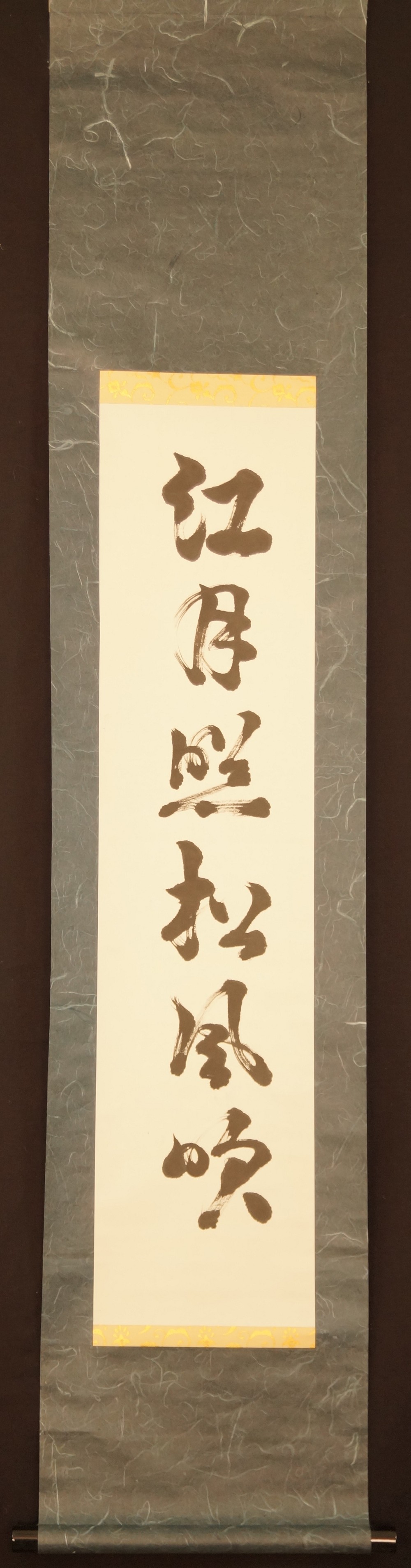
Calligraphy: Wind in the Bamboo
Kakemono, unique work, 193 x 53 cm
€210.00
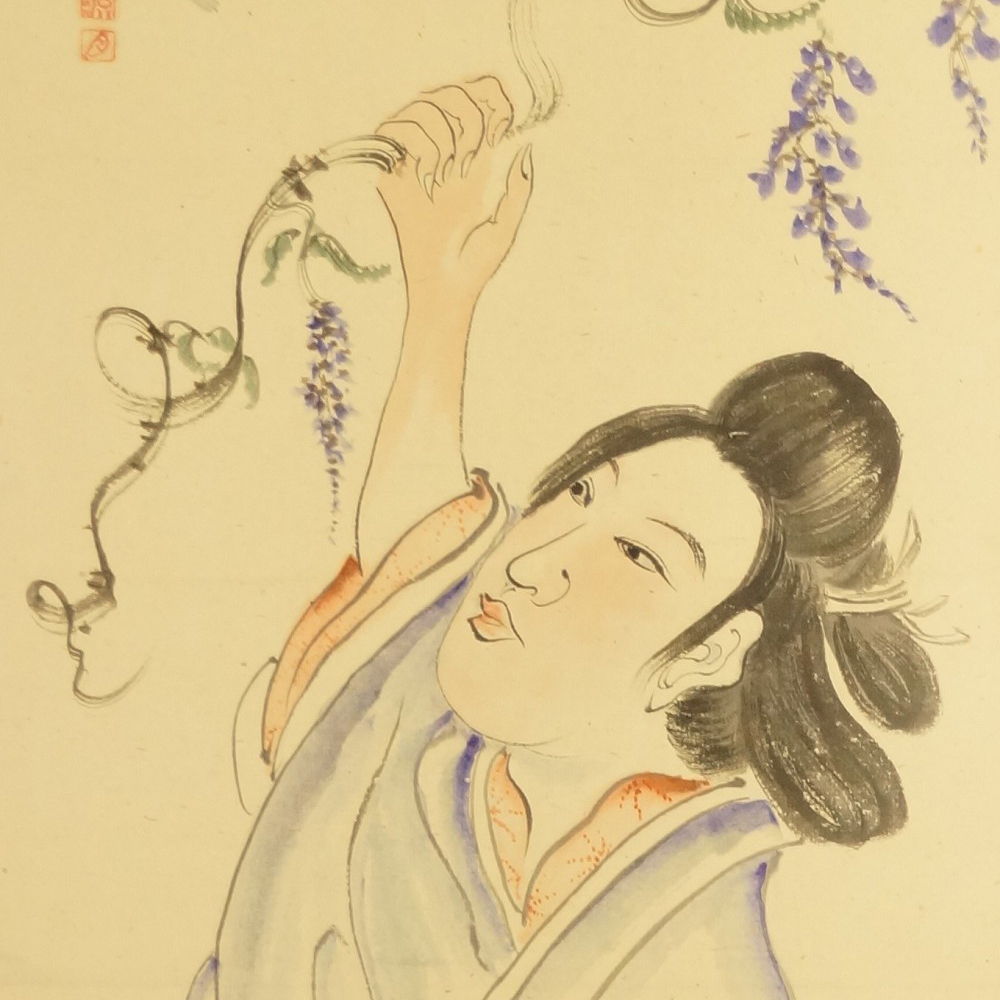
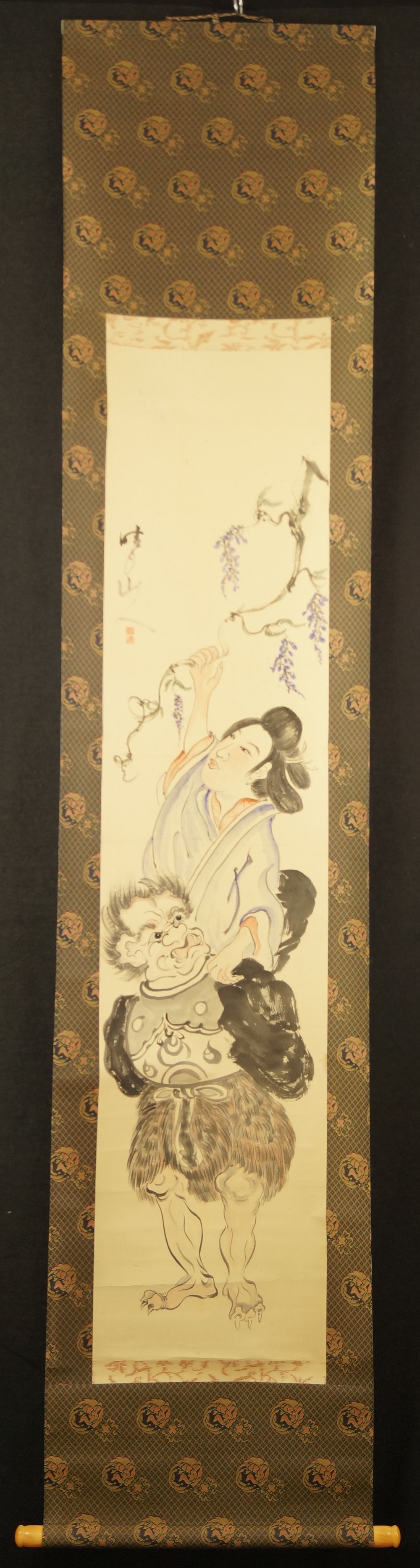
Lady Under Wisteria Blossoms
Kakemono, unique work, 200 x 50 cm
€210.00
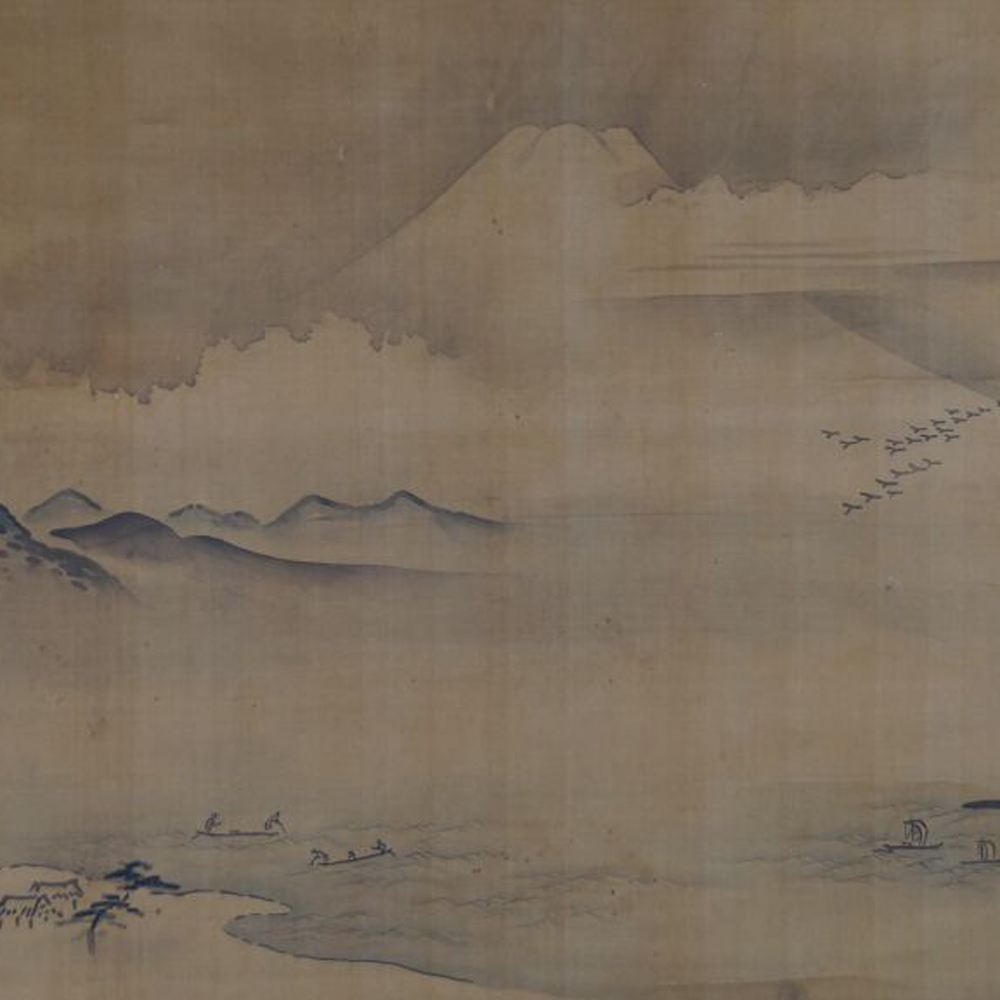
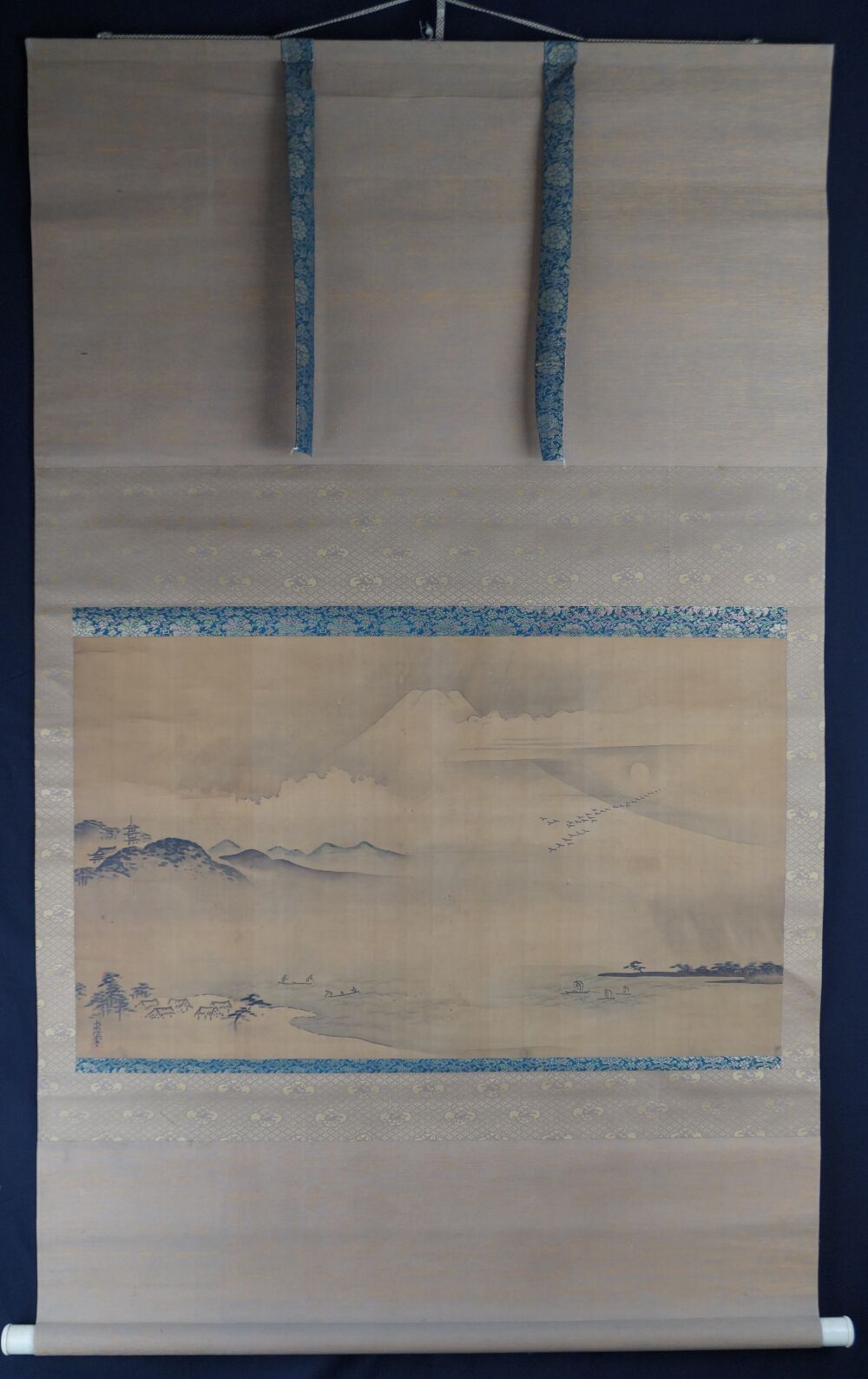
Kanō Zuizen
Fuji in Morning Mist
Kakemono, unique work, 140 x 91 cm
€1,170.00

Tanaka Koga
Wild Goose in Moonlight
Kakemono, unique work, 185 x 64 cm
€290.00



Details about the sold piece
- JikusakiSculpture
- Material HonshiPaper
- MotifFlowers and Plants
- TechniqueHand-Painted
Description
Heavily hanging clusters of grapes wind across a wide expanse of paper in this hanging scroll, accompanied by large, jagged leaves and sweeping tendrils that curl artfully at the lower edge of the composition. The pure ink painting creates an appealing interplay of light and dark areas through varying degrees of dilution.
The grapevine is among the motifs treasured in Japan since the medieval period in literati painting, standing for abundance, fertility, and a certain delight in nature's plenty. The spontaneous, calligraphic brushwork allows both the firm foliage and the soft, round grapes to be rendered convincingly with just a few strokes.
This work, executed on paper, dates from the Shôwa period and bears the artist's signature as well as the red seal at the lower edge of the composition. The reduced, elegant pictorial language makes this kakemono an elegant yet unobtrusive piece for collectors of classical Japanese plant painting.

