
Kakemono Sparrow on a Sakura Branch
One of a kind — this work exists only once.
- Signature / Stamp:
- Mori Kansai
- Period:
- Meiji (1868–1912)
- Dimensions (height x width):
- 192 x 53 cm
- Item number:
- 6231
This piece has been sold.
Sold – no longer available
This piece was handmade by Mori Kansai and was a one-of-a-kind work. It cannot be reordered and will never exist in this form again. The page stays online as part of our archive.
See new one-of-a-kind pieces first
We feature every delivery from Japan in the newsletter first – before the pieces show up in search results.
You might like these pieces
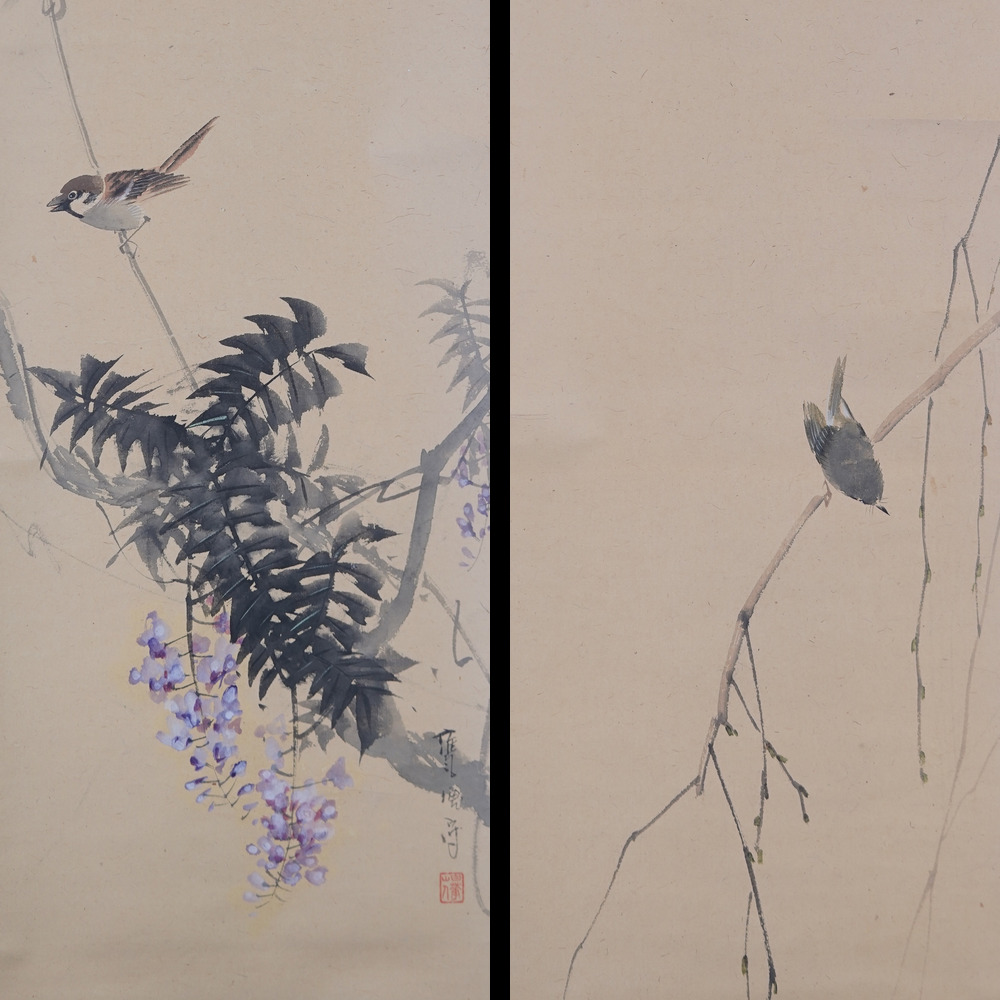
Nakahara Yōtō
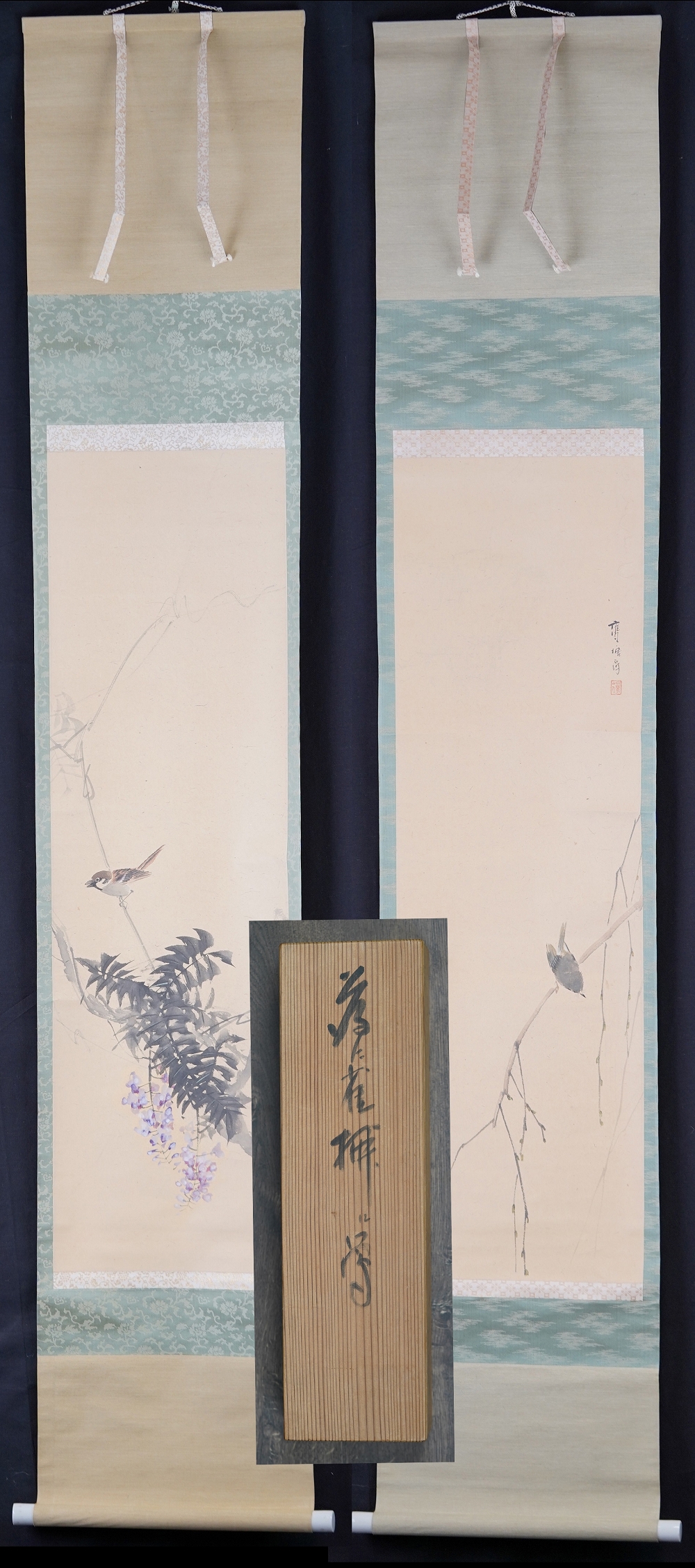
Set of Two Paintings – Sparrows on Wisteria and Willow Branch
Kakemono, unique work, with box, 175 x 38 cm
€690.00
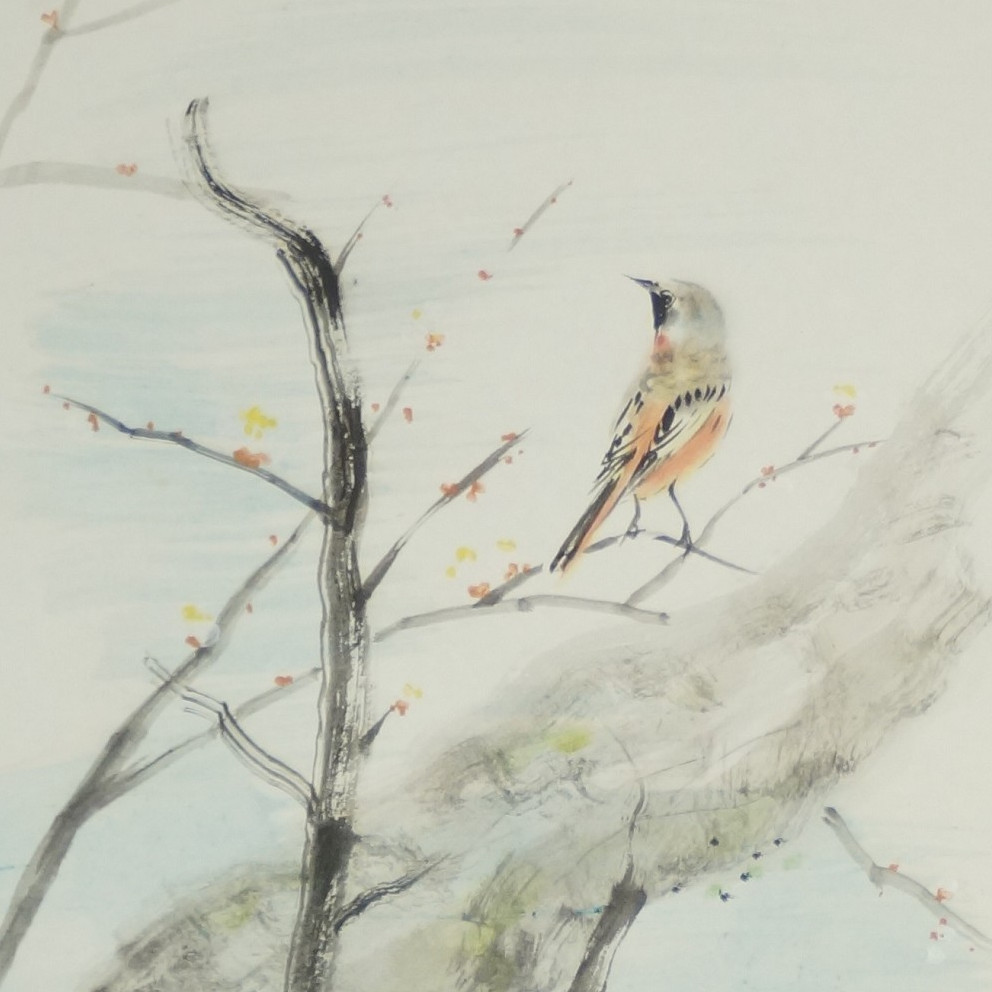
Sparrow on Snow-Covered Plum Branch
Kakemono, unique work, 193 x 50 cm
€280.00
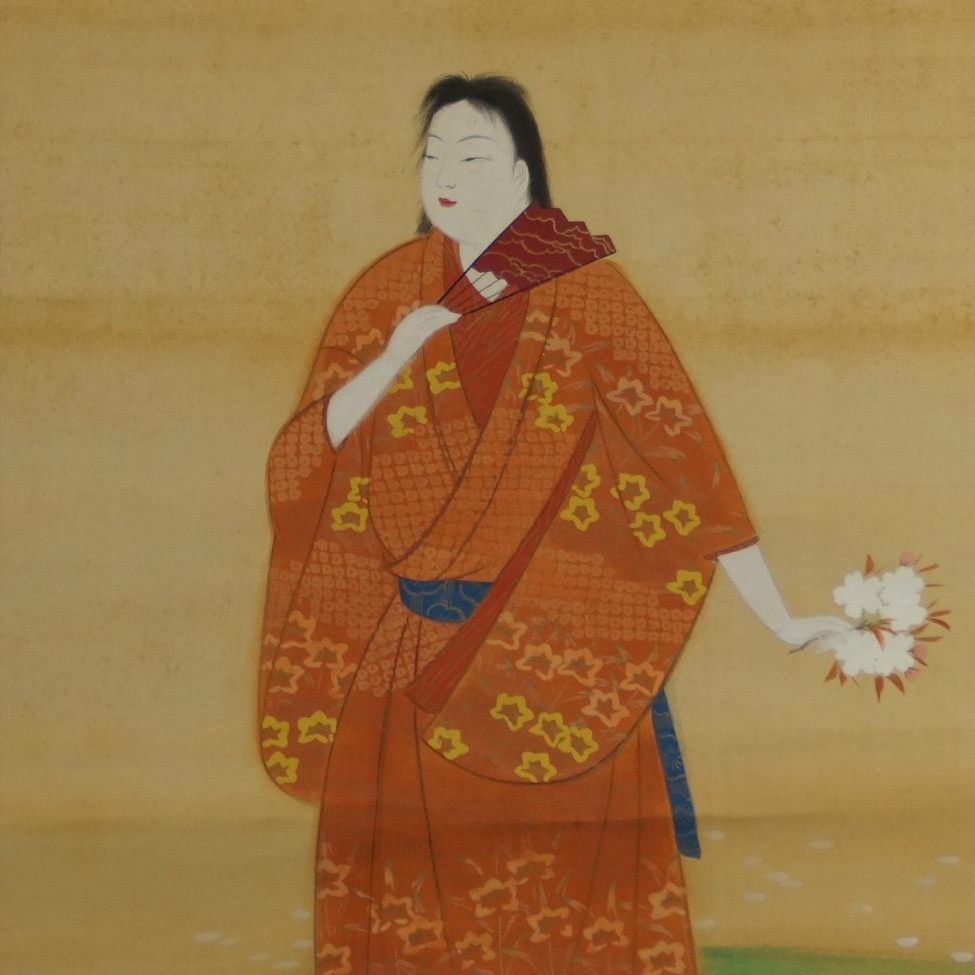
Kamenaga Goro
Woman Under a Sakura Branch
Kakemono, unique work, 190 x 60 cm
€320.00
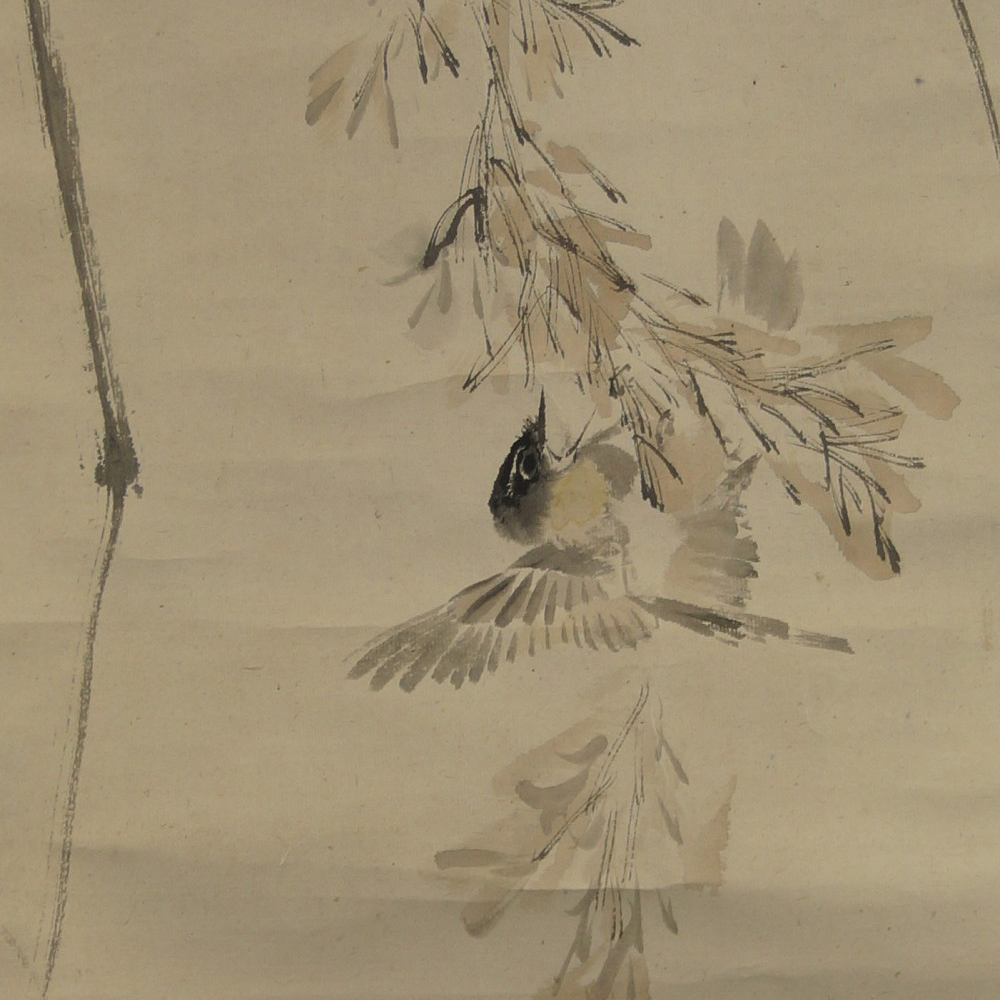
Sparrow on a Pine Branch
Kakemono, unique work, with box, 185 x 45 cm
€240.00
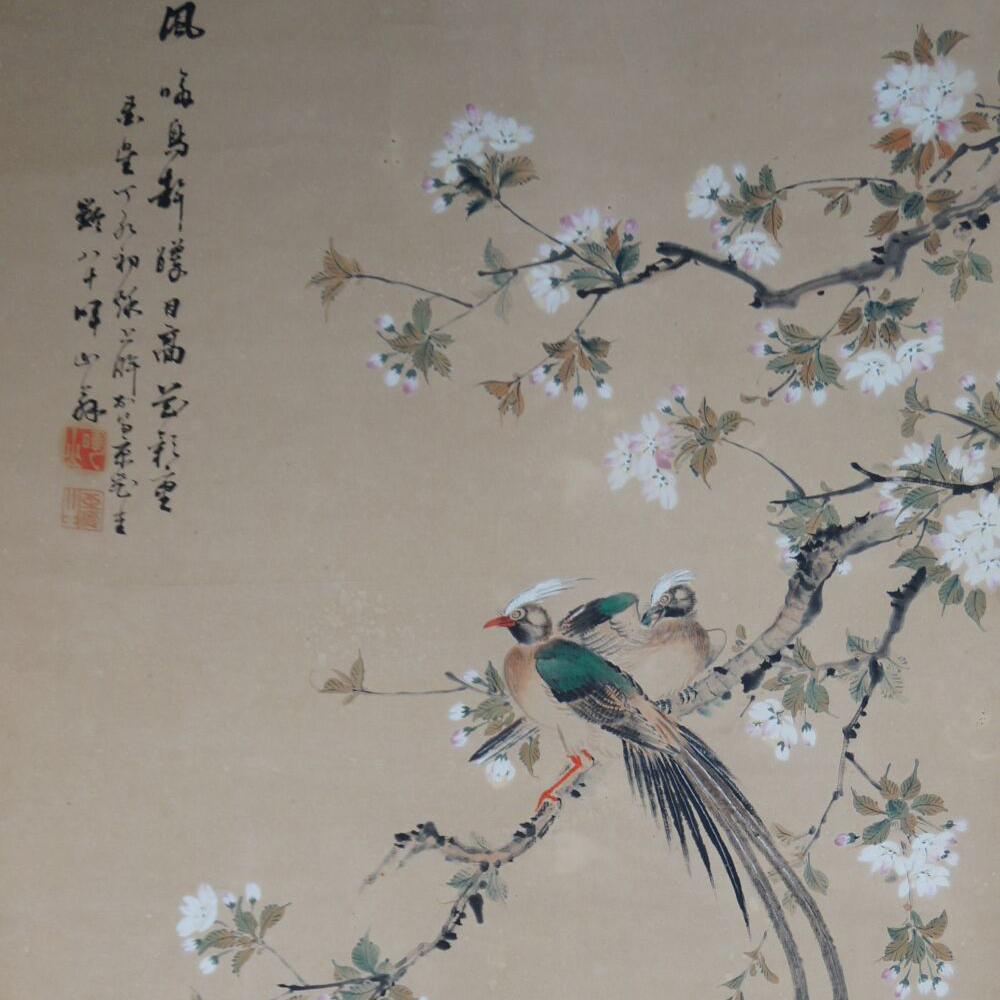
Takahashi Keizan
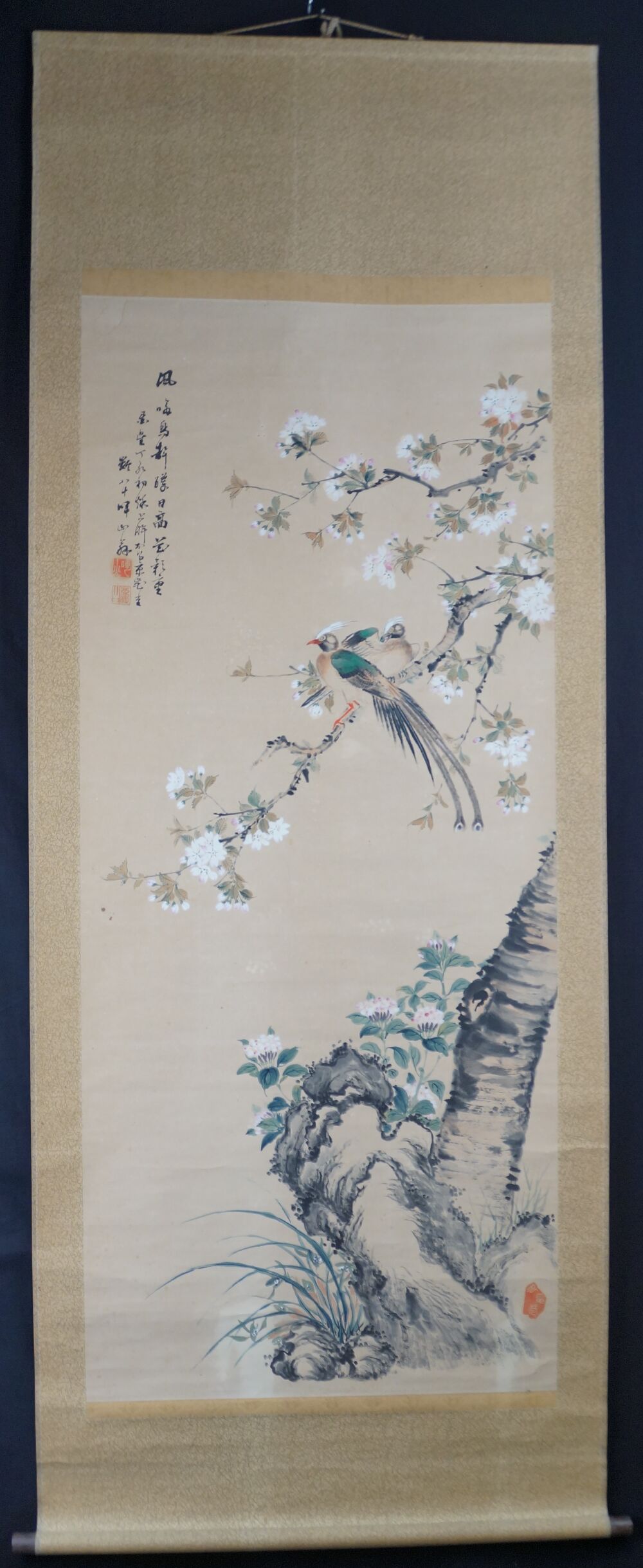
Spring Duet on Blooming Branch
Kakemono, unique work, 182 x 80 cm
€630.00
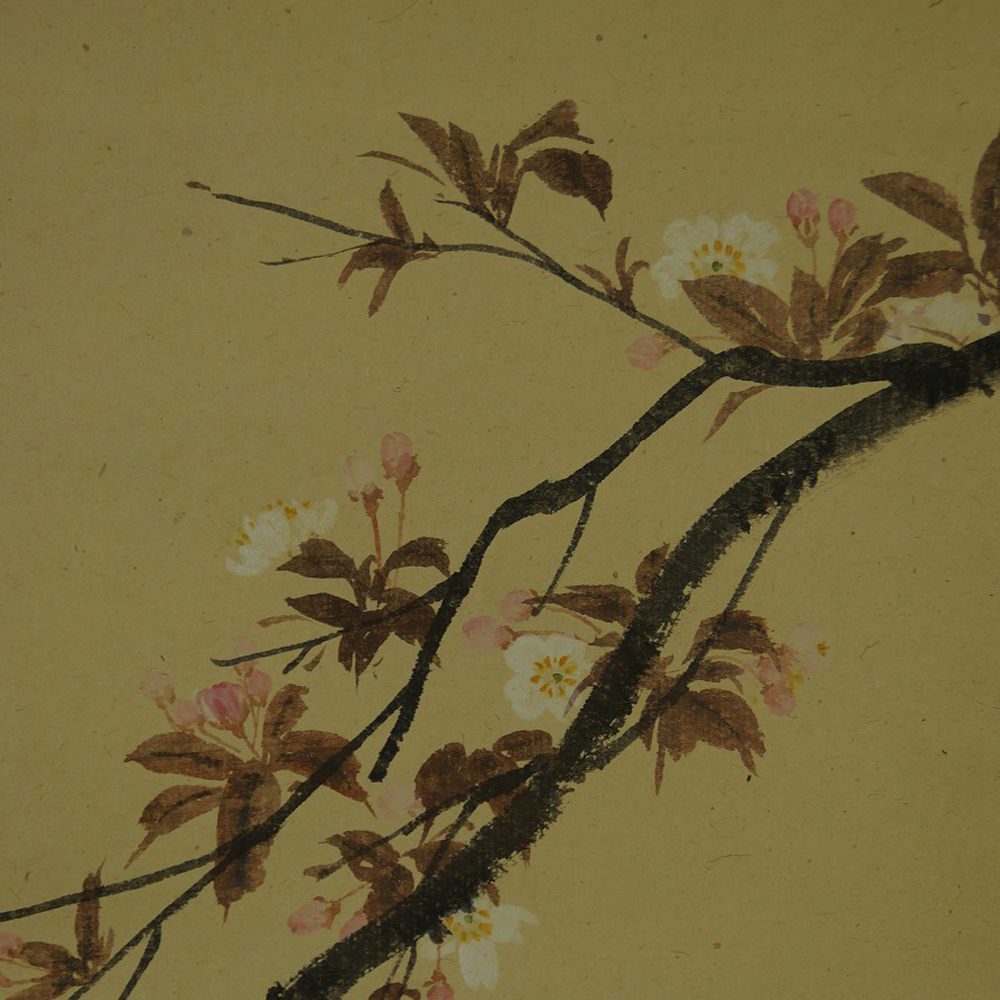
Hishida Shigehiru
Sakura Branch in Delicate Spring Light
Kakemono, unique work, with box, 187 x 40 cm
€420.00
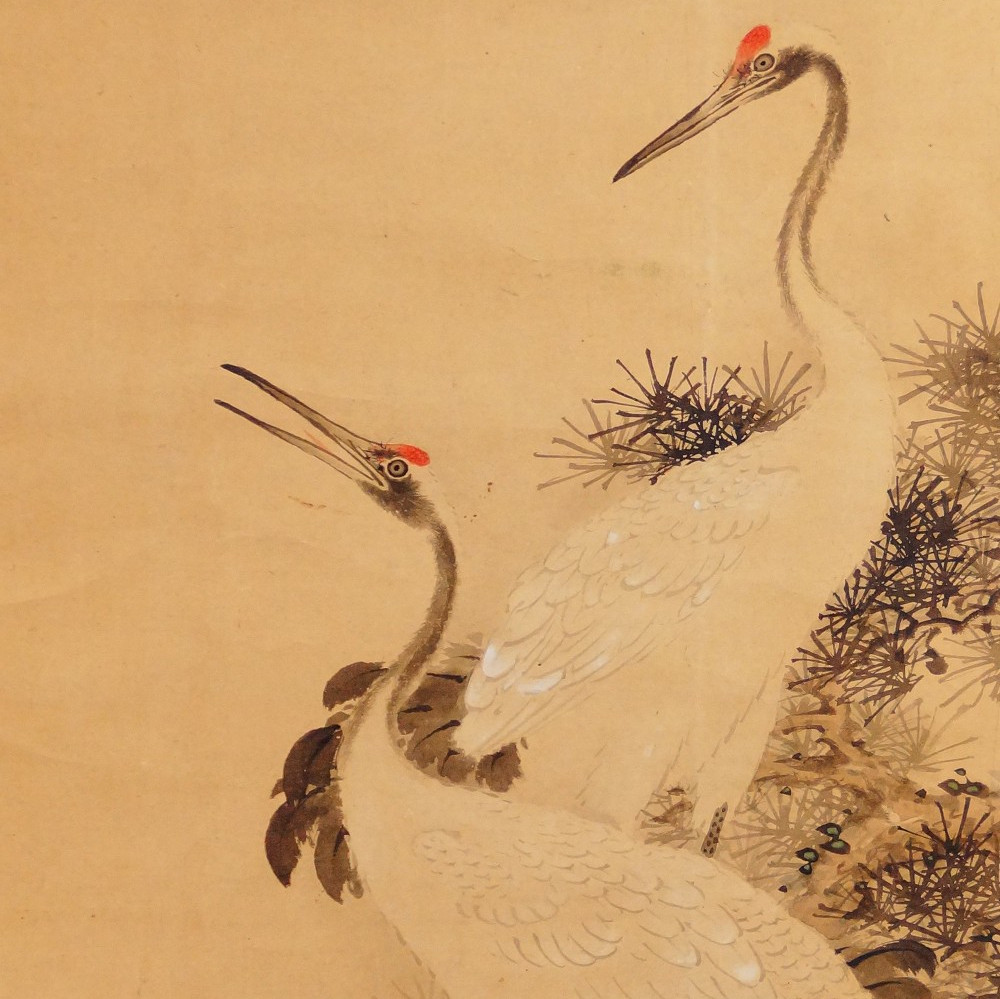
Murata Tōho
Pair of Cranes Between Pine Branches in Sepia Tones
Kakemono, unique work, 195 x 62 cm
€390.00
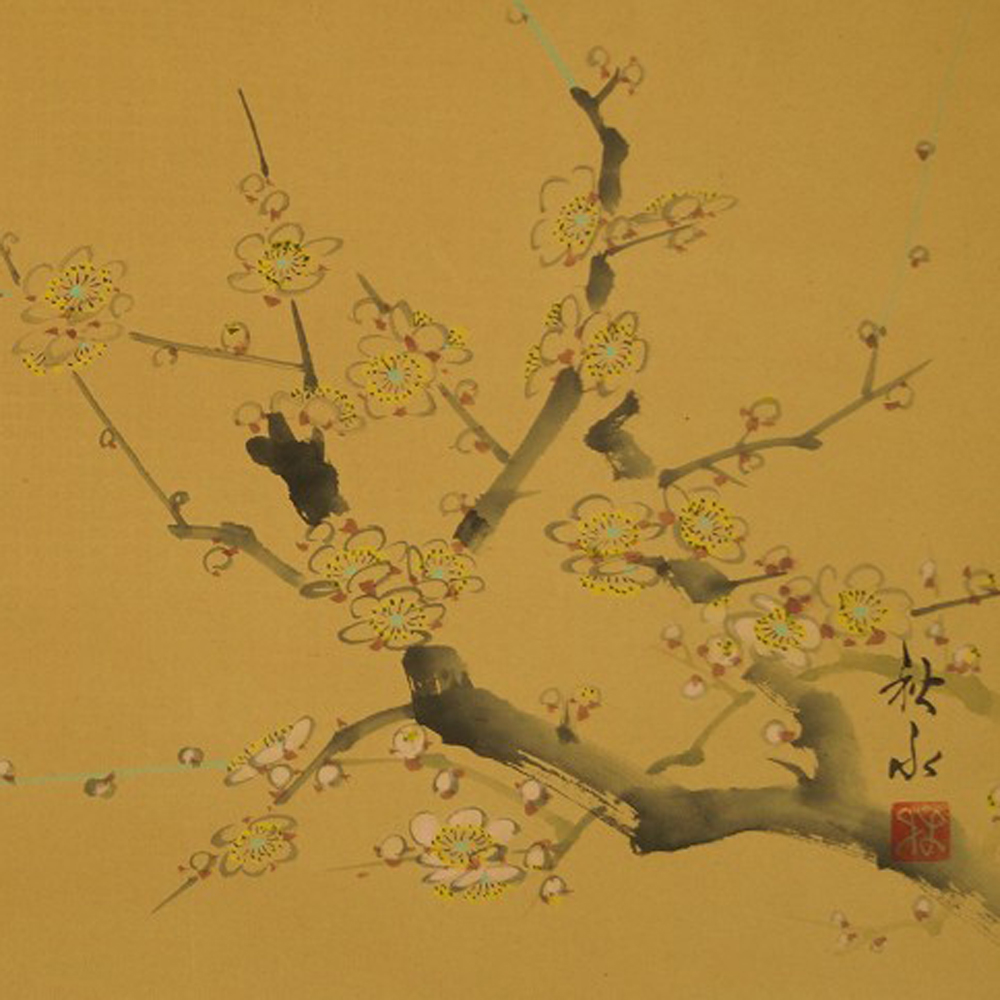
Branch Full of Sakura Blossoms
Kakemono, unique work, 120 x 60 cm
€190.00




Details about the sold piece
- JikusakiBone
- Material HonshiWashi (Rice Paper)
- TechniqueHand-Painted
Description
This beautiful kakemono from the Meiji period depicts »Sparrow on a Sakura Branch«, showing a small sparrow sitting on a blossoming sakura branch (cherry tree), surrounded by delicate cherry blossoms and filigree foliage. The detailed depiction of the blossoms and the bird gives the image a particular vividness, while the gnarled branch forms an appealing contrast to the delicate splendor of the blossoms. The harmonious composition perfectly captures the transience and beauty of spring in Japan.
The work bears the seal of the renowned artist Mori-Kansai (1814-1894). The jikusaki made of bone underscores the traditional character of this work of art. Another highlight is that the kakemono is delivered in a signed wooden box, which not only serves for protection but also represents a valuable collector's item.
This kakemono is an outstanding example of the artistry of the Meiji period and a special piece for lovers and collectors of Japanese art who appreciate both aesthetics and craftsmanship.

