
Japanese Art by Period
Go directly to the artworksIn brief
The periods of Japanese art (時代, jidai) place a work according to when it was made – from the Edo period (1603–1868) through Meiji, Taishō and Shōwa to Heisei (1989–2019) and Reiwa (since 2019). They are named after the seat of the shogunate or after the reign name of the emperor. The date describes the object itself – support, pigments, condition – and is inferred from material, style, signature and wooden box. At Densho you will find painting, ceramics and figures arranged by period, each a one-of-a-kind piece direct from Japan.
Kanō Tanyū
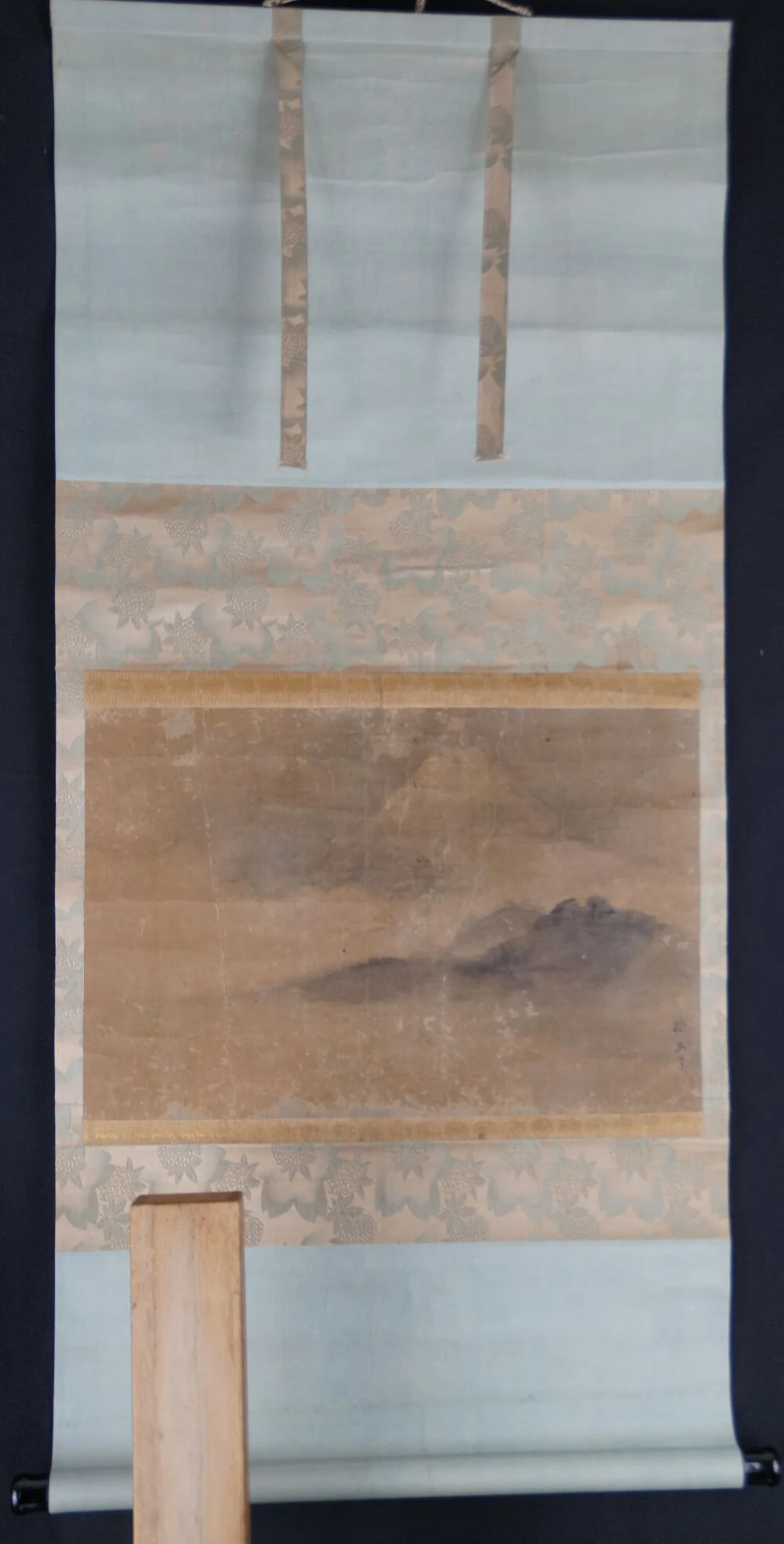
Fuji Above a Cloud Band and Misty Hills
Kakemono, unique work, with box, 103 x 52 cm
€660.00
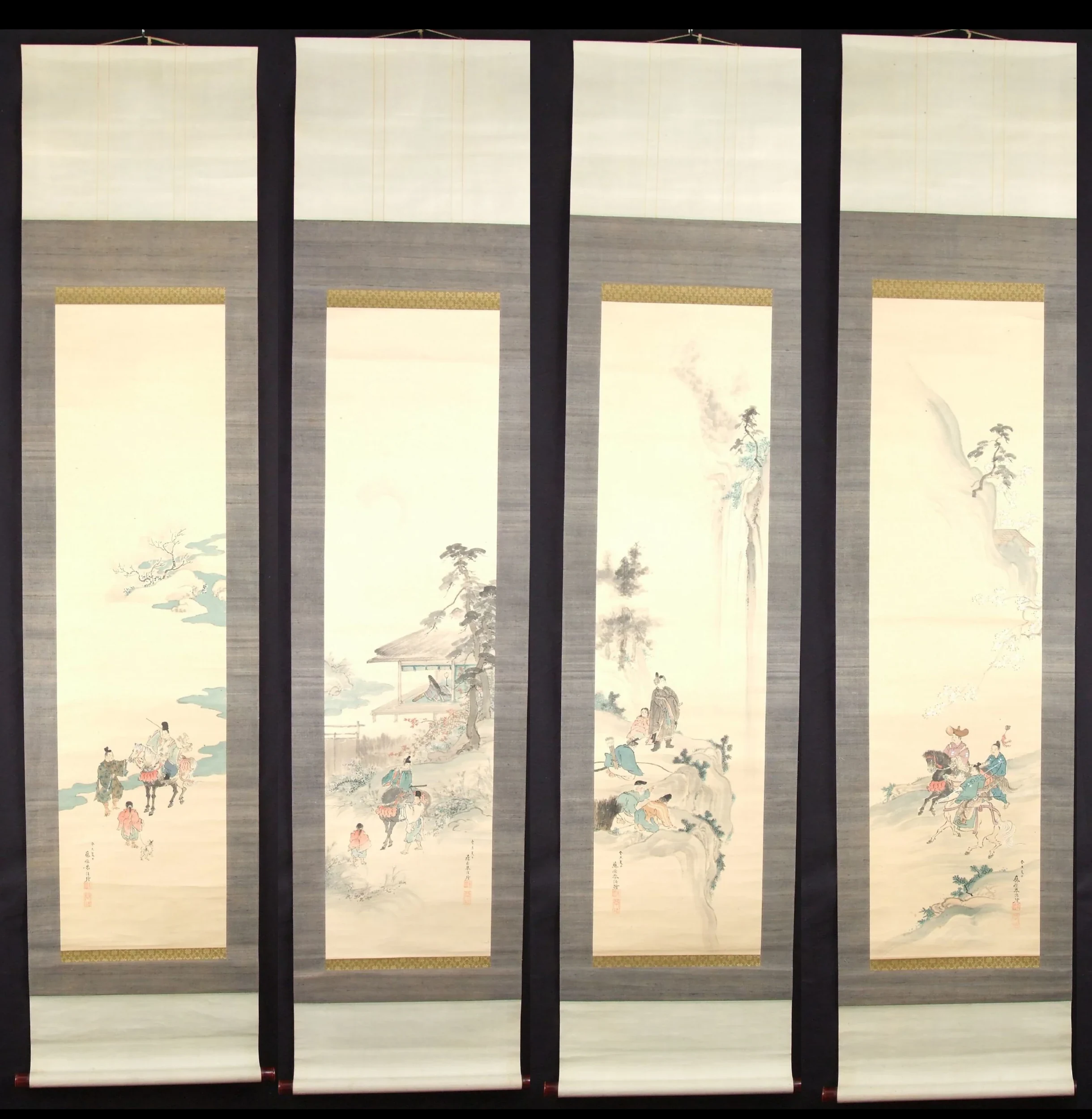
Okumura Kyōhō
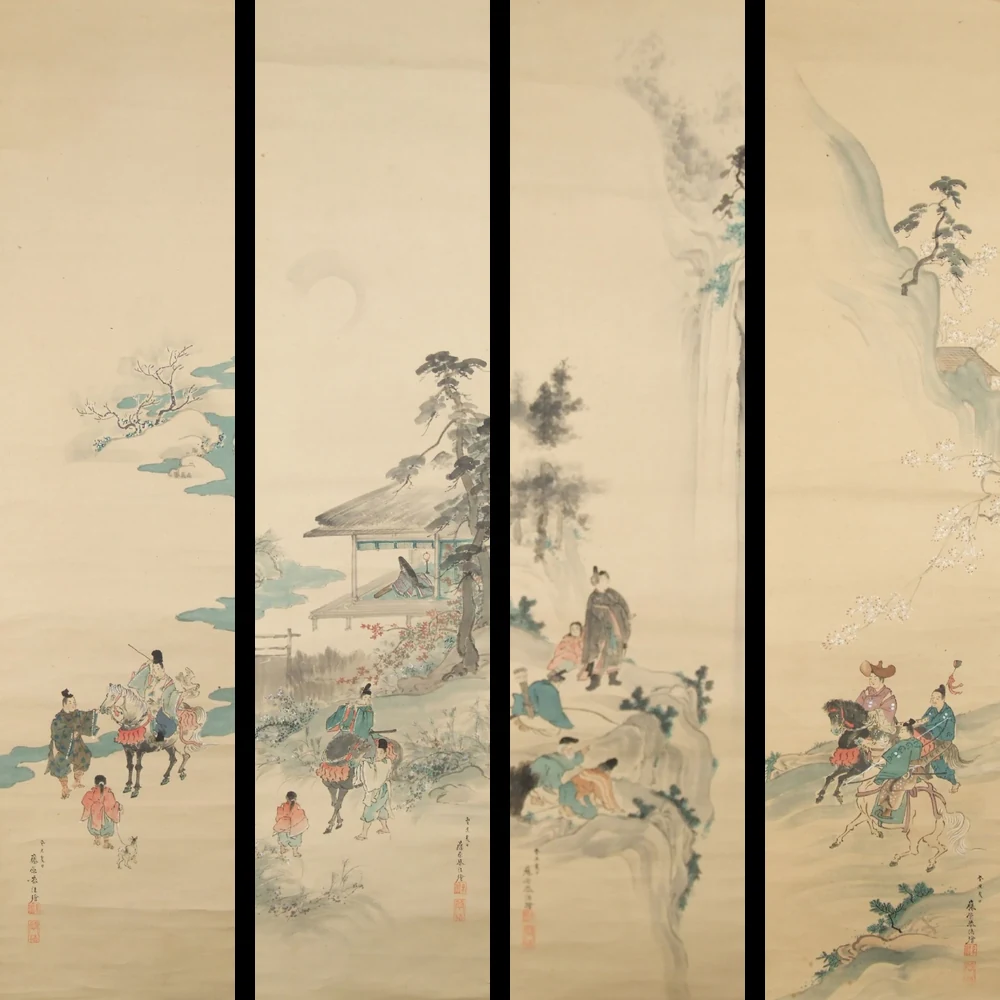
Set of Four Paintings – Legends of the Four Seasons
Kakemono, unique work, with box, 192 x 48 cm
€1,210.00
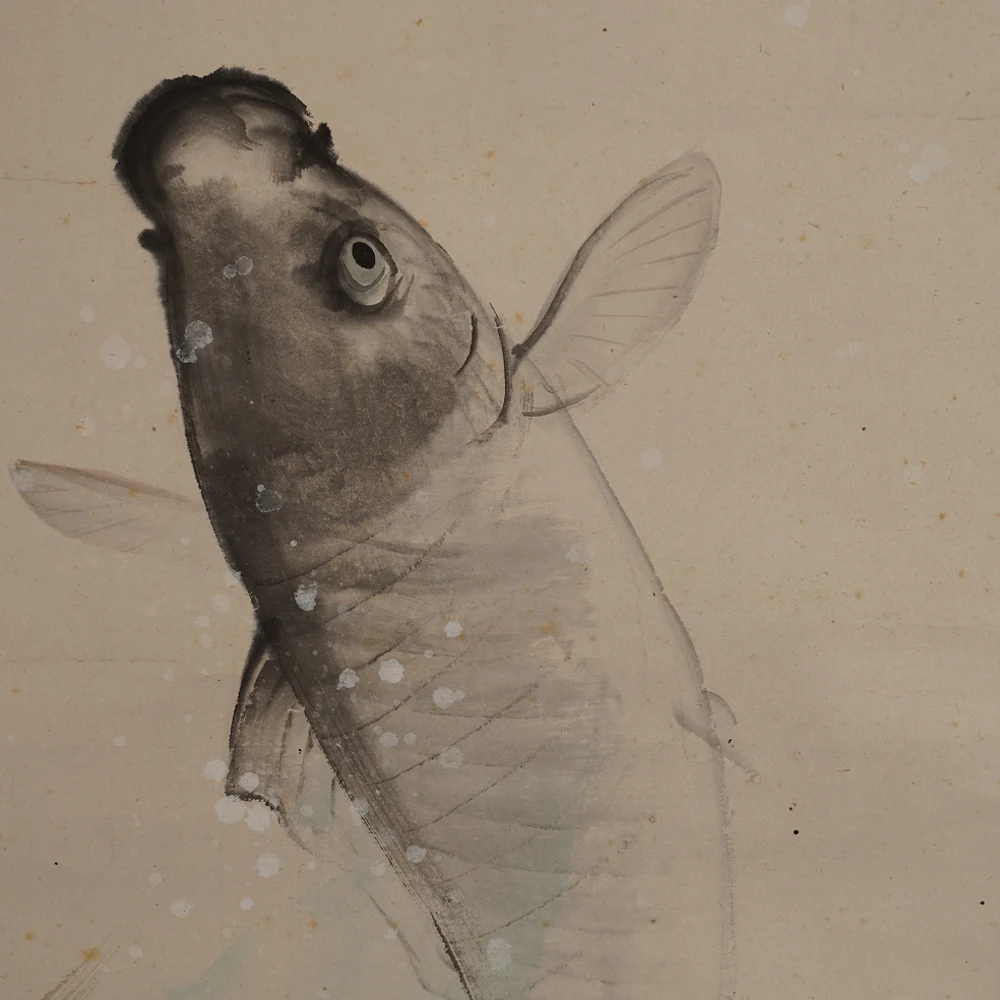
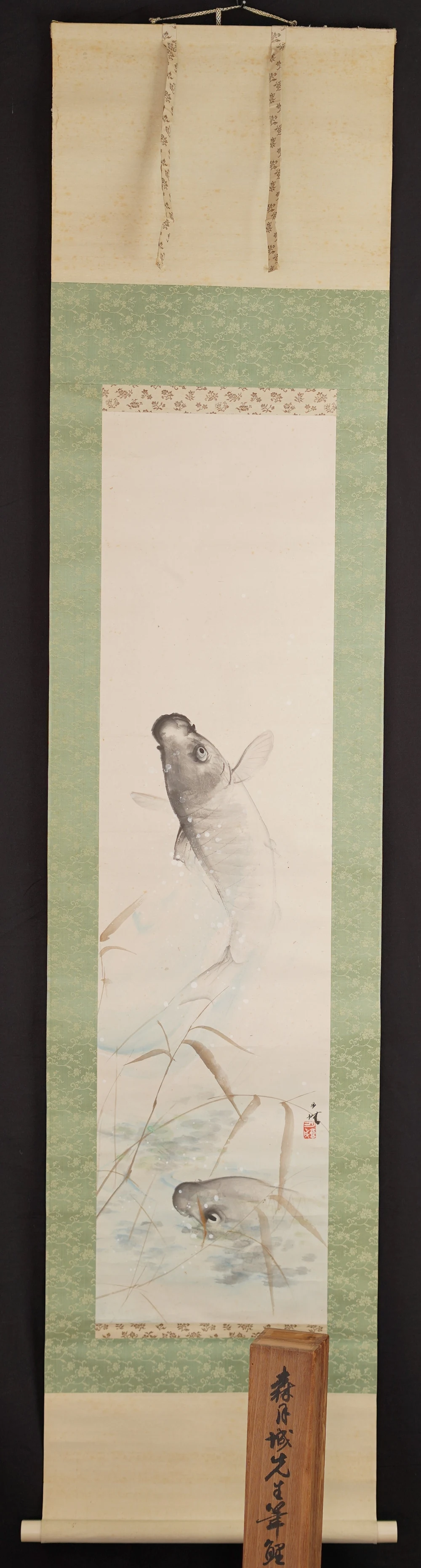
Mori Getsujō
Two Carp Among Reeds
Kakemono, unique work, with box, 190 x 48 cm
€320.00
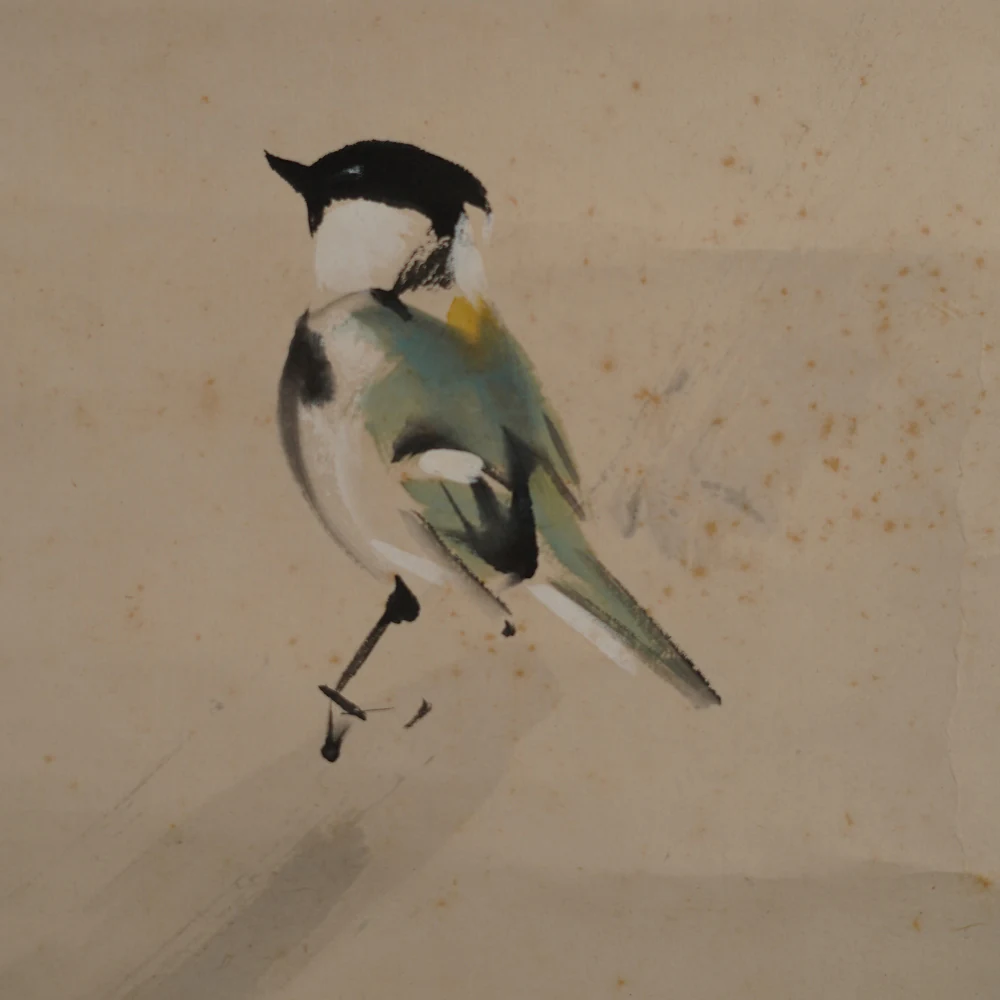
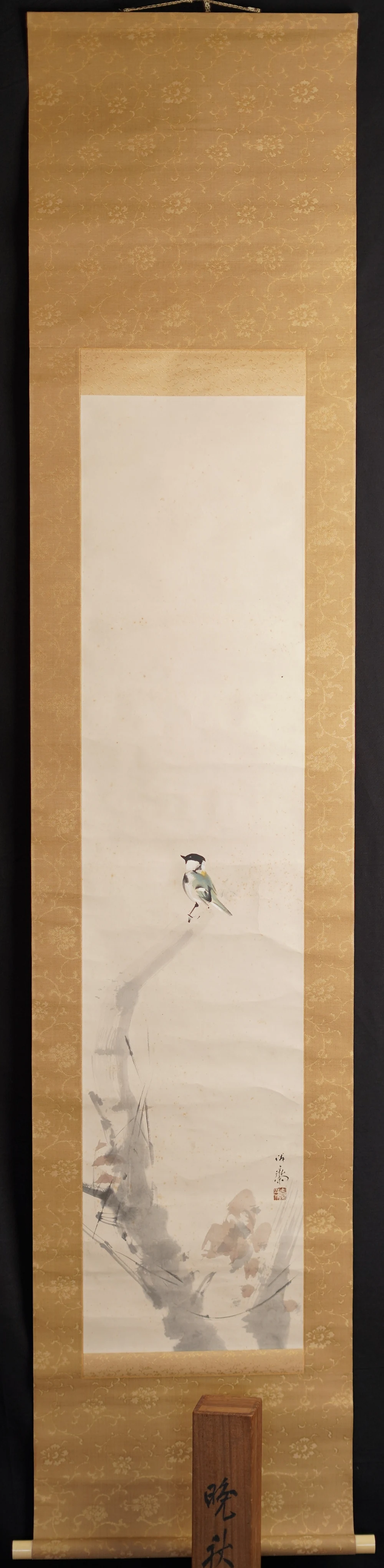
Tokuda Rinsai
Great Tit on a Late-Autumn Tree Trunk
Kakemono, unique work, with box, 205 x 49 cm
€270.00
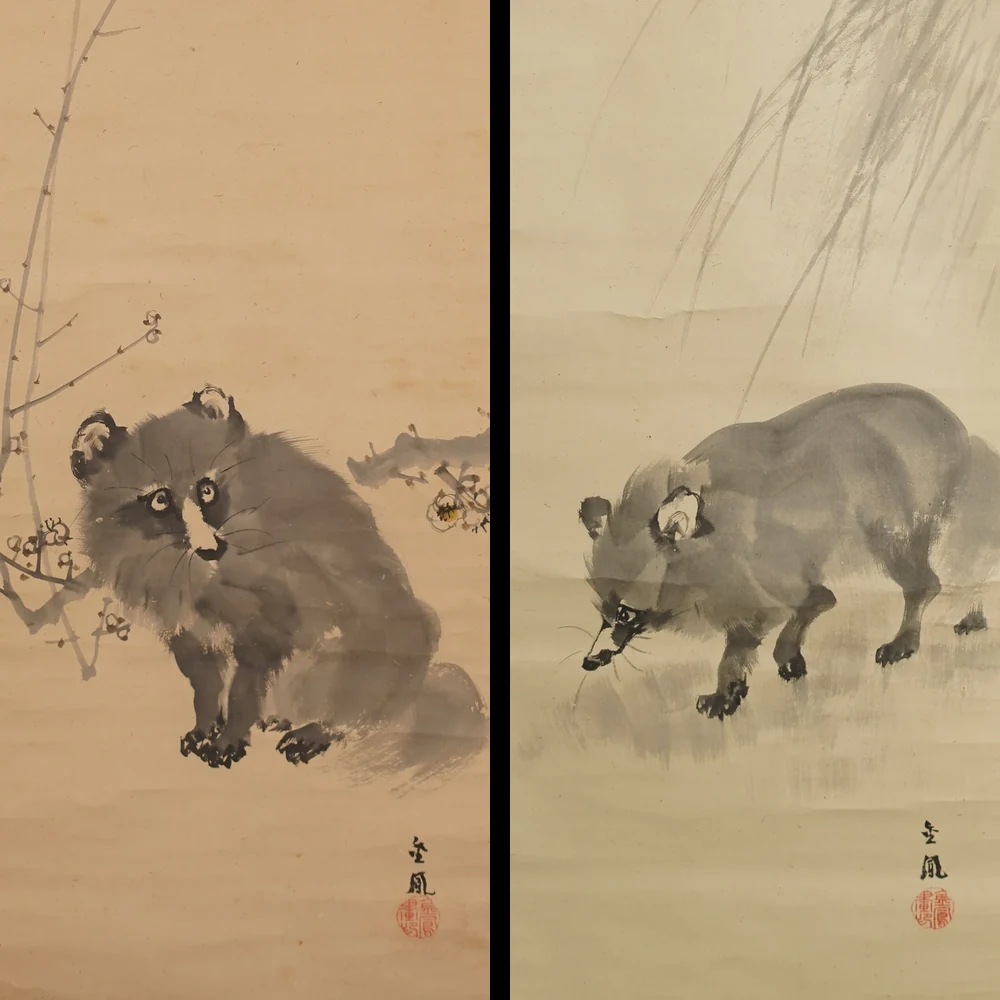
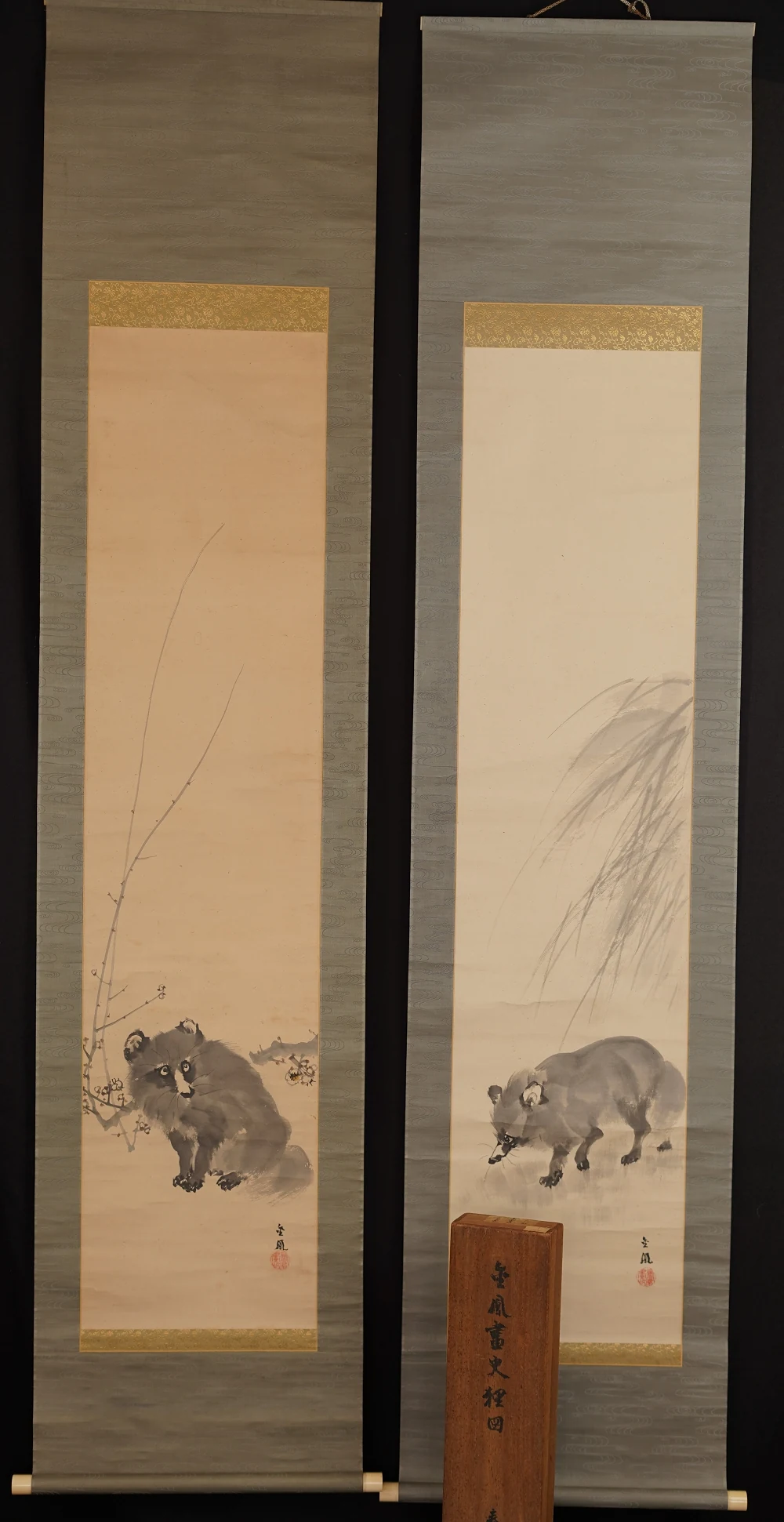
Mochizuki Kinpō
Set of Two Paintings – Tanuki Under Plum and Willow
Kakemono, unique work, with box, 195 x 48 cm
€3,590.00
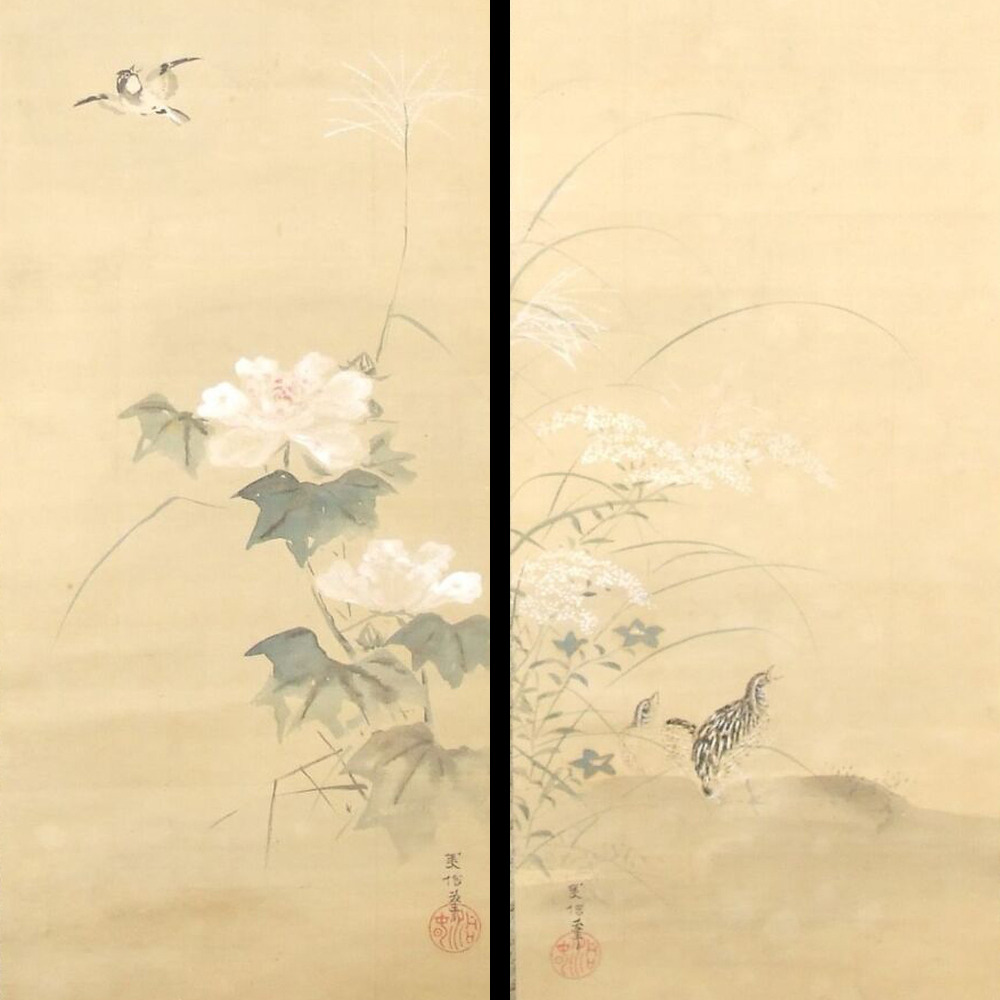
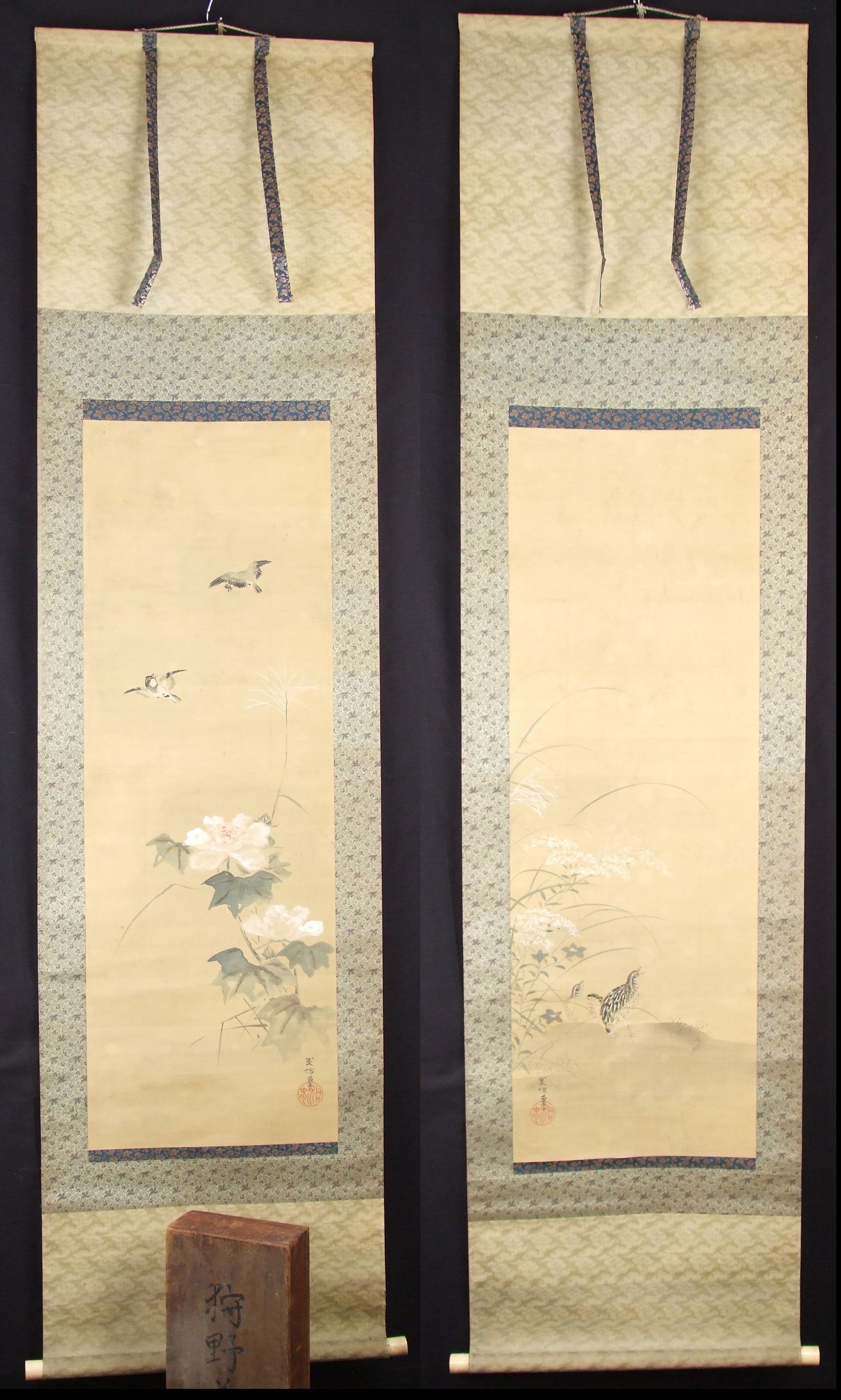
Kanō Tōshun Yoshinobu
Set of Two Paintings – Birds and Autumn Flowers
Kakemono, unique work, with box, 200 x 56 cm
€770.00
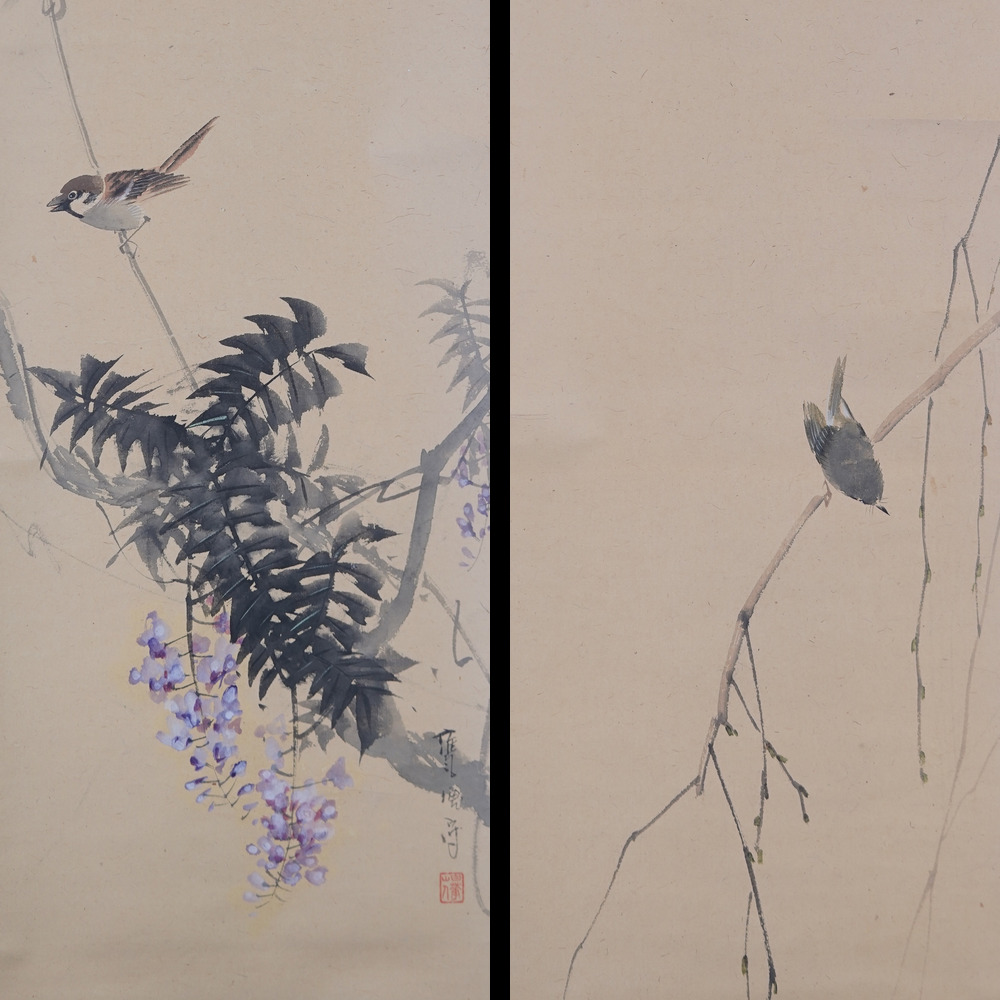
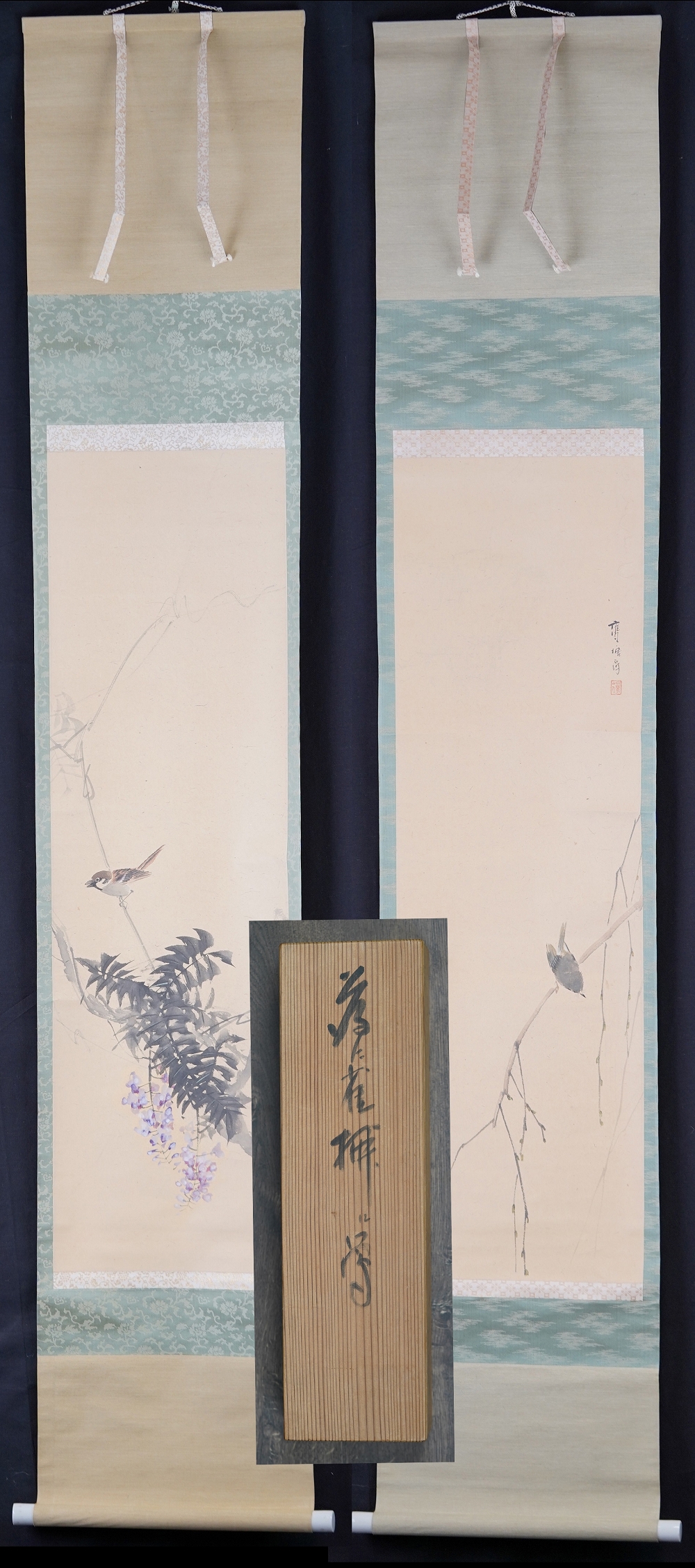
Nakahara Yōtō
Set of Two Paintings – Sparrows on Wisteria and Willow Branch
Kakemono, unique work, with box, 175 x 38 cm
€690.00
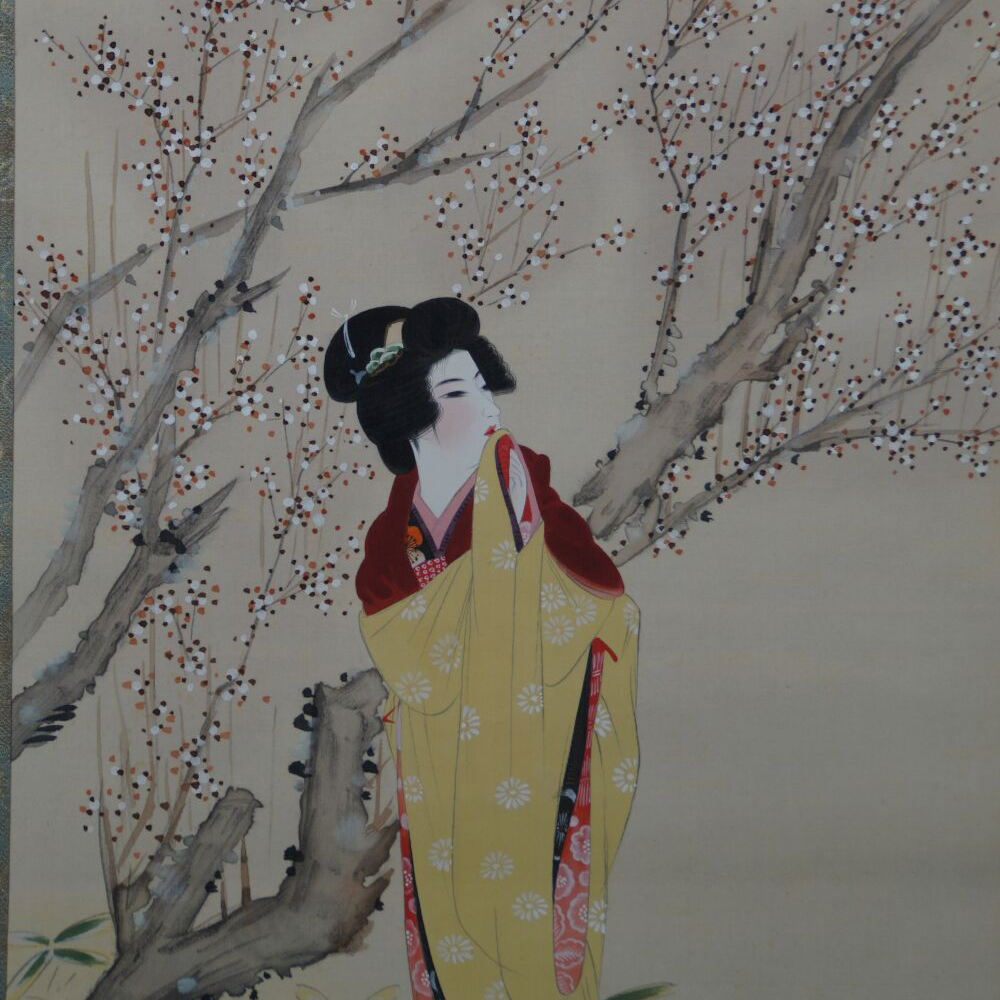
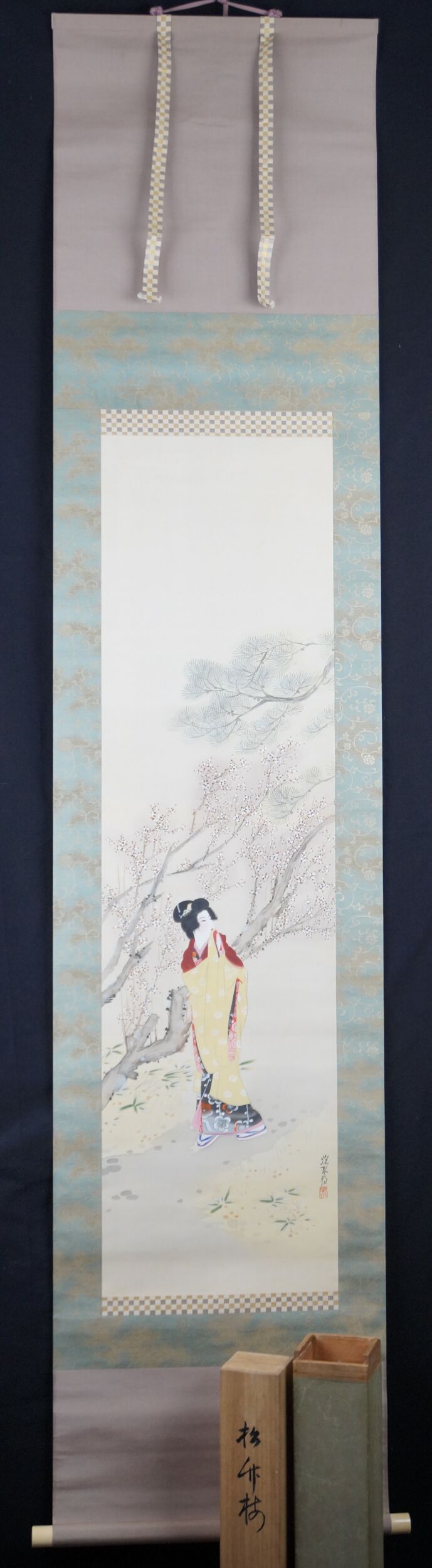
Itō Shinsui
Lady in Kimono Under Blossoming Plum Tree
Kakemono, unique work, with box, 205 x 50 cm
€1,680.00
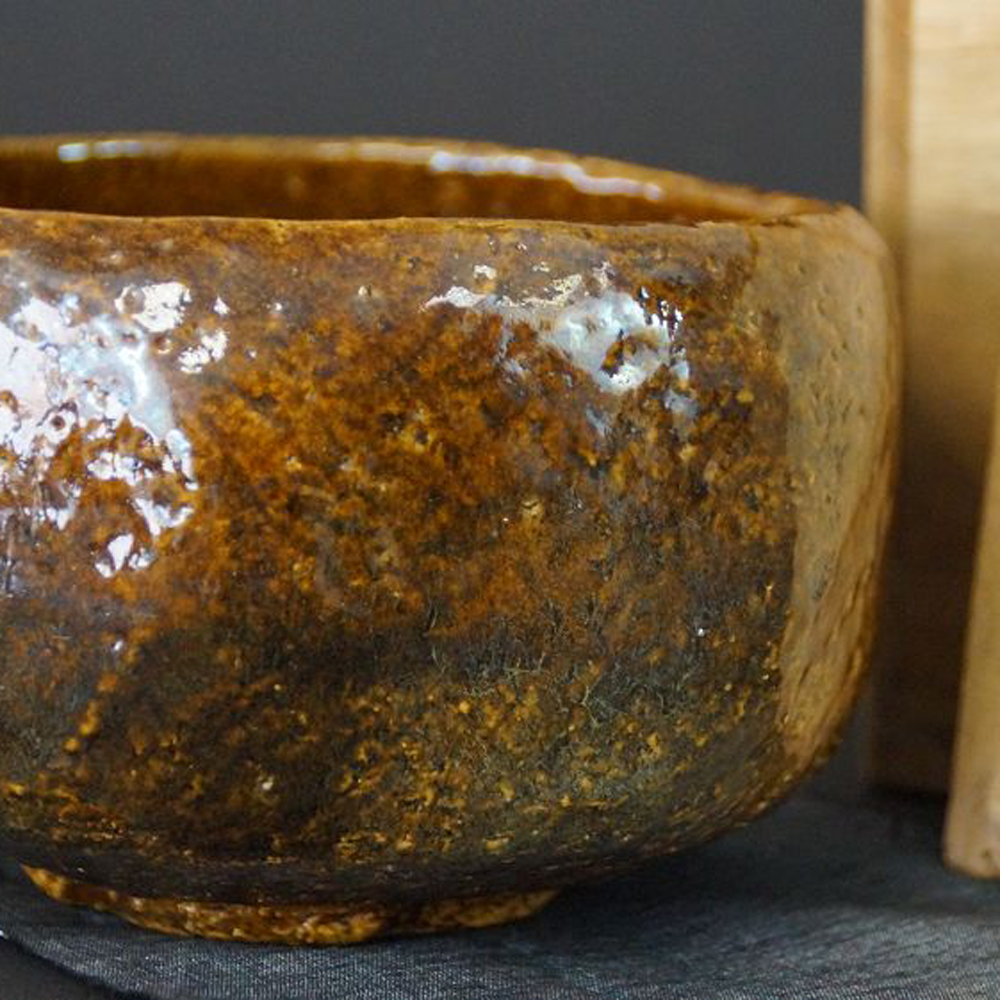

Sosei Heian
Chawan Tea Bowl Made of Raku Ware by Sosei Heian
Chawan, unique work, with box, 8,5 x 13 cm
€260.00
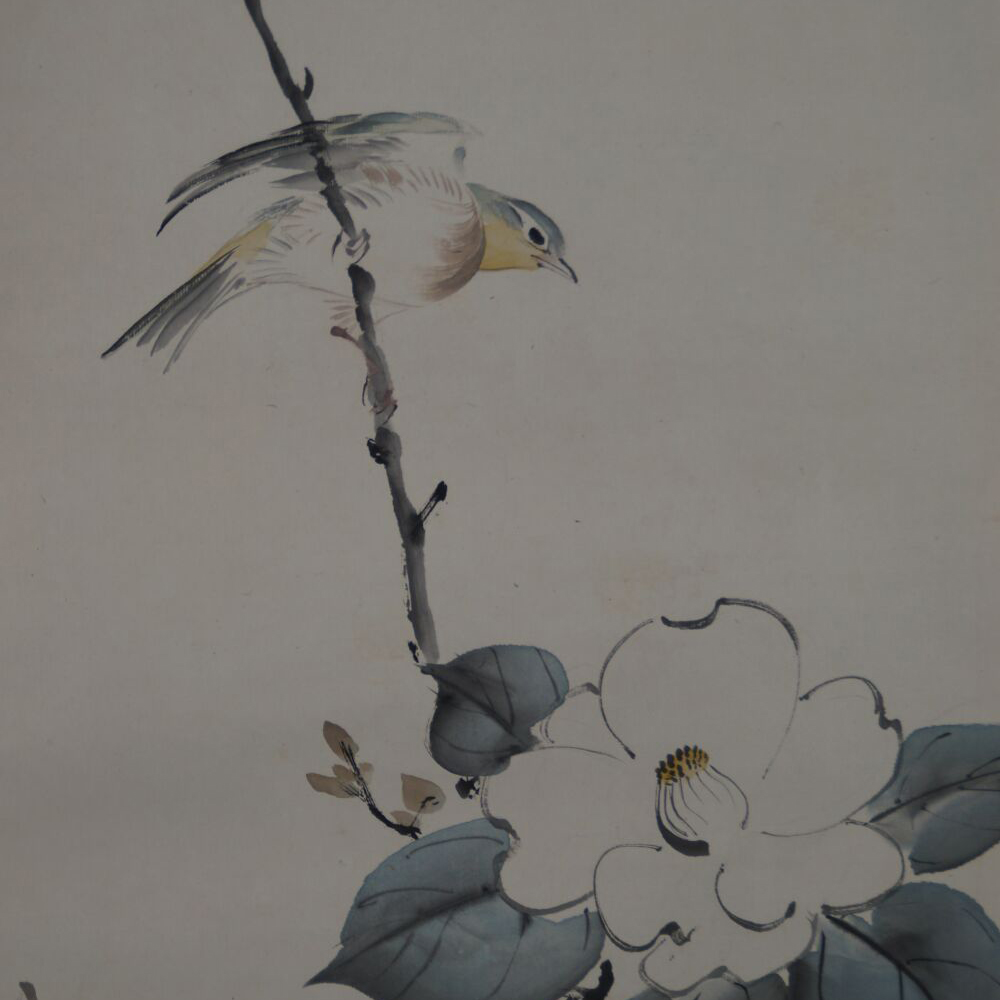
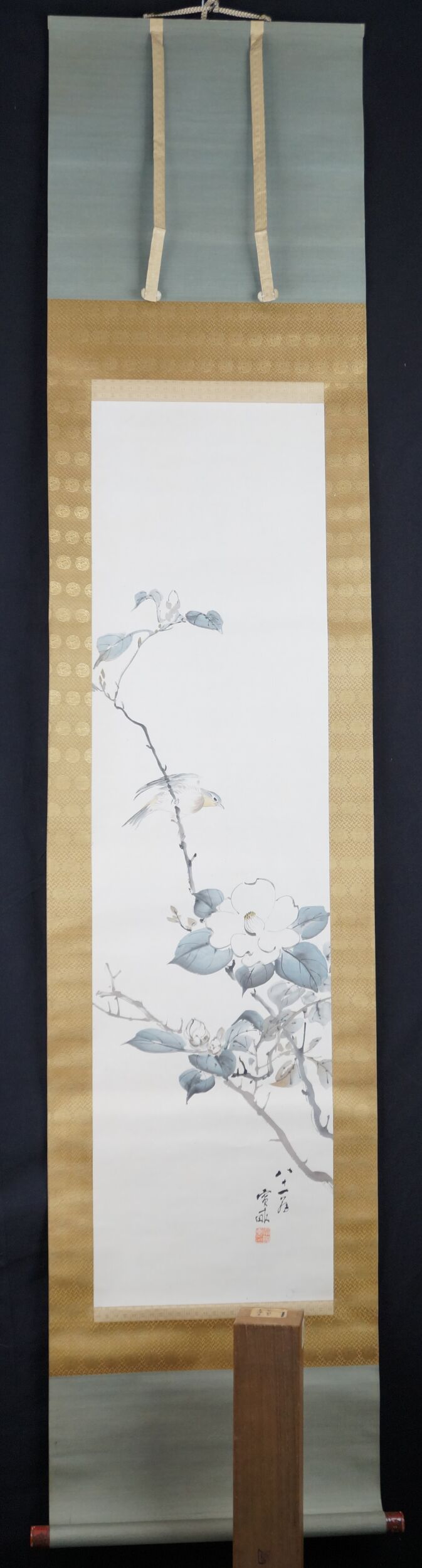
Araki Kanpo
Songbird on Blooming Camellia Branch
Kakemono, unique work, with box, 192 x 46 cm
€1,210.00

Hisashi Ohi
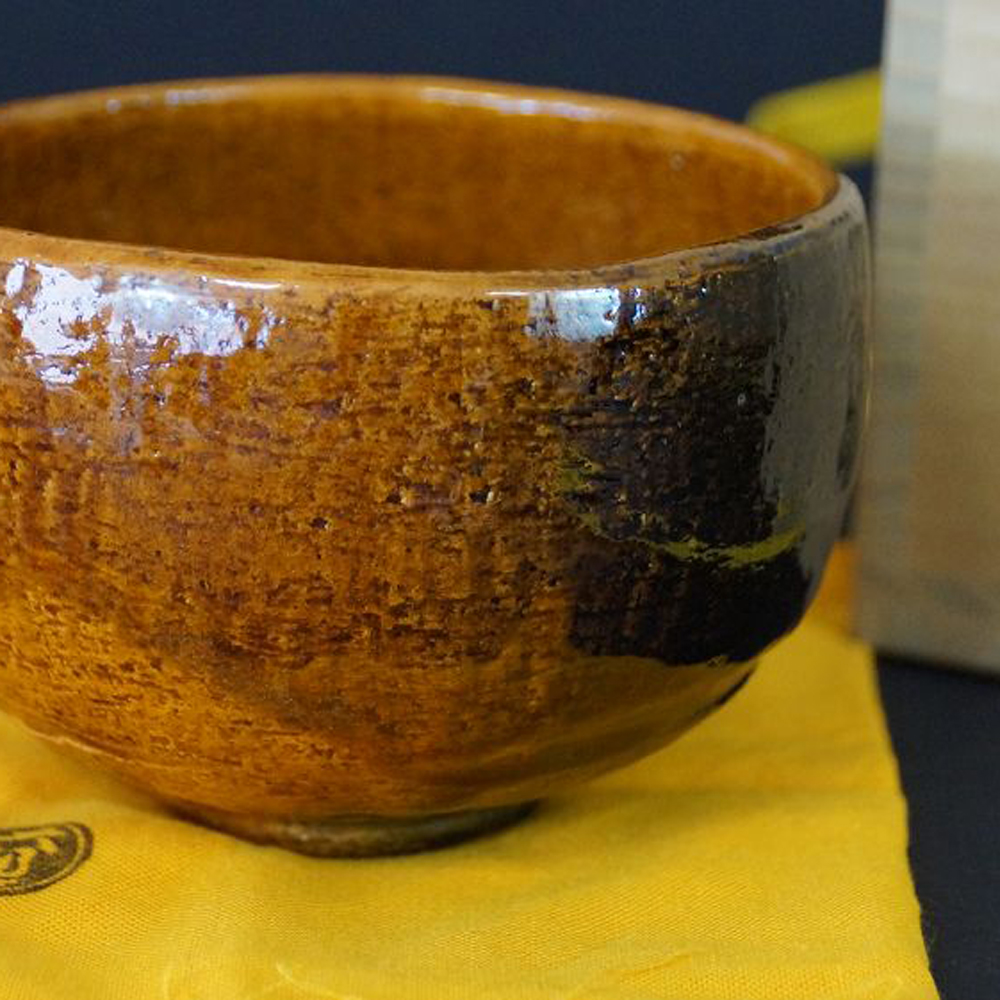
Chawan Tea Bowl Made of Ohi Ware by Hisashi Ohi
Chawan, unique work, with box, 8 x 11,5 cm
€240.00
Shibata Zeshin
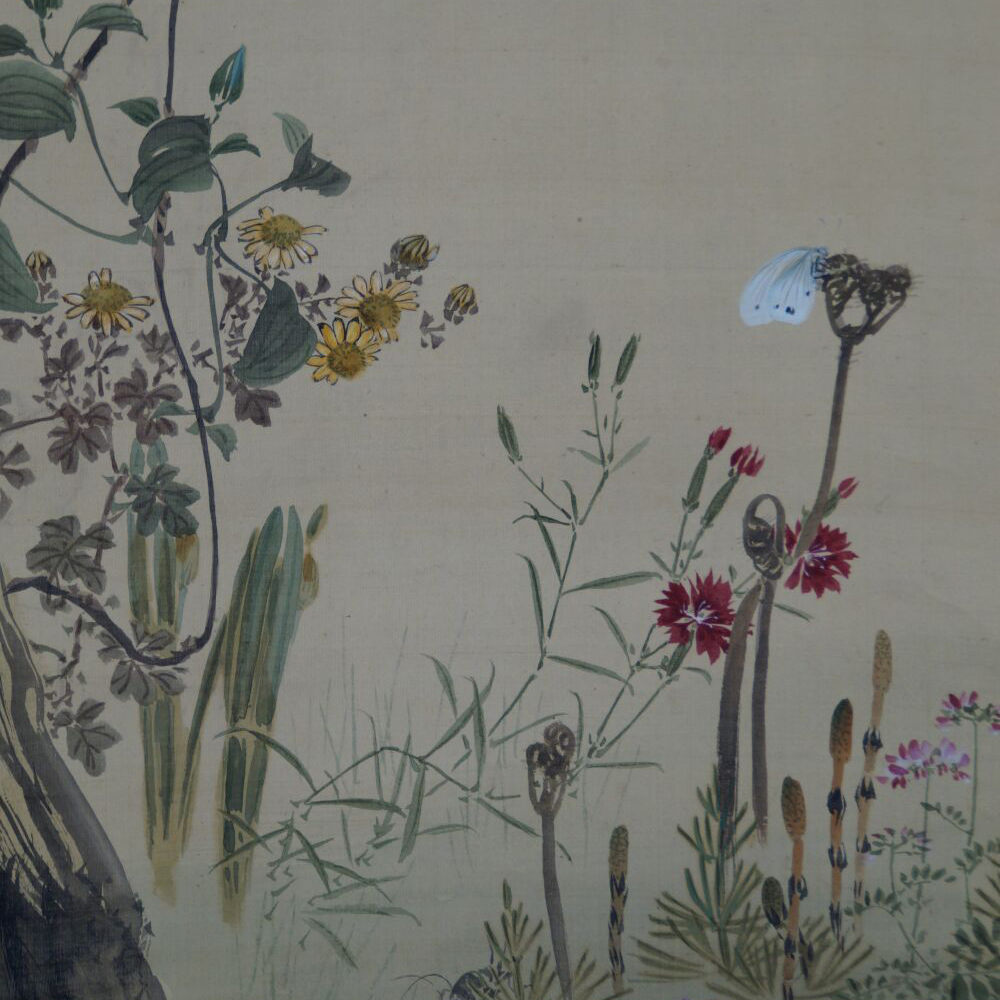
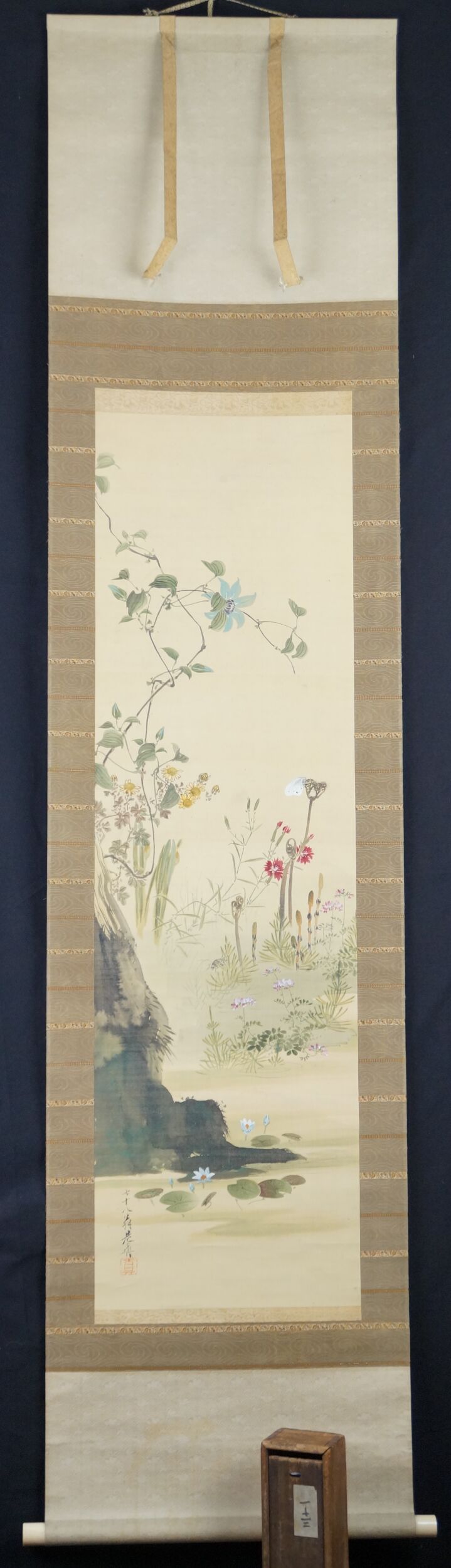
Autumn Riverside Vegetation with Butterfly
Kakemono, unique work, with box, 192 x 46 cm
€880.00
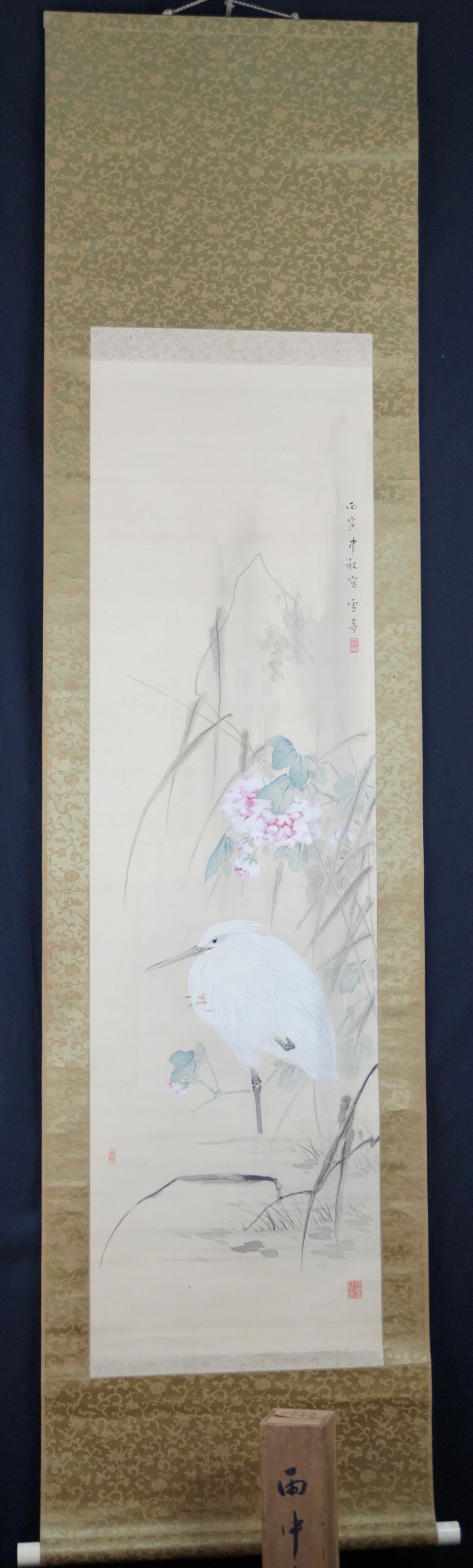
Koyama Setsurei
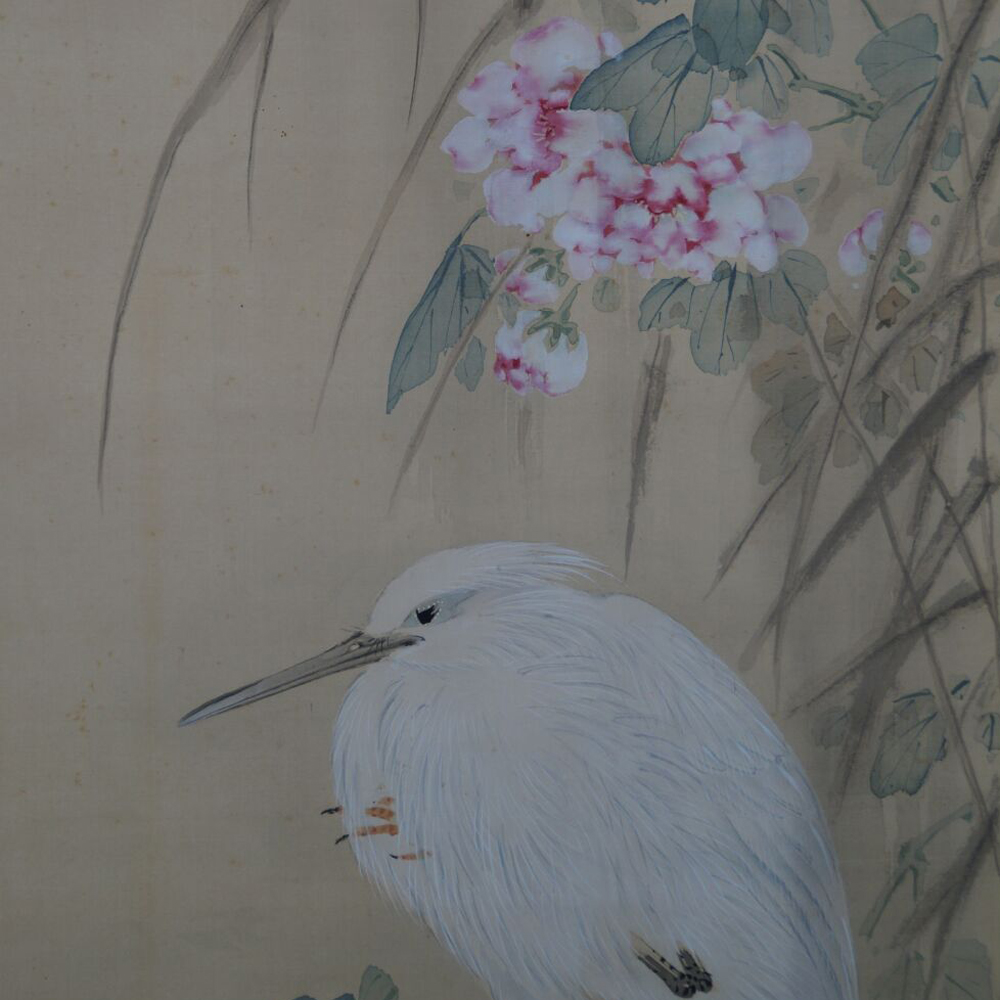
White Heron Among Blossoms and Reeds
Kakemono, unique work, with box, 195 x 54 cm
€720.00
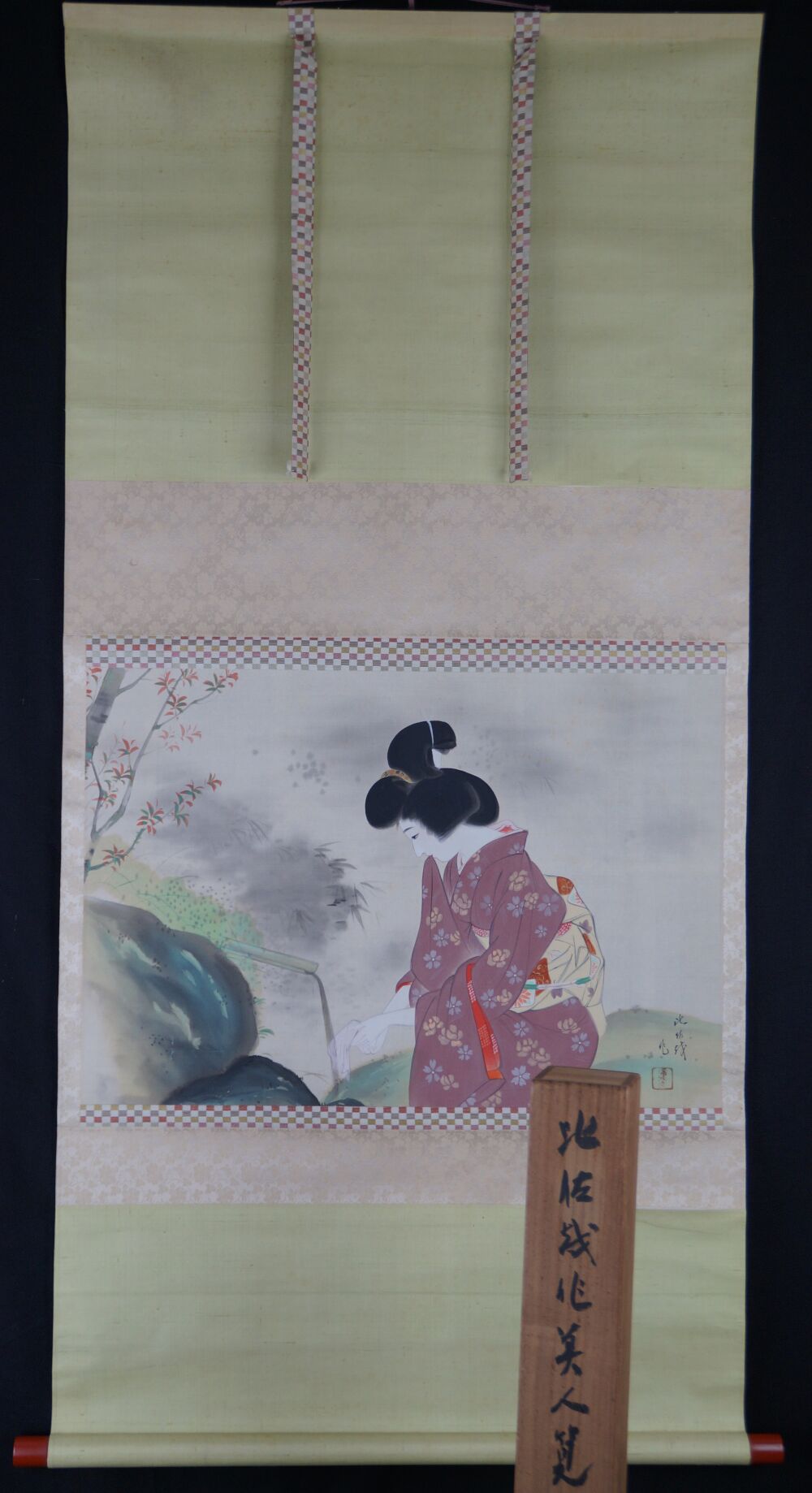
Lady in Kimono by the Garden Pond
Kakemono, unique work, with box, 136 x 71 cm
€480.00
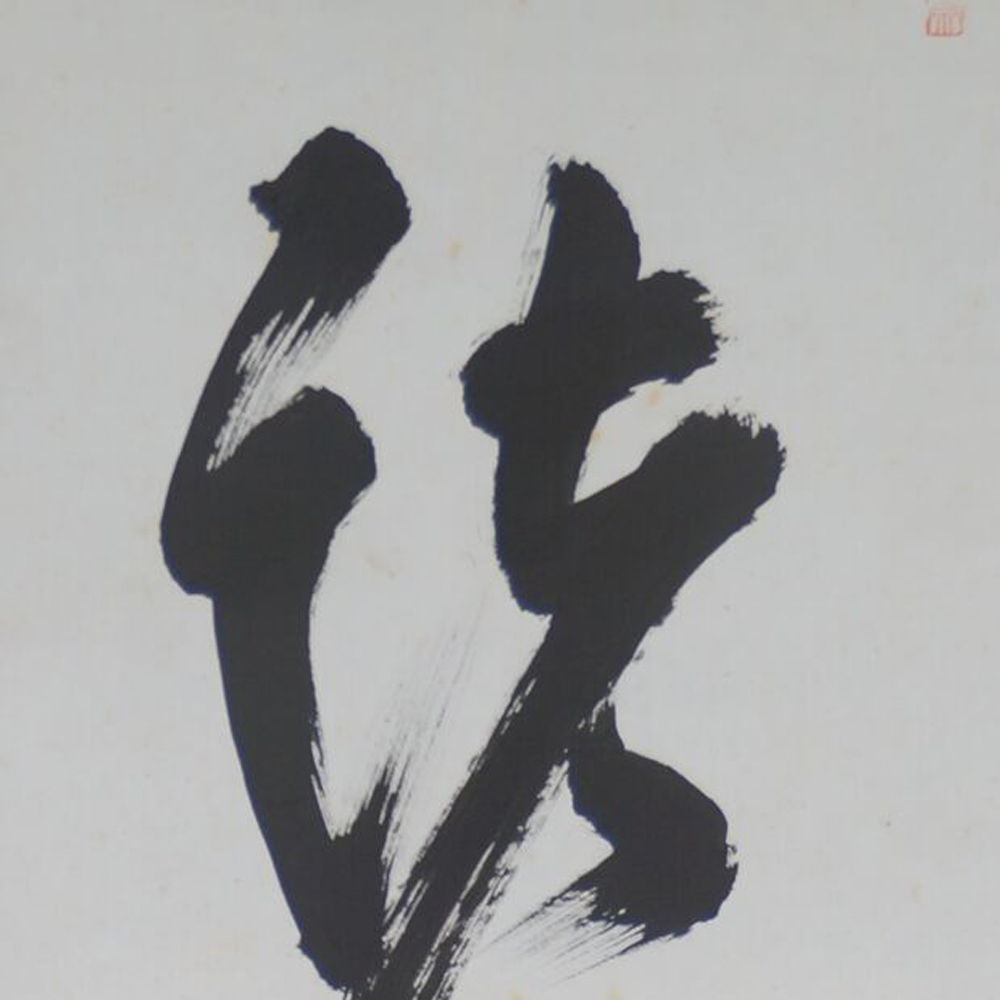
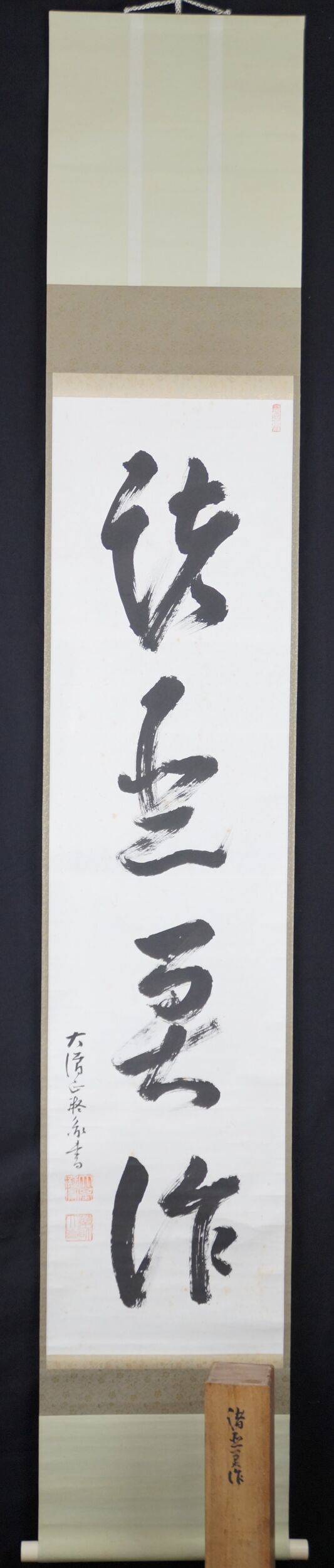
Hashimoto Gyōin
Calligraphy "Shoaku Makusa"
Kakemono, unique work, with box, 200 x 38 cm
€350.00
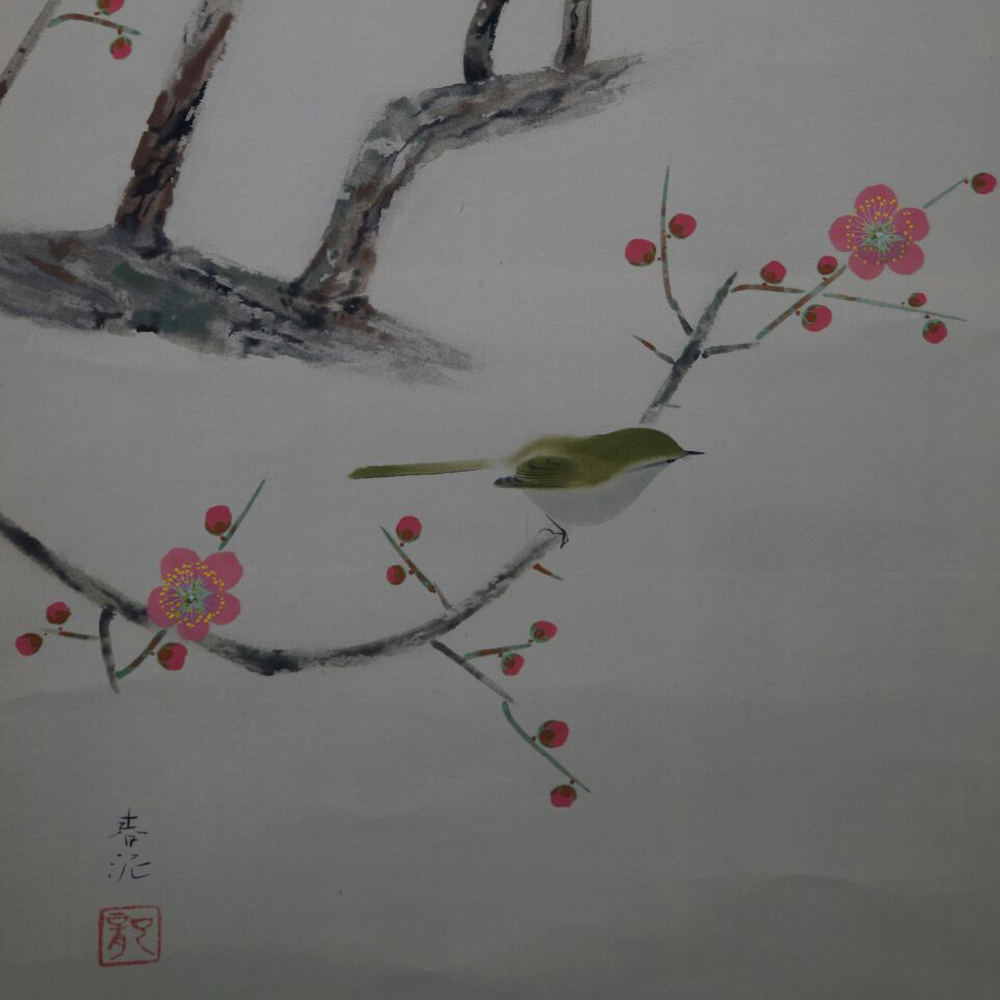
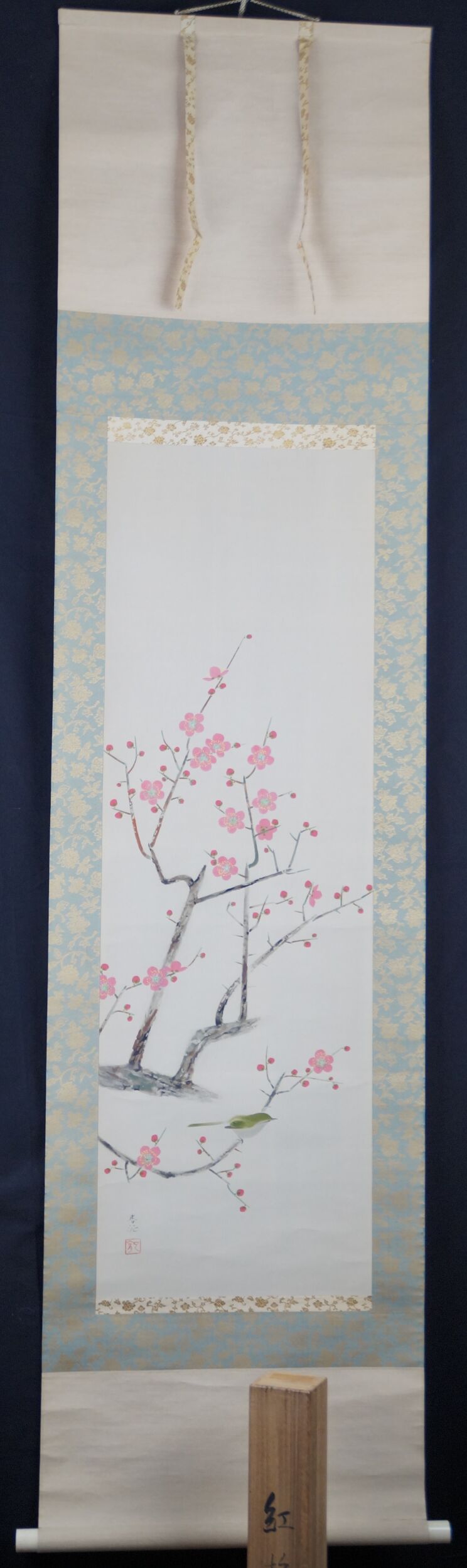
Nakamura Shunden
Uguisu on Blossoming Plum Tree
Kakemono, unique work, with box, 198 x 55 cm
€320.00
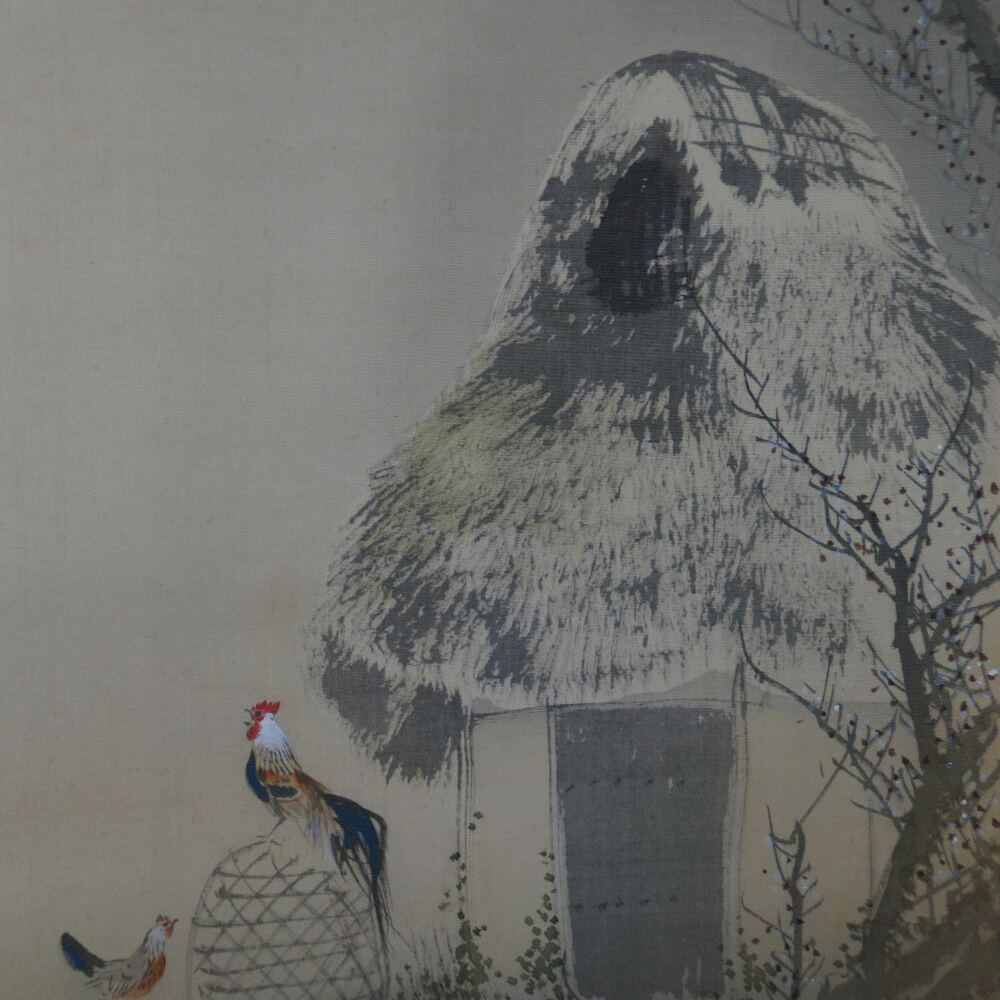
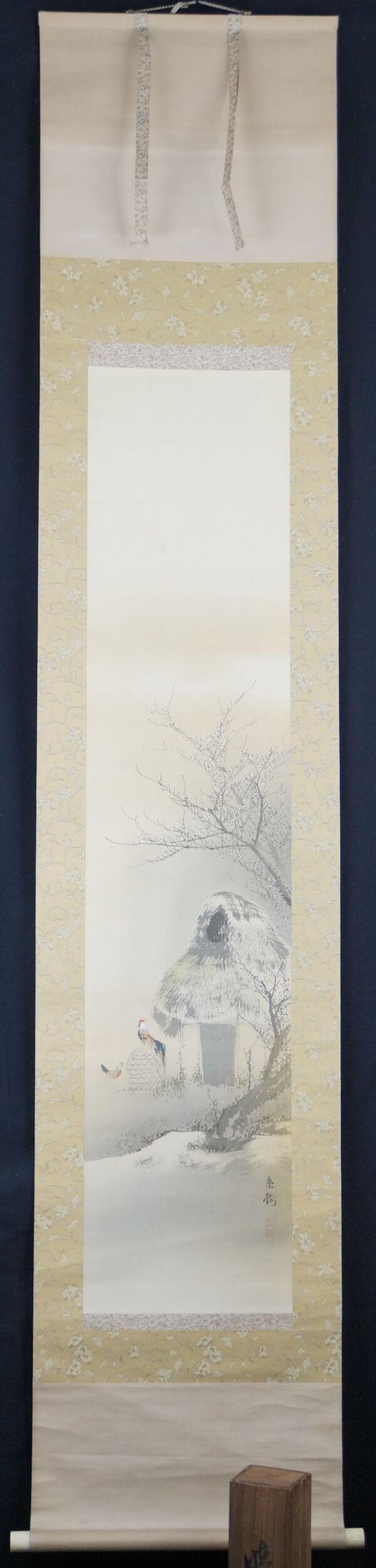
Imai Keiki
Rooster and Plum Blossoms
Kakemono, unique work, with box, 196 x 45 cm
€240.00
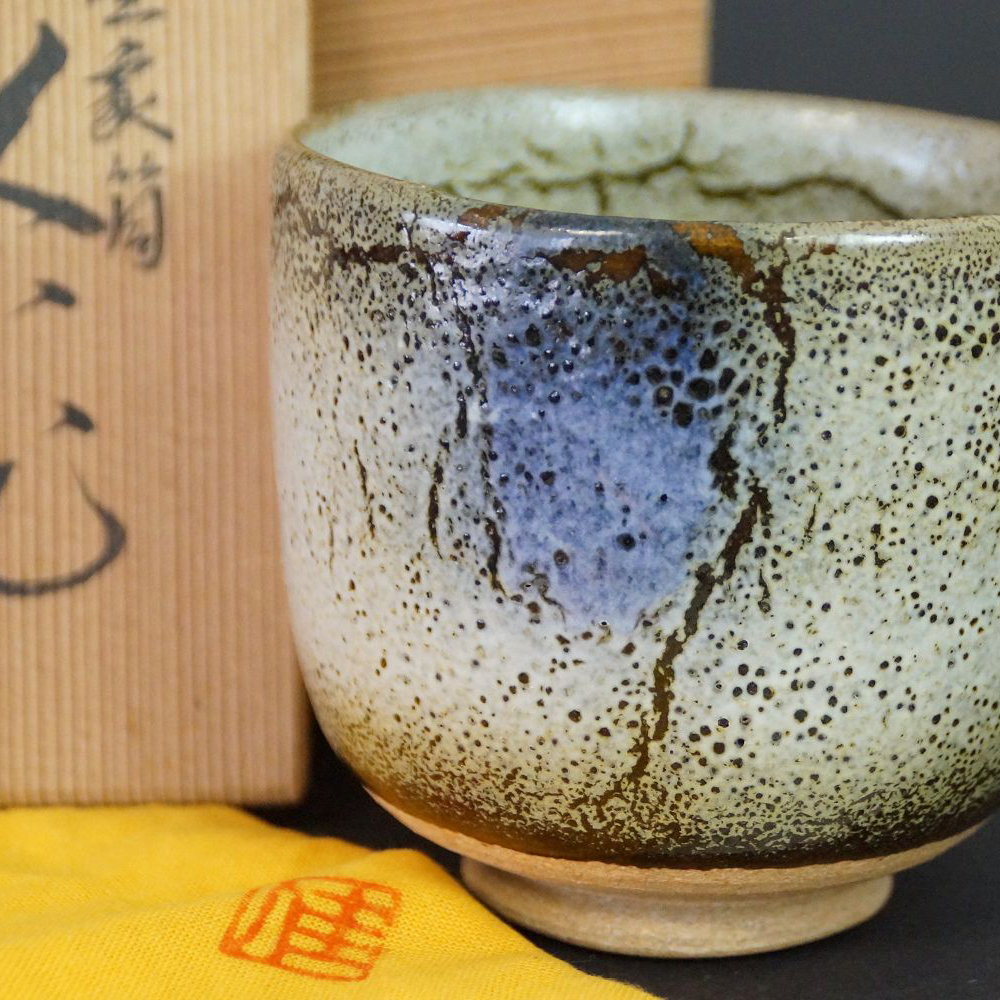

Yoshihisa Inoue
Chawan Tea Bowl Made of Kyoto Ware by Yoshihisa Inoue
Chawan, unique work, with box, 9,5 x 10 cm
€290.00
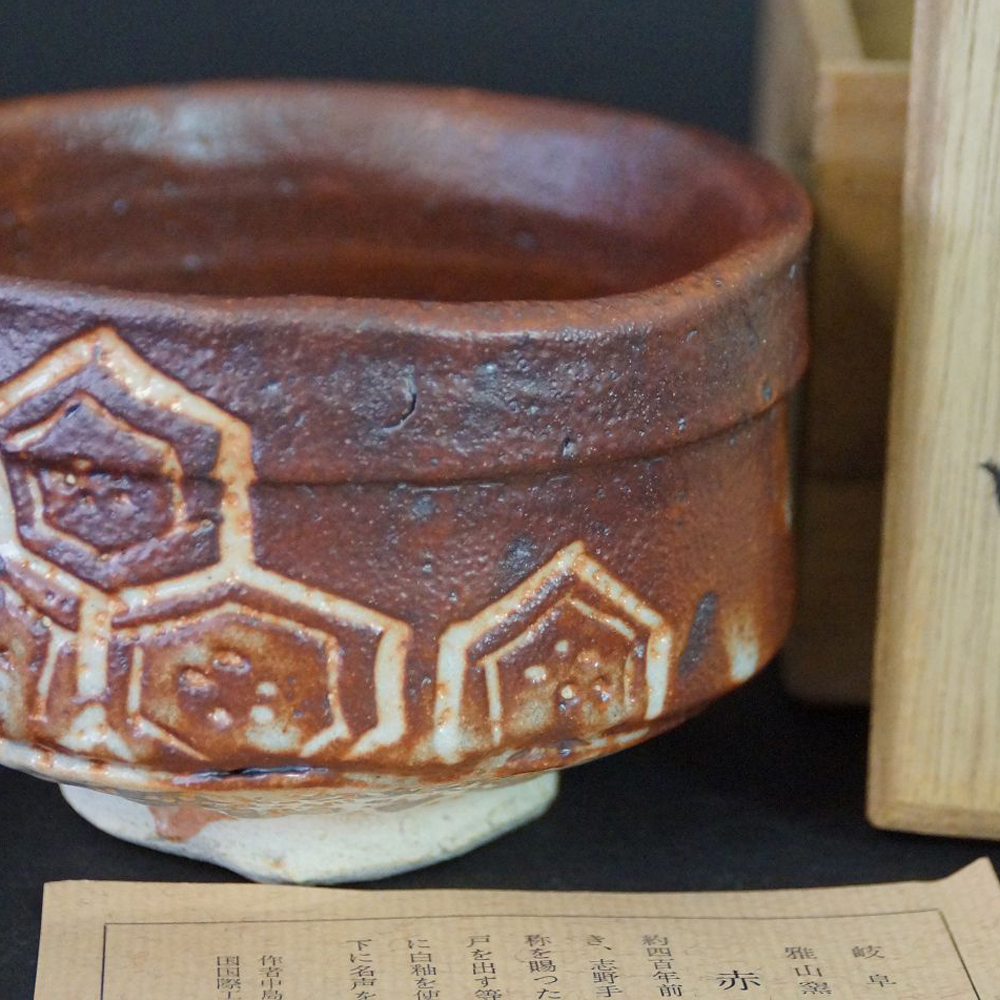

Masao Nakajima
Chawan Tea Bowl Made of Shino Ware by Masao Nakajima
Chawan, unique work, with box, 12,5 x 8 cm
€380.00
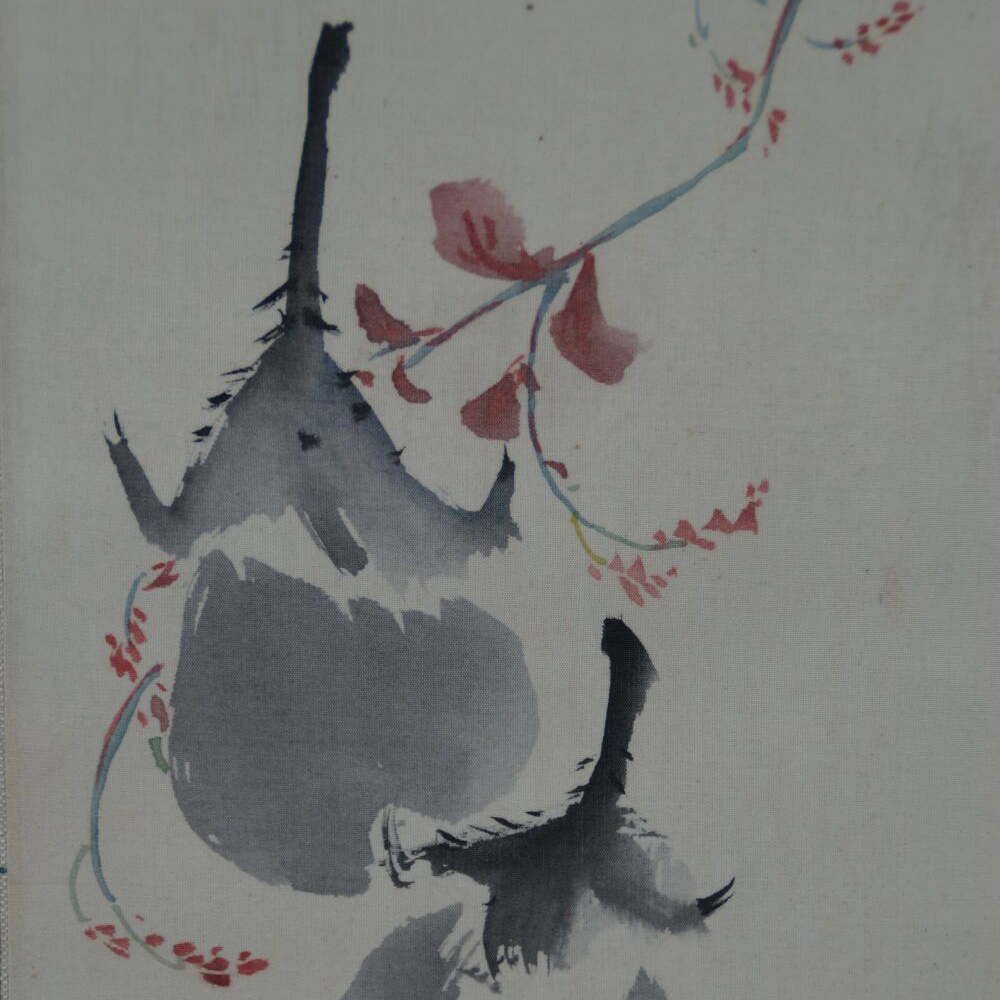
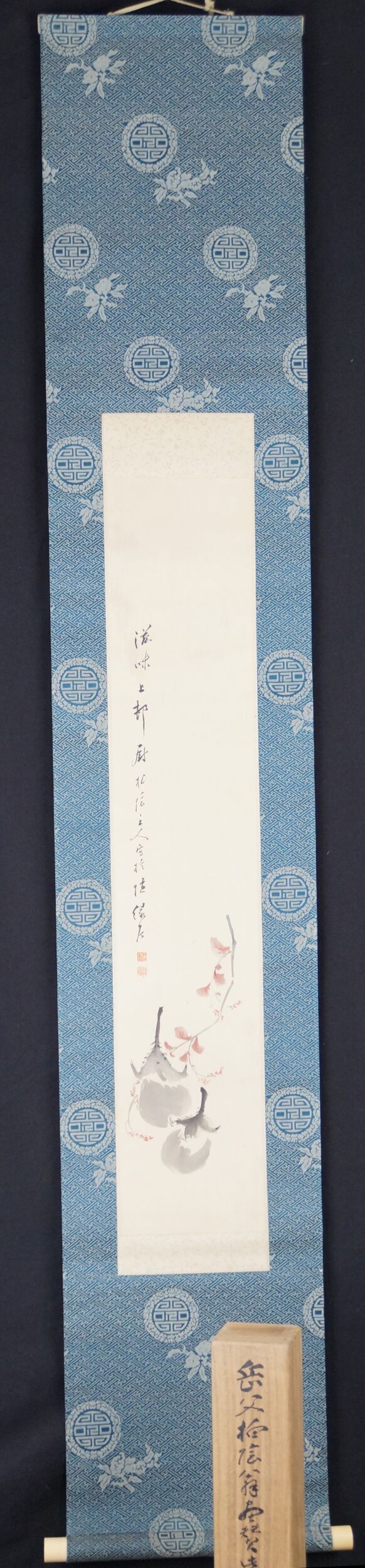
Tanaka Hakuin
Japanese Eggplant
Kakemono, unique work, with box, 164 x 33 cm
€340.00
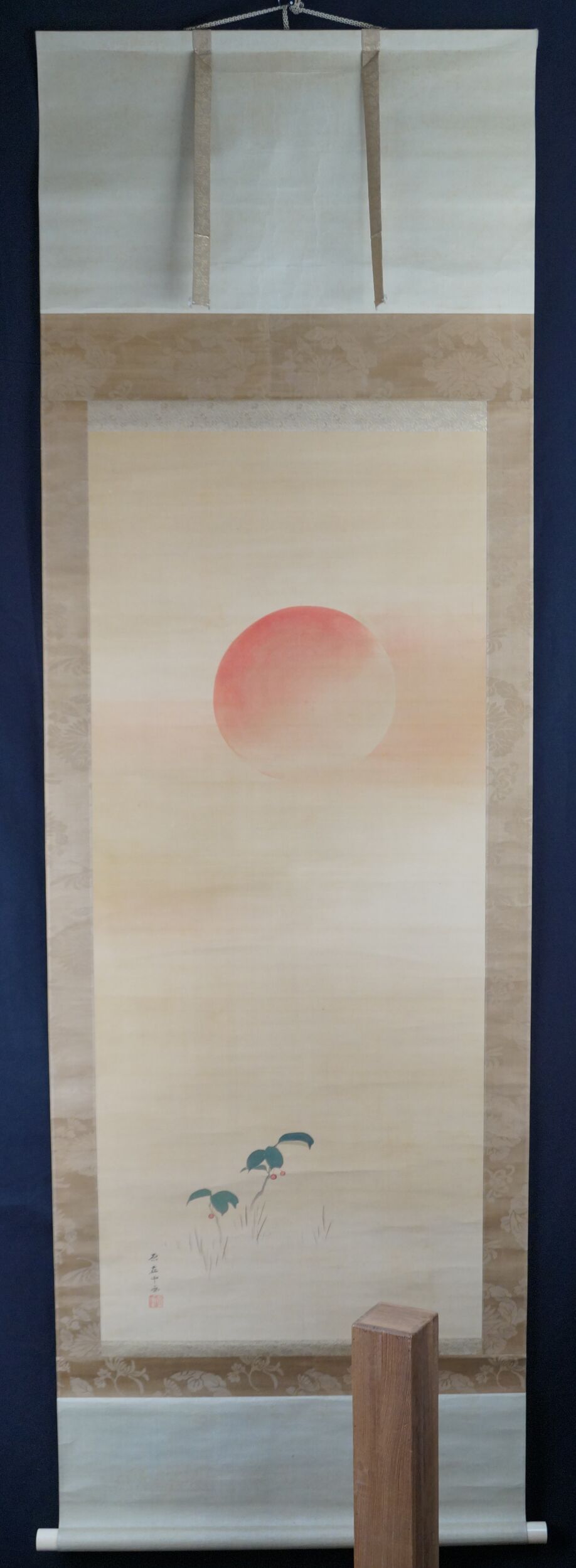
Hara Zaichu
Rising Sun over Misty Landscape
Kakemono, unique work, with box, 200 x 70 cm
€230.00
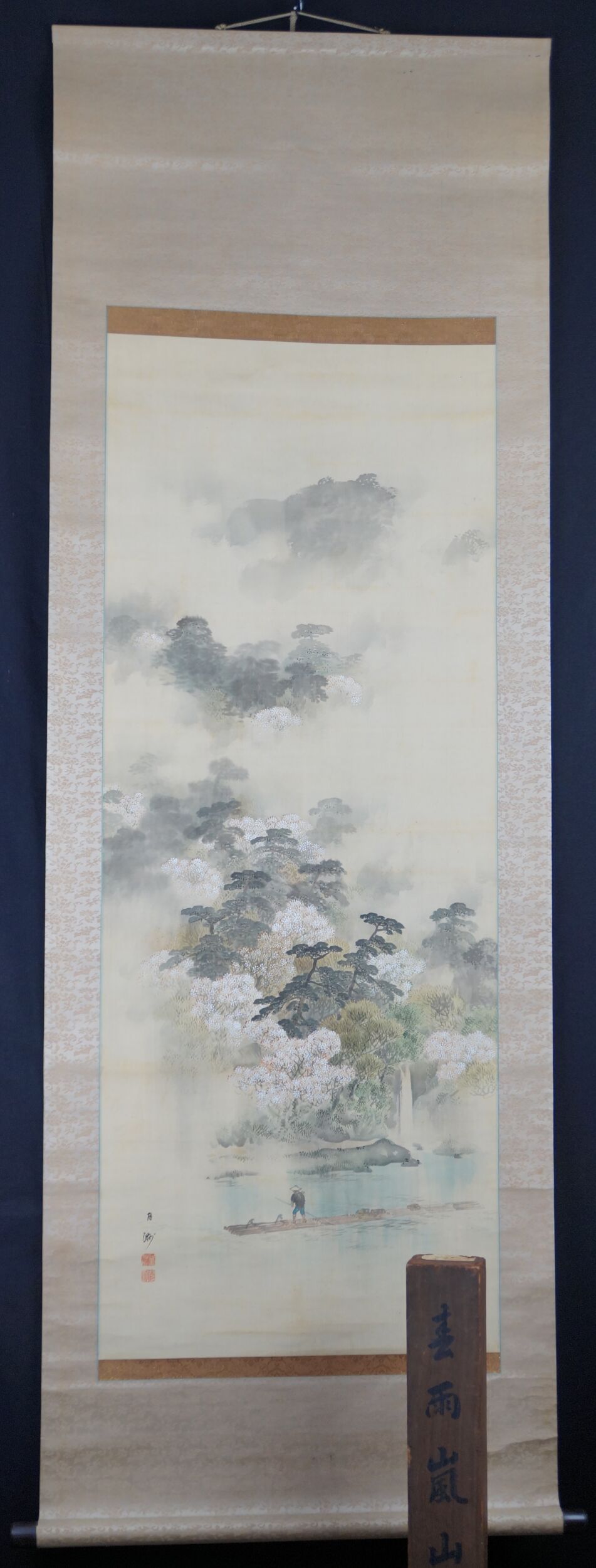
Haneda Getsushu
River in a Blooming Valley
Kakemono, unique work, with box, 192 x 72 cm
€250.00
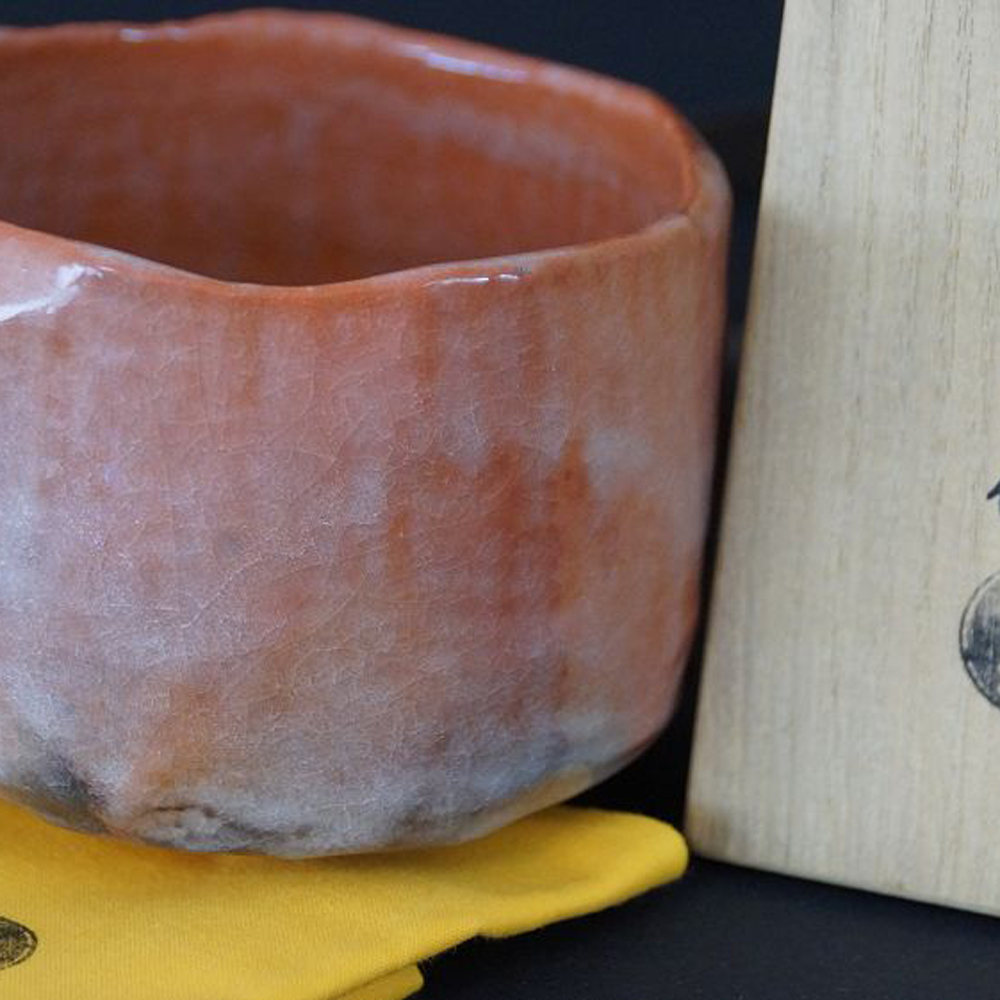

Ichiraku Nishimura
Chawan Tea Bowl Made of Raku Ware by Ichiraku Nishimura
Chawan, unique work, with box, 8 x 11,5 cm
€420.00
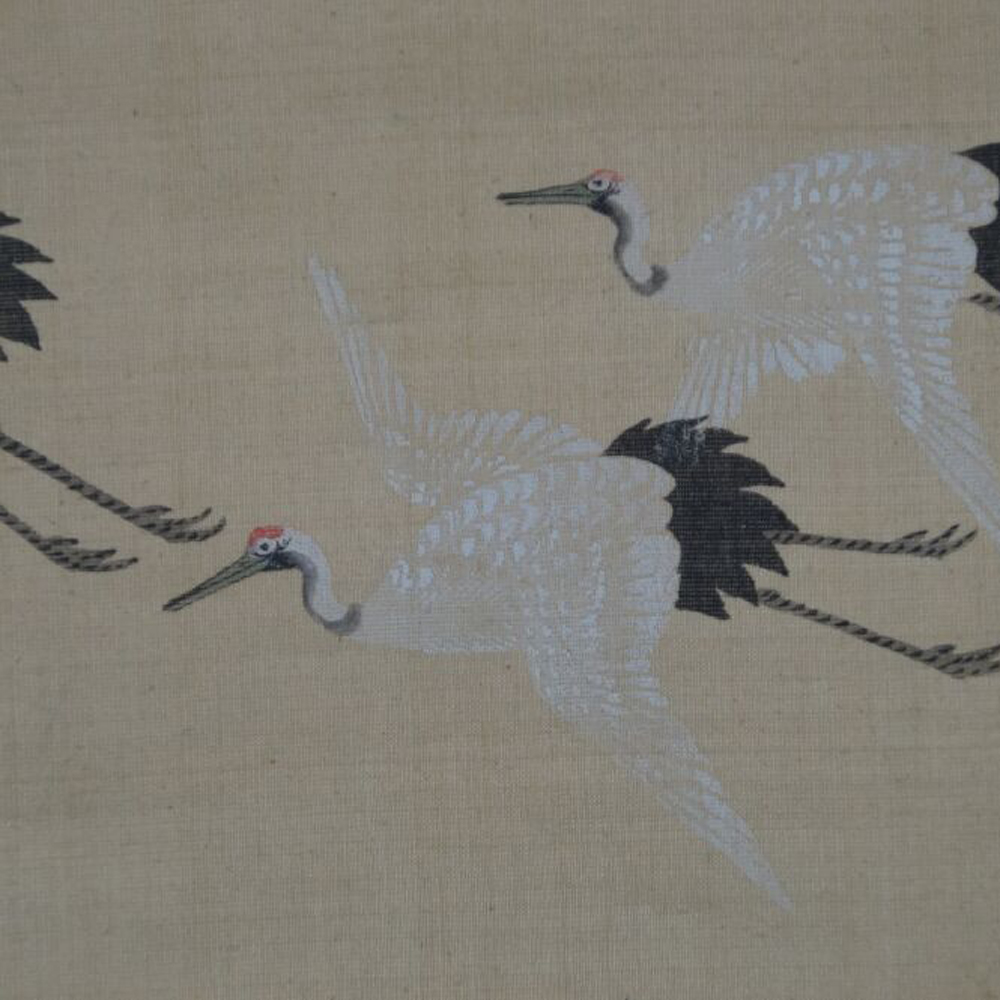
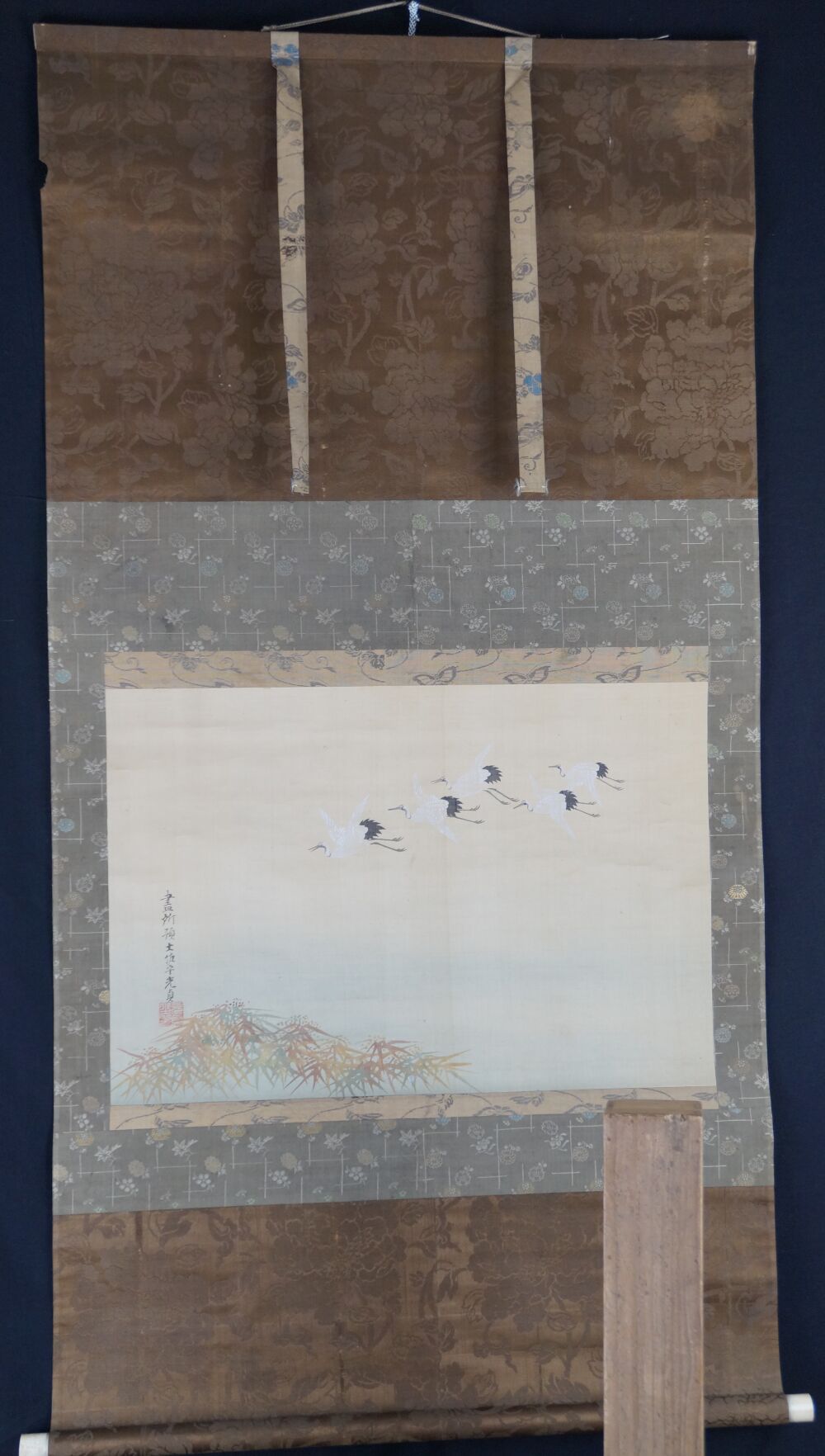
Tosa Mitsusada
Cranes in Flight over Bamboo
Kakemono, unique work, with box, 126 x 69 cm
€360.00
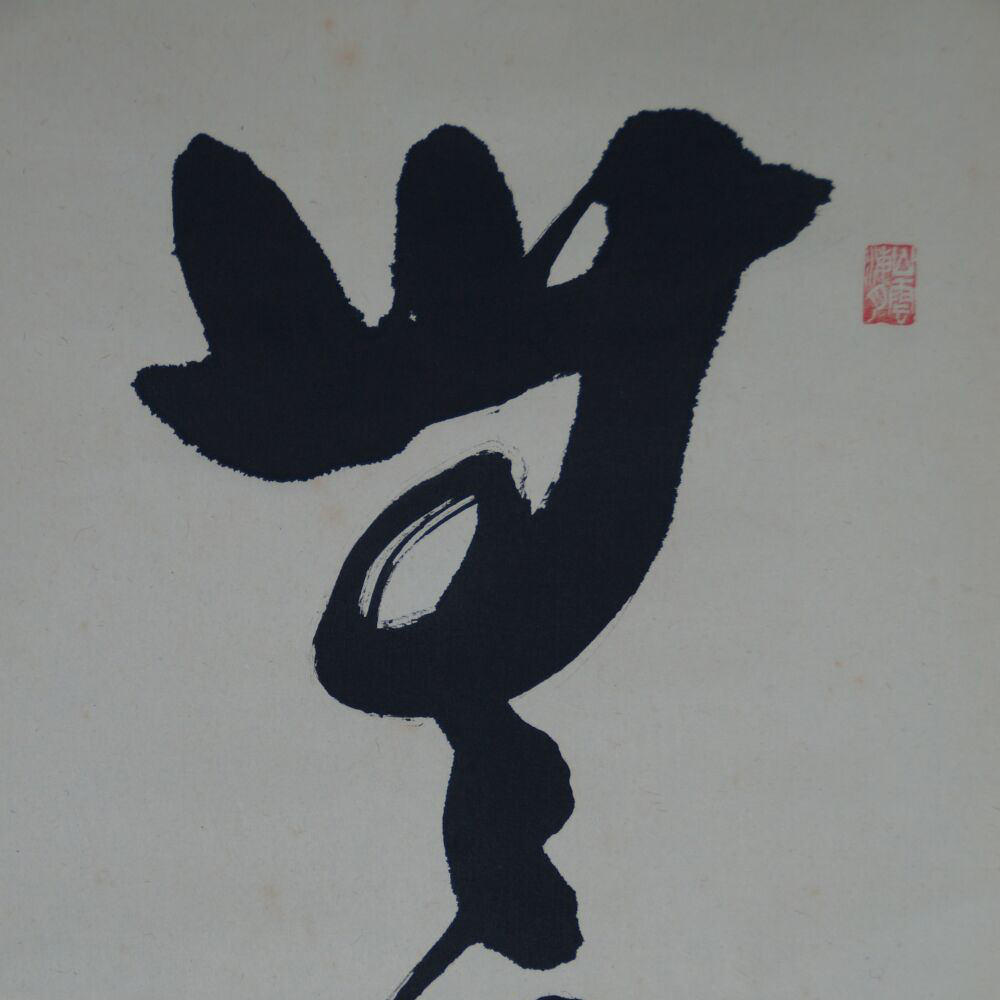
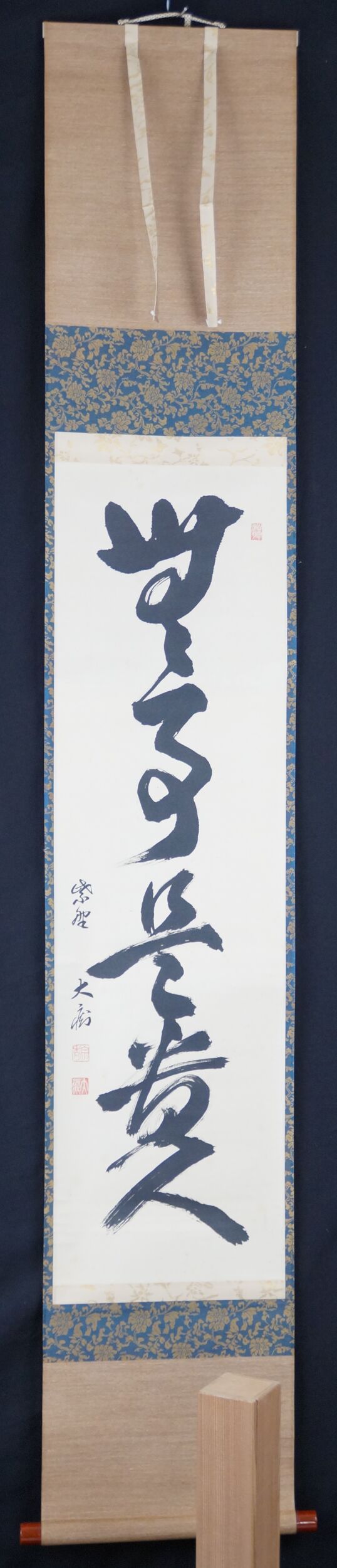
Yamaguchi Daichi
Calligraphy "No Business"
Kakemono, unique work, with box, 176 x 34 cm
€540.00
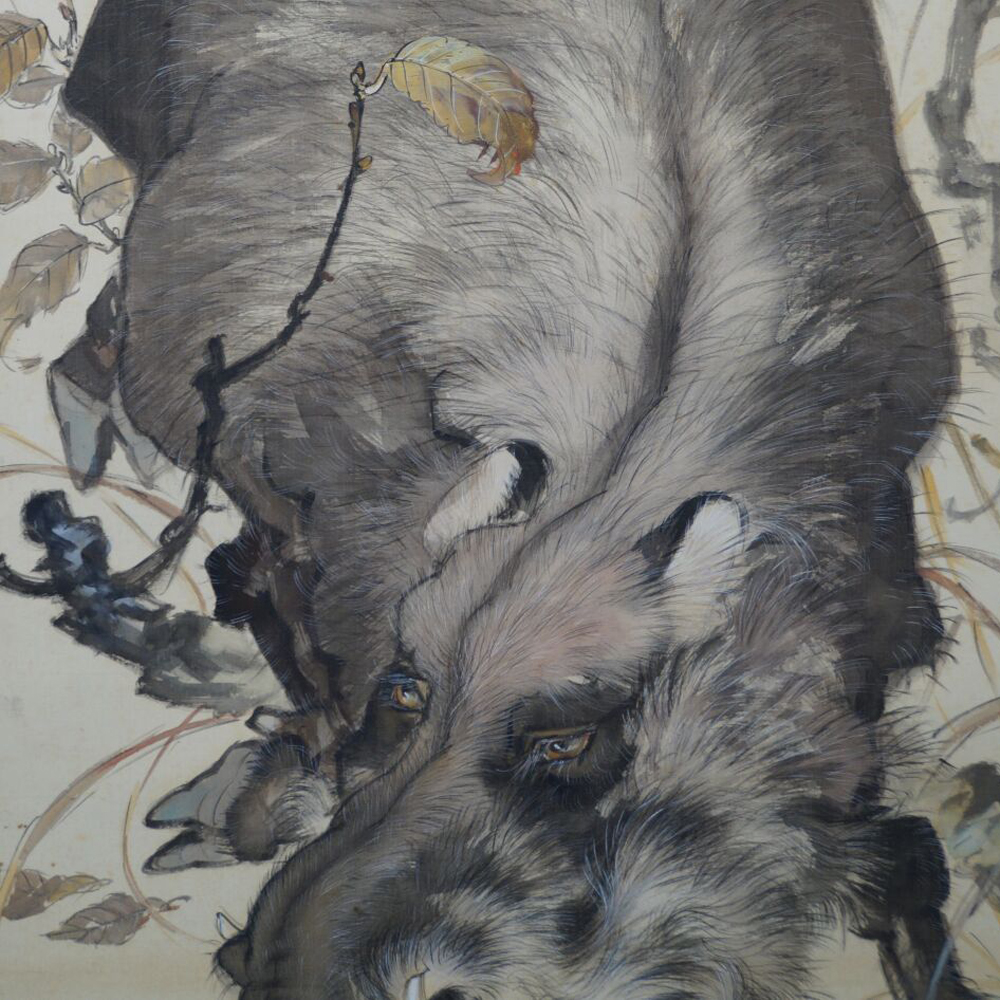
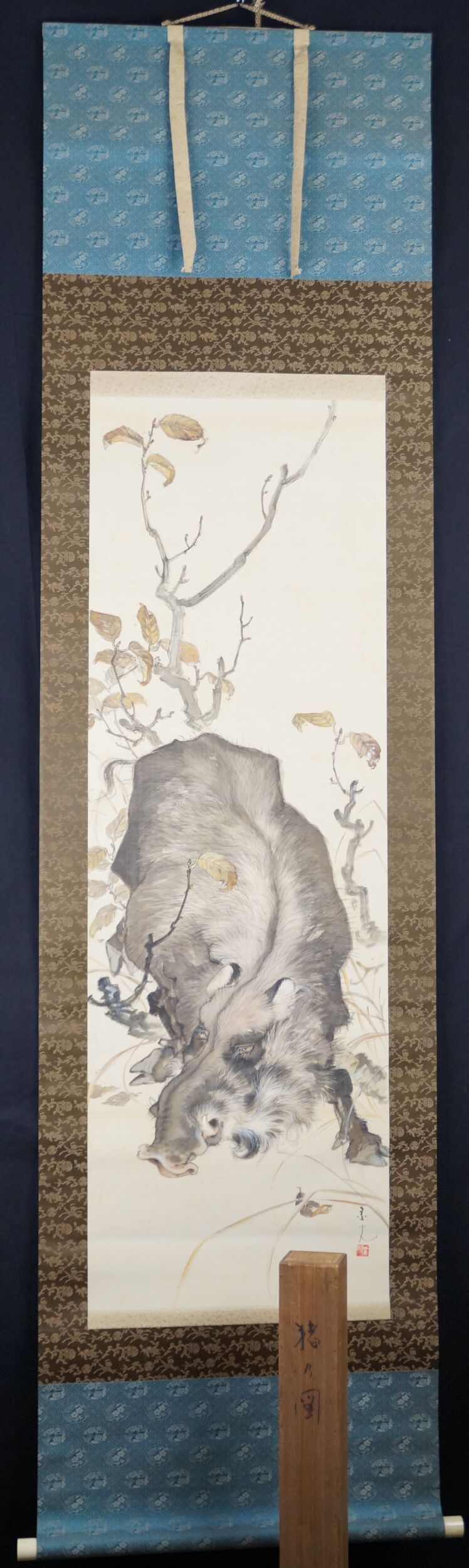
Saegusa Soko
Wild Boar in Autumn Foliage
Kakemono, unique work, with box, 210 x 60 cm
€950.00
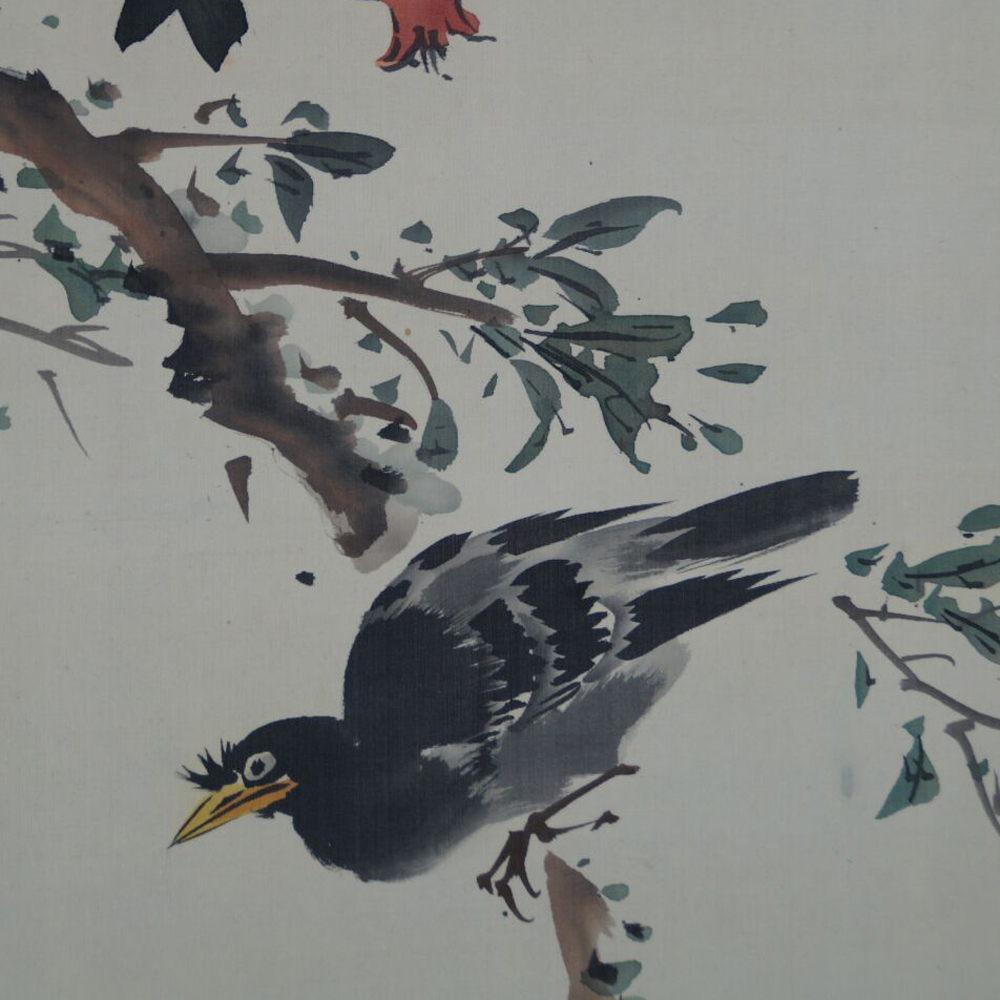
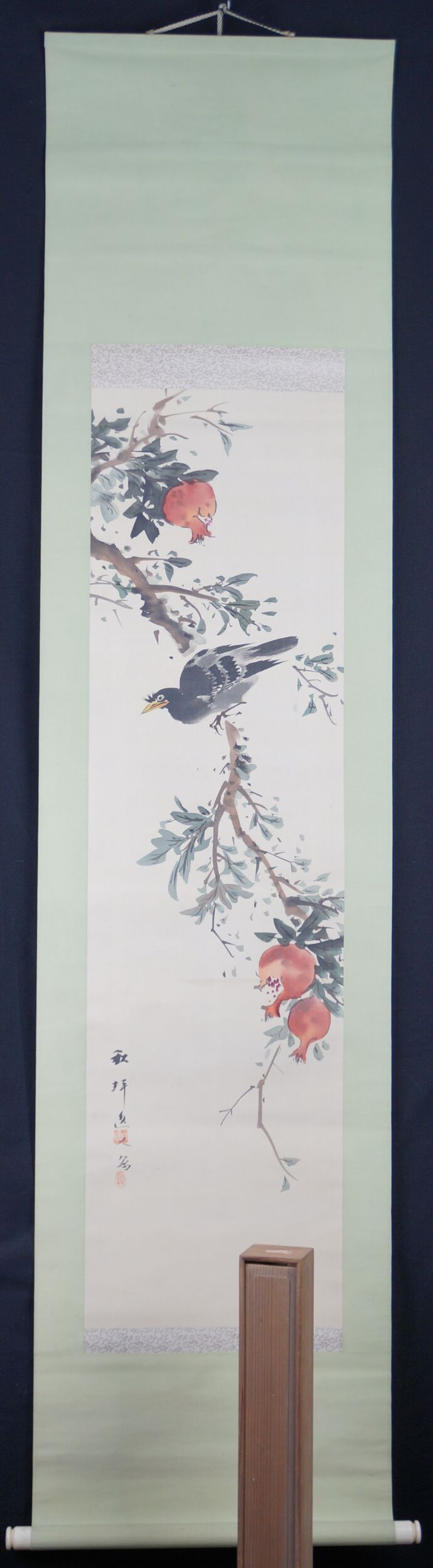
Yamada Shuhei
Pomegranate Branch and Star
Kakemono, unique work, with box, 187 x 51 cm
€530.00
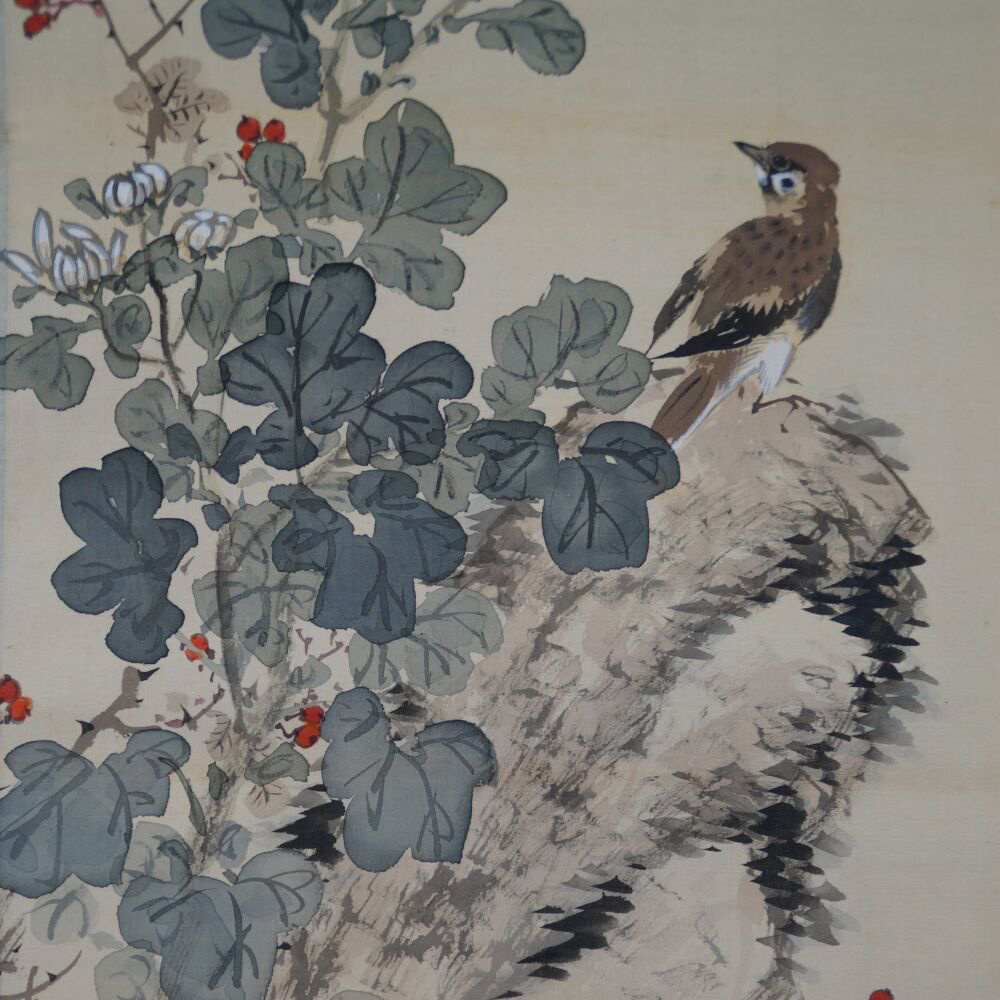
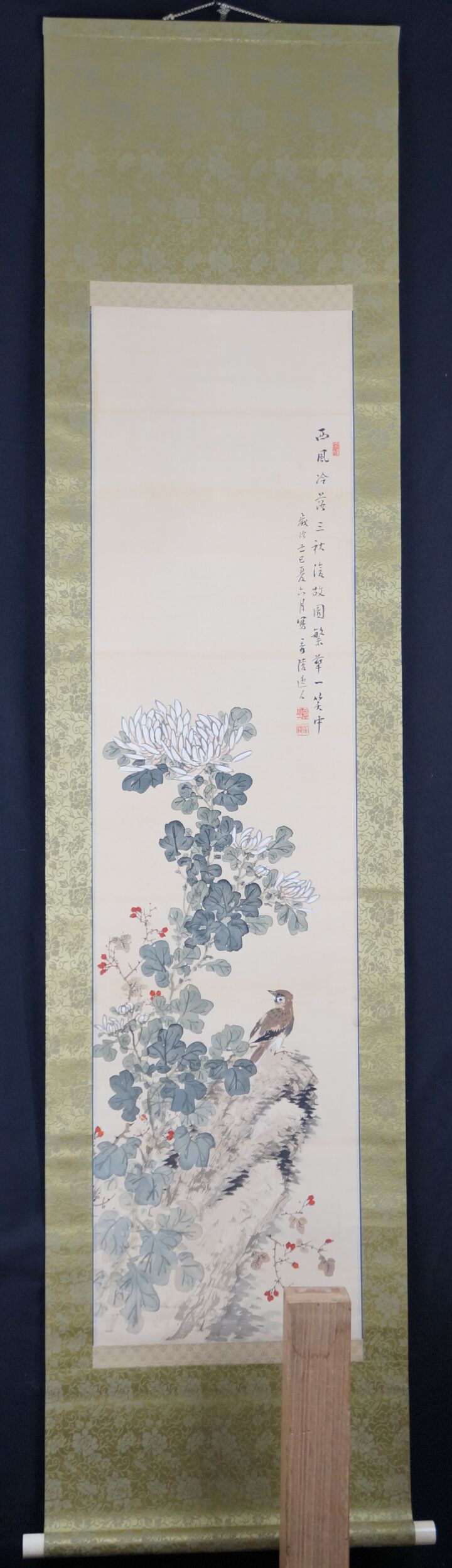
Amano Shuryo
Autumn Chrysanthemums
Kakemono, unique work, with box, 190 x 51 cm
€480.00
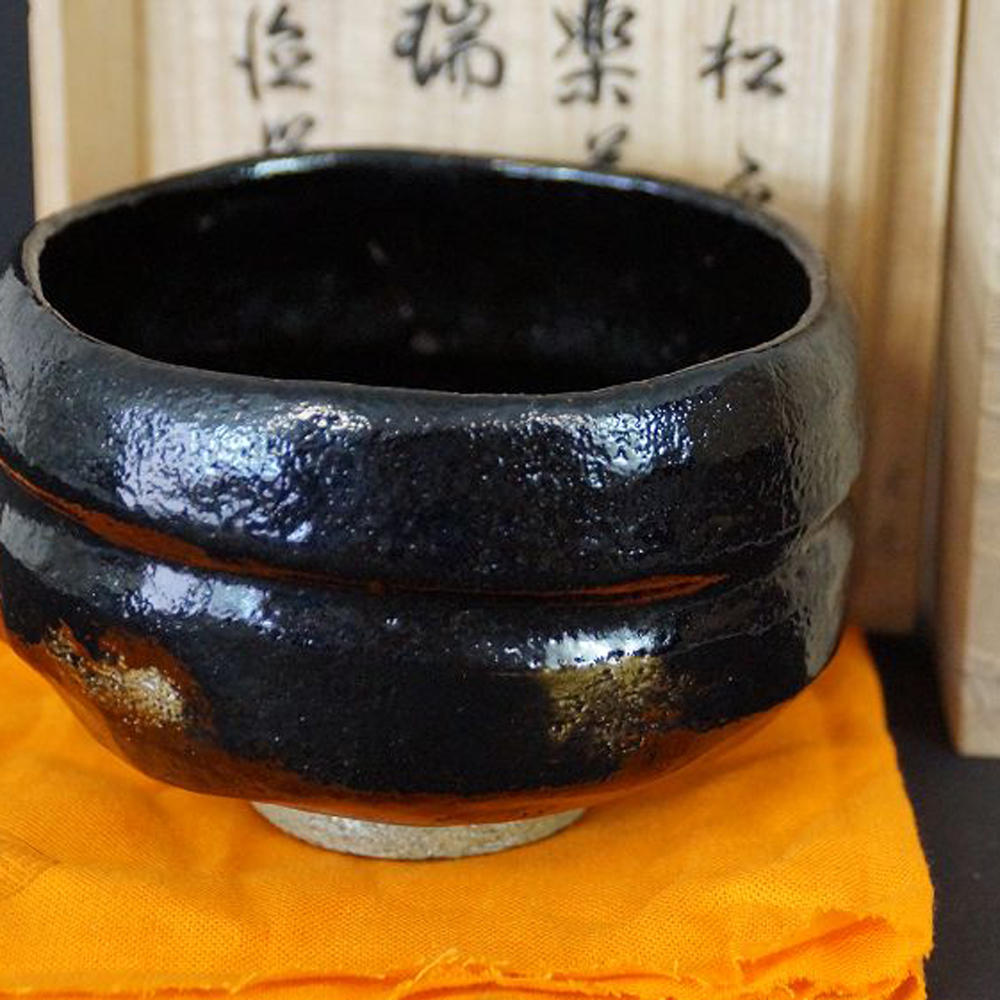

Shoraku Sasaki
Chawan Made of Kuro-Raku by Shoraku Sasaki, Wavy Rim
Chawan, unique work, with box, 8 x 12 cm
€380.00
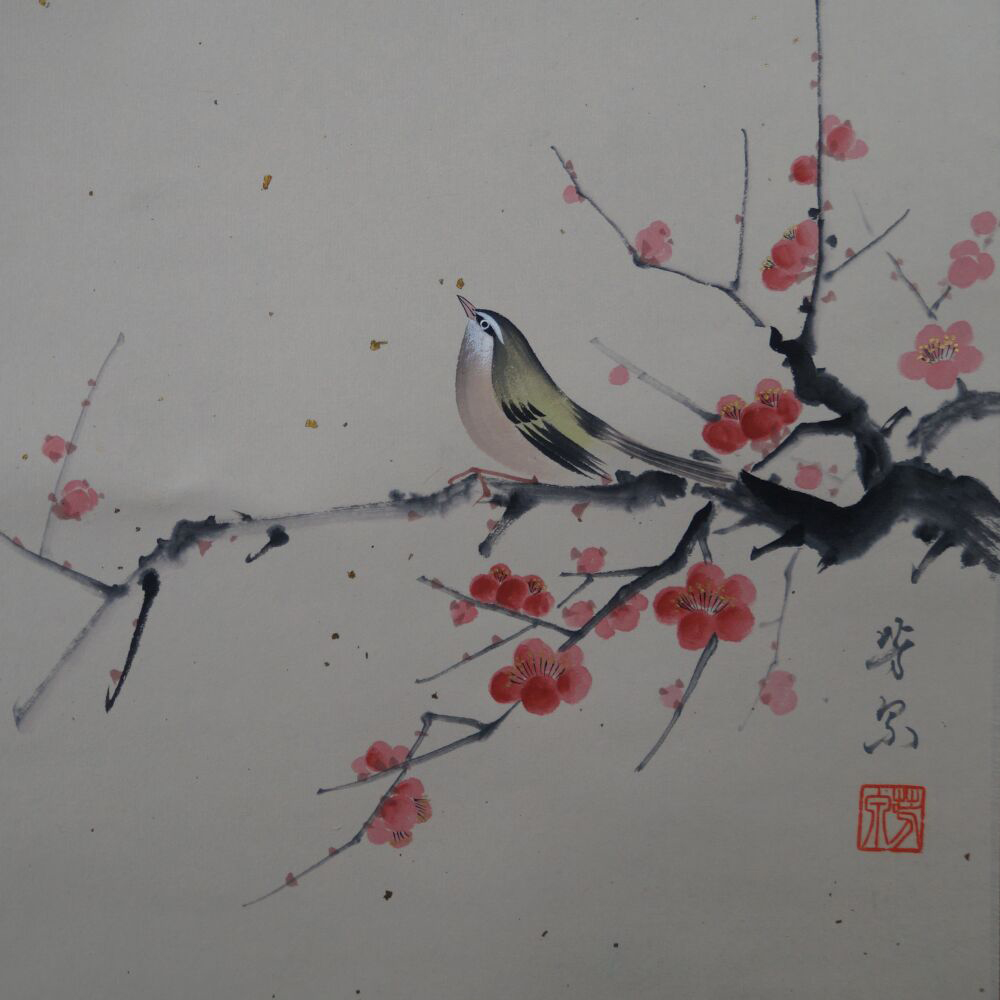
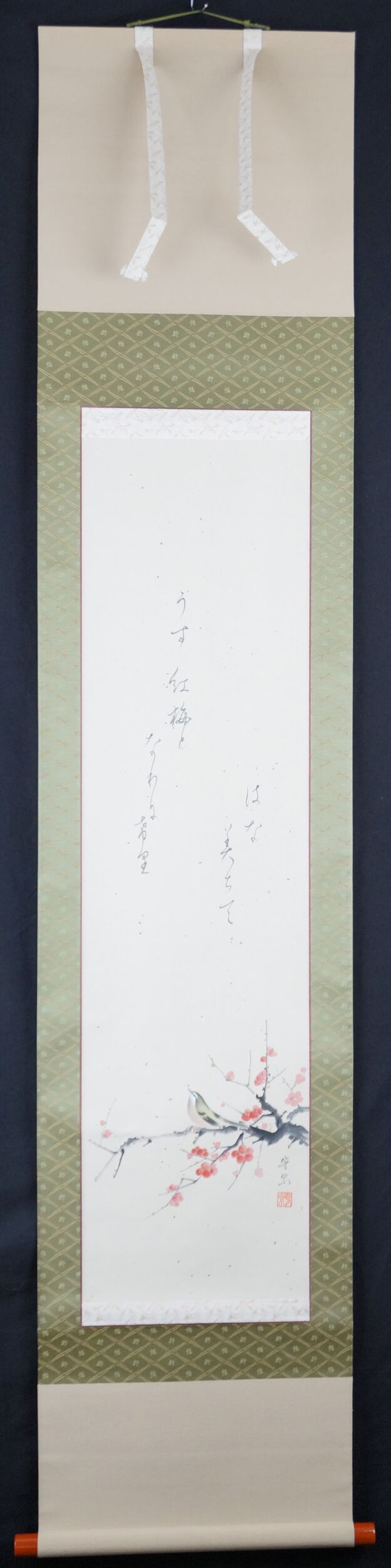
Sugaya Hosen
Pale Pink Plum Blossoms in Spring Light
Kakemono, unique work, with box, 193 x 46 cm
€490.00
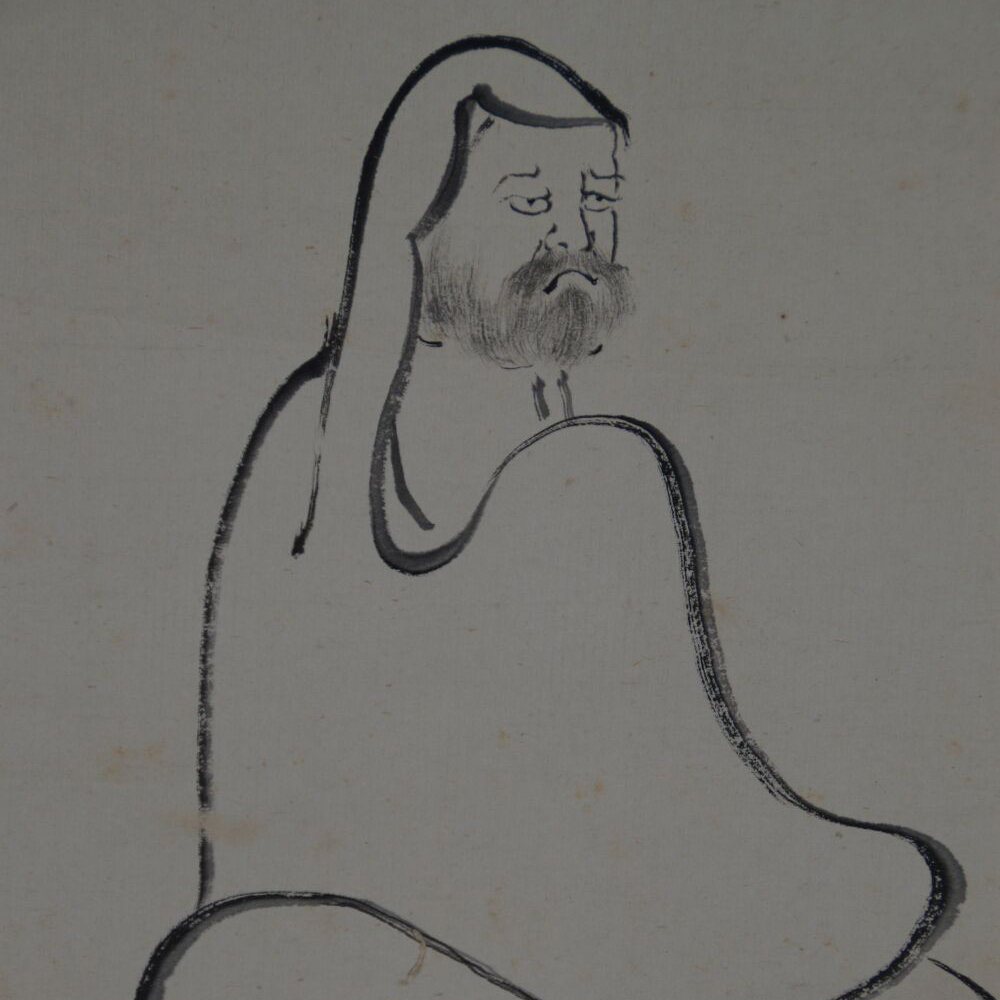
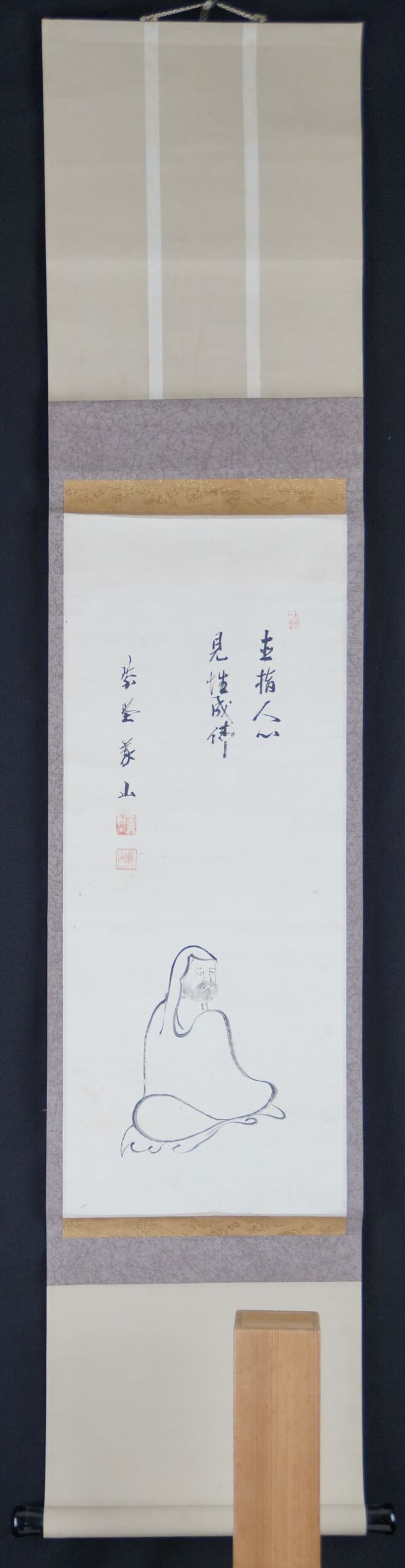
Ueda Gizan
Bodhidharma - Straight to the Heart
Kakemono, unique work, with box, 135 x 34 cm
€450.00
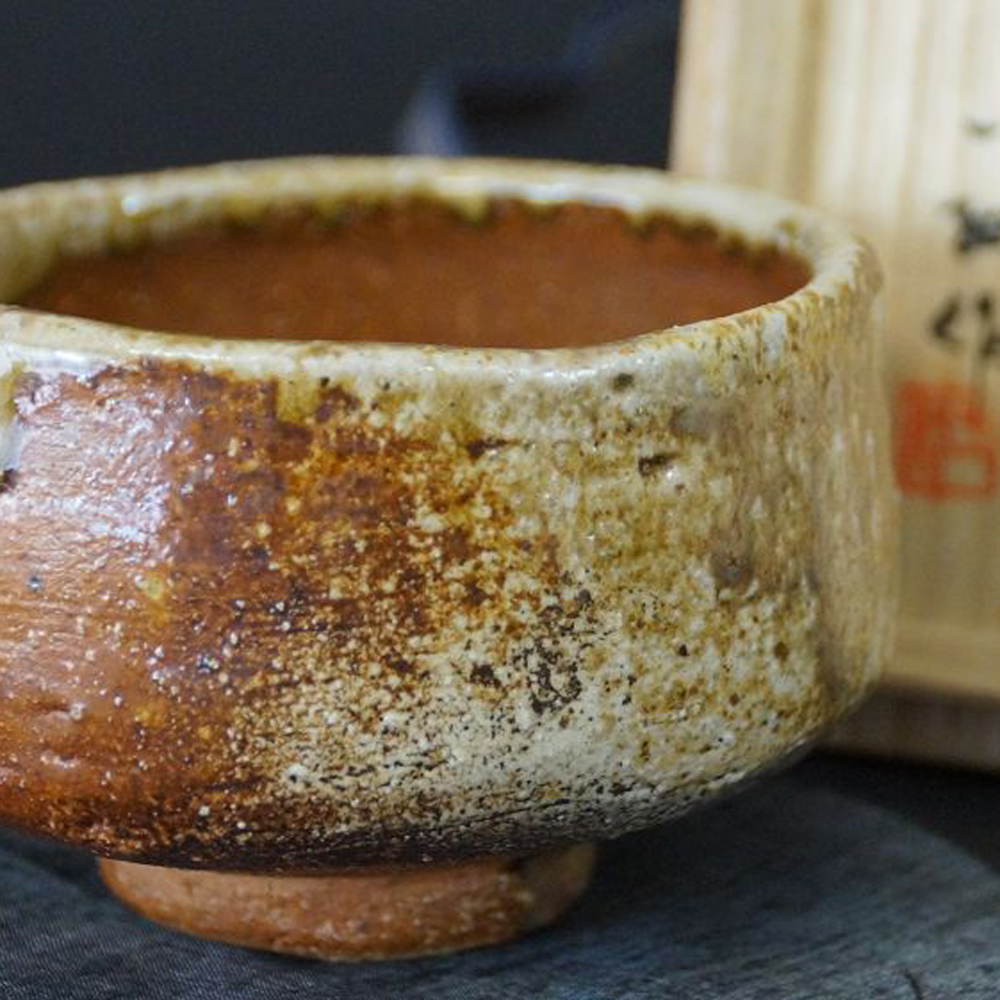

Kazuki Omi
Chawan Tea Bowl Made of Shigaraki Ware by Kazuki Omi
Chawan, unique work, with box, 8 x 12 cm
€210.00
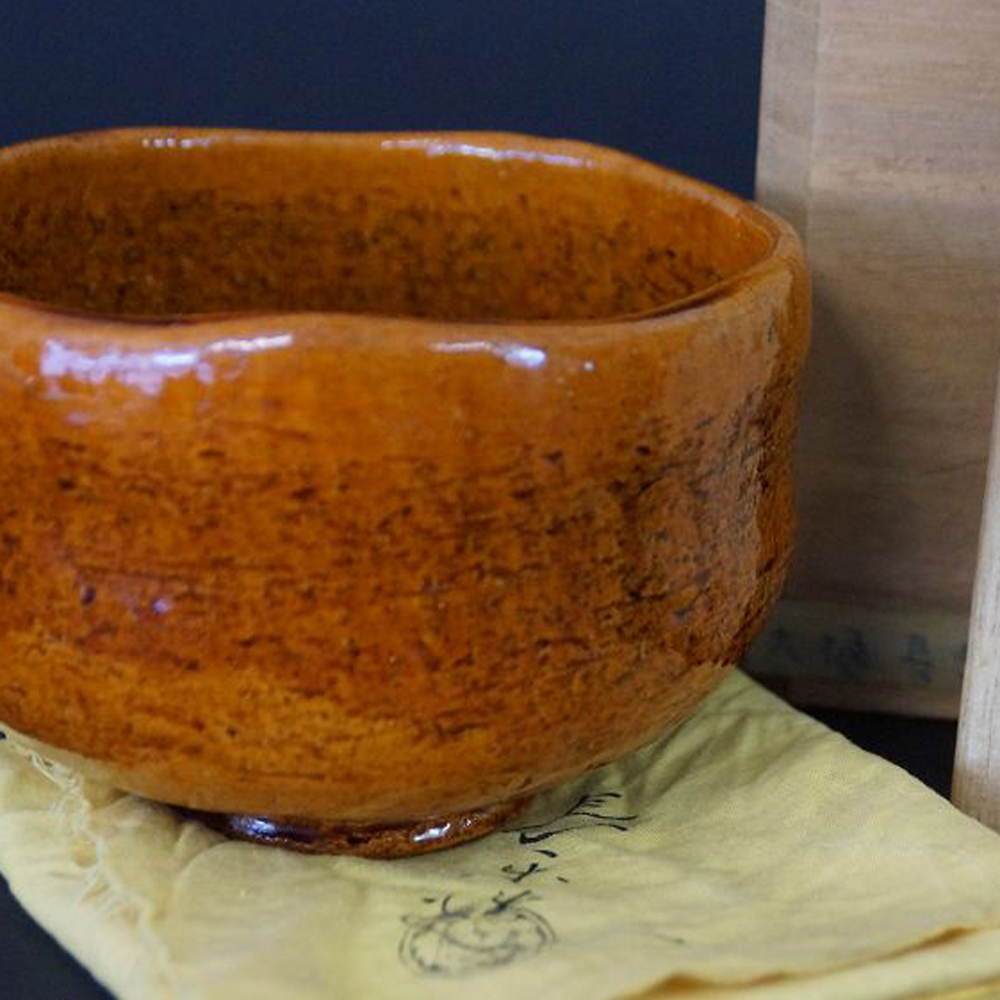

Choraku Ohi
Chawan Tea Bowl Made of Ohi Ware by Choraku Ohi
Chawan, unique work, with box, 8,5 x 12 cm
€250.00
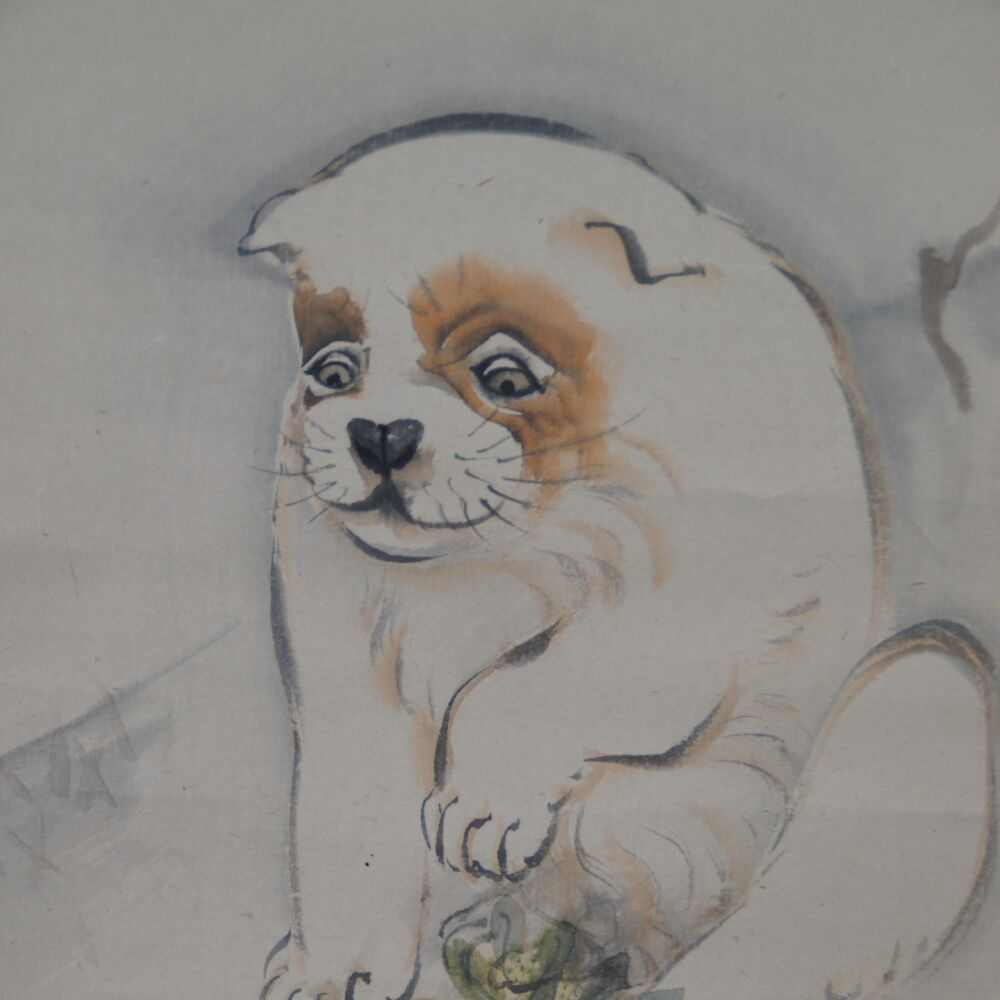
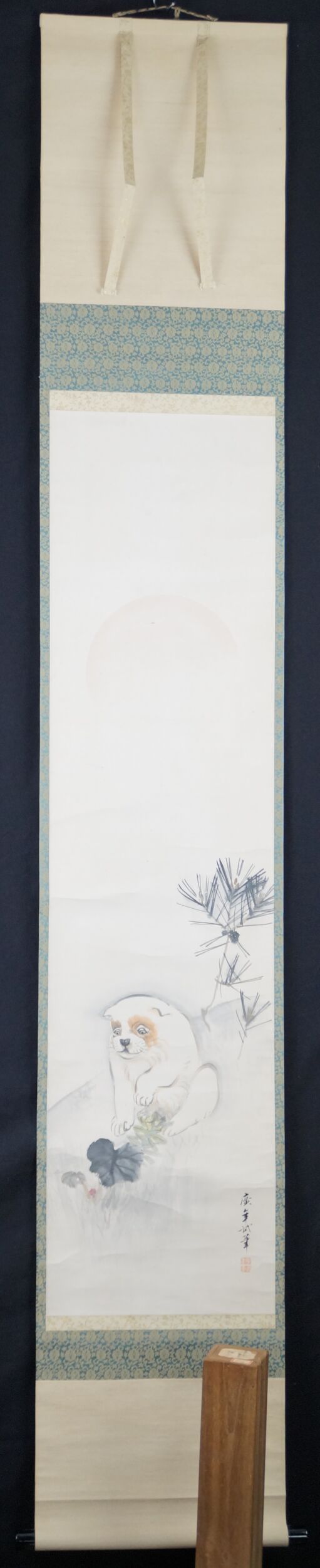
Puppy at Sunset Under Pine Trees
Kakemono, unique work, with box, 200 x 39 cm
€210.00
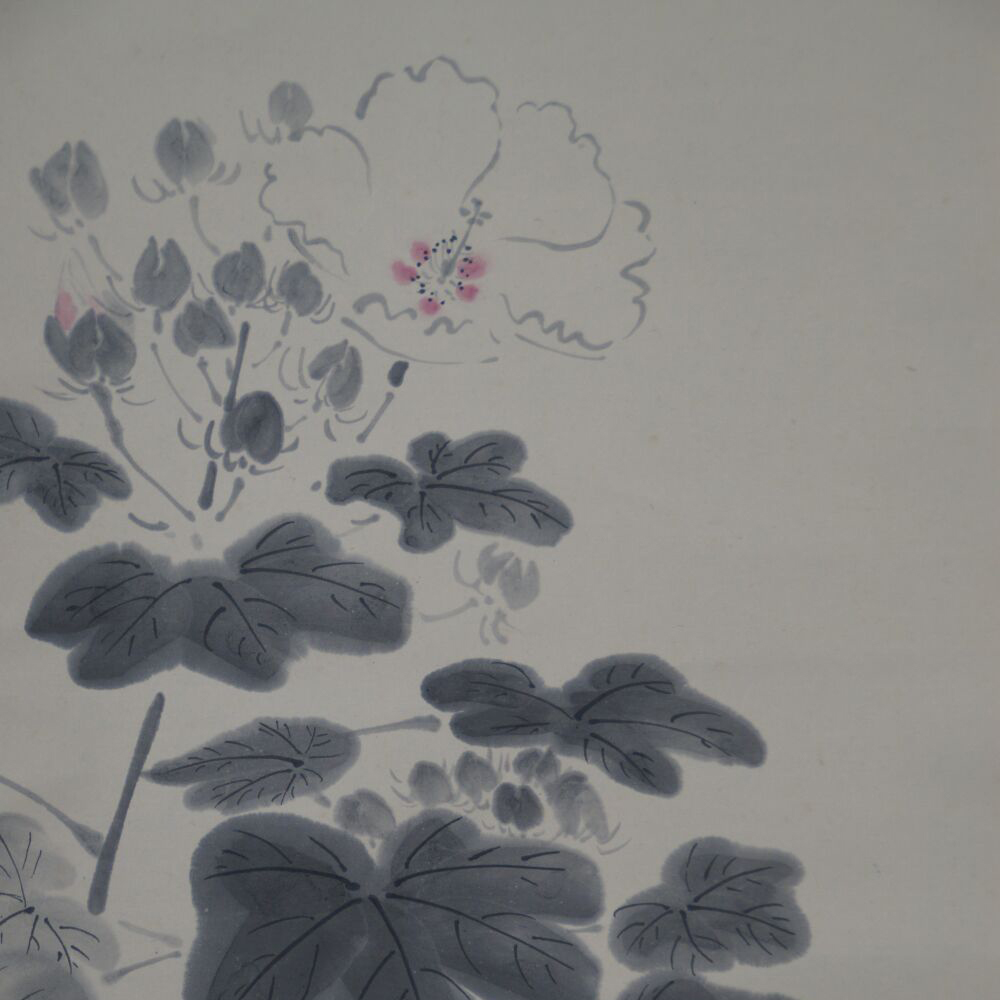
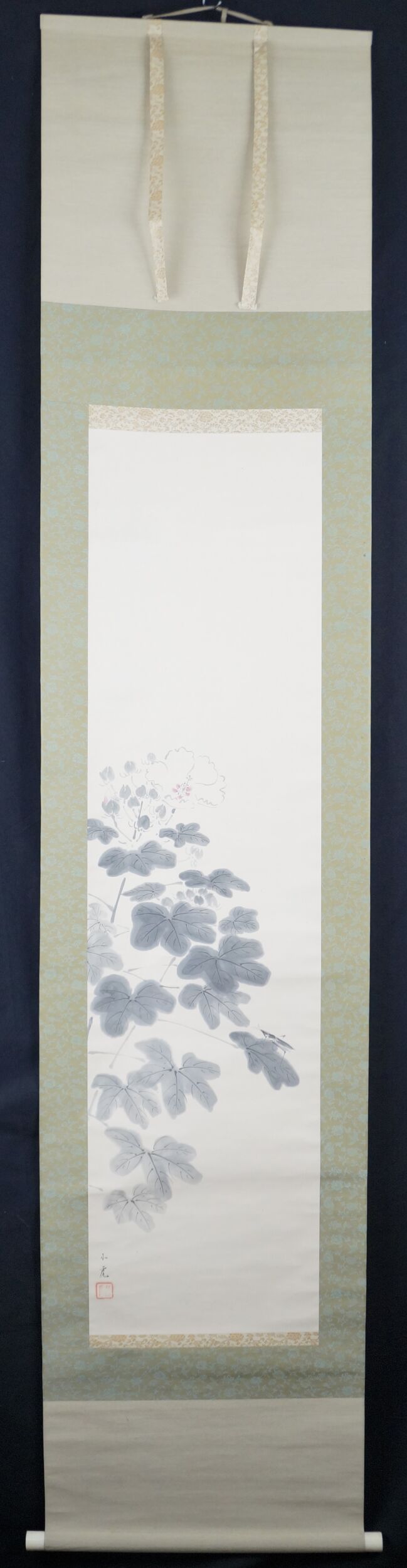
Kawasaki Shoko
Hibiscus Flowers and Grasshopper
Kakemono, unique work, with box, 215 x 53 cm
€380.00
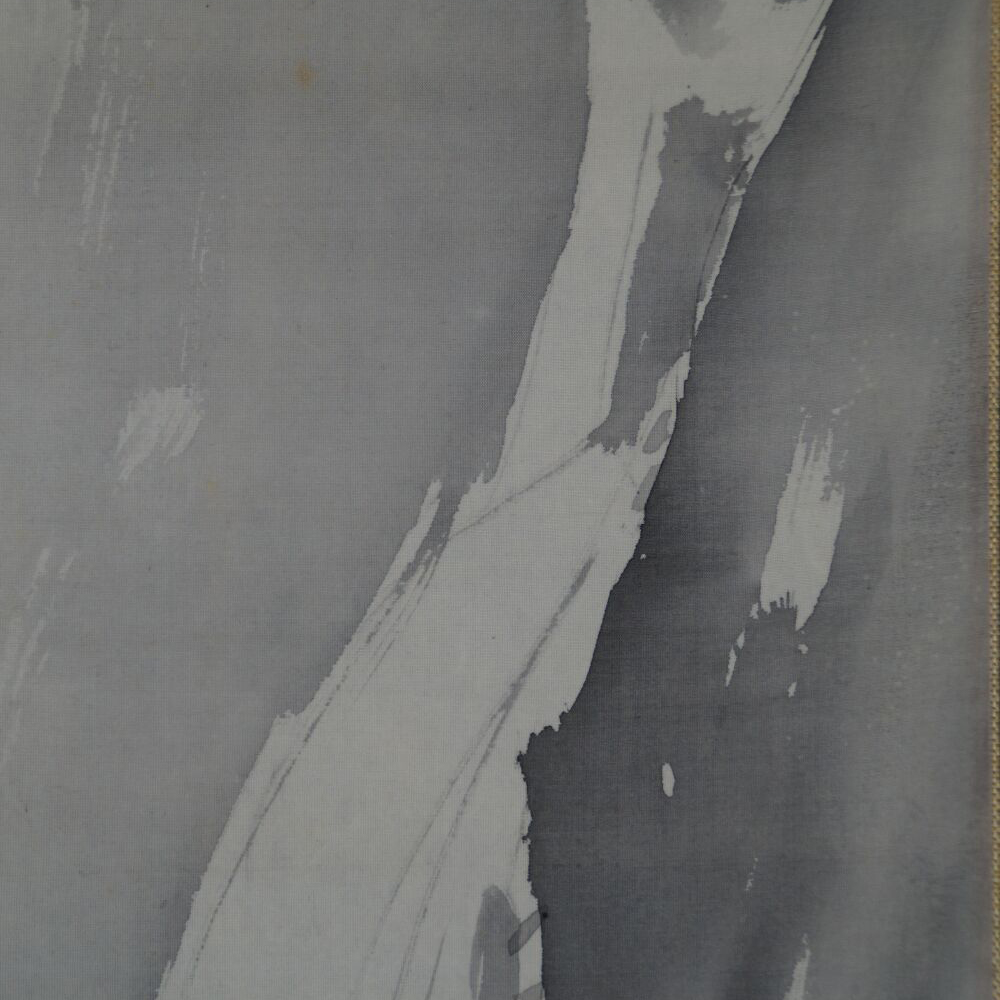
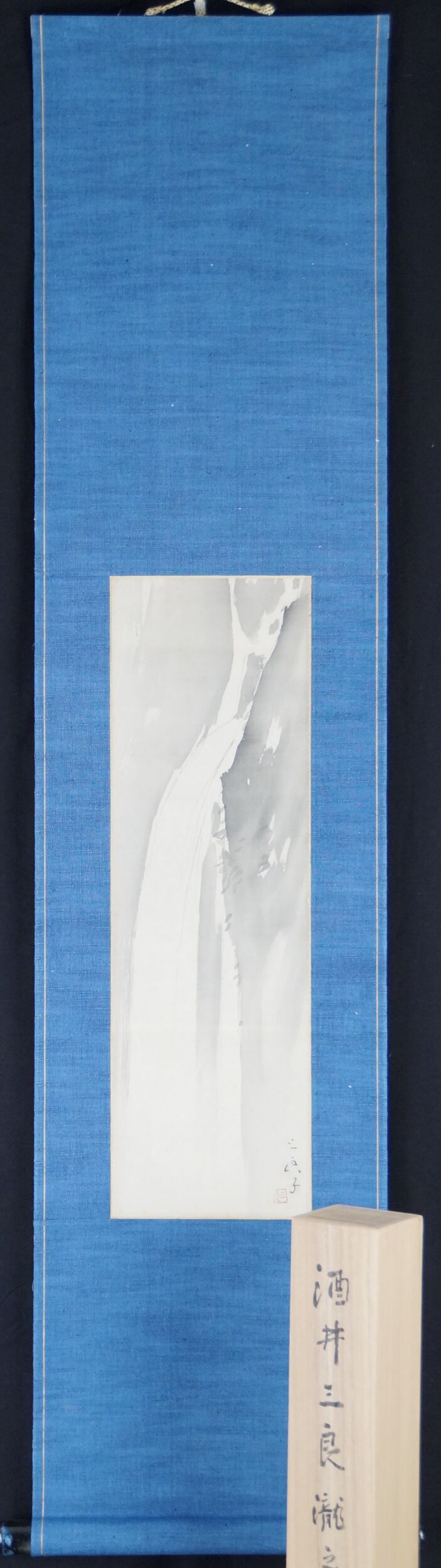
Sakai Sanryo
Waterfall in the Mist
Kakemono, unique work, with box, 129 x 36 cm
€570.00
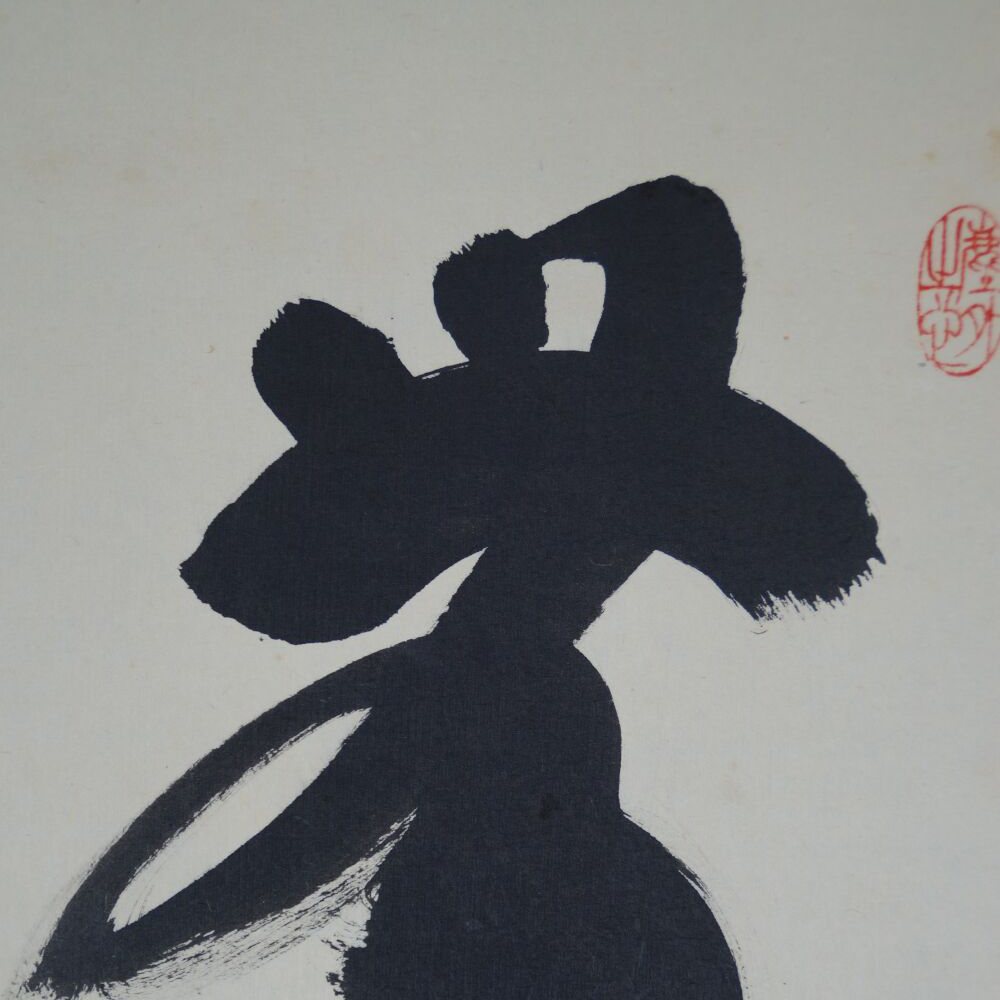
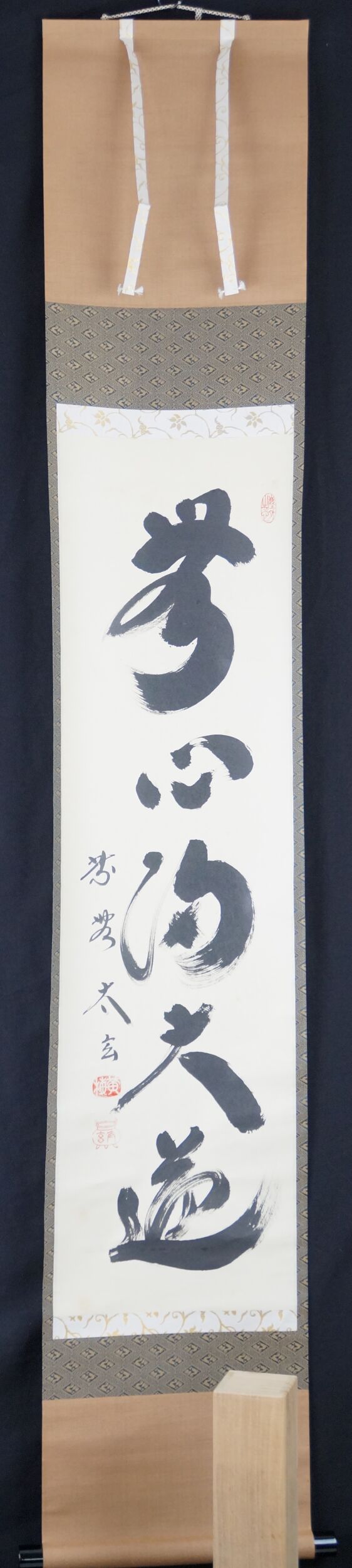
Kobayashi Taigen
No-Mind on the Great Way – Zen Calligraphy, Olive Mounting
Kakemono, unique work, with box, 176 x 36 cm
€690.00
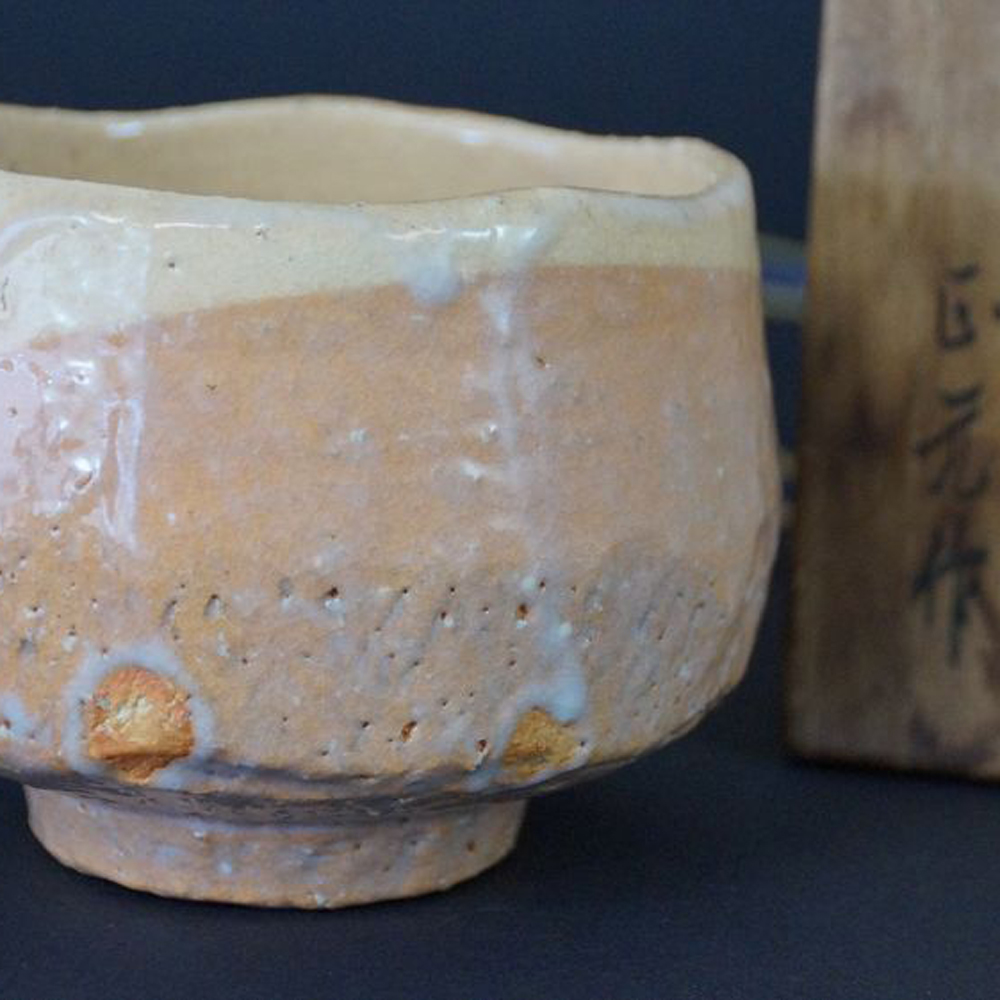

Shogen Heian
Chawan Tea Bowl Made of Raku Ware by Shogen Heian
Chawan, unique work, with box, 8 x 12 cm
€220.00
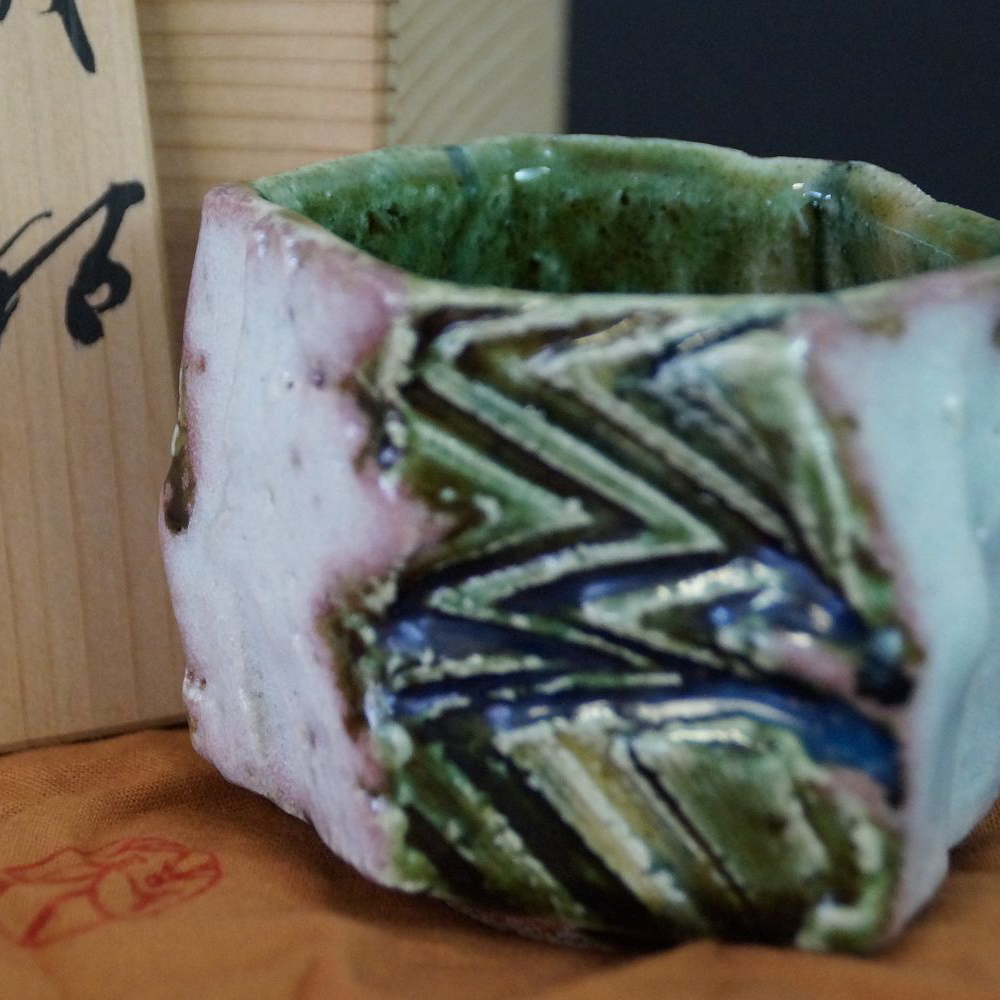

Kawachi Hidetoshi
Guinomi Made of Oribe Ware by Kawachi Hidetoshi with Blue
Guinomi, unique work, with box, 7,5 x 7 cm
€310.00
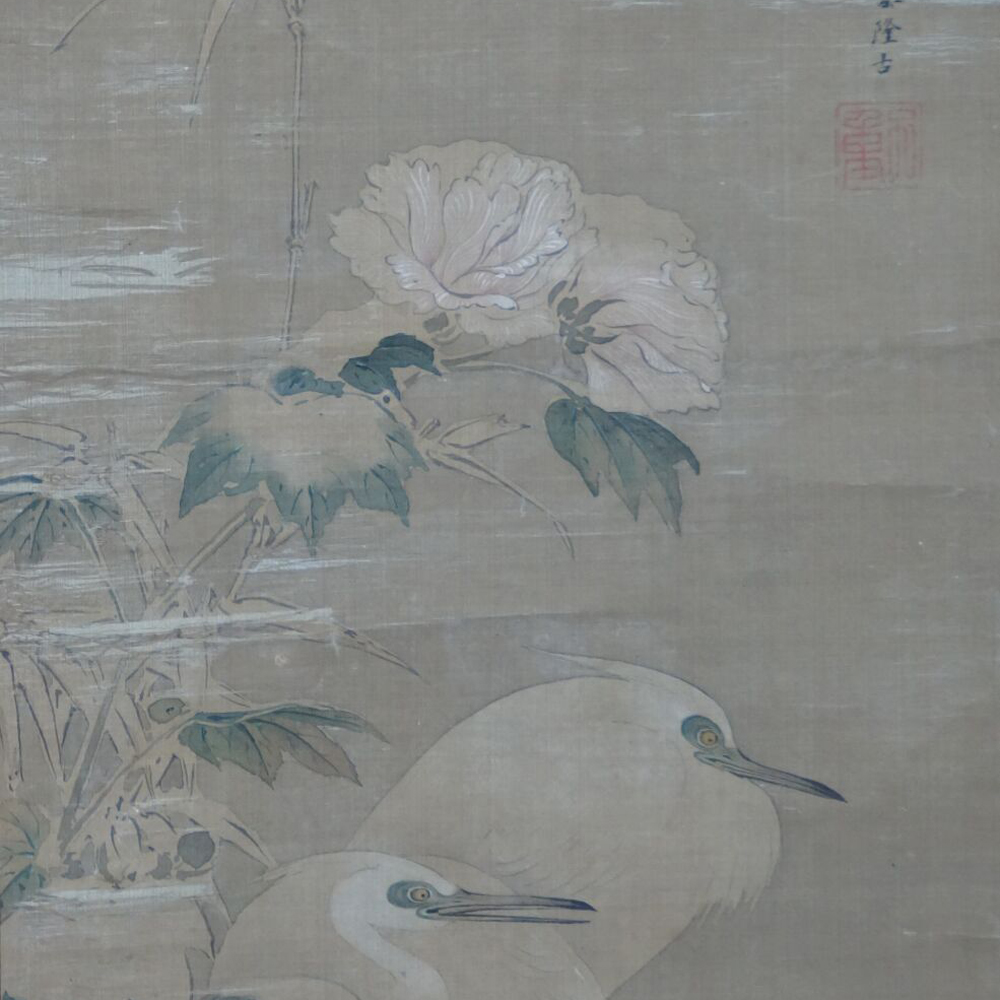
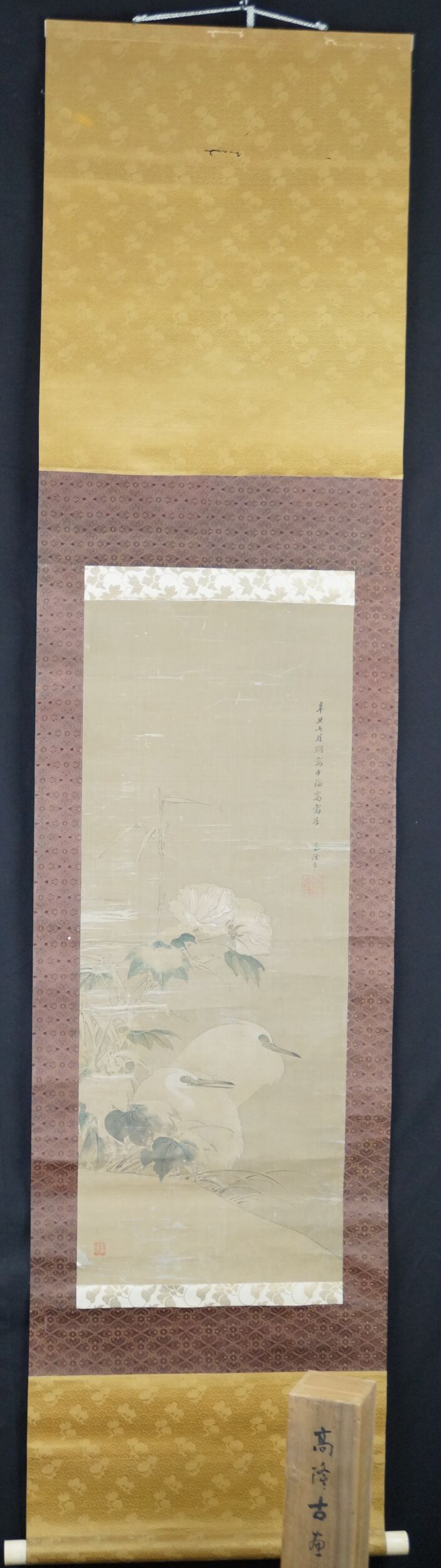
Takaku Ryūko
Heron in Silent Peony Splendor
Kakemono, unique work, with box, 186 x 50 cm
€1,300.00
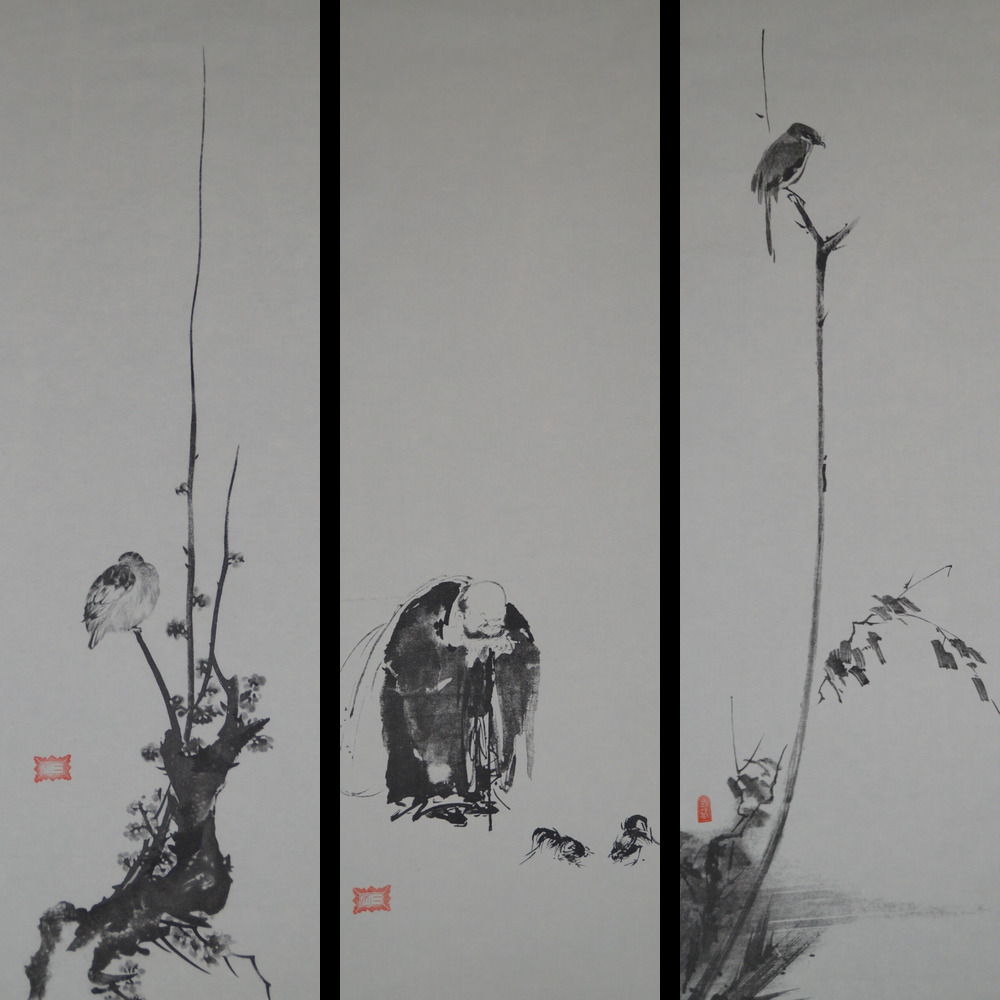
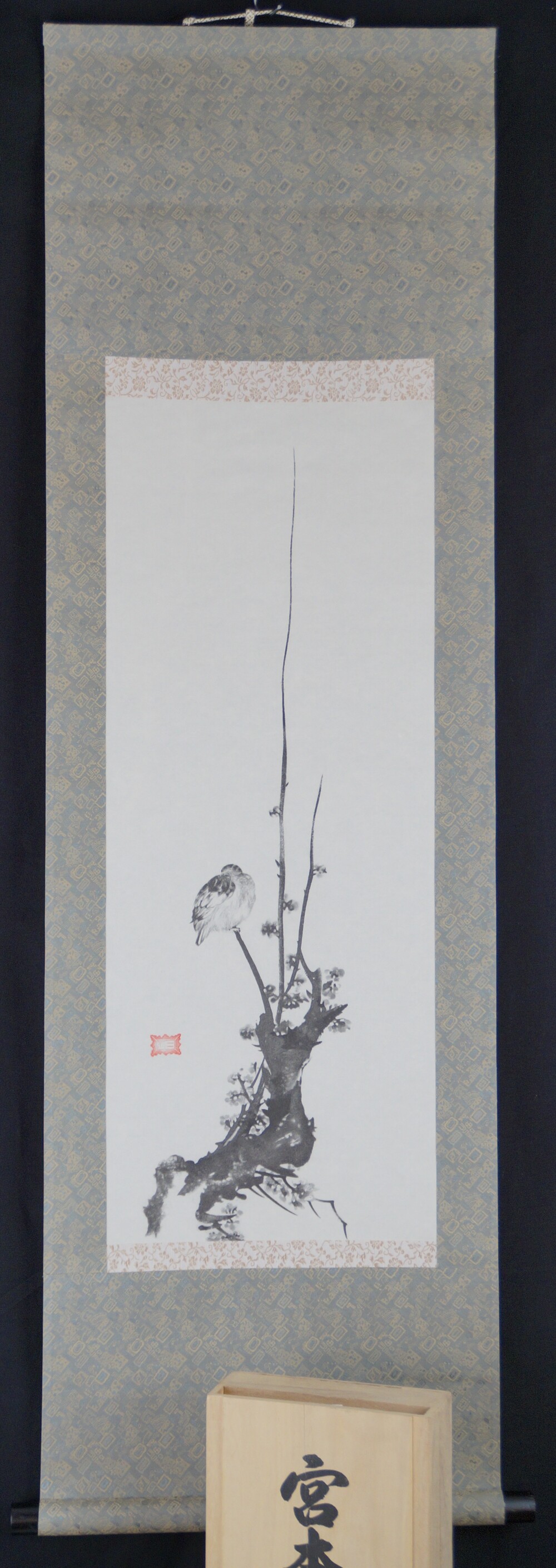
Miyamoto Musashi
Triptych Prints After Miyamoto Musashi
Kakemono, Print, with box, 135 x 47 cm
€270.00
Ogawa Shodo
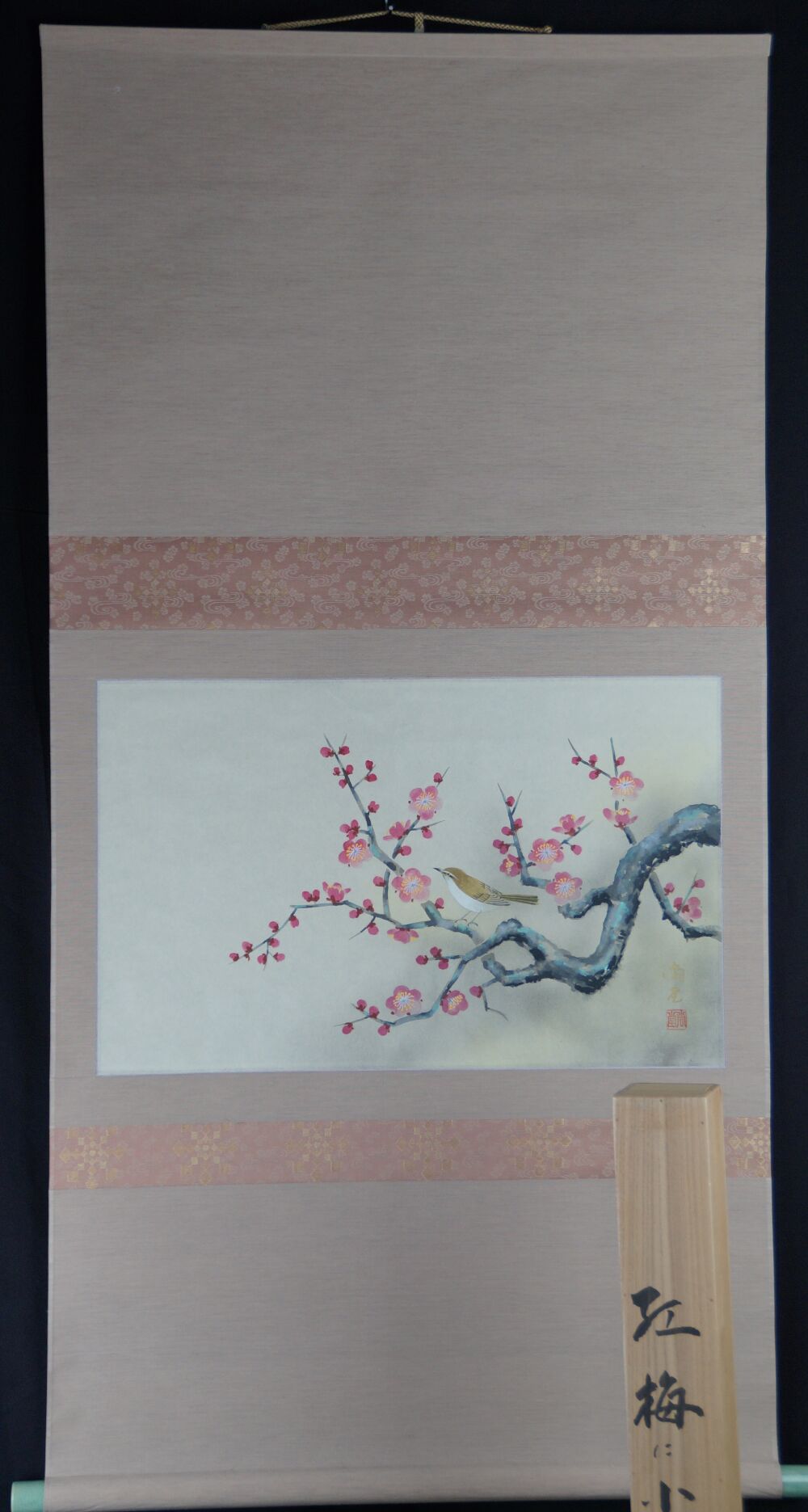
Songbird on Blooming Plum Tree
Kakemono, unique work, with box, 133 x 66 cm
€410.00
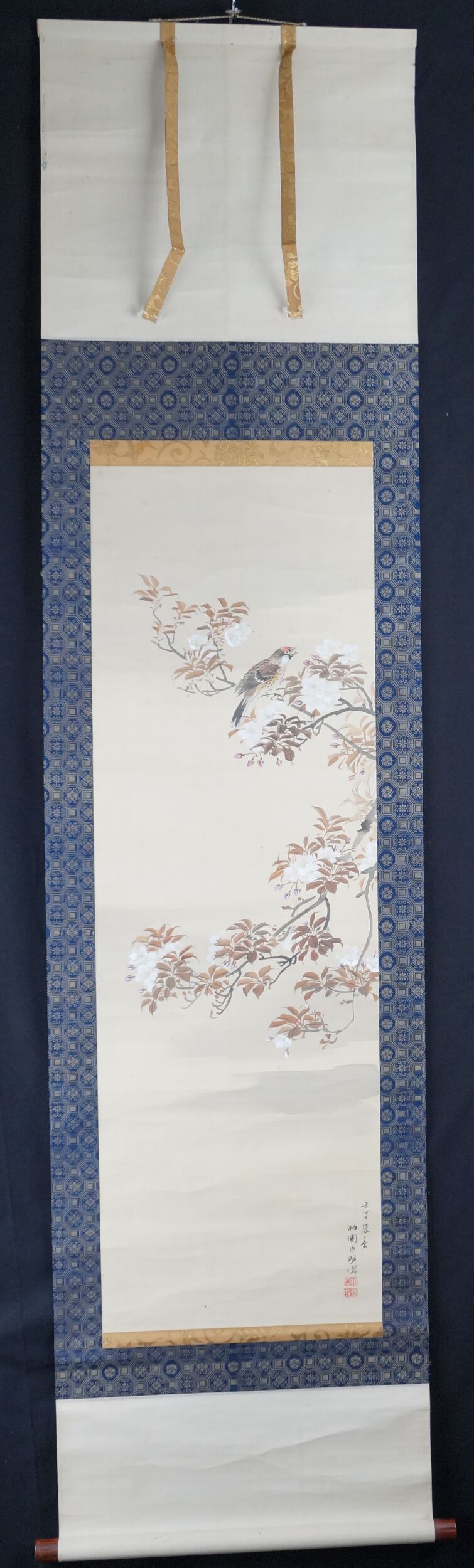
Hirose Hakuen
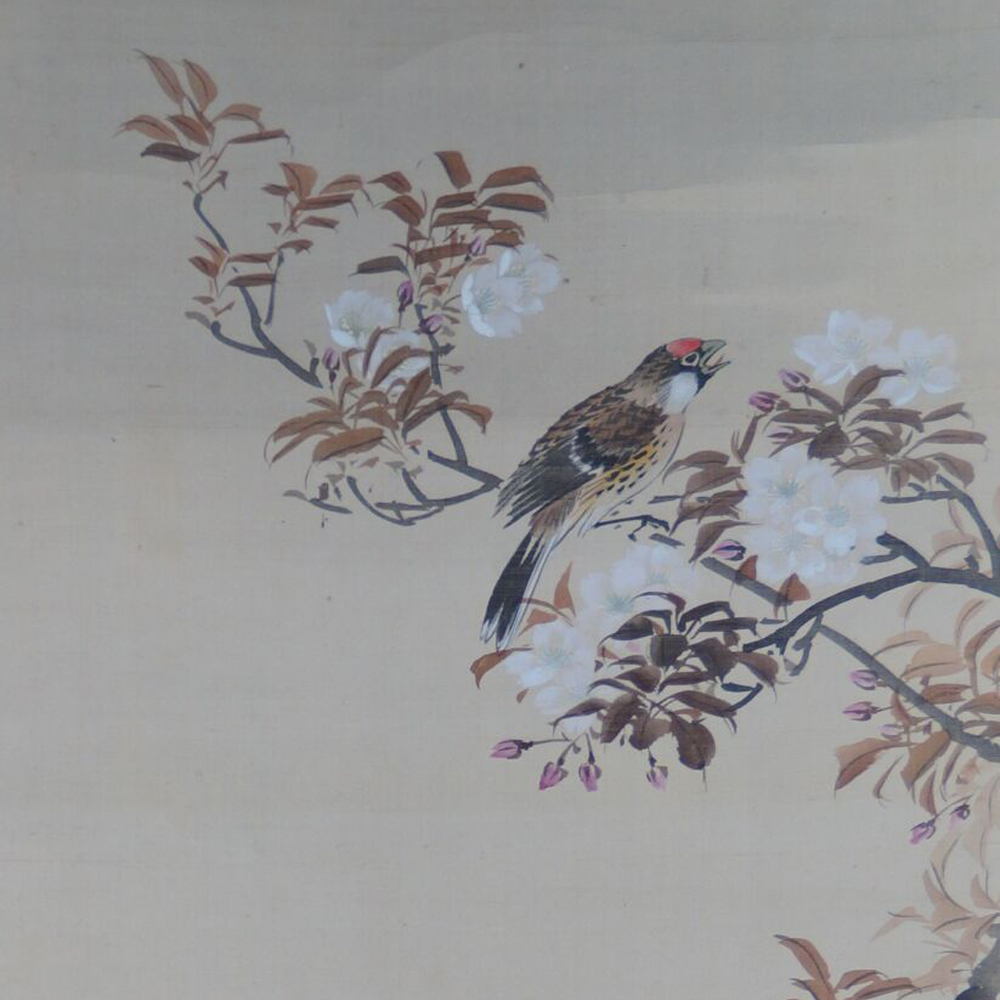
Singing Bird in Cherry Blossom Branch
Kakemono, unique work, 182 x 51 cm
€370.00
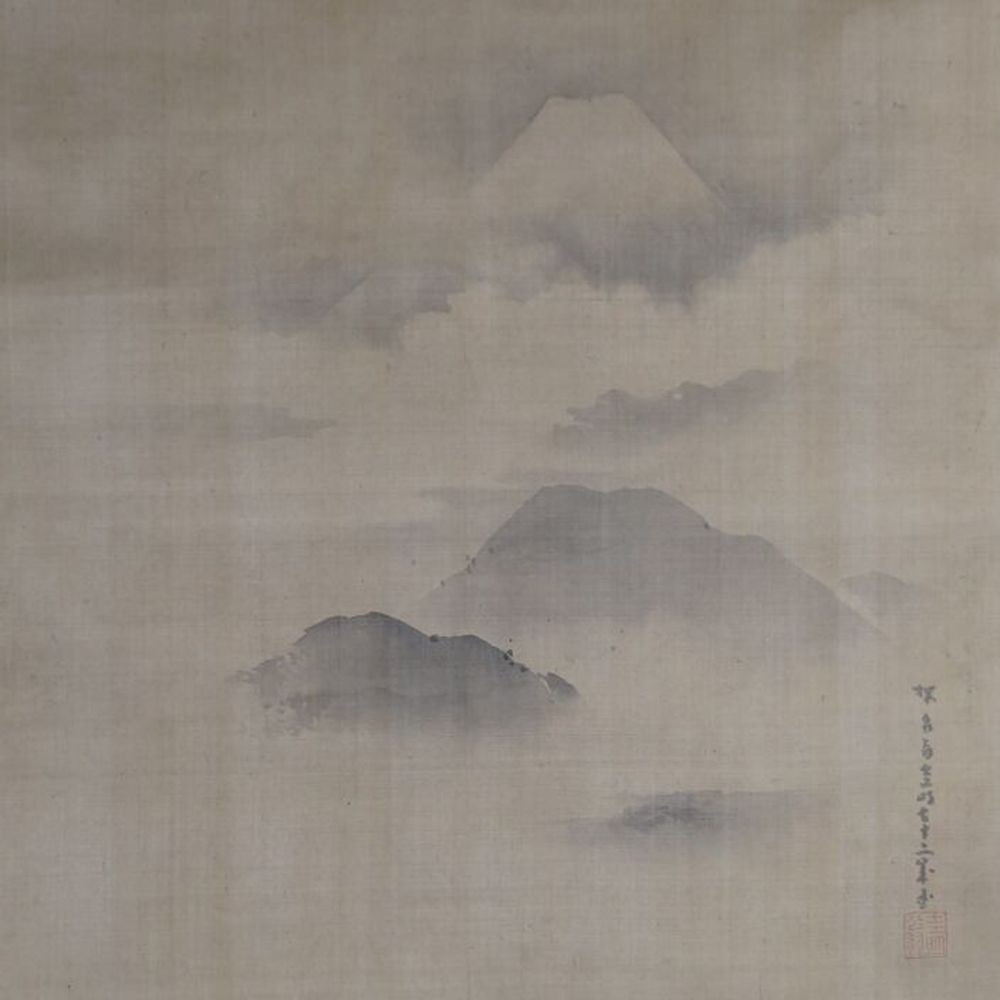
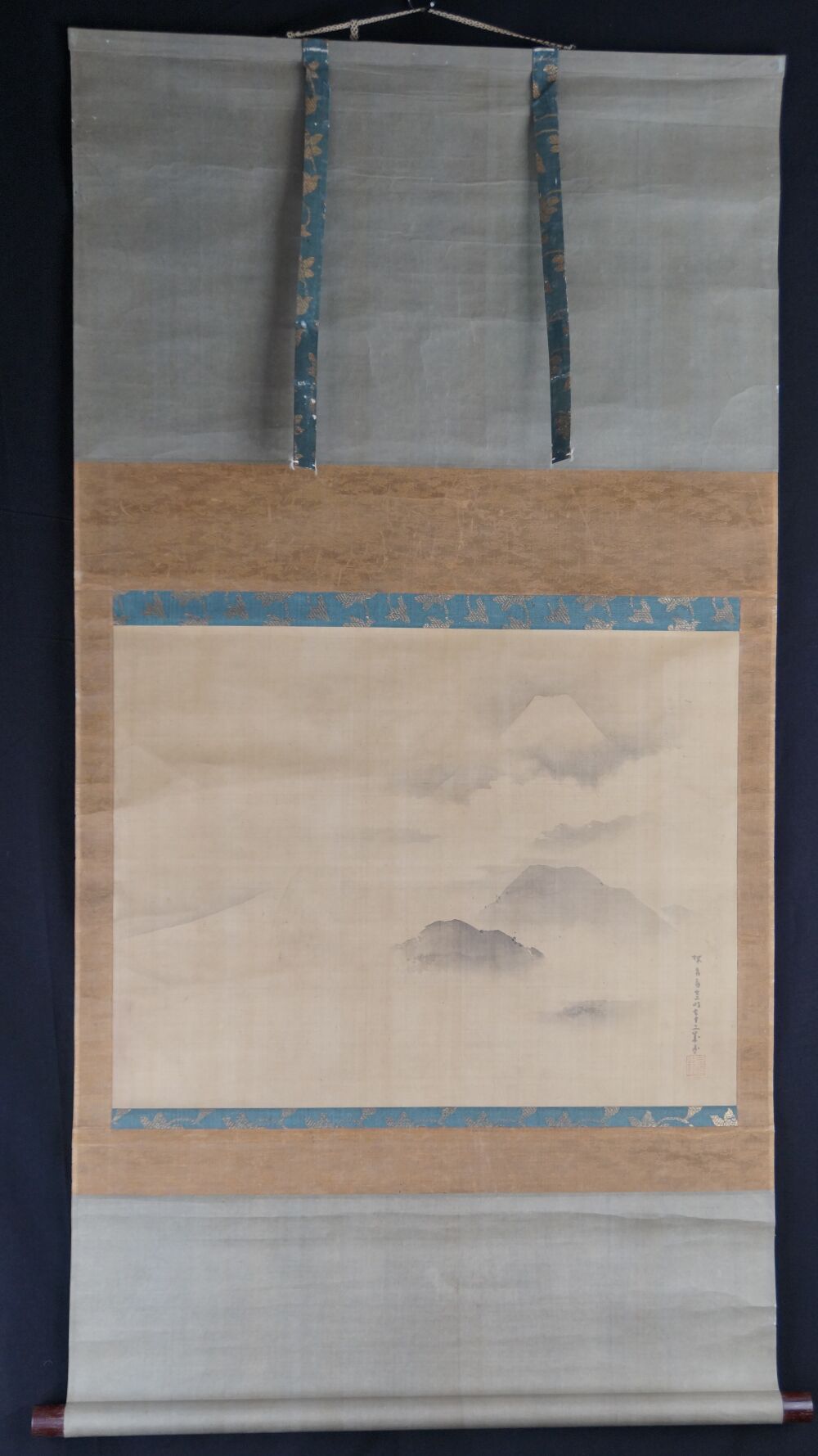
Tansenzai Keimei
Fuji in Cloud-Covered Heights
Kakemono, unique work, 123 x 63 cm
€440.00
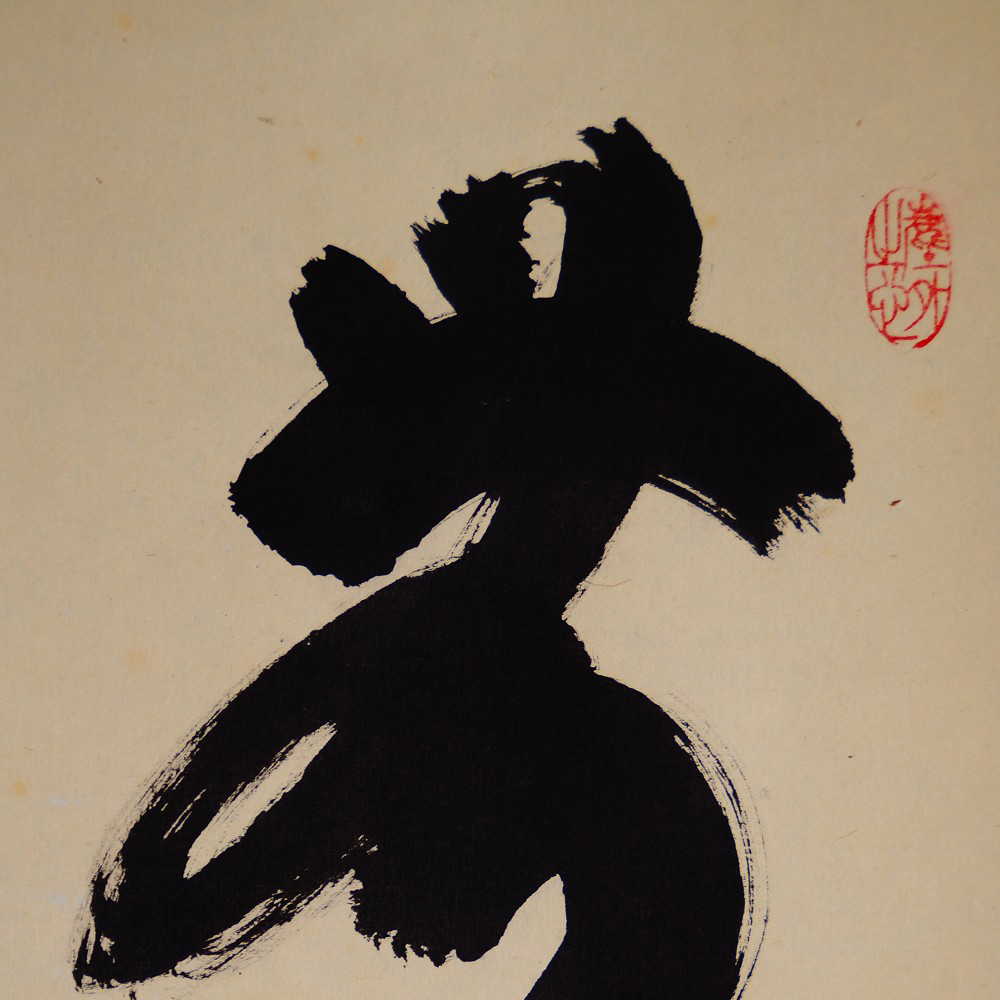

Kobayashi Taigen
No Mind, the Great Way – Zen Calligraphy, Gold-Mounted
Kakemono, unique work, with box, 173 x 37 cm
€720.00
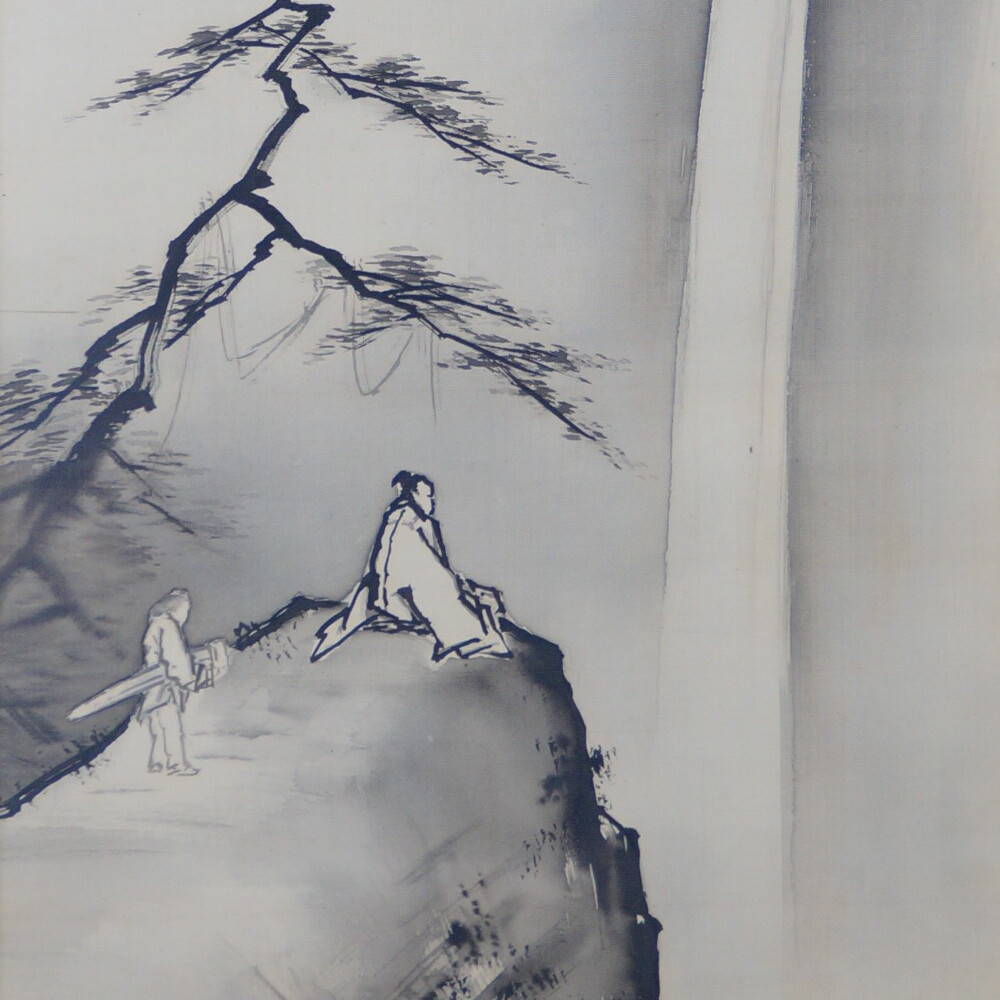
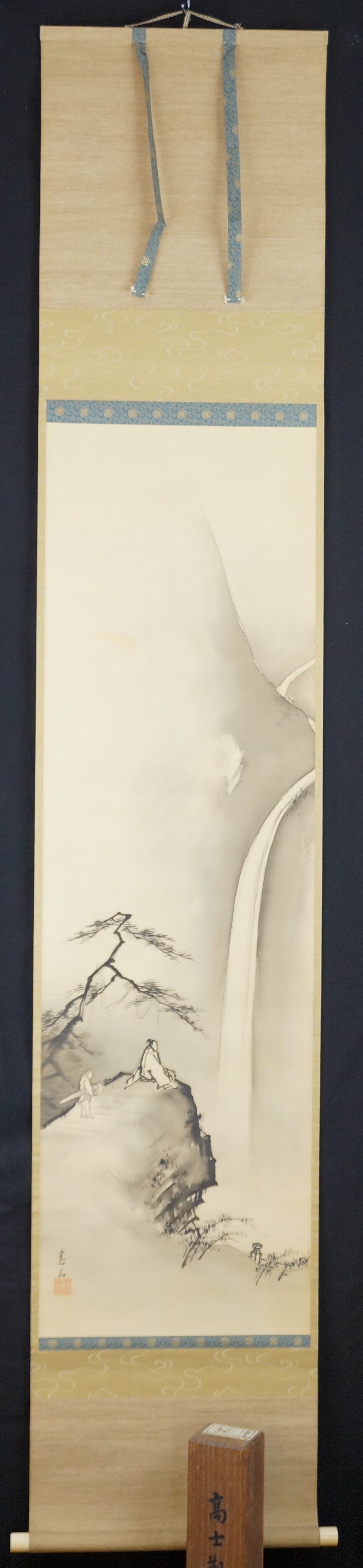
Yagioka Shunzan
Encounter at the Edge of the Waterfall
Kakemono, unique work, with box, 200 x 44 cm
€880.00
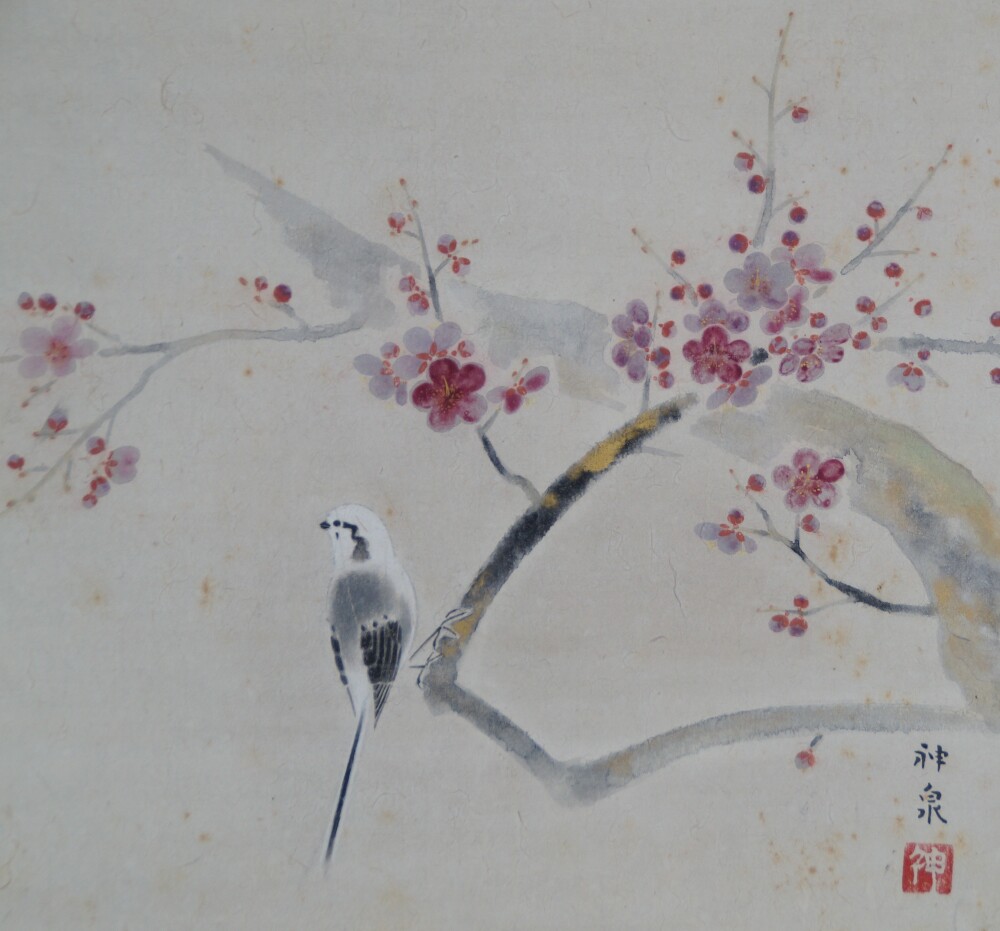
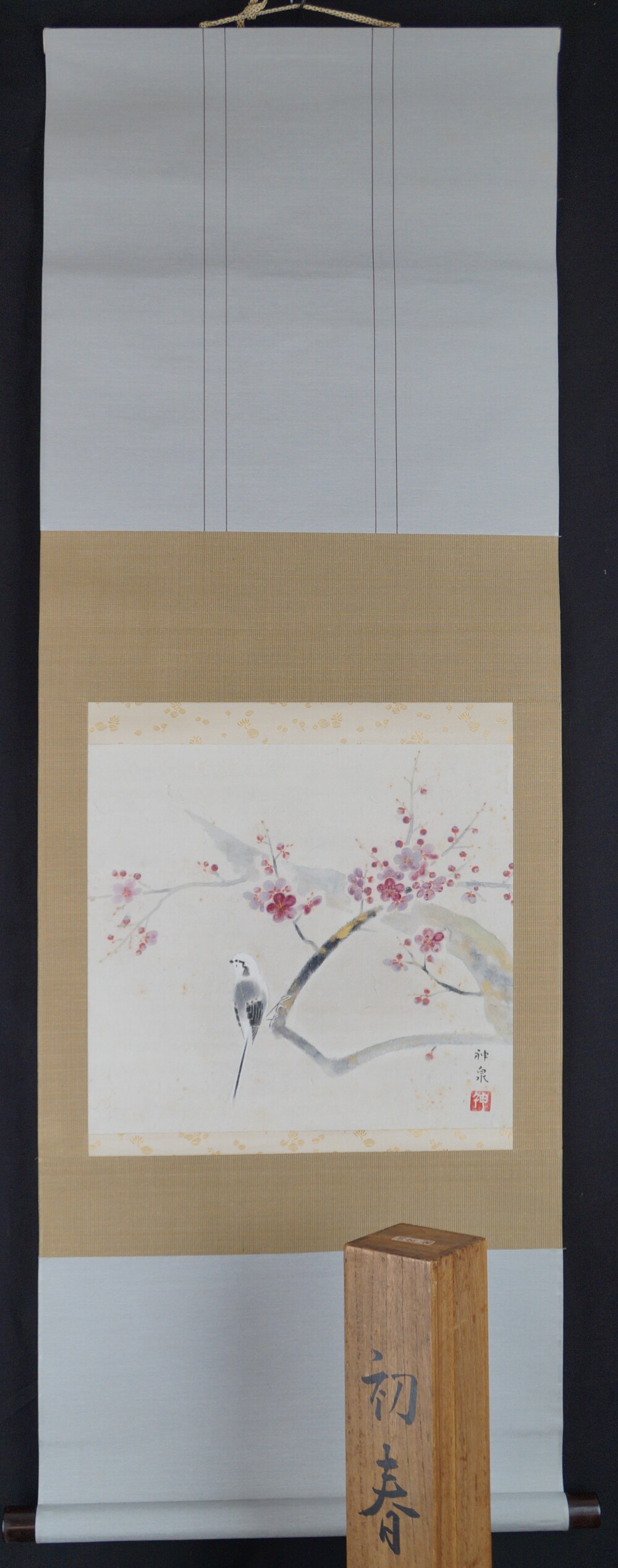
Tokuoka Shinsen
Plum Blossoms in Quiet Morning Light
Kakemono, unique work, with box, 124 x 49 cm
€280.00
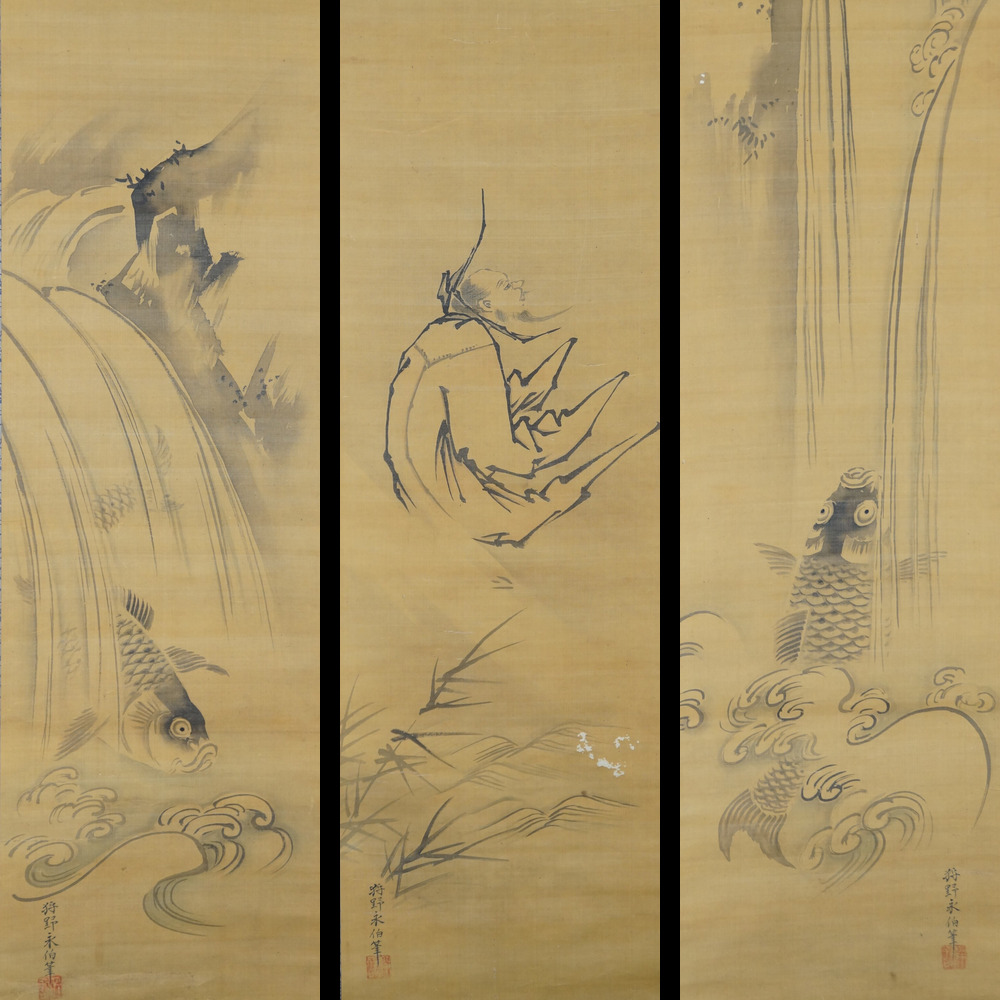
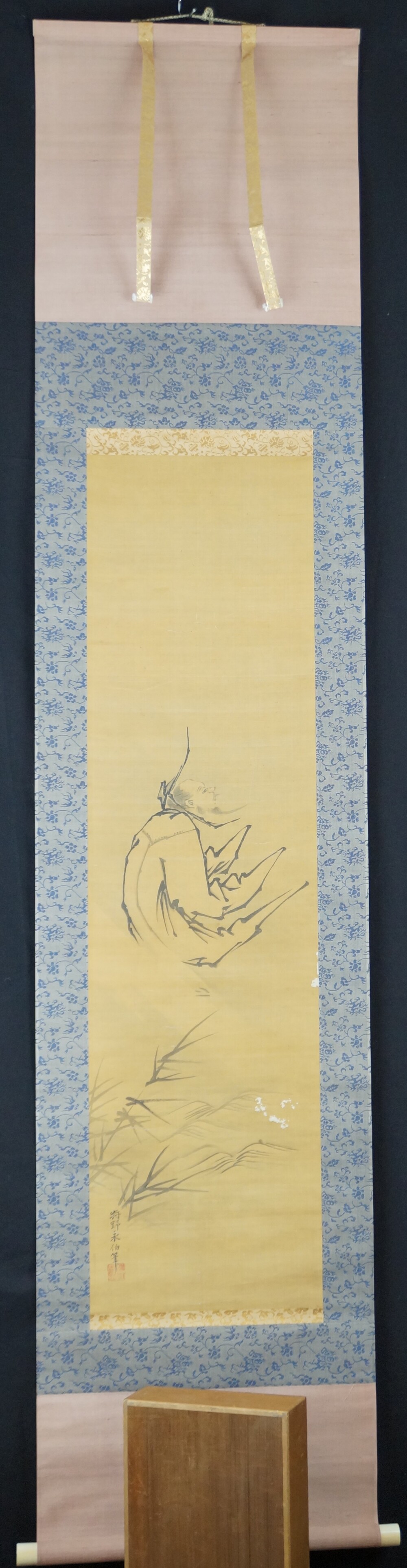
Kano Eihaku
Water, Retreat and Ascent - Set of 3
Kakemono, unique work, with box, 188 x 45 cm
€630.00
48 of 1,201 items shown
How Japan counts its history
Japan divides its history not into centuries but into periods, and each period has a name. The Edo period is named after the city of Edo, today's Tokyo, where the Tokugawa shogunate moved its seat of government in 1603. From 1868 onward the periods follow the reign names of the emperors: Meiji means "enlightened rule", Taishō "great righteousness", and the name Heisei was chosen explicitly to stand for an age of peace. A period ends with a change at the head of state – in 1868 with the Meiji Restoration, in 1912 with the death of the Meiji emperor, in 2019 with the abdication of Emperor Akihito, followed by the Reiwa era. Anyone who collects Japanese art meets these names everywhere: in descriptions, on wooden boxes and in datings.
Edo period (1603–1868): traditions take shape
Some 250 years of peace under the Tokugawa and the country's near-total seclusion from 1624 gave rise to a highly independent culture. The Kanō school defined official painting, while decorative Rinpa painting on gold ground, Nanga painting inspired by Chinese literati ideals and the Ukiyo-e color woodblock print flourished alongside it. Ceramic traditions such as Hagi, Kutani and Arita porcelain took on their defining form in this period, and the tea ceremony spread from the ruling class to prosperous townspeople.
Meiji (1868–1912) and Taishō (1912–1926): opening and modernity
With the Meiji Restoration Japan opened up to the West at breathtaking speed. In painting, Nihonga – "Japanese-style picture" – deliberately set itself apart from Western oil painting (Yōga), and many painters kept working in the visual language of the Kanō school in which they had been trained. At the world's fairs in Vienna and Paris, Japanese crafts sparked Japonisme, and Kutani and Arita porcelain enjoyed a second export boom. The brief Taishō era produced Taishō Romanticism, a blend of Japanese imagery with Art Nouveau and Art Deco; the Great Kantō Earthquake of 1923 also destroyed many collections and workshops.
Shōwa (1926–1989): crisis and revival
The longest period of modern Japanese history is divided into an early Shōwa period up to 1945 and a later Shōwa period after it. During the war years many pottery workshops had to scale back or stop altogether. After 1945 traditional craft saw a renaissance: the Mingei movement around Yanagi Sōetsu and Hamada Shōji turned attention to the beauty of functional everyday objects, the state honored outstanding masters as "Living National Treasures" (Ningen Kokuhō), and Arakawa Toyōzō reconstructed the Shino glaze.
Heisei (1989–2019) and Reiwa (since 2019): tradition in the present
After the economic bubble burst, handmade craft gained new meaning in Japan as a counterweight to short-lived mass goods. Pottery centers such as Bizen, Hagi and Shigaraki found growing appreciation at home and abroad, and ideas like wabi-sabi and kintsugi became known worldwide. Pieces from the Heisei and Reiwa eras often come from artists who are still working today – frequently in workshops whose names are handed down through the generations.
What the period tells you when buying
The period describes the object: the paper or silk, the pigments used, the condition of the support, and for ceramics the clay, glaze and traces of use. It is an assessment of the thing in front of you. The artist's name, by contrast, records what is written on the piece. The two statements are independent and can diverge – for instance when a Shōwa-period scroll bears the seal of a master who died long before. Older pieces also wear their age visibly: a scroll from the Edo or Meiji period almost always shows marks that belong to its history.
How a dating is supported
The support itself is the first witness: over the decades paper and silk take on a warmer tone, foxing appears, and the ink draws into the fibers. Pigments help date a work too – Prussian blue was widely used in Japan from the 1830s, while synthetic aniline dyes cannot be traced there before the 1860s. The mounting of a kakemono says little, because it is traditionally renewed every one to two hundred years. For ceramics, signature, stamp and tomobako – the wooden box inscribed by the artist – complete the picture. The inscription usually names the object, kiln, artist and seal, and for potter dynasties also the generation, which is often the real key to placing a piece in time. Signature and box alone do not prove age; together with style they support a well-founded assessment.
What collectors look for
Read the period and the artist's name separately: one line tells you how old a piece probably is, the other whose name appears on it. With scrolls, what matters most is whether they were painted by hand – a hand-painted kakemono is one of a kind, whatever its period. Wooden box, fabric pouch and enclosed notes stay with the object, because together they form its chain of provenance. And a kakemono is not hung permanently: it is shown for a few weeks in indirect light and steady humidity, then rests rolled up in its box.