Kanō Tanyū (狩野探幽): Painter in the Service of the Shōgun
Kanō Tanyū (狩野探幽, 1602–1674), personal name Morinobu (守信), was the defining painter of the early Edo period. He was born in Kyōto as the eldest son of Kanō Takanobu and was a grandson of Kanō Eitoku, the great wall painter of the Momoyama period. He died in Edo, today's Tokyo, to which he had shifted the focus of his work.
From Kyōto to Edo: The Kajibashi Line
In 1617 Tanyū became official painter to the Tokugawa Shōgunate. In 1621 he received an estate in front of the Kajibashi Gate in Edo, thereby founding the Kajibashi line of the Kanō school. His standing is reflected in his honorary titles: in 1638 he was appointed Hōgen, in 1662 Hōin, the highest rank a painter could attain.
Castles, Temples and Shrines
His major commissions include the wall paintings of Nijō Castle in Kyōto, among them pines and falcons in the Ninomaru Palace, works for Nagoya Castle, Edo Castle and the Daitoku-ji temple, as well as the 1640 picture scrolls on the founding history of the Tōshōgū in Nikkō. Tanyū was also a sought-after connoisseur: he recorded works submitted to him for appraisal in reduced sketches. These “Tanyū shukuzu” are today an important source for paintings that still survived in his time.
Line and Emptiness: A Style for the Edo Period
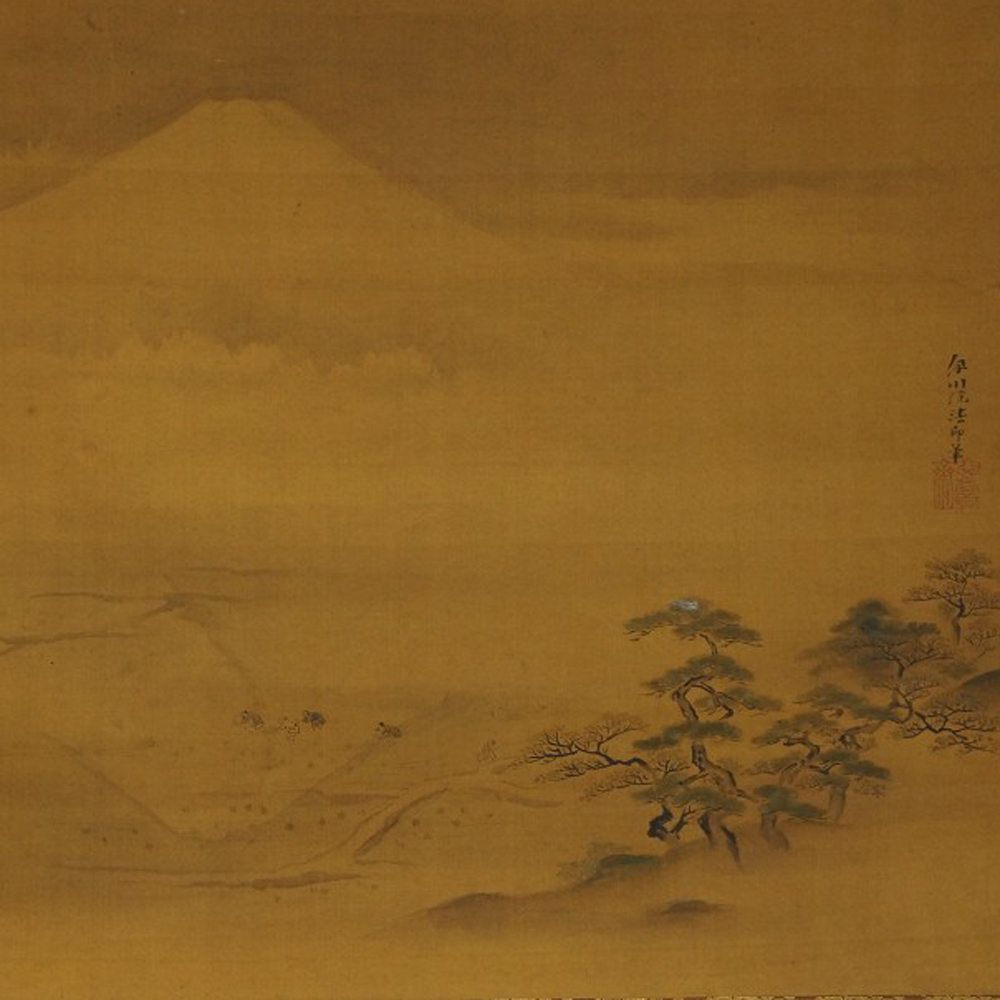
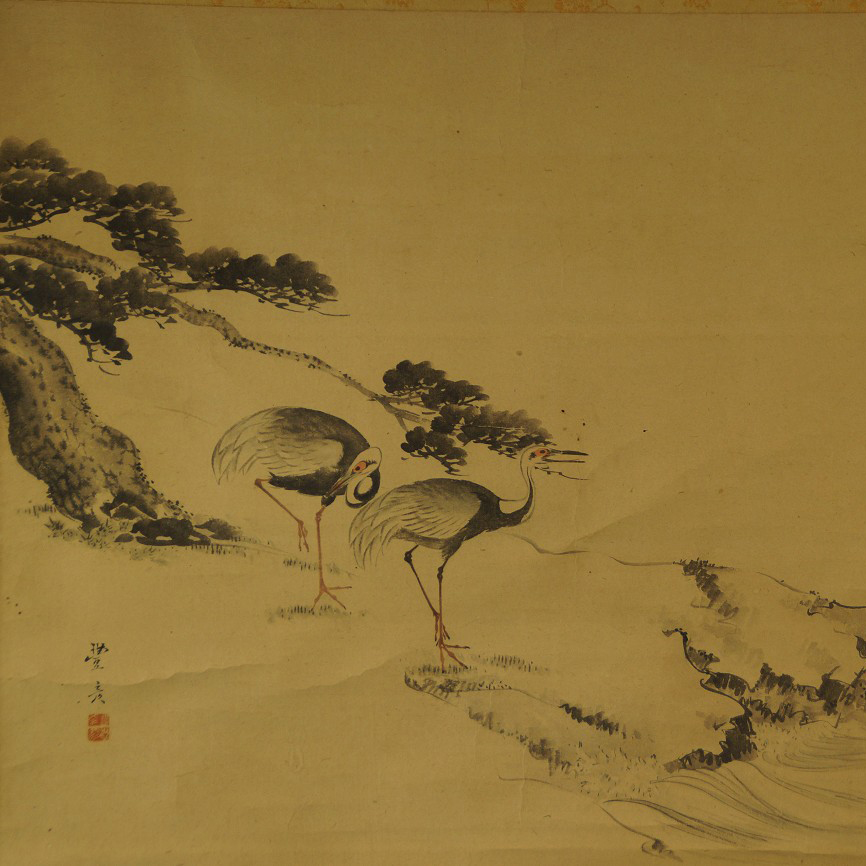
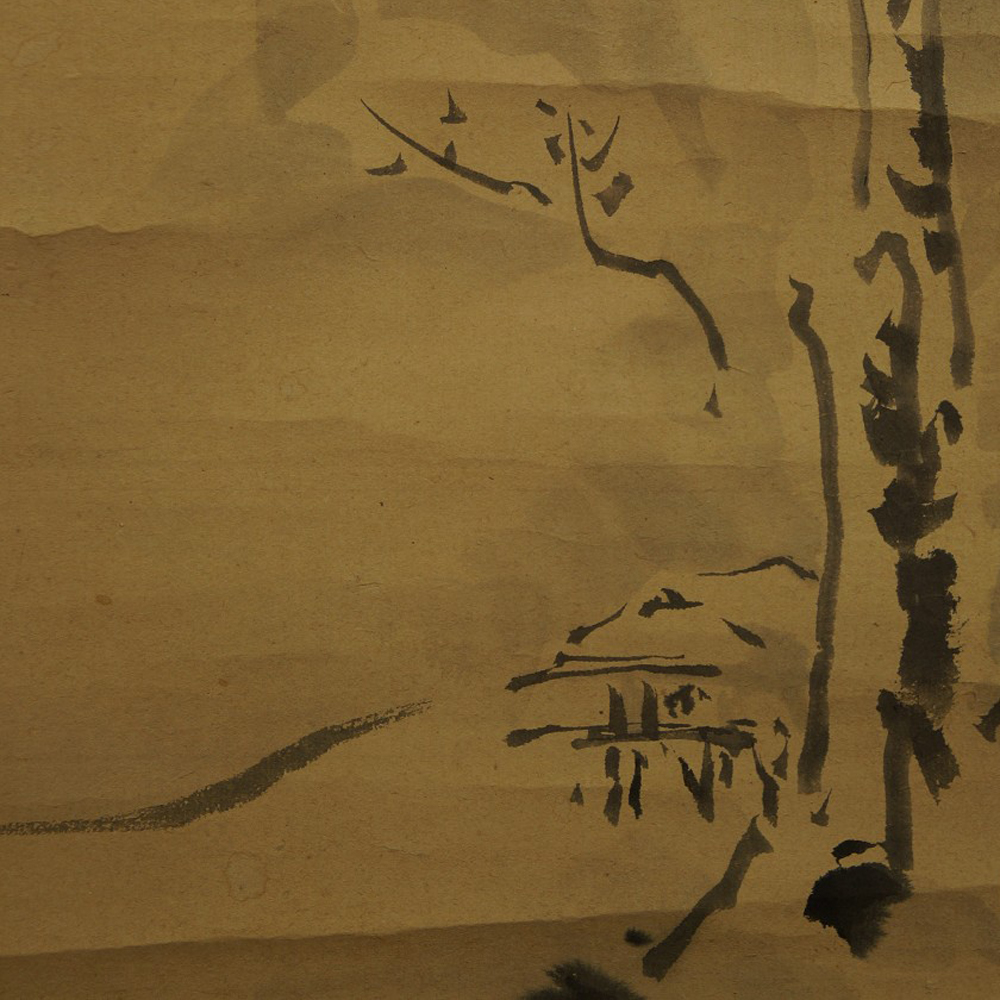
Tanyū finely varied the thickness of the ink line and deliberately left a great deal of empty space. The powerful splendour of the Momoyama period thus became a light, elegant manner of painting that formed the foundation of Edo-period painting. He mastered large-format colour painting on gold ground as well as ink painting and subjects in the Yamato-e style. He also painted Fuji several times; the most important of these pictures is considered to be a Fuji painting of 1667 in the Shizuoka Prefectural Museum.
What a Tanyū Signature Reveals
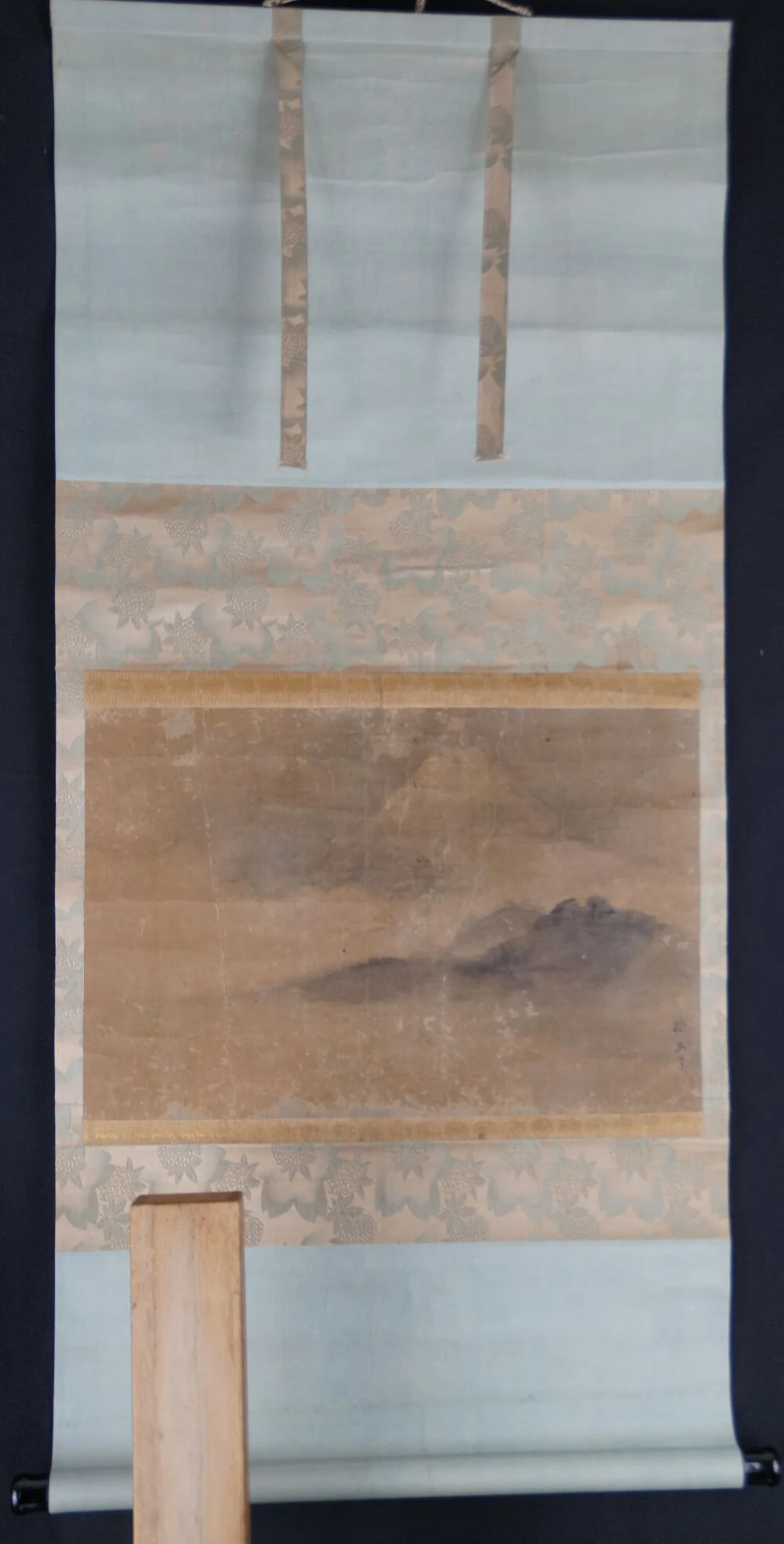
His signatures changed with his rank and age: from 1635 he signed as Tanyūsai, after 1638 with the title Hōgen, after 1662 as Hōin, often stating his age. The form of the signature therefore helps with dating, but on its own does not prove his own hand. Many pictures in museum collections are regarded as attributed to Tanyū or as works after his model. A scroll bearing his name is therefore first of all a testimony to his influence – and only after close examination a work by his own hand.