Mochizuki Kinpō (望月金鳳): the “Tanuki-Kinpō”
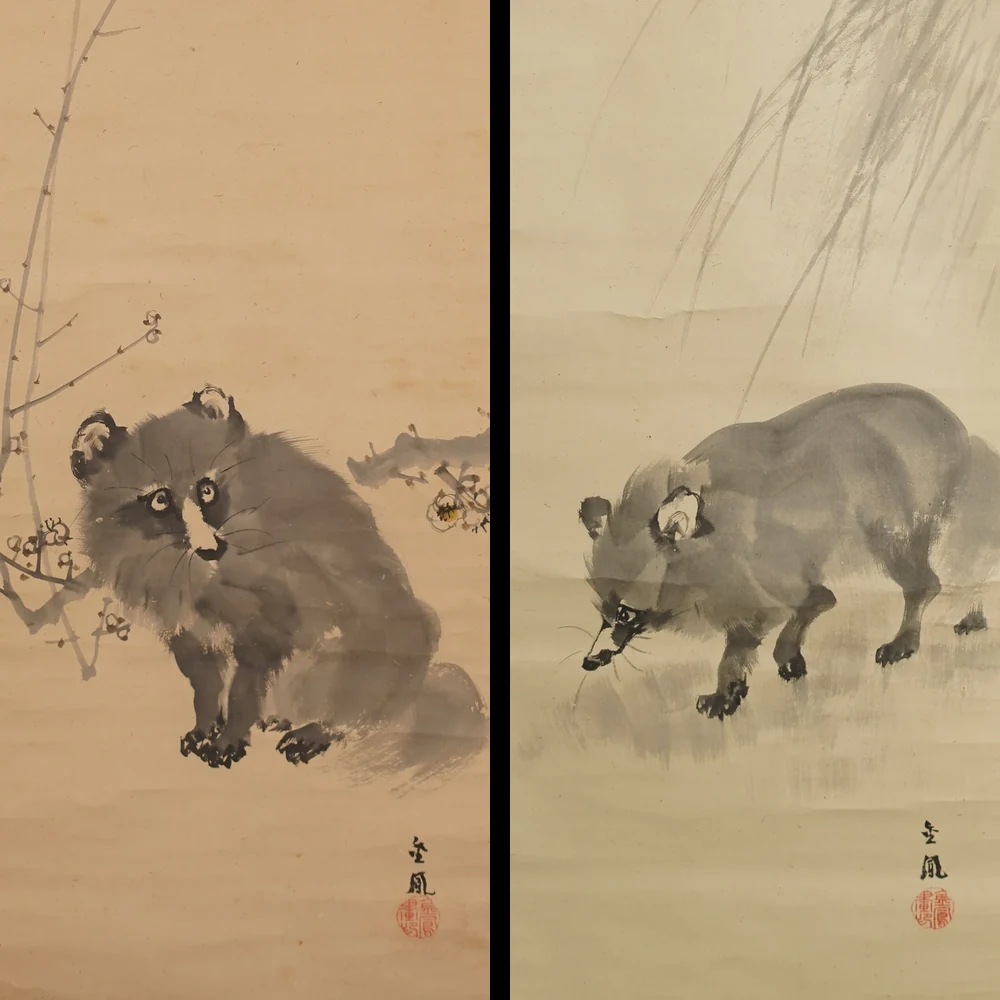
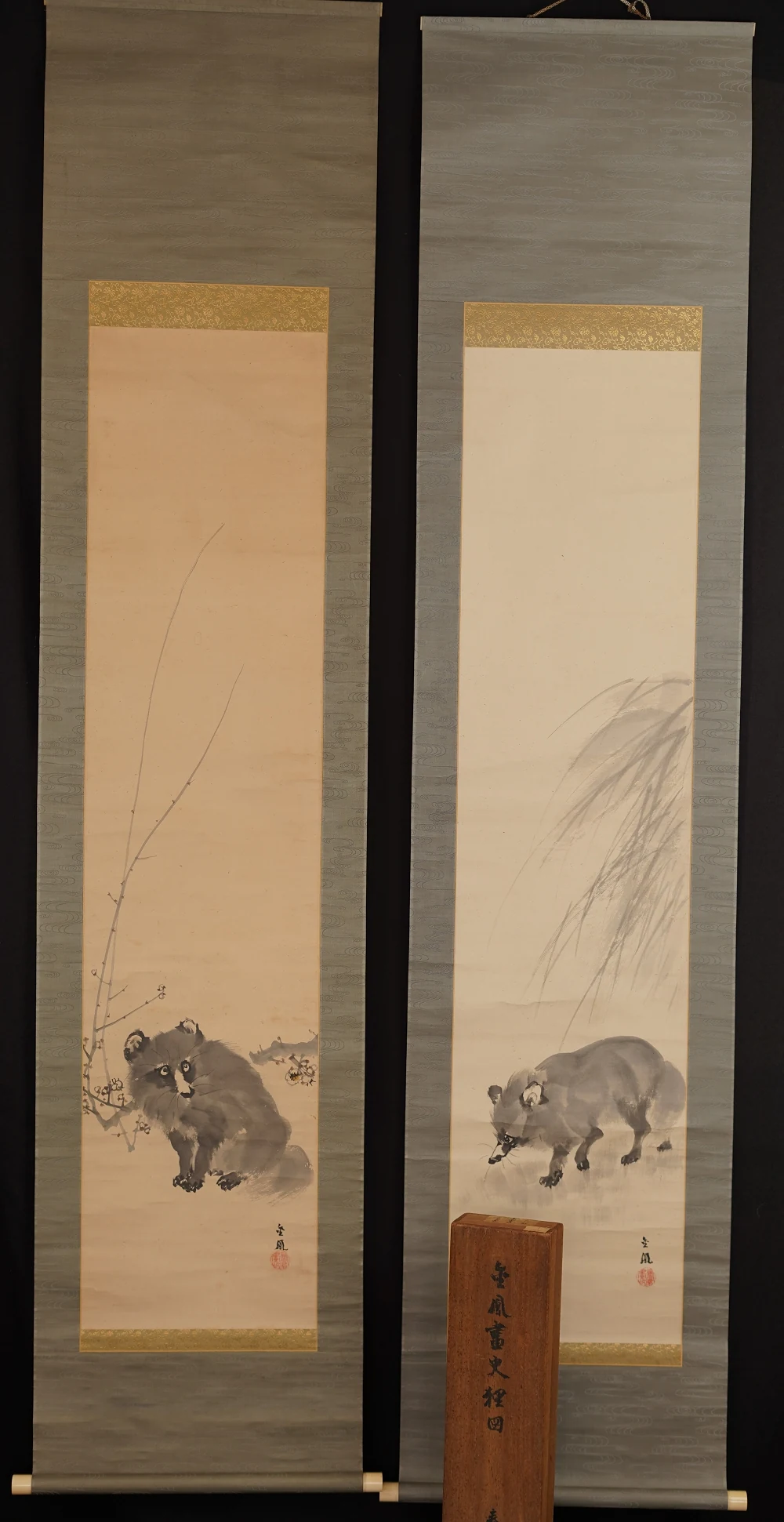
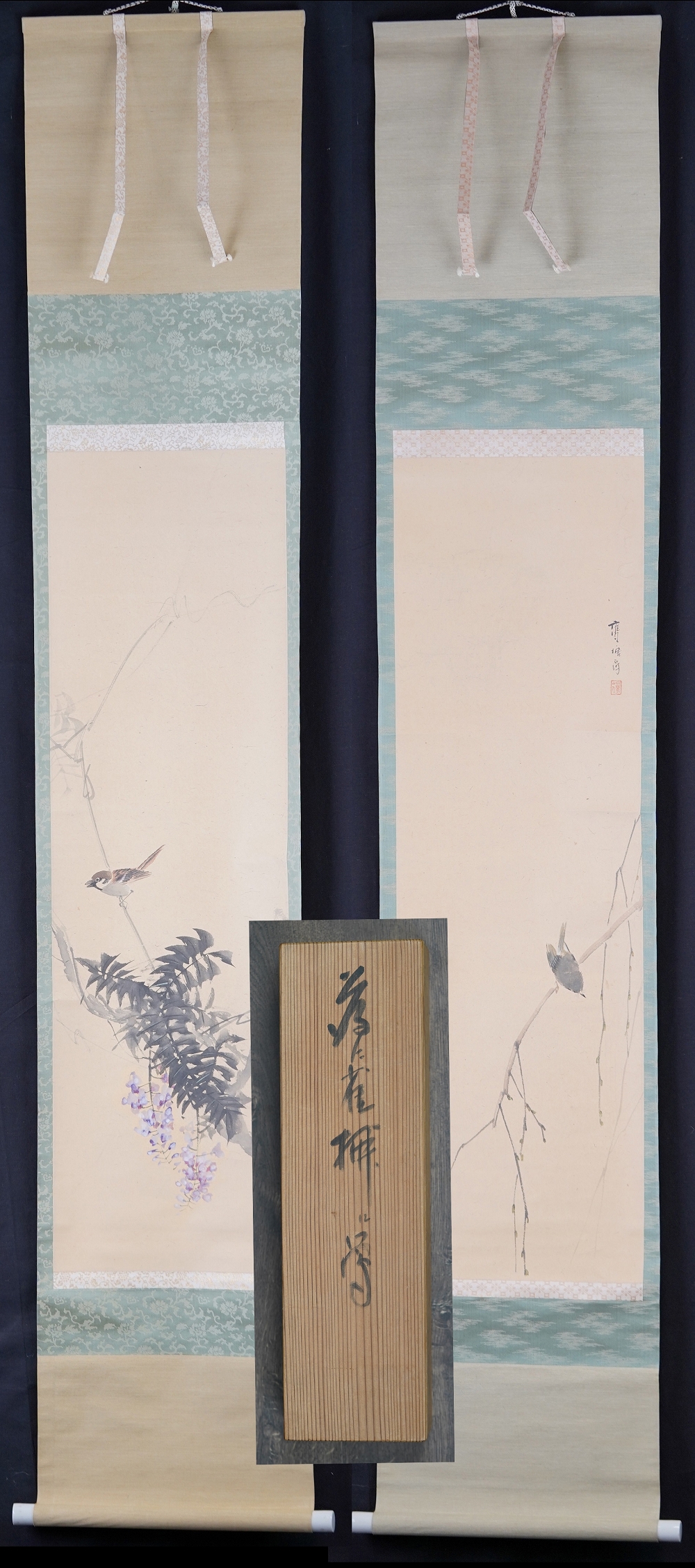
Mochizuki Kinpō (望月金鳳, 1846–1915) was a Japanese painter of the Shijō school who made his name above all with animal paintings. He came from the Hirano-machi district of Ōsaka, originally bore the family name Hirano and joined the Mochizuki family through adoption. His tanuki paintings made him so well known that he was called the “Tanuki-Kinpō”.
Training in the Shijō School
His training began in the Maruyama school and then led him to Nishiyama Kan'ei, a painter of the Shijō school. Shijō painting, which emerged in Kyōto from the tradition of Maruyama Ōkyo and Matsumura Goshun, combined close observation of nature with a loose, lyrical brushstroke – an approach clearly evident in Kinpō's animal paintings.
From Civil Servant to Painter in Tokyo
In 1876 Kinpō went to Tokyo and entered the Home Ministry as a civil servant. He then worked for the Hokkaidō Development Commission, Sapporo Prefecture and the Hokkaidō prefectural government. In 1890 he left government service and from then on lived as a painter in Tokyo, where he ran his own painting school in Asakusa.
Exhibitions, Foundings, Jury
As early as 1882 he exhibited at the first national painting exhibition; from 1890 he repeatedly received prizes from the Japan Art Association, a third prize each in 1895 and 1897. In 1898 he was among the founders of the Nihon Gakai and served there as a juror; in 1907 he founded the Seiha Dōshikai together with Takashima Hokkai. From the second Bunten in 1908 he was a juror of the state art exhibition. He died in 1915.
Tanuki in Ink
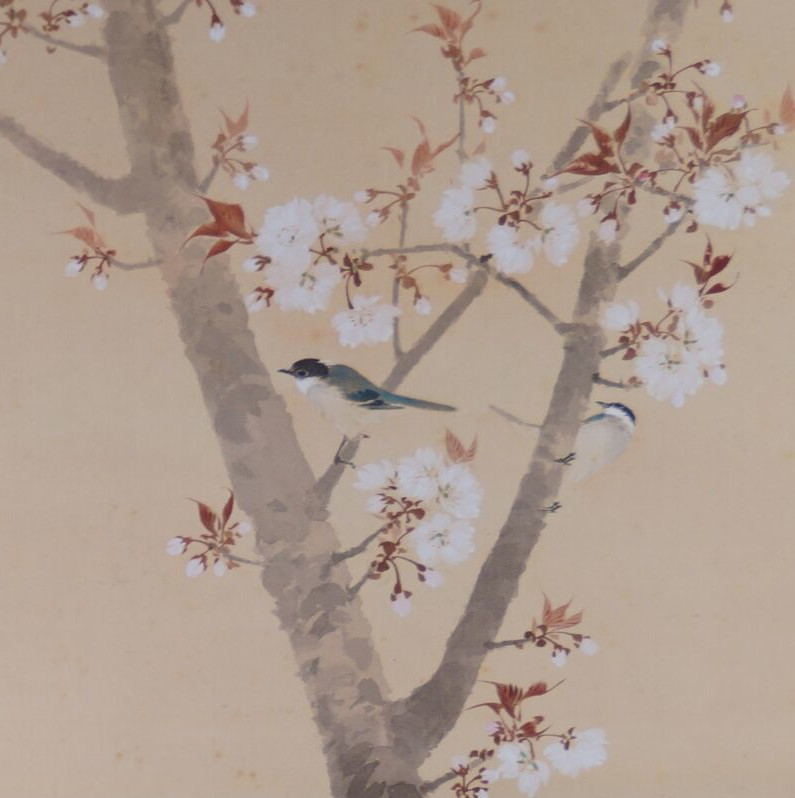
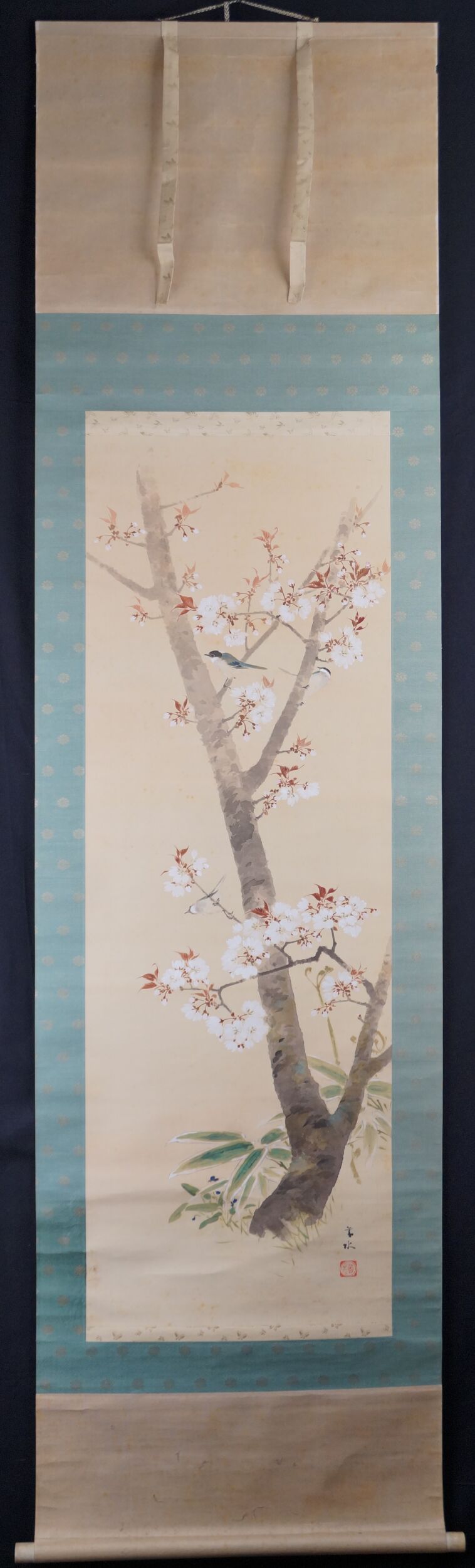
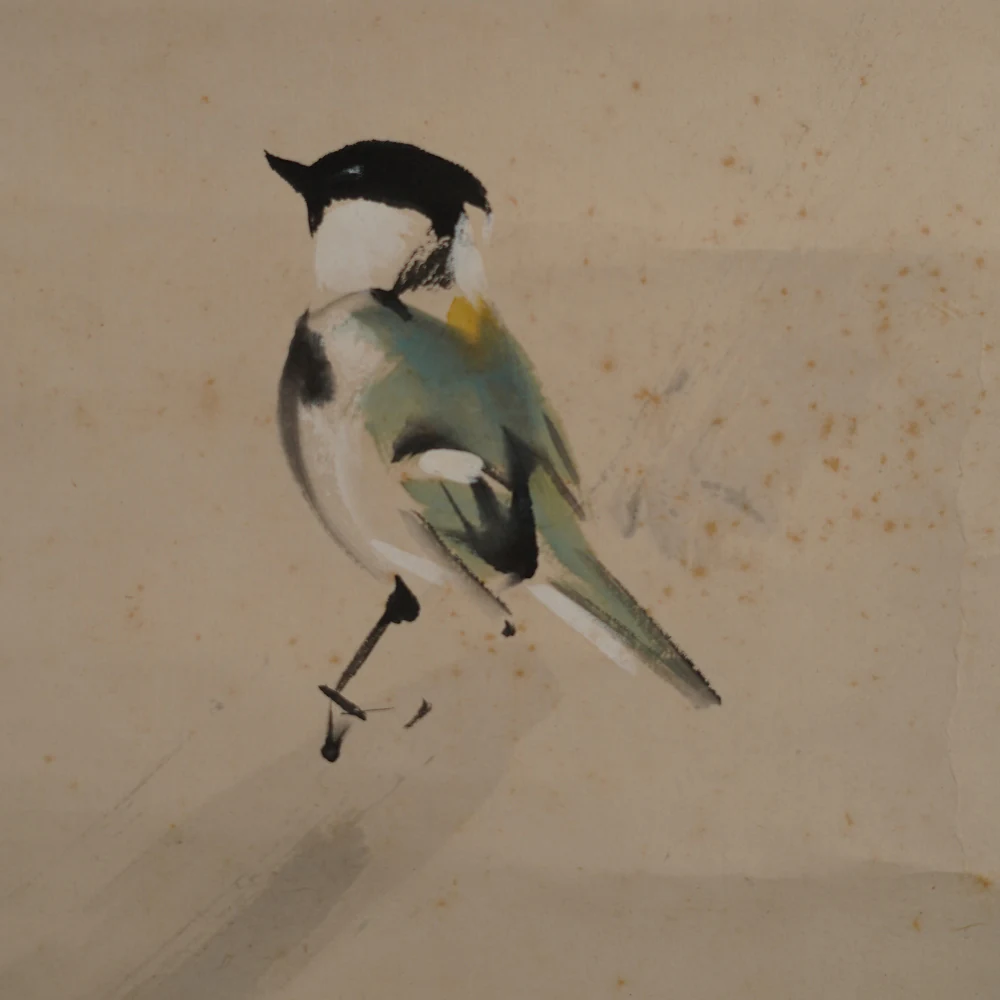
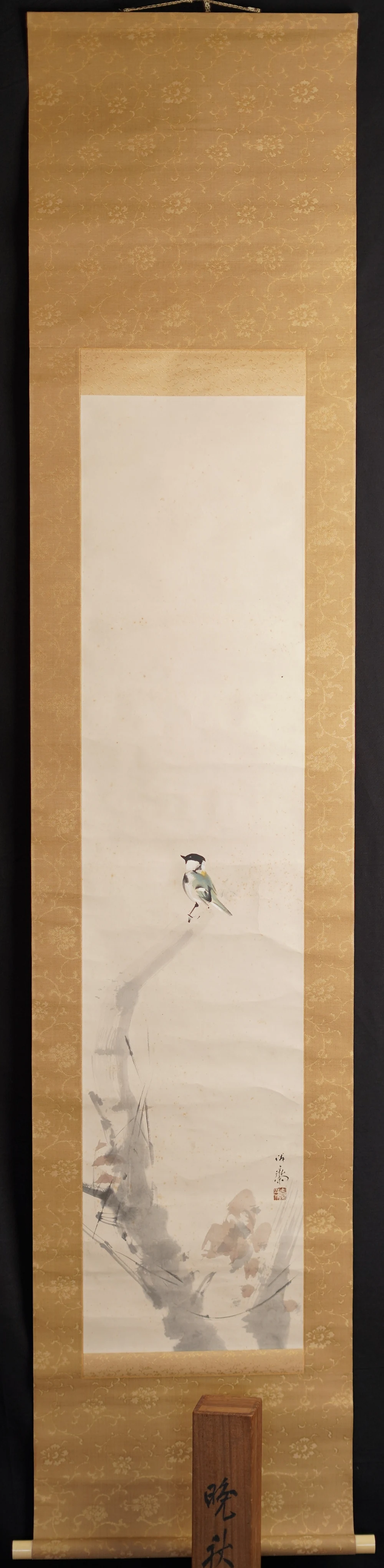
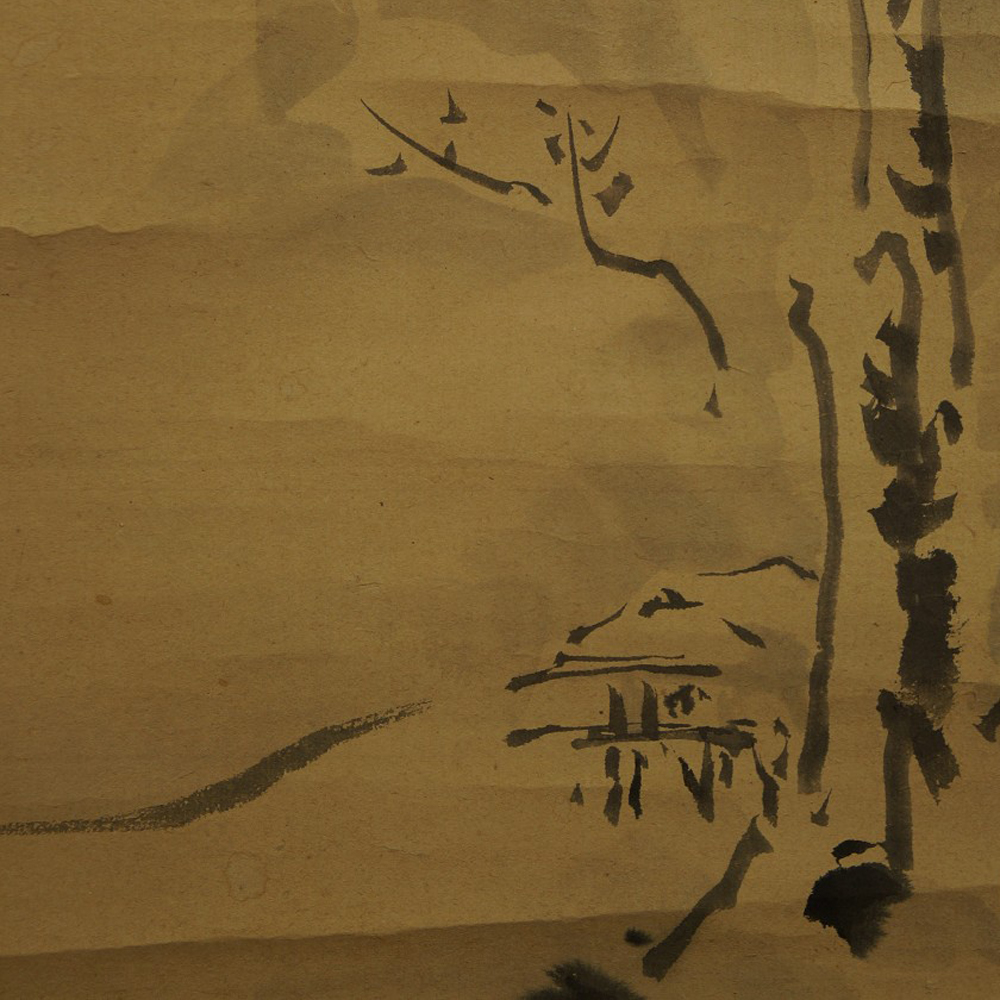
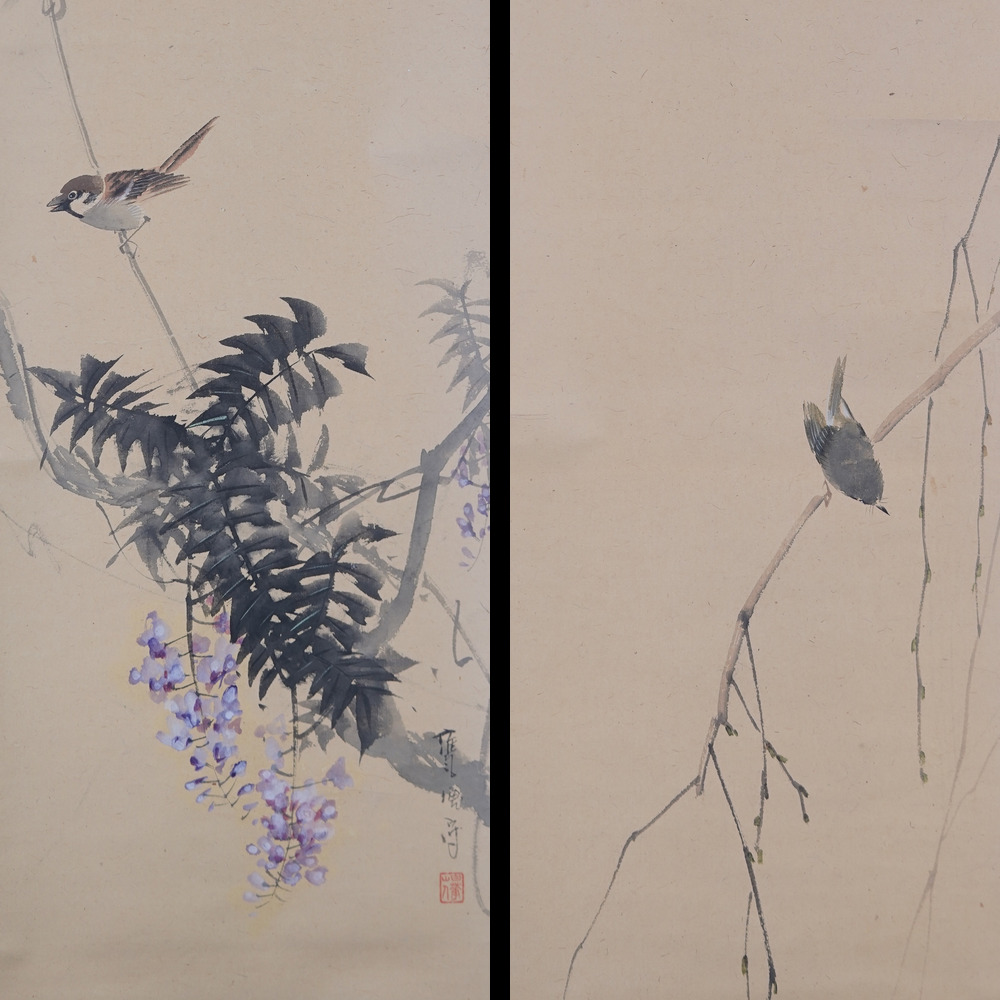
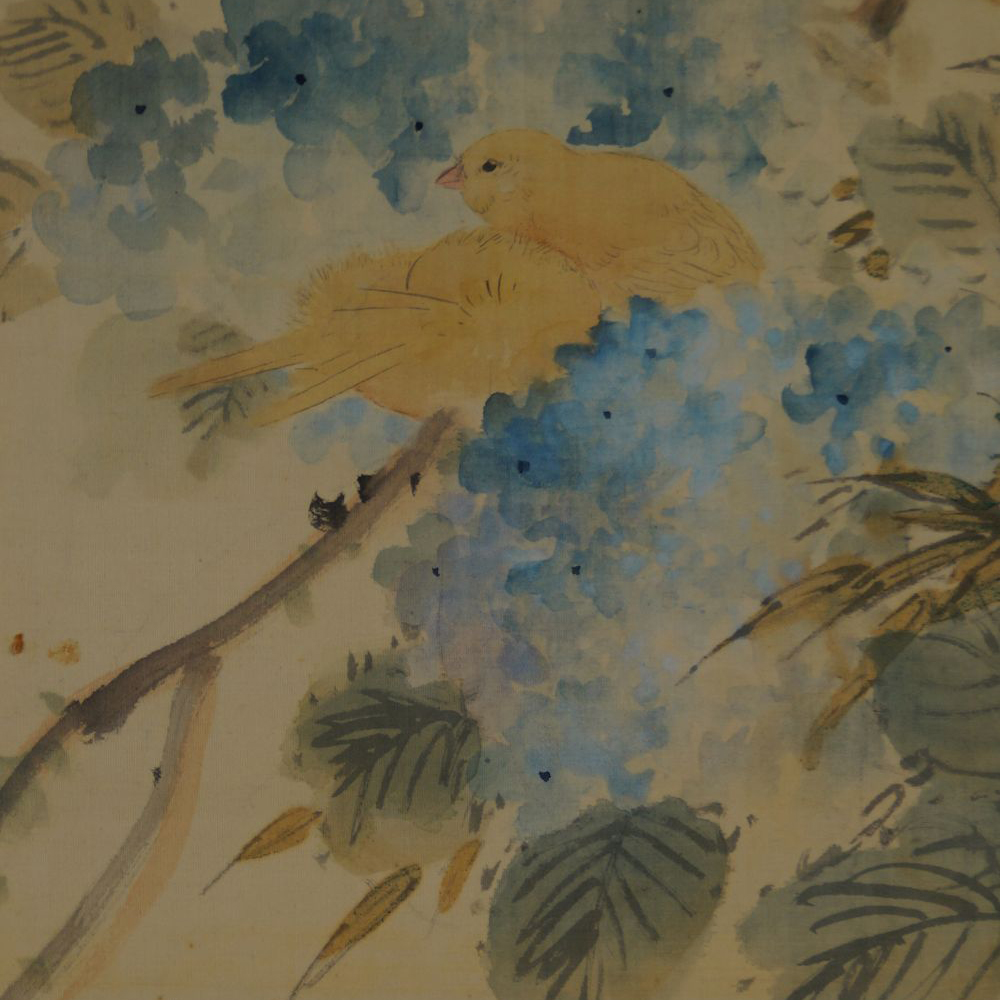
The tanuki, the Japanese raccoon dog, is a cunning fellow in folk belief and tales, often given to shape-shifting. In Kinpō's paintings it appears as an animal: with dense fur built up in soft layers of ink, alert eyes and a closely observed posture. In 1900 the art magazine Bijutsu Gahō published his painting of an old tanuki in moonlight. His work also includes flower-and-bird paintings.