
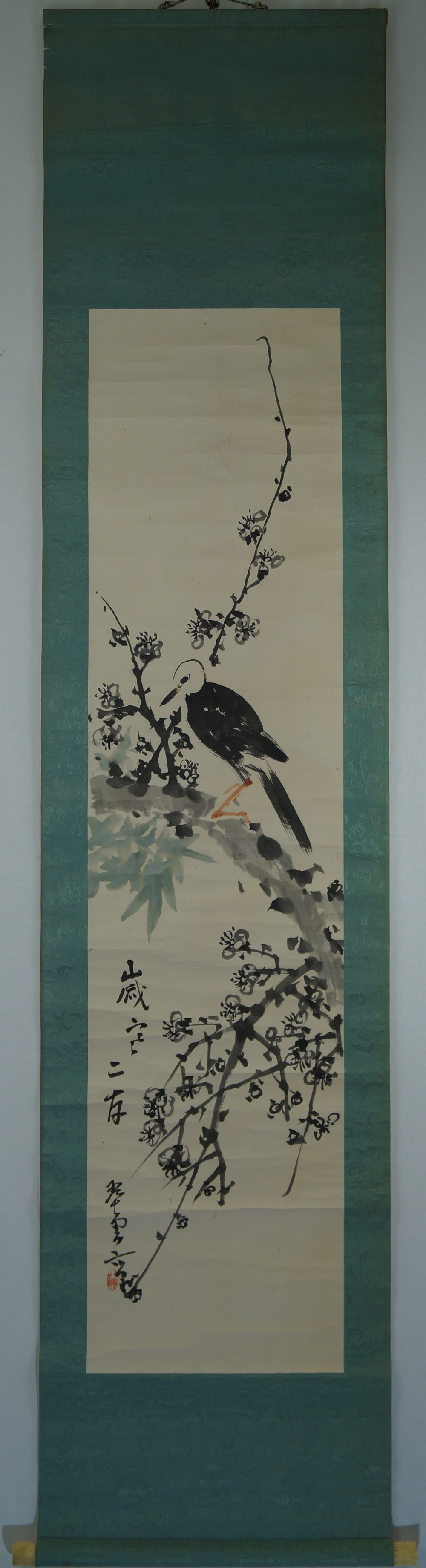
Kakemono Wild Goose in the Reeds under a Pale Moon
One of a kind — this work exists only once.
- Period:
- Meiji (1868–1912)
- Dimensions (height x width):
- 200 x 47 cm
- Item number:
- 3851
This piece has been sold.
Sold – no longer available
This piece was a handmade one-of-a-kind work. It cannot be reordered and will never exist in this form again. The page stays online as part of our archive.
More items in category AnimalsAll one-of-a-kind Japanese Painting pieces
See new one-of-a-kind pieces first
We feature every delivery from Japan in the newsletter first – before the pieces show up in search results.
You might like these pieces

Tanaka Koga
Wild Goose in Moonlight
Kakemono, unique work, 185 x 64 cm
€290.00
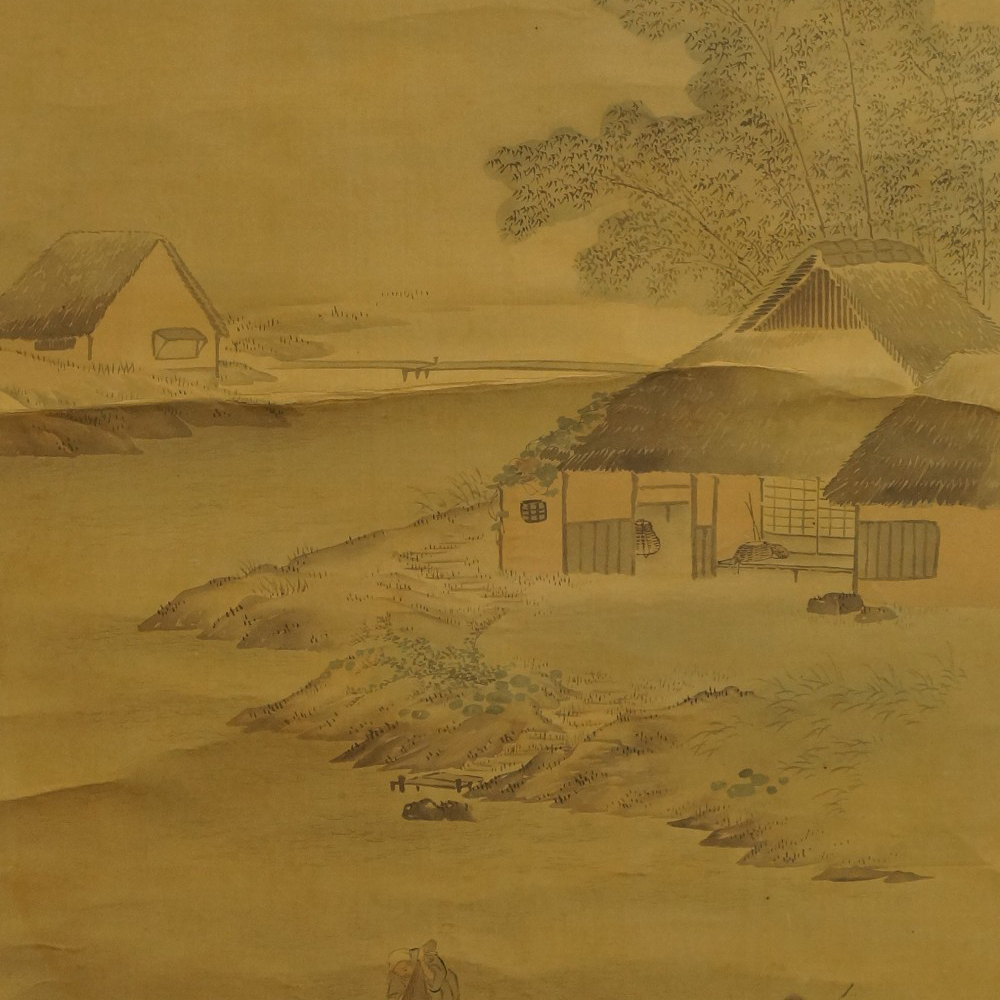
Mori Ippo
Fisherman's Huts in Moonlight
Kakemono, unique work, 180 x 53 cm
€290.00
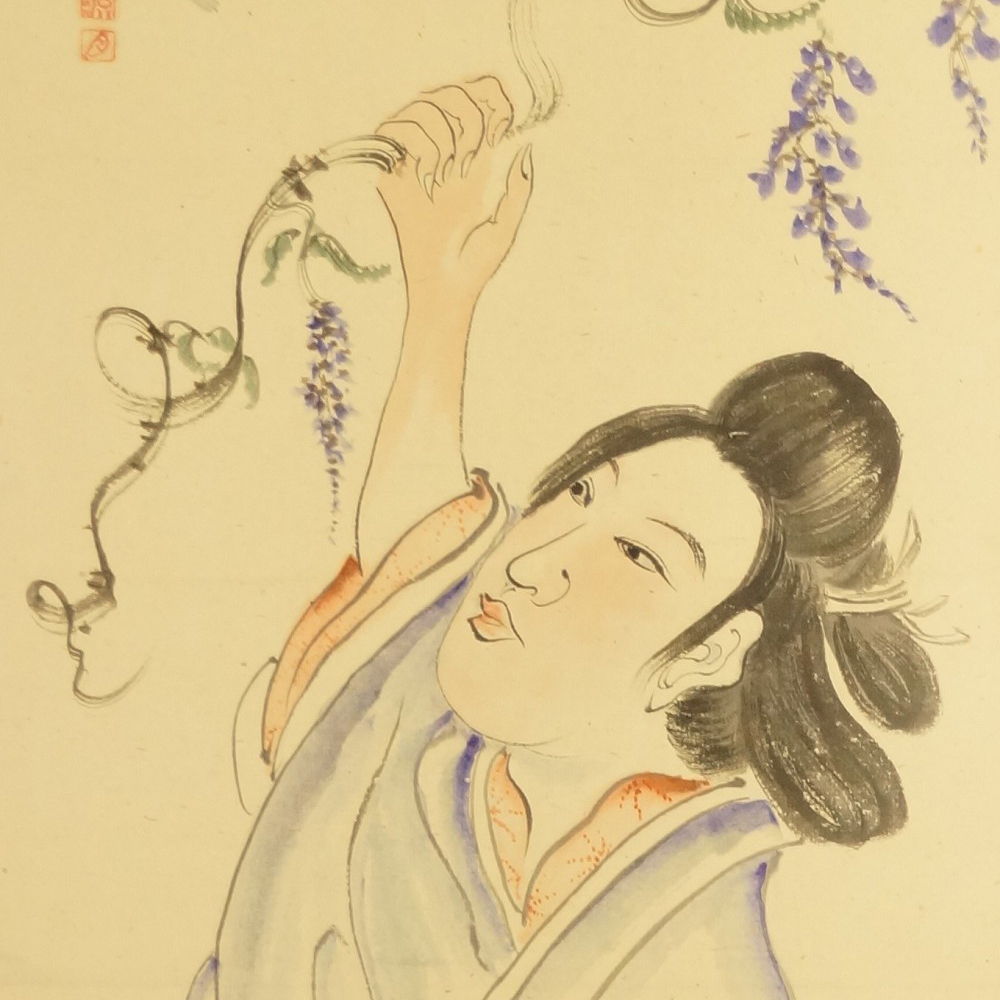
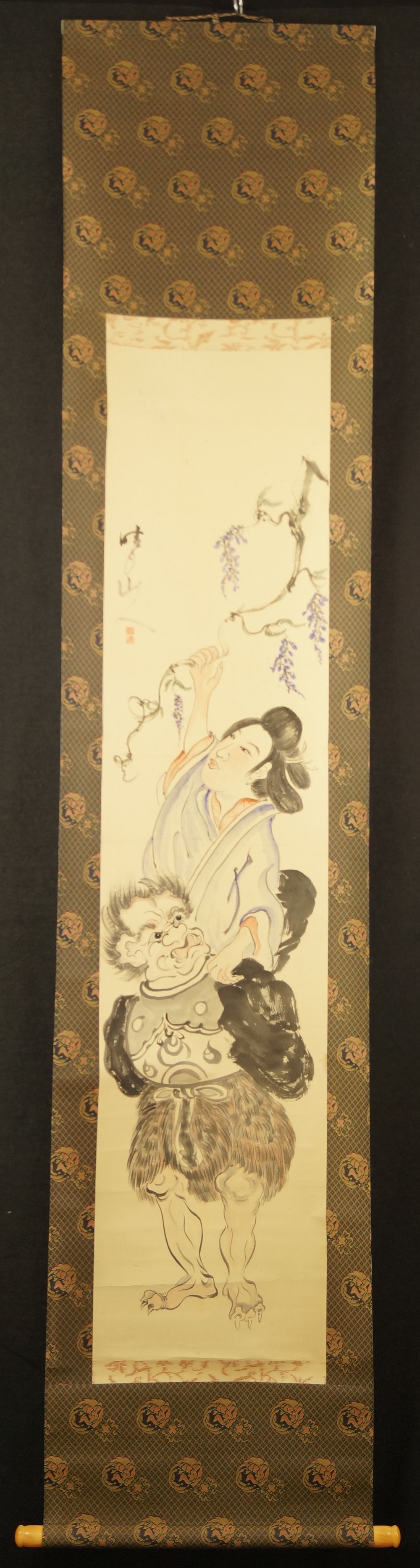
Lady Under Wisteria Blossoms
Kakemono, unique work, 200 x 50 cm
€210.00
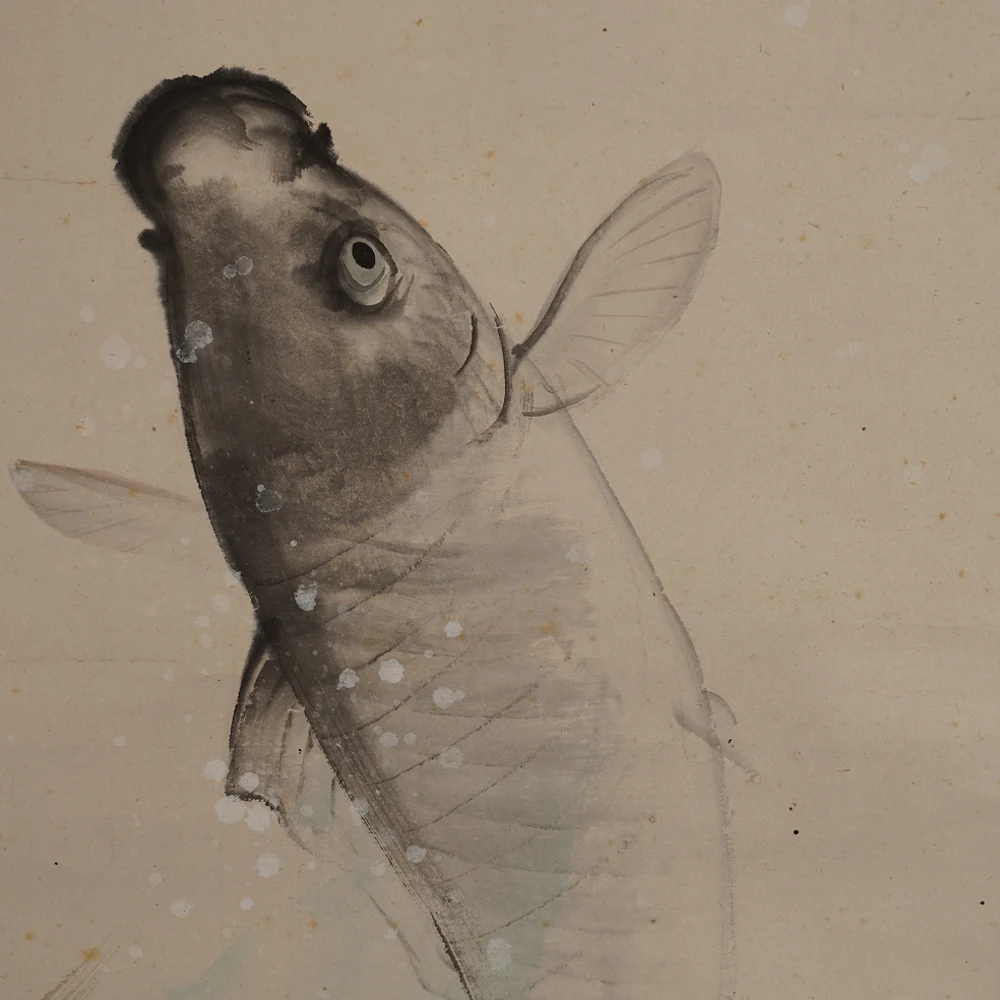
Mori Getsujō
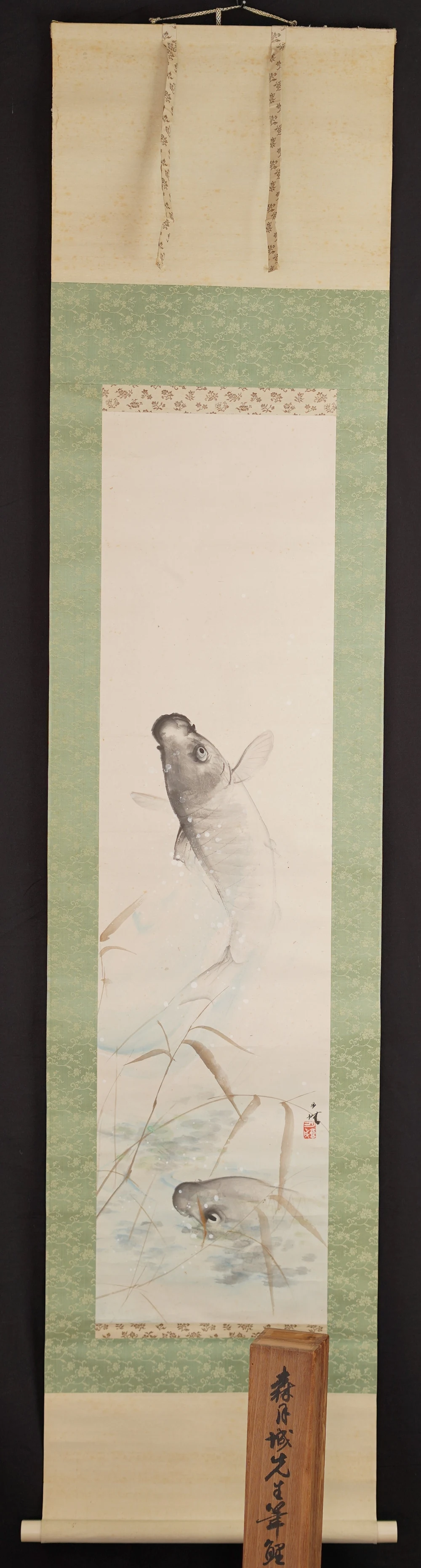
Two Carp Among Reeds
Kakemono, unique work, with box, 190 x 48 cm
€320.00
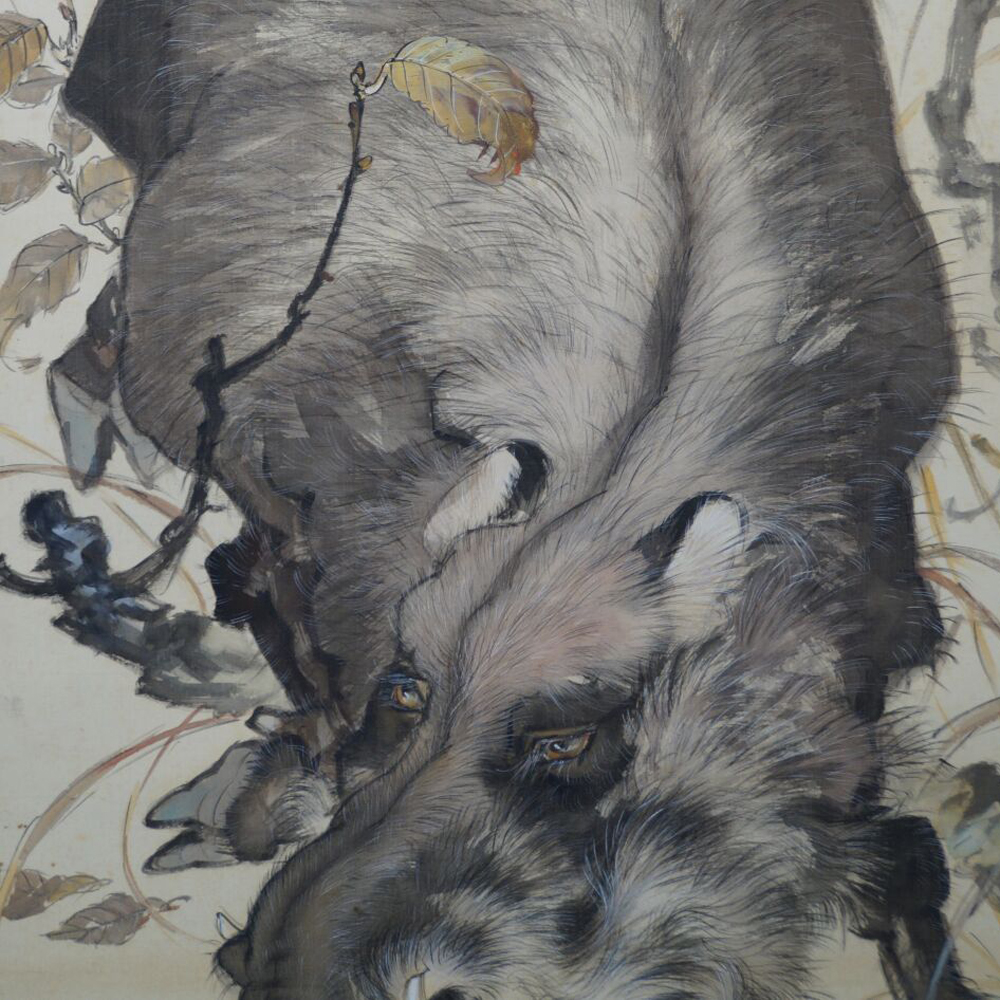
Saegusa Soko
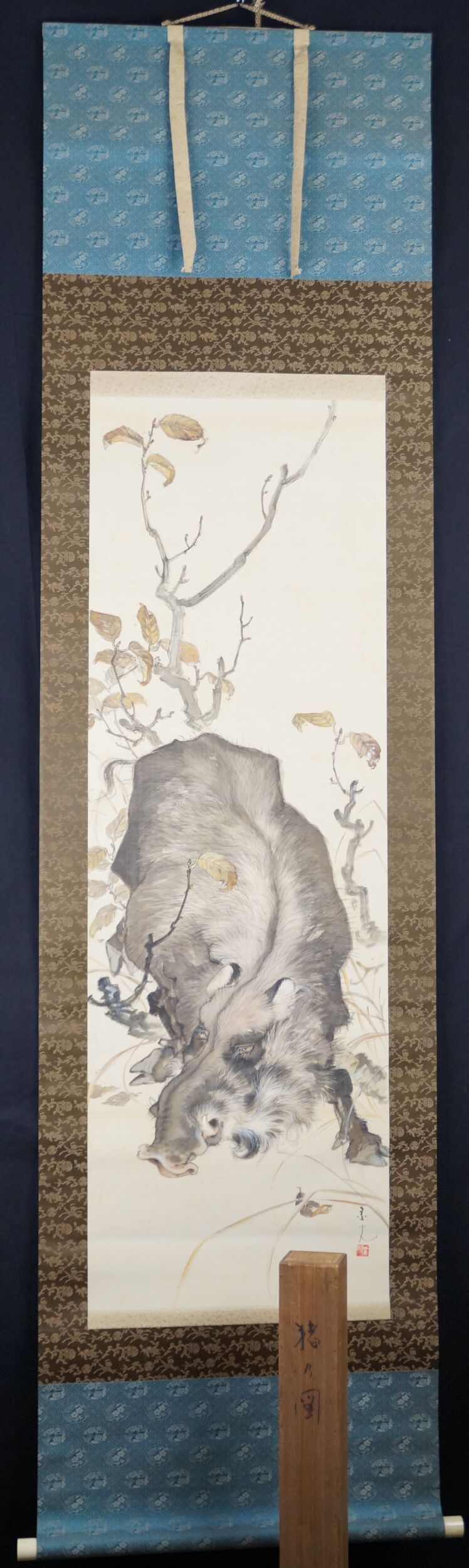
Wild Boar in Autumn Foliage
Kakemono, unique work, with box, 210 x 60 cm
€950.00
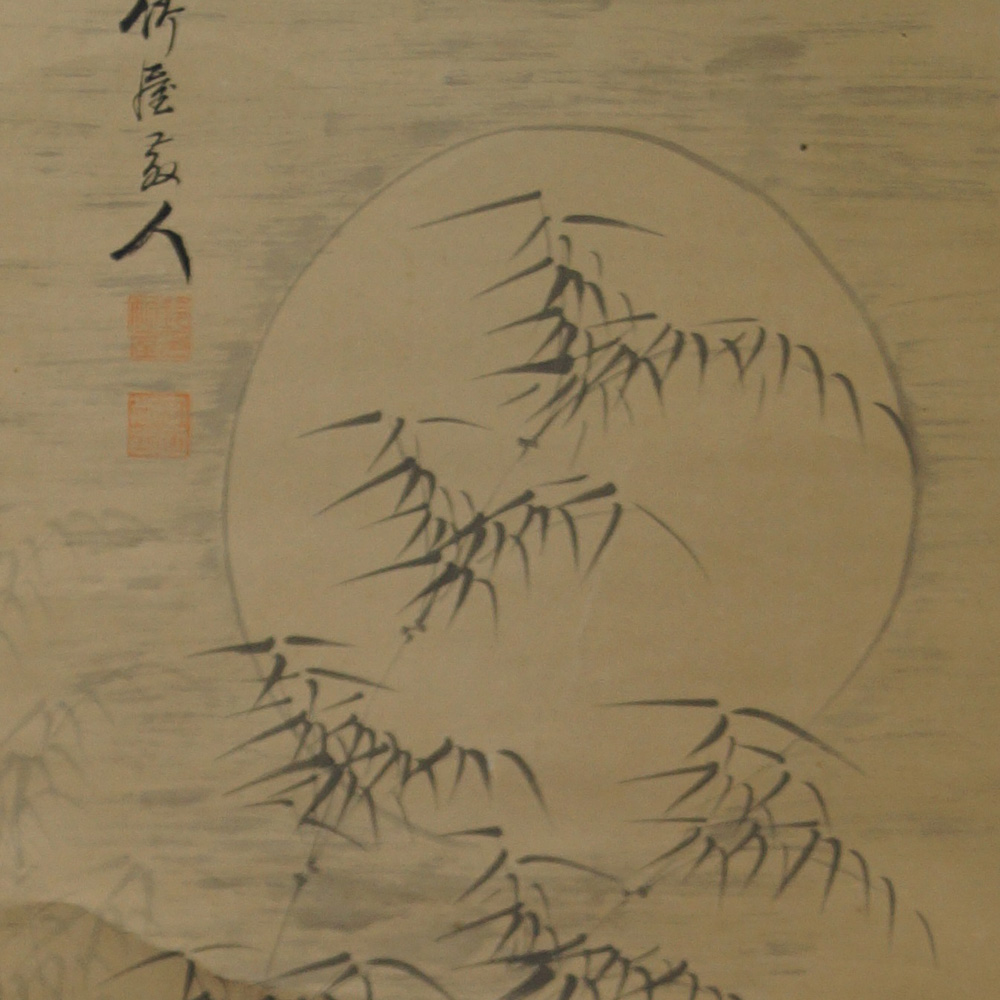
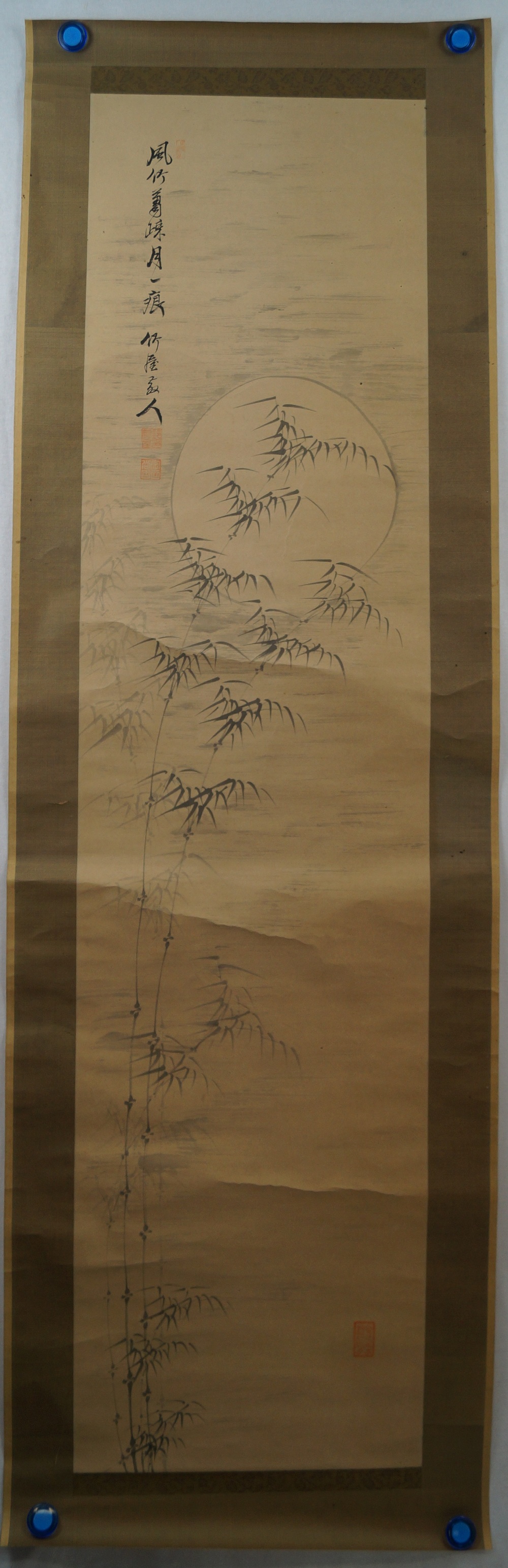
Makuri with Bamboo and Full Moon
Makuri, unique work
€168.00
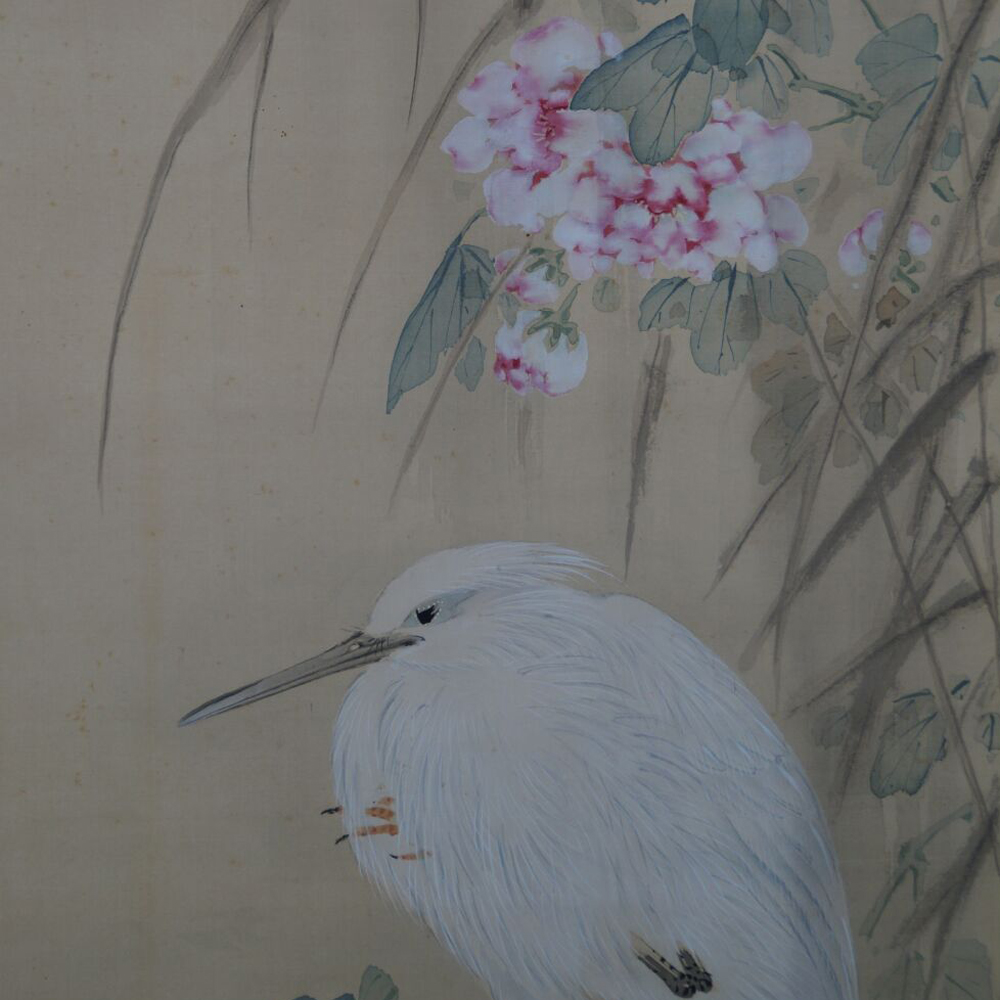
Koyama Setsurei
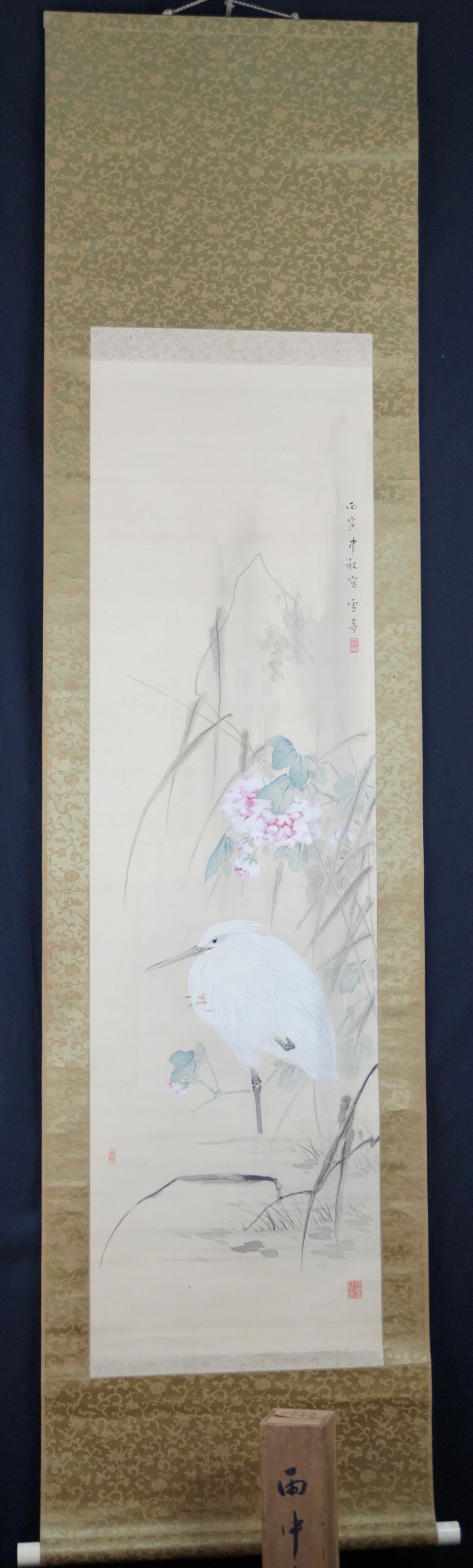
White Heron Among Blossoms and Reeds
Kakemono, unique work, with box, 195 x 54 cm
€720.00
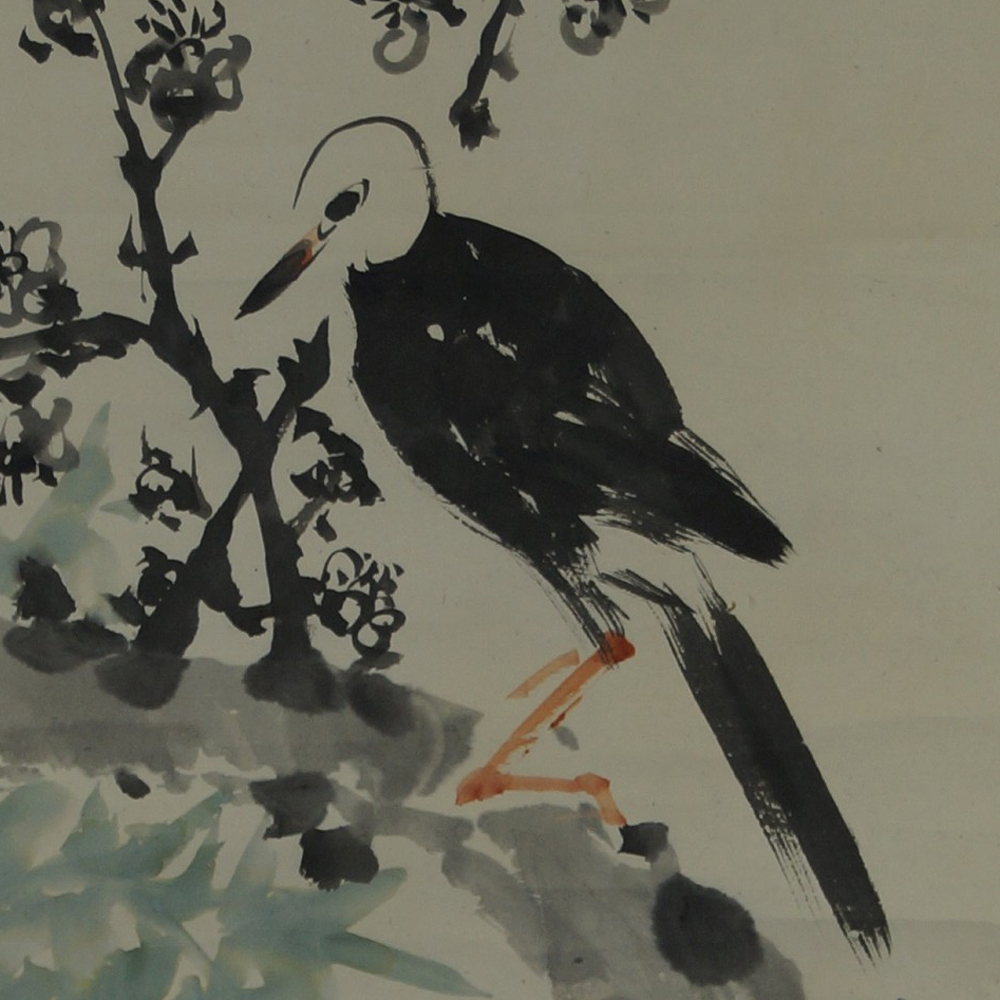
Heron Under Cherry Blossom Branch
Kakemono, unique work, 182 x 46 cm
€140.00


Details about the sold piece
- JikusakiBone
- Material HonshiPaper
- MotifAnimals
- TechniqueHand-Painted
Description
A wild goose with lowered neck and watchful gaze stands among slender reed stalks, while in the background a pale moon shimmers through thin mist – a classic motif of autumnal bird-and-flower painting that conveys both stillness and vigilance, evoking a quiet, autumnal mood.
In East Asian symbolism, wild geese are regarded as messengers of fidelity and family cohesion, as they migrate in fixed formations and remain bonded to their partner for life. The fine, almost naturalistically precise plumage painting stands in charming contrast to the loosely sketched reeds and the delicately washed moon, lending the composition additional vitality.
The painting was created in the Meiji period on paper and has axis ends made of bone. As a hand-painted unique work, this kakemono combines naturalistic precision with the quiet poetry of classical Japanese ink painting and is an eye-catcher for collectors of bird depictions and autumnal motifs. Autumnal bird motifs like this one were traditionally displayed in the tokonoma alcove during the colder season.

