Incense Containers – Japanese Ceramic Kōgō
Go directly to the artworksIn brief
An incense container, known in Japanese as kōgō (香合), holds the incense used in the tea ceremony. Before the tea is prepared, the host lays the charcoal fire beneath the kettle and adds a little incense from the container to the embers, so that a delicate fragrance fills the tea room. These containers measure only a few centimeters, and potters show great inventiveness on this small scale. At densho.art you will find handcrafted kōgō as one-of-a-kind pieces direct from Japan.
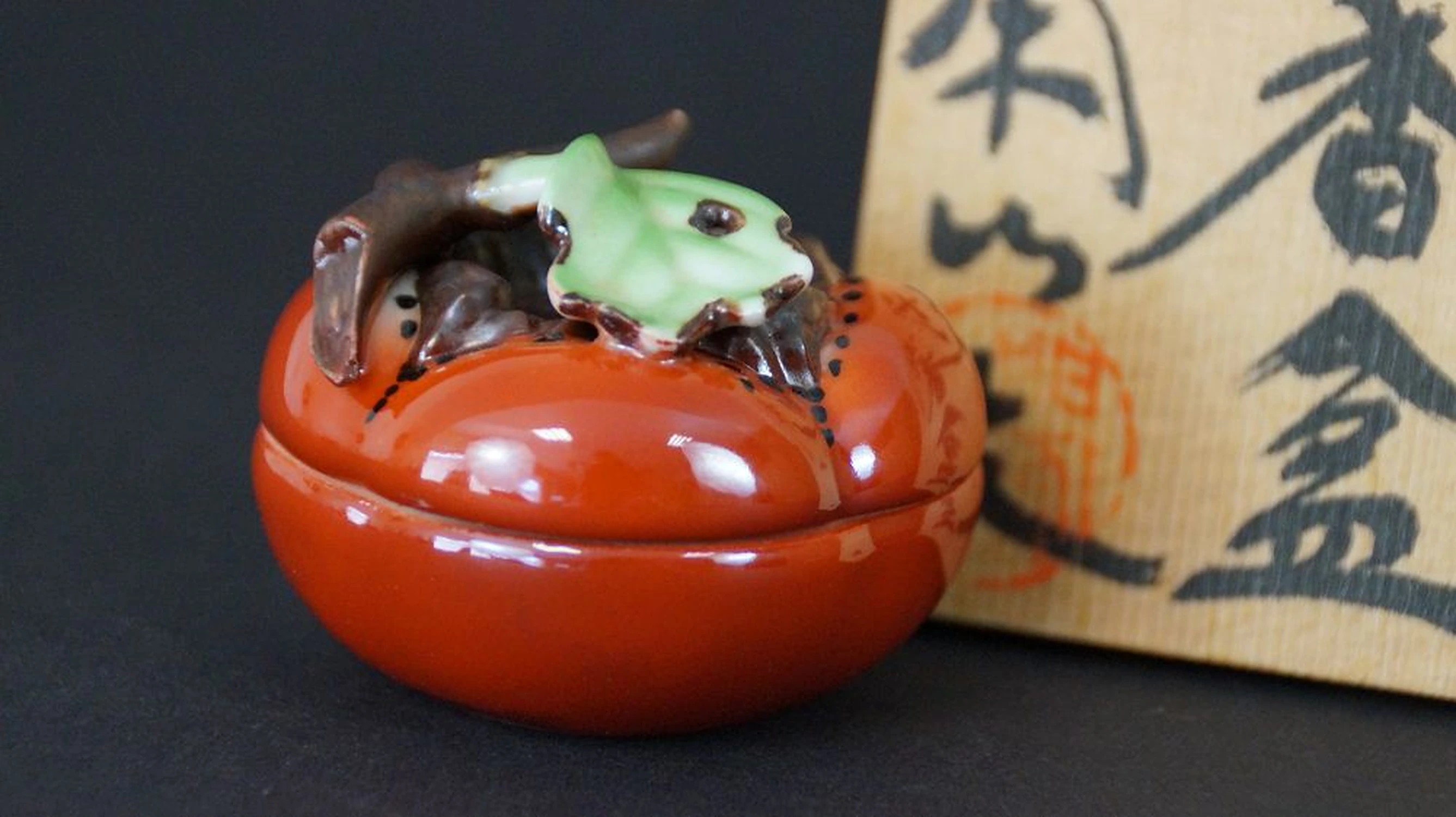
Ninomiya Kanzan
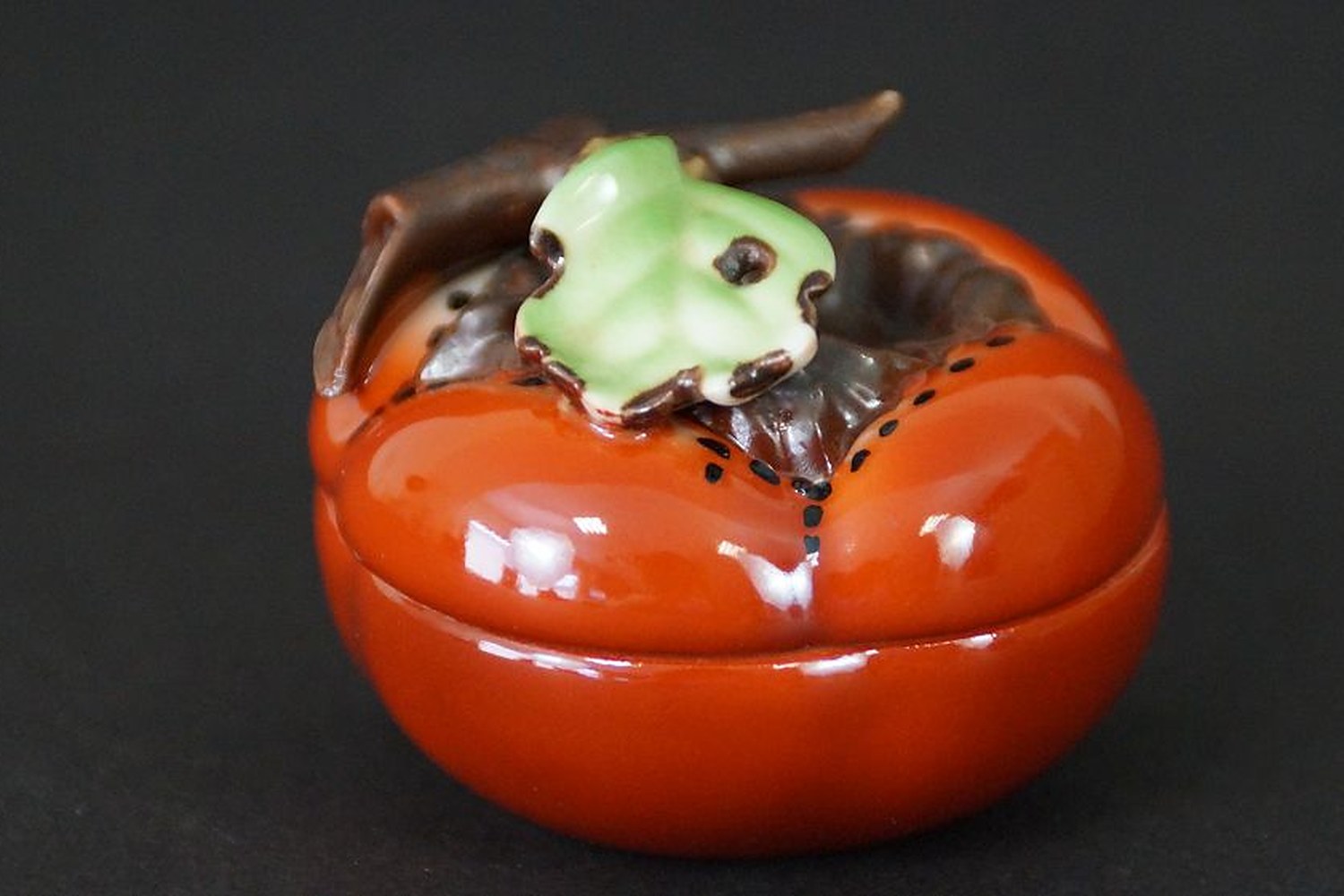
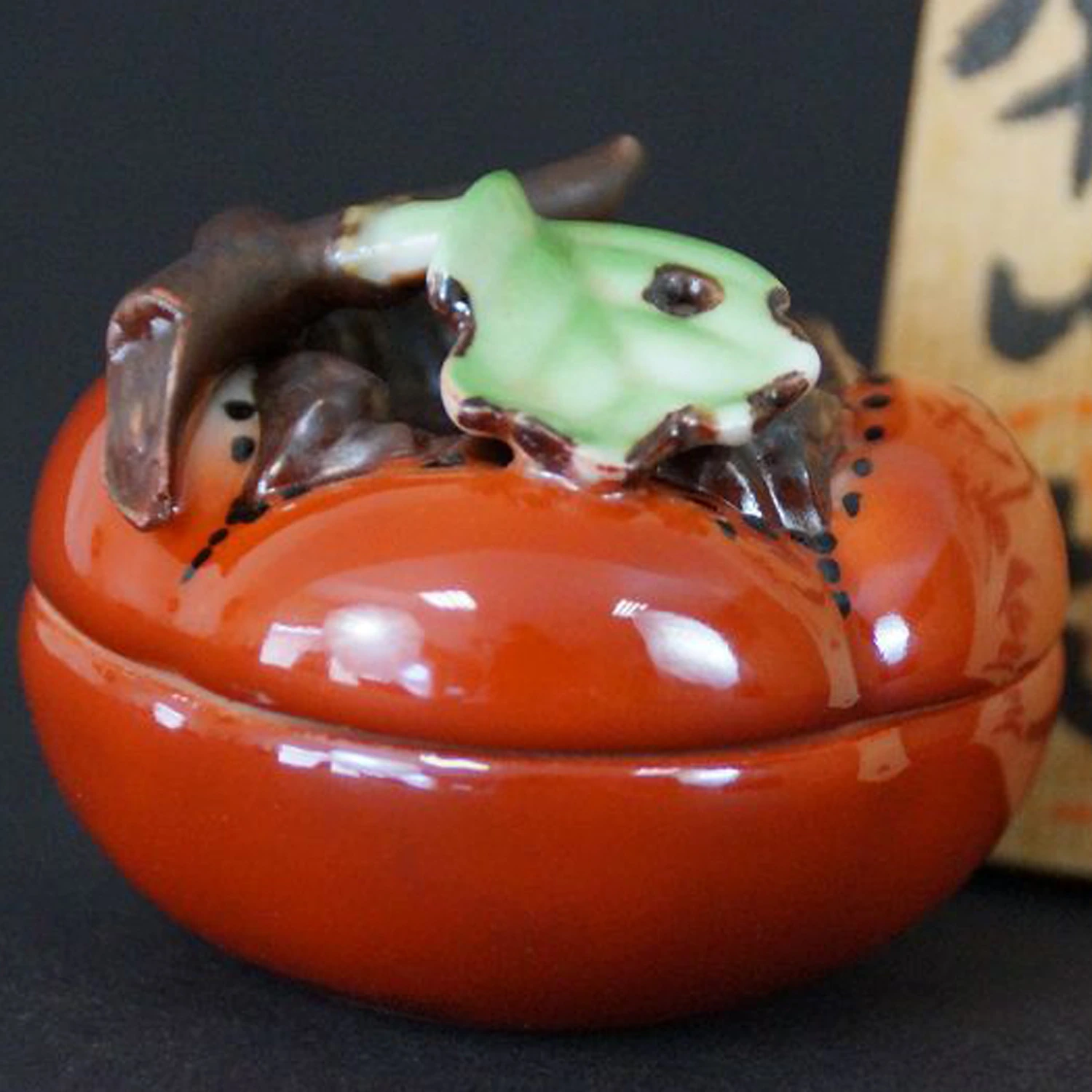
Persimmon Incense Container by Ninomiya Kanzan
Incense Container, unique work, with box, 4,5 x 5,5 cm
€260.00
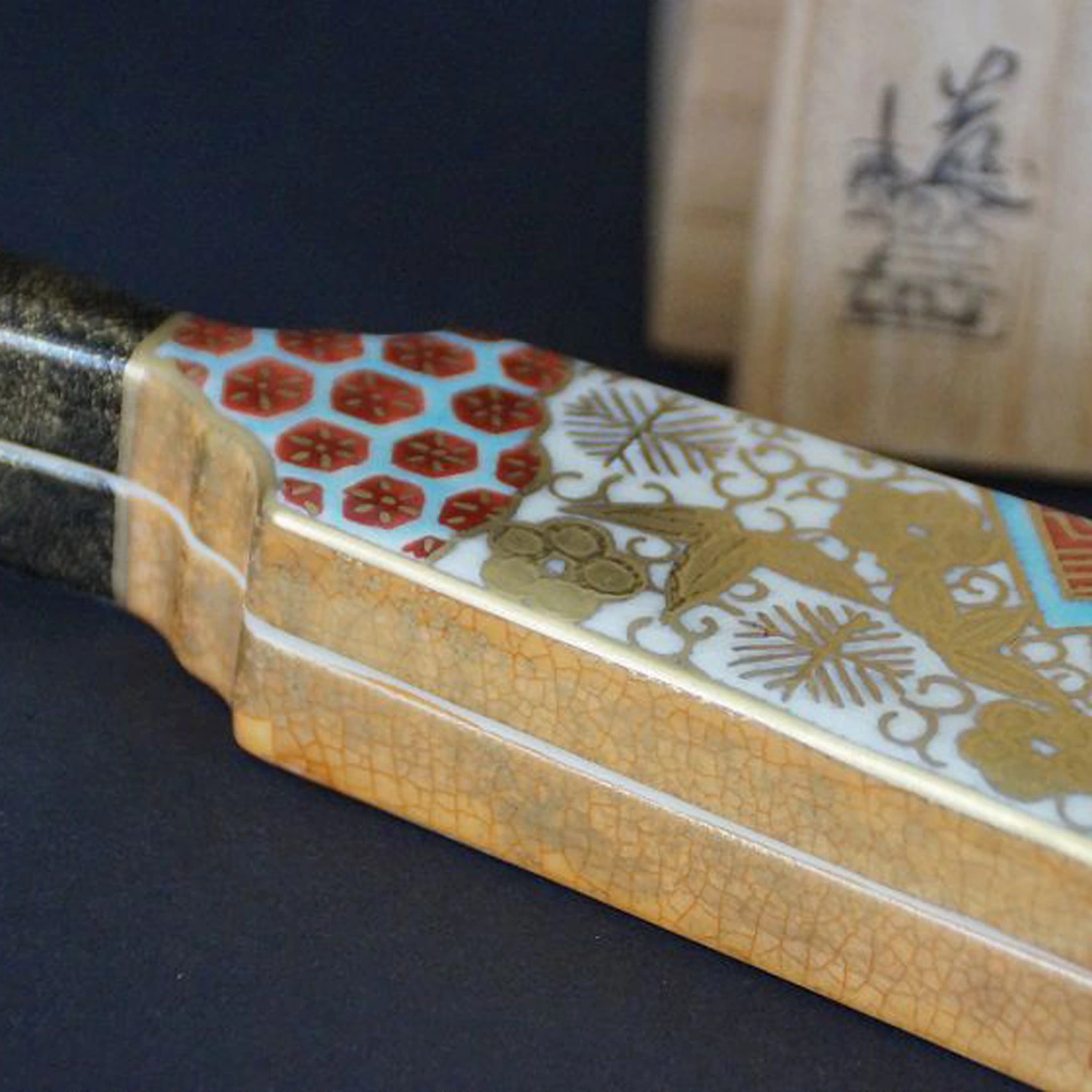
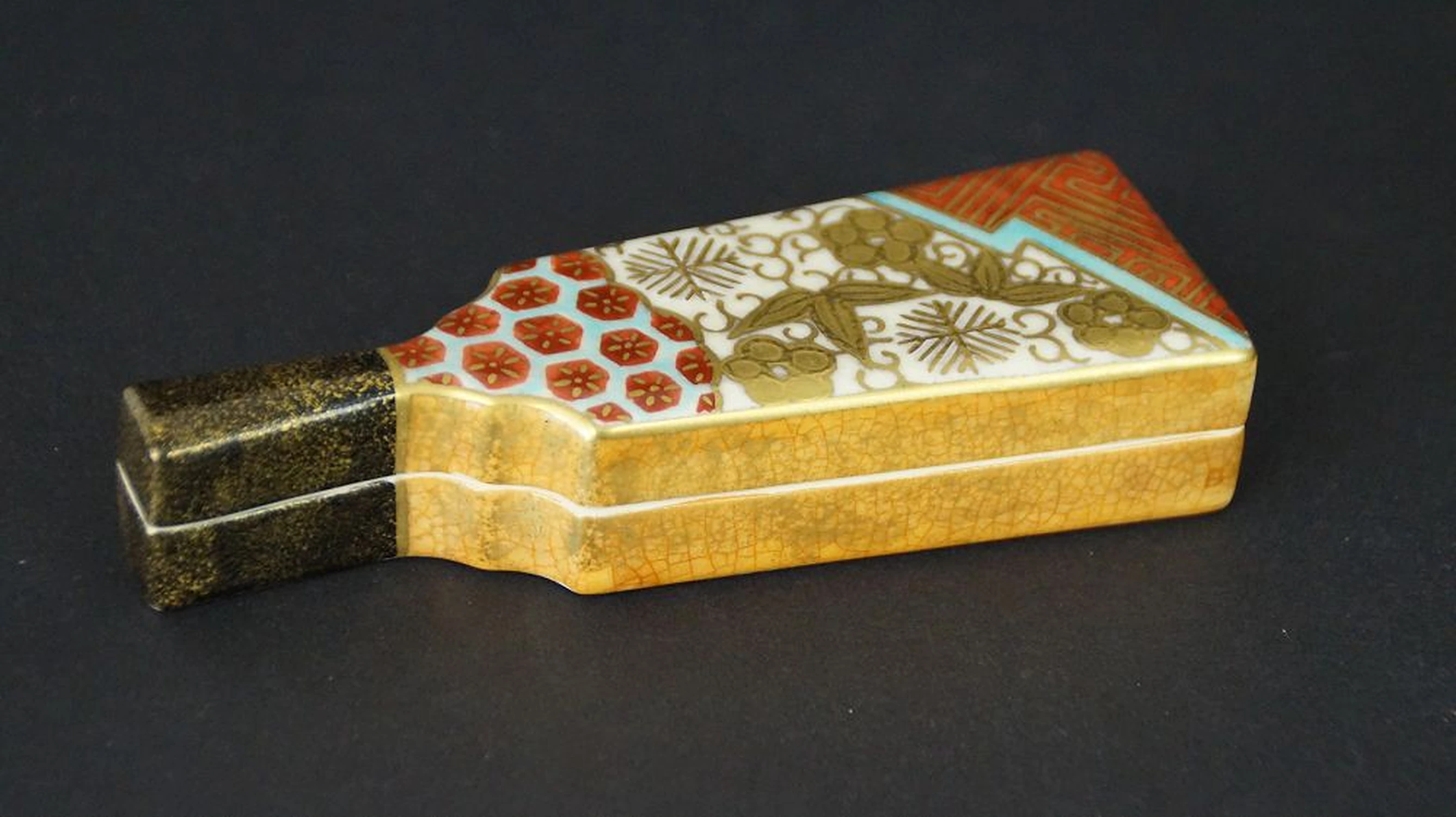
Hashimoto Jōgaku
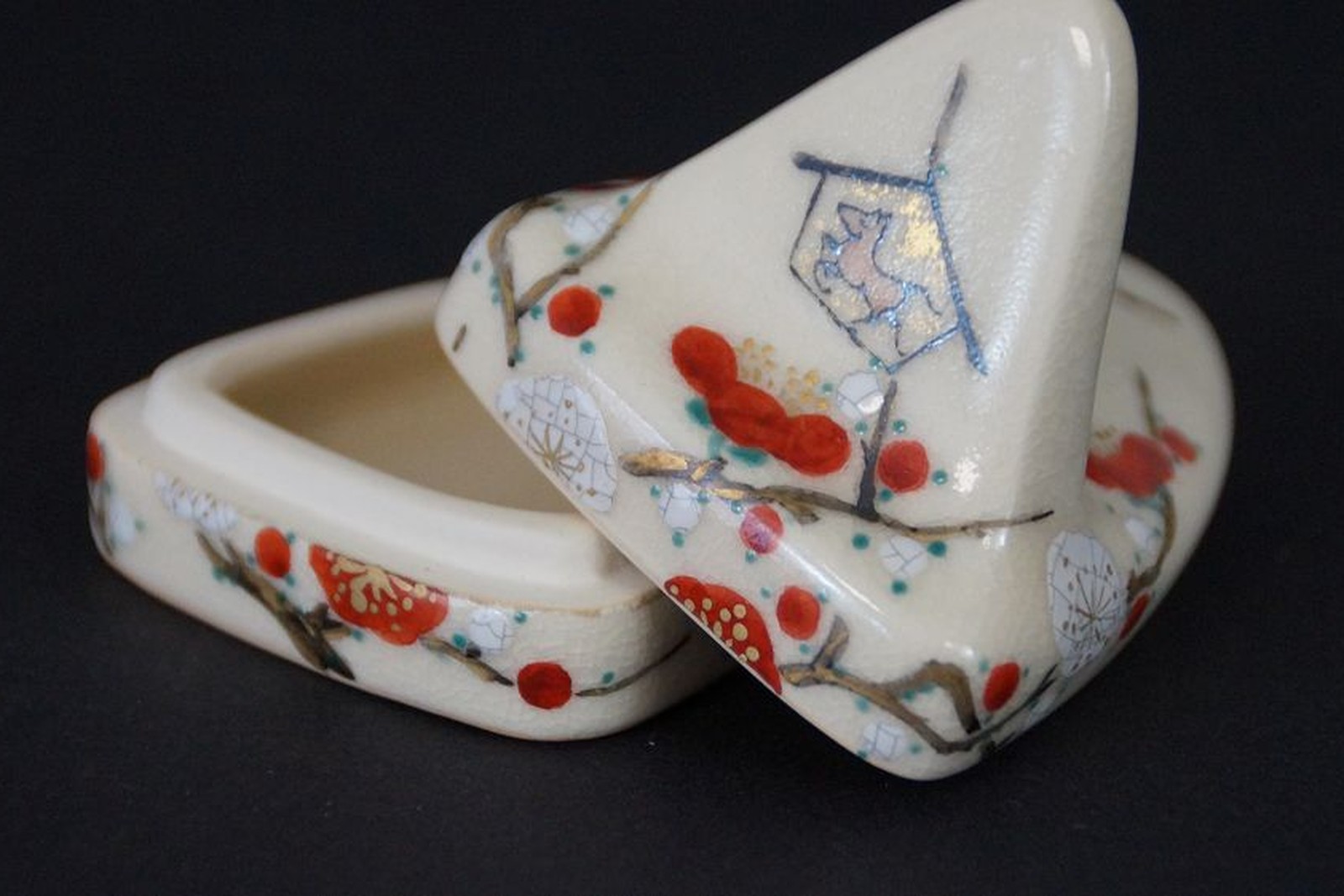
Kyoto Ware Hagoita Incense Container by Hashimoto Jōgaku
Incense Container, unique work, with box, 2,5 x 11,5 cm
€190.00
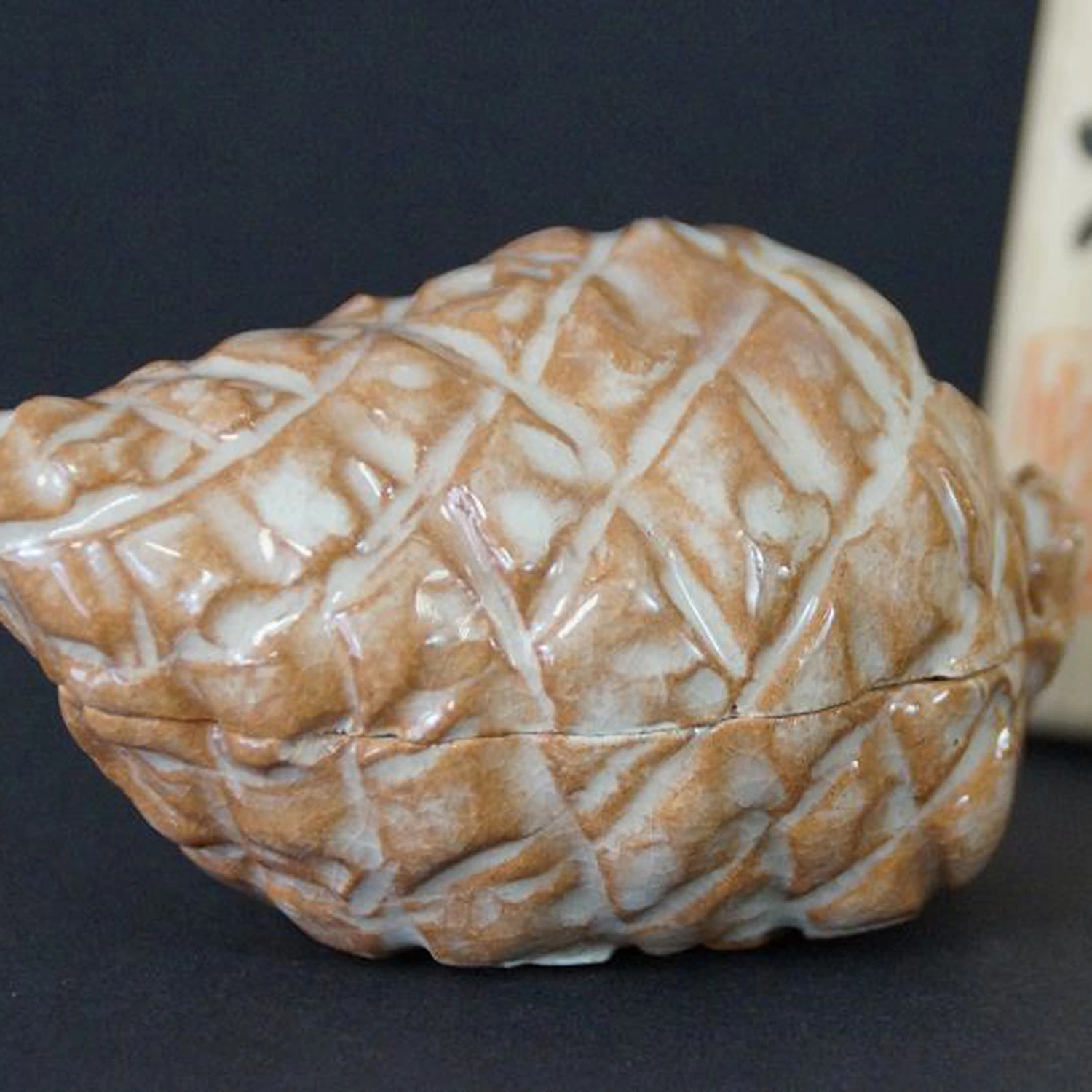
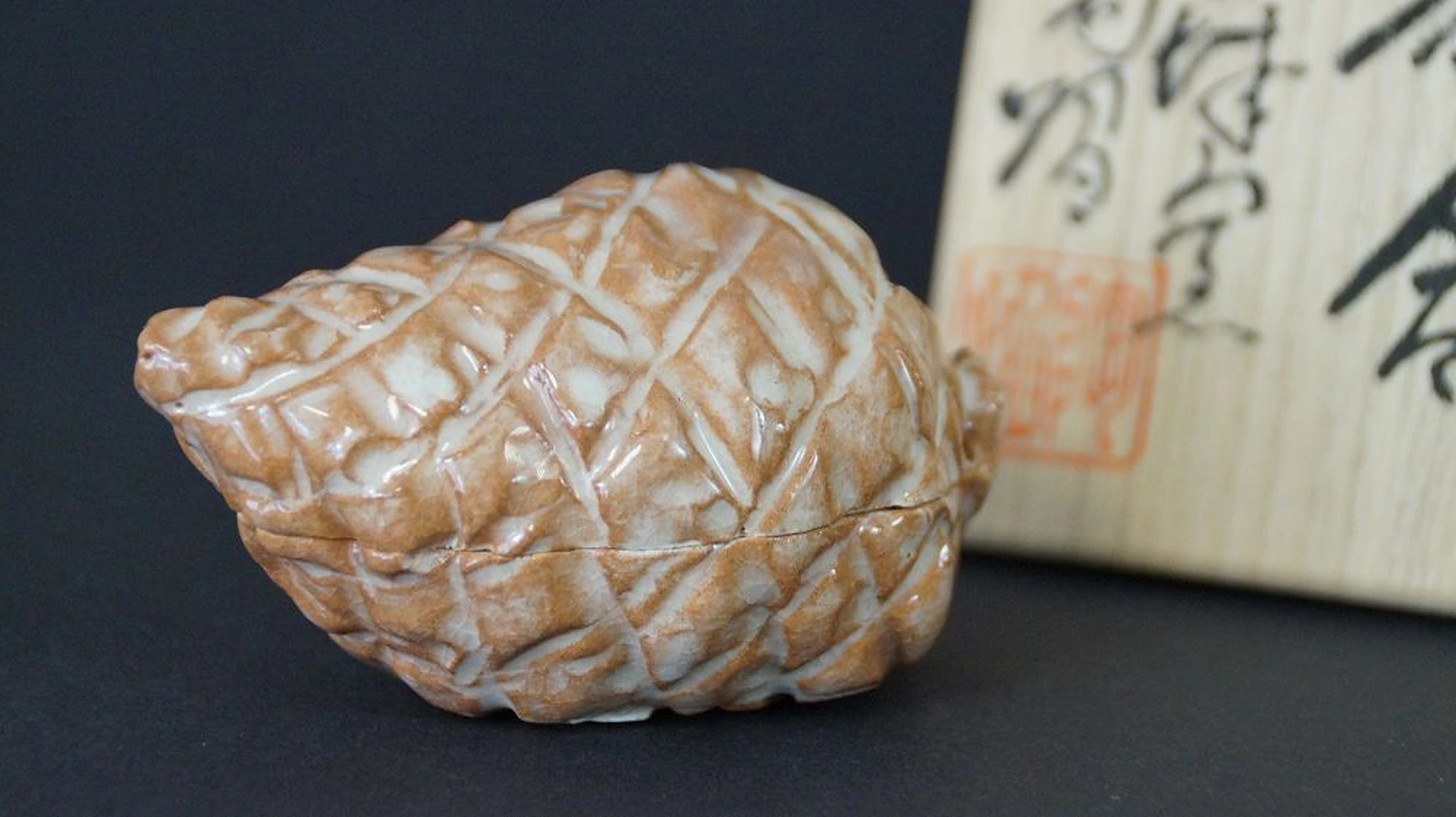
Yoshimura Tōen
Hagi Ware Pine Cone Incense Container by Yoshimura Tōen
Incense Container, unique work, with box, 5 x 8,5 cm
€190.00
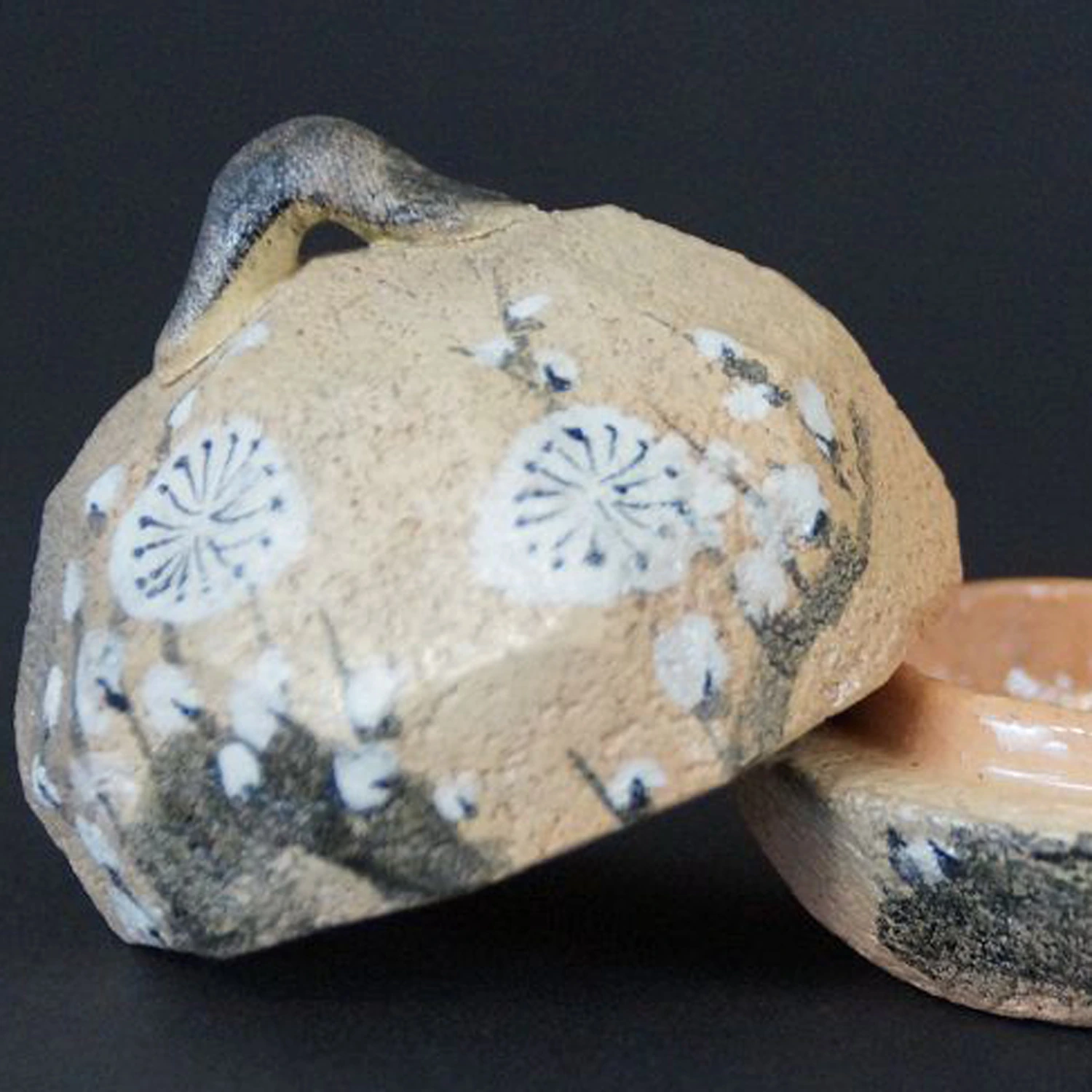
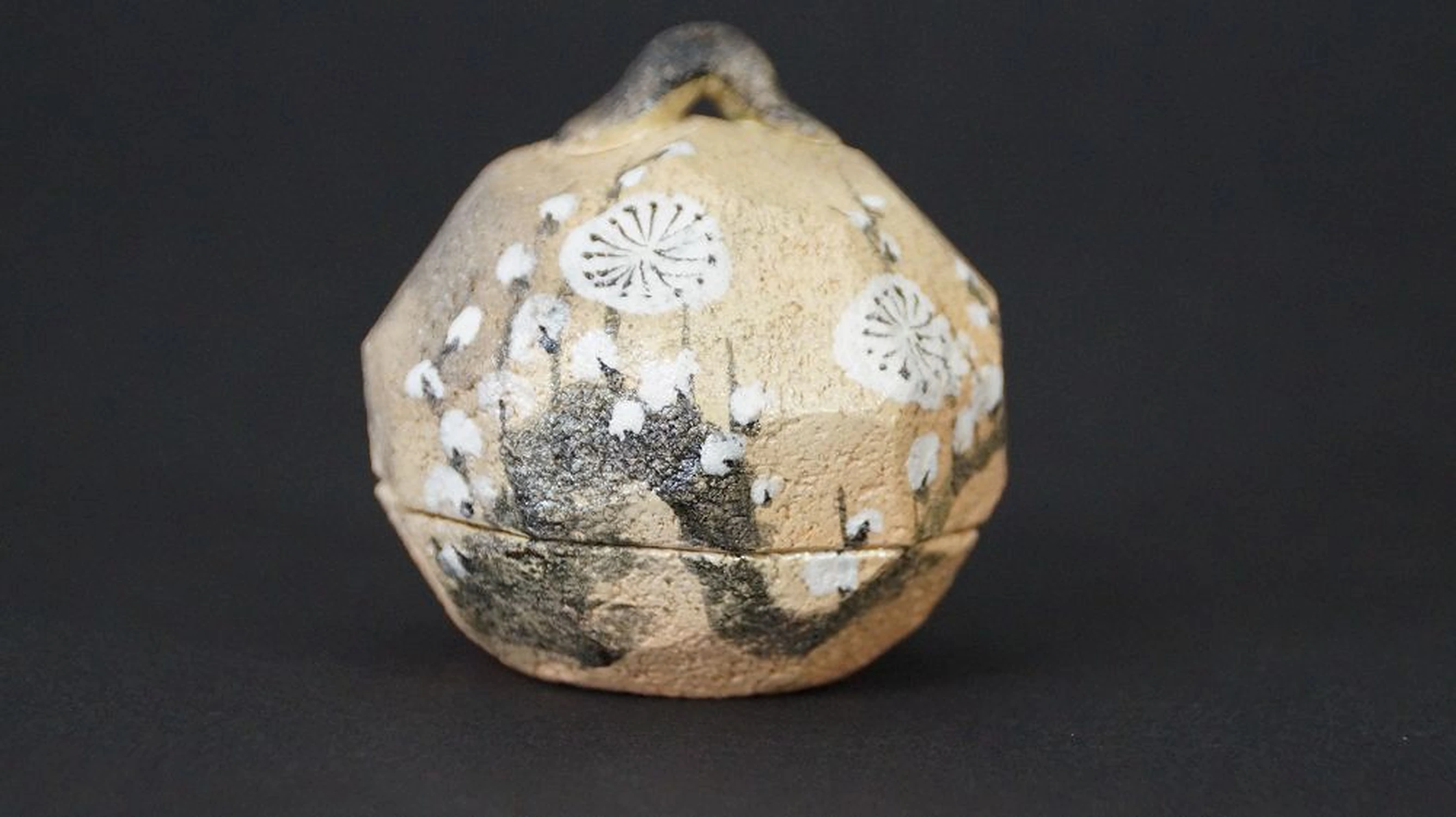
Sasaki Shōraku
Raku Ware Incense Container with Plum Blossoms by Sasaki Shōraku
Incense Container, unique work, with box, 6 x 6 cm
€230.00
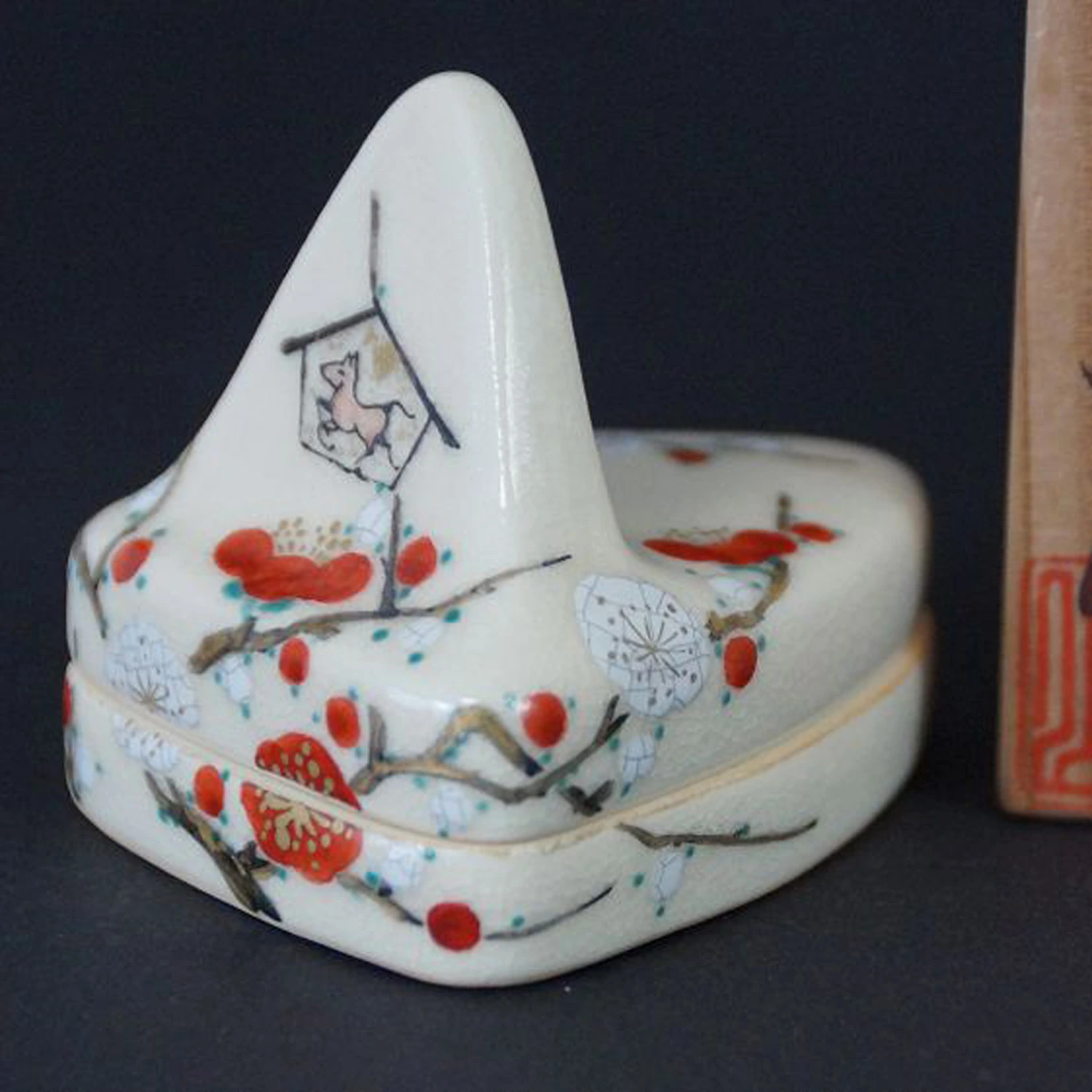
Okada Gyōzan
Incense Container with Plum Blossoms by Okada Gyōzan
Incense Container, unique work, with box, 6 x 5,5 cm
Sold
5 of 5 items shown
A Small Container for the Fragrance of Tea
A kōgō is a small lidded container for incense. It counts among the utensils of the Japanese tea ceremony because the incense has a fixed place in the proceedings: it goes into the embers that heat the kettle. The container thus prepares the tea room before the first bowl of tea is served. Precisely because it is so small, rarely more than a few centimeters across, collectors regard it as an especially personal piece.
How a Kōgō Is Used in the Tea Room
While the host lays the charcoal fire in front of the guests, a procedure known as sumi-temae, a little incense is taken from the container and added to the charcoal. As the charcoal warms, the fragrance slowly rises and accompanies the time in which the water in the kettle heats up. The incense is not burned inside the container, which serves for storage alone. That distinguishes it from the kōro, the incense burner.
Two Seasons, Two Kinds of Incense
The choice of container follows the tea room's calendar. In the warm season, when the fire burns in a portable brazier (furo), wood or lacquer containers are usually chosen and filled with fragrant wood chips (kōboku). In the cold season, when the sunken hearth (ro) is in use, ceramic containers come into play, holding kneaded incense (nerikō). A ceramic kōgō is therefore above all a piece for the winter months.
Fruit, Pine Cones and Seasonal Motifs
Few tea utensils are designed so playfully. Many kōgō take the form of a motif: a persimmon for autumn, a pine cone, a hagoita, the battledore of the Japanese New Year, or a decoration of plum blossoms for the end of winter. The lid fits into the shape so that the piece is only recognized as a container when it is opened. The host chooses the motif to suit the season or the occasion of the gathering.
Ceramic Styles on a Small Scale
The early tea masters often used small lidded vessels originally made for other purposes as incense containers. Later, Japanese artists began making kōgō specifically for the tea room, in stoneware as well as wood and lacquer. The whole range of Japanese ceramics appears here in miniature: soft, hand-formed Raku ware, the warm glaze of Hagi, or finely painted pieces with gold accents.
A Focal Point in the Tokonoma
The container's role does not end once the fire is laid: the guests ask to examine it up close. If the laying of the fire is omitted, it is displayed in the tea room instead, for instance in the alcove (tokonoma). An incense container is thus both a utensil and a small work of art, standing alongside the hanging scroll and the flowers that define the room for the gathering.
Incense Containers Beyond the Tea Room
Kōgō find their place even without a tea ceremony: as a small ceramic sculpture on a shelf, in a display case next to tea bowls, or as a container for incense at home. Those who practice tea choose by season and occasion; collectors tend to look at form, glaze and the potter's signature. Many pieces come in a signed wooden box, which also keeps them safely stored.
Find the incense container that adds a small, personal work of art to your tea gathering or your collection.