Year-Round Kakemono: Japanese Hanging Scrolls for Every Season
Go directly to the artworksIn brief
Buy year-round kakemono: these hanging scrolls, shikishi and makuri show subjects that in Japan are tied to no season and may therefore hang in the tokonoma all year. Japanese dealers keep them as a group of their own, nenjū-gake (年中掛け). It includes Zen calligraphy without a seasonal word and the ensō, ink landscapes without blossom, foliage or snow, tiger and dragon as protective images, crane, pine, Mount Fuji and koi as auspicious motifs, and Daruma. If you want to own just one scroll, this is the place to look. At Densho you will find year-round kakemono as one-of-a-kind pieces from Japan, from the plain ensō to the dragon among clouds.
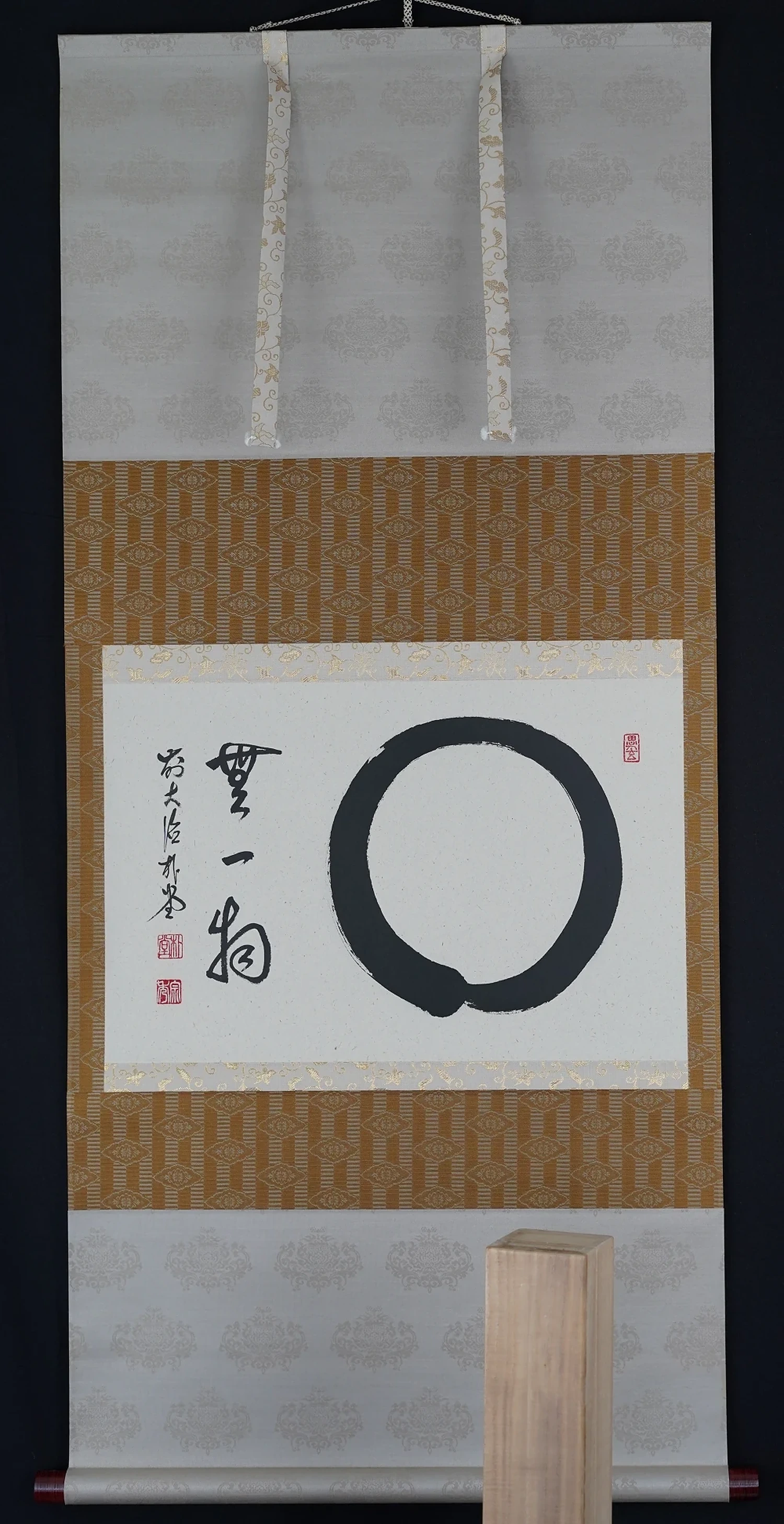
Satō Bokudō
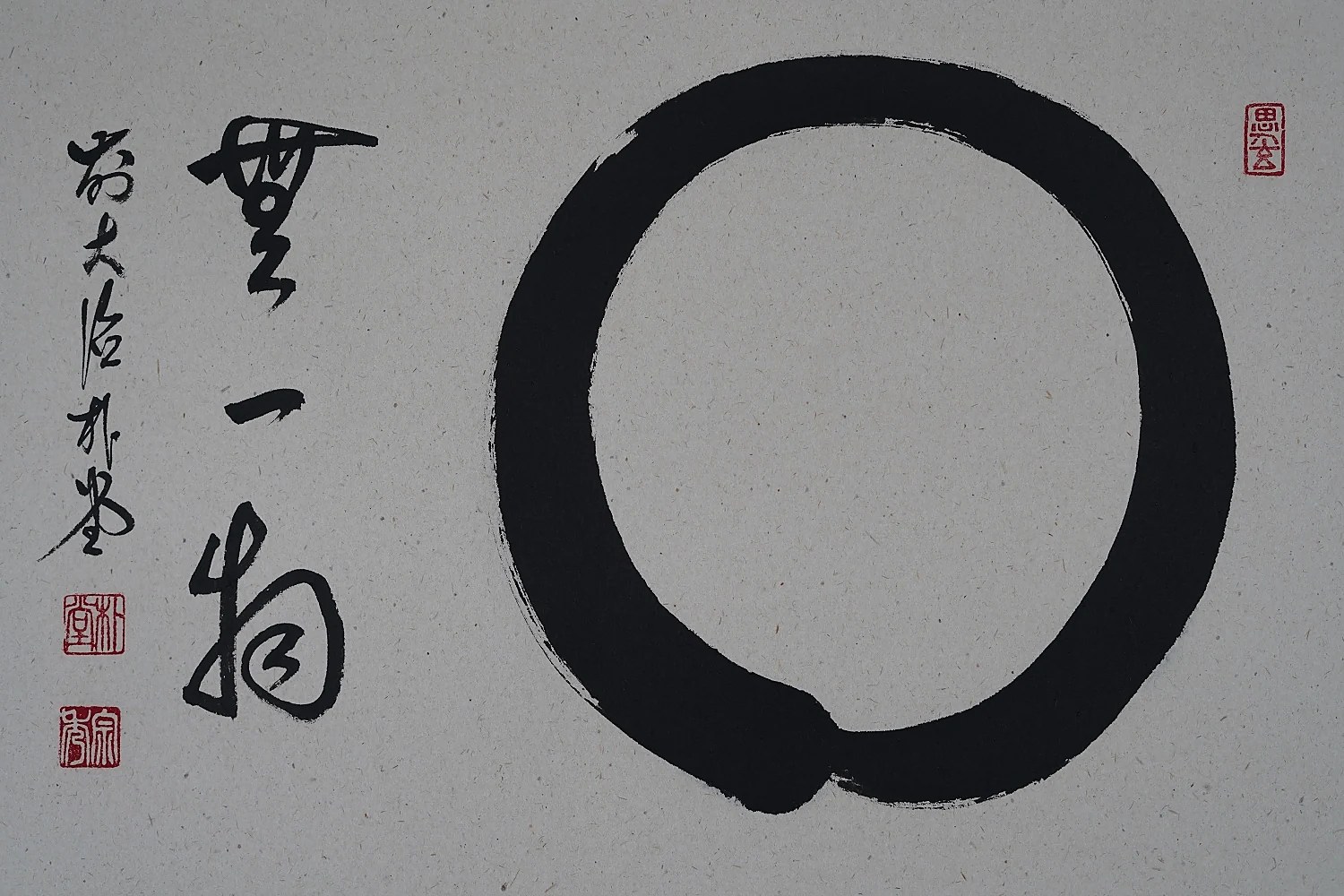
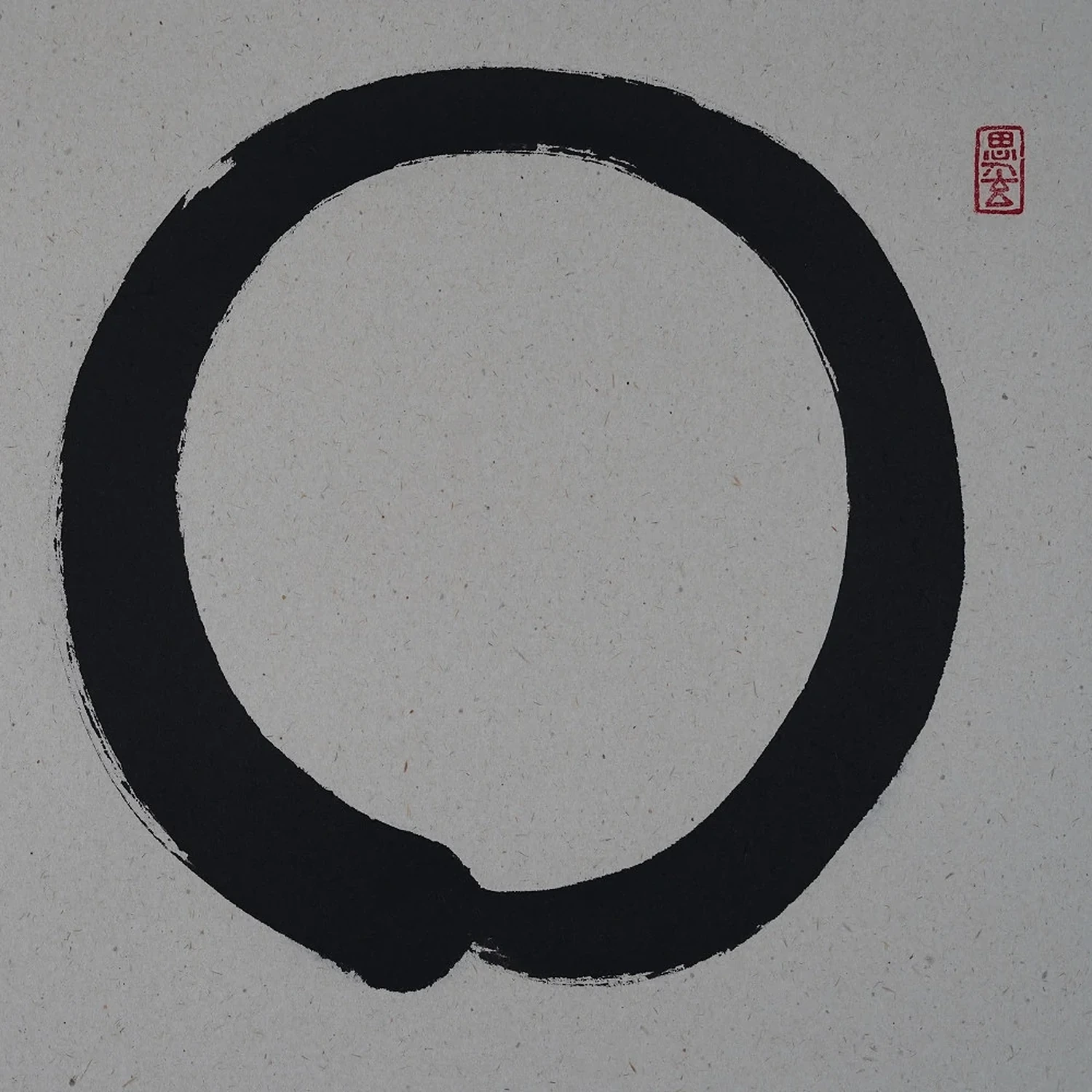
Ensō and “Muichimotsu” – Horizontal Zen Calligraphy
Kakemono, unique work, with box, 130 x 63 cm
€540.00
Kubo Kōzui
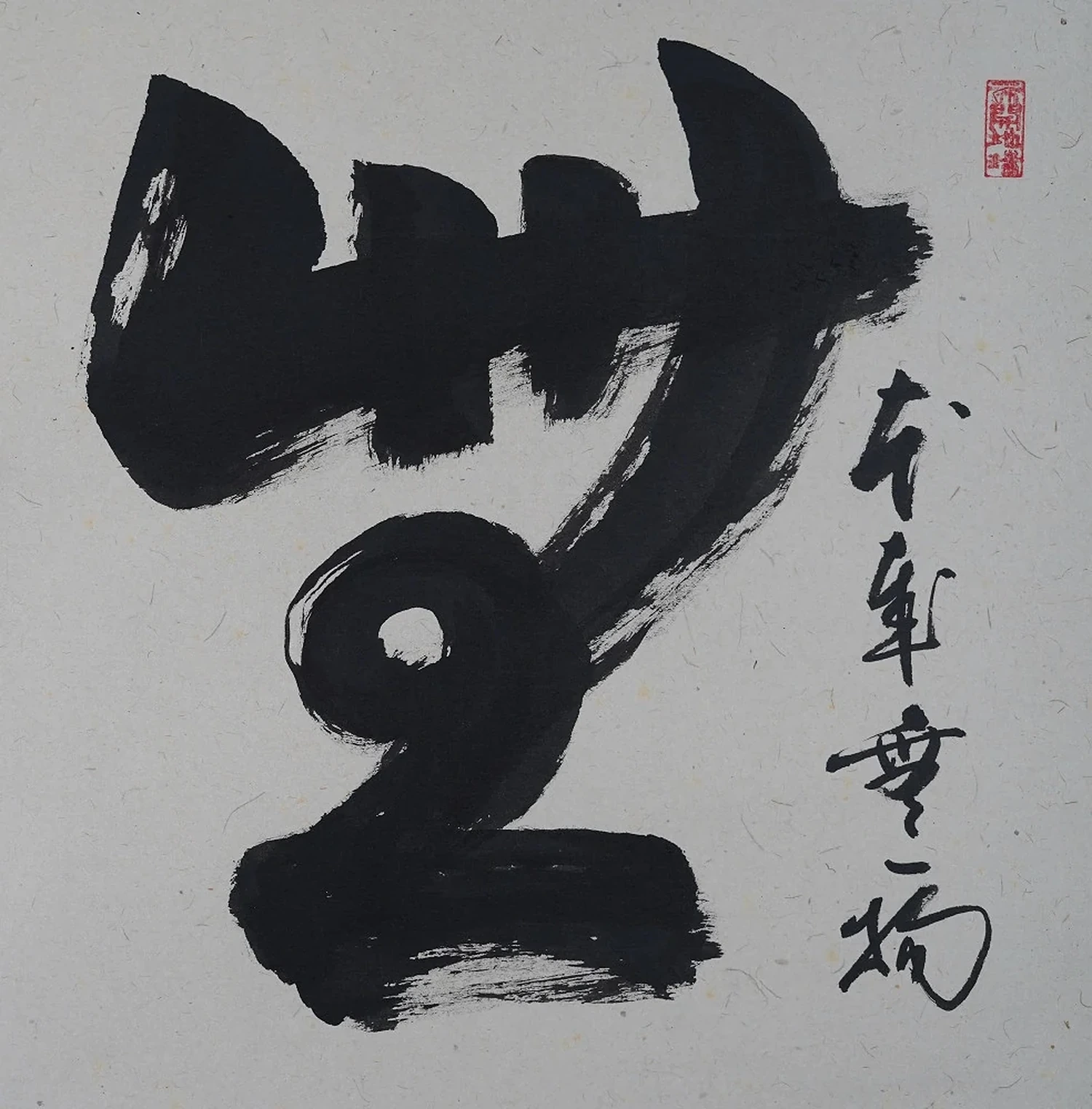
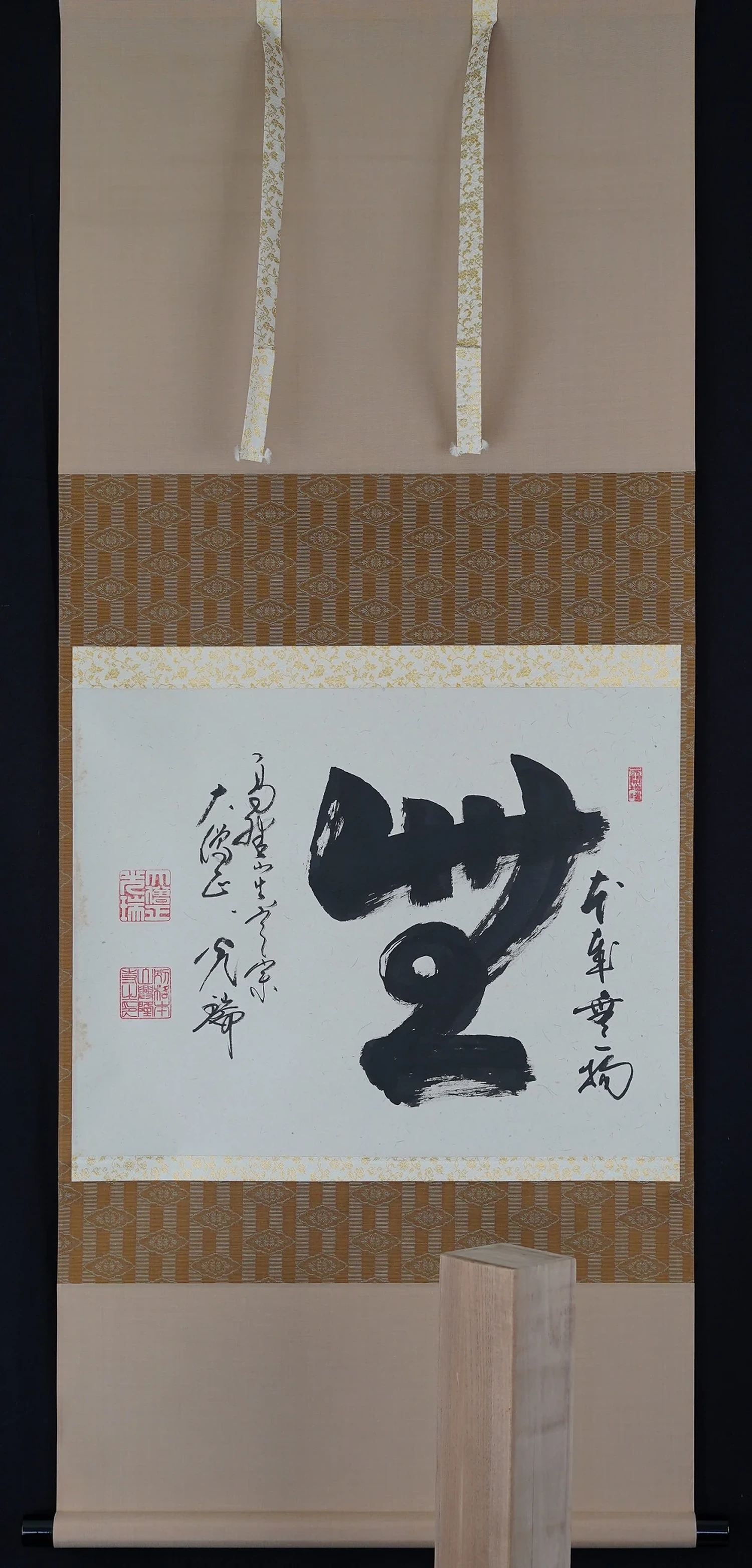
Zen Calligraphy “Mu” with the Phrase Honrai muichimotsu
Kakemono, unique work, with box, 132 x 60 cm
€340.00
Kanō Tanyū
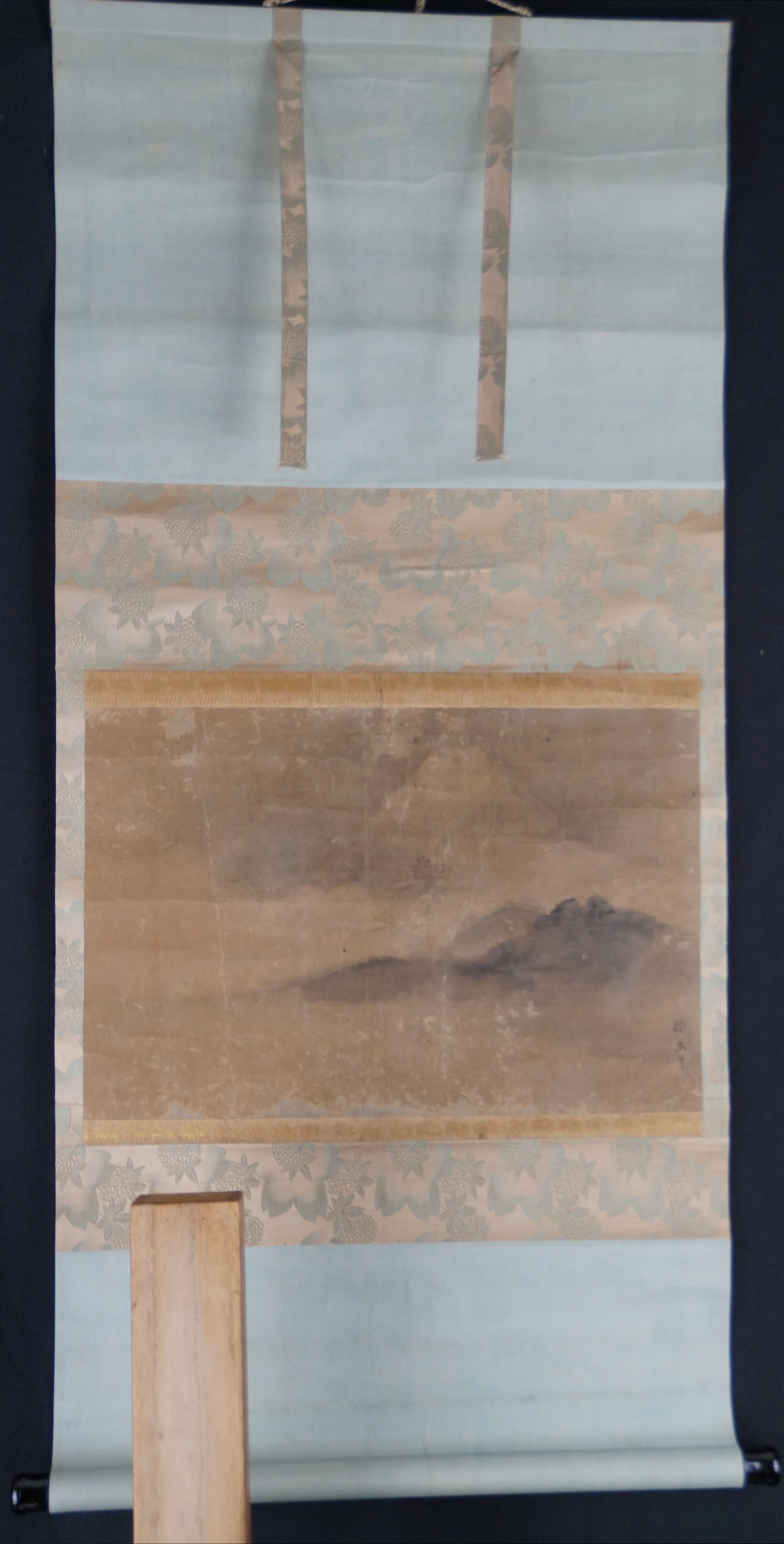
Fuji Above a Cloud Band and Misty Hills
Kakemono, unique work, with box, 103 x 52 cm
€660.00
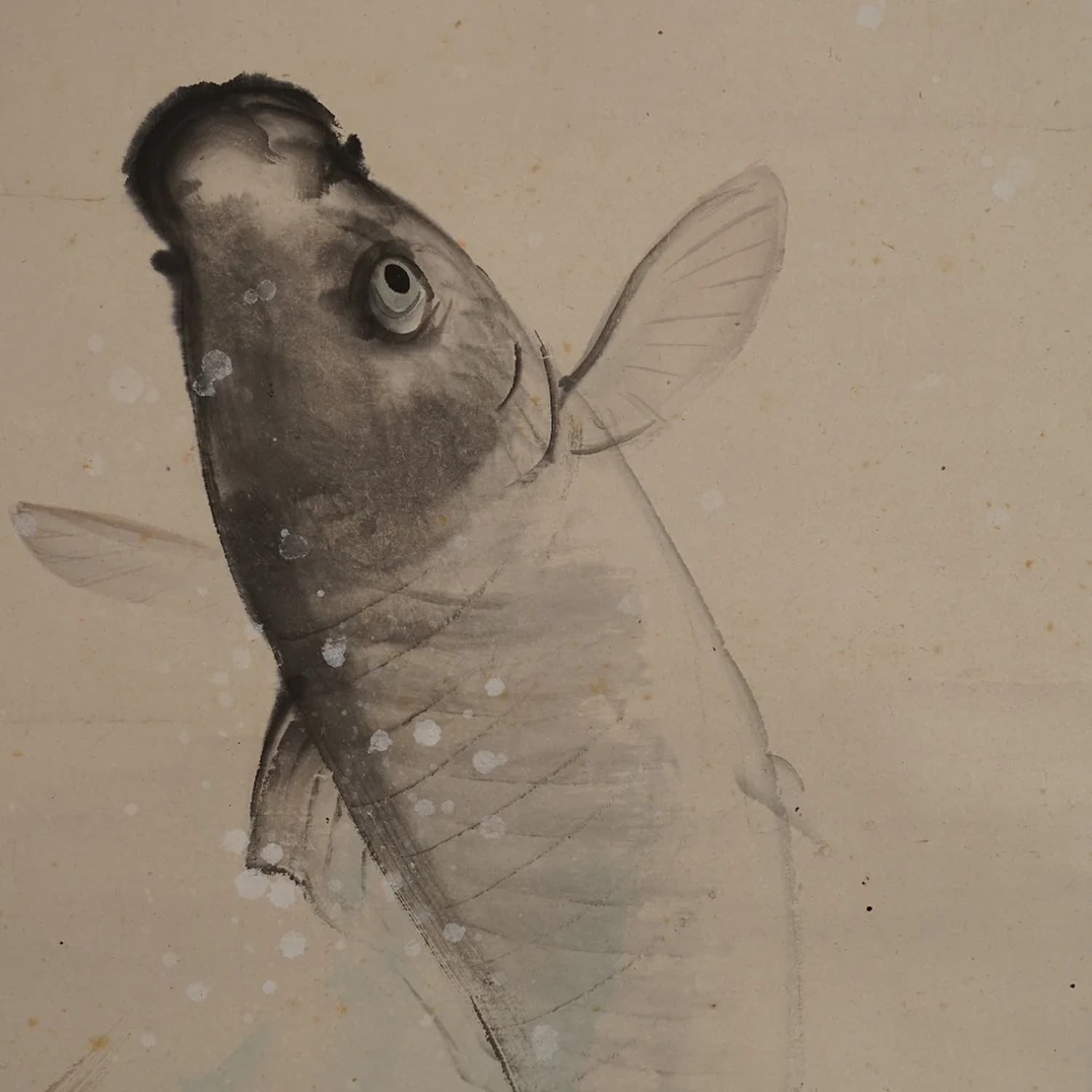
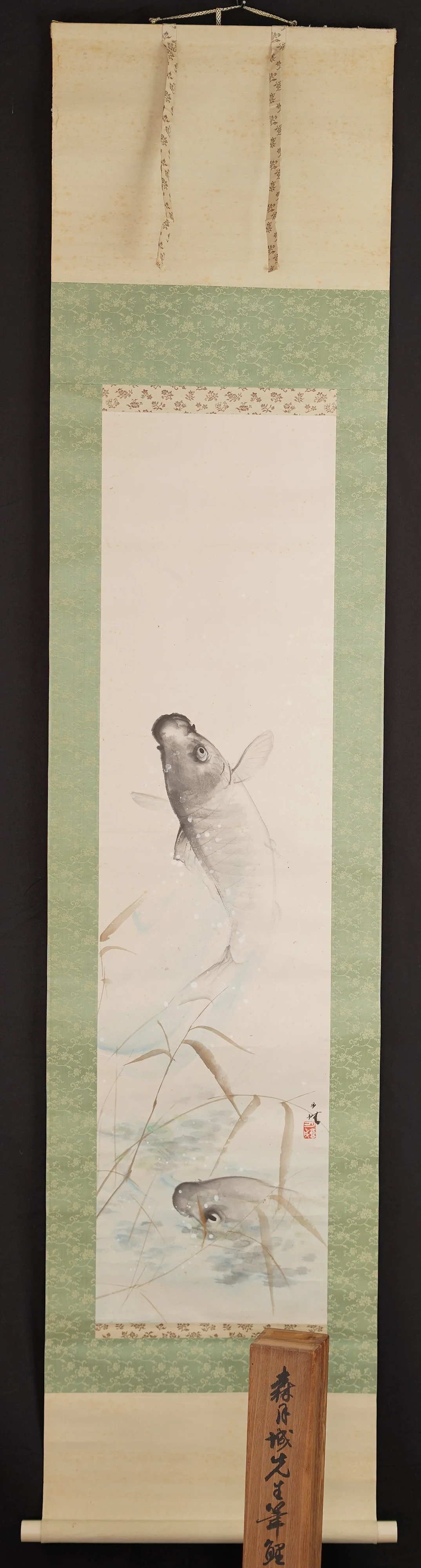
Mori Getsujō
Two Carp Among Reeds
Kakemono, unique work, with box, 190 x 48 cm
€320.00
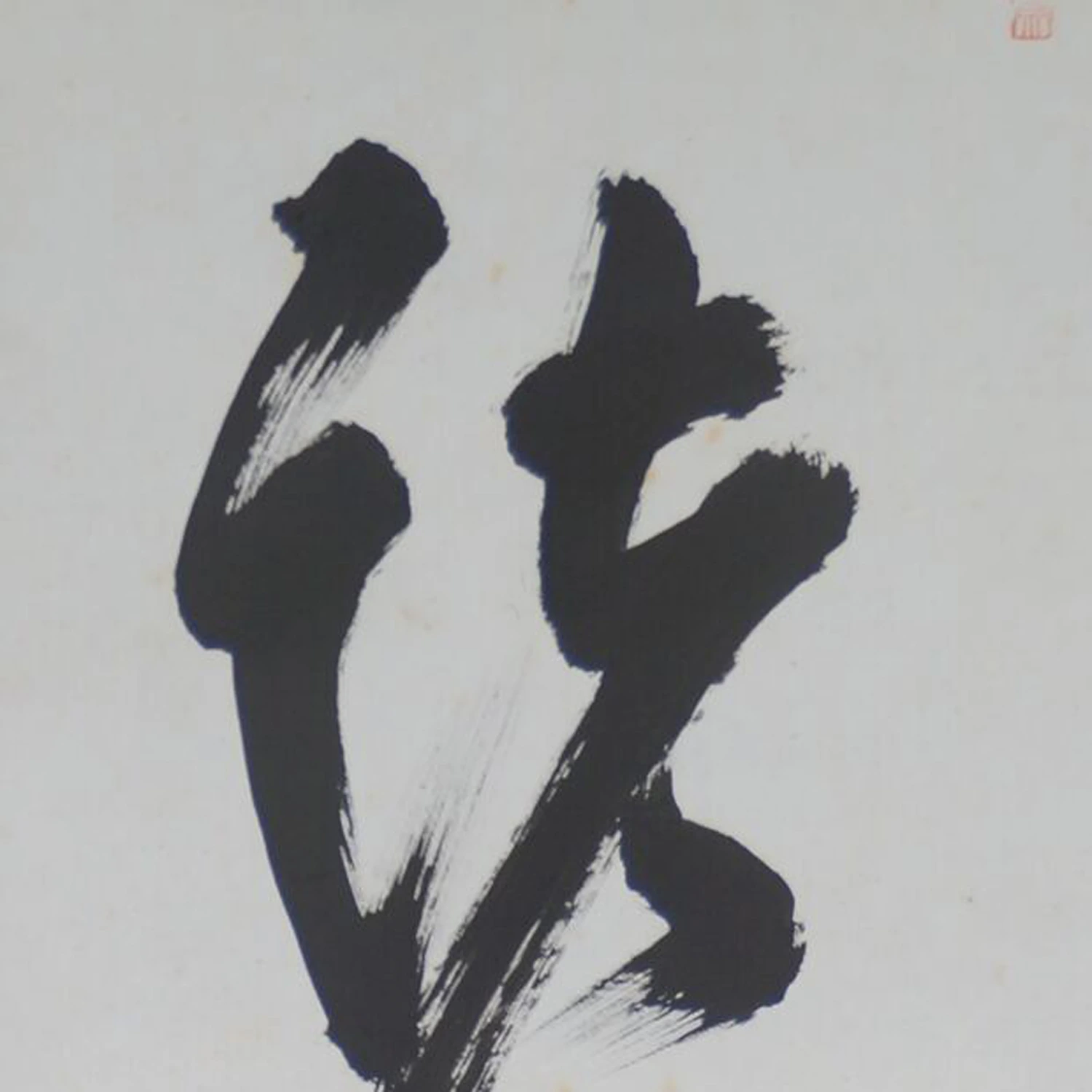
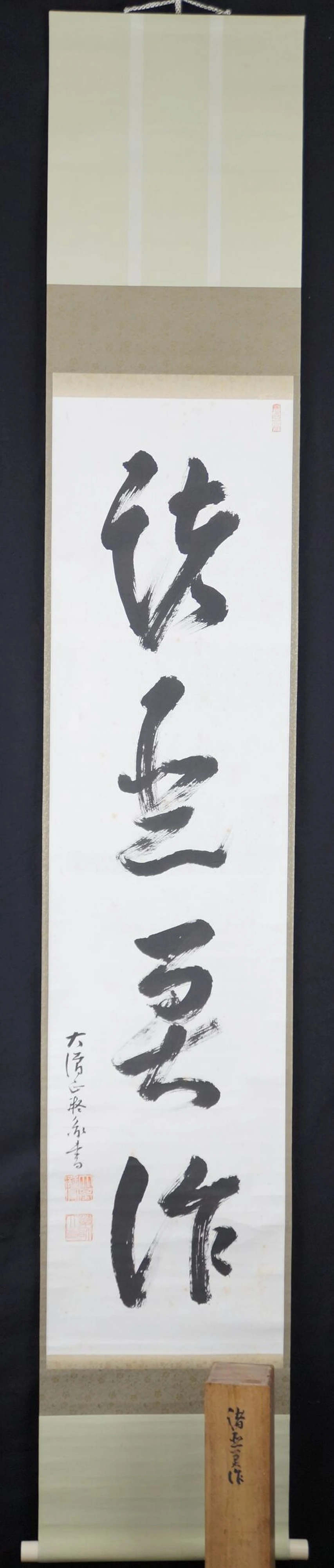
Hashimoto Gyōin
Calligraphy "Shoaku Makusa"
Kakemono, unique work, with box, 200 x 38 cm
€350.00
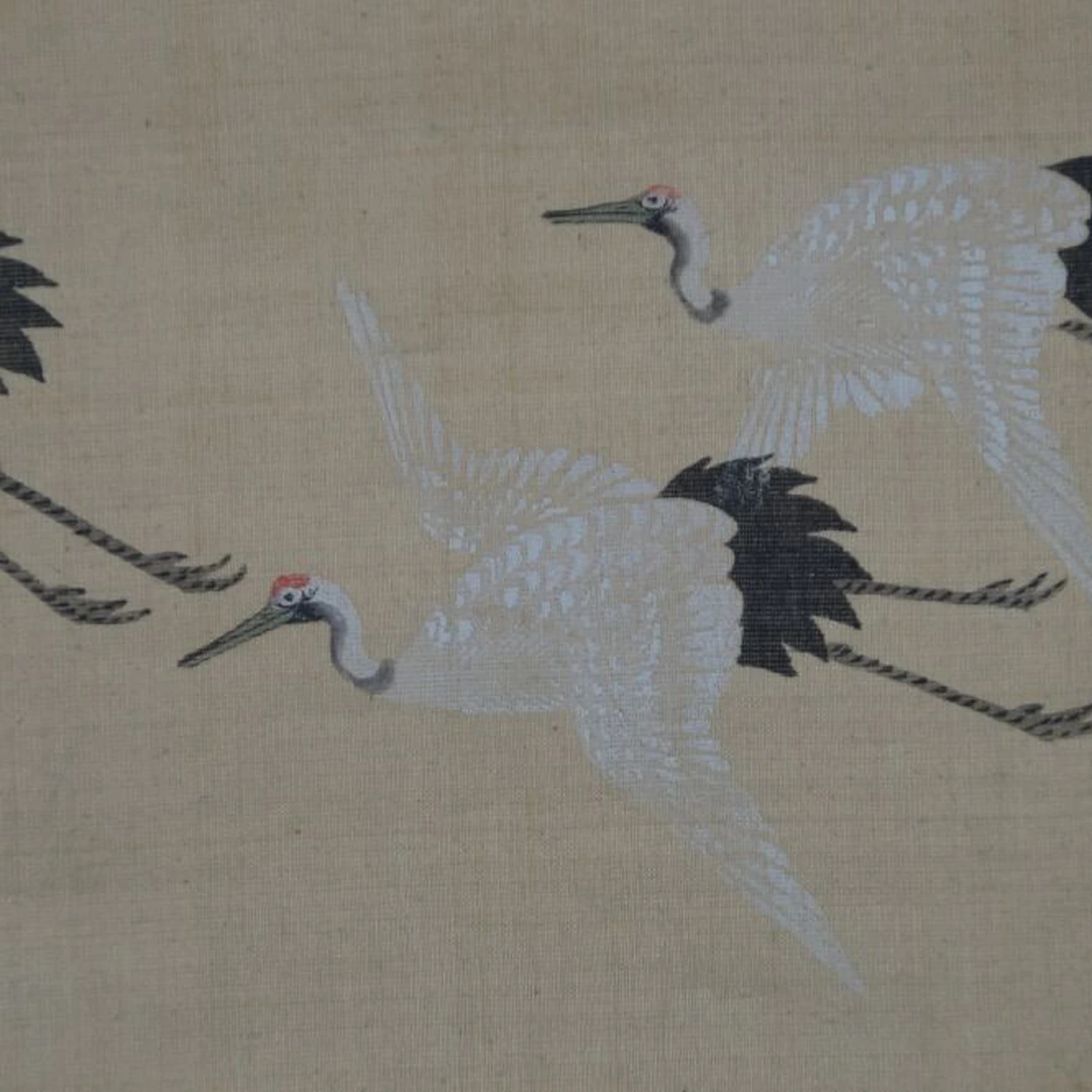
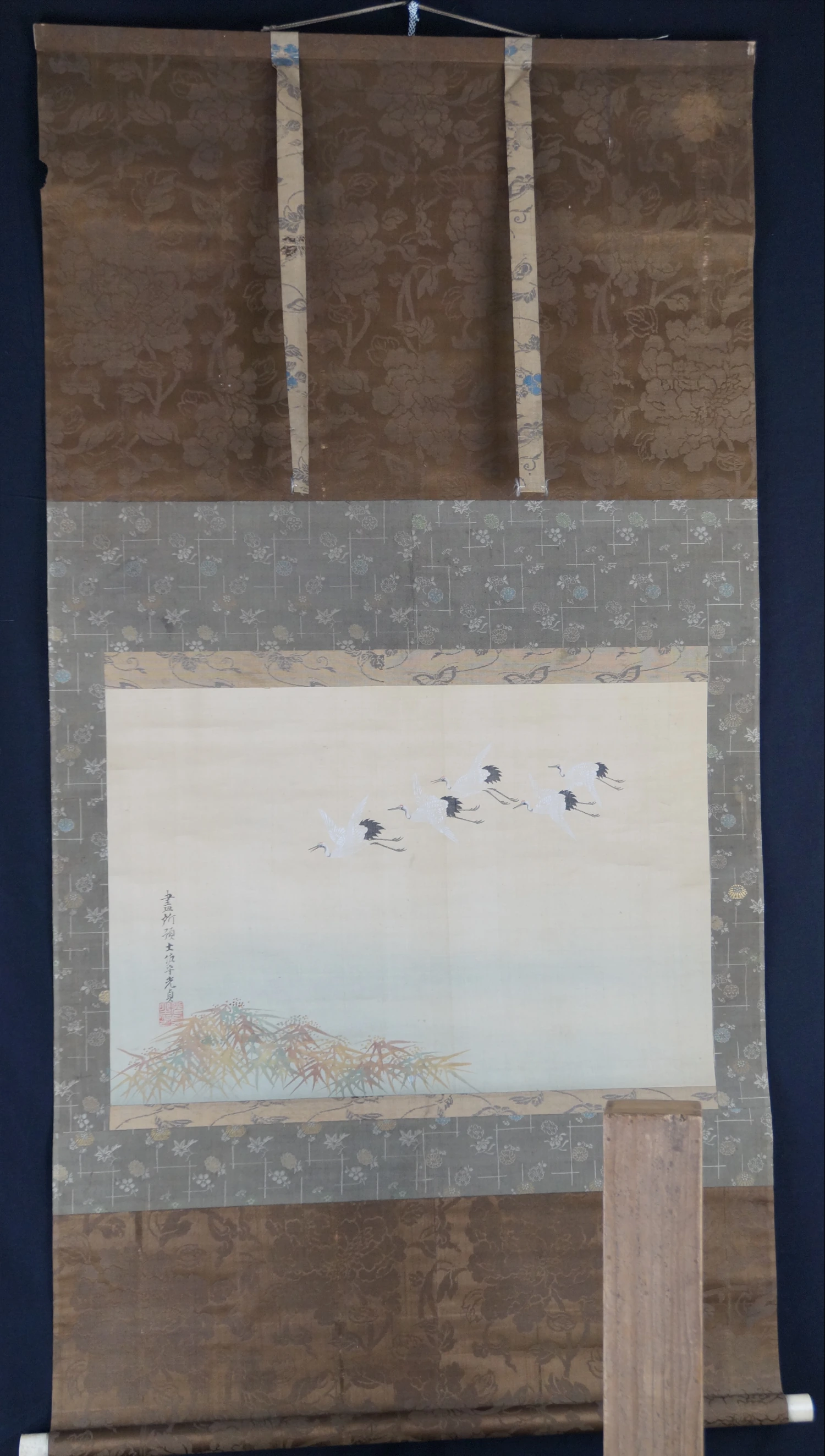
Tosa Mitsusada
Cranes in Flight over Bamboo
Kakemono, unique work, with box, 126 x 69 cm
€360.00
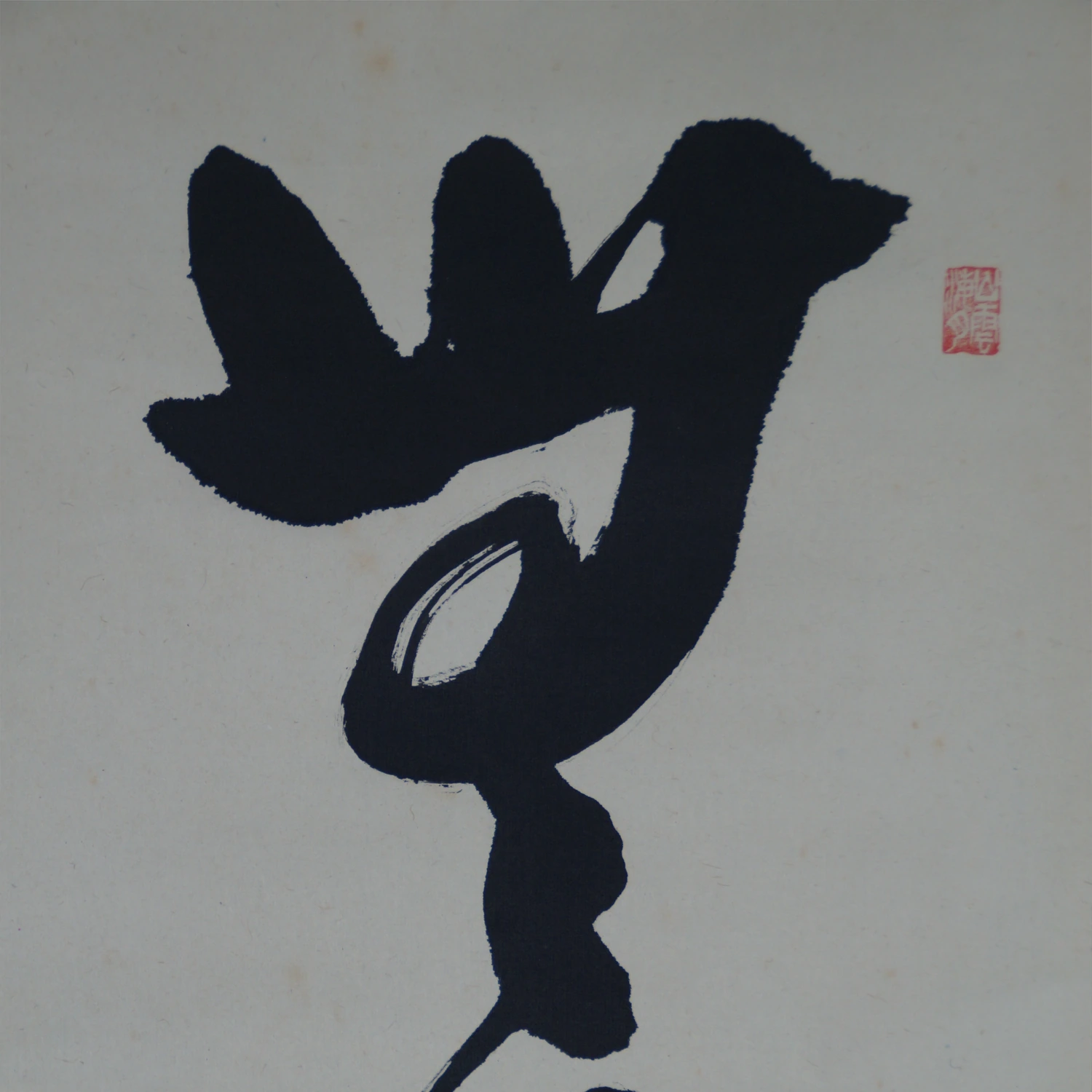
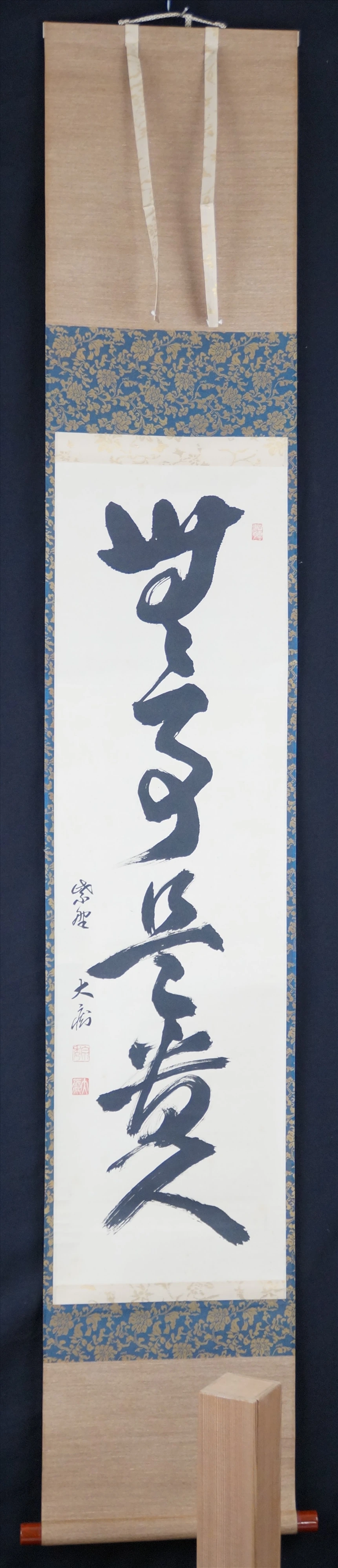
Yamaguchi Daichi
Calligraphy "No Business"
Kakemono, unique work, with box, 176 x 34 cm
€540.00
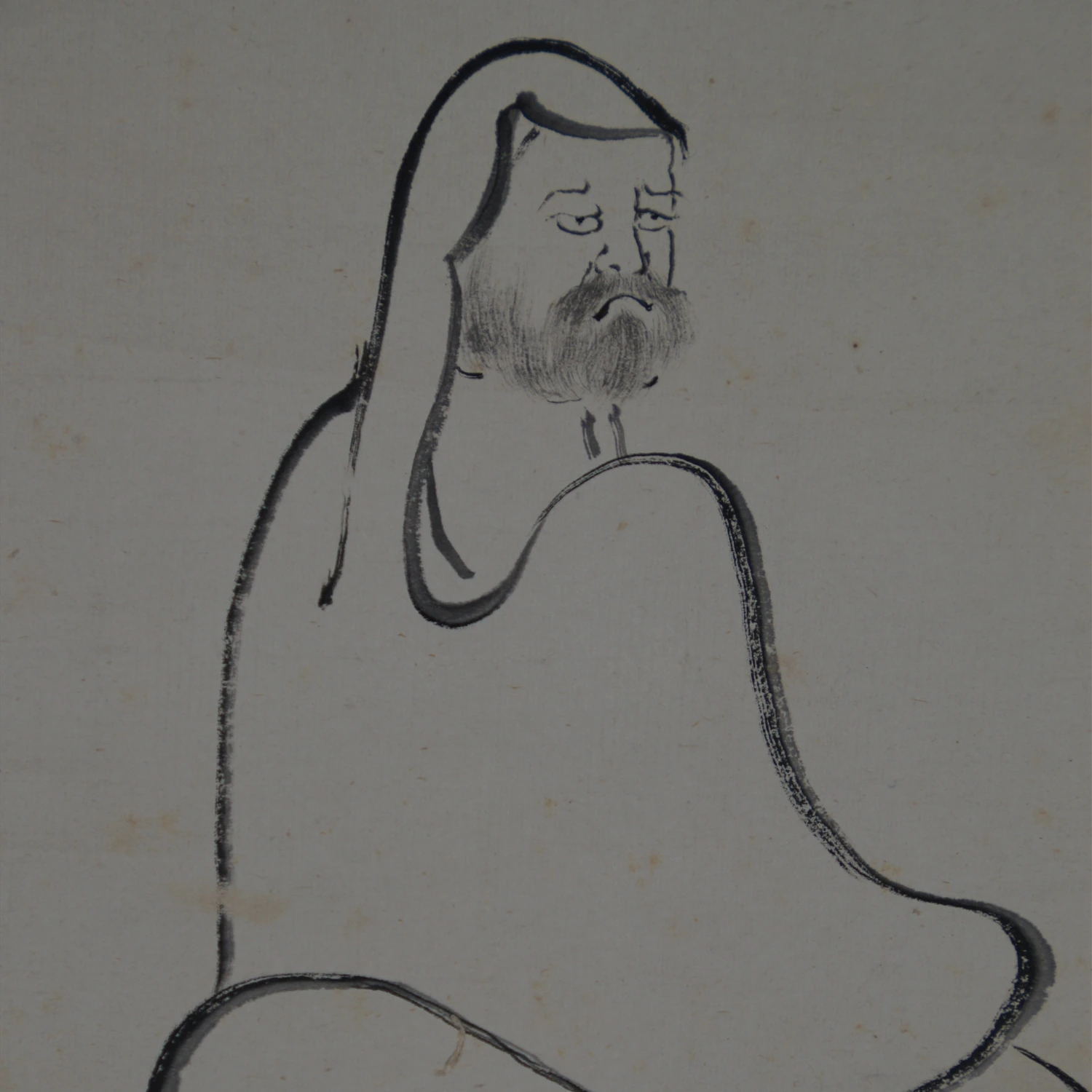
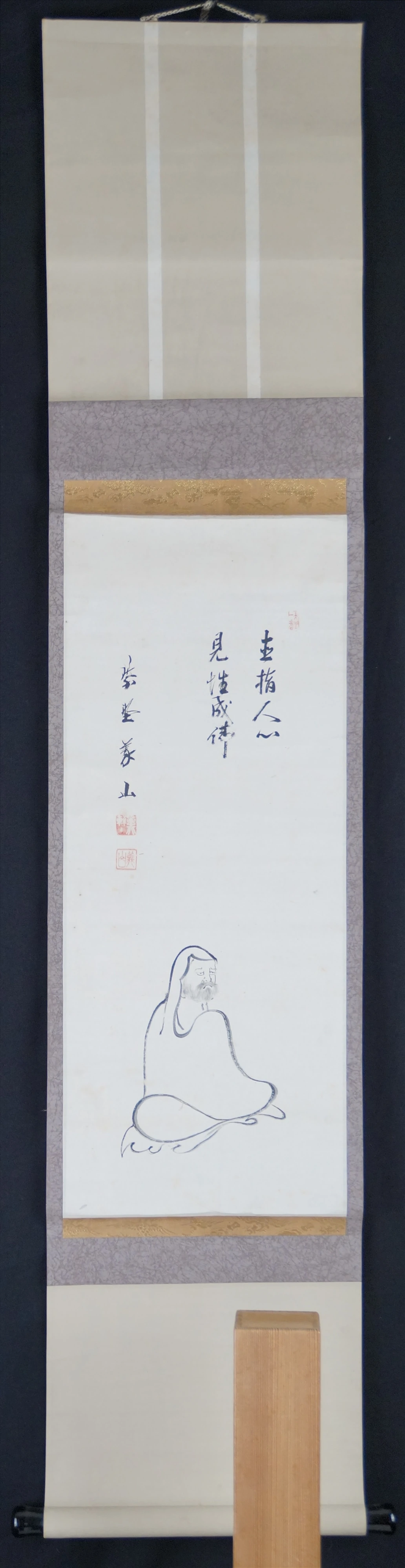
Ueda Gizan
Bodhidharma - Straight to the Heart
Kakemono, unique work, with box, 135 x 34 cm
€450.00
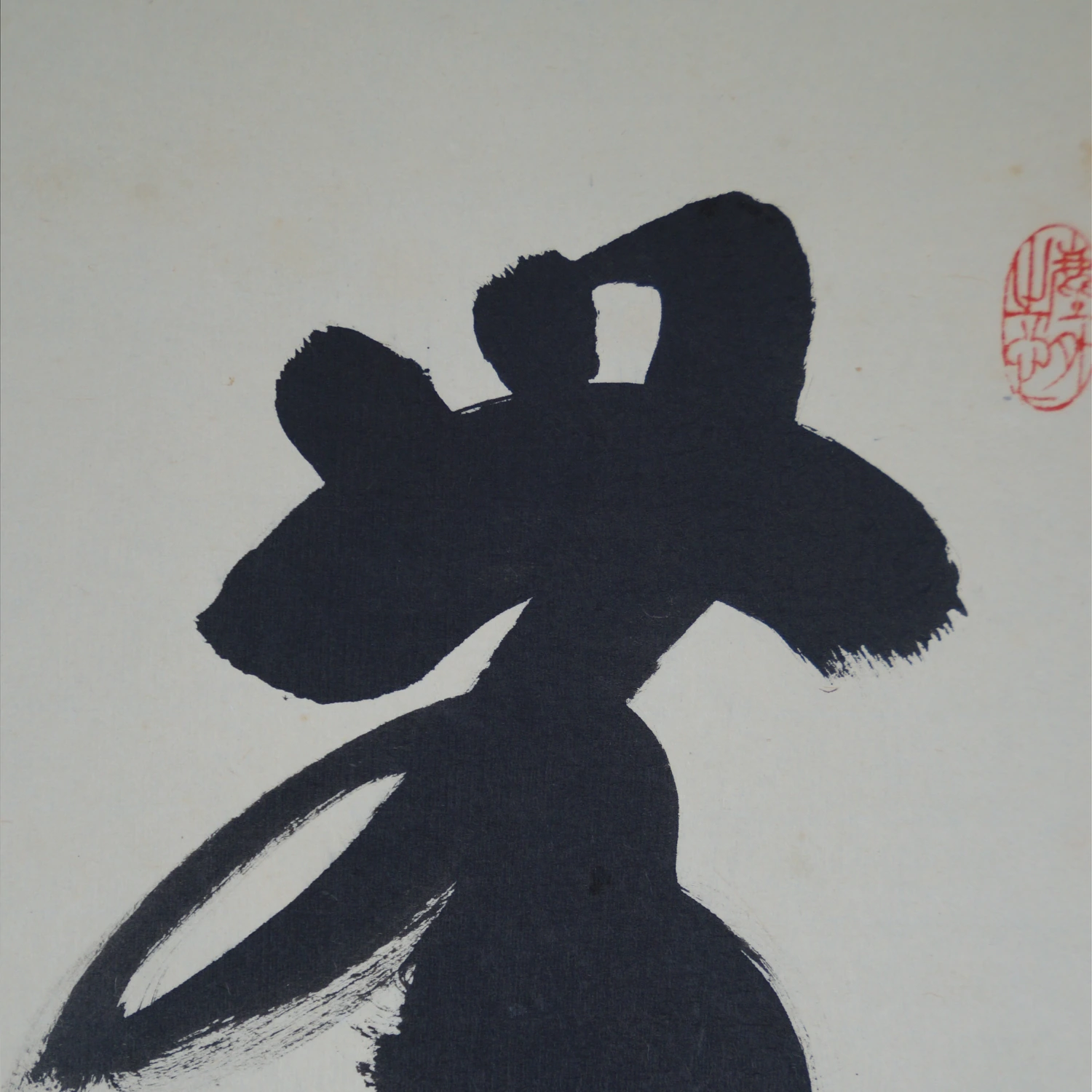
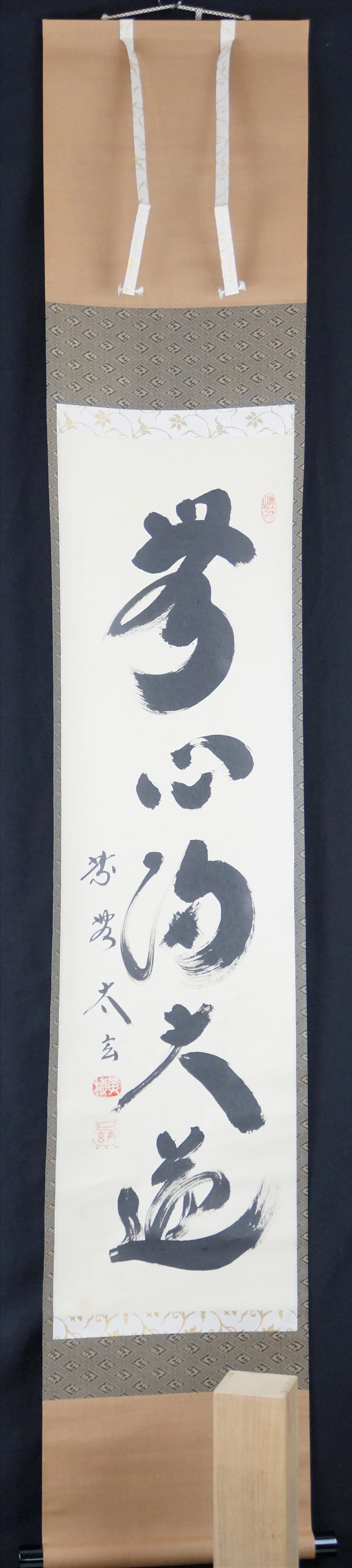
Kobayashi Taigen
No-Mind on the Great Way – Zen Calligraphy, Olive Mounting
Kakemono, unique work, with box, 176 x 36 cm
€690.00
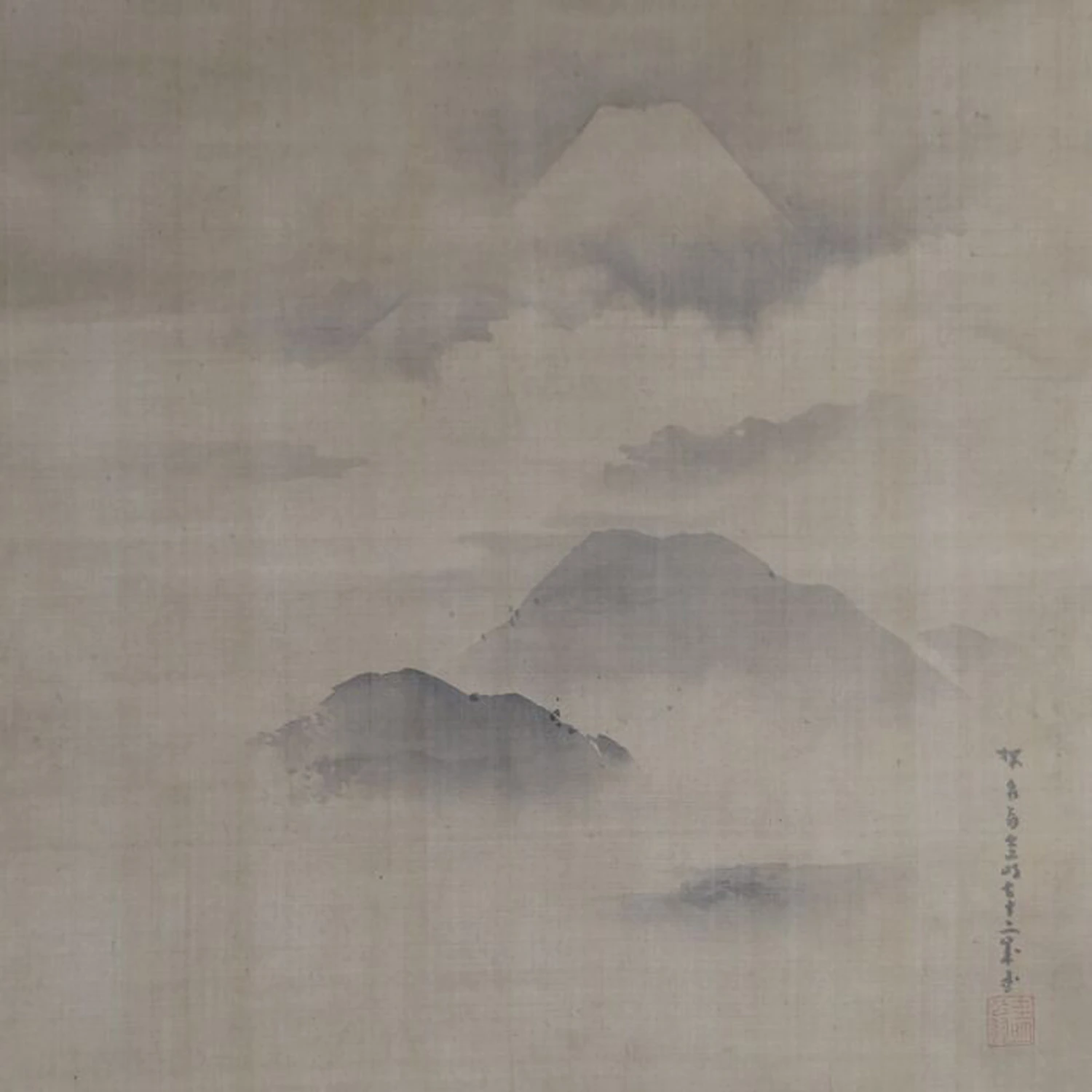
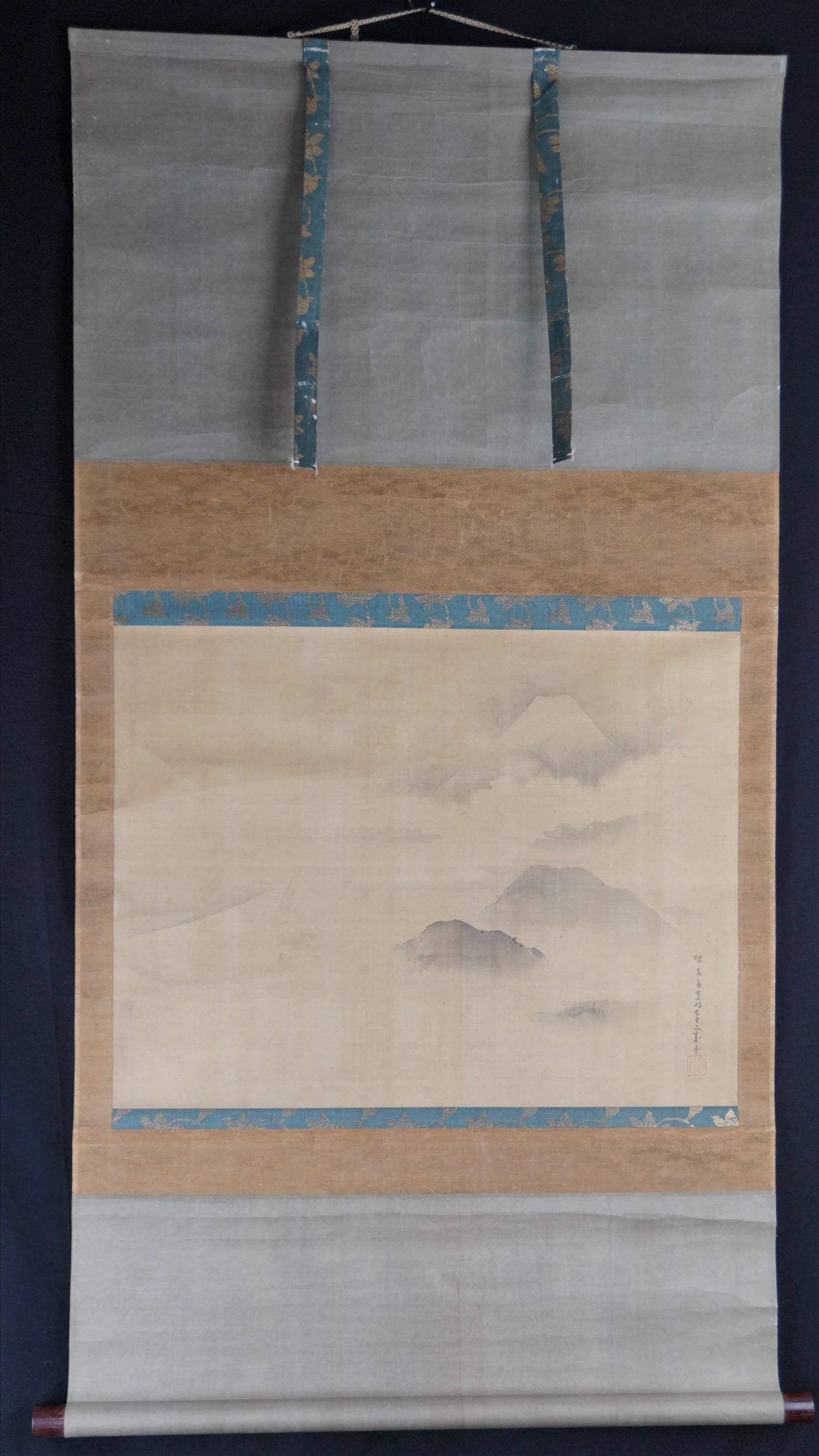
Tansenzai Keimei
Fuji in Cloud-Covered Heights
Kakemono, unique work, 123 x 63 cm
€440.00
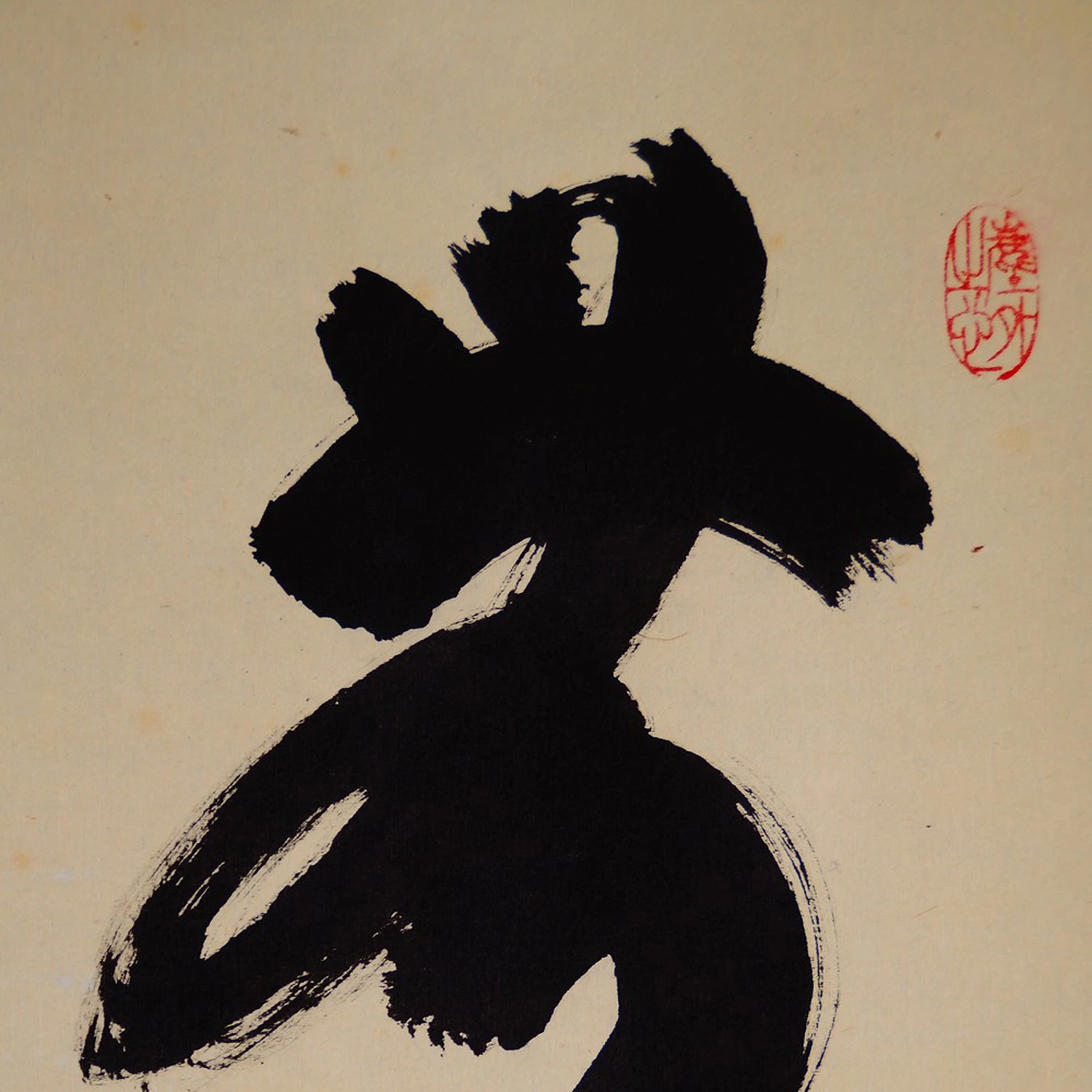
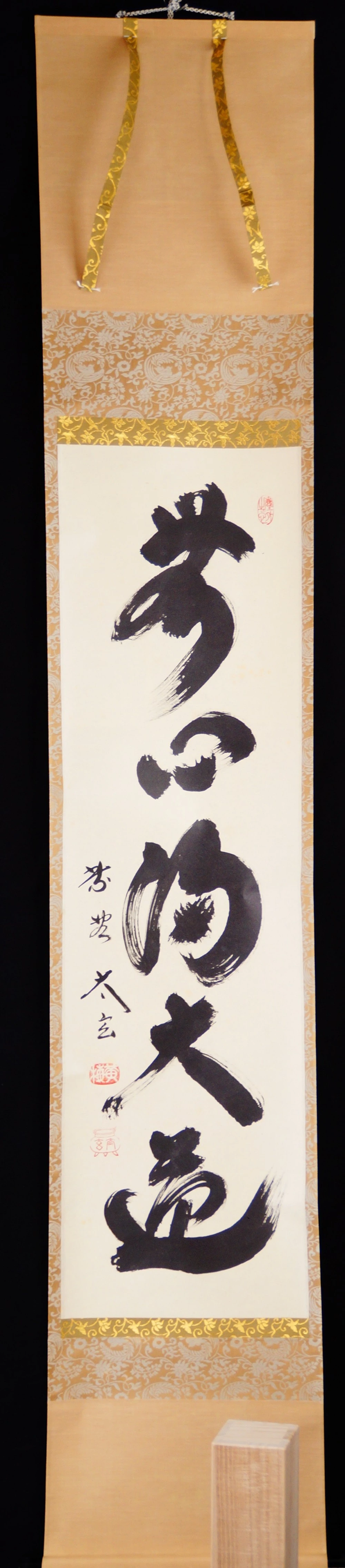
Kobayashi Taigen
No Mind, the Great Way – Zen Calligraphy, Gold-Mounted
Kakemono, unique work, with box, 173 x 37 cm
€720.00
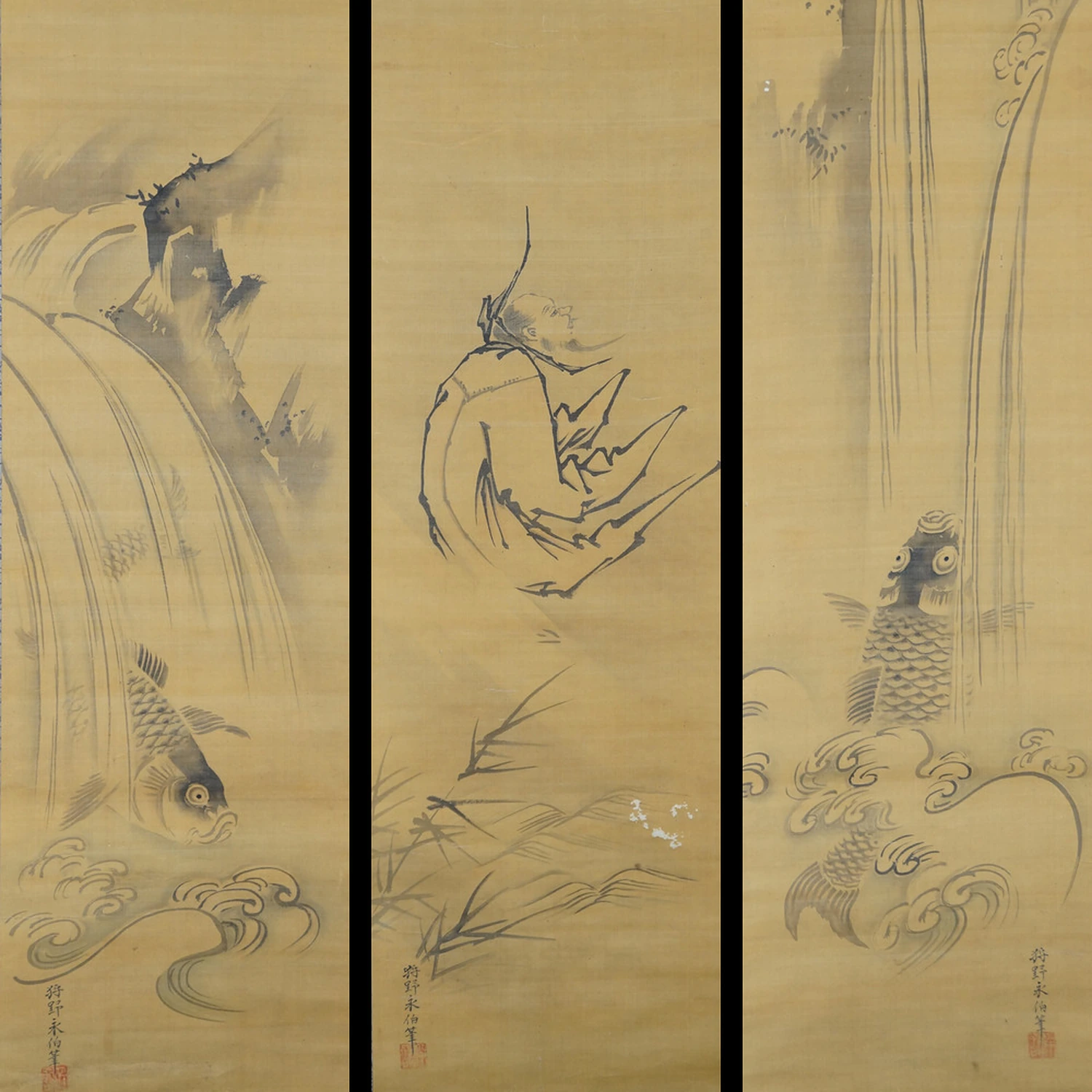
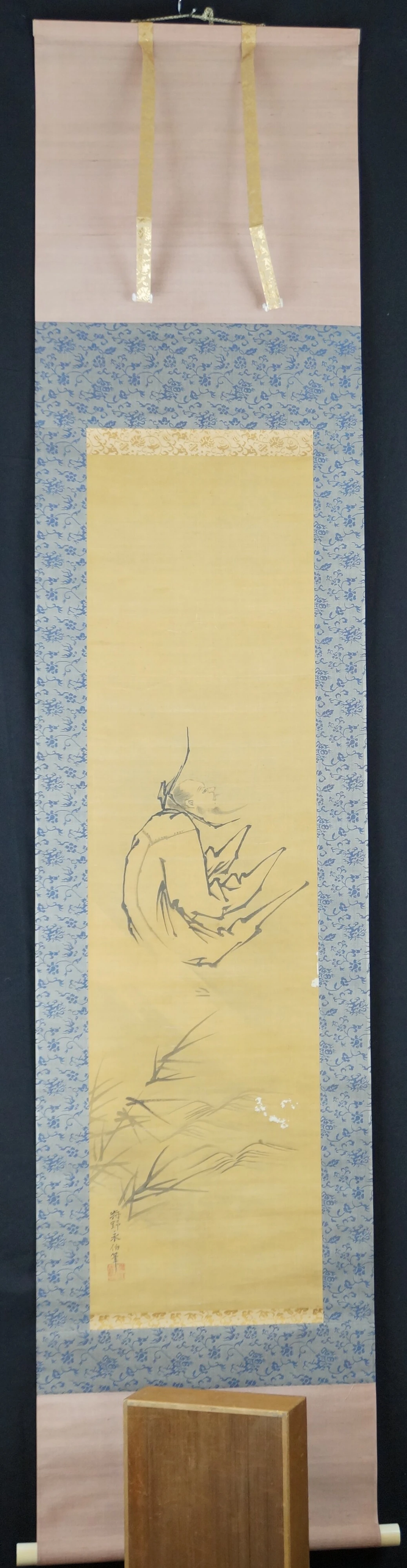
Kano Eihaku
Water, Retreat and Ascent - Set of 3
Kakemono, unique work, with box, 188 x 45 cm
€630.00
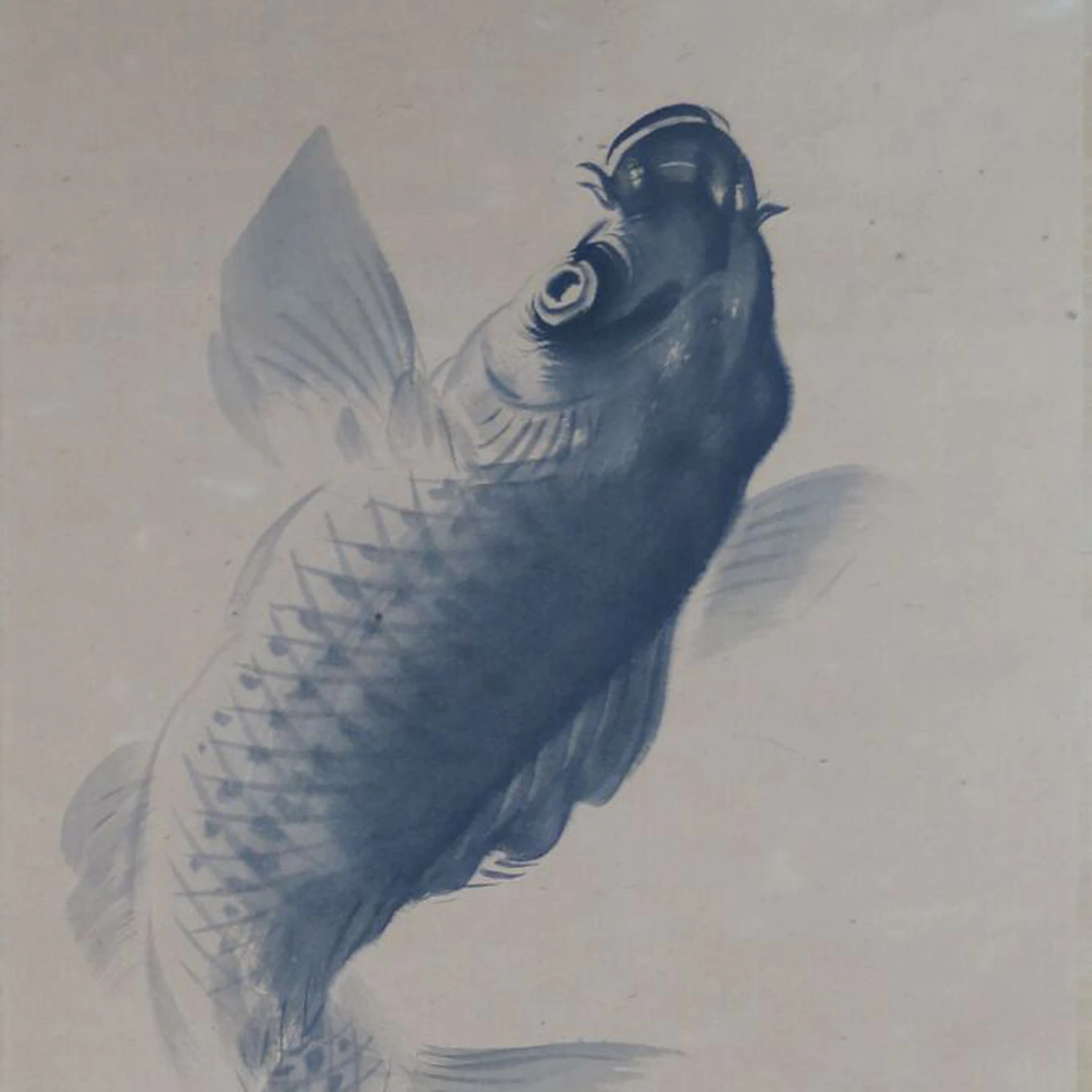
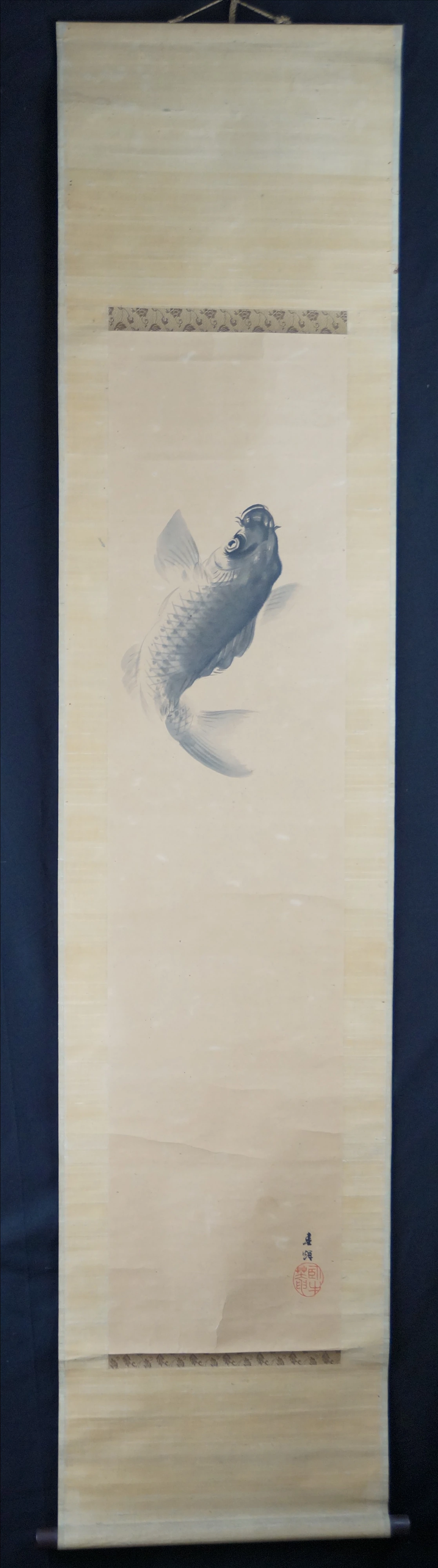
Gyokusha Shunki
Leaping Carp - Kakemono Gyokusha Shunki
Kakemono, unique work, 194 x 50 cm
€540.00
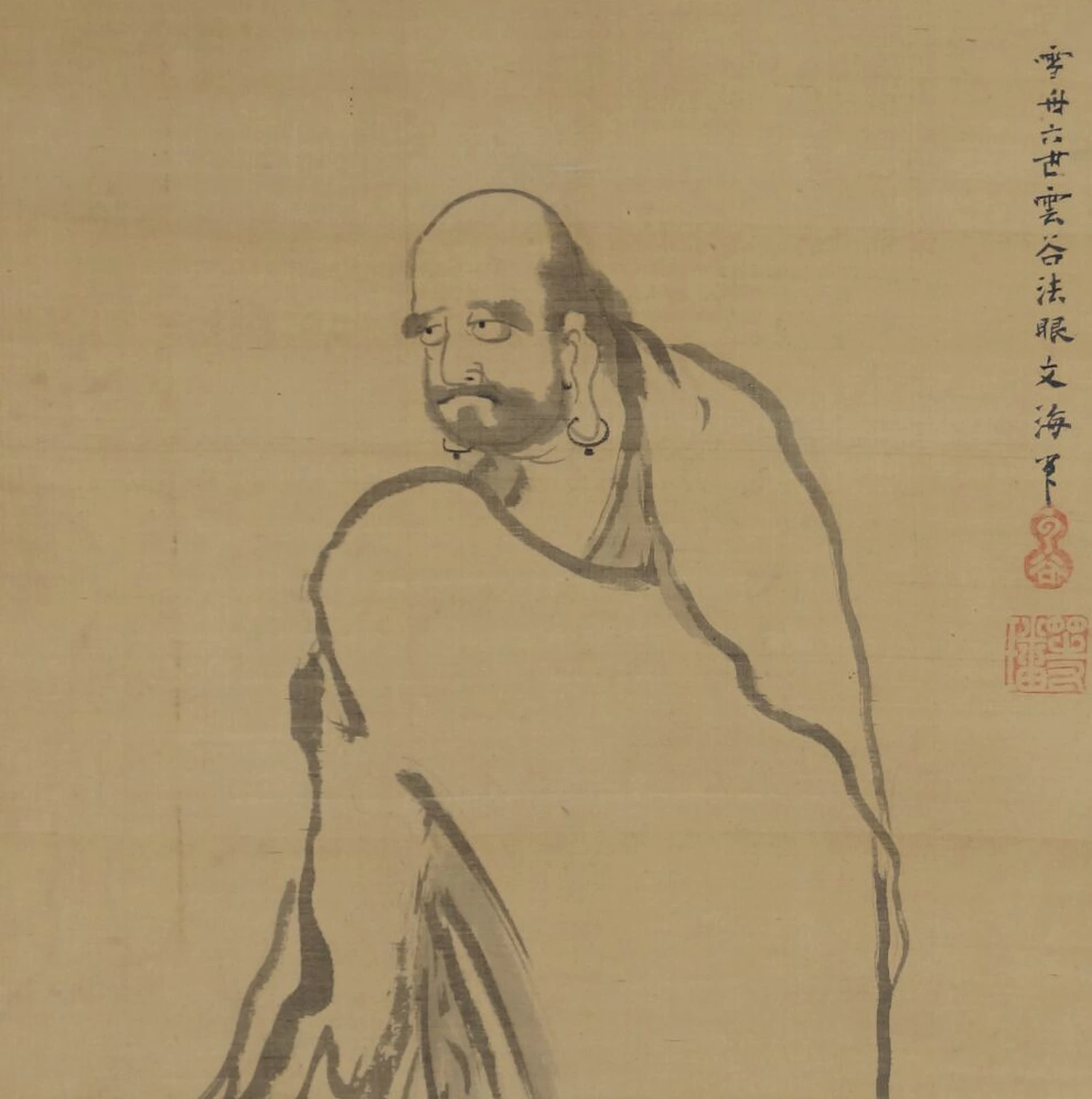
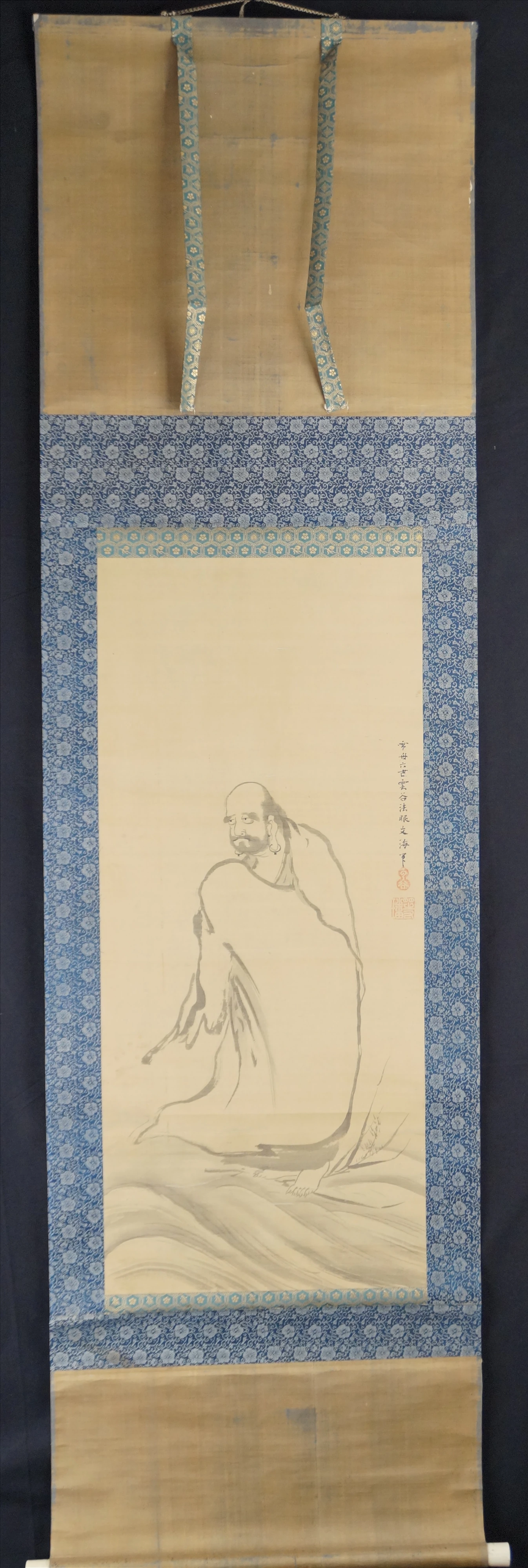
Unkoku Tōban
Bodhidharma on the Way
Kakemono, unique work, 168 x 52 cm
€550.00
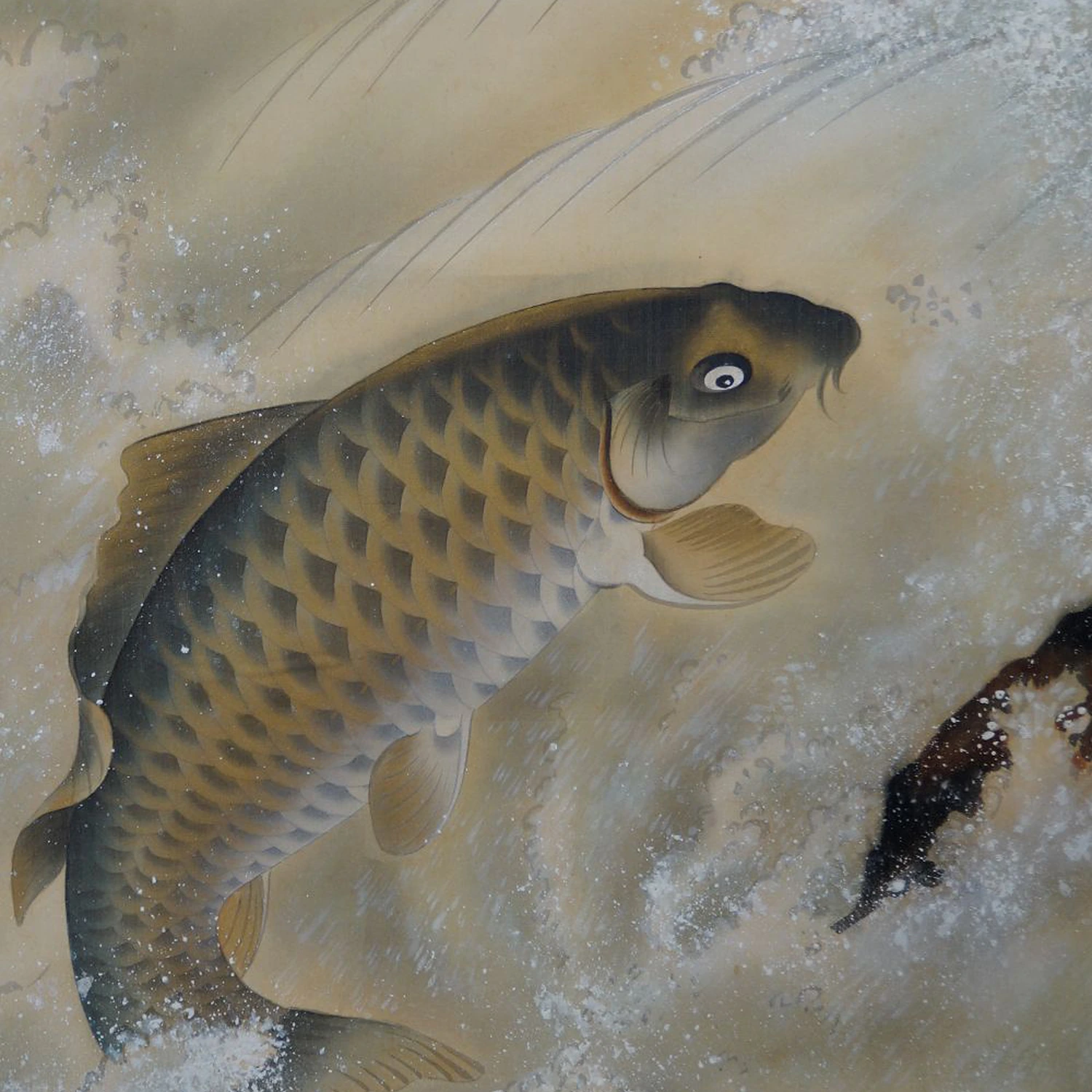
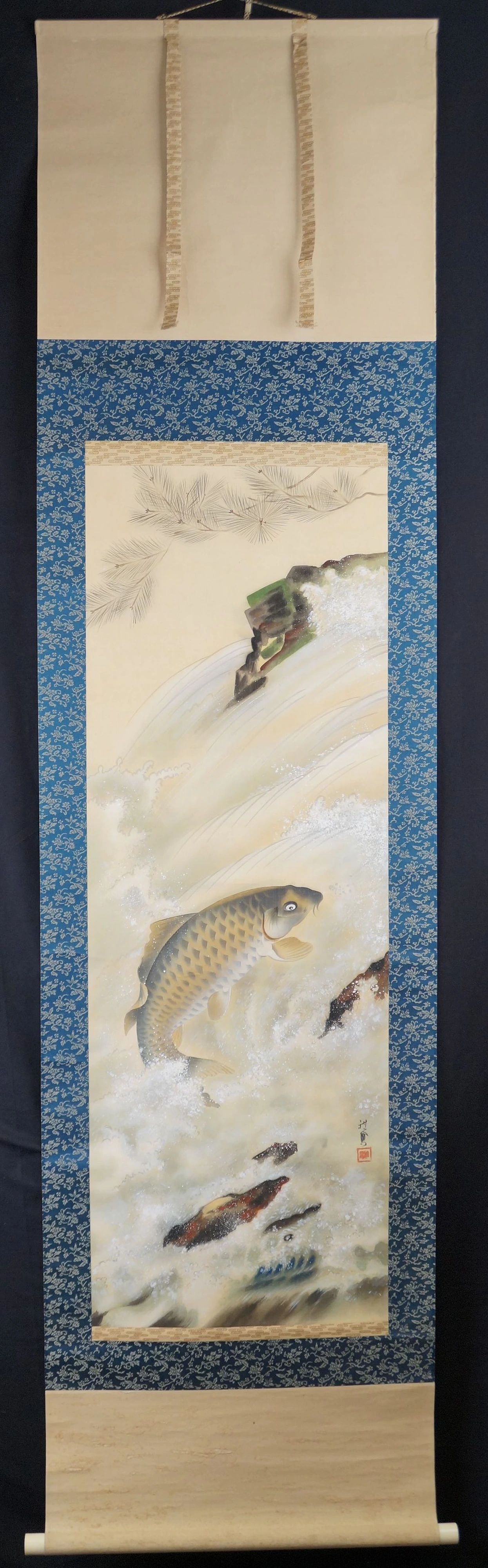
Carp in Turbulent Waterfall
Kakemono, unique work, 213 x 55 cm
€430.00
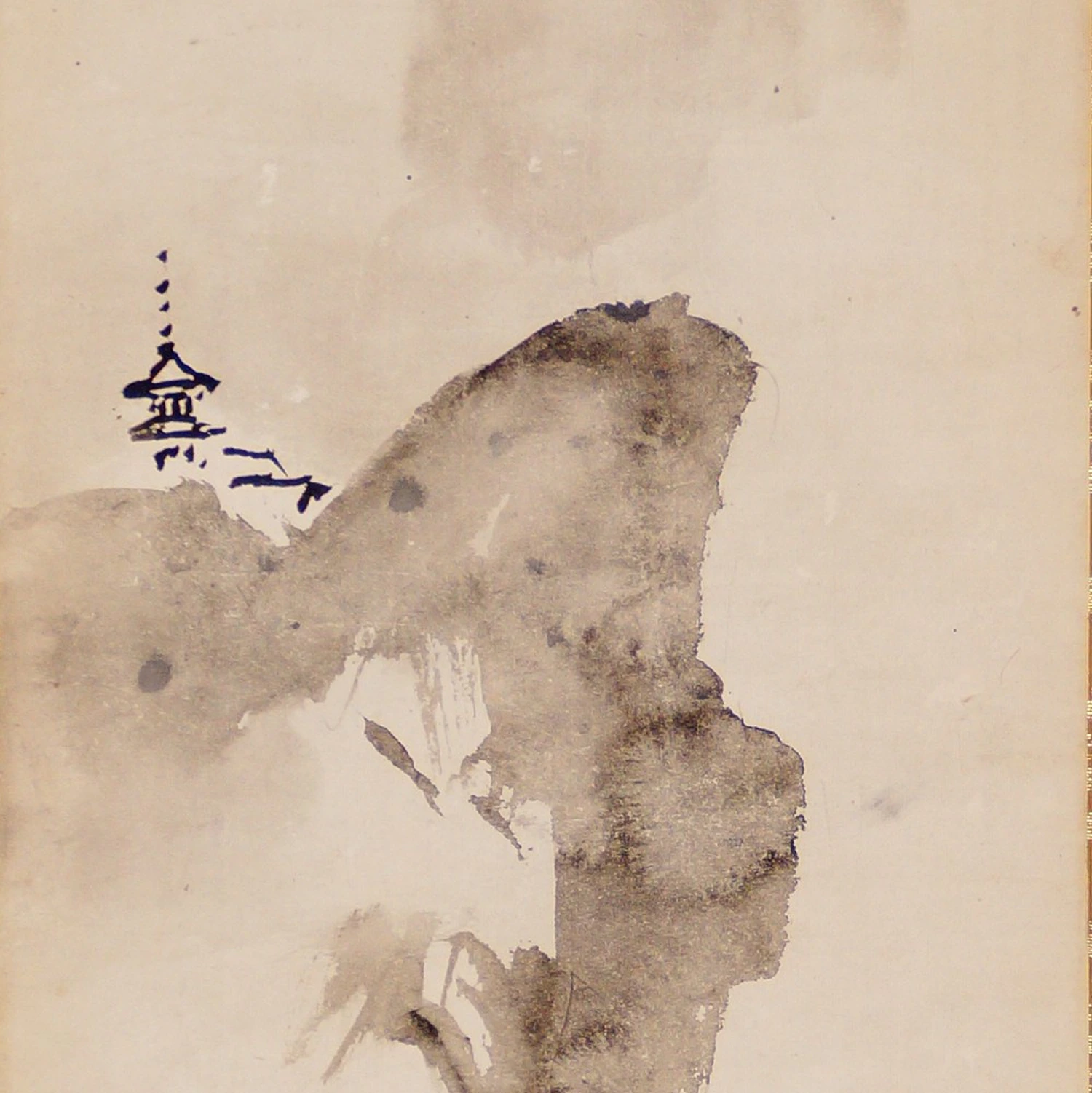
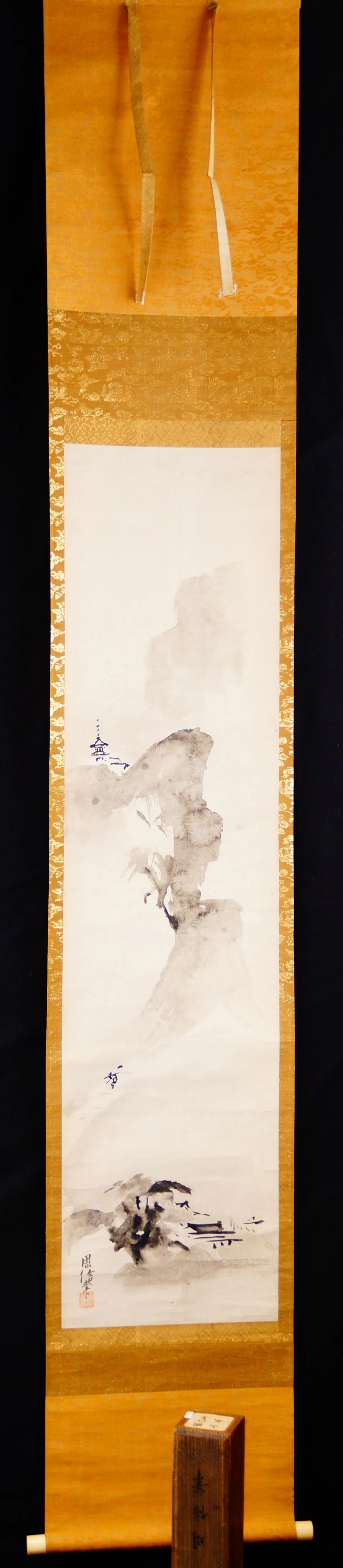
Kano Shūshin
Pagoda on the Cliff
Kakemono, unique work, 190 x 37 cm
€290.00
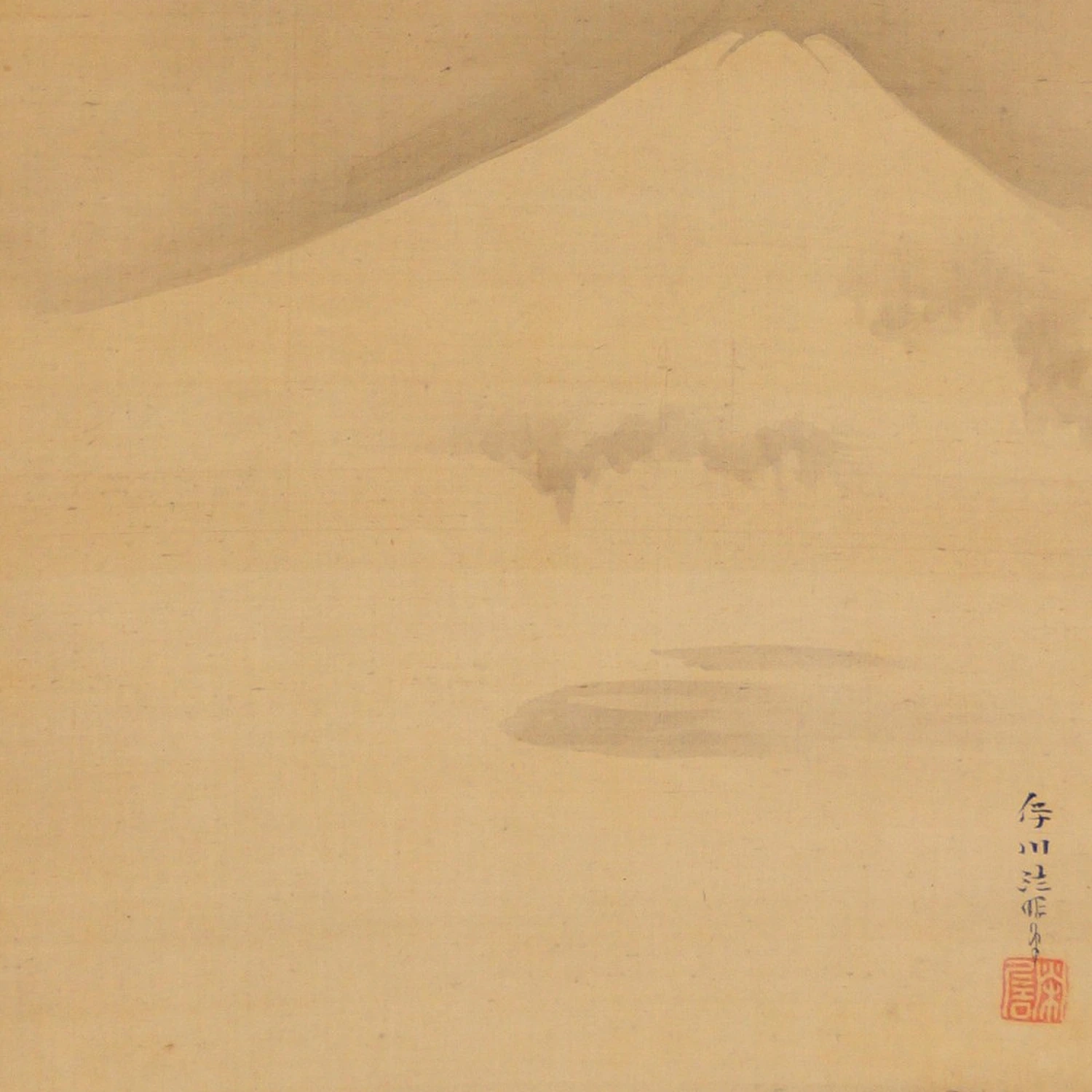
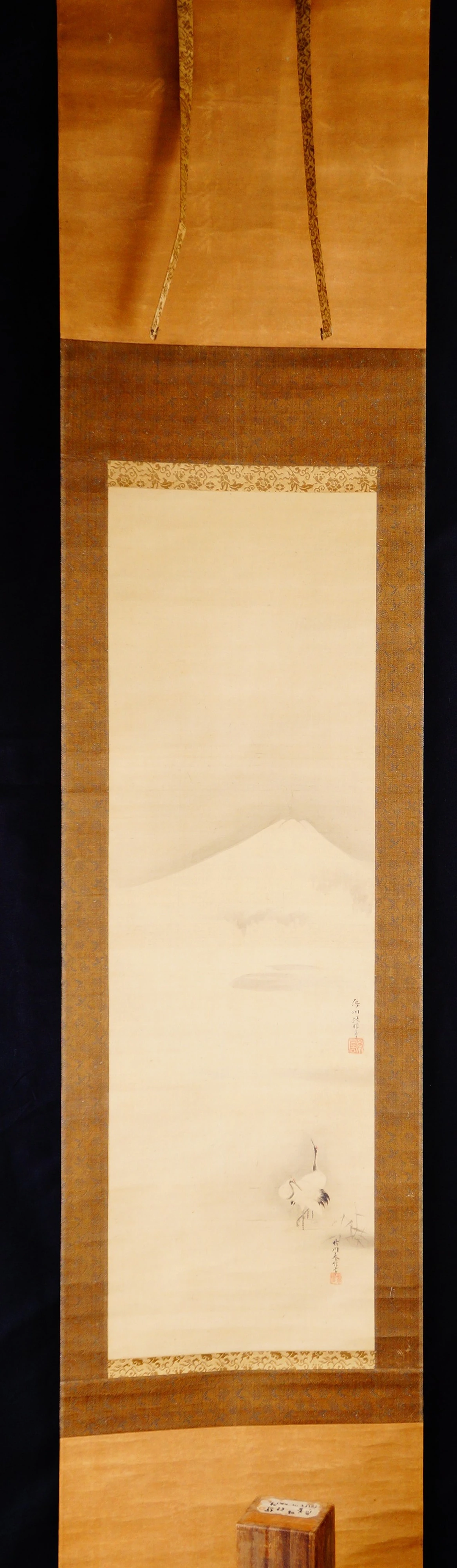
Kano Eishin und Kano Yoshinobu
Cranes Before Mount Fuji (in the Tradition of the Kano School)
Kakemono, unique work, with box, 162 x 41 cm
€450.00
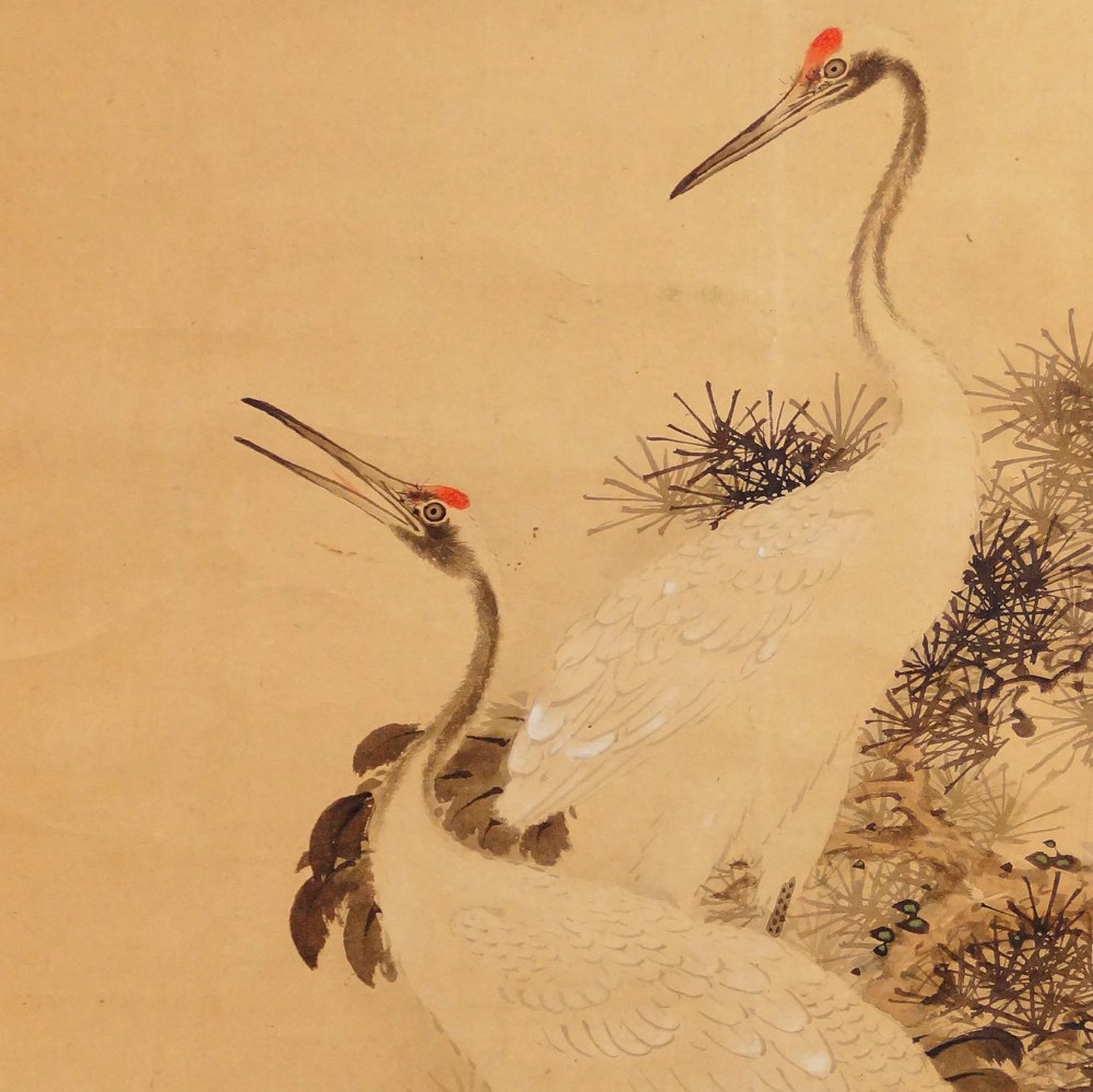
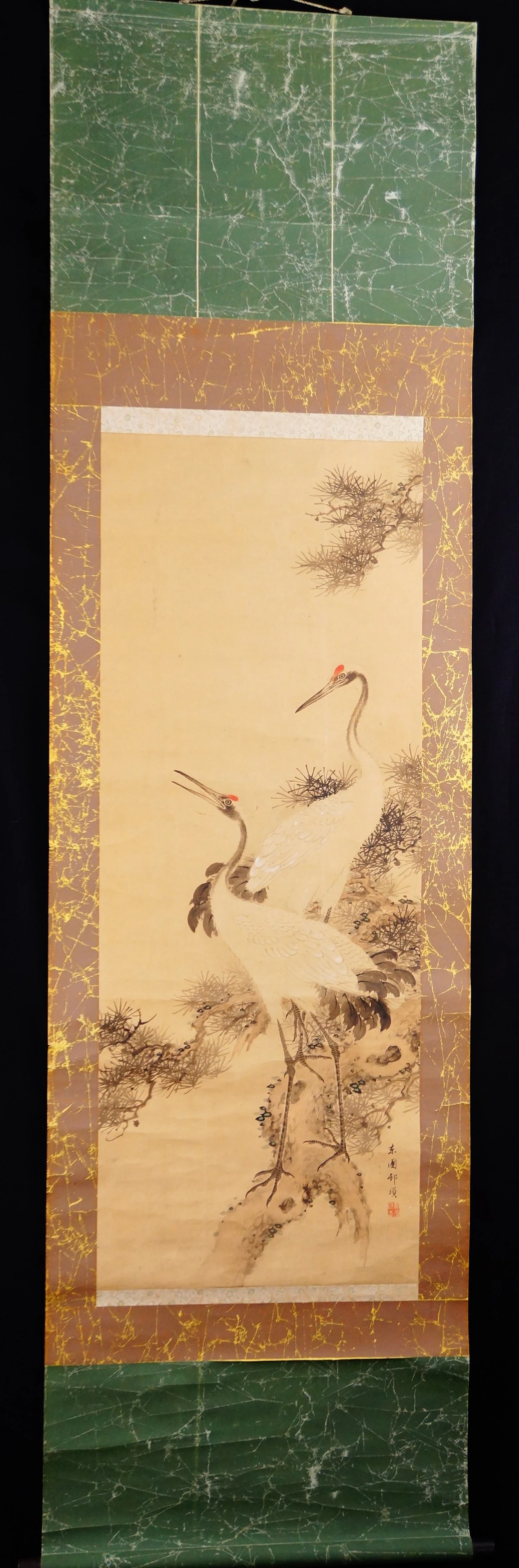
Murata Tōho
Pair of Cranes Between Pine Branches in Sepia Tones
Kakemono, unique work, 195 x 62 cm
€390.00
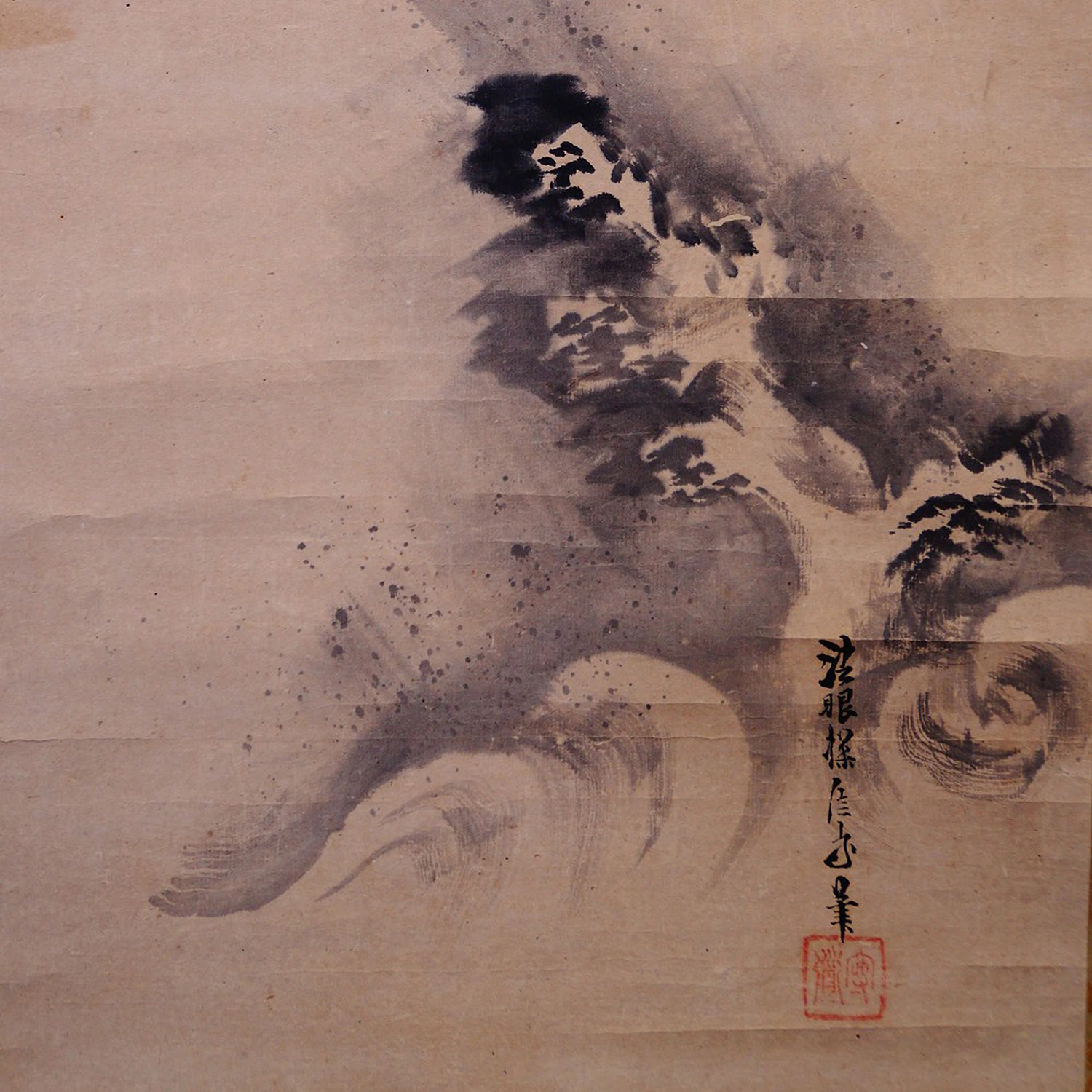
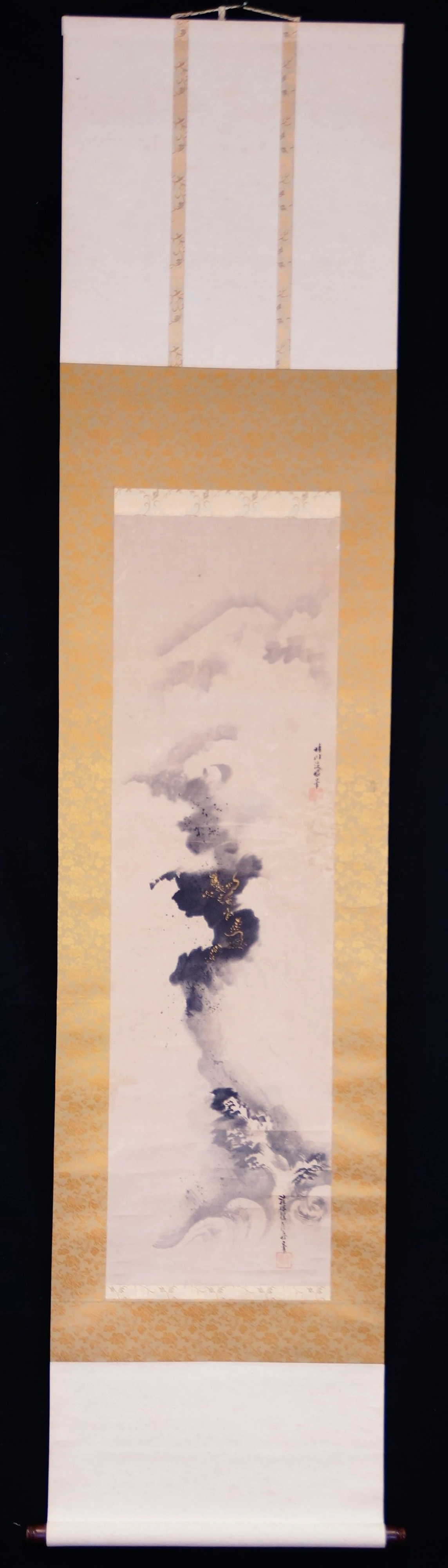
Kano Yasunobu, Kano Tanshin
Dragon Between Clouds and Waves (Kano School)
Kakemono, unique work, 177 x 44 cm
€540.00
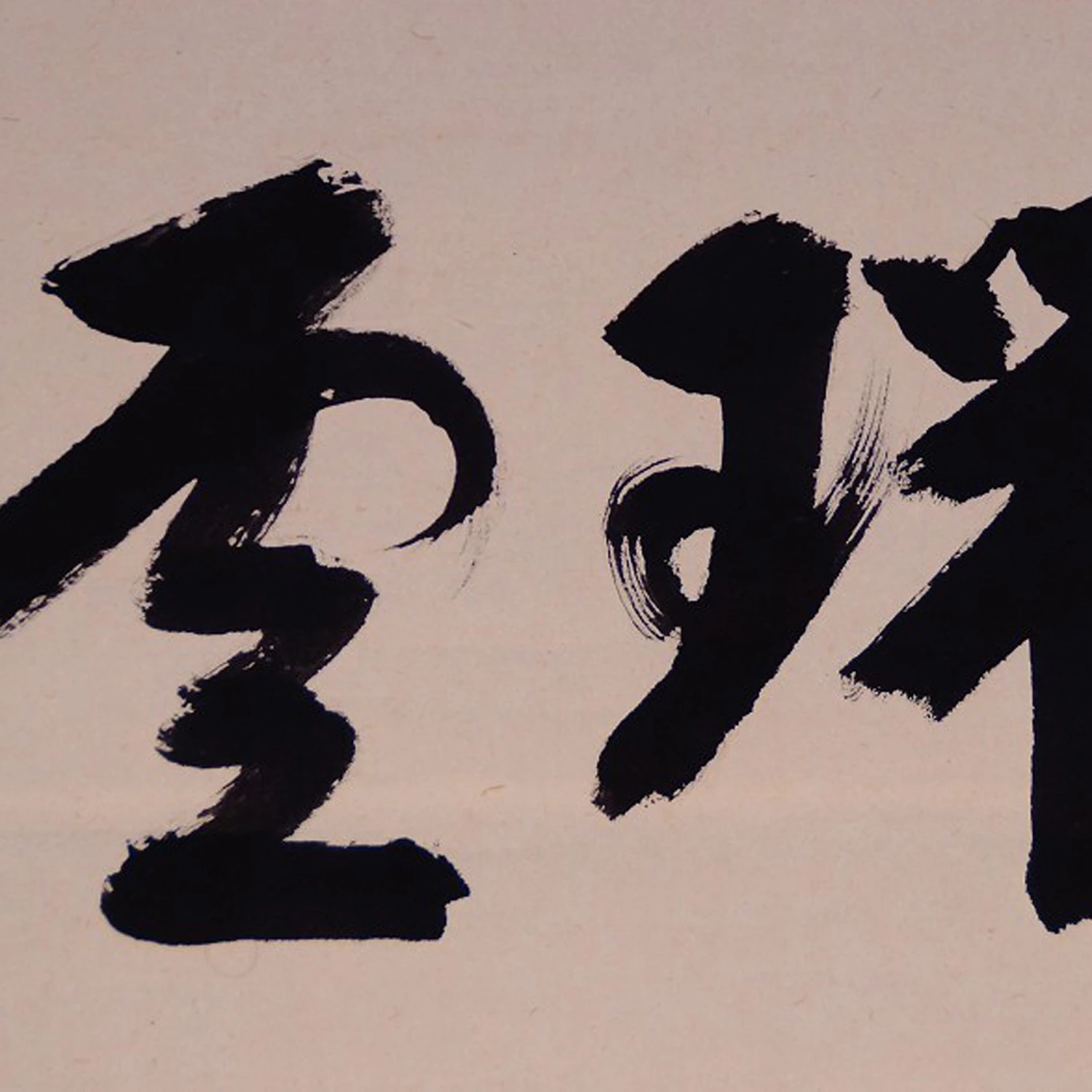
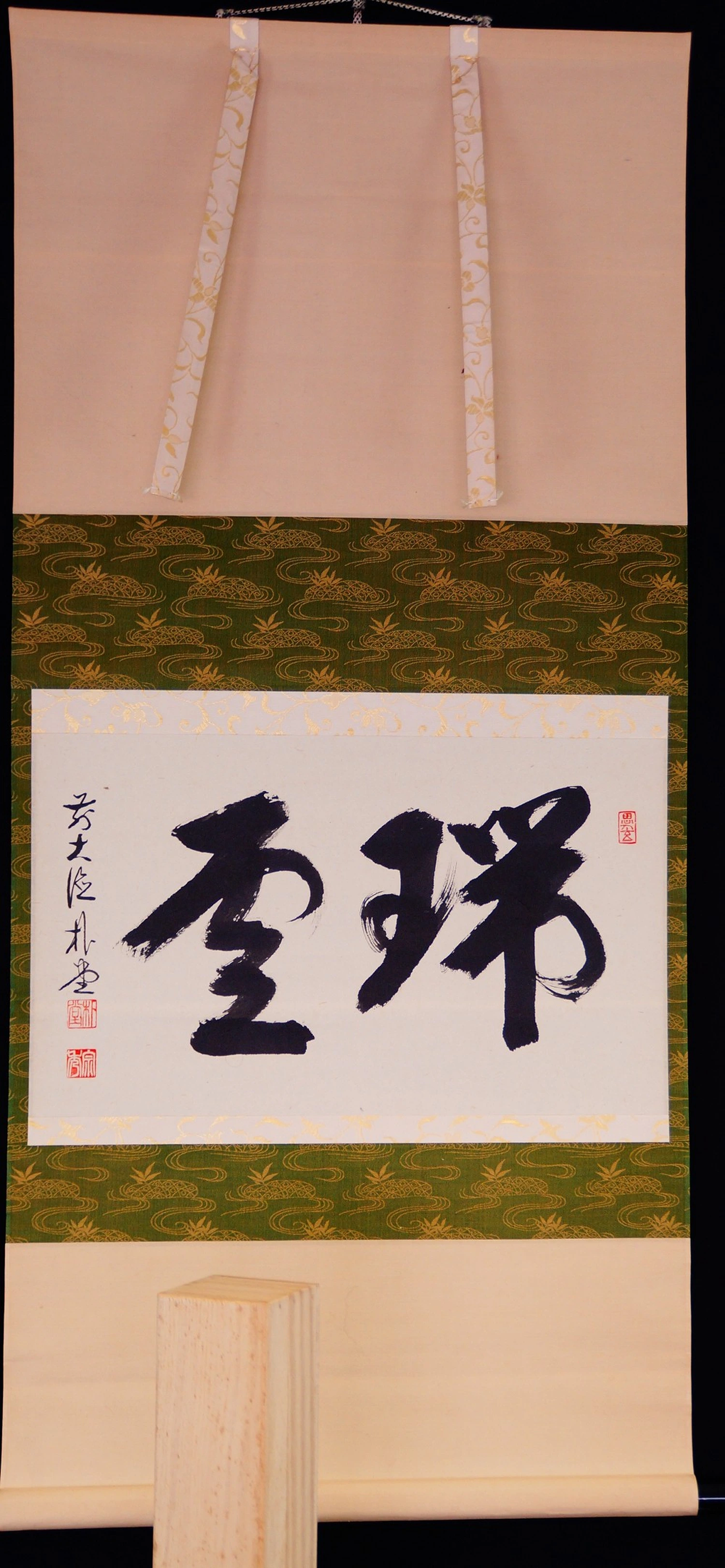
Satō Bokudō
"Zui-un" (like clouds and water) - Zen Calligraphy
Kakemono, unique work, with box, 114 x 58 cm
€490.00
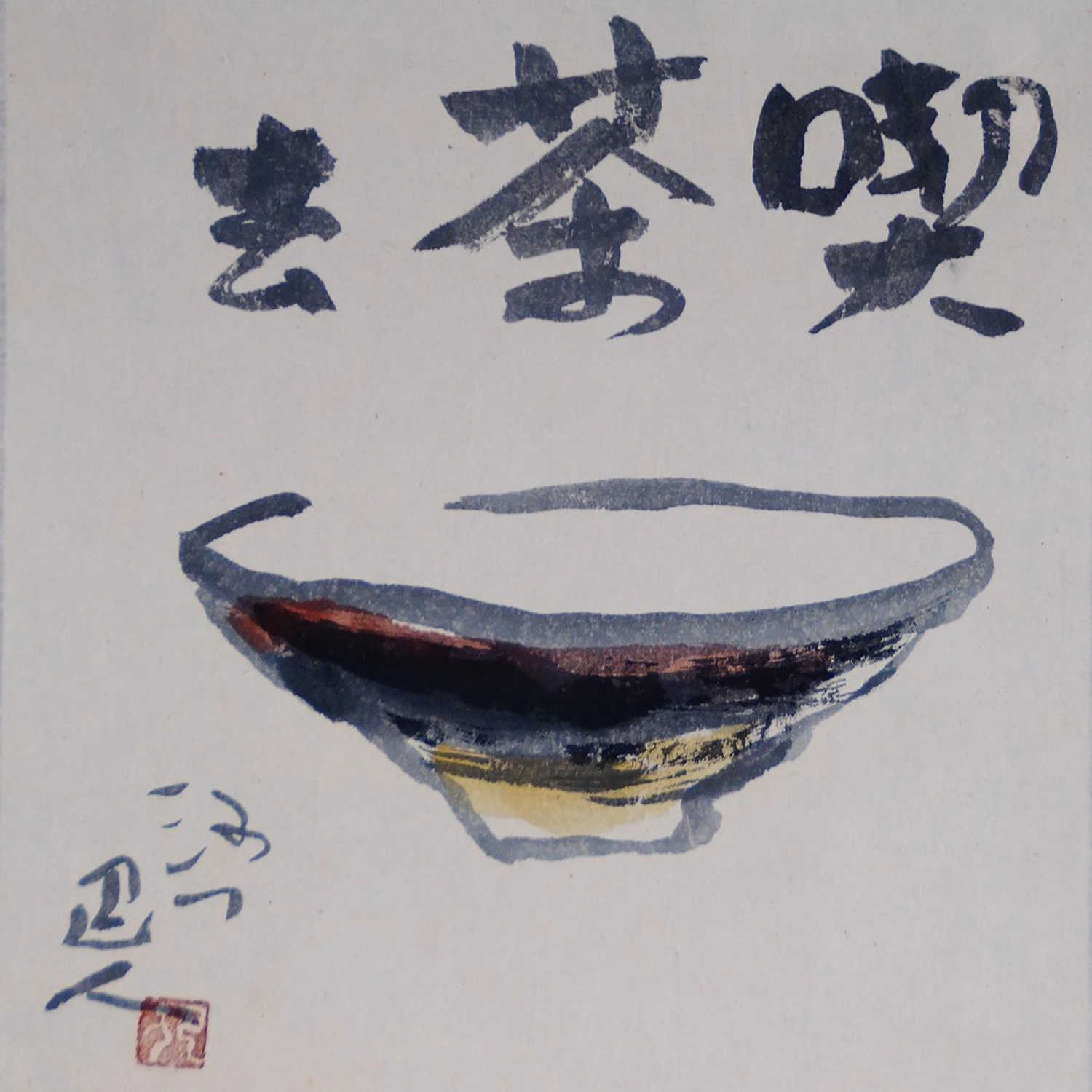
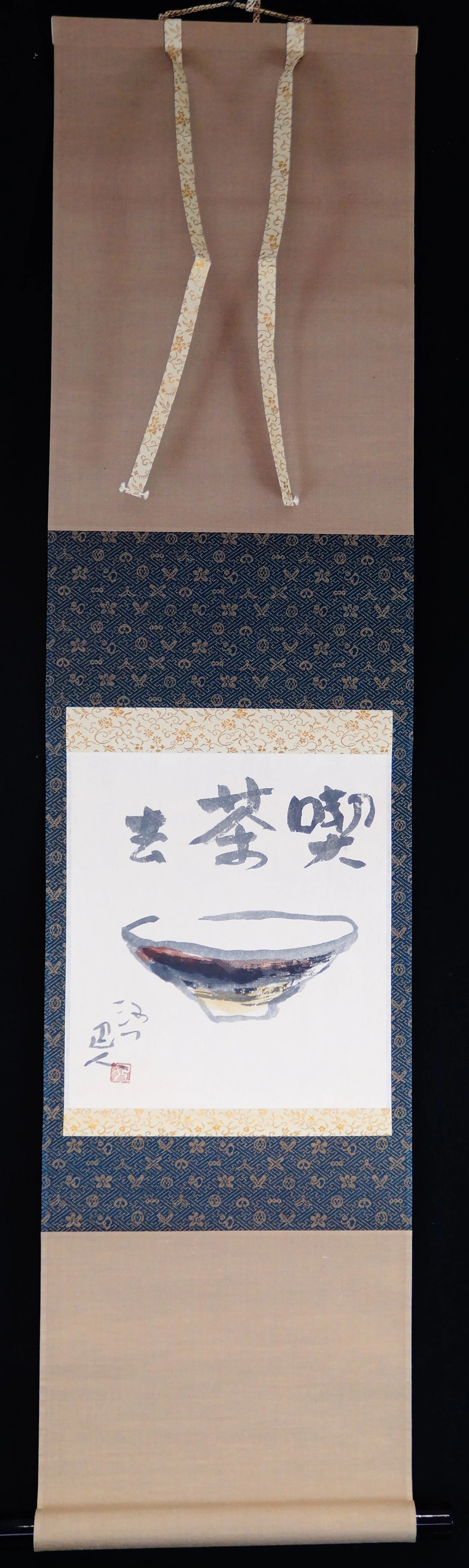
Iwasaki Hajin
Kissako – Enjoy Your Tea
Kakemono, unique work, 115 x 32 cm
€770.00
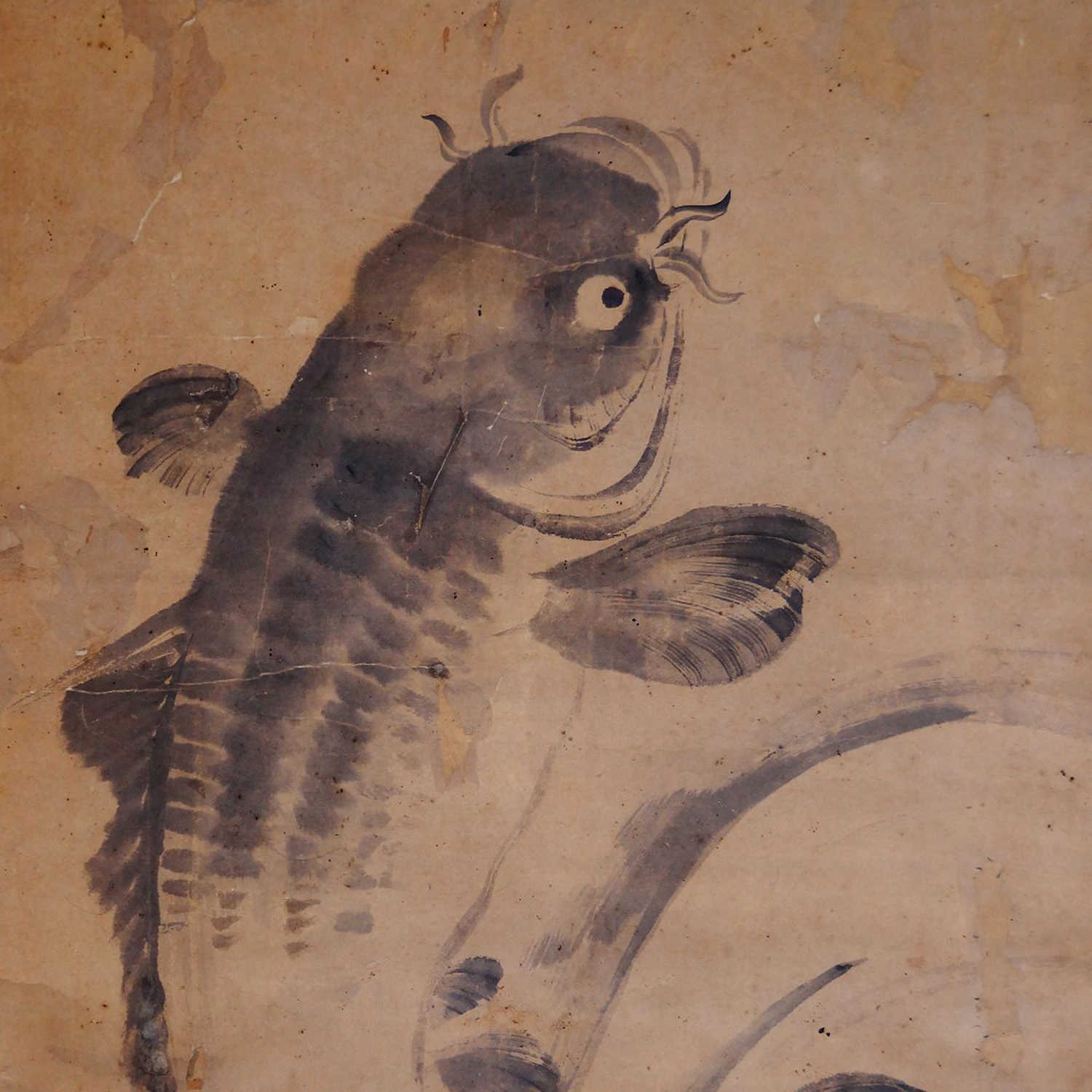
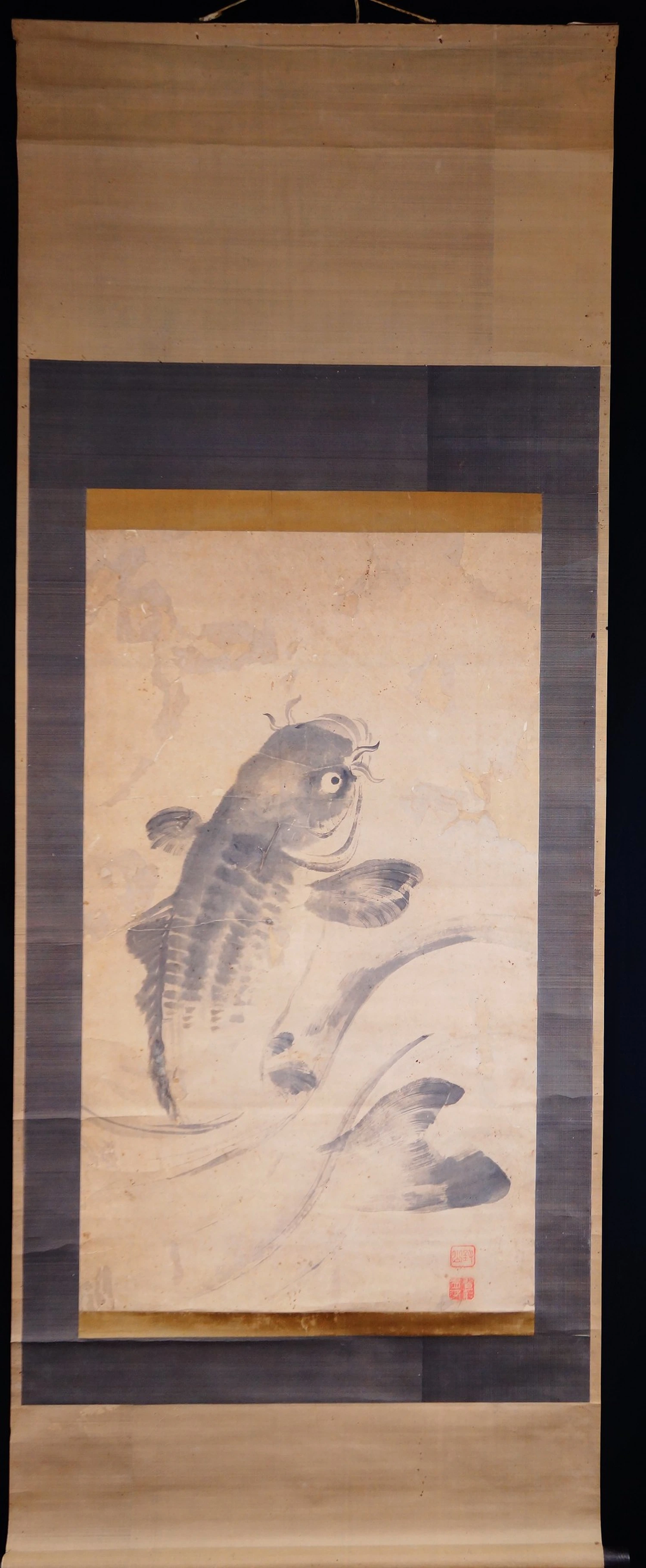
Shūjō
Carp Dancing in Water
Kakemono, unique work, 165 x 68 cm
€460.00
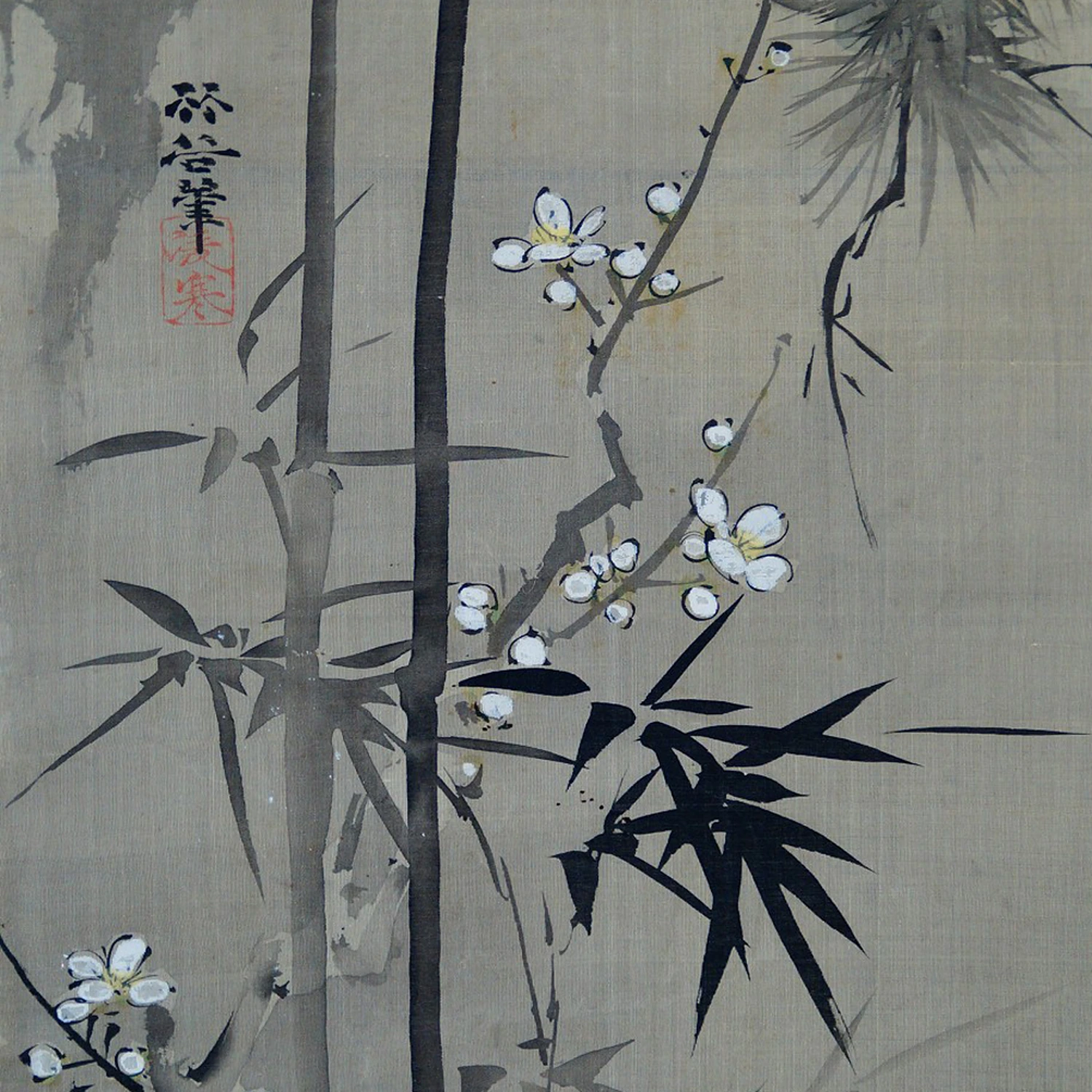
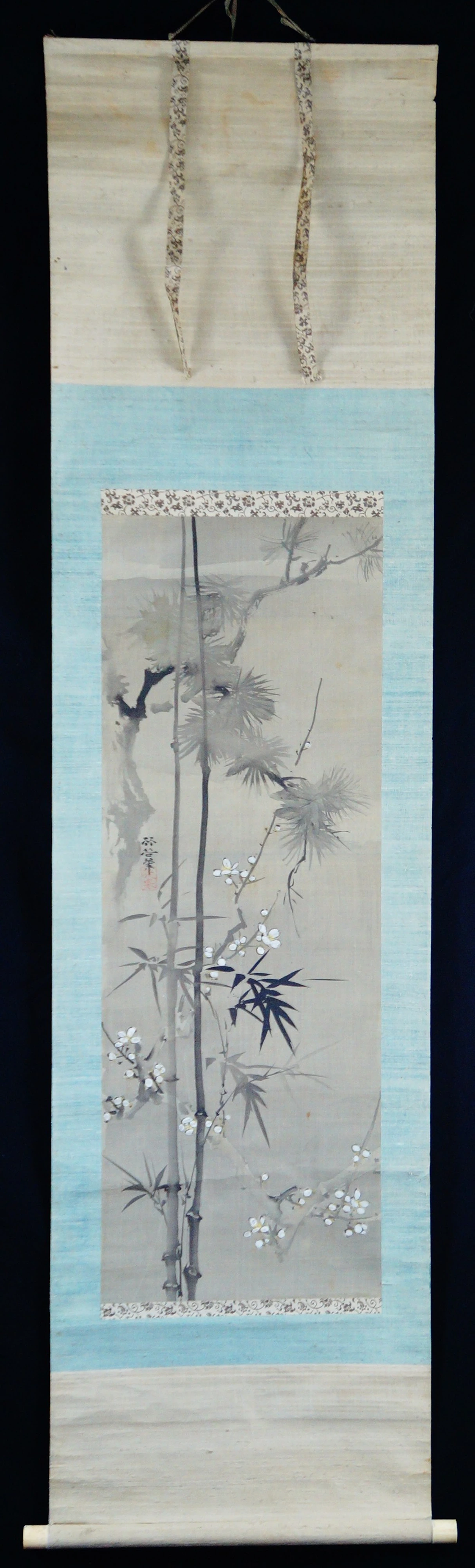
Yoda Chikoku
Three Friends of Winter
Kakemono, unique work, 168 x 49 cm
€380.00
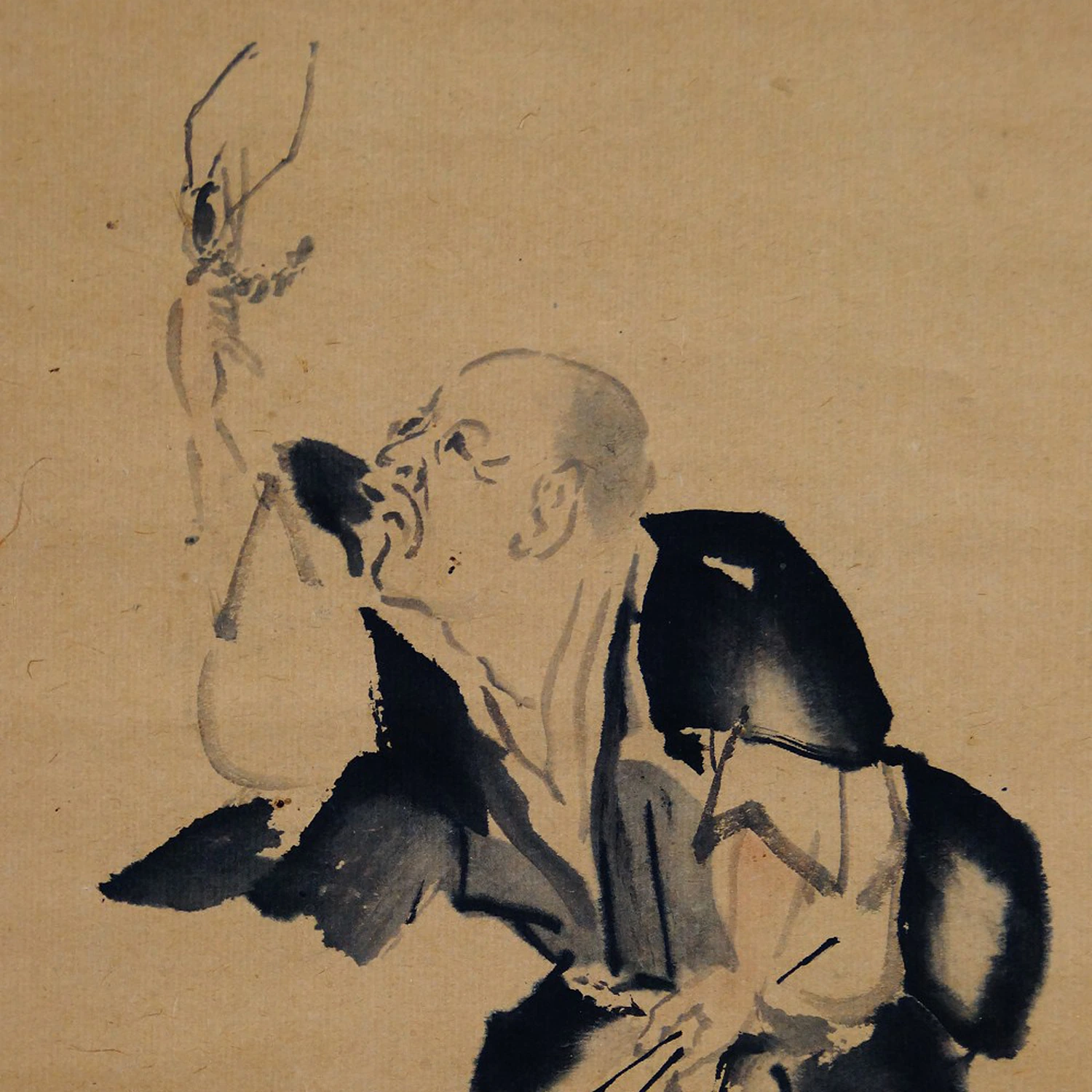
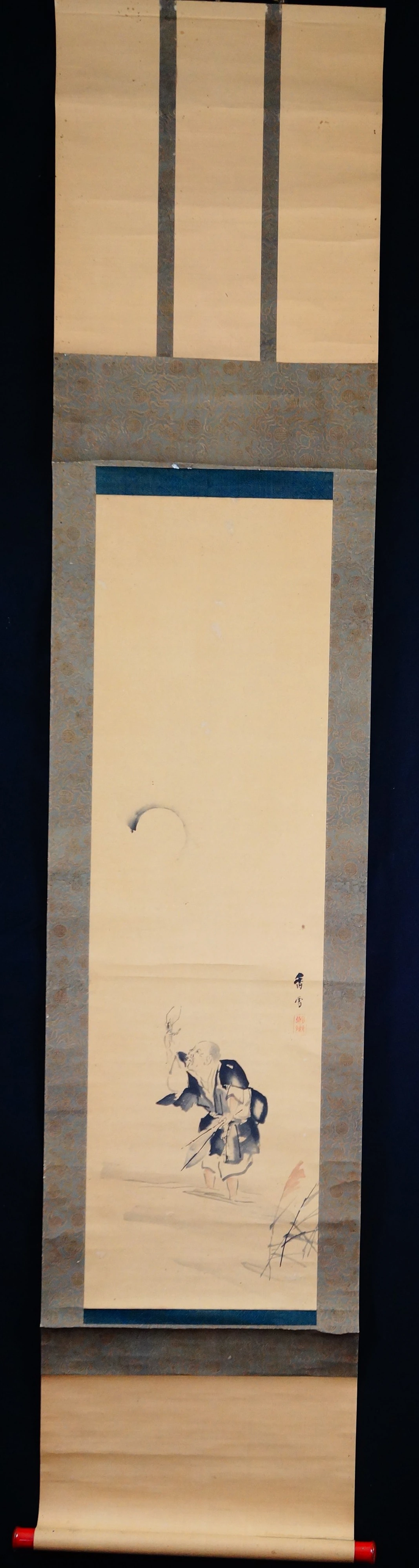
Yamauchi Kōsetsu
Monk Catching Shrimp
Kakemono, unique work, 186 x 45 cm
€270.00
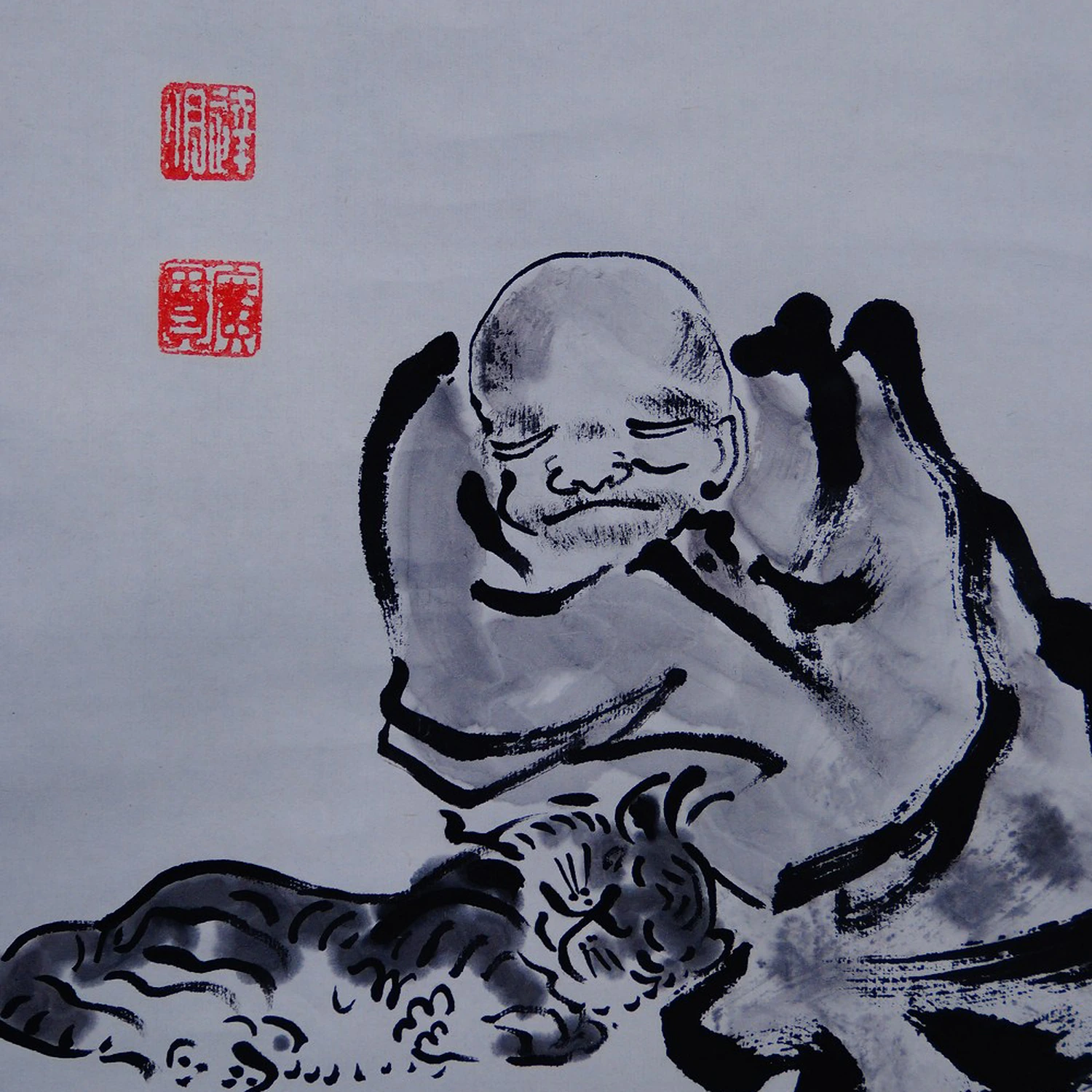
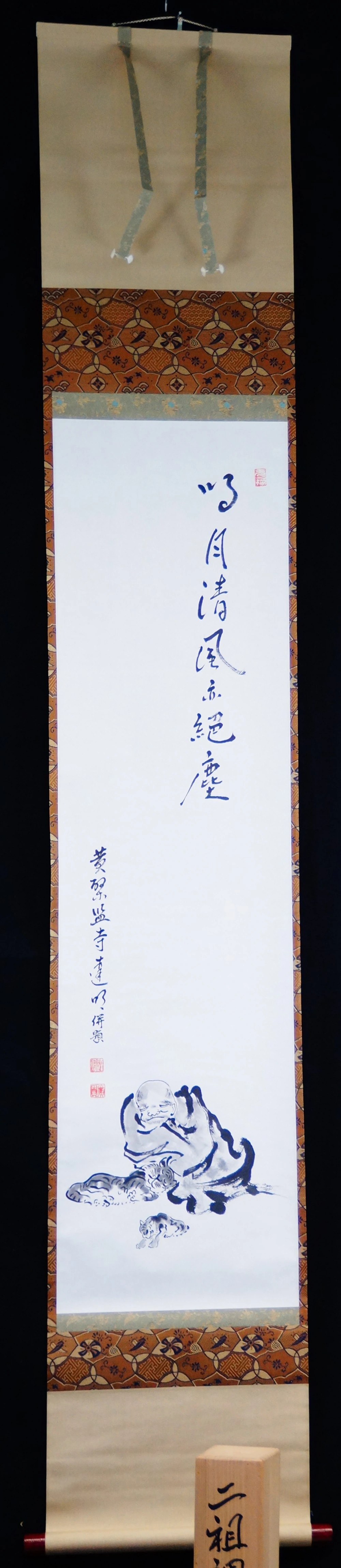
Akamatsu Tatsuaki
Zen Master Hokan
Kakemono, unique work, with box, 185 x 37 cm
€690.00
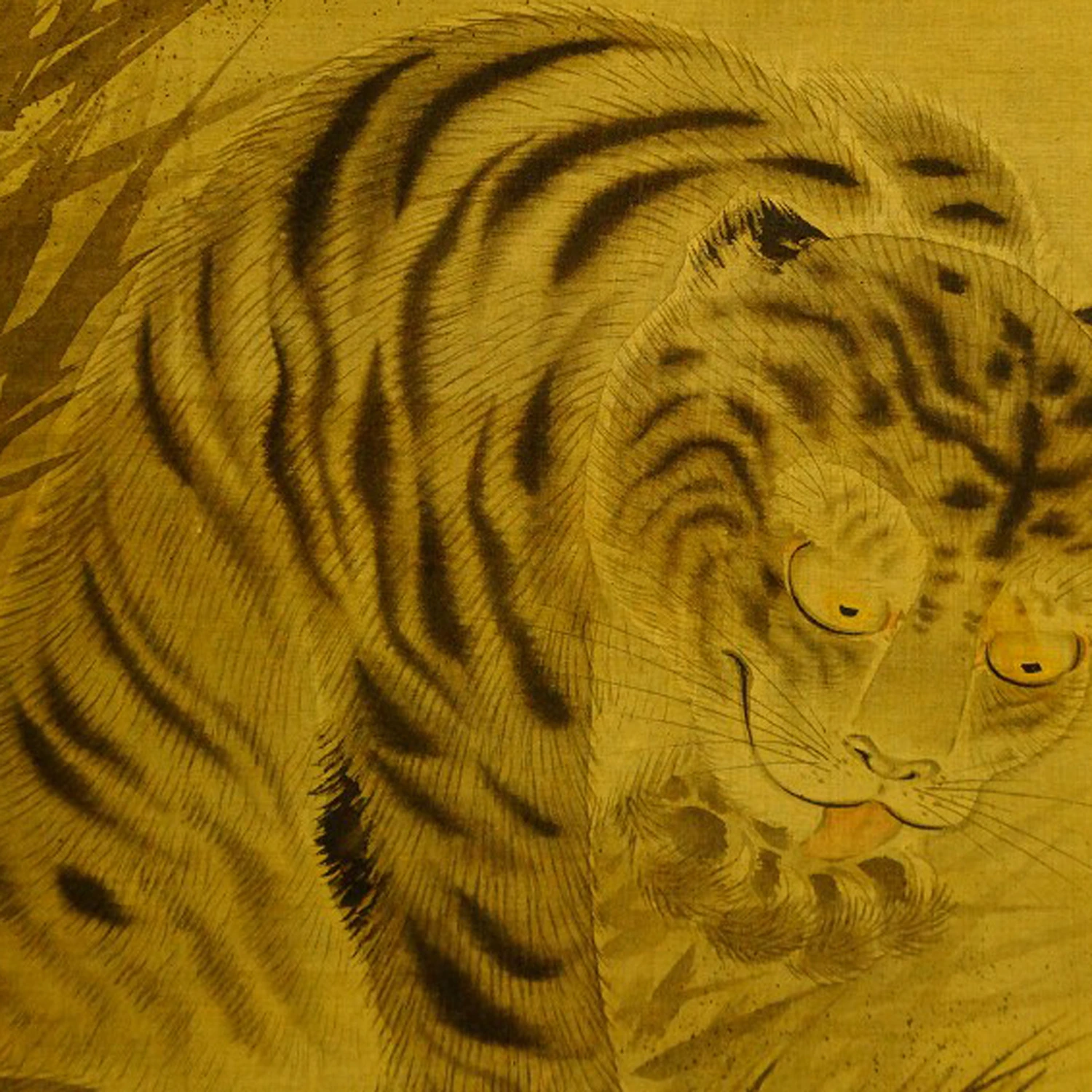
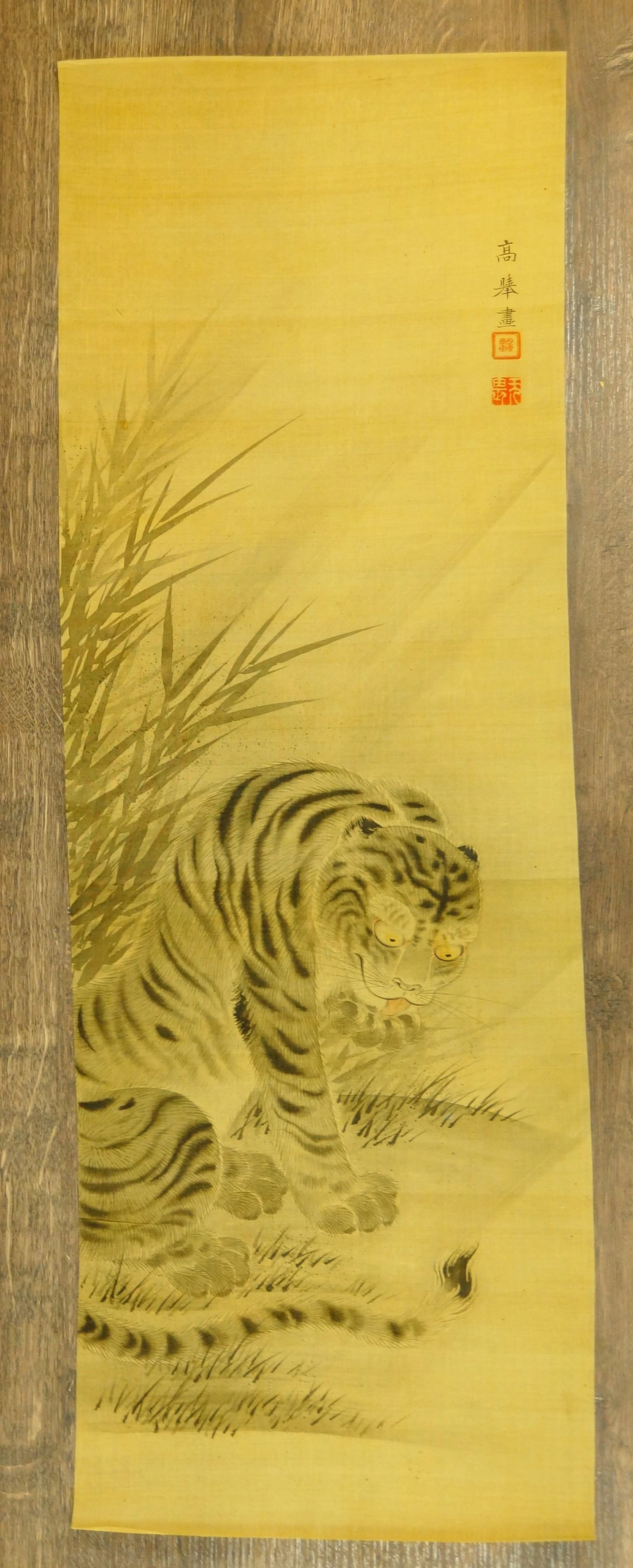
Kokyo
Gentle Elegance of the Tiger - Makuri without Mounting
Makuri, unique work, 94 x 32 cm
€890.00
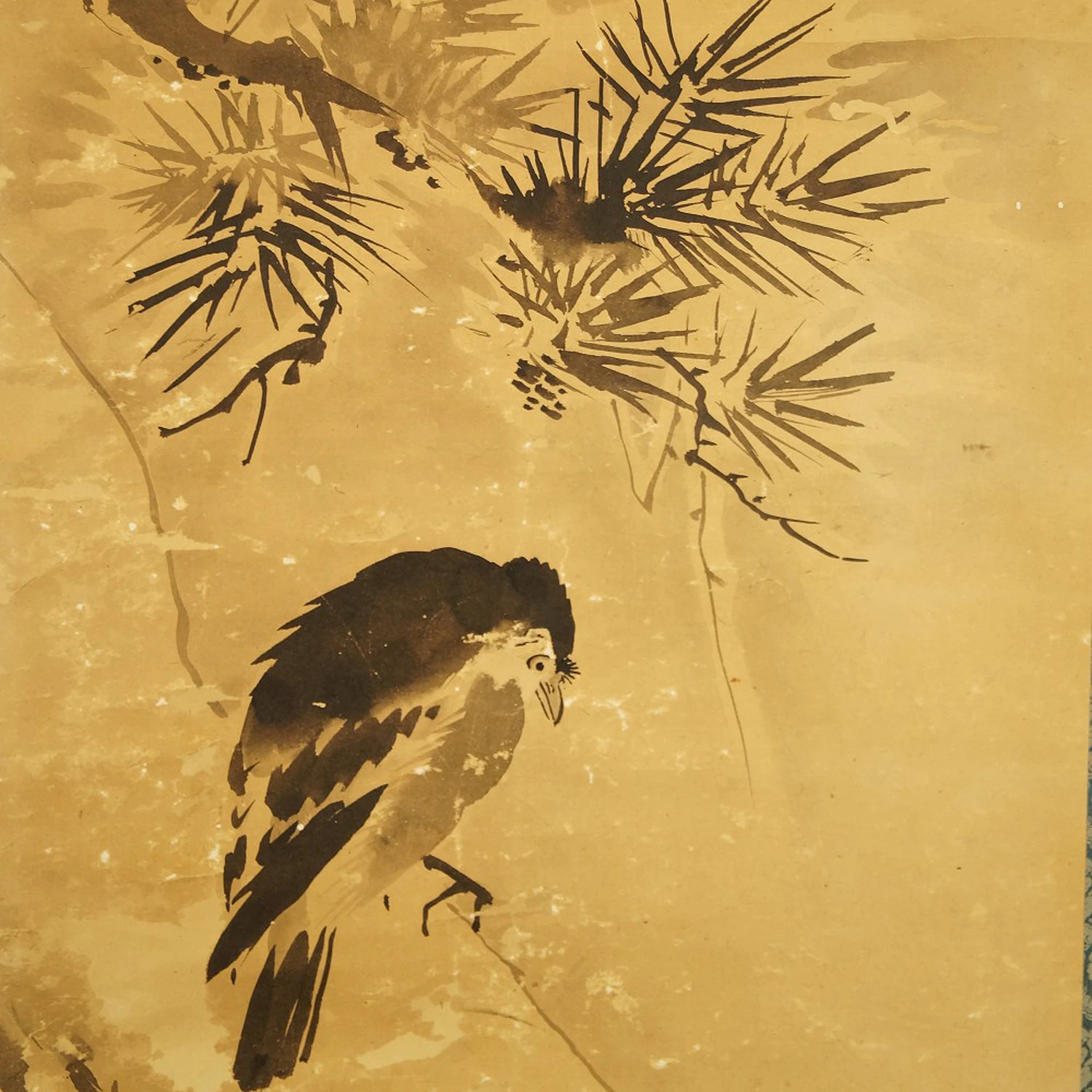
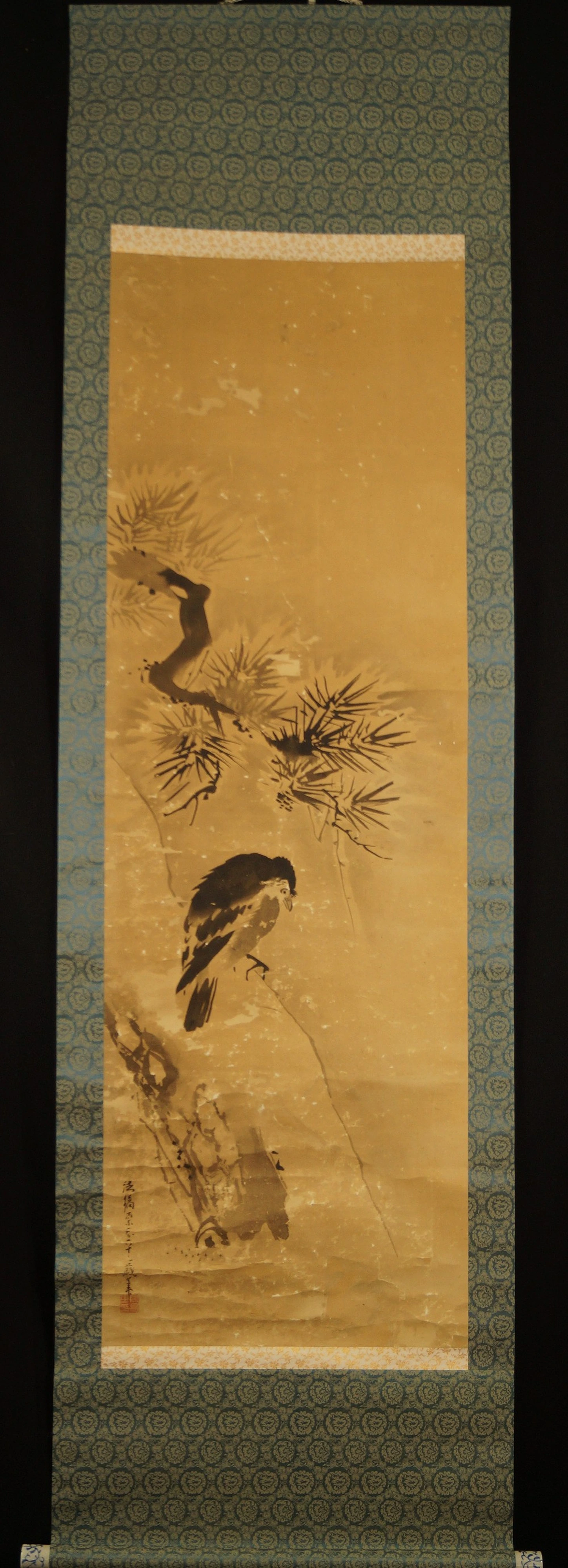
Tanaka Koga
Bird on a Pine Tree
Kakemono, unique work, 185 x 60 cm
€290.00
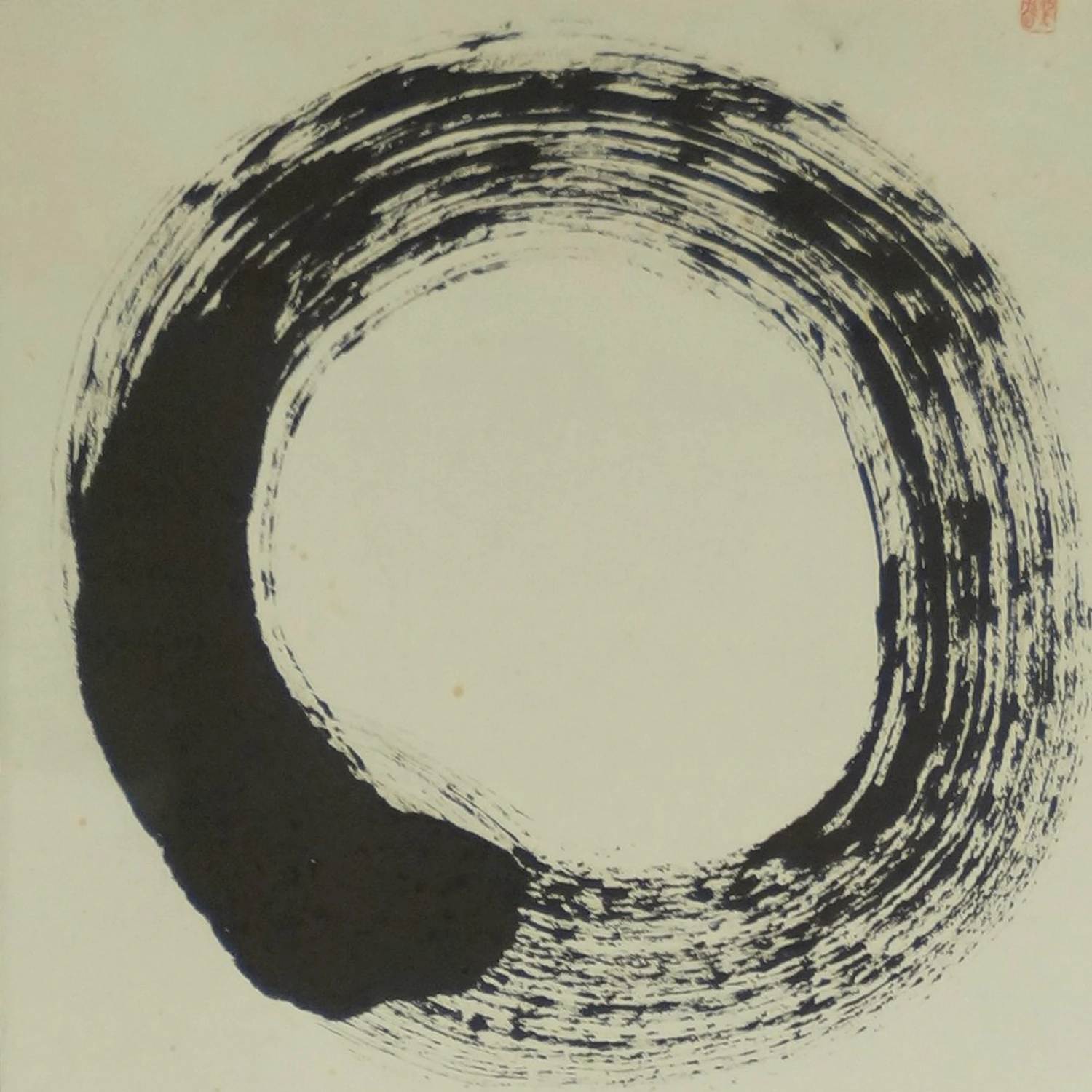
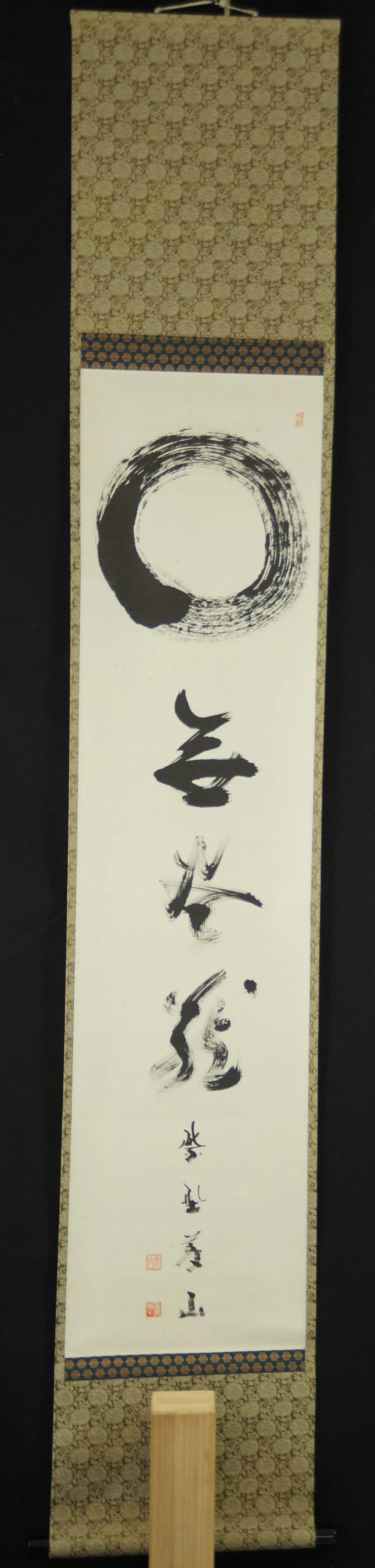
Ueda Yoshizan
Enso - Calligraphy
Kakemono, unique work, with box, 187 x 39 cm
€540.00
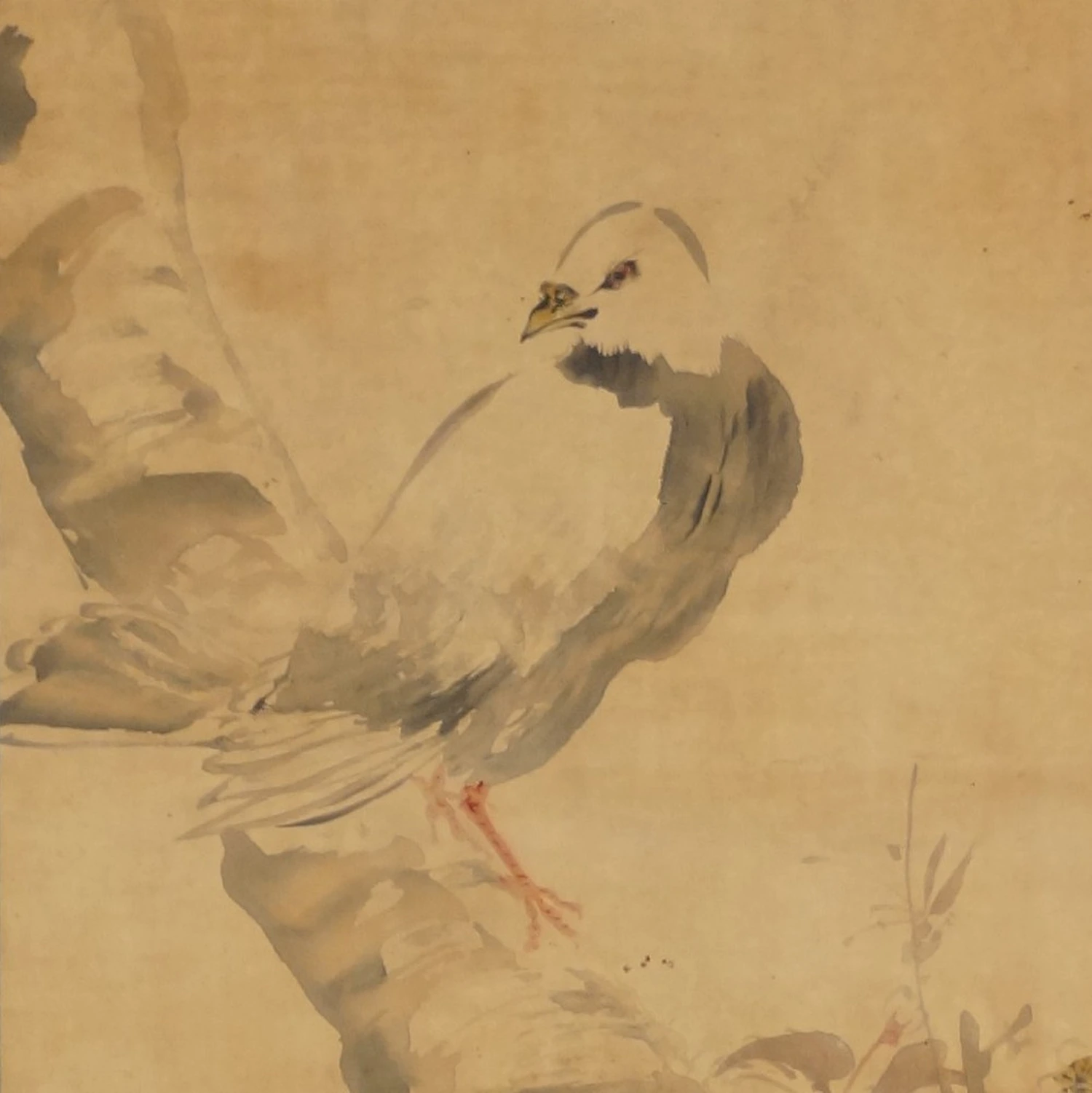
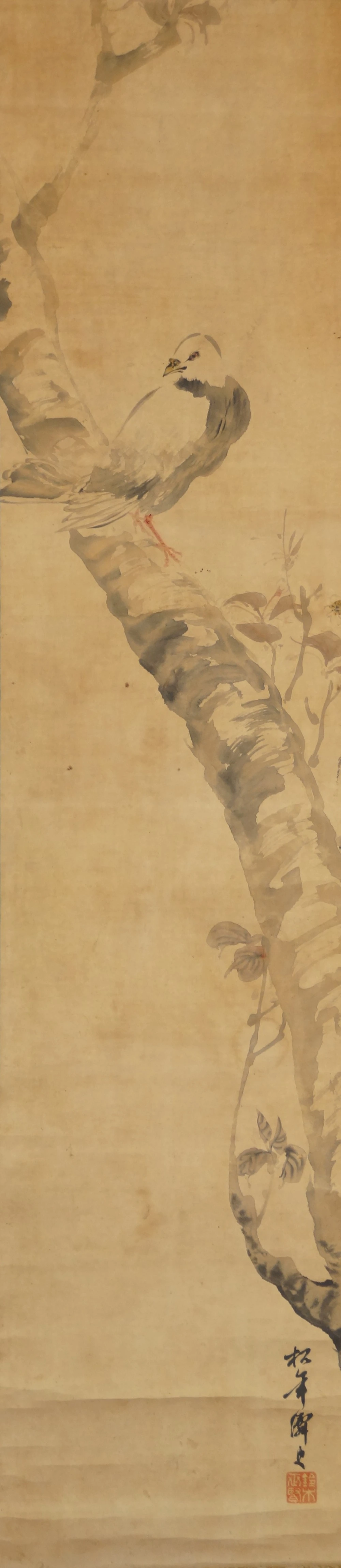
Suzuki Shonen
Dove on a Branch
Kakemono, unique work, 190 x 45 cm
€330.00
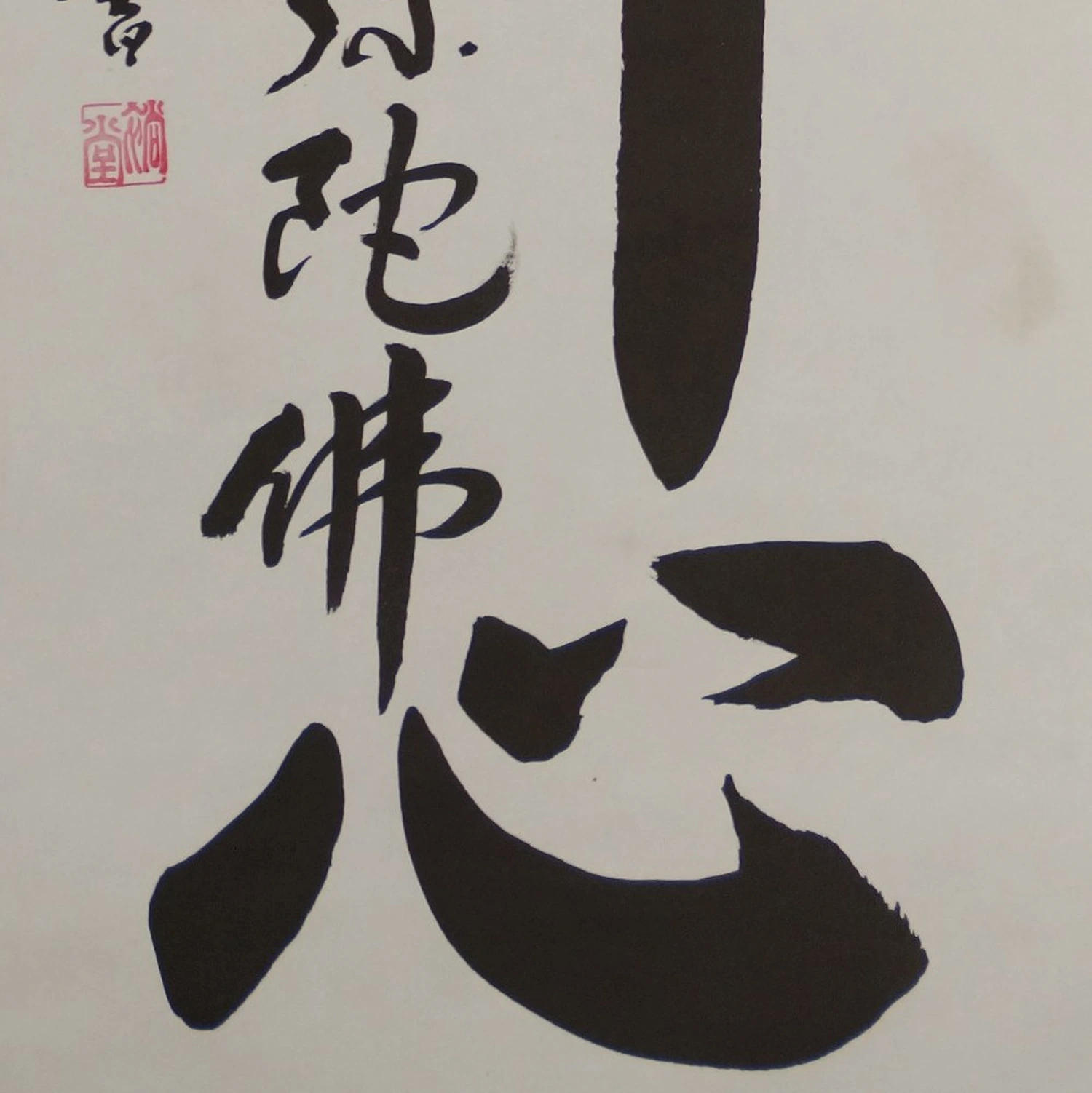
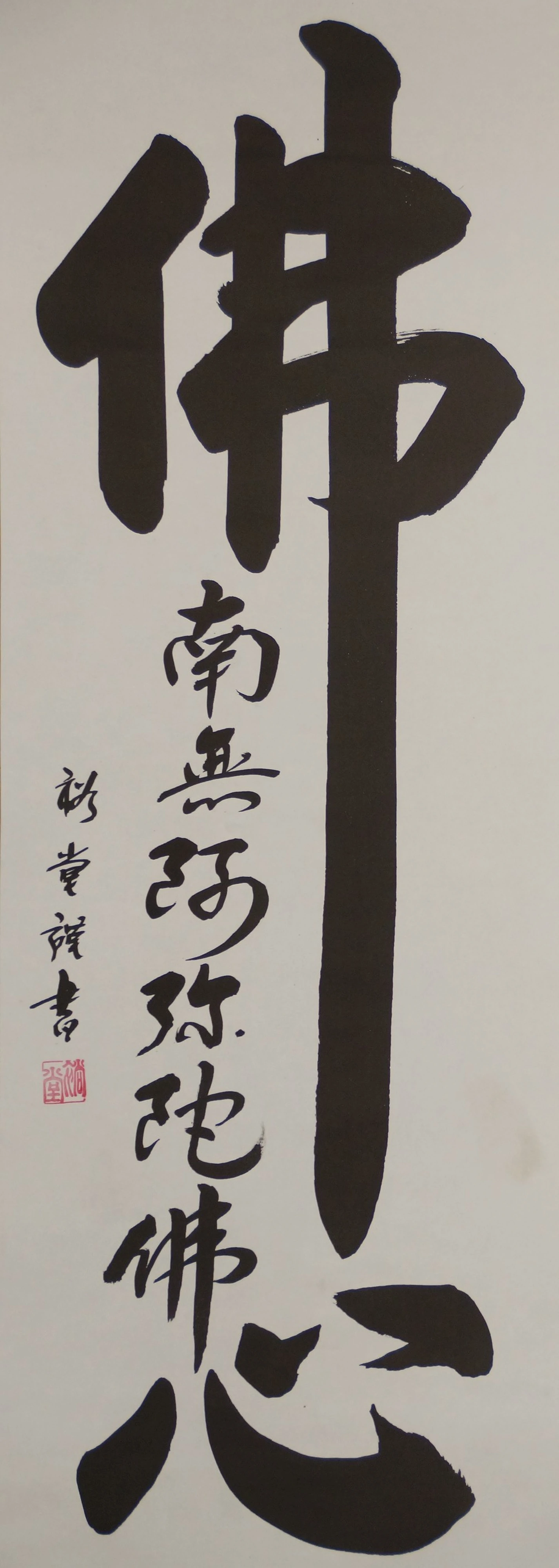
Zen Calligraphy "Bushin" (Buddha Spirit)
Kakemono, unique work, 187 x 60 cm
€350.00
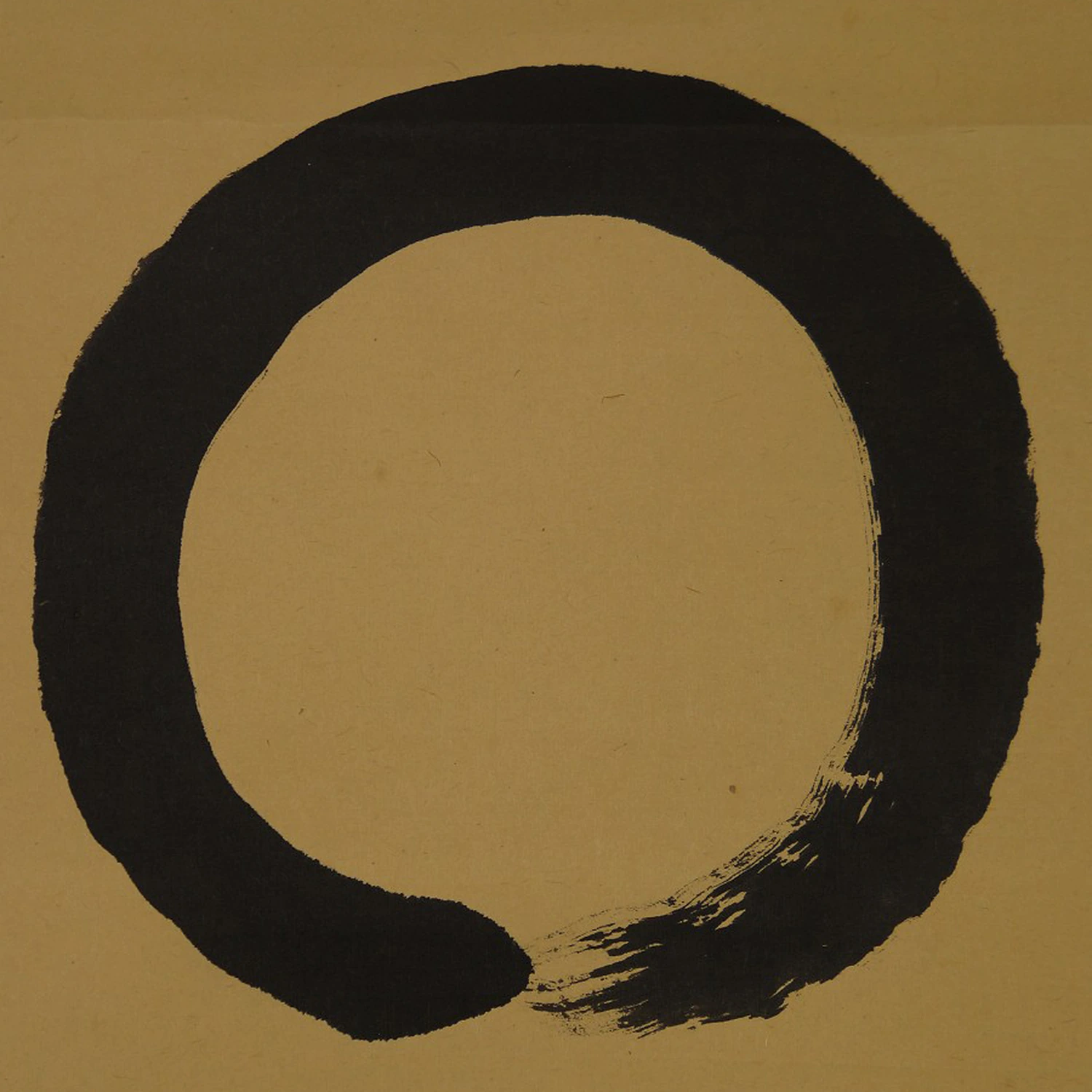
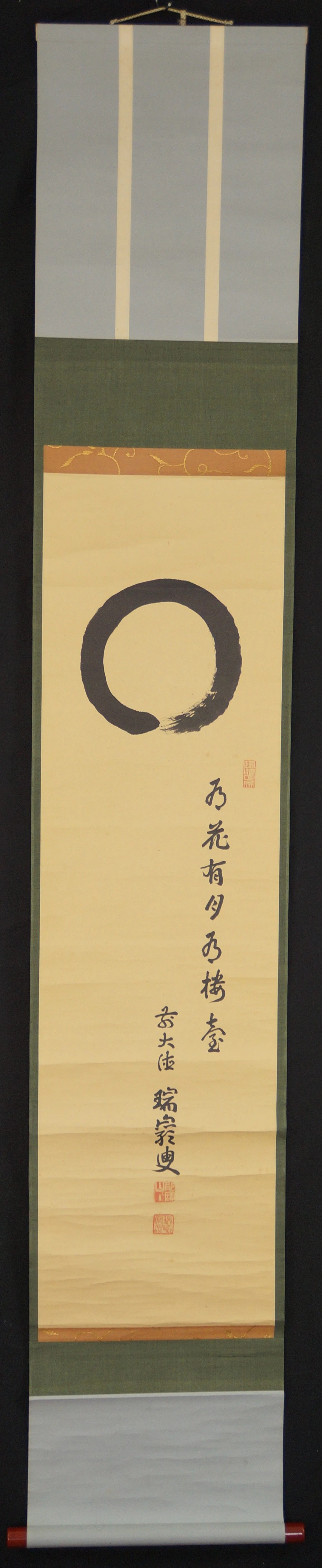
Goto Mizugan
Enso with Accompanying Poem
Kakemono, unique work, 167 x 37 cm
€450.00
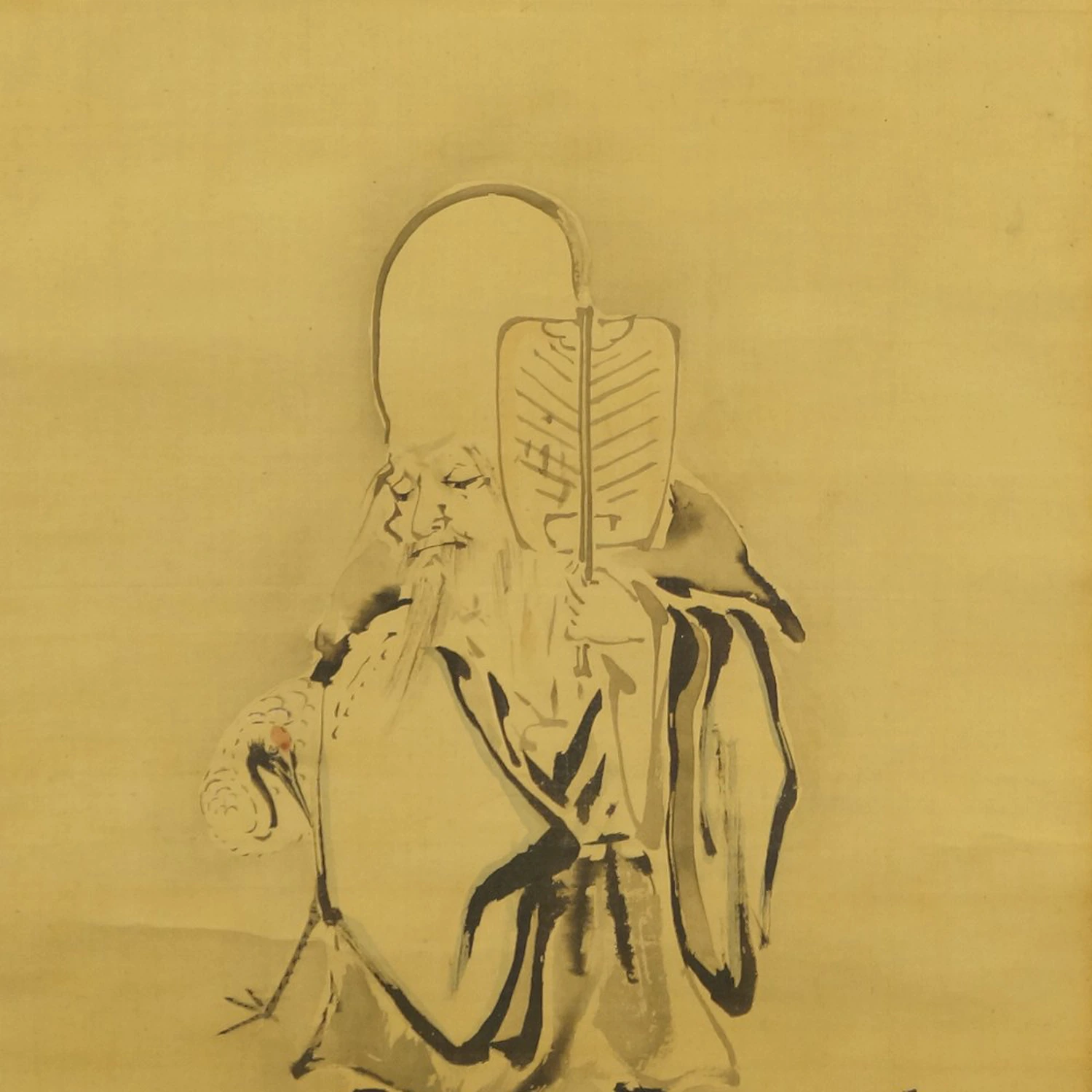
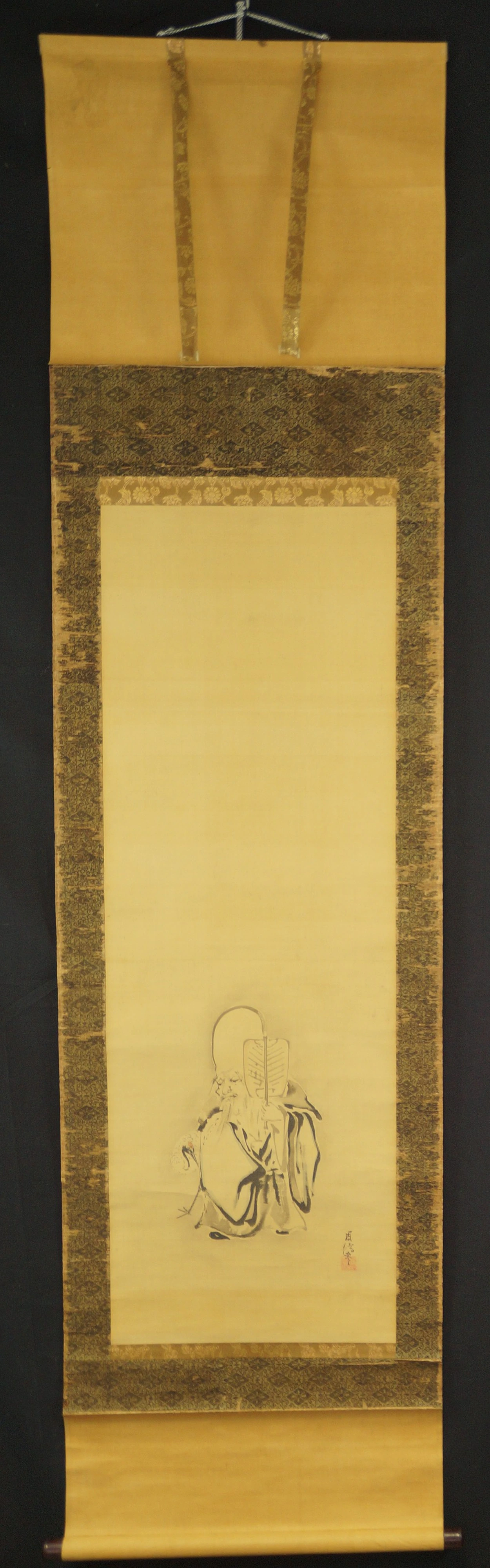
Kano Shunobu
Jurojin with Crane of Longevity
Kakemono, unique work, 183 x 52 cm
€330.00
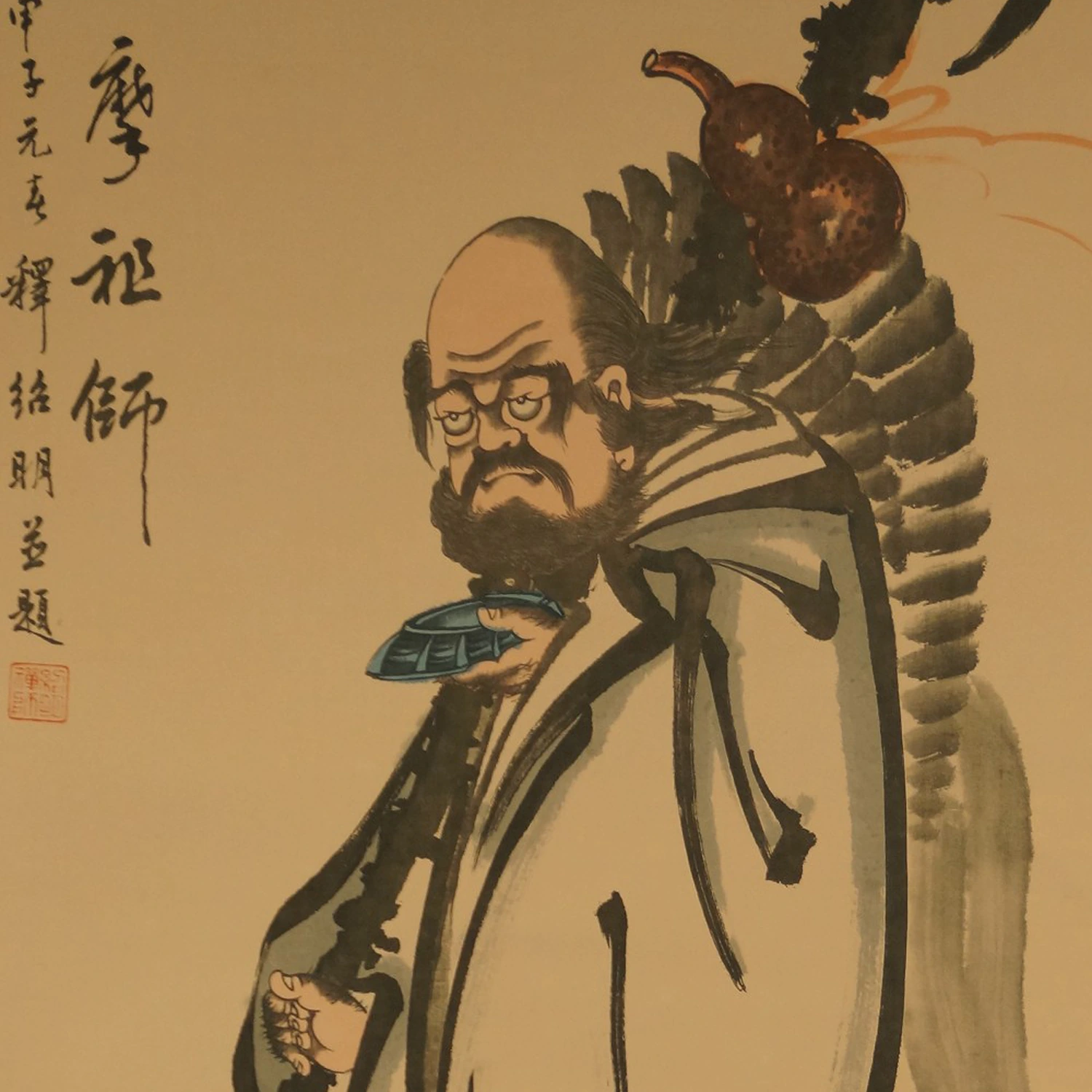
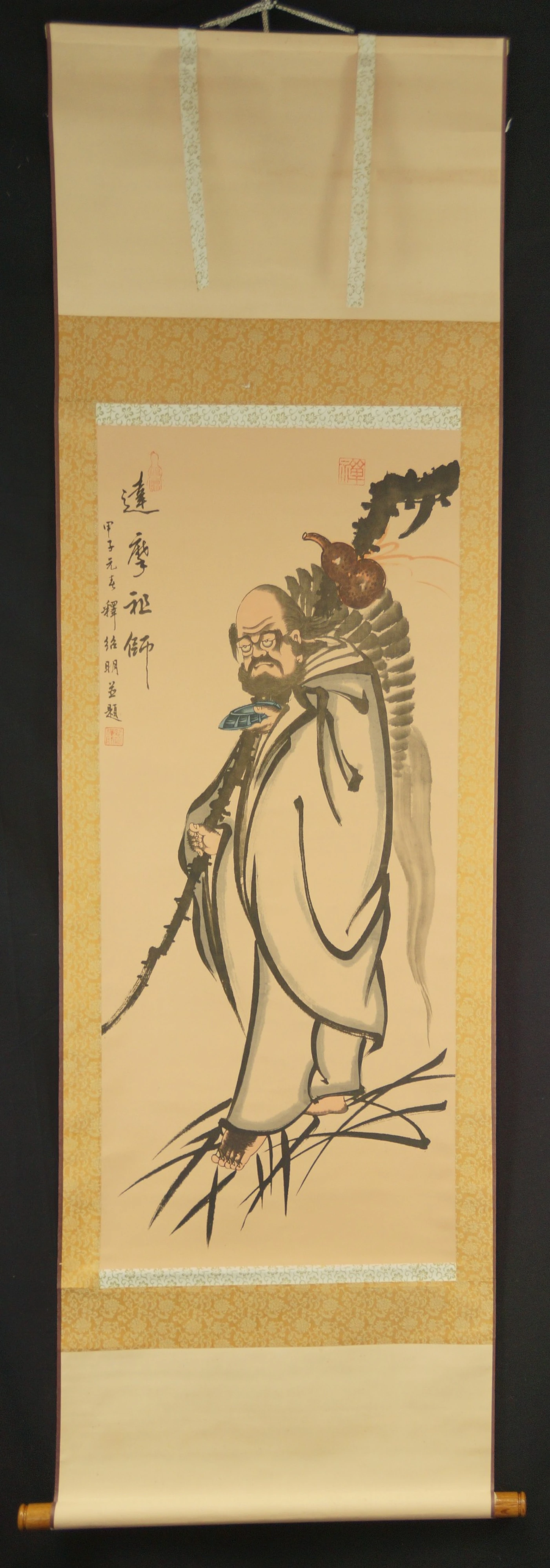
Bodhidharma with Fan and Gourd Bottle
Kakemono, unique work, 173 x 60 cm
€180.00
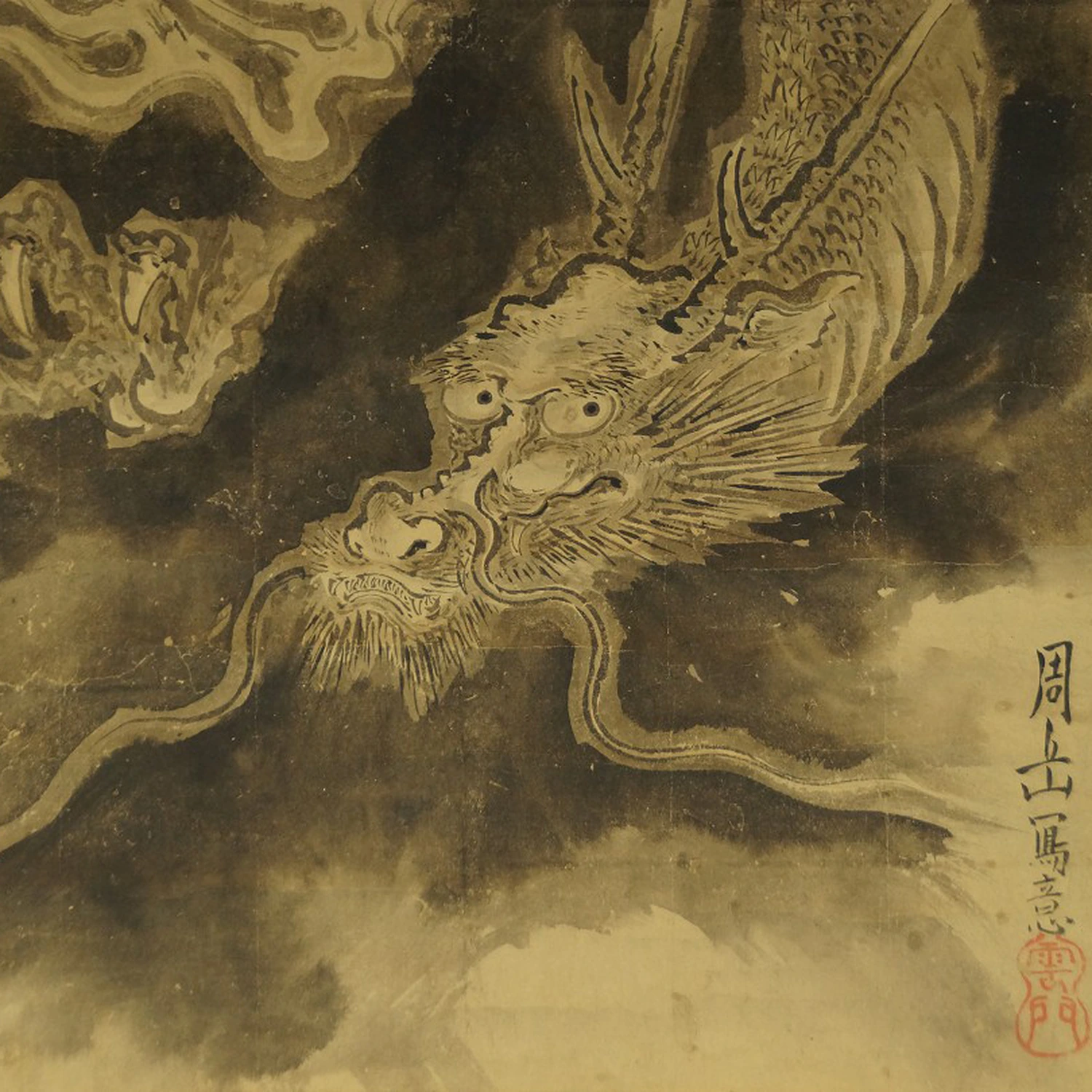
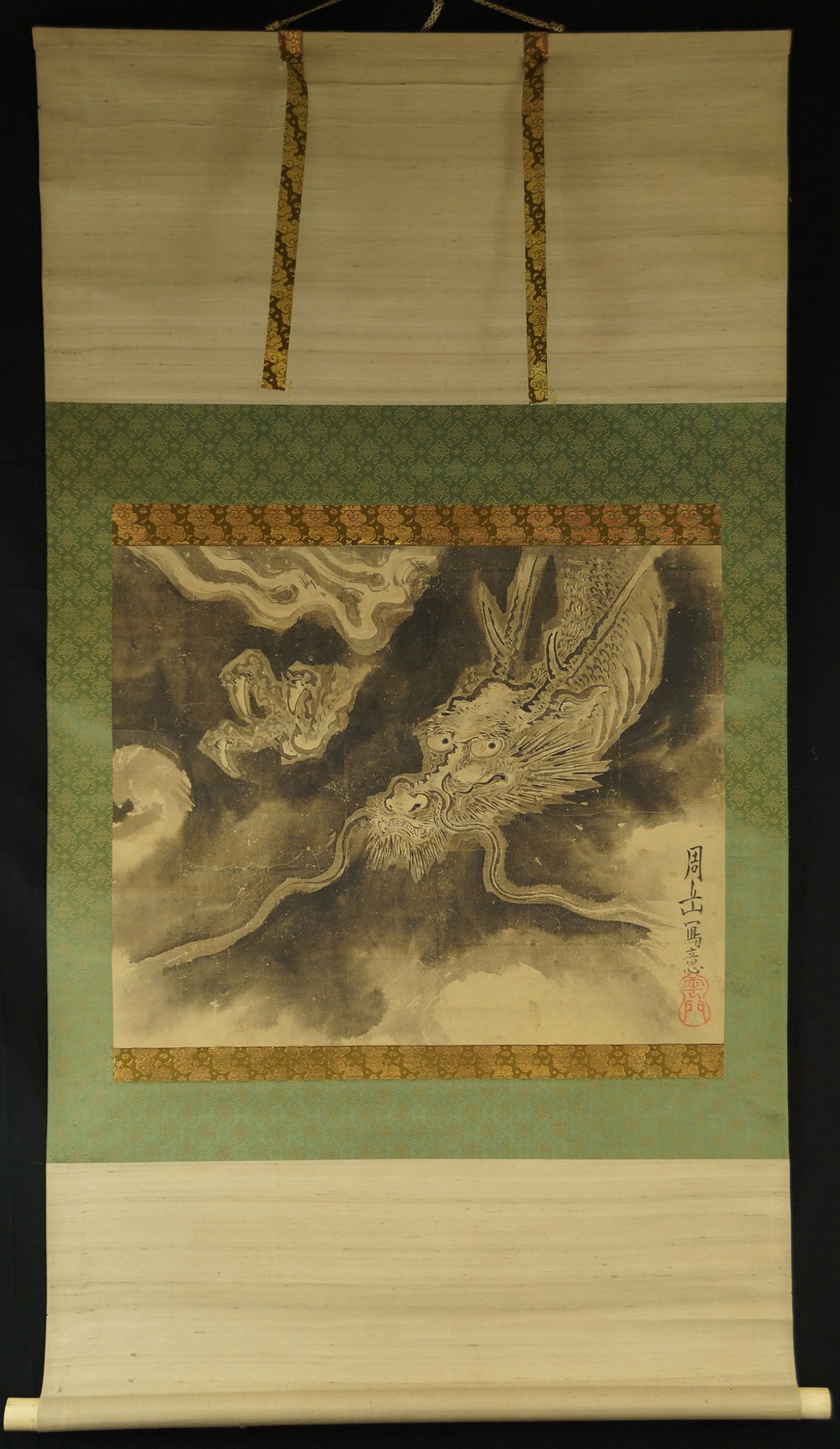
Natsume Shugaku
Dragon in Dark Clouds
Kakemono, unique work, 123 x 73 cm
€490.00
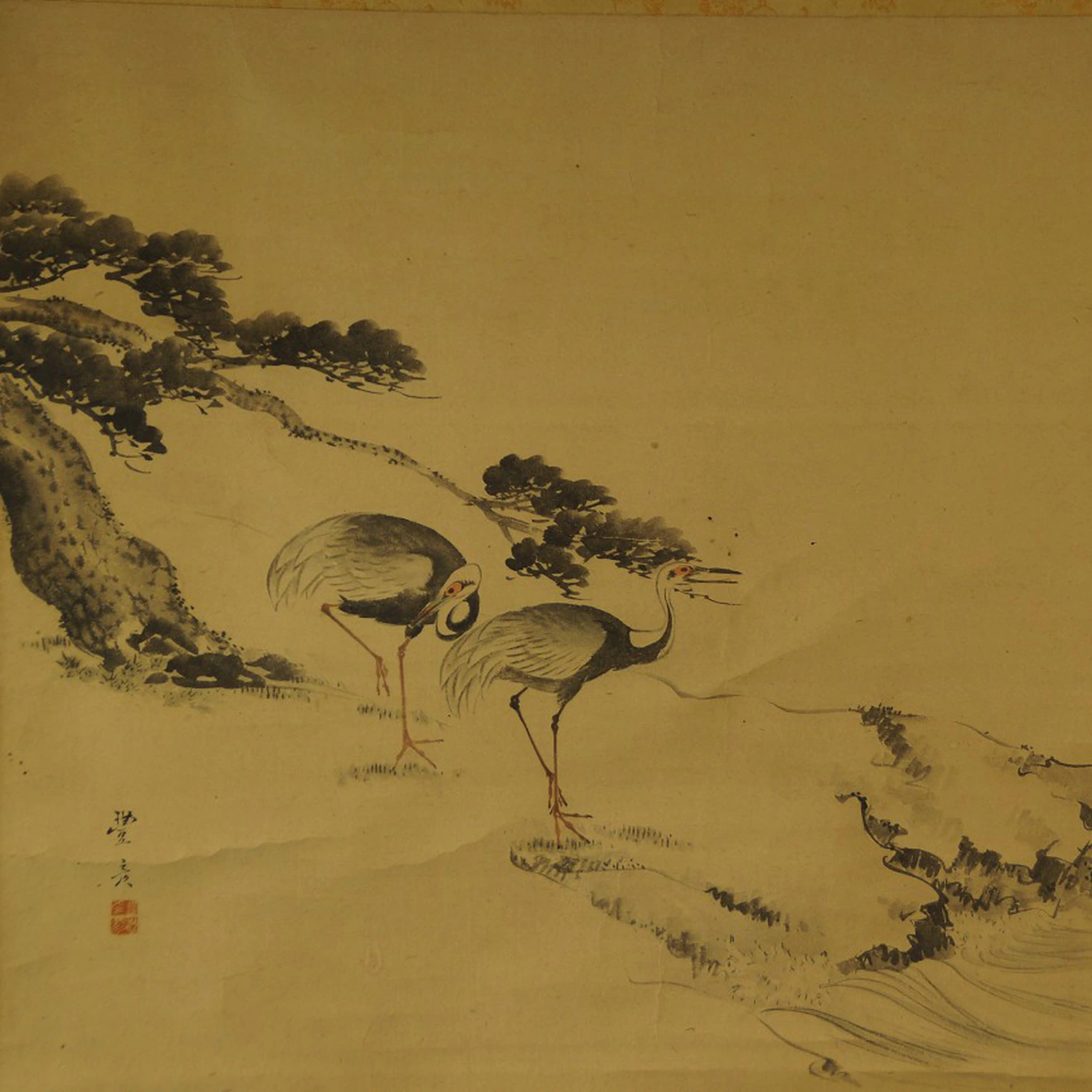
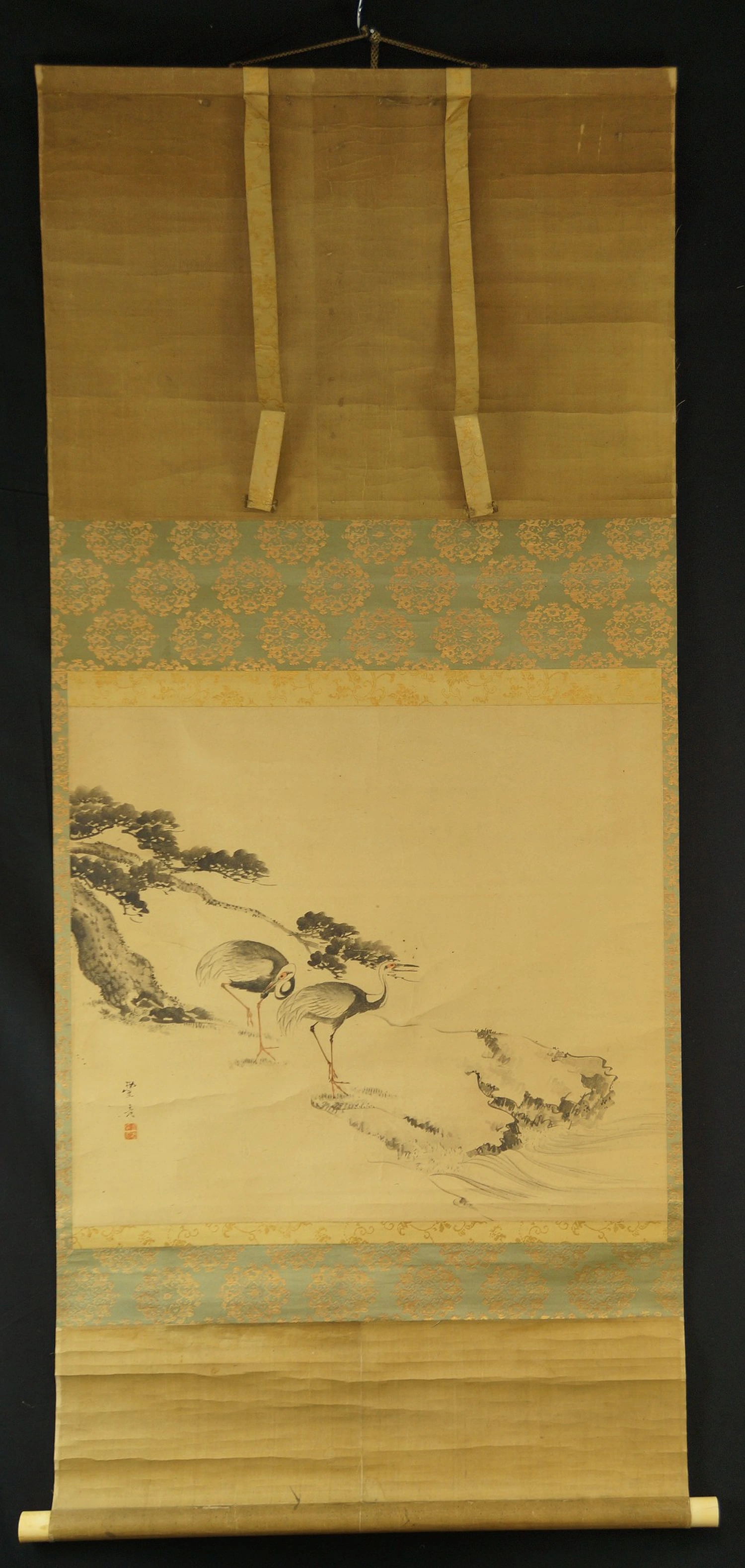
Okamoto Tohiyoko
Two Cranes Under Pines by the Shore
Kakemono, unique work, 139 x 65 cm
€330.00
Mei Harutaka
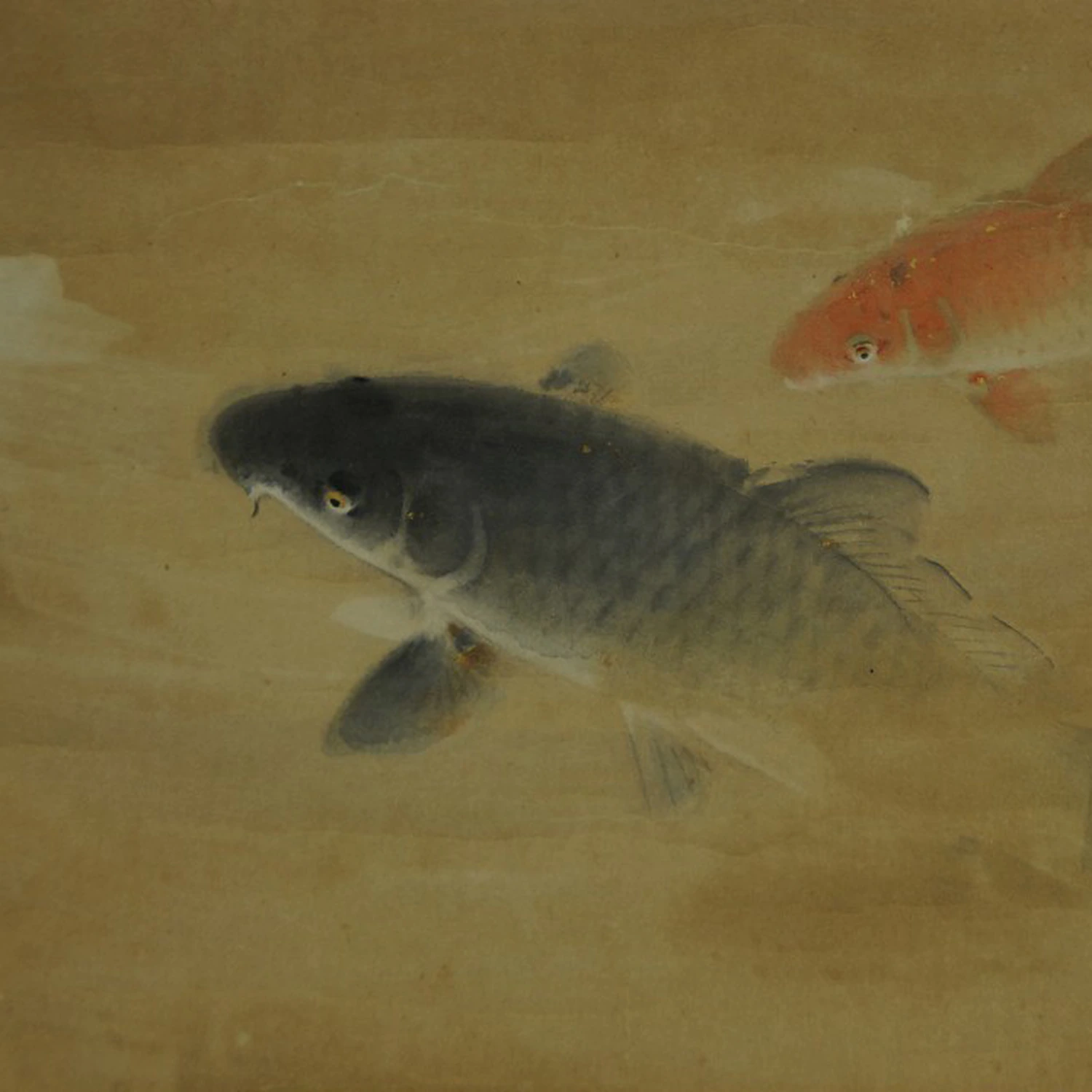
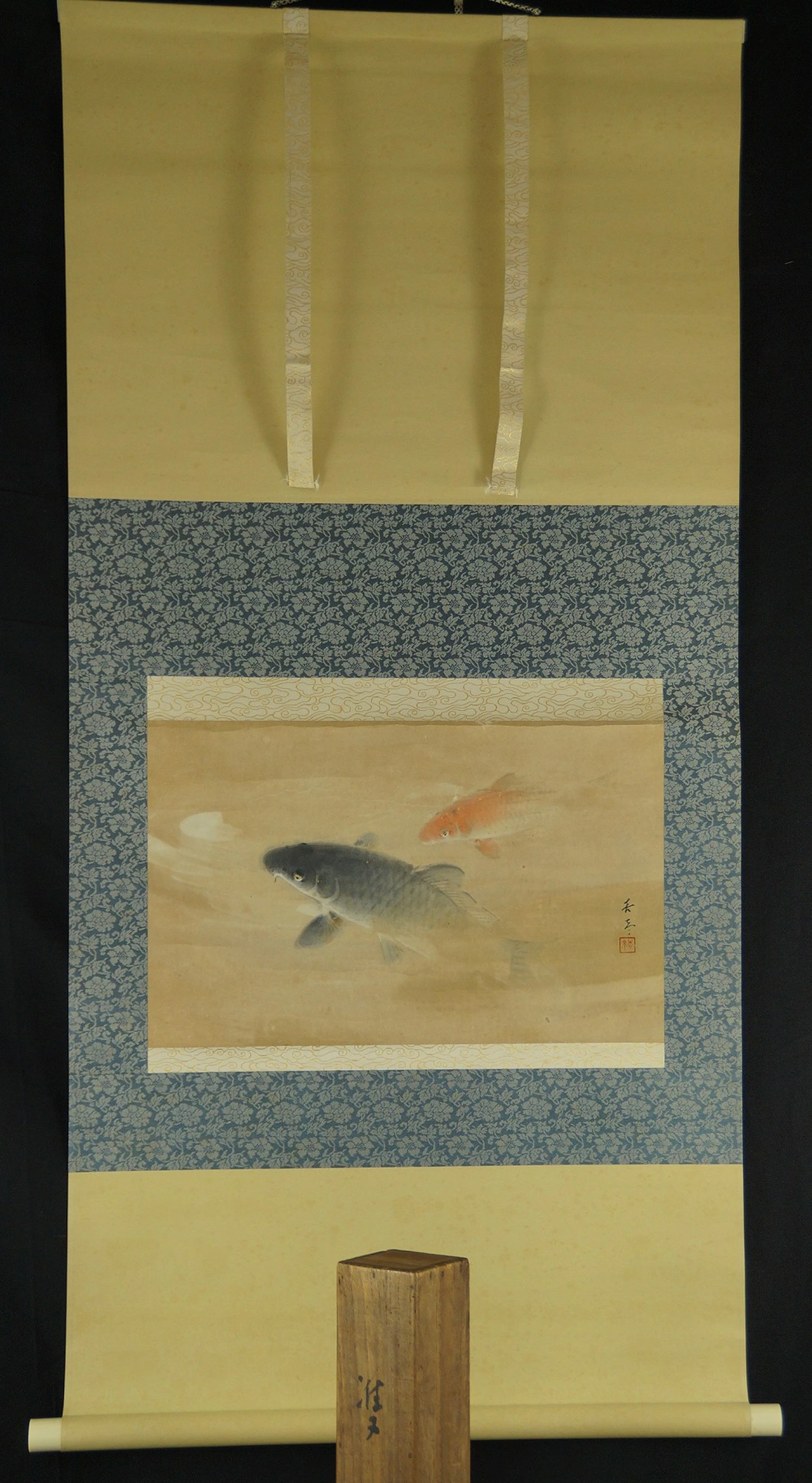
Two Koi Carp in Water
Kakemono, unique work, 123 x 62 cm
€290.00
Yoshida Toho
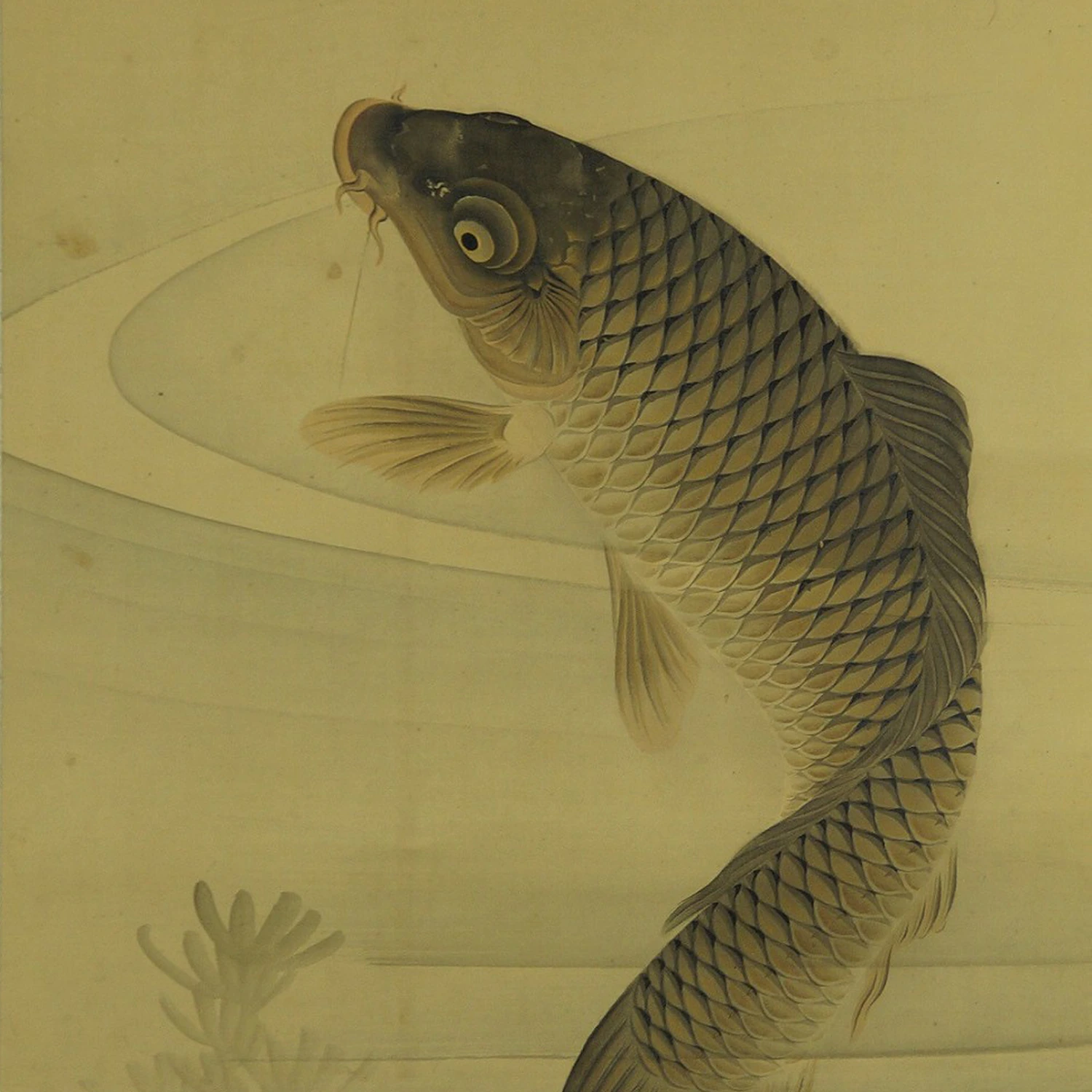
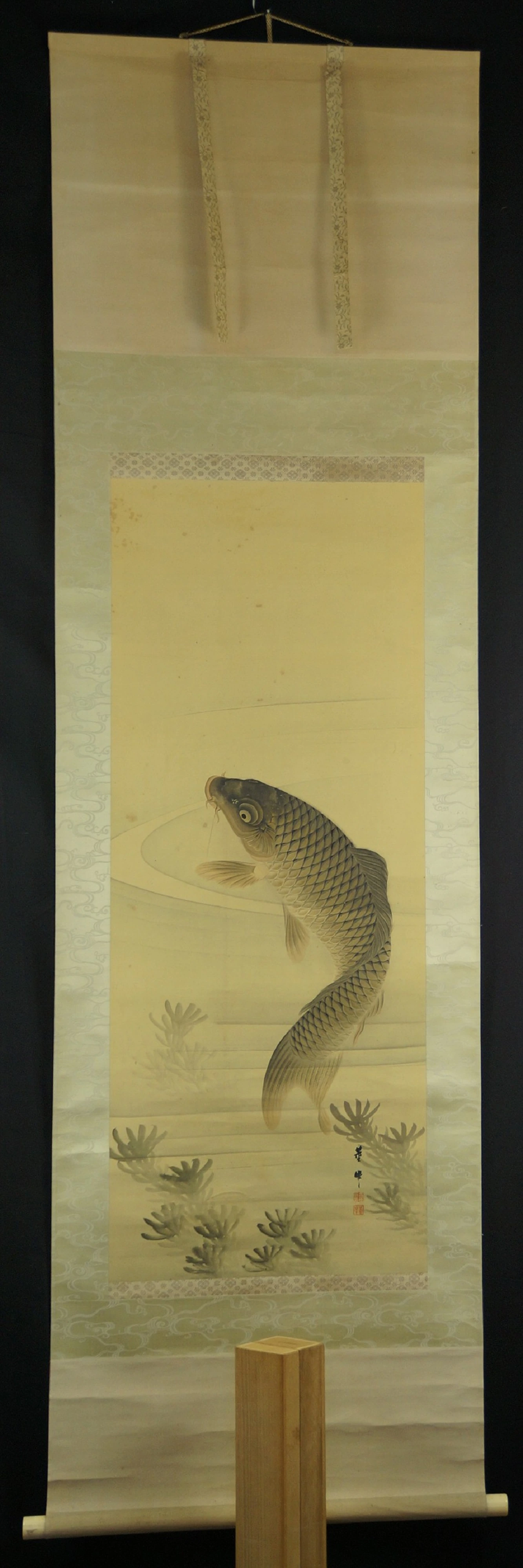
Jumping Carp in Water
Kakemono, unique work, 190 x 60 cm
€380.00
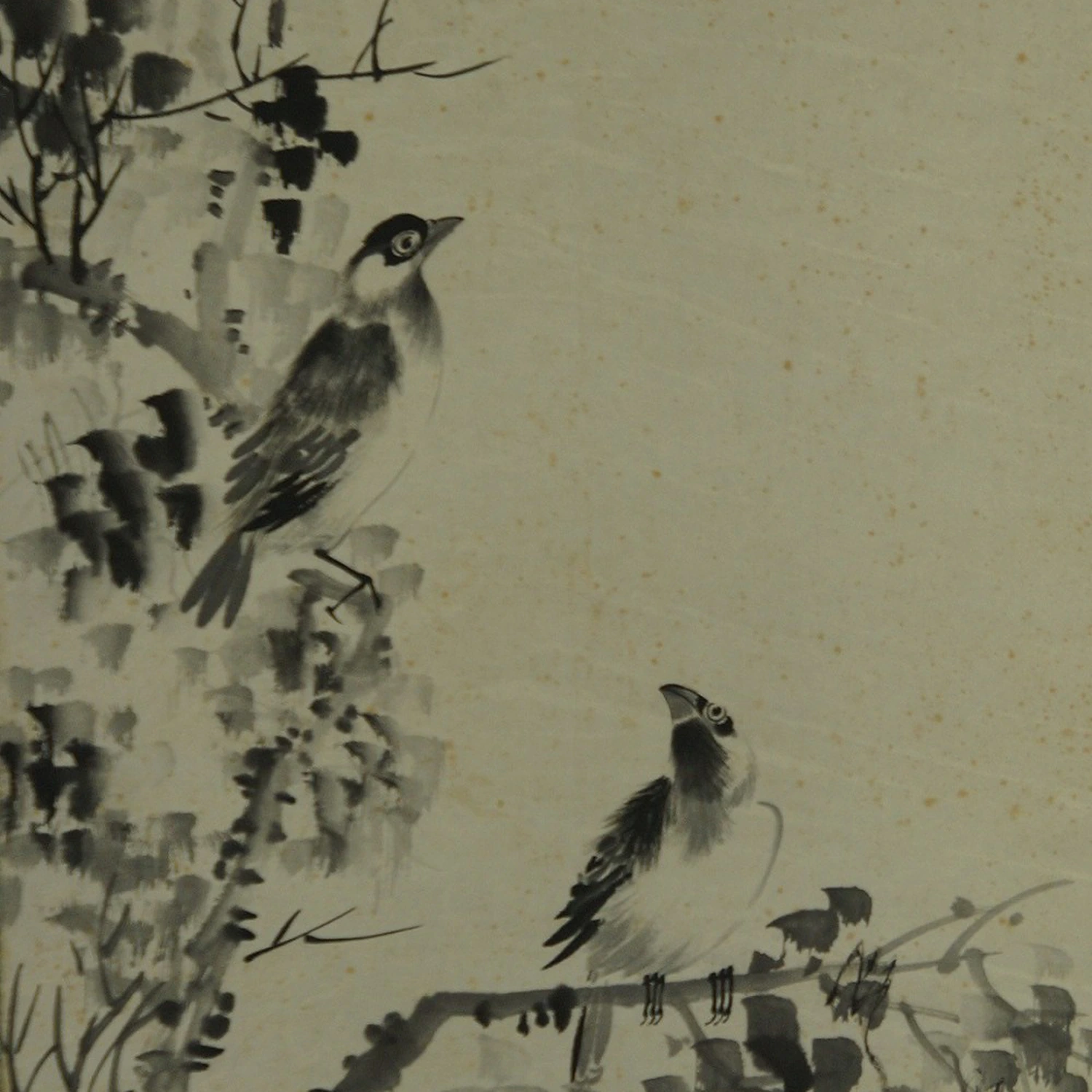
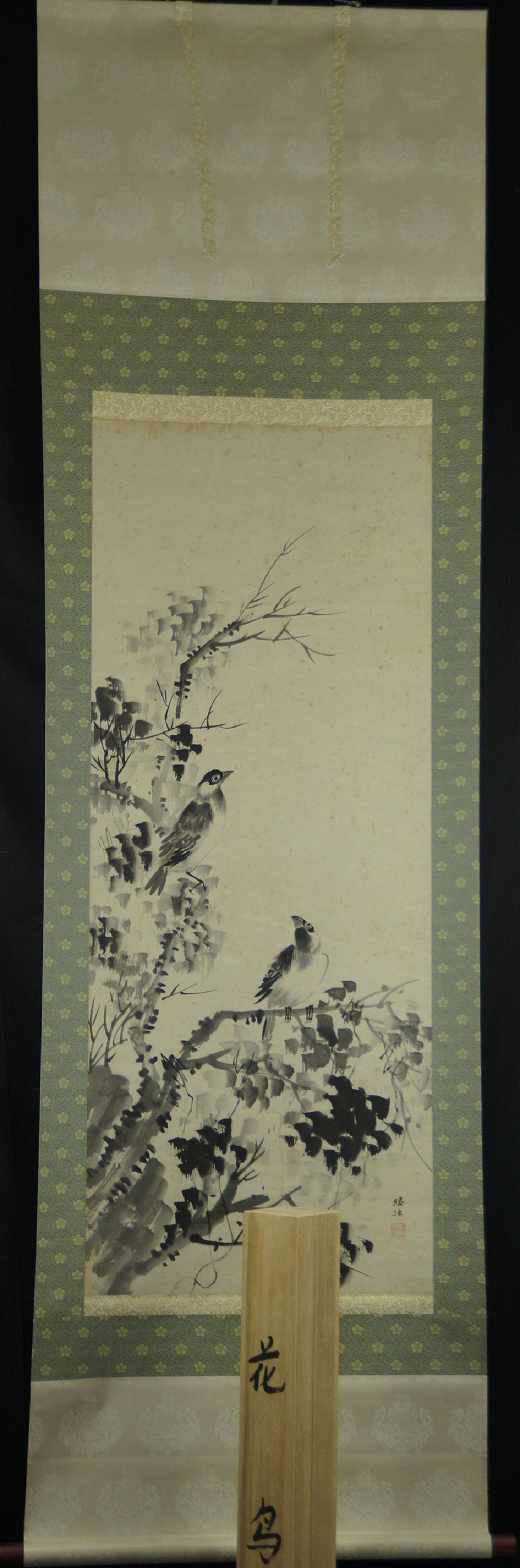
Two Nightingales in the Branches
Kakemono, unique work, with box, 185 x 60 cm
€240.00
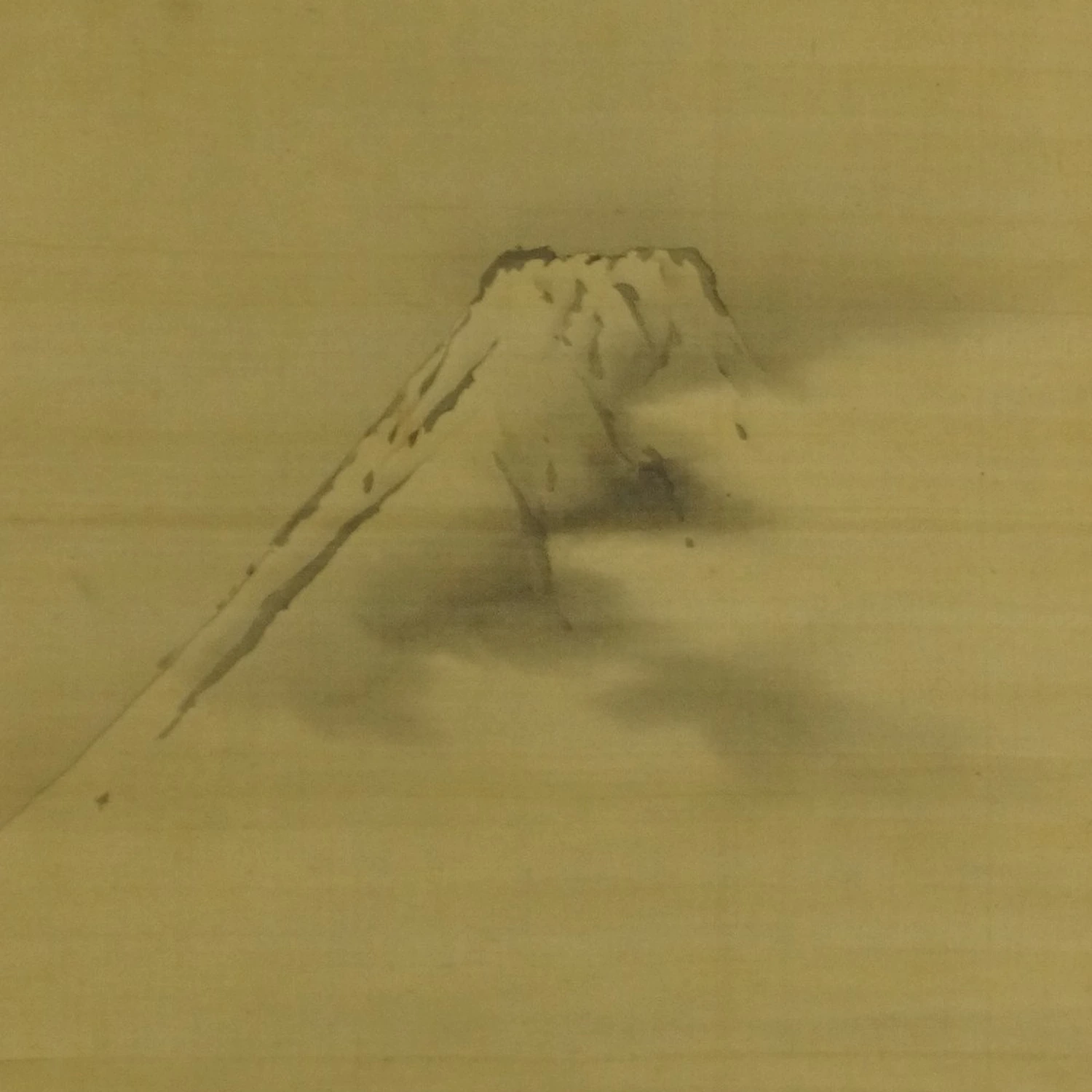
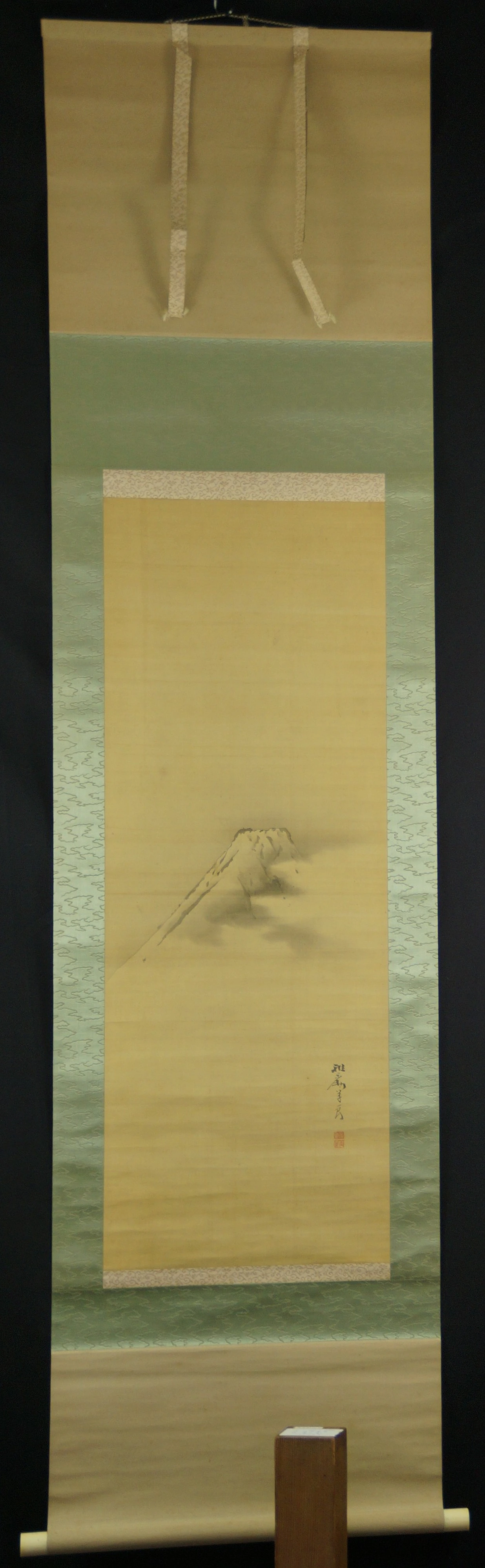
Saeki Kishiyoshi
Mount Fuji in the Mist
Kakemono, unique work, with box, 192 x 55 cm
€320.00
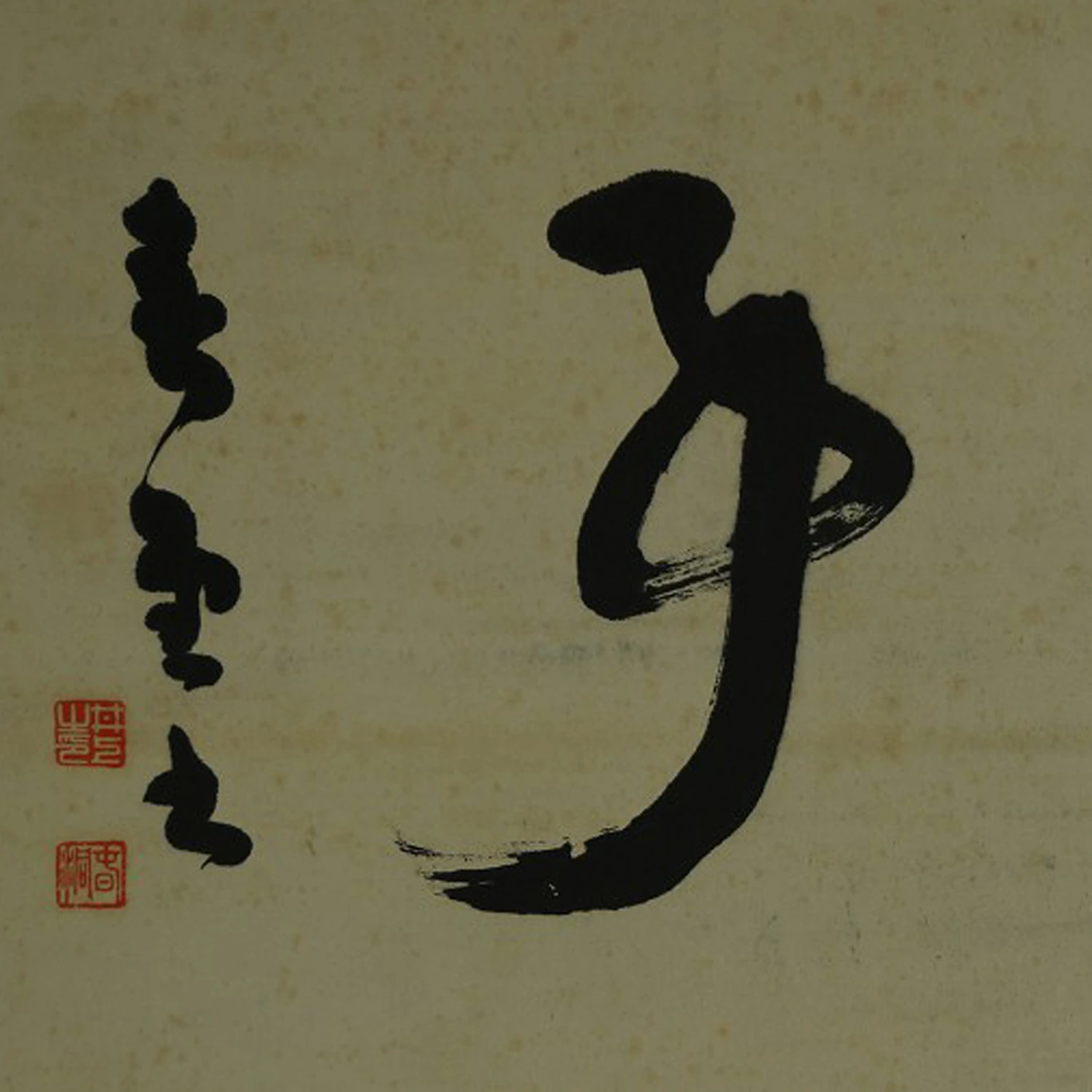
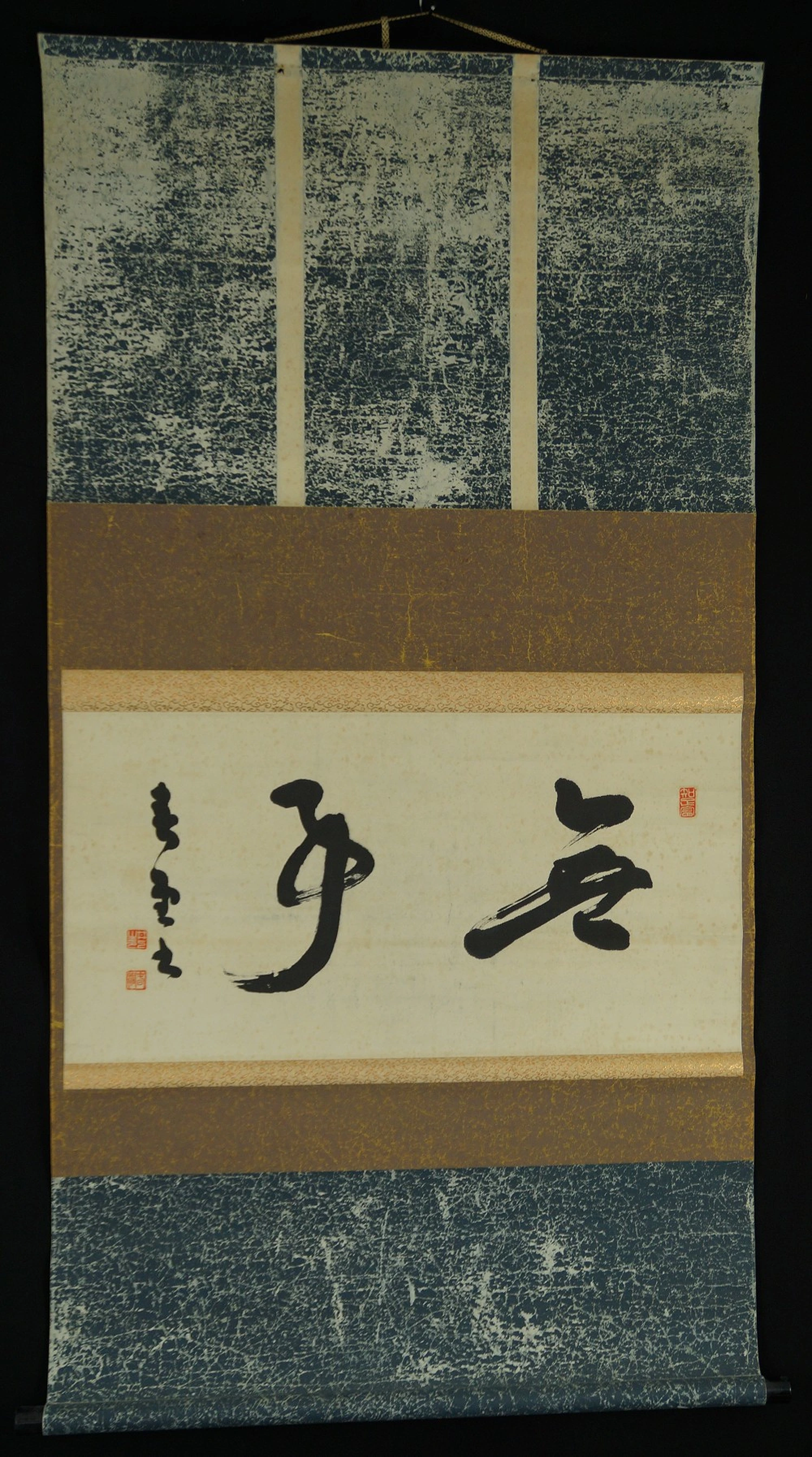
Inoue Shundo
Zen Calligraphy "Silence"
Kakemono, unique work, 128 x 72 cm
€480.00
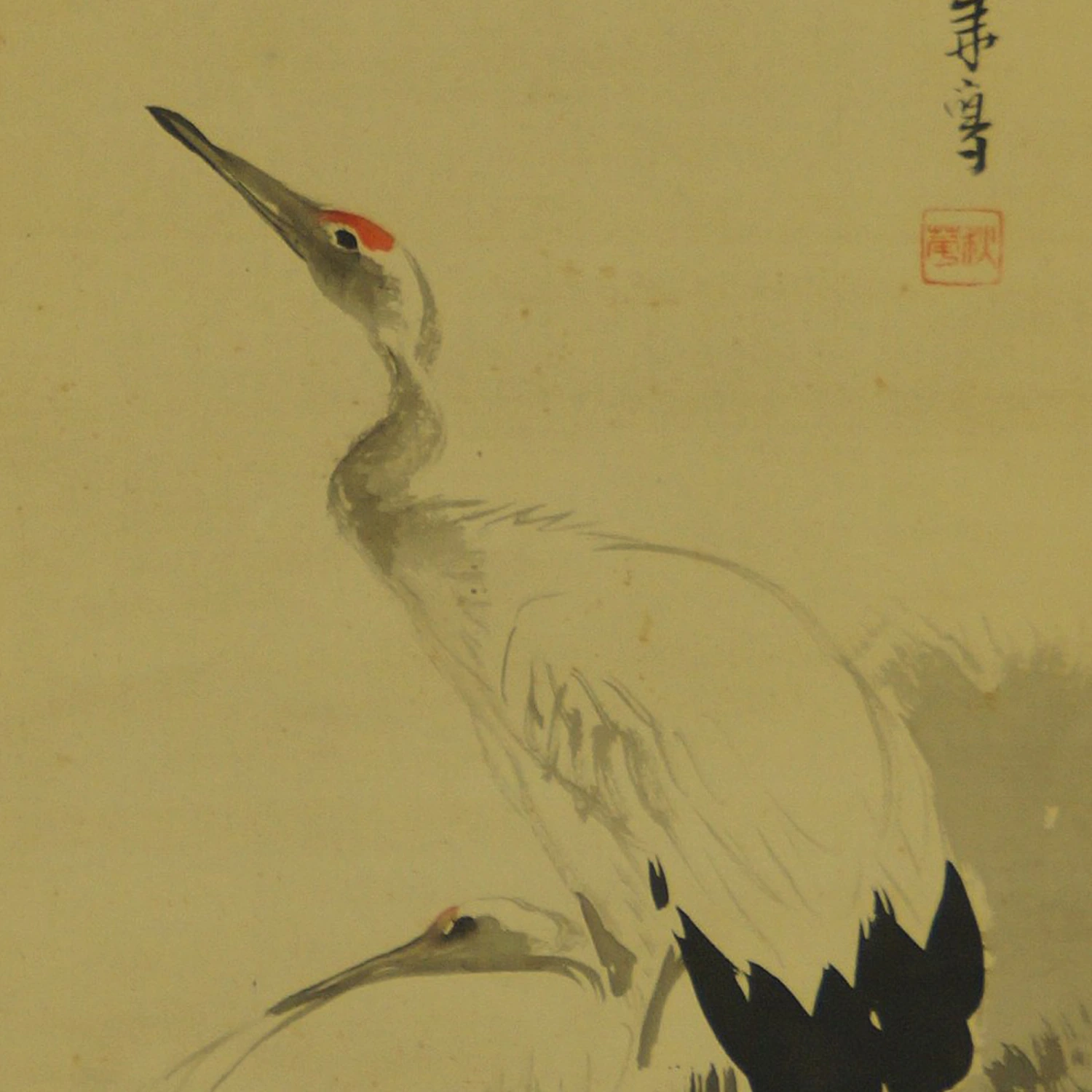
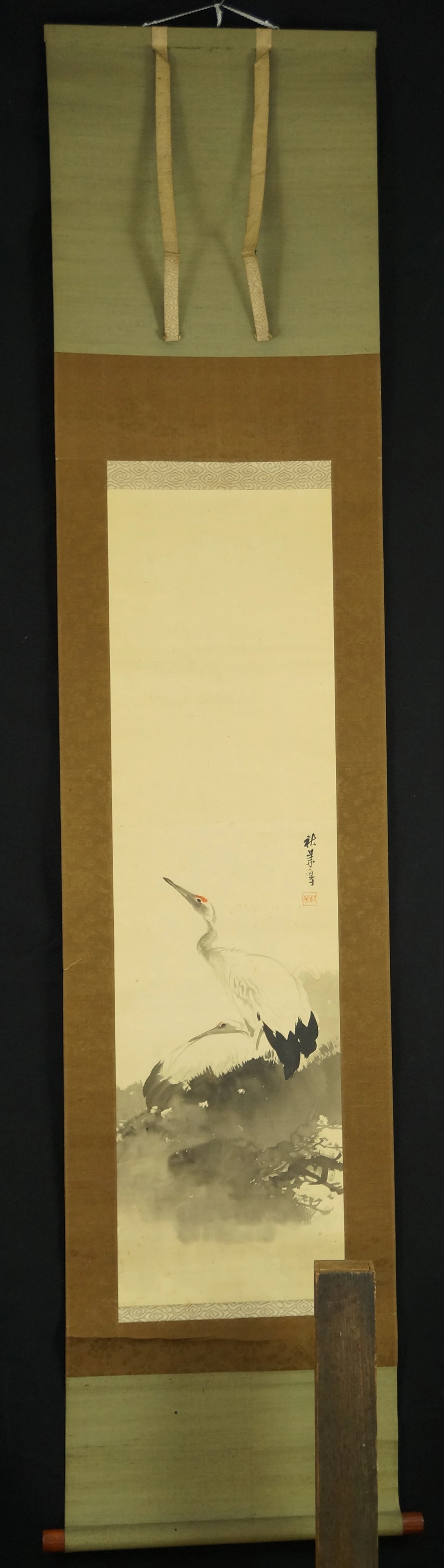
Takahashi Shuka
Two Cranes in Intimate Togetherness
Kakemono, unique work, 180 x 45 cm
€350.00
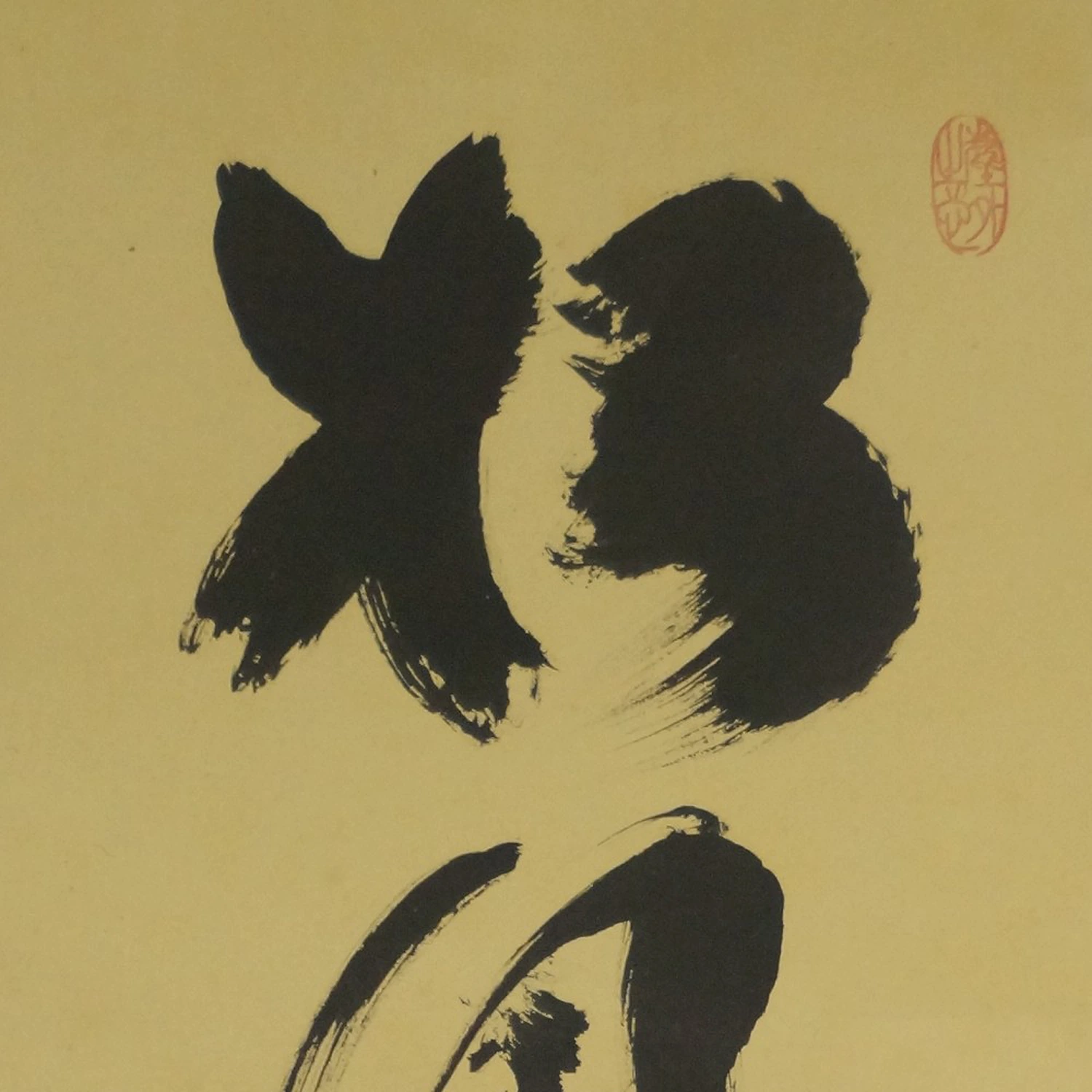
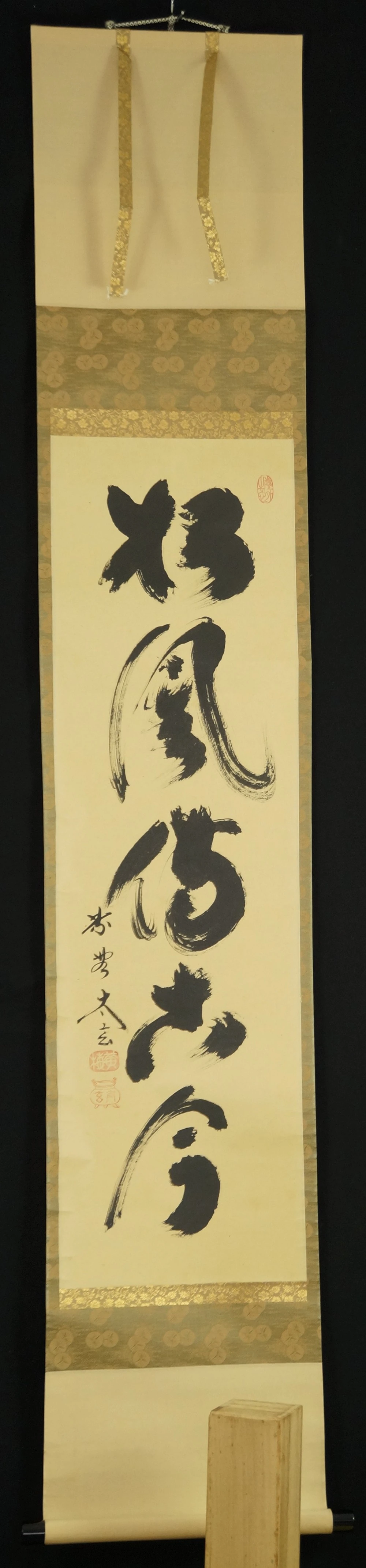
Kobayashi Taigen
Zen Calligraphy "Wind in the Pines, Wisdom of the Ages"
Kakemono, unique work, with box, 167 x 38 cm
€860.00
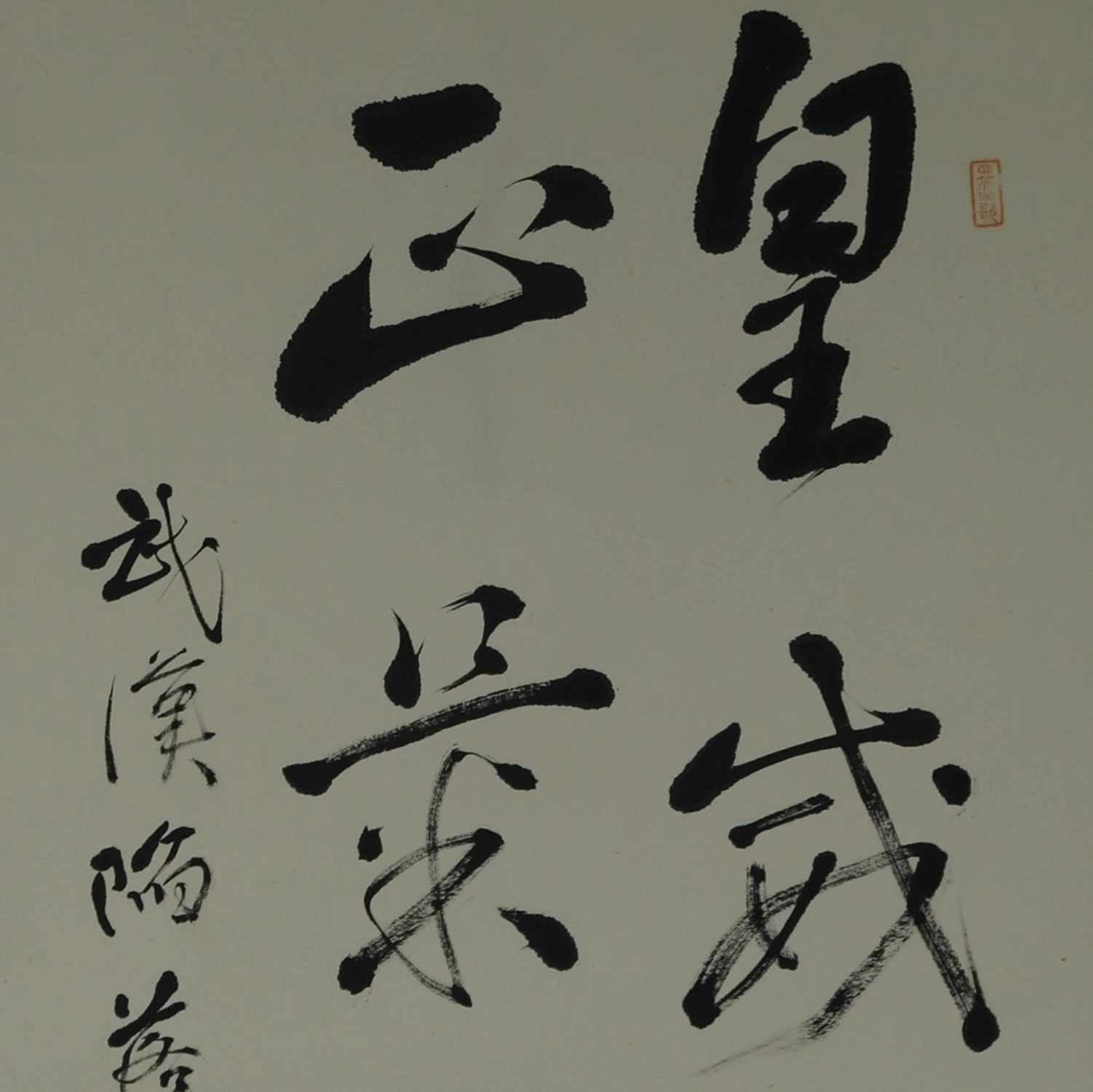
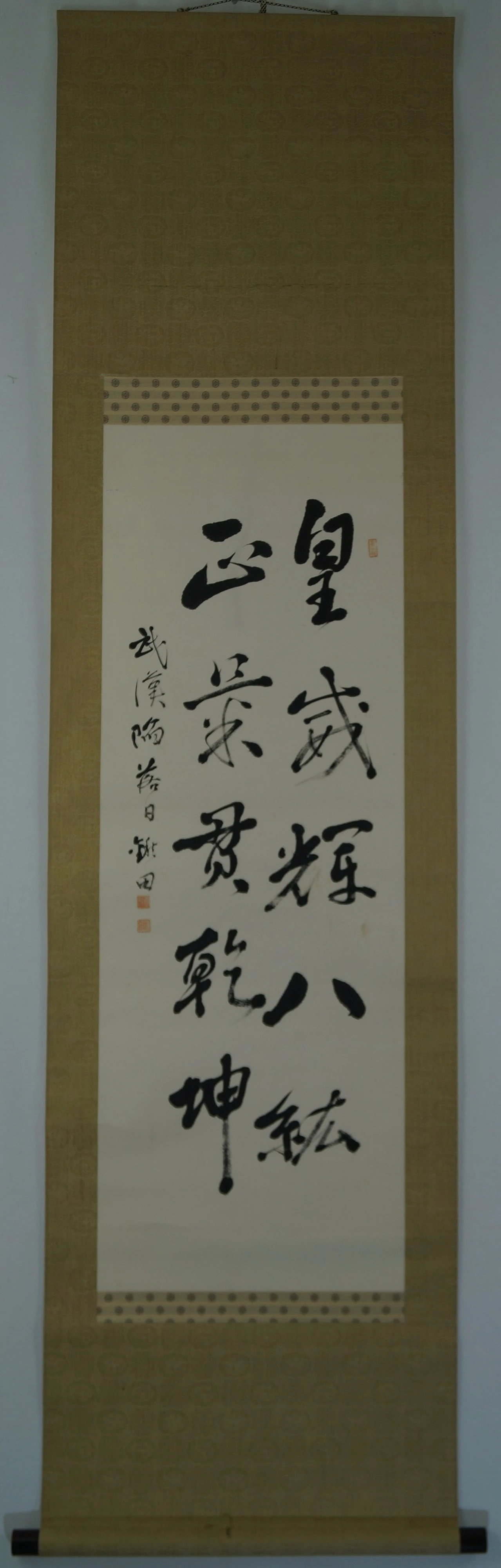
Calligraphy "The Power of the Emperor Illuminates the World"
Kakemono, unique work, with box, 169 x 52 cm
€260.00
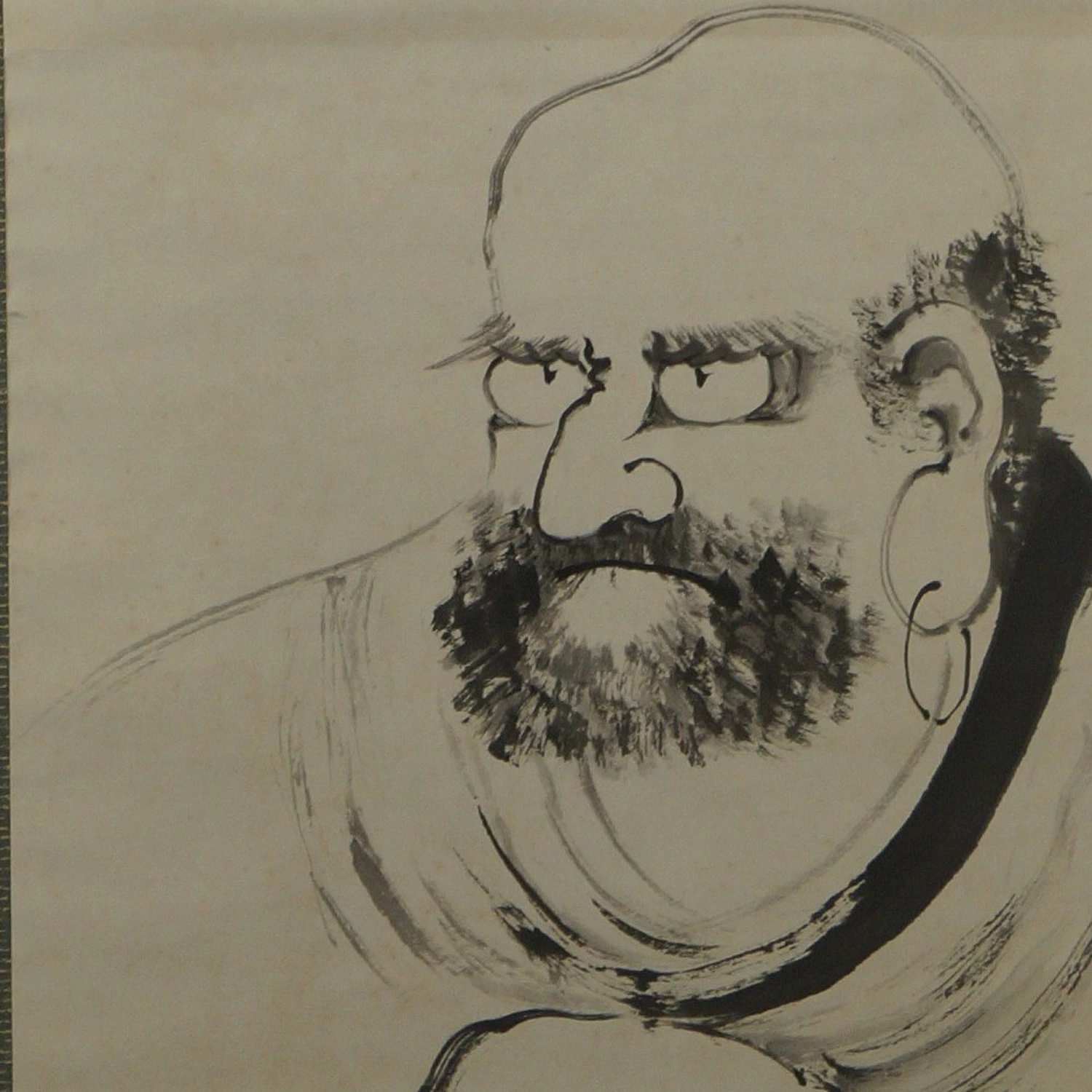
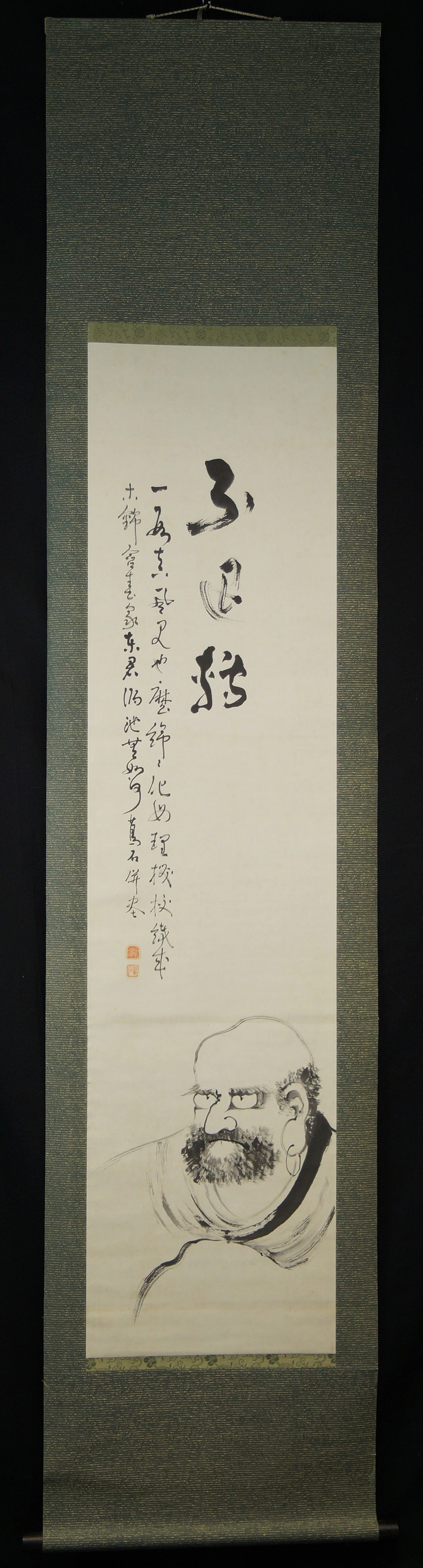
Bodhidharma with Piercing Gaze
Kakemono, unique work, 200 x 51 cm
€340.00
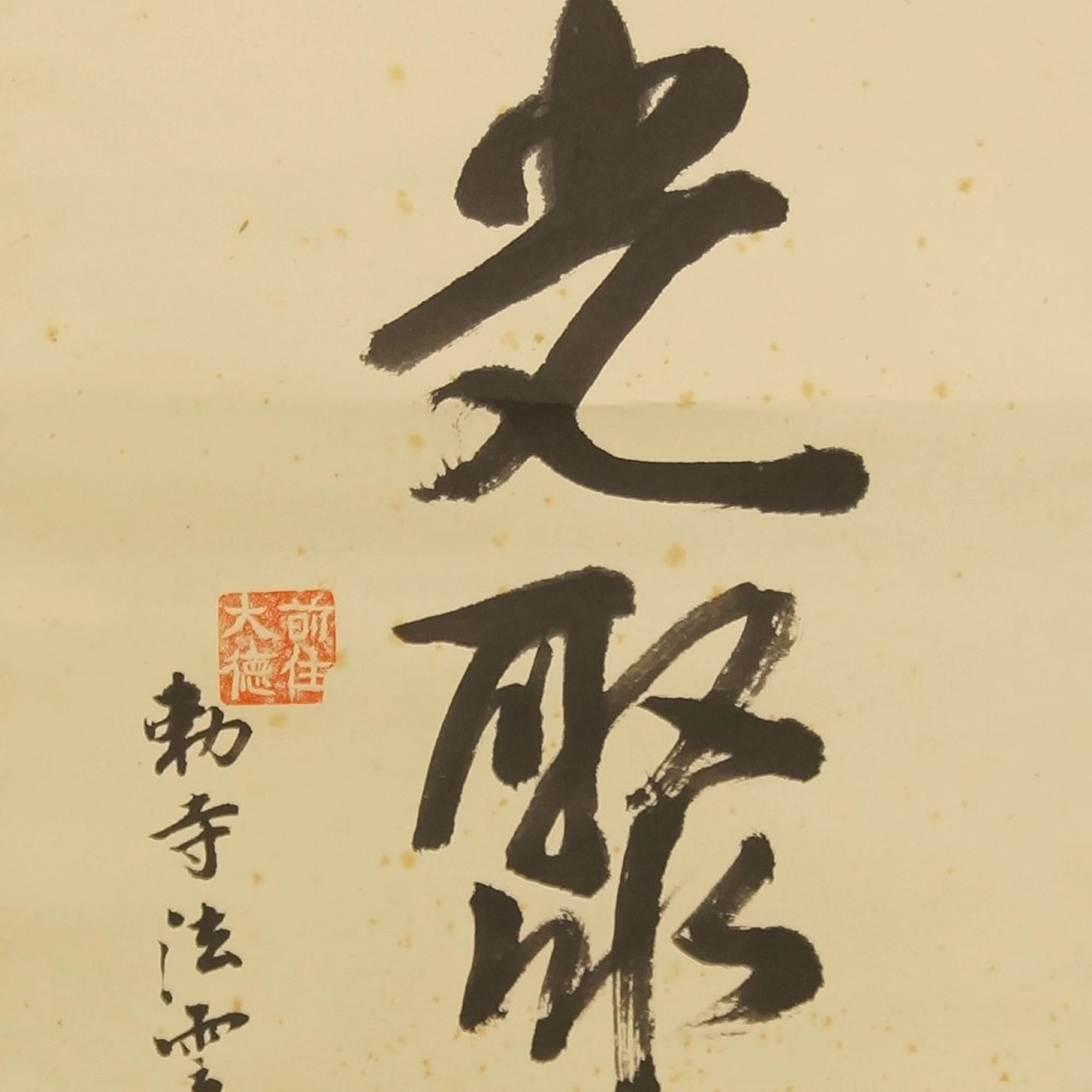
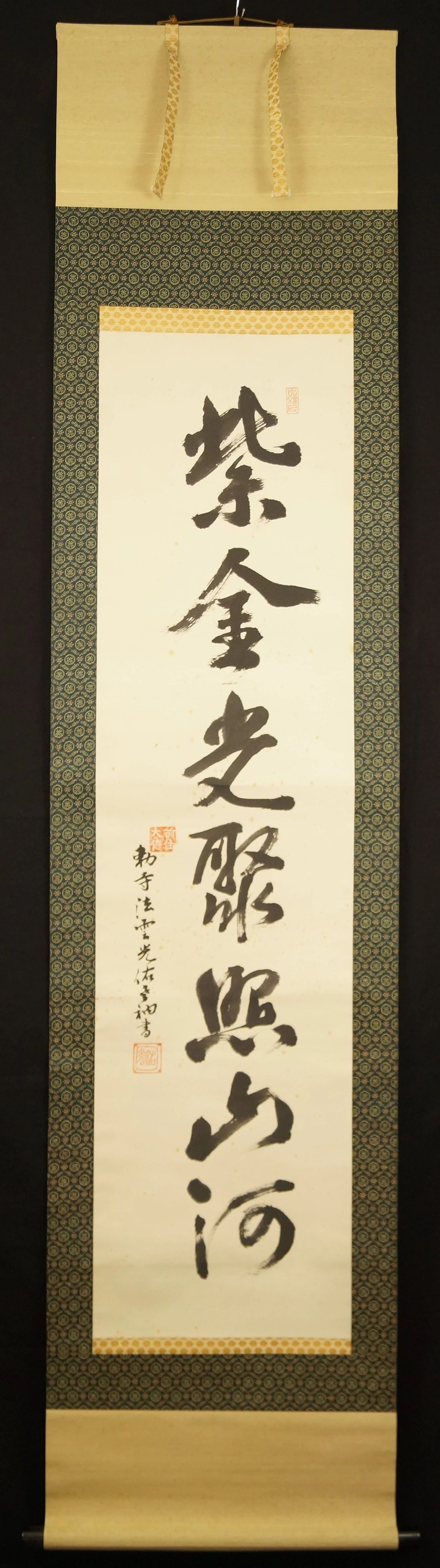
Calligraphy: Purple Light on the Mountains
Kakemono, unique work, 203 x 53 cm
€170.00
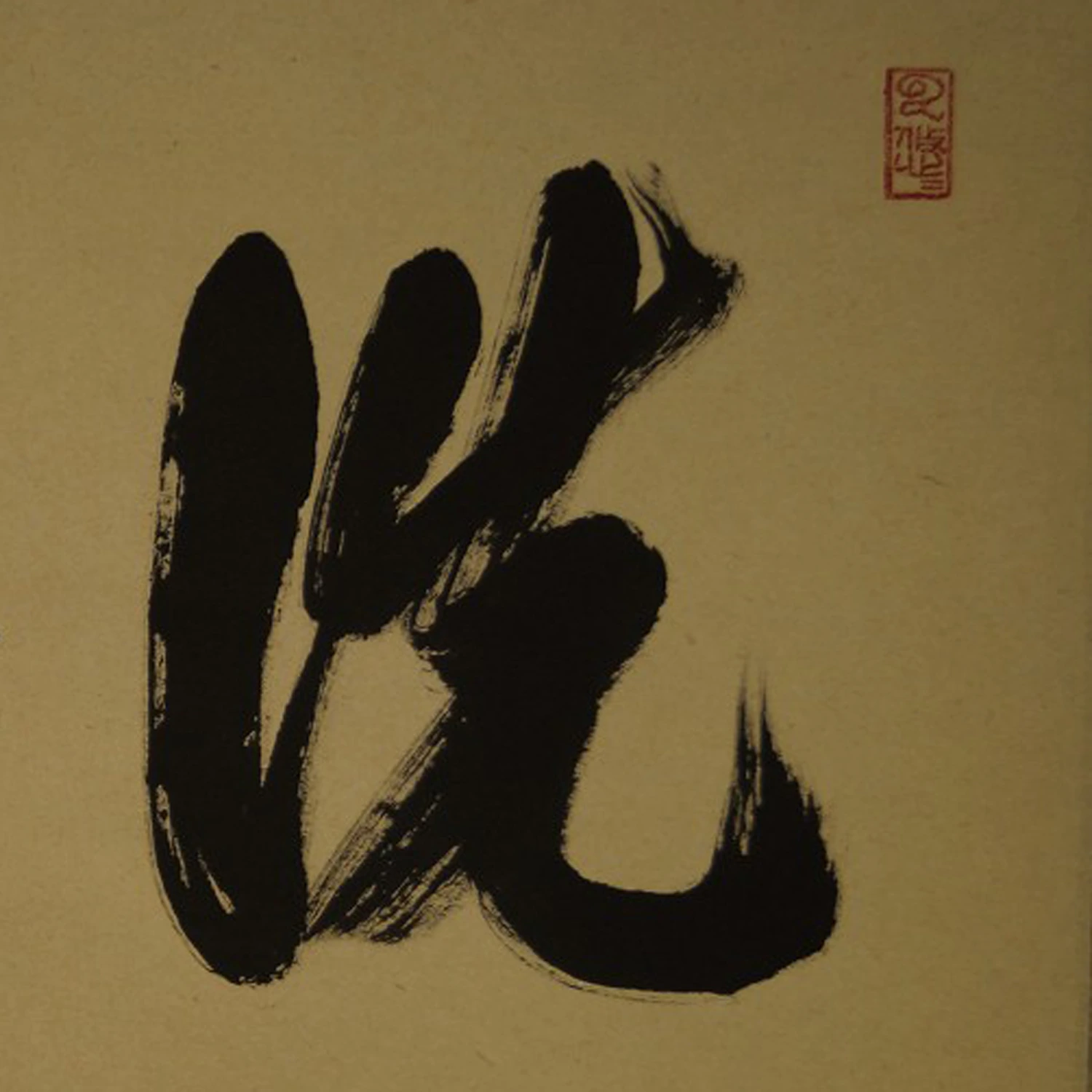
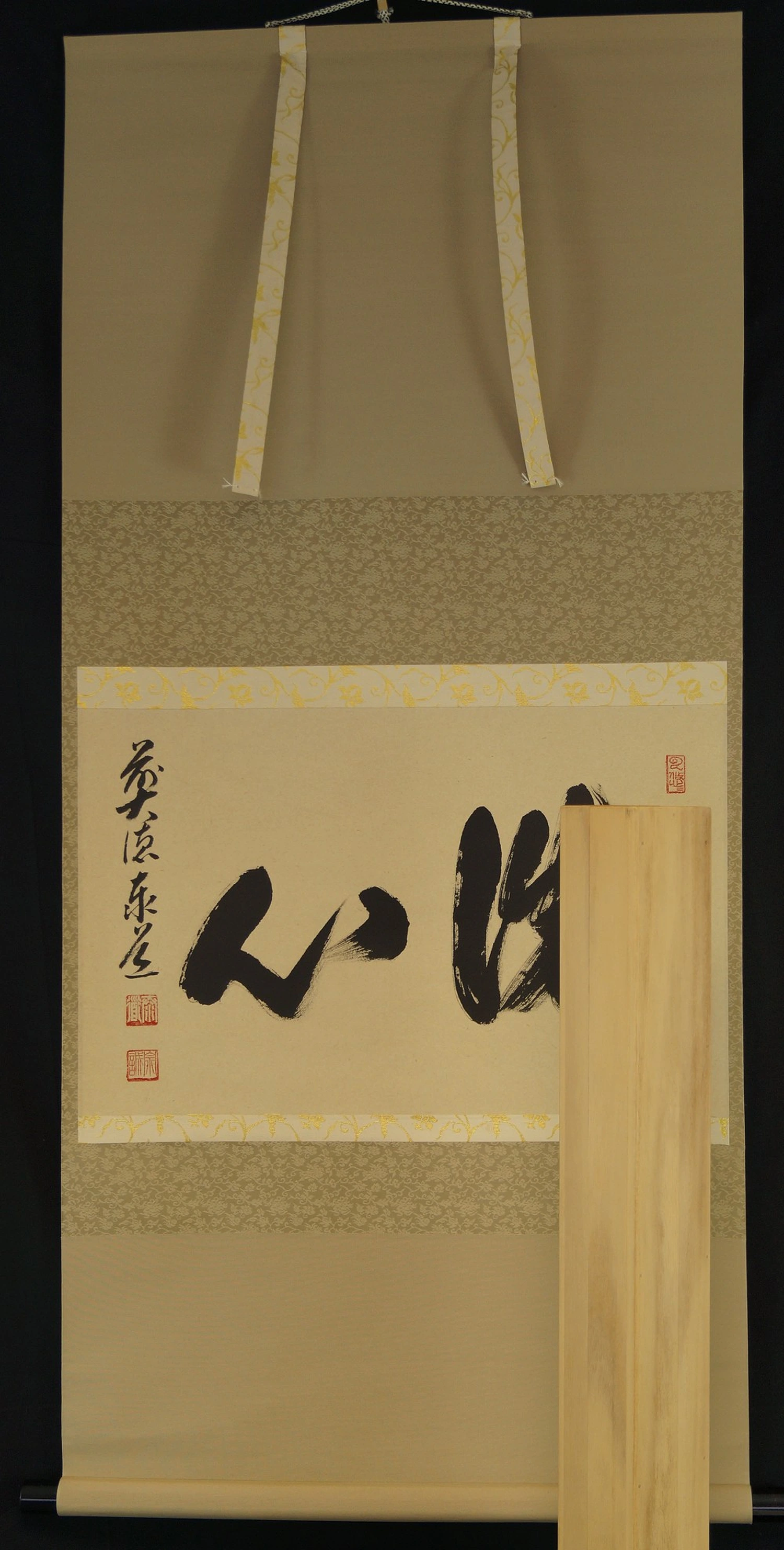
Adachi Taido
Zen Calligraphy "Pure Heart"
Kakemono, unique work, with box, 121 x 60 cm
€750.00
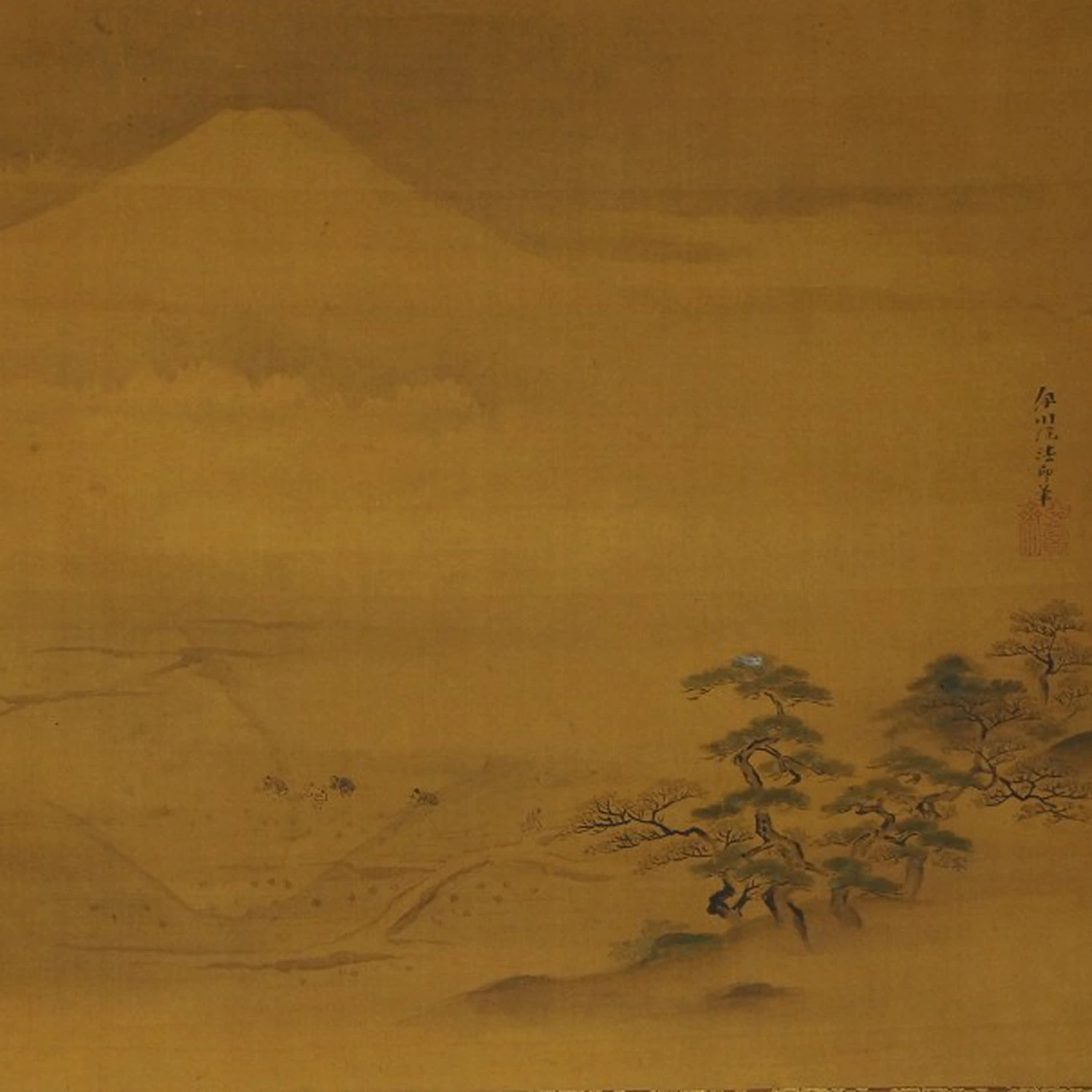
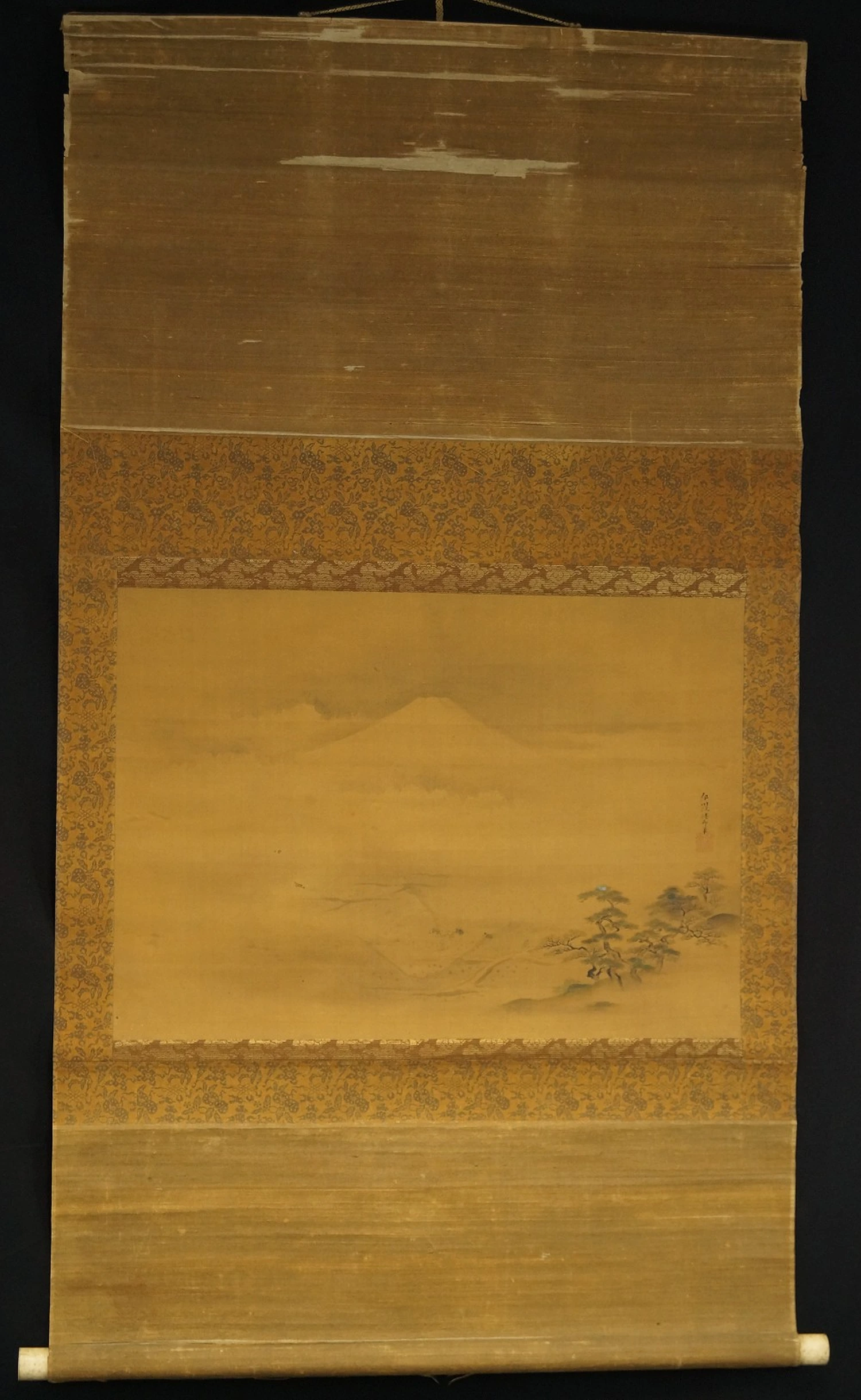
Kano Naganobu
Fuji-San Behind Pine Hill
Kakemono, unique work, 131 x 78 cm
€890.00
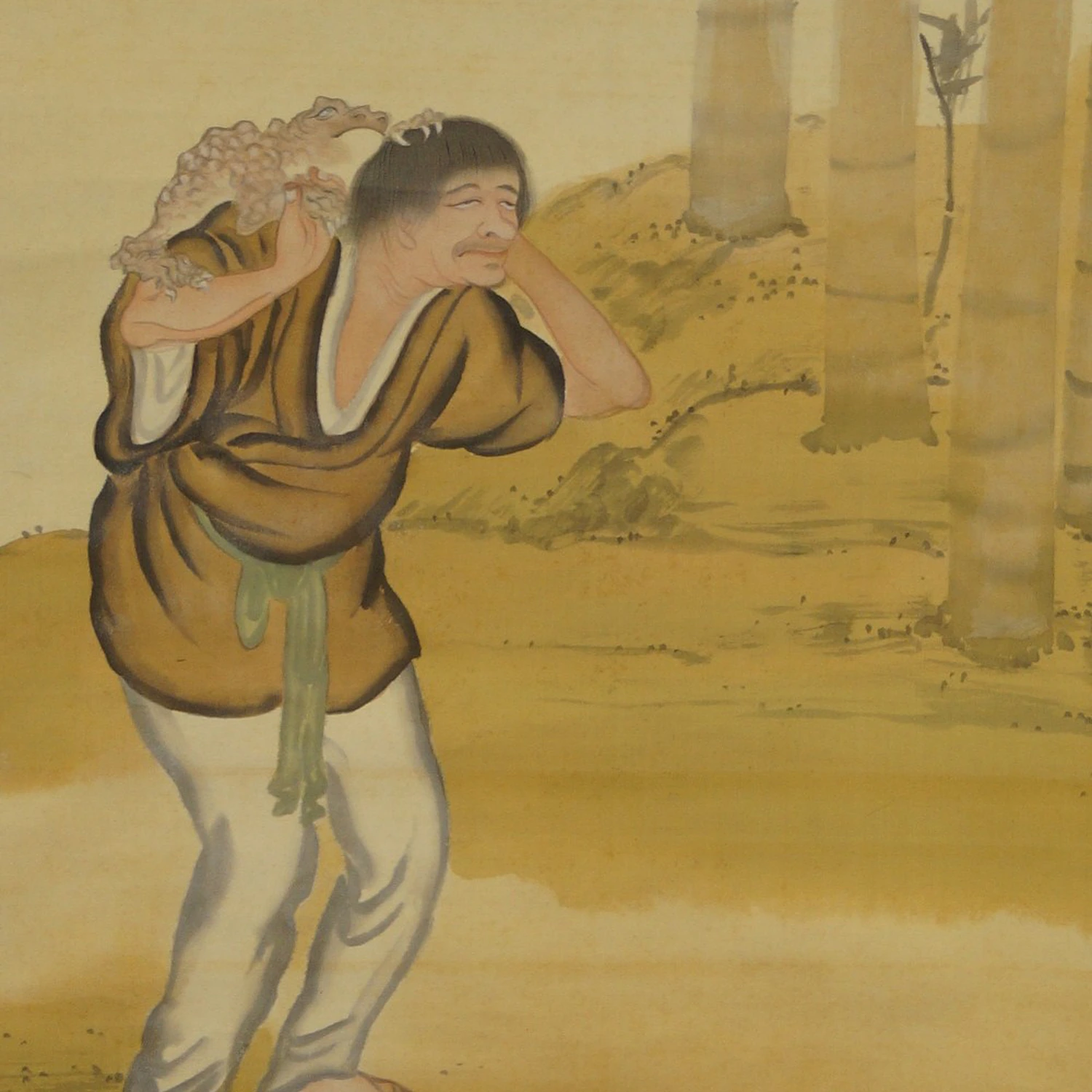
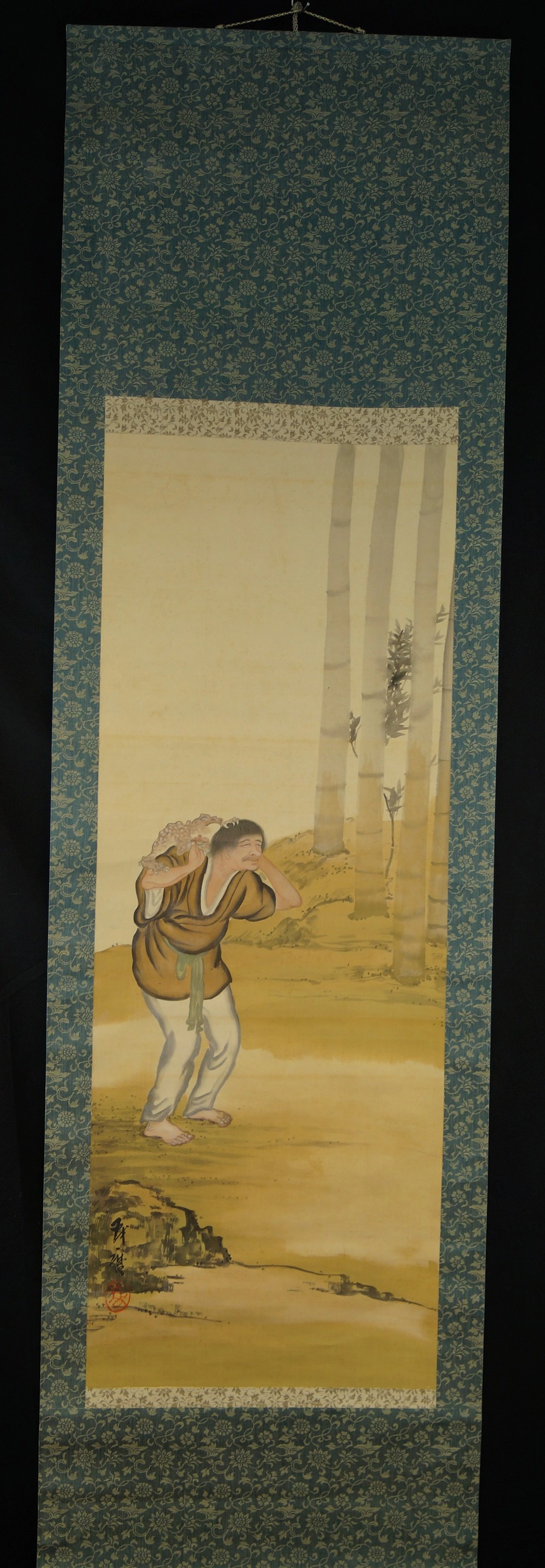
Gama Sennin with His Toad
Kakemono, unique work, 188 x 59 cm
€160.00
48 of 417 items shown
Why Japanese dealers keep a group for the whole year
In Japan a kakejiku (掛軸) changes with the season, yet not every picture is tied to one. Kakejiku dealers therefore sort their stock not only into spring, summer, autumn and winter but also keep a separate group for pictures that may hang at any time: nenjū-gake (年中掛け) or fudan-gake (普段掛け), roughly “hung all year” and “hung on ordinary days”. Alongside them stand the celebration pictures, keiji-gake (慶事掛け), suited to congratulations, weddings or milestone birthdays, which likewise belong to no season. The dealer Kōbidō explicitly lists ink landscapes, bamboo with sparrow, the Four Gentlemen, hawk, tiger and dragon among the year-round pictures.
Zen calligraphy and ensō without a seasonal word
The largest group consists of written scrolls. According to Japanese dealers, a Zen phrase that names no season is especially popular as a year-round picture. They cite Nichinichi kore kōjitsu (日日是好日, “Every day is a good day”) and Wa kei sei jaku (和敬清寂), the four core values of the Way of Tea: harmony, respect, purity, tranquillity. Phrases such as Buji kore kinin (無事是貴人), Kissako (喫茶去, “Have a bowl of tea”) or Mu ichimotsu (無一物, “not a single thing”) are just as free of any season. Then there is the ensō (円相), the circle painted in one movement, alone or with a short inscription.
Sansui: ink landscapes without seasonal signs
The ink landscape, sansui (山水, “mountain and water”), heads the dealer's list of year-round subjects – but only as long as it carries no seasonal sign. Mist between rocks, a hut on a slope, a pagoda on a cliff, a river with a mountain village: such pictures show no blossom, no coloured leaves and no snow, and can therefore hang at any time.
Tiger and dragon: pictures for protection and good fortune
On the tiger, tora (虎), the Japanese sources agree: it is regarded as a picture that wards off misfortune (魔除け, mayoke), and one dealer calls it the typical protective picture that hangs all year. The dragon, ryū (龍), stands for good fortune and blessing (吉祥, kisshō) and is no more tied to a season. In this category you will find a tiger in the grass, dragons between clouds and waves, a dragon above Mount Fuji or a wrathful dragon's head.
Crane, tortoise, pine, Fuji and koi
Crane and tortoise, tsuru and kame (鶴亀), stand for long life. One Japanese dealer states explicitly that a picture with only a crane or a tortoise is a year-round picture. The pine, matsu (松), stays green at all times and on its own is mostly listed as year-round; together with bamboo and plum it forms shōchikubai (松竹梅), a celebration picture that is also hung at New Year. Another dealer describes Mount Fuji without a seasonal sign as a subject that can hang all year. The carp, koi (鯉), also counts among the auspicious pictures, above all the carp swimming up the waterfall.
Daruma, Buddhist images and the Four Gentlemen
Religious pictures know no season either. Daruma (達磨), the founder of Zen, appears in vigorous ink; Japanese dealers list him among the year-round pictures. Kannon and other Buddhist figures, copies of the Heart Sutra, monks, and Kanzan and Jittoku, the pair from Zen legend with scroll and broom, belong here too. The Four Gentlemen, shikunshi (四君子), form a group of their own: plum, orchid, bamboo and chrysanthemum.
How to tell that a picture is not a seasonal one
What decides is the seasonal marker, not the main subject. A seasonal picture carries a sign that points to a particular part of the year: a specific blossom, red maple leaves, snow, the full moon over grasses. Without such a sign the subject stays year-round. Conversely, a year-round subject becomes seasonal once it carries a marker: a tiger in the snow is a winter picture, Fuji behind cherry blossom a spring picture, a crane before the rising sun a New Year picture. With calligraphy the phrase decides: if it names snow, blossom or moon, it belongs to the season of the phrase.
The safe first choice and the bridge between seasons
If you own just one hanging scroll, a year-round subject is the safe choice: it suits January as well as July, and nobody has to wonder whether the blossom on the wall is ahead of nature or behind it. Once seasonal pictures join it, it becomes the picture for the times in between. Japanese dealers count the seasons in blocks of three months and hang a seasonal picture about a month before the season begins. Even so, there are often weeks between two pictures when the old one has come down and the new one would still be too early. That is when a Zen calligraphy or a sansui landscape takes over.
Care, rotation and what collectors look for
Even a year-round picture should not hang without a break. Light and dry indoor air wear on paper, silk and mounting over time, and a picture that has rested for a few weeks looks fresh again when it goes back up. With calligraphy it pays to read the box inscription, which often names the phrase: it tells you whether the phrase contains a seasonal word. With animals and landscapes, check the edges of the picture as well, since a few snowflakes or red leaves are enough to turn a year-round subject into a seasonal one.