Japanese Autumn Paintings: Kakemono with Maple, Moon and Chrysanthemum
Go directly to the artworksIn brief
Buy autumn kakemono: hanging scrolls for September to November, with red maple leaves (momiji), chrysanthemums, autumn grasses such as silver grass and bush clover, wild geese before the full moon or ripe persimmons. In Japan they go up in the tokonoma toward the end of summer and give way to a winter scroll in late November. What matters is the seasonal marker: a deer beneath red maple is an autumn picture, a crane on its own is not. At Densho you will find hand-painted autumn kakemono, shikishi and makuri as one-of-a-kind pieces from Japan.
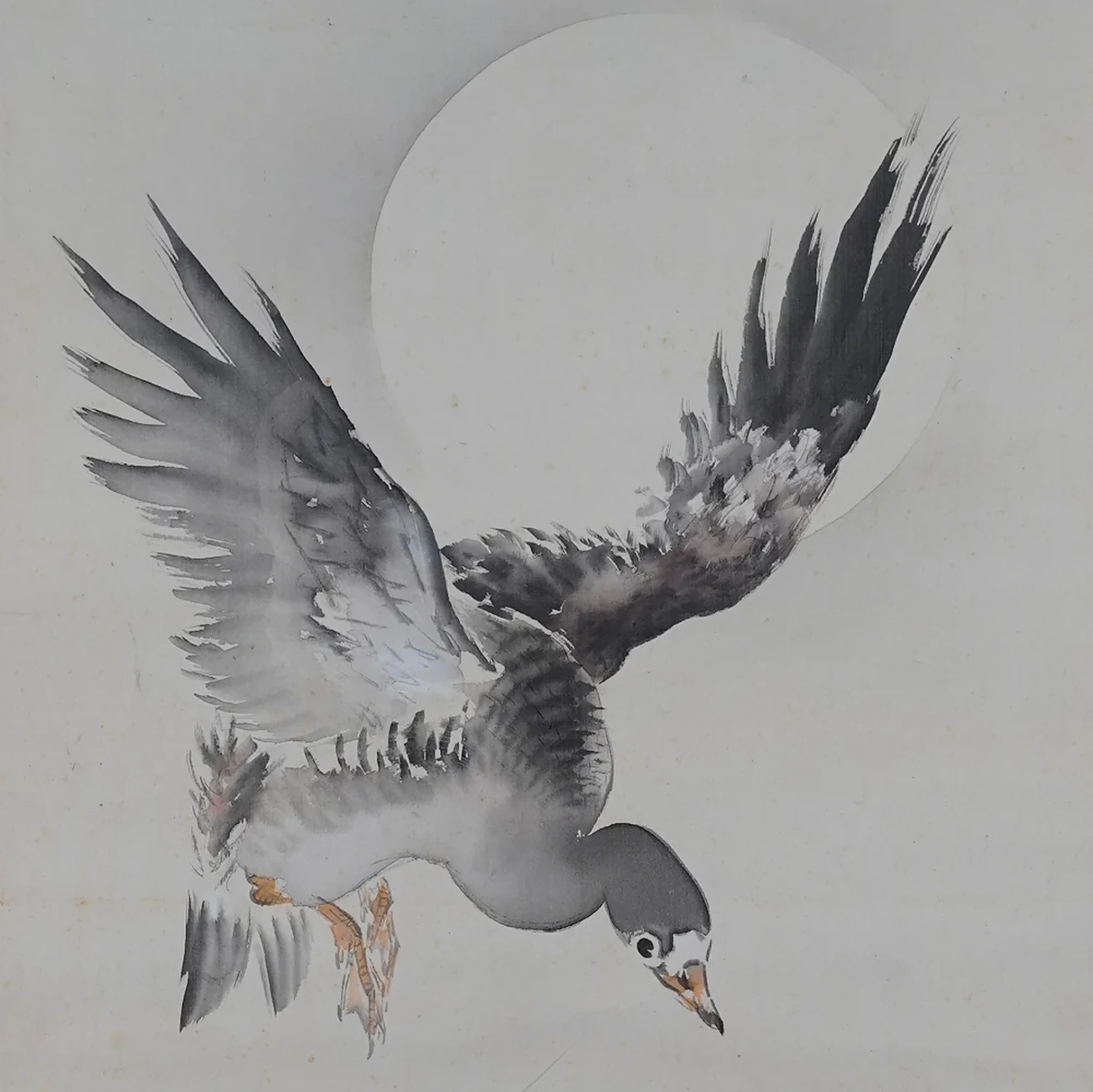
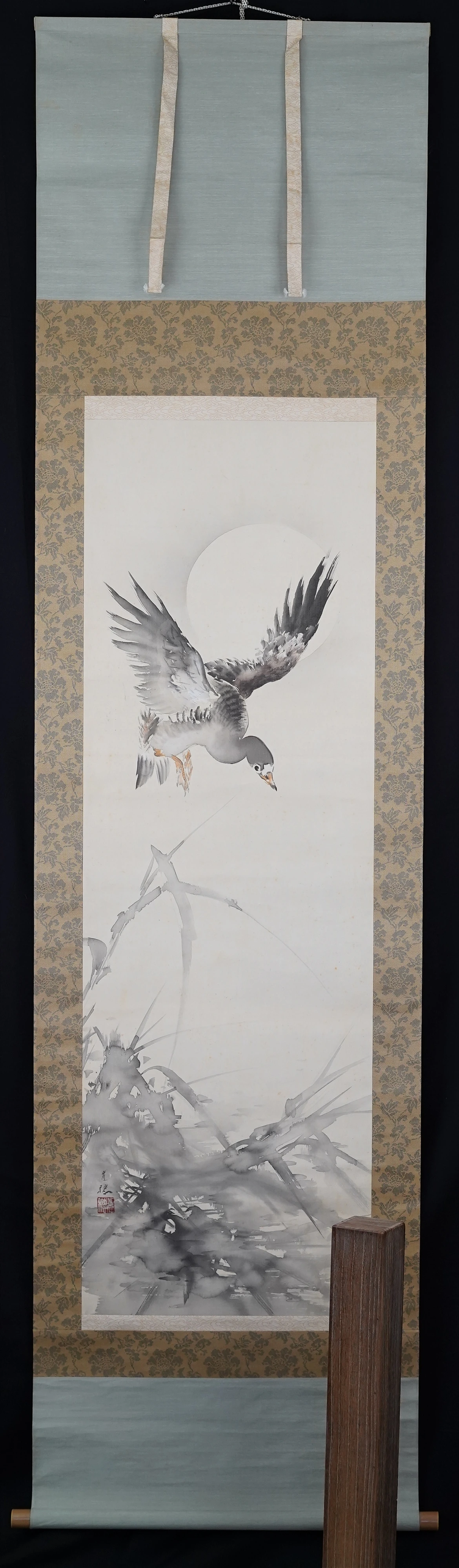
Sano Kōsui
Wild Goose over Reeds Against the Full Moon
Kakemono, unique work, with box, 215 x 62 cm
€350.00
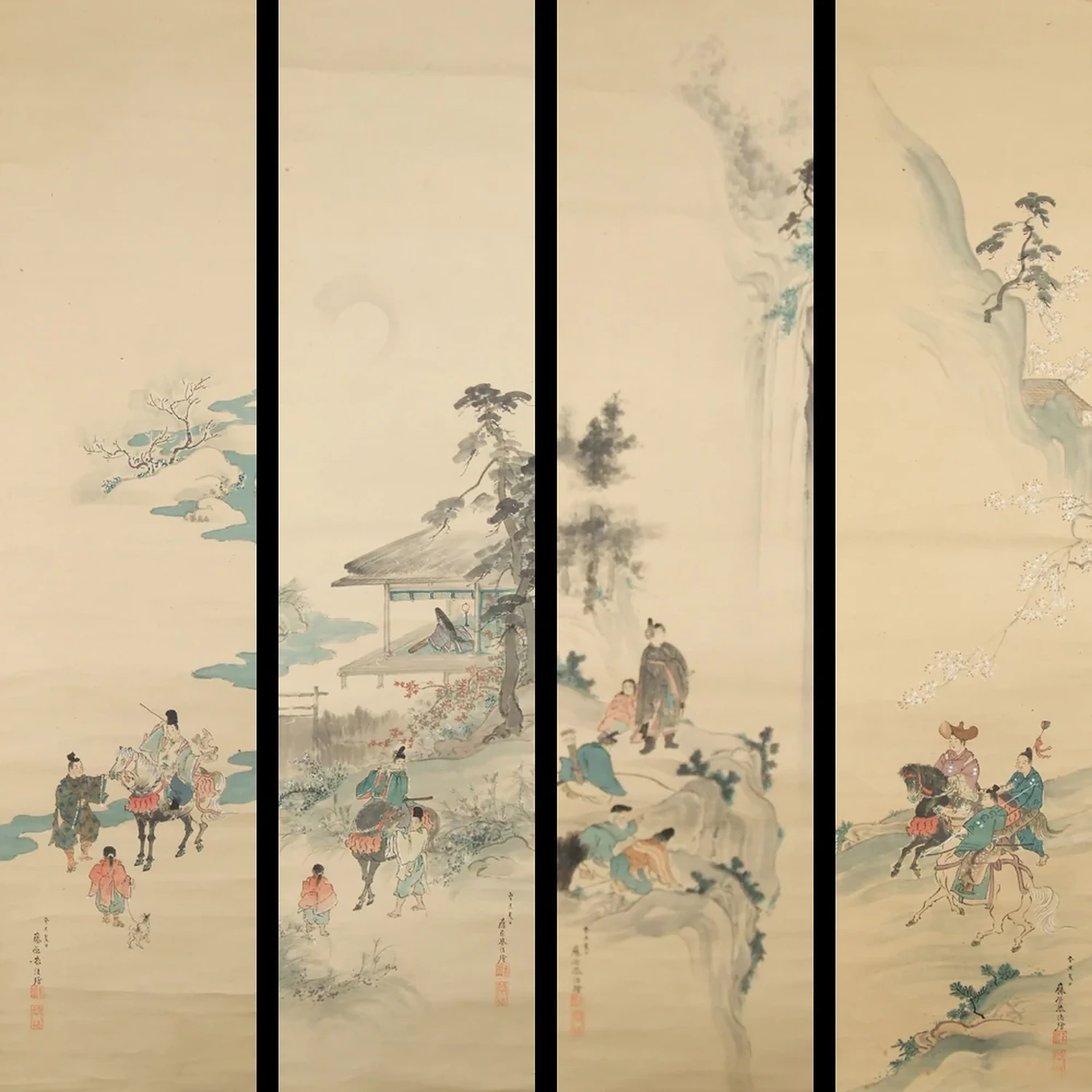
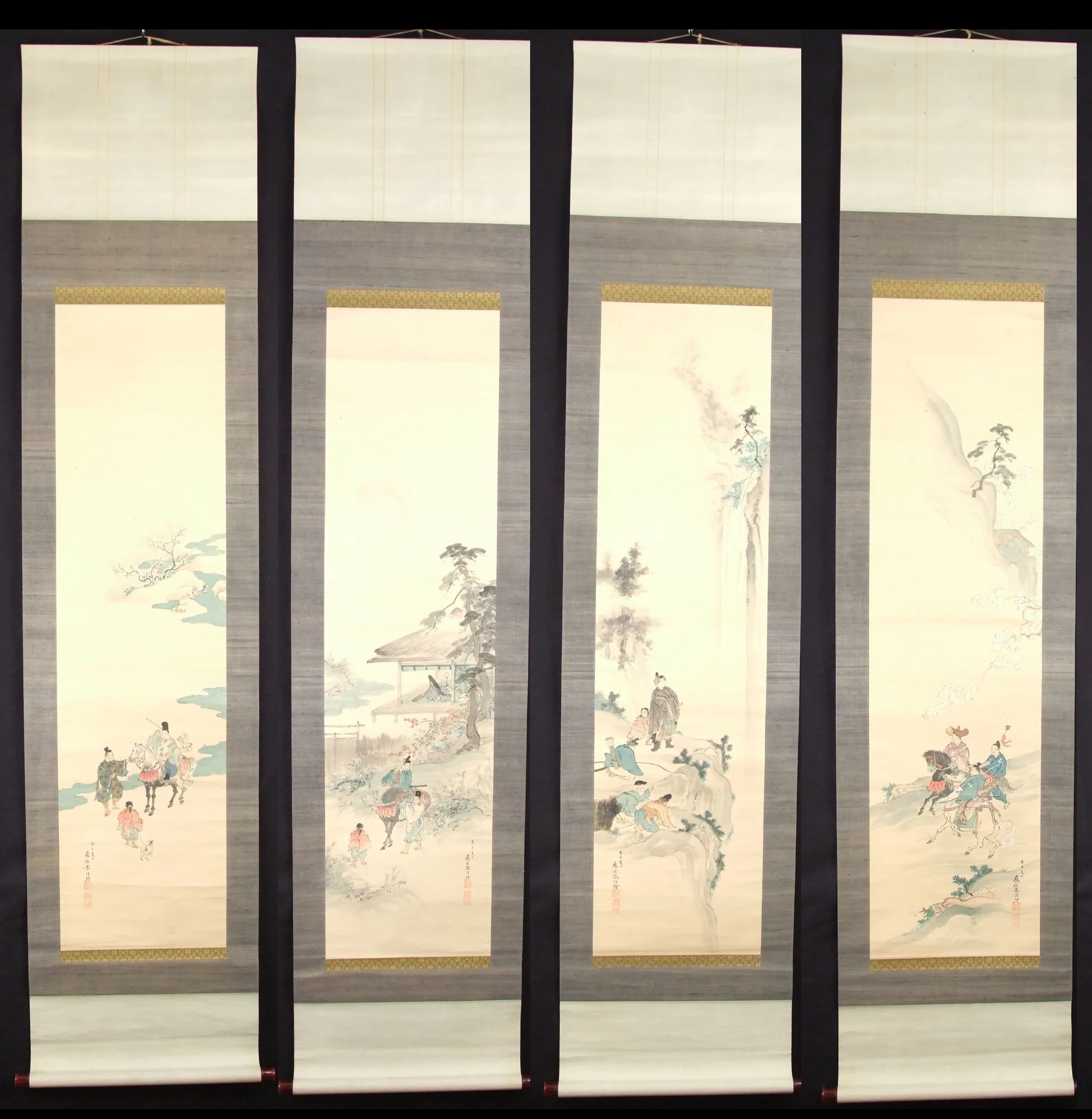
Okumura Kyōhō
Set of Four Paintings – Legends of the Four Seasons
Kakemono, unique work, with box, 192 x 48 cm
€1,210.00
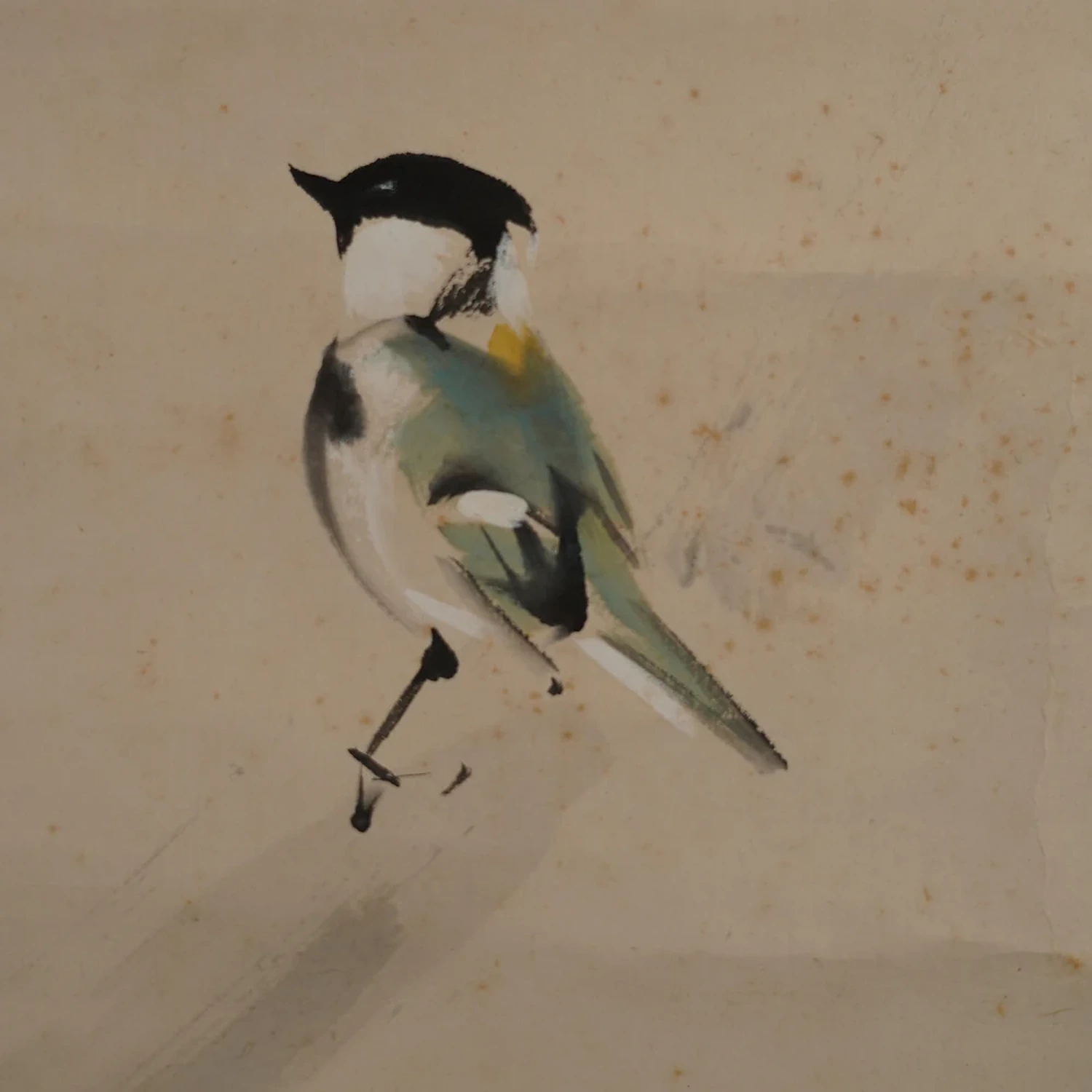
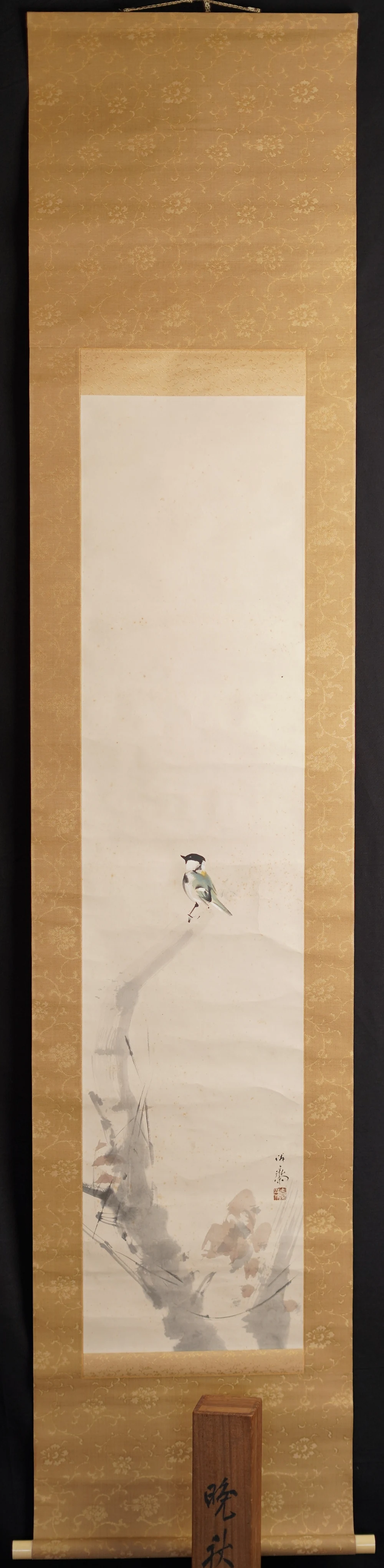
Tokuda Rinsai
Great Tit on a Late-Autumn Tree Trunk
Kakemono, unique work, with box, 205 x 49 cm
€270.00
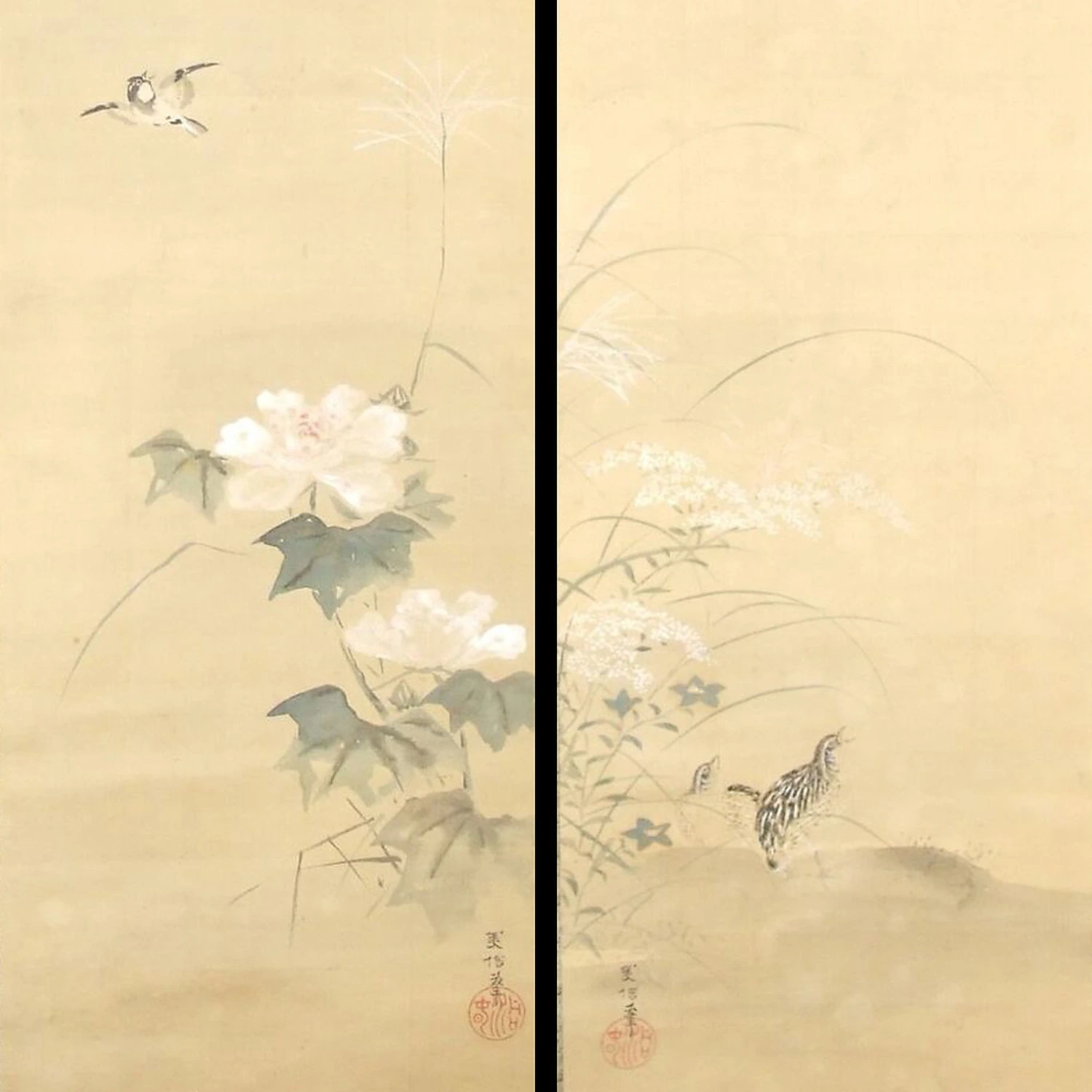
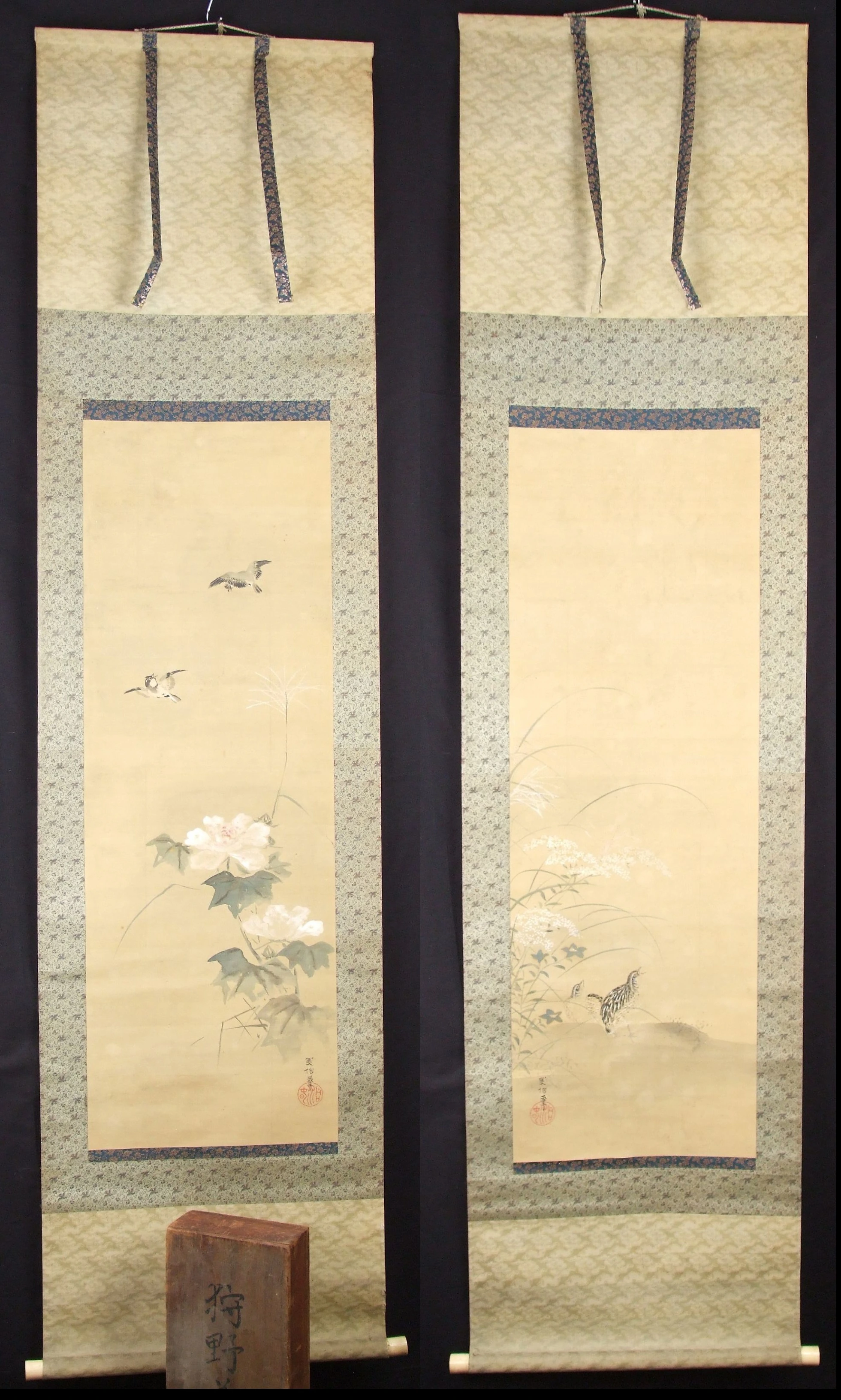
Kanō Tōshun Yoshinobu
Set of Two Paintings – Birds and Autumn Flowers
Kakemono, unique work, with box, 200 x 56 cm
€770.00
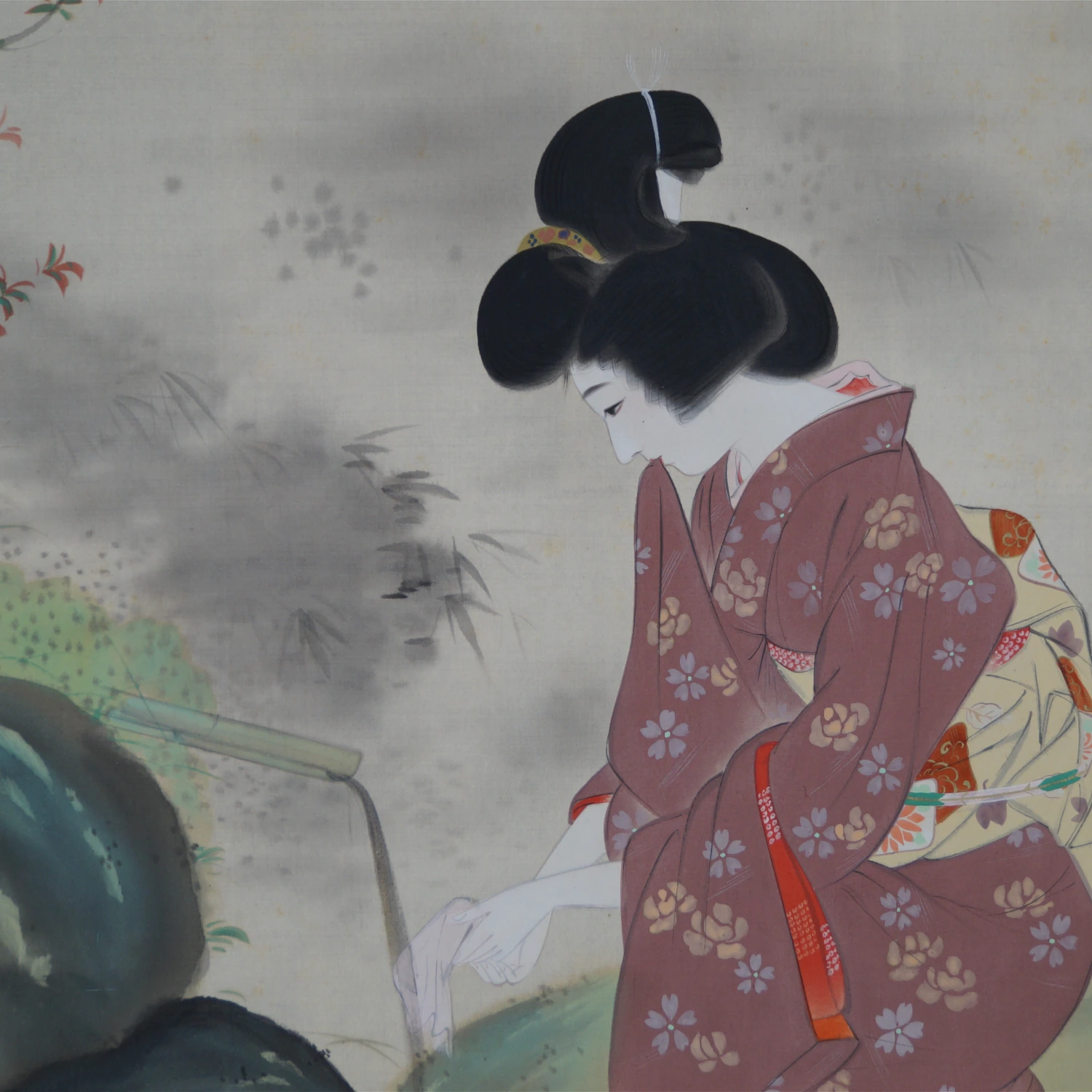
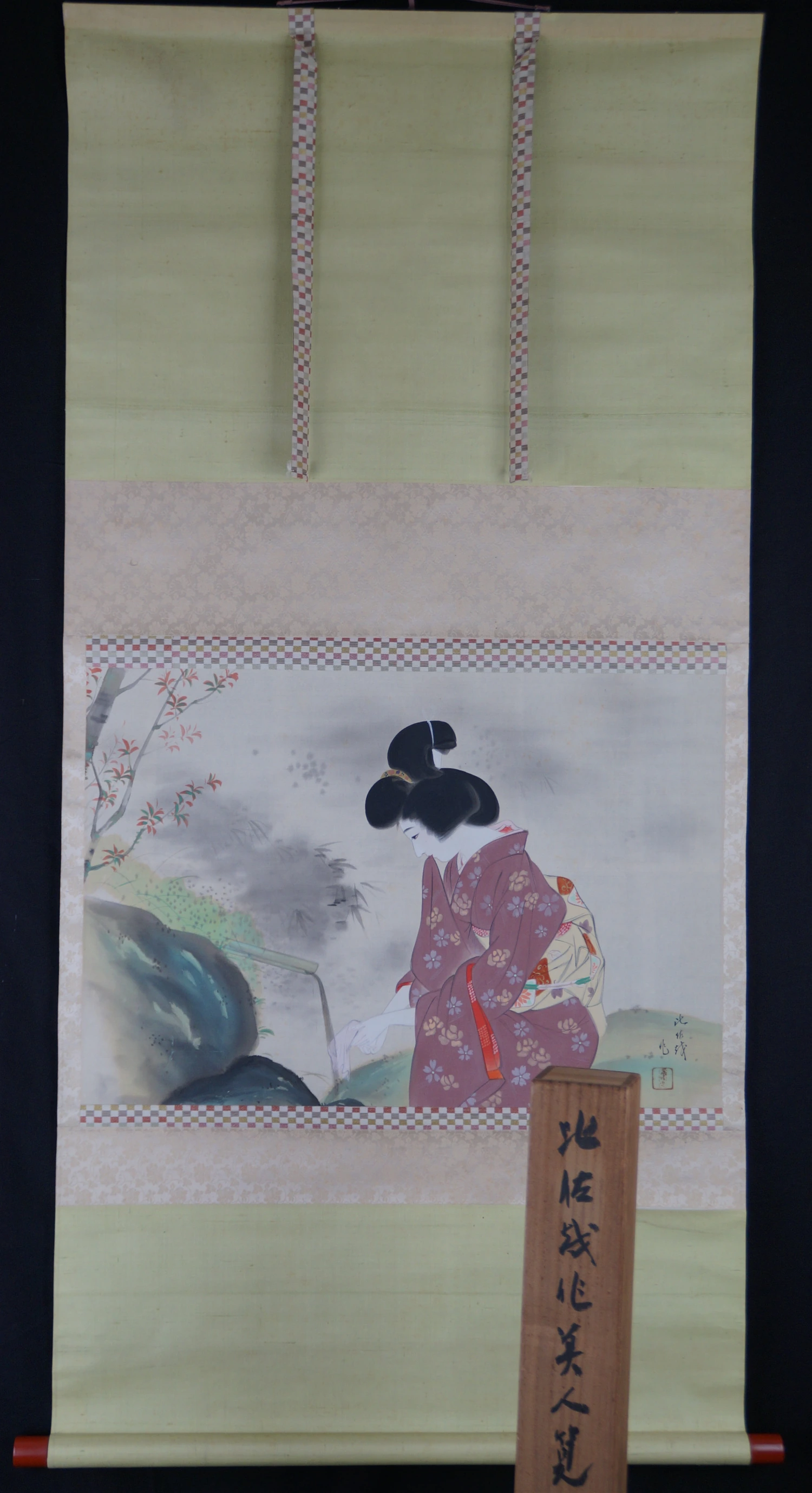
Lady in Kimono by the Garden Pond
Kakemono, unique work, with box, 136 x 71 cm
€480.00
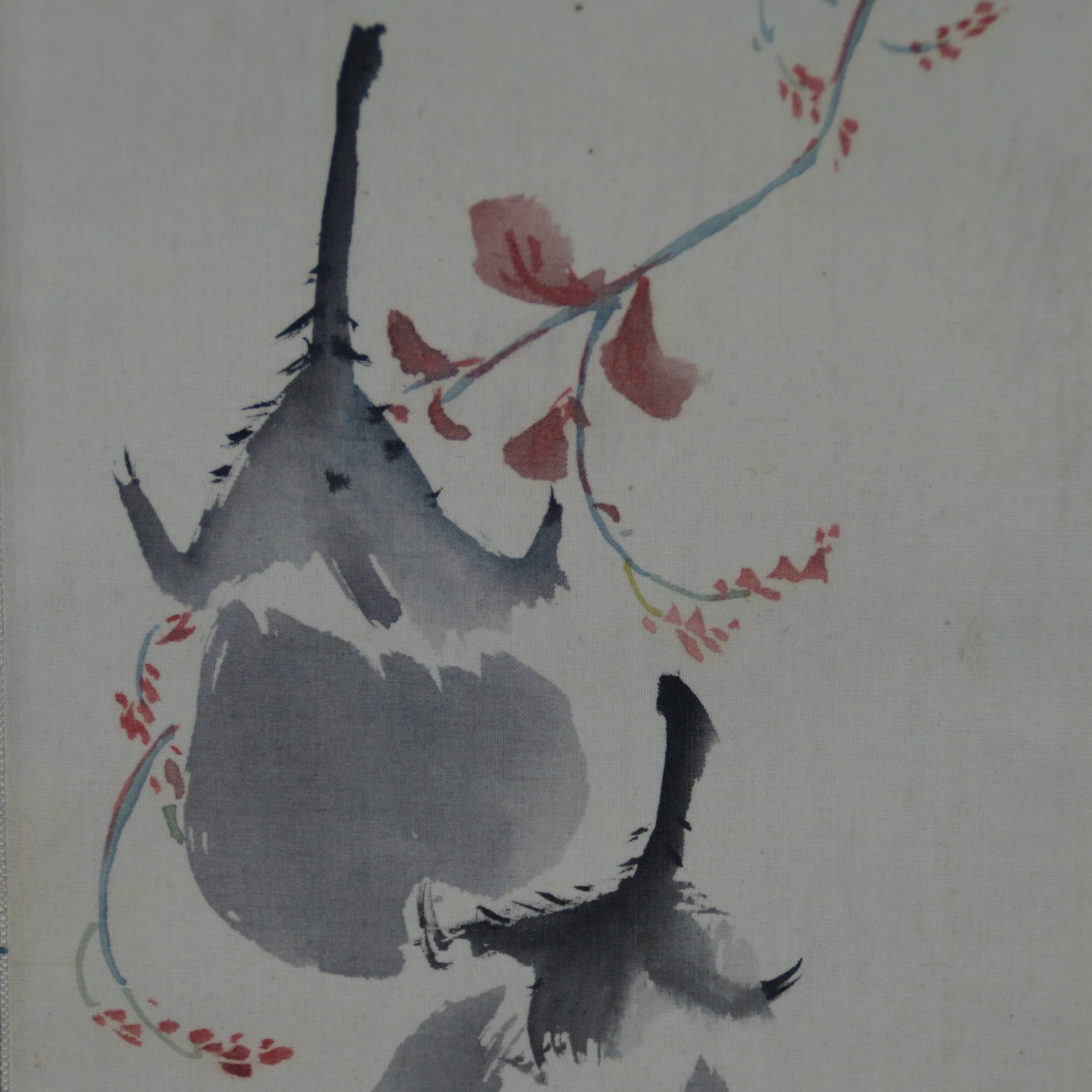
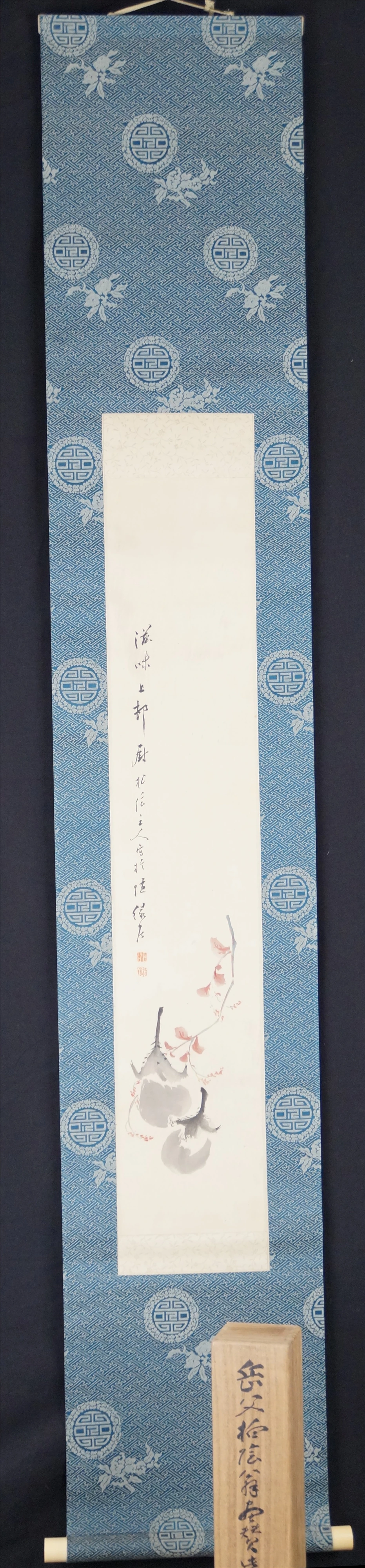
Tanaka Hakuin
Japanese Eggplant
Kakemono, unique work, with box, 164 x 33 cm
€340.00
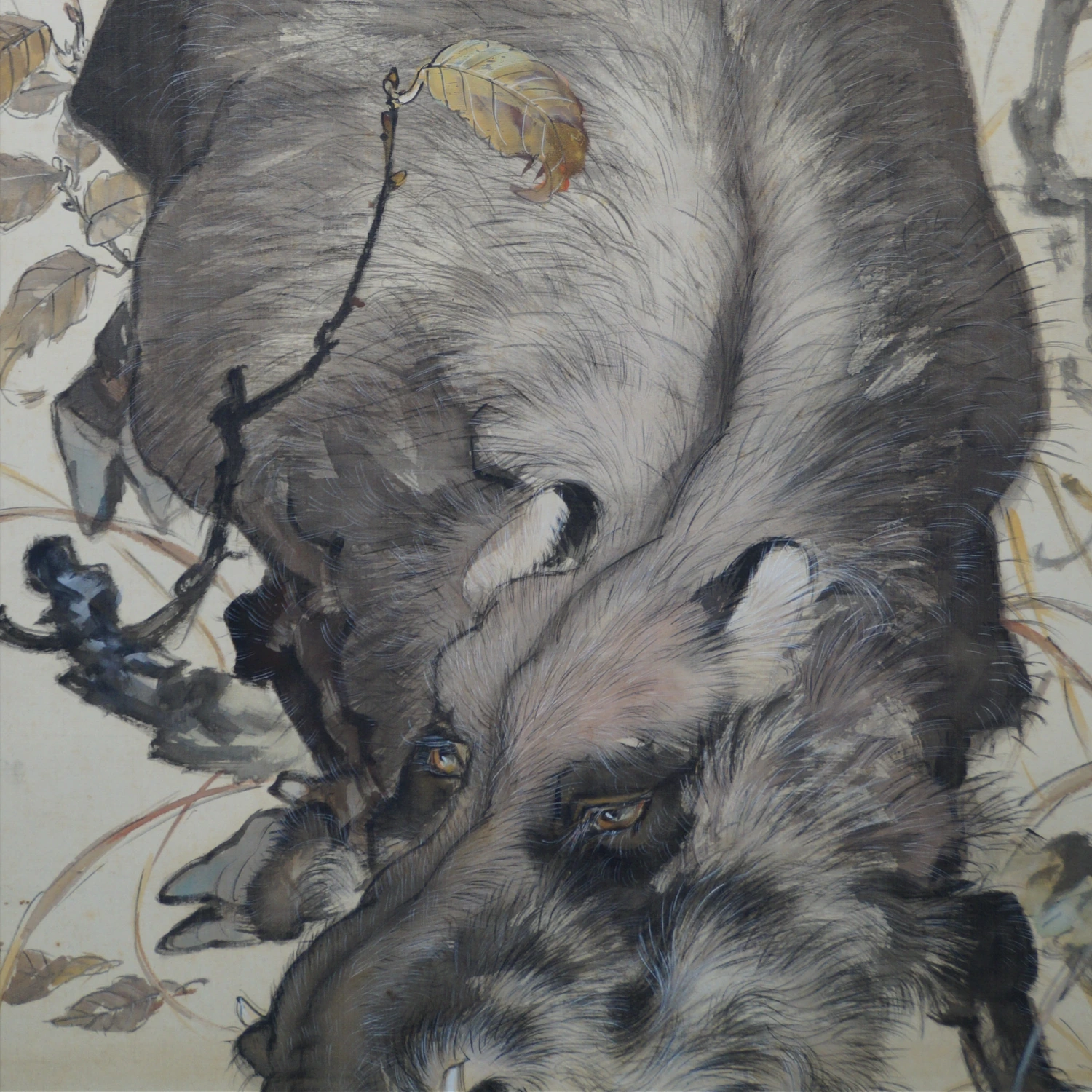
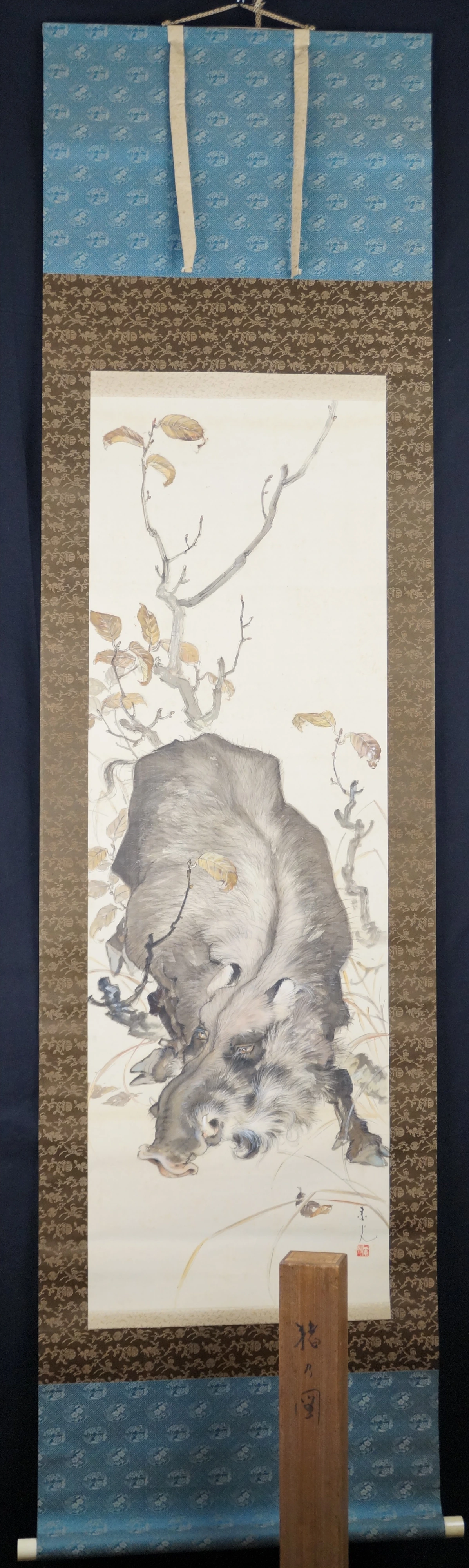
Saegusa Soko
Wild Boar in Autumn Foliage
Kakemono, unique work, with box, 210 x 60 cm
€950.00
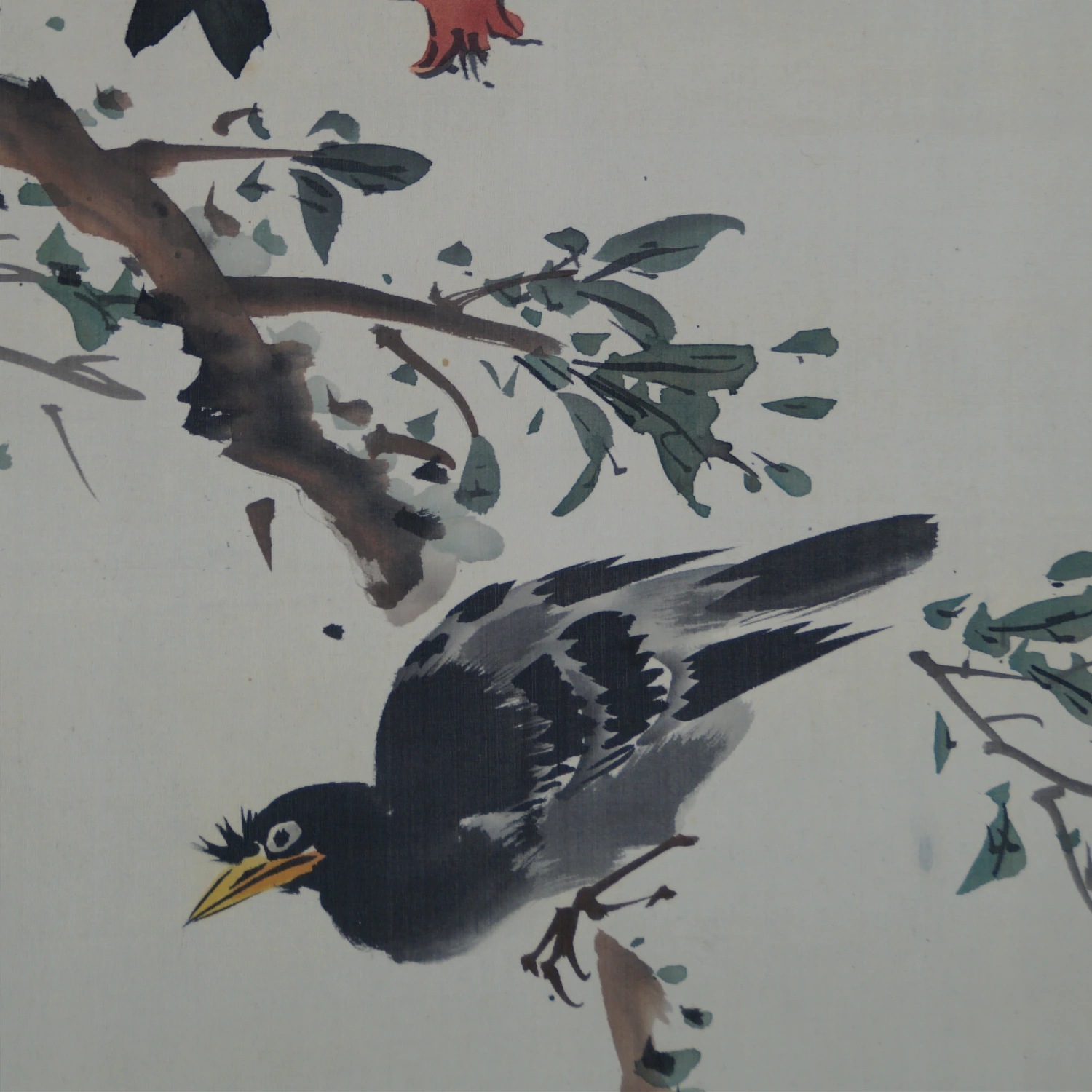
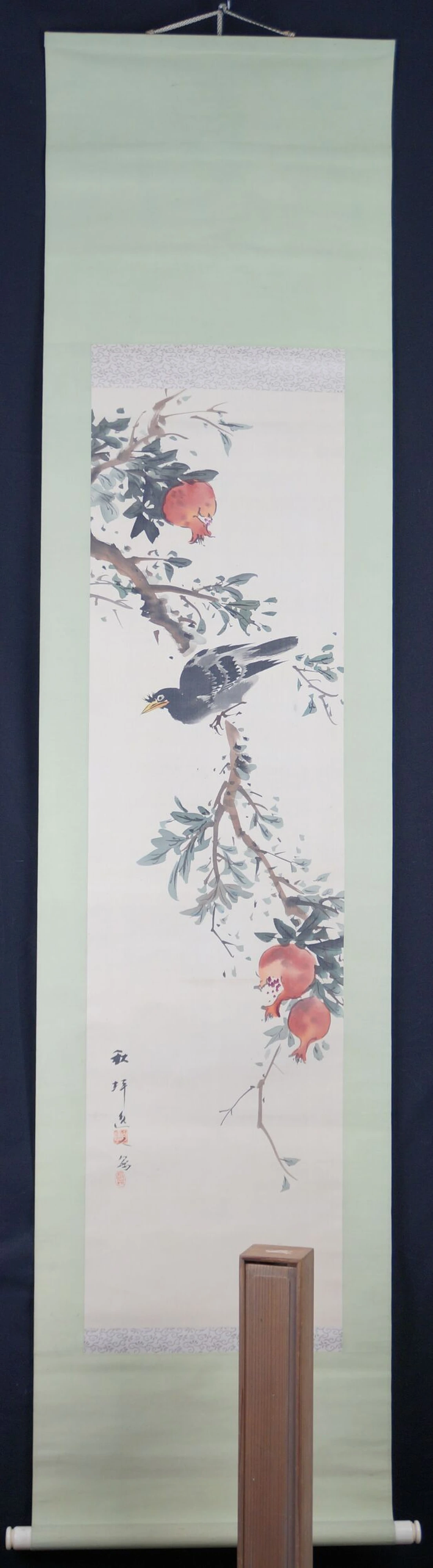
Yamada Shuhei
Pomegranate Branch and Star
Kakemono, unique work, with box, 187 x 51 cm
€530.00
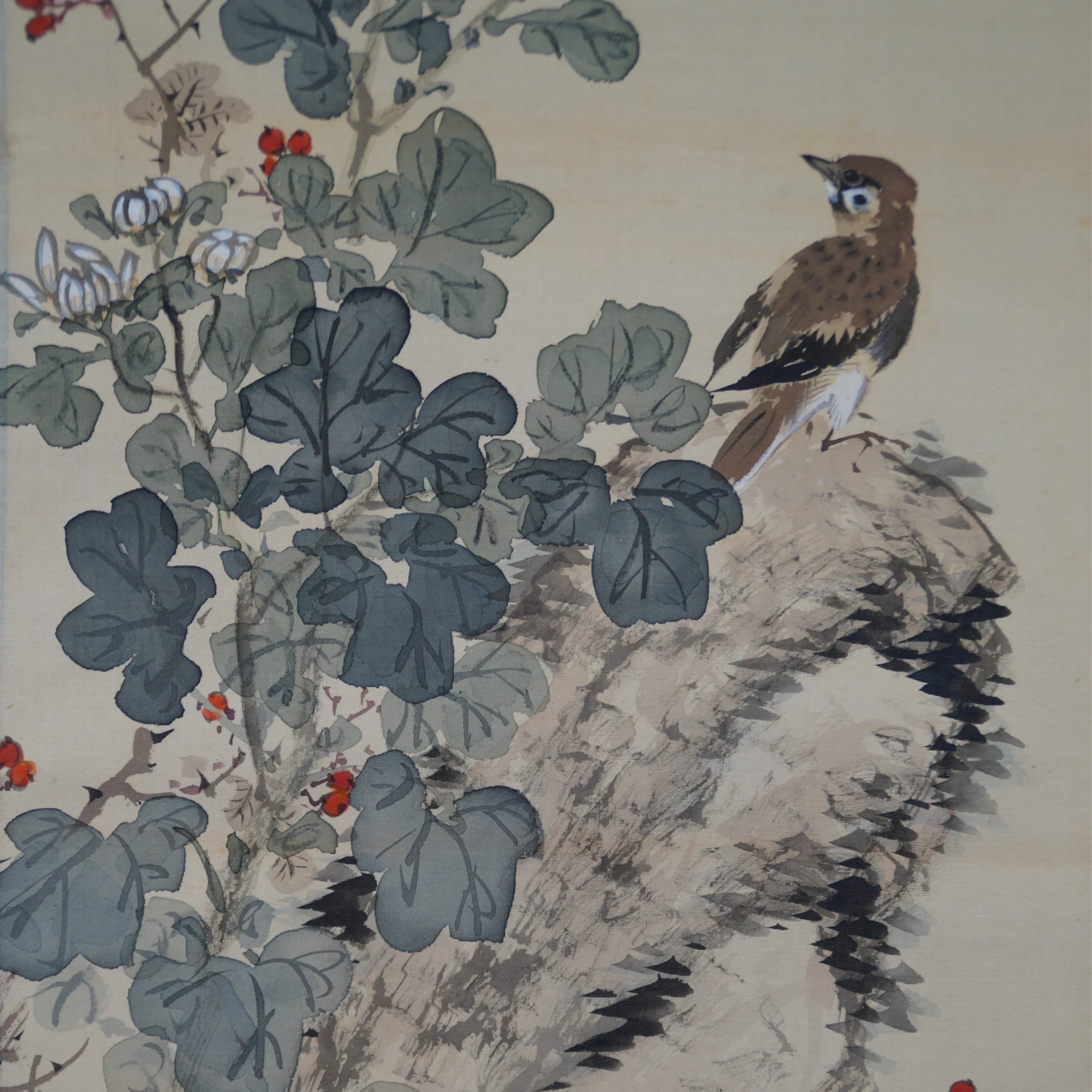
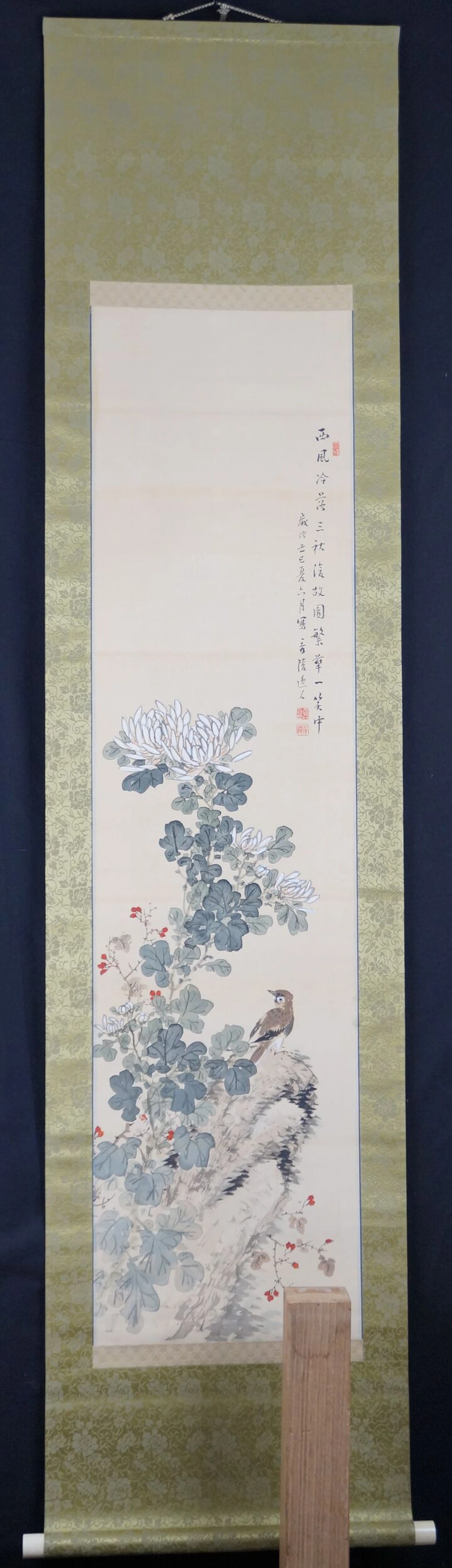
Amano Shuryo
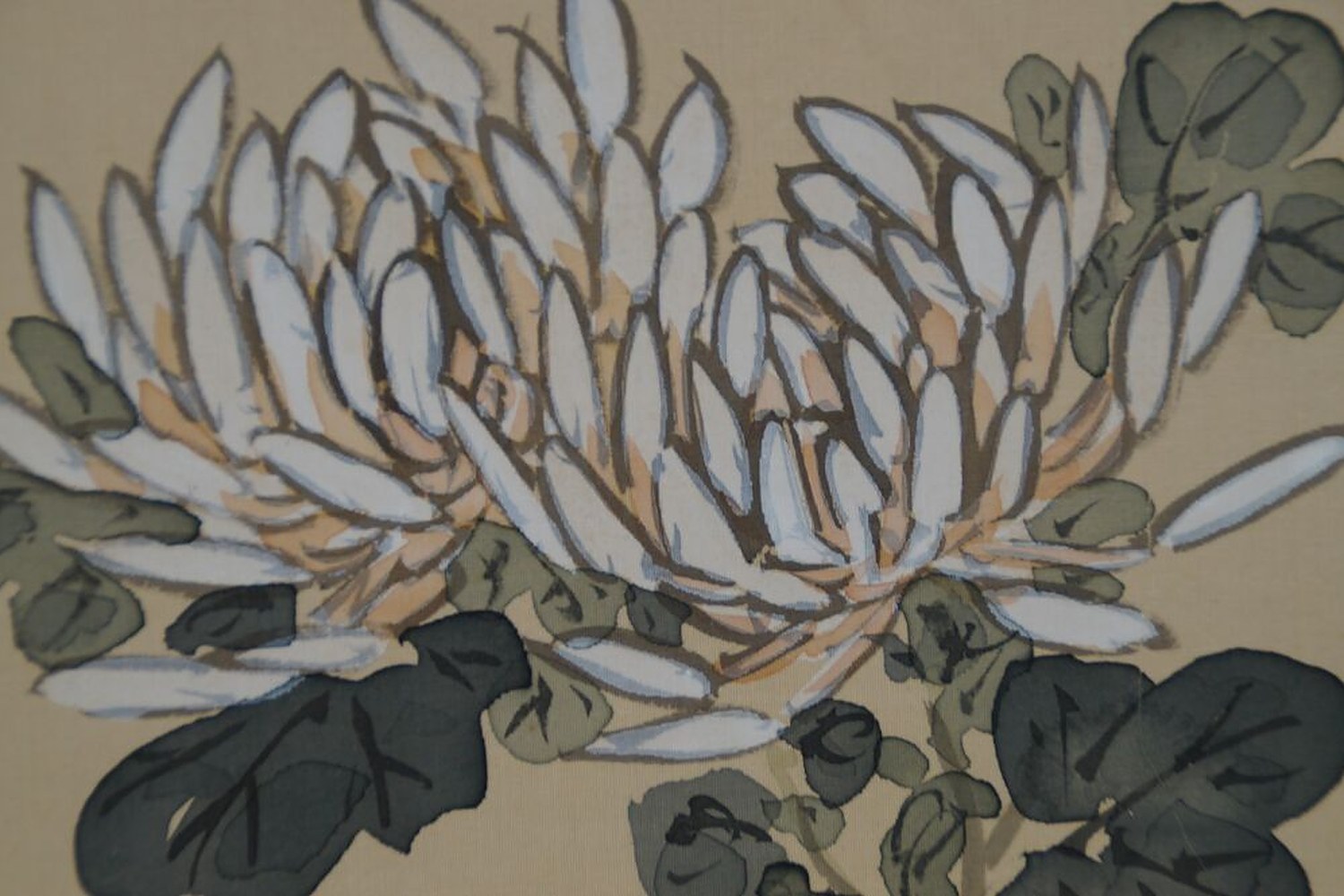
Autumn Chrysanthemums
Kakemono, unique work, with box, 190 x 51 cm
€480.00
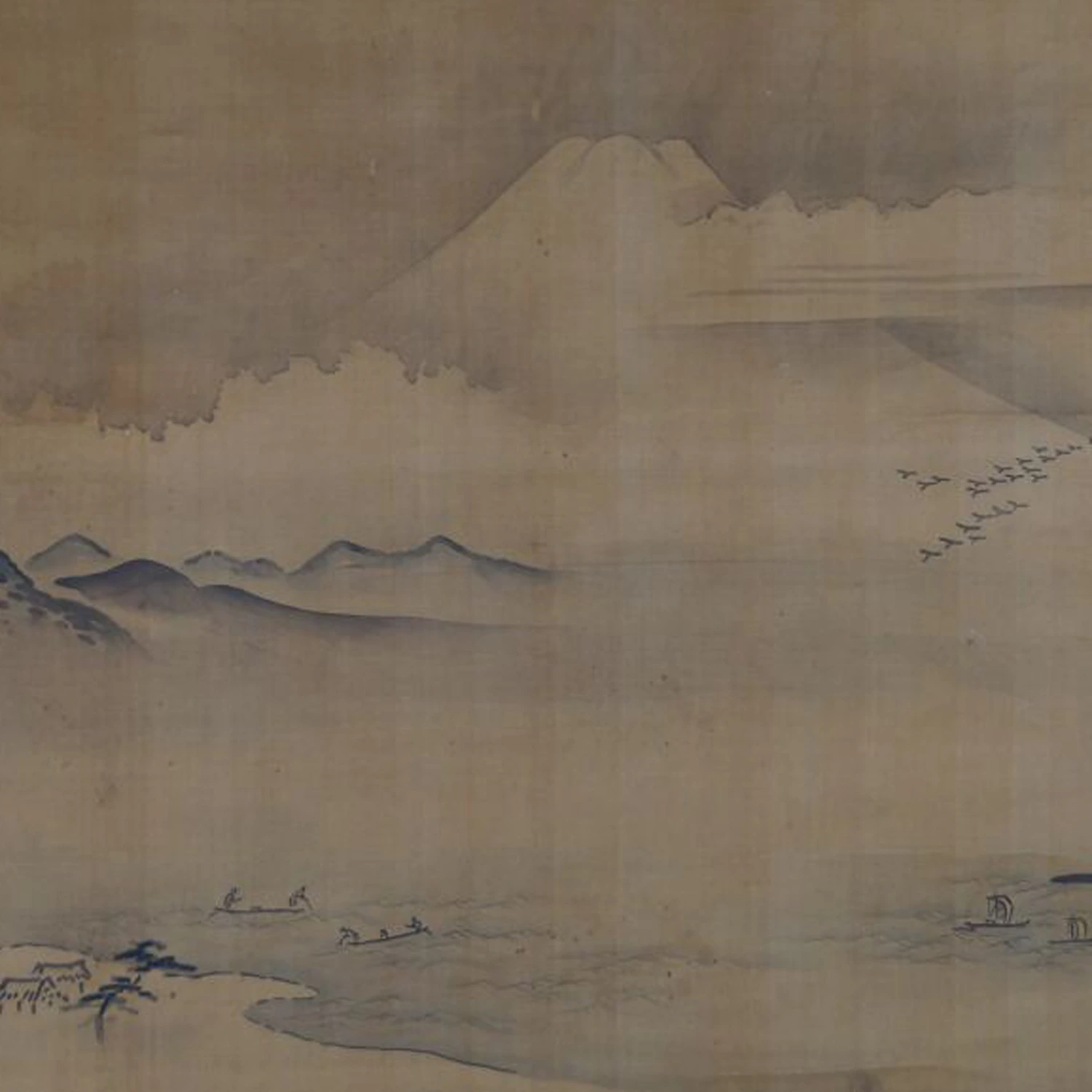
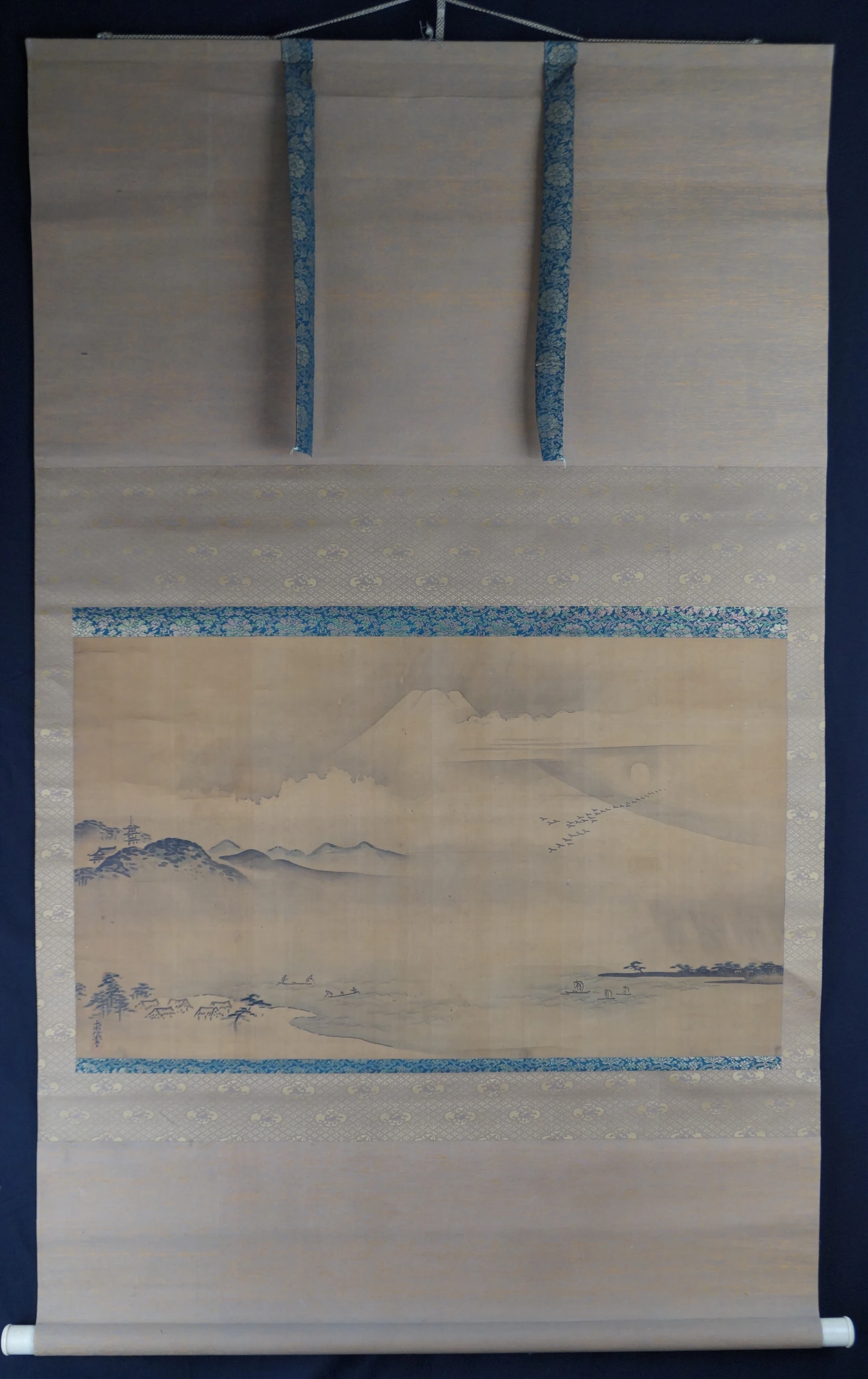
Kanō Zuizen
Fuji in Morning Mist
Kakemono, unique work, 140 x 91 cm
€1,170.00
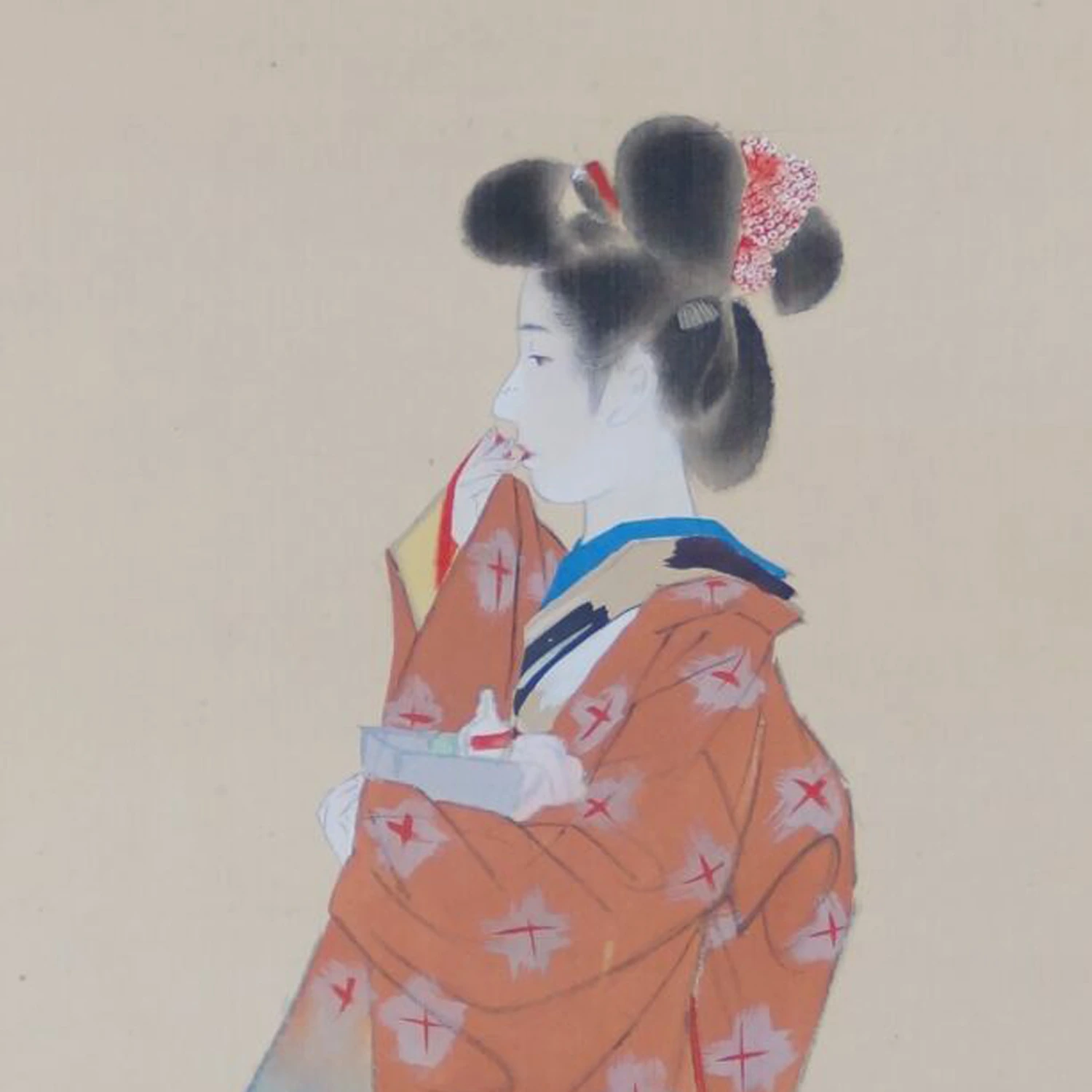
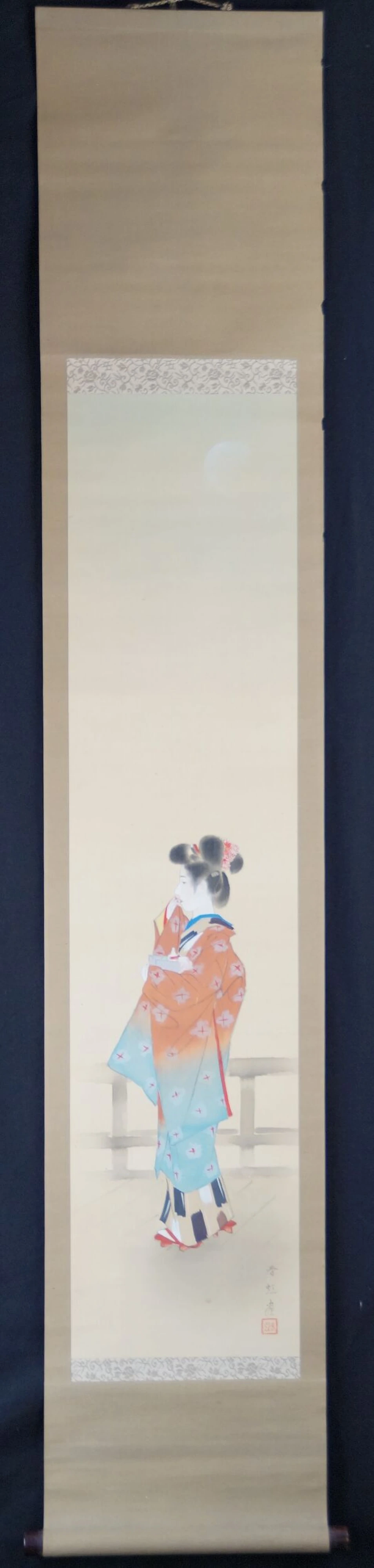
Saeki Shunkō
Beauty in Profile with Orange Kimono
Kakemono, unique work, 167 x 36 cm
€360.00
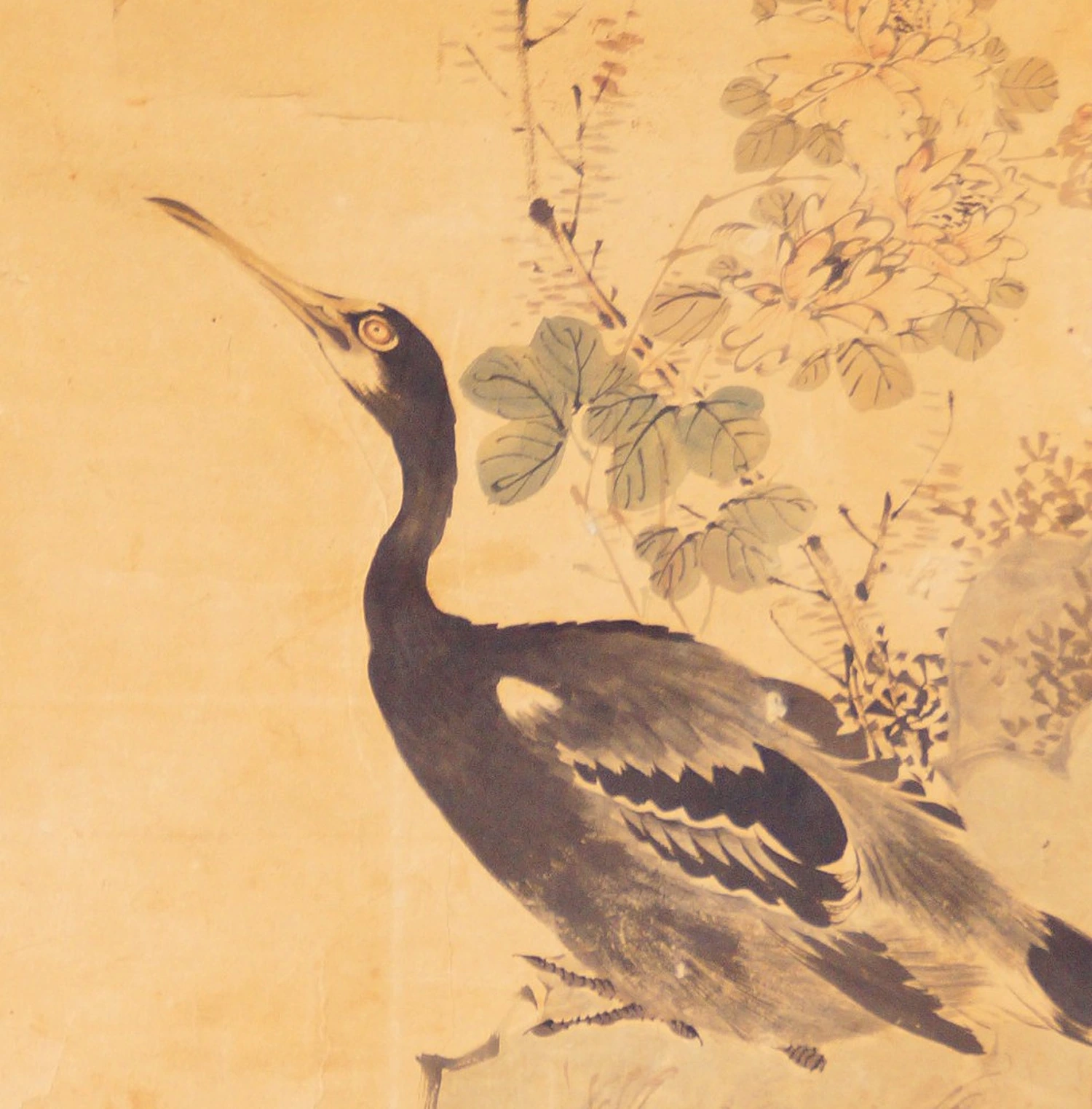
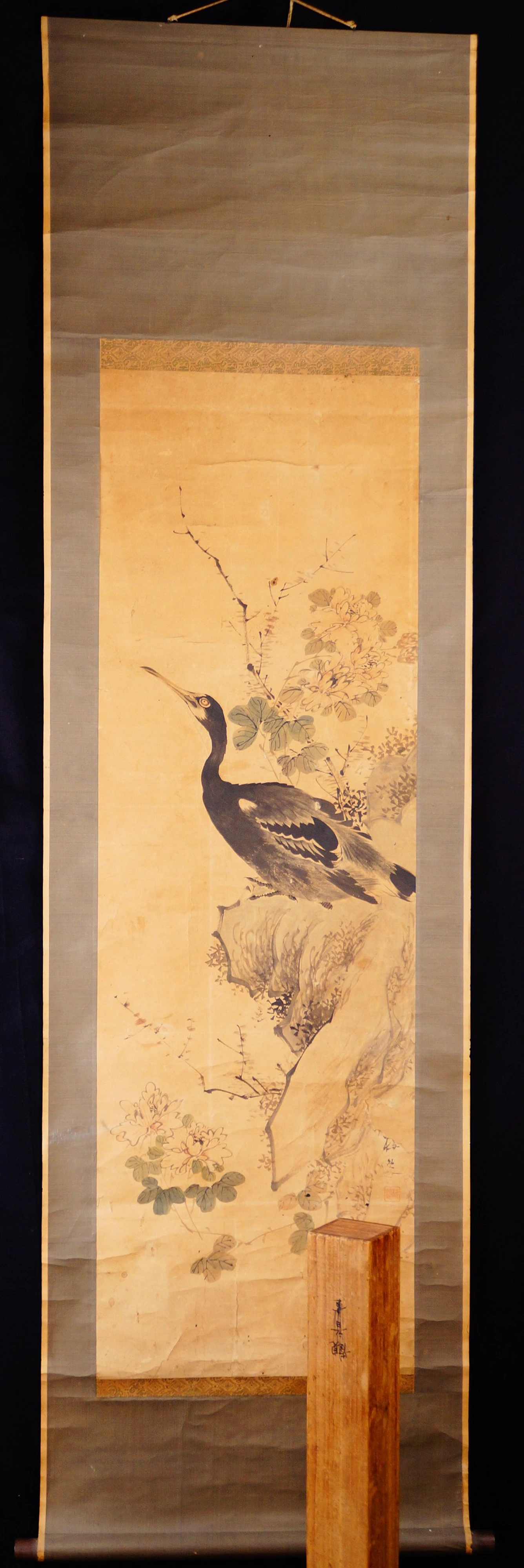
Yamamoto Baiitsu
Heron on Rock with Chrysanthemums
Kakemono, unique work, 189 x 60 cm
€290.00
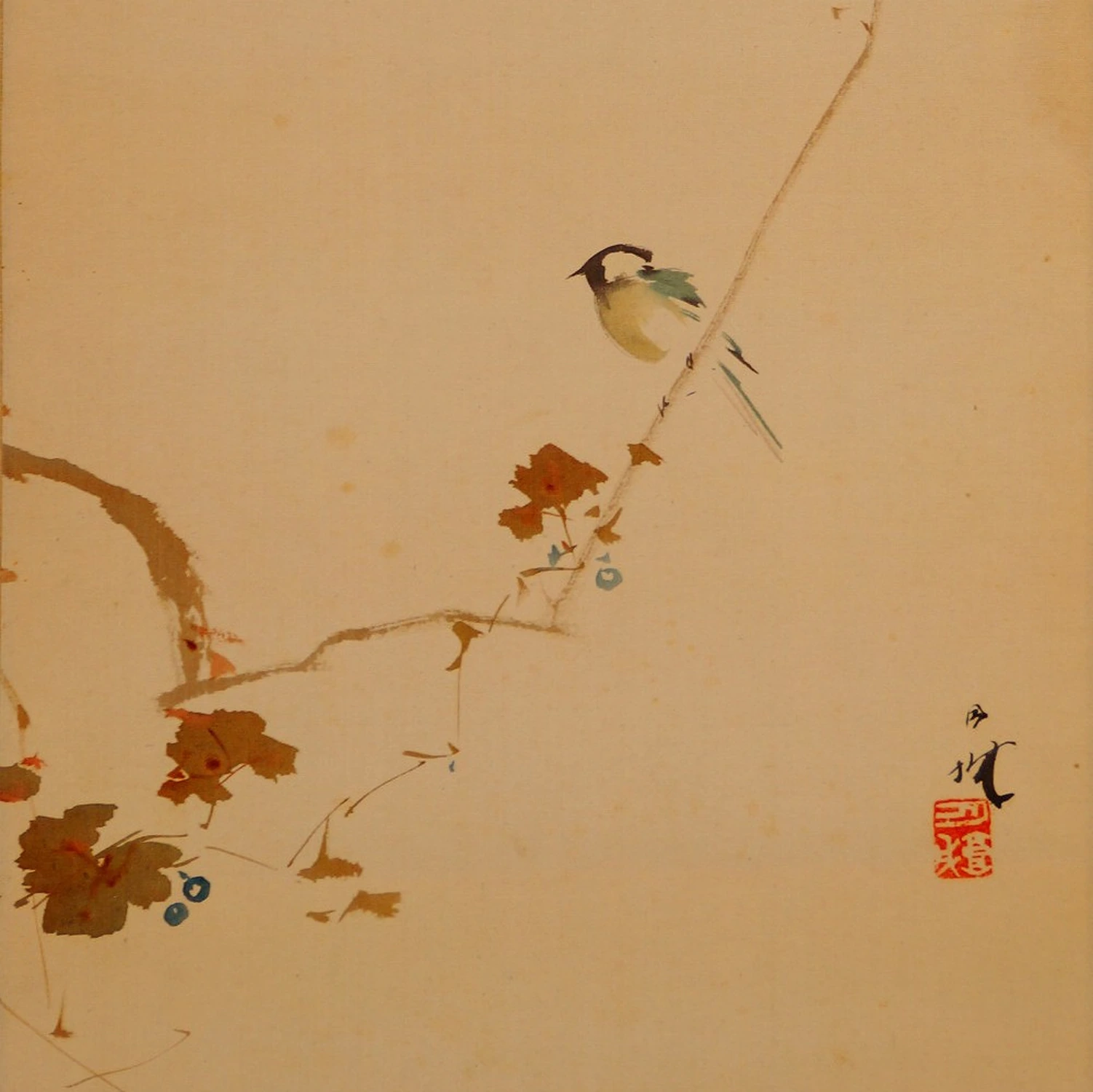
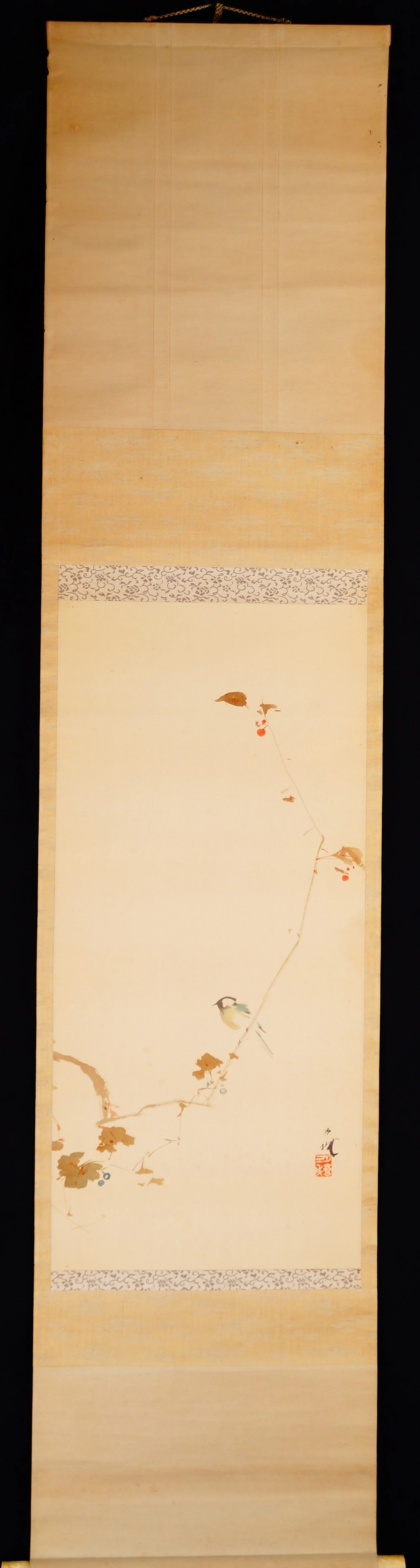
Mori Getsujō
Songbird on Grapevine
Kakemono, unique work, 142 x 37 cm
€1,420.00
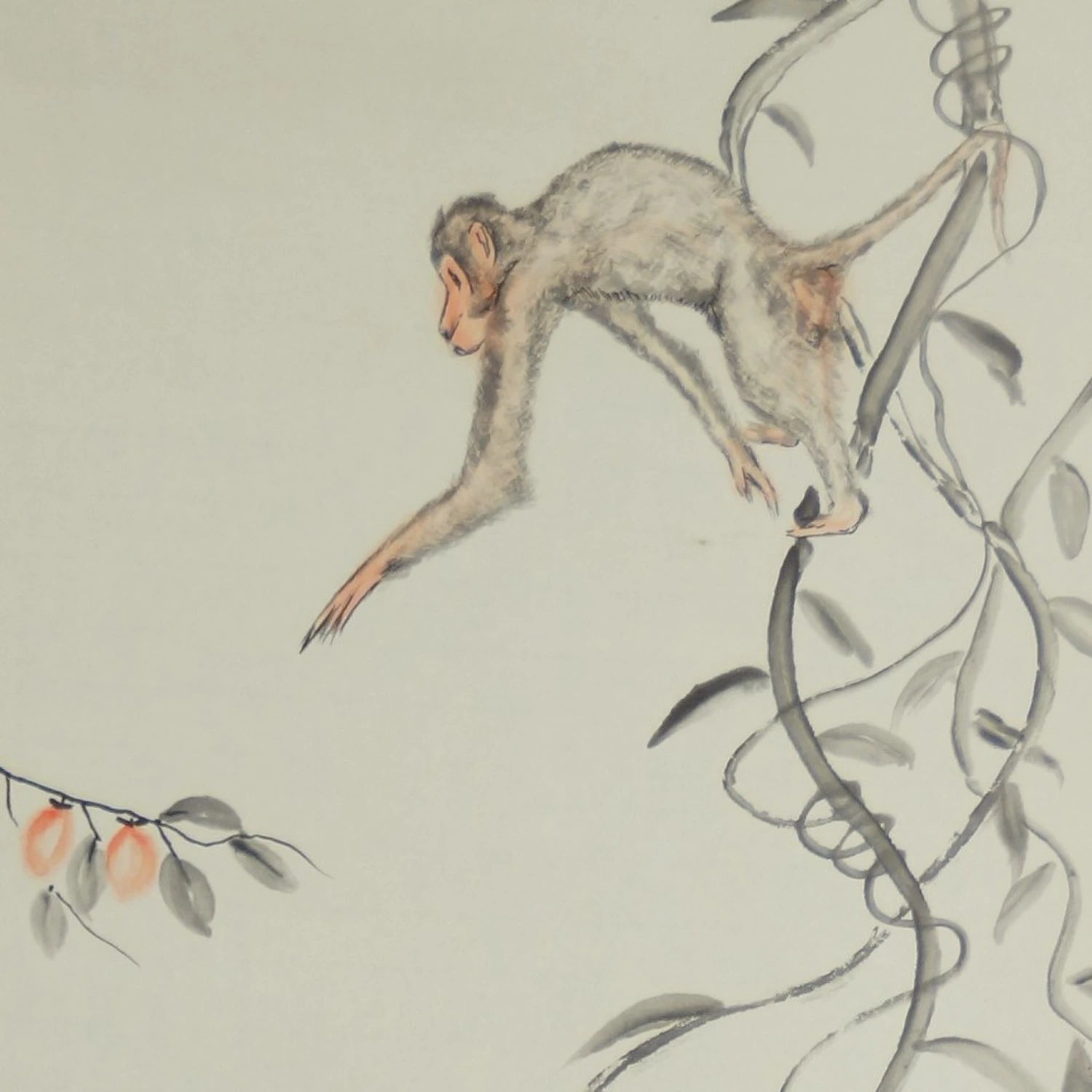
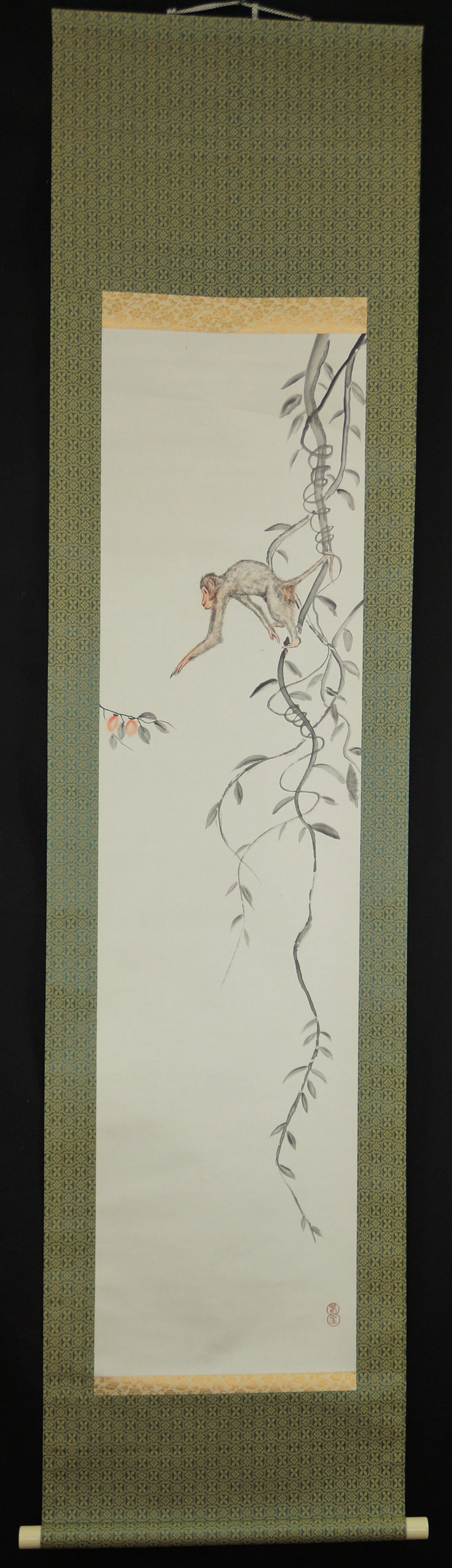
Shungai
Monkey Reaching for Persimmon Fruit
Kakemono, unique work, 195 x 53 cm
€360.00
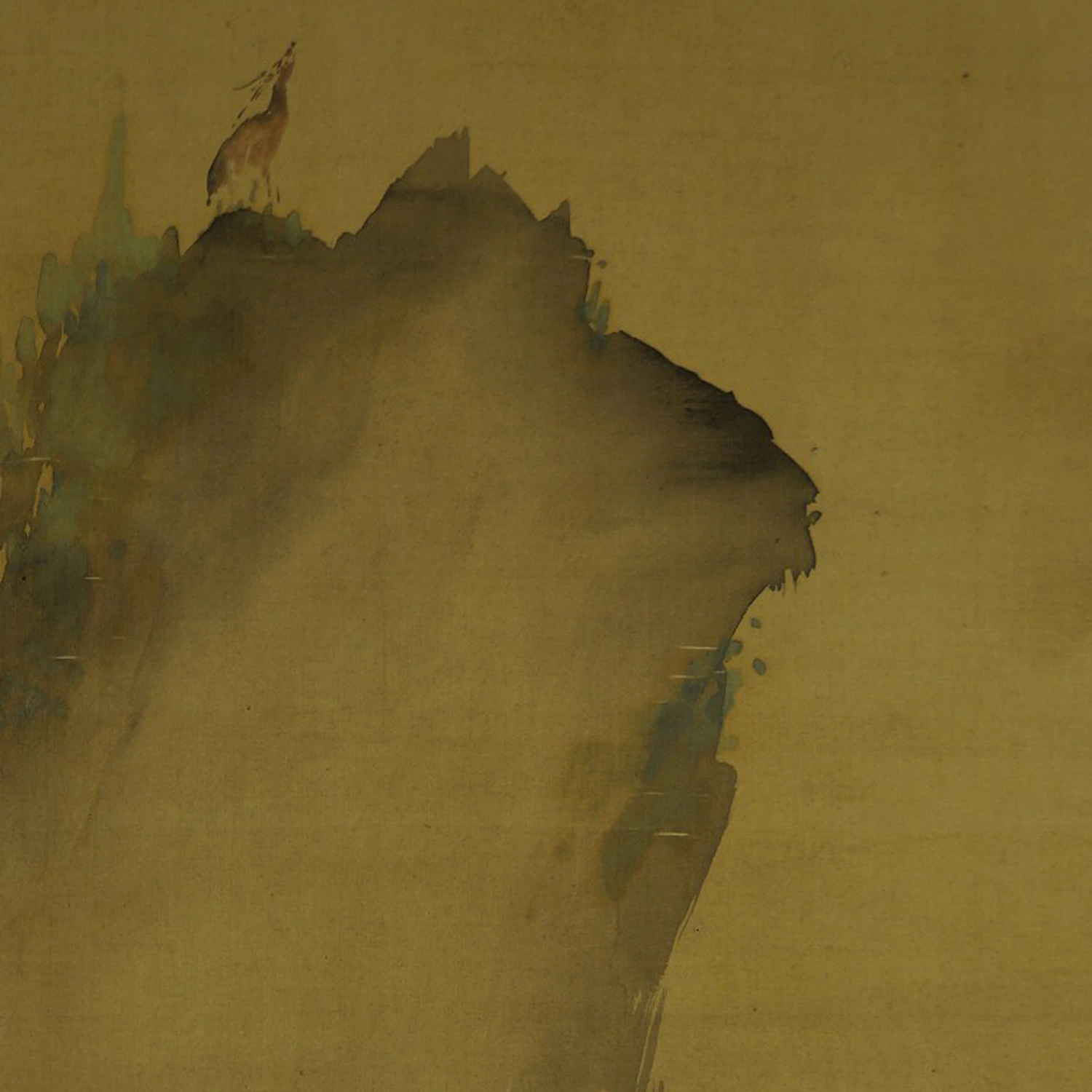
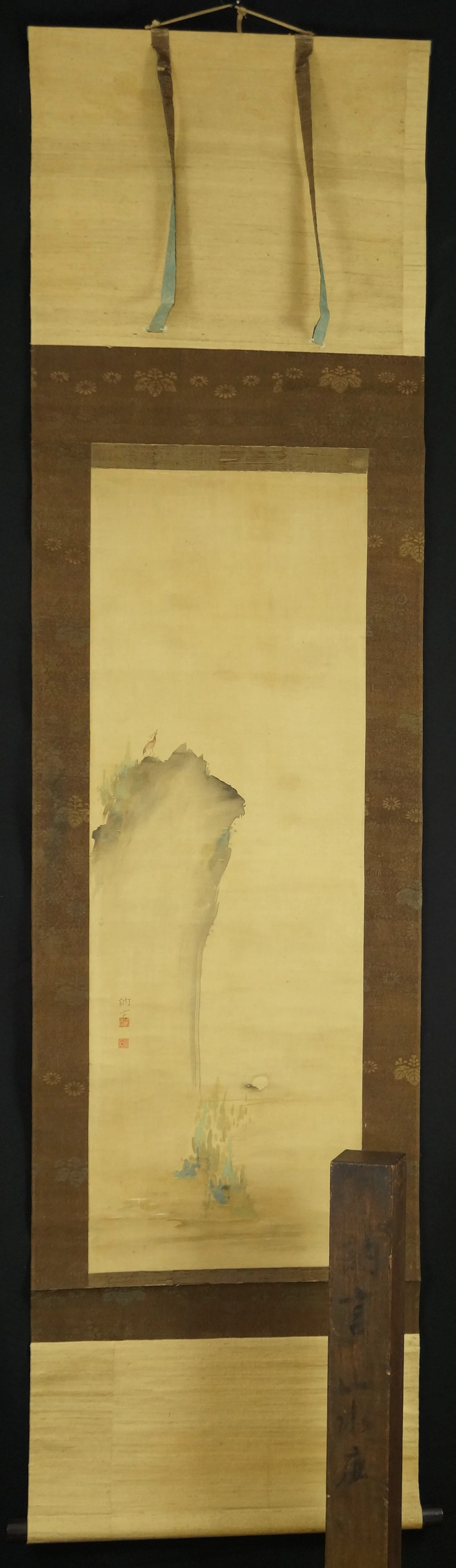
Tanaka Totsugen
Lone Deer in Moonlight
Kakemono, unique work, with box, 180 x 53 cm
€1,230.00
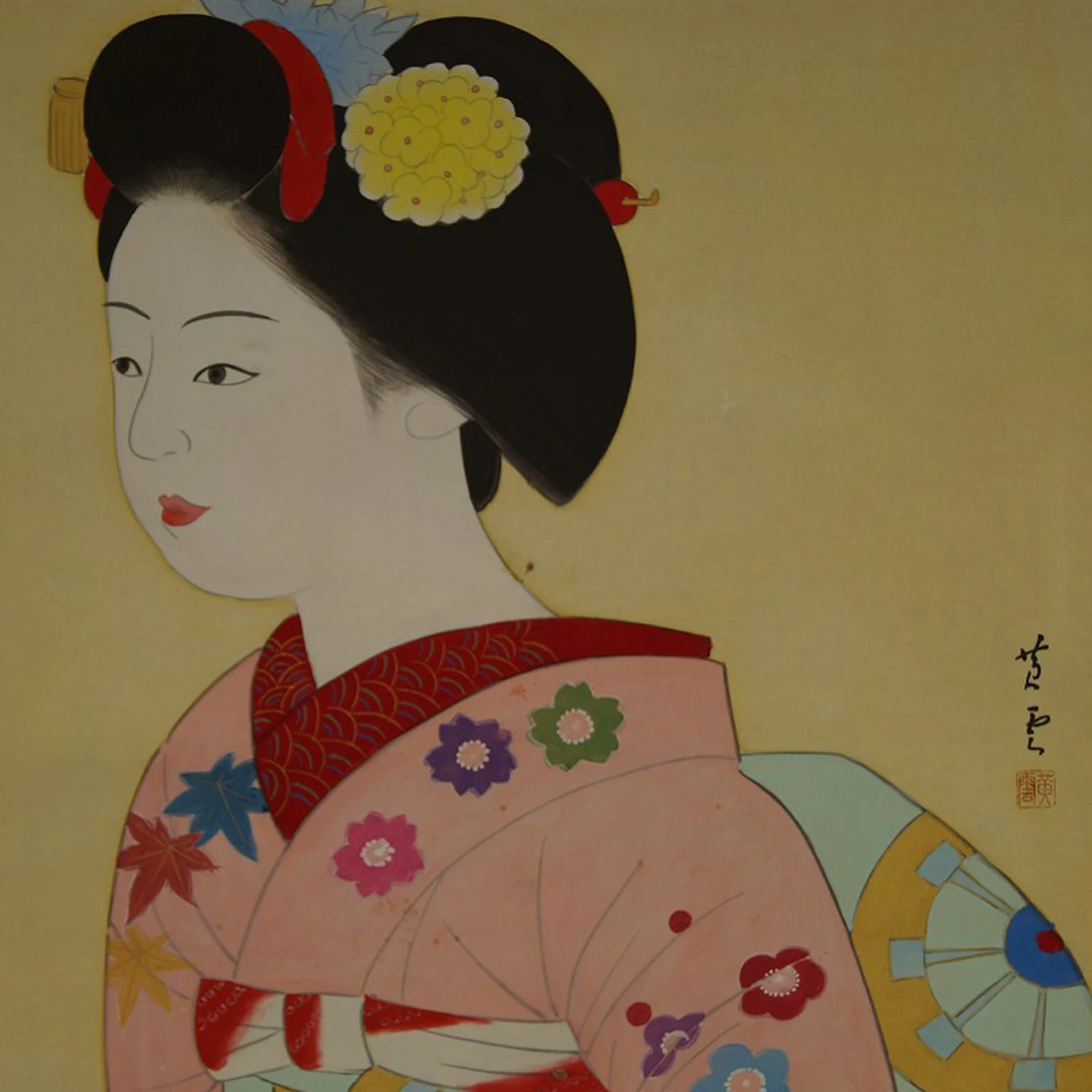
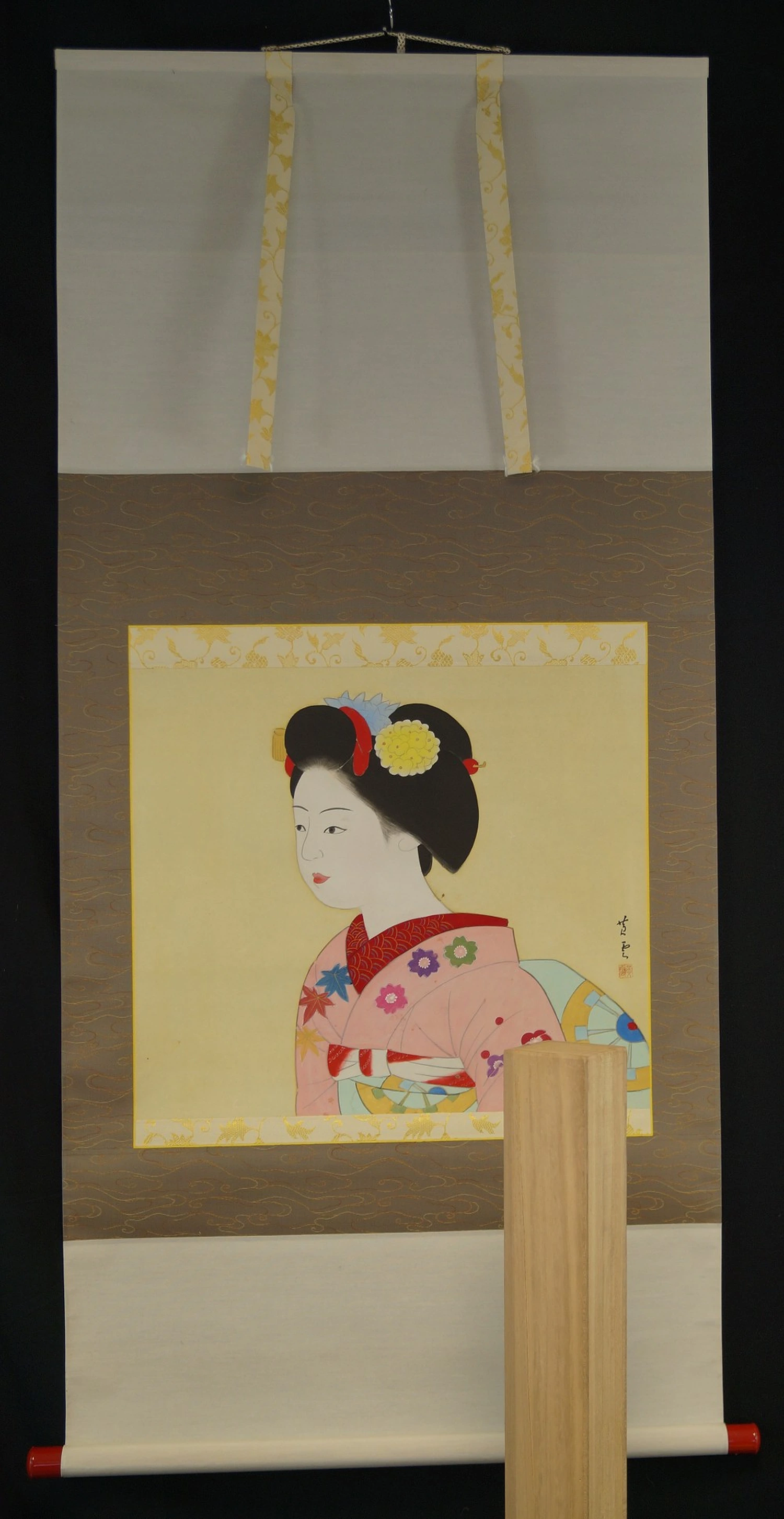
Beauty with Chrysanthemum Ornament in Her Hair
Kakemono, unique work, 136 x 70 cm
€160.00
Kubota Beisen
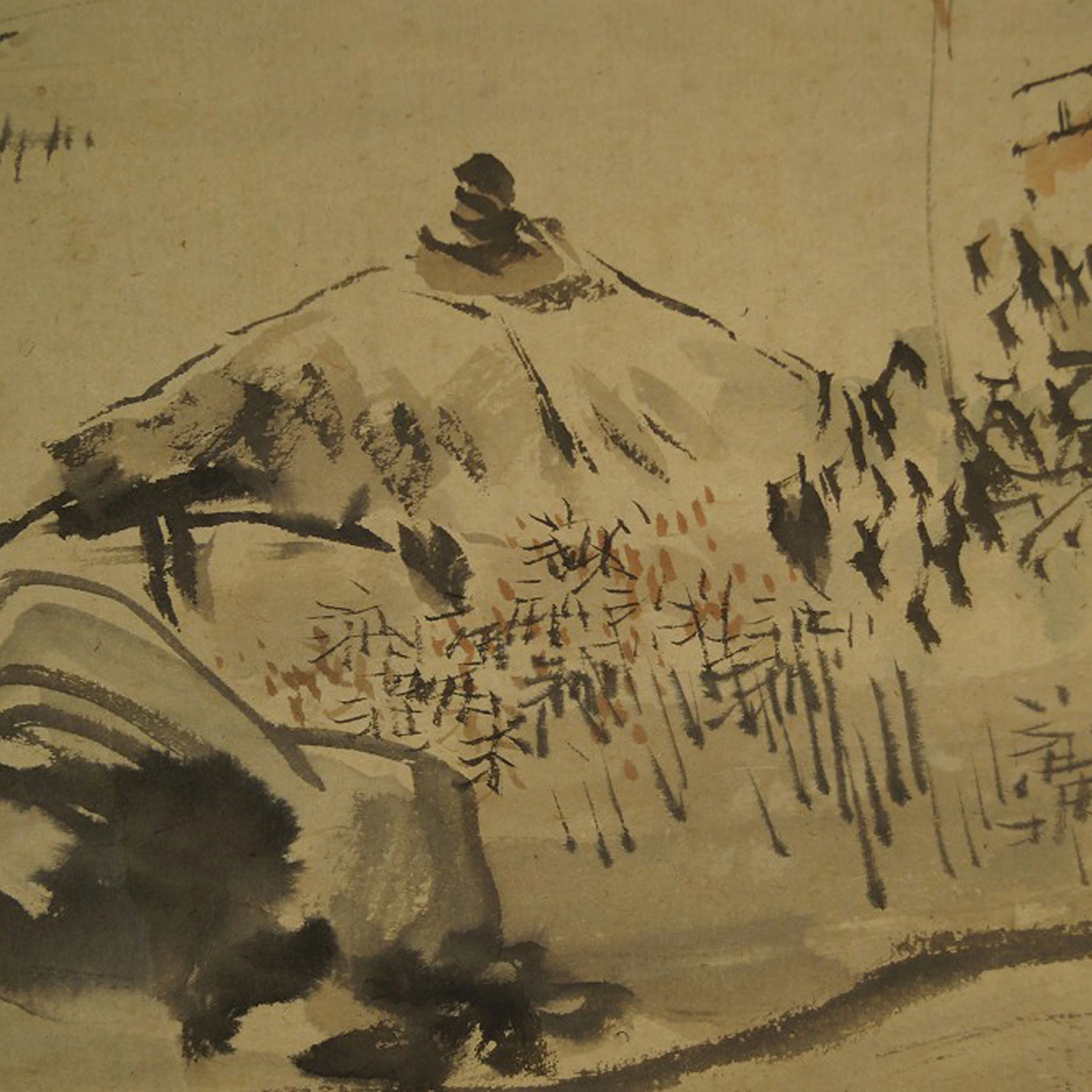
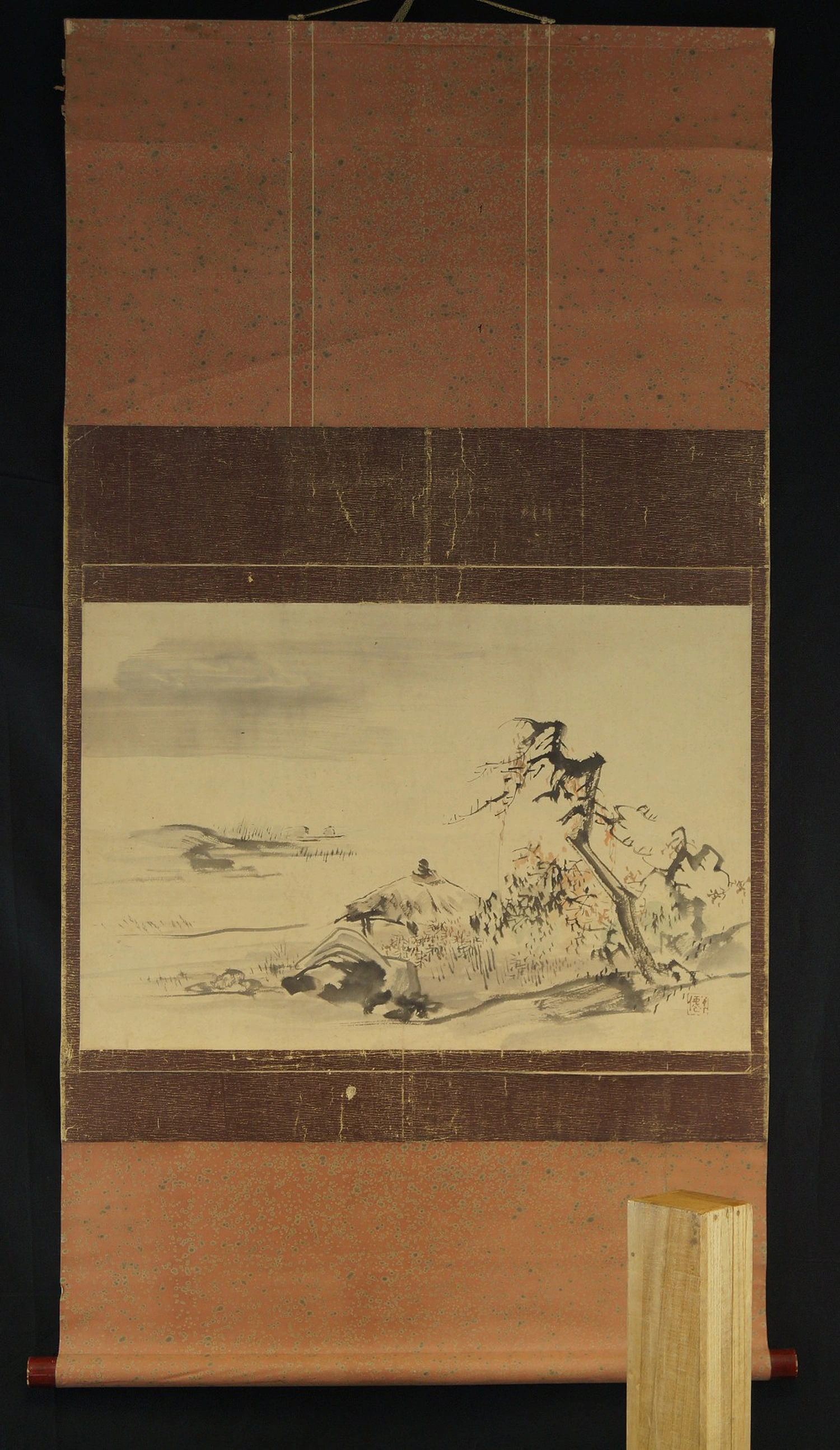
Mountain Landscape in Mist by Kubota Beisen
Kakemono, unique work, with box, 117 x 66 cm
€410.00
Mori Ippo
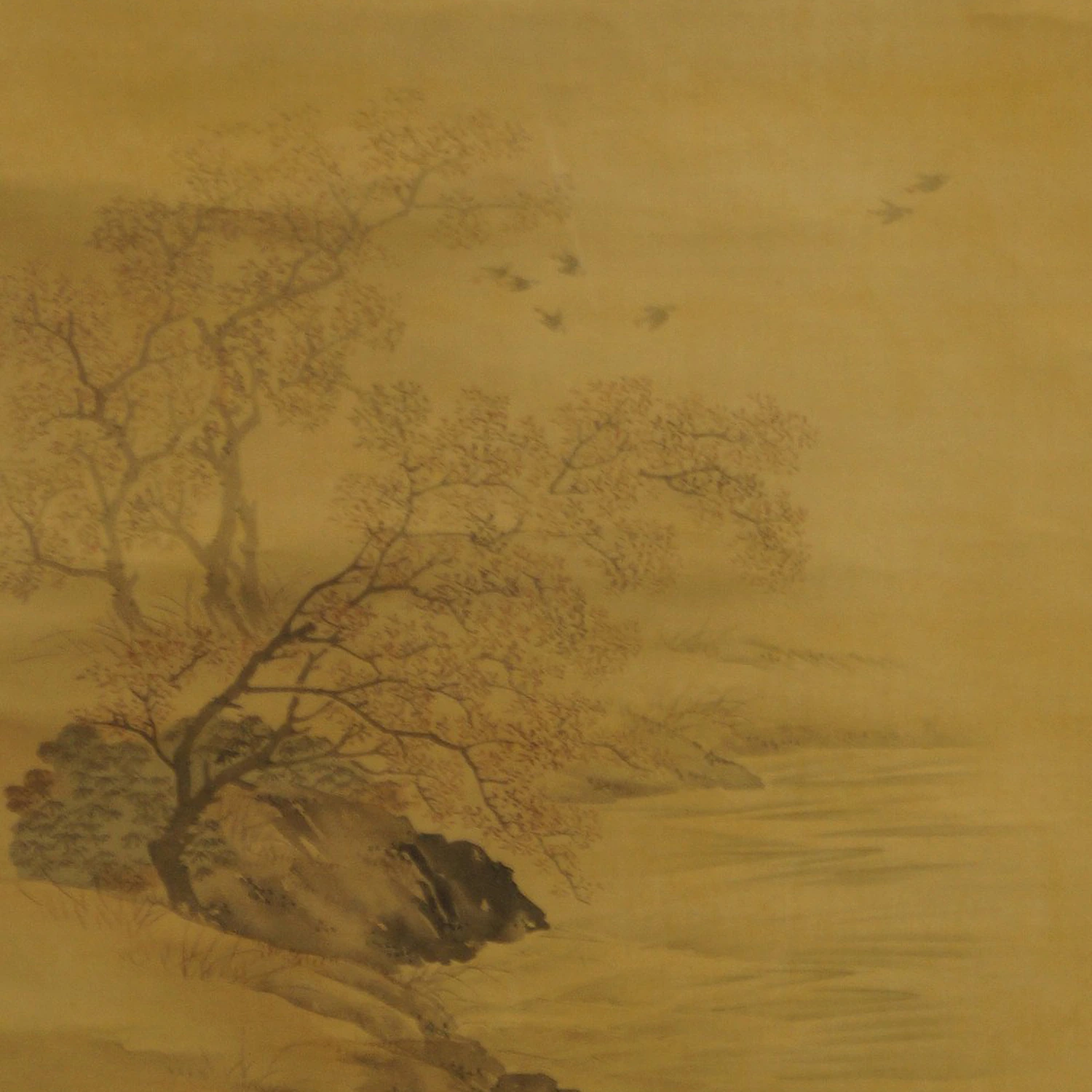
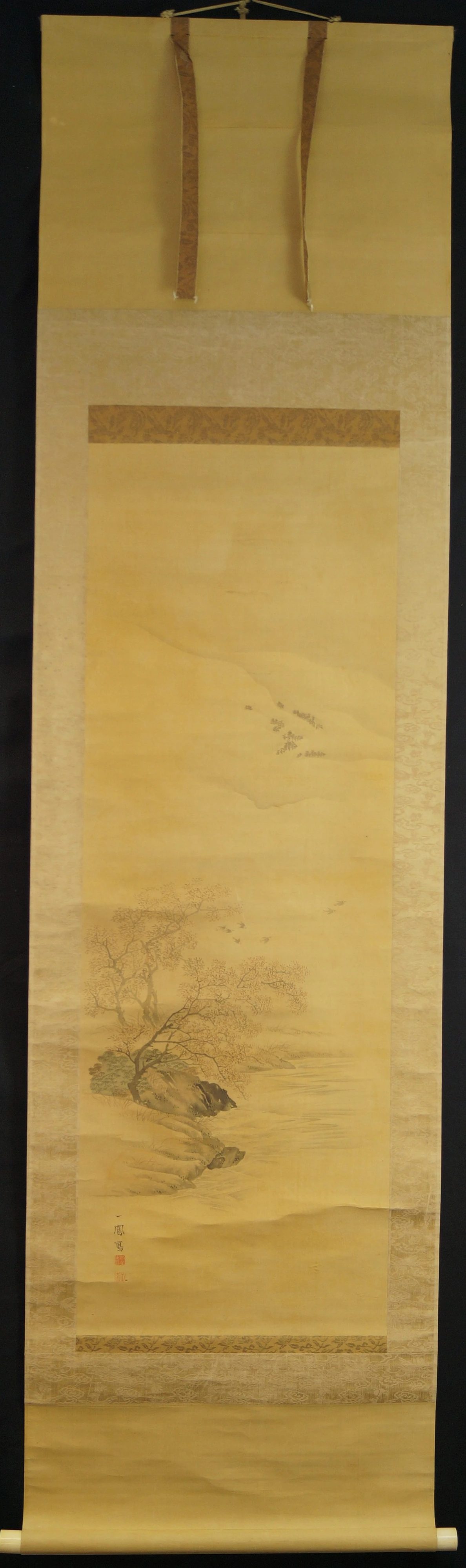
Autumn Tree by the Riverbank
Kakemono, unique work, 180 x 53 cm
€360.00
Mori Ippo
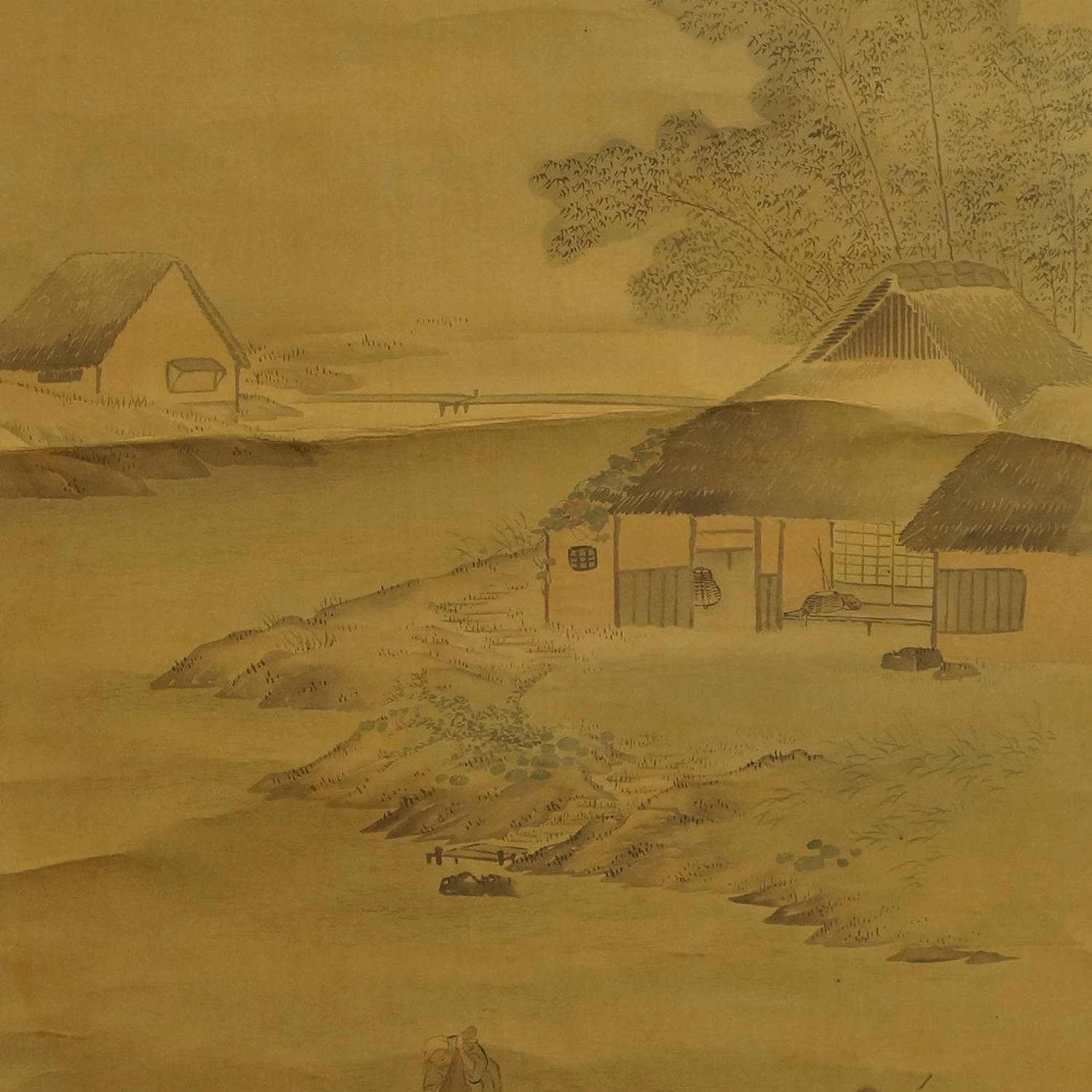
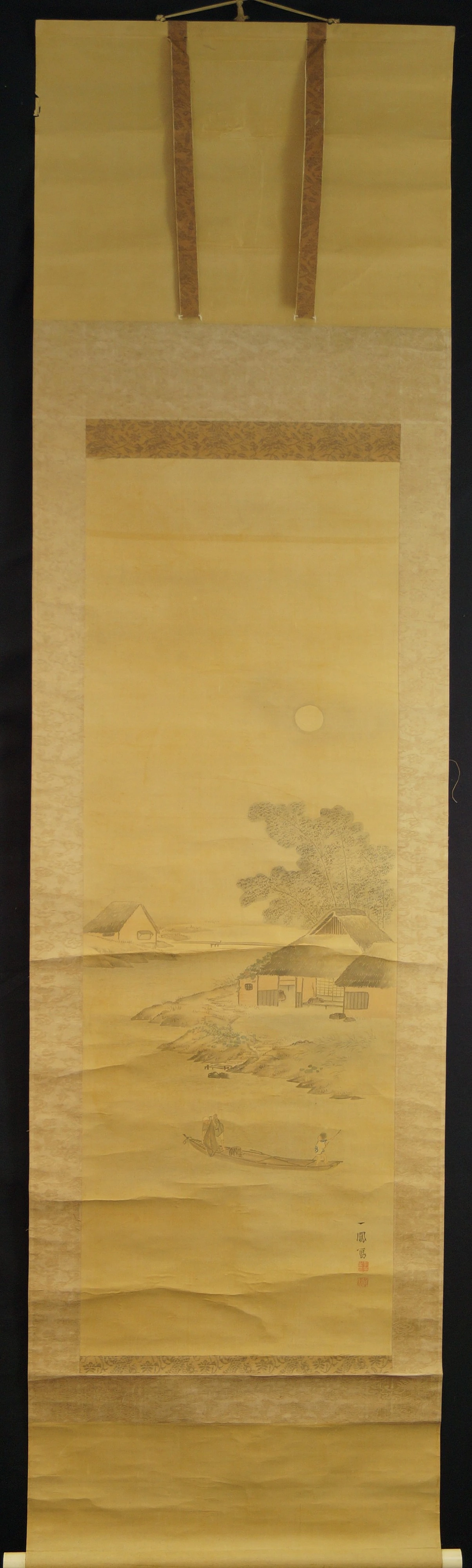
Fisherman's Huts in Moonlight
Kakemono, unique work, 180 x 53 cm
€290.00
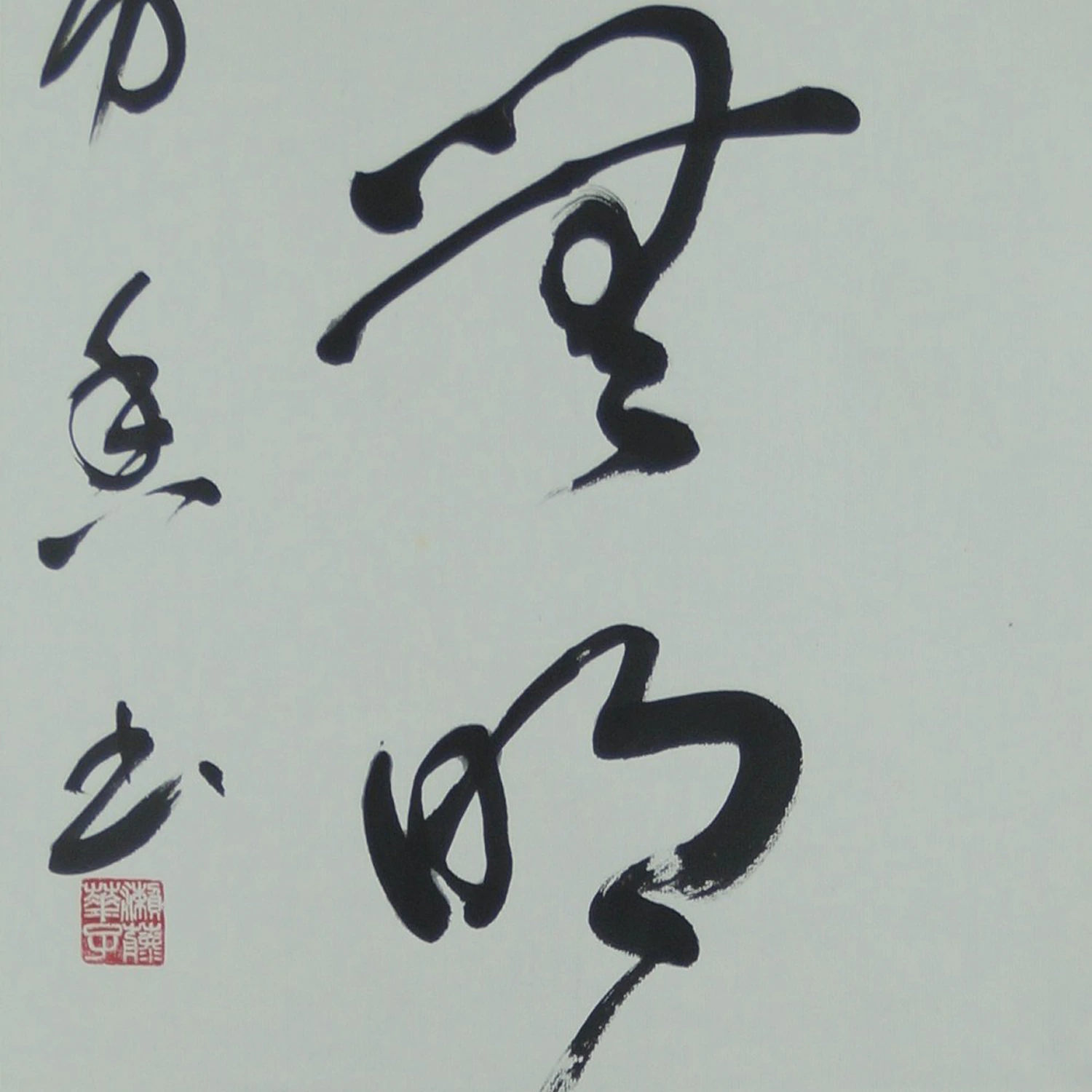
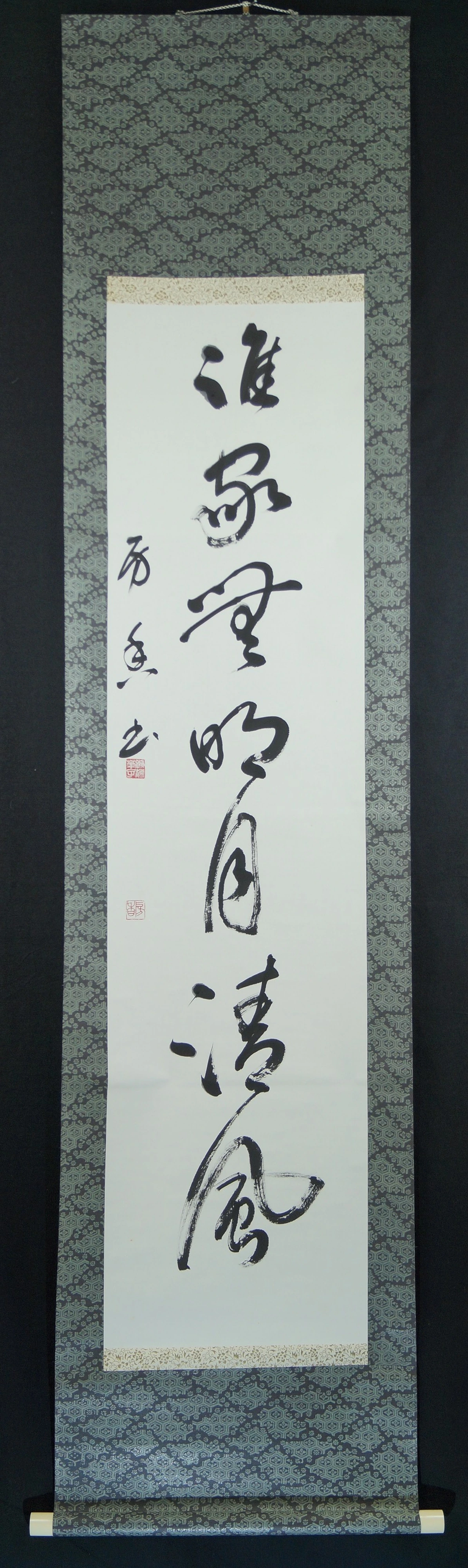
Calligraphy "Breeze in Moonlight"
Kakemono, unique work, 190 x 53 cm
€180.00
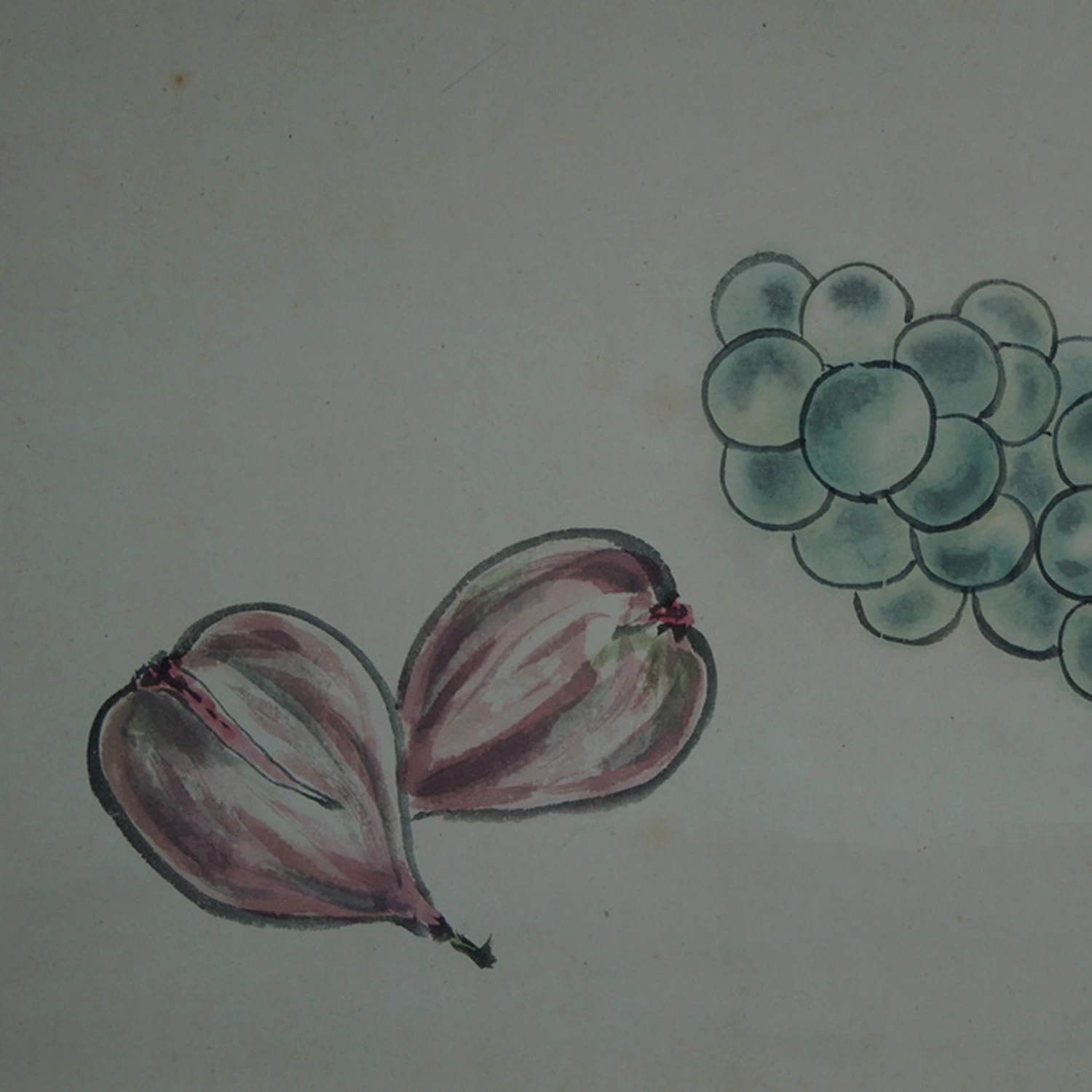
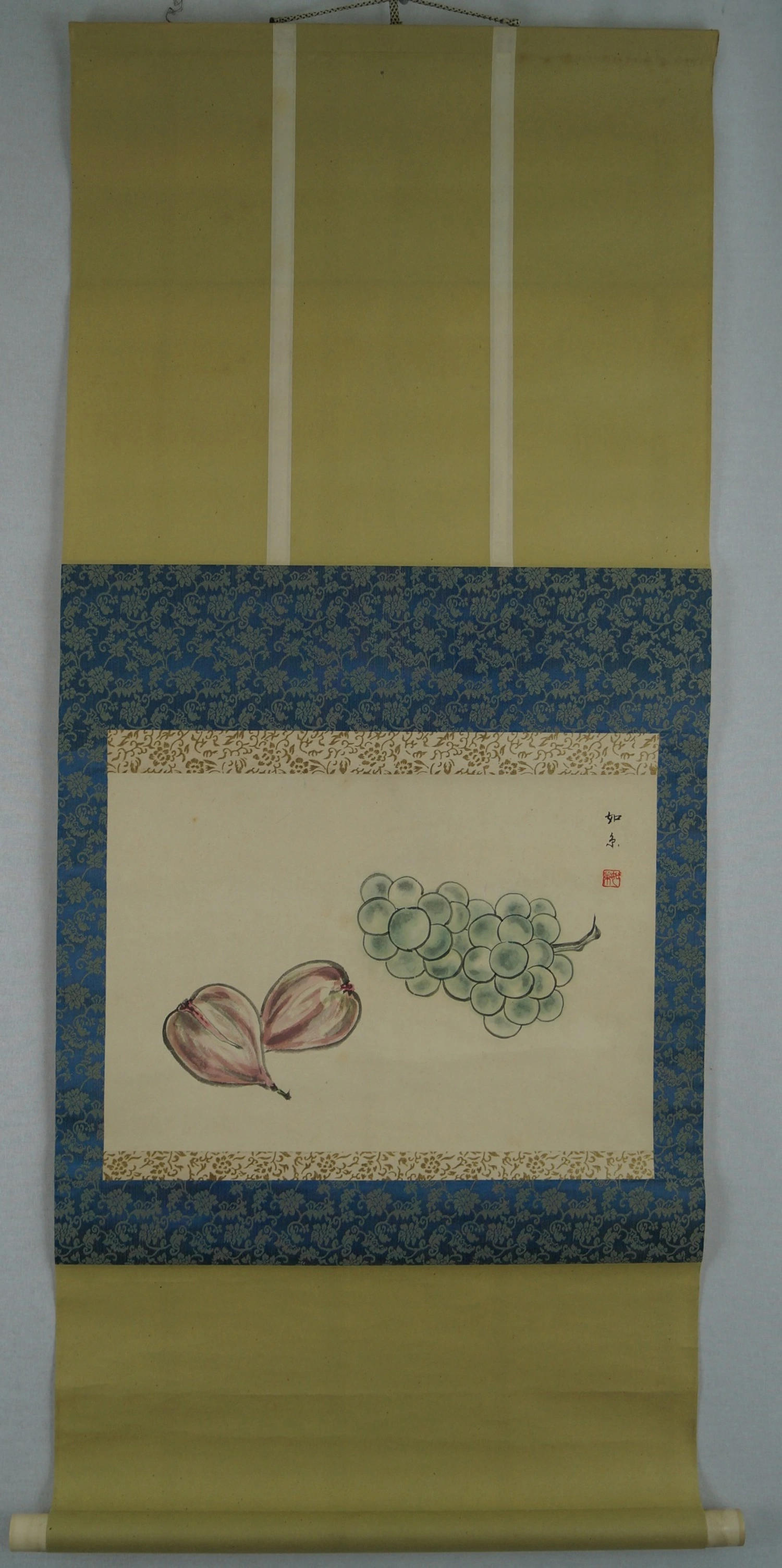
Figs and Grapes
Kakemono, unique work, 180 x 52 cm
€80.00
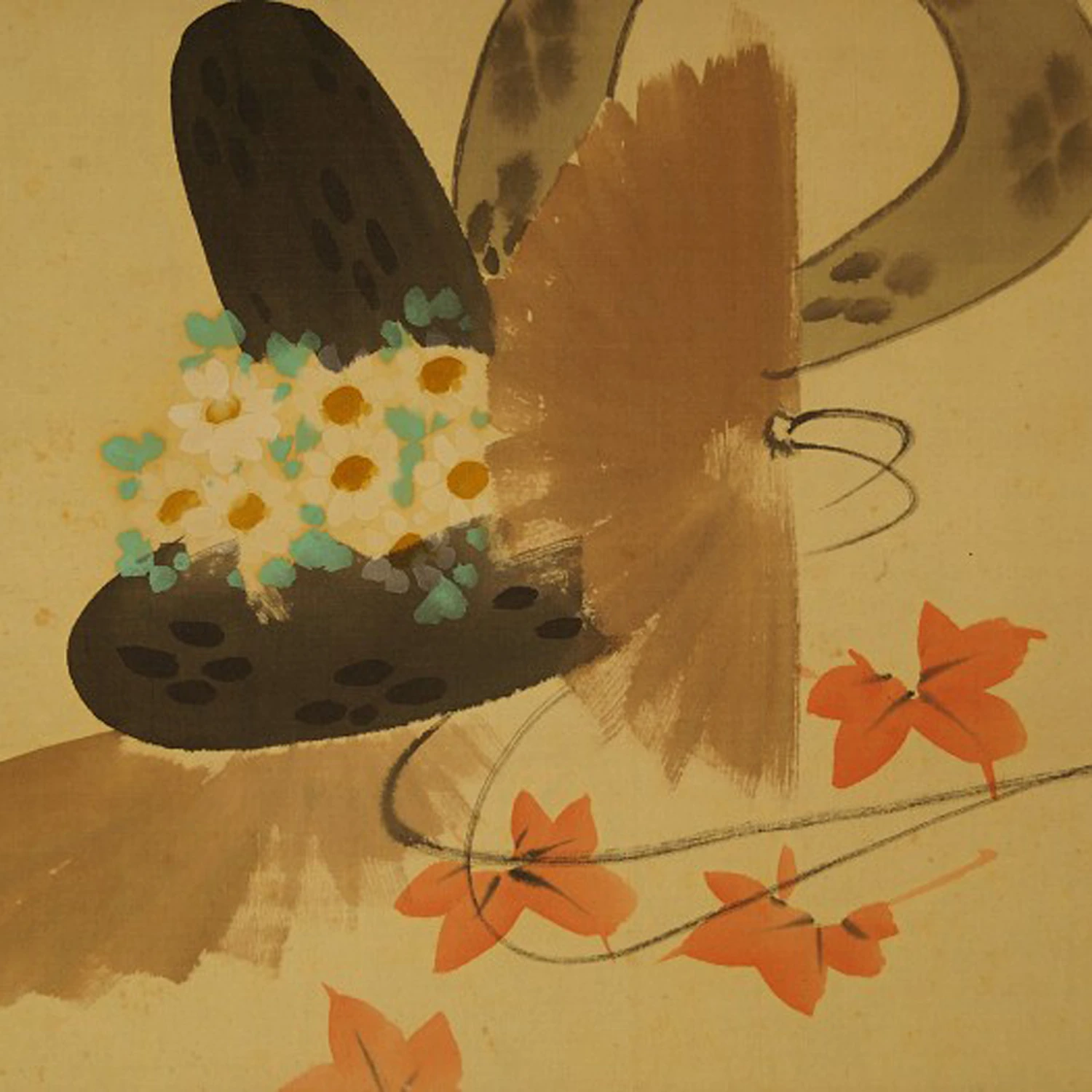
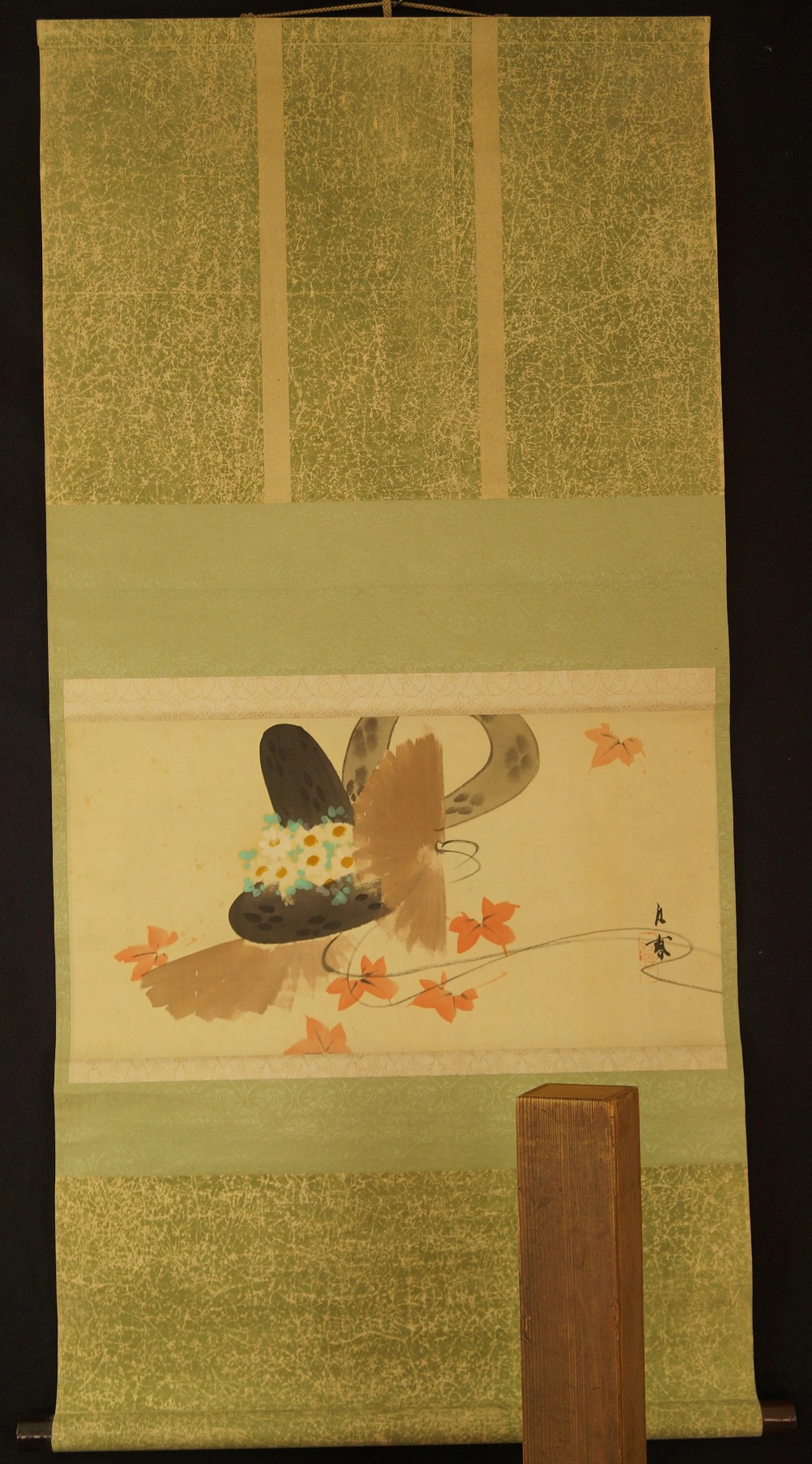
Flowers and Autumn Leaves
Kakemono, unique work, with box, 115 x 62 cm
€240.00
Tanaka Koga
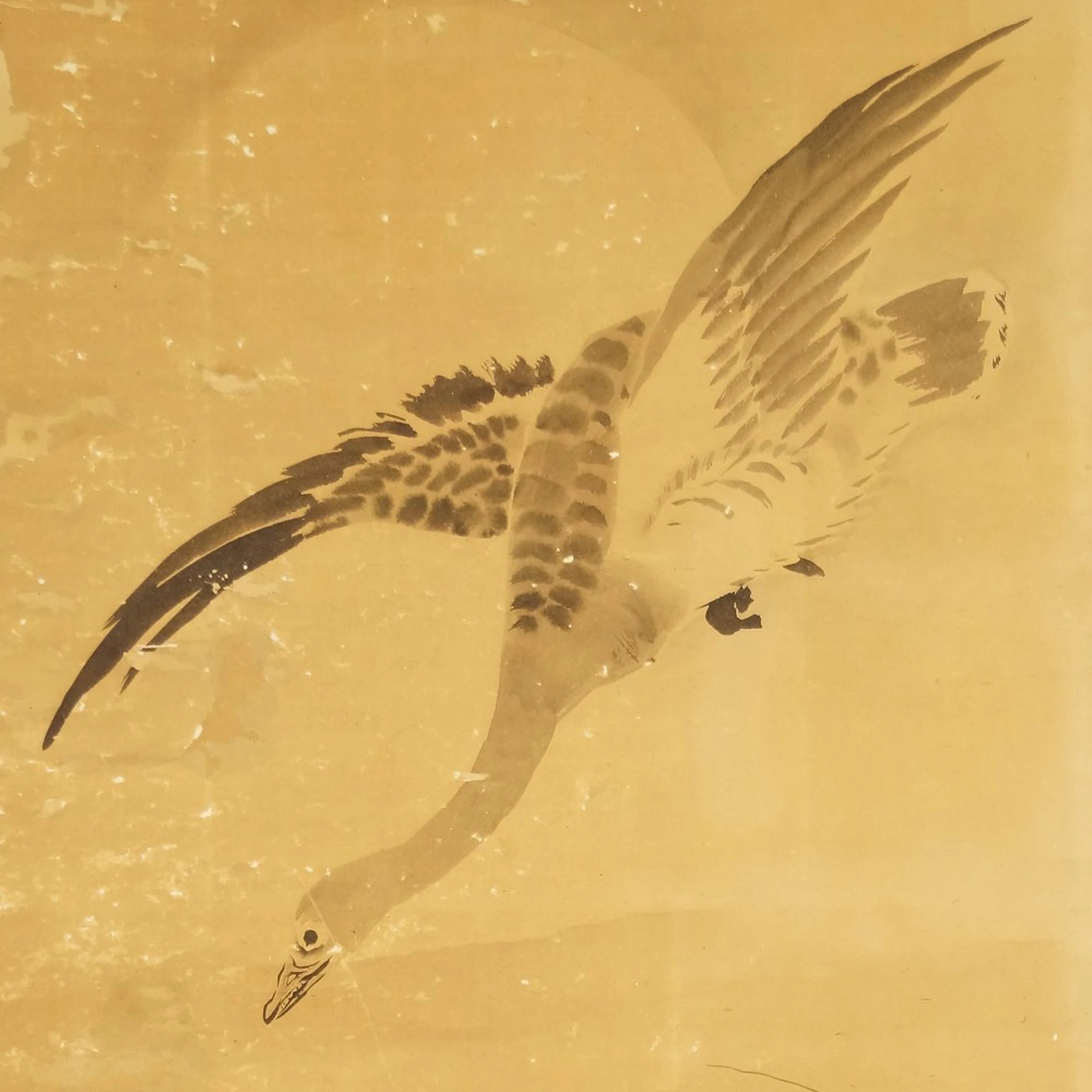
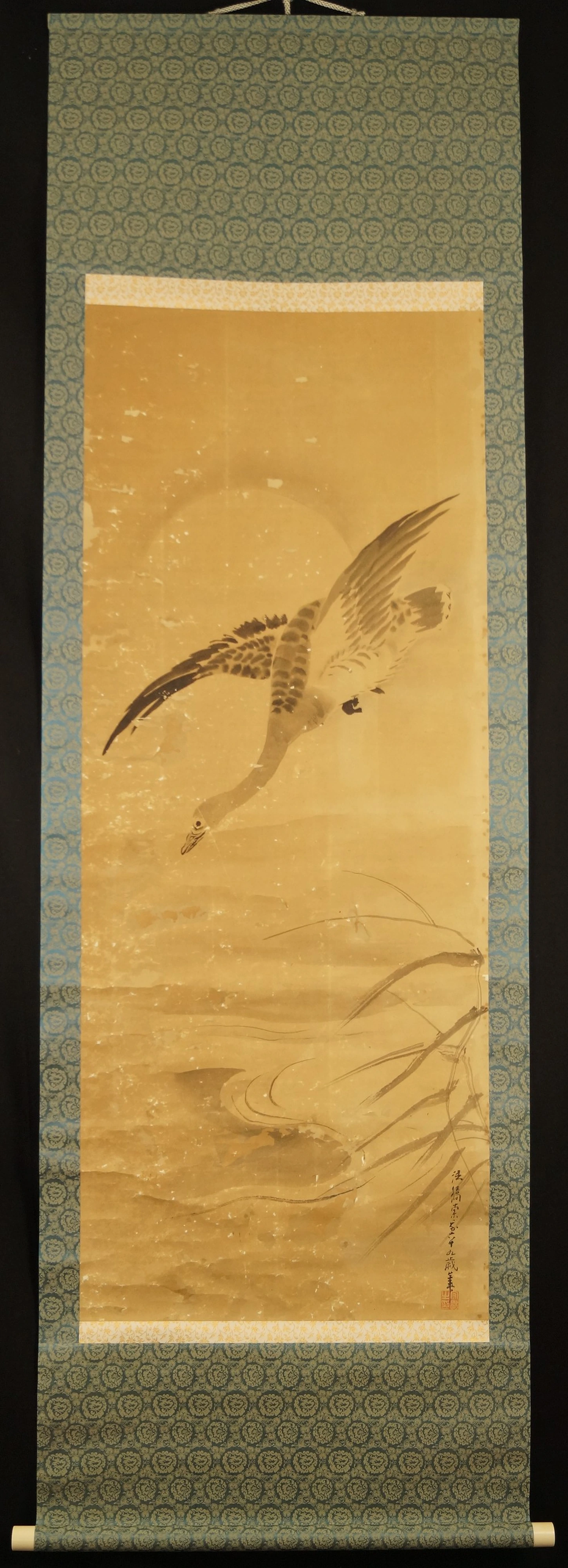
Wild Goose in Moonlight
Kakemono, unique work, 185 x 64 cm
€290.00
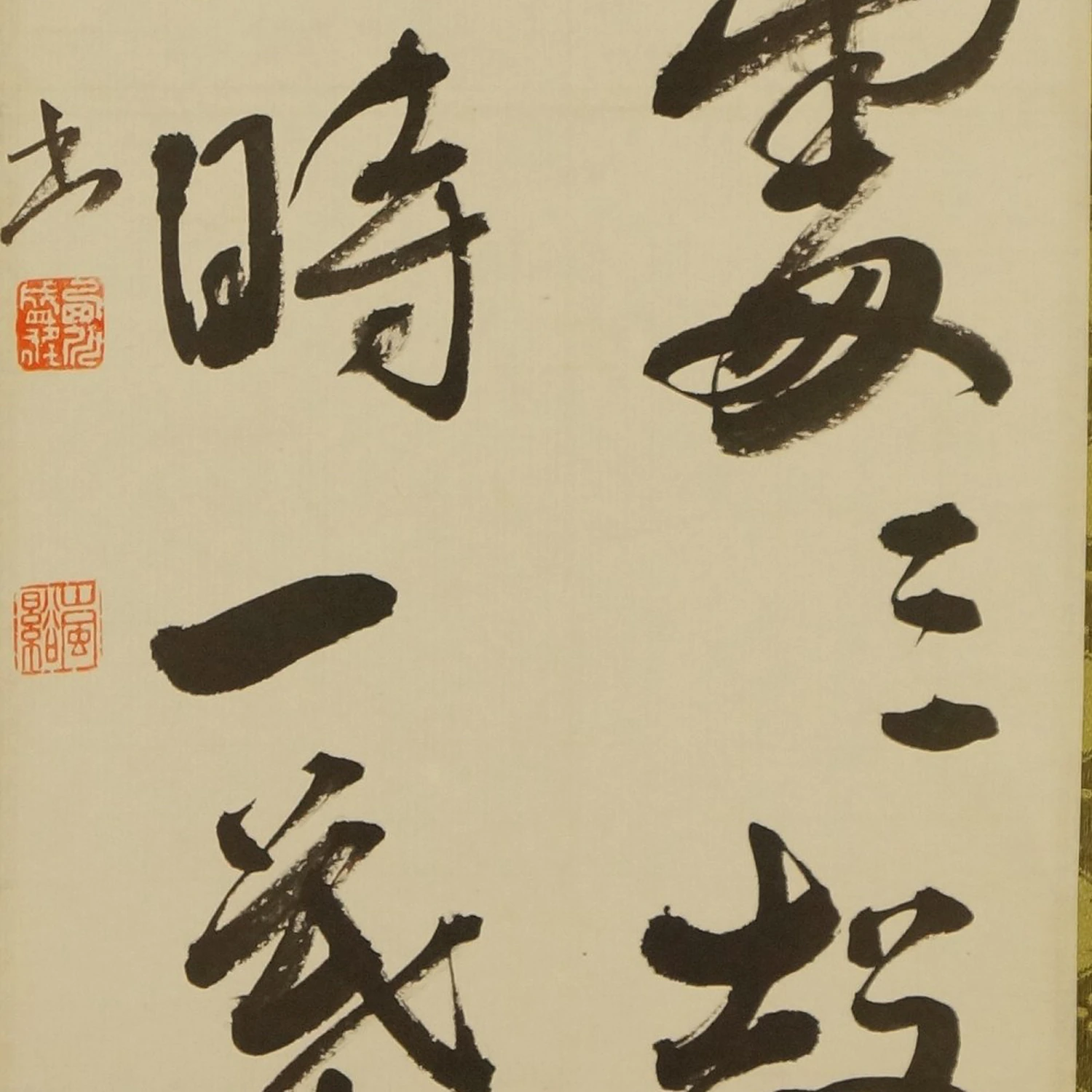
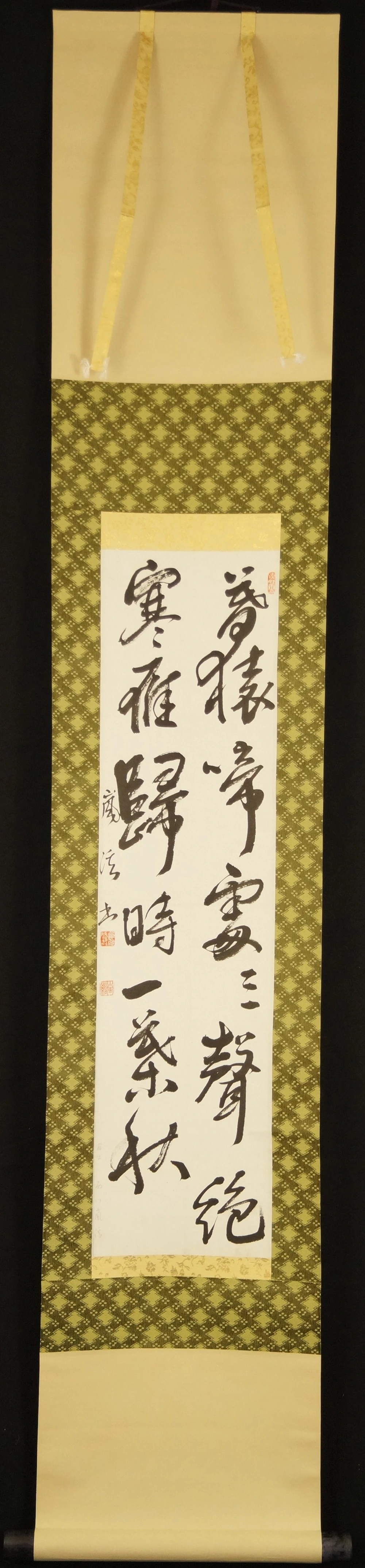
Calligraphy: Monkey's Cry and Wild Geese
Kakemono, unique work, 145 x 34 cm
€180.00
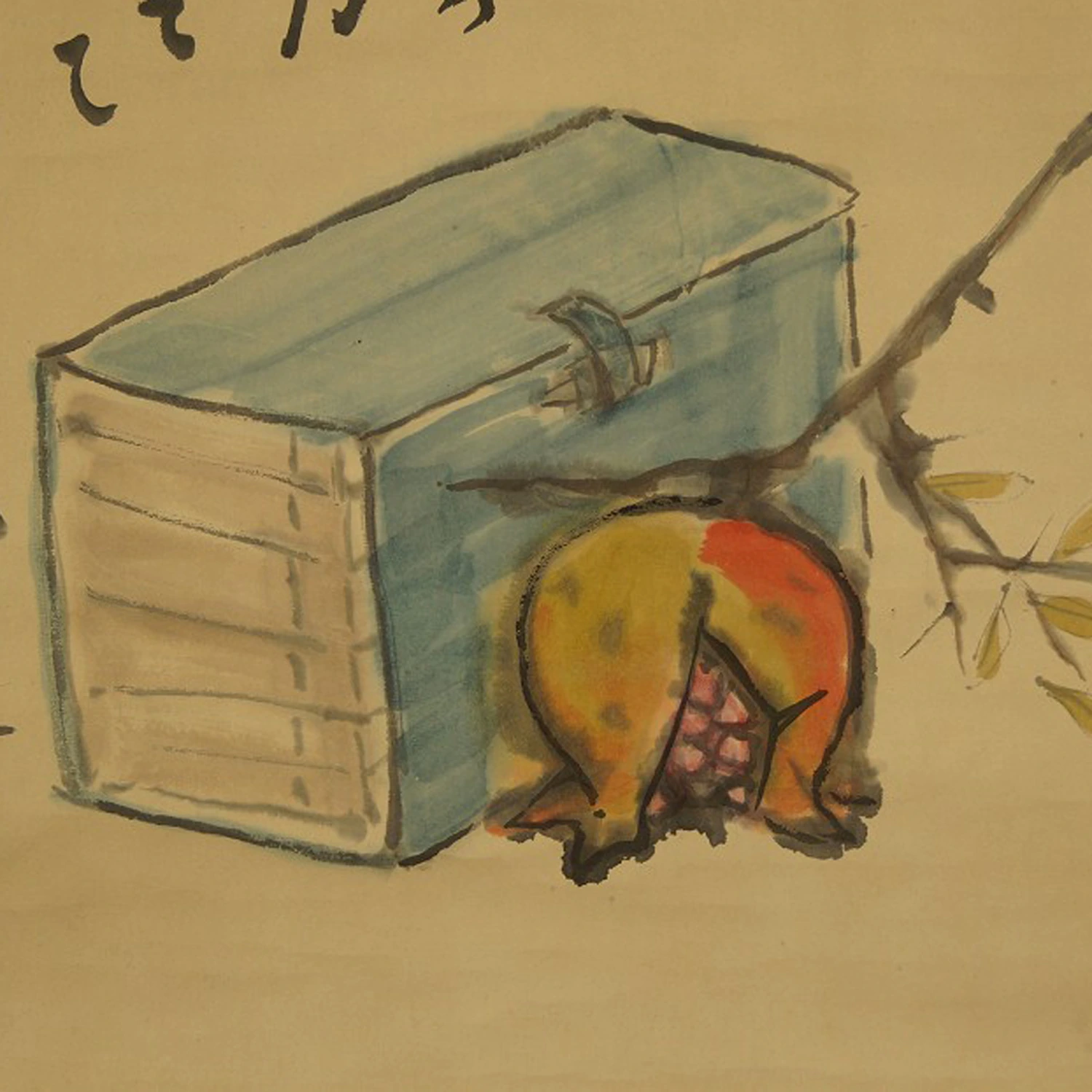
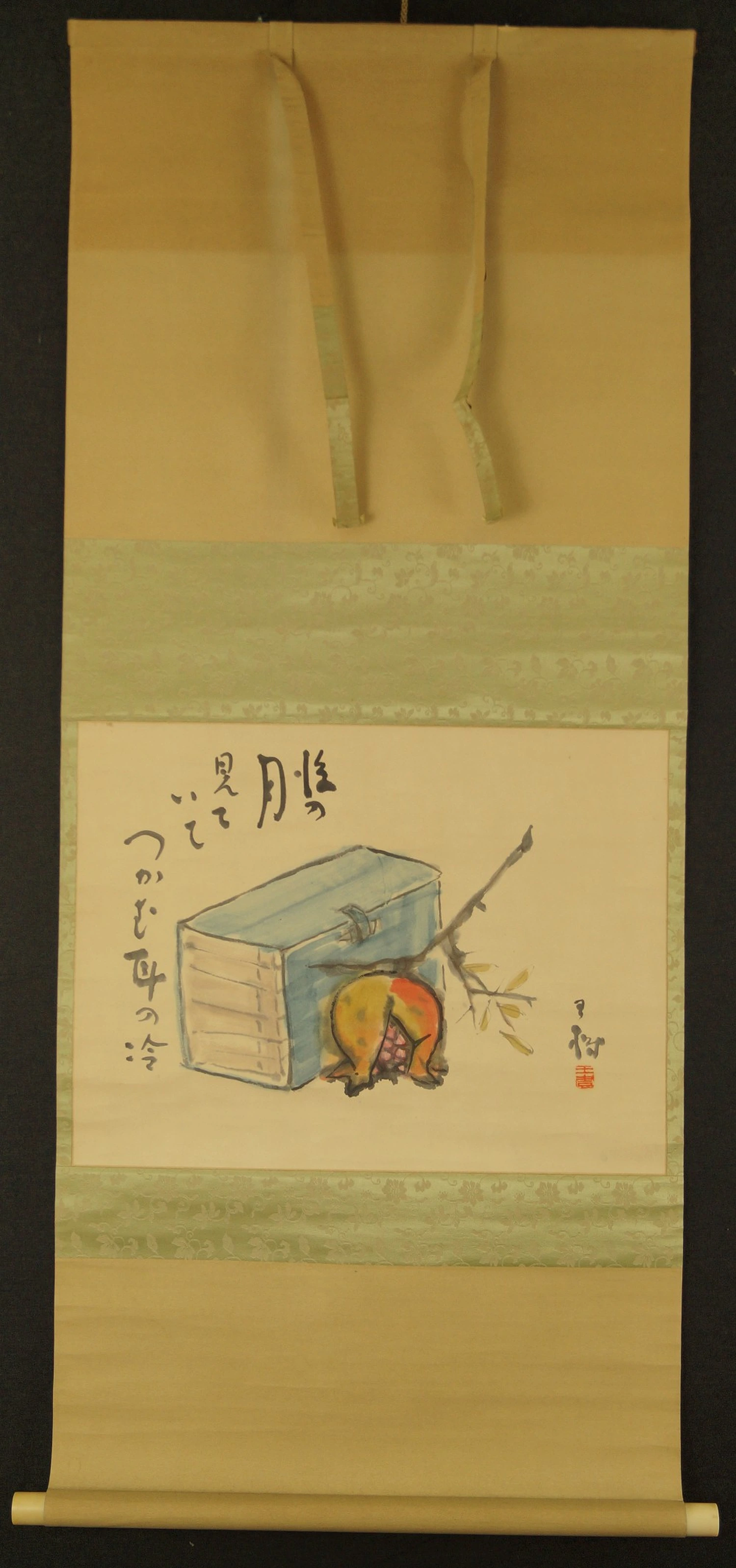
Pomegranate
Kakemono, unique work, 113 x 53 cm
€105.00
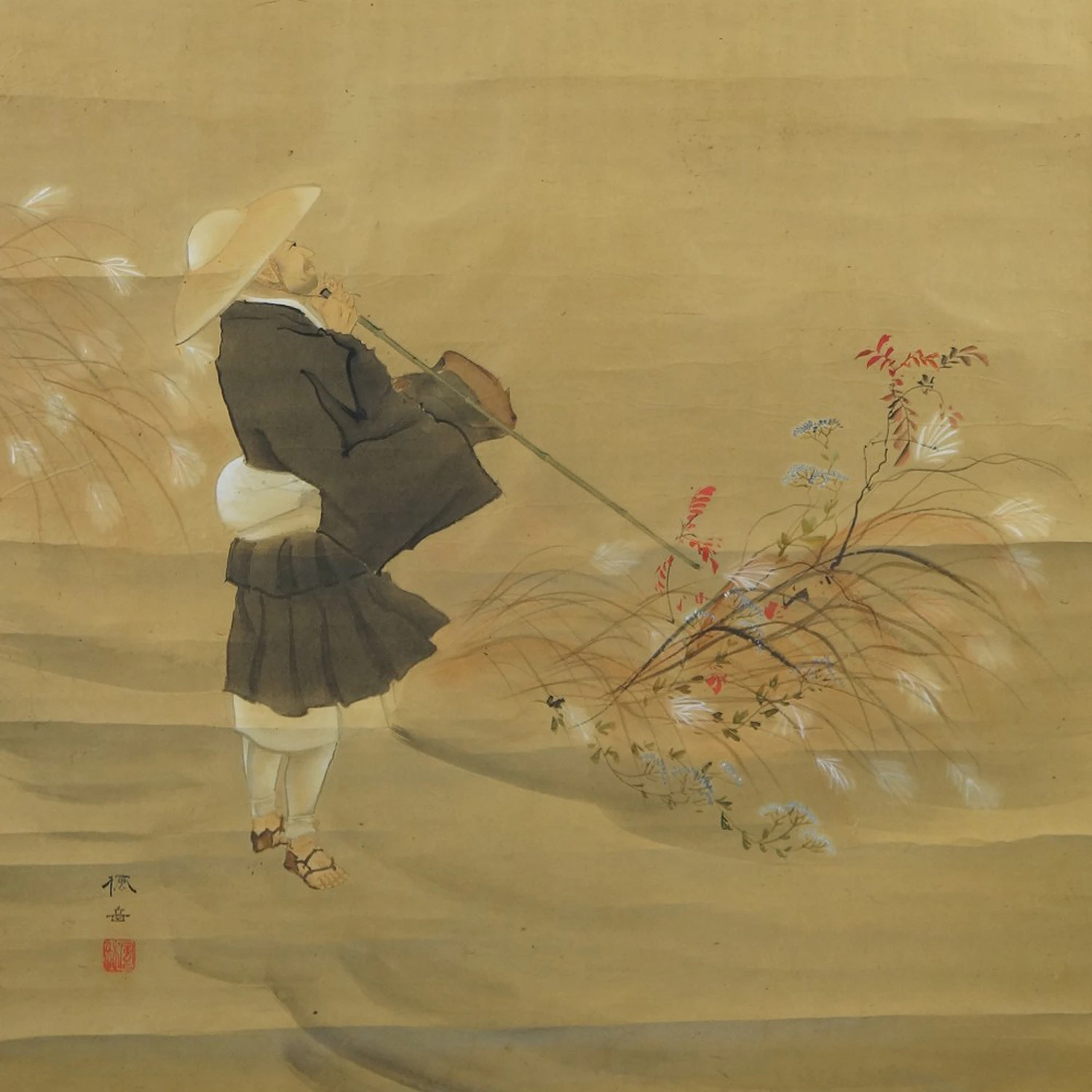
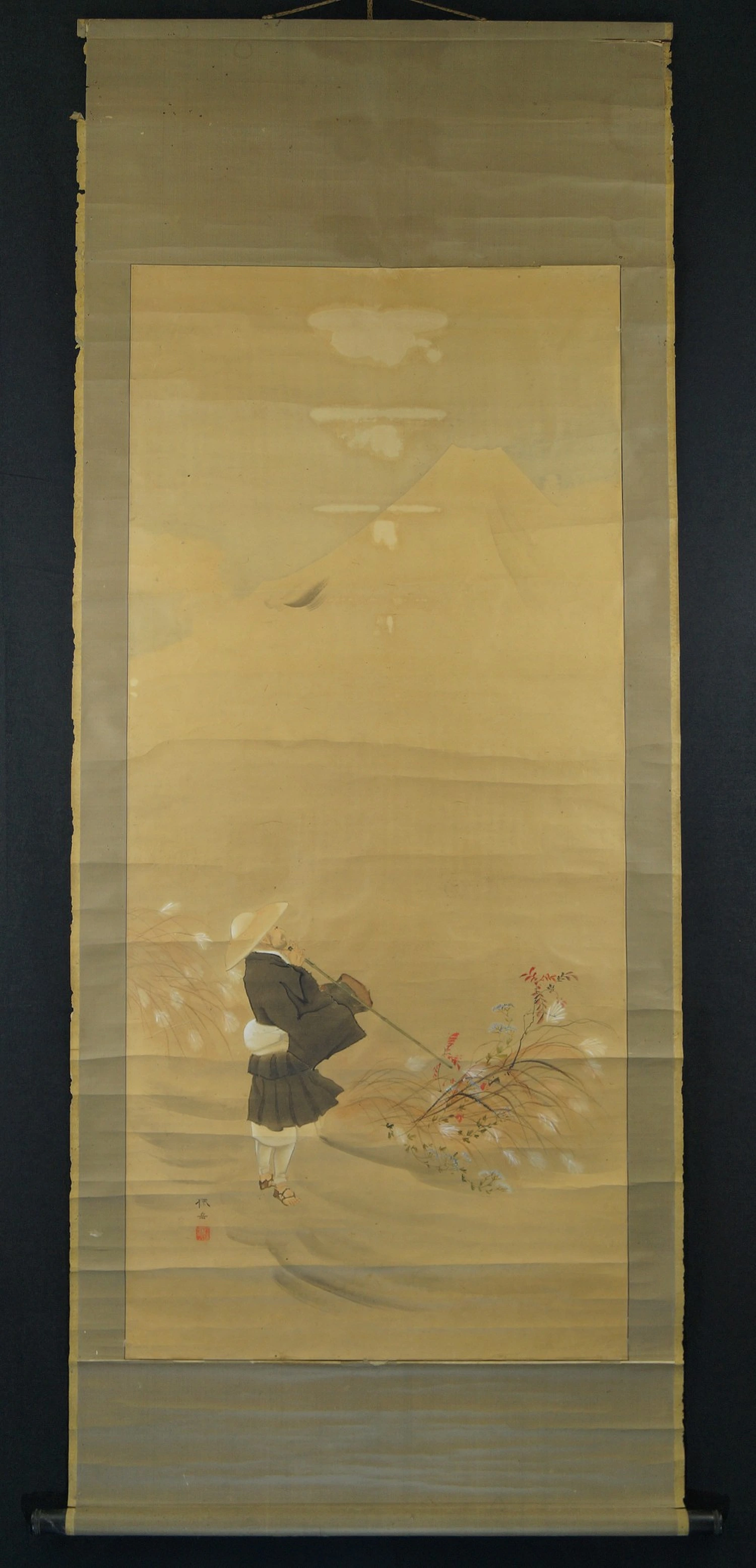
Monk and Mount Fuji
Kakemono, unique work, 188 x 81 cm
€200.00
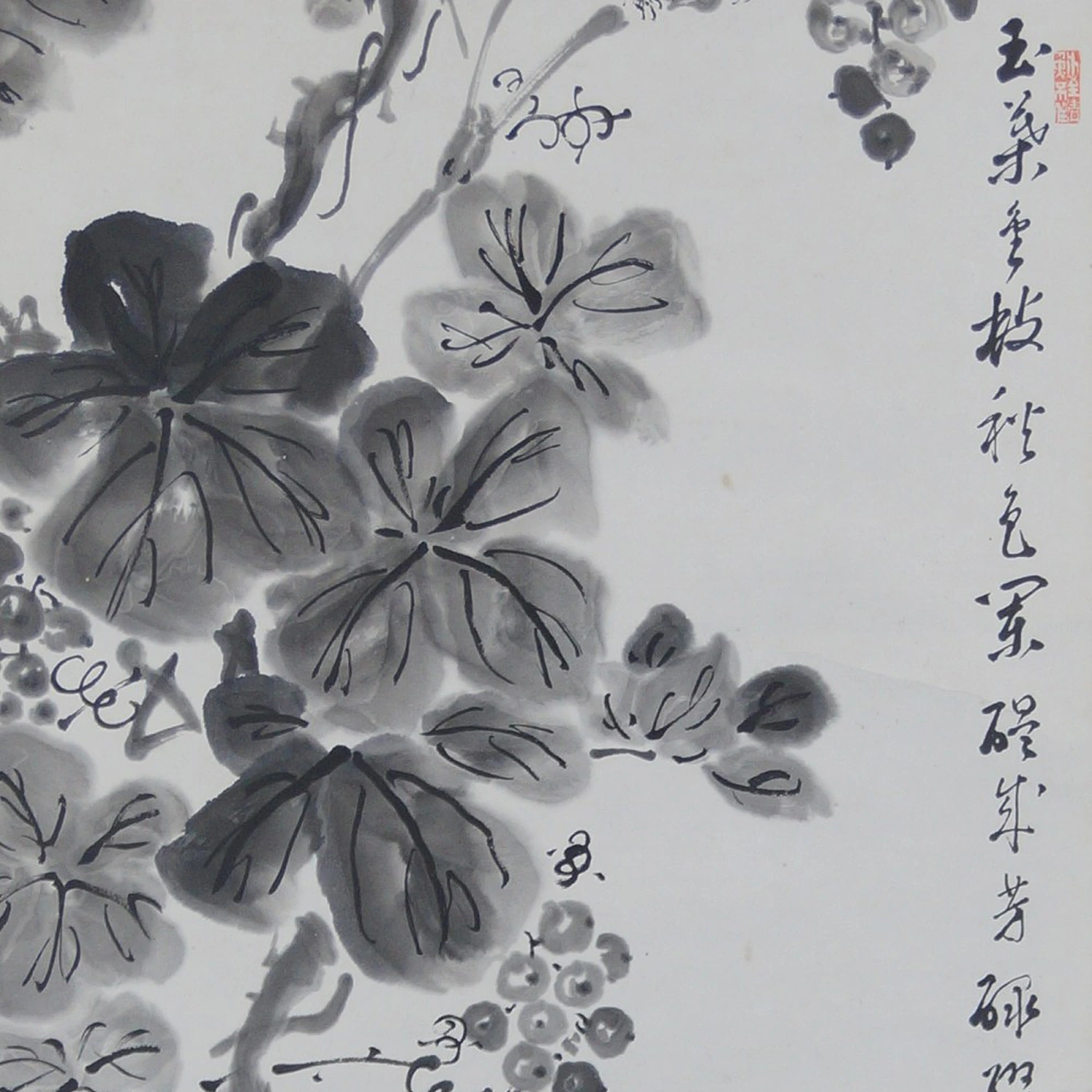
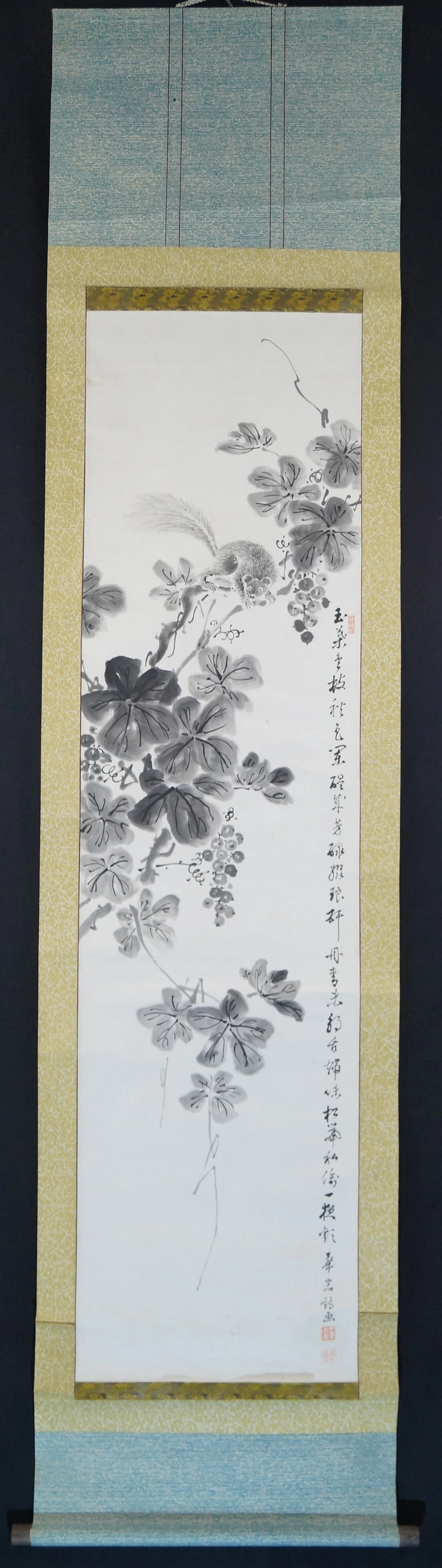
Squirrel in Grapevine Leaves
Kakemono, unique work, 186 x 48 cm
€190.00
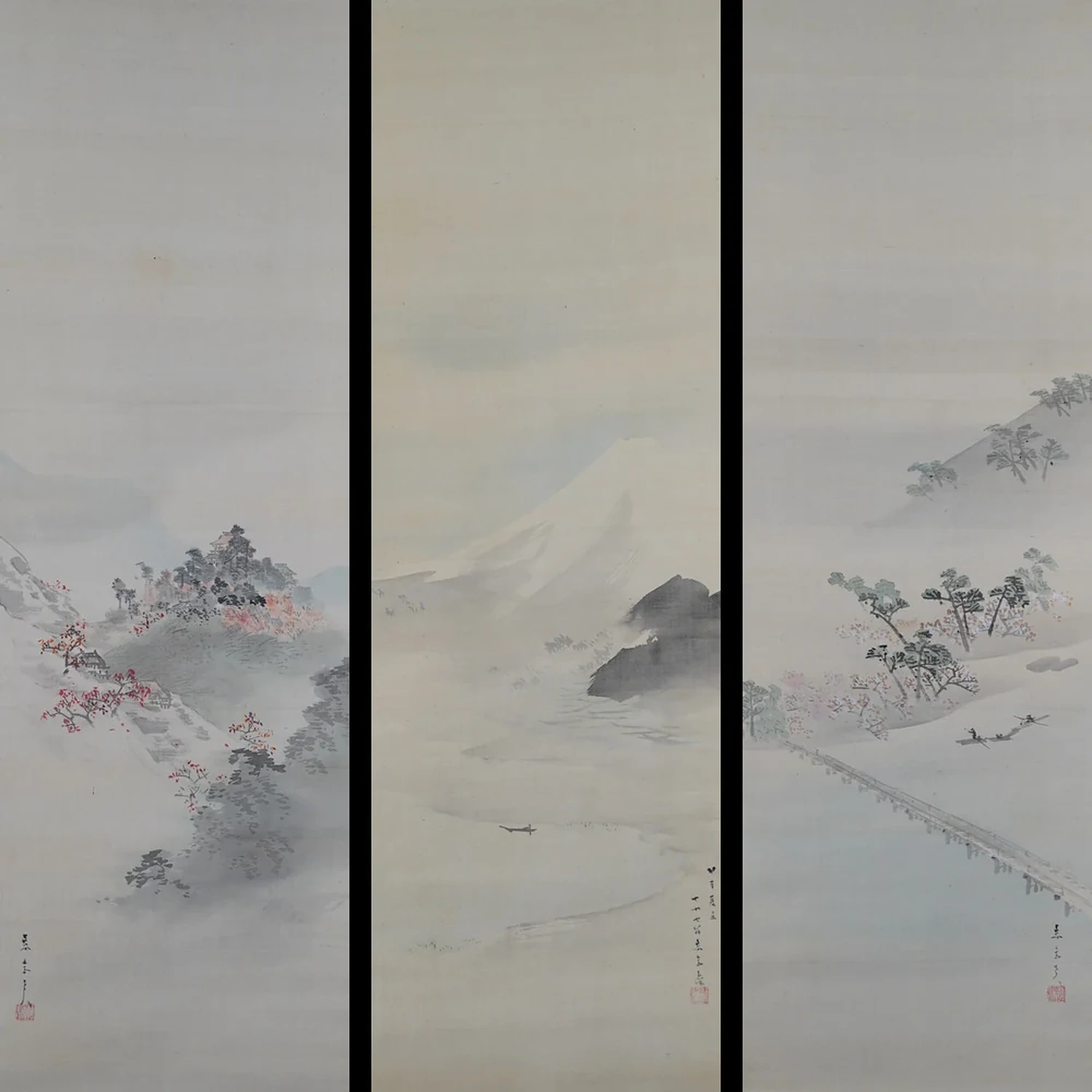
Kikuchi Yōsai
Set of Three Paintings – Fuji, Yoshino and Arashiyama
Kakemono, unique work, with box, 182 x 49 cm
Sold
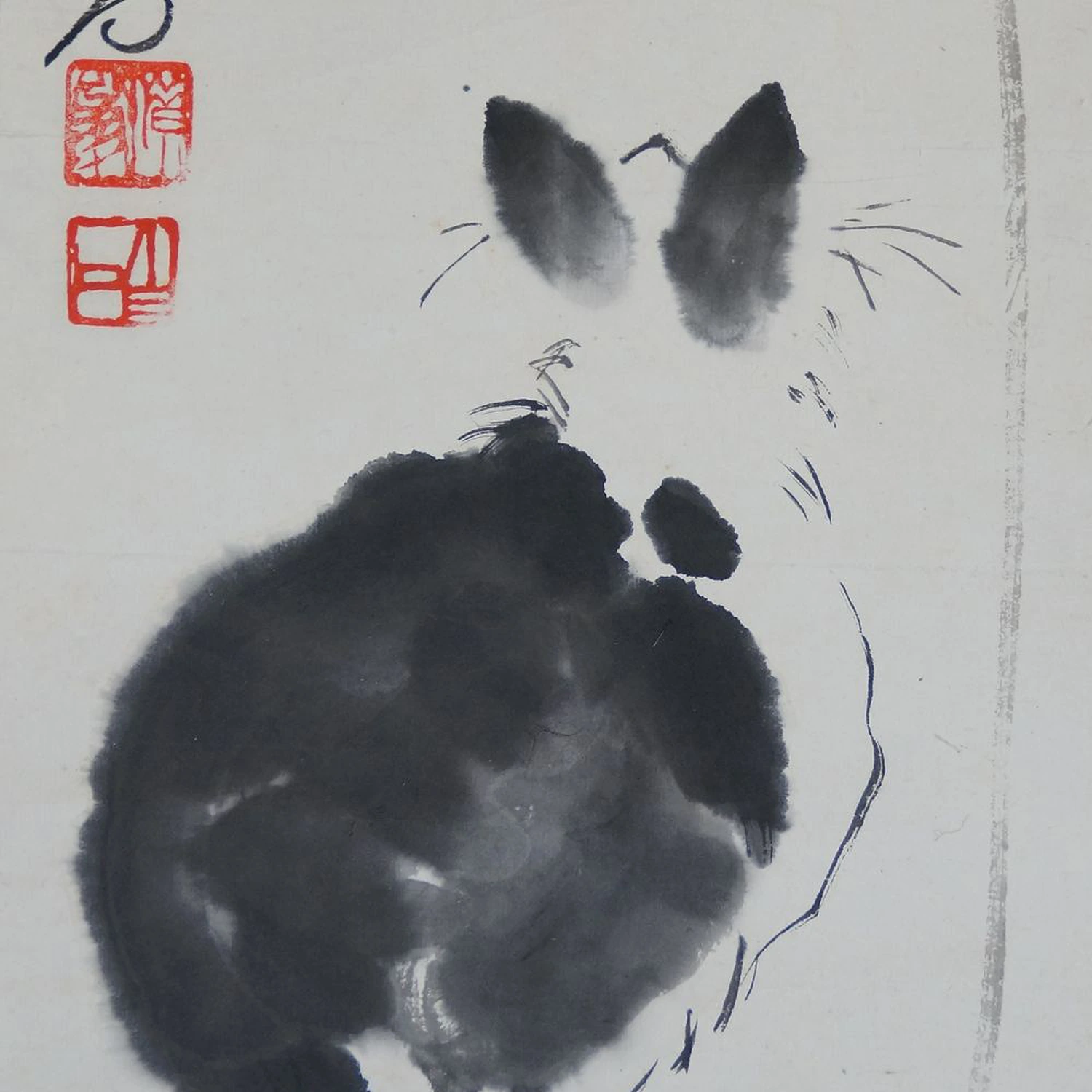
Black Cat and Dragonfly in Ink
Makuri, unique work, 59 x 25 cm
Sold
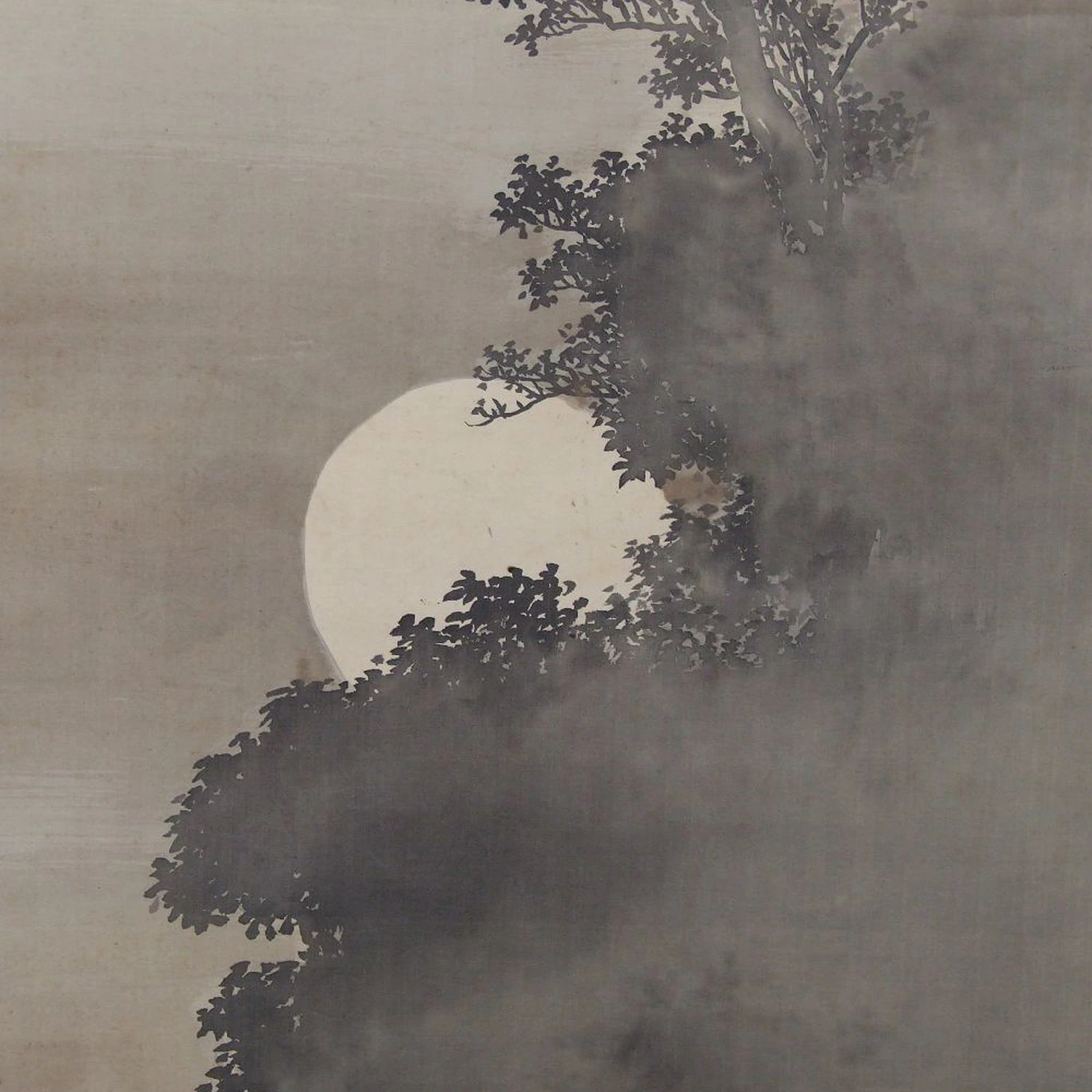
Mori Yūzan
Full Moon Over Misty Landscape
Kakemono, unique work, with box, 199 x 61 cm
Sold
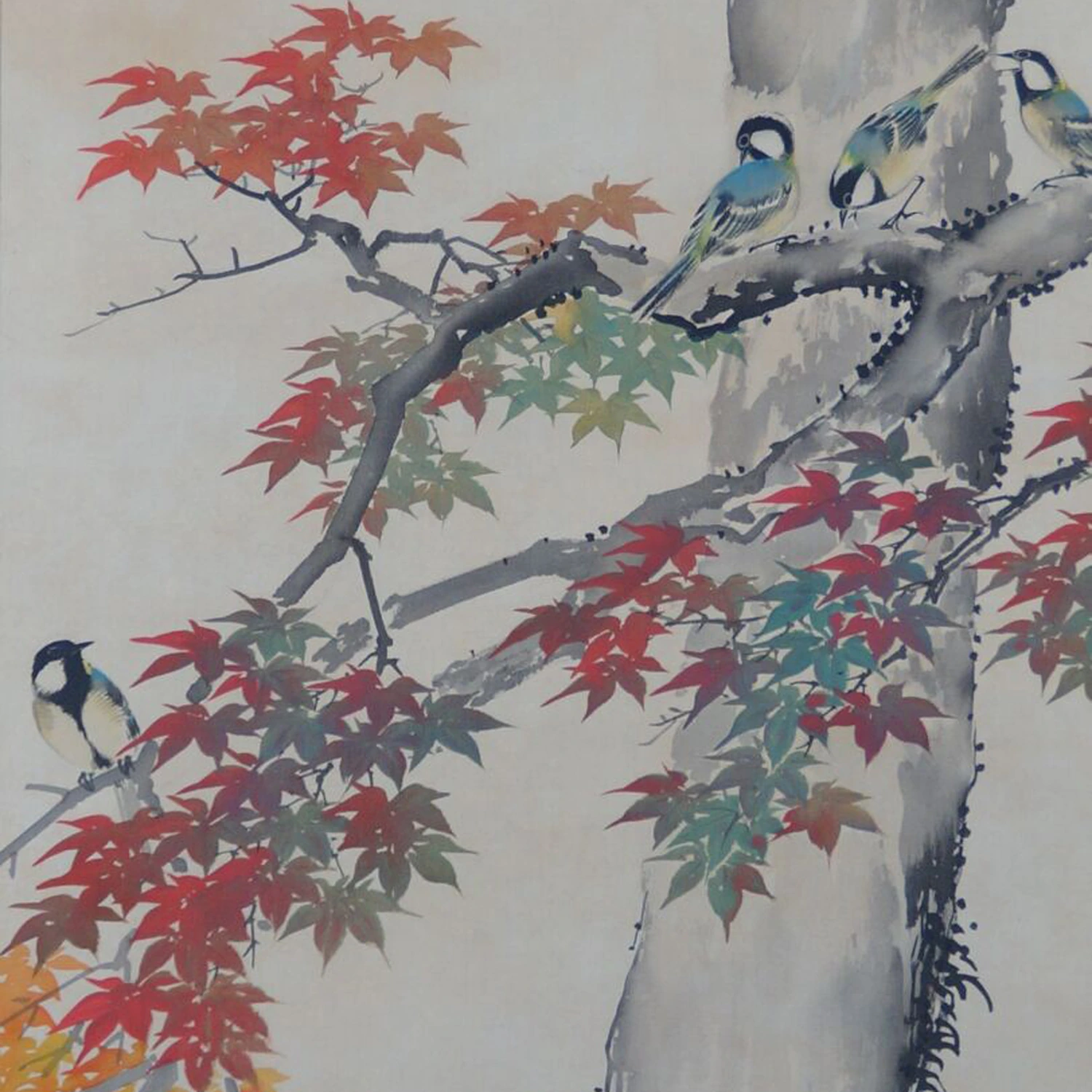
Imai Keiju
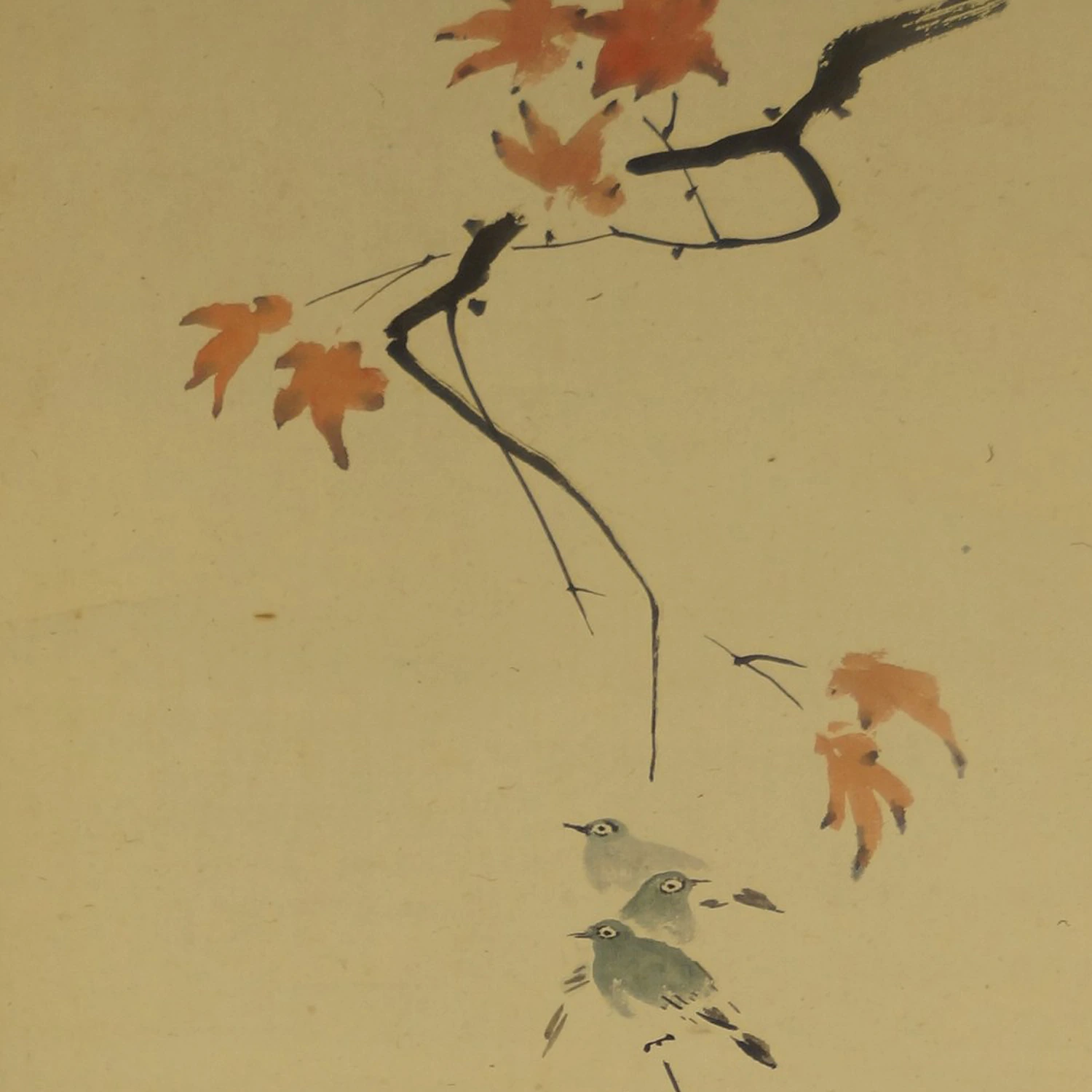
Birds in Autumn Maple
Kakemono, unique work, with box, 205 x 61 cm
Sold
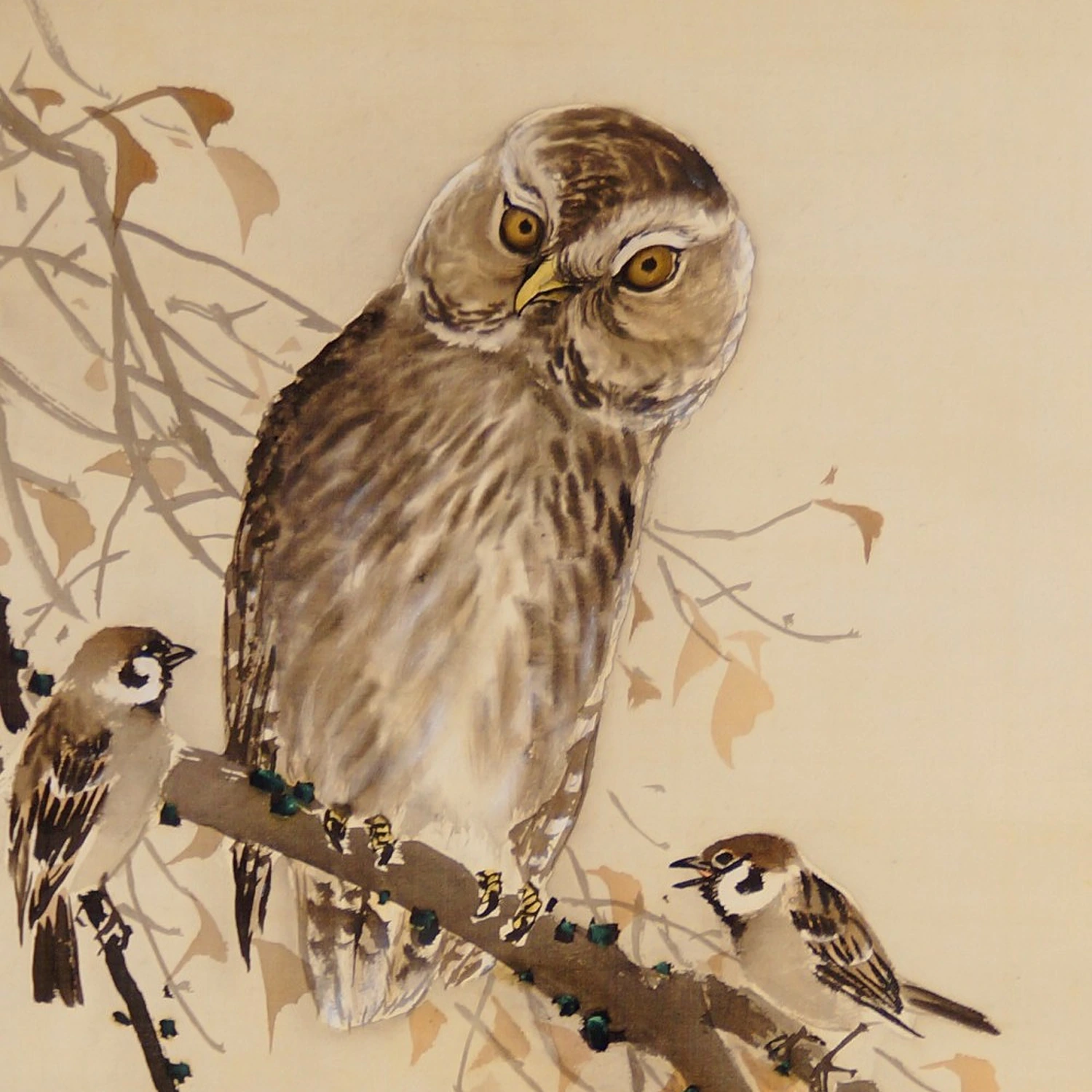
Nakajima Kahō
Owl and Sparrows
Kakemono, unique work, 188 x 55 cm
Sold
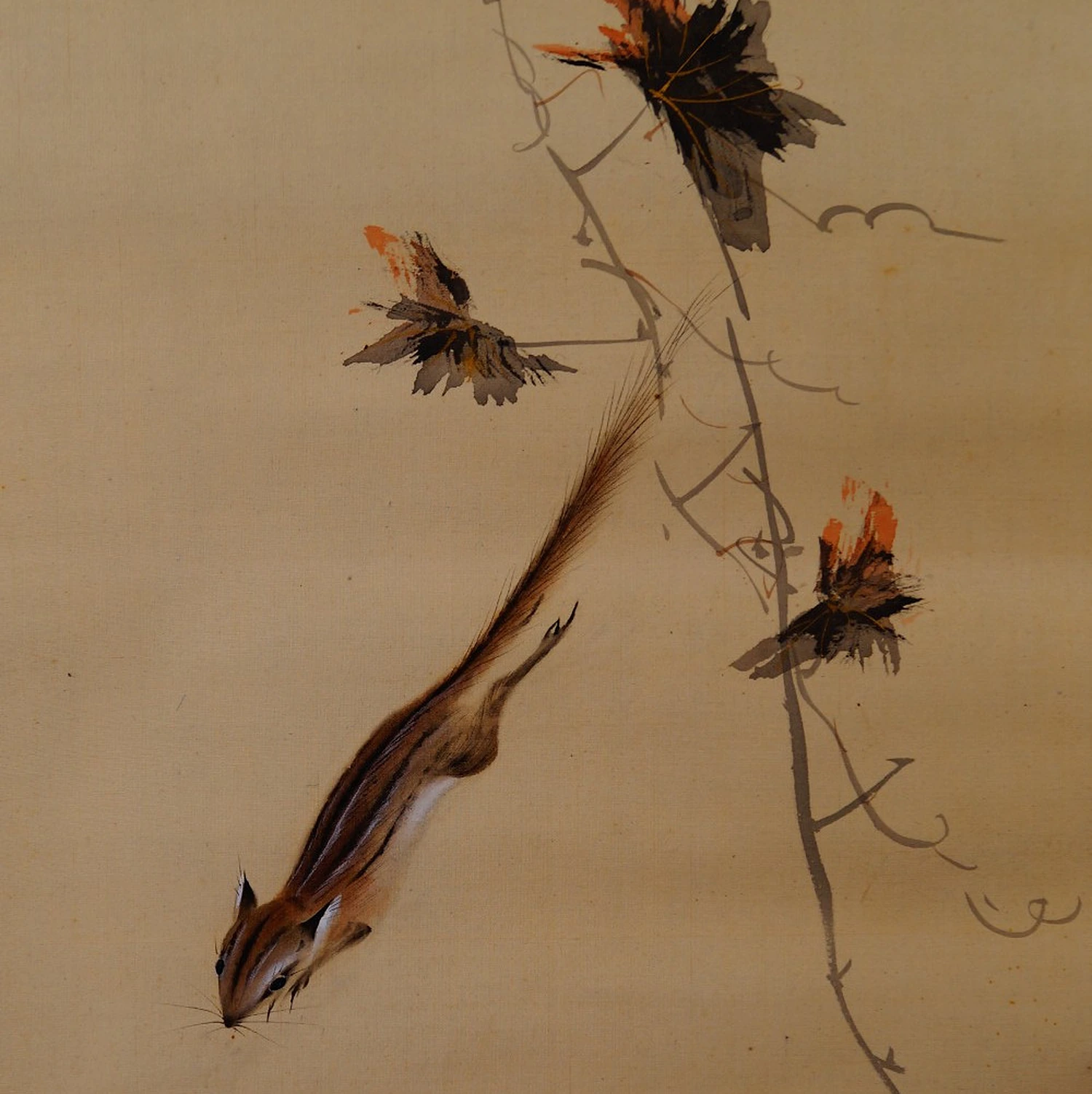
Sano Mitsuho
Grapevines with Striped Squirrel
Kakemono, unique work, 192 x 49 cm
Sold
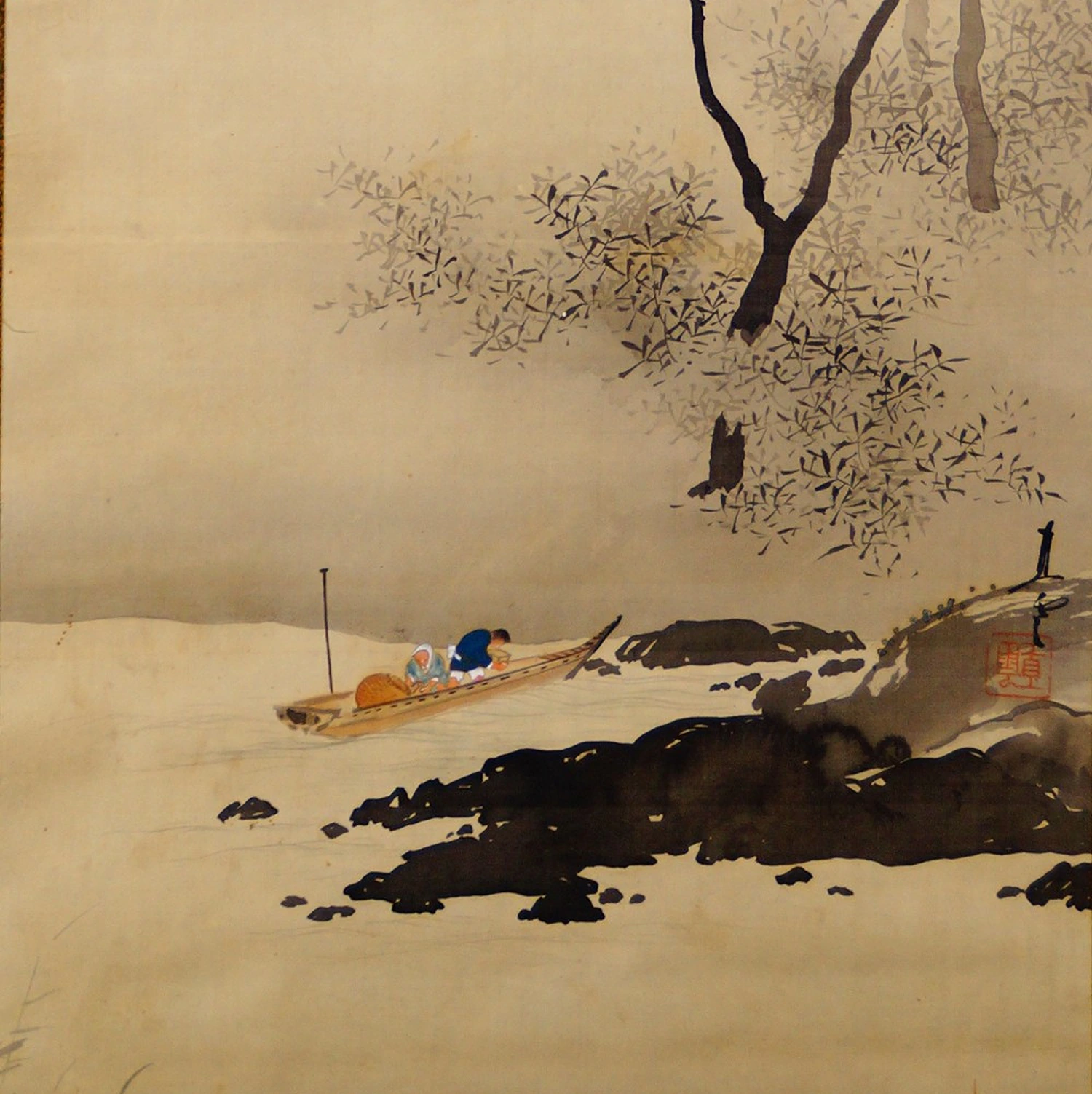
Naoun
Boat Ride in the Moonlight
Kakemono, unique work, 185 x 58 cm
Sold
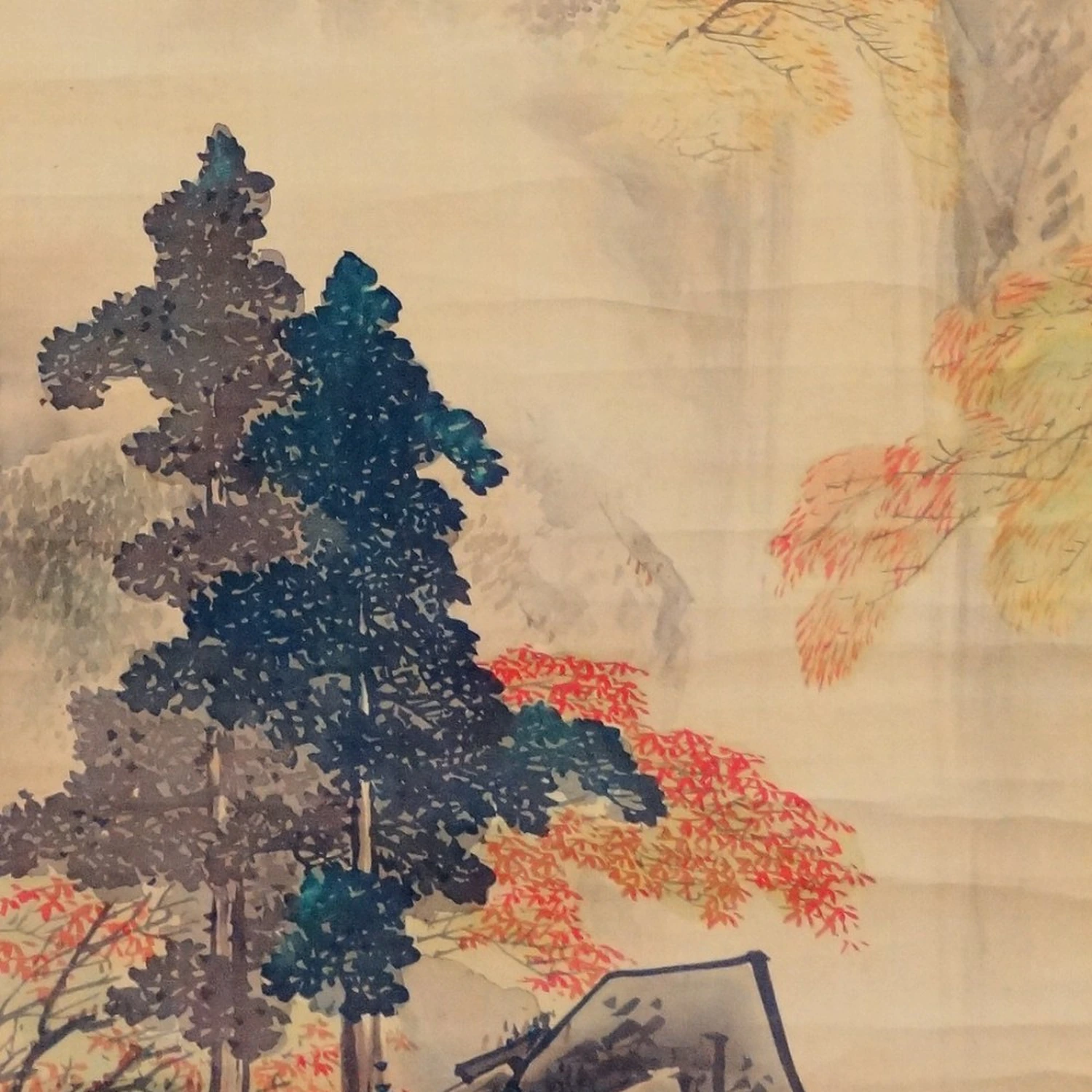
Autumn Mountain Landscape in Fog
Kakemono, unique work, 190 x 47 cm
Sold
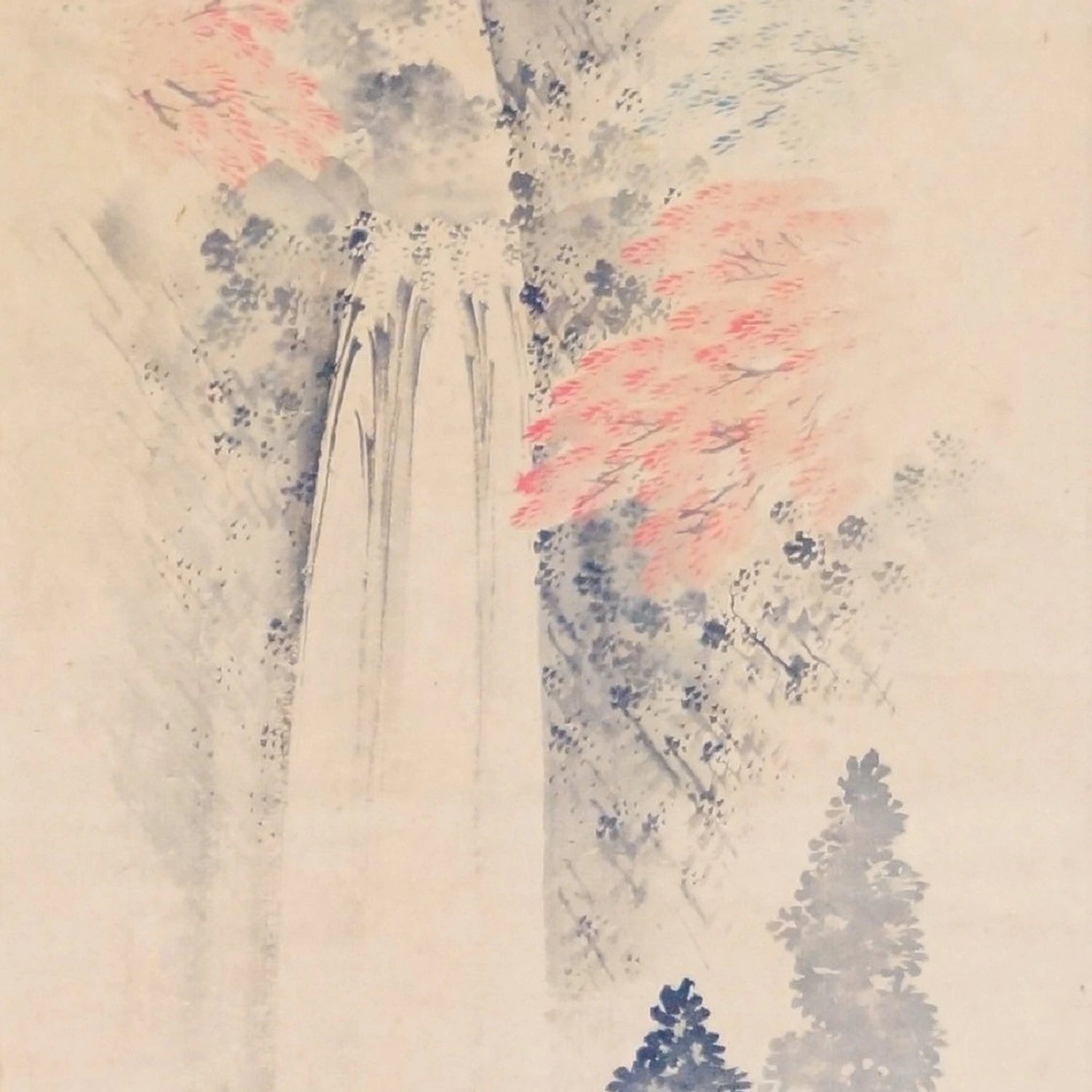
Autumn Mountain Landscape with Waterfall
Kakemono, unique work, 200 x 38 cm
Sold
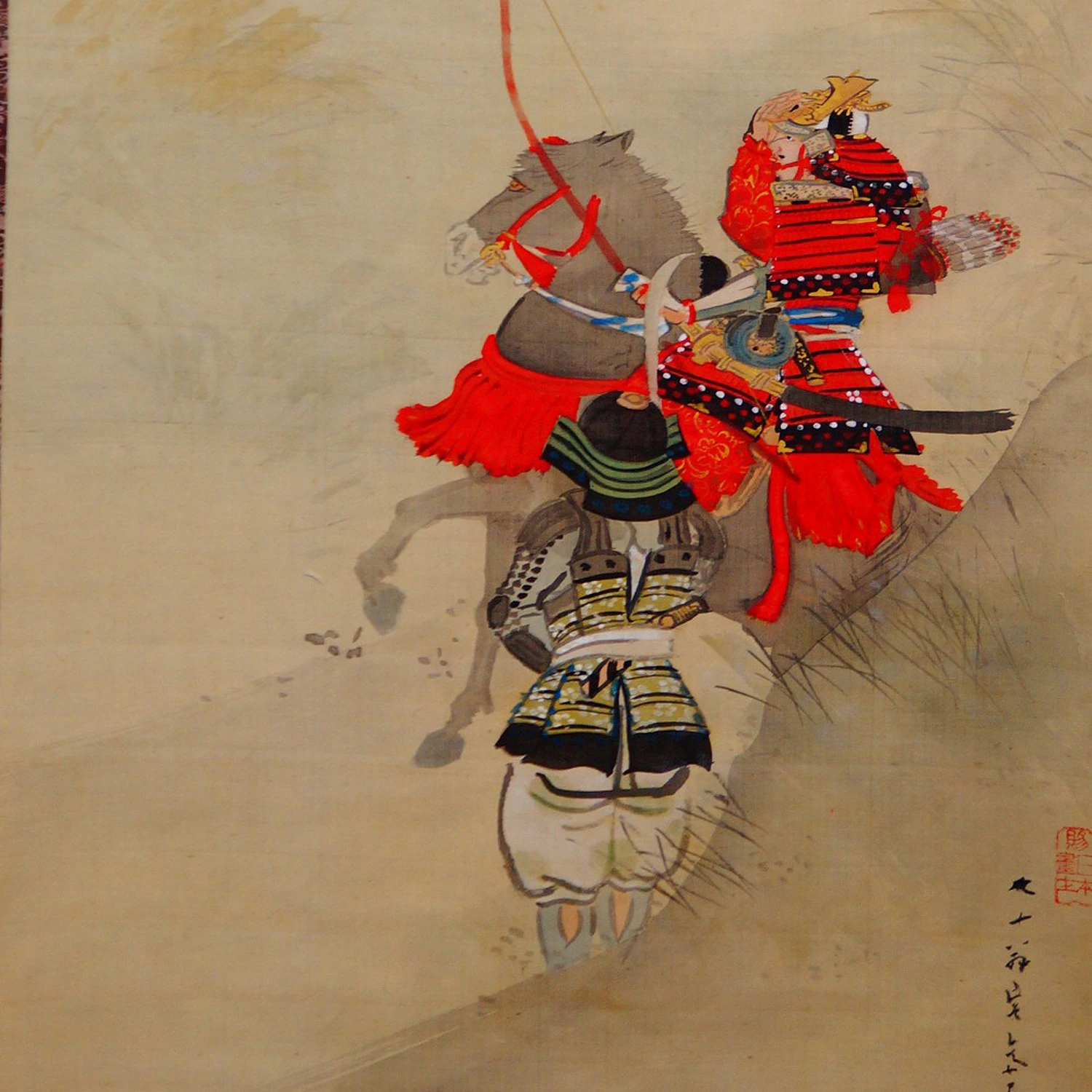
Kikuchi Yōsai
Samurai on Campaign
Kakemono, unique work, 200 x 53 cm
Sold
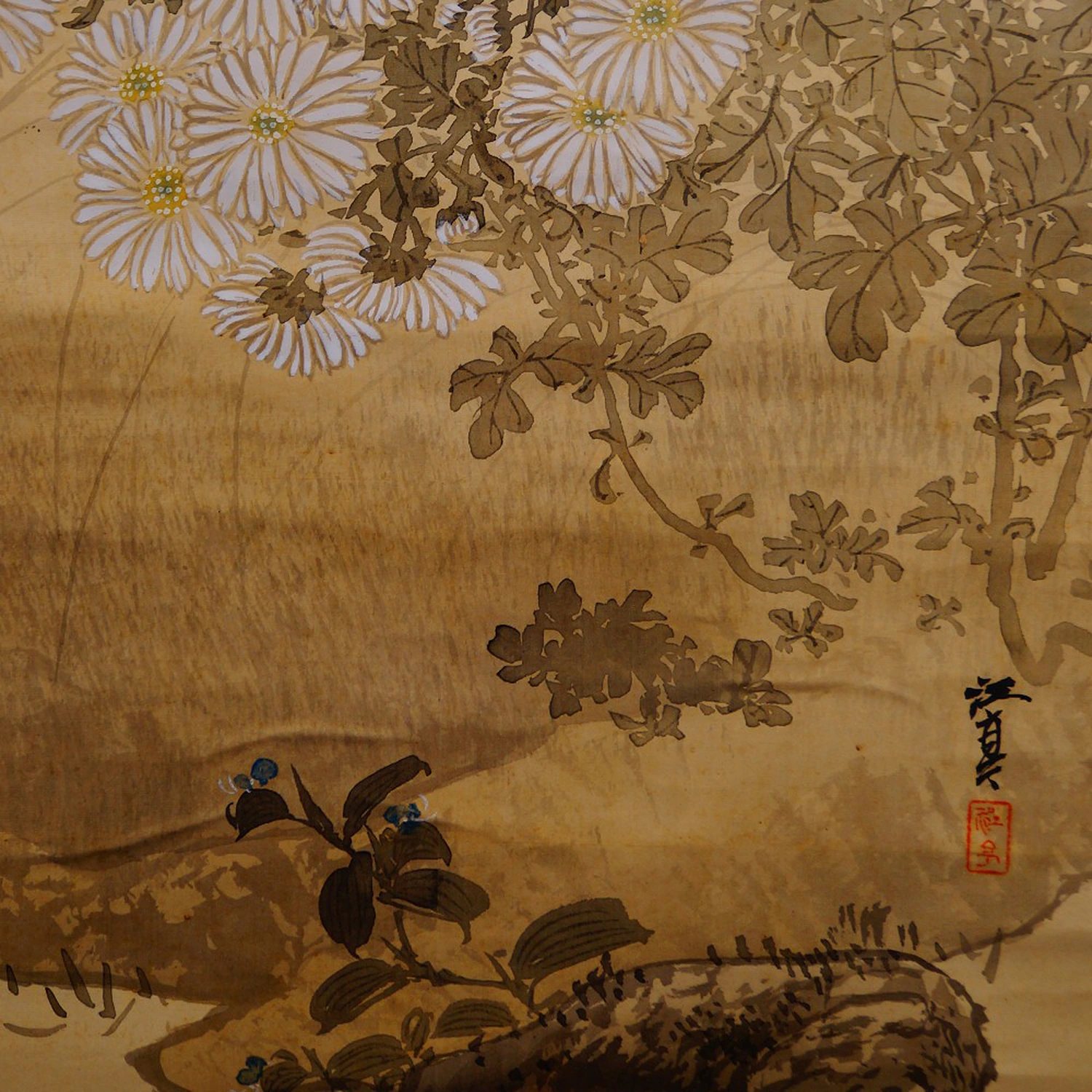
Fukui Kōtei
Sparrows over Chrysanthemums
Kakemono, unique work, with box, 192 x 57 cm
Sold
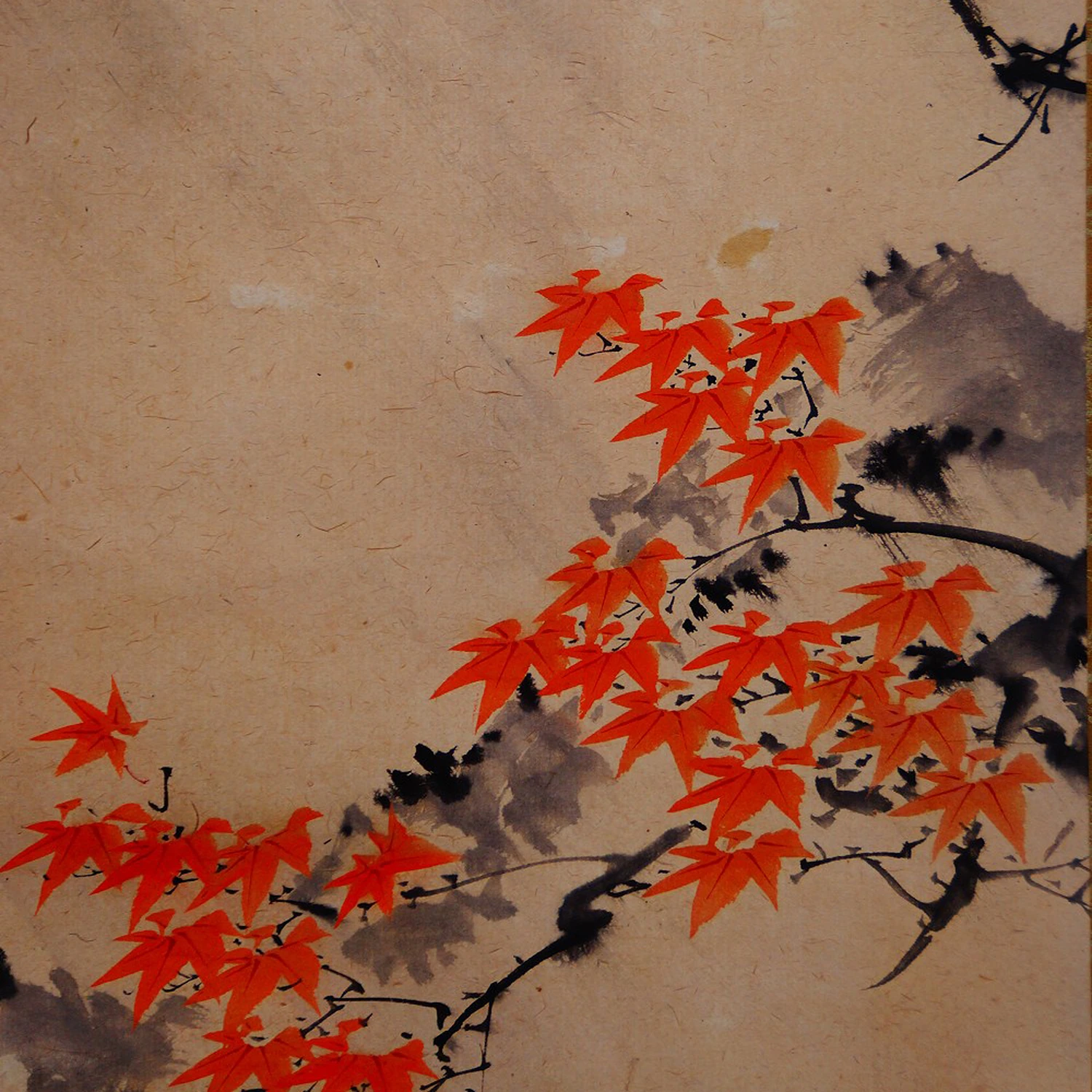
Manjō Kajō
Autumn Flight in Morning Light
Kakemono, unique work, 193 x 62 cm
Sold
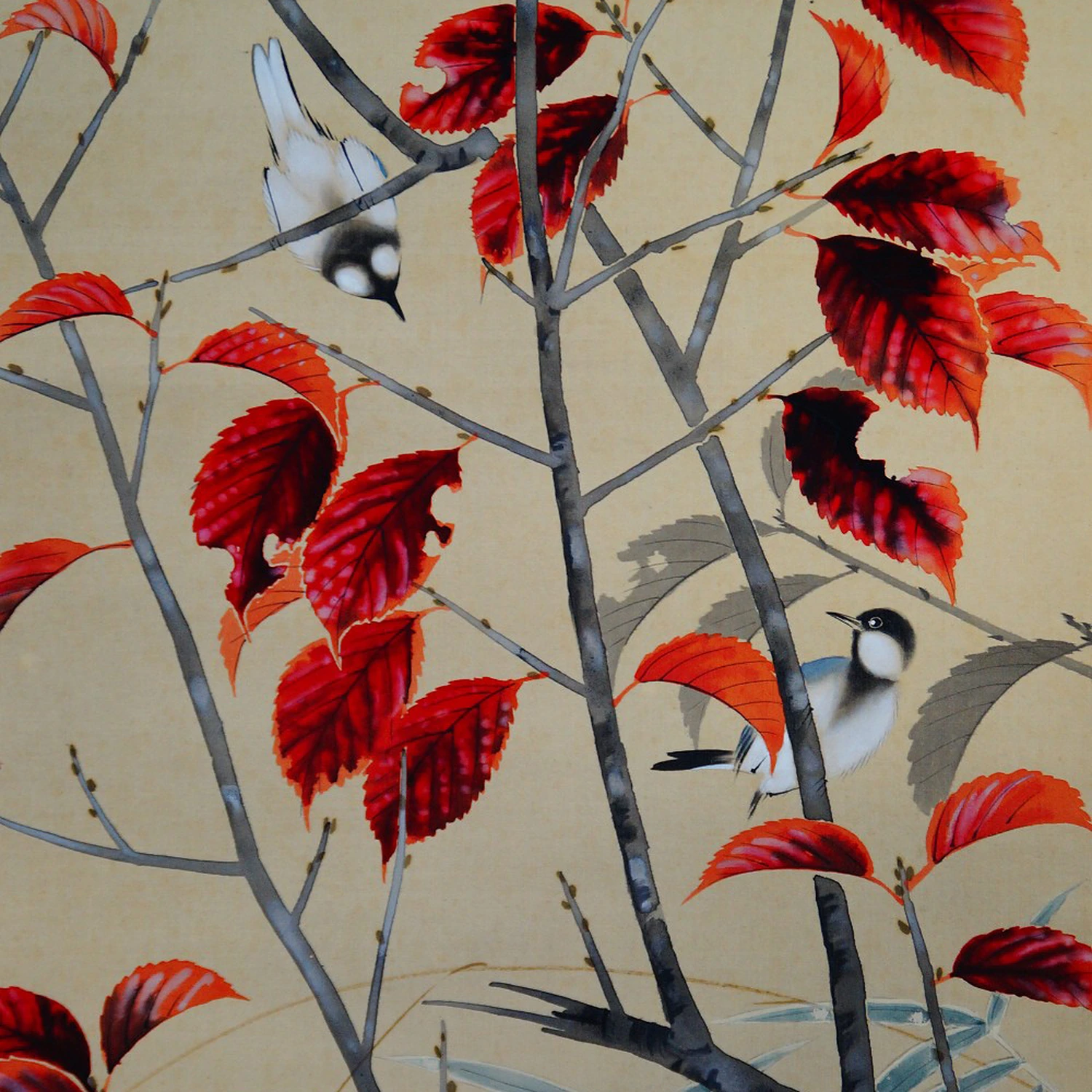
Abe Kinshu
Autumn Wind in the Bamboo Grove
Kakemono, unique work, 208 x 61 cm
Sold
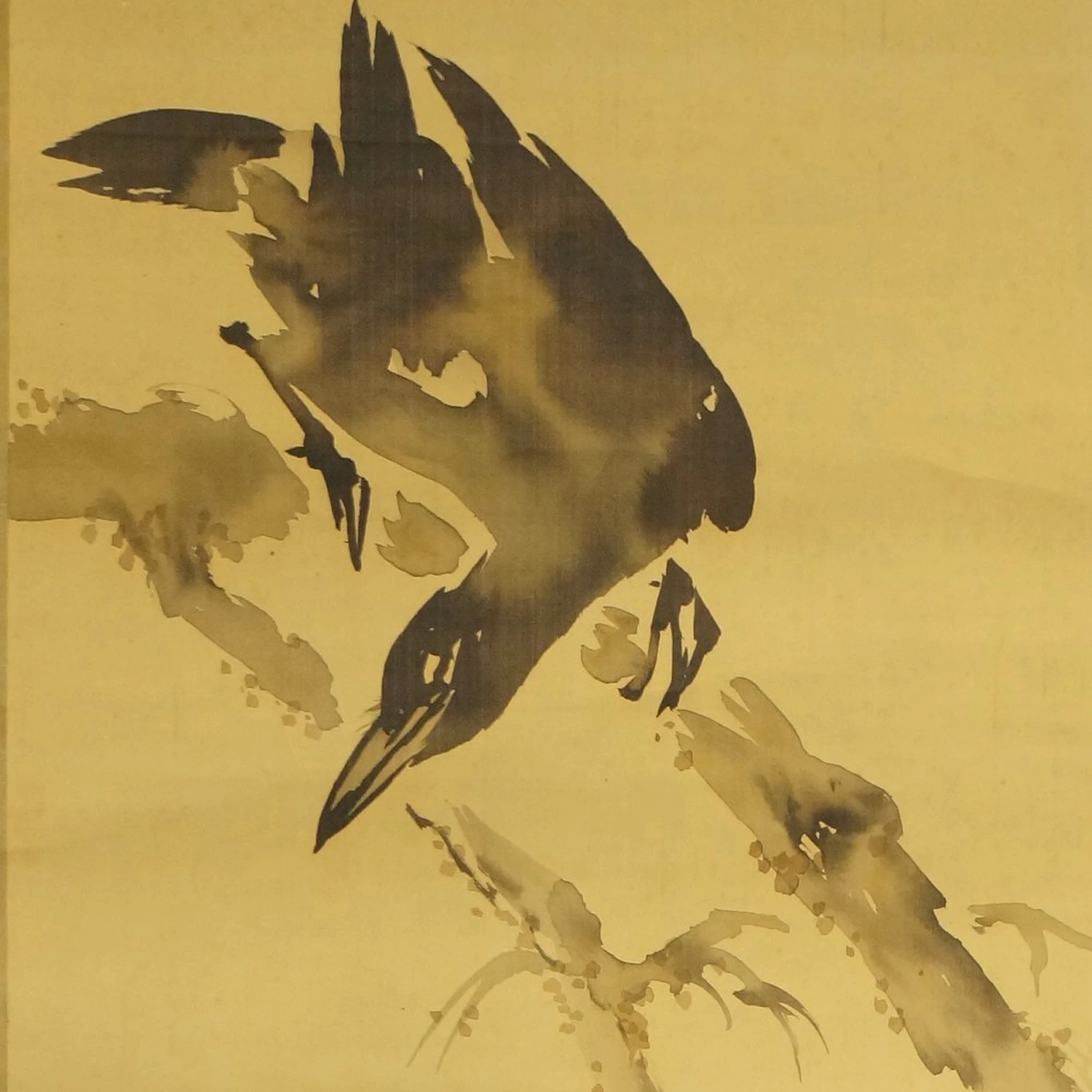
Ito Yanagiso
Crow on a Persimmon Branch
Kakemono, unique work, 210 x 56 cm
Sold
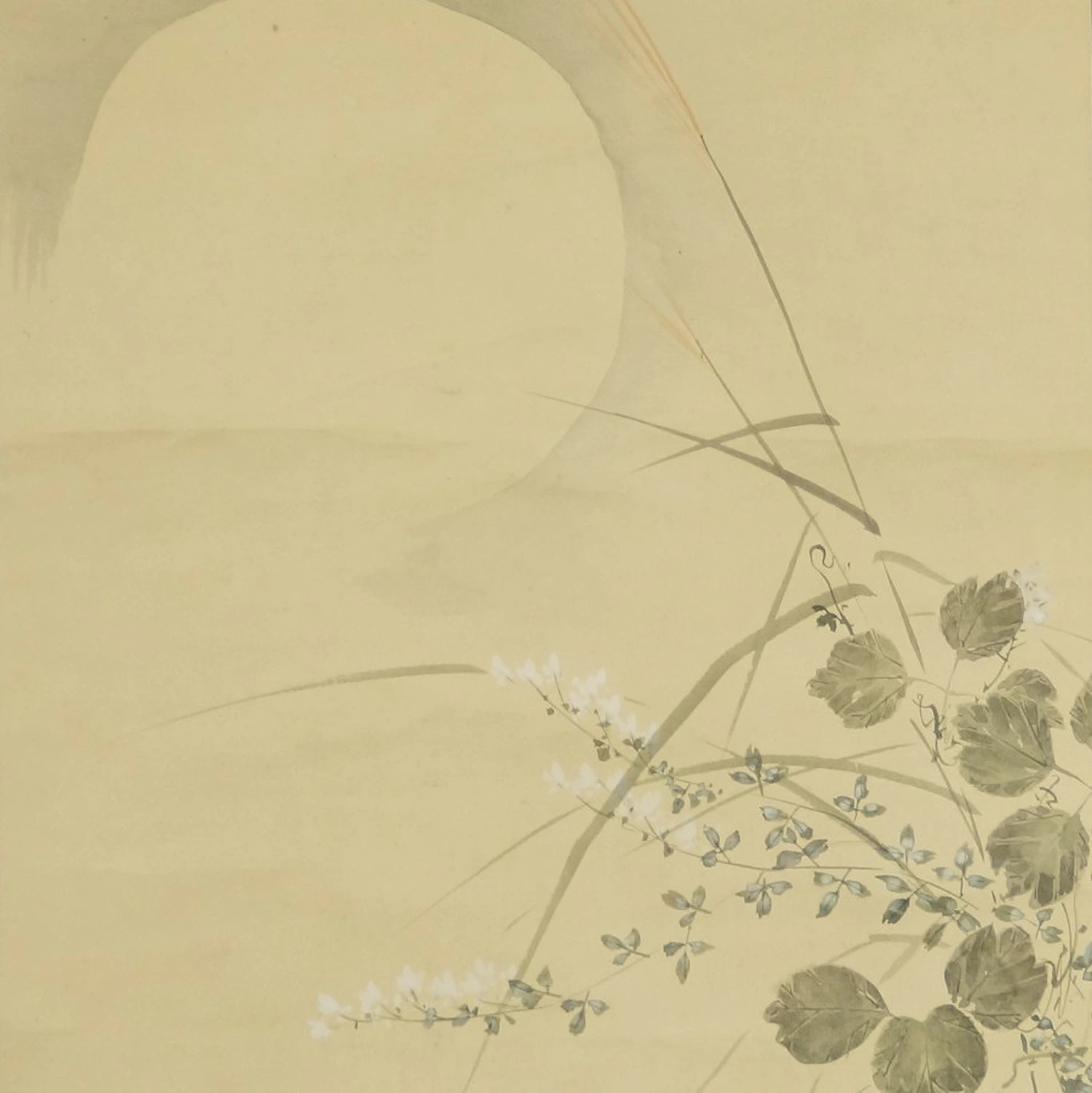
Shodo
Bush Clover and Grasses Before the Full Moon
Kakemono, unique work, 190 x 64 cm
Sold
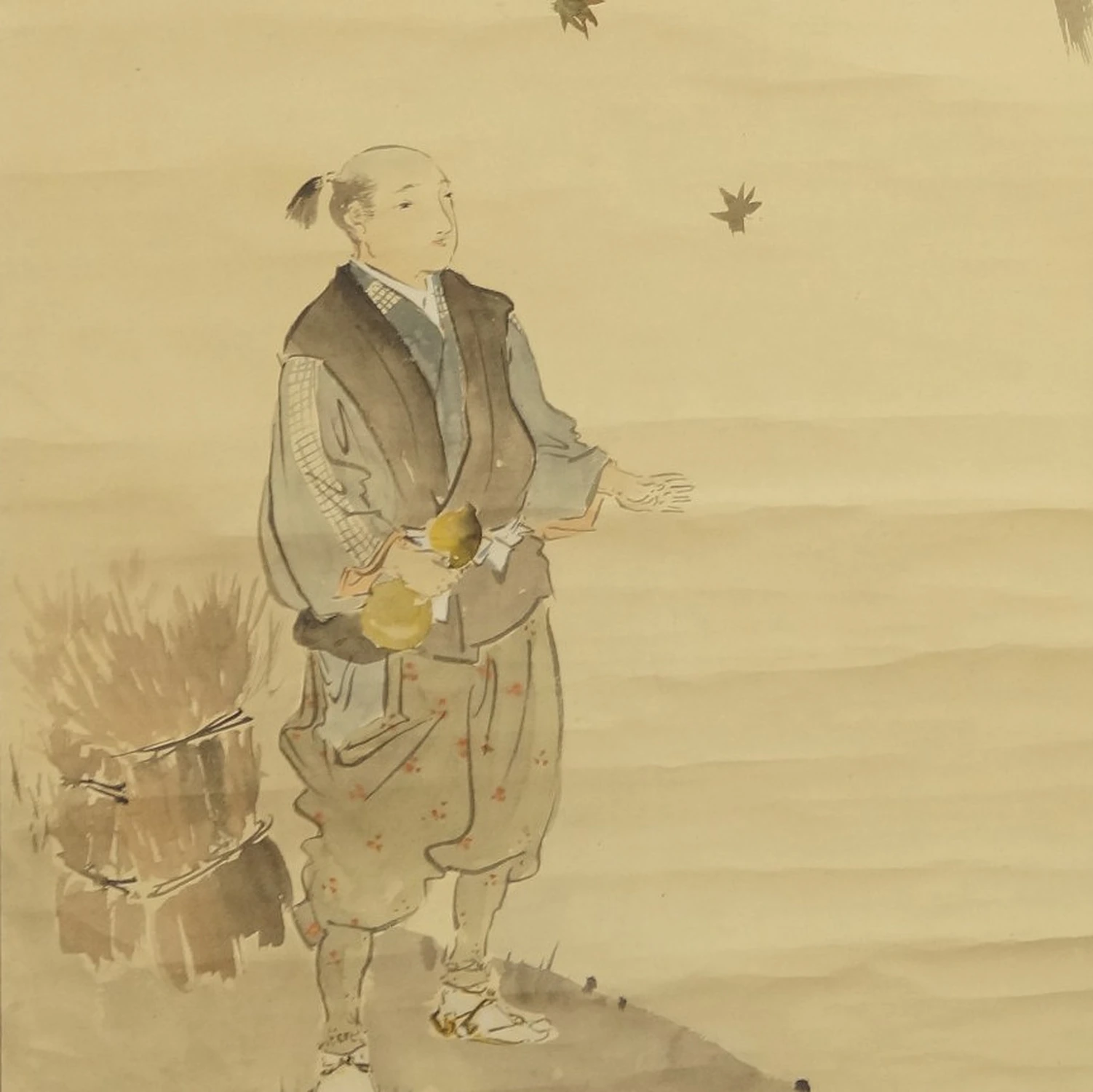
Shodo
Man at the Waterfall
Kakemono, unique work, 190 x 64 cm
Sold
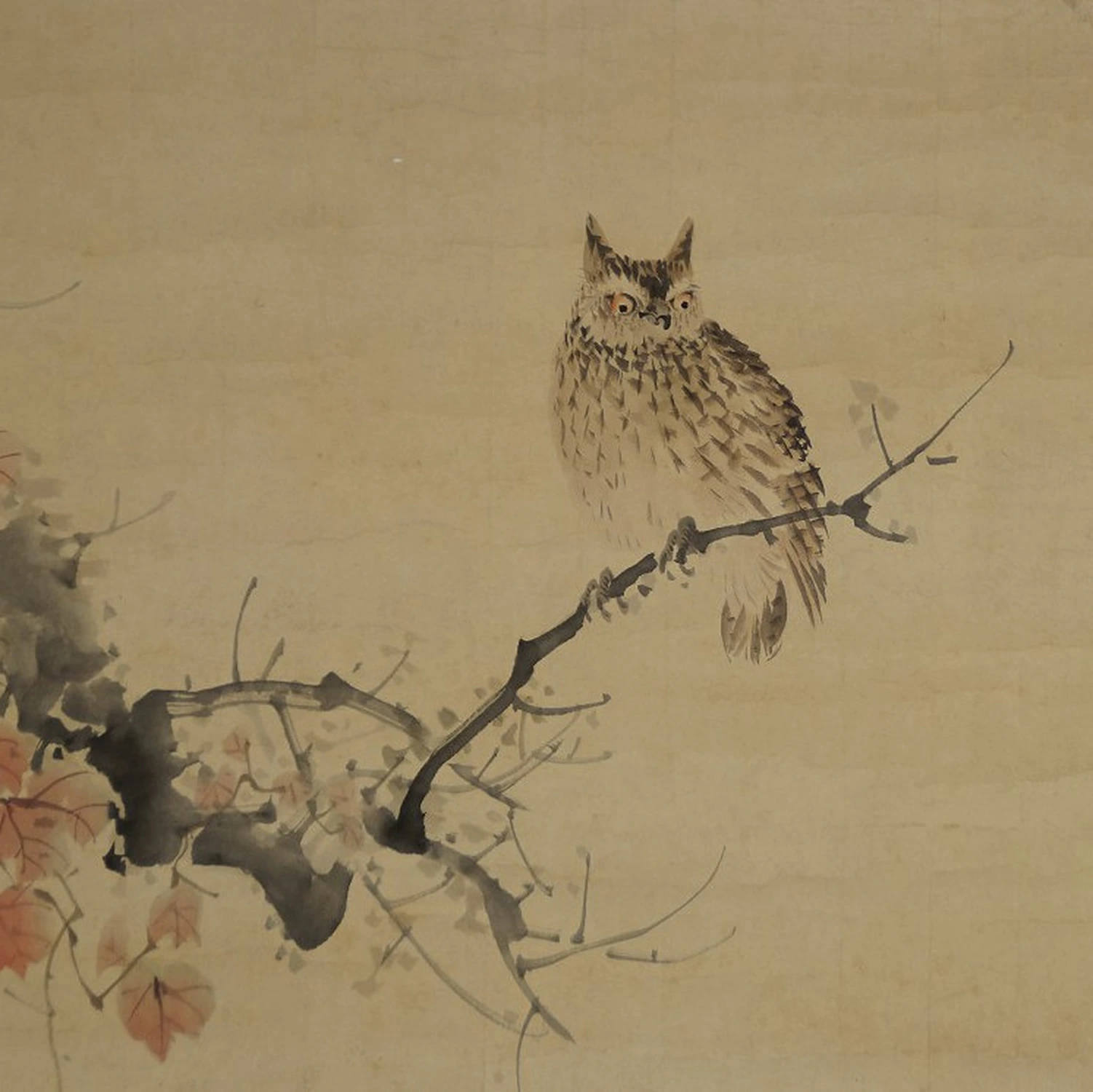
Ishikawa Yurin
Owl in Autumn
Kakemono, unique work, 126 x 61 cm
Sold
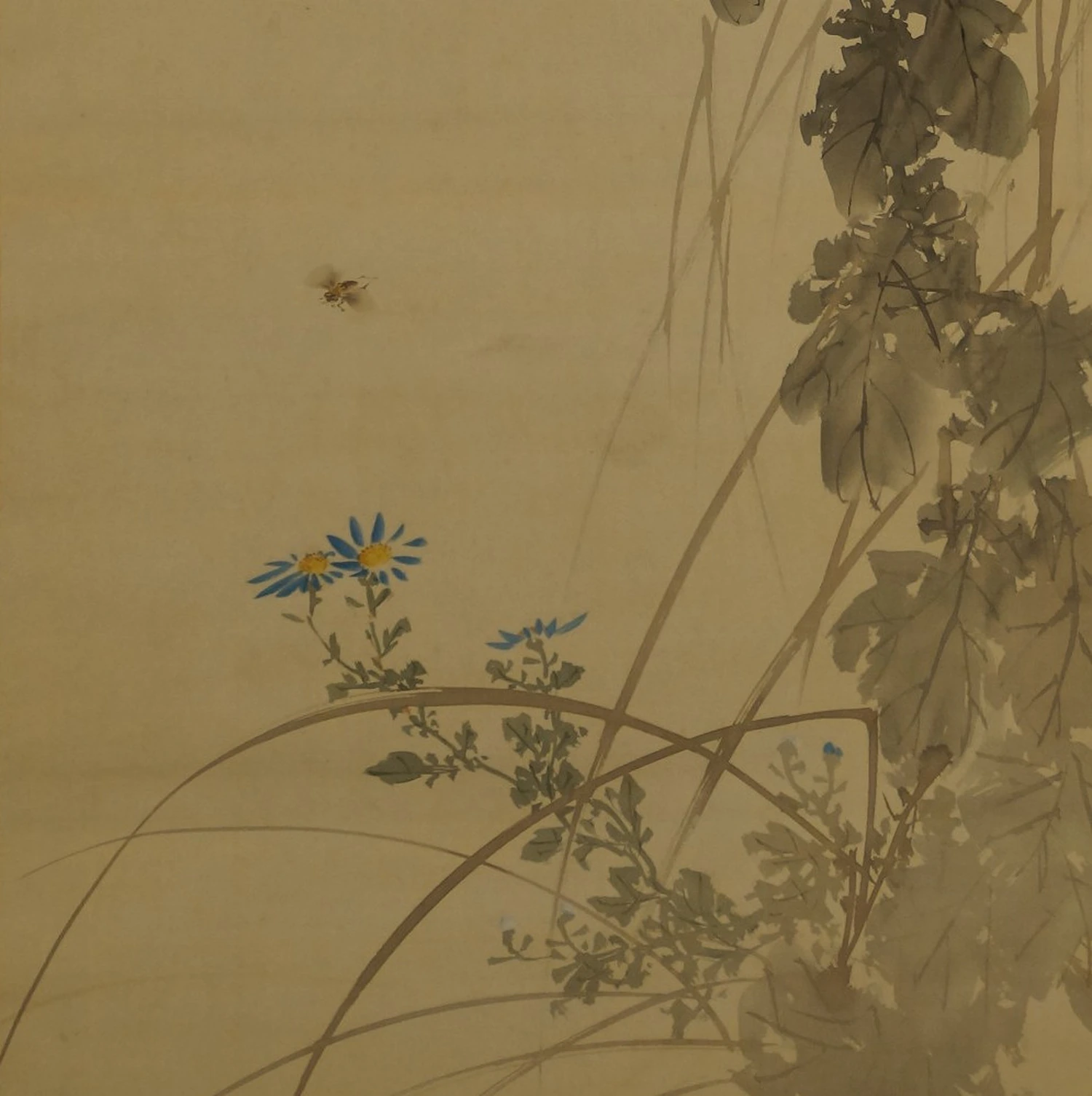
Seisho Moroboshi
The Bee
Kakemono, unique work, 177 x 61 cm
Sold
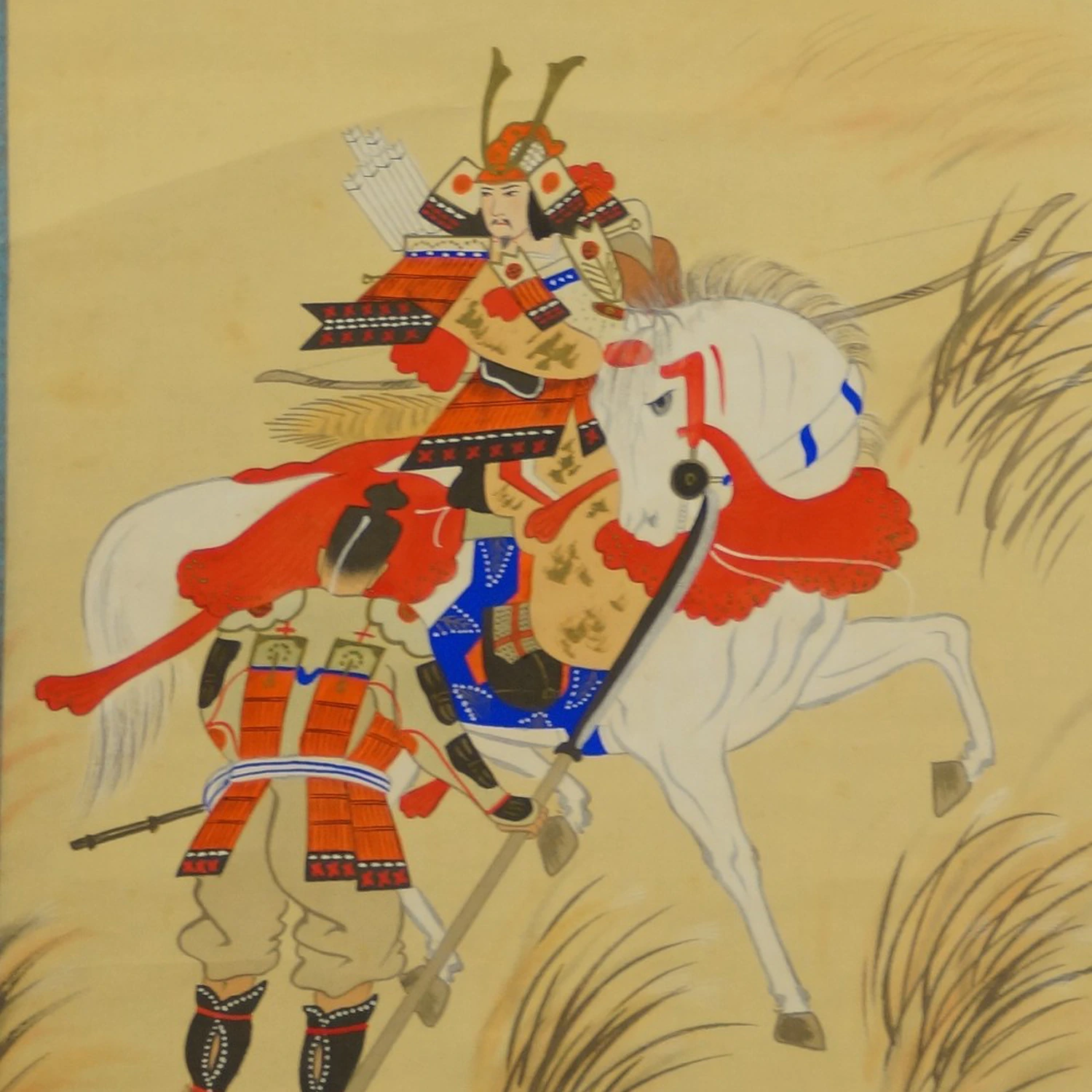
Mizumi
Mounted Samurai in Autumn Grass
Kakemono, unique work, 198 x 53 cm
Sold
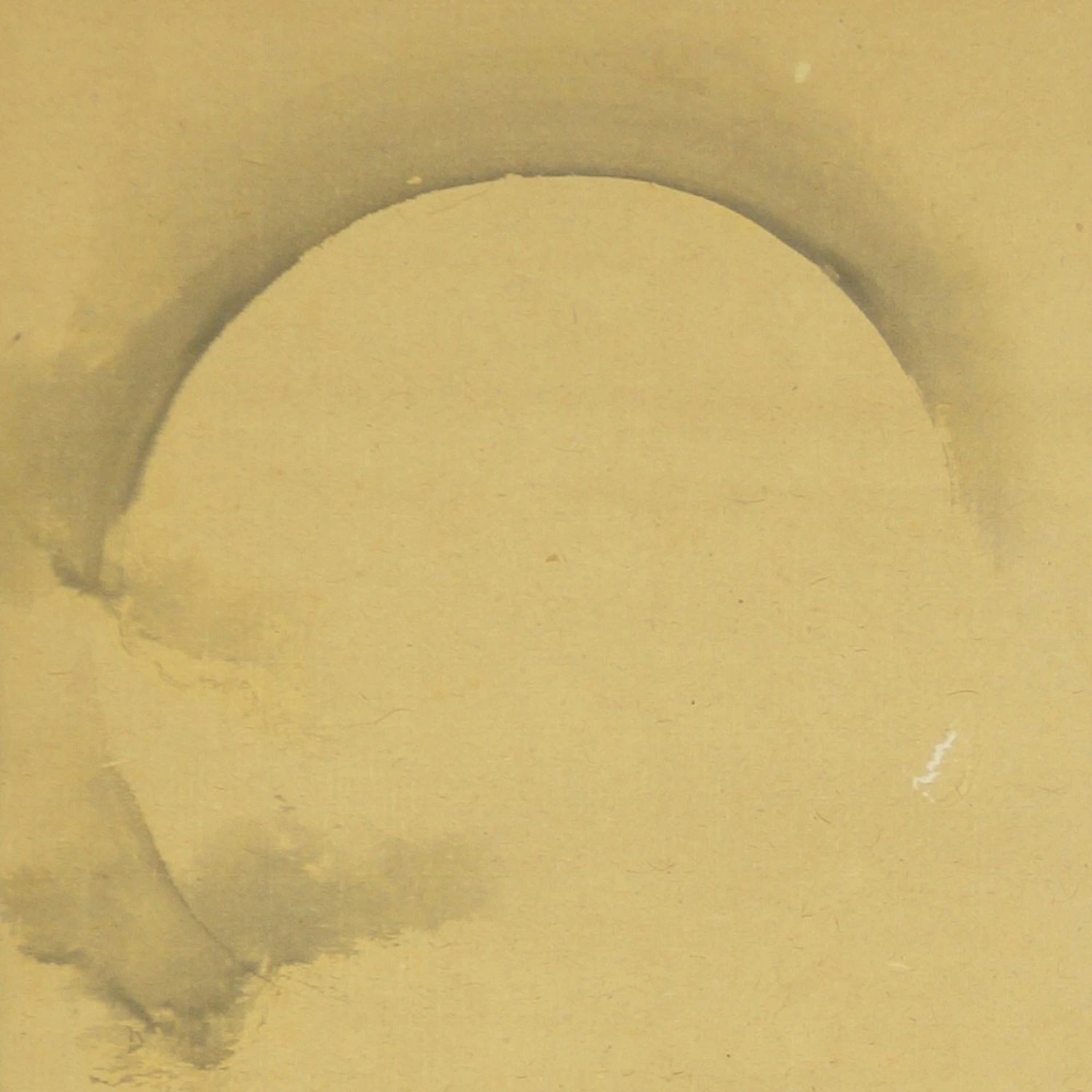
Nakajima Kahō
Mondschein
Kakemono, unique work, 188 x 38 cm
Sold
Herbstgesang
Kakemono, unique work, 182 x 38 cm
Sold
48 of 118 items shown
Why the Scroll Changes with Autumn in Japan
In Japan, a kakemono, also called kakejiku (掛軸), is not a picture for good but one for a few weeks. In the tokonoma, the display alcove of a Japanese room, only one scroll hangs at a time, and it is meant to match what is happening outside. The alcove becomes a calendar: anyone who enters can read the time of year from the picture. In the tea room this match is taken especially seriously, because there the scroll is the first thing the guests look at. Japanese dealers still divide their stock into seasonal scrolls (季節掛け), year-round scrolls (年中掛け) and pictures for festive occasions – and the autumn scrolls are simply called aki-gake (秋掛け).
Momiji and Kiku: The Two Leading Motifs
No motif stands for the Japanese autumn quite like momiji (紅葉), maple leaves turned red and yellow. They appear as a single branch with a bird, as foliage over a waterfall, around a temple gate or as a patch of color in a wide mountain landscape (秋景). Their counterpart is the chrysanthemum, kiku (菊), the flower of the ninth month, to which the Chōyō chrysanthemum festival (重陽) is devoted. On scrolls it appears with sparrows, with a rooster and hen or with a hare, in pure ink as well as in strong colors on silk.
Moon, Wild Geese and Autumn Grasses
A second group of motifs belongs to the night. The full moon, meigetsu (名月), is admired during moon viewing, tsukimi (月見), and in an autumn picture it is usually the real subject: a pale disc above reeds, above waves or above a quiet river landscape with a boat. Before it fly the wild geese, kari (雁), which arrive from the north in autumn and leave again in spring; the goose before the moon, tsuki ni kari (月に雁), is one of the most enduring pairings in Japanese painting. Then there are the autumn grasses, akikusa (秋草): silver grass (susuki), bush clover (hagi) and balloon flower (kikyō), all of them among the seven autumn herbs. Quails often hide among them, or a deer stands on a rock and calls into the moonlit night.
Fruit and Harvest
Quieter, but no less autumnal, are the fruits. The persimmon, kaki (柿), with its orange-red fruit pecked by a crow or reached for by a monkey, grapes with a squirrel in the leaves, chestnuts and ripe ears of rice with a sparrow perched on them all speak of ripeness and harvest. Japanese dealers specifically recommend persimmons and rice ears as pictures that make the harvest season tangible. A red dragonfly above a blade of grass belongs to this group as well; a dragonfly above irises, by contrast, is a summer picture.
When to Hang Autumn Scrolls
According to the monthly scheme used by Japanese dealers, autumn covers September to November. Scrolls go up a little earlier than the season begins outside, though: dealers advise hanging a seasonal picture about a month ahead, so as early as late August. Within autumn there is a sequence. Autumn grasses with quails suit September and October, moon and wild geese mid-September to late October, persimmons and grapes late September to early November. Maple leaves have their time in October and November and accompany the wall up to the threshold of winter.
The Marker Decides, Not the Main Subject
Whether a picture belongs in this selection often depends on a detail. A deer beneath red maple, Mount Fuji above turning maple trees, a rider in autumn silver grass or a beauty before the full moon are autumn pictures, because leaves, grass or moon announce the season. Without such a marker, the same main subjects remain year-round pictures. That is why you will deliberately find no cranes and tortoises here, no pine on its own, no tigers, dragons or Fuji pictures without a seasonal sign, no ink landscapes without autumn foliage and no Zen calligraphy without a seasonal word. The chrysanthemum as one of the Four Gentlemen (四君子) is not an autumn picture either, and a single sheet showing flowers of all four seasons belongs to none of them. The reverse also holds: the duck is a winter bird, dried persimmons count as winter, and morning glory or cotton rose on their own count as summer.
Autumn in Rotation with the Other Seasons
In the old triad setsugekka (雪月花) – snow, moon and flowers – autumn stands for the moon, and together with spring it forms the classic pair of opposites. Some sets combine the two, such as a flowering plum next to reddened leaves, while others lead through the whole year in four scrolls. If you own only a few scrolls, pair an autumn picture with a bright spring or summer one and you have divided the year into two halves. In late November a winter picture with snow, camellia or nandina takes over; for the weeks in between, a year-round motif works well.
Care When Changing Scrolls and What Collectors Look For
When the autumn scroll comes down, roll it loosely and evenly without creasing the painting, tie it with its cord and lay it back in its wooden box. Only roll it up when the air is dry, and keep it out of direct sunlight so that the red of the leaves does not fade. When buying, the box is worth a look: inscriptions such as 秋景 (autumn landscape) or 晩秋 (late autumn) confirm which season the picture intends. Also note how clear the autumn marker is – a distinct branch of momiji or a full moon carries the season even from across the room, a vague hue does not.