
Japanese Winter Paintings: Kakemono for the Cold Season
Go directly to the artworksIn brief
Winter kakemono are hanging scrolls, shikishi and makuri whose subject belongs to the cold season in Japan: above all snow, from the wide snowscape (sekkei) to a bird on a snow-laden branch. They are joined by the winter plants camellia (tsubaki), narcissus (suisen) and nandina (nanten) with its red berries, and by plum blossom in snow (setchūbai). Following the practice of Japanese dealers, they hang from December to February, often from November on. At Densho you will find winter kakemono as one-of-a-kind pieces from Japan, each with details on subject, technique and period.
Okumura Kyōhō
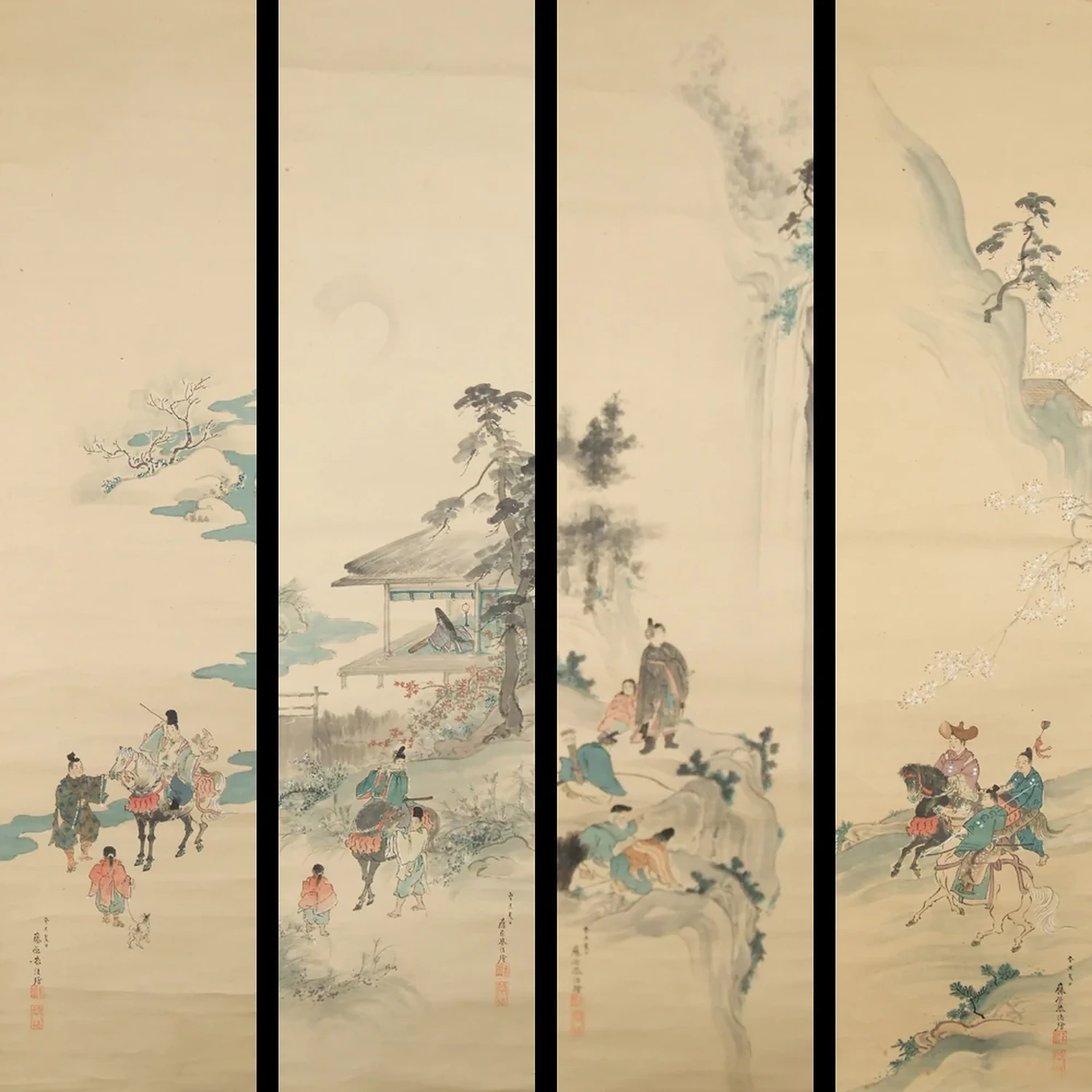
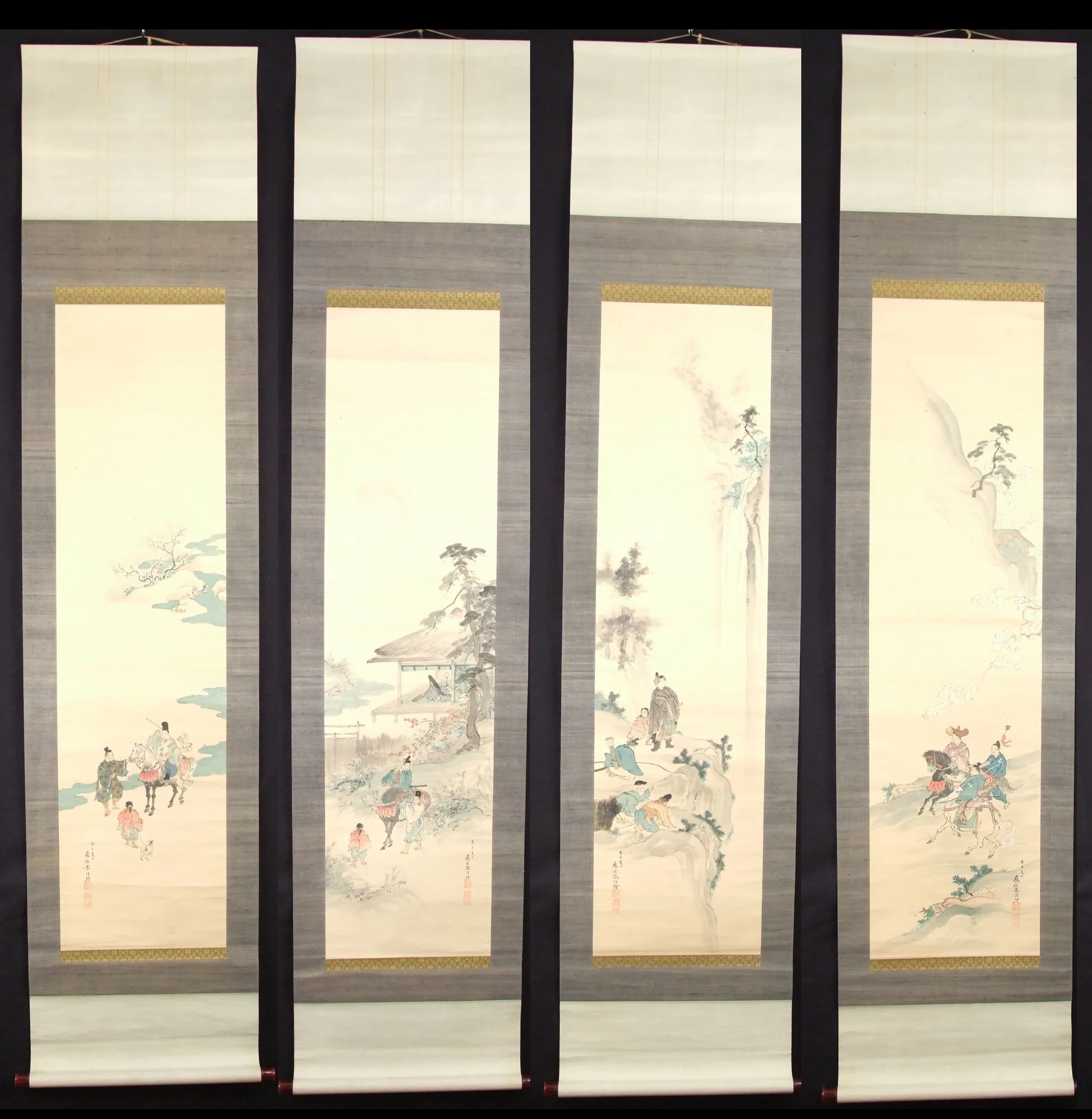
Set of Four Paintings – Legends of the Four Seasons
Kakemono, unique work, with box, 192 x 48 cm
€1,210.00
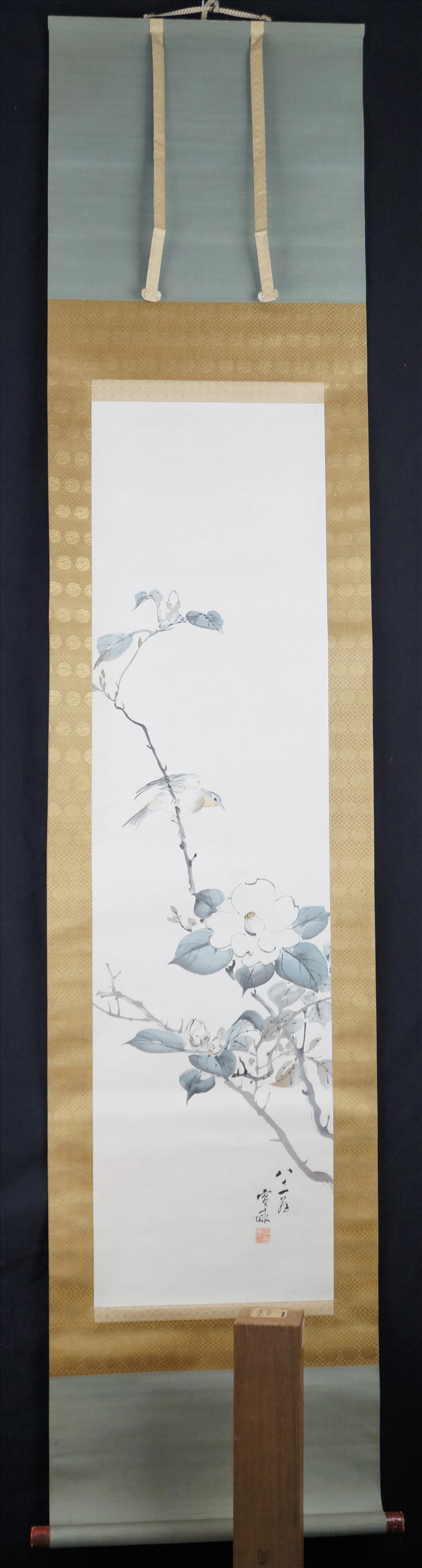
Araki Kanpo
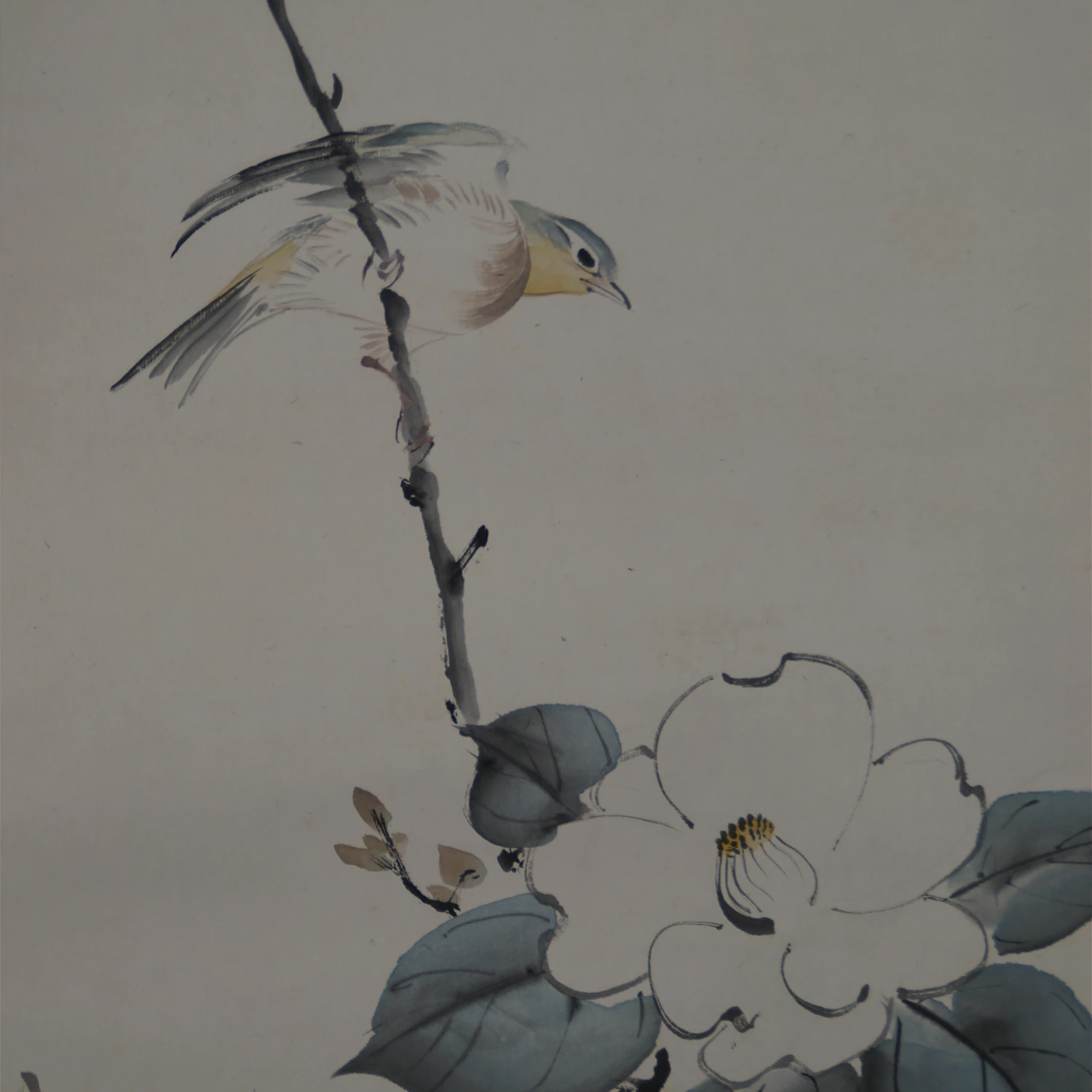
Songbird on Blooming Camellia Branch
Kakemono, unique work, with box, 192 x 46 cm
€1,210.00
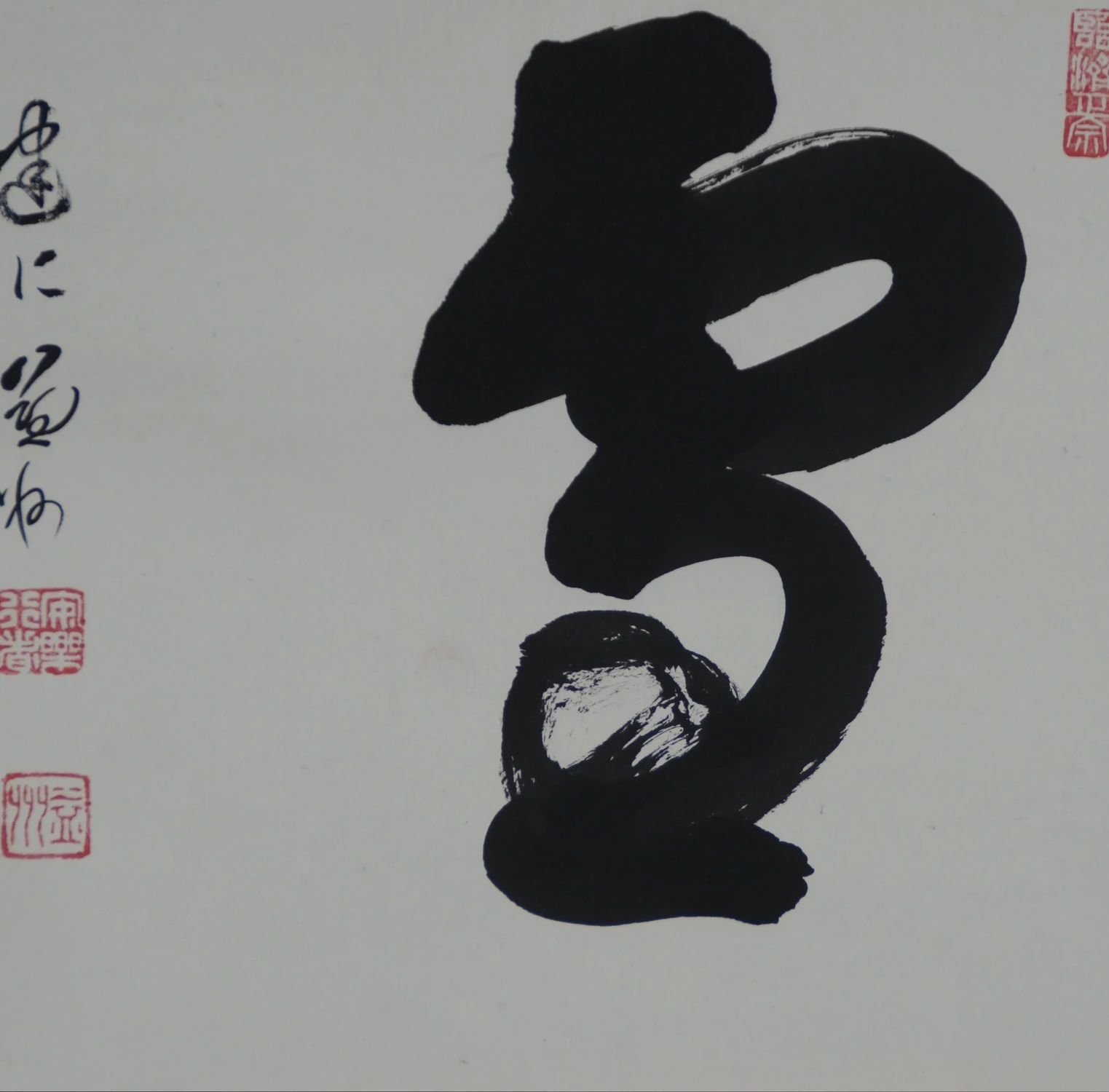
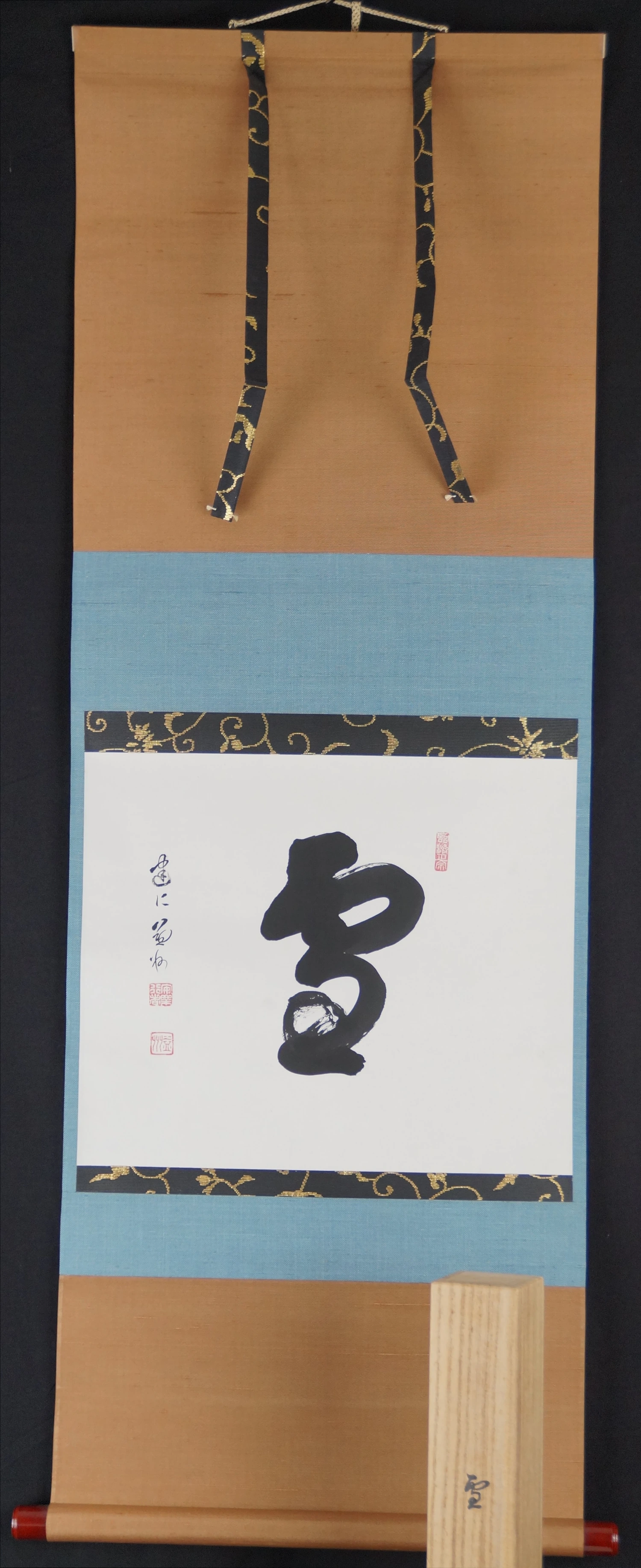
Takeda Masuyoshi
Calligraphy "Snow"
Kakemono, unique work, with box, 118 x 48 cm
€470.00
Mikami Kyokuhō
Naturstille
Kakemono, unique work, 202 x 61 cm
€265.00
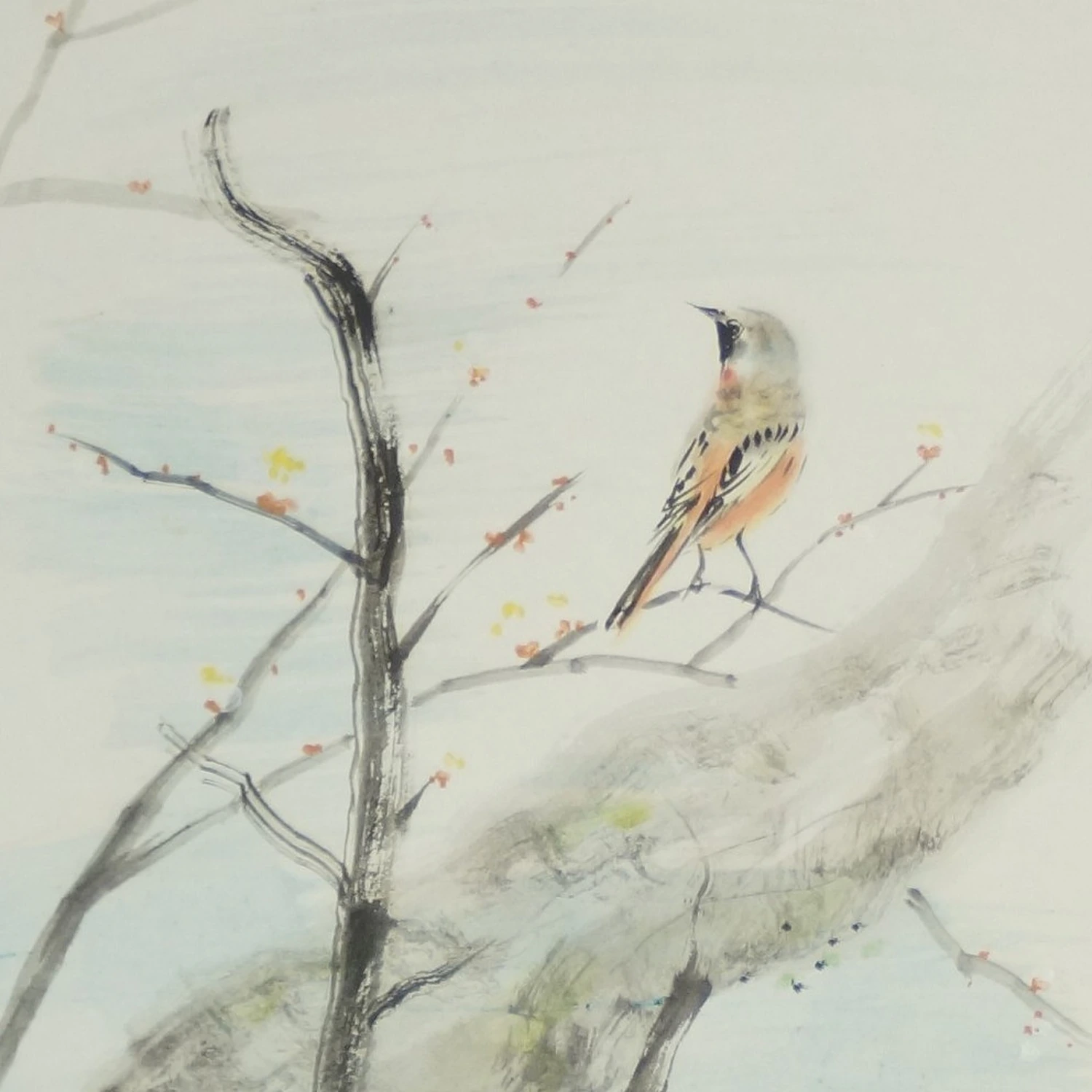
Sansō
Moment of Silence
Kakemono, unique work, 200 x 48 cm
€280.00
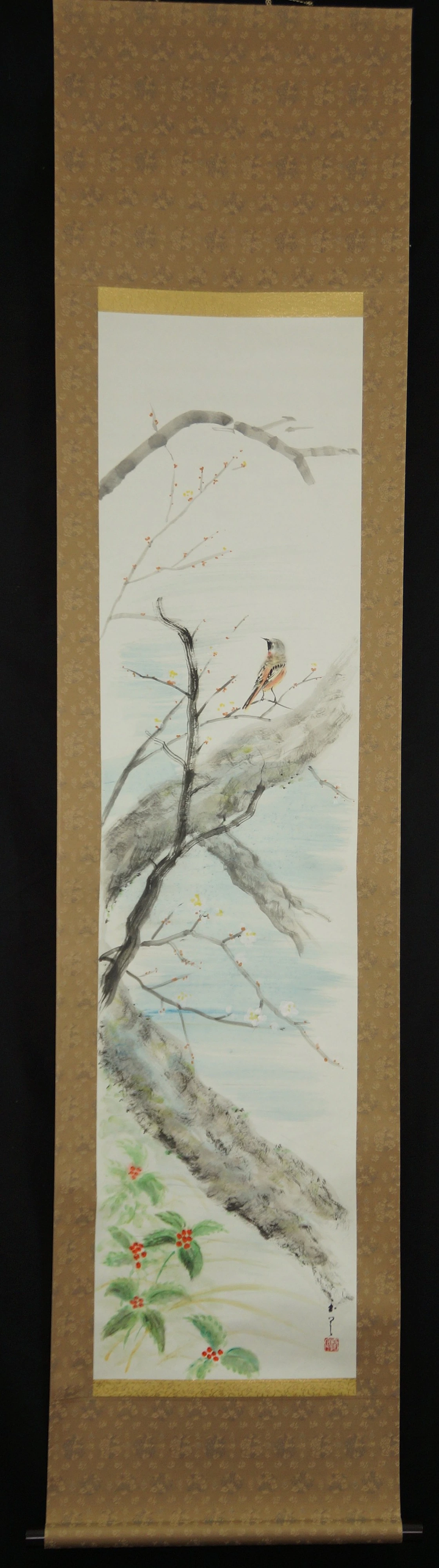
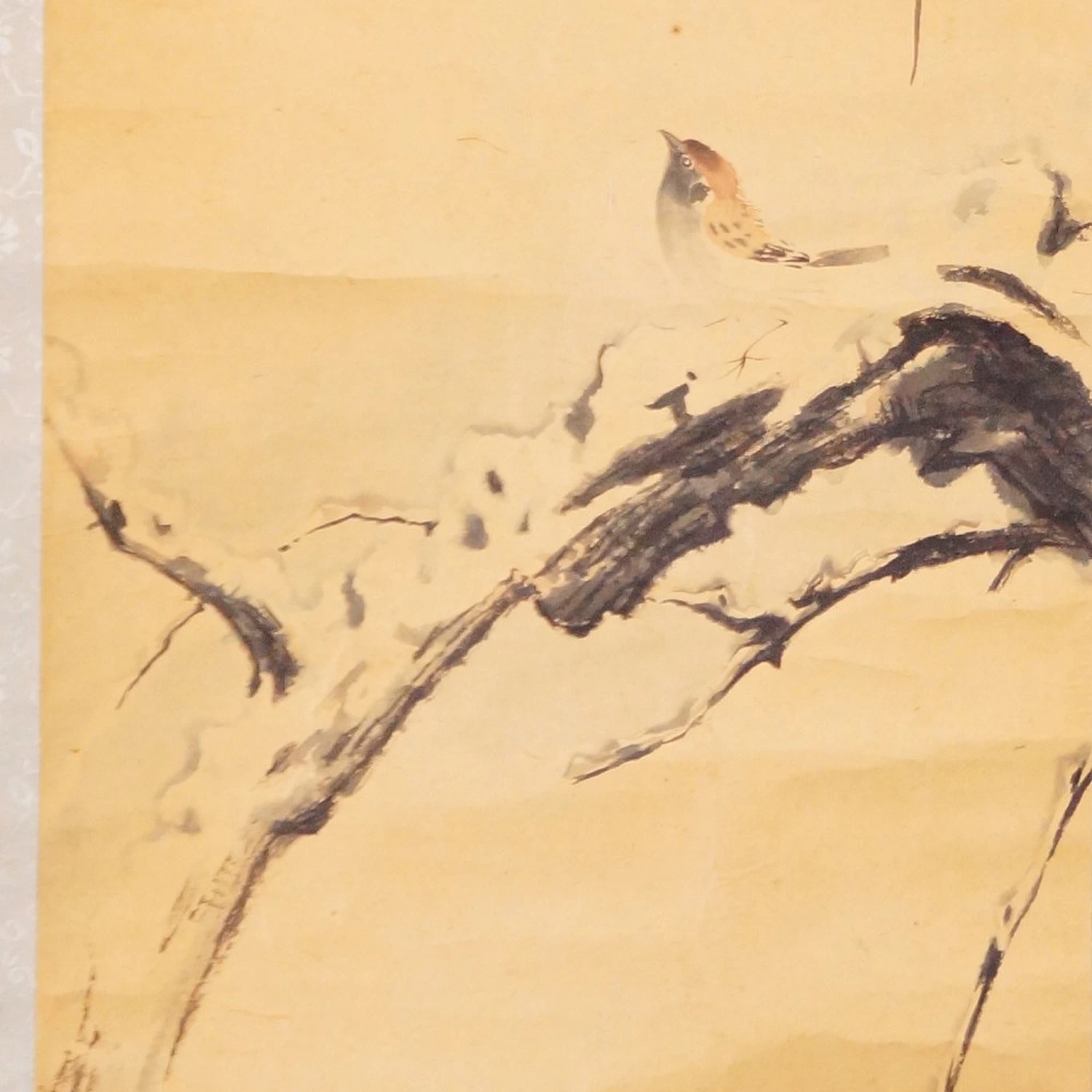
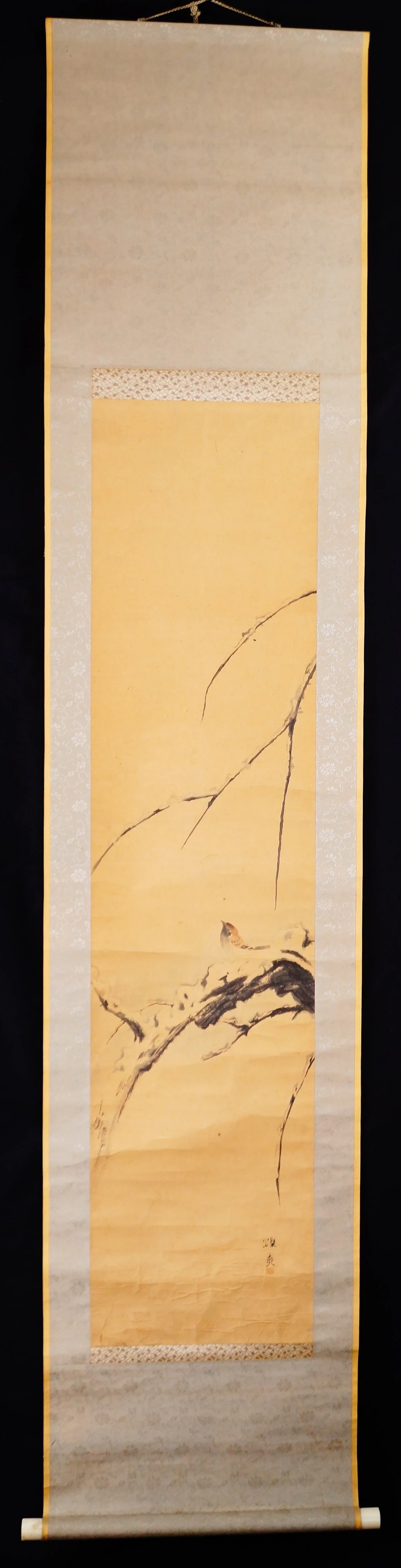
Sparrow on Snow-Covered Plum Branch
Kakemono, unique work, 193 x 50 cm
€280.00
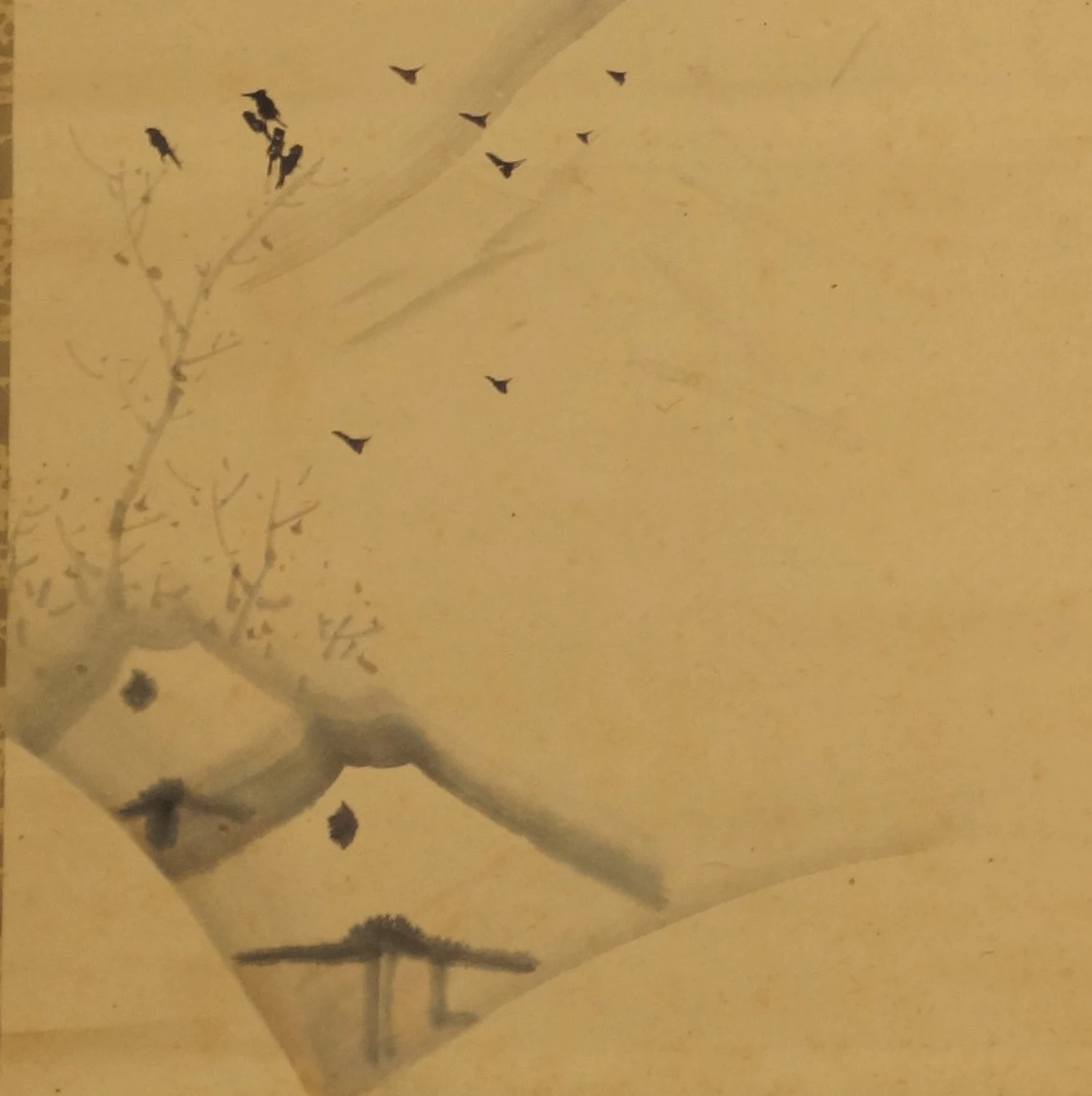
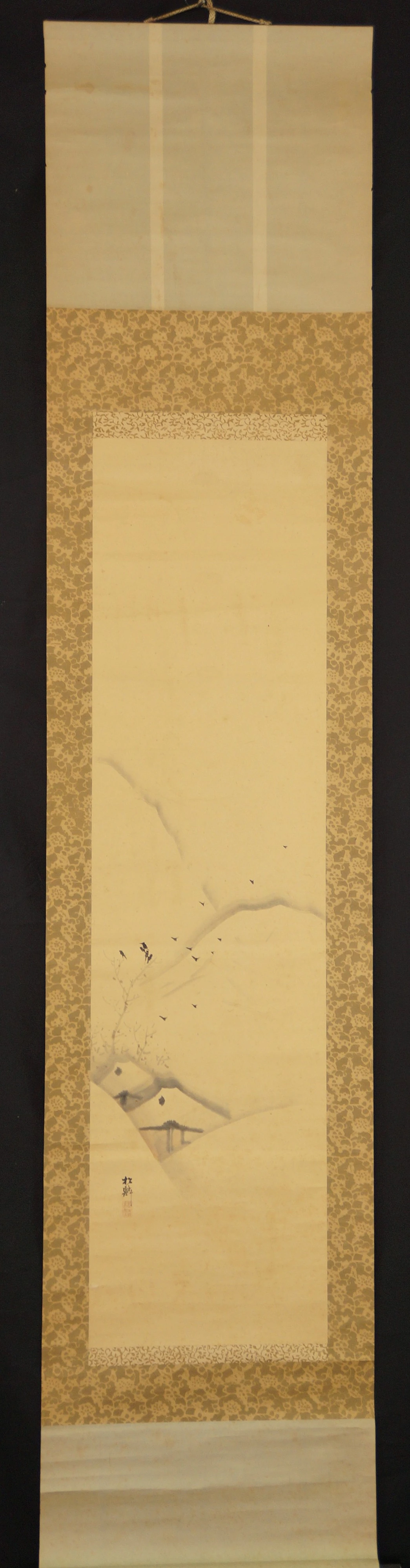
Crows on Snow Landscape
Kakemono, unique work, 194 x 48 cm
€370.00
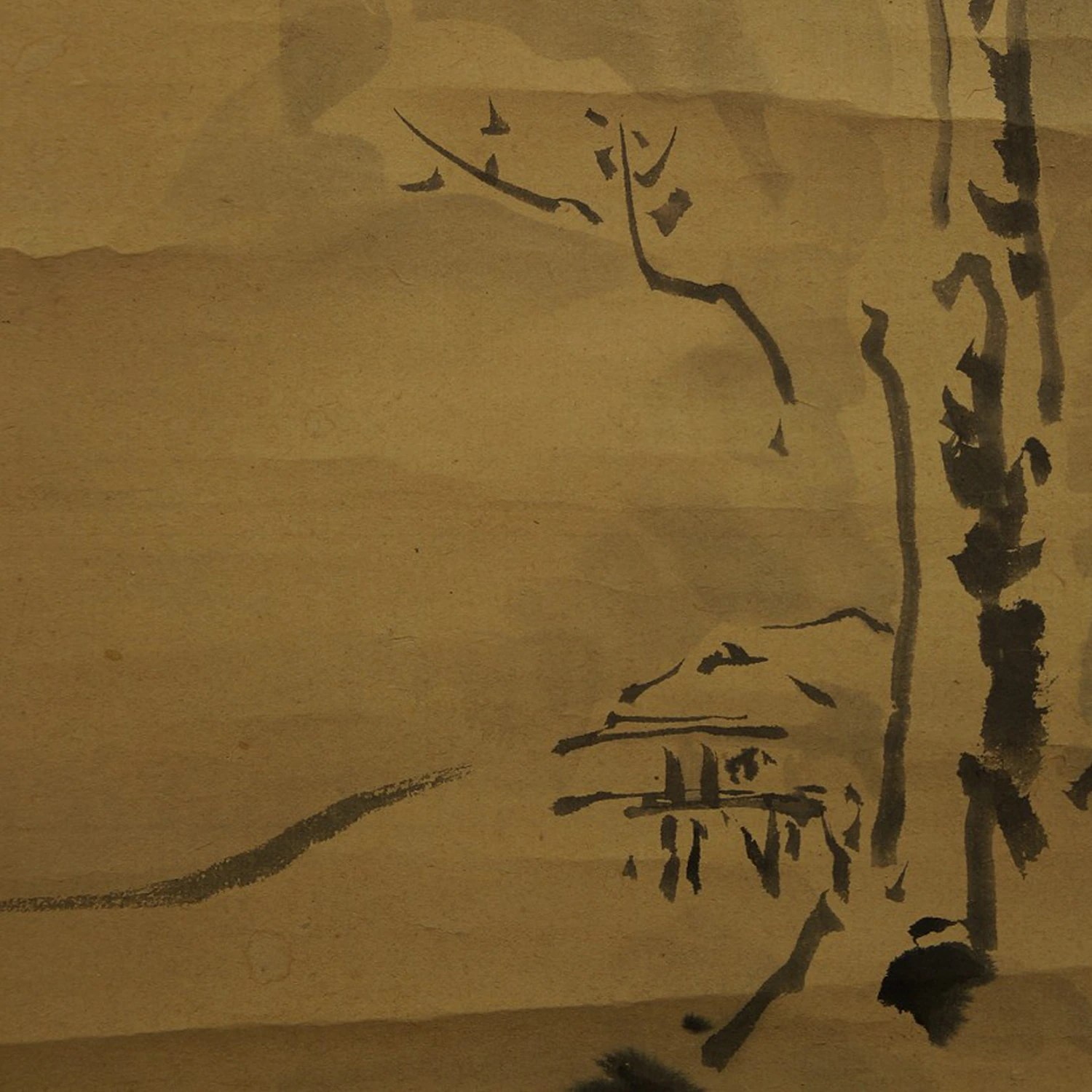
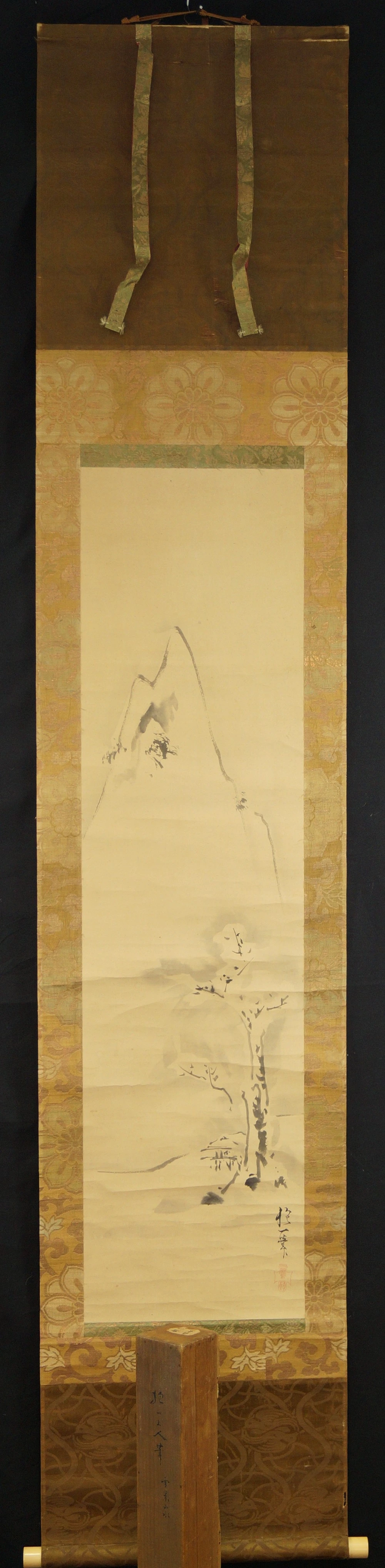
Sakai Hōitsu
Winter Landscape with Birds by the River
Kakemono, unique work, with box, 180 x 42 cm
€430.00
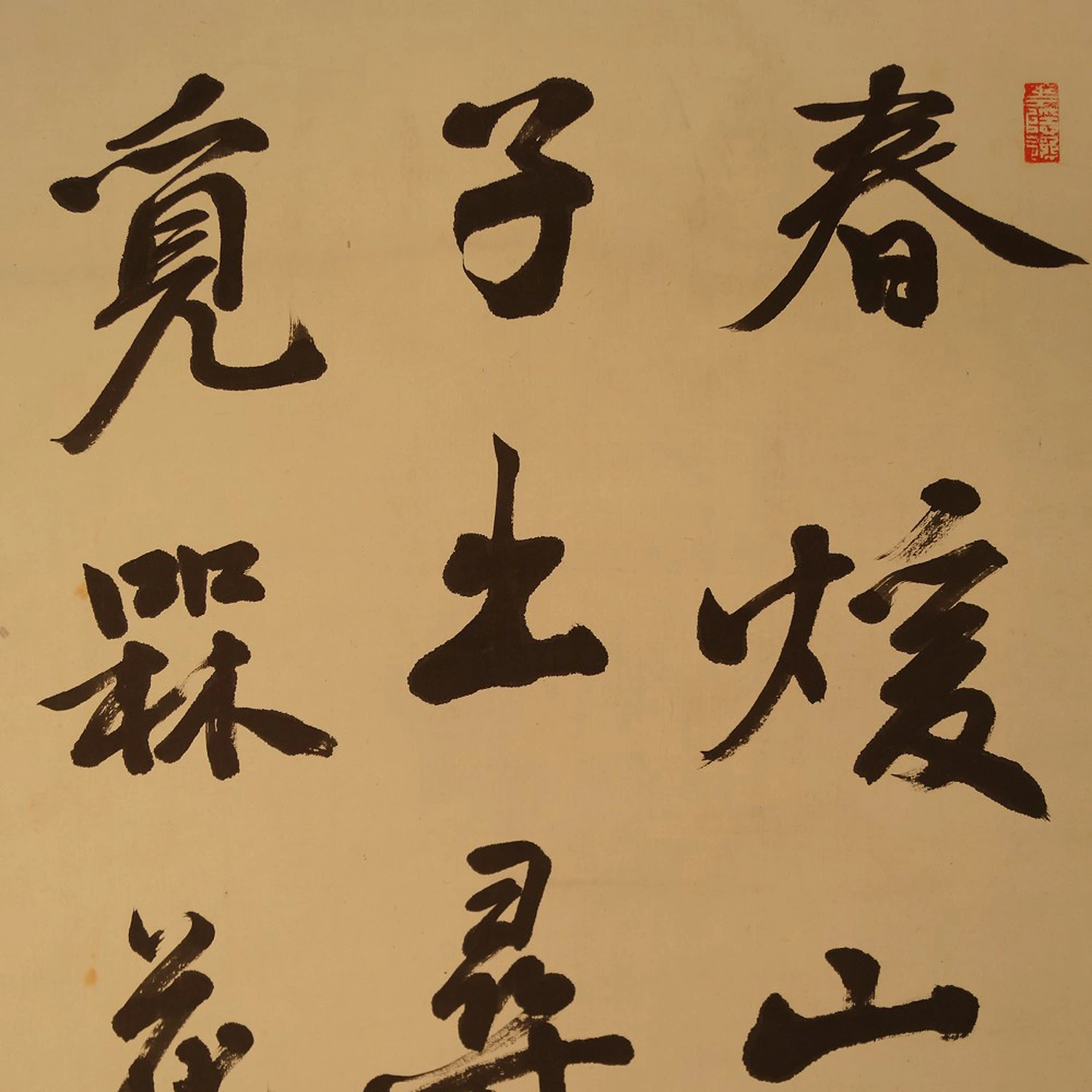
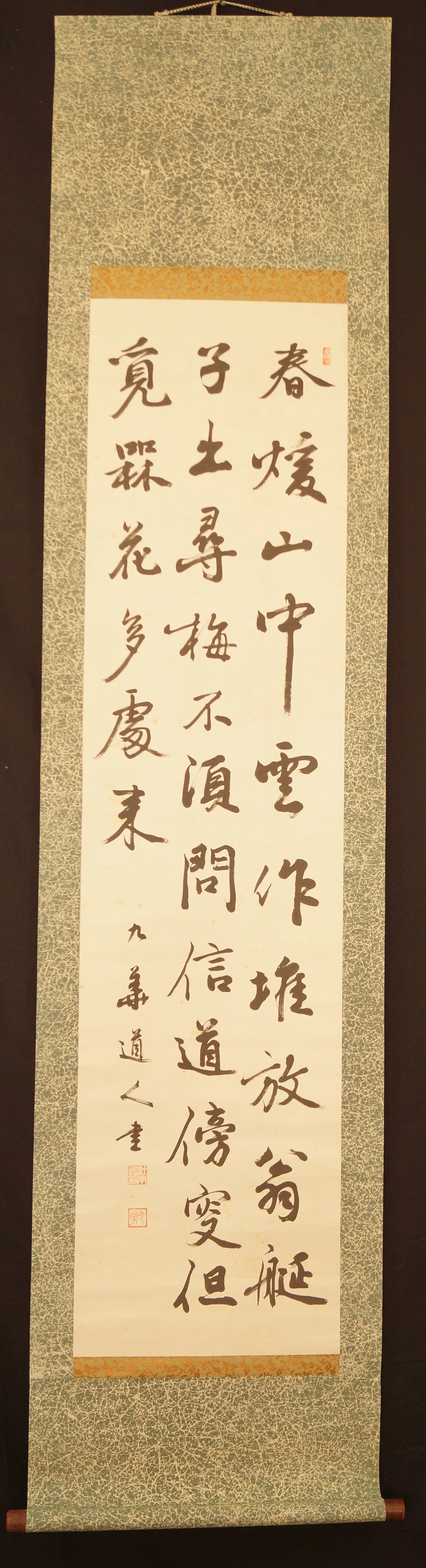
Calligraphy: In Search of the Plum Blossom
Kakemono, unique work, 195 x 51 cm
€180.00
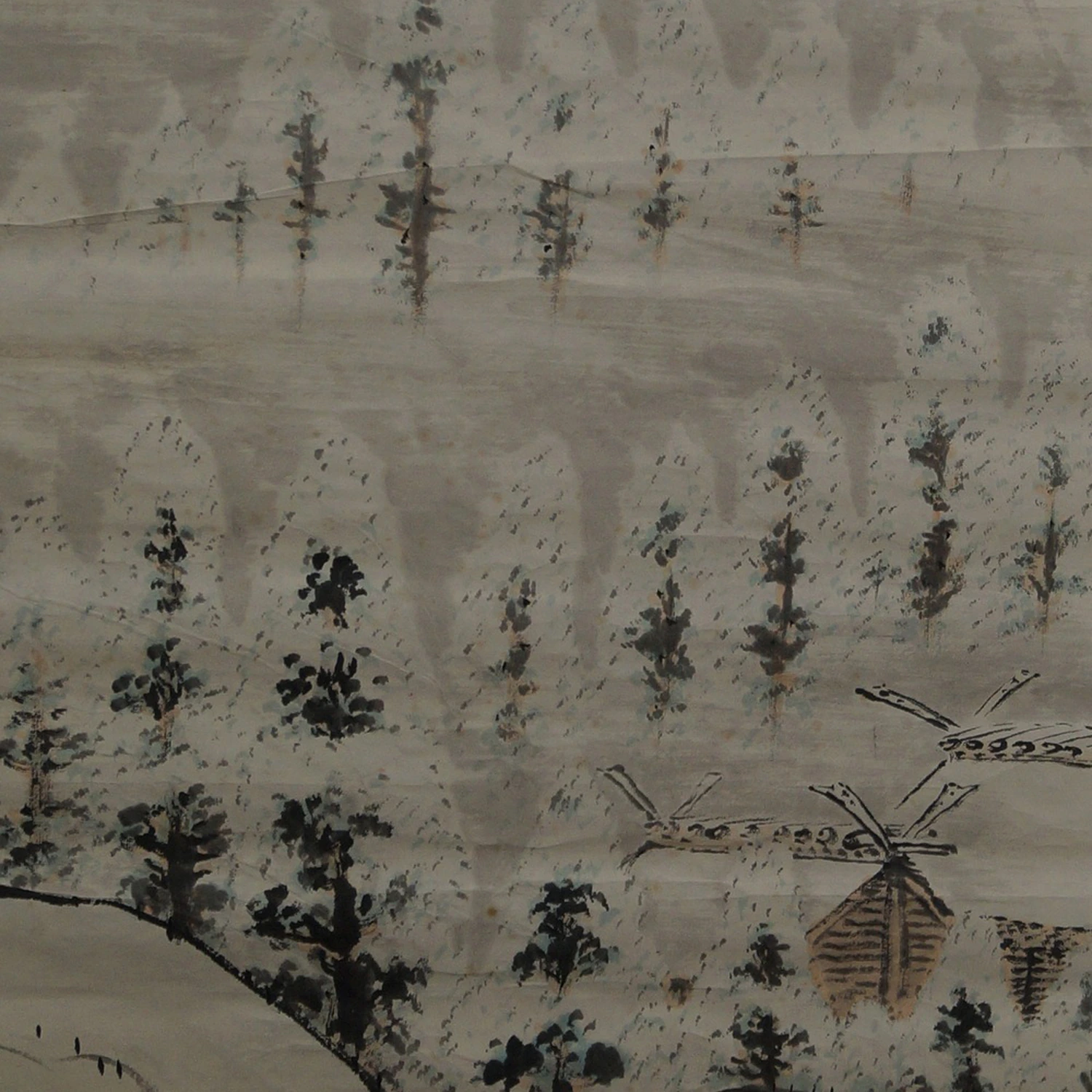
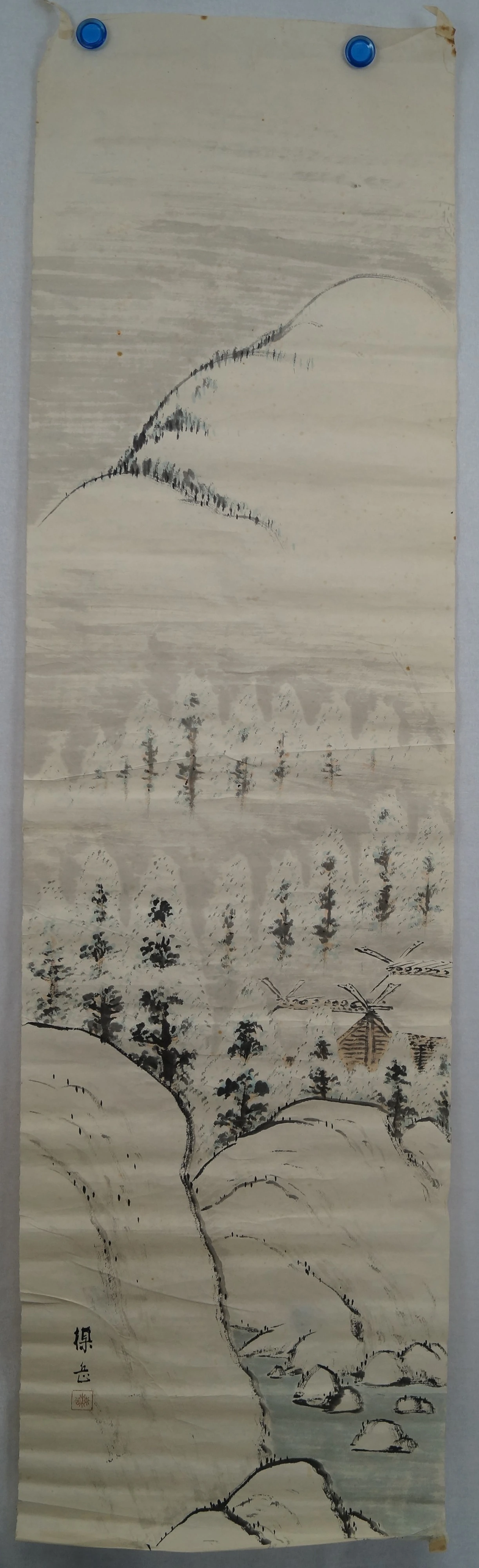
Winter Landscape with Mountain Huts
Makuri, unique work, 140 x 40 cm
€70.00
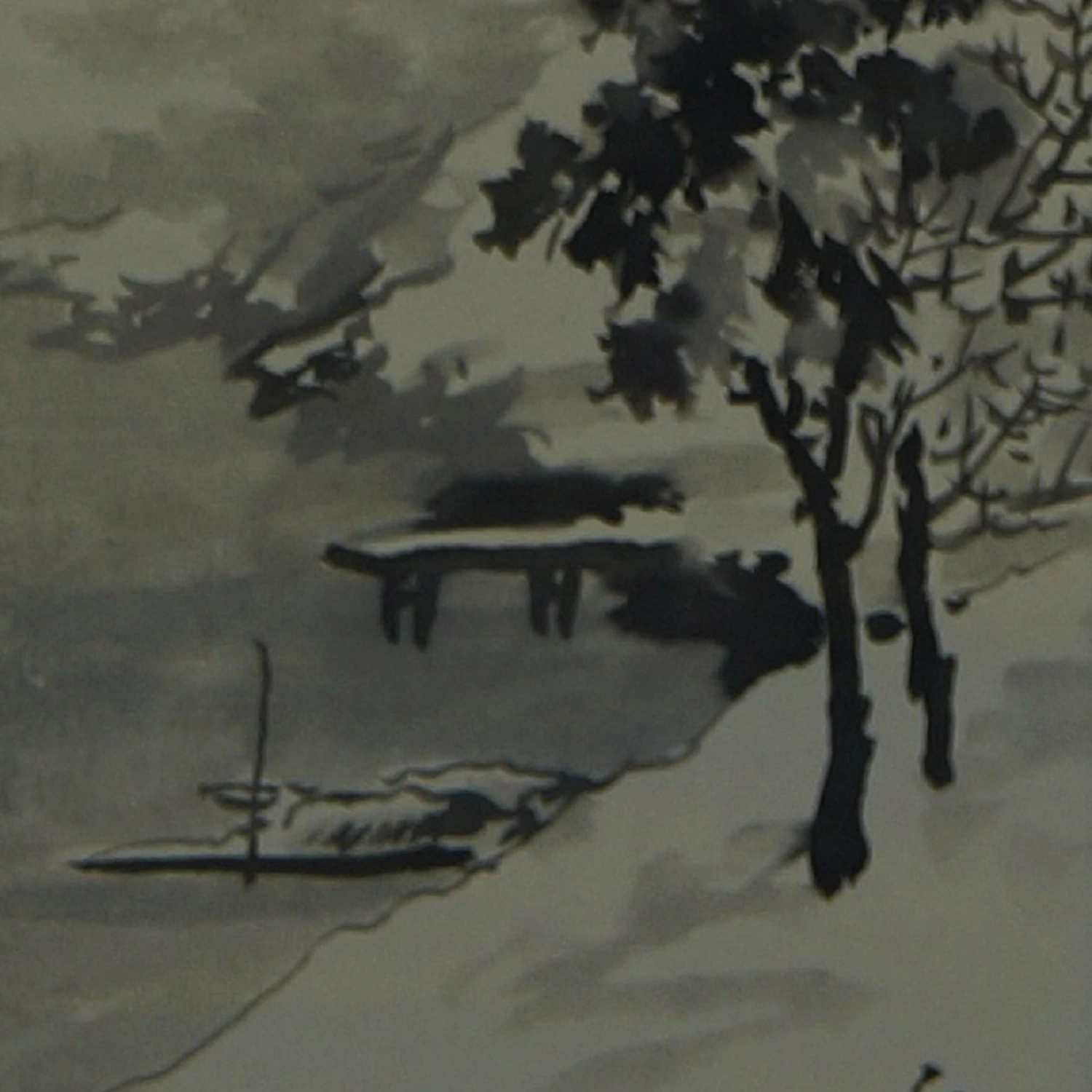

Landscape with Pavilion and Boat on the Shore
Kakemono, unique work, 194 x 34 cm
€150.00
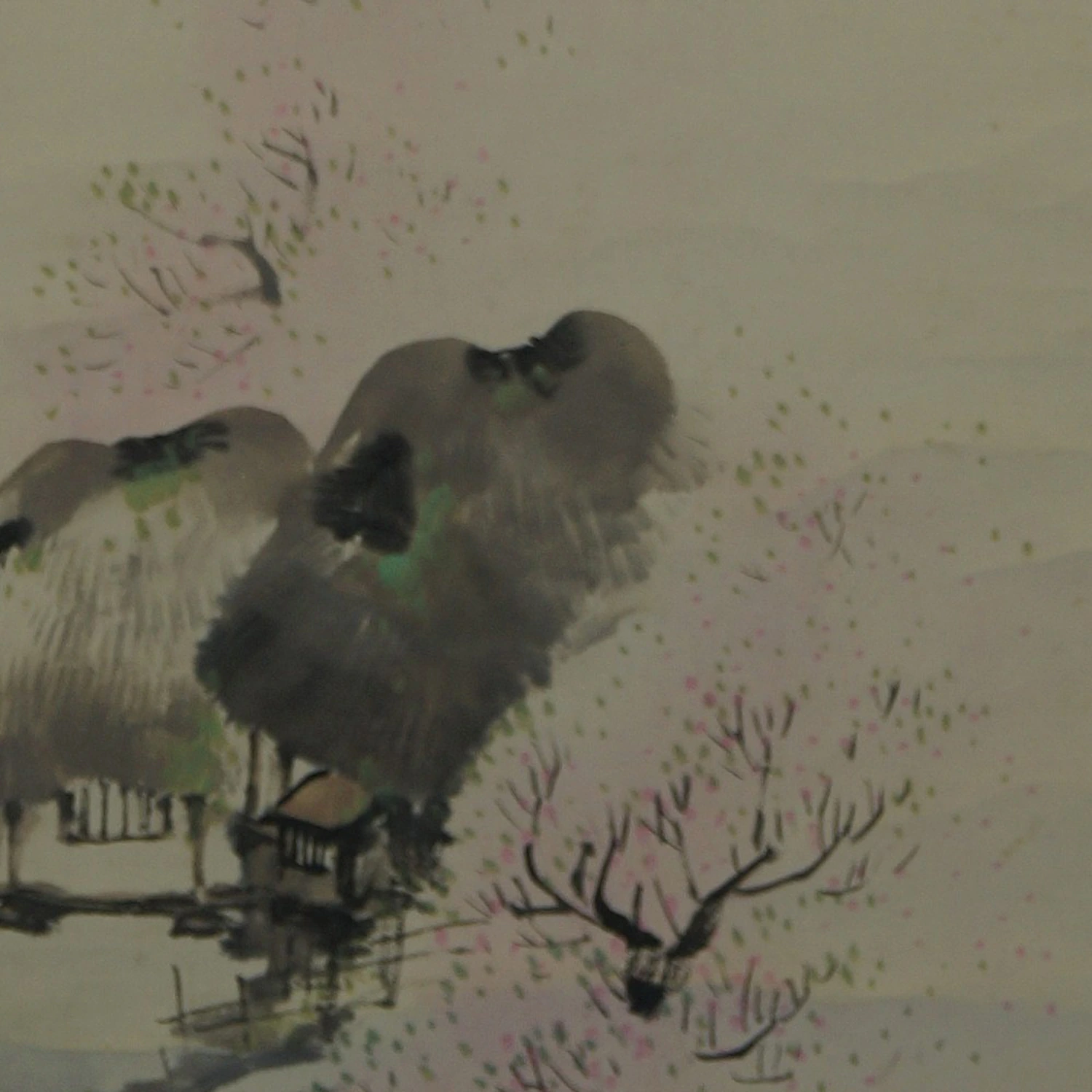
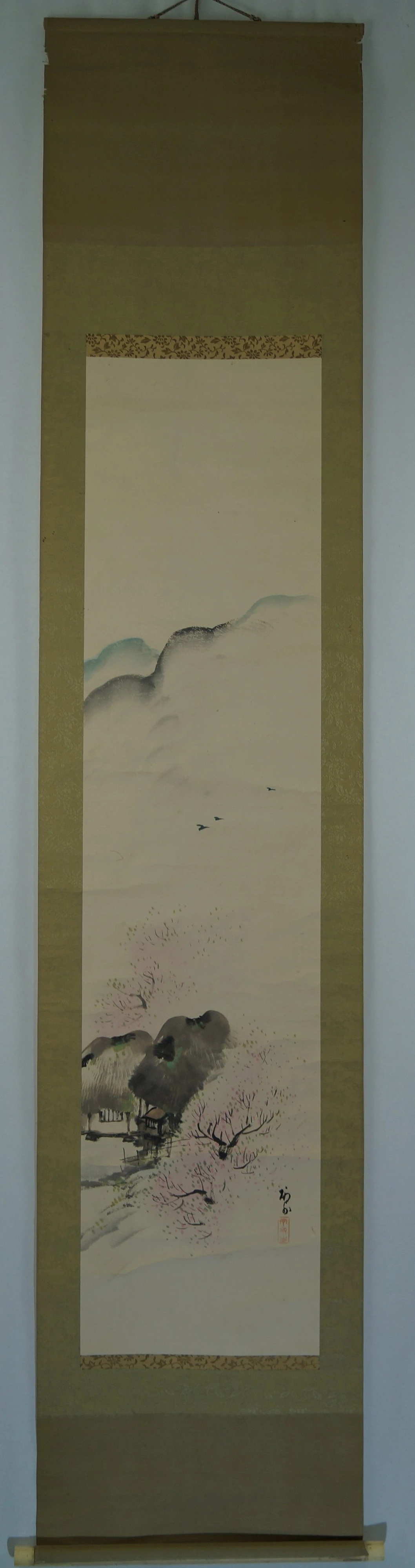
Plum Blossom in Snow
Kakemono, unique work, 197 x 47 cm
€140.00
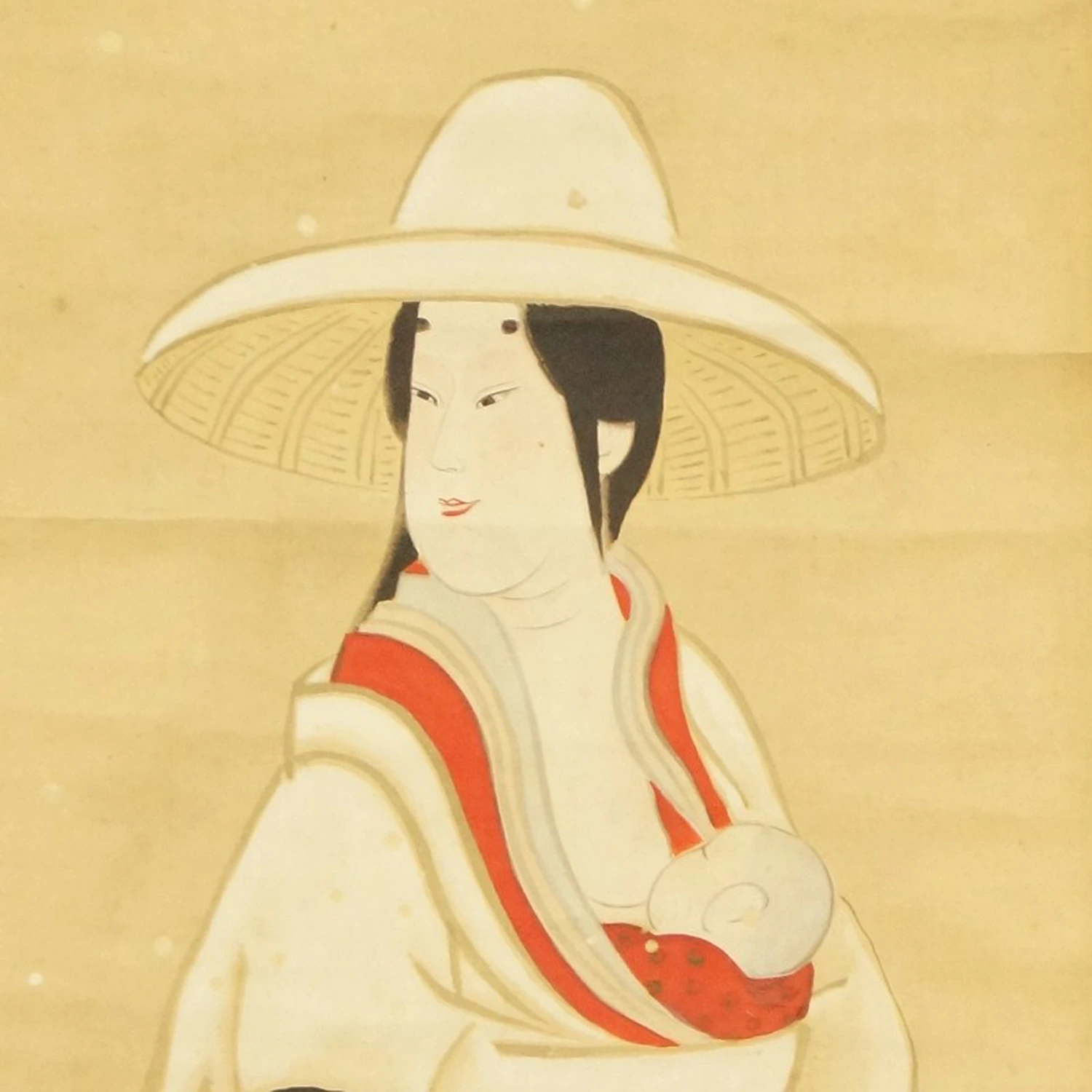
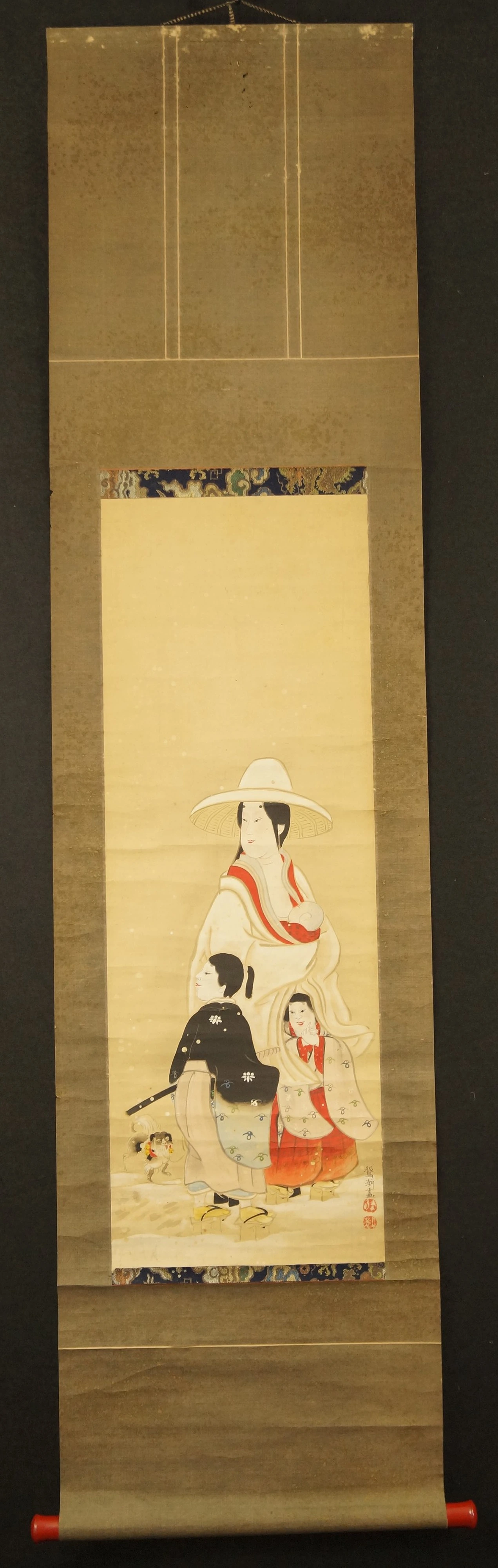
Mother with Children in the Snow
Kakemono, unique work, 164 x 48 cm
€420.00
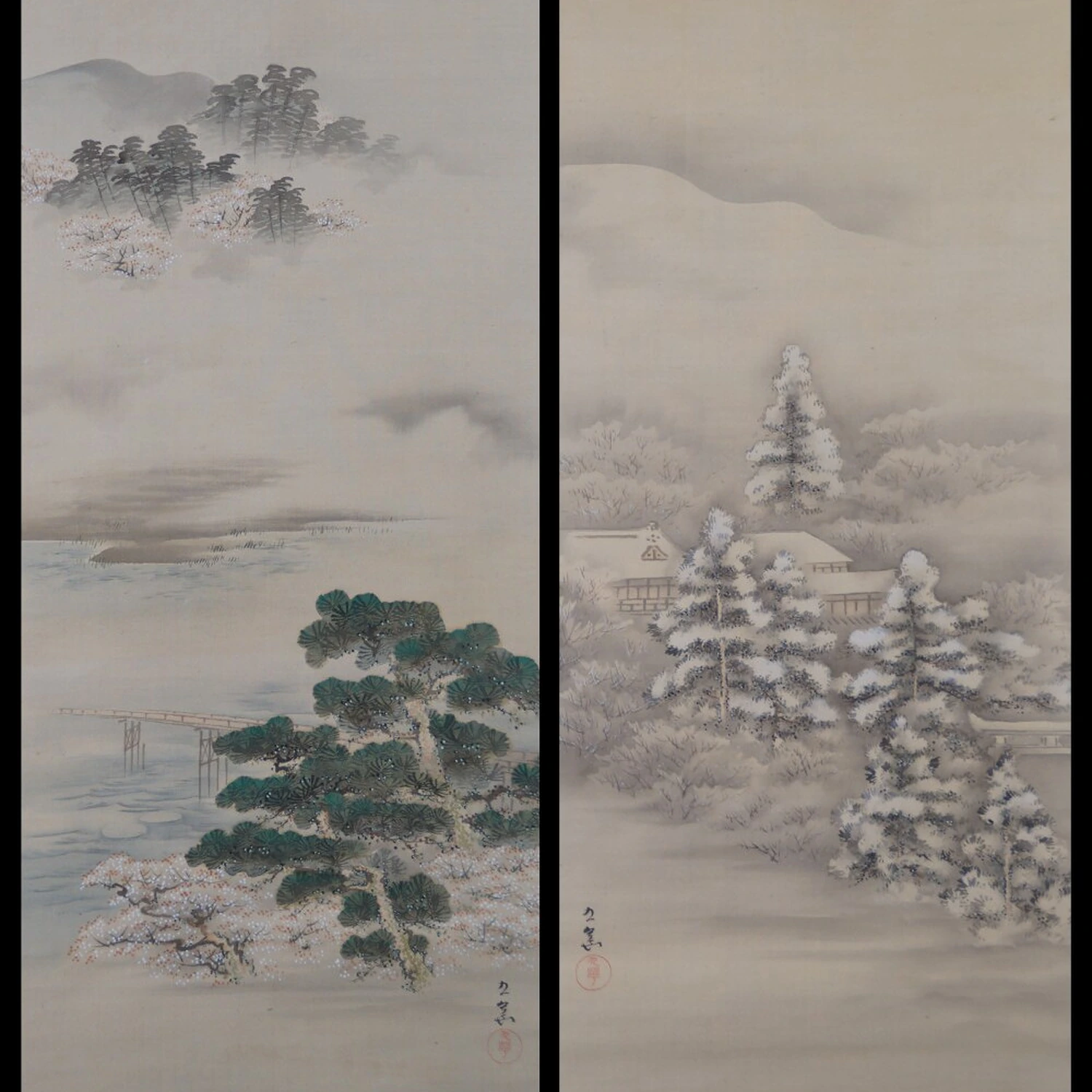
Ikeda Kyuka
Winter and Spring - Set of 2
Kakemono, unique work, 189 x 52 cm
Sold
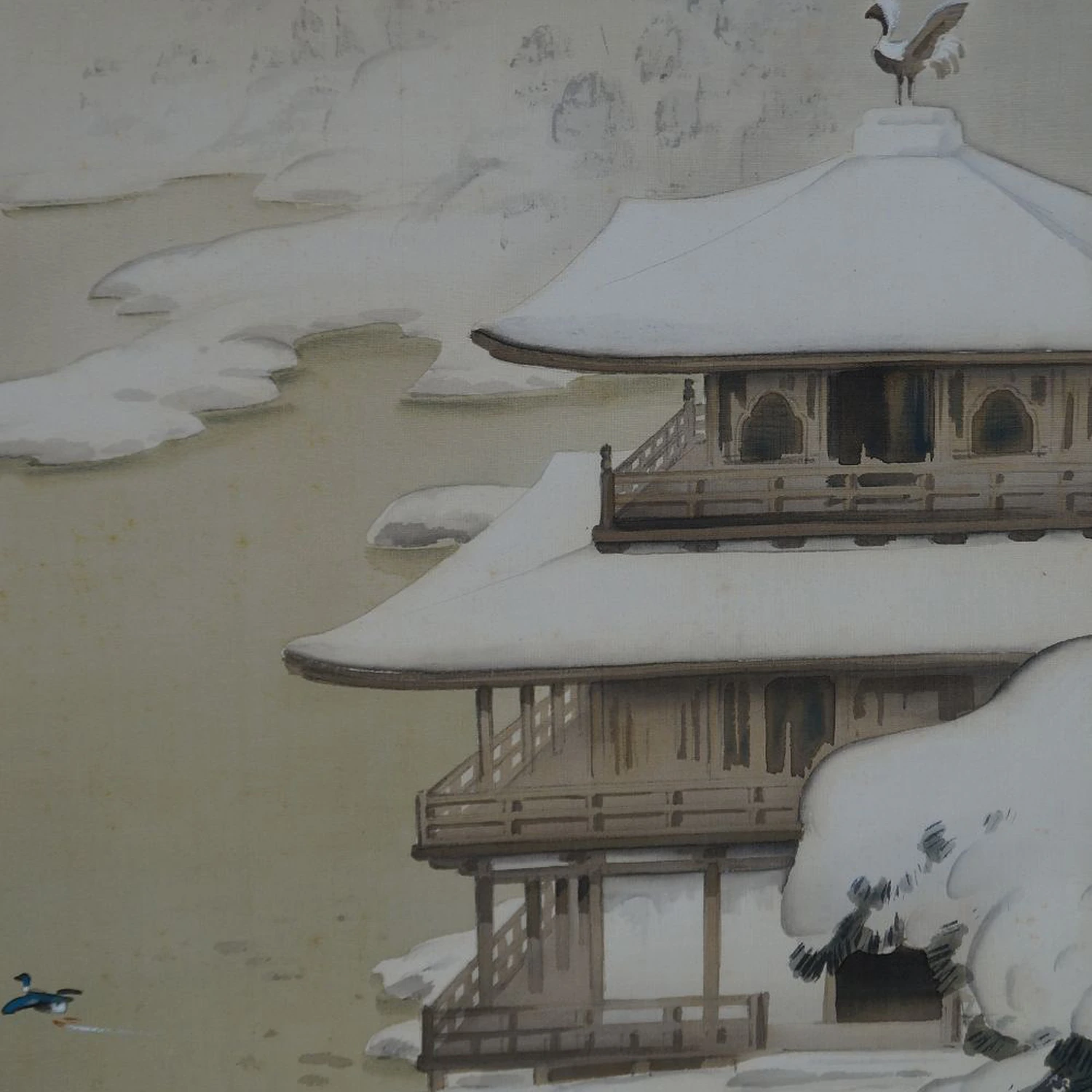
Nakamura Shunyō
Snow-Covered Monastery by a Quiet Lake
Kakemono, unique work, 157 x 37 cm
Sold
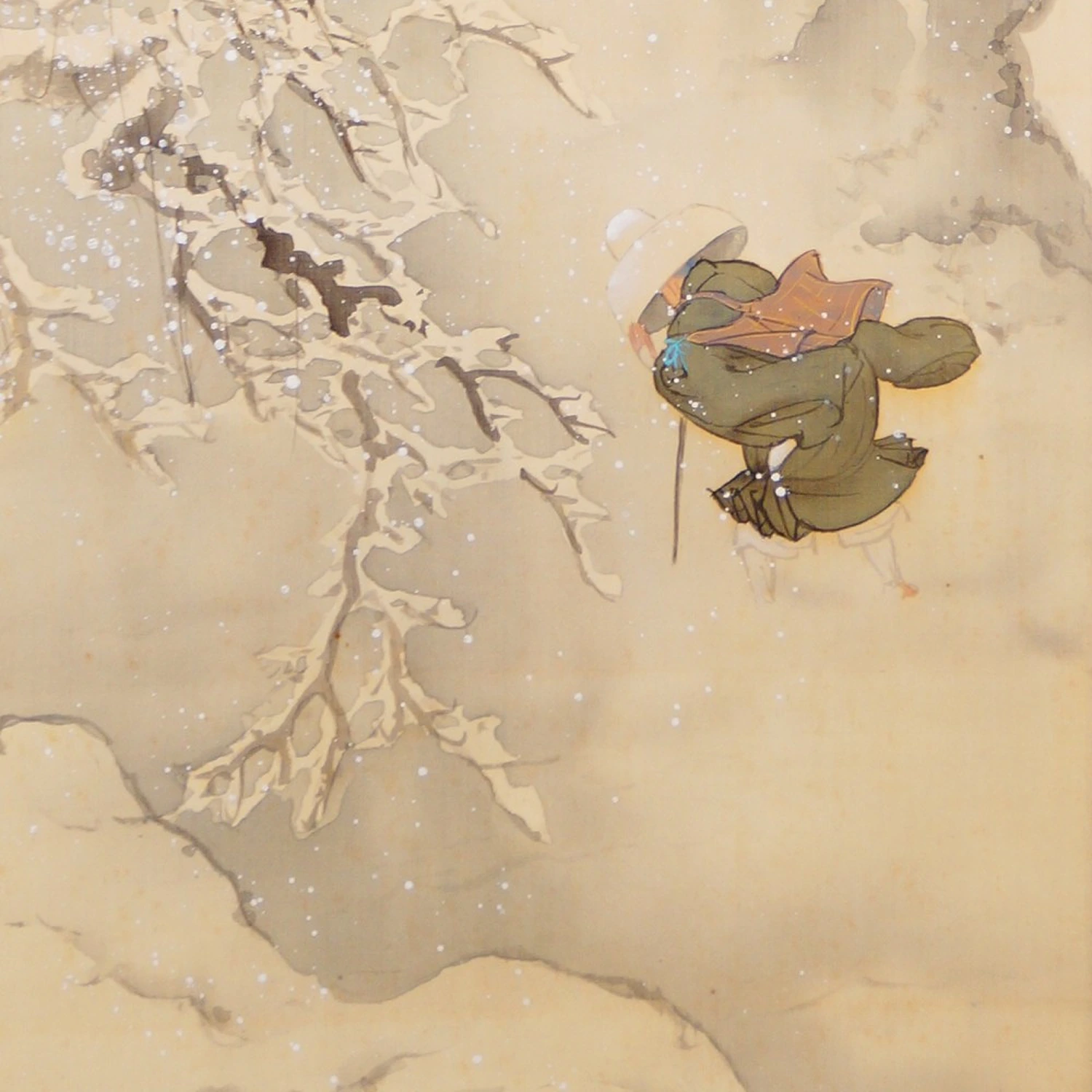
Muraoka Moega
Zen Monk in Snowfall
Kakemono, unique work, 190 x 51 cm
Sold
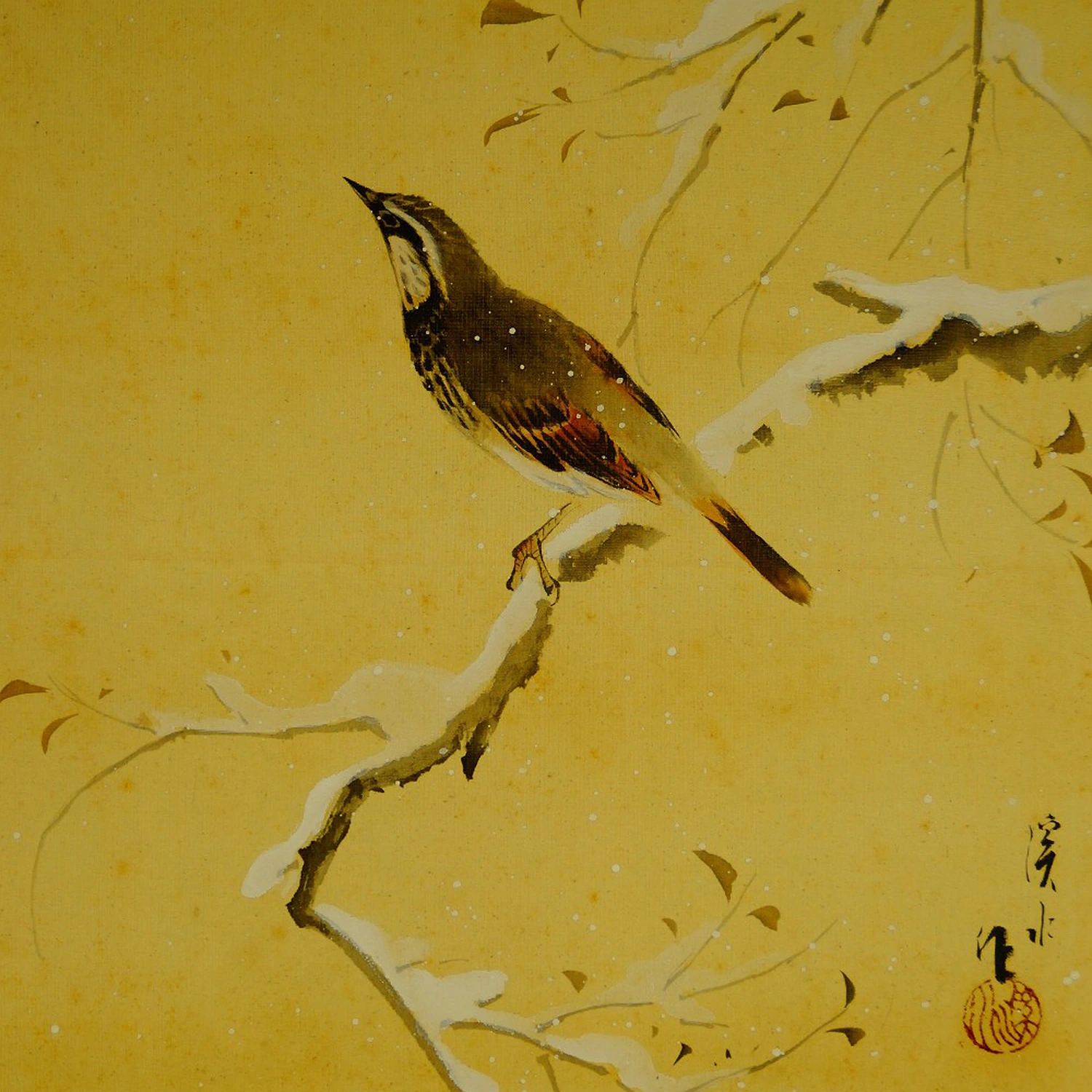
Itō Keisui
Bird in Winter
Kakemono, unique work, with box, 135 x 44 cm
Sold
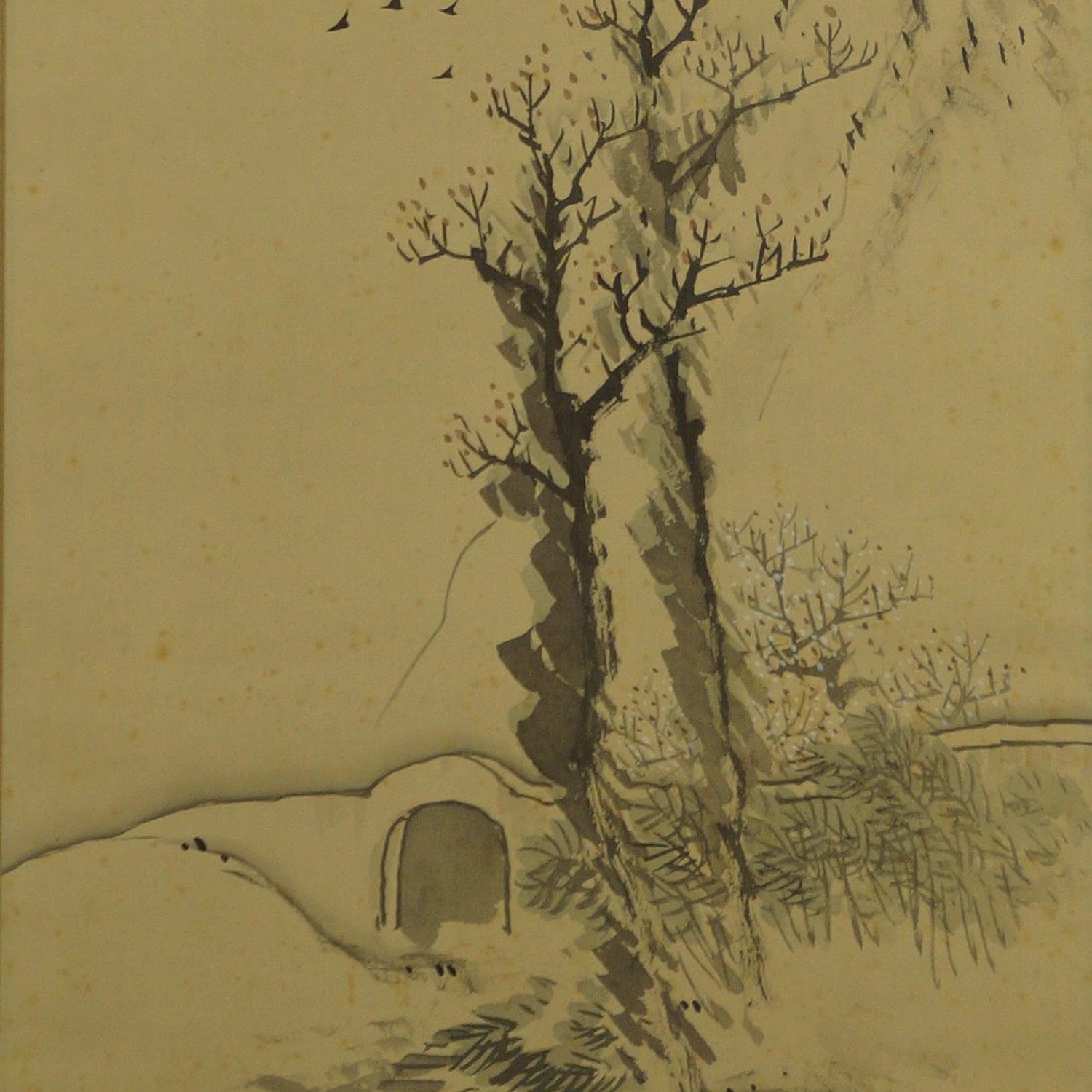
Keisui
Winter Mountain Landscape
Kakemono, unique work, 185 x 57 cm
Sold
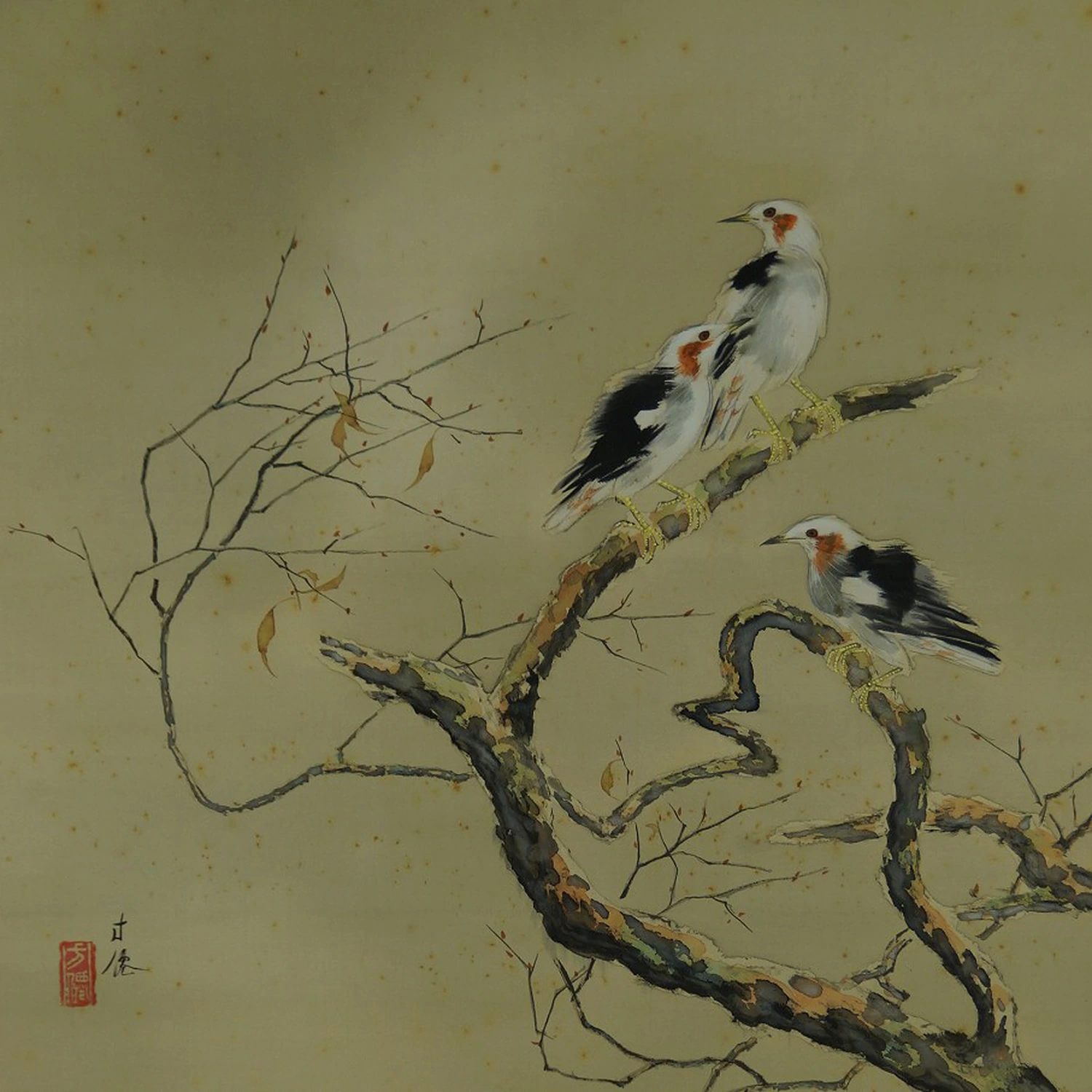
Hosen Higashihara
Kalter Himmel
Kakemono, unique work, 180 x 97 cm
Sold
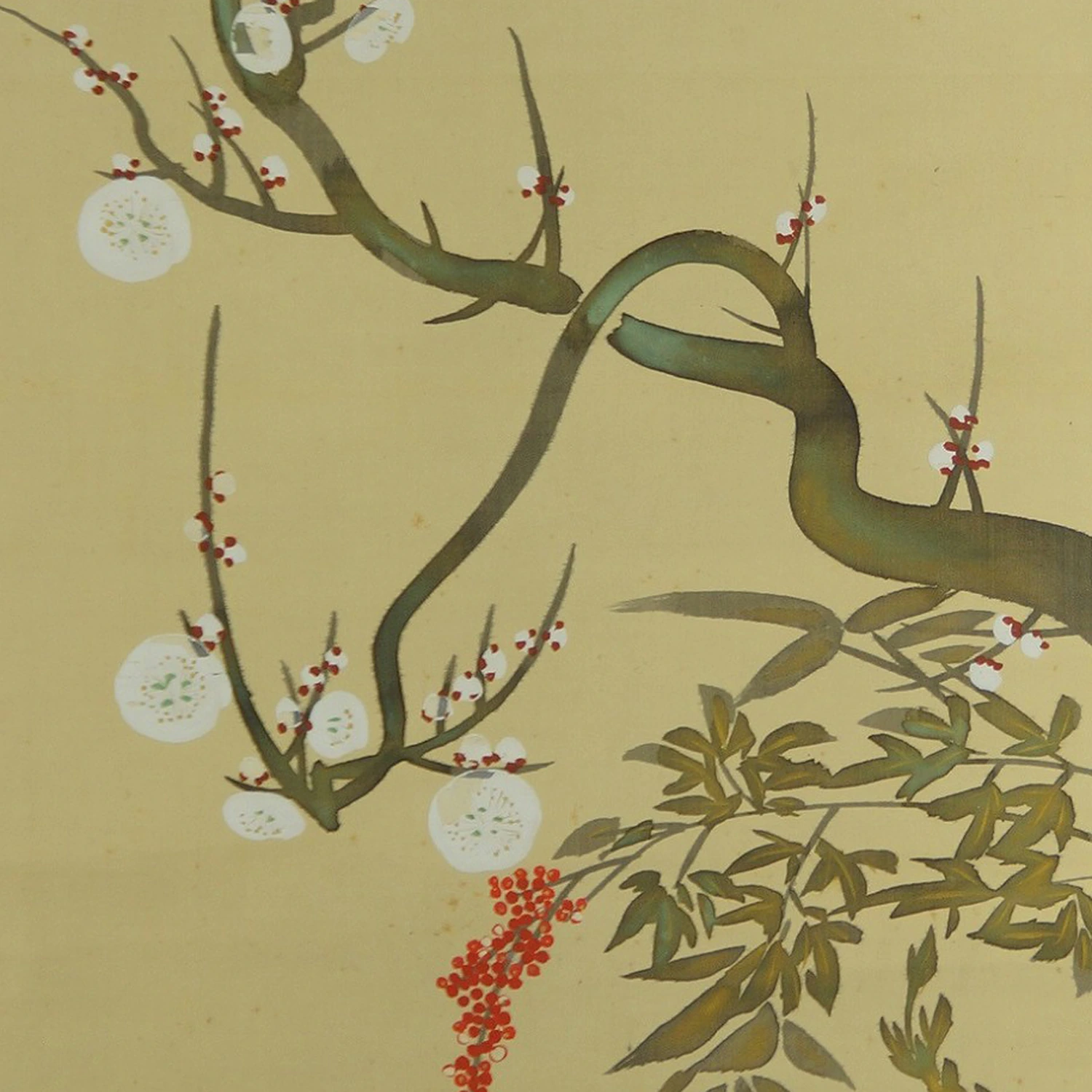
Sakai Houki
Blooming Plum Branch
Kakemono, unique work, with box, 177 x 60 cm
Sold
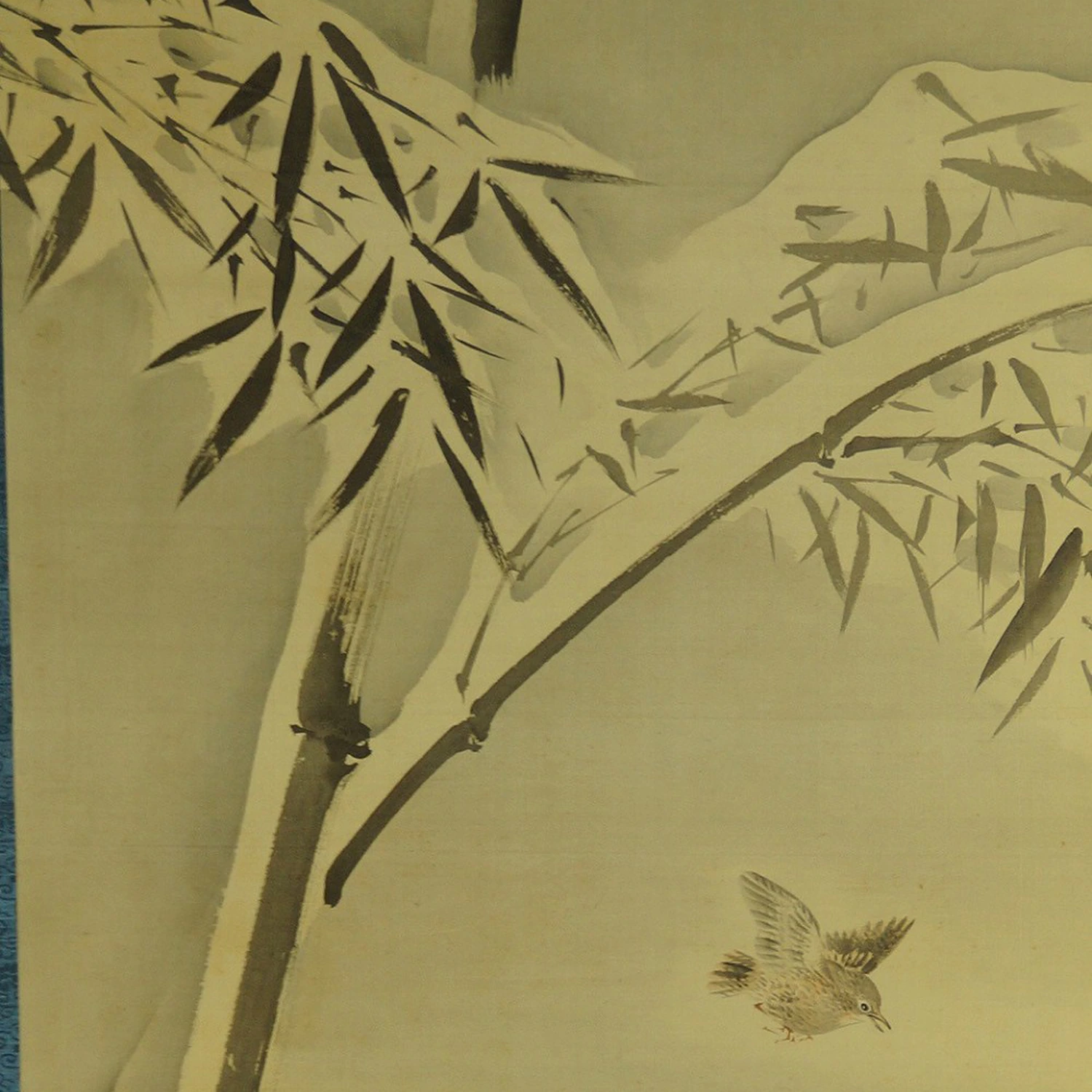
Nakajima Ariaki
Bamboo in Snow
Kakemono, unique work, with box, 195 x 60 cm
Sold
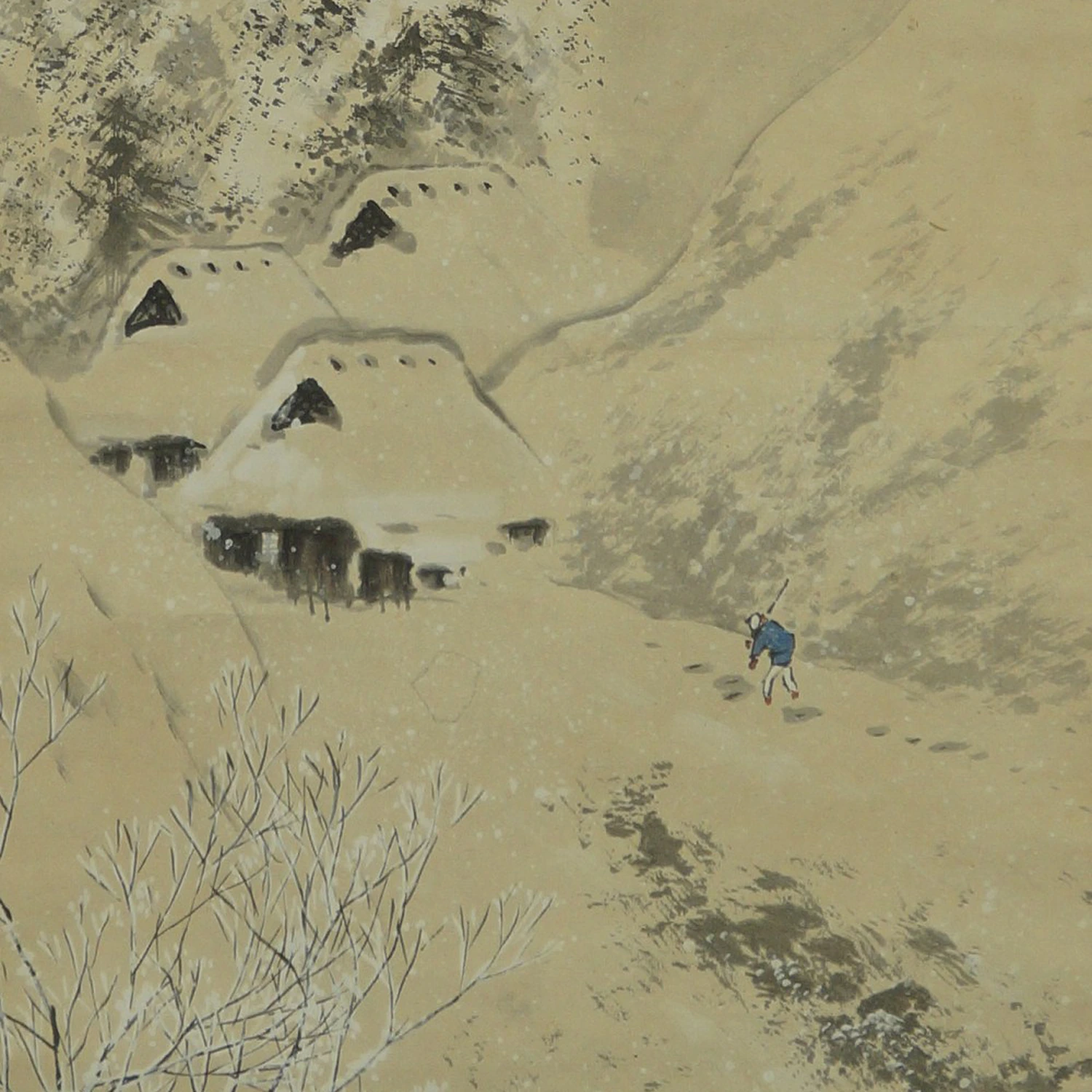
Matsumado Imai
Winter Landscape
Kakemono, unique work, with box, 179 x 48 cm
Sold
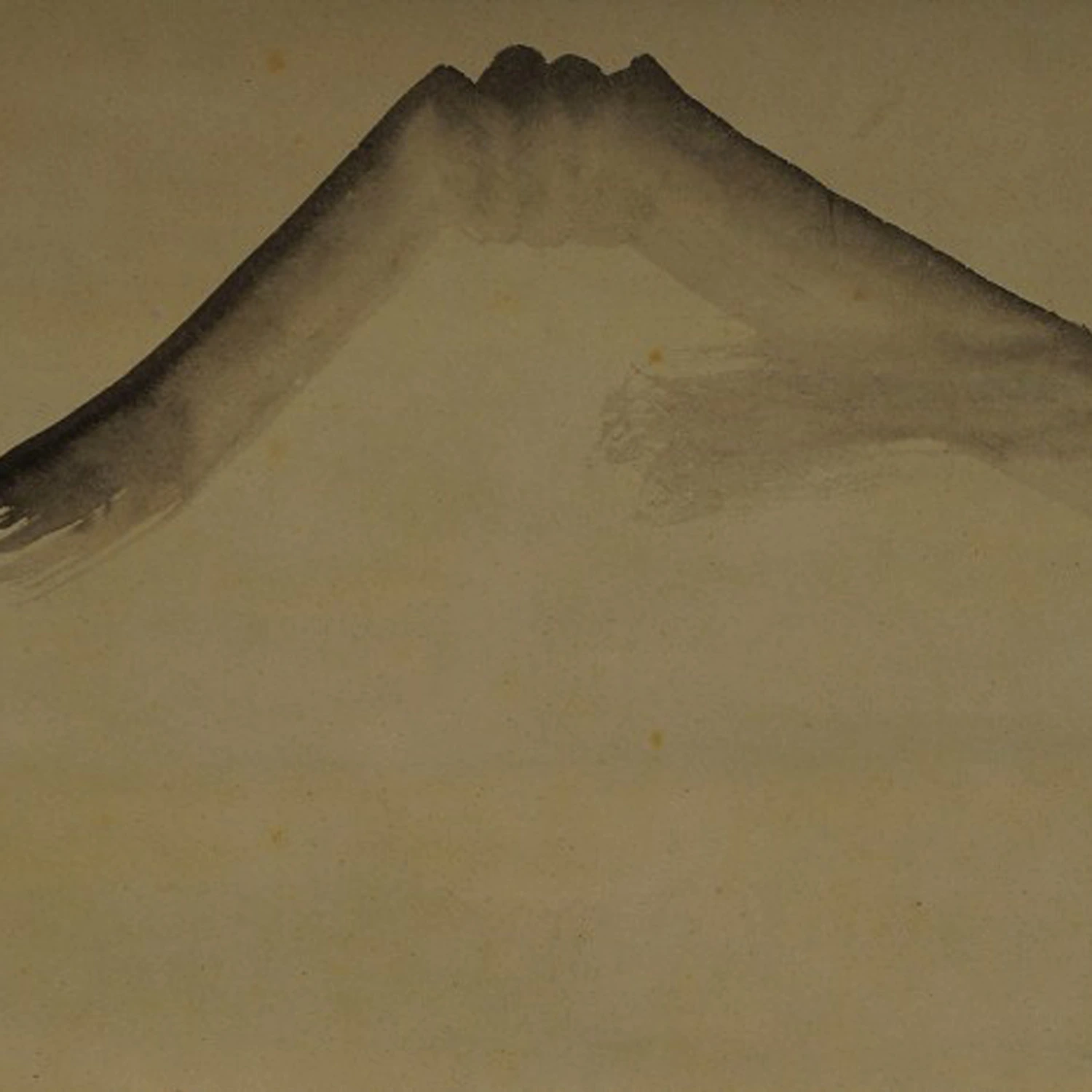
Kosuke Houn
Fuji-San as a Washed Outline with Inscription
Kakemono, unique work, 123 x 74 cm
Sold
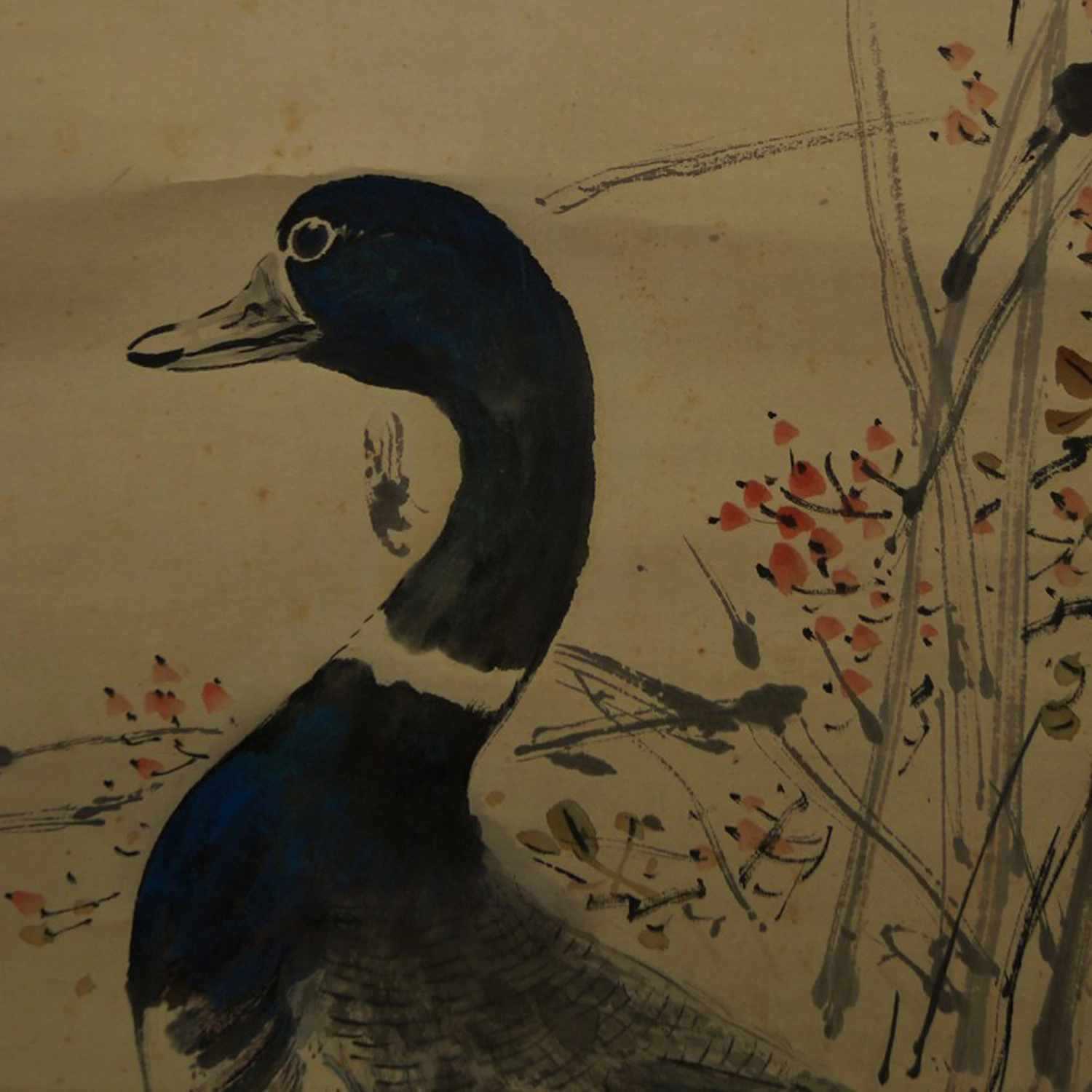
Two Ducks at the Shore
Kakemono, unique work, with box, 200 x 52 cm
Sold
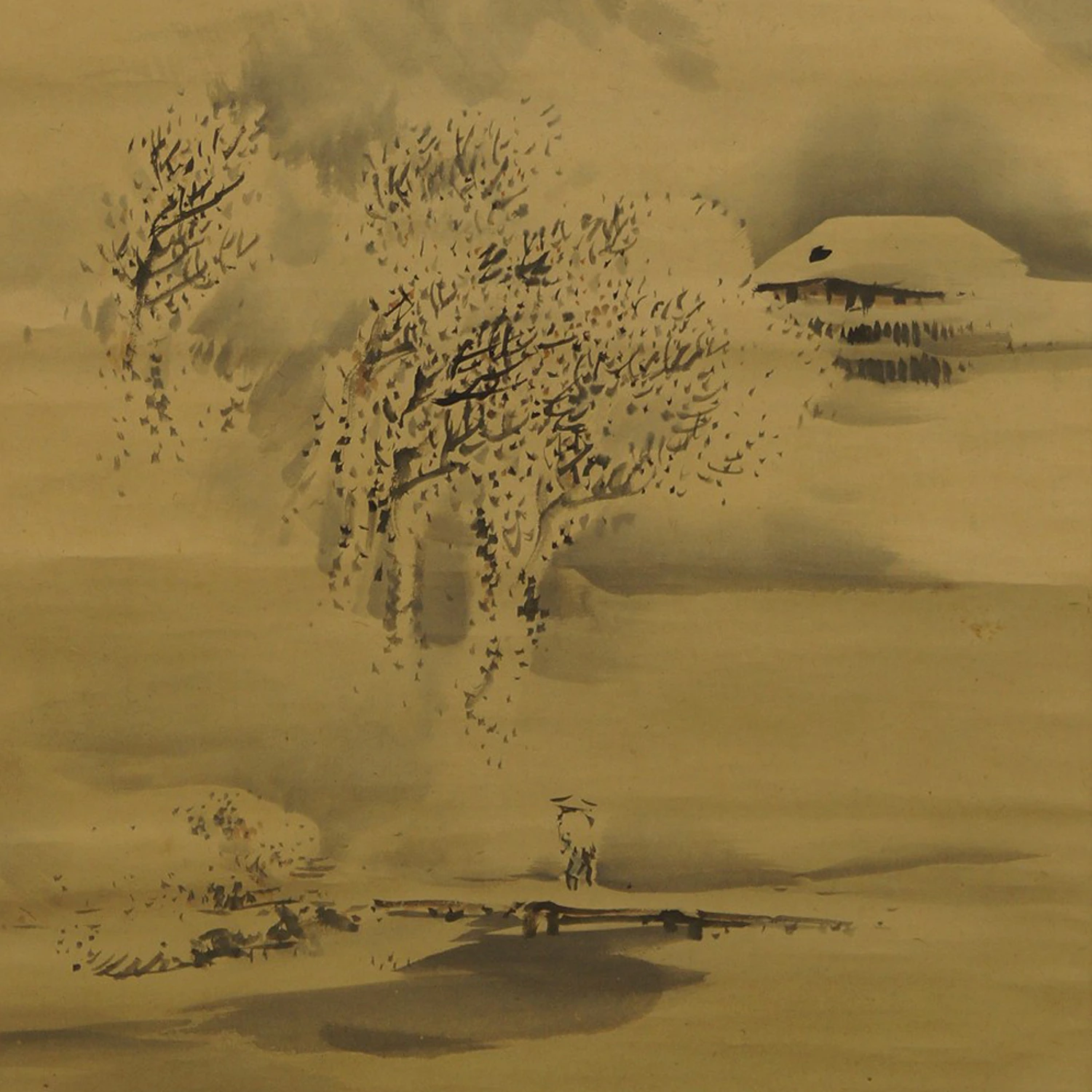
Bunrin Shiokawa
Snowy Landscape with Farmhouse
Kakemono, unique work, with box, 190 x 73 cm
Sold
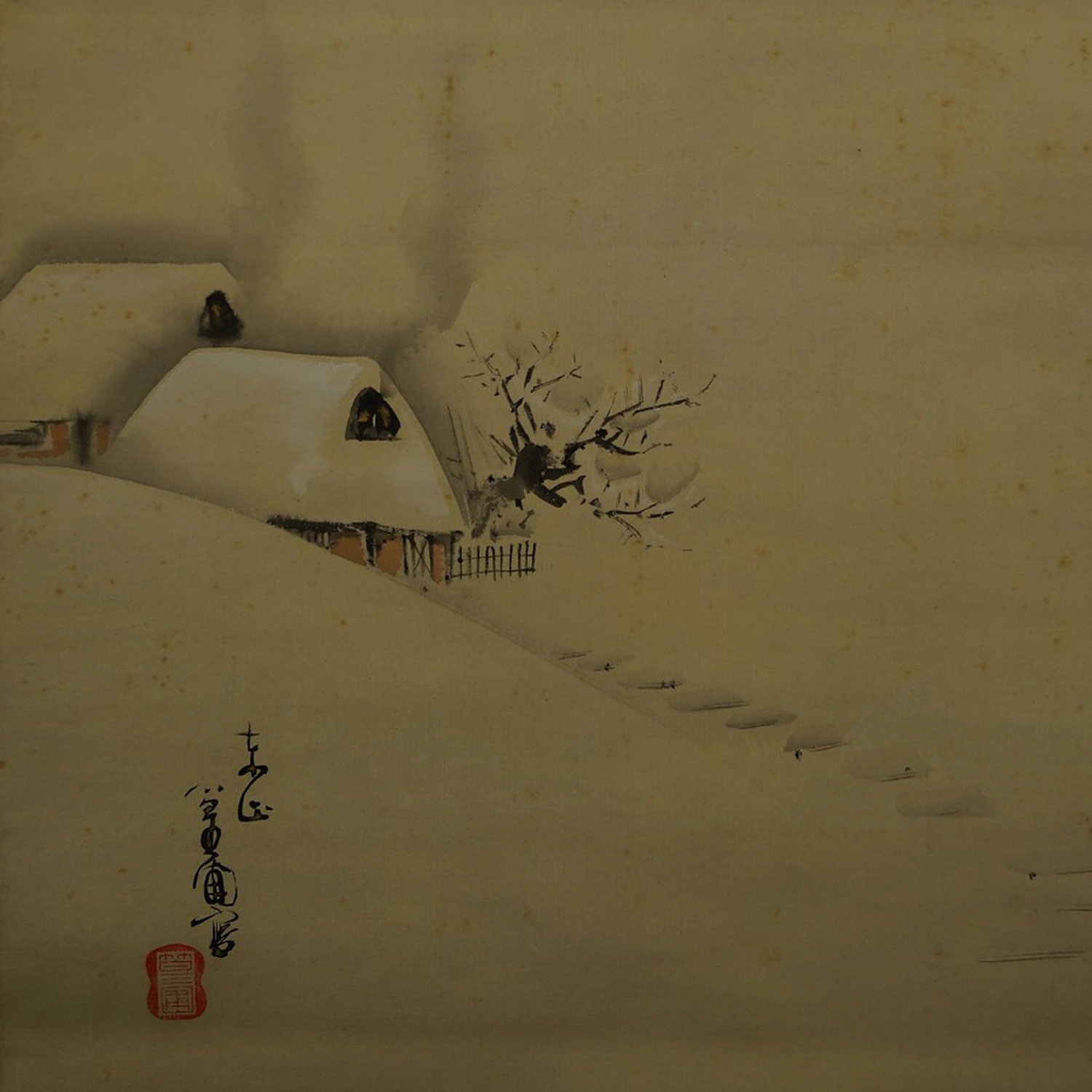
Takaya
Snow Landscape with Farmhouse
Kakemono, unique work, 170 x 47 cm
Sold
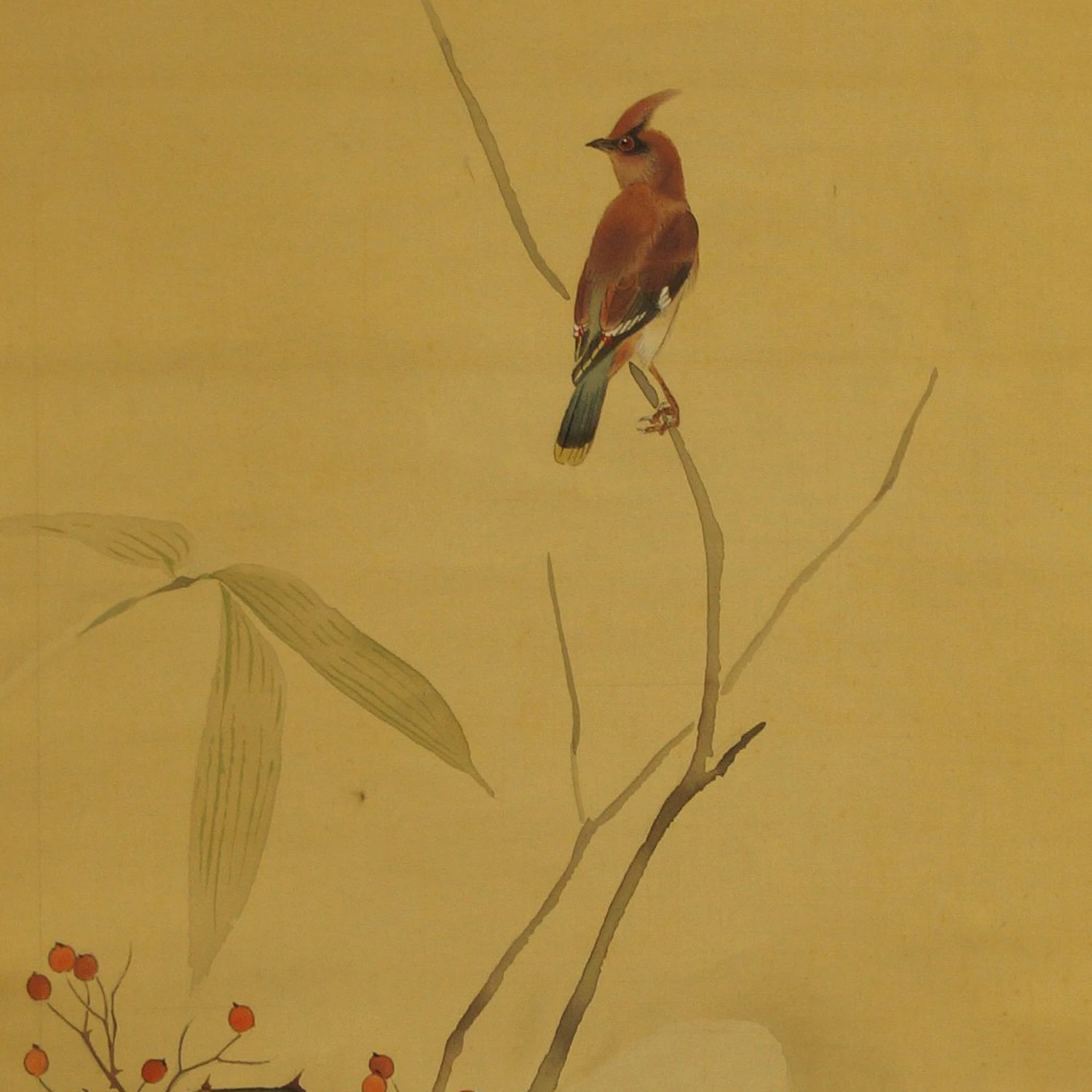
Suitou Kawafune
Berries in Snow
Kakemono, unique work, 200 x 54 cm
Sold
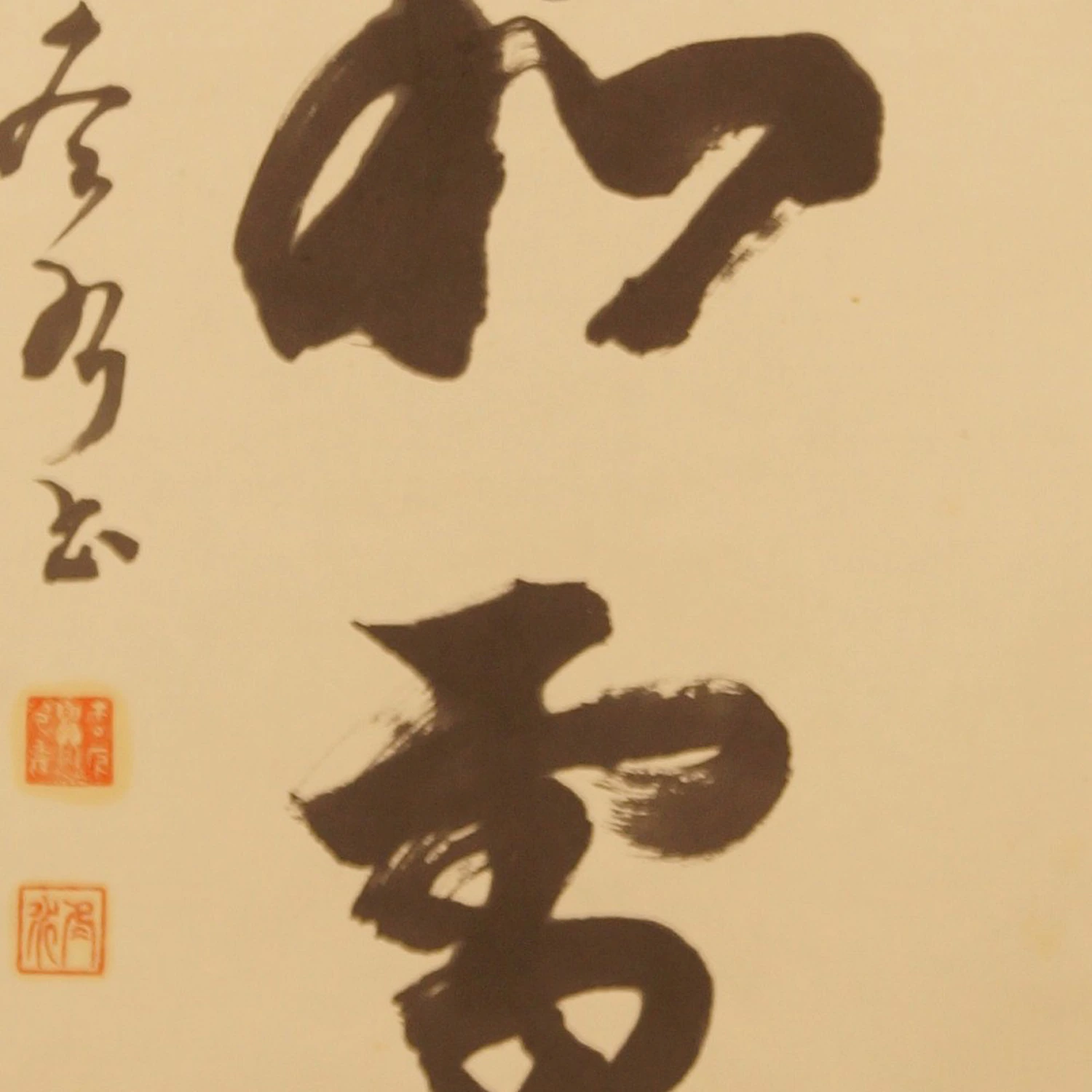
Plum Blossoms – Fragrance and Snow
Kakemono, unique work, 195 x 52 cm
Sold
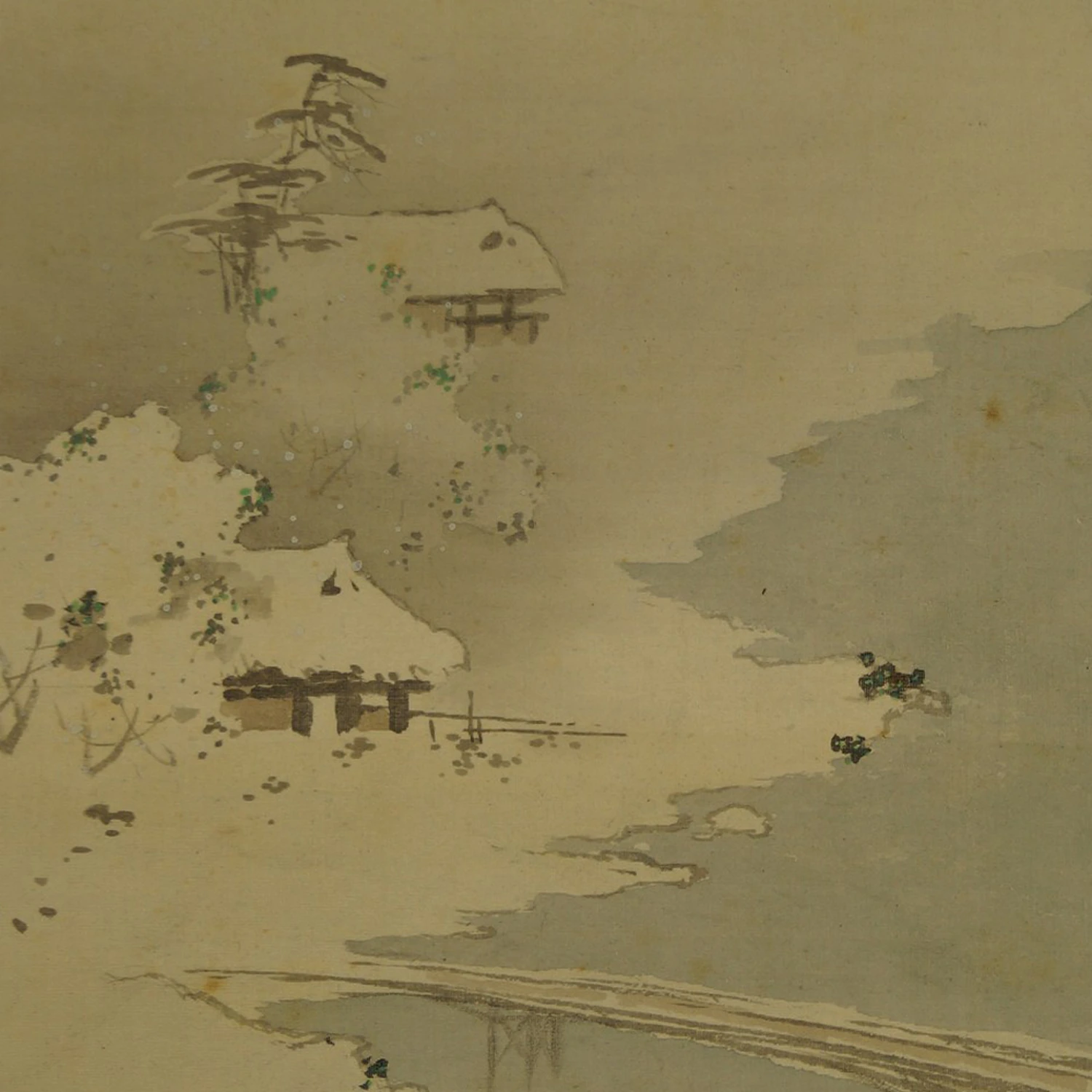
Winter
Kakemono, unique work, 130 x 35 cm
Sold
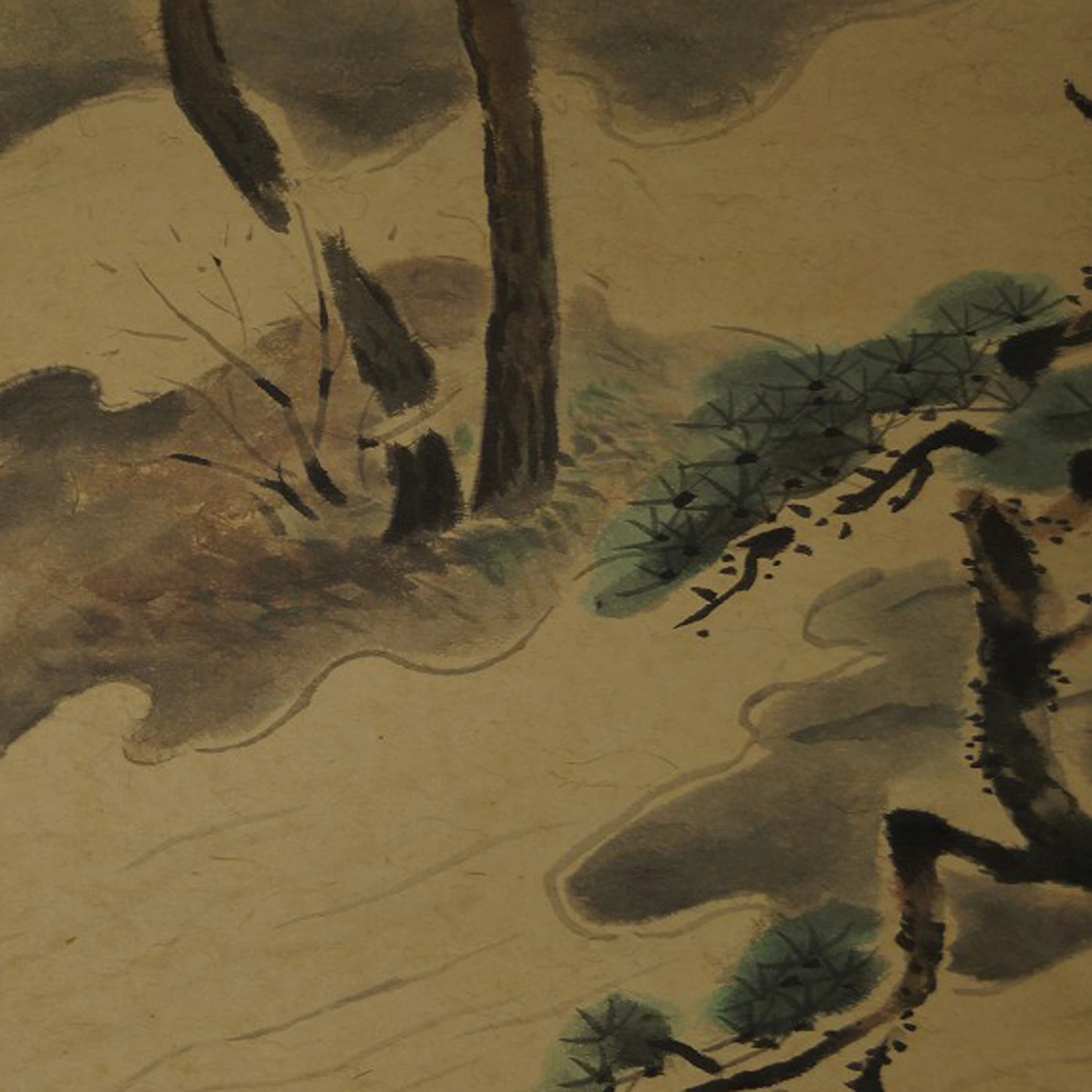
A Hare in the Snow
Kakemono, unique work, with box, 124 x 70 cm
Sold
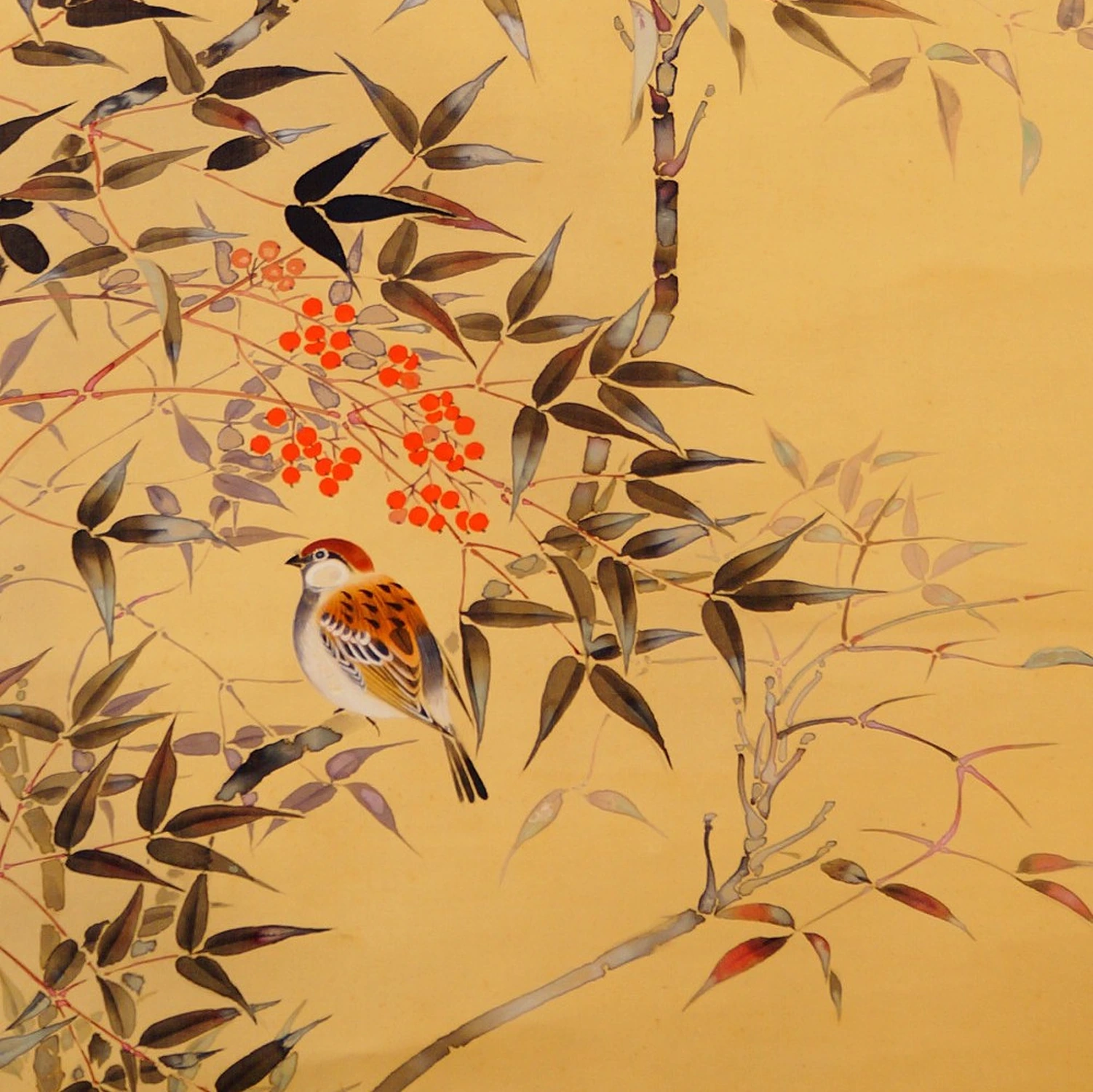
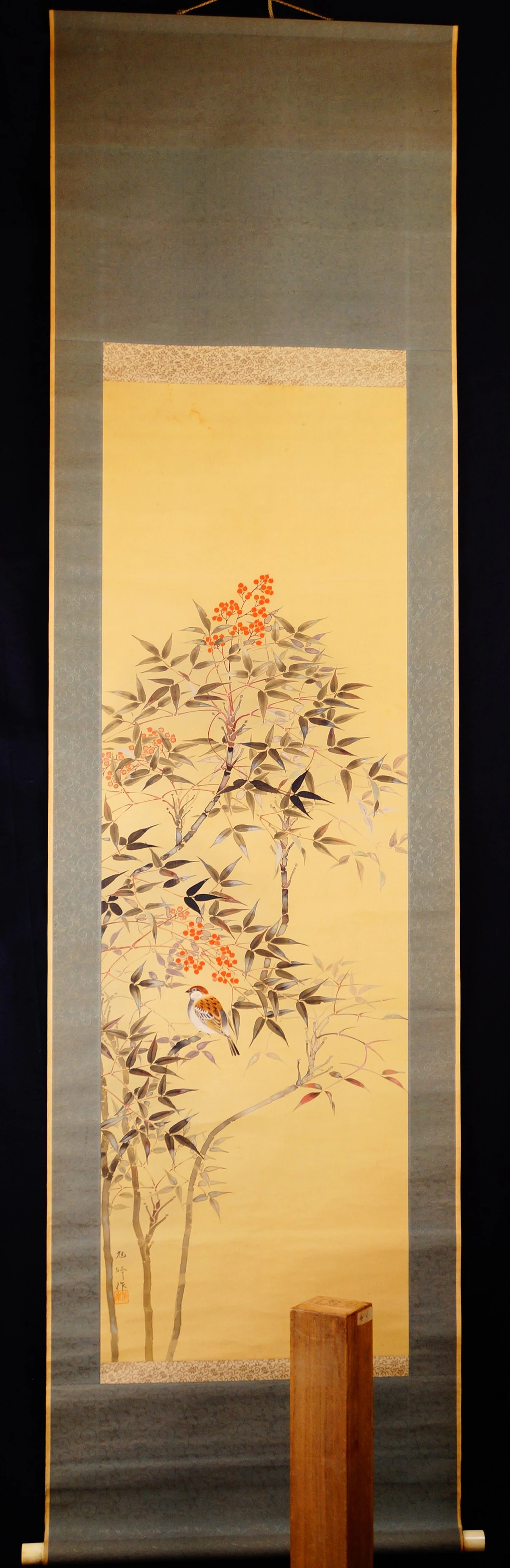
Sparrow in Nanten Bush
Kakemono, unique work, 130 x 53 cm
Sold
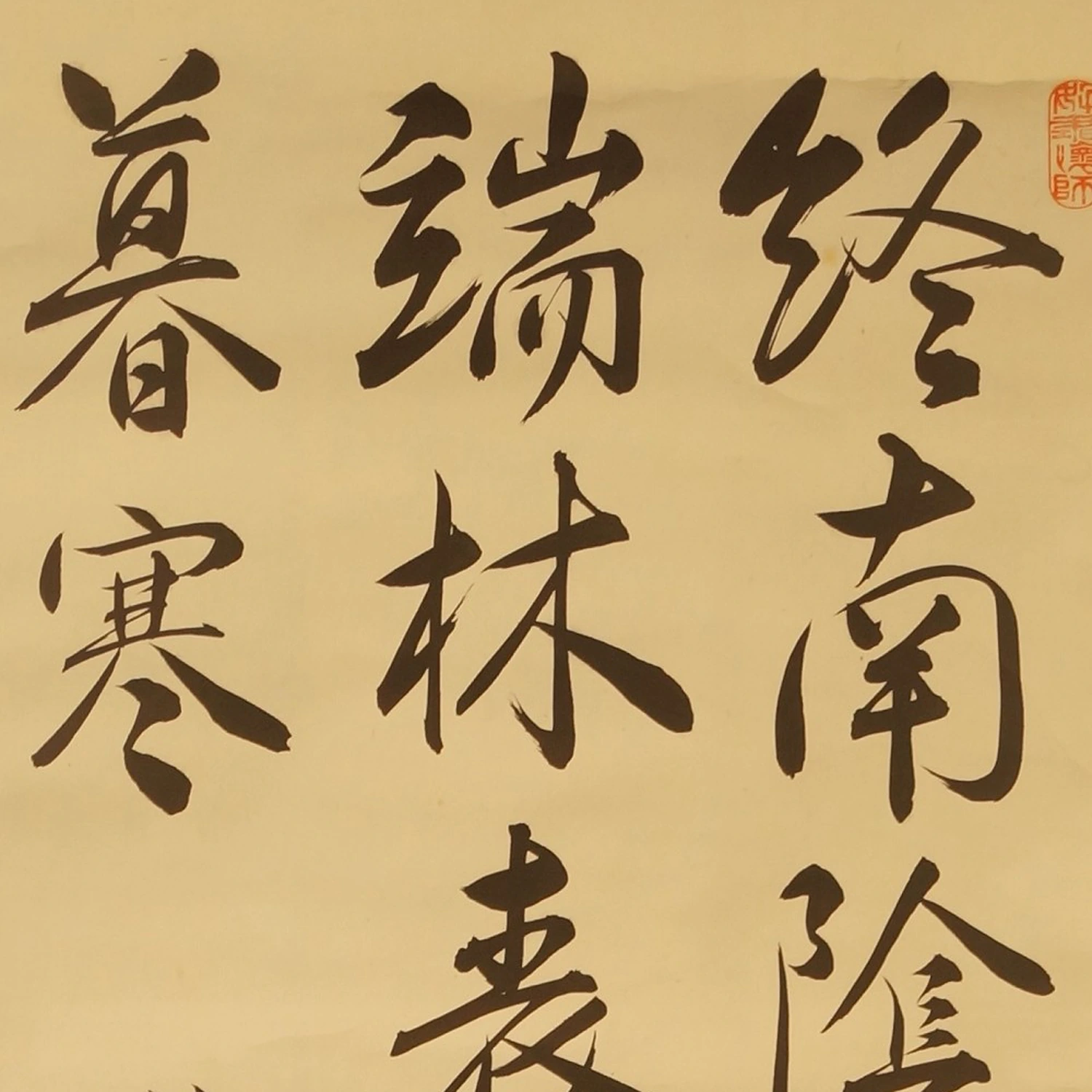
Calligraphy: Snow on the Mountain Peaks
Kakemono, unique work, 215 x 48 cm
Sold
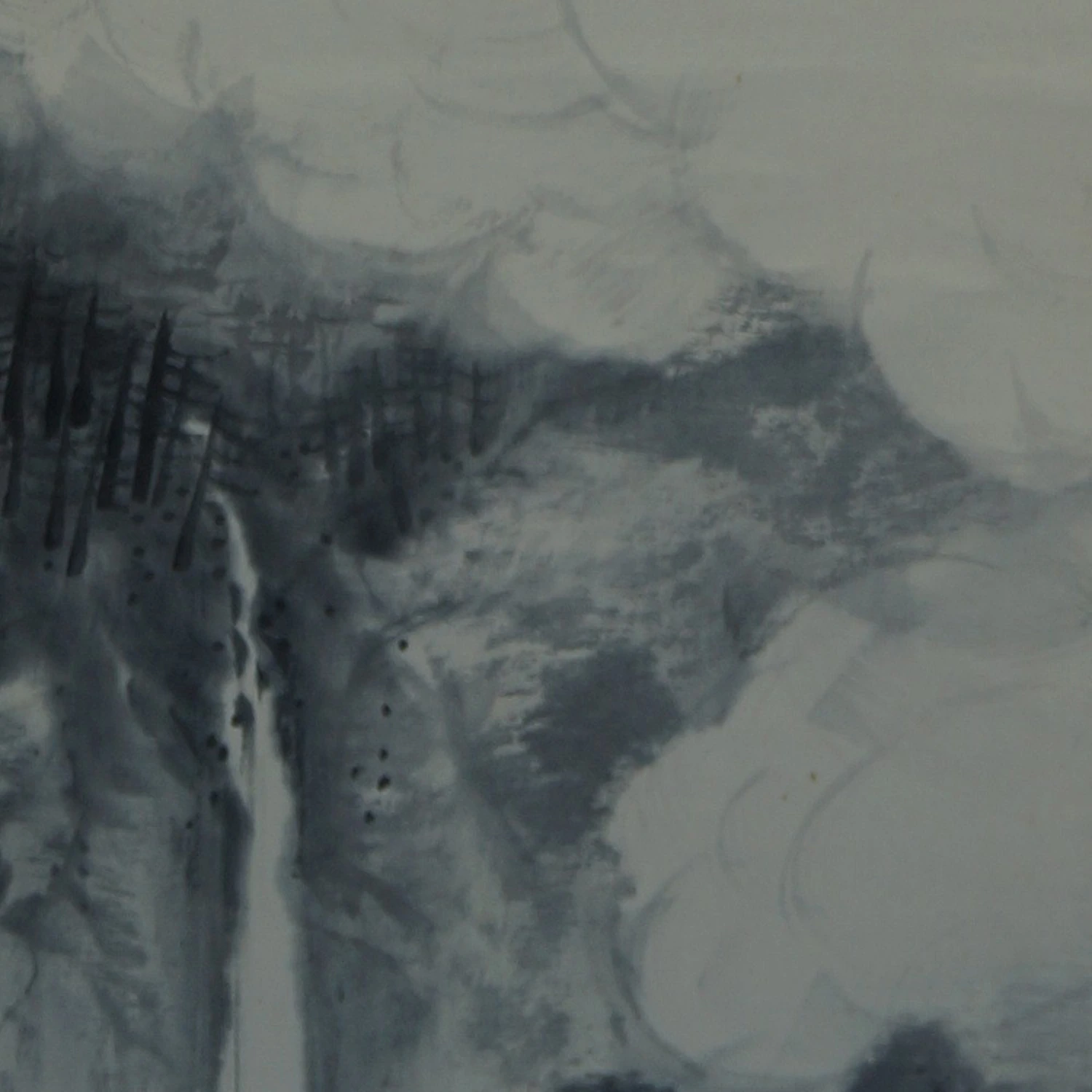
Mountain Peak with Waterfall and Village
Kakemono, unique work, 203 x 46 cm
Sold
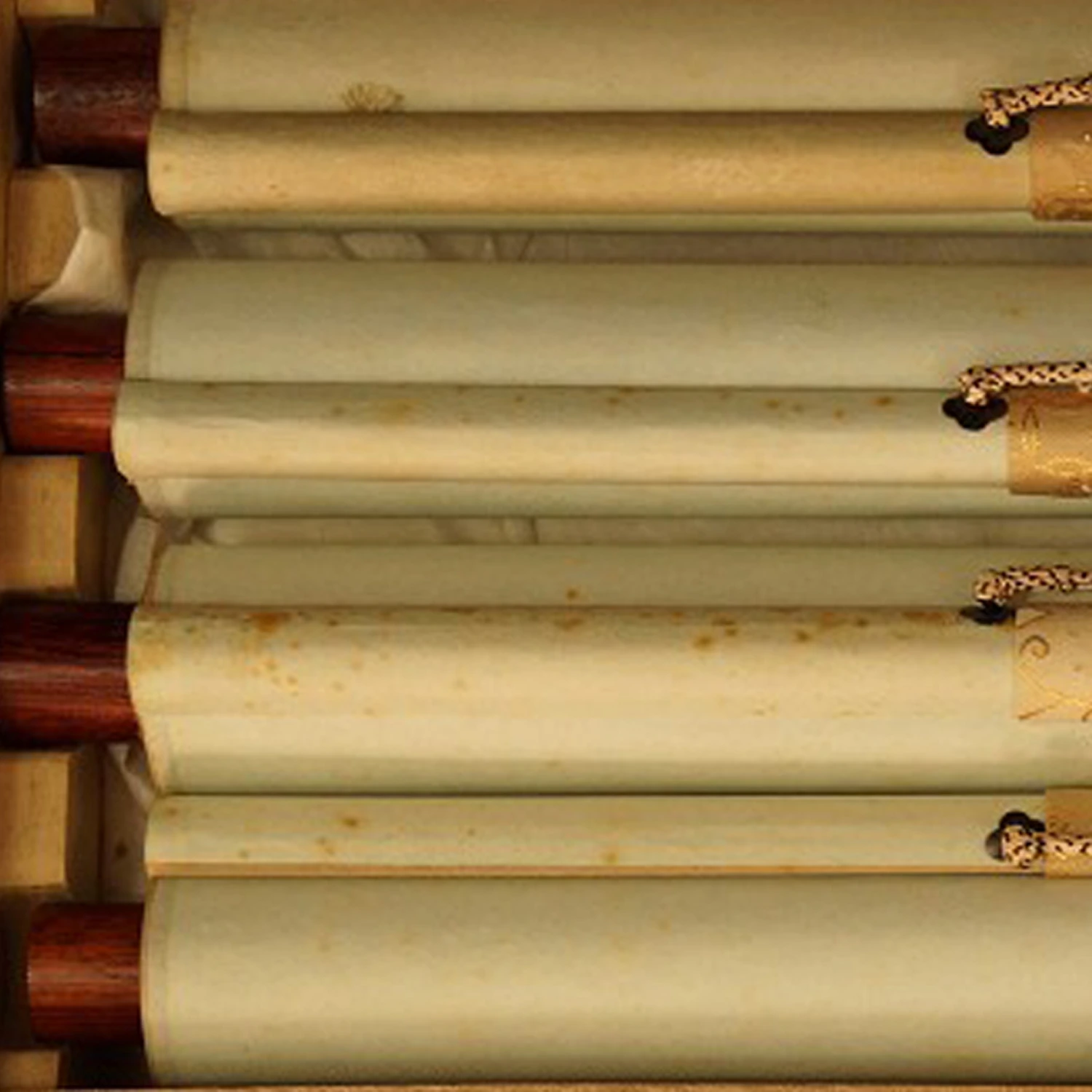
Four Seasons (Set of 4)
Kakemono, unique work, with box, 184 x 58 cm
Sold
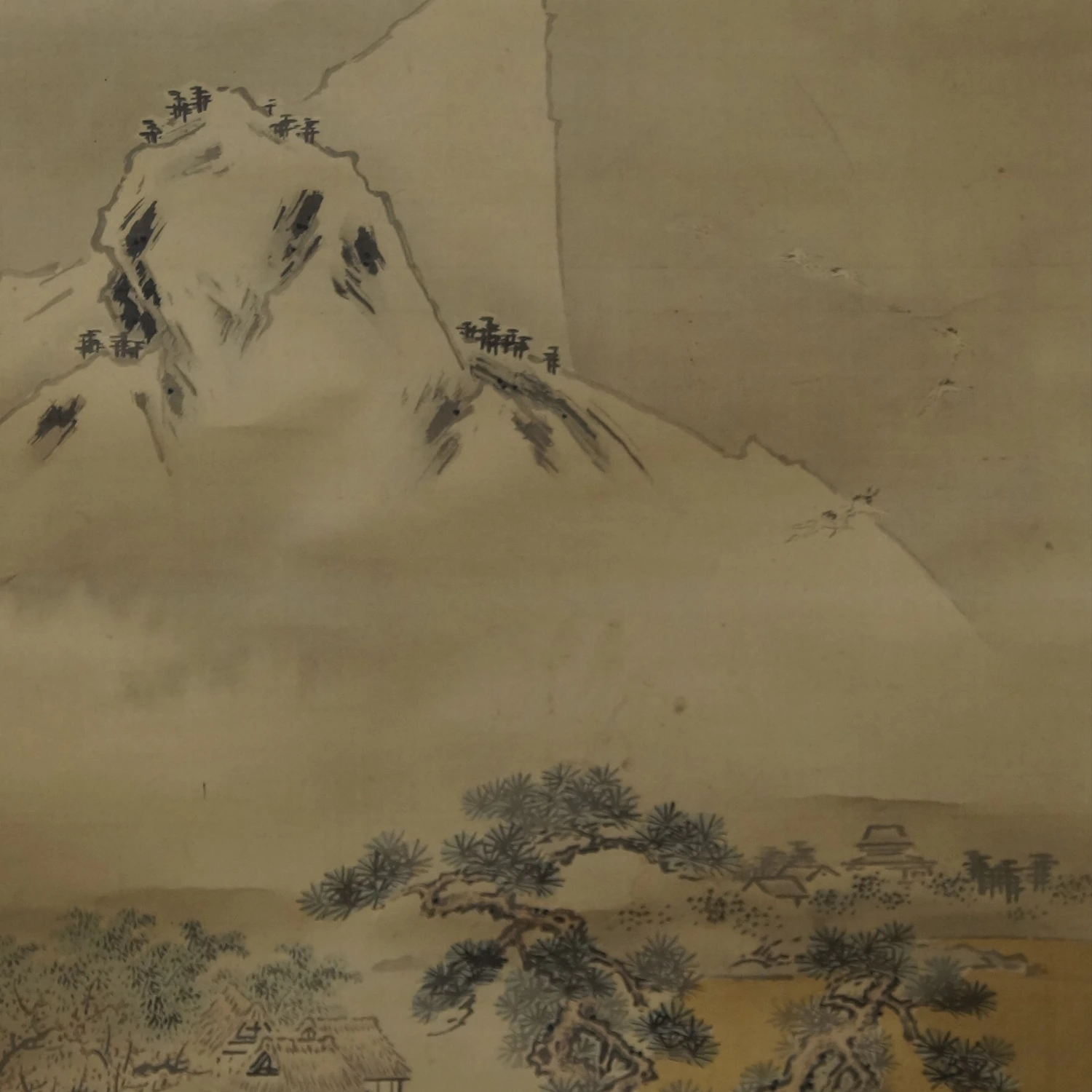
The Pines and the Cranes
Kakemono, unique work
Sold
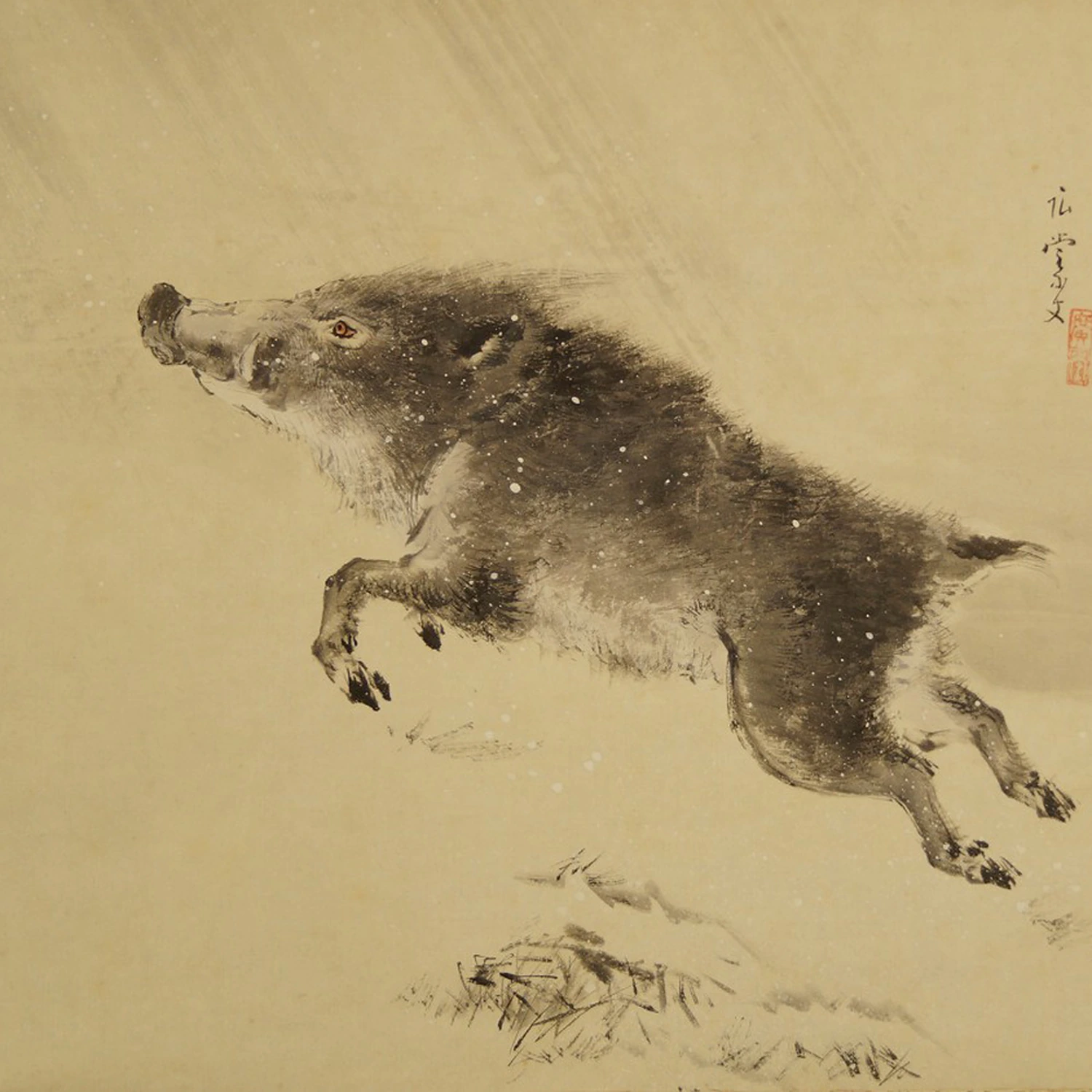
Wild Boar in the Snow
Kakemono, unique work, 109 x 57 cm
Sold
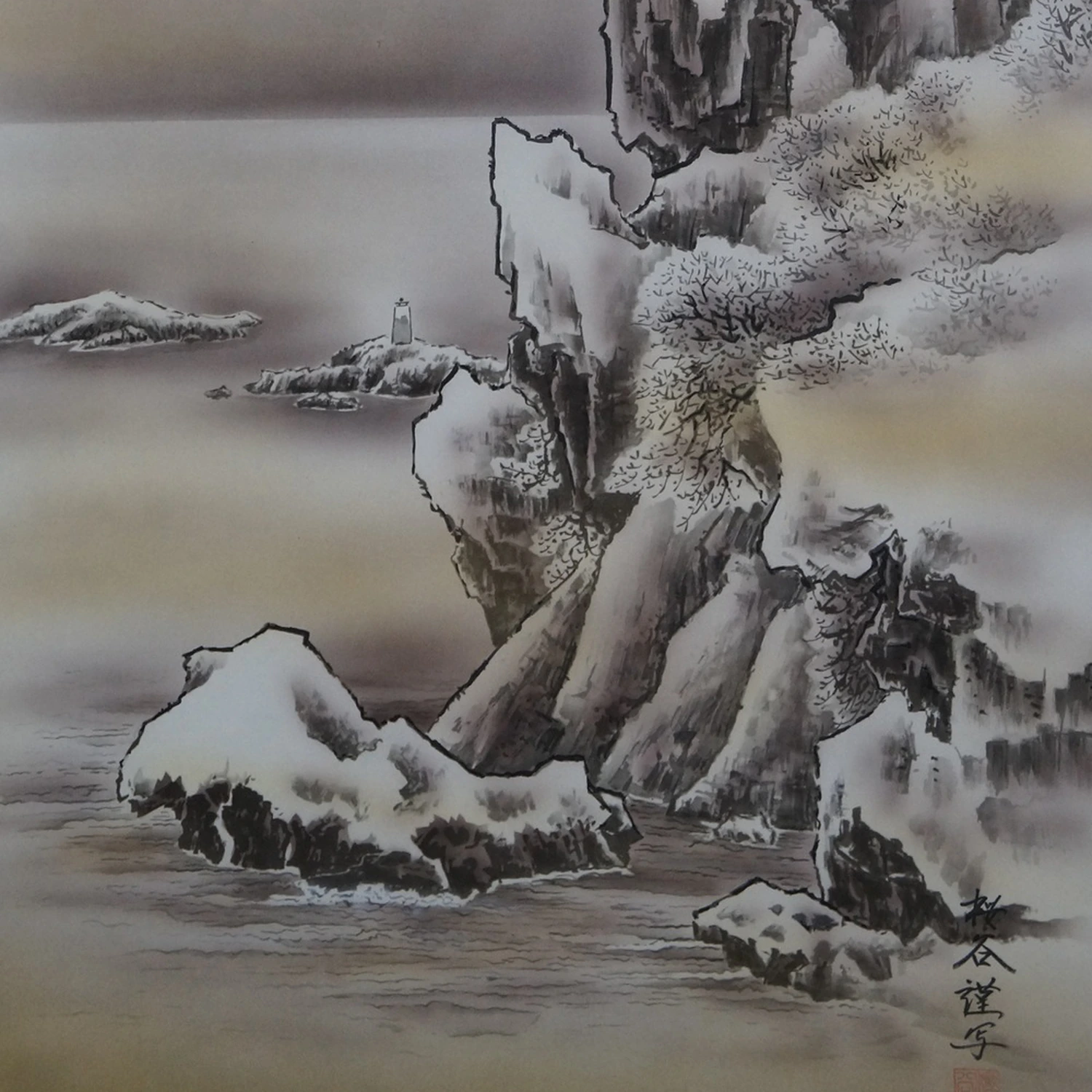
Shōkoku
Snow-Covered Cliff Coast with Lighthouse
Kakemono, Silkscreen, 180 x 70 cm
Sold
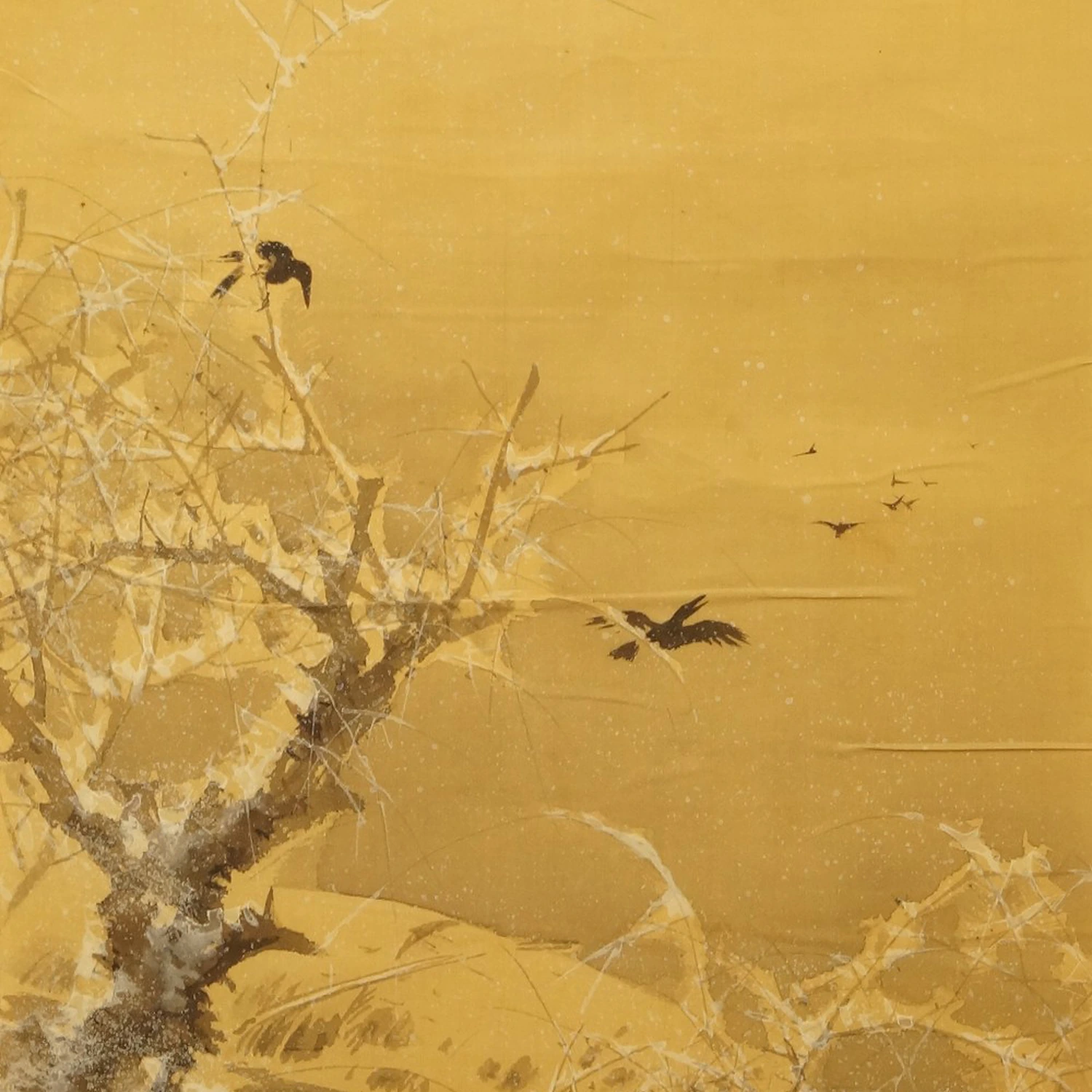
Crows in the Snow
Kakemono, unique work, 195 x 61 cm
Sold
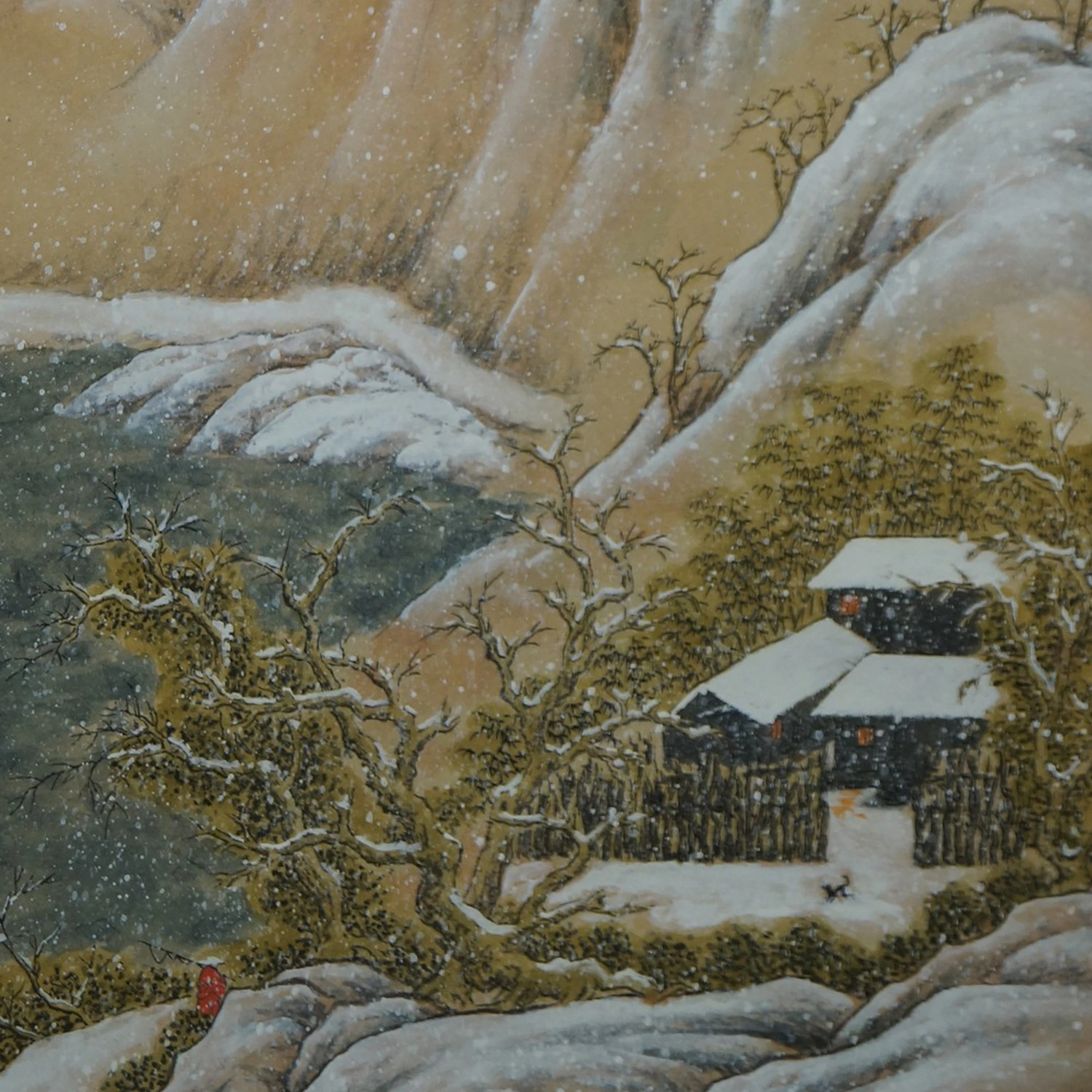
Snowfall over the Homestead by the Lake
Kakemono, Silkscreen, 160 x 40 cm
Sold
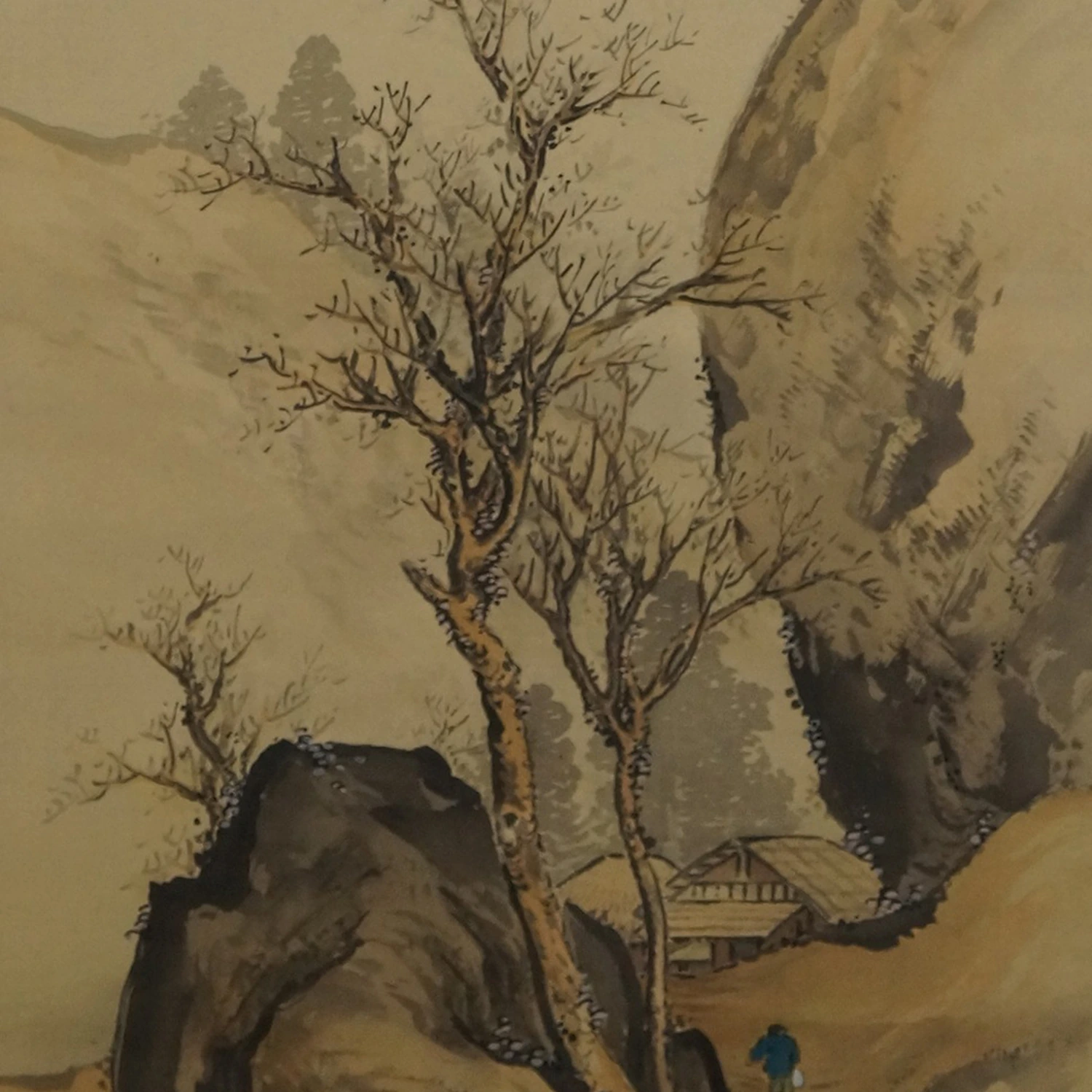
Way Home Between Bare Trees
Kakemono, Silkscreen, 195 x 60 cm
Sold
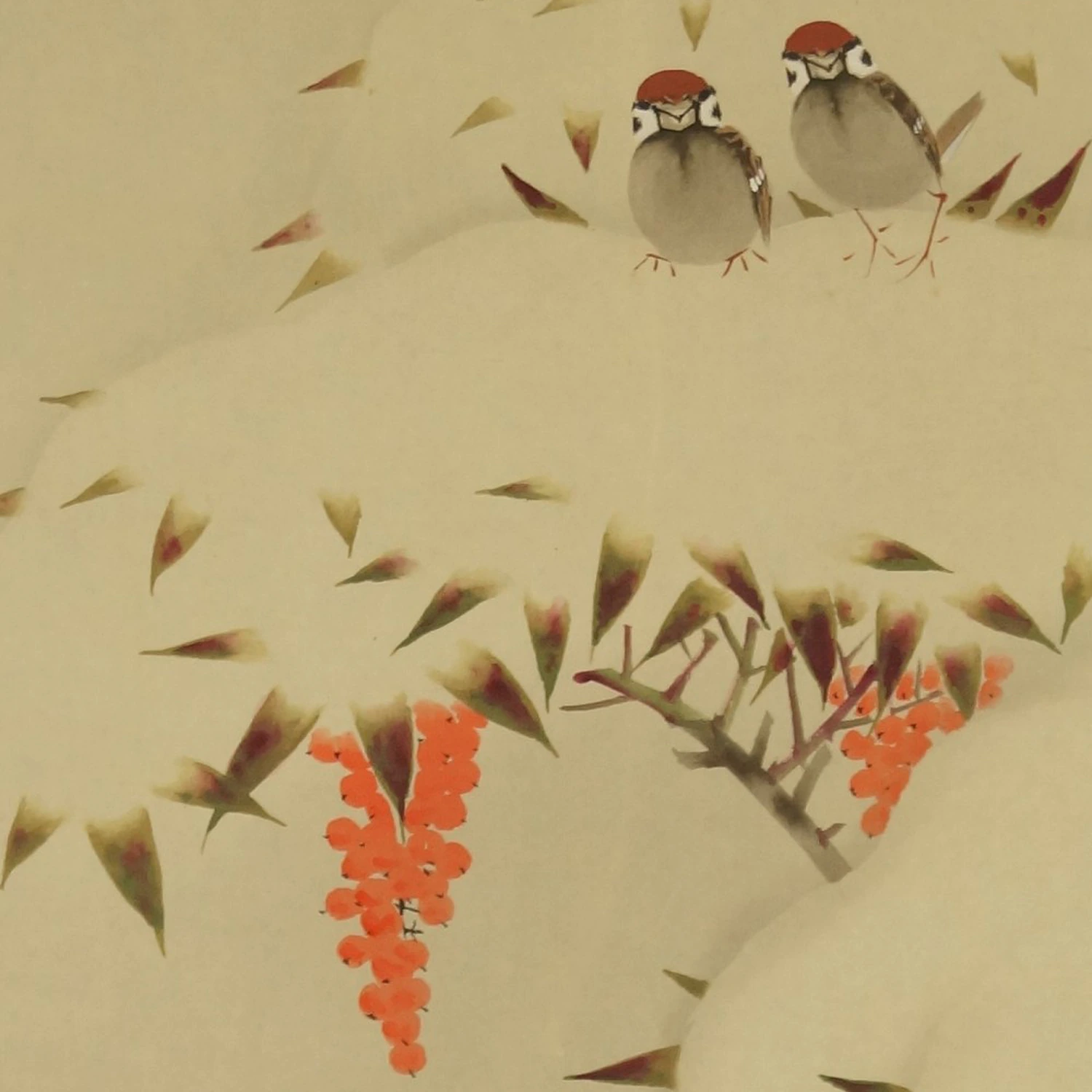
Two Sparrows in Winter
Kakemono, unique work, with box, 160 x 40 cm
Sold
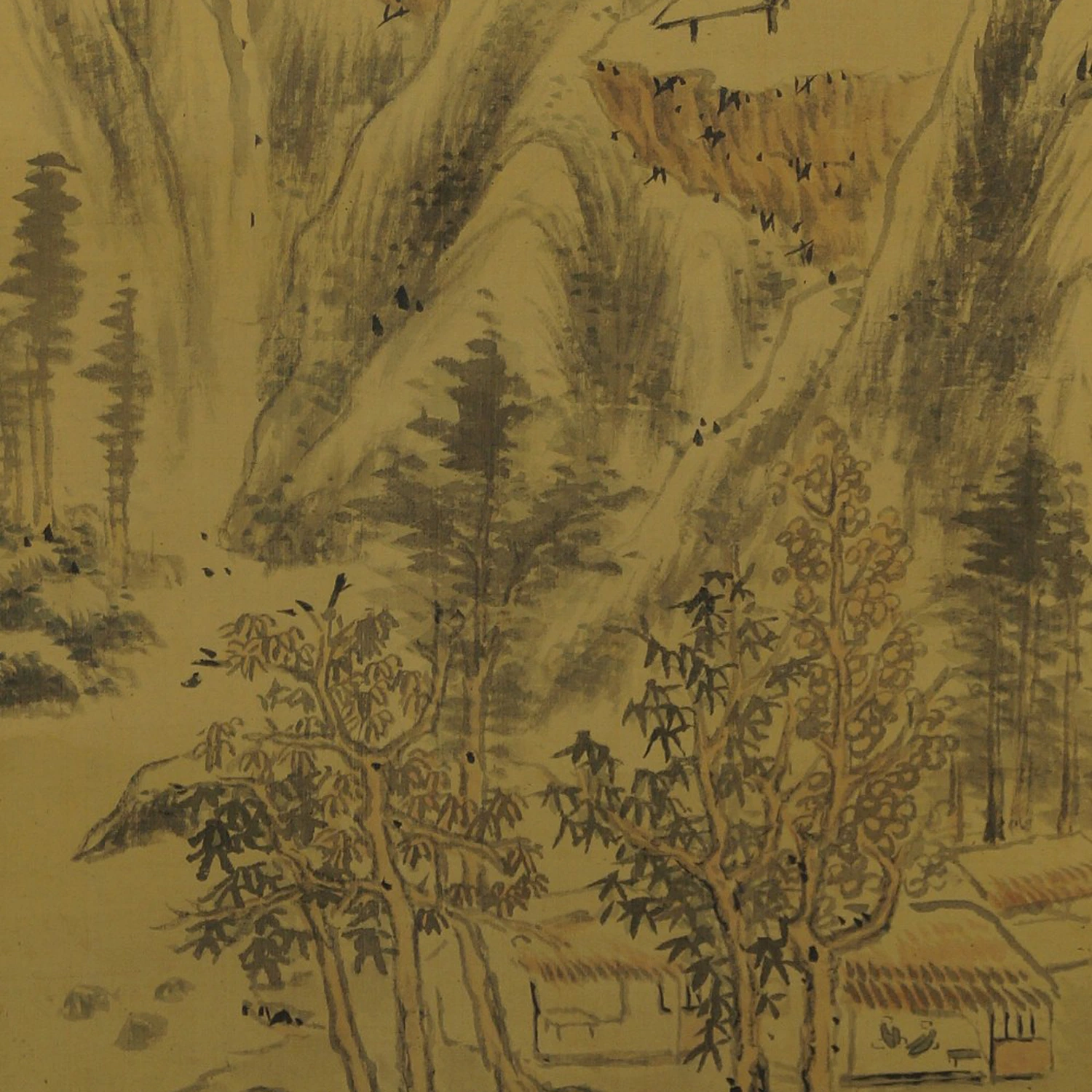
Rugged Mountain Landscape
Kakemono, unique work, 188 x 60 cm
Sold
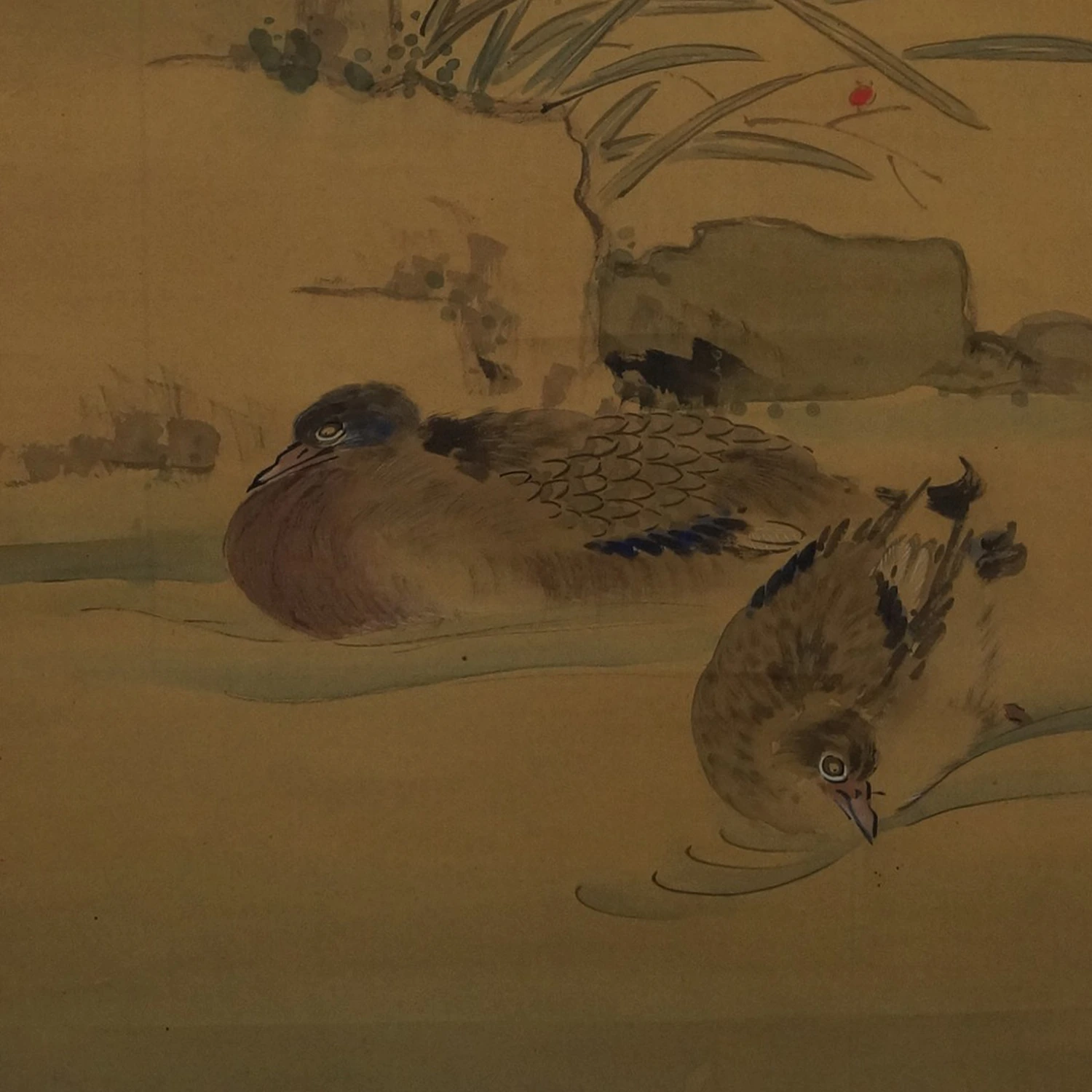
Two Ducks at the Pond's Edge
Kakemono, unique work, 194 x 61 cm
Sold
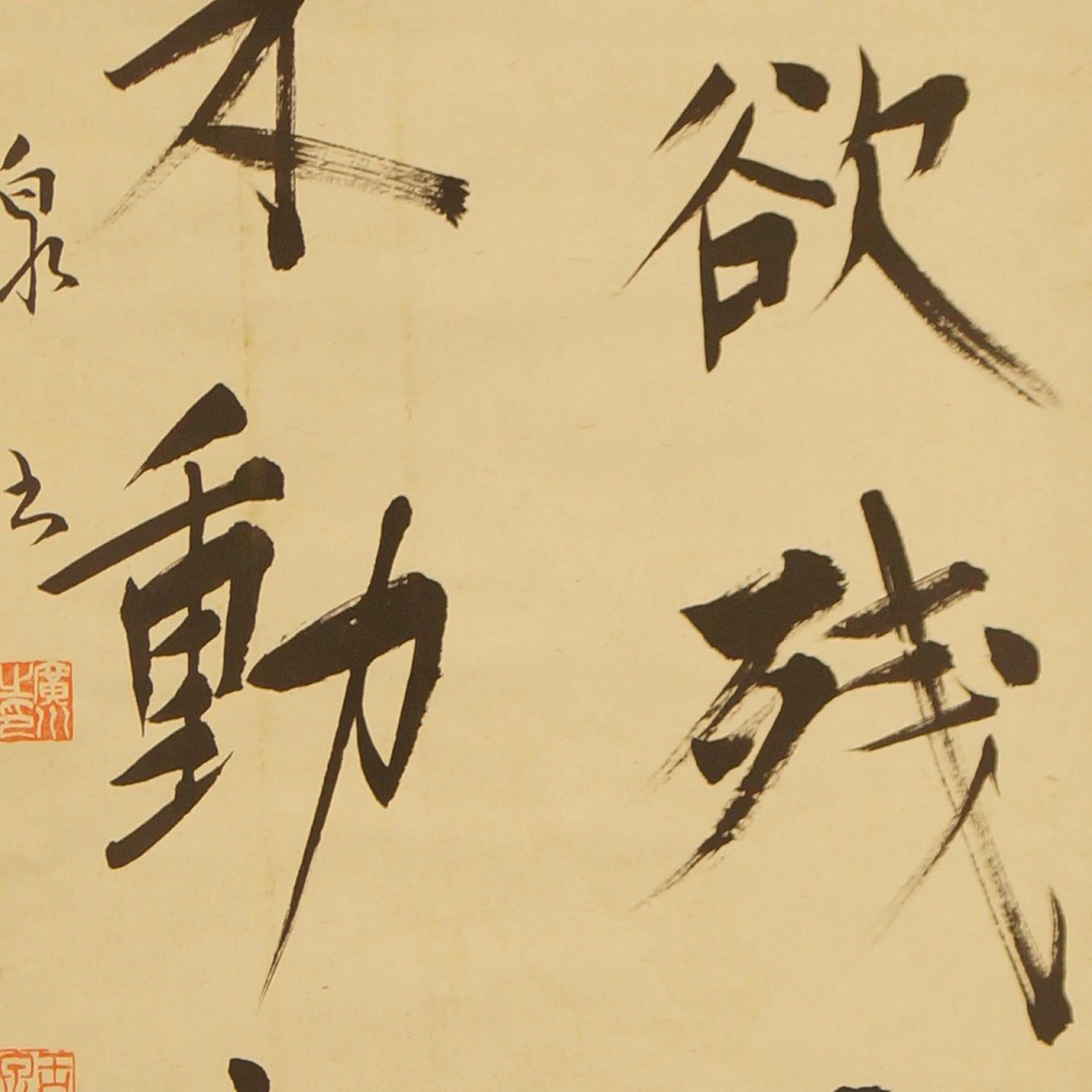
Calligraphy in Flowing Script
Kakemono, unique work, 200 x 51 cm
Sold
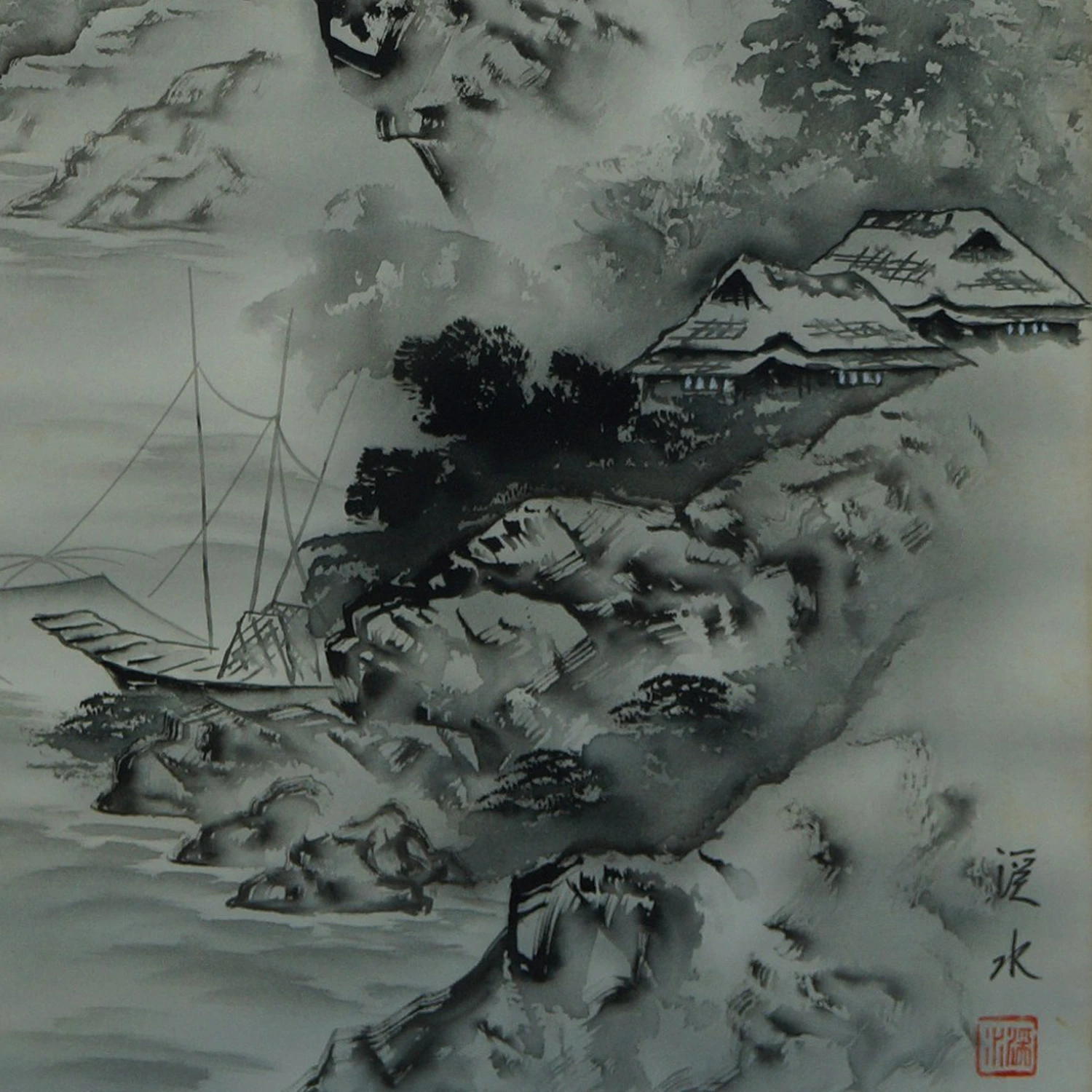
Keisui
Bay with Sailboats in the Mist
Kakemono, Silkscreen, 185 x 60 cm
Sold
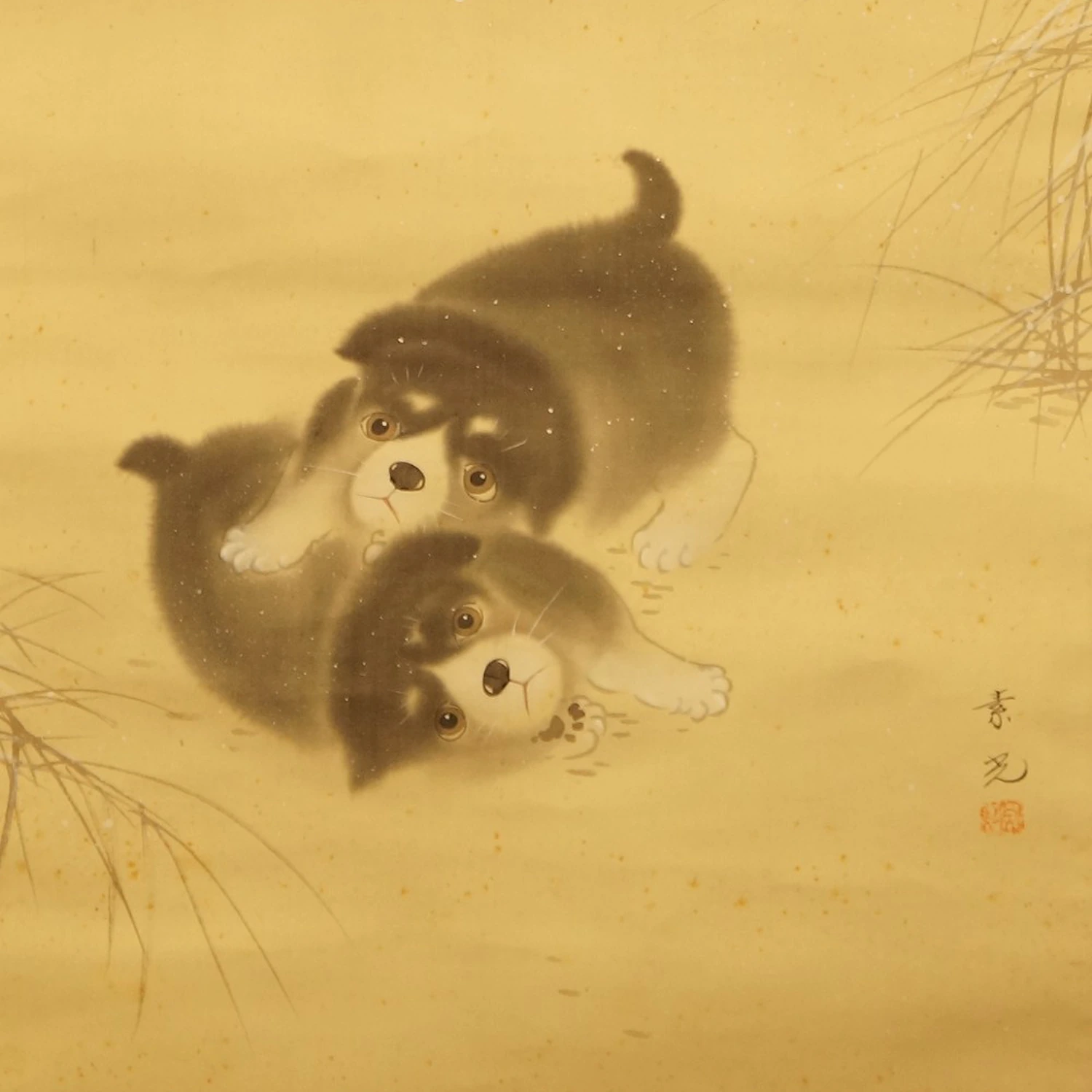
Two Puppies Playing in the Snow
Kakemono, unique work, 190 x 62 cm
Sold
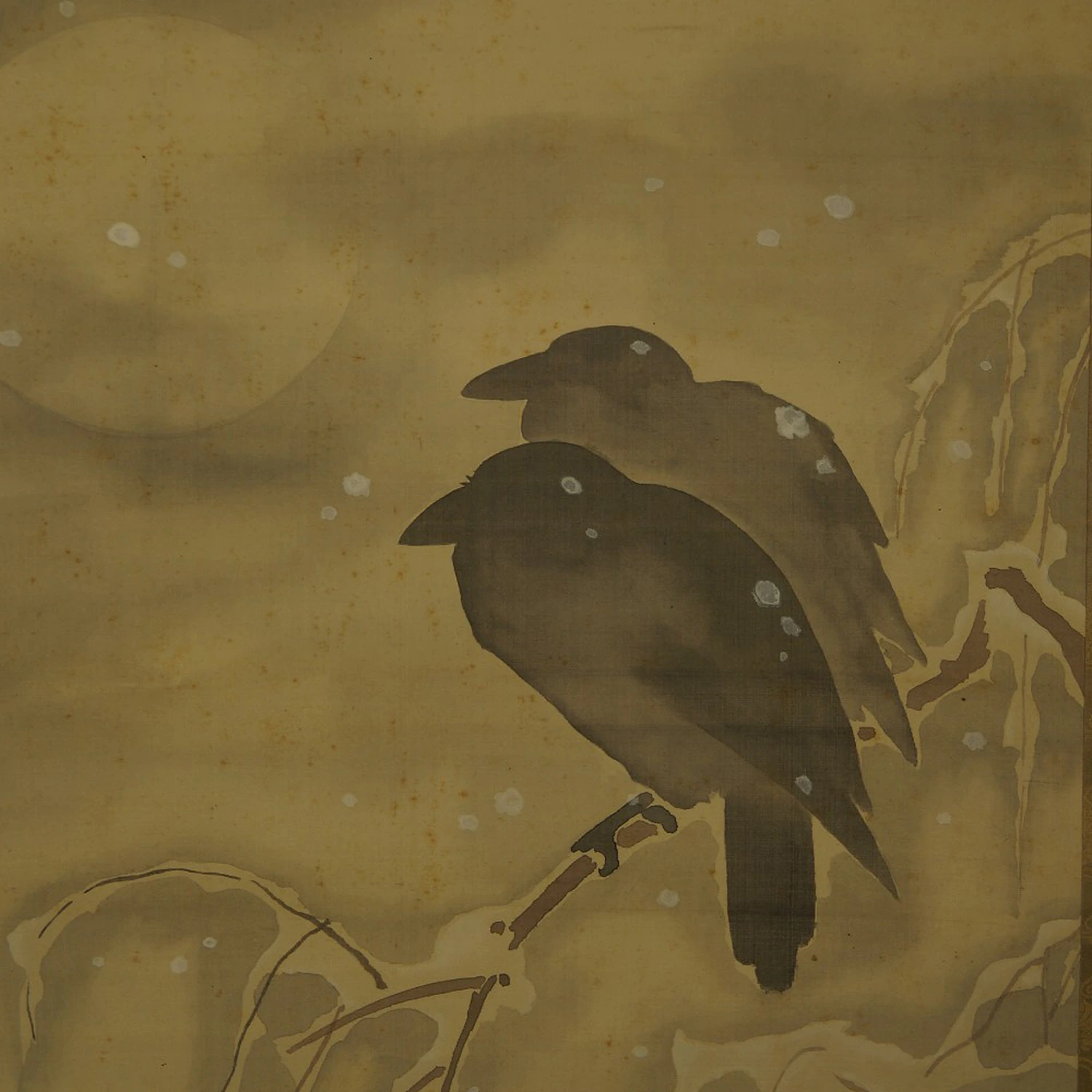
Two Crows in a Snowy Night
Kakemono, unique work, 192 x 58 cm
Sold
47 of 47 items shown
Why the scroll changes with winter
In Japan a kakejiku (掛軸) does not hang permanently. It stays on the wall as long as its subject suits the season, then it is rolled up and replaced by another. In the tokonoma, the picture alcove of the reception room, and all the more in the tea room, the scroll thus becomes a calendar: anyone who enters can read from the picture what time of year it is. Japanese dealers therefore divide their stock into seasonal scrolls (季節掛け) and year-round scrolls (年中掛け). This category follows the dealers' hanging practice and gathers the pictures whose subject clearly belongs to winter.
Snow as the leading motif: sekkei and the white left blank
The most important winter motif is snow itself. The snowscape, sekkei (雪景), shows mountains, villages, farmsteads, riverside paths and bridges under a white blanket. Often the snow is not painted at all: the artist leaves paper or silk untouched, and only the grey ink of the sky around it makes the snow-covered roofs and peaks stand out. The smaller format speaks just as clearly – a bird on a snowy branch, crows as dark dots above white ground, sparrows in falling snow. A variant without snow is the bare winter grove, kanrin (寒林), which conveys the cold through leafless trees alone. Calligraphy belongs here too, such as the single character yuki (雪, snow) or a poem about snow-covered peaks.
Camellia, narcissus, nandina: the plants of winter
Besides snow, a few plants carry winter into the picture. The camellia, tsubaki (椿), blooms in Japan in the middle of the cold season and is hung until about mid-February. The narcissus, suisen (水仙), belongs, according to Japanese guides, to the weeks from January to mid-February. Nandina, nanten (南天), is recognized by its clusters of red berries among narrow leaves; it hangs from late November to early February and is a favorite over the turn of the year, tied to the wish that the old year ends without misfortune and the new one begins well. Among animals it is the duck, kamo (鴨), that comes to Japan in autumn, winters on ponds and rivers and flies north again in spring.
Plum blossom in snow: where winter meets spring
Plum blossom, ume (梅), is the first sign of early spring in Japan and counts as a spring picture in hanging practice. But when snow lies on the branches, it becomes setchūbai (雪中梅), plum in the snow, and the picture belongs to winter. The same applies to calligraphy such as “Walking through the snow in search of plum blossom” (踏雪尋梅). If you change scrolls in February, you can move from the snowy to the open plum blossom, and the wall carries the story on without a break.
When to hang winter paintings
Japanese kakejiku dealers count winter from December to February. At the same time they recommend hanging a seasonal scroll about a month ahead of its season, so that it runs slightly ahead of nature. A winter painting may therefore go up as early as November and stay into February. Between late December and mid-January, many Japanese homes put a New Year scroll in its place; afterwards the winter painting returns.
What makes a winter painting – and what does not belong
What decides is the seasonal marker, not the main subject. A hare, a wild boar or playing puppies are not winter pictures in themselves; in driving snow they become one. Bamboo counts as year-round, bamboo bowed under snow as winter. Cranes on a pine actually belong to the auspicious pictures without a season – with a snow-covered mountain behind them, the scroll becomes a winter painting. Deliberately left out of this category are the subjects hung in Japan all year or for celebrations: crane and tortoise, the pine on its own, hawk, tiger and dragon, Mount Fuji without snow, and shōchikubai (松竹梅) – pine, bamboo and plum, known in English as the “Three Friends of Winter”. They may hang in winter but are not tied to it.
Combining and rotating through the year
A winter painting is the natural counterpart to a summer one: with two scrolls you divide the year into a cool half and a warm half. Around the turn of the year, a snowscape can make way for a New Year scroll for a few weeks; a nandina sprig, on the other hand, carries on through the holidays. In February, plum in snow leads toward spring before a picture with open ume blossom takes over. If you want just one winter painting, an ink snowscape is the best choice: it suits the first frost as well as the last cold weeks.
Storing at the change of season and what collectors look for
In winter, heated air and cold exterior walls are the greatest dangers to a scroll; an interior wall away from the radiator is the better place, and as a rule of thumb about 50 to 60 percent relative humidity is ideal. When the picture comes down in spring, roll it up loosely and without tension on a dry day and return it to its wooden box. With snowscapes it pays to look closely at the blank white: foxing and yellowing show there first. An inscription on the box often gives the title of the work, such as “Cold Sky” (寒空), and helps to identify subject and season with confidence.