Japanese Summer Paintings: Kakemono with Waterfalls, Iris and Hydrangea
Go directly to the artworksIn brief
Summer kakemono are hanging scrolls whose motif stands for the months of June to August in Japan – pictures that look like water, shade and fresh green. They include the waterfall beneath green maple, ayu in a clear mountain stream, iris and hydrangea, morning glory, cotton rose and lotus, the heron in the reeds and the kingfisher by the water. This category gathers kakemono, shikishi and makuri whose picture clearly shows the season; year-round motifs such as carp, Mount Fuji or the crane without a seasonal sign are not part of it. Following Japanese practice, they are hung about a month before the season begins. At Densho you will find summer paintings as one-of-a-kind pieces from Japan.
Okumura Kyōhō
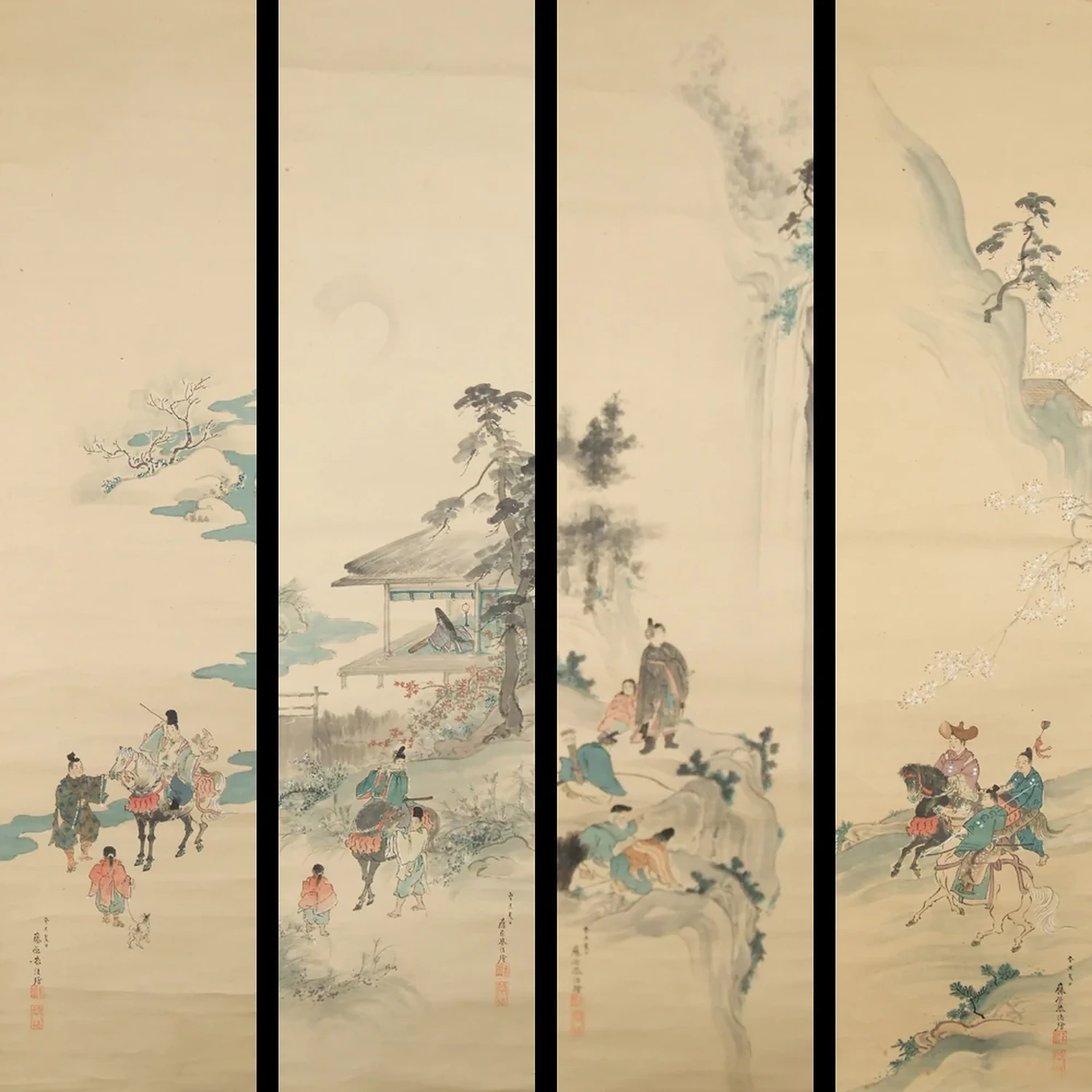
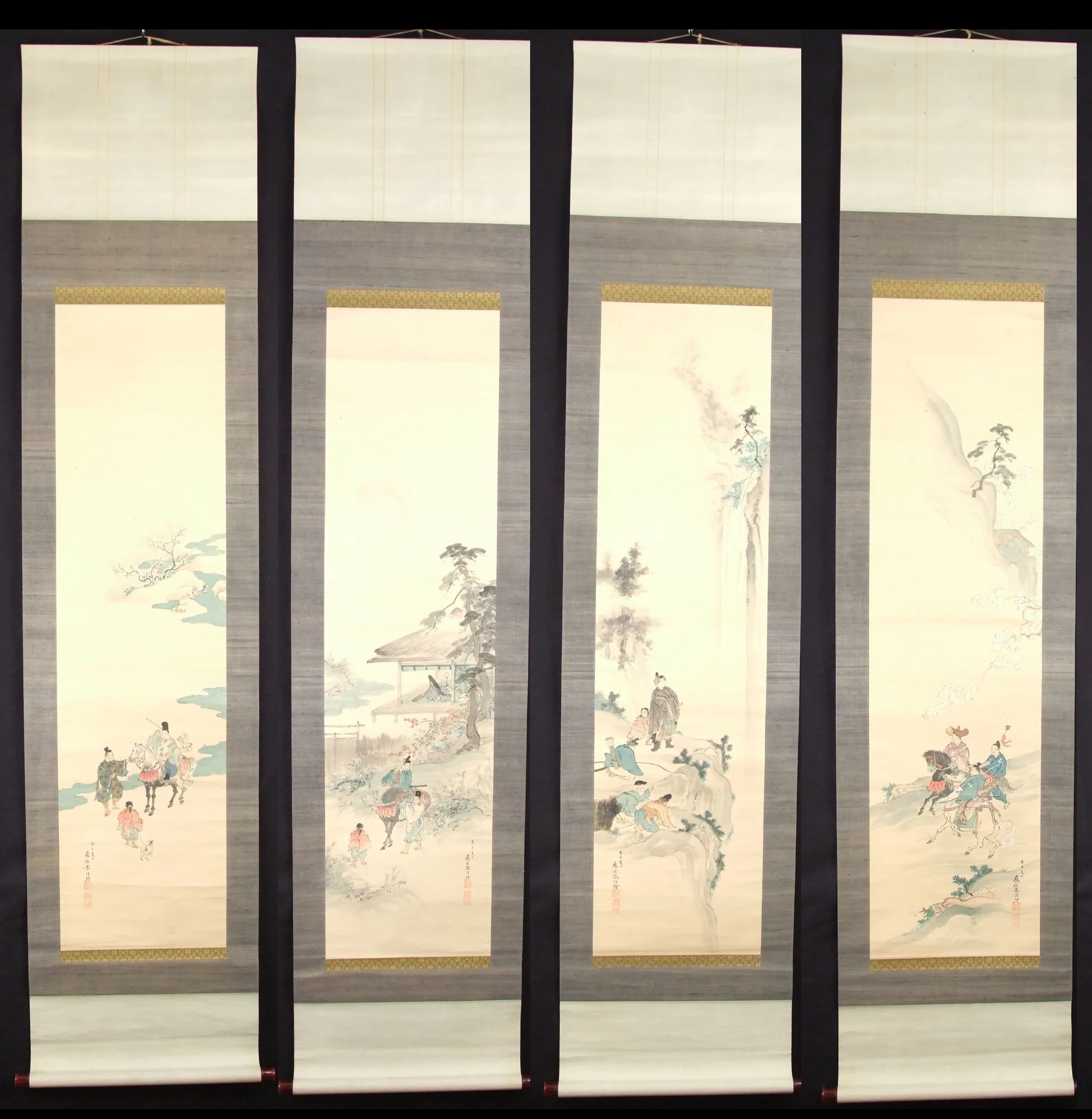
Set of Four Paintings – Legends of the Four Seasons
Kakemono, unique work, with box, 192 x 48 cm
€1,210.00
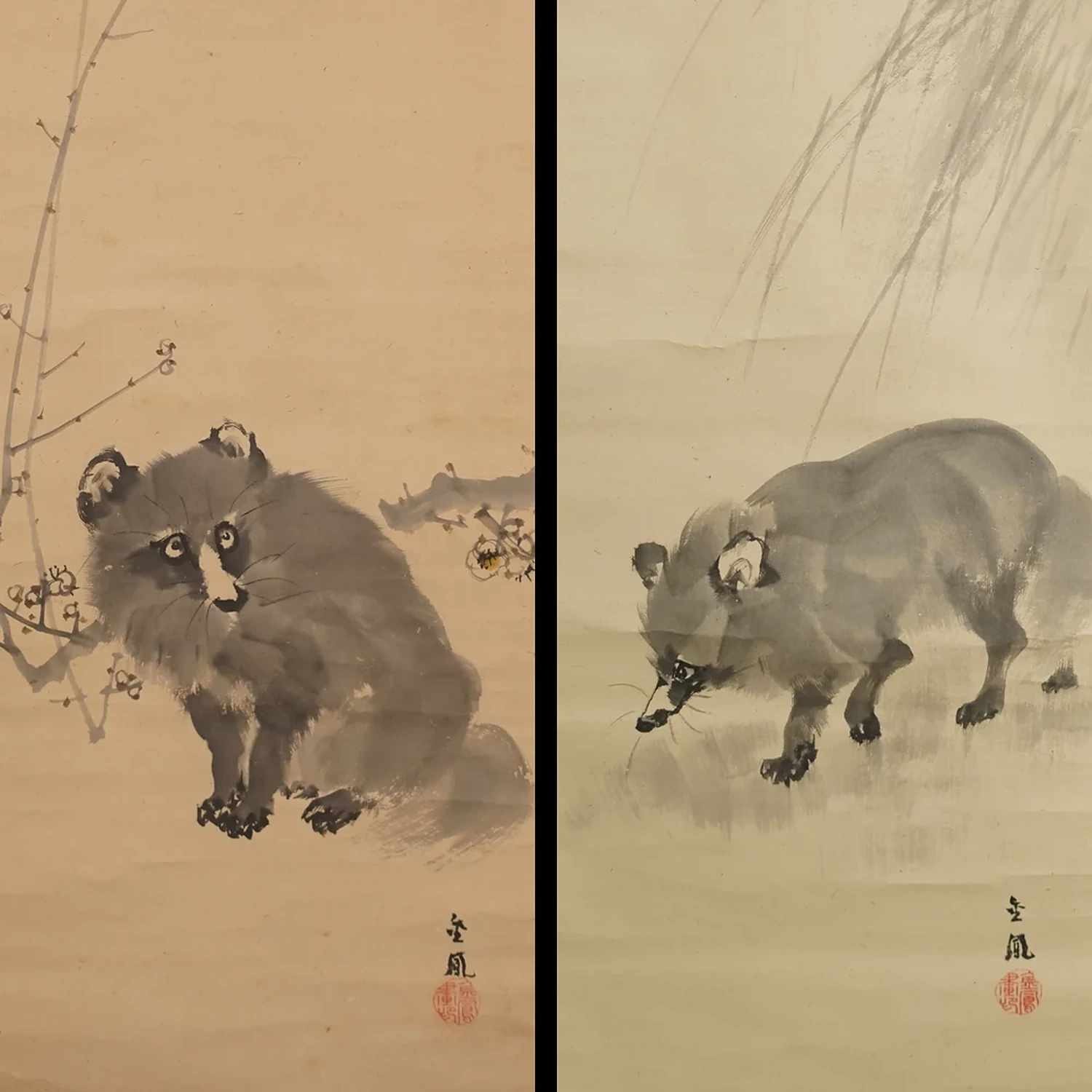
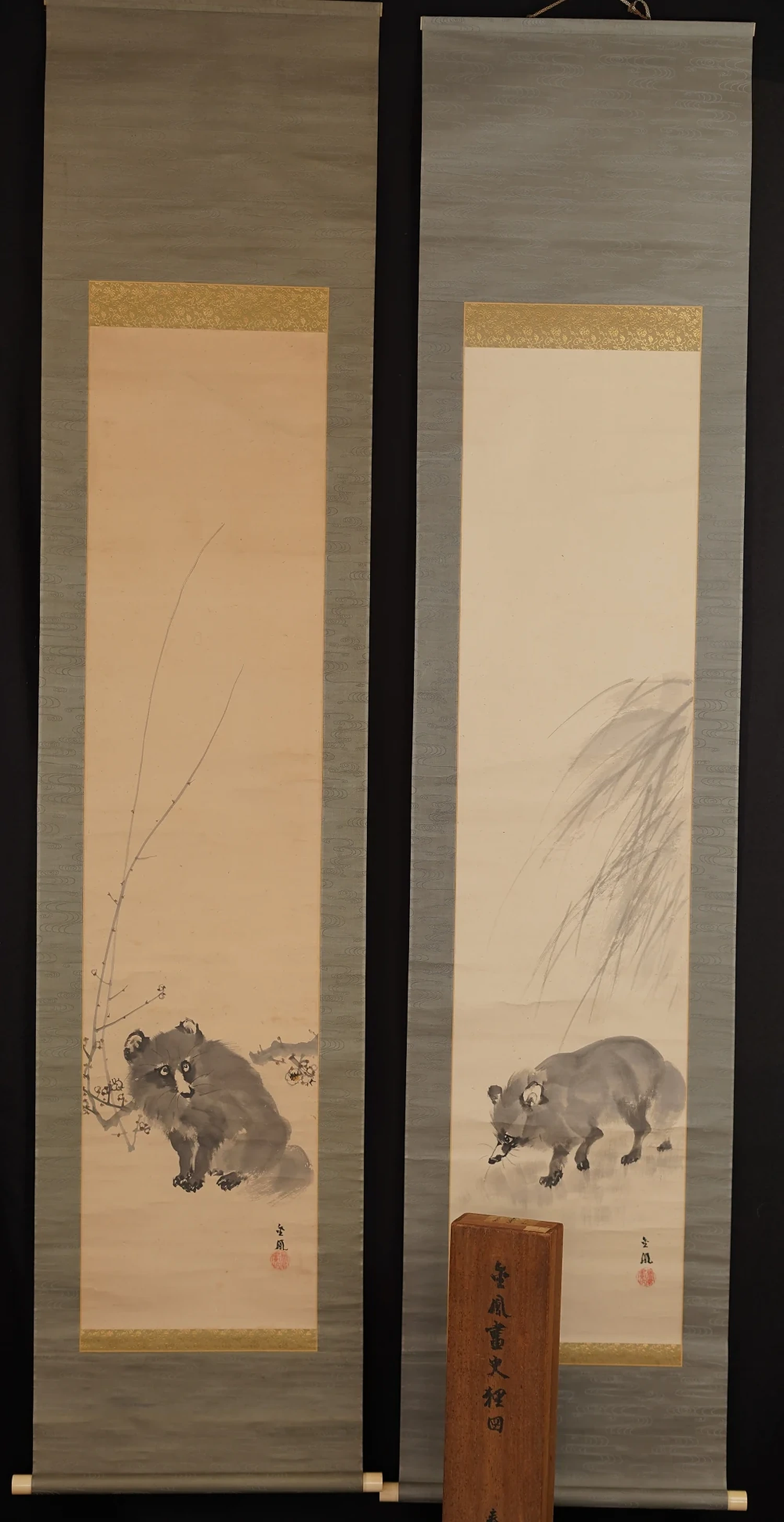
Mochizuki Kinpō
Set of Two Paintings – Tanuki Under Plum and Willow
Kakemono, unique work, with box, 195 x 48 cm
€3,590.00
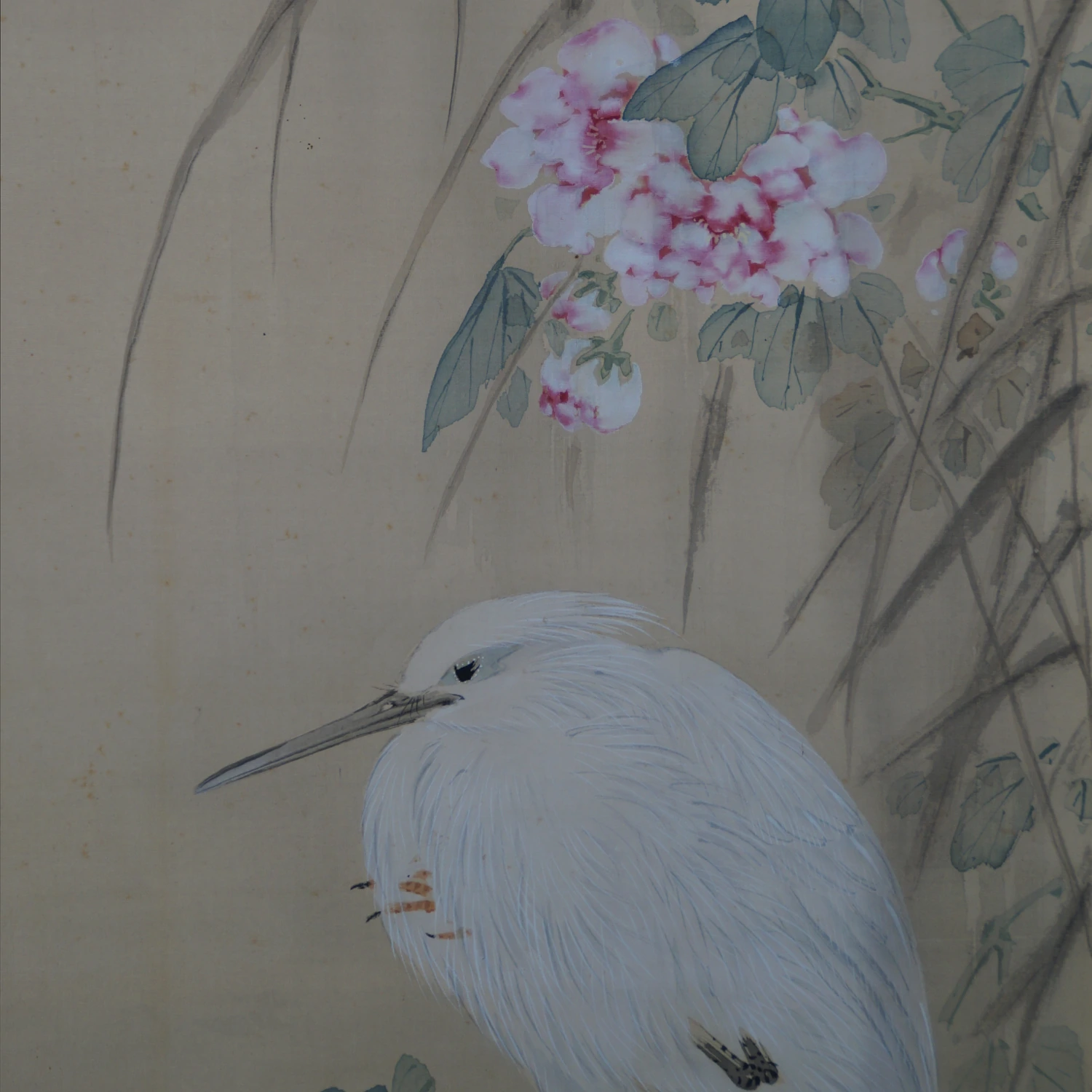
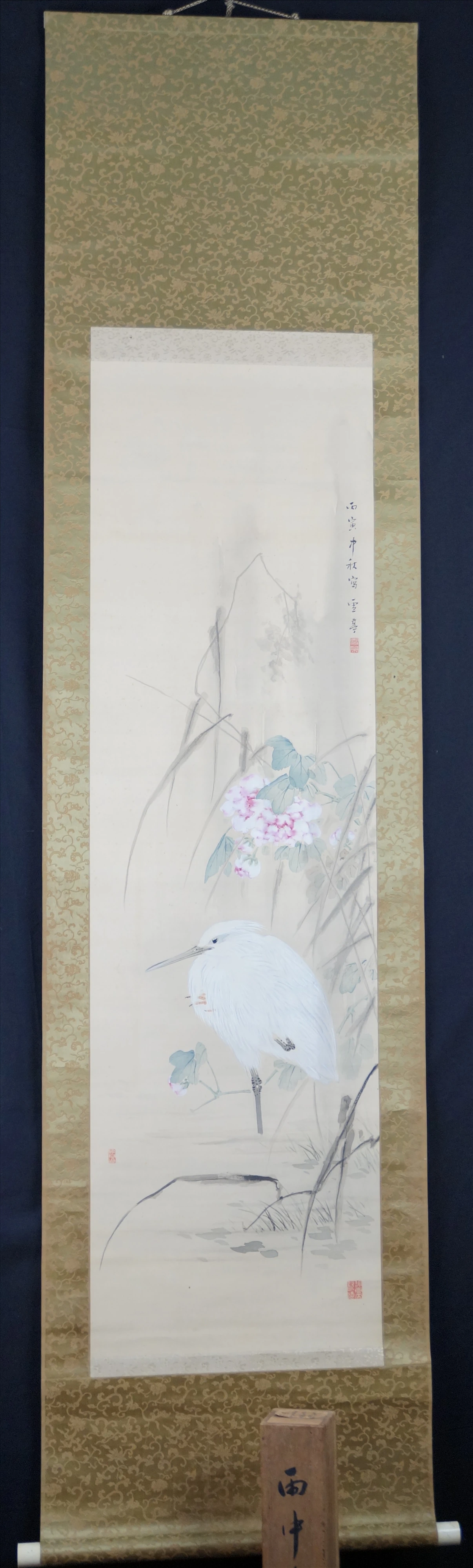
Koyama Setsurei
White Heron Among Blossoms and Reeds
Kakemono, unique work, with box, 195 x 54 cm
€720.00
Kawasaki Shoko
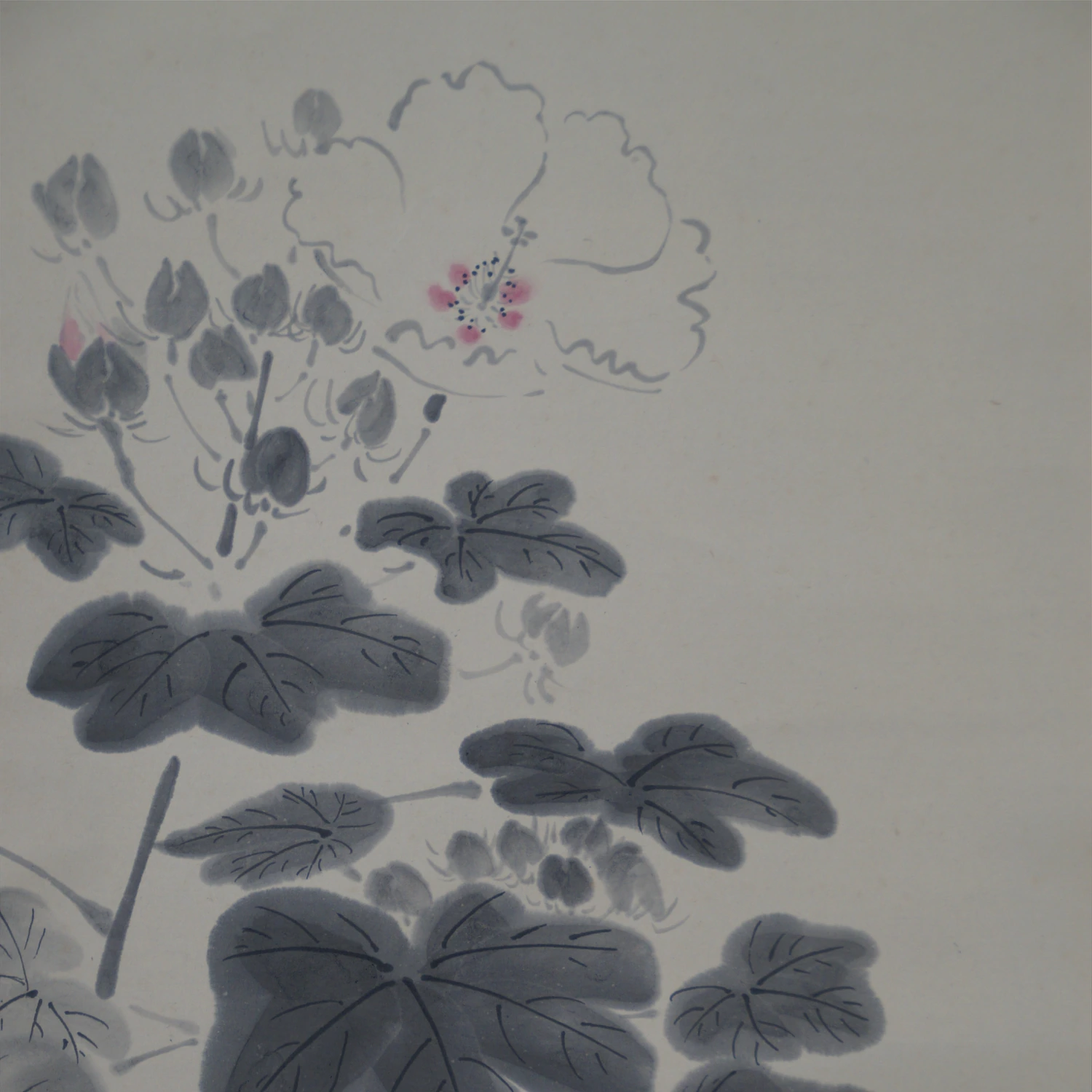
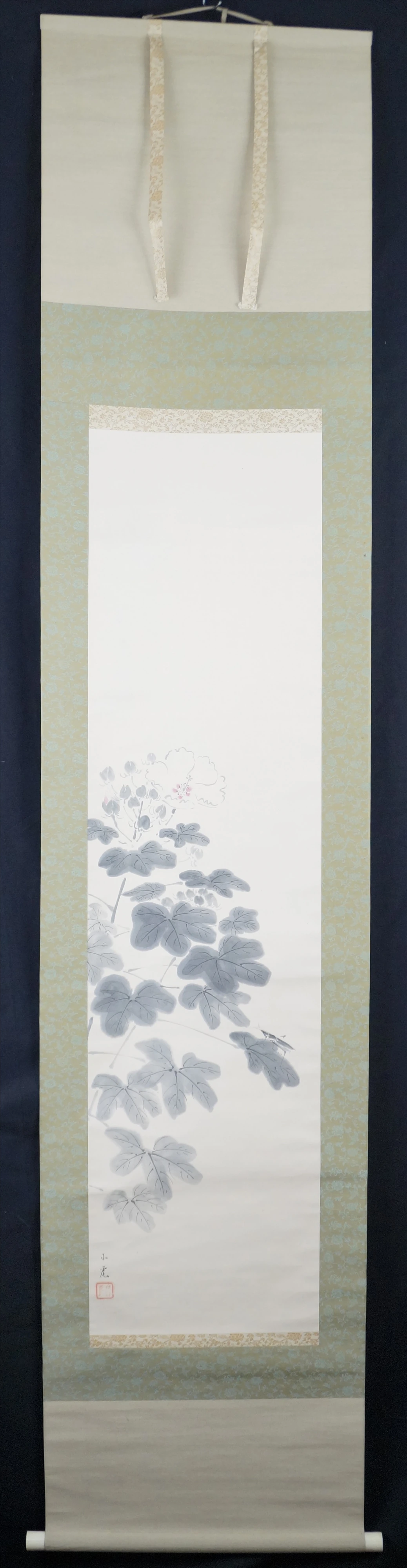
Hibiscus Flowers and Grasshopper
Kakemono, unique work, with box, 215 x 53 cm
€380.00
Sakai Sanryo
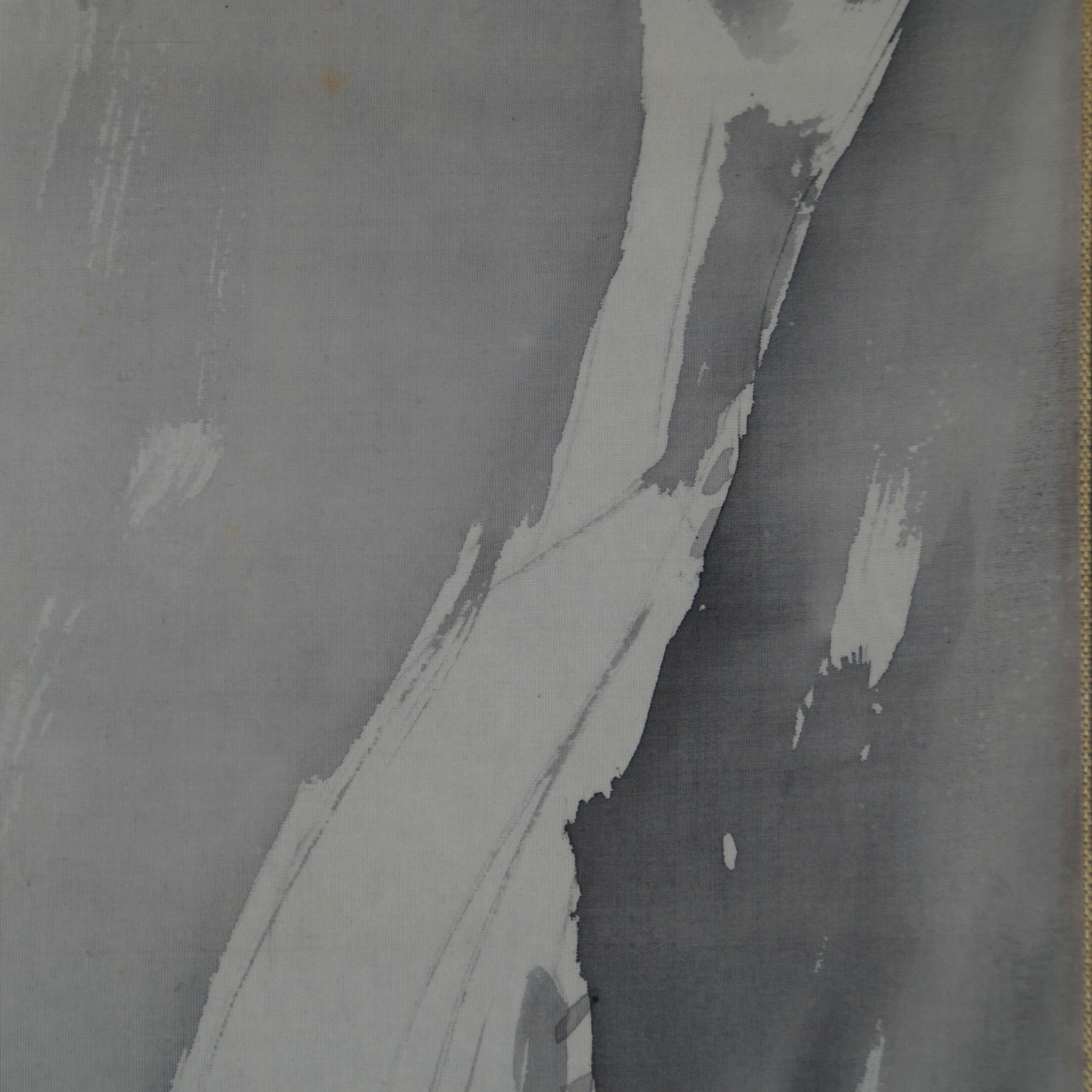
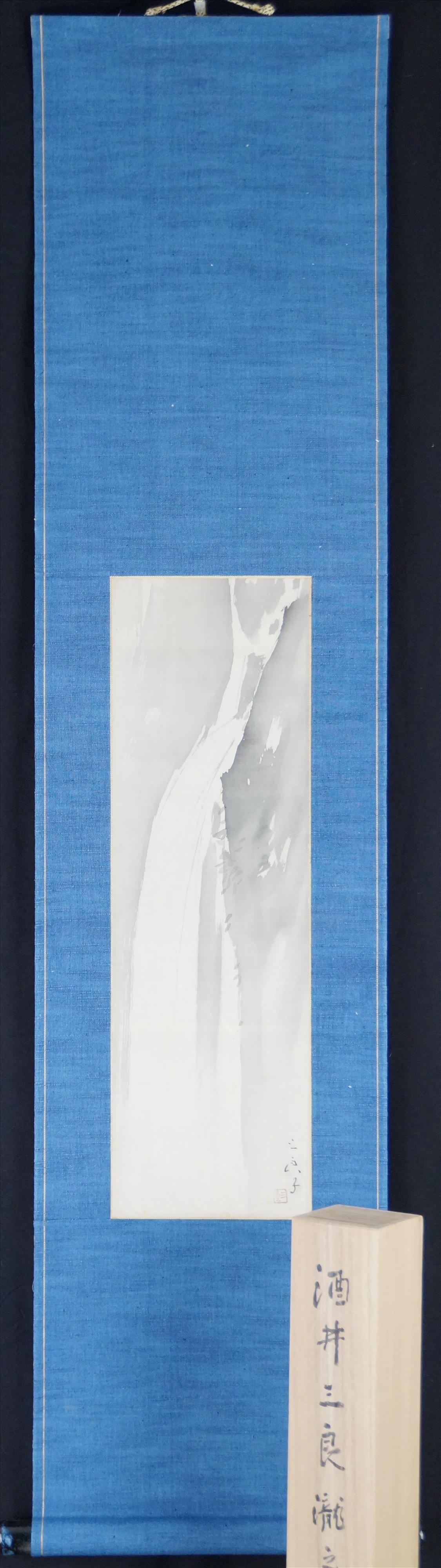
Waterfall in the Mist
Kakemono, unique work, with box, 129 x 36 cm
€570.00
Takaku Ryūko
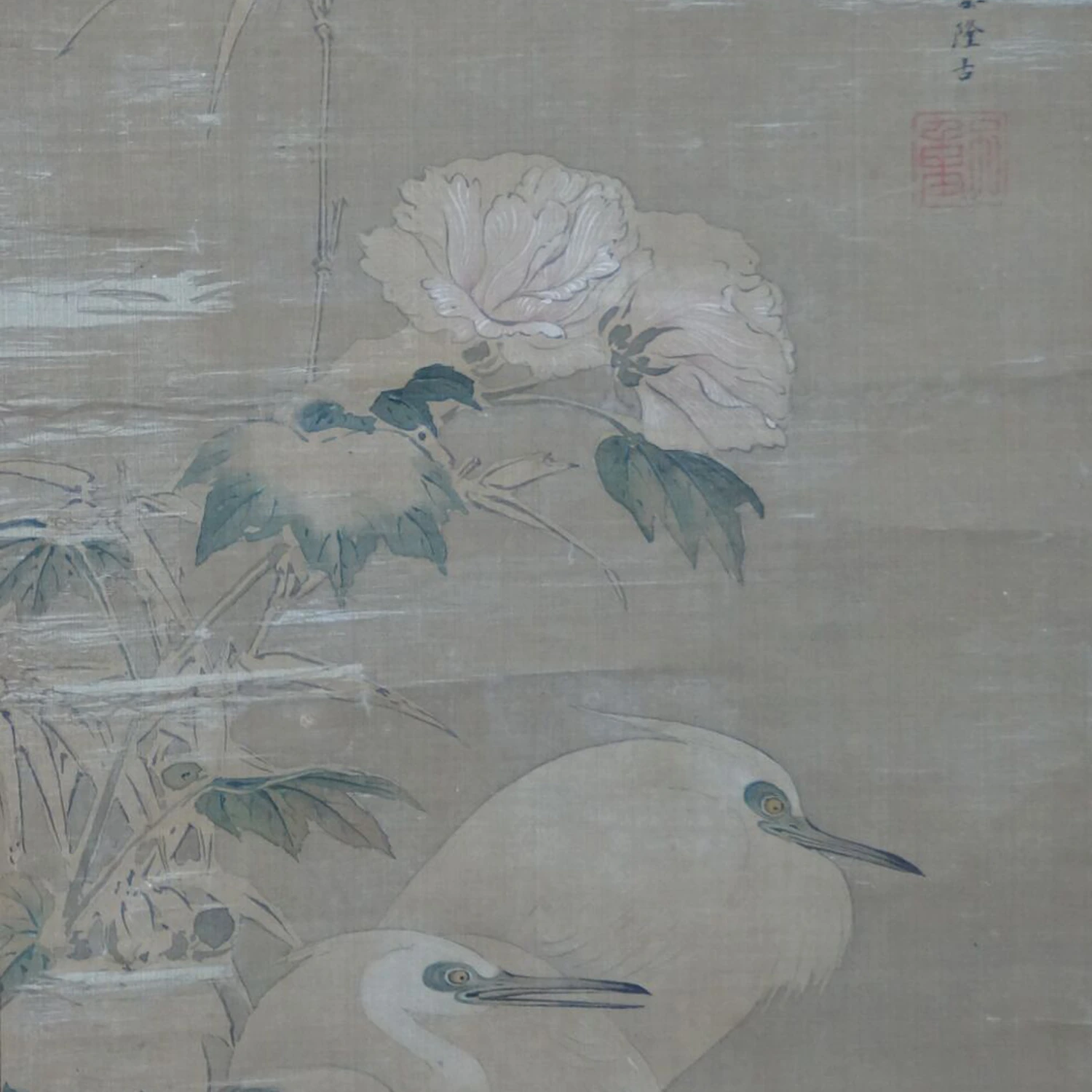
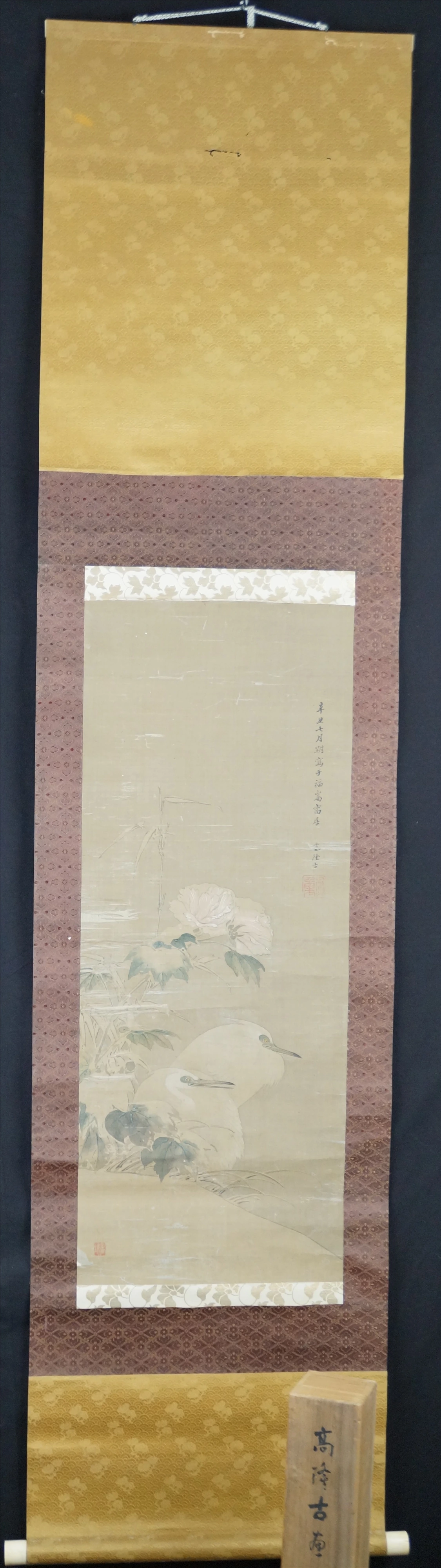
Heron in Silent Peony Splendor
Kakemono, unique work, with box, 186 x 50 cm
€1,300.00
Yagioka Shunzan
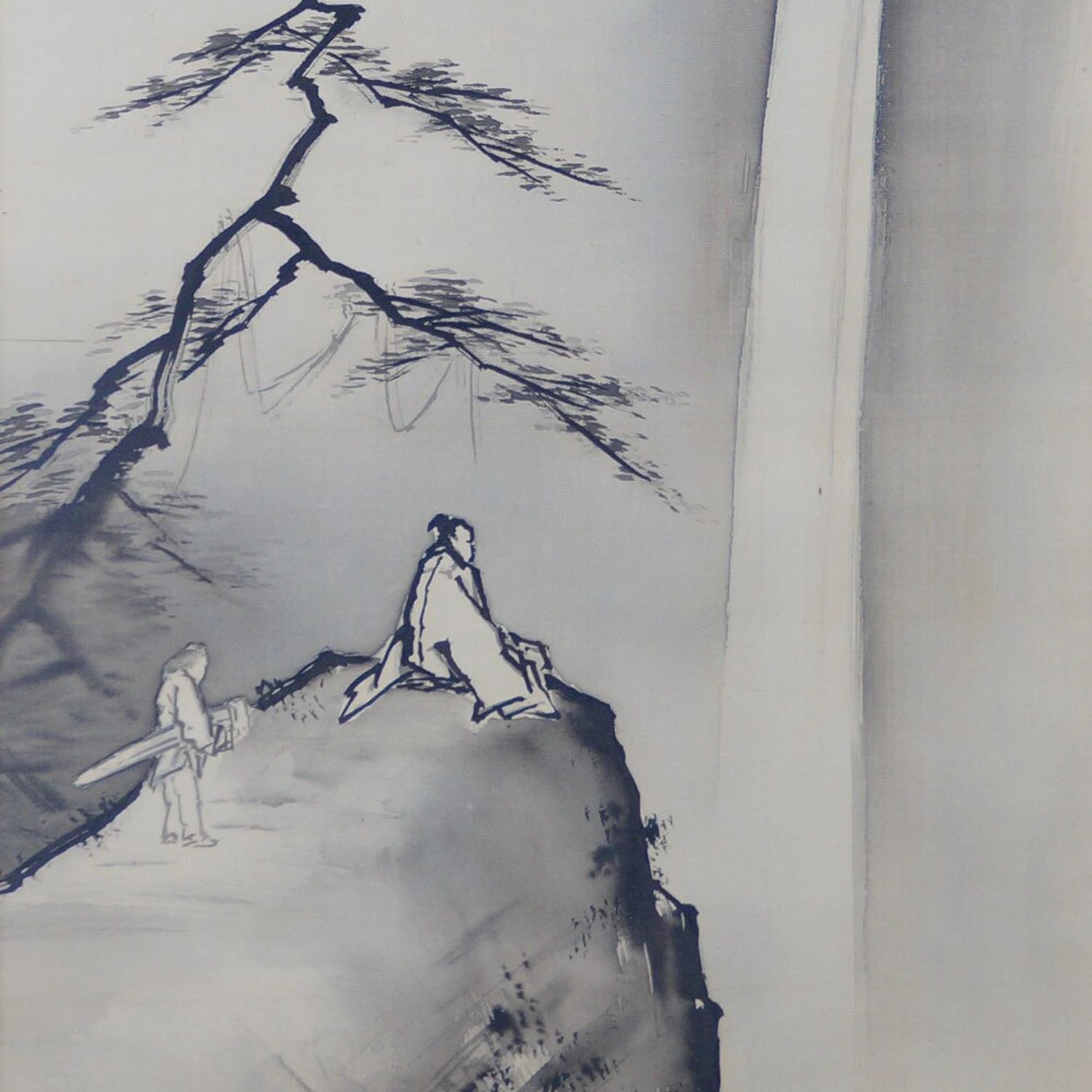
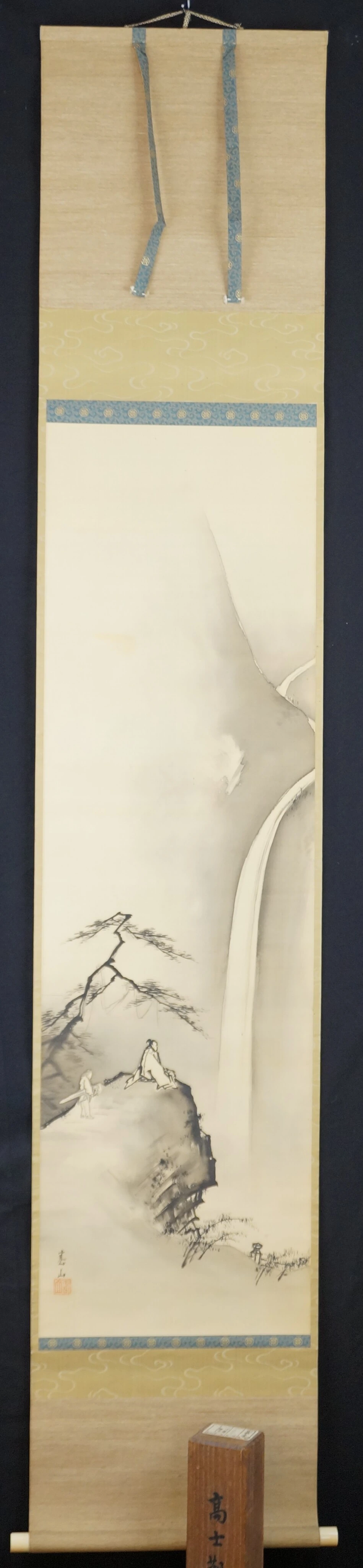
Encounter at the Edge of the Waterfall
Kakemono, unique work, with box, 200 x 44 cm
€880.00
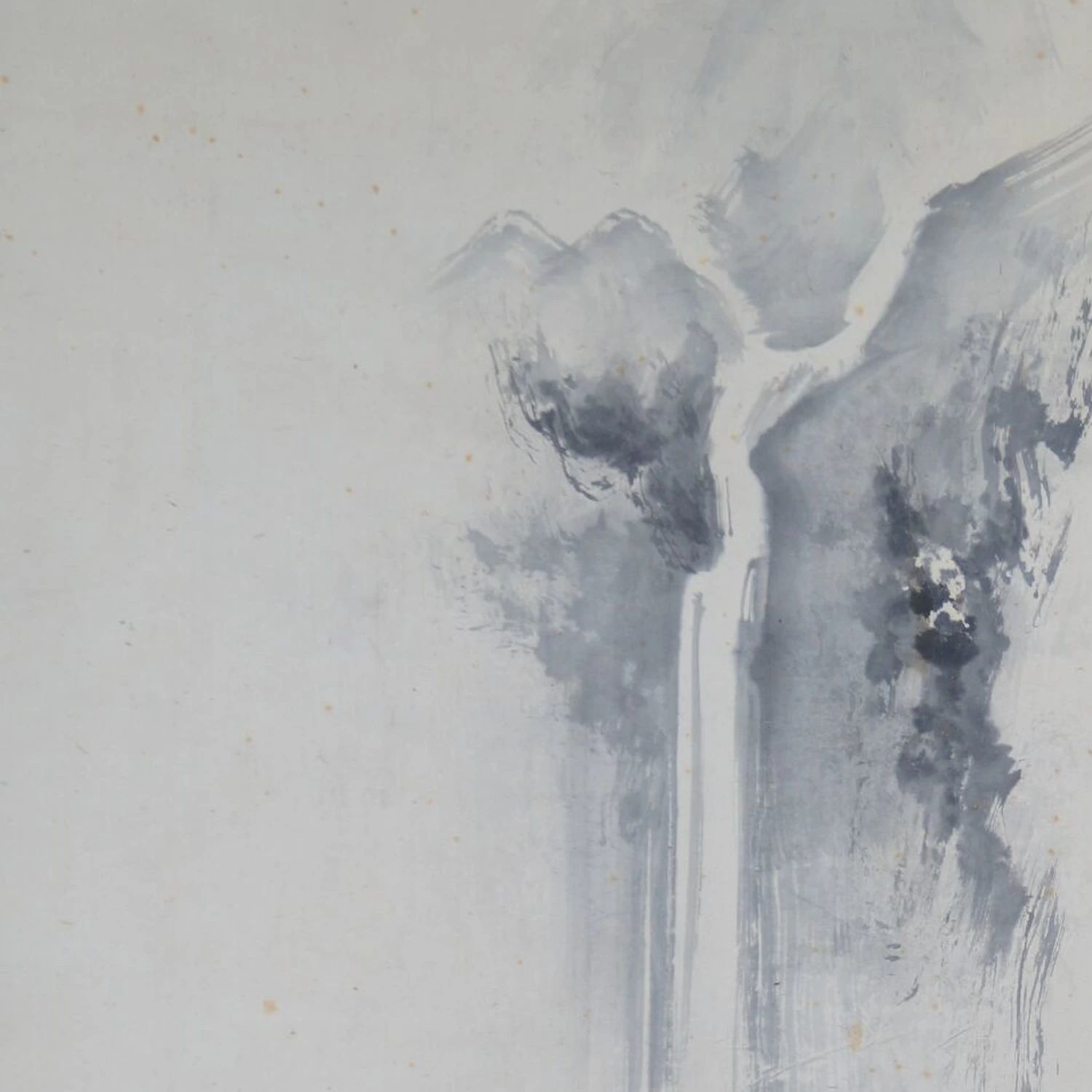
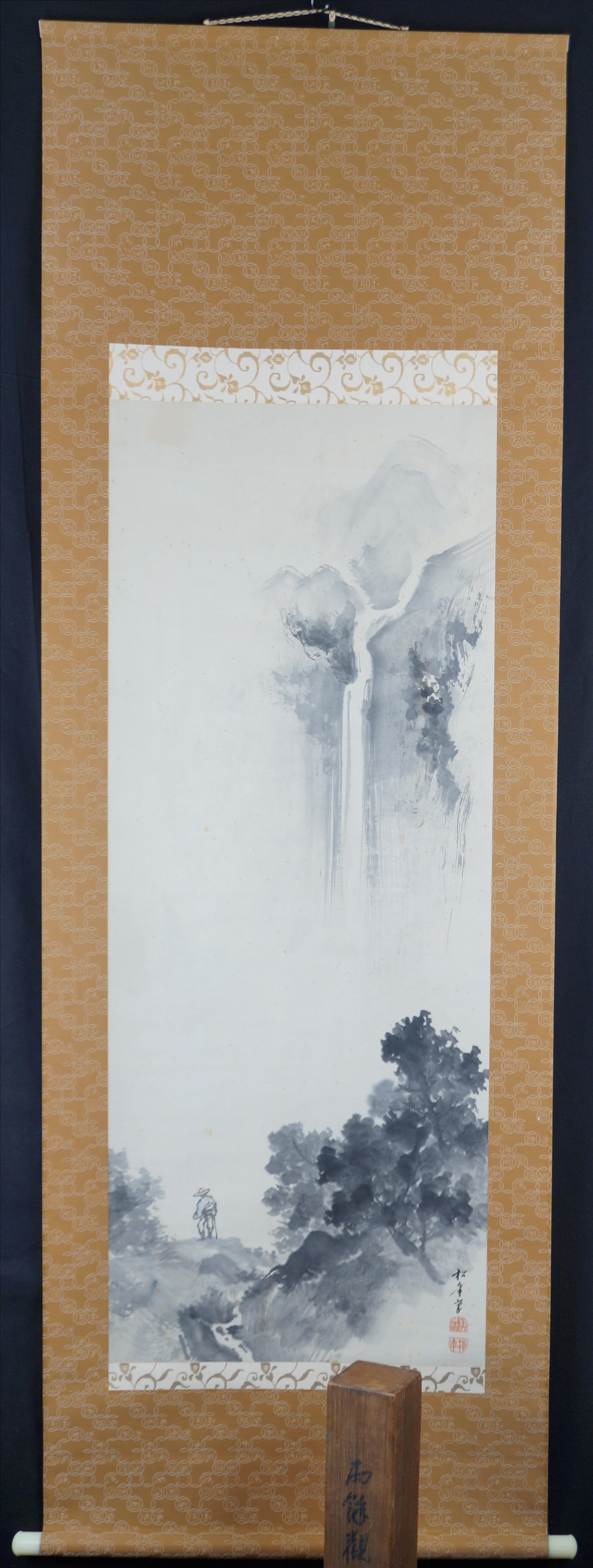
Suzuki Shonen
Wanderer Before the Waterfall - Suzuku Shonen
Kakemono, unique work, with box, 190 x 71 cm
€380.00
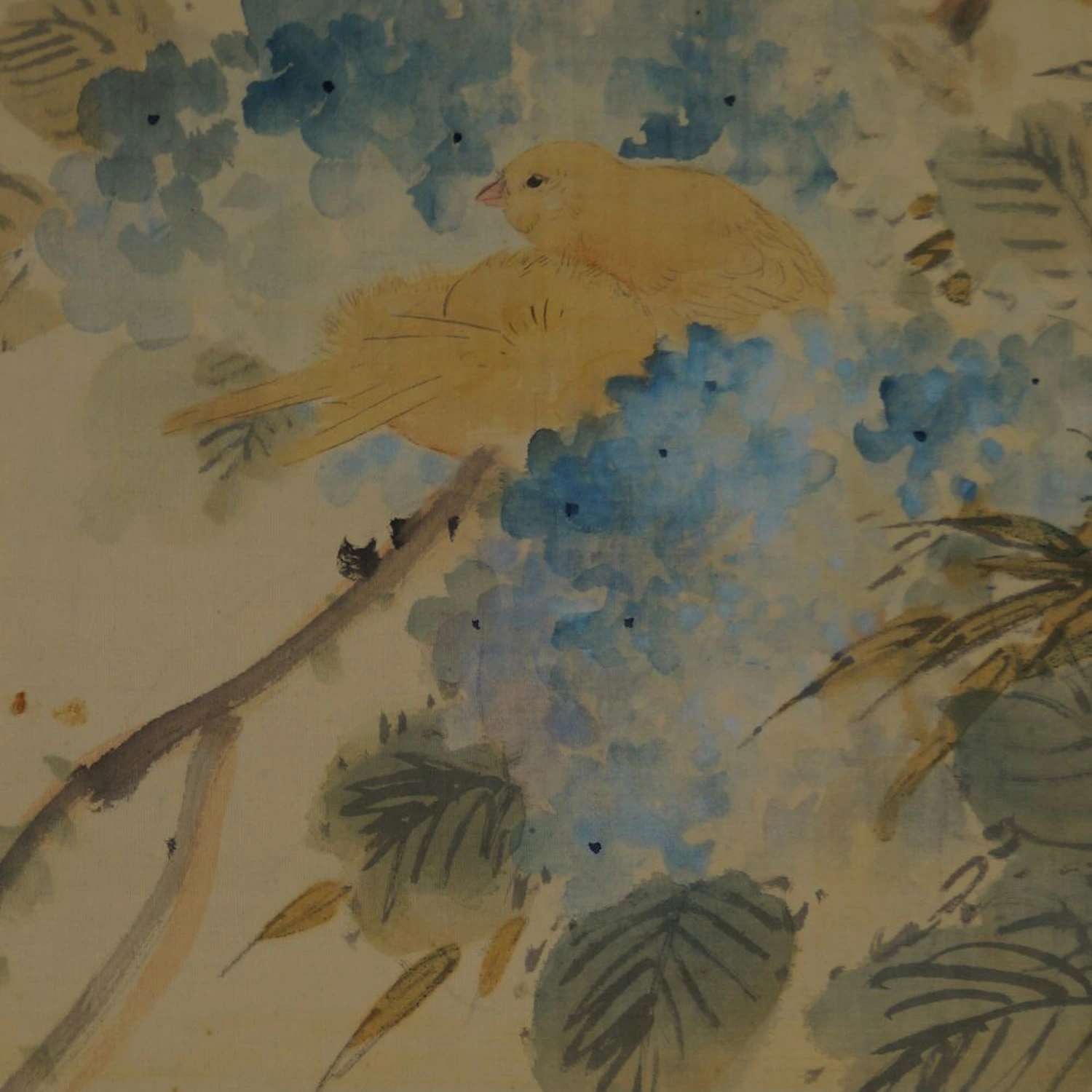
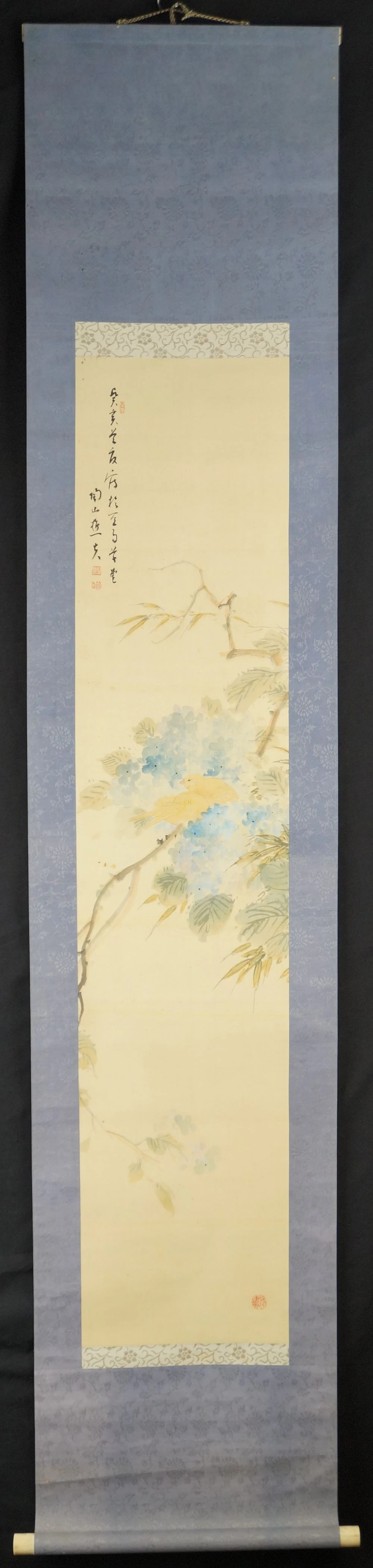
Ikuta Tōzan
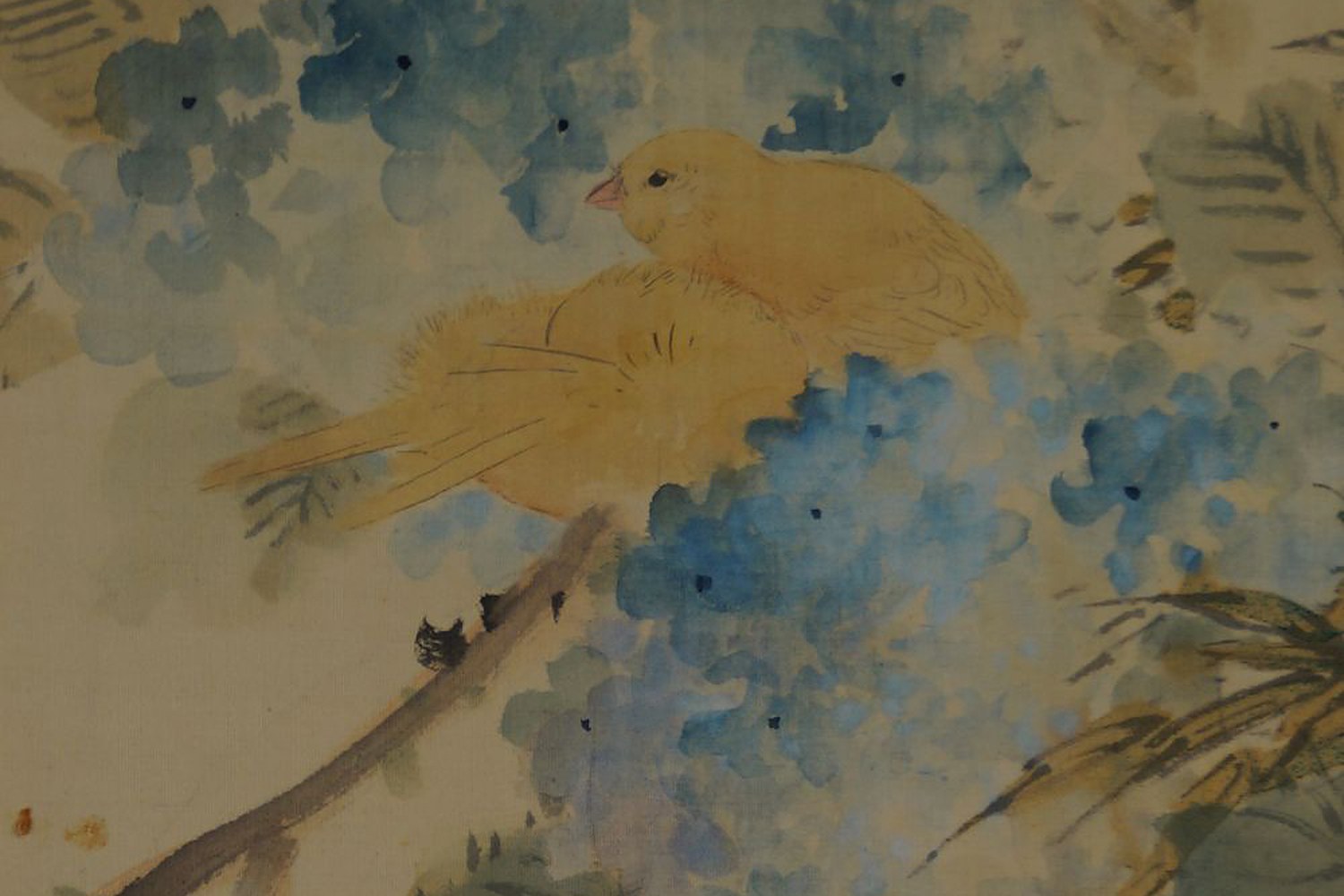
Hydrangeas in Early Summer Light
Kakemono, unique work, 187 x 38 cm
€290.00
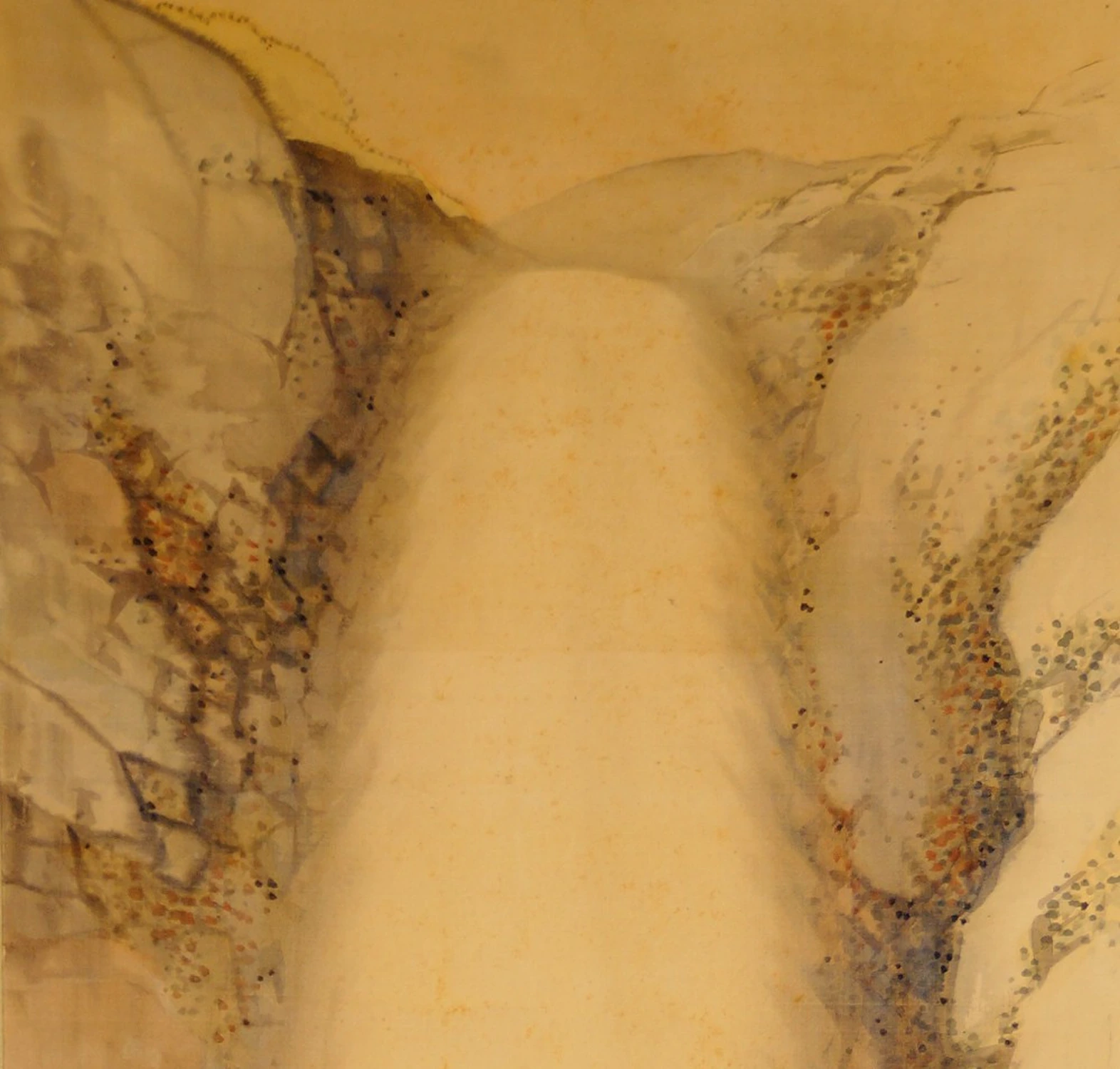
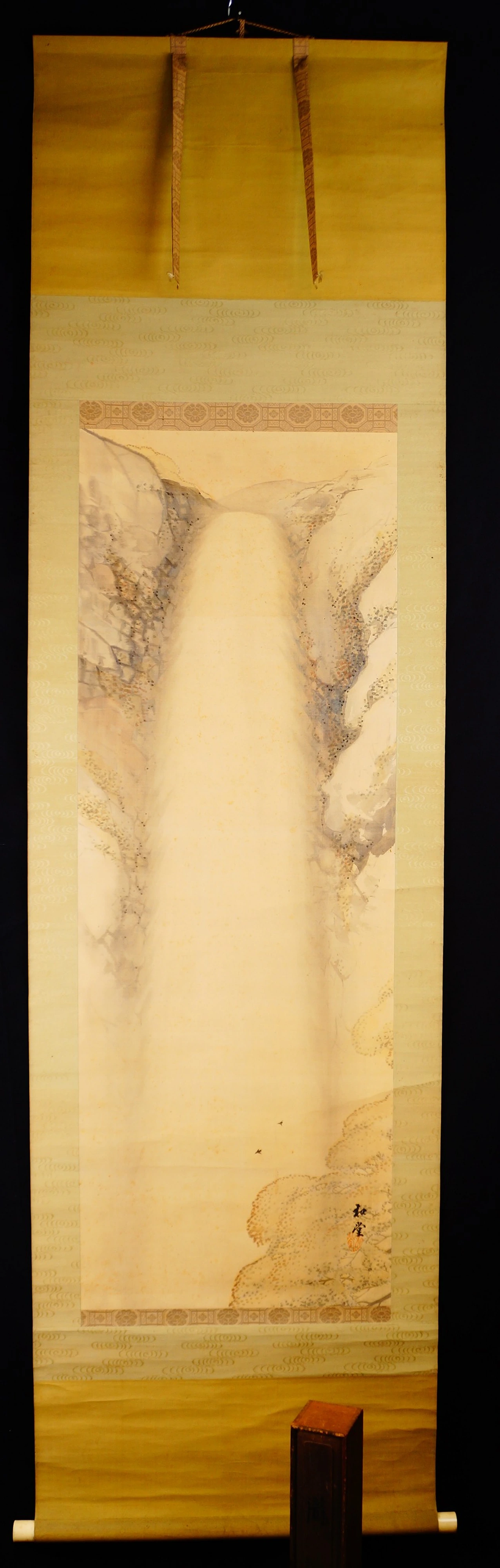
Nakagawa Wado
Waterfall in the Mountains
Kakemono, unique work, 195 x 59 cm
€380.00
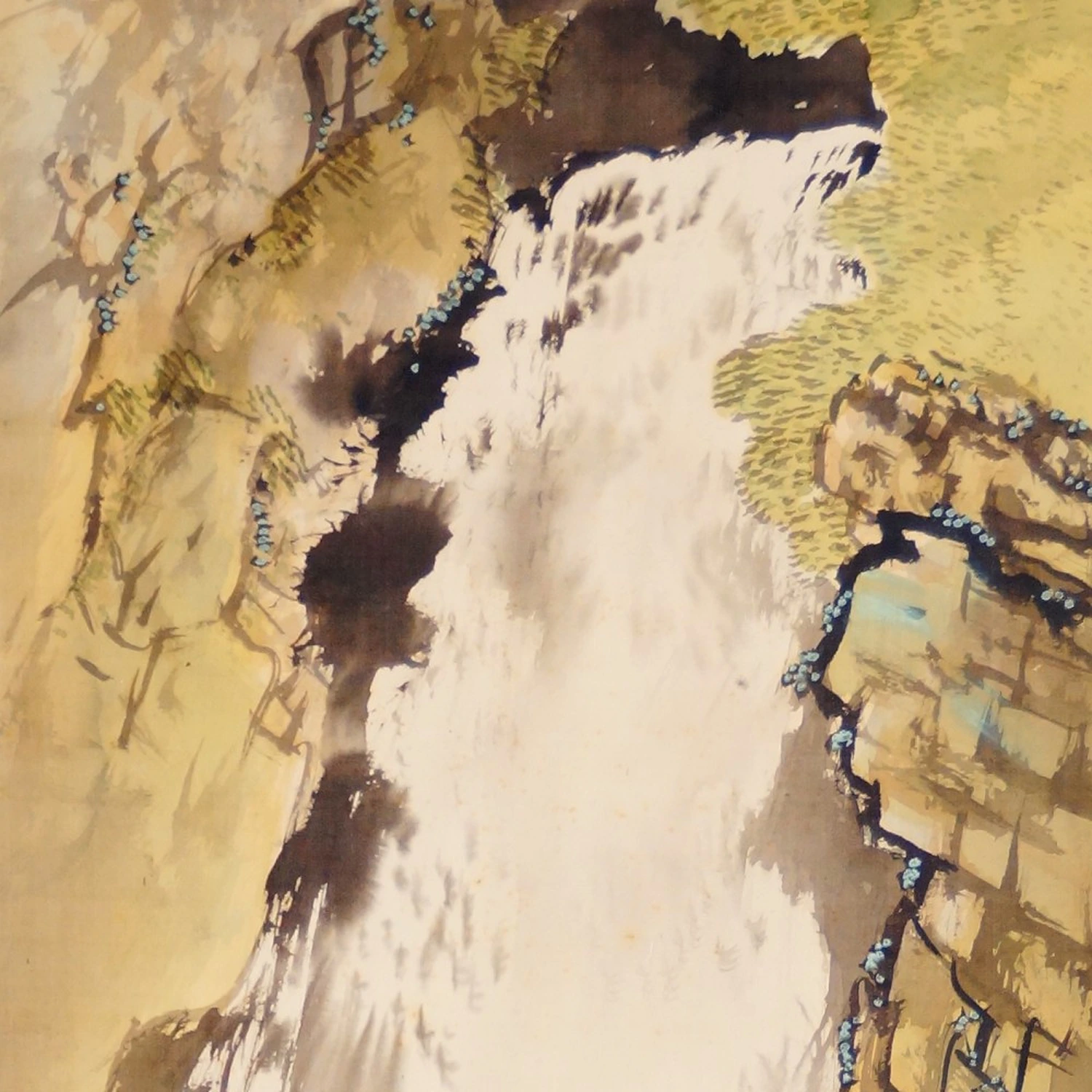
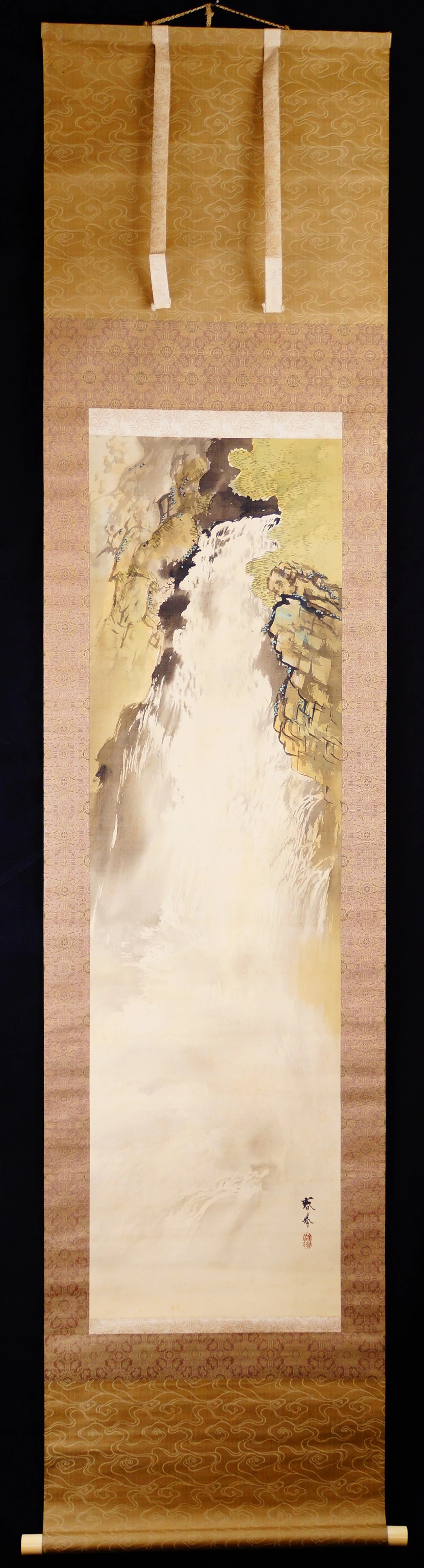
Yamamoto Shunkyo
Roaring Waterfall
Kakemono, unique work, 201 x 51 cm
€610.00
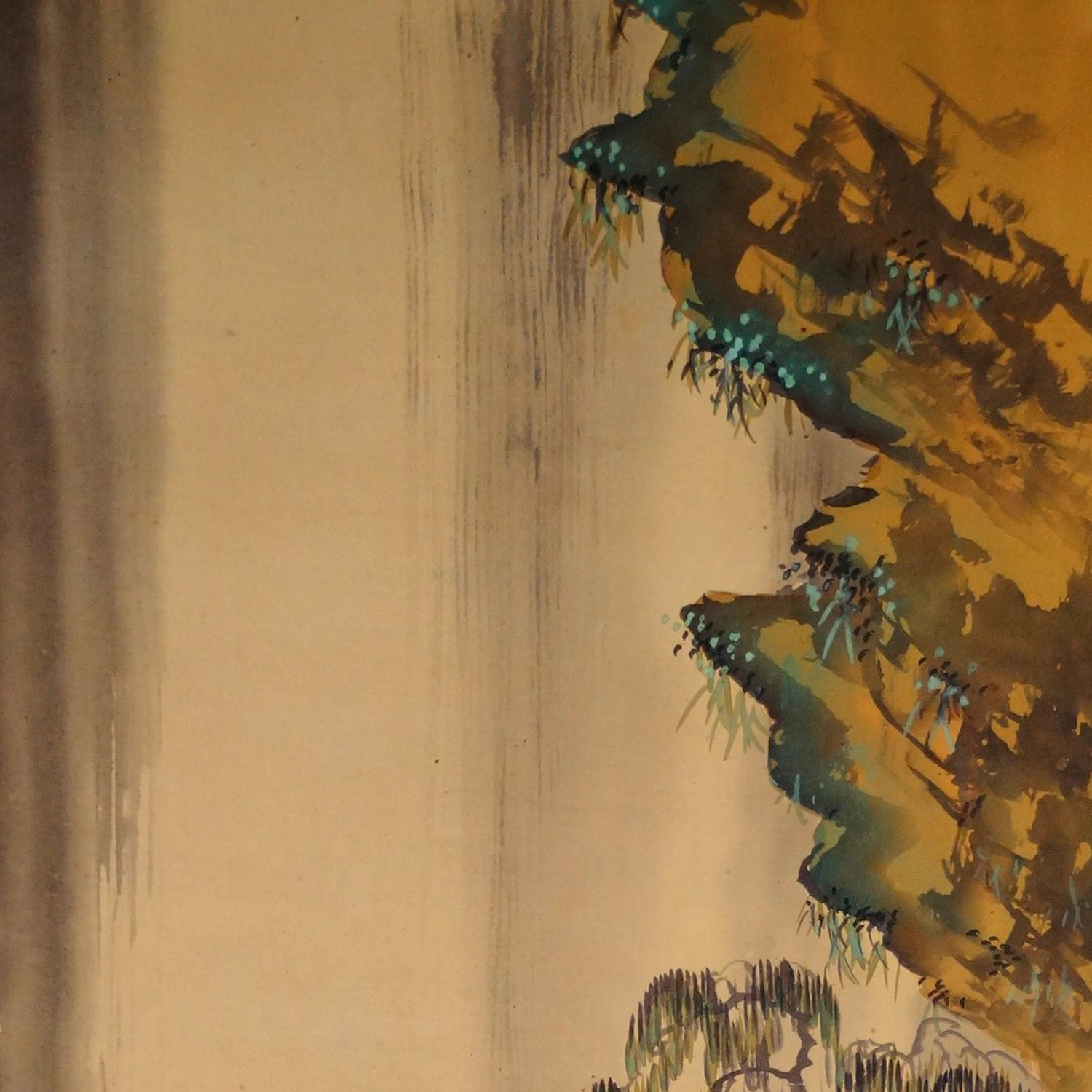
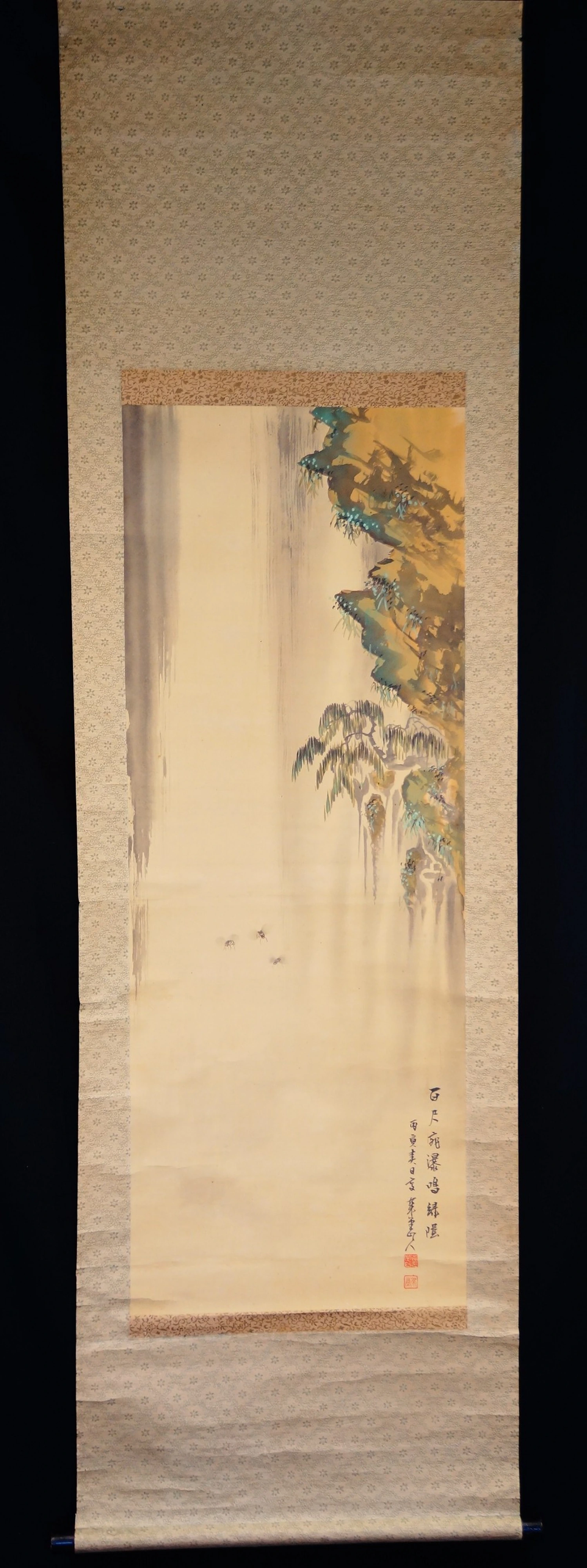
Jōdō
Bees Against a Waterfall Backdrop by Jodo
Kakemono, unique work, 188 x 62 cm
€375.00
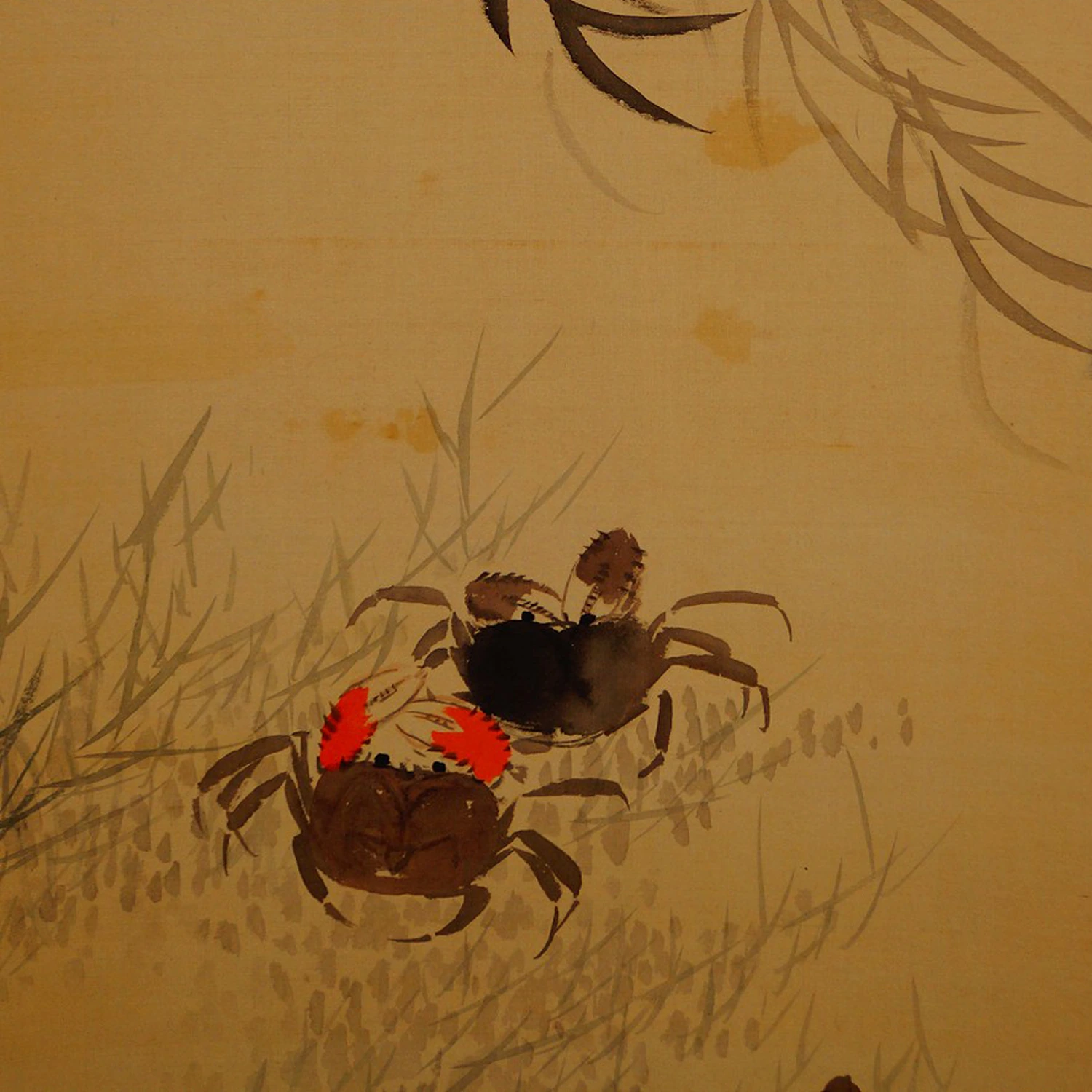
Ekitō
Play of the Crayfish
Kakemono, unique work, 182 x 51 cm
Sold
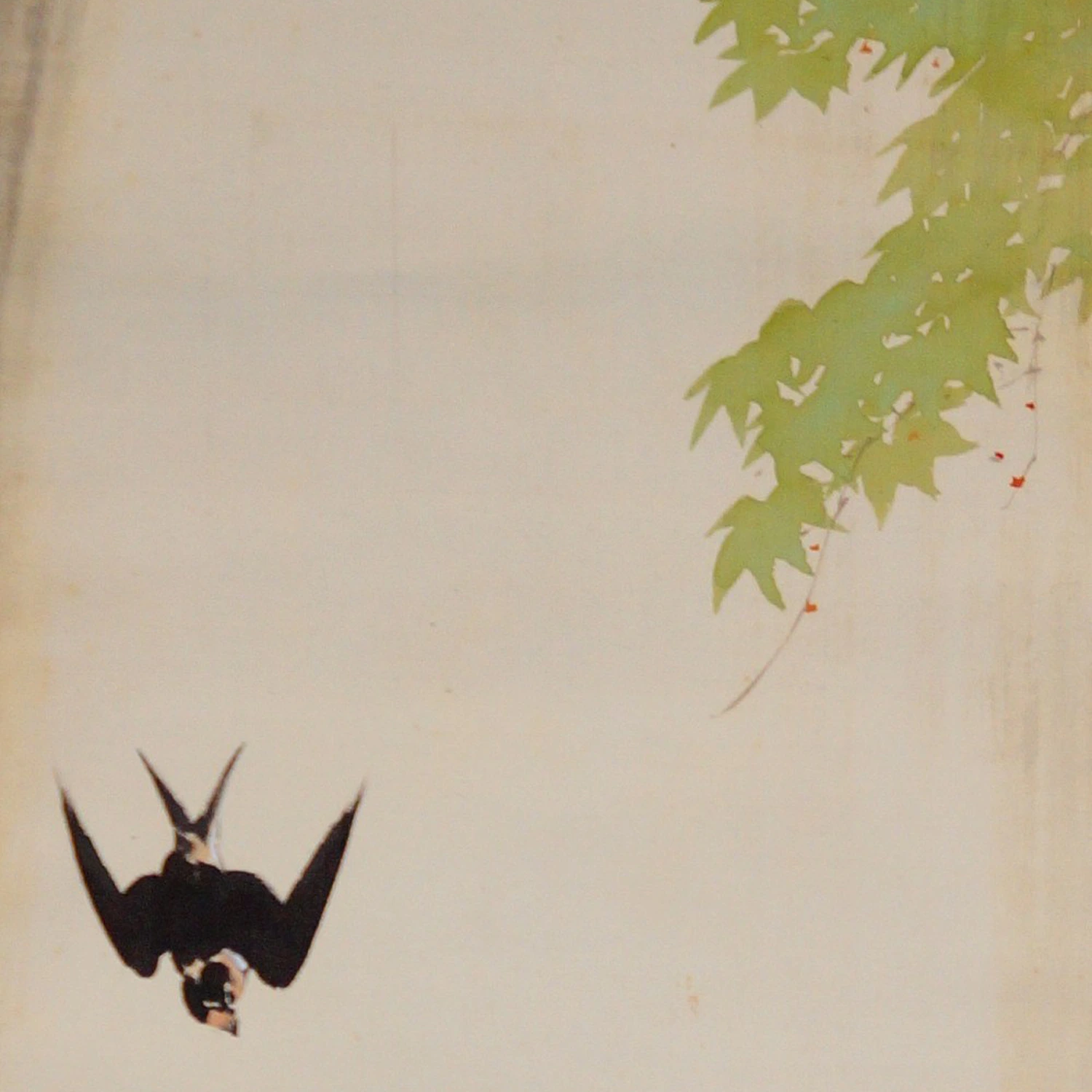
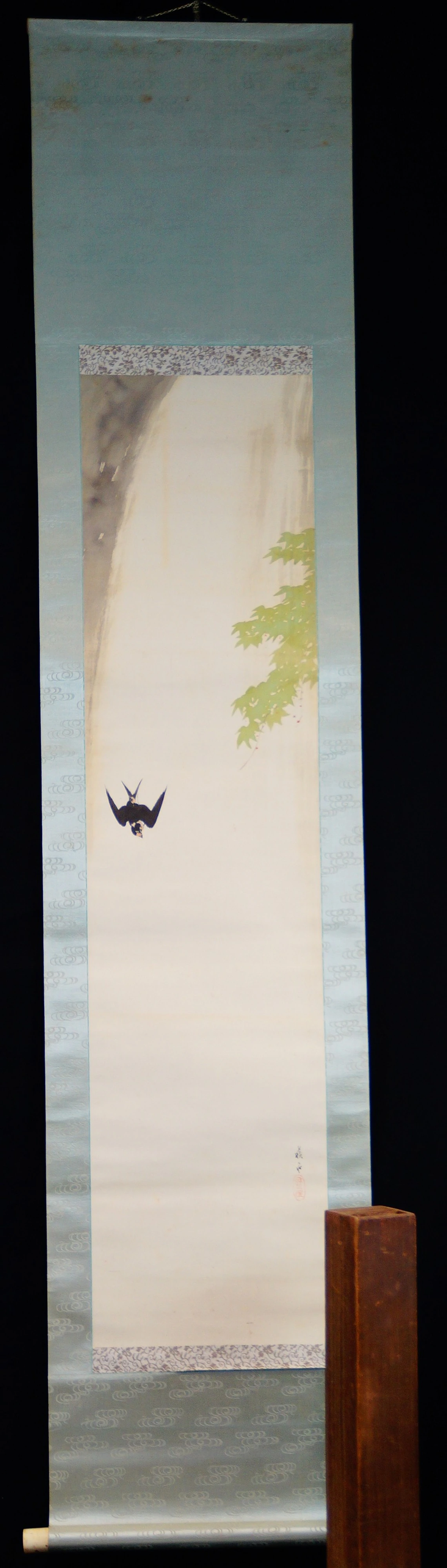
Nishioka Sosen
Swallow at the Waterfall
Kakemono, unique work, with box, 184 x 45 cm
€390.00
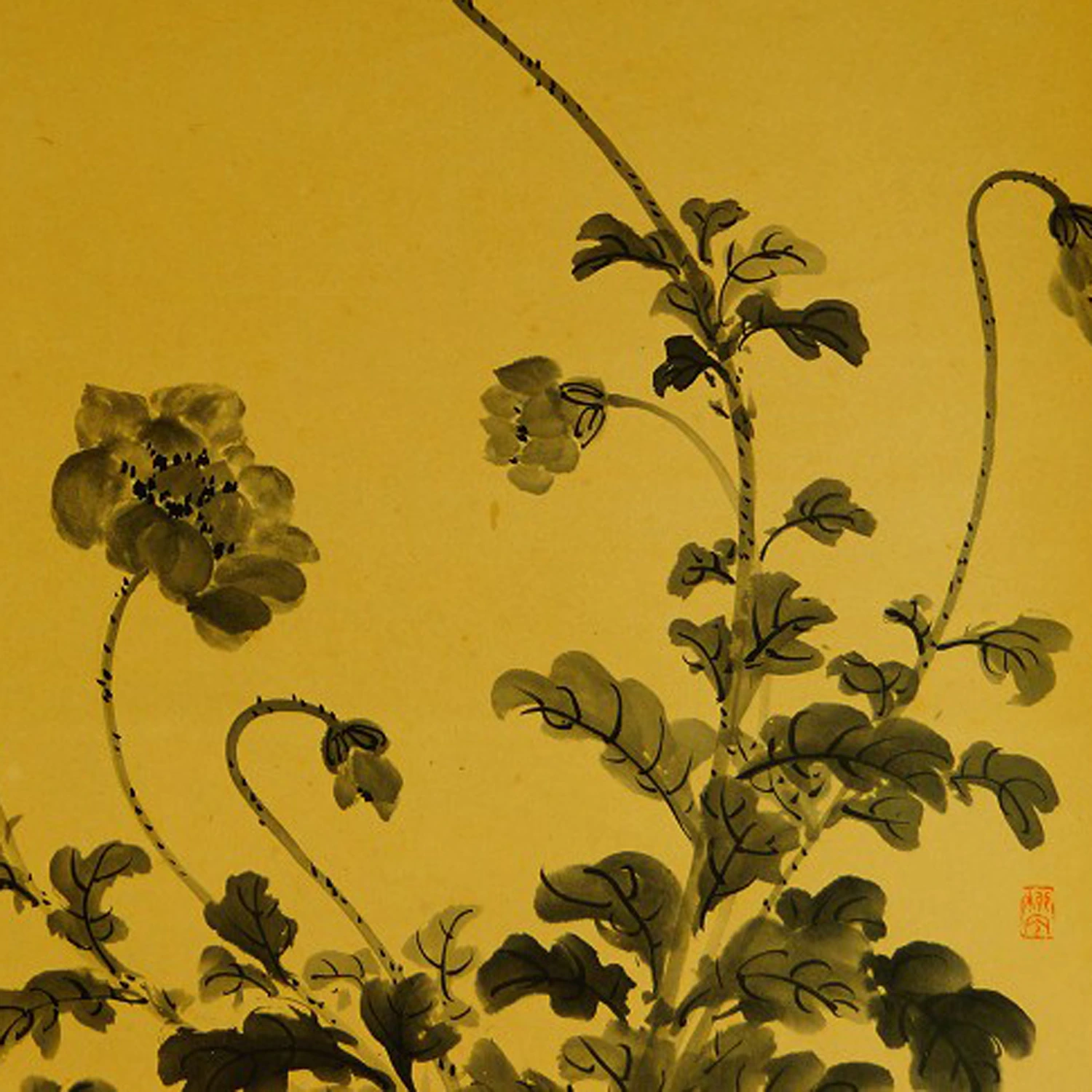
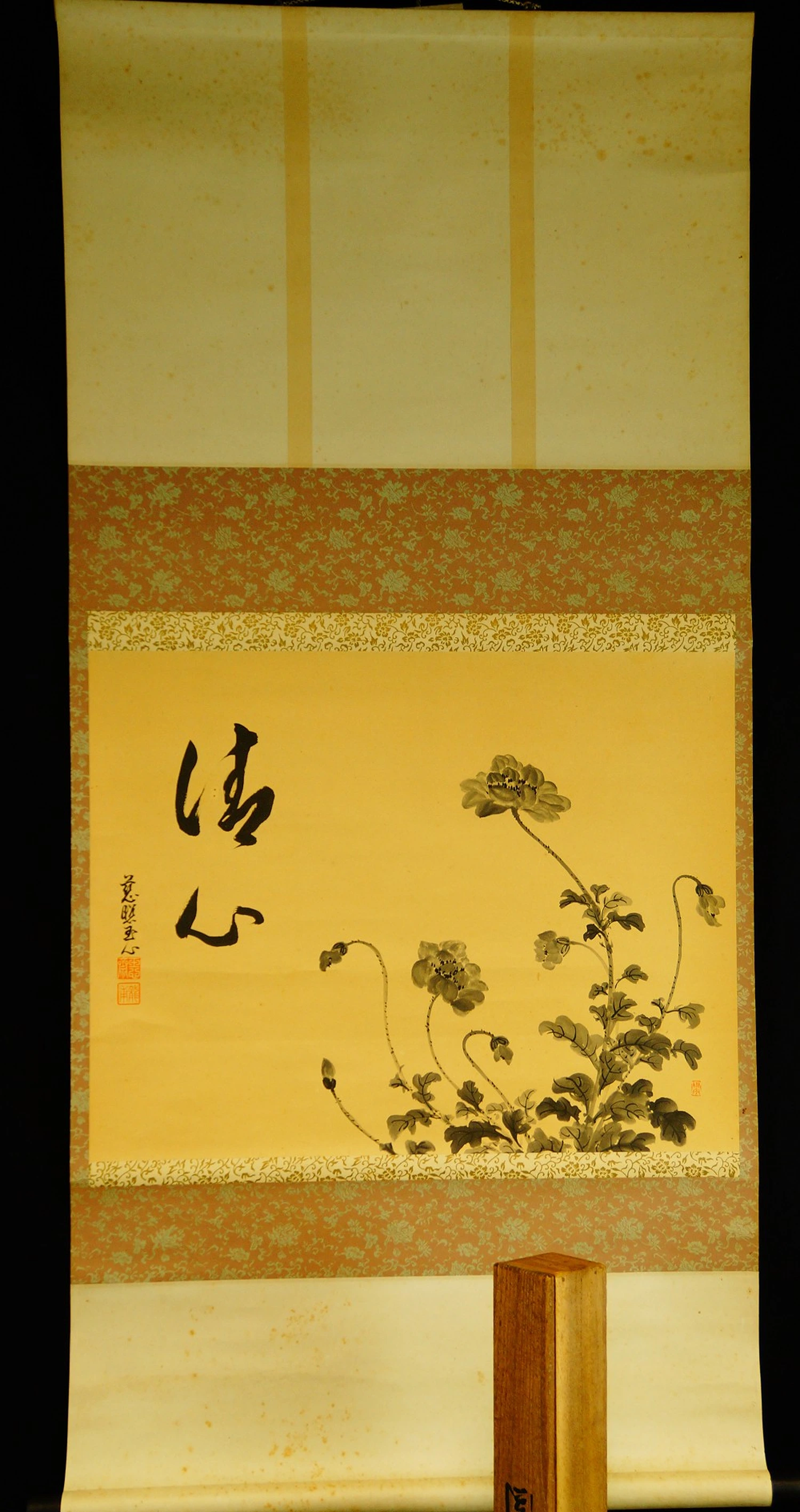
Jisho Anshu
Irises
Kakemono, unique work, with box, 126 x 64 cm
€220.00
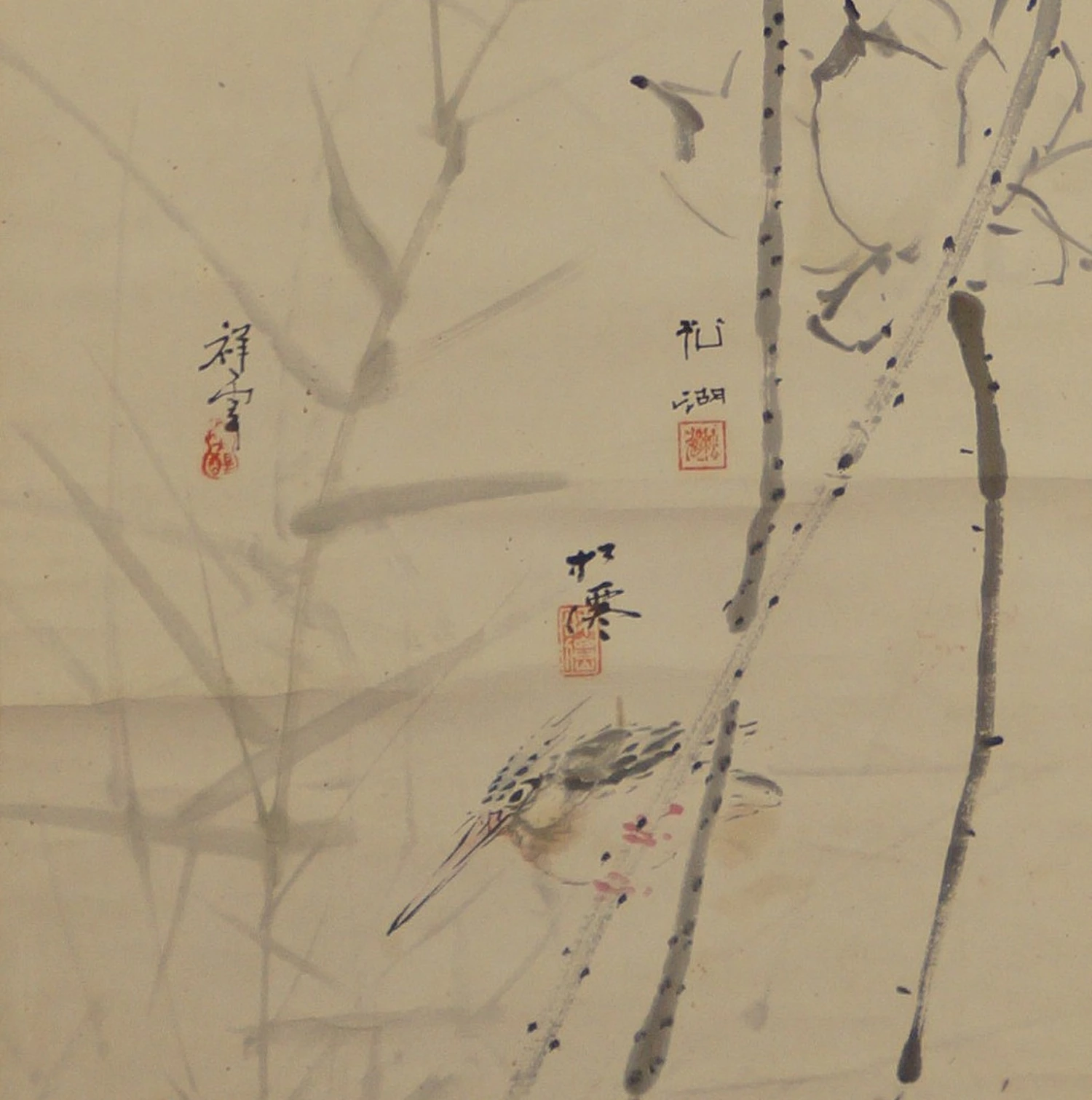
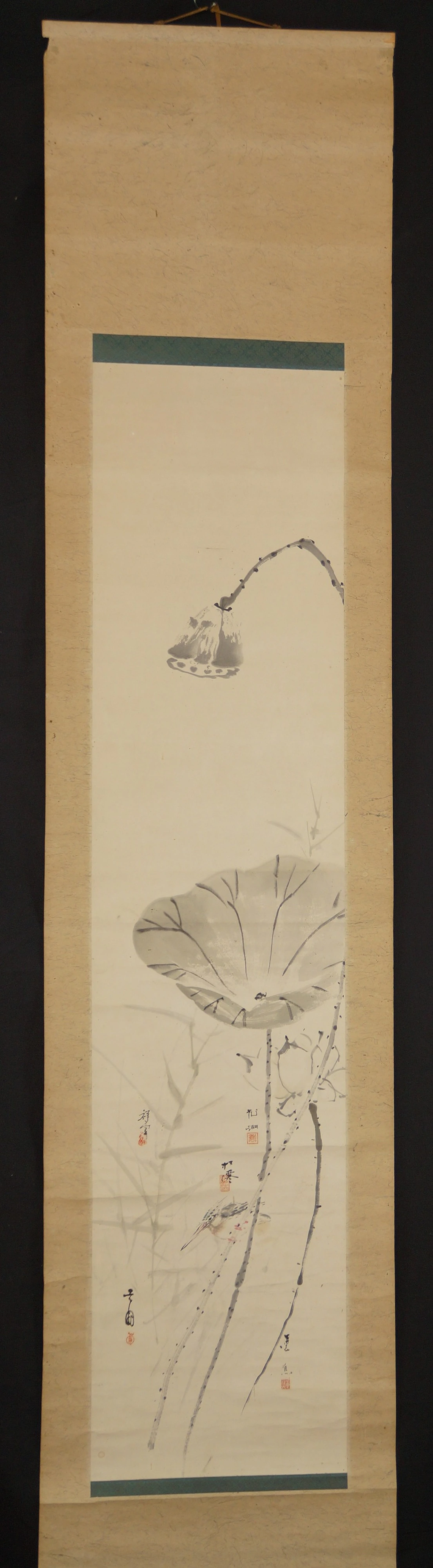
Kingfisher on a Lotus Flower
Kakemono, unique work, 192 x 49 cm
€690.00
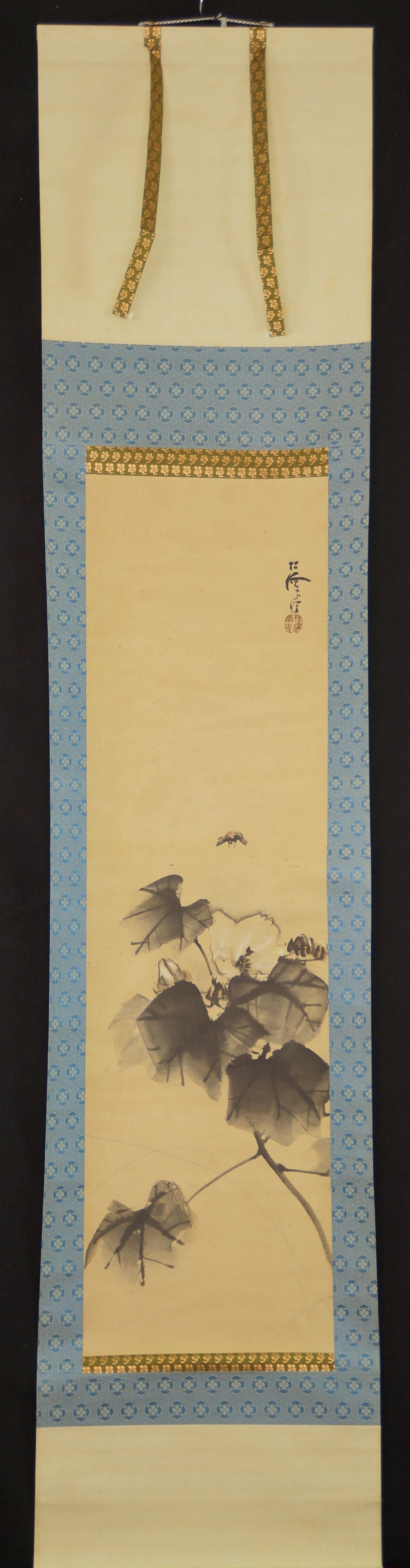
Suzuki Shonen
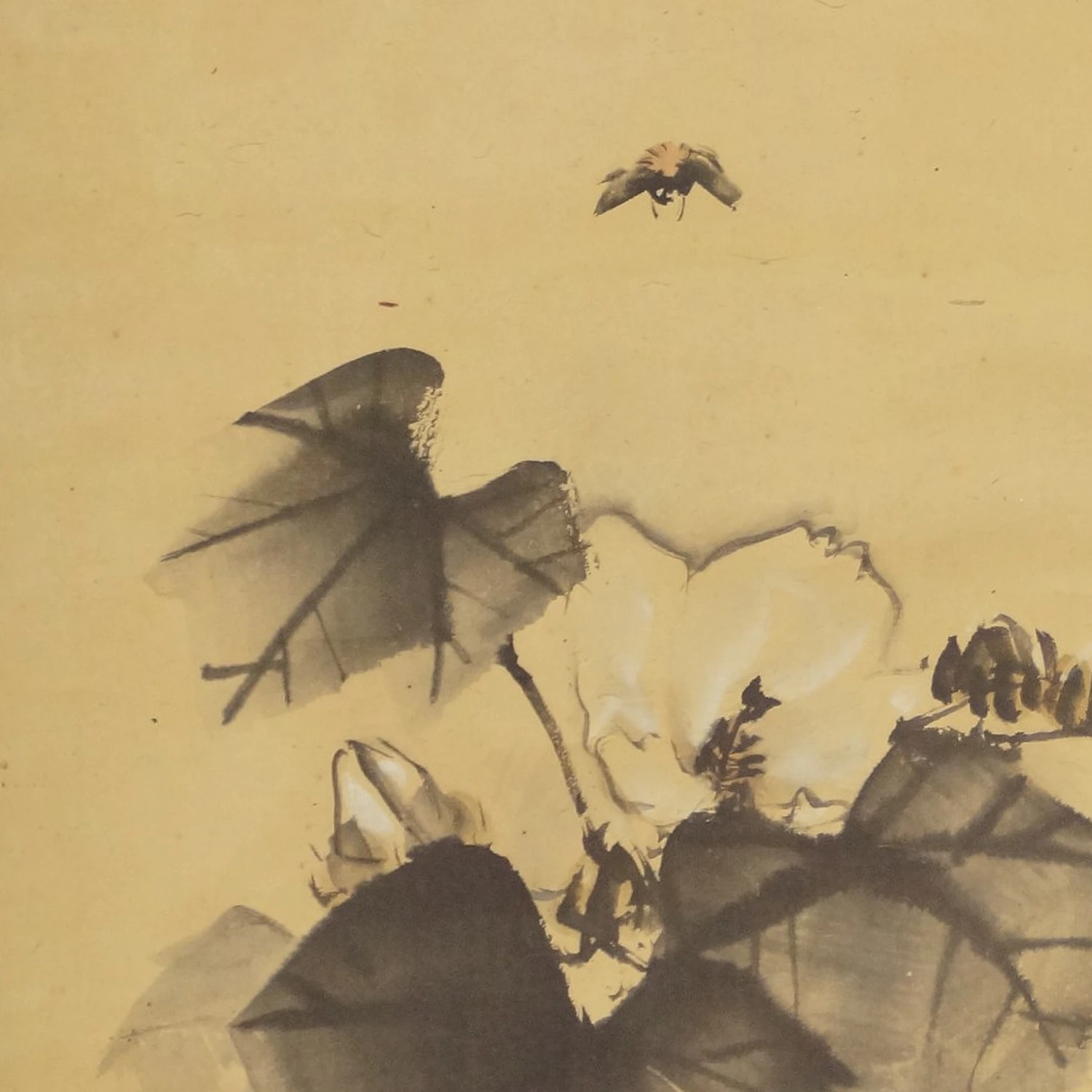
Bee in Flight
Kakemono, unique work, 190 x 47 cm
€510.00
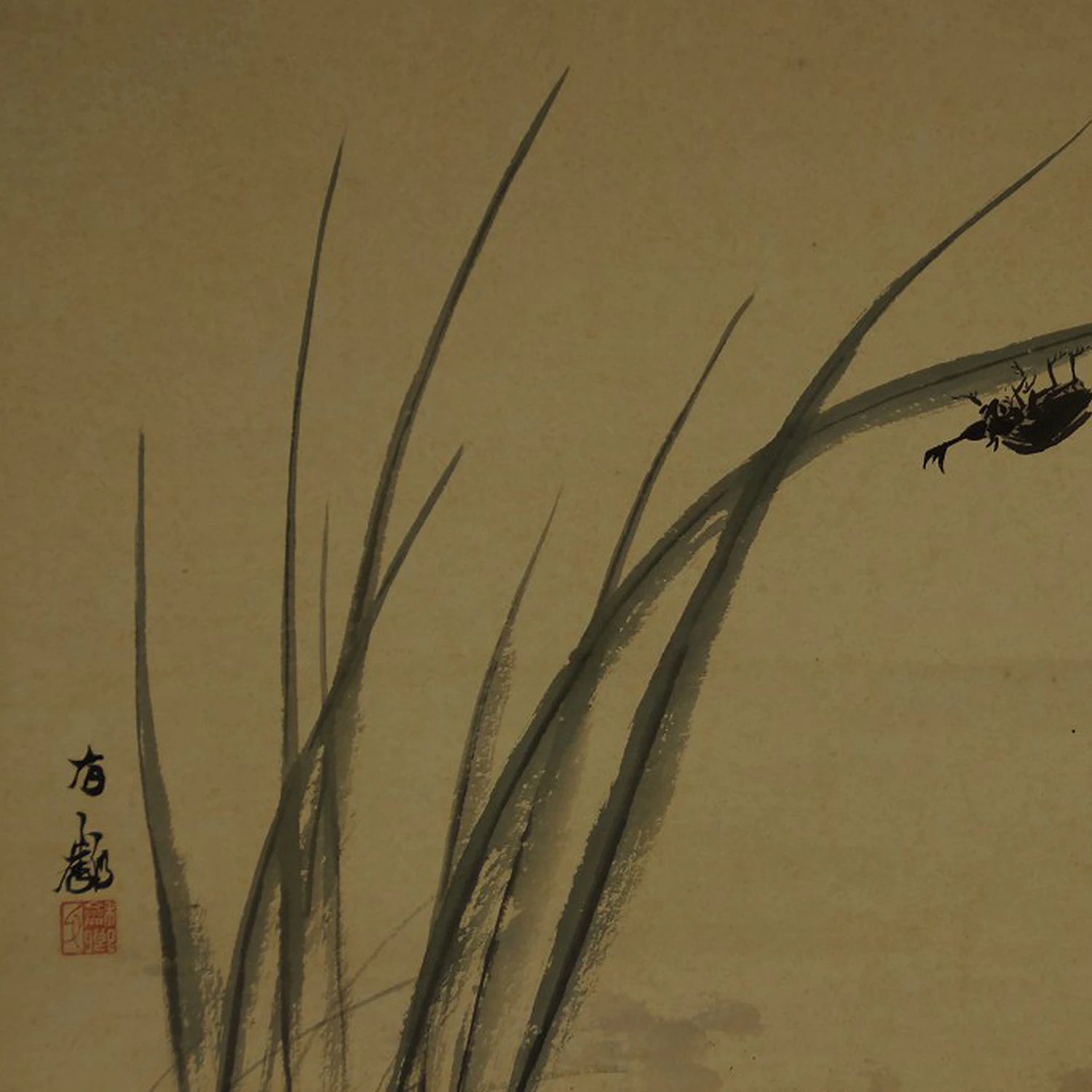
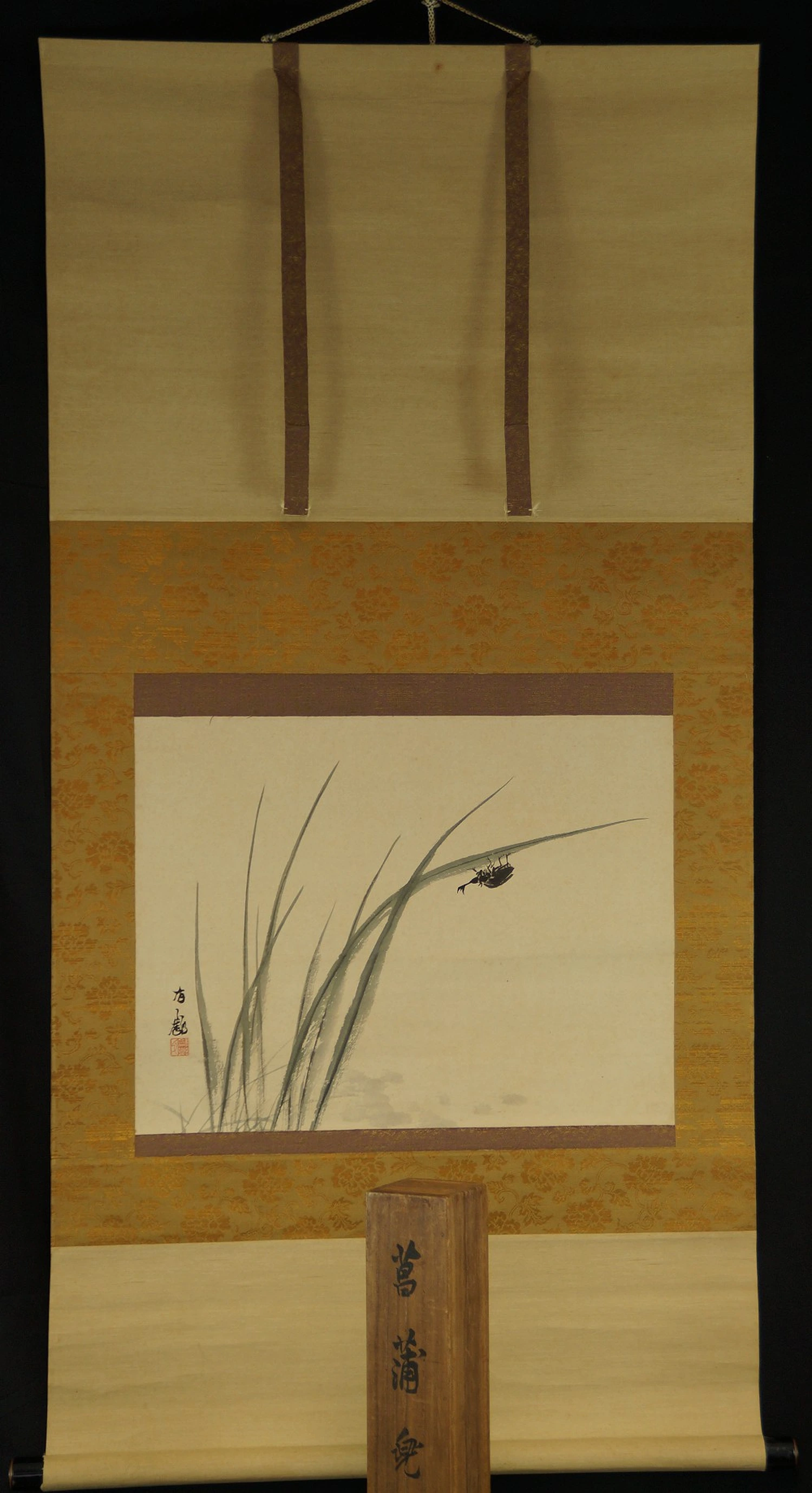
Ishikawa Yurin
Rhinoceros Beetle in Tall Grass
Kakemono, unique work, 125 x 67 cm
€1,490.00
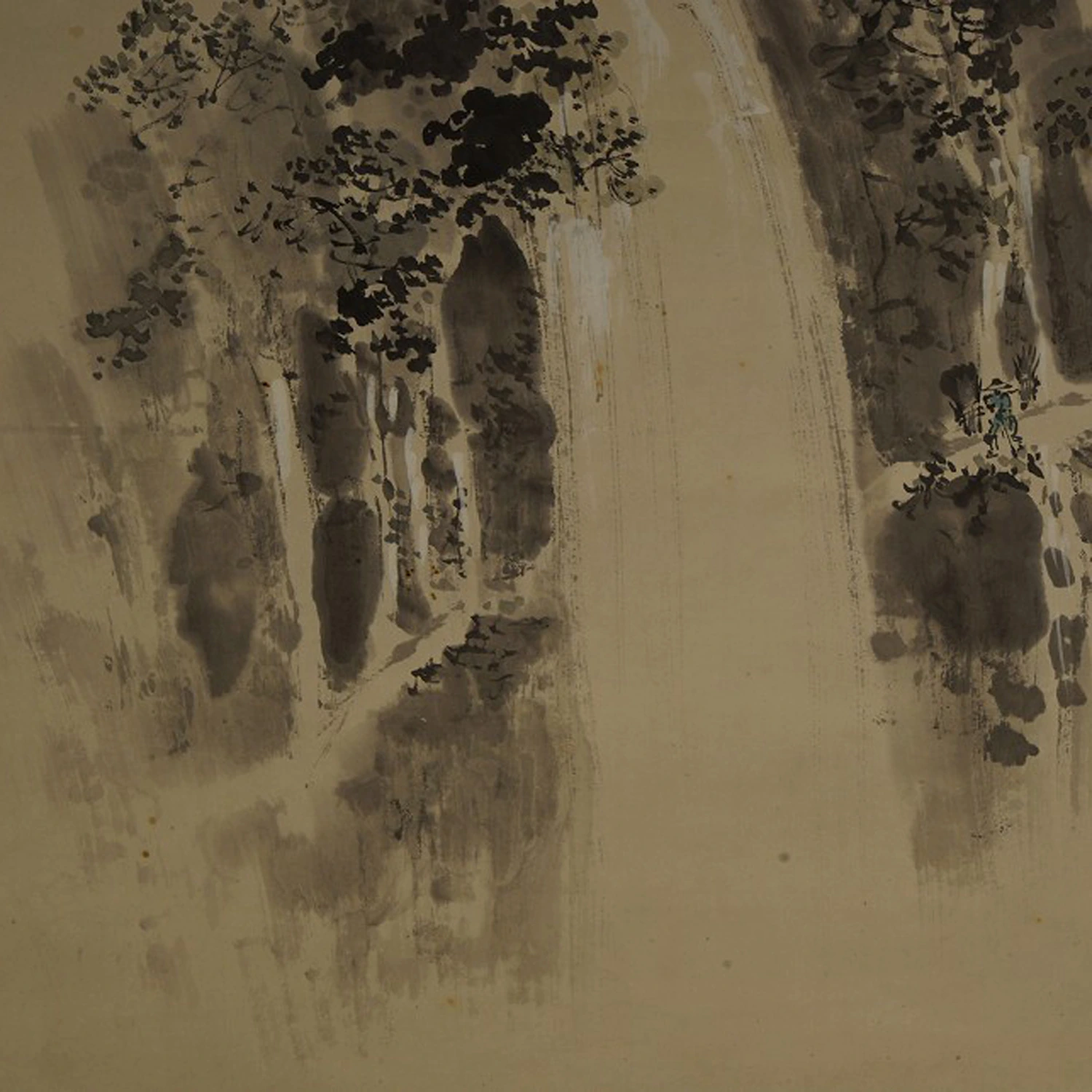
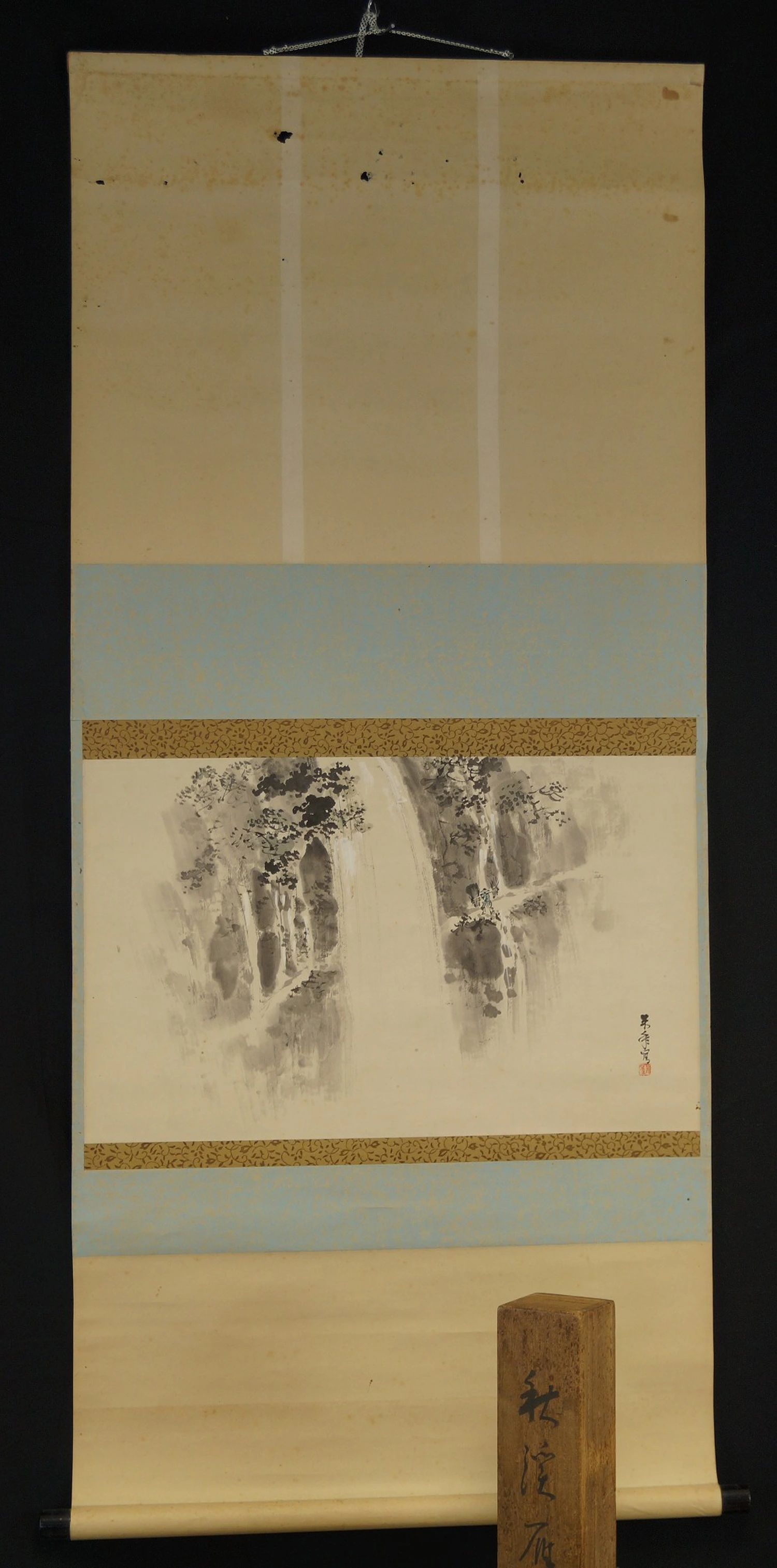
Waterfall in Dense Mountain Forest
Kakemono, unique work, with box, 127 x 60 cm
€160.00
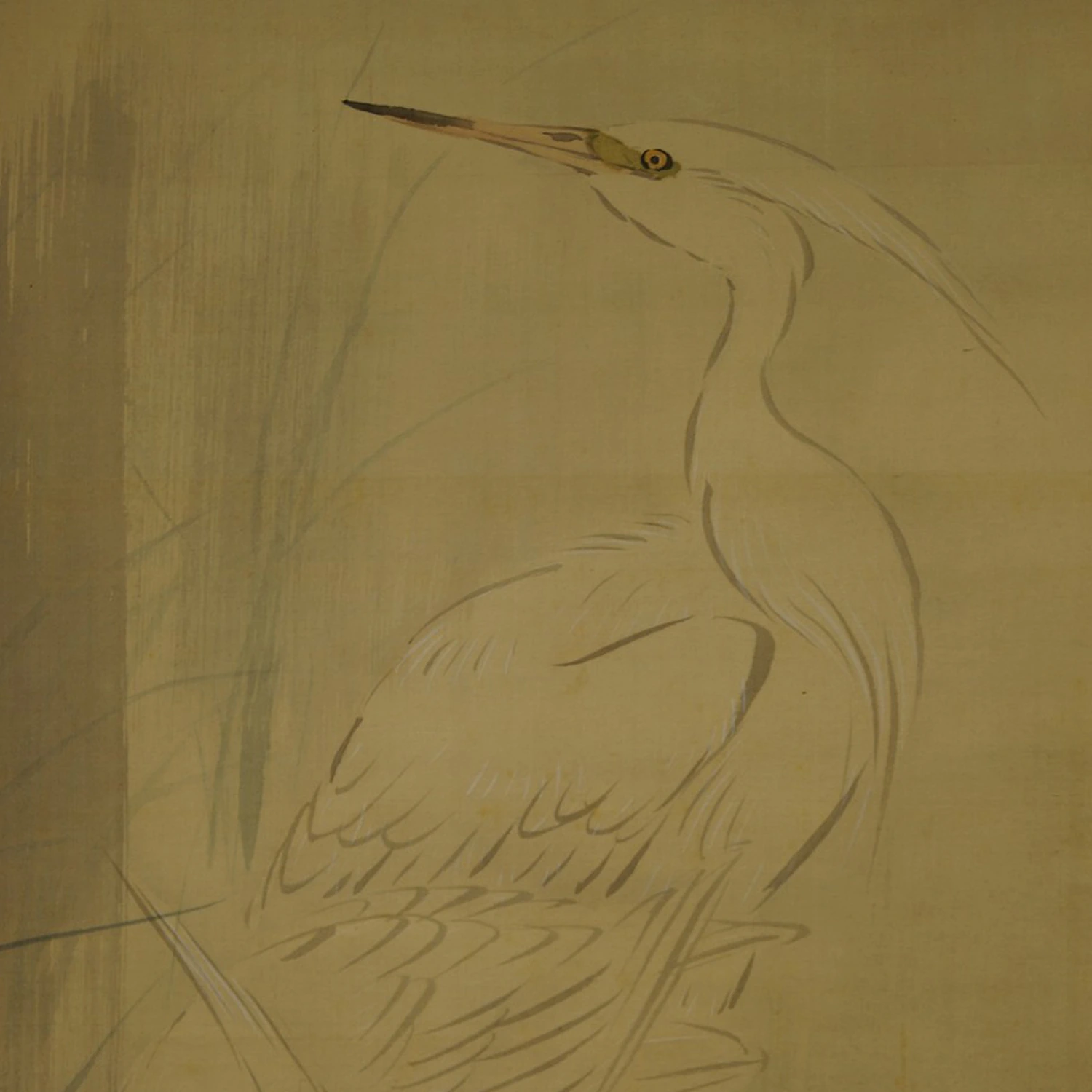
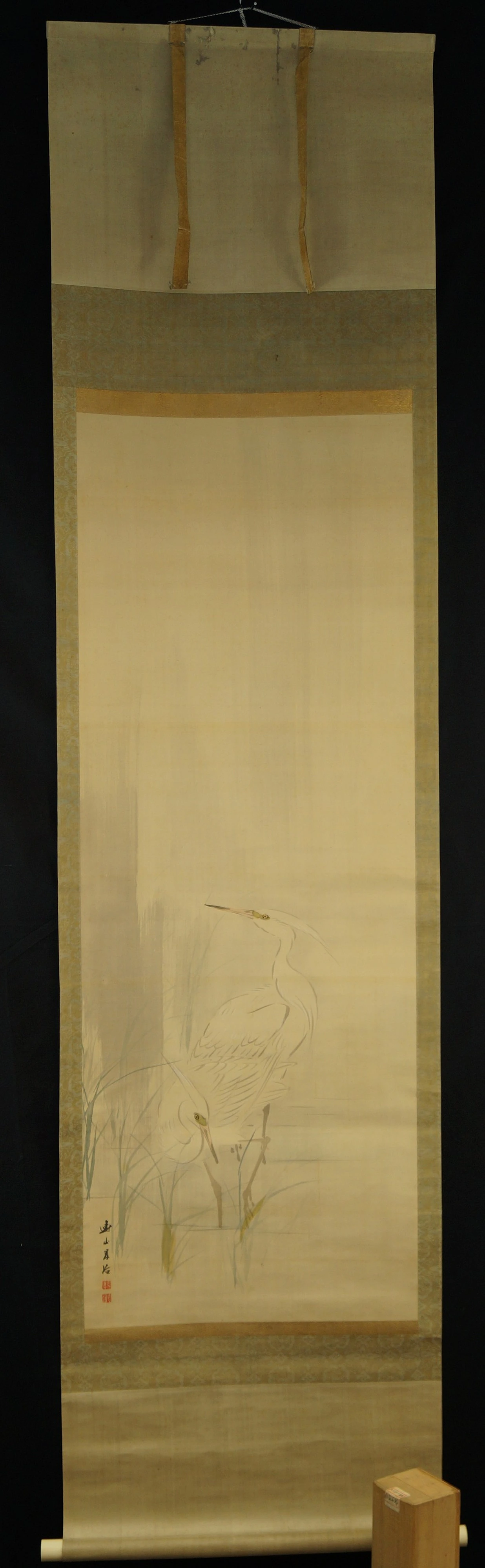
Kishi Renzan
Two White Herons
Kakemono, unique work, with box, 190 x 53 cm
€620.00
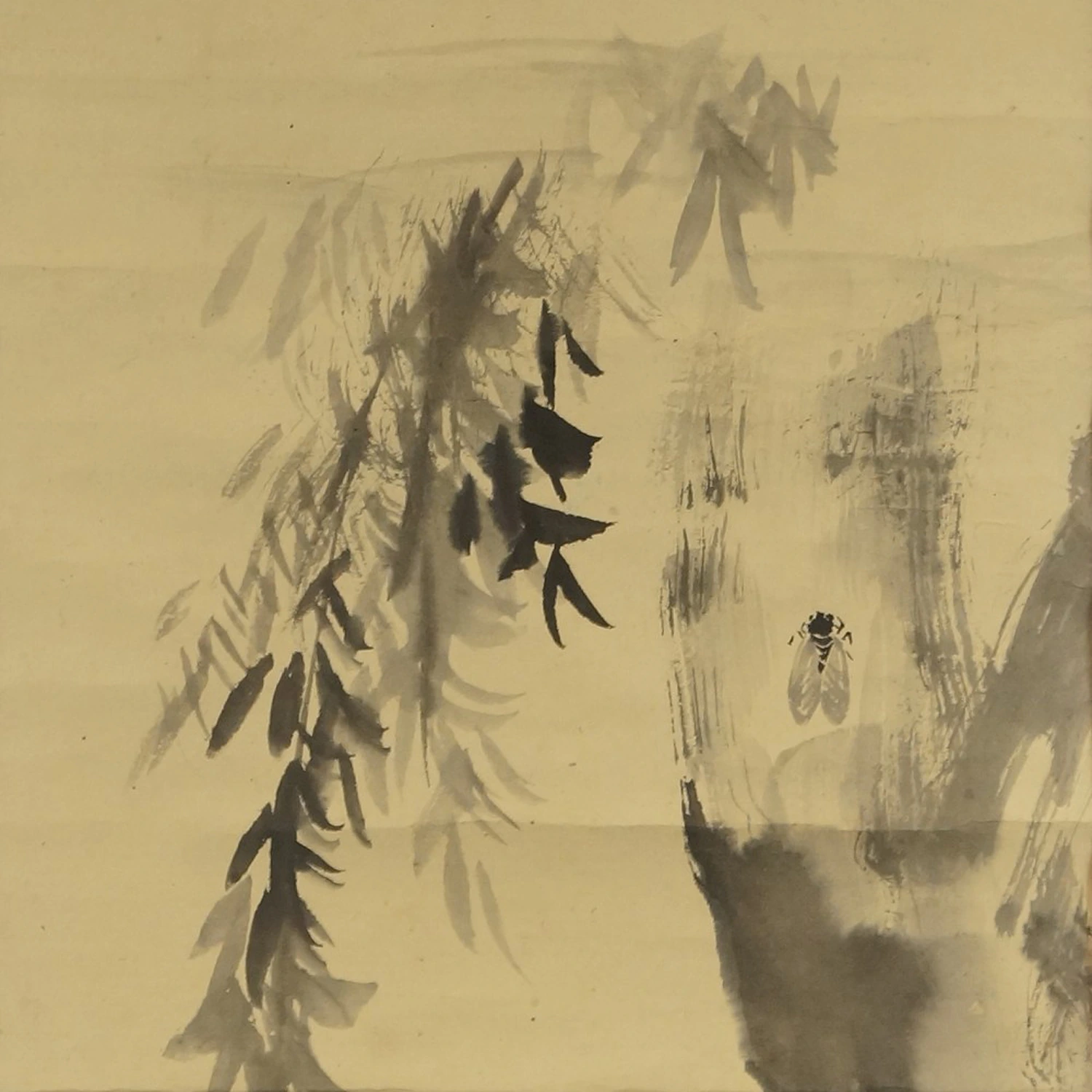
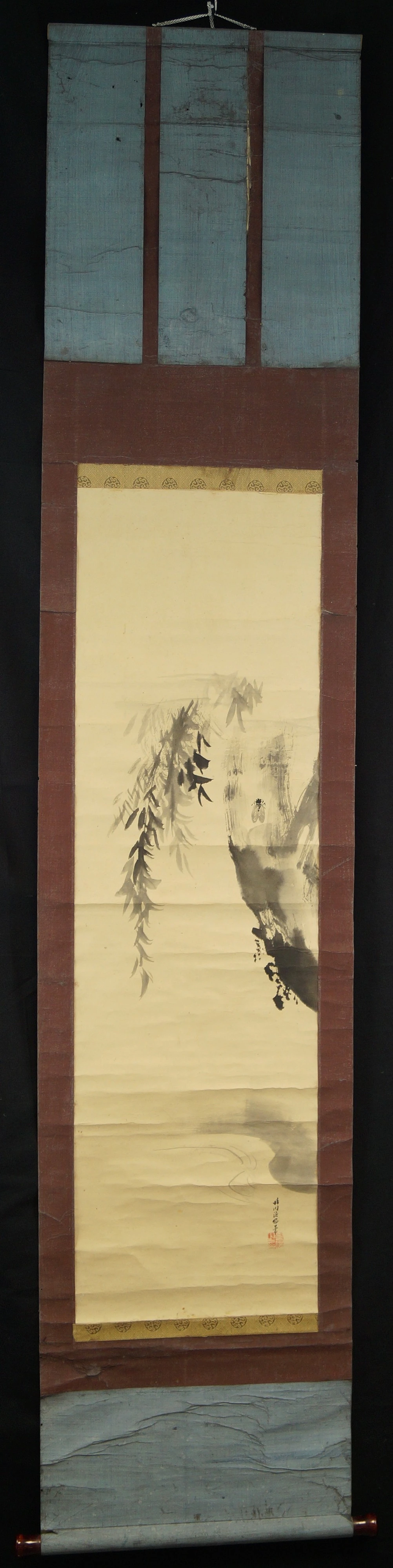
Kano Yoshinobu
Willow with Flying Insect
Kakemono, unique work, 180 x 44 cm
€460.00
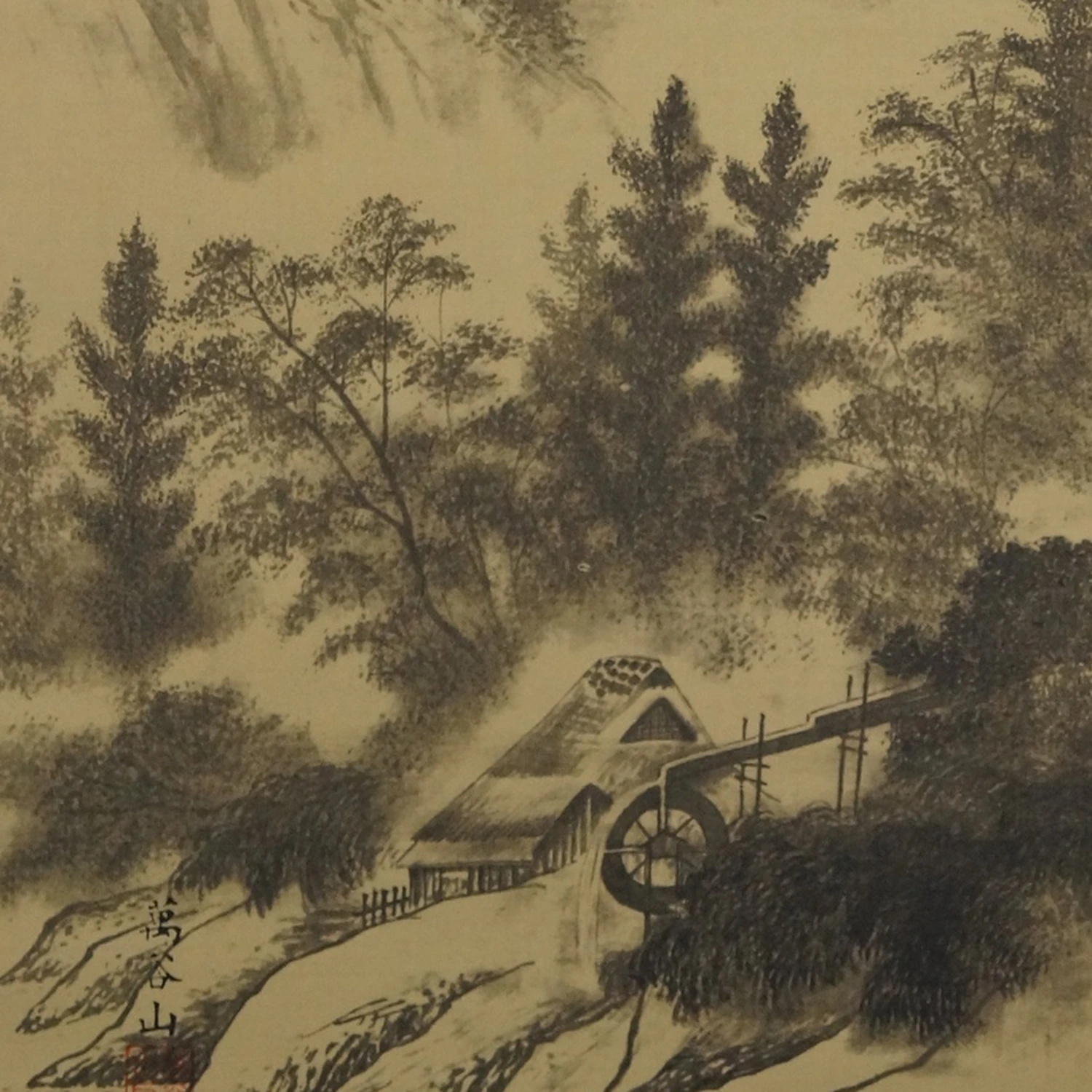
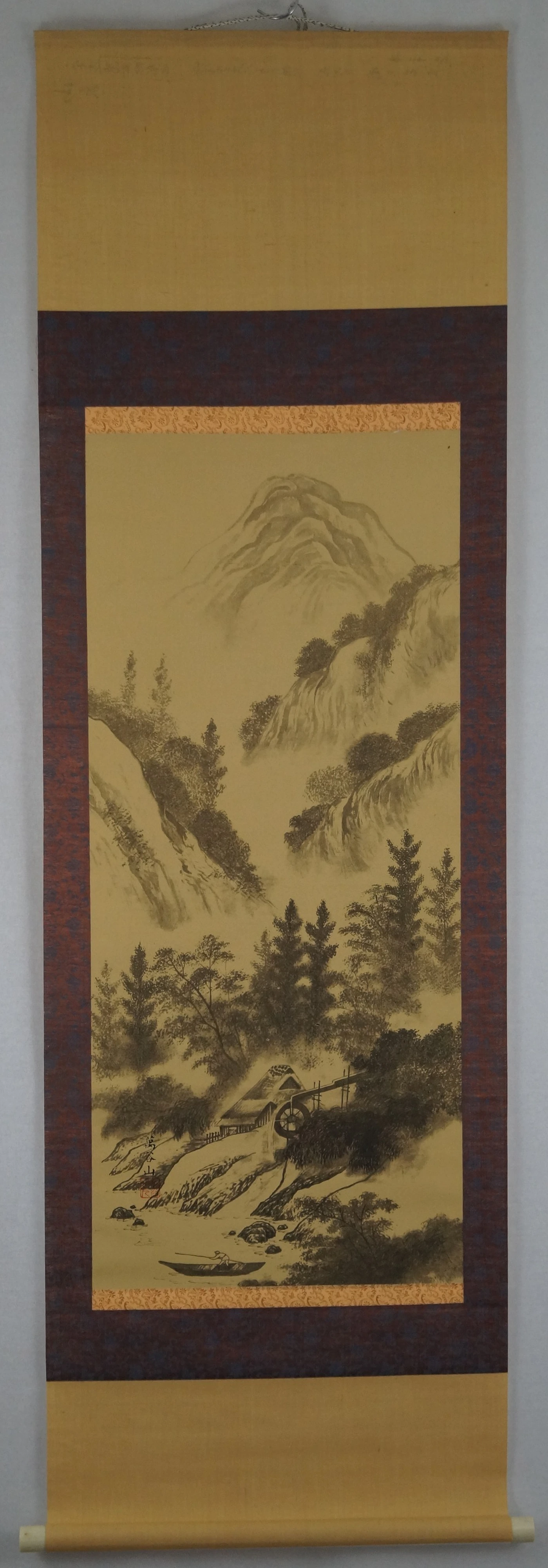
Landscape with Water Mill and Waterfalls
Kakemono, Silkscreen, 157 x 53 cm
€130.00
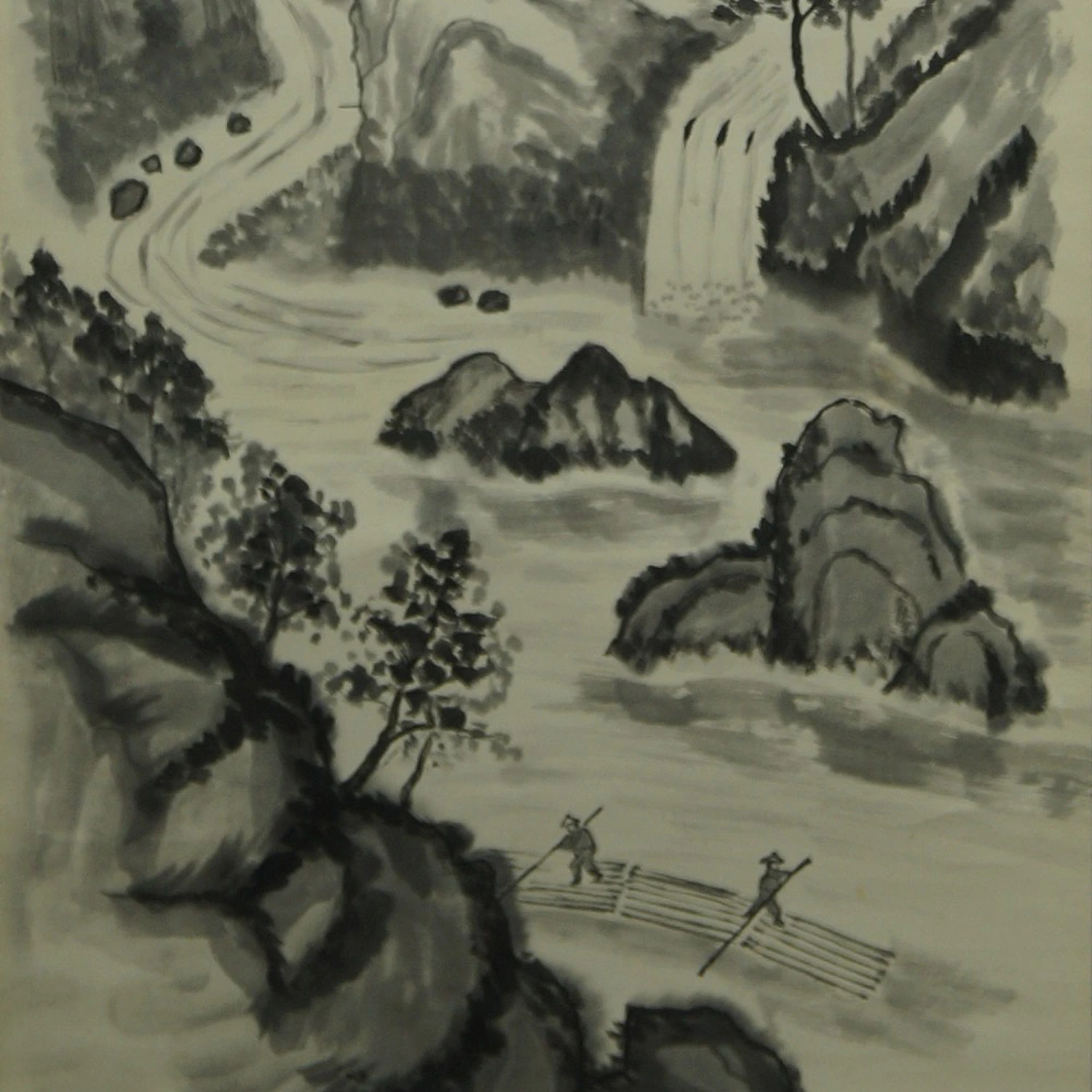
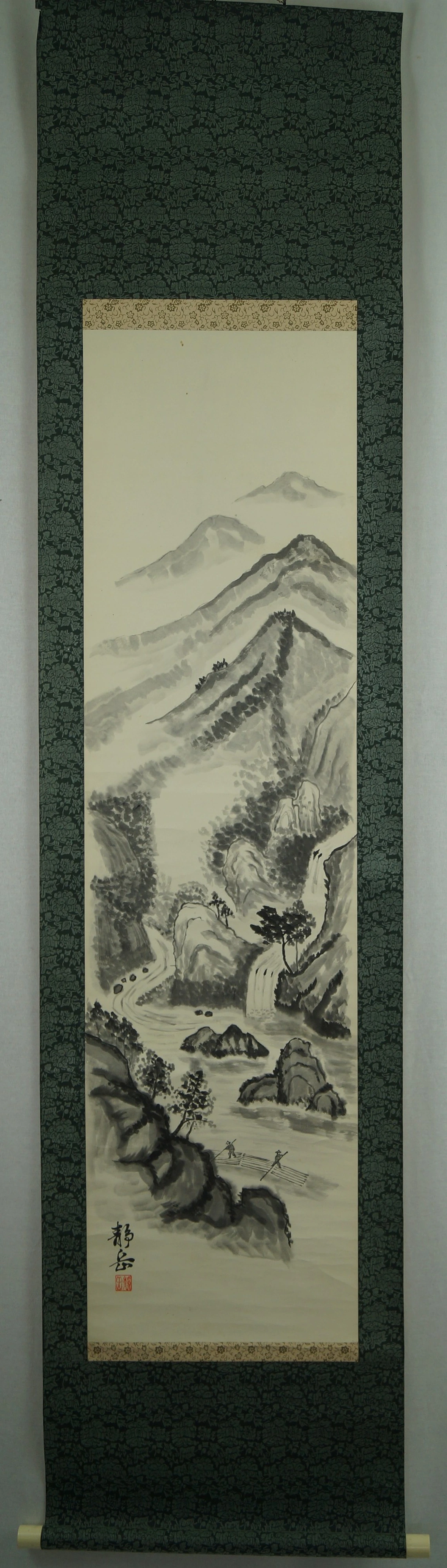
Landscape with Waterfall and Raftsmen
Kakemono, unique work, 190 x 51 cm
€175.00
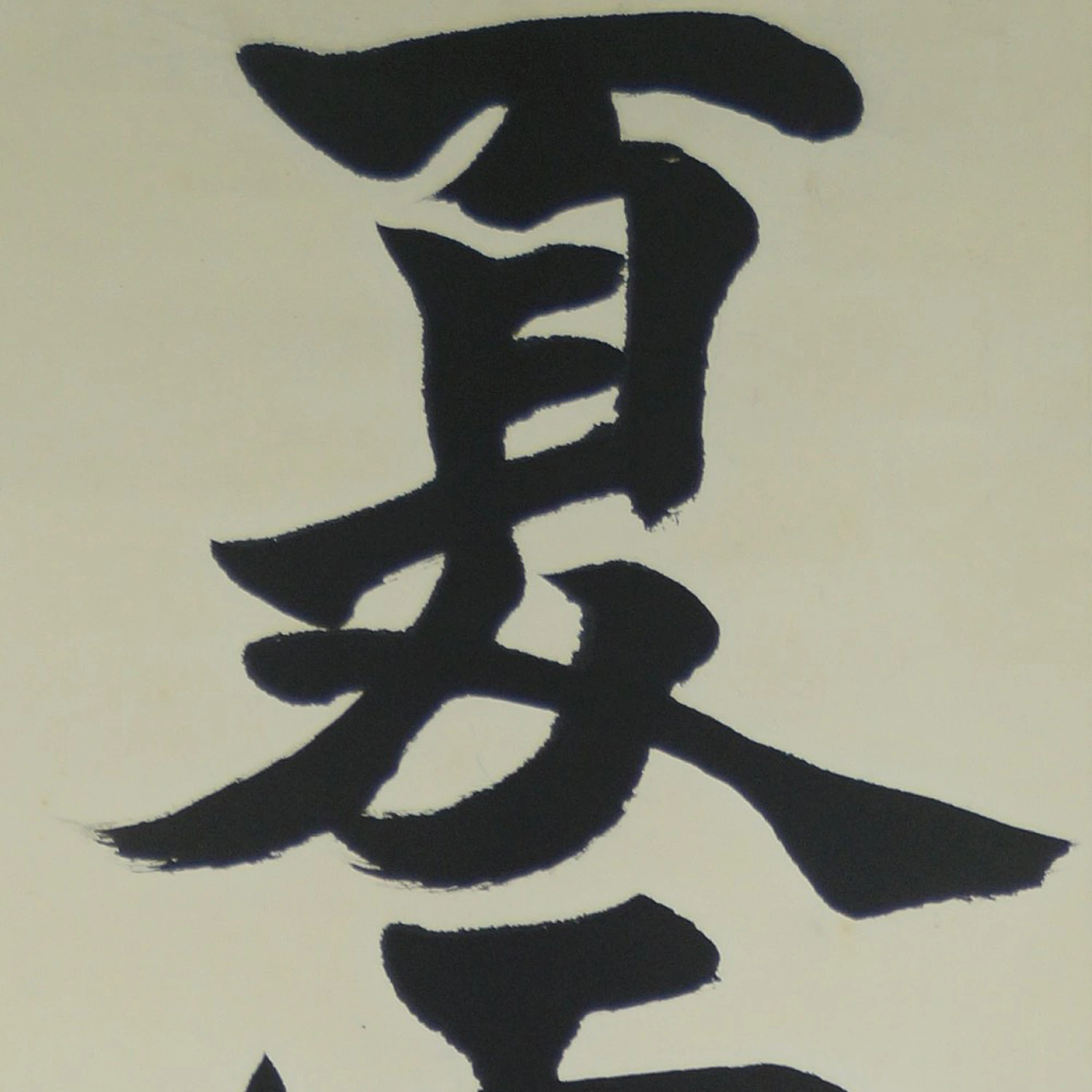
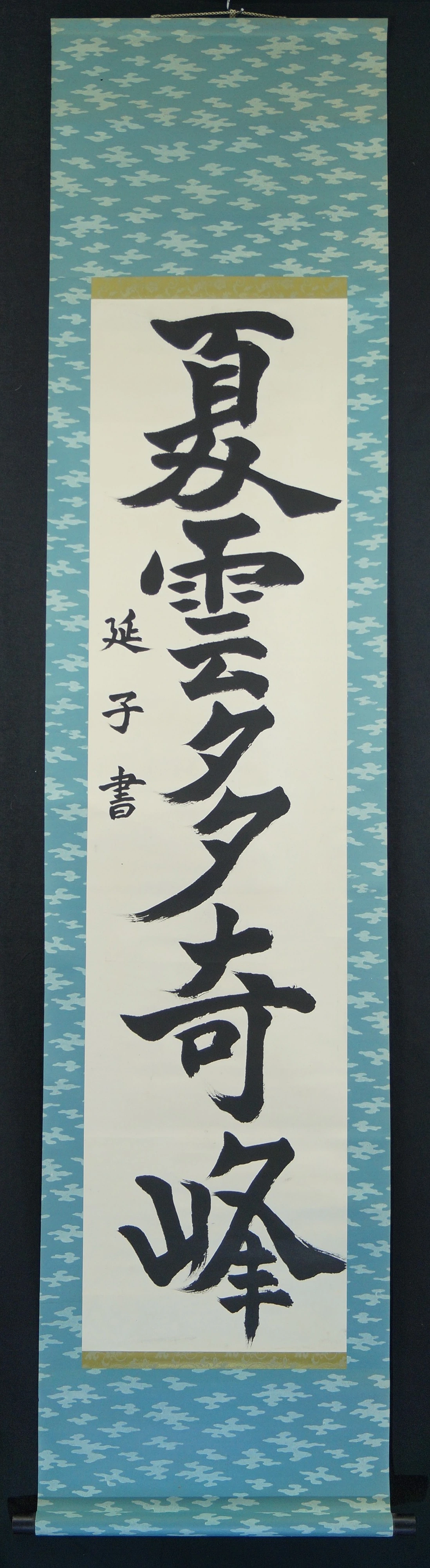
Calligraphy "Clouds in Summer, Hidden Mountain Peaks"
Kakemono, unique work, with box, 192 x 51 cm
€180.00
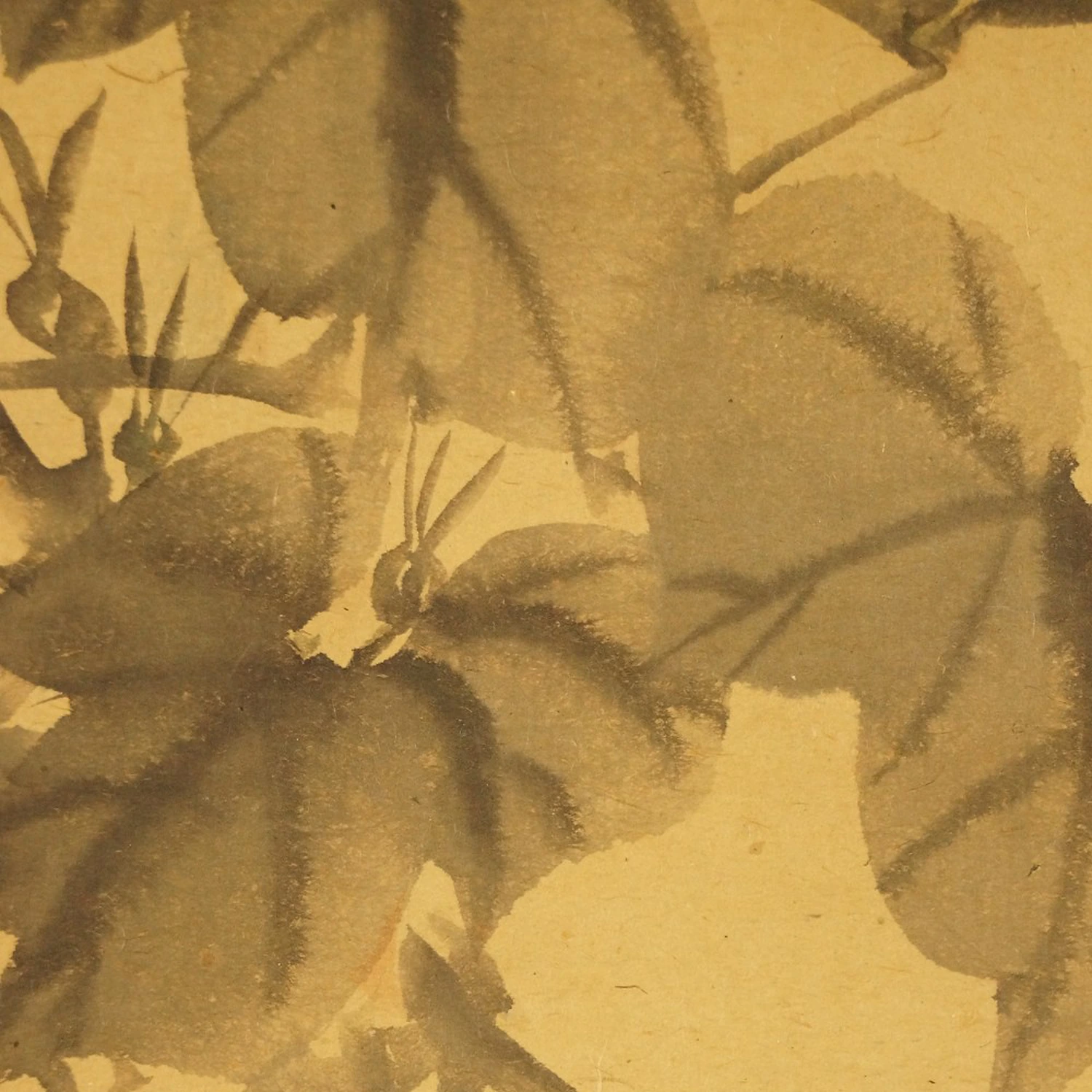
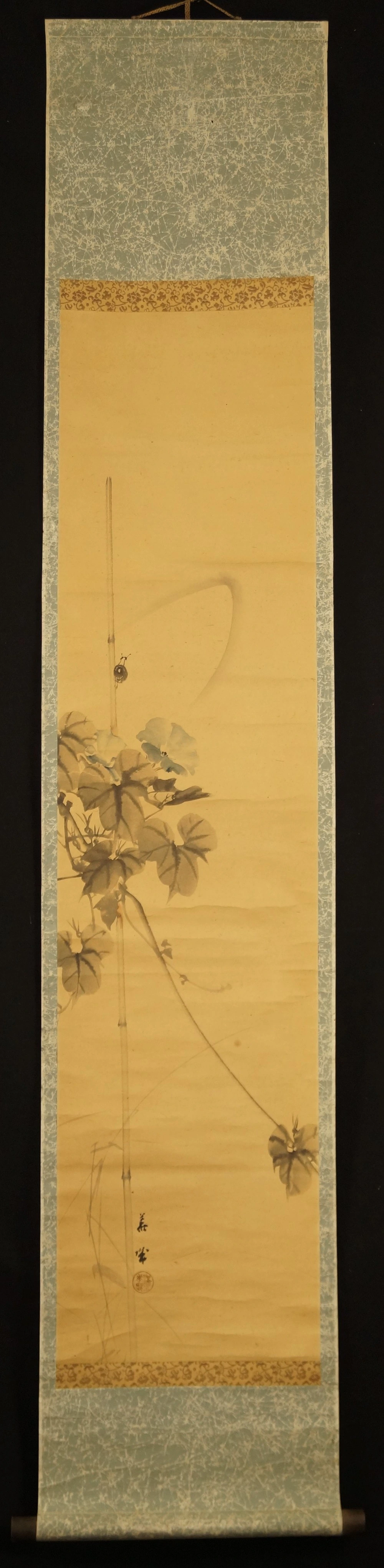
The Snail on the Lotus Flower
Kakemono, unique work, 176 x 40 cm
€410.00
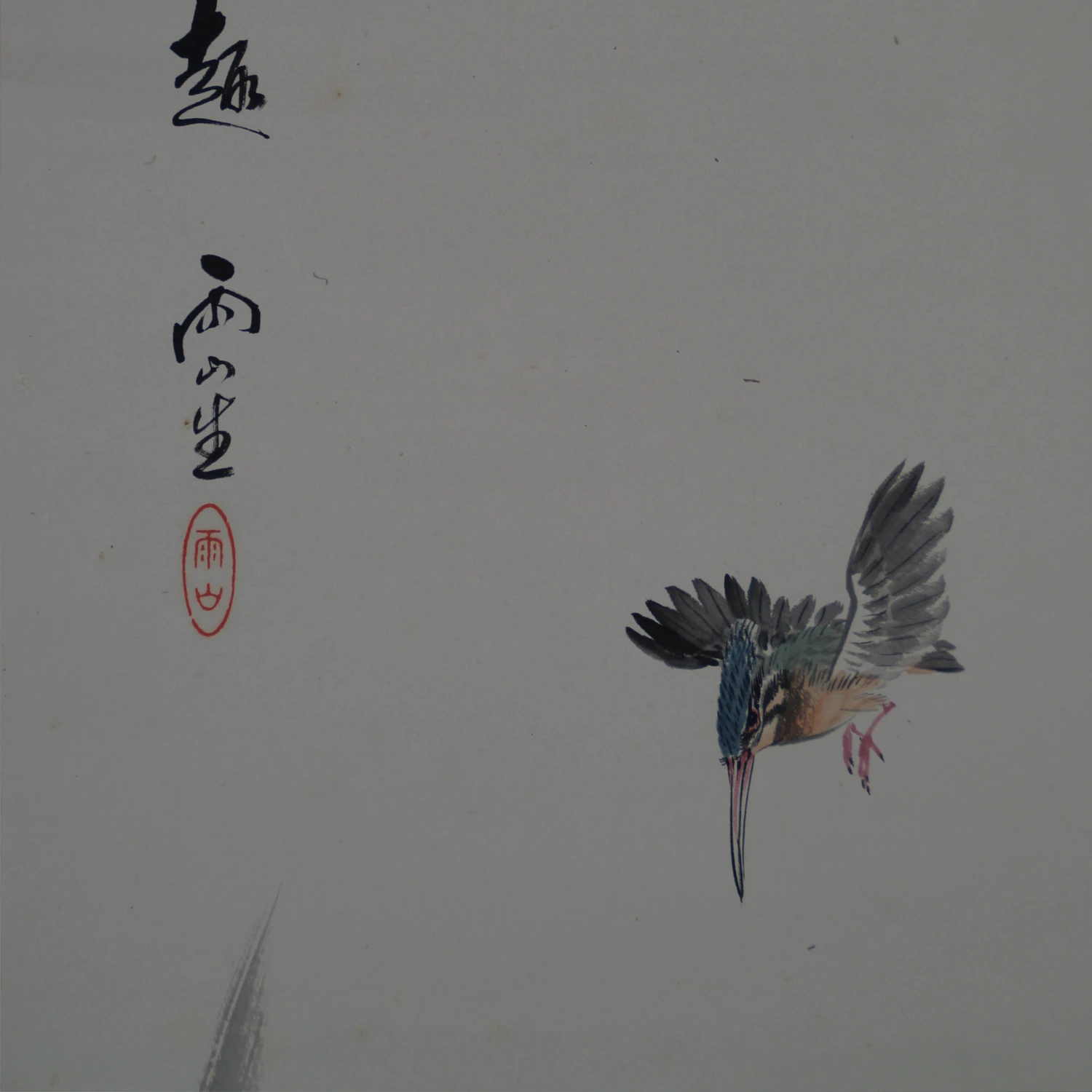
Otaki Uzan
Kingfisher in a Dive
Kakemono, unique work, with box, 202 x 53 cm
Sold
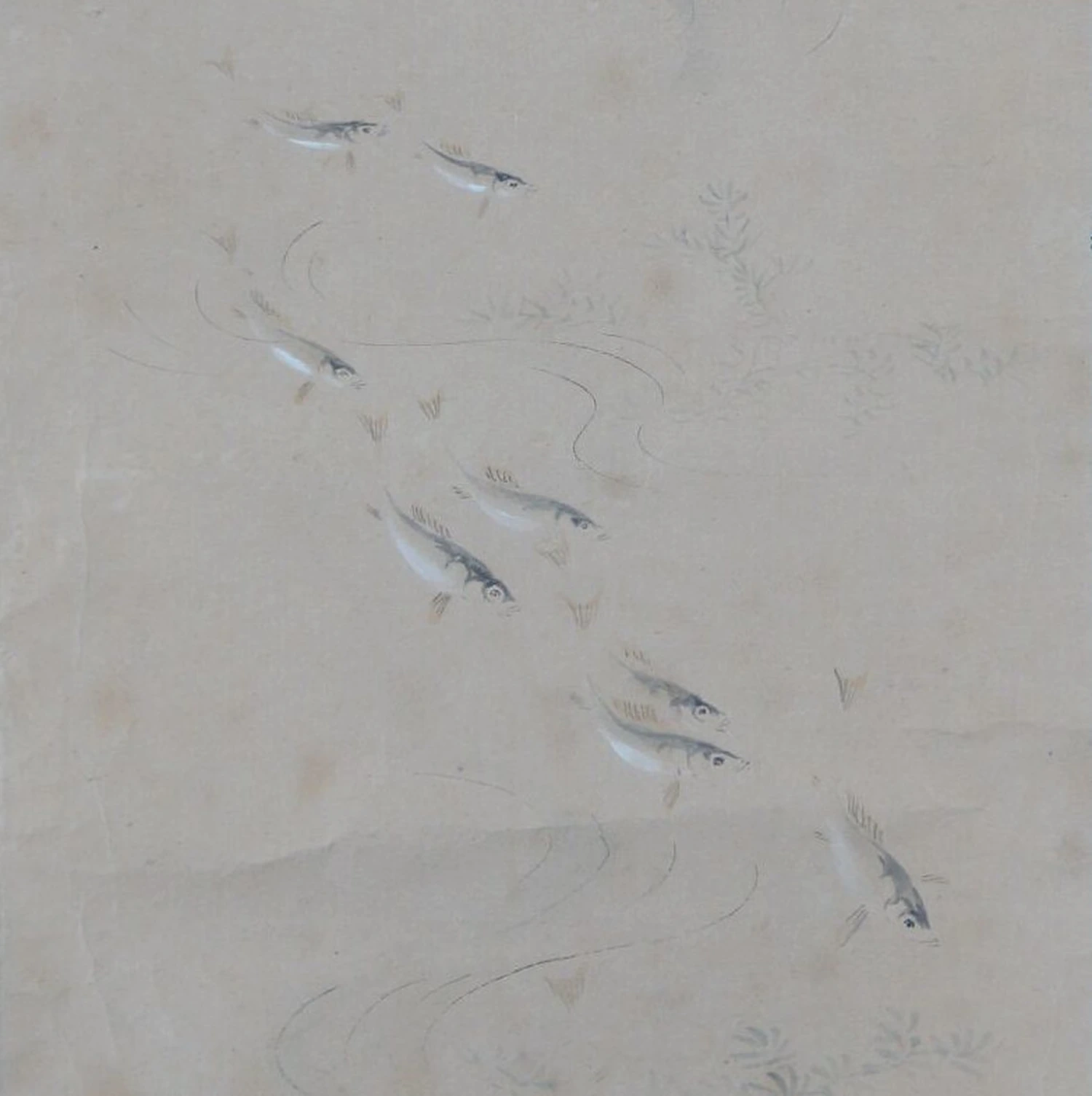
Kano Norinobu
Schools in Clear Water
Kakemono, unique work, 178 x 38 cm
Sold
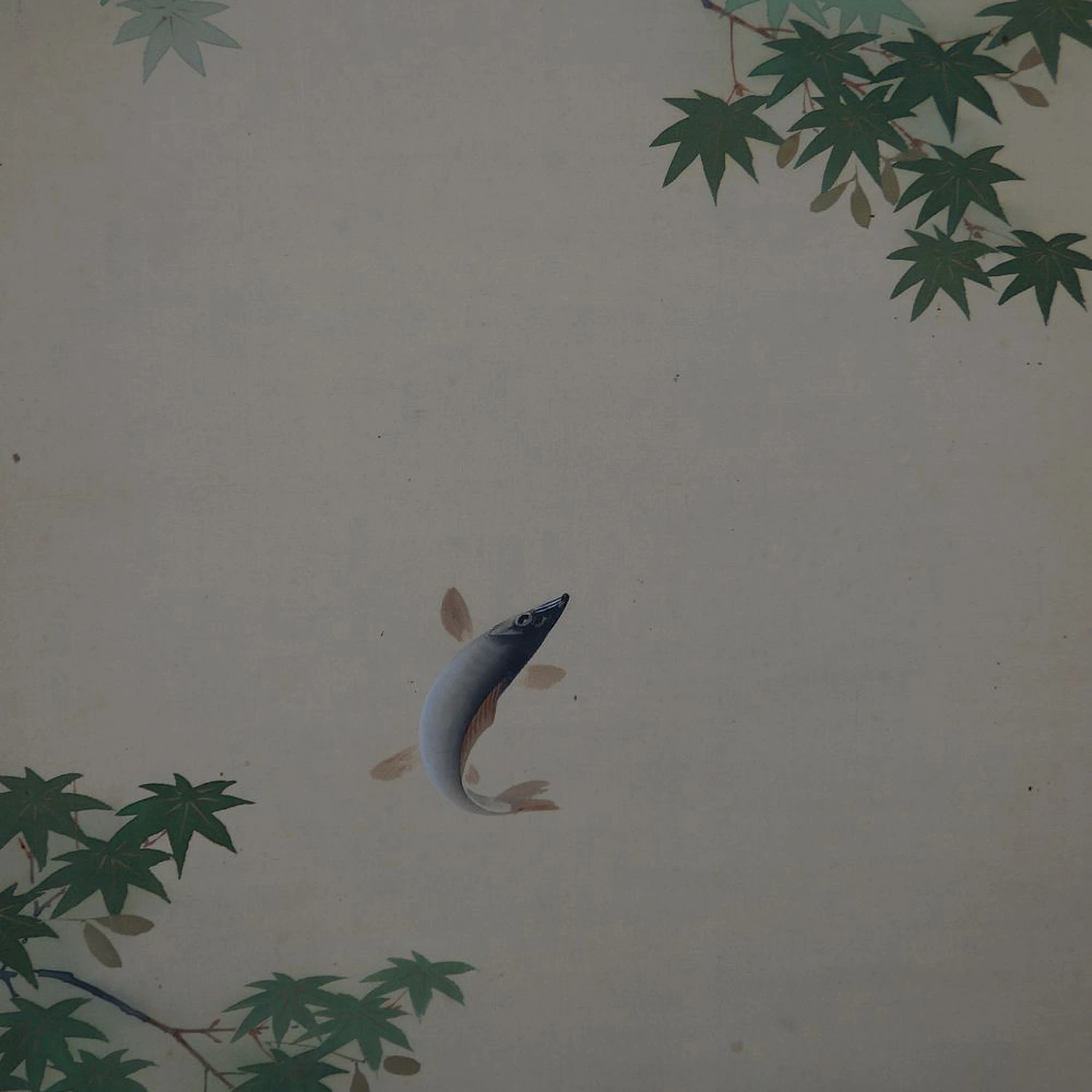
Horita Hidesō
Ayu Fish in the Current
Kakemono, unique work, with box, 215 x 60 cm
Sold
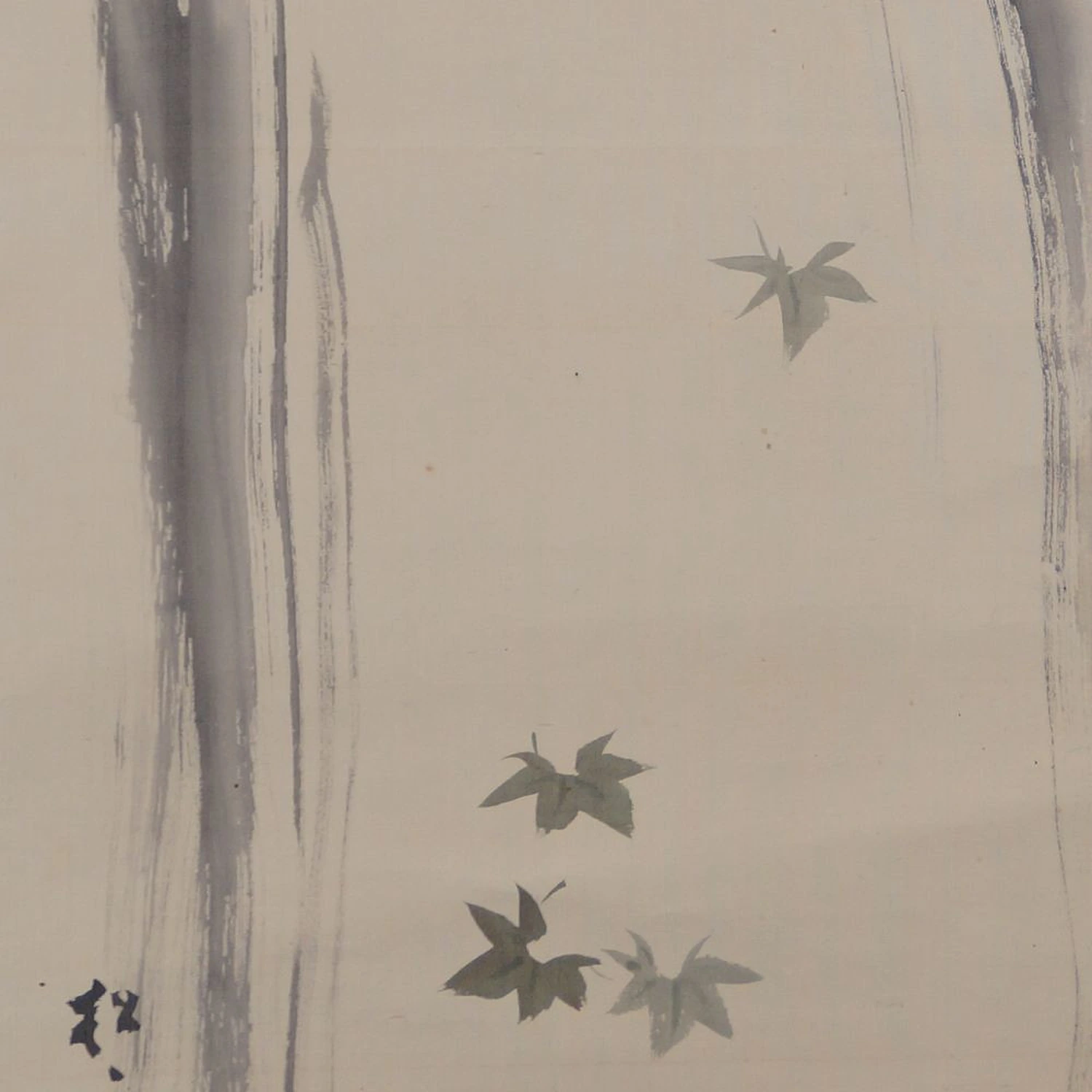
Matsukumo Gayama
Maple Leaves at the Waterfall
Kakemono, unique work, with box, 188 x 50 cm
Sold
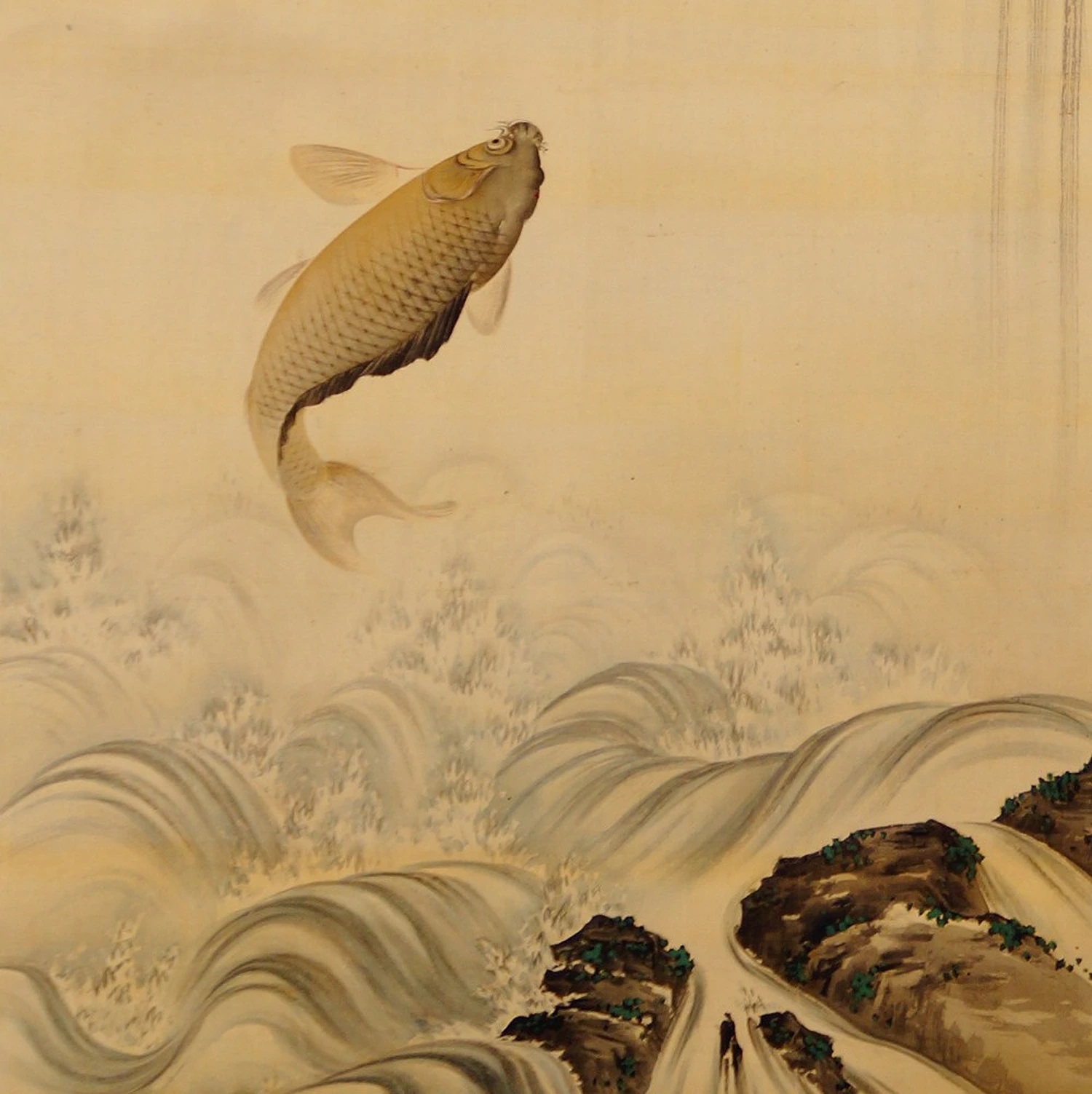
Takekawa Tomohiro
Carp Under the Waterfall
Kakemono, unique work, 187 x 62 cm
Sold
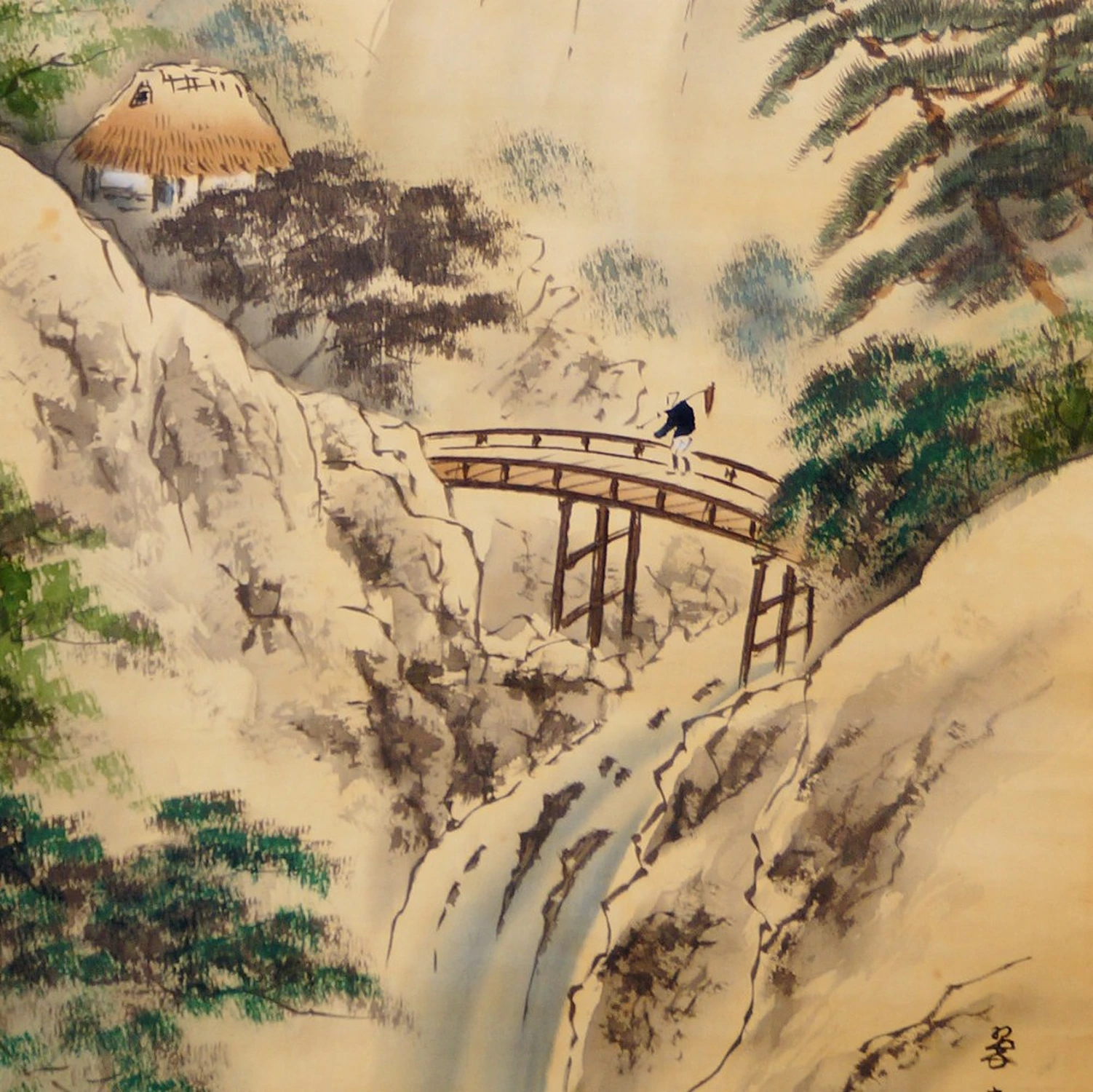
Suidō
Landscape with Fuji
Kakemono, unique work, 187 x 58 cm
Sold
Ikeda Keisen
Waterfall in Reduction
Kakemono, unique work, 210 x 47 cm
Sold
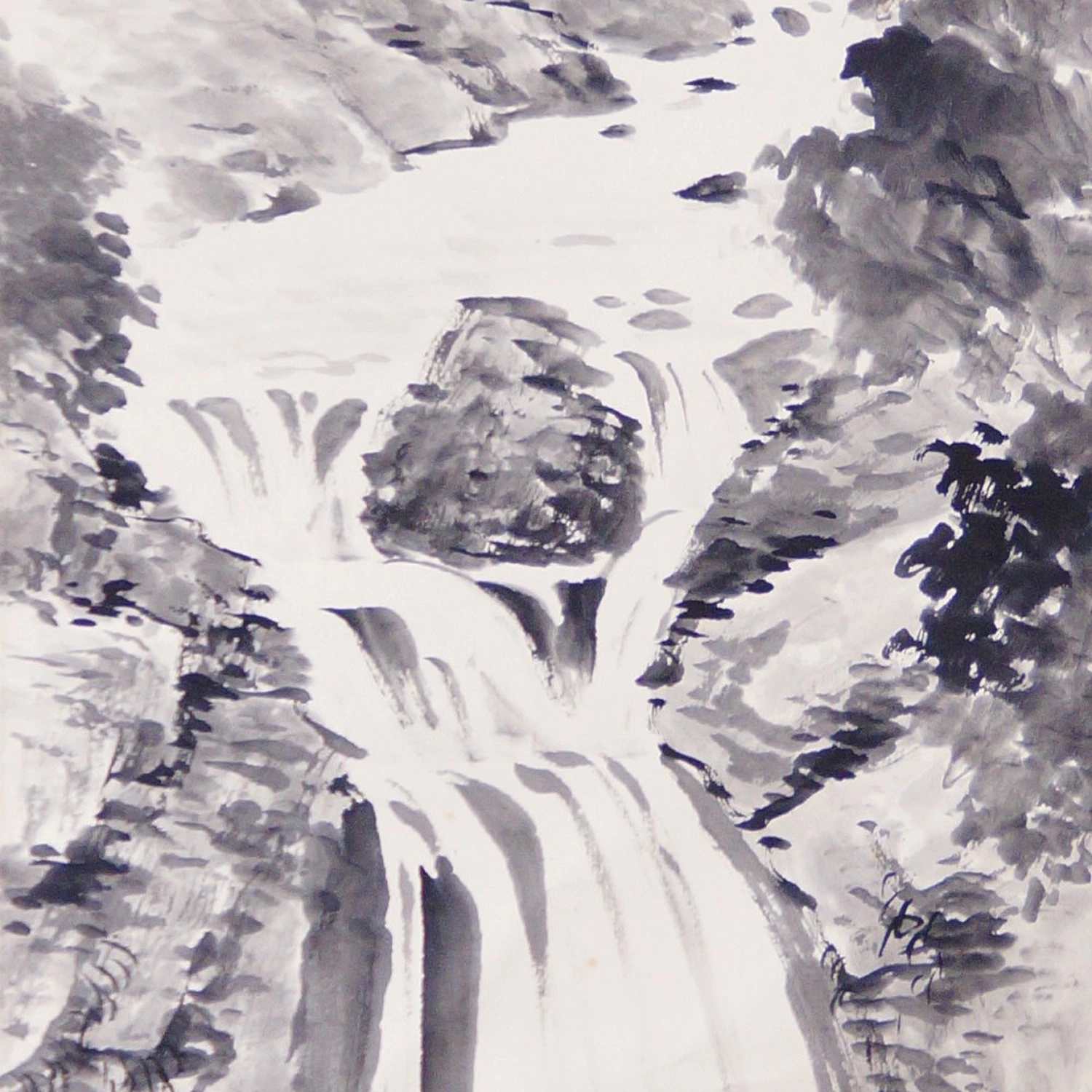
Waterfall in the Mountains in Monochrome Ink
Kakemono, unique work, 198 x 39 cm
Sold
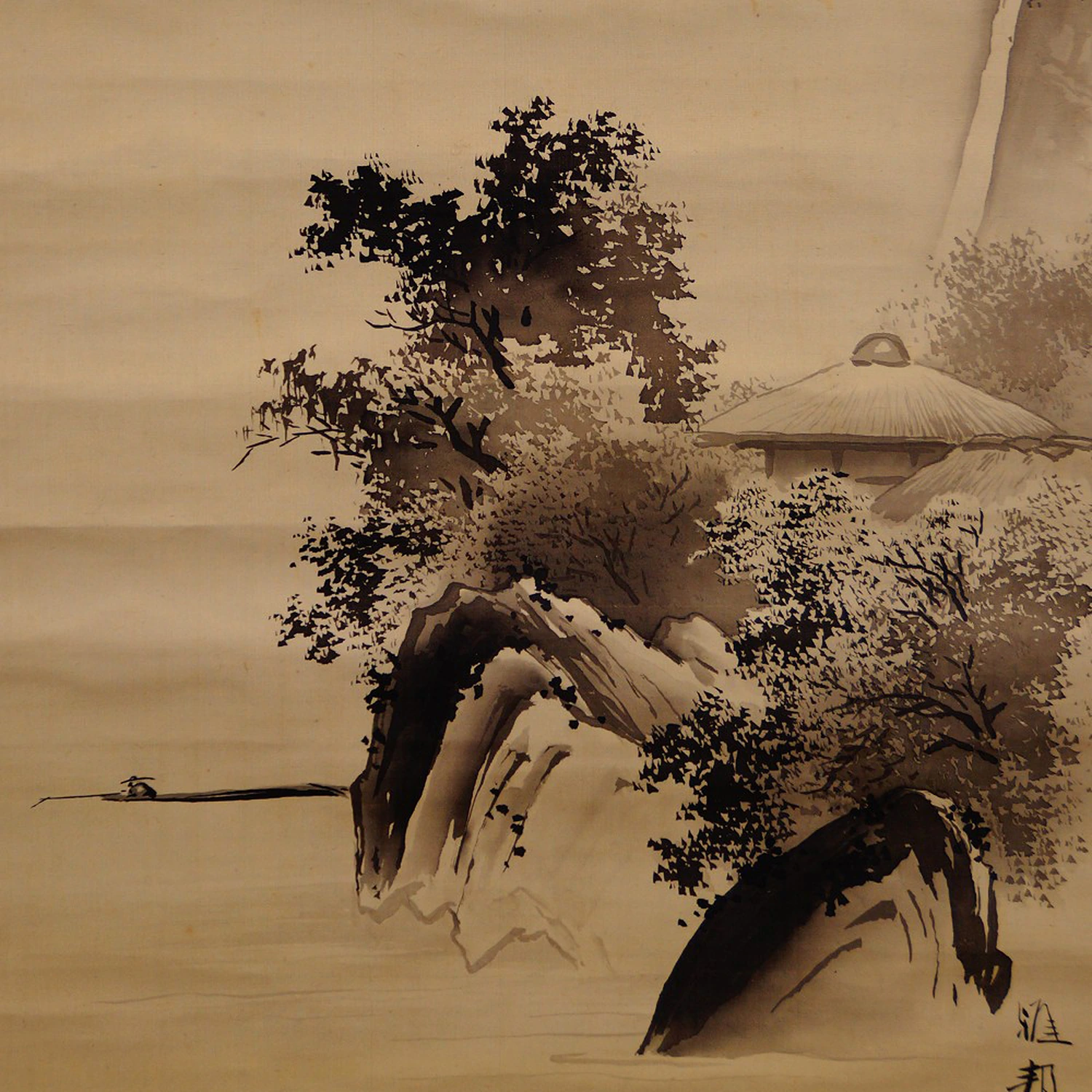
Hashimoto Gahō
Mountain Landscape with Waterfall in Fog
Kakemono, unique work, 187 x 52 cm
Sold
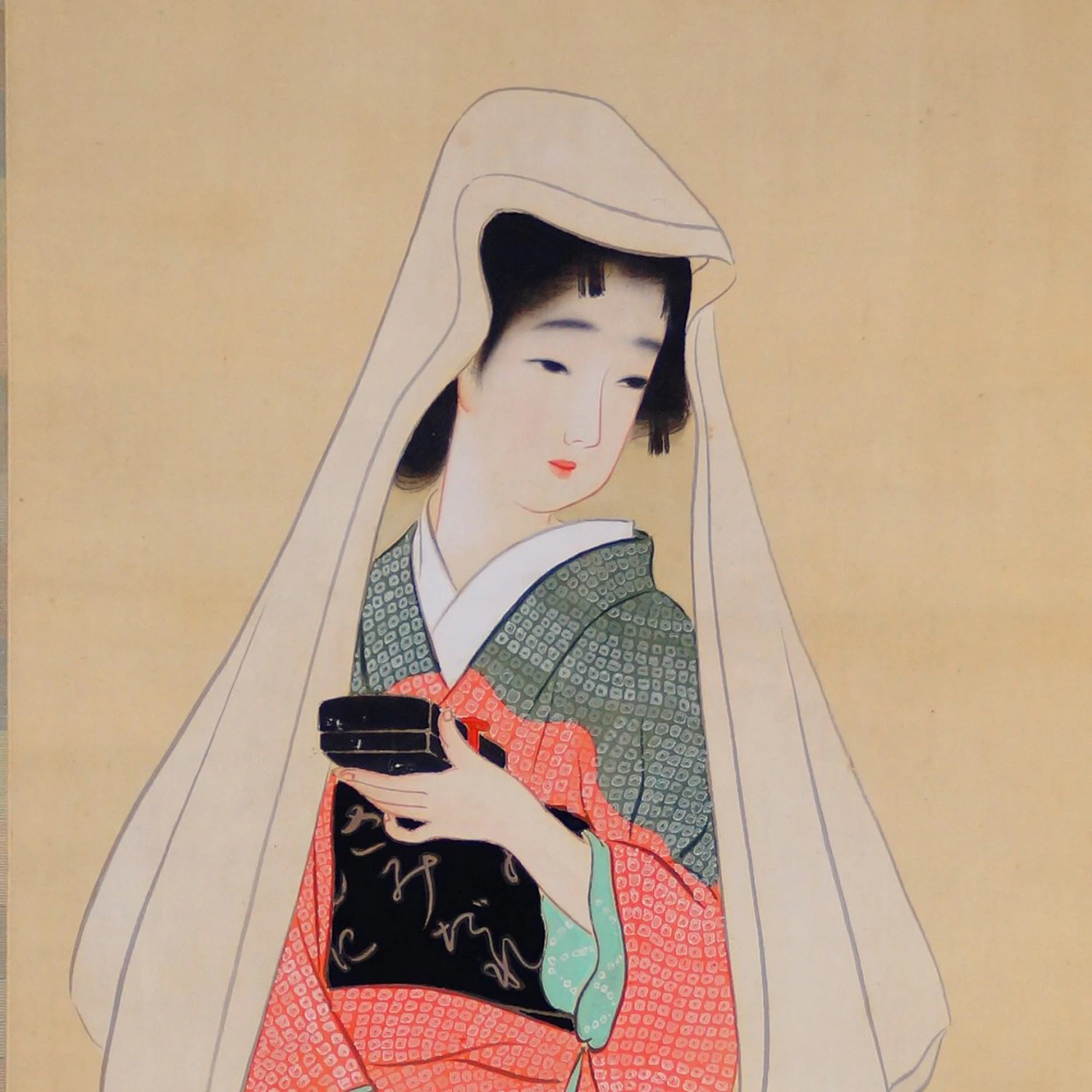
Murata Ikkei
Flowers of Remembrance
Kakemono, unique work, 185 x 48 cm
Sold
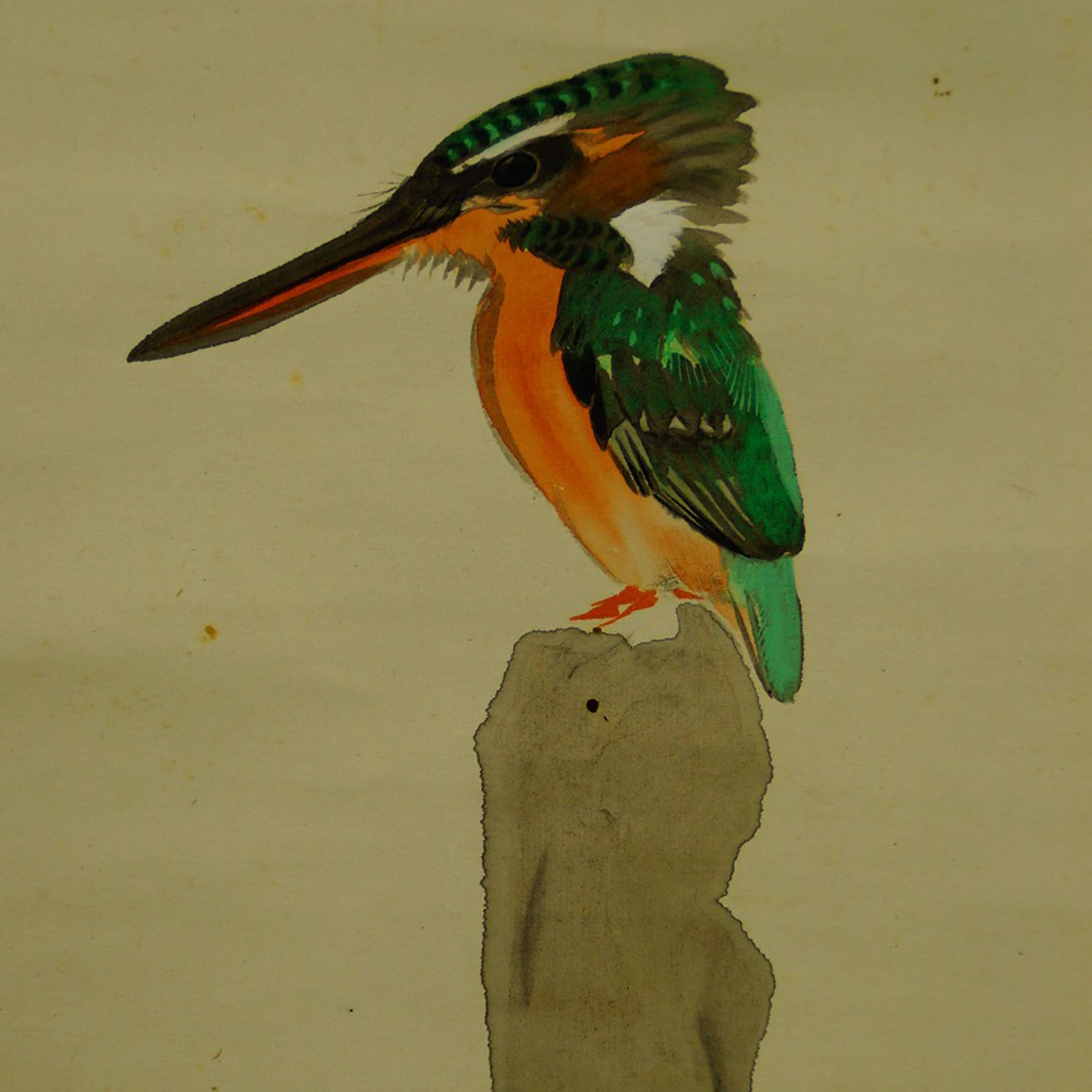
Daiya
Kingfisher by the River
Kakemono, unique work, with box, 195 x 42 cm
Sold
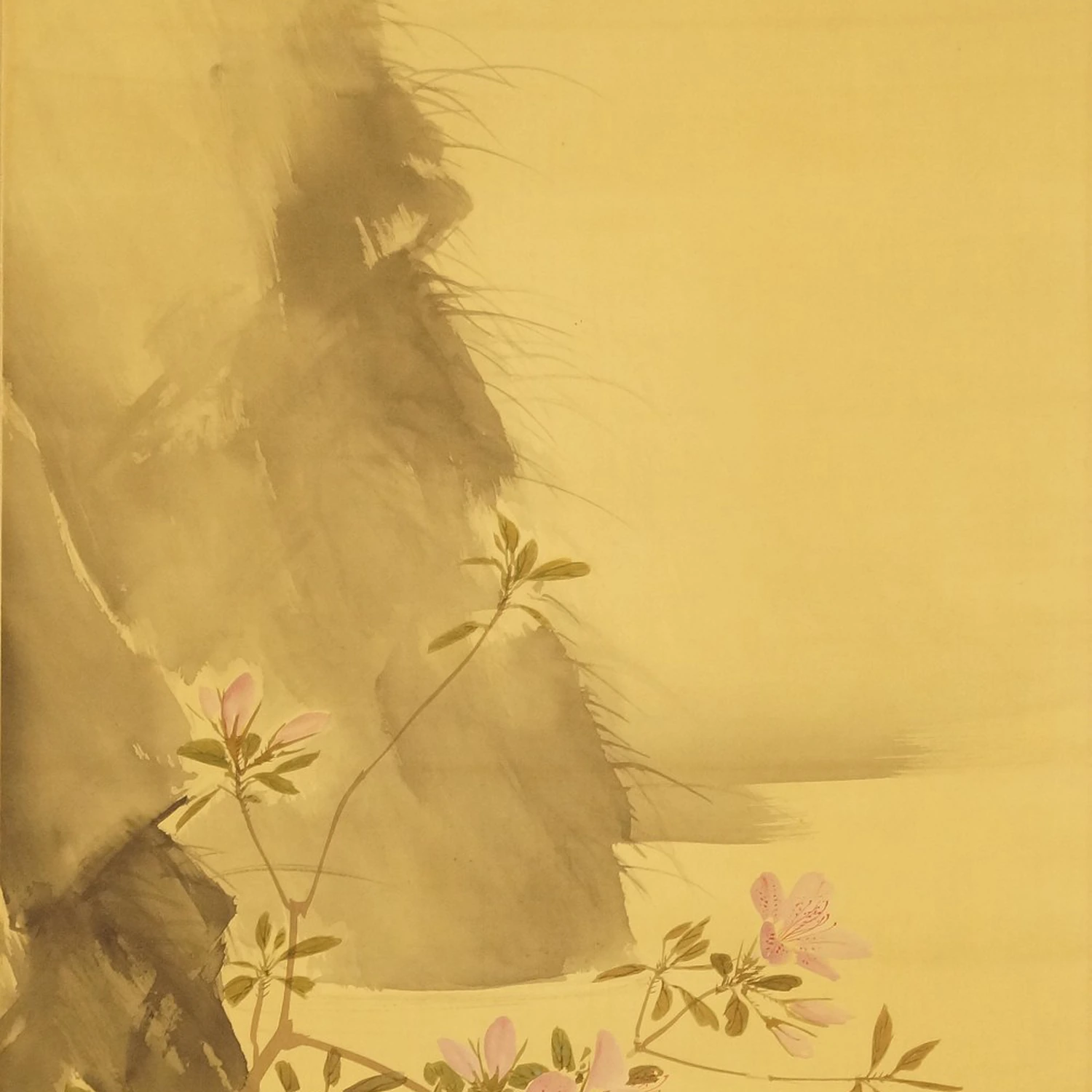
Fukada Chokushiro
Azaleas and Fish at a Waterfall
Kakemono, unique work, with box, 195 x 60 cm
Sold
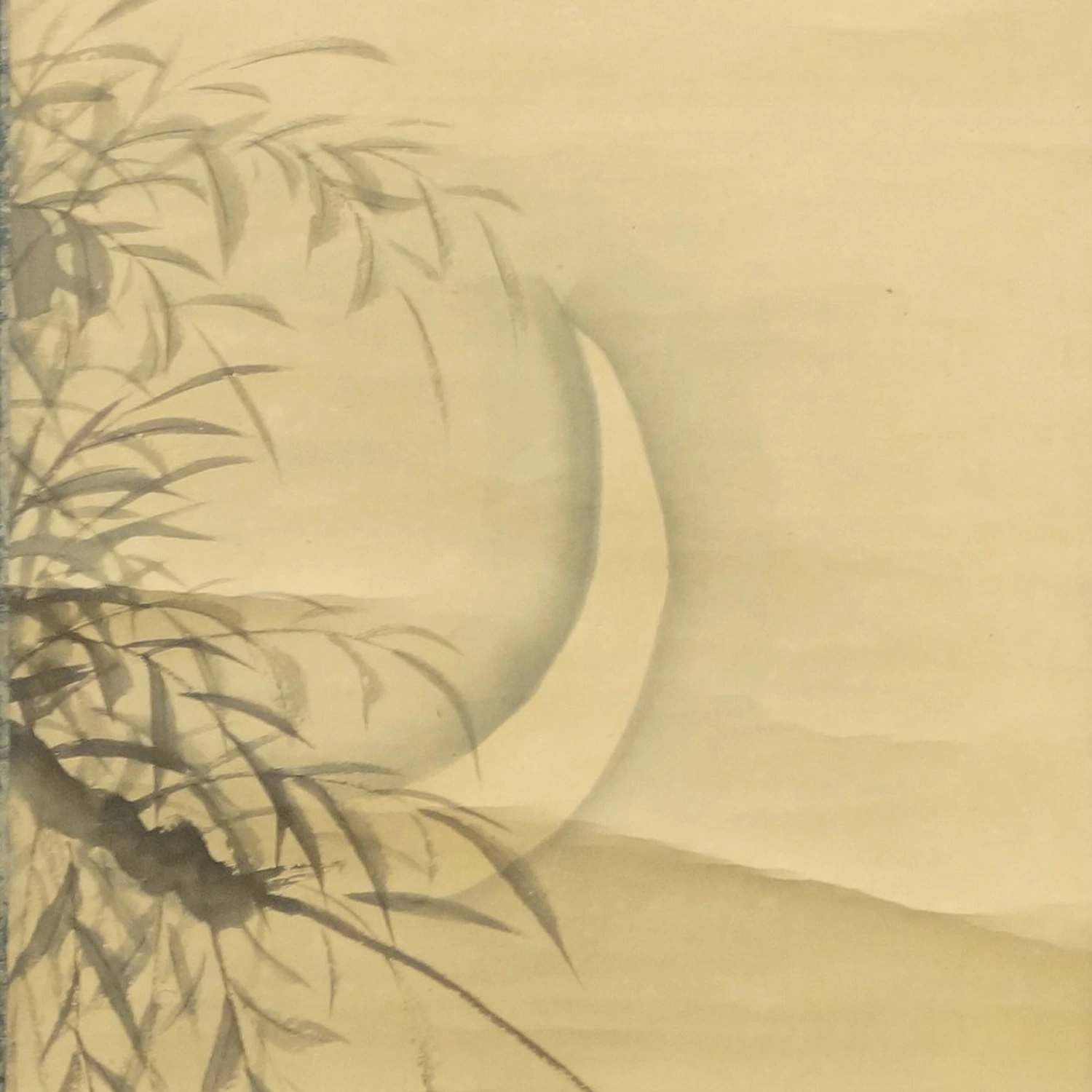
Bats in Moonlight
Kakemono, unique work, 190 x 45 cm
Sold
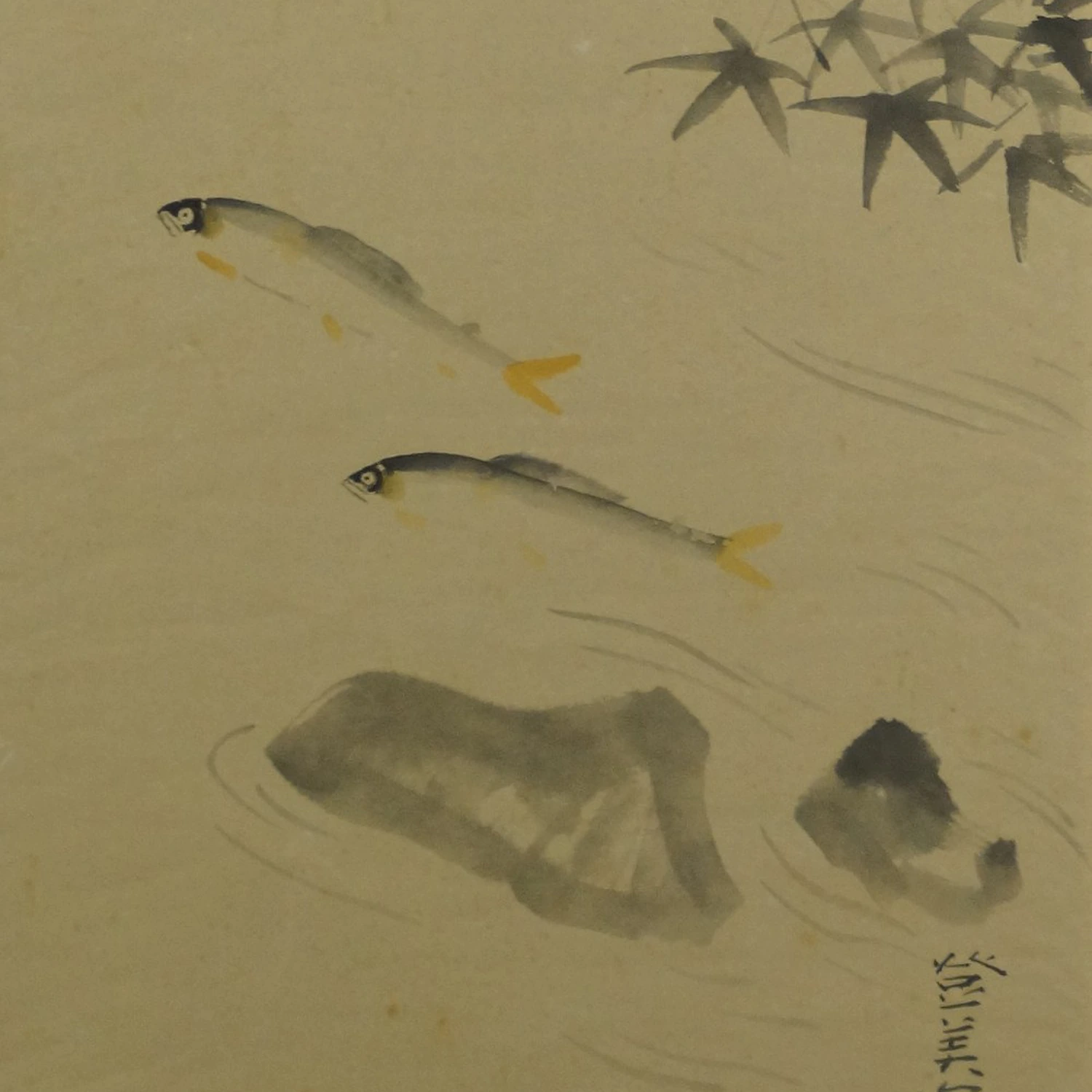
Kawashima Tomiji
Sayori Fish
Kakemono, unique work, 196 x 53 cm
Sold
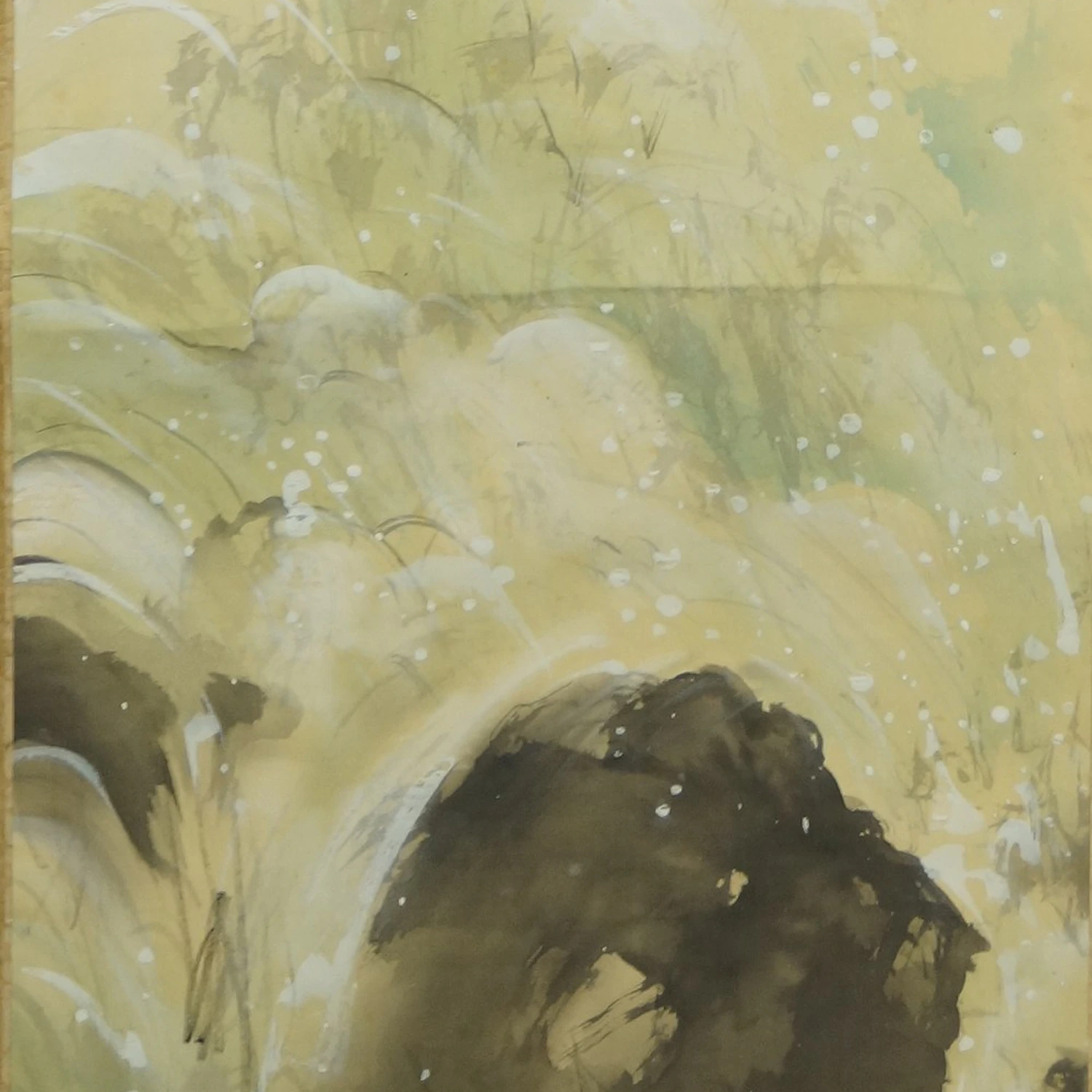
Taizan Tatewaki
Jumping Fish at a Waterfall
Kakemono, unique work, 210 x 55 cm
Sold
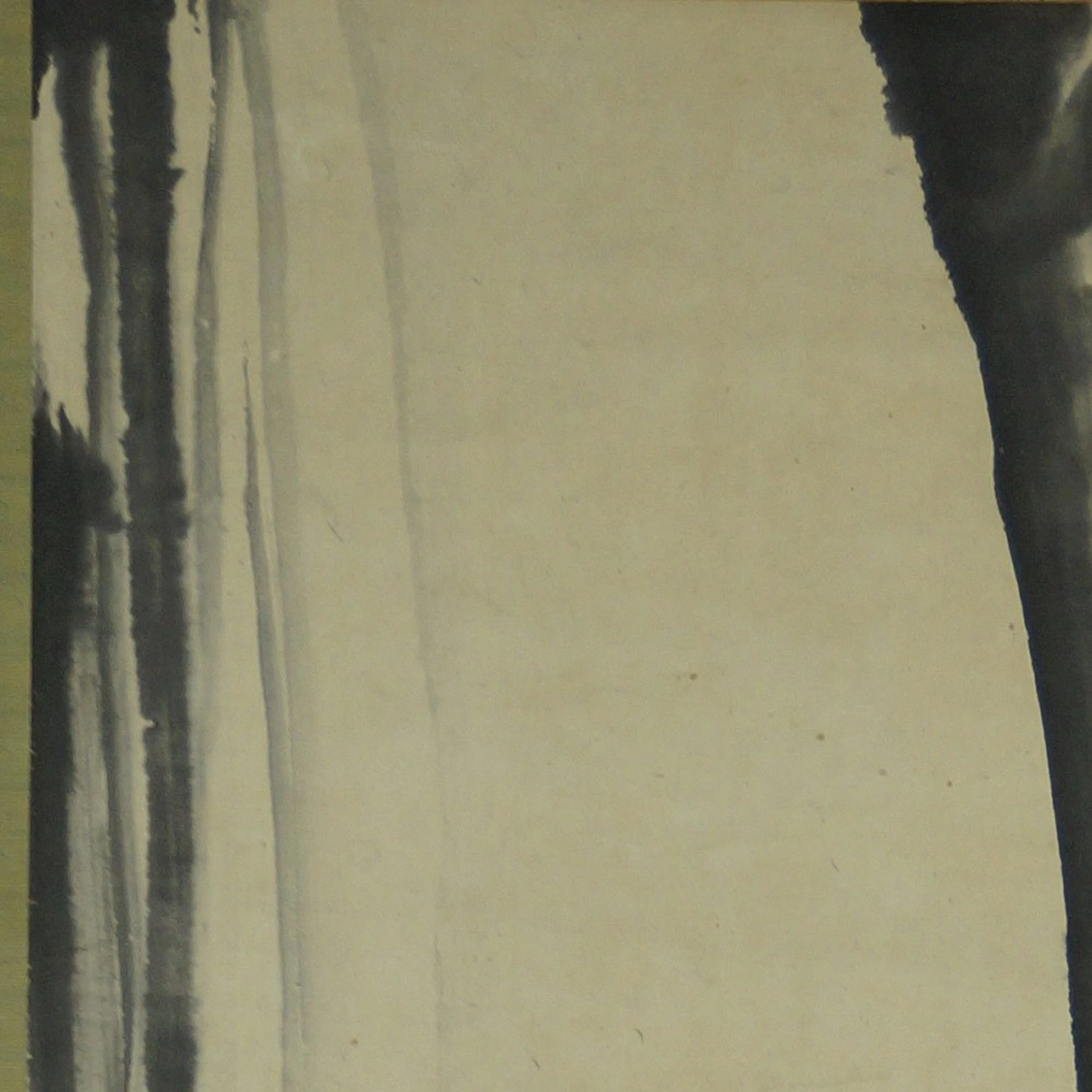
Nakajima Raiaki
Waterfall in Calligraphic Brushstroke
Kakemono, unique work, 196 x 36 cm
Sold
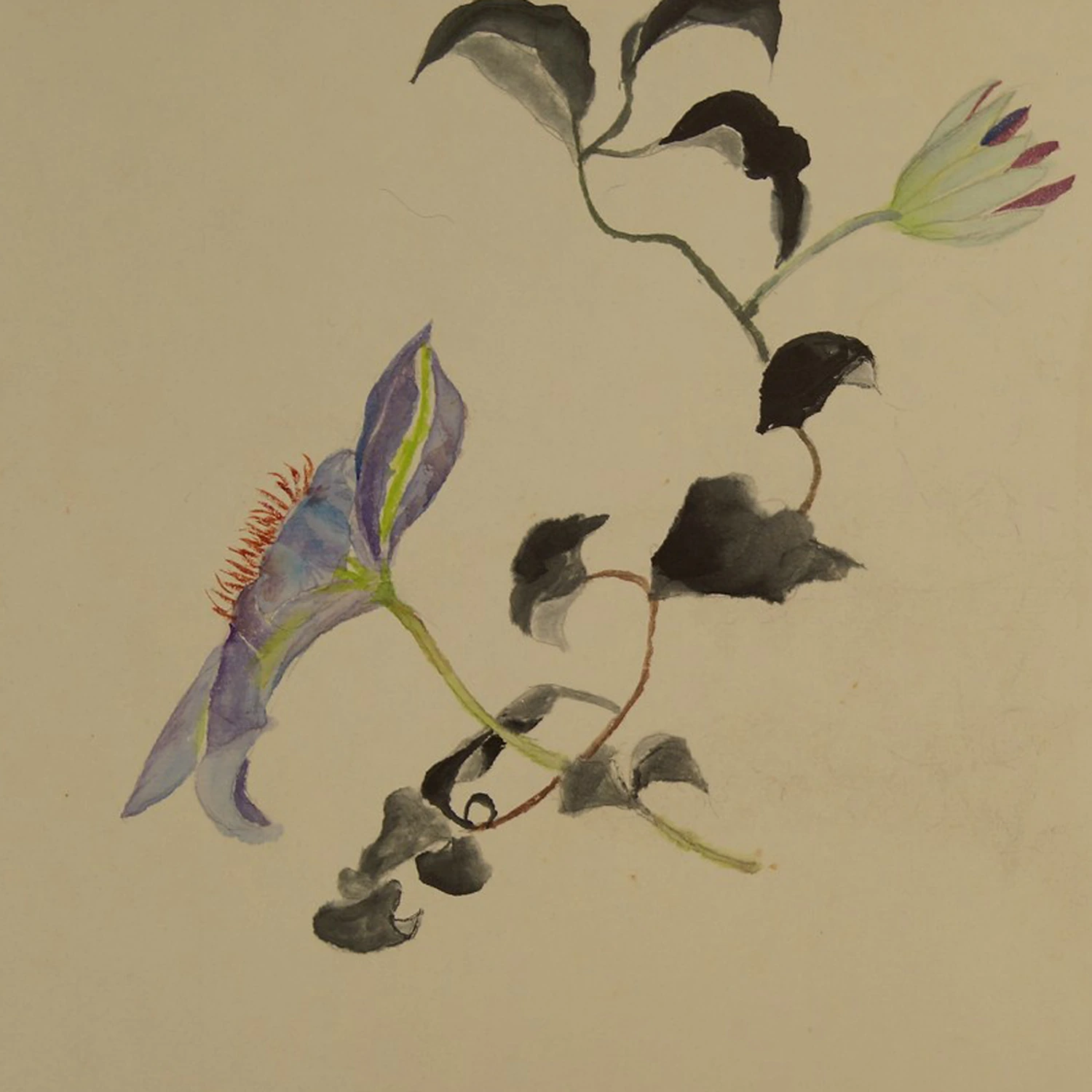
Purple Blossom on Vine Branch
Shikishi, unique work, 27 x 24 cm
Sold
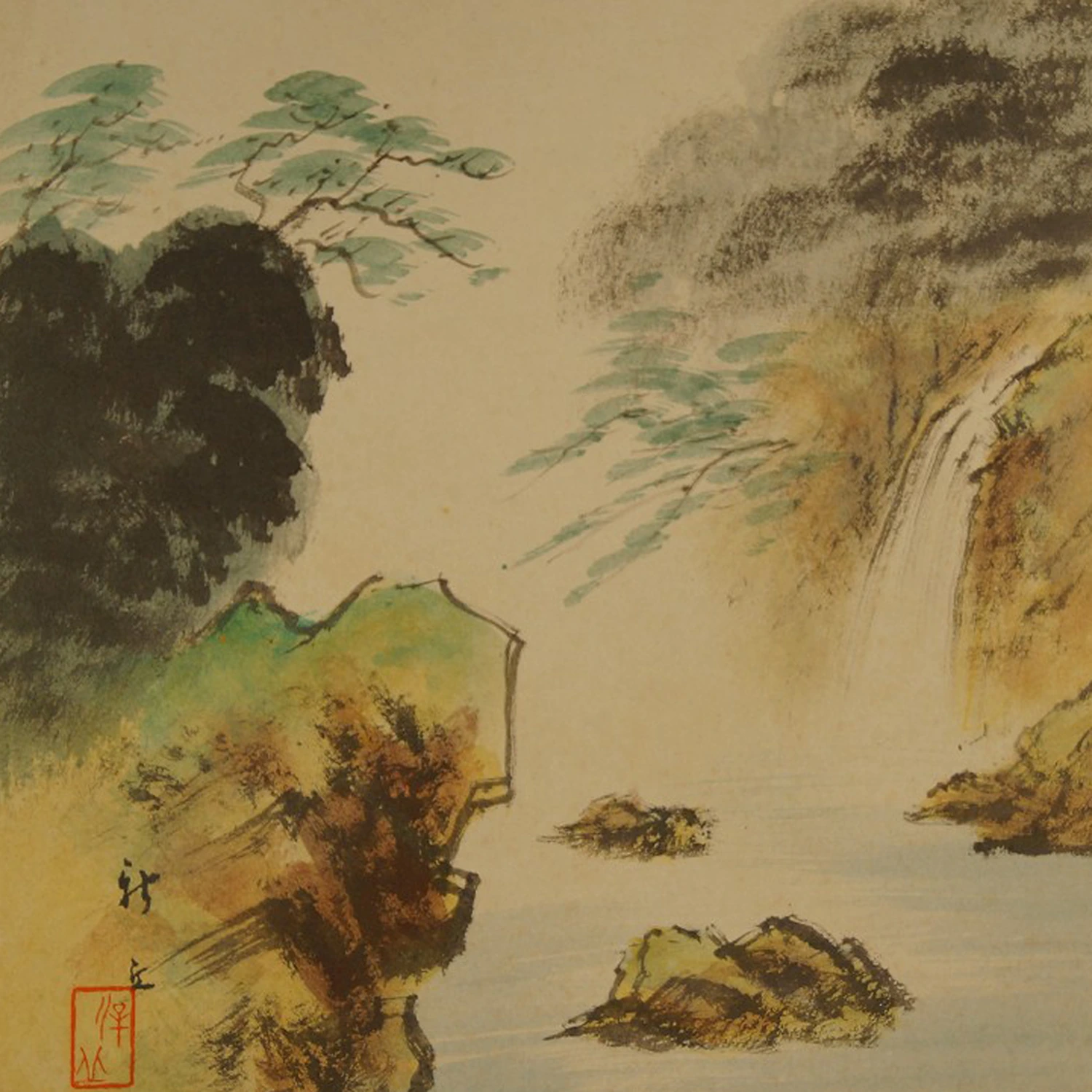
Waterfall in the Mountains on Shikishi
Shikishi, unique work, 27 x 24 cm
Sold
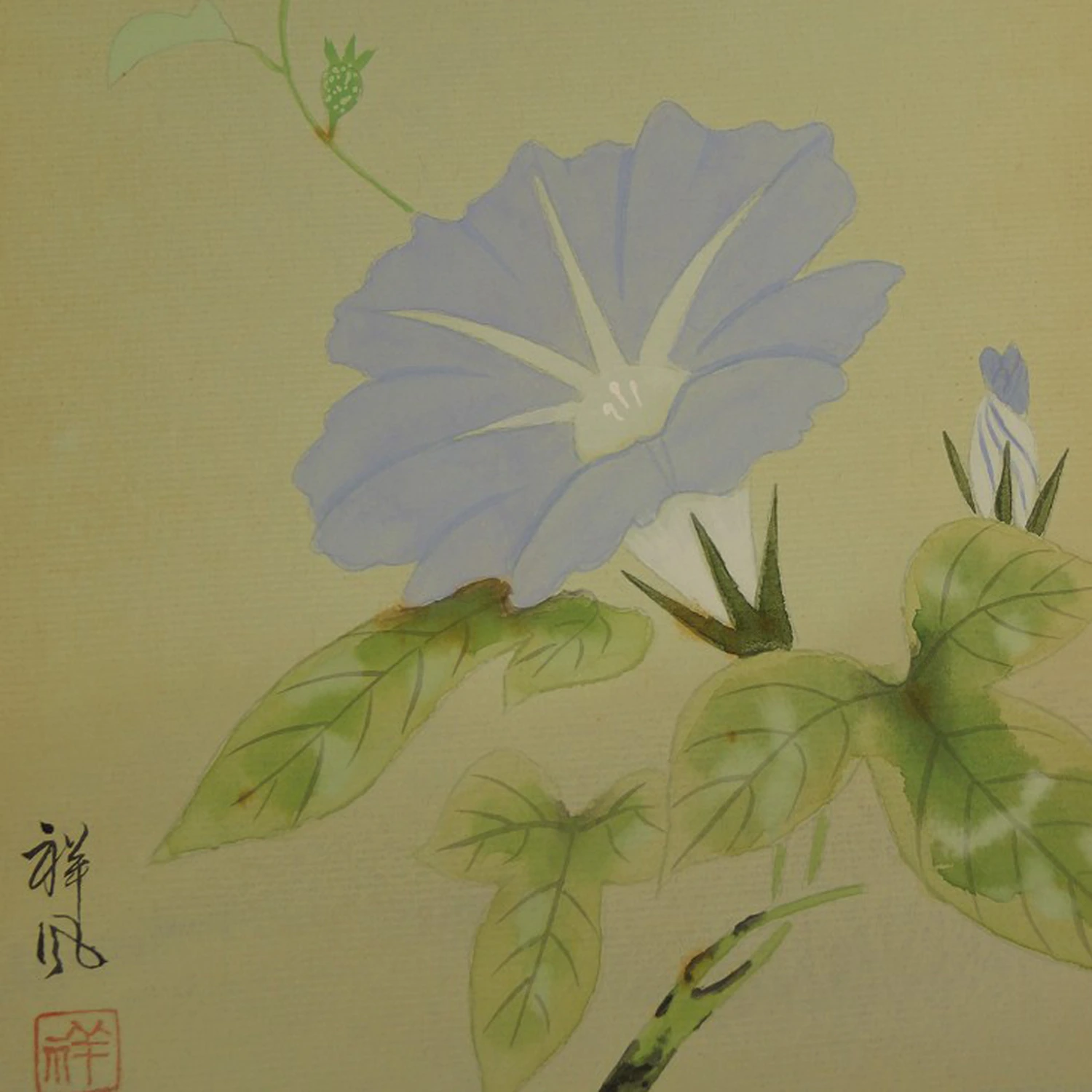
Morning Glory
Shikishi, unique work, 27 x 24 cm
Sold
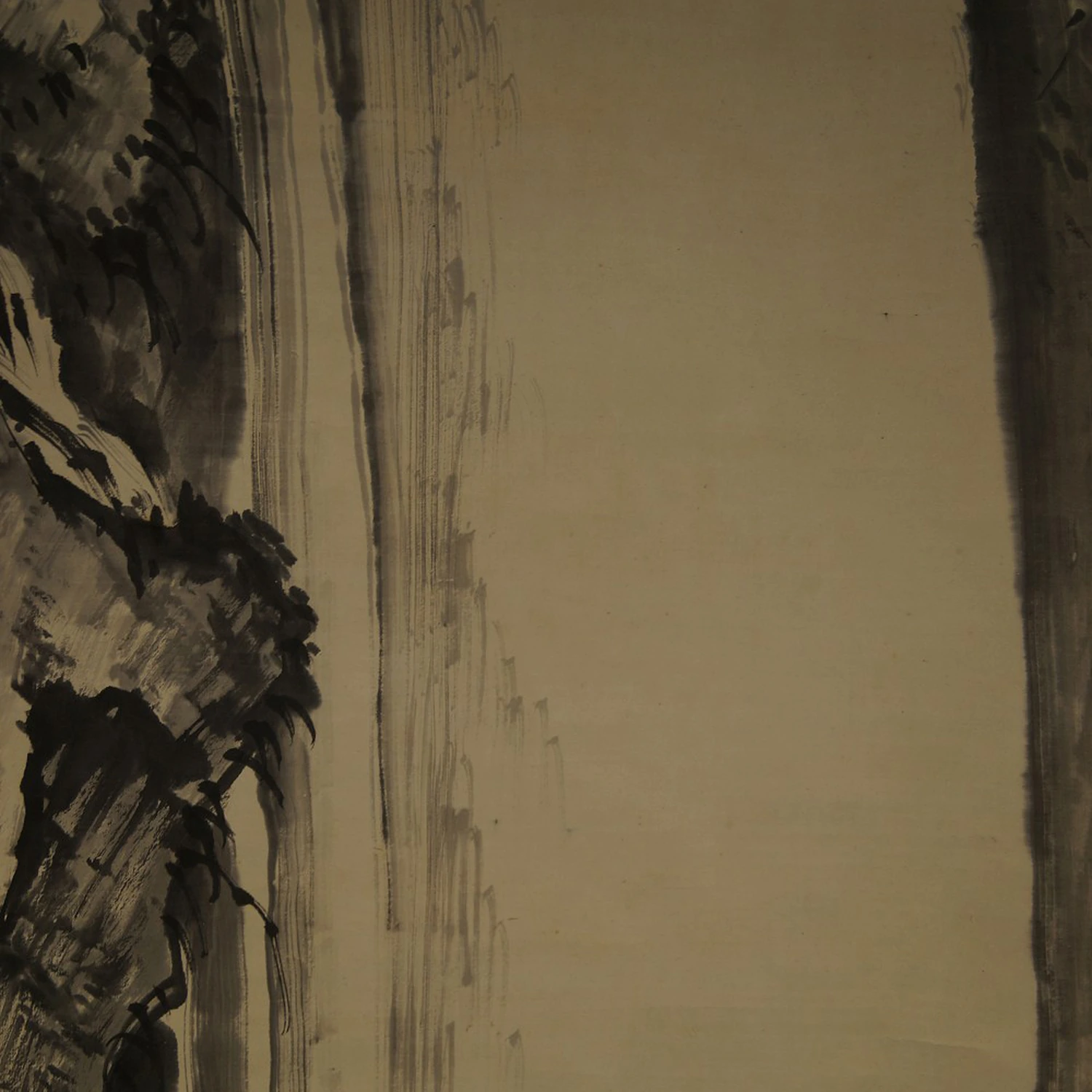
Waterfall in the Rocky Gorge
Kakemono, unique work, 210 x 58 cm
Sold
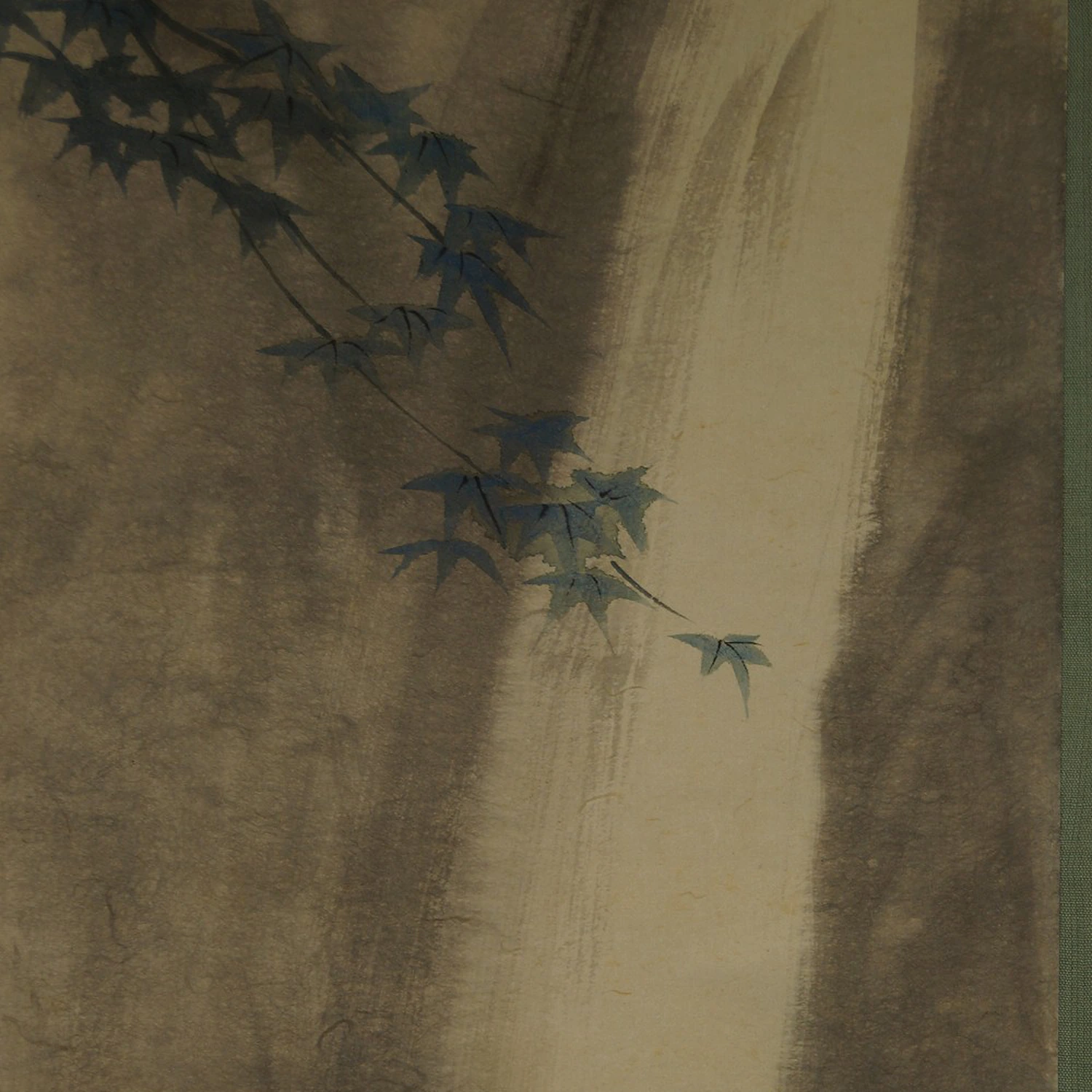
Tosei Ono
Waterfall with Maple Branch
Kakemono, unique work, with box, 184 x 28 cm
Sold
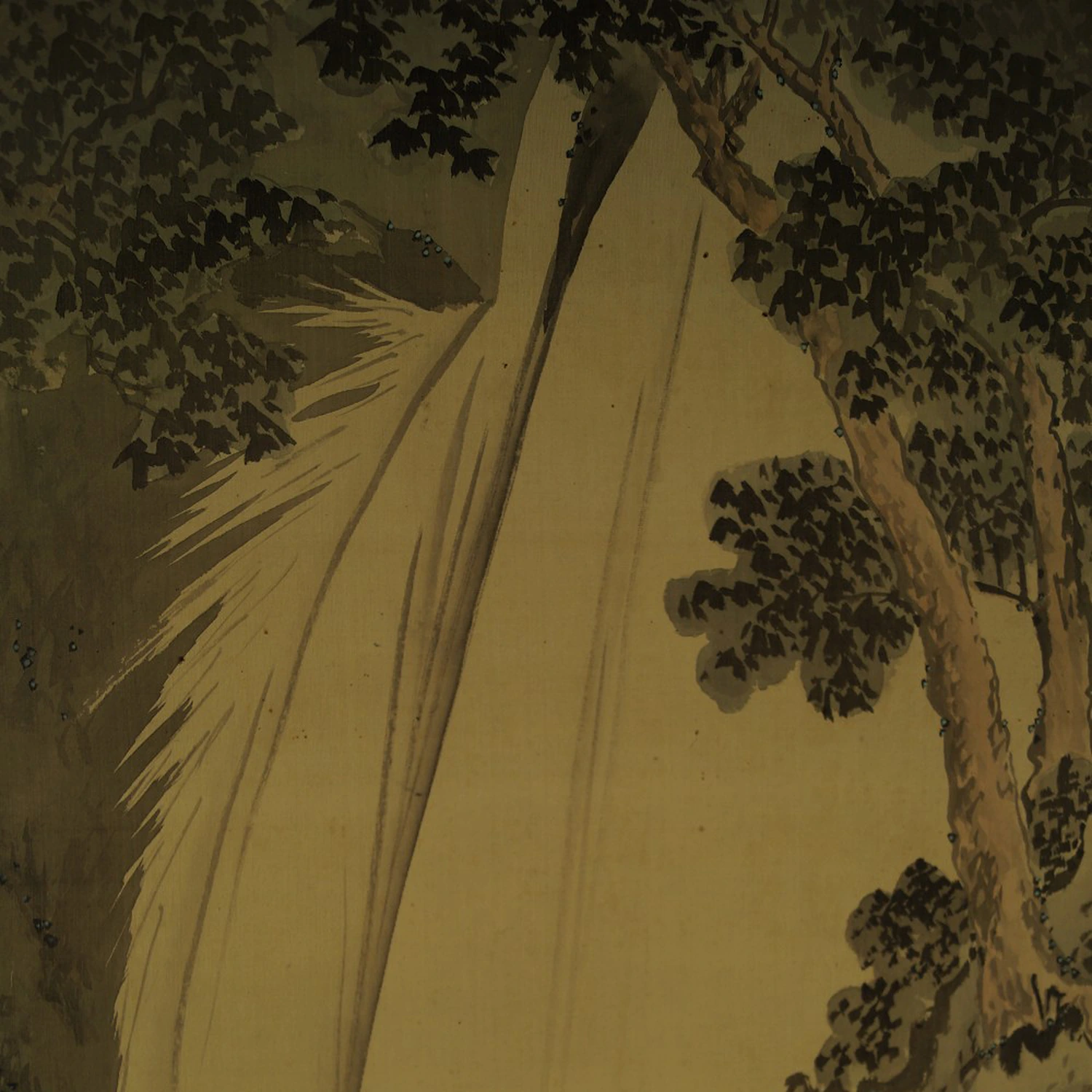
Waterfall Under the Pine
Kakemono, unique work, with box, 185 x 42 cm
Sold
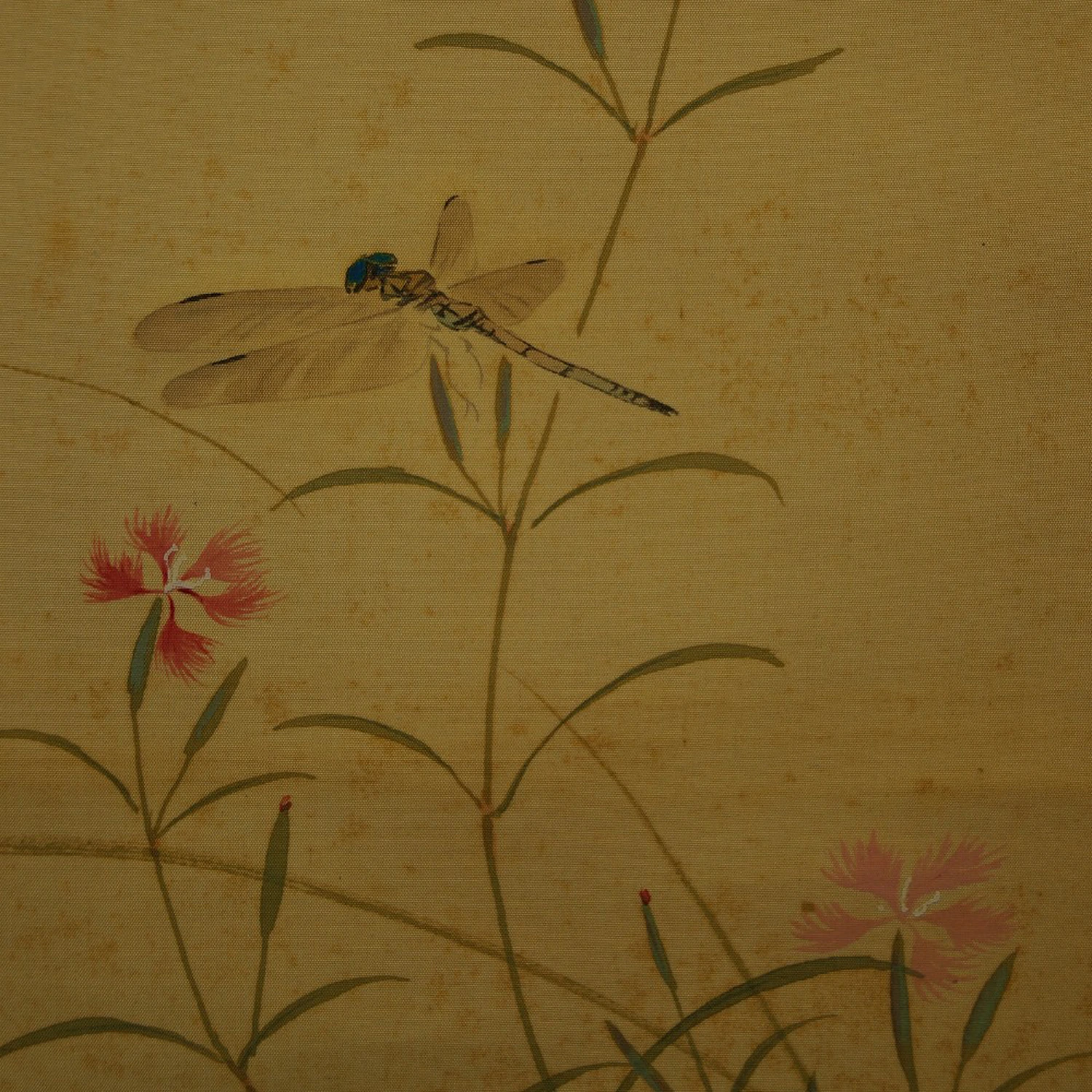
Kazuyo Okutani
Dragonfly and Field Pinks
Kakemono, unique work, with box, 195 x 36 cm
Sold
48 of 90 items shown
Why the Scroll Changes in Summer
In Japan a kakejiku (掛軸) does not stay in its place all year round. In the tokonoma, the display alcove of the living room, and even more so in the tea room, the scroll tells which time of year it is – it works like a calendar that counts moods rather than days. Japanese dealers therefore divide their stock into seasonal scrolls, kisetsu-gake (季節掛け), and scrolls for the whole year. Summer has a task of its own: the months from June to August are humid and hot in Japan, and the picture on the wall is meant to take some of that weight out of the room. What is shown above all is whatever looks like water, shade and fresh green.
Waterfall and Green Maple: Coolness as an Idea
The most common summer motif is the waterfall, taki (滝). Dealers list it among the summer scrolls and hang it above all in July and August; in tea practice, August calls for a calligraphy that sends a waterfall plunging three thousand jō (瀧直下三千丈). It is often accompanied by green maple, aokaede (青楓): the same foliage that glows red in autumn, here still fresh and translucent. This difference matters, because a waterfall beneath red maple is an autumn picture. The same group includes river landscapes with fishermen, the ayu (鮎), small freshwater fish of clear mountain streams holding their place in the current, and ukai (鵜飼), cormorant fishing by torchlight at night. Calligraphy can carry summer too when the phrase names it, such as the summer clouds above the mountain peaks (夏雲多奇峰).
Iris, Hydrangea, Morning Glory: The Flowers of Summer
Among the plants, the iris opens the summer. Ayame, kakitsubata and hanashōbu (菖蒲, 杜若, 花菖蒲) bloom in May and June. Next comes the hydrangea, ajisai (紫陽花), the flower of the rainy season, usually painted in cool blue and shown in June and July. High summer brings the morning glory, asagao (朝顔), whose name means “morning face”, the cotton rose fuyō (芙蓉) with its large, soft blossoms, the lily, yuri (百合), and the clematis, tessen (鉄線). The lotus, hasu (蓮), is both a summer flower and a Buddhist symbol and accompanies Obon, the Japanese festival of the dead.
Creatures by the Water: Heron, Kingfisher, Dragonfly
Almost all the summer creatures of Japanese painting live by or in the water. The white heron, sagi (鷺), stands in the reeds or beneath a flowering fuyō; the kingfisher, kawasemi (カワセミ), waits on a post or a lotus leaf. Dragonflies, tonbo (蜻蛉), hover over iris and pond, and cicadas, semi (蝉), sit in the weeping willow. Fireflies, hotaru (蛍), and the round fan, uchiwa (団扇), suggest a summer evening in figure paintings.
When to Hang Summer Paintings
Japanese dealers count summer from June to August and advise hanging a seasonal scroll about a month before the season. A picture of ayu or a kingfisher may therefore go up as early as May. Within the summer, the motif moves with the weather: iris suits May and June, hydrangea June and July, and waterfall, morning glory and fuyō follow in high summer. Anyone consulting the haiku calendar will find some dates shifted: there, morning glory and cotton rose already count as autumn, because the old calendar starts autumn around August 7. For hanging practice and for this category, the dealers' order applies.
The Marker Decides, Not the Main Motif
Whether a picture belongs in this category depends on its seasonal sign. A heron is a summer picture as long as it stands in the reeds; in the snow it becomes a winter picture. The willow on its own is a spring motif and only becomes a summer picture with a heron, rain or fireflies. Deliberately left out of this category are motifs that may hang all year in Japan: the carp, even when it swims up a waterfall, Mount Fuji without a seasonal sign, crane, tiger and dragon, bamboo and ink landscapes without a marker. The swallow is regarded as a herald of spring, and dealers likewise count pictures for Boys' Day on May 5 as spring, even though the festival already belongs to summer in haiku.
Combining and Rotating
If you own two scrolls, pair a bright summer motif with a darker one from autumn or winter and change twice a year. With three pictures, summer itself can be divided: iris or hydrangea for early summer, waterfall or morning glory for high summer. A year-round motif can also handle the transition, for example a Zen calligraphy that bridges the weeks between spring and summer or between summer and autumn. Some works are painted as sets of several scrolls that explicitly show different seasons; they appear under each of their seasons and can be hung one after another through the year.
Care When Changing, and What Collectors Look For
Summer in particular calls for care: direct sunlight bleaches colors, and high humidity encourages foxing. As a rule of thumb, 50 to 60 percent relative humidity is considered right. Take the picture down on a dry day if possible, roll it up loosely and without tension and keep it in its wooden box of kiri; clean it only dry, with a soft brush. When buying, look at the picture itself and not just the title: a work called a peony may reveal itself as a cotton rose by its leaves and then belongs to summer. Inscriptions such as 初夏 (early summer) or 七月 (seventh month) often date a picture but do not always describe the motif: a 中秋 beside the signature may simply be the date it was painted.