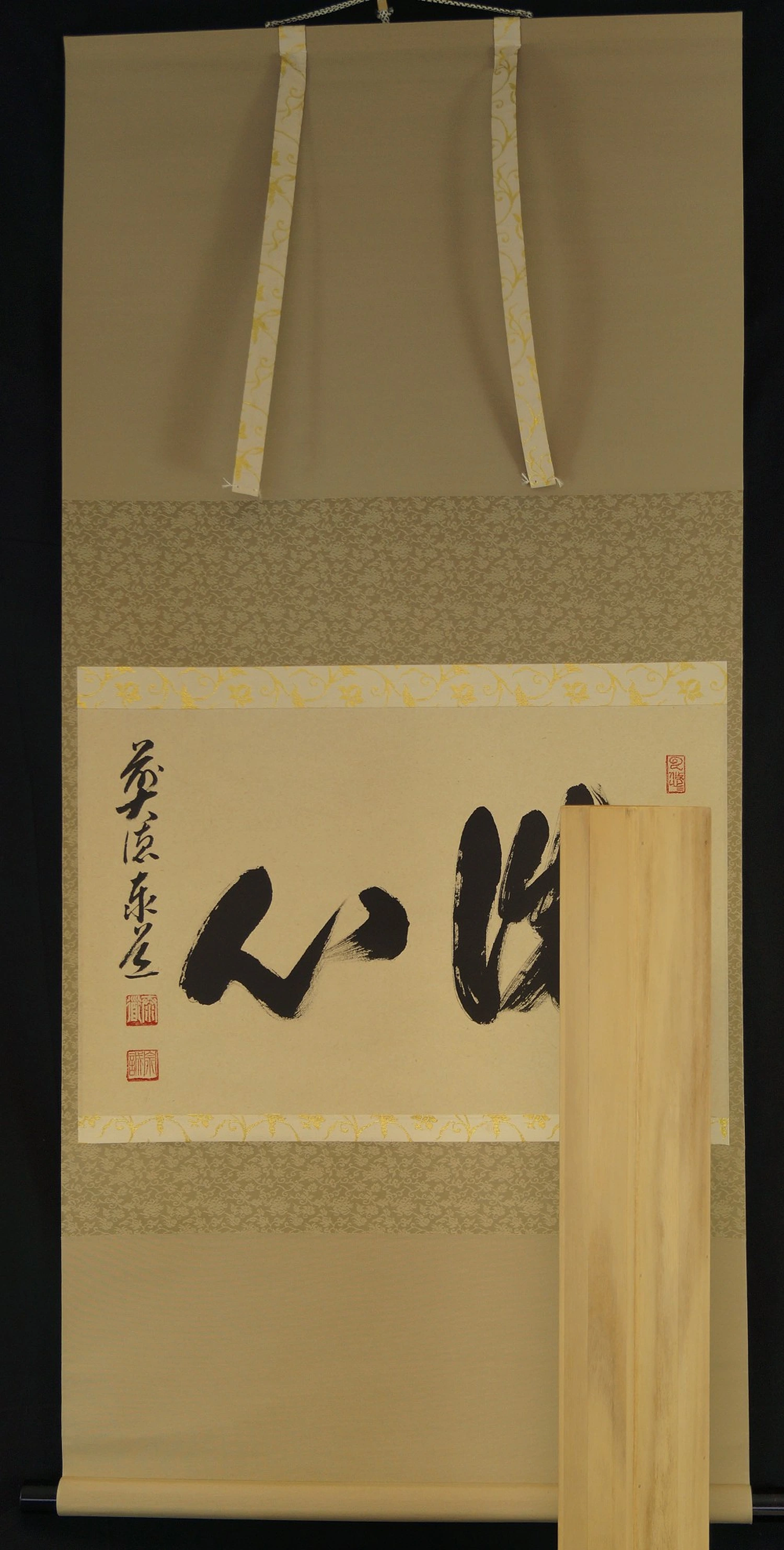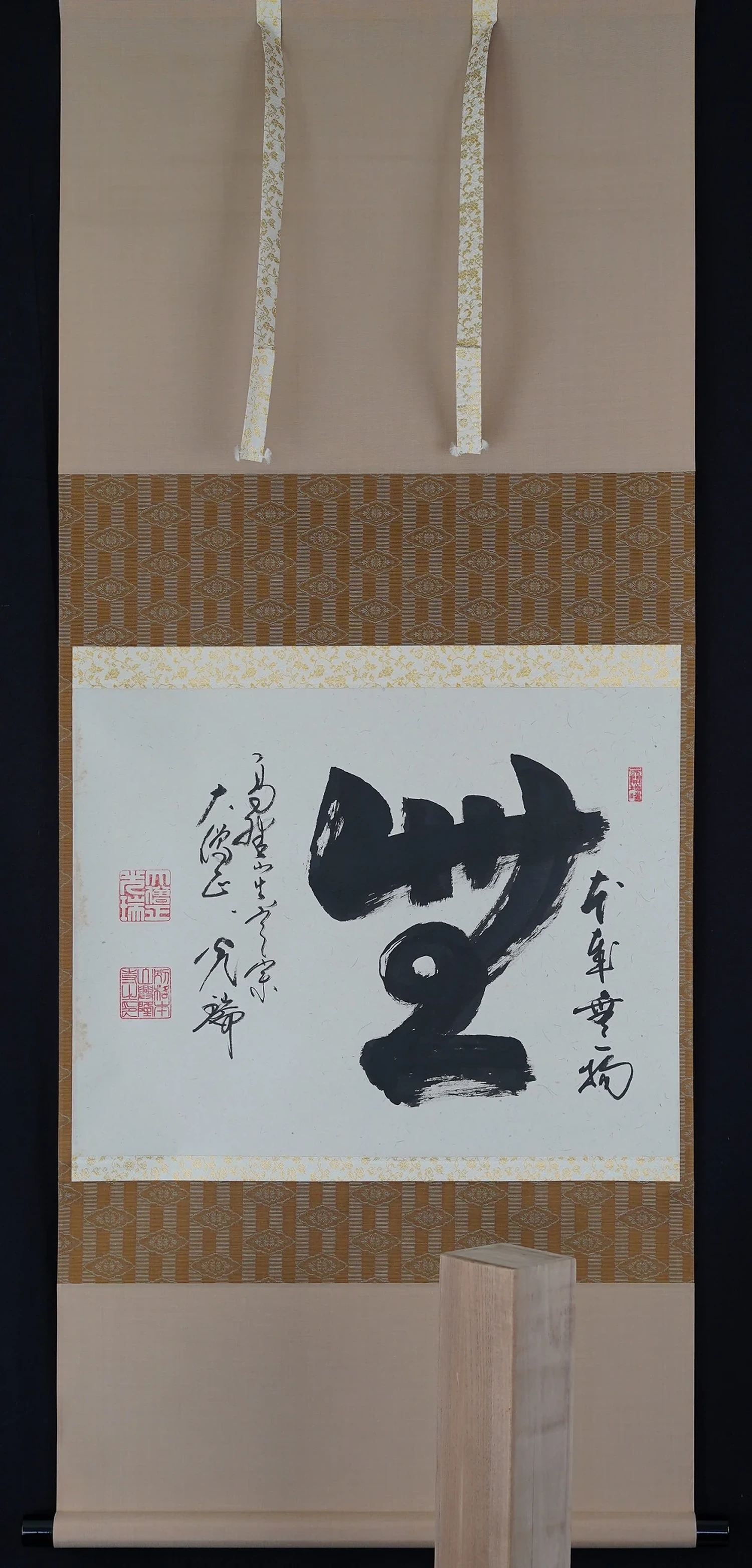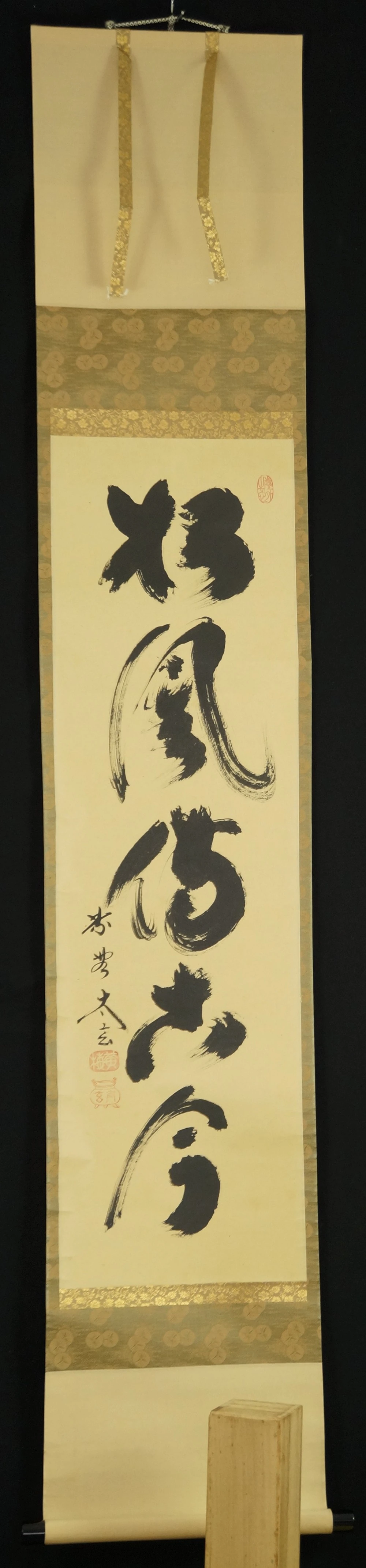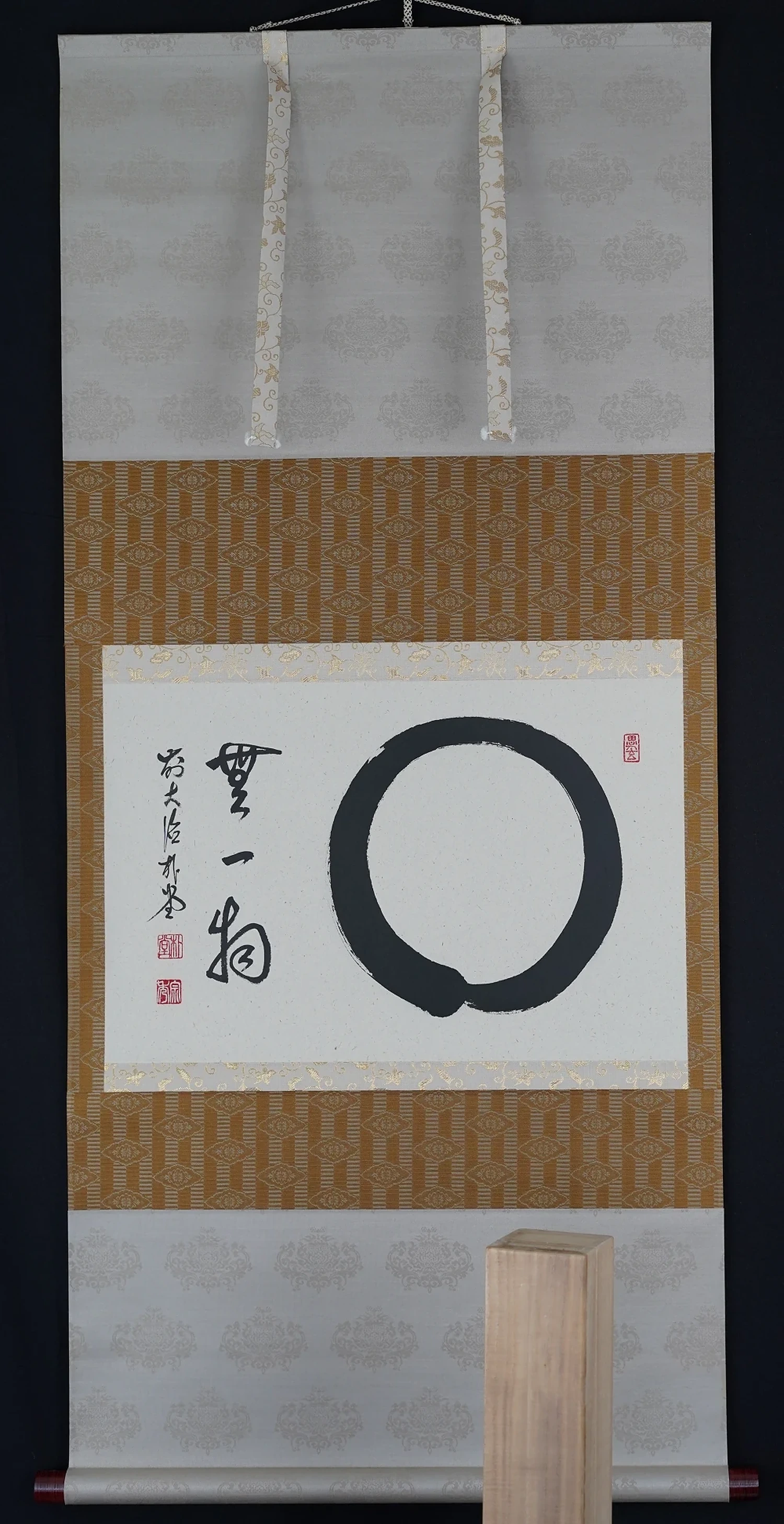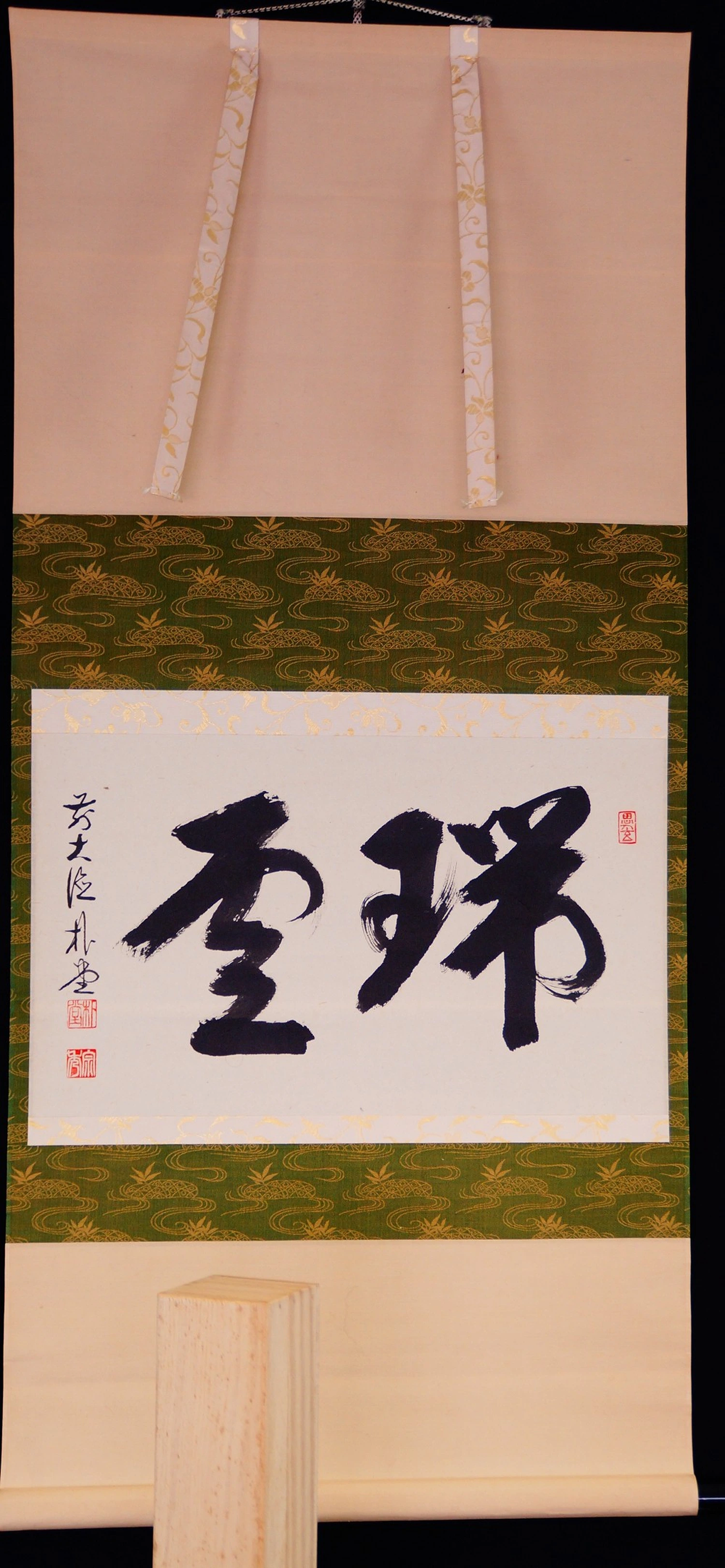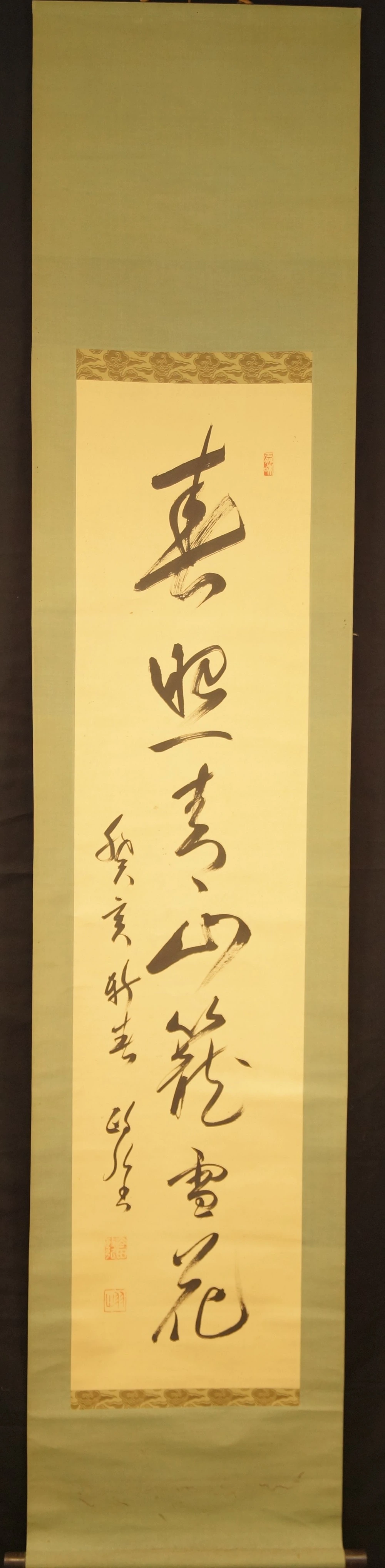
- JikusakiWood
- Material HonshiPaper
- MotifBuddhism and Zen, Calligraphy
- SeasonAll Year
- TechniqueHand-Painted
- Wooden Boxno
Description
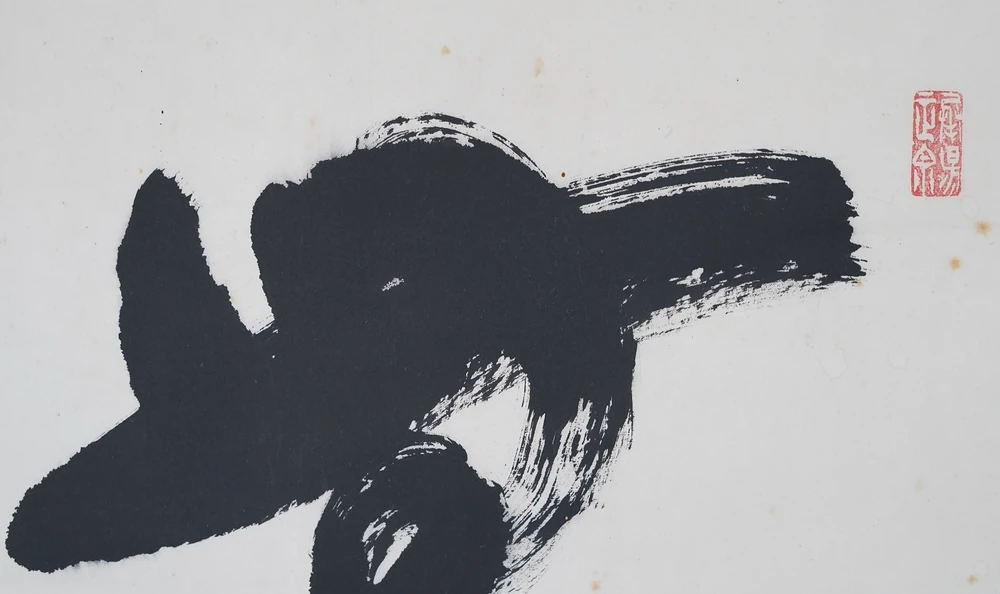
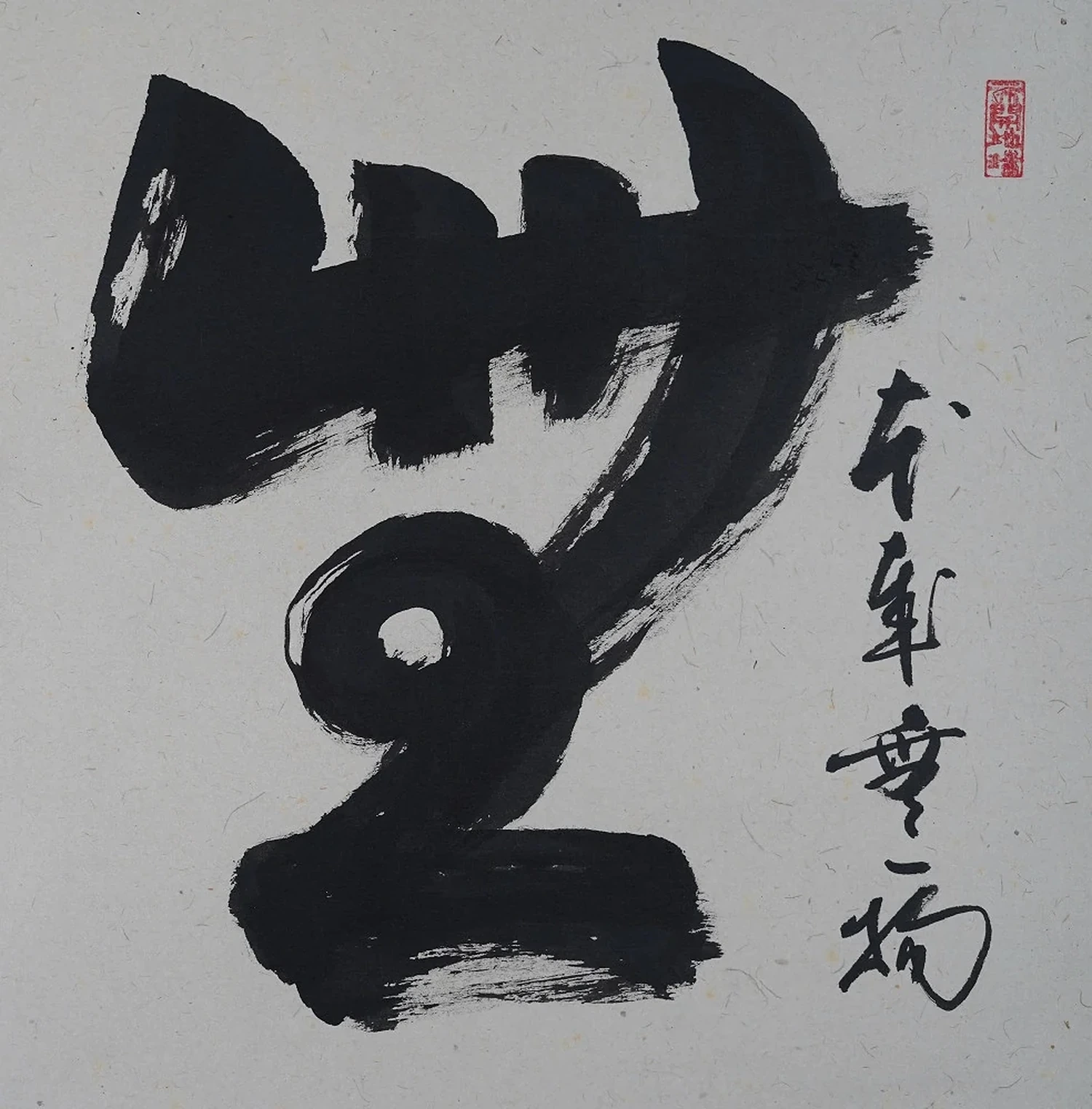
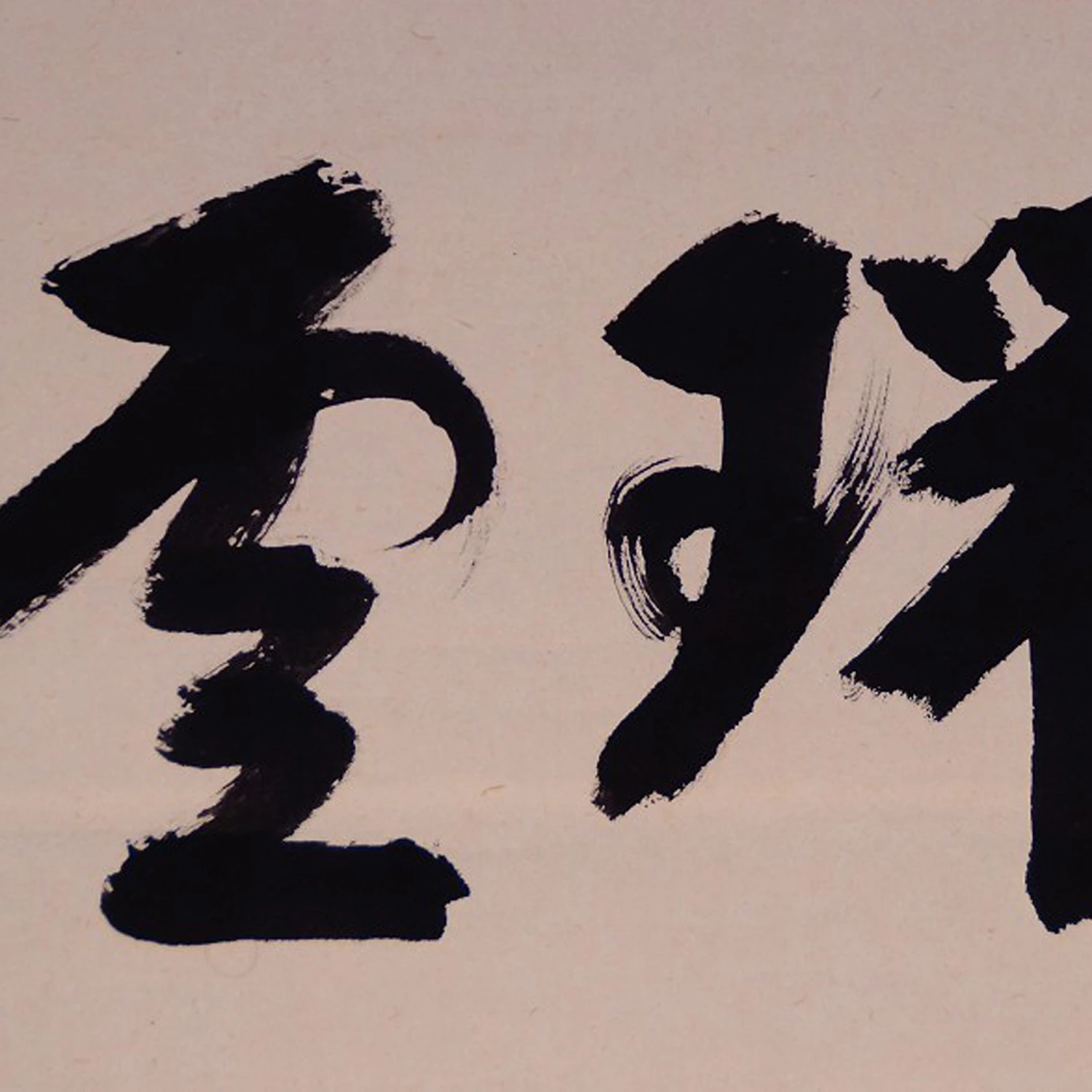
Black as a piece of night, the character Mu lies on the paper, written in a single, almost painterly sweep. The brush was so heavily loaded that the ink fills entire areas; only toward the upper right does the stroke break open, and the hairs drag dry streaks behind them. Mu means nothingness, and in Zen it refers not to emptiness in the ordinary sense but to that which lies before every distinction.
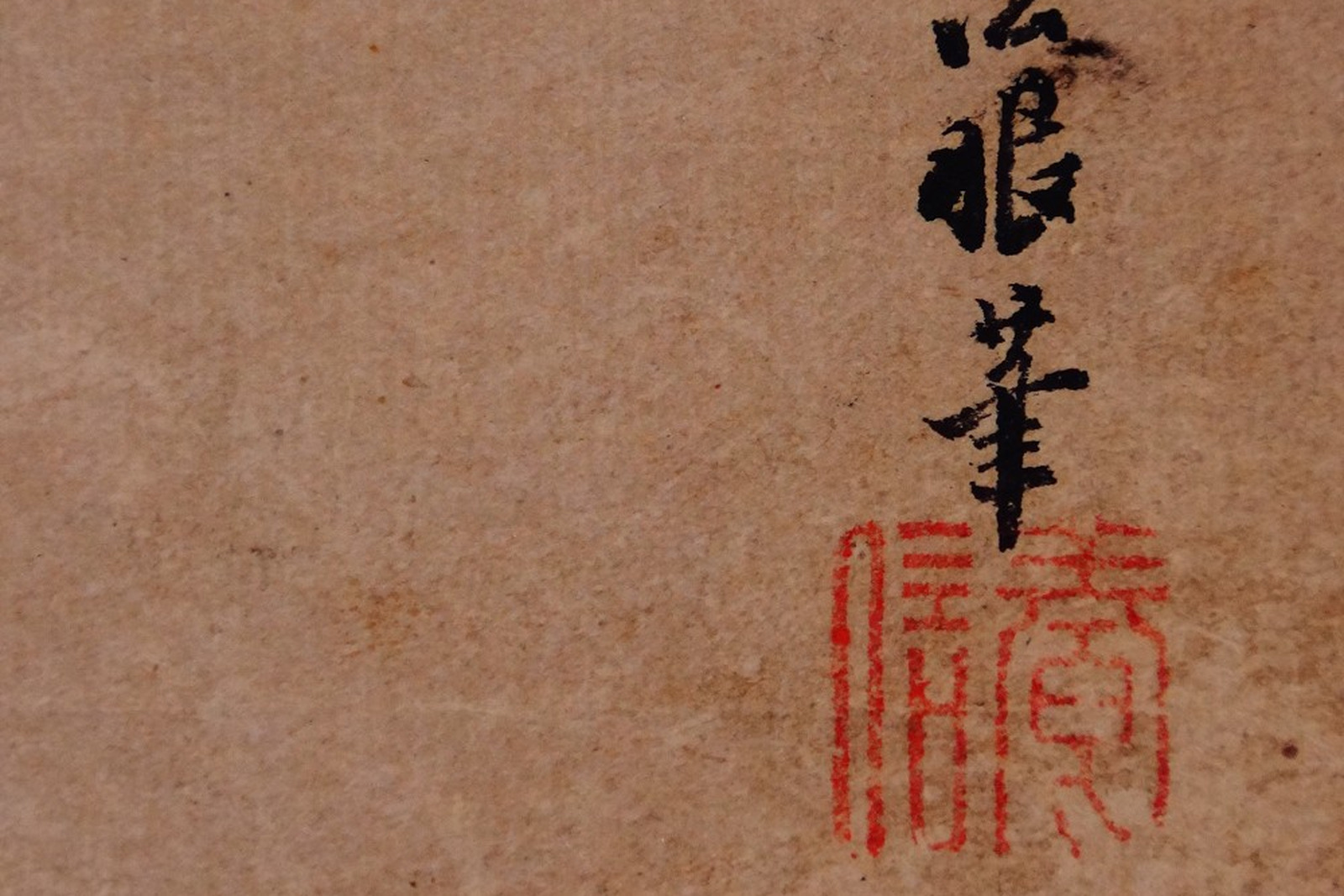
Beside it, in flowing cursive, stand the words Banshō shinra yōgen chū, the ten thousand things appear as reflections within it. The verse comes from the Shōdōka, the Song of Enlightenment, and speaks of the mind as a clear mirror. The signature combines Eihei with the writer's age in his seventies and the name Shō; two seals and a head seal complete it. This corresponds to Hata Eshō, who from 1933 to 1941 served as the 68th abbot of the Sōtō head temple Eihei-ji.
This horizontal format on paper dates from the Shōwa period and measures 72 × 128 cm. The mounting in natural-colored silk and blue-green brocade is kept simple; it shows signs of age at the upper edge. The jikusaki are made of wood; no wooden box is included.
Frequently asked
You might like these pieces
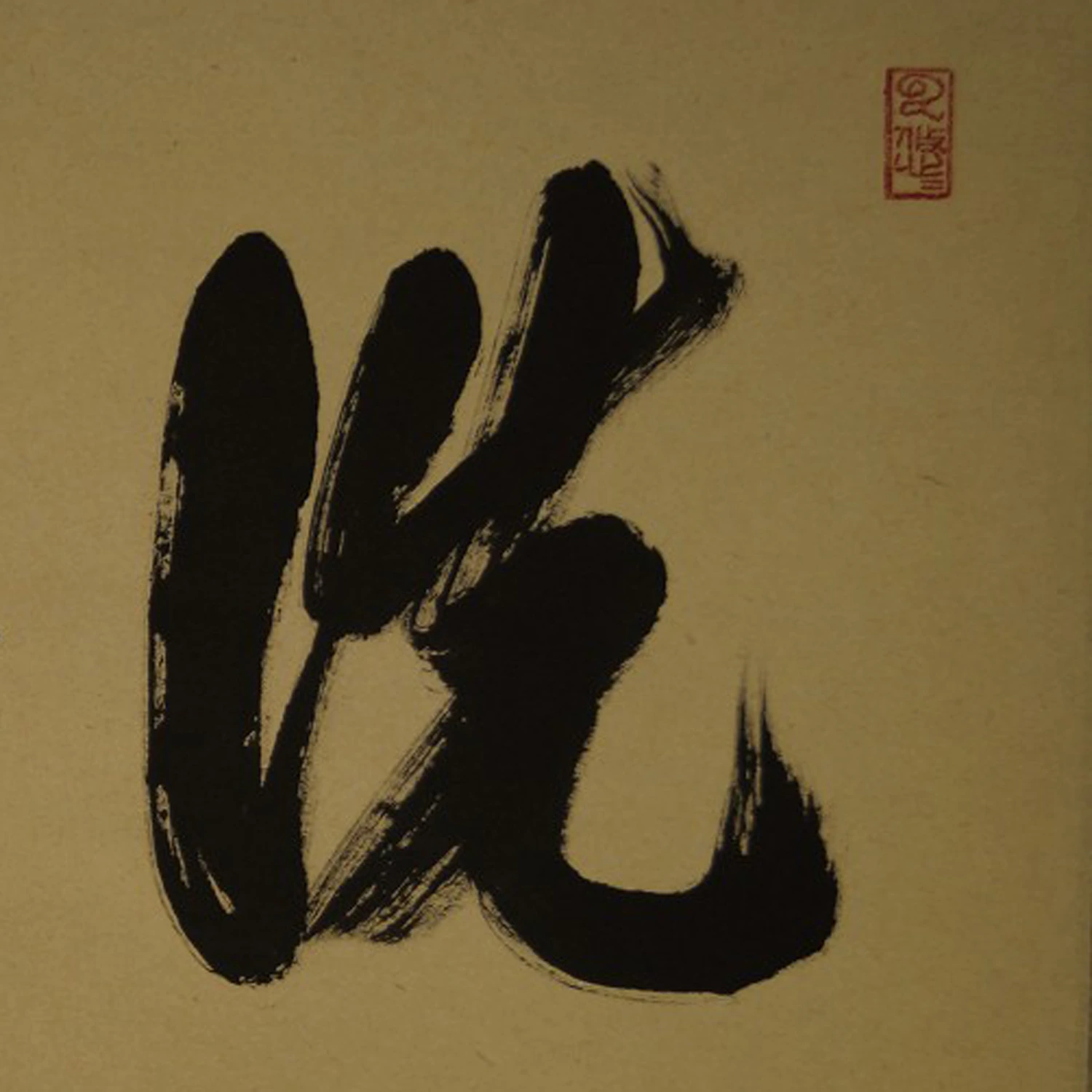
Adachi Taido
Zen Calligraphy "Senshin – Purifying the Heart"
Kakemono, unique work, with box, 121 x 60 cm
€750.00
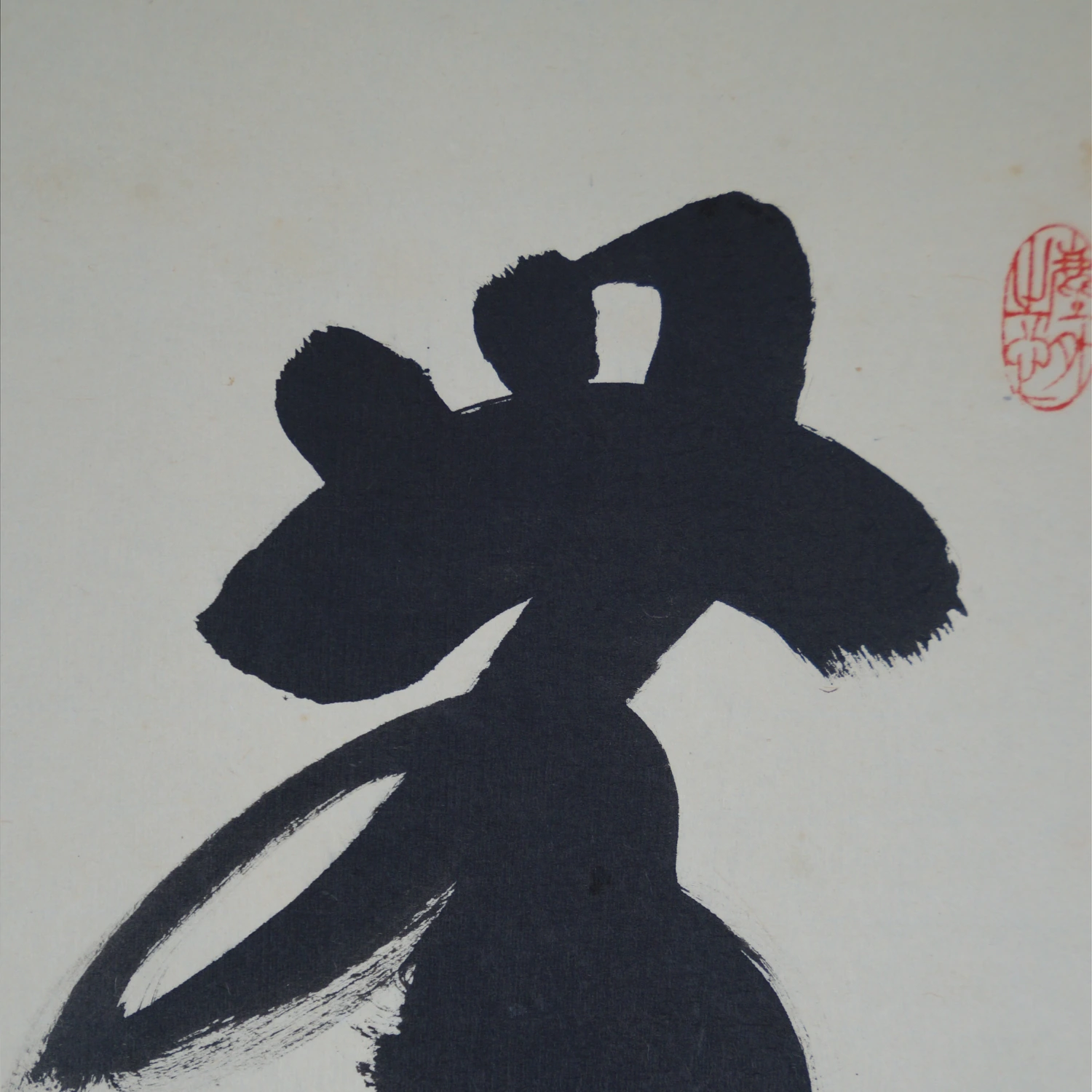
Kubo Kōzui
Zen Calligraphy “Mu” with the Phrase Honrai muichimotsu
Kakemono, unique work, with box, 132 x 60 cm
€340.00
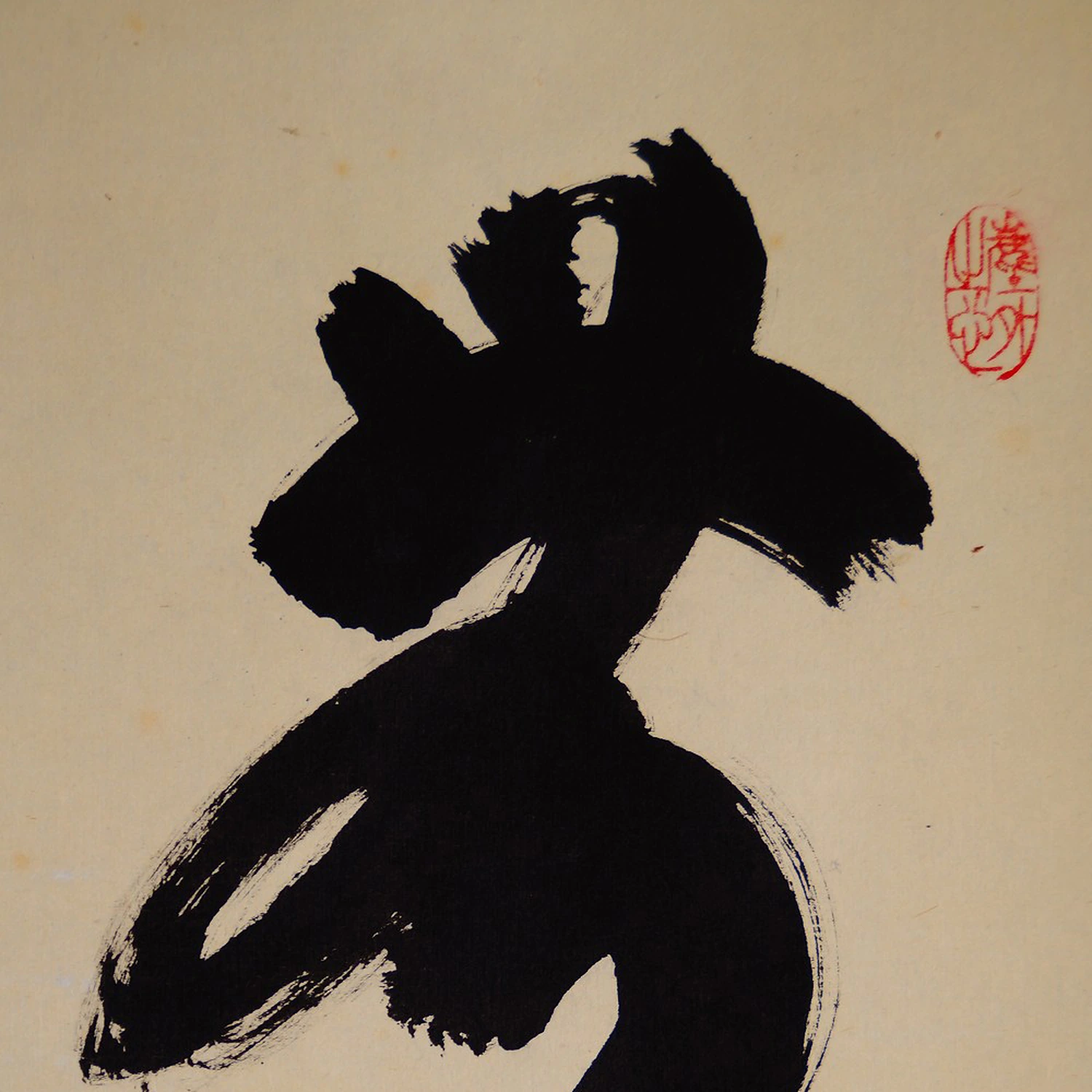
Kobayashi Taigen
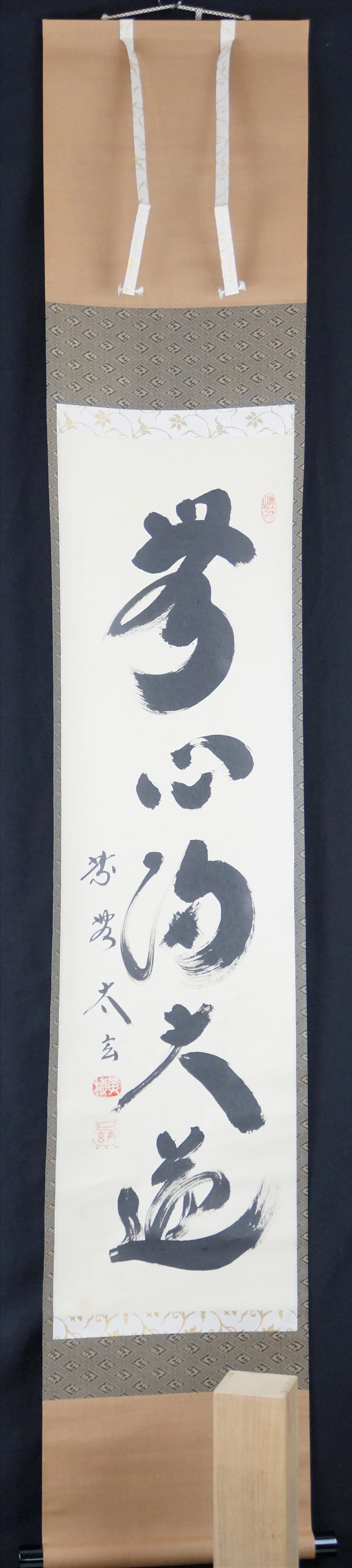
No-Mind on the Great Way – Zen Calligraphy, Brown Mounting
Kakemono, unique work, with box, 176 x 36 cm
€690.00
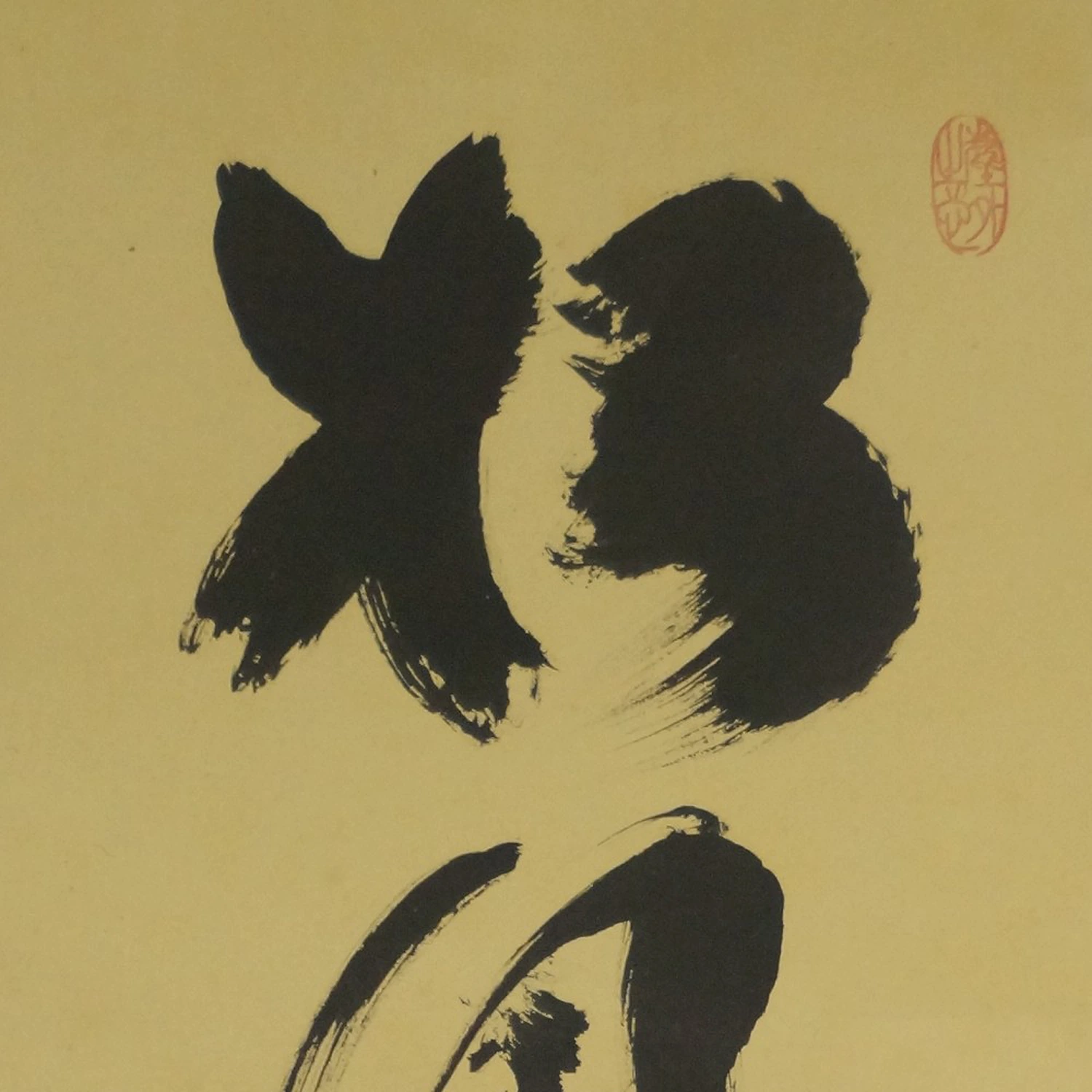
Kobayashi Taigen
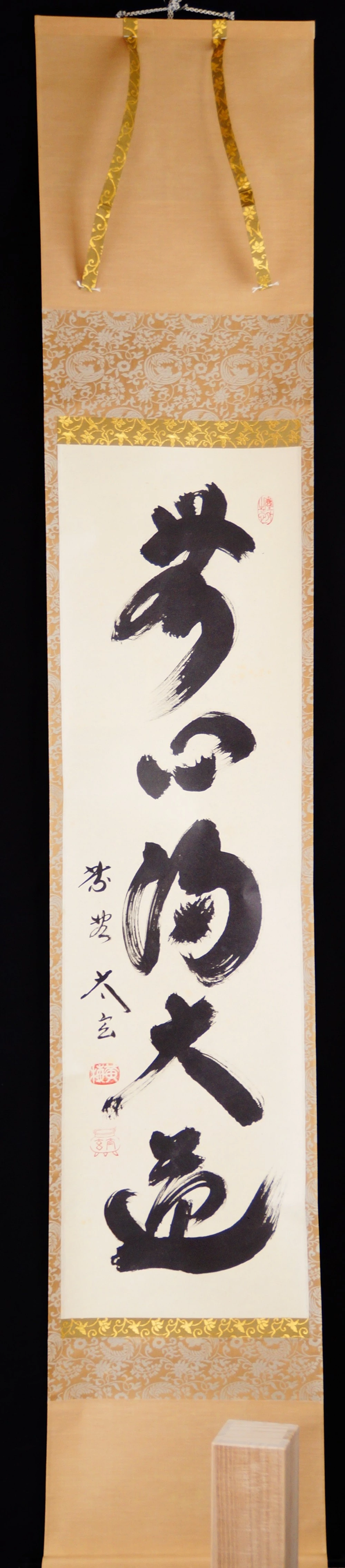
No-Mind Is One with the Great Way – Zen Calligraphy
Kakemono, unique work, with box, 173 x 37 cm
€720.00
Kobayashi Taigen
Zen Calligraphy "Wind in the Pines, Wisdom of the Ages"
Kakemono, unique work, with box, 167 x 38 cm
€860.00
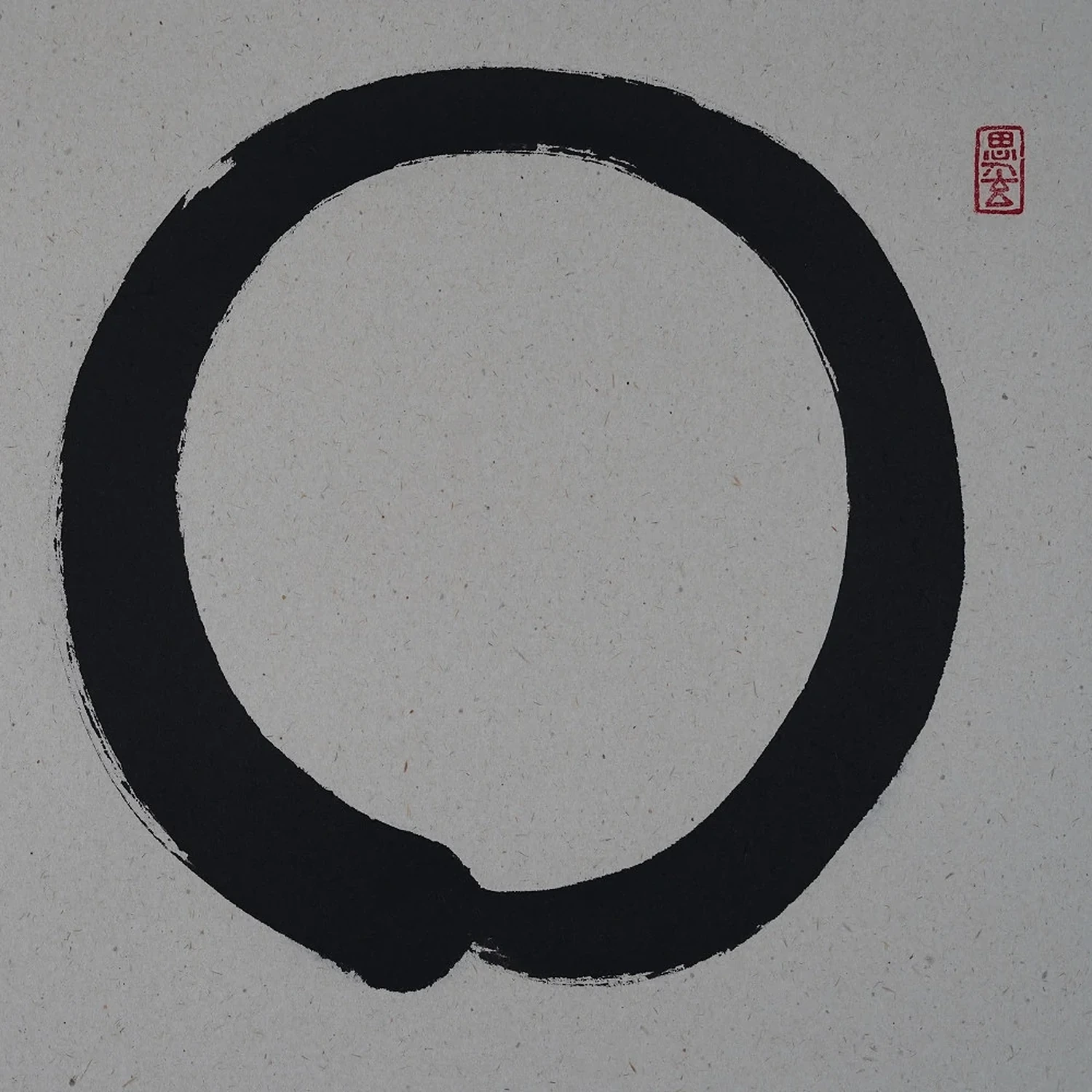
Satō Bokudō
Ensō and “Muichimotsu” – Horizontal Zen Calligraphy
Kakemono, unique work, with box, 130 x 63 cm
€540.00
Satō Bokudō
"Zui-un" (auspicious clouds) - Zen Calligraphy
Kakemono, unique work, with box, 114 x 58 cm
€490.00
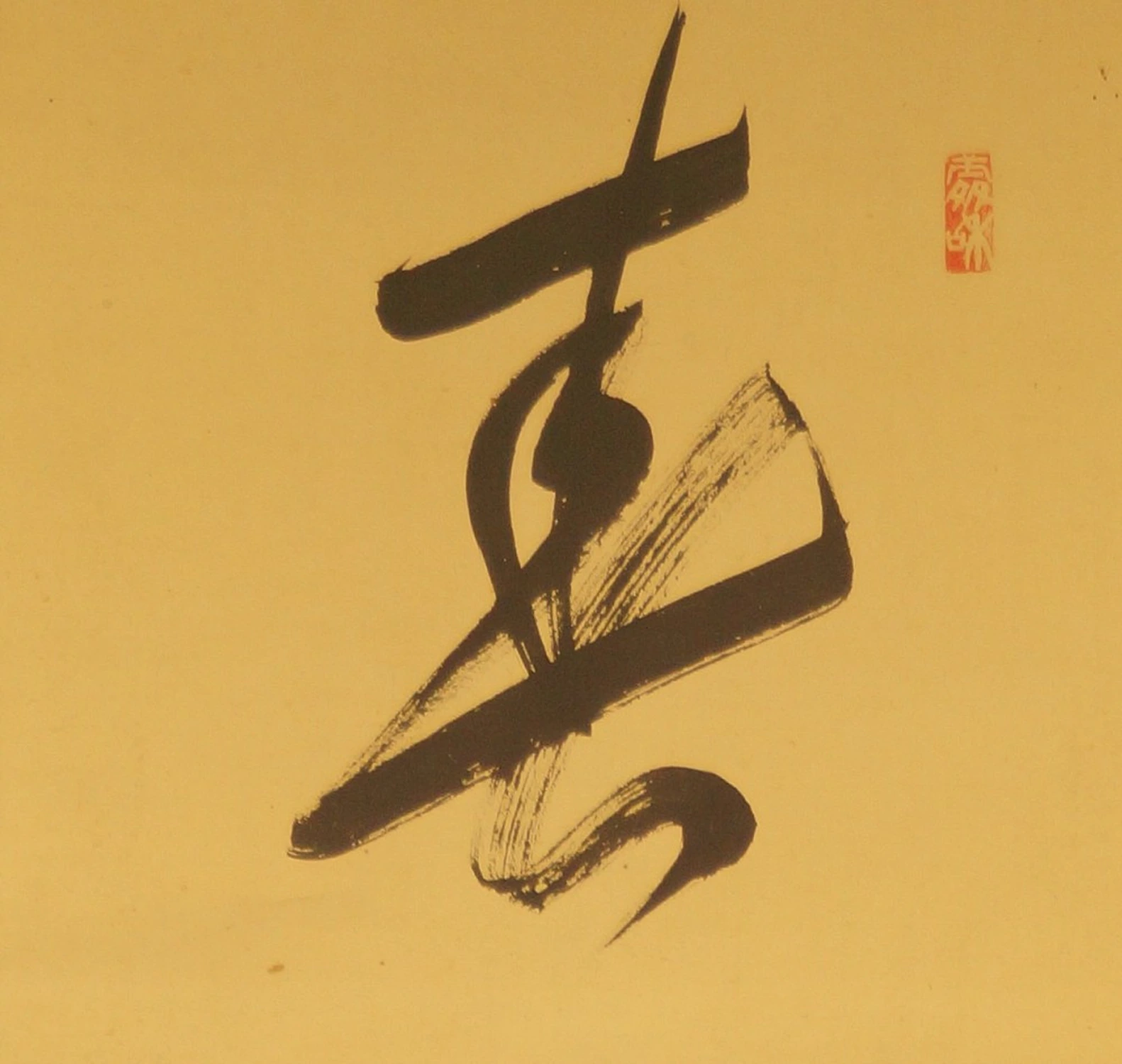
Calligraphy: Spring Light on a Snow-Veiled Mountain
Kakemono, unique work, 200 x 48 cm
€180.00