Hata Eshō (秦慧昭): from temple child to abbot
Hata Eshō (秦慧昭) was born on March 4, 1862, in Kozukue in Musashi Province. After his father's death he came to Hata Ehō at the temple Tenryū-ji in Shinagawa in 1867, at the age of five, and received the tonsure there. In 1870 he followed his teacher to the temple Chōshō-ji in Toyooka in Tajima Province. His monastic name is Mokudō Eshō.
Years of training at Eihei-ji
At seventeen he went to Eihei-ji for the summer retreat and became an assistant to the abbot Kuga Kankei there. In 1881 he was shuso, the first monk of the monastery, and the following year he received Dharma transmission from his teacher. At a large ordination ceremony in 1884 he served as a personal assistant because of his good handwriting. He later taught at the Renpō-Gakurin in Kōbe and in 1890 took over the leadership of Chōshō-ji.
Kōbe and the Hannya-rin
From 1913 to 1917 he was again active at Eihei-ji, then briefly at the Chigen-ji in Miyazu. In 1920 he was transferred to the Fukushō-ji in Kōbe, which burned down the same day; the rebuilding dragged on for about ten years. In 1925 he founded the Zen dōjō of Kōbe there, and in 1928 the monastery, known as Hannya-rin, became a recognized training center. Miyazaki Ekiho, later the 78th abbot of Eihei-ji, also studied there.
68th abbot of Eihei-ji
On December 6, 1933, Hata Eshō was elected 68th abbot of Eihei-ji and received the honorary title Daiki Shōshin Zenji; from February 1934 he was also kanchō, the head of the Sōtō school. In 1941, after a change in the order's constitution, he stepped down from Eihei-ji and remained the first full-time kanchō. He died on January 19, 1944, at a temple in Tokyo's Ushigome district.
Calligraphy and signature
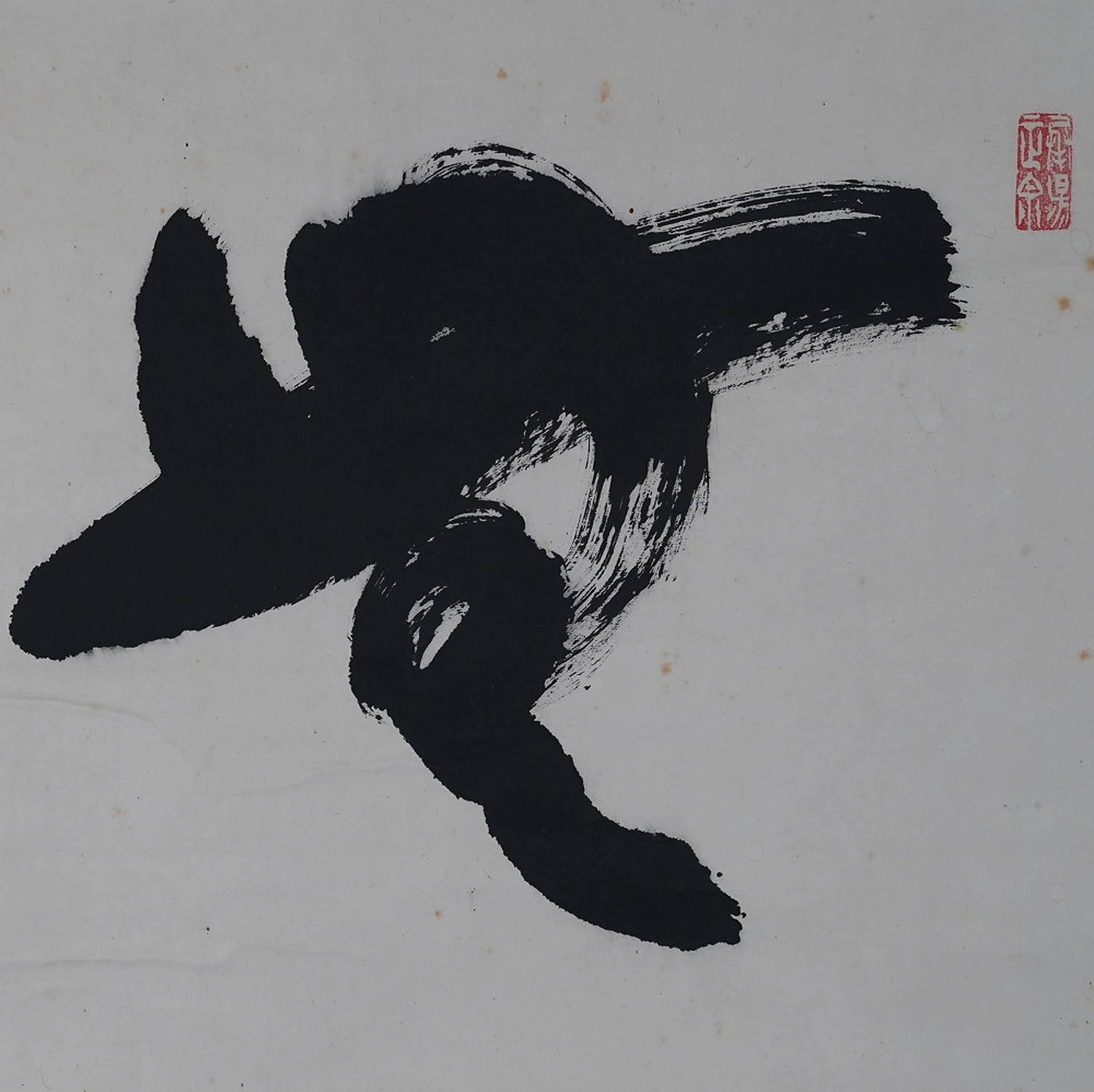
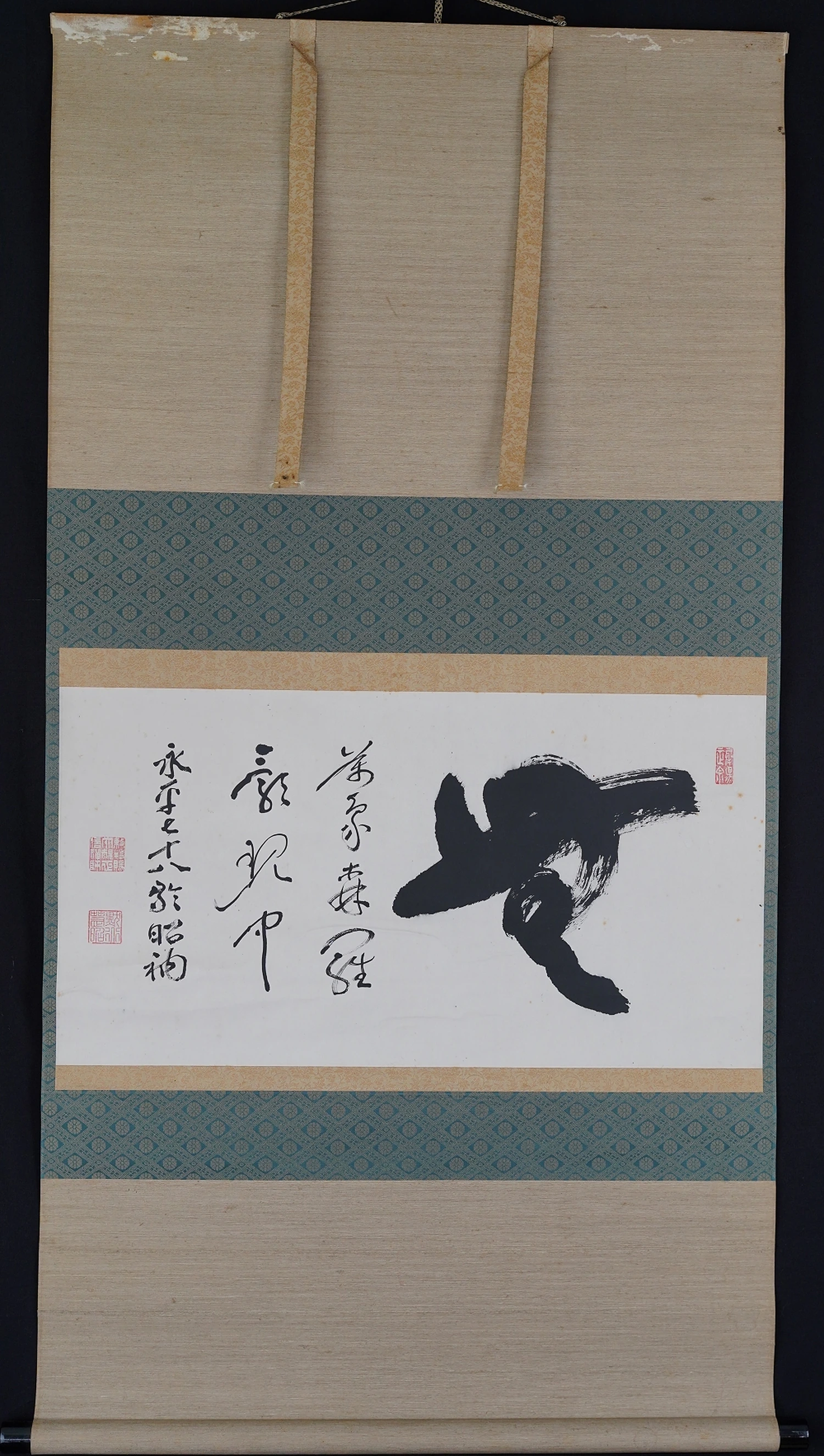
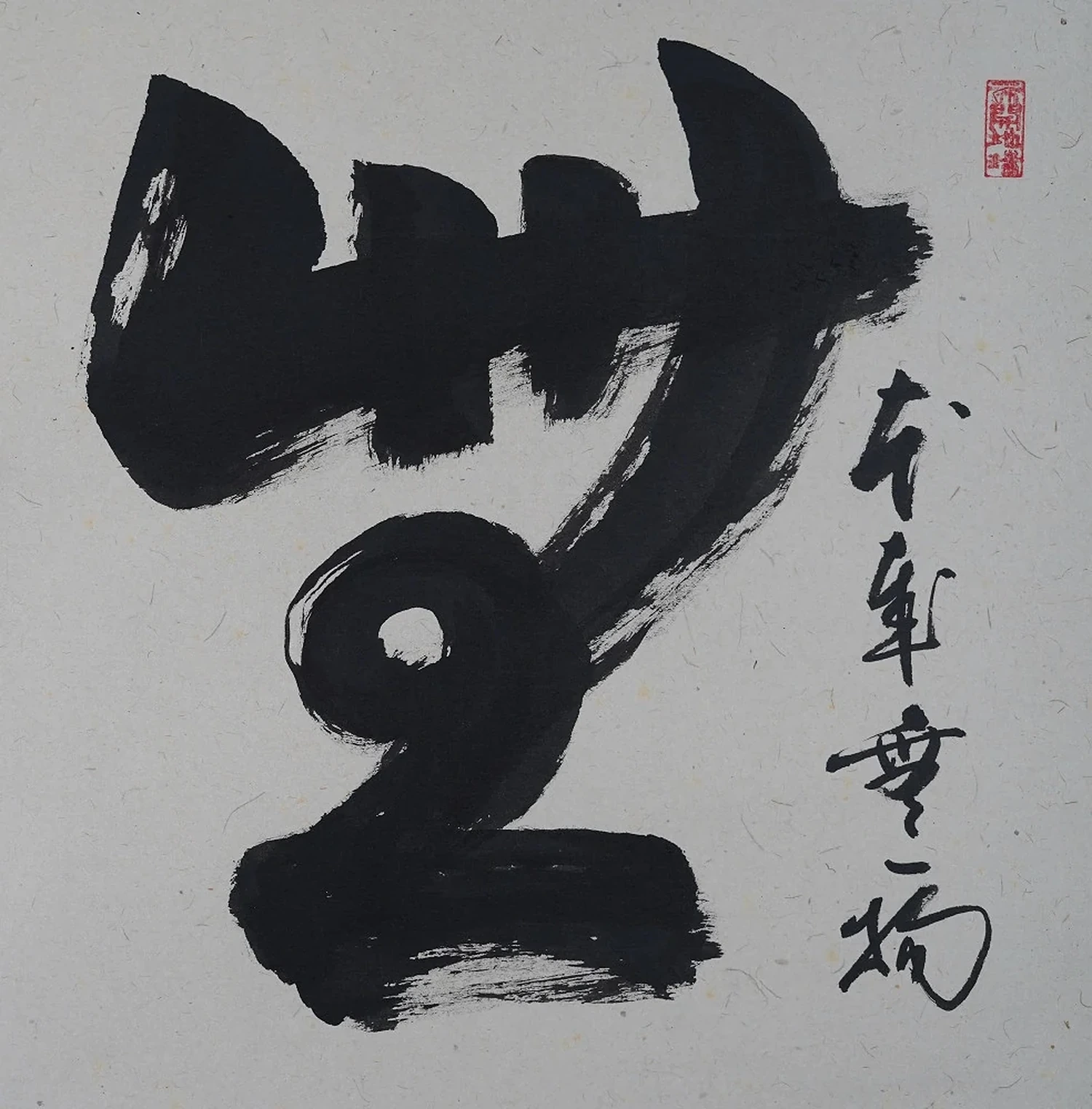
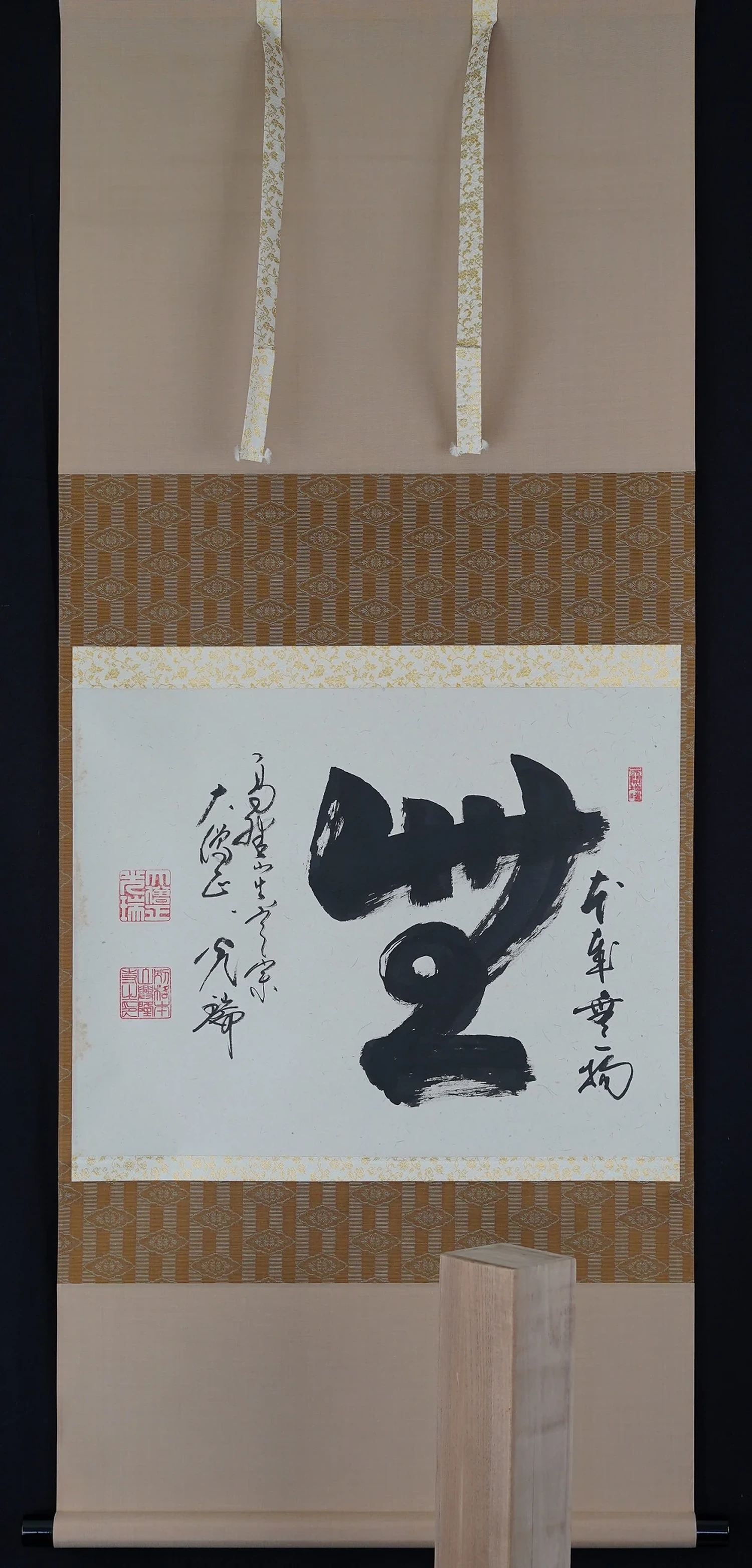
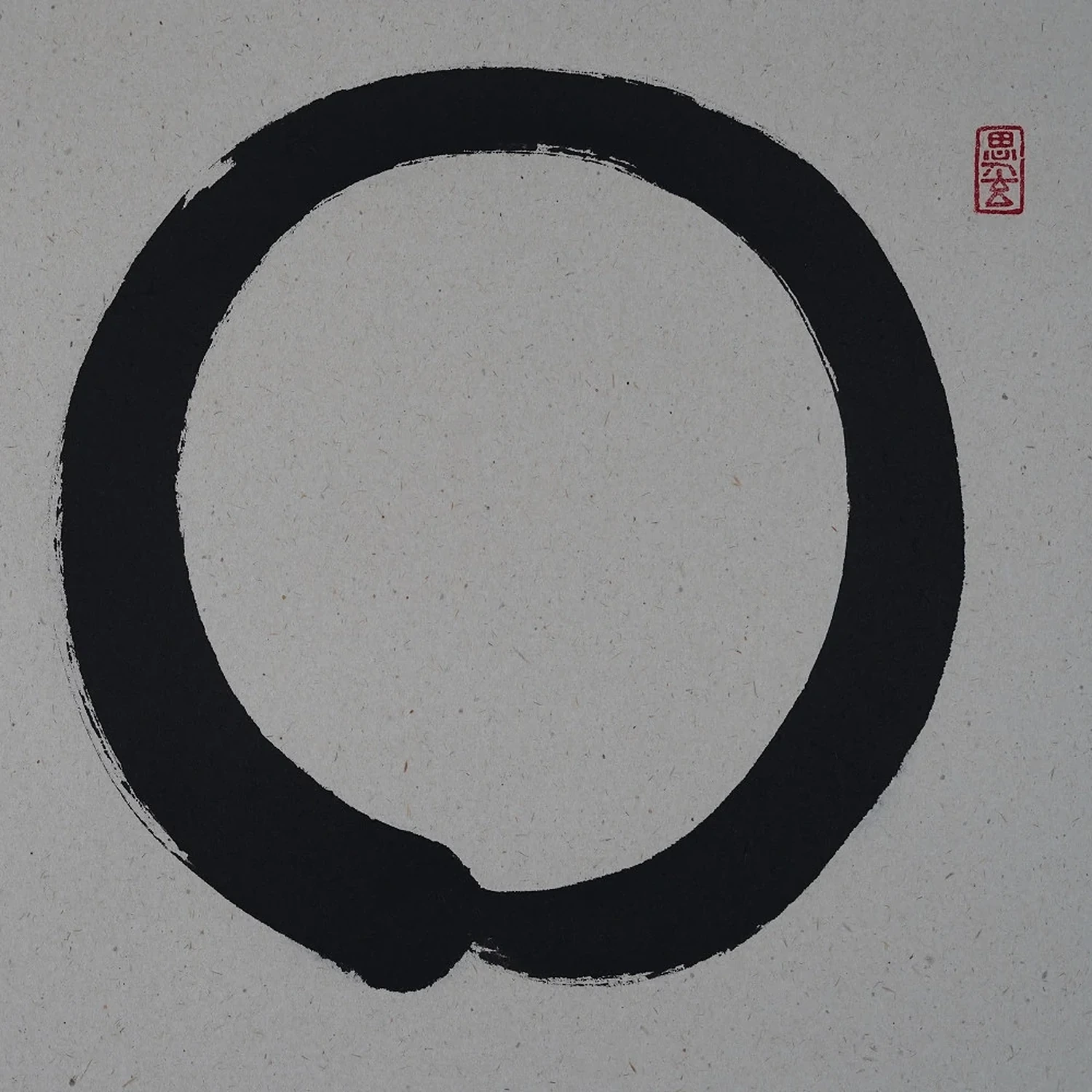
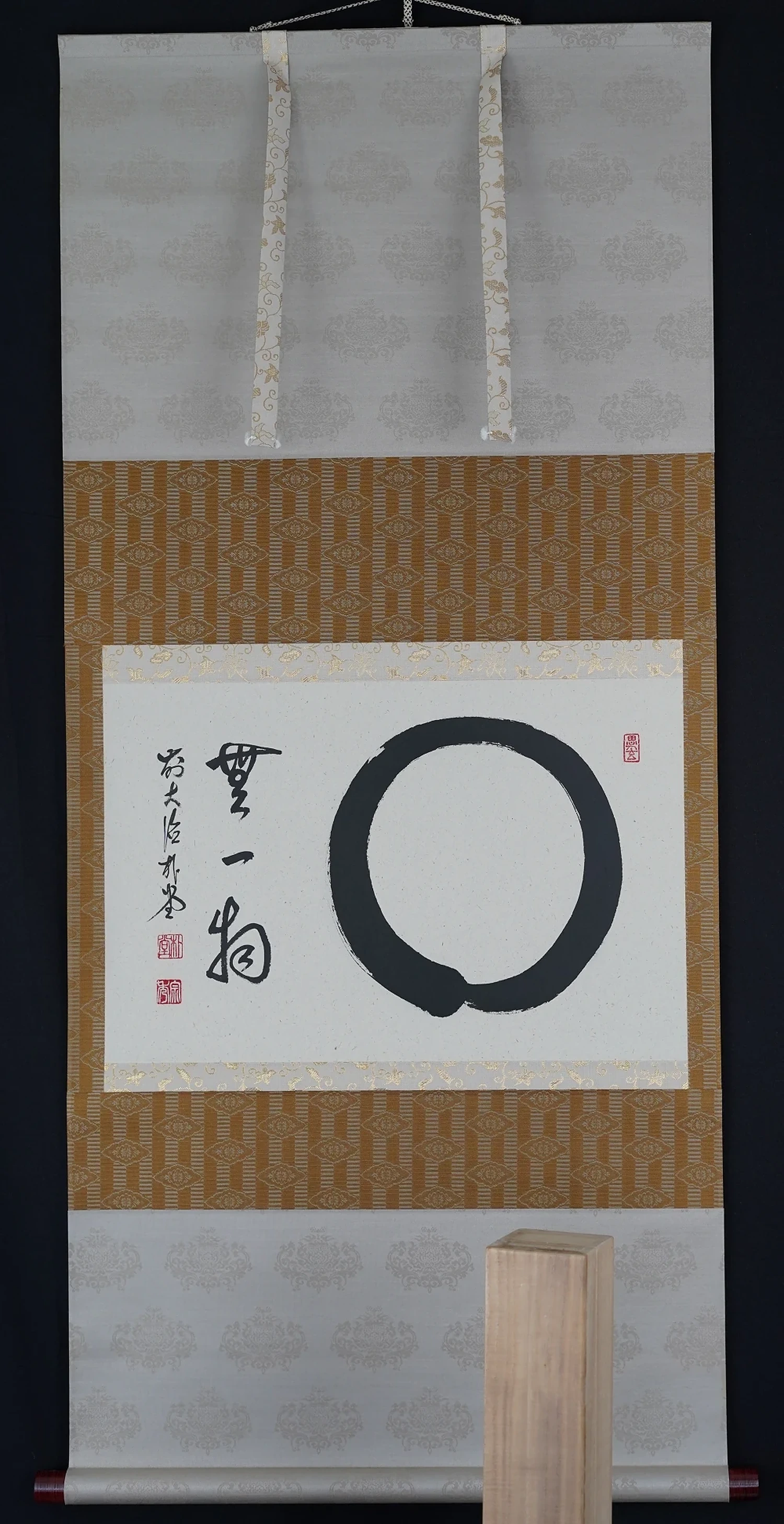
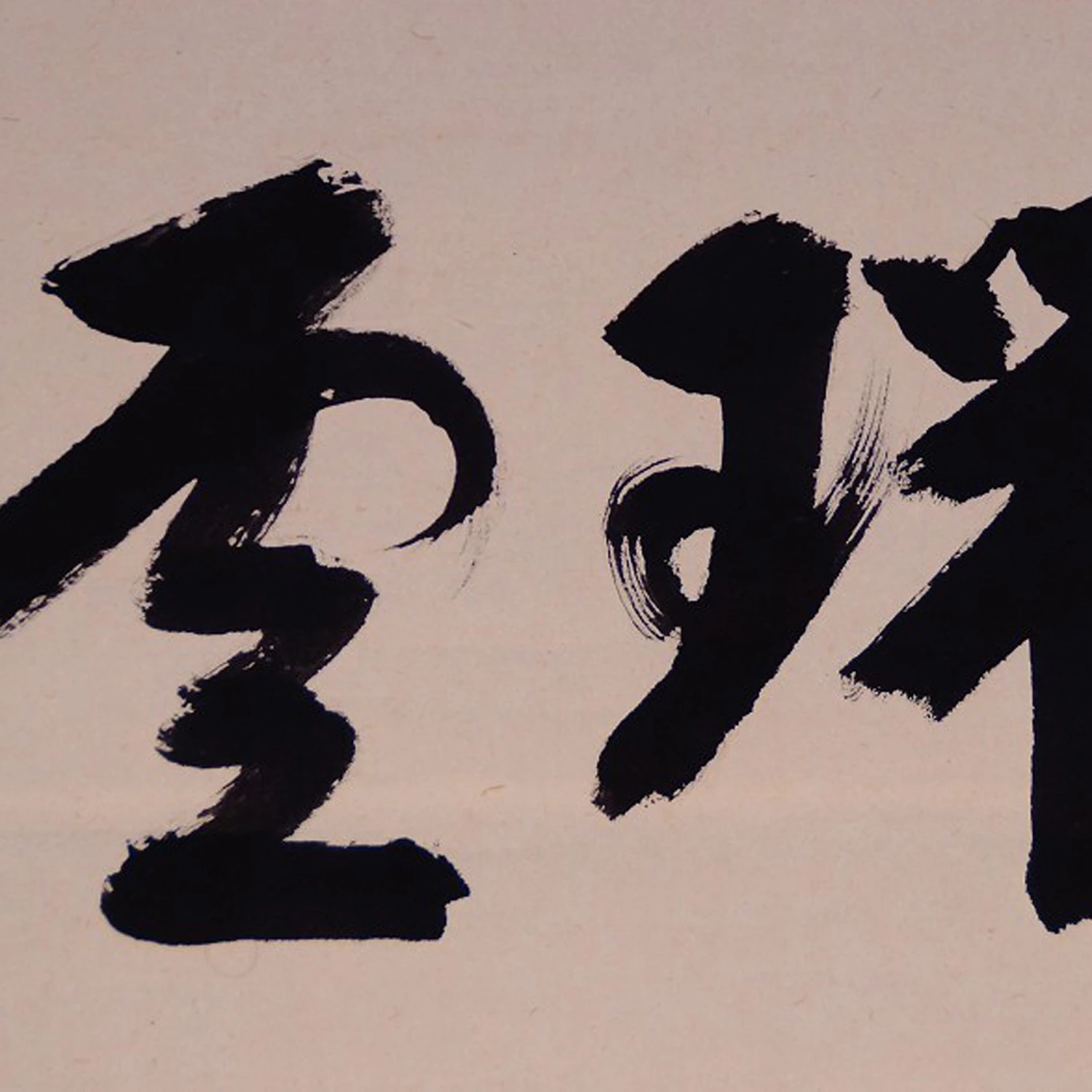
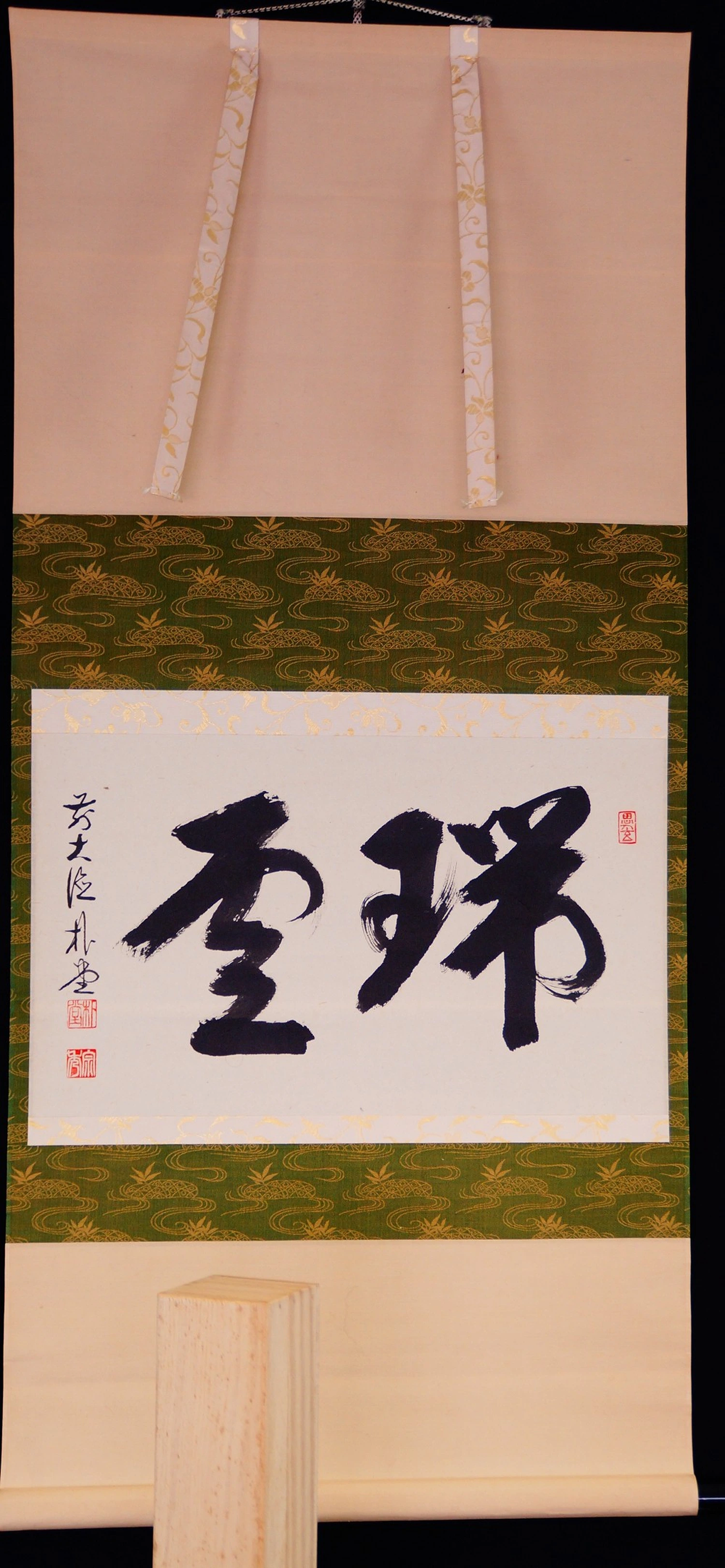
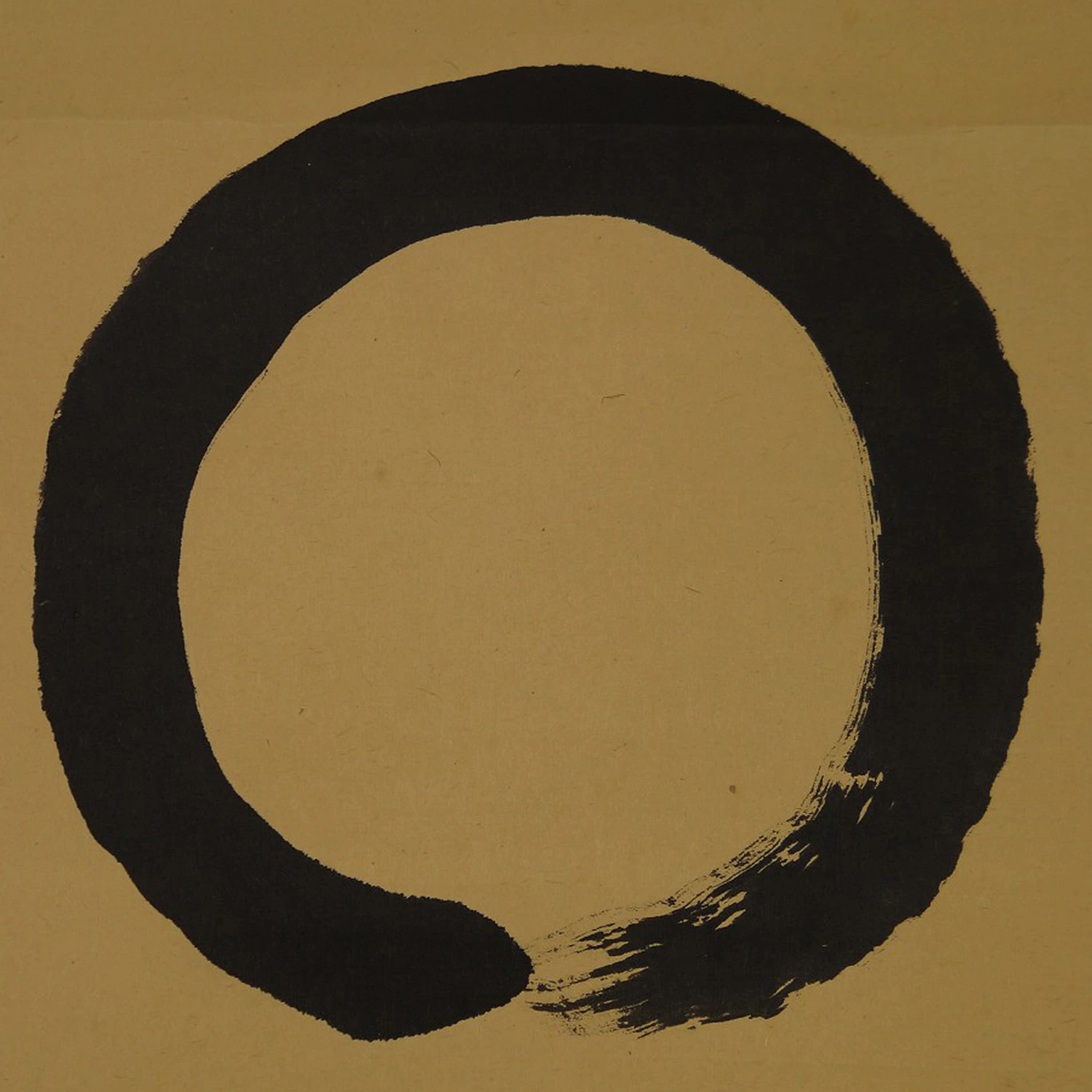
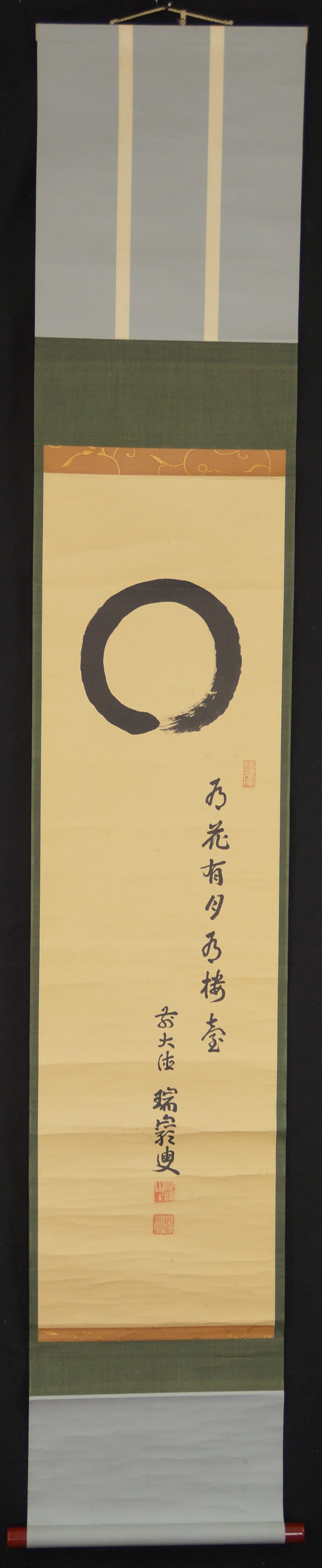
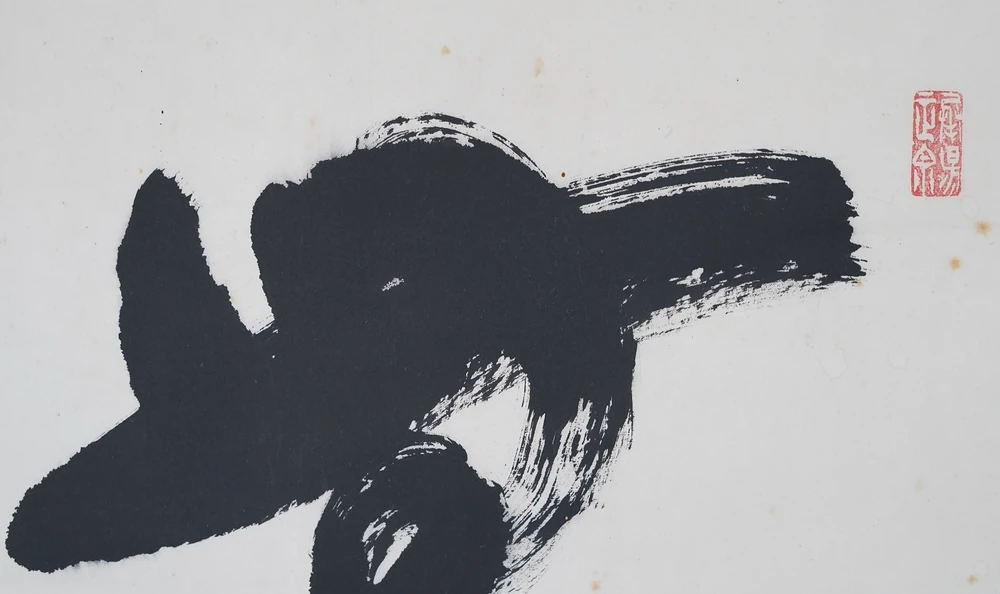
Hata Eshō liked to sign calligraphies with Eihei, often followed by his age; in temple holdings, for example, the signature Eihei shichijūgo-ō Eshō is documented, the 75-year-old elder of Eihei. The byname Hyakufunō has also come down from his time in Kōbe. Such a signature gives the name a scroll lays claim to; whether it is by his own hand can only be settled by comparison with authenticated pieces.