Japanese Art of the Heisei Period
Go directly to the artworksIn brief
The Heisei period (平成, 1989–2019) is the reign of Emperor Akihito; its name can be rendered roughly as “peace everywhere.” It began at the peak of the speculative bubble, led into the “lost decades” of economic stagnation and was marked by severe earthquakes. Precisely in these uncertain years, traditional craft gained new appreciation as a counterweight to short-lived mass goods, in Japan and abroad. At Densho you will find tea ceramics, sake vessels, porcelain and kakemono from the Heisei period as one-of-a-kind pieces direct from Japan.
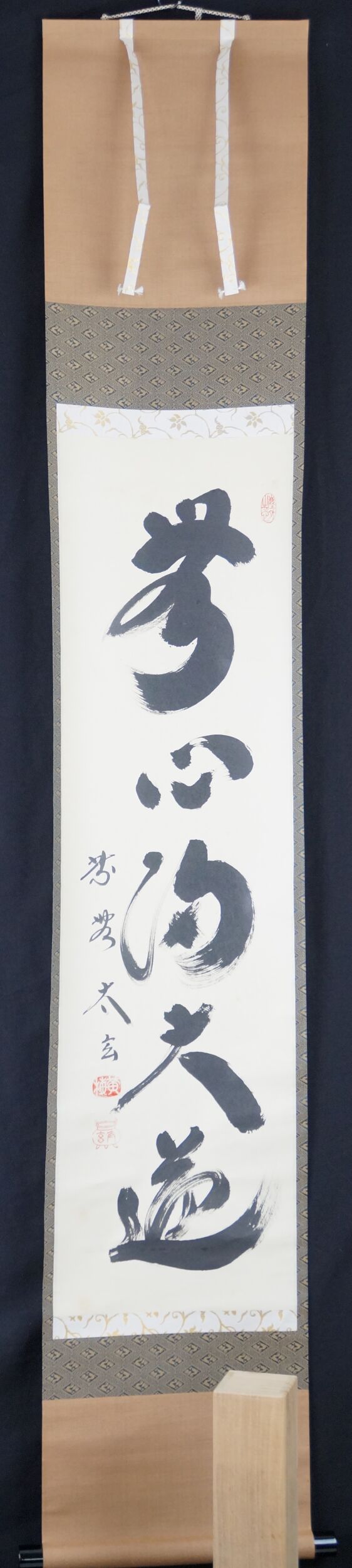
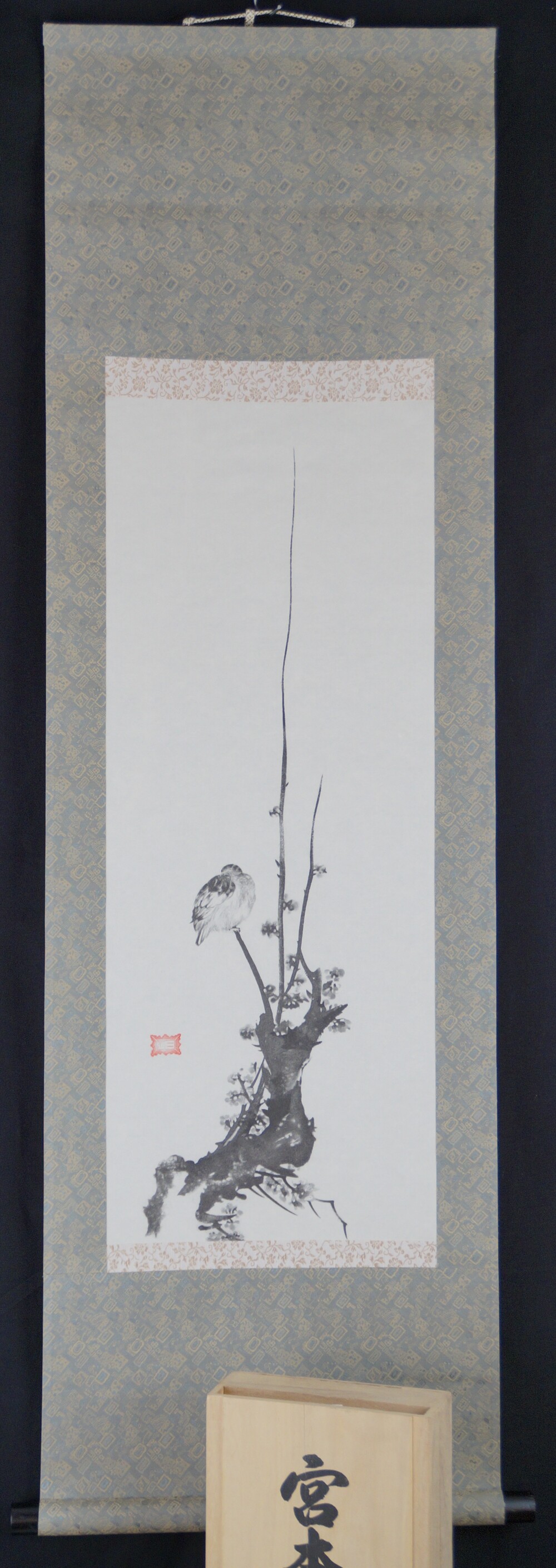
Kobayashi Taigen
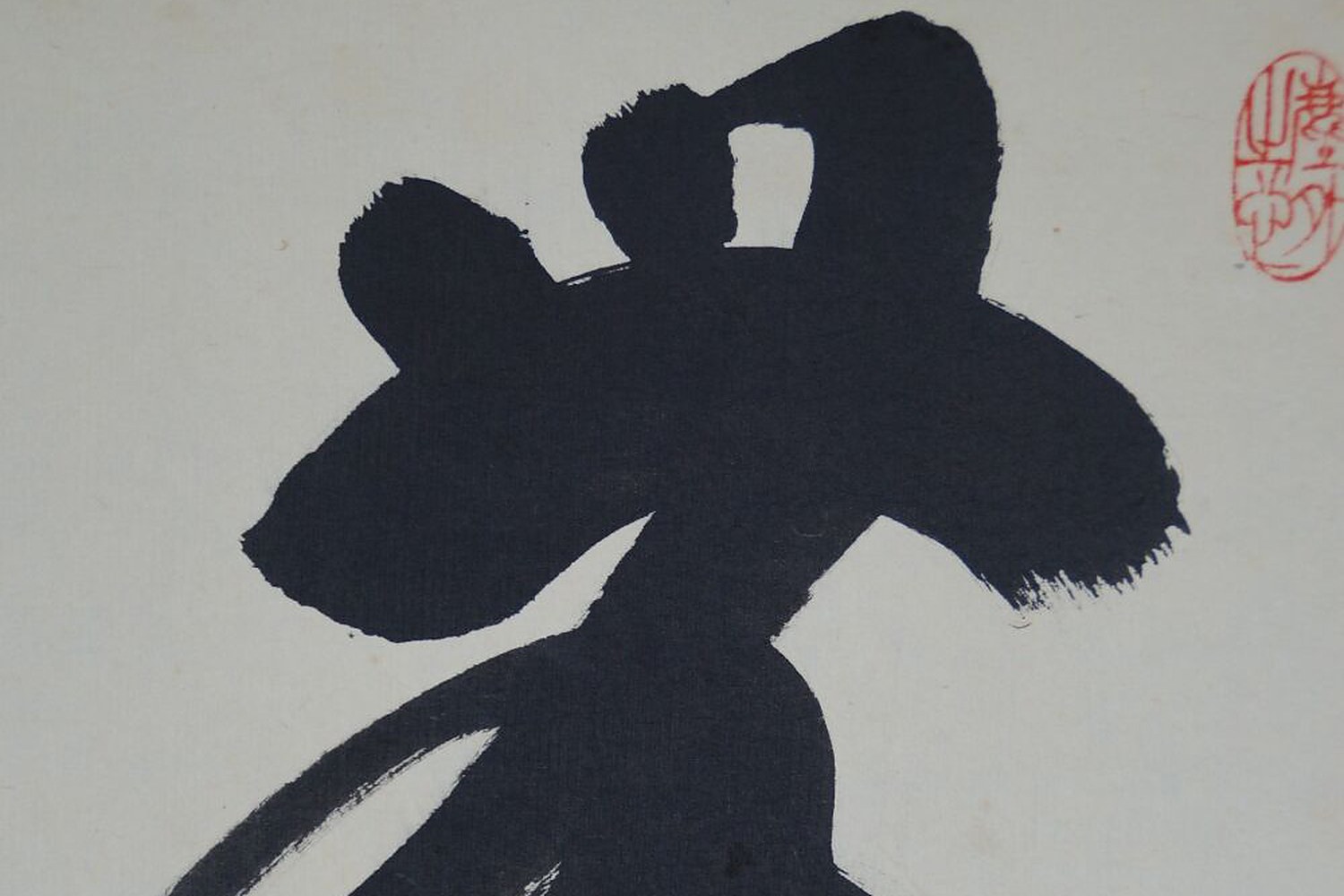
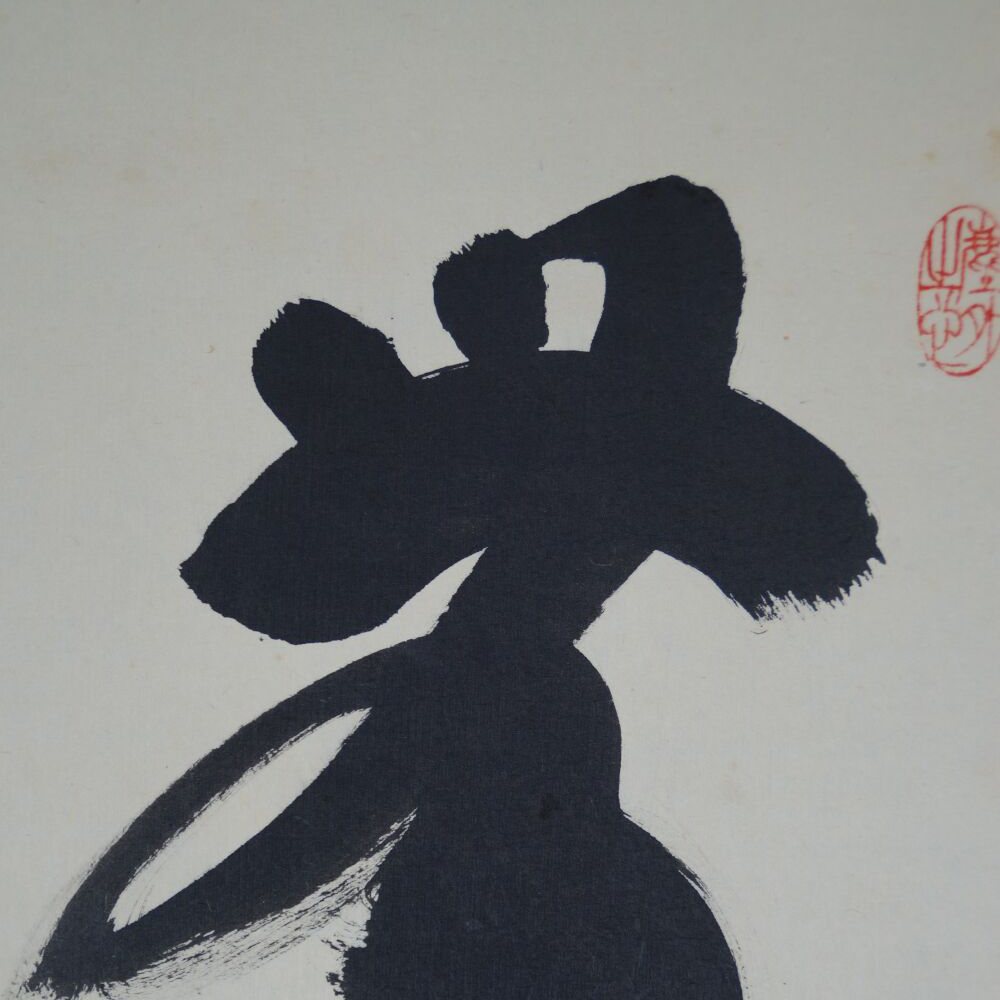
No-Mind on the Great Way – Zen Calligraphy, Olive Mounting
Kakemono, unique work, with box, 176 x 36 cm
€690.00
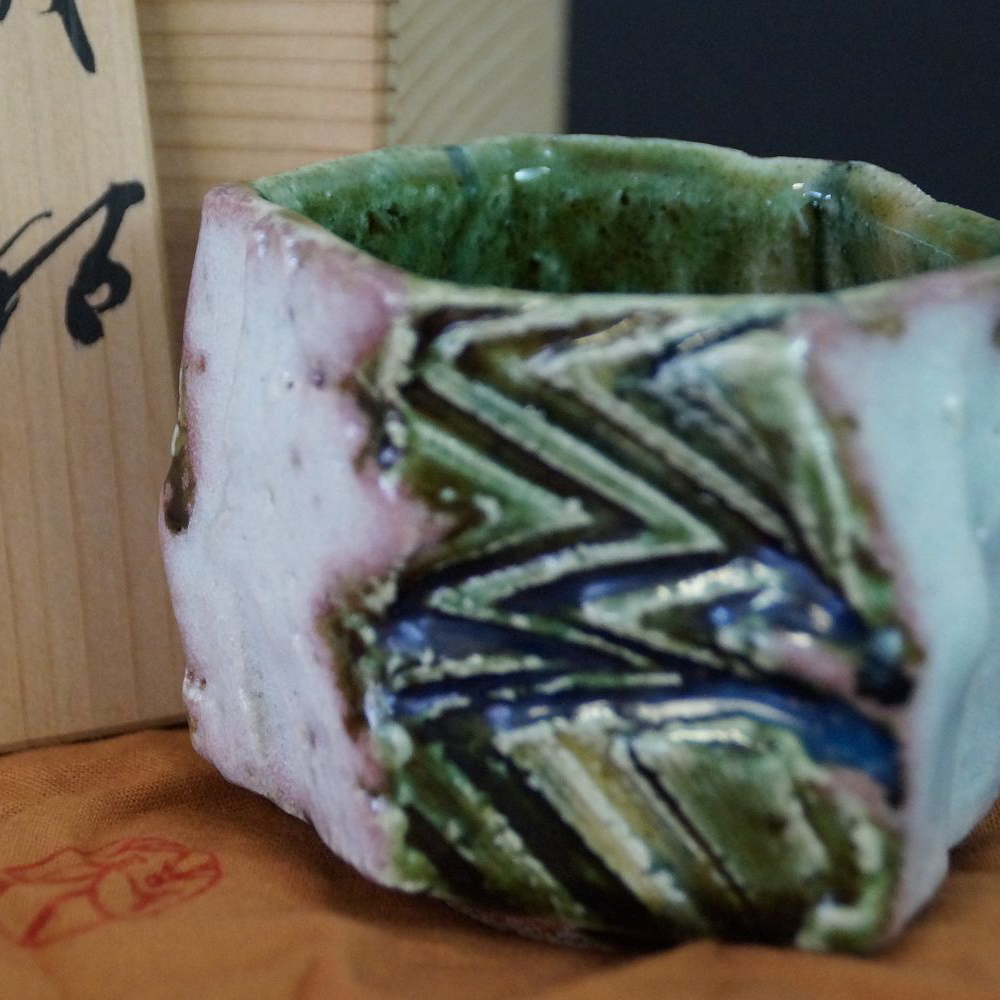

Kawachi Hidetoshi
Guinomi Made of Oribe Ware by Kawachi Hidetoshi with Blue
Guinomi, unique work, with box, 7,5 x 7 cm
€310.00
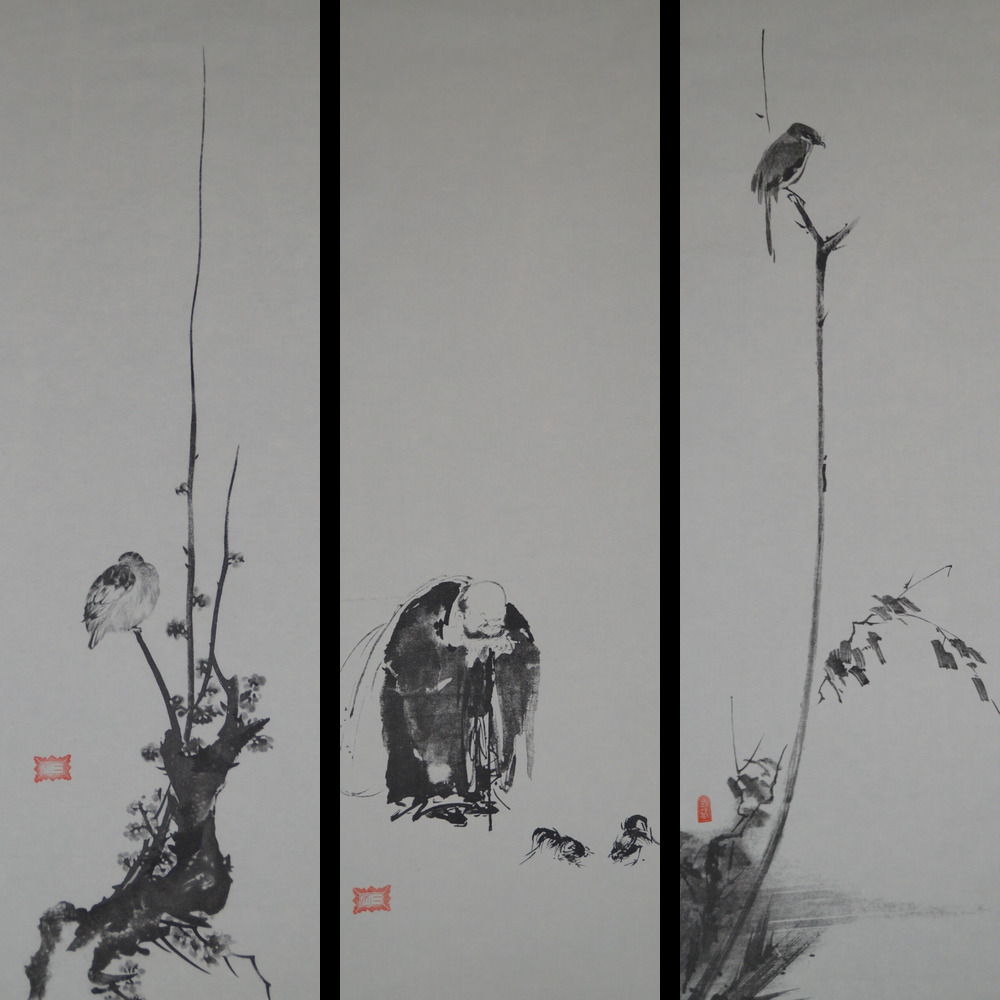
Miyamoto Musashi
Triptych Prints After Miyamoto Musashi
Kakemono, Print, with box, 135 x 47 cm
€270.00
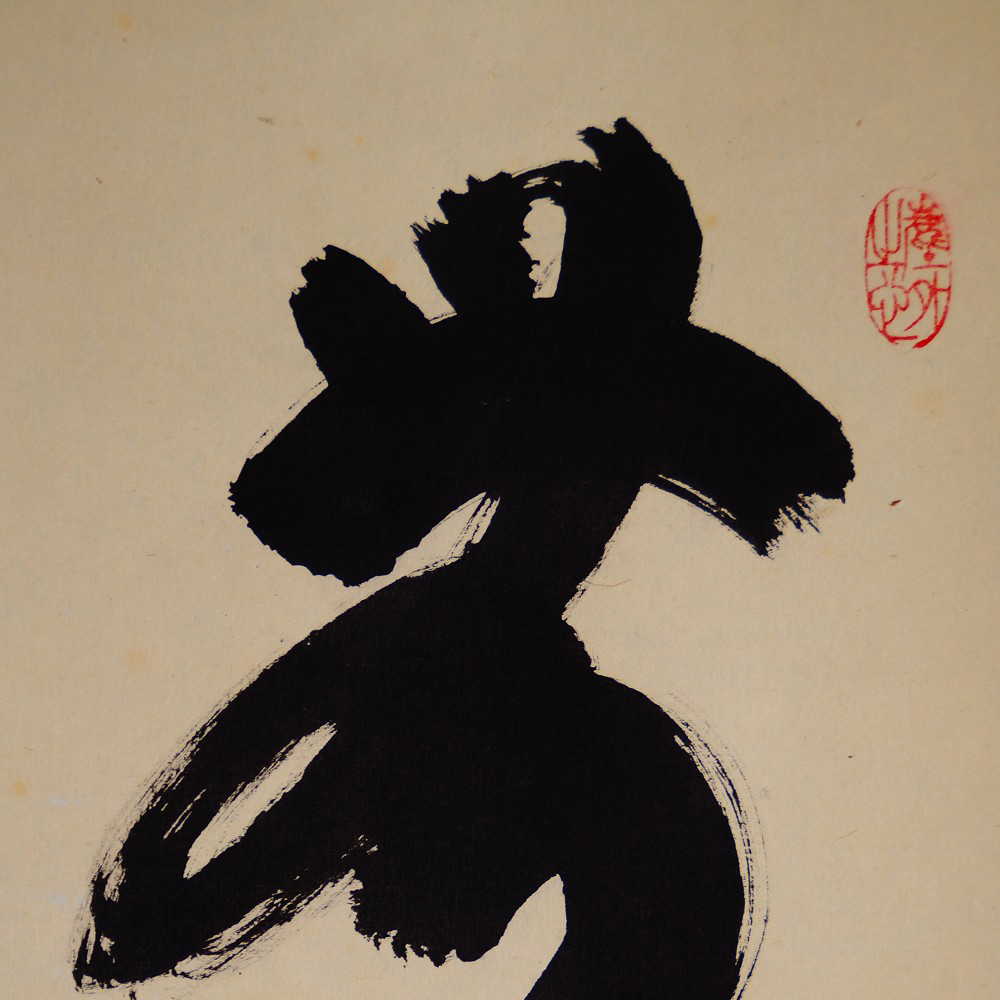

Kobayashi Taigen
No Mind, the Great Way – Zen Calligraphy, Gold-Mounted
Kakemono, unique work, with box, 173 x 37 cm
€720.00
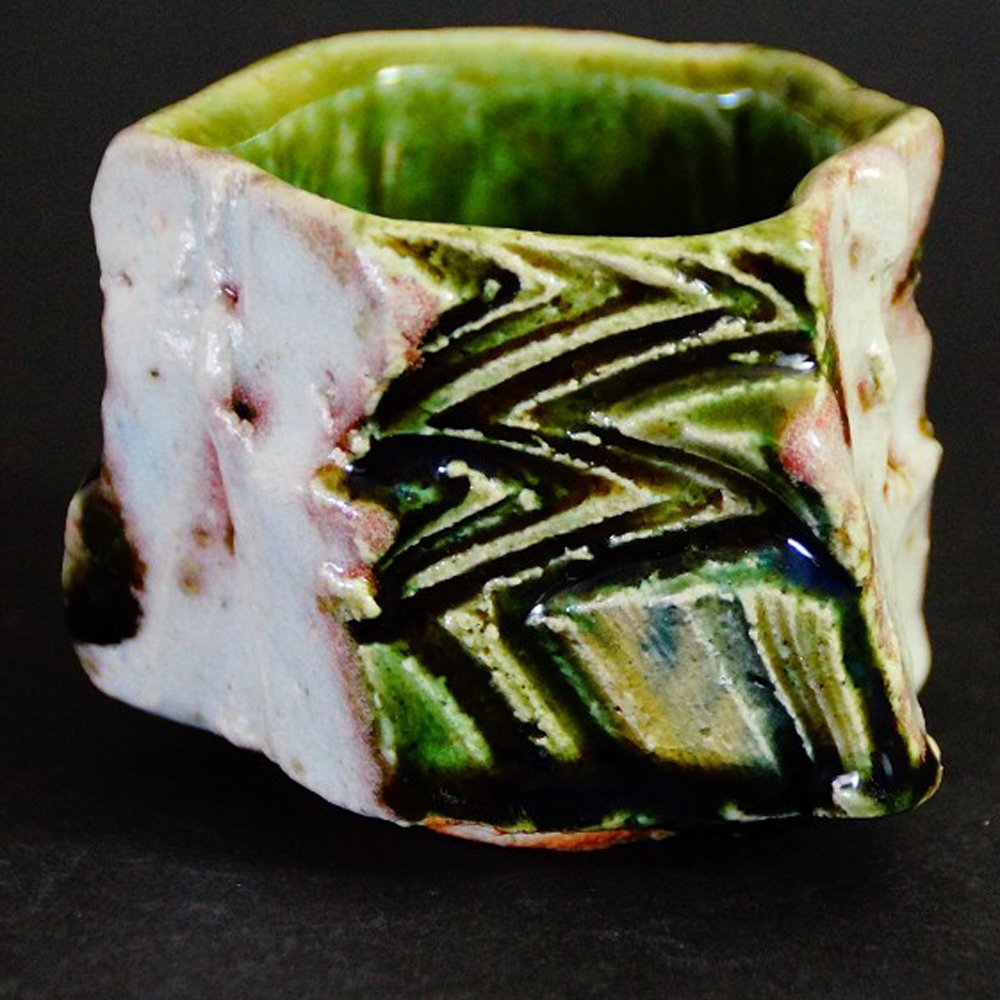

Kawachi Hidetoshi
Guinomi Made of Oribe Ware by Kawachi Hidetoshi, Angular
Guinomi, unique work, with box, 8 x 6,5 cm
€330.00
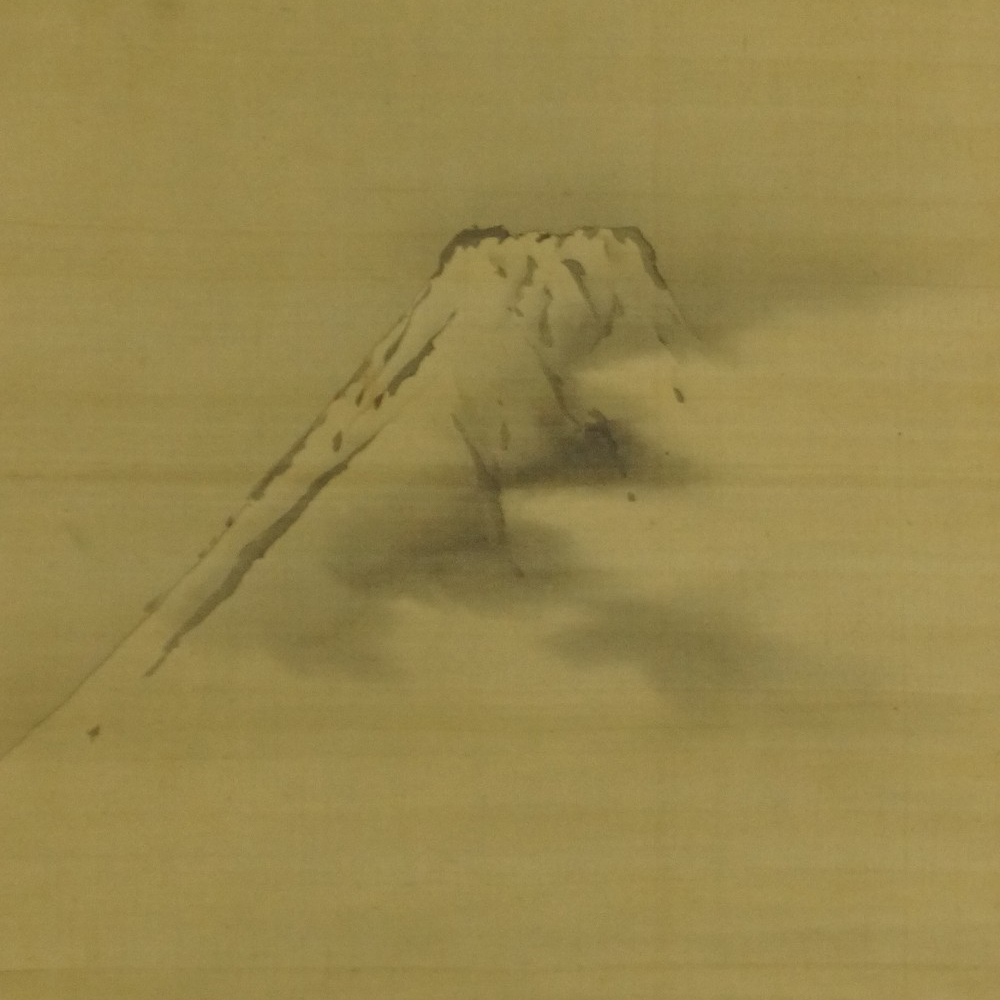

Saeki Kishiyoshi
Mount Fuji in the Mist
Kakemono, unique work, with box, 192 x 55 cm
€320.00
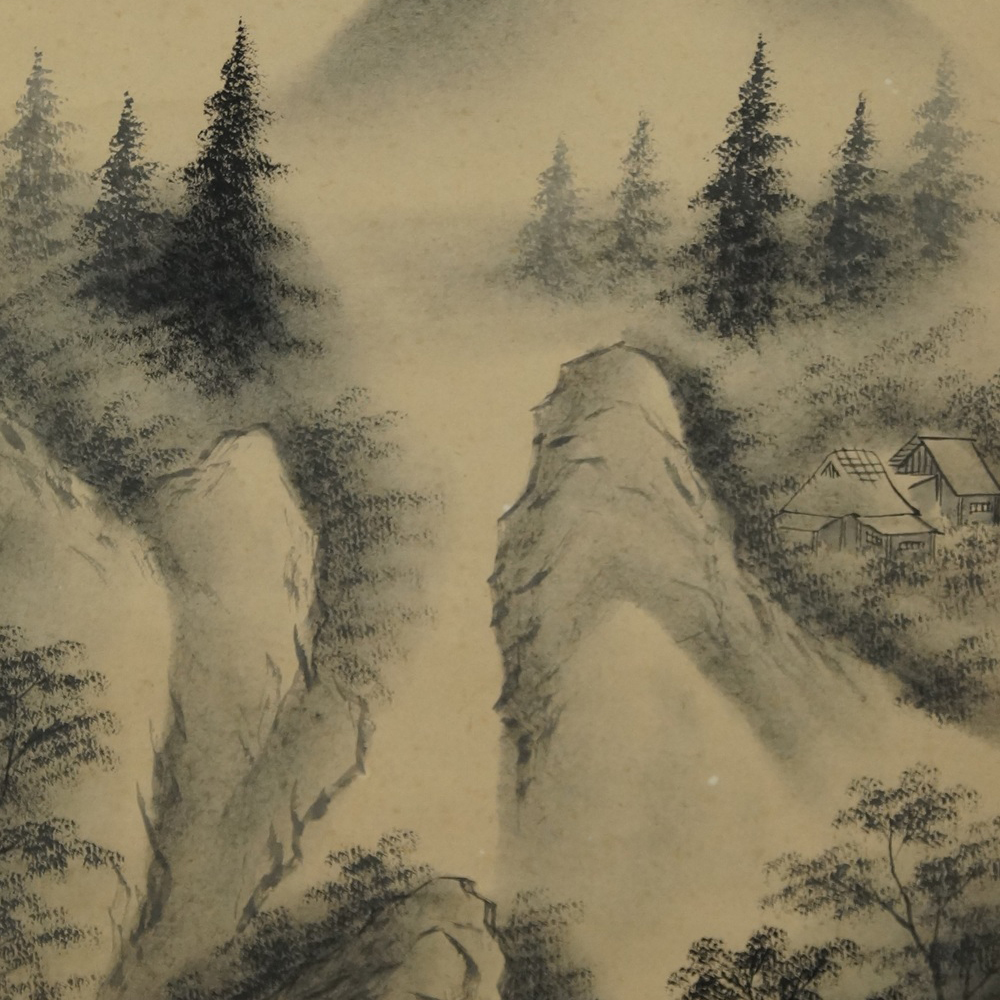
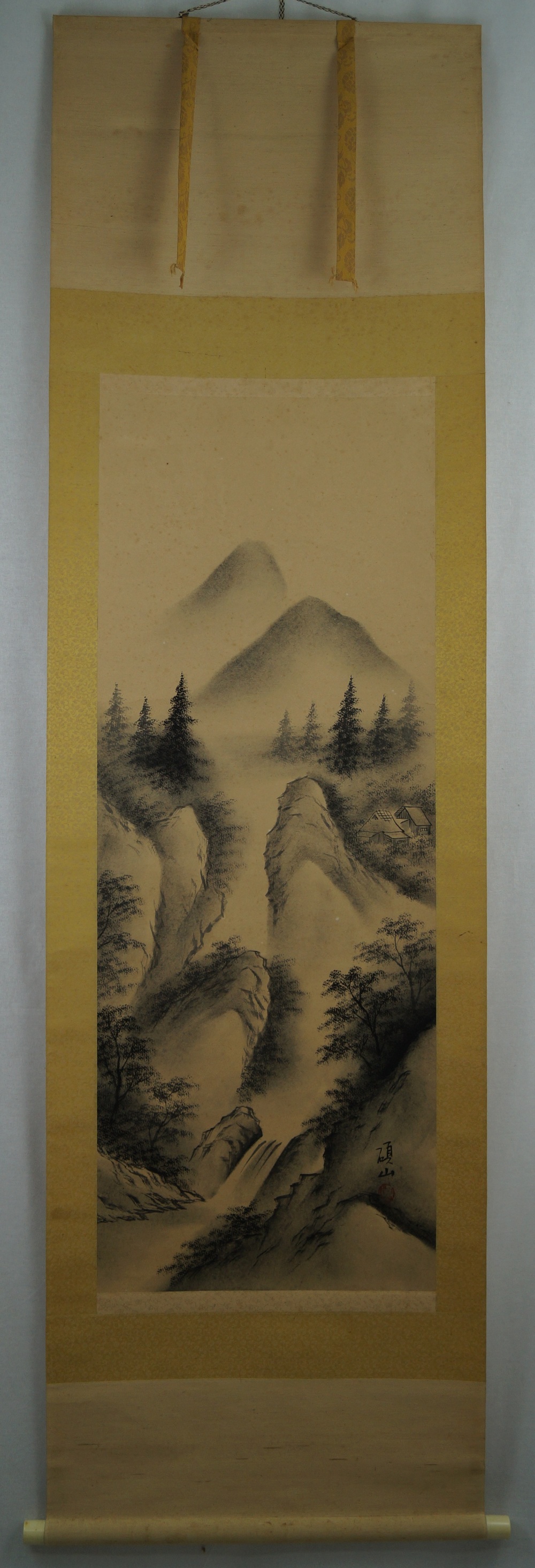
Landscape with Mountain Huts in the Fog
Kakemono, Silkscreen, 180 x 60 cm
€110.00
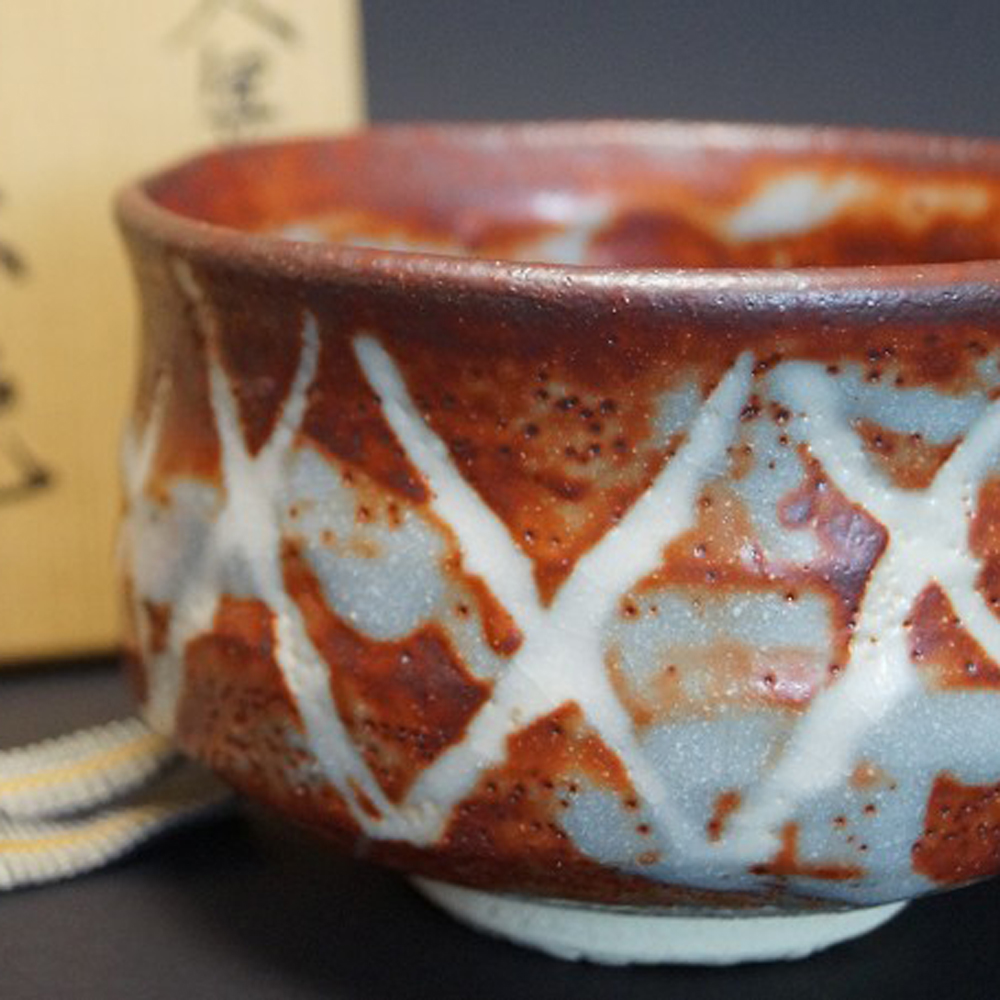
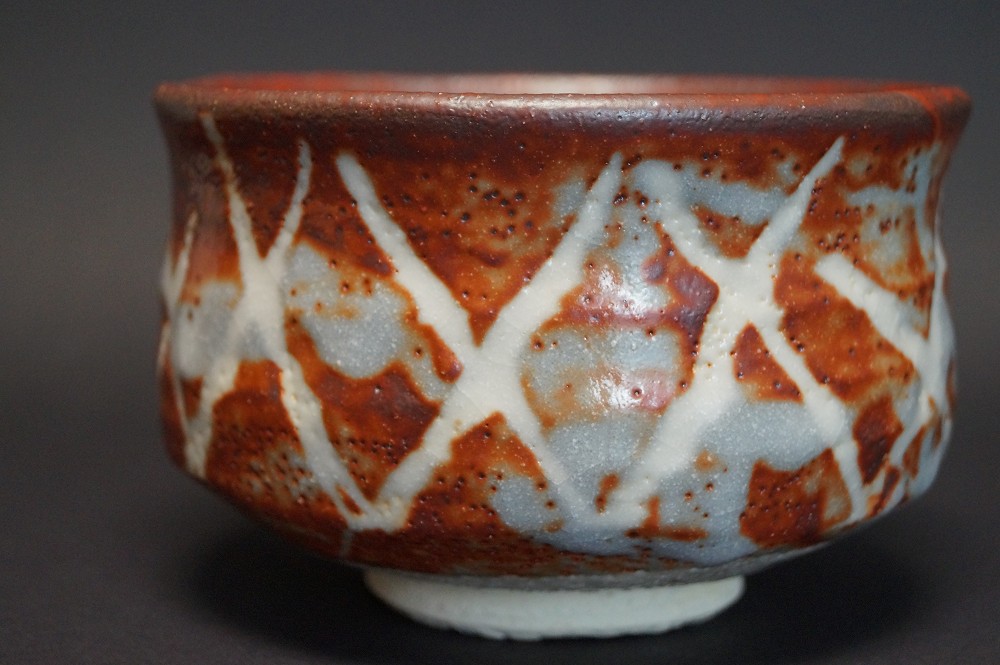
Kizan Mizuno
Chawan Shino Ware by Kizan Mizuno
Chawan, unique work, with box, 8 x 13 cm
€330.00
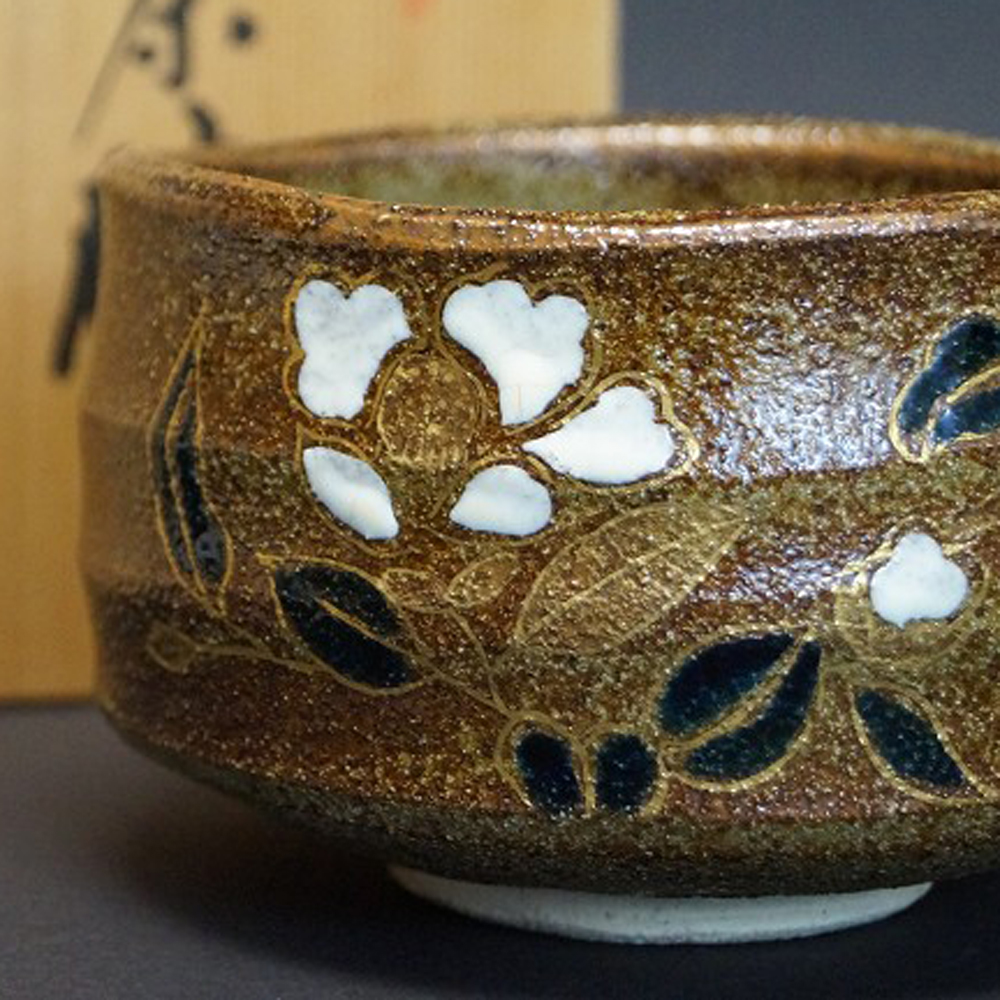
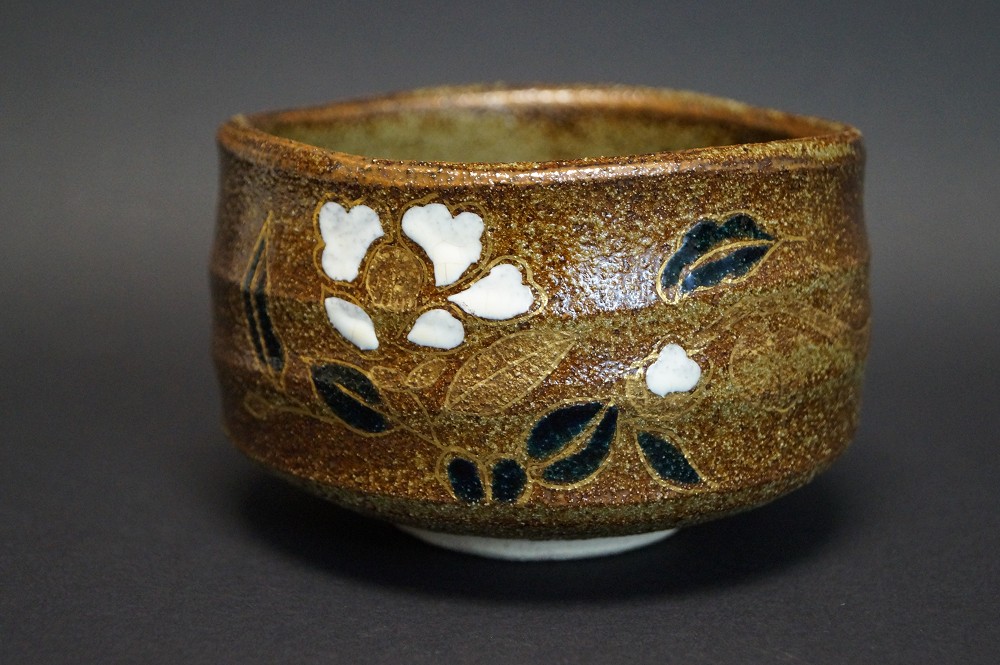
Hakusen Kutani
Chawan Kutani Ware by Hakusen Kutani
Chawan, unique work, with box, 7 x 11 cm
€190.00
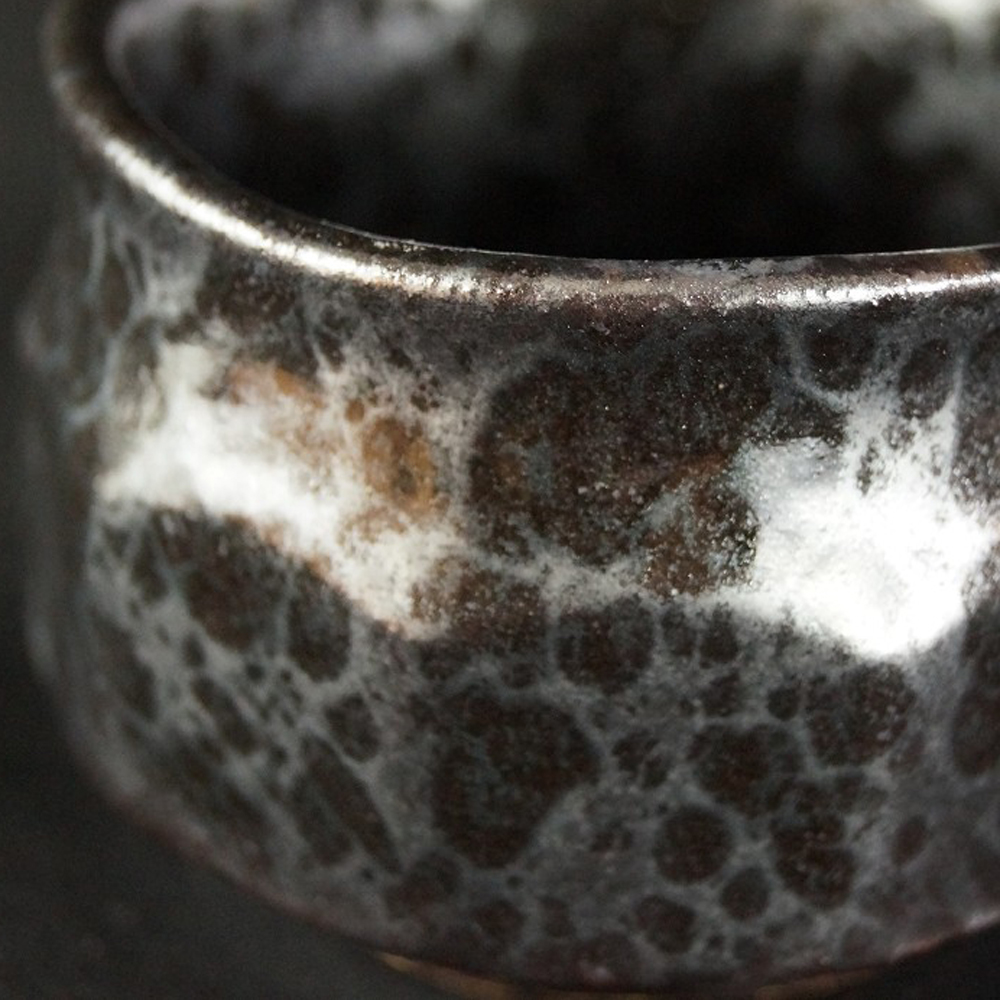
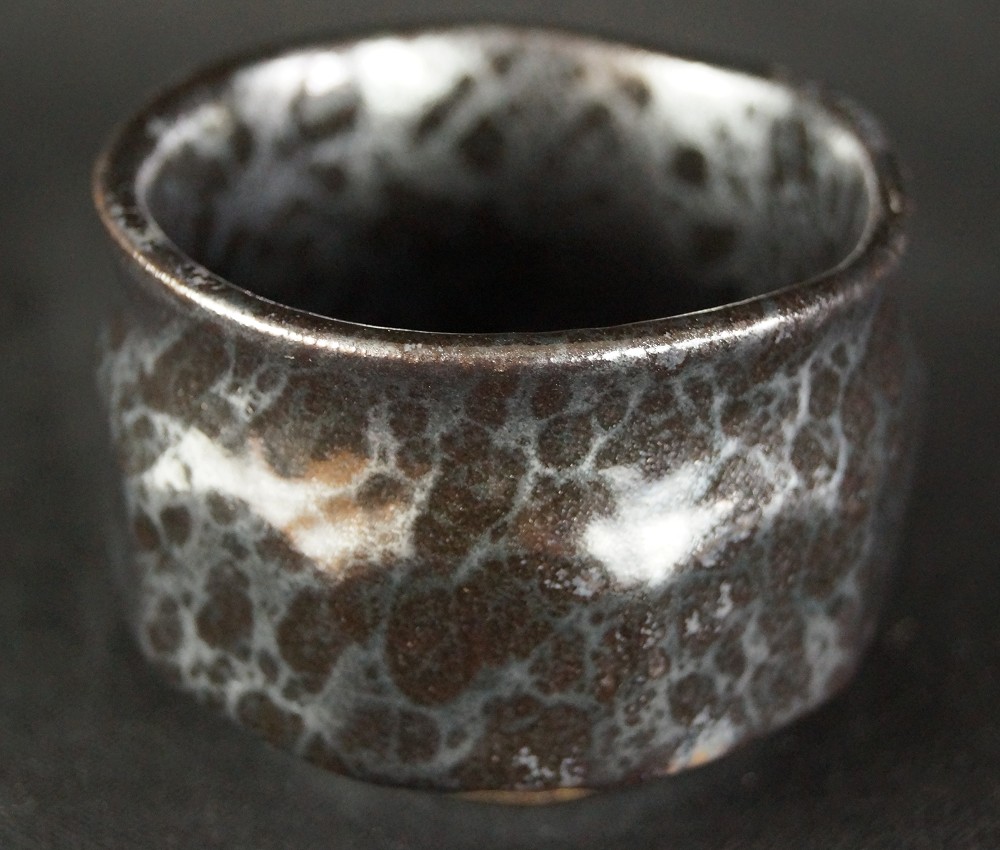
Kato Shozan
Guinomi Seto Ware by Kato Shozan
Guinomi, unique work, with box, 5 x 6 cm
€180.00
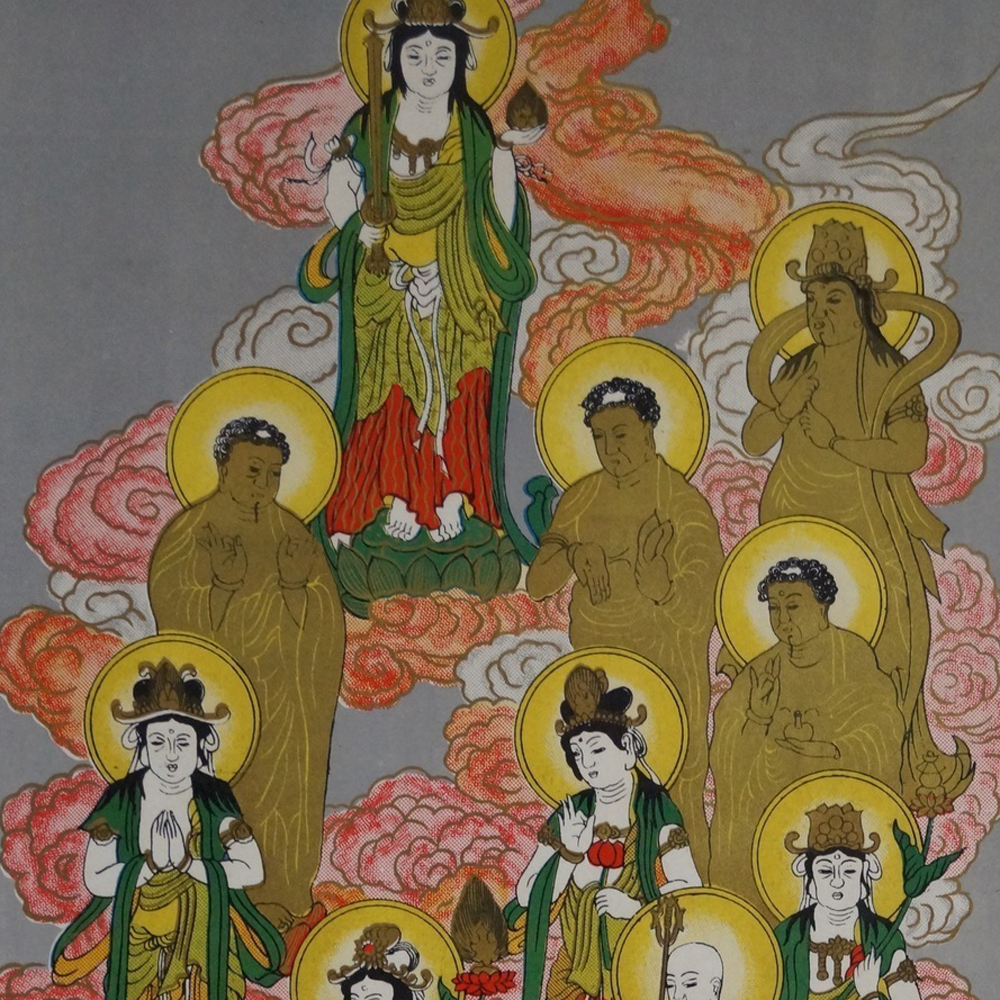

The 13 Buddhas
Kakemono, Print, 117 x 41 cm
€90.00
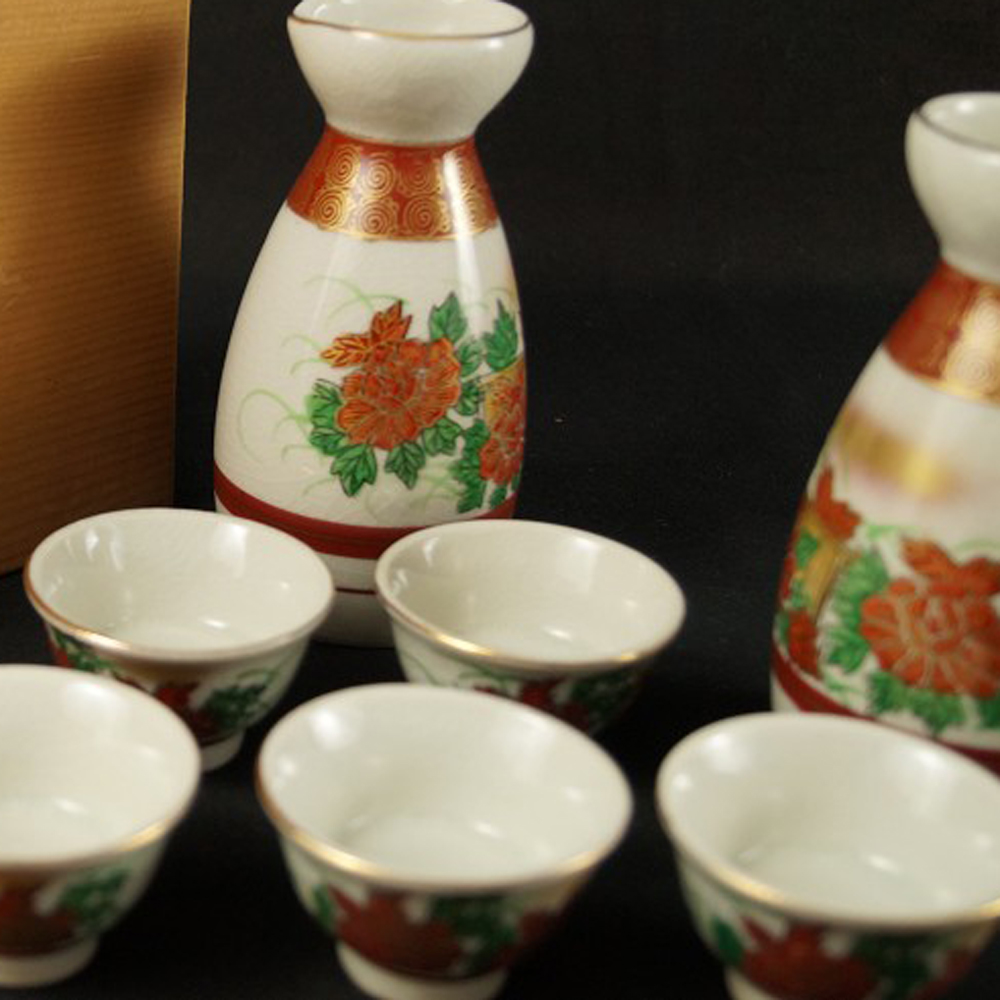
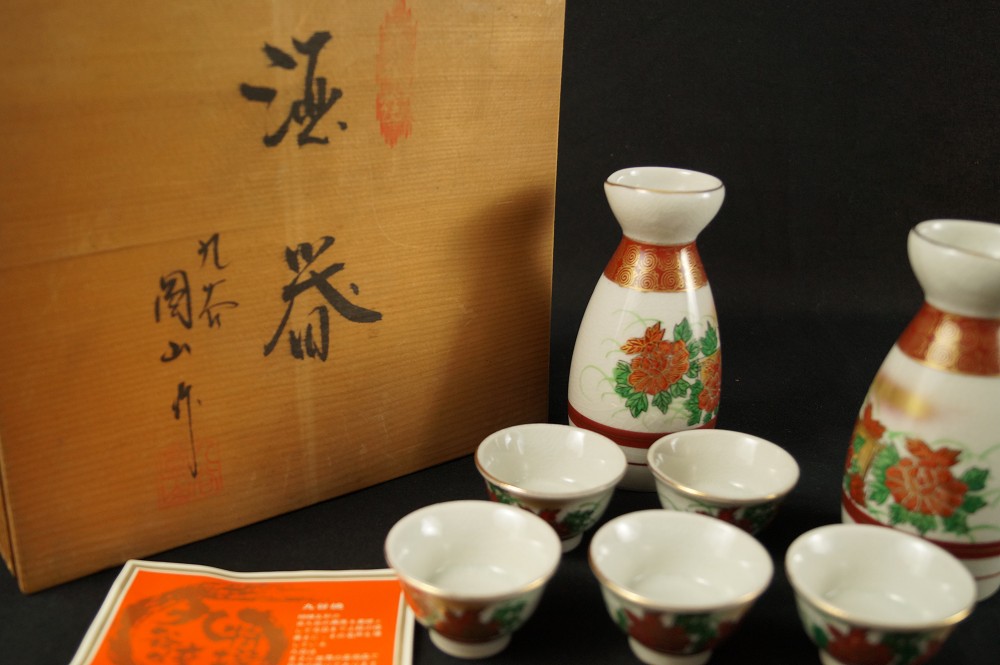
Sake Set with Peony Motif Made of Kutani Porcelain
Set of Guinomi and Tokkuri, unique work, with box
€160.00
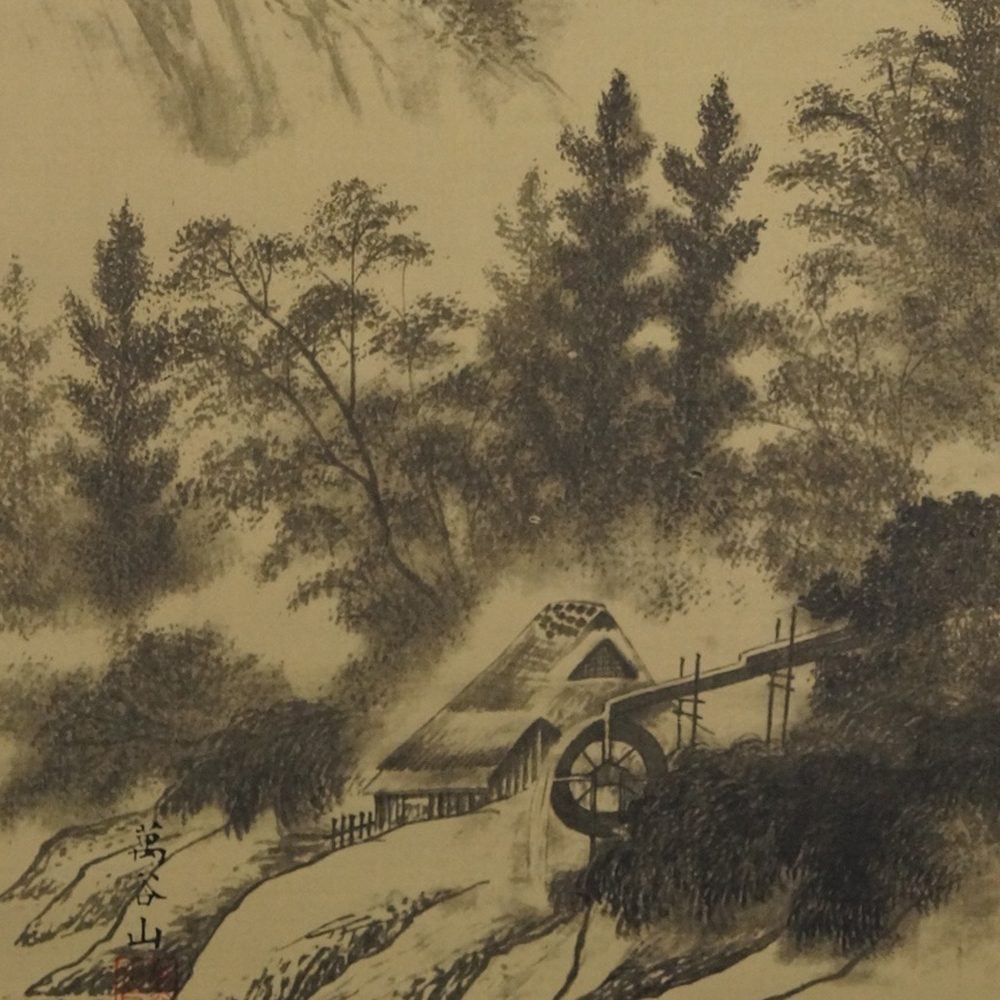
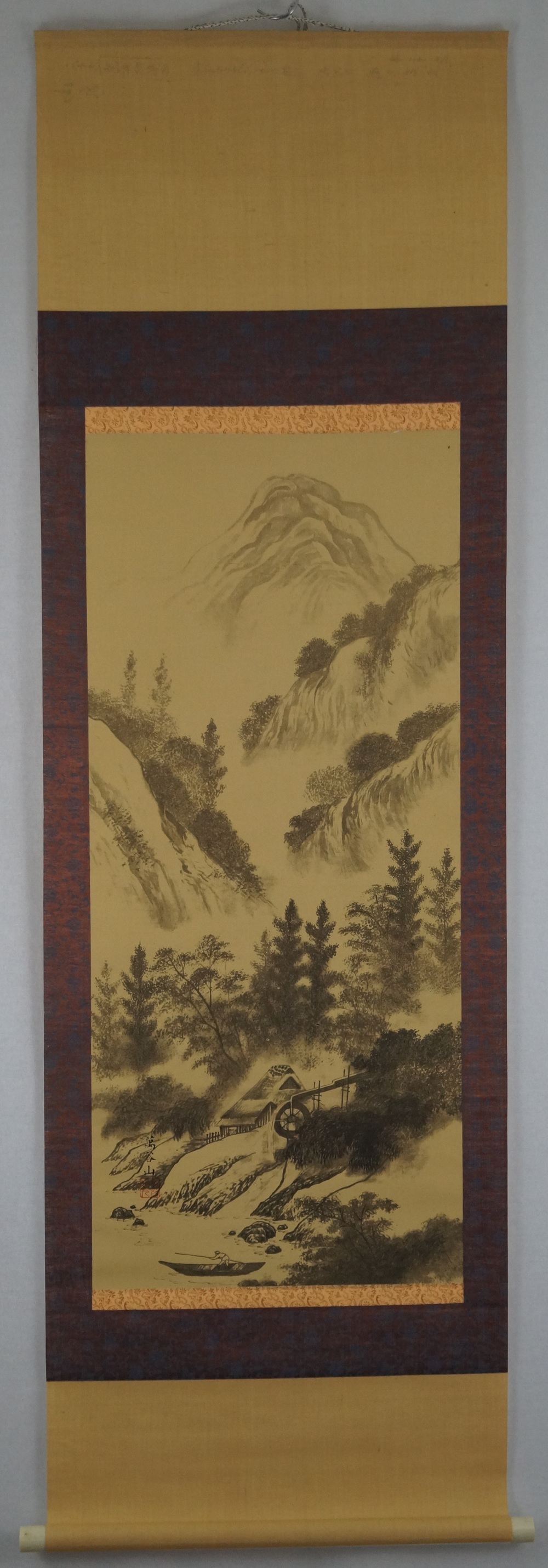
Landscape with Water Mill and Waterfalls
Kakemono, Silkscreen, 157 x 53 cm
€130.00
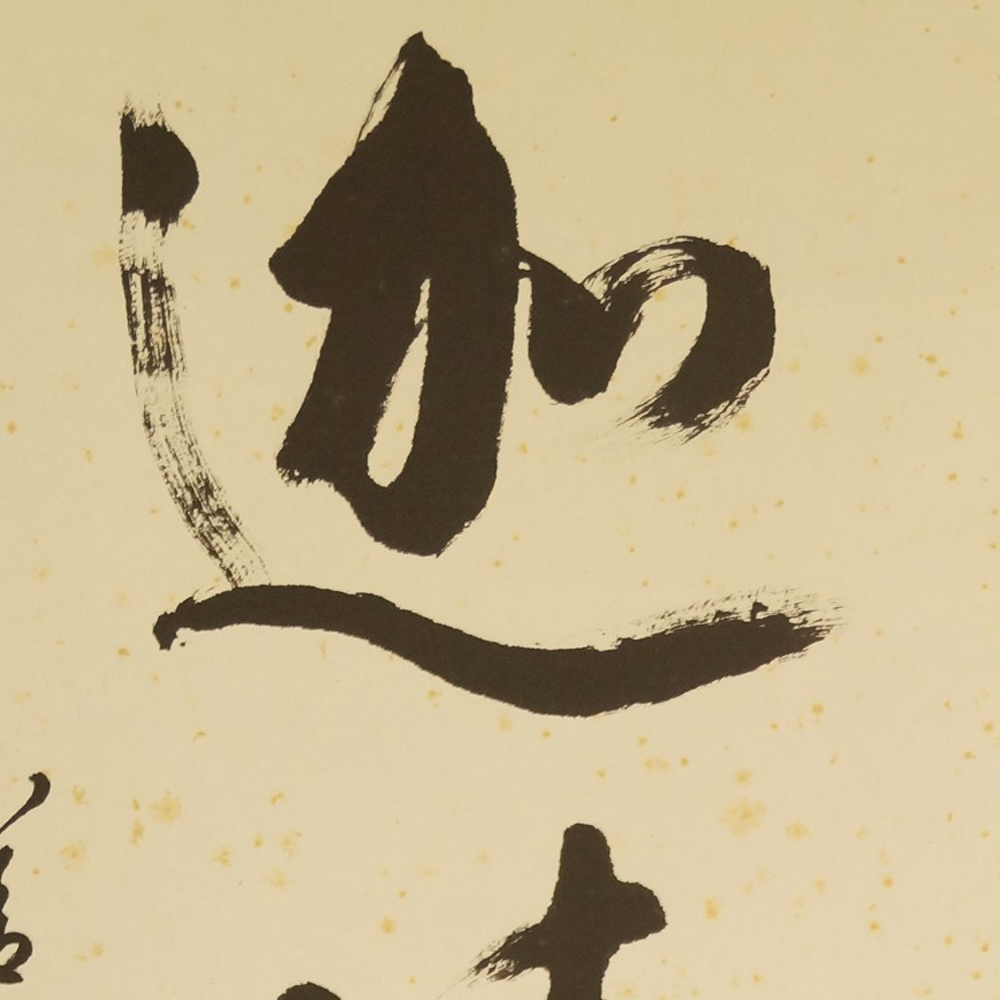
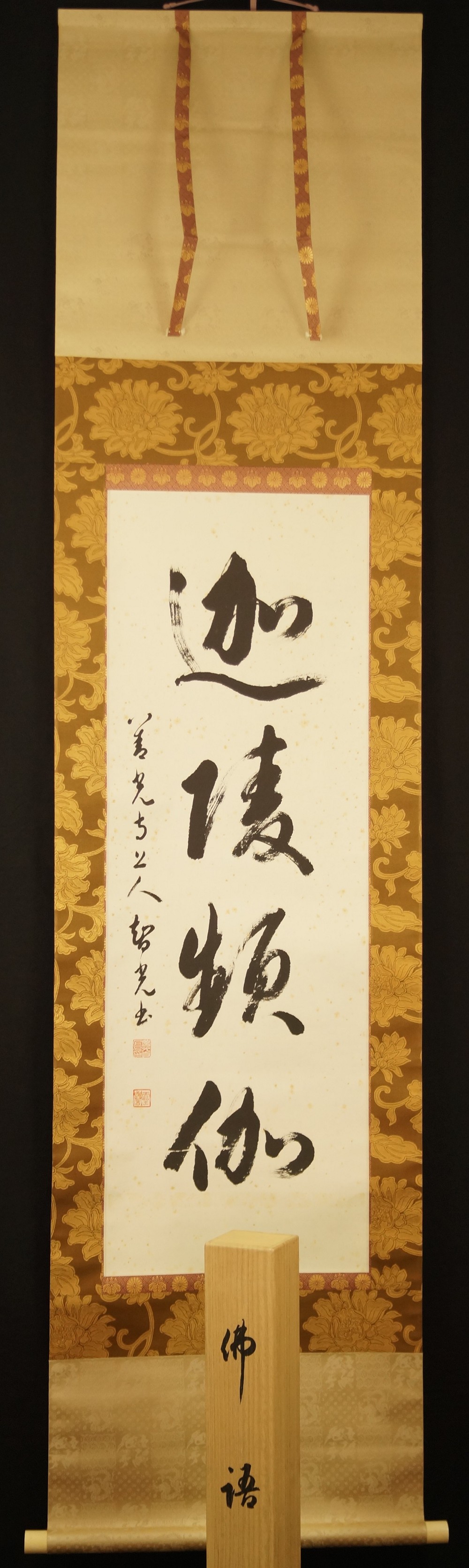
Calligraphy "Kalavinka"
Kakemono, unique work, with box, 195 x 53 cm
€130.00
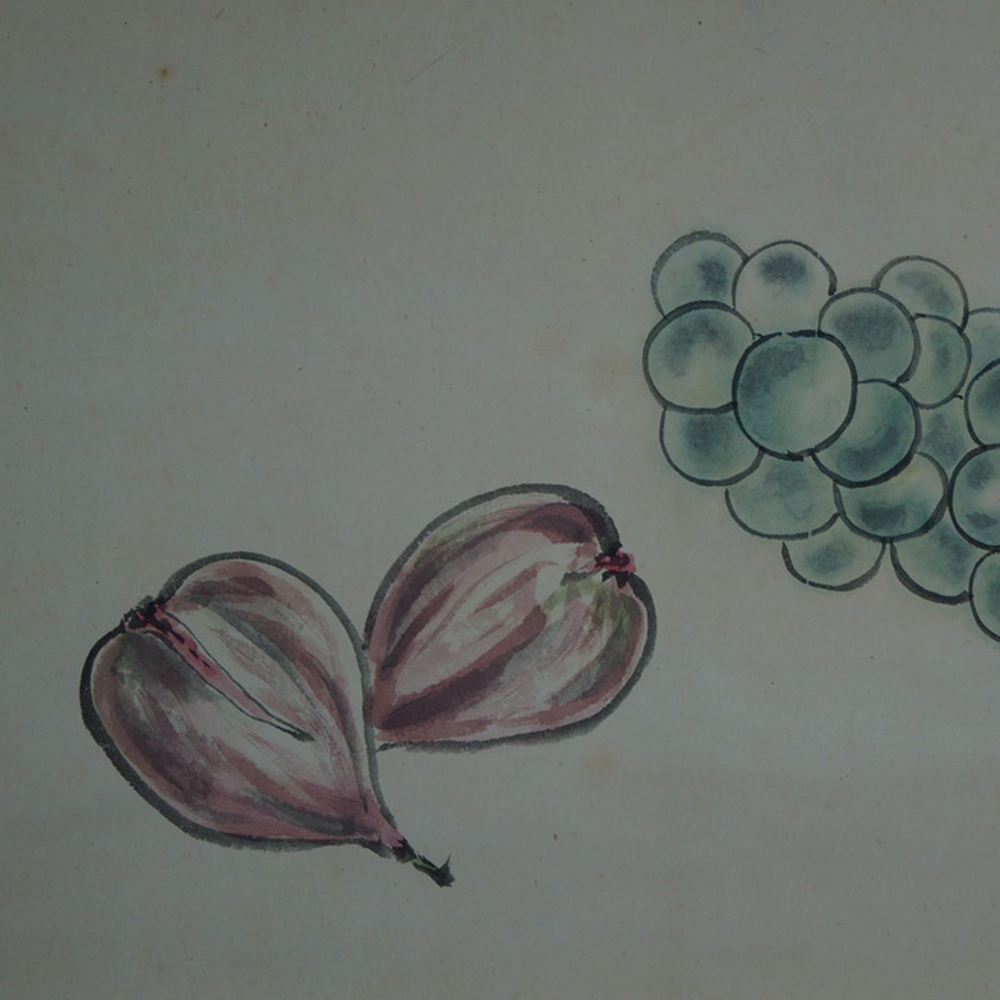
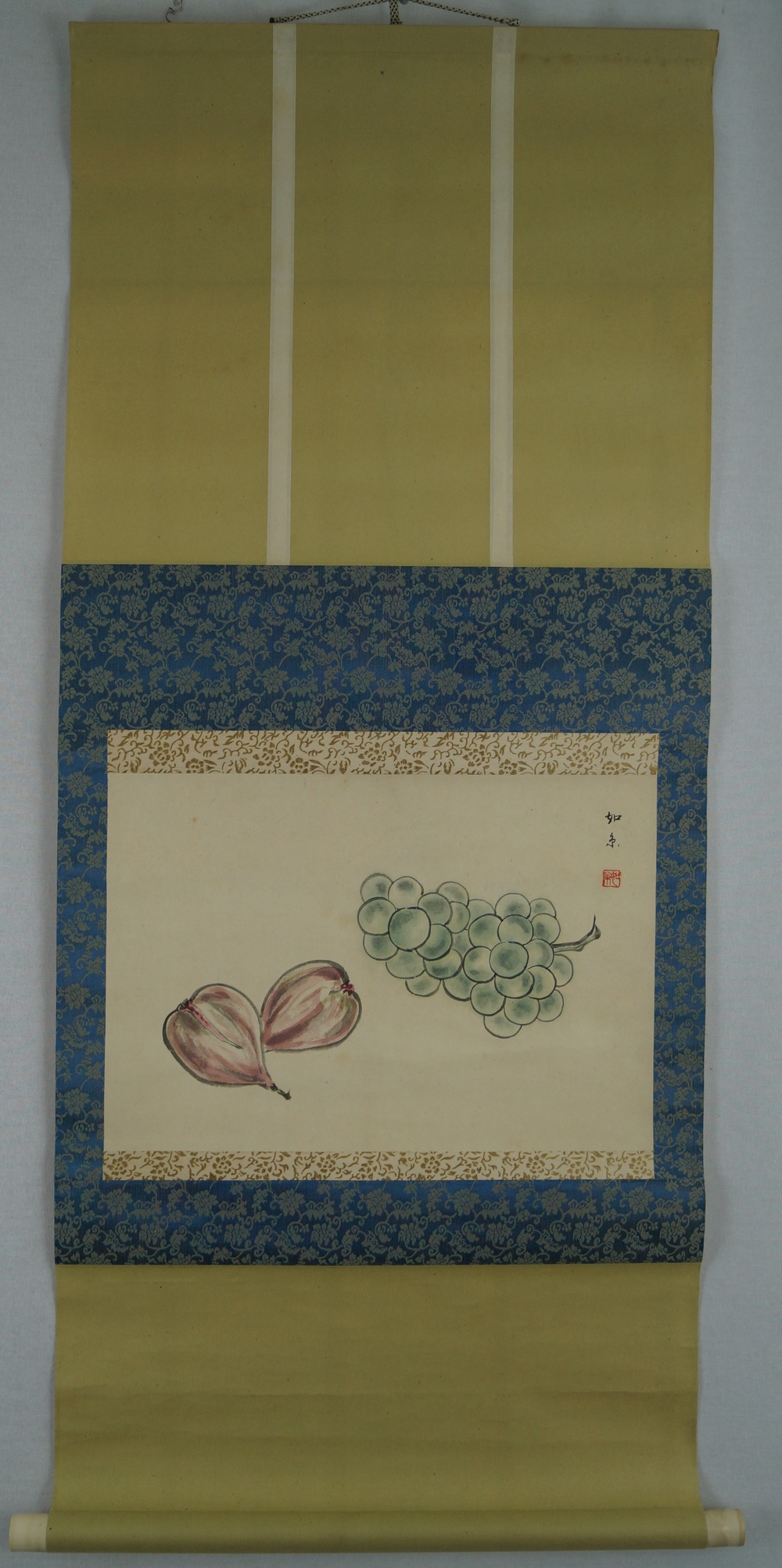
Figs and Grapes
Kakemono, unique work, 180 x 52 cm
€80.00
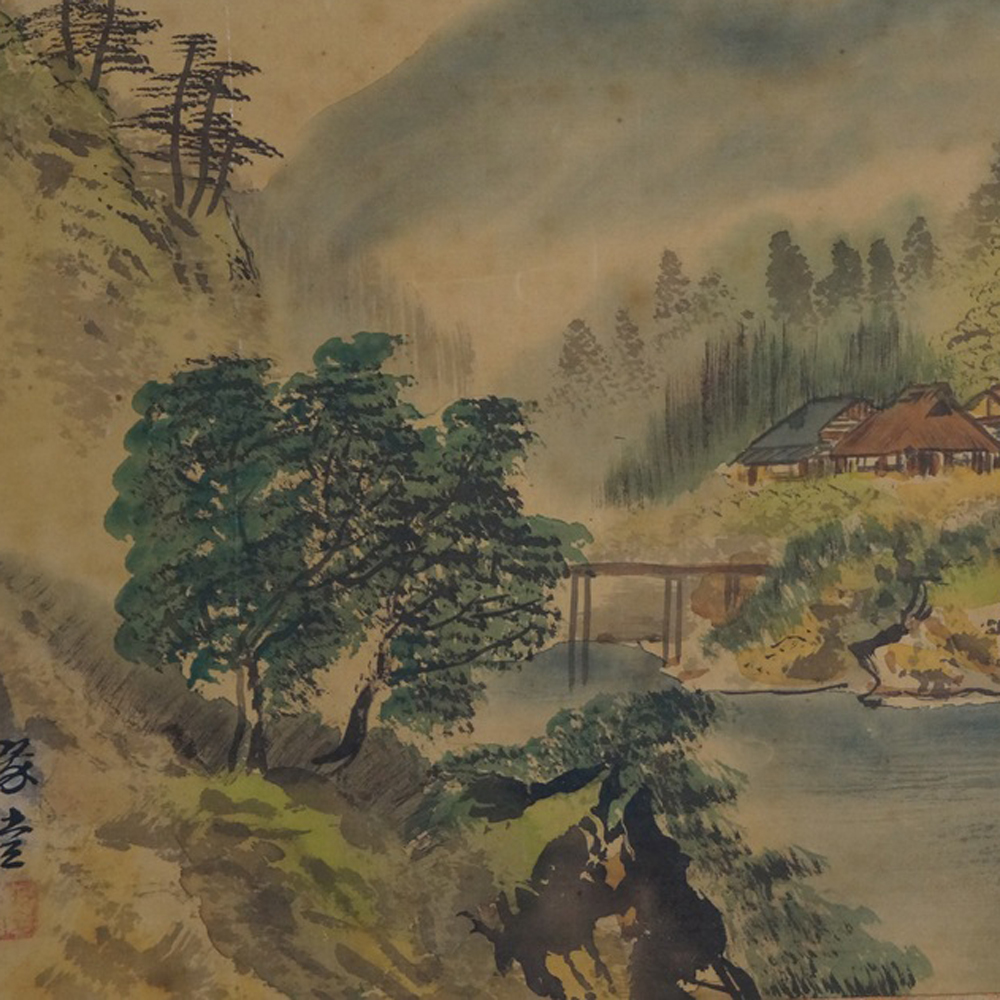
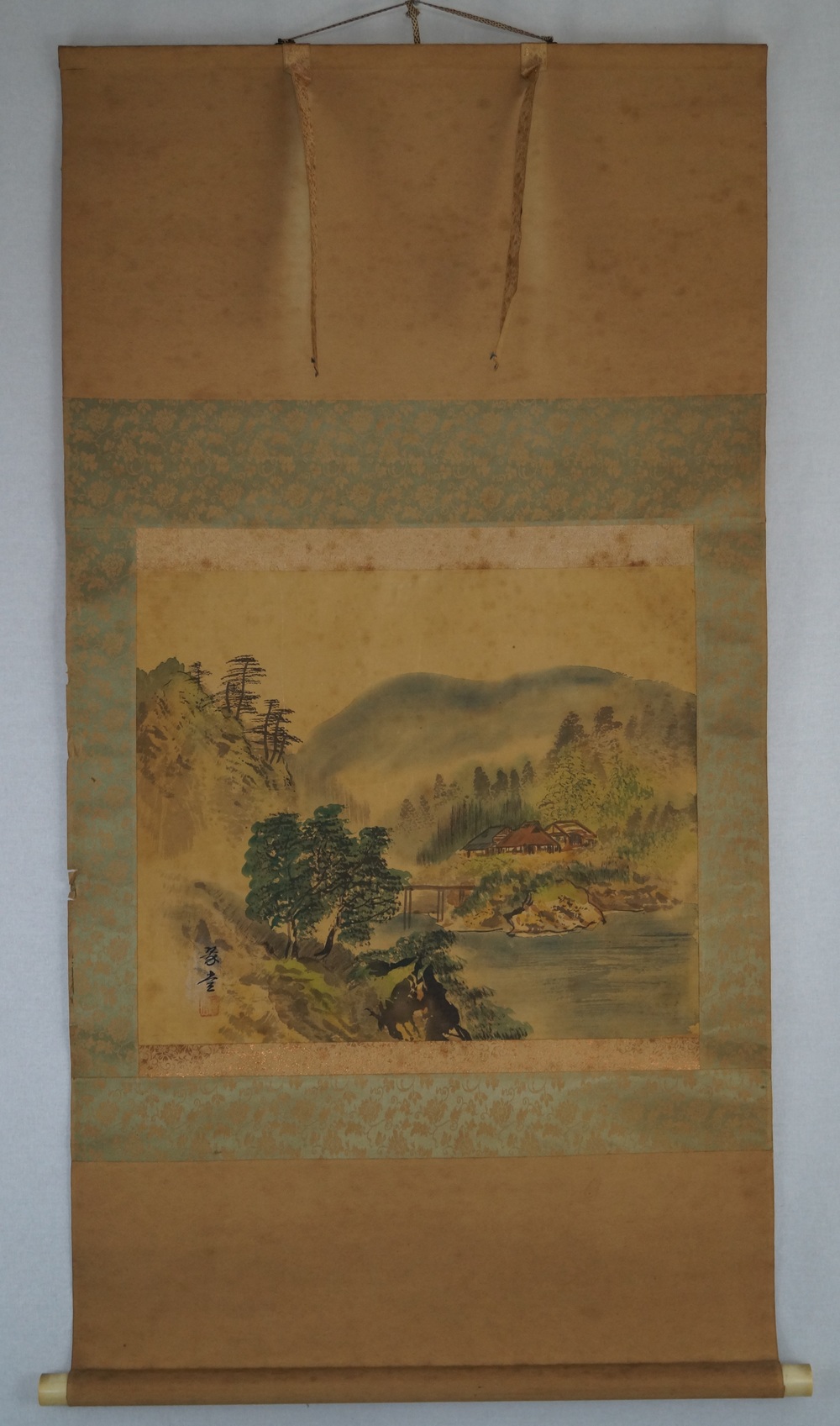
Landscape with Bridge and Mountain Village
Kakemono, Silkscreen, 115 x 65 cm
€90.00
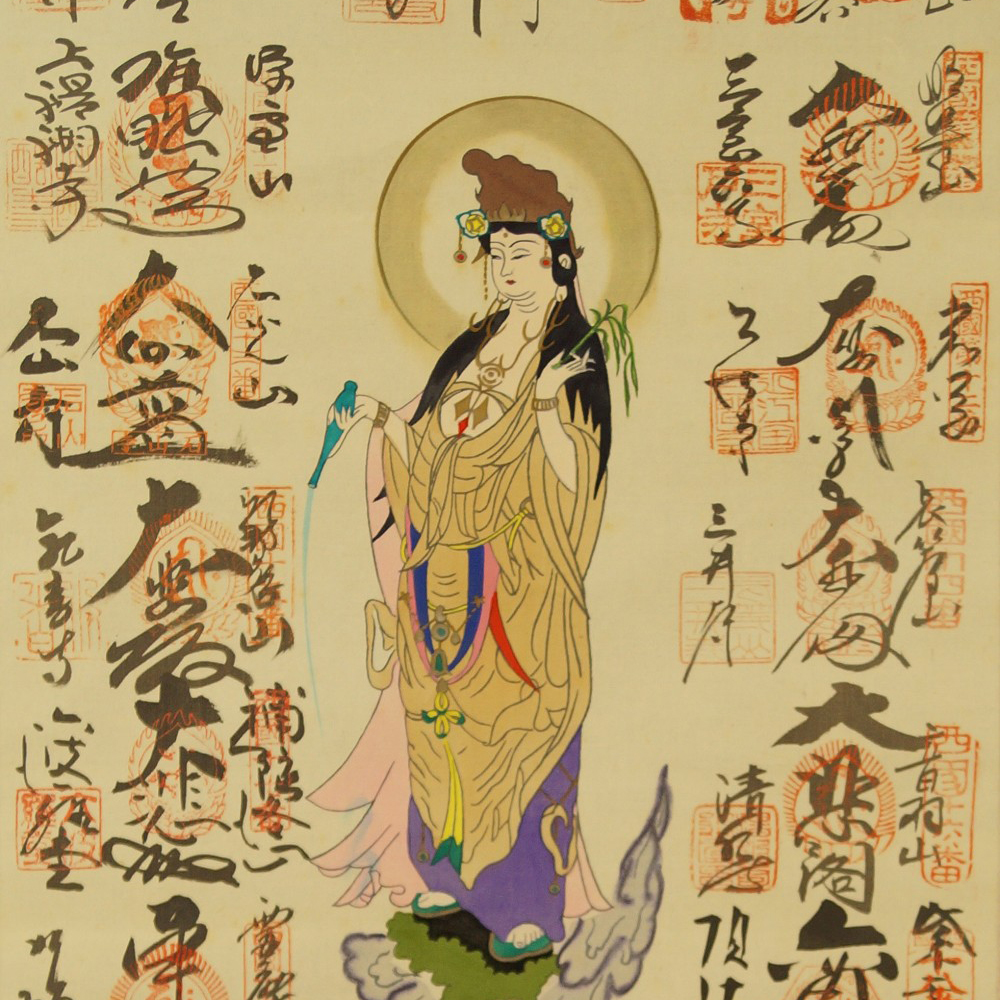
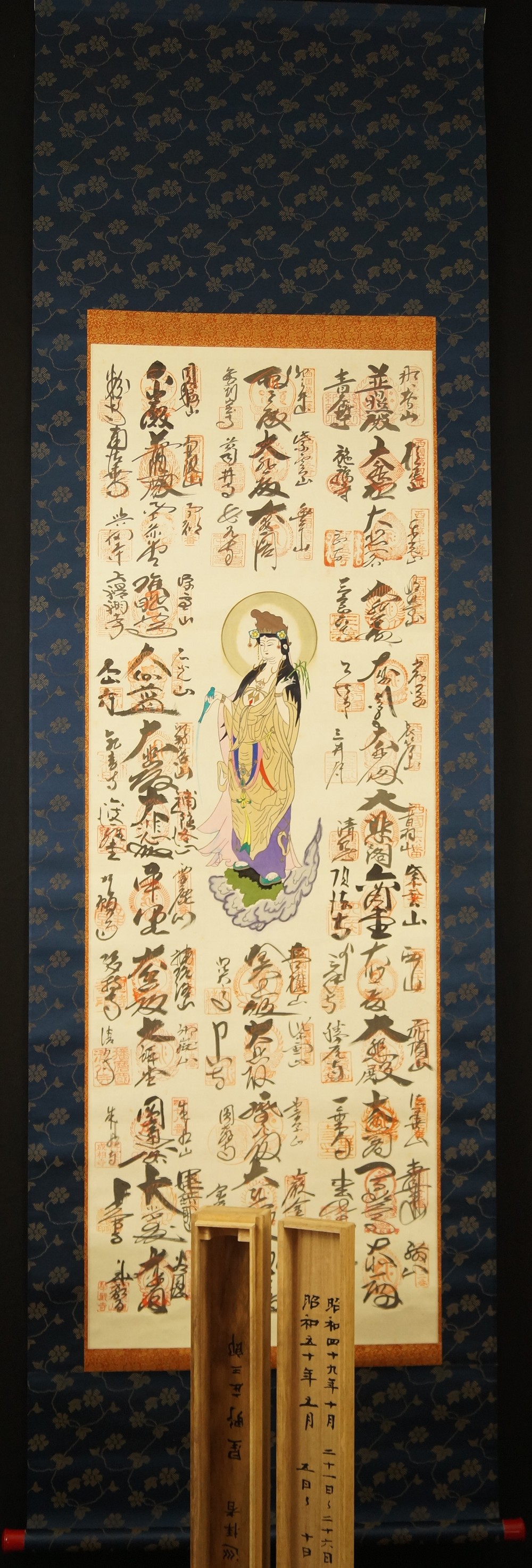
33 Temples of the Saigoku Pilgrimage
Kakemono, with box, 190 x 60 cm
€155.00
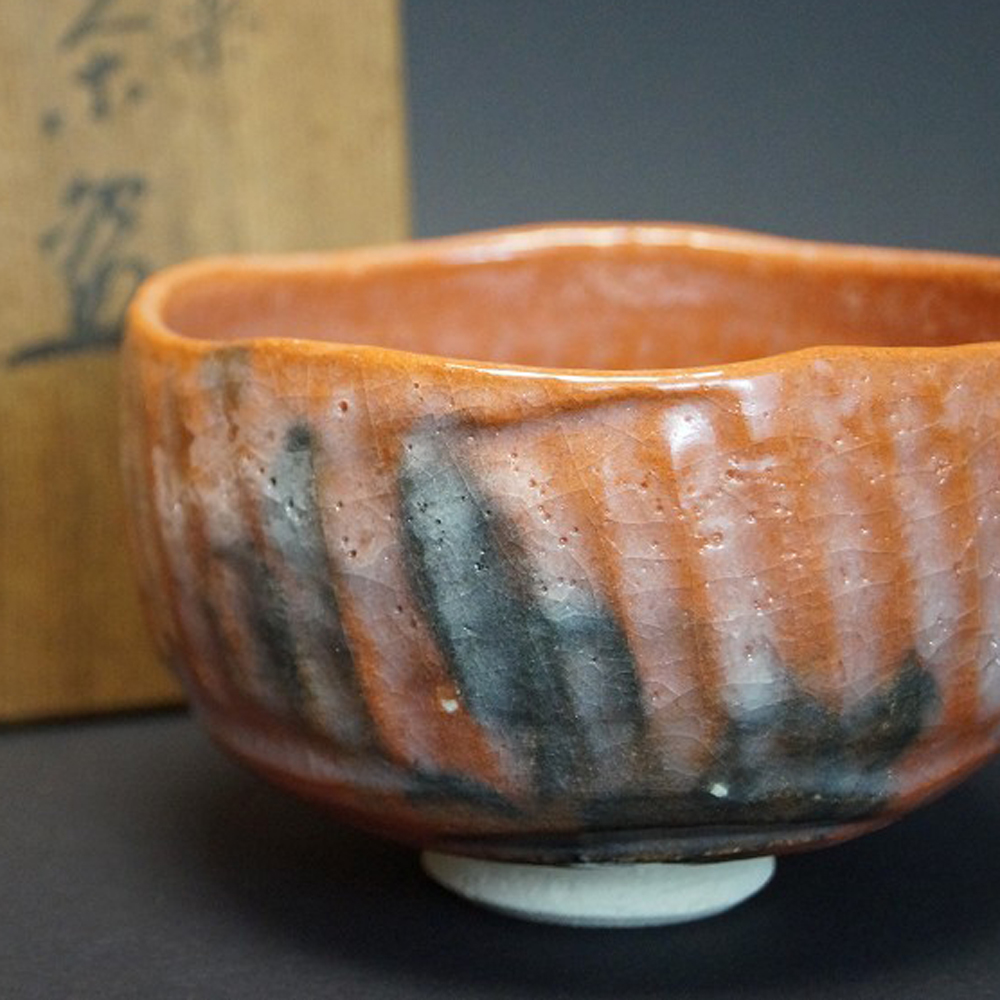
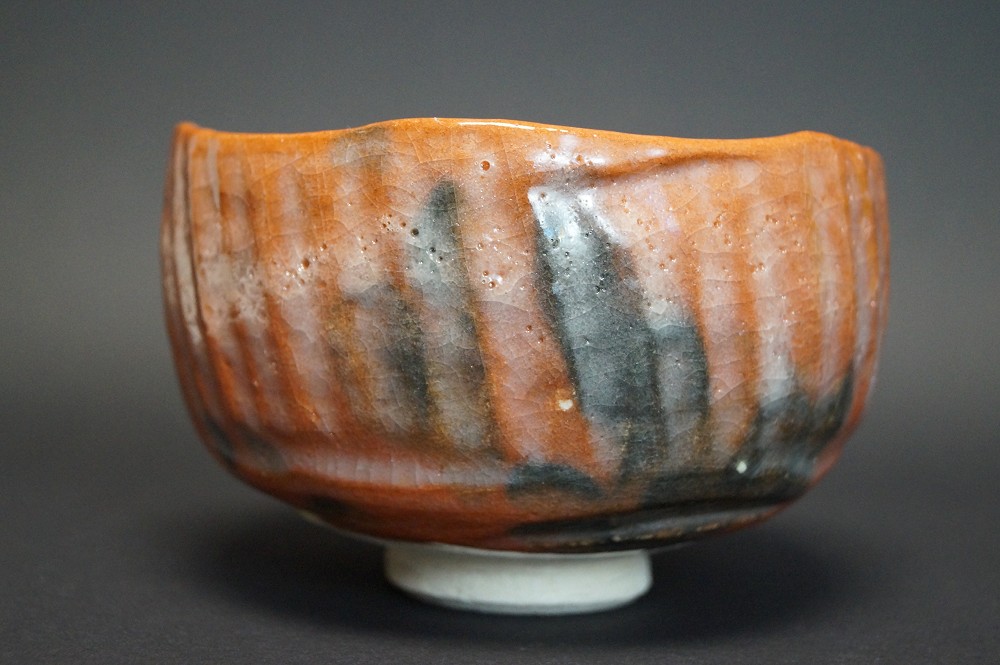
Toraku Morisato
Chawan Raku Ware by Toraku Morisato
Chawan, unique work, with box, 8 x 11 cm
€460.00
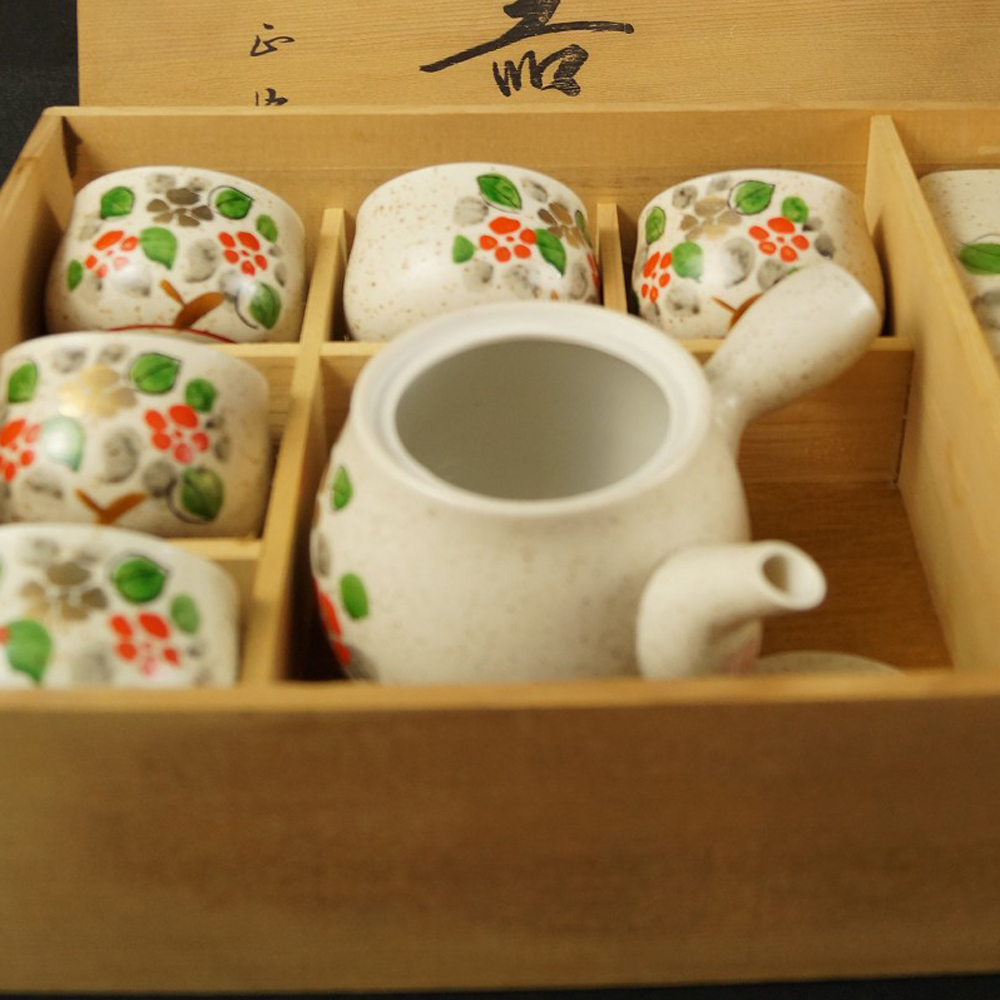
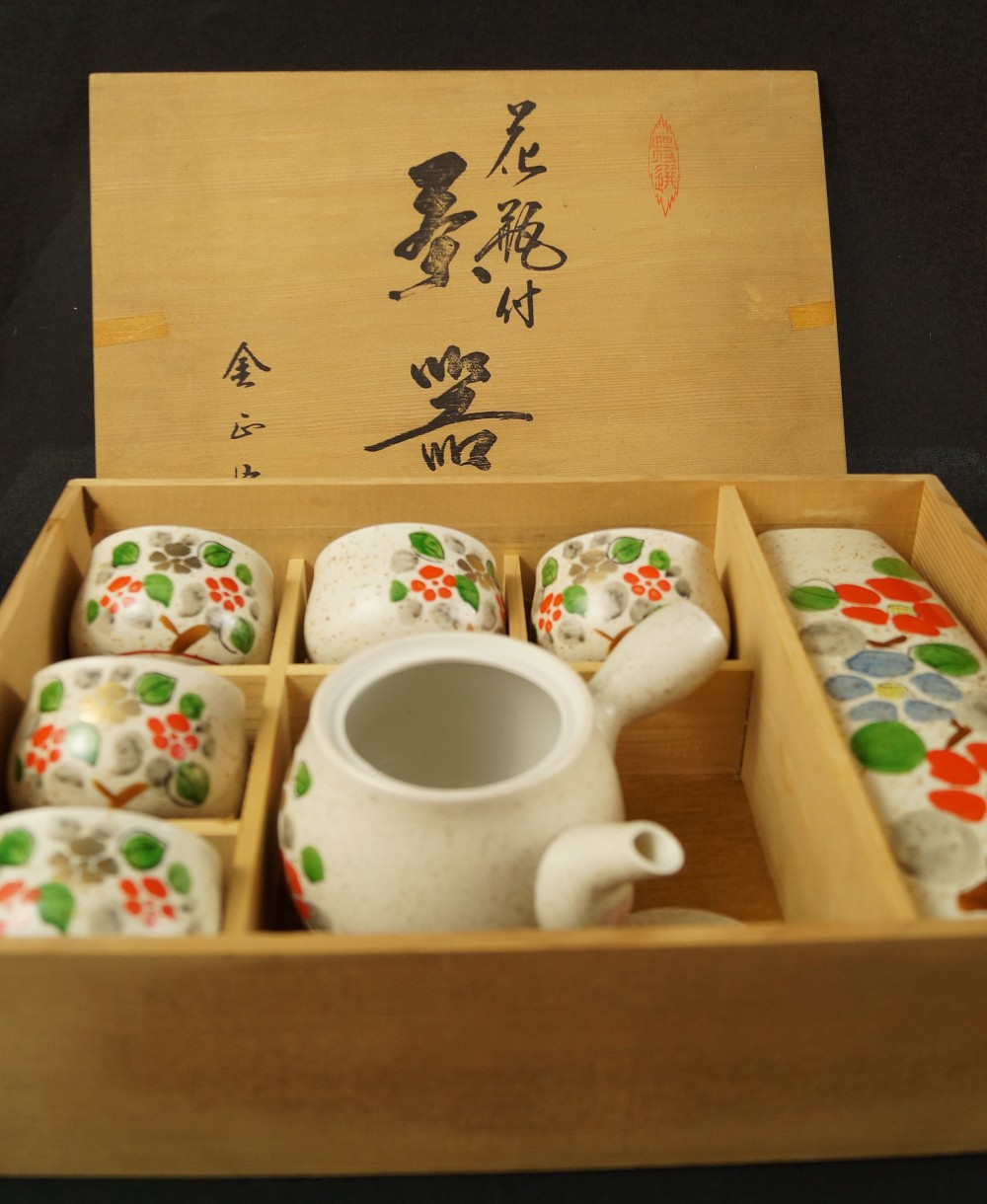
Tea Set with Floral Motif Made of Imari Porcelain
Tea Set, unique work, with box
€230.00
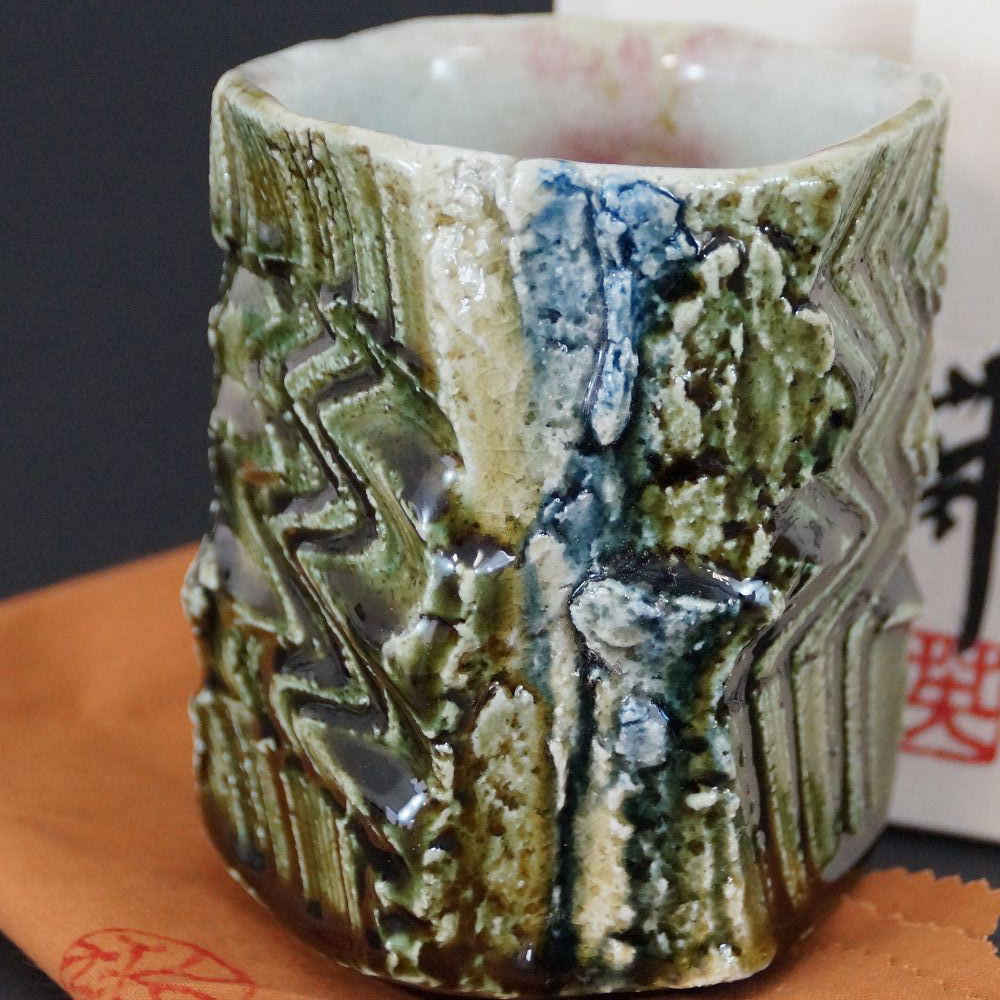
Kawachi Hidetoshi
Yunomi Made of Oribe Ware by Kawachi Hidetoshi, Blue-Green
Yunomi, unique work, with box, 11 x 10 cm
Sold
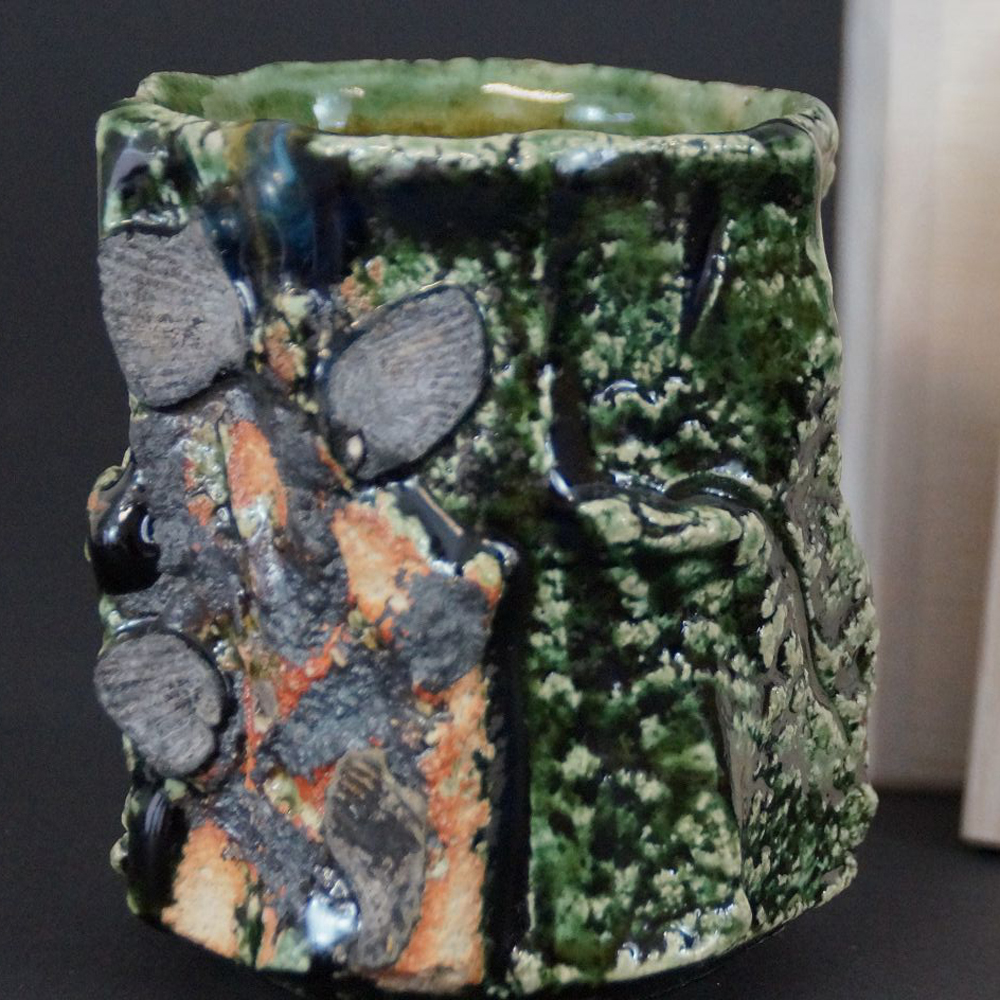
Kawachi Hidetoshi
Yunomi Made of Oribe Ware by Kawachi Hidetoshi with Appliqués
Yunomi, unique work, with box, 11 x 9 cm
Sold
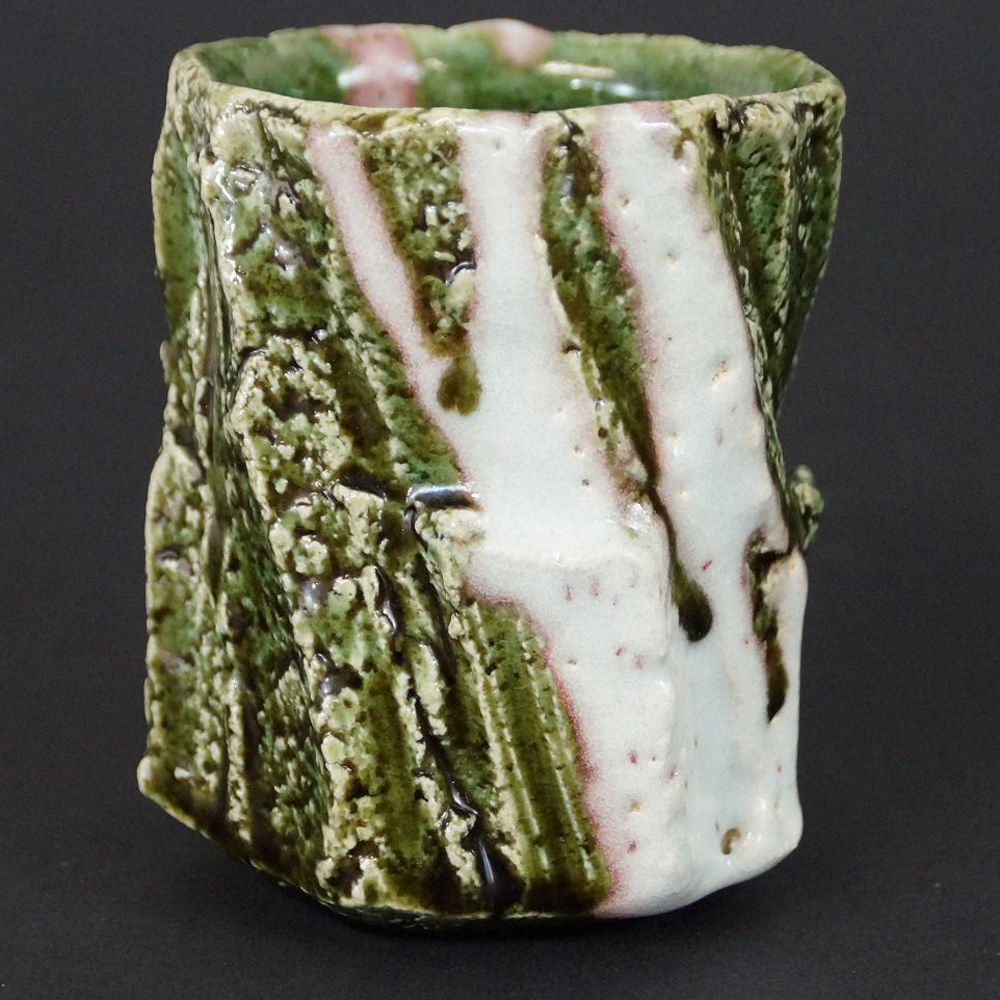
Kawachi Hidetoshi
Yunomi Made of Oribe Ware by Kawachi Hidetoshi, White-Green
Yunomi, unique work, with box, 12 x 9 cm
Sold
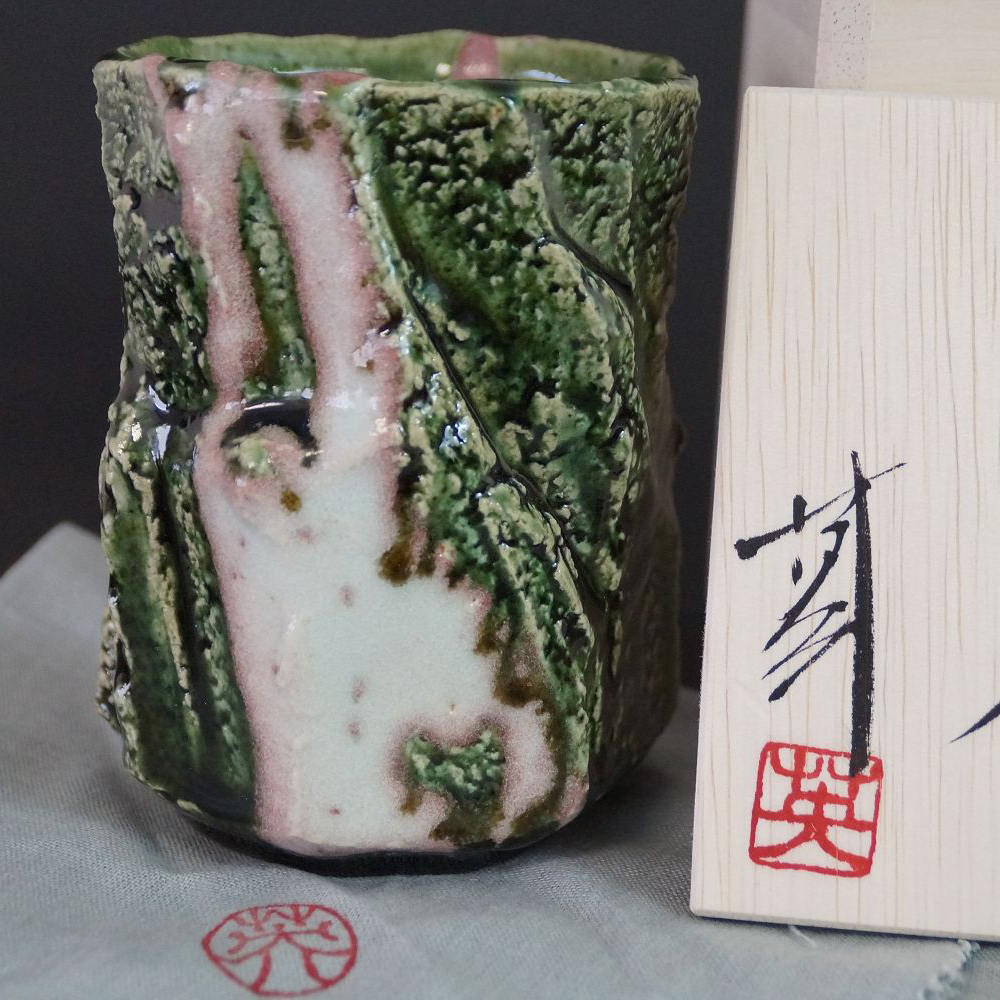
Kawachi Hidetoshi
Yunomi Made of Oribe Ware by Kawachi Hidetoshi, Striped
Yunomi, unique work, with box, 12 x 9 cm
Sold
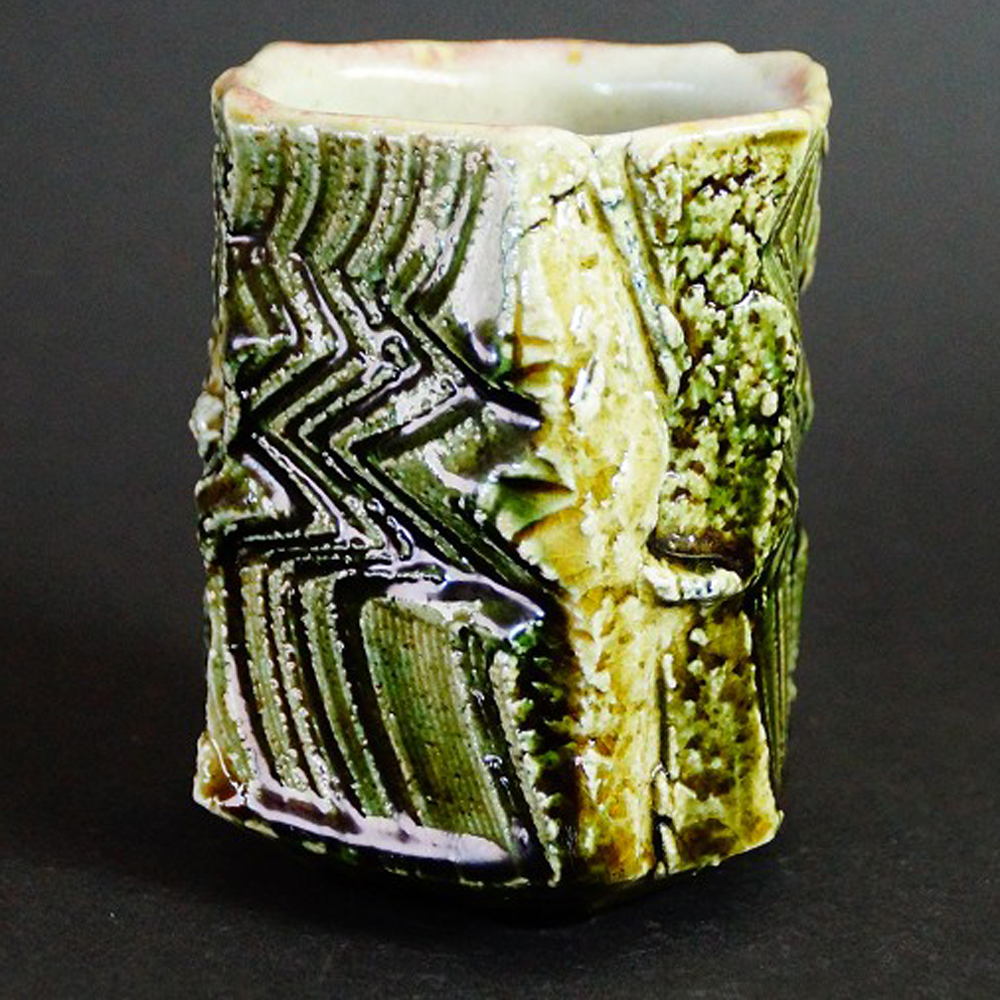
Kawachi Hidetoshi
Yunomi Made of Oribe Ware by Kawachi Hidetoshi, Zigzag Relief
Yunomi, unique work, 11 x 8,5 cm
Sold
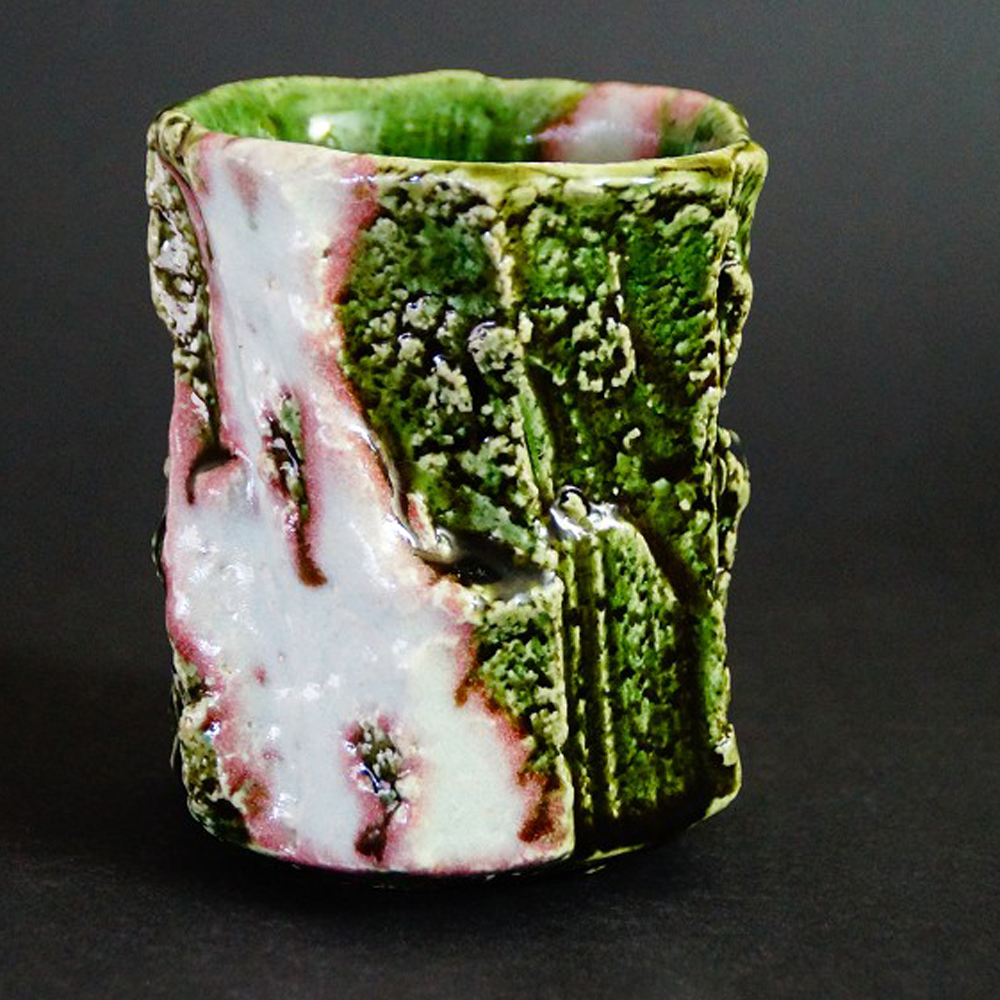
Kawachi Hidetoshi
Yunomi Made of Oribe Ware by Kawachi Hidetoshi, White-Pink
Yunomi, unique work, with box, 11 x 8,5 cm
Sold
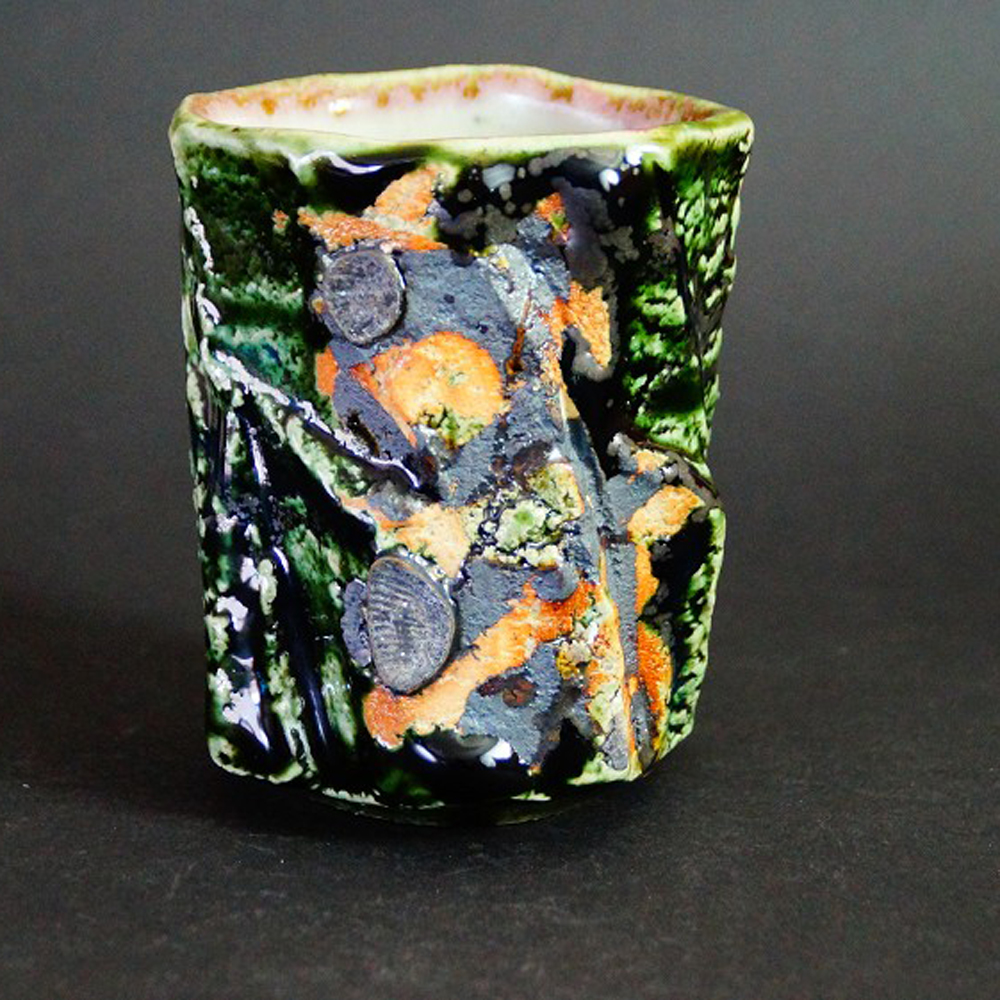
Kawachi Hidetoshi
Yunomi Made of Oribe Ware by Kawachi Hidetoshi, Green-Orange
Yunomi, unique work, with box, 11 x 8 cm
Sold

Bamboo Grove in Bold Ink
Kakemono, unique work, 195 x 54 cm
Sold
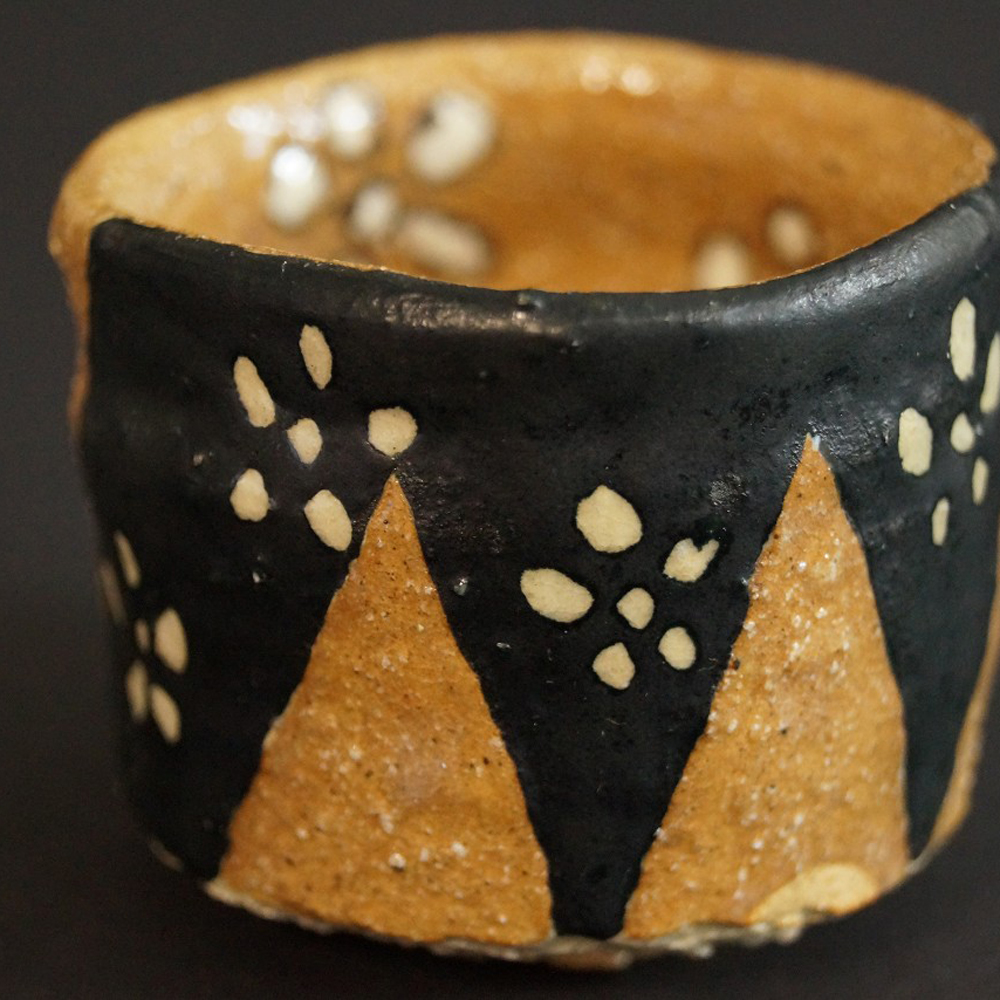
Handcrafted Japanese Sake Cup (Guinomi), Oribe Ware
Guinomi, unique work, 4,5 x 5,5 cm
Sold
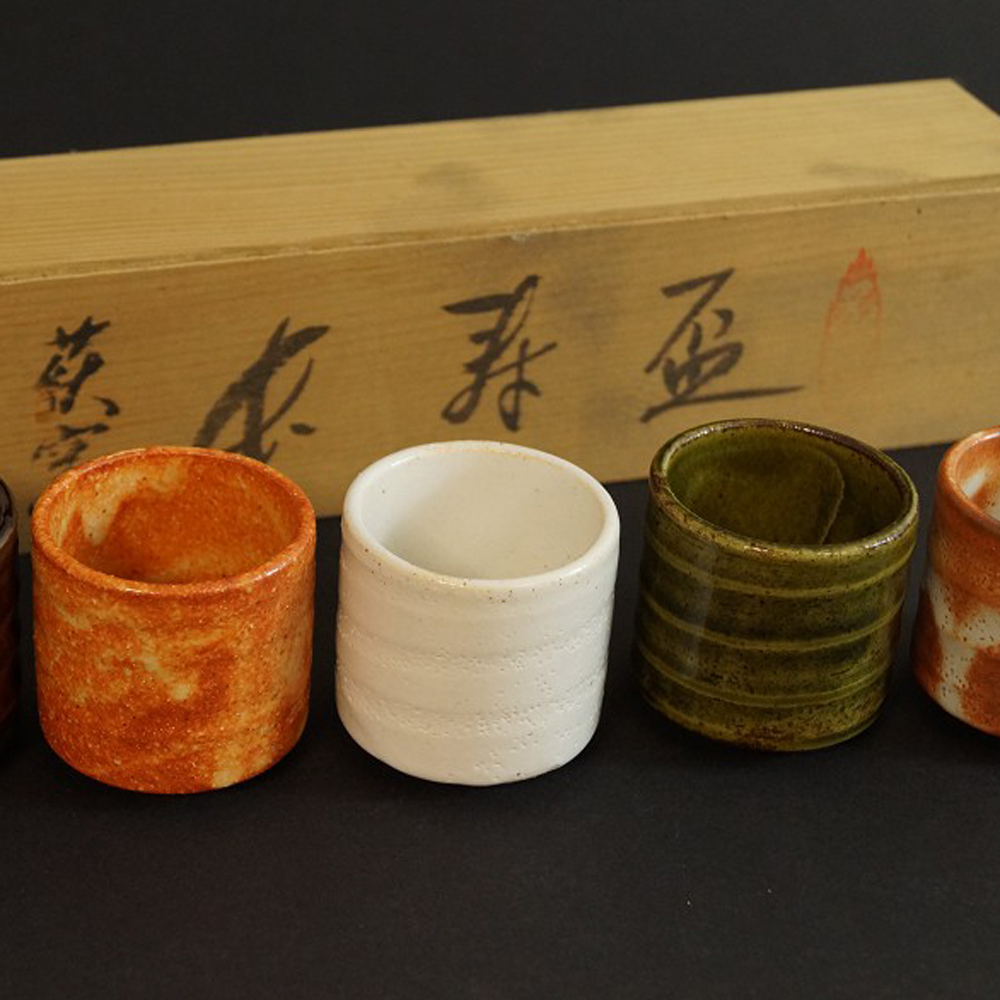
Set of Five Guinomi Made of Seto Ware
Guinomi, unique work, with box, 5 x 5 cm
Sold

Bottle Gourds and Sparrows
Kakemono, unique work, with box, 182 x 60 cm
Sold

Sparrows on Bamboo
Kakemono, unique work, 196 x 62 cm
Sold

Daruma in Red Robe with Inscription
Kakemono, unique work, 190 x 50 cm
Sold
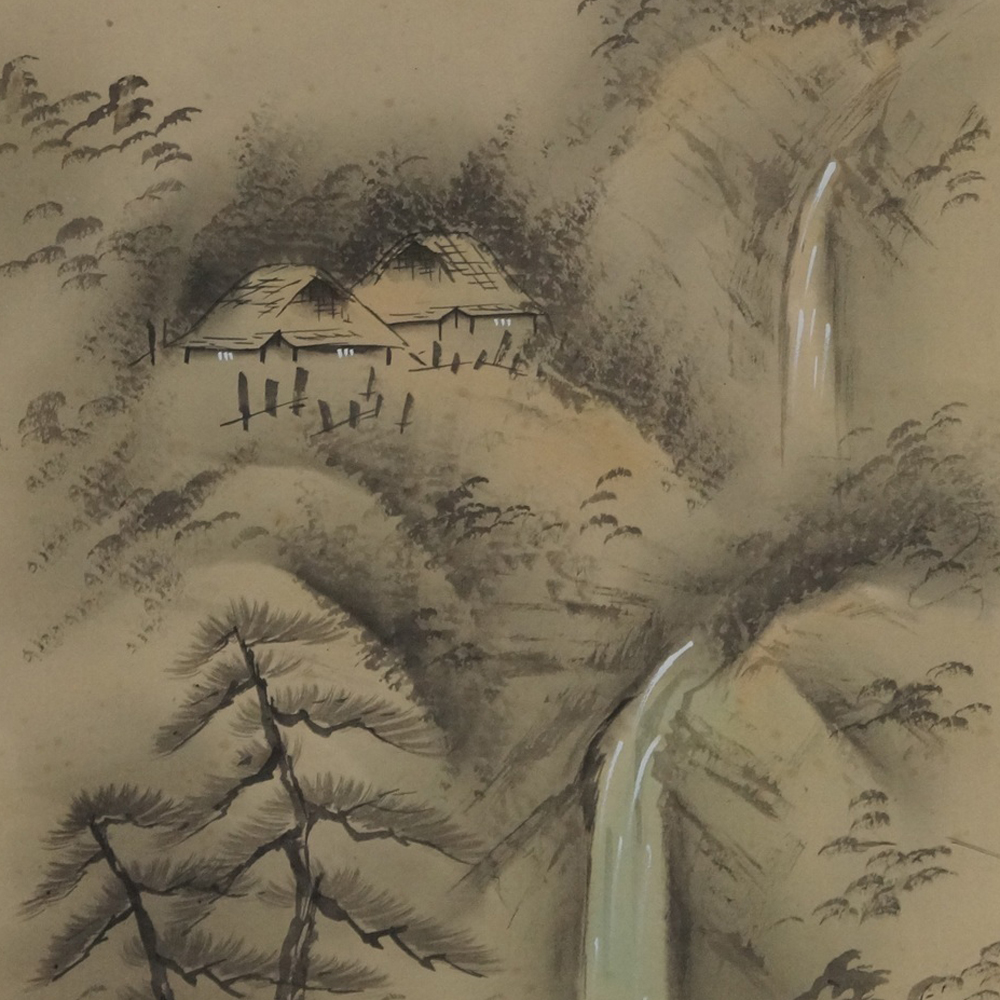
Jōzan
Mountain Village with Waterfalls in Ink
Kakemono, Silkscreen, 170 x 55 cm
Sold

Two Birds on a Blossoming Branch
Kakemono, unique work, 200 x 60 cm
Sold
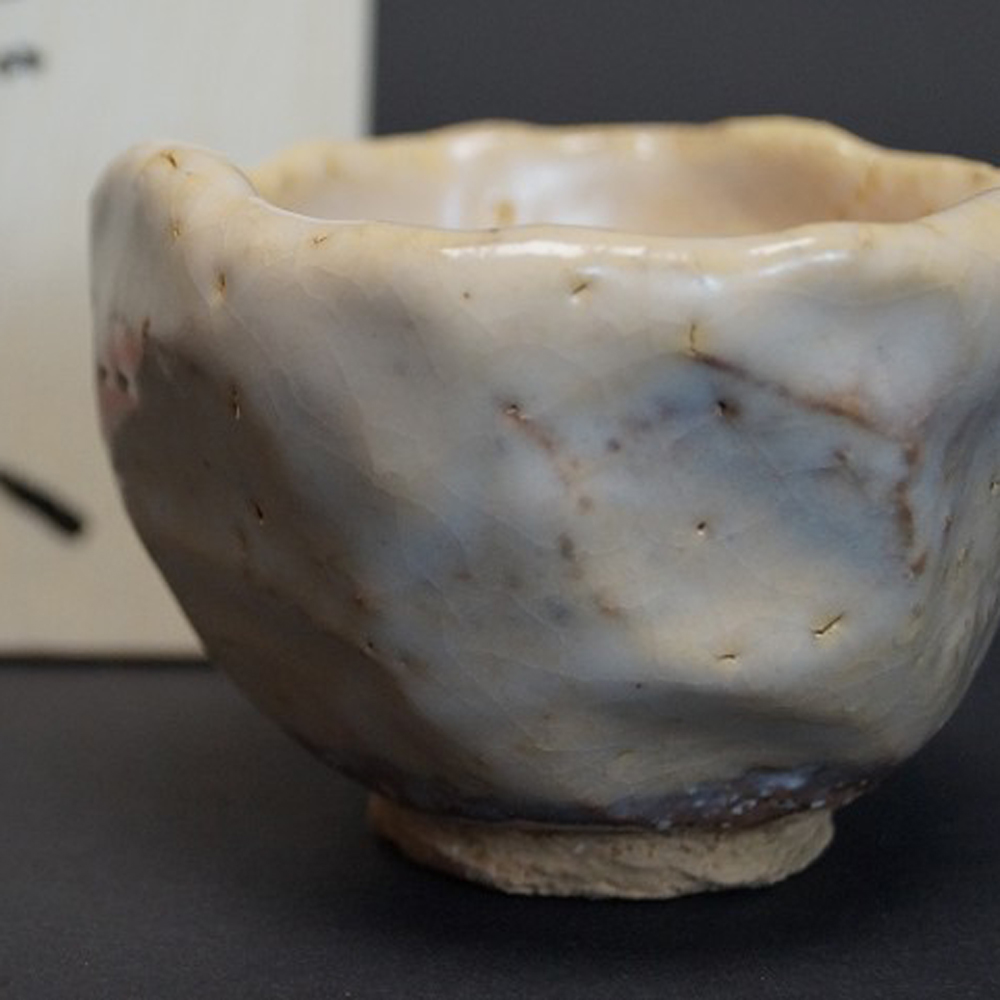
Seigan Yamane
Guinomi Made of Hagi Ware by Seigan Yamane
Guinomi, unique work, with box, 6 x 7 cm
Sold
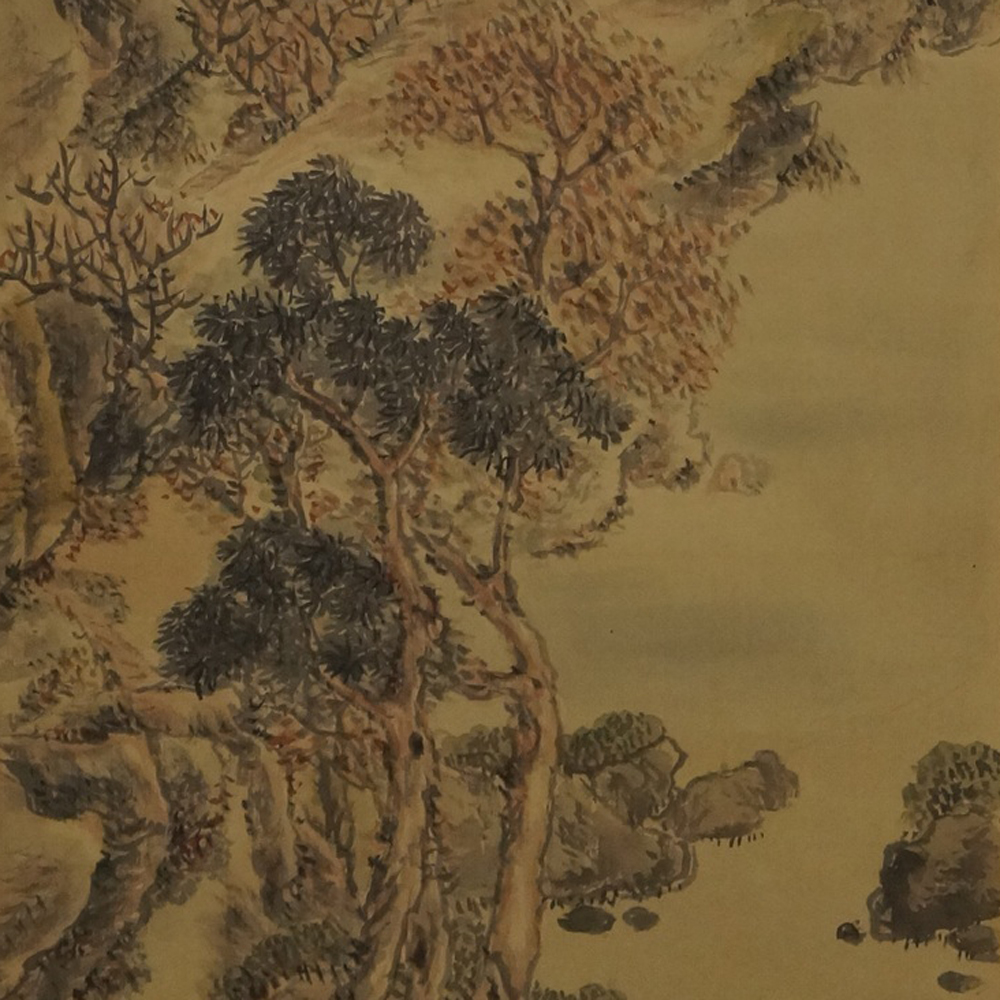
Temple Gate in Autumn Foliage at the Mountain Lake
Kakemono, Silkscreen, 195 x 54 cm
Sold
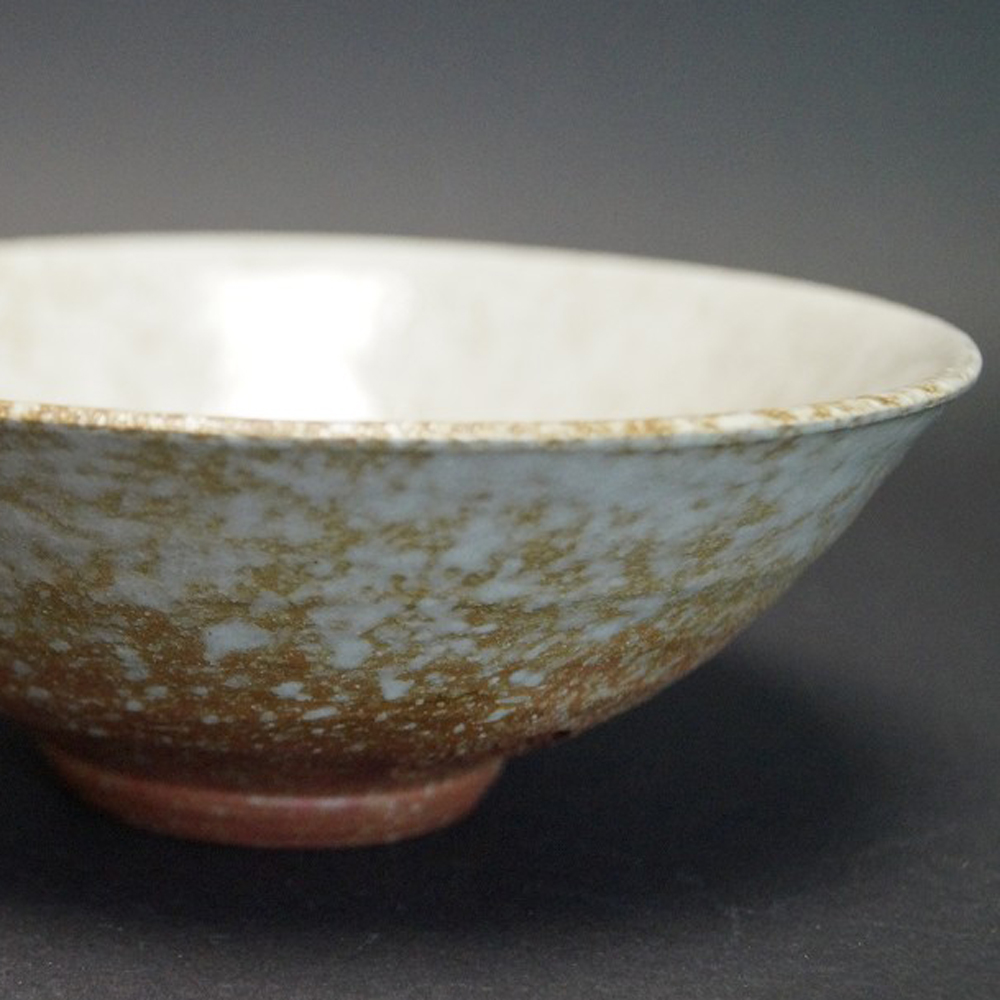
Handcrafted Japanese Tea Bowl (Chawan) Hanganji Ware
Chawan, unique work, with box, 5 x 14 cm
Sold

Calligraphy "Eye"
Kakemono, unique work, 123 x 45 cm
Sold
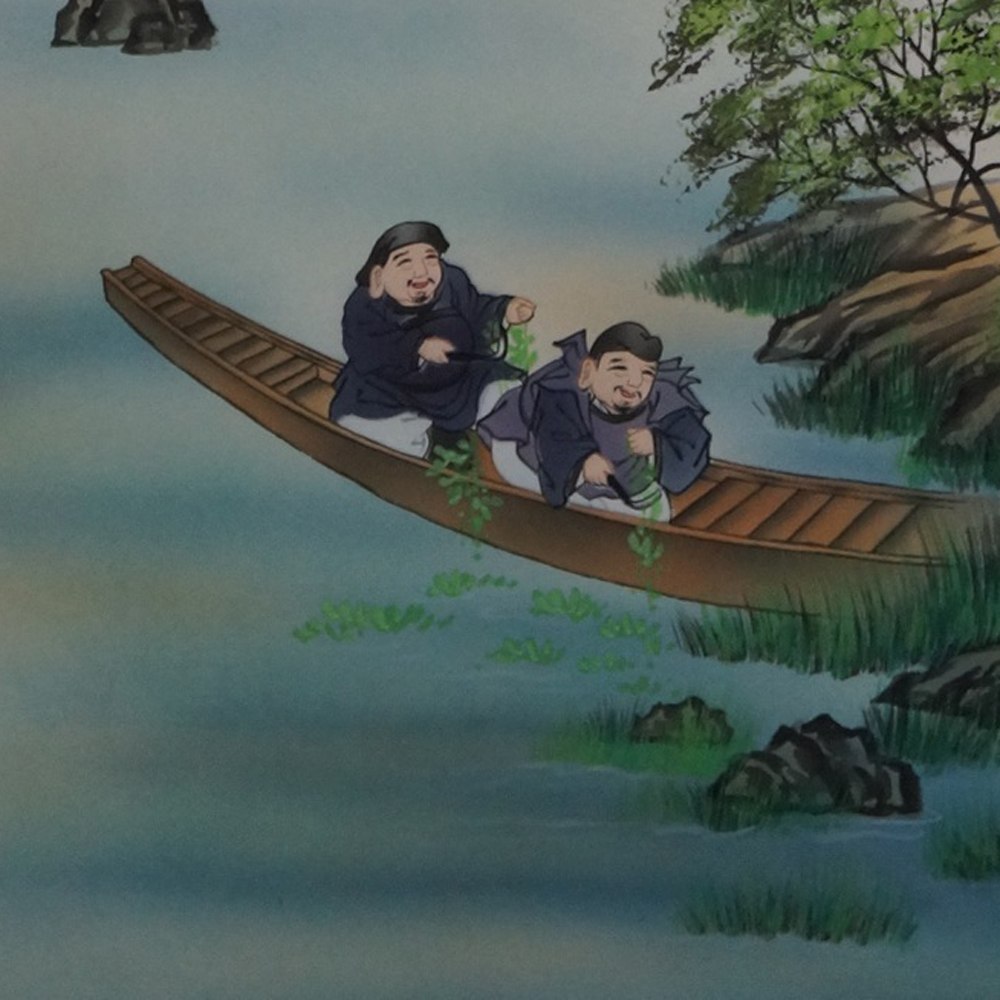
Buzan
Mount Fuji over Cloud Band with Fishing Boat
Kakemono, Silkscreen, 180 x 60 cm
Sold
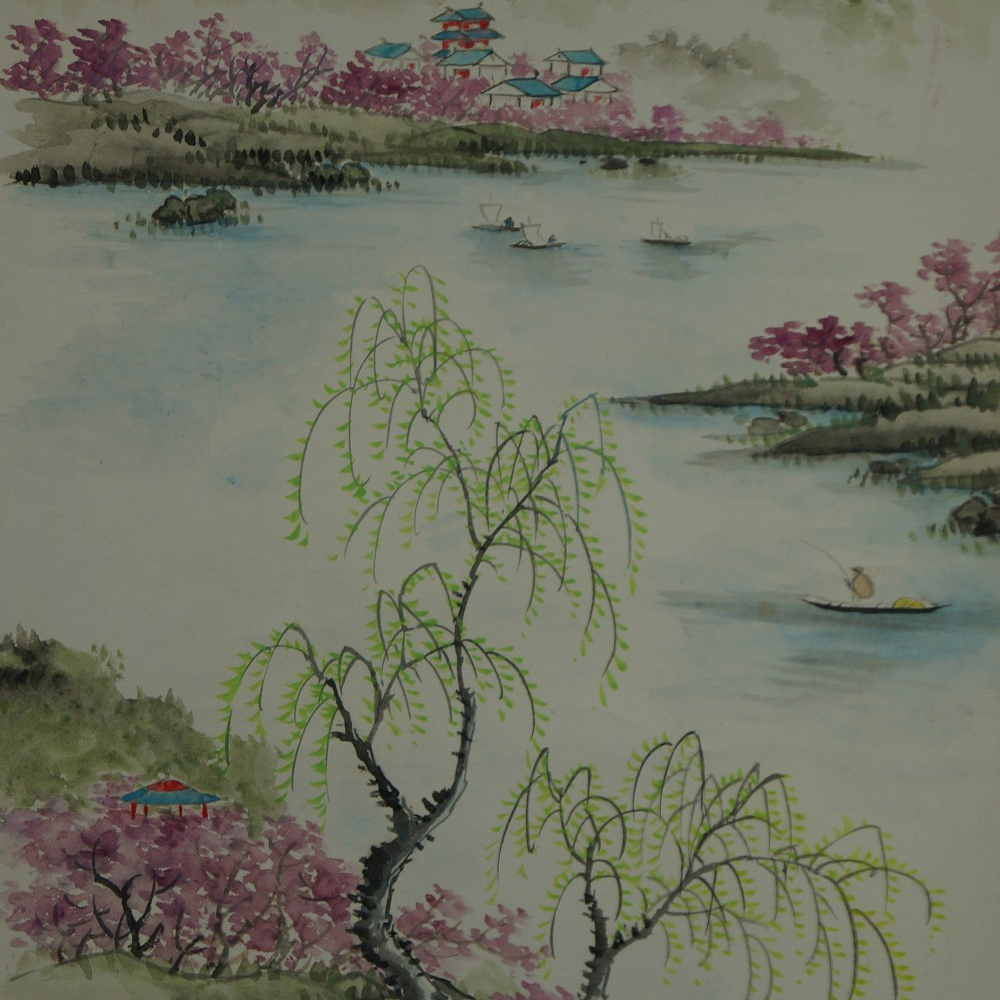
Spring Landscape by the River
Kakemono, unique work, 178 x 60 cm
Sold
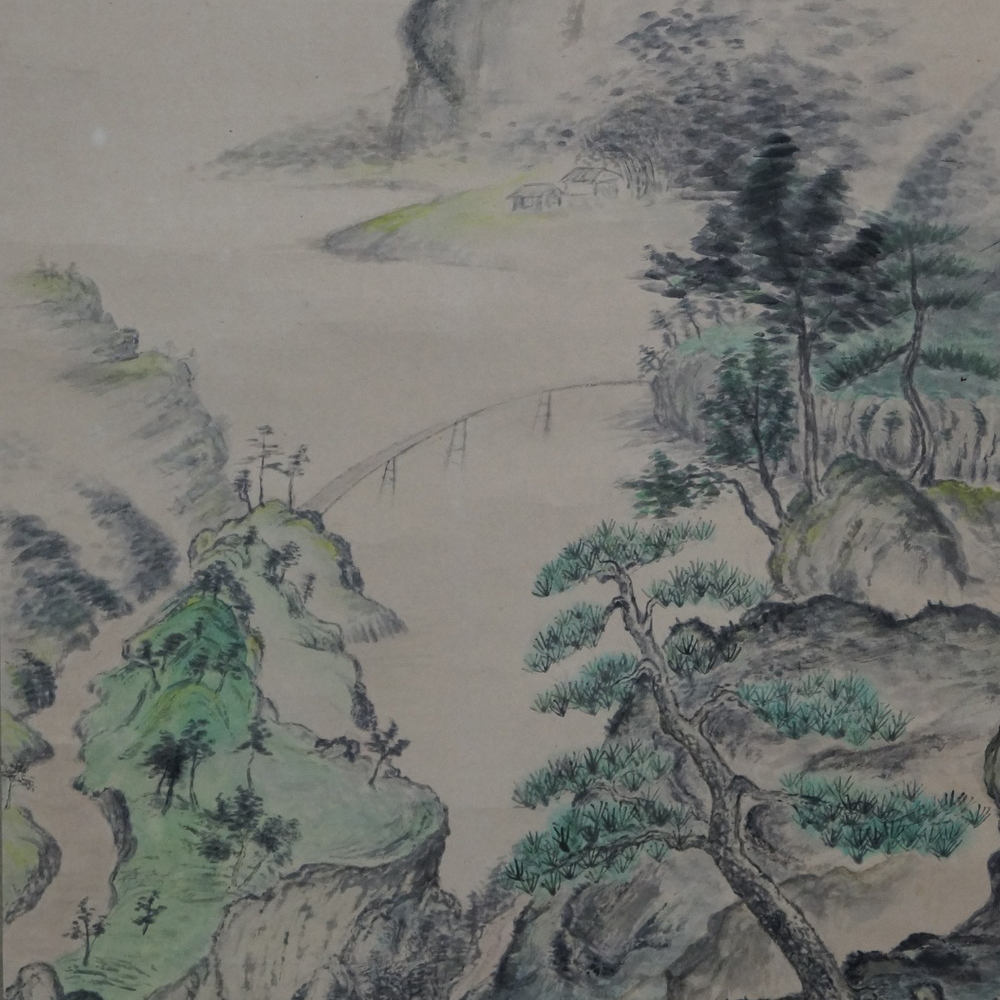
River Landscape with Bridge
Kakemono, unique work, 190 x 64 cm
Sold
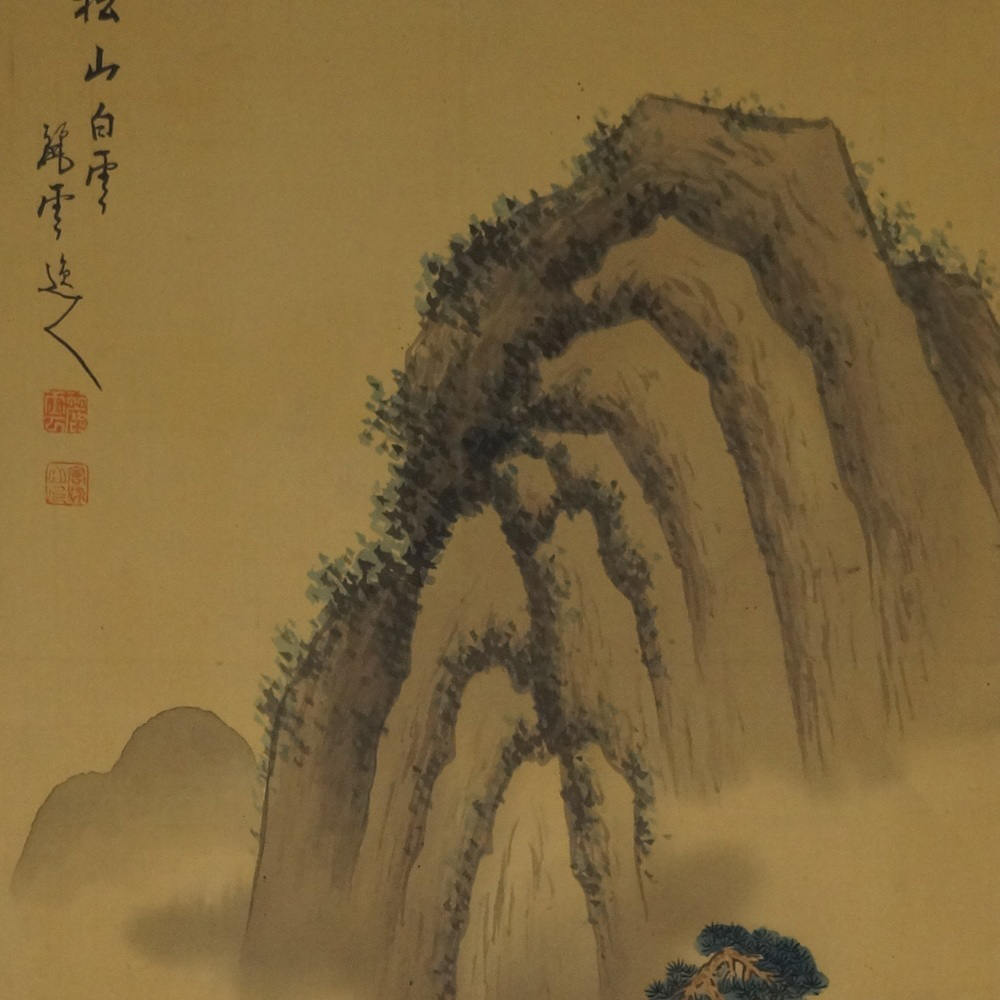
White Clouds Over Pine Mountain
Kakemono, Silkscreen, 205 x 60 cm
Sold

Calligraphy "Shiogama Jinja"
Kakemono, unique work, 120 x 35 cm
Sold
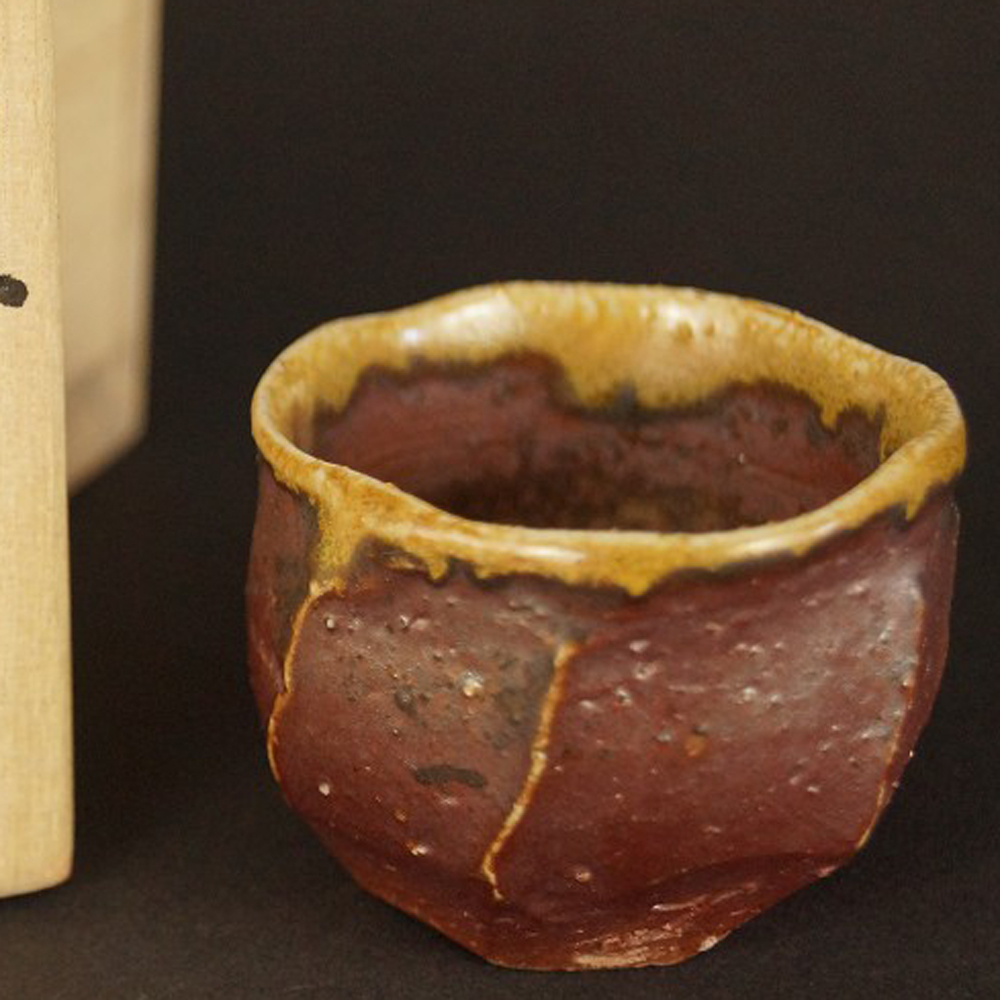
Kimura Tamafune
Guinomi Made of Bizen Ware by Kimura Tamafune
Guinomi, unique work, with box, 4 x 5 cm
Sold
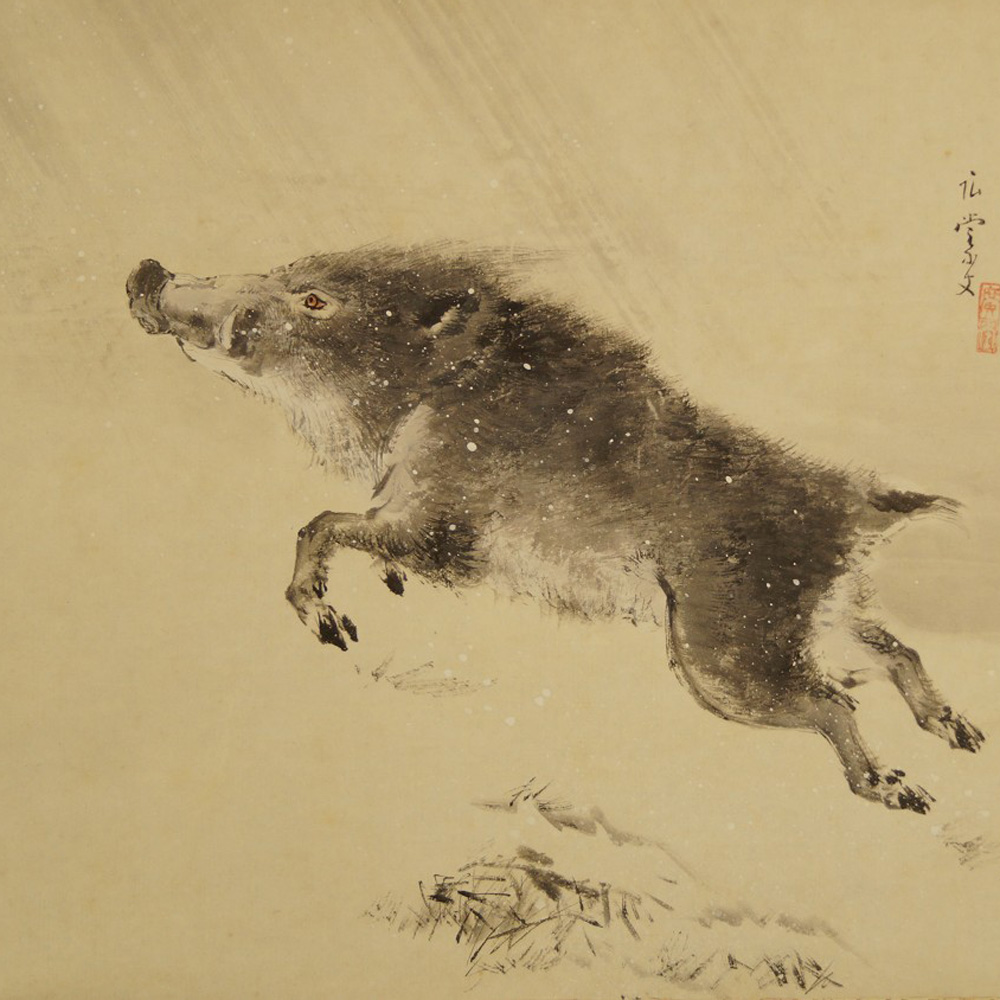
Wild Boar in the Snow
Kakemono, unique work, 109 x 57 cm
Sold
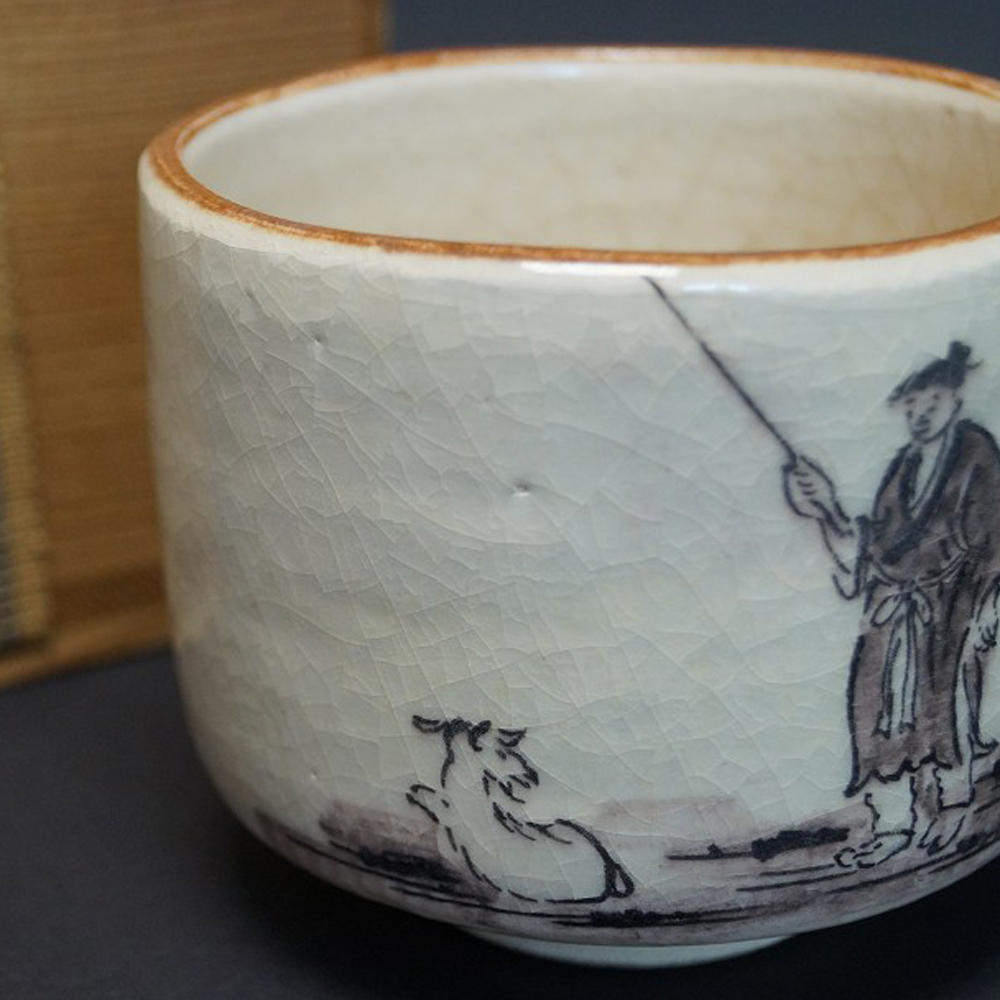
Chawan Tea Bowl Made of Raku Ware with Angler Motif
Chawan, unique work, with box, 8,5 x 10,5 cm
Sold
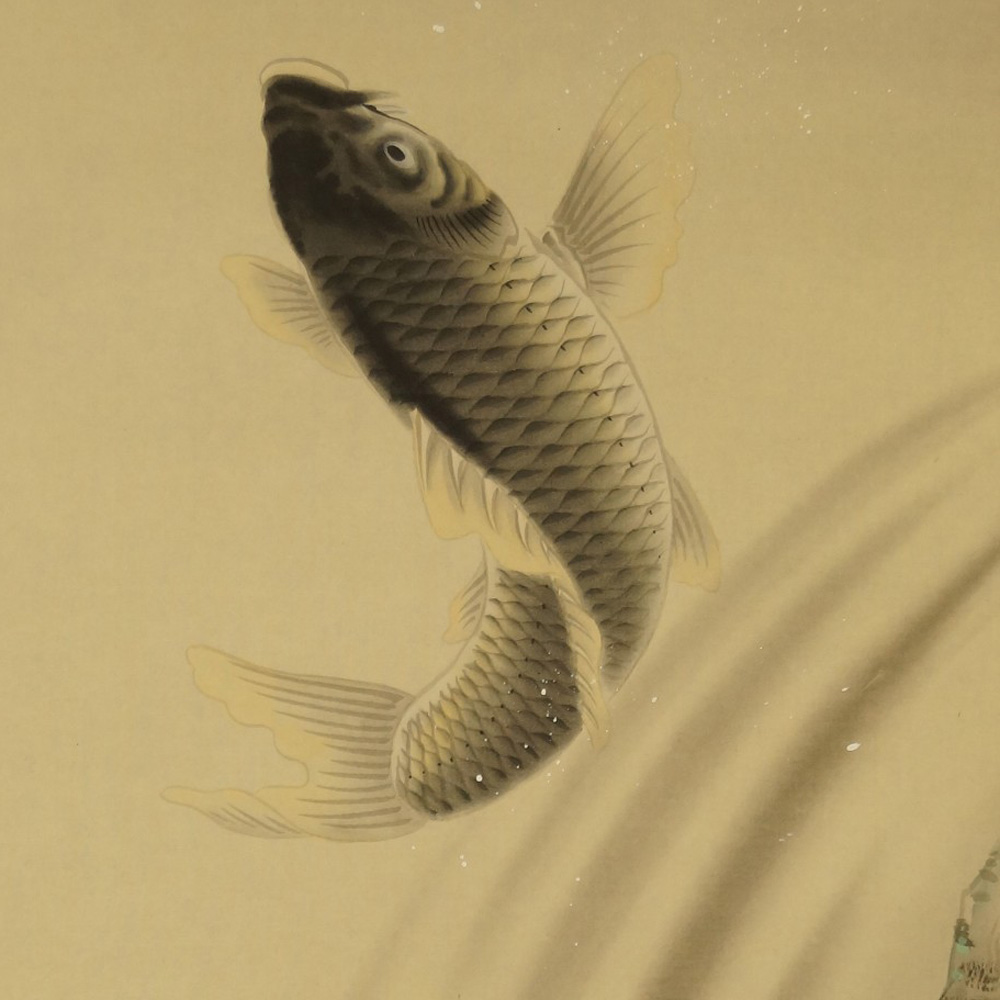
Carp at a Waterfall Between Bamboo
Kakemono, Silkscreen, 191 x 60 cm
Sold
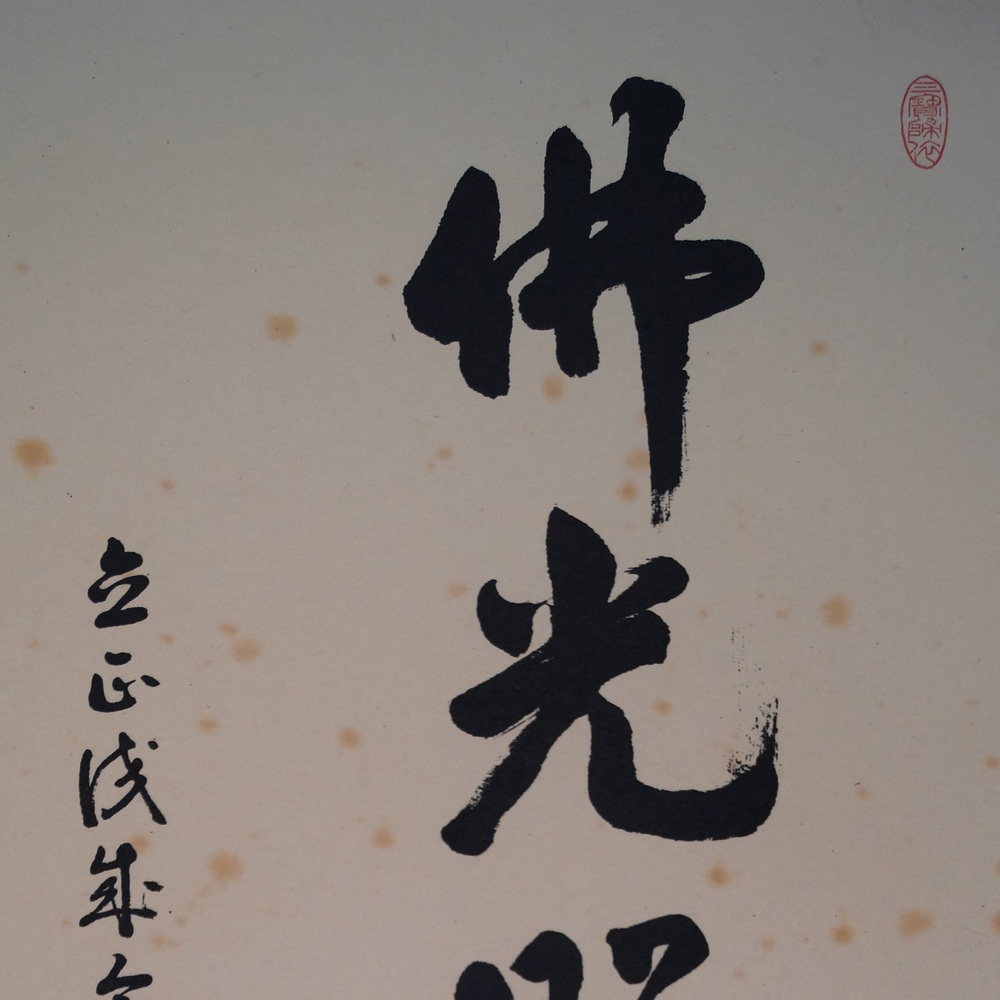
Calligraphy "Butsu ko sho ten chi"
Makuri, unique work, 120 x 30 cm
Sold
48 of 111 items shown
An era with peace in its name
The Heisei period began in 1989 with the death of Emperor Hirohito and the accession of his son Akihito. The reign name Heisei means roughly “peace everywhere” or “achievement of peace” and was meant as a deliberate contrast to the wartime experience of the early Shōwa years. Indeed, Japan stayed out of direct military conflict throughout the era. It ended in 2019 with Akihito’s abdication – a historically unusual step, as Japanese emperors traditionally remain in office until death. The Reiwa period has run since then.
From boom to stagnation
The first years coincided with the peak of the “bubble economy,” a speculative bubble in real estate and stock markets that burst in the early 1990s. Decades of weak growth and deflationary tendencies followed, known in Japan simply as “the lost decades.” At the same time, mobile phones and the internet transformed daily life – a coexistence of technical progress and economic uncertainty in which the longing for permanence grew.
Disasters and a view of transience
The Great Hanshin earthquake in Kōbe in 1995 and, in 2011, the Tōhoku earthquake with the tsunami that triggered the Fukushima nuclear disaster cut deep into the collective consciousness. They prompted wide reflection on transience, vulnerability and rebuilding – themes close to the wabi-sabi aesthetic, which understands impermanence as part of beauty.
Craft as a counterweight
In uncertain times, traditional craft gained new meaning for many Japanese, younger people included: as an expression of permanence and reliability, and as a counterweight to short-lived mass goods. Ceramic centers such as Bizen, Hagi and Shigaraki benefited from growing appreciation, and the Mingei movement and the “Living National Treasures” drew new attention. Internationally, wabi-sabi, kintsugi and ikebana fed a new interest in Japanese aesthetics, and digital networks gave collectors outside Japan direct access.
Ceramics and porcelain of the period
The focus is on contemporary ceramics by potters whose work draws on old kiln traditions. These include teacups (yunomi) and sake cups (guinomi) in Oribe from Seto with flowing green glaze, chawan in Shino with a fine white diamond pattern or in raku with a bright orange glaze, sake cups from Seto, and porcelain: Kutani tea bowls with relief floral decoration, a Kutani sake set with peonies and a hand-painted Imari tea service. Oribe itself, which emerged in Mino in the early 17th century, was only revived in the 20th century.
Scrolls: Zen calligraphy, landscape, pilgrimage
Among the kakemono are Zen calligraphies by an abbot of Daitoku-ji in Kyoto, an extremely reduced depiction of Mount Fuji in the mist on silk, and a scroll with Kannon at its center, surrounded by the stamps of all 33 temples of the Saigoku pilgrimage. There are also decorative landscapes as silkscreens and prints after ink paintings attributed to Miyamoto Musashi. Whether hand-painted or printed is stated explicitly for every scroll.
Recent pieces, clear provenance
For works from recent decades, artist, workshop and origin can usually be documented well. The tomobako, a box of paulownia wood, generally bears the name of the work along with the artist’s signature and seal; it attests to origin and authenticity and should always stay with the piece. Here too, the period describes the object, while signature and seal record what is written on it.
In use and on display
Yunomi, chawan and guinomi are made to be used – for everyday tea, the tea ceremony or sake. Clean them only with hot water and a soft sponge, without detergent and never in the dishwasher, then let them air-dry completely. A kakemono is shown for a few weeks on a quiet wall with indirect light, dusted only dry with a soft brush and then rolled up and stored in its wooden box.