Chawan Chawan Tea Bowl Made of Ōhi Ware with Box by Sōsei
One of a kind — this work exists only once.
- Signature / Stamp:
- Sosei Heian
- Period:
- Shôwa (1926–1989)
- Dimensions (height x width):
- 8,5 x 13 cm
- Weight:
- 438g
- Item number:
- 6424
€260.00
incl. 19 % VAT, plus shipping
- ColorBrown, Yellow
- MaterialCeramics
- Style / TraditionOhi-yaki
- Wooden BoxYes
Description
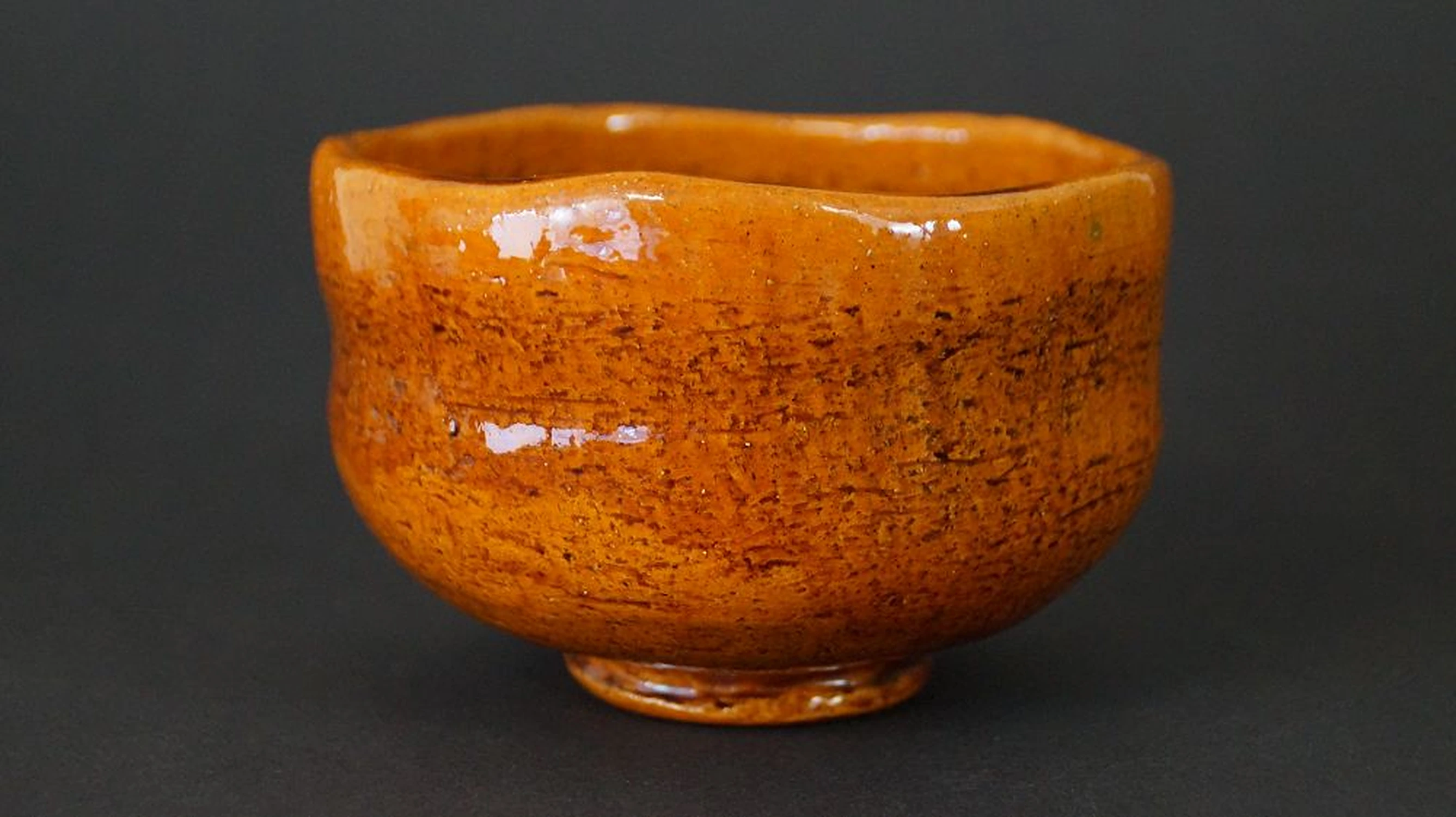
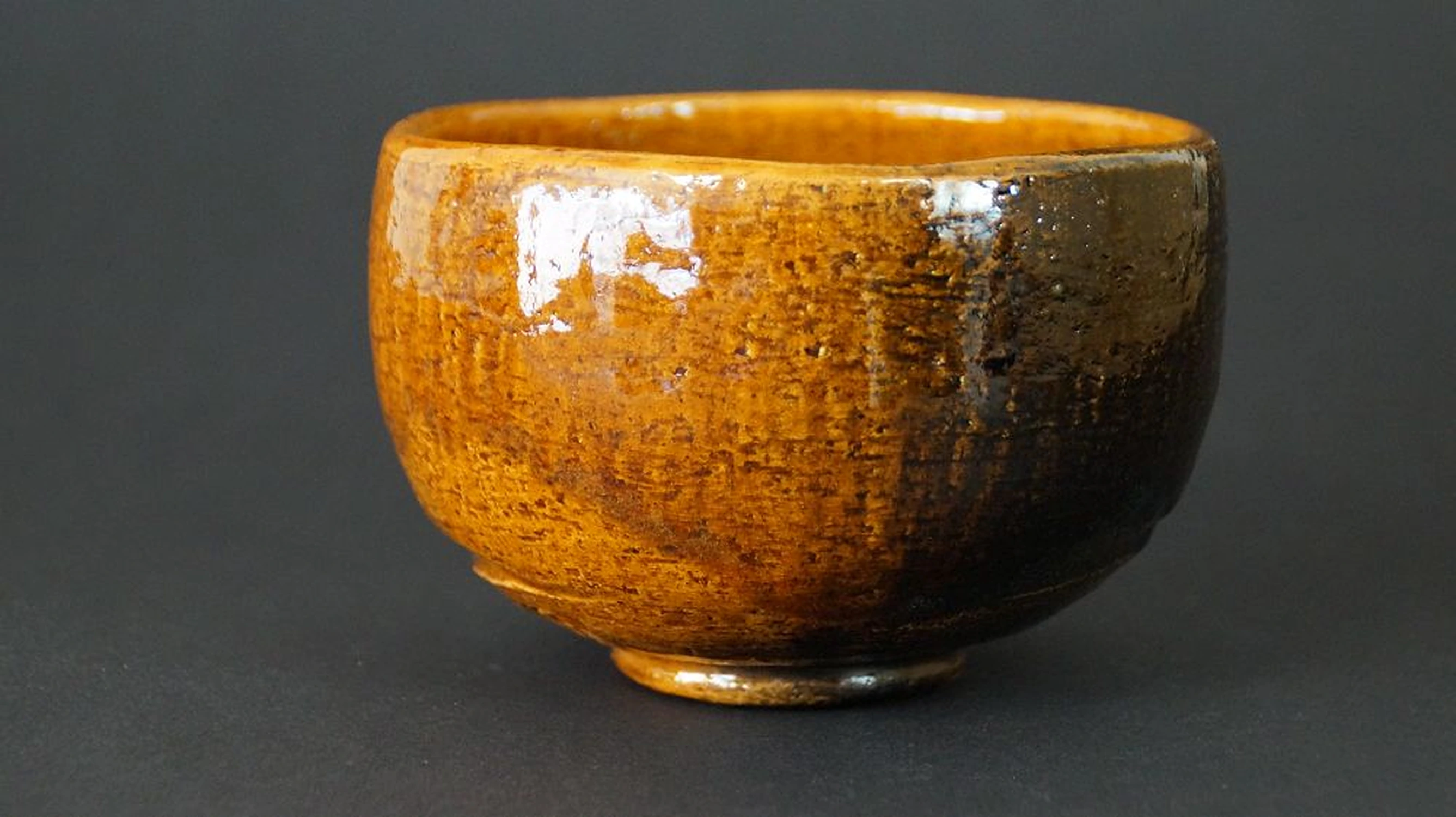
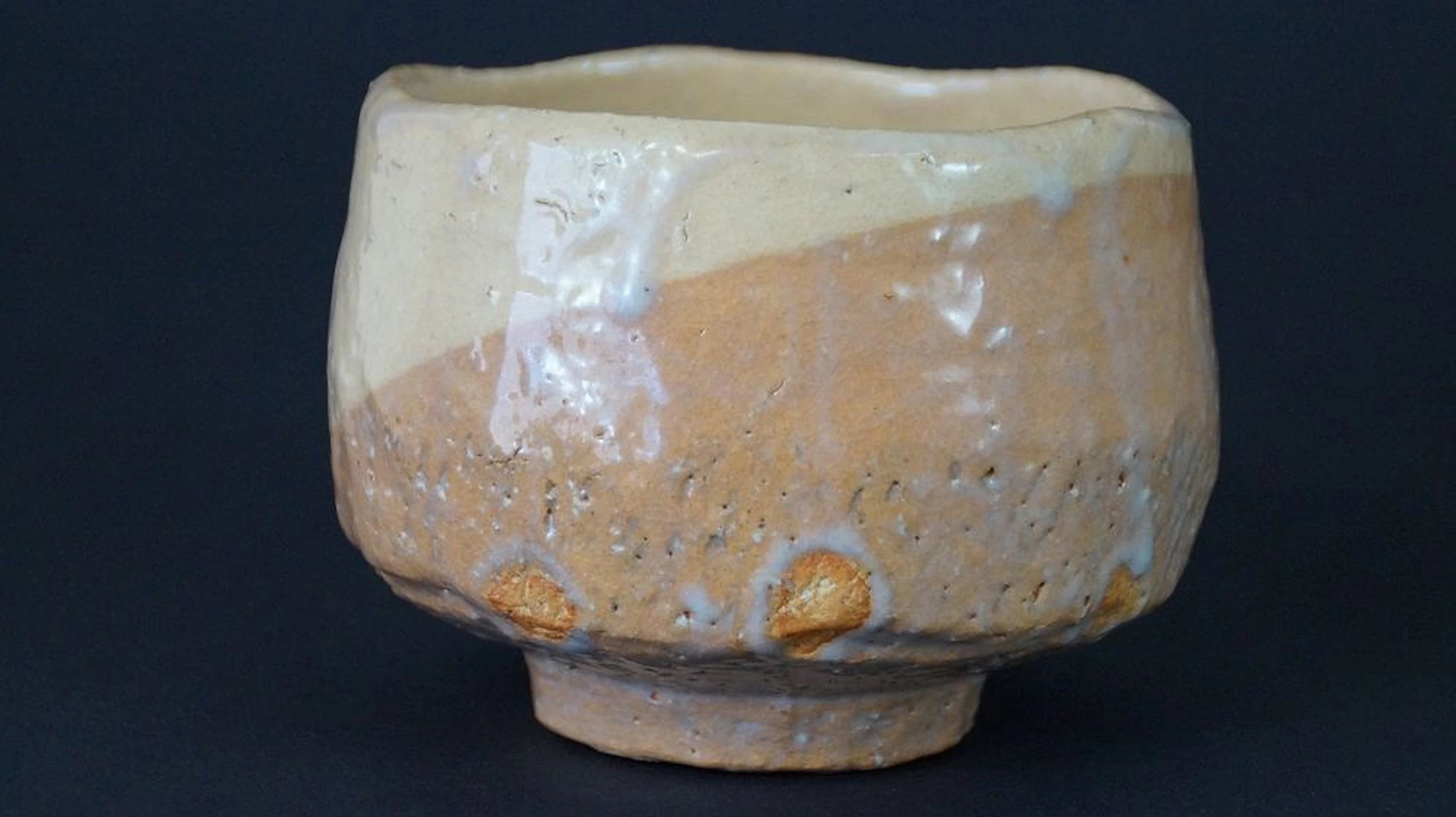
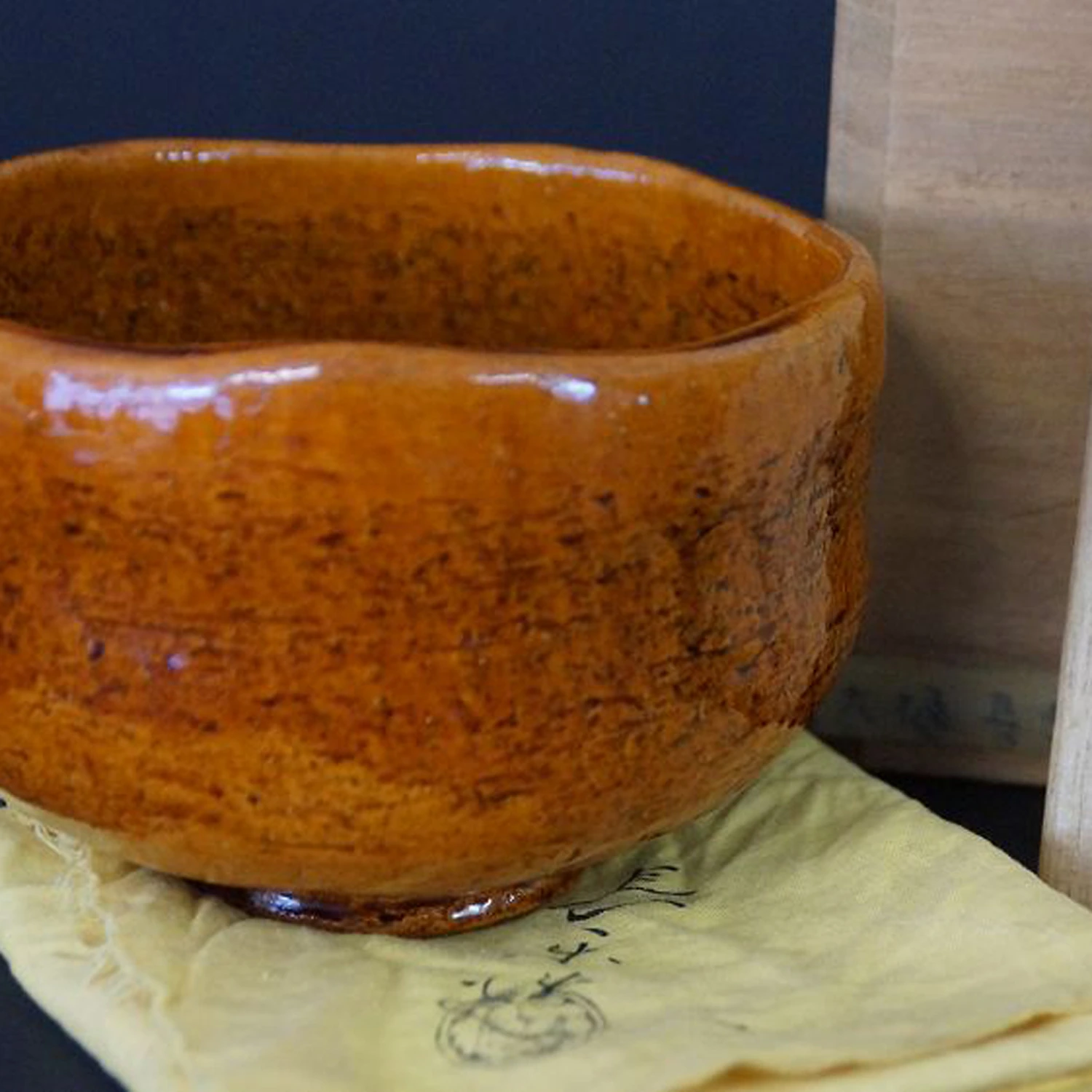
The deep, earthy warmth of Ōhi ware from Kanazawa radiates from this chawan with a particular, almost meditative intensity. The outer lid of the box identifies the bowl as an Ōhi chawan (大樋 茶碗); Ōhi ware, founded in the 17th century by a pupil of the Raku family, is, like Raku, hand-formed without a potter's wheel and fired using the characteristic low-temperature firing process. The amber ame glaze typical of Ōhi develops its distinctive character through reduction firing, resulting in vivid color gradations, fine textures, and a porous surface that embodies the spirit of wabi-sabi in perfect fashion.
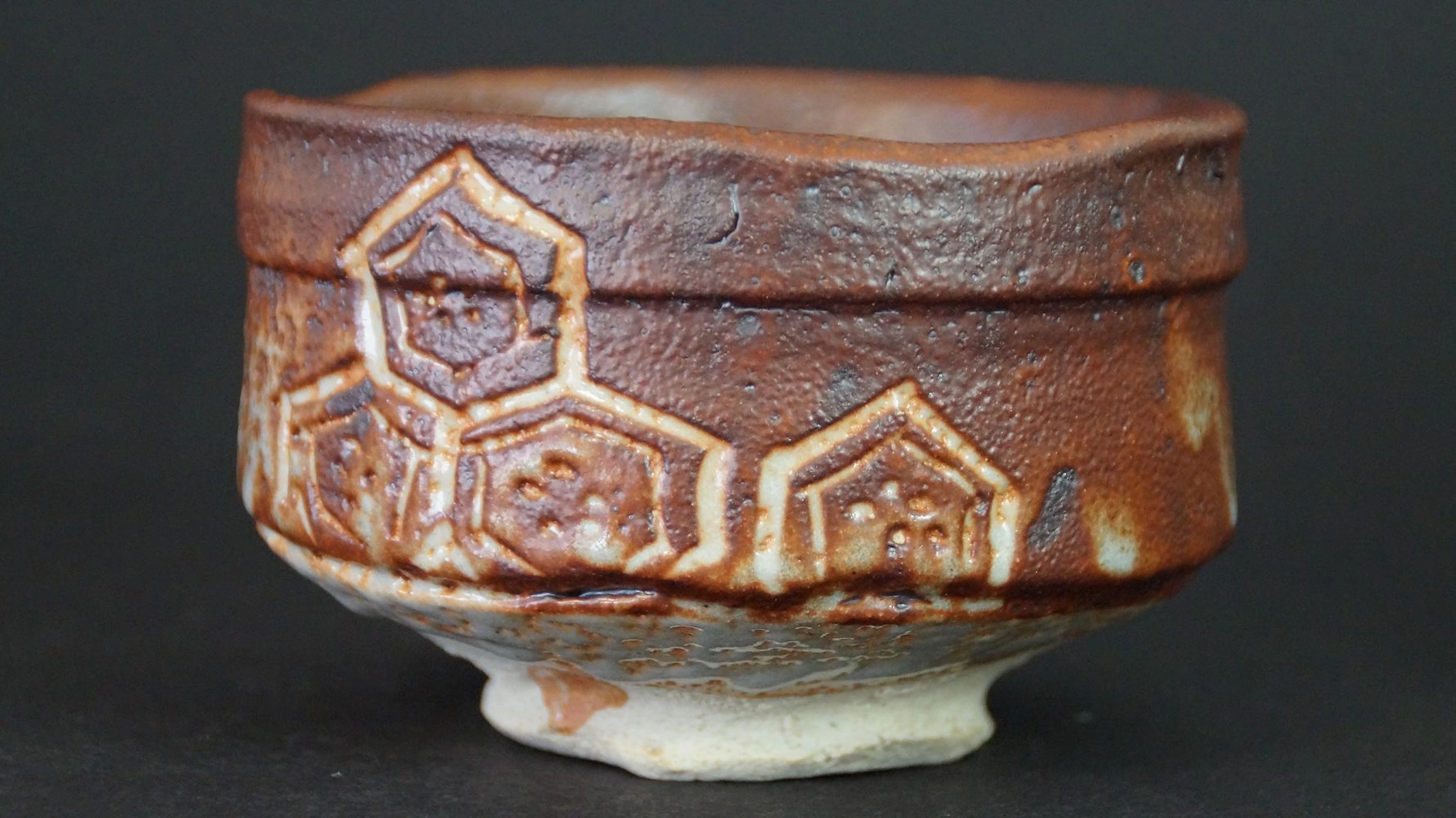
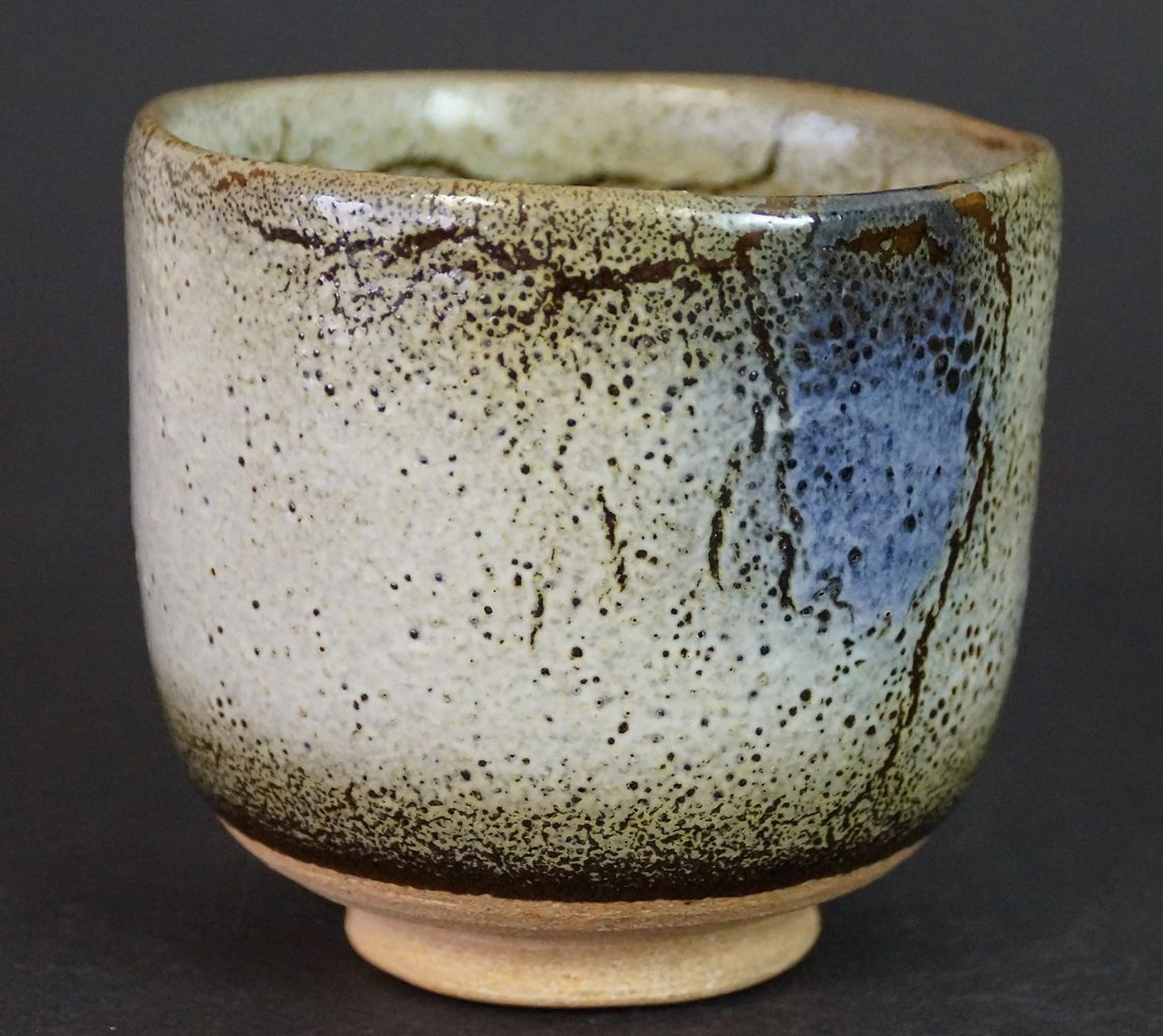
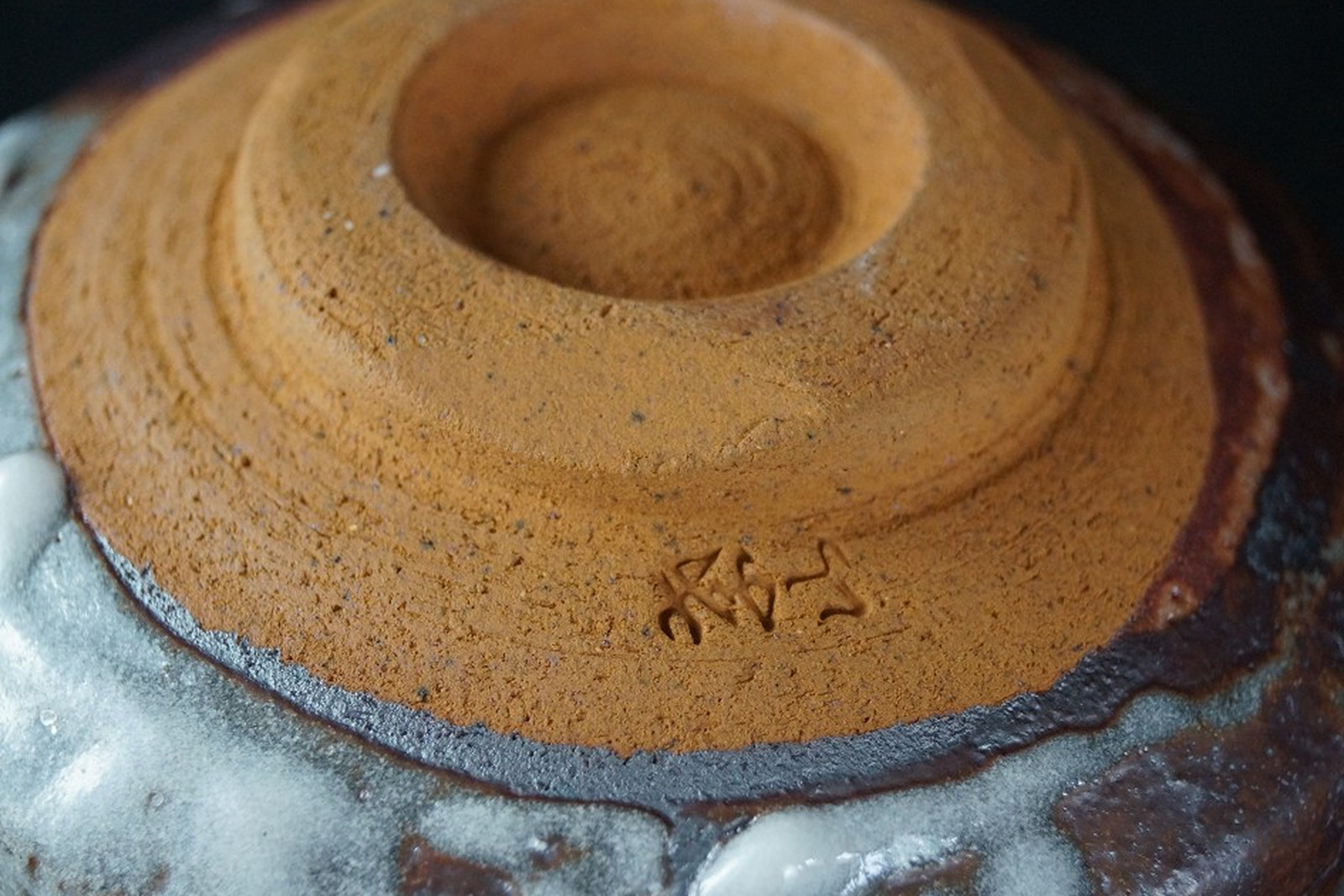
The vessel shows a compact, organically shaped silhouette with an irregular rim that offers a natural, pleasant tactile quality. The glaze shifts across a rich spectrum from warm amber and honey yellow to deep brown and nearly black shadings. Glossy areas contrast with matte, textured sections, while fine crackle lines and slight surface undulations catch the light. Particularly striking is the base with its spiral pattern, which makes the handcrafted origin visible and lends the piece an additional sculptural note.
As a handcrafted unique work, this chawan is delivered in an inscribed wooden box: on the inner lid, Sōsei (宗聖), with his kaō (cipher), gives the bowl the poetic name (mei) “Midorige” (緑毛) – a box inscription of the kind written by tea masters; it does not name the potter. This underscores the bowl's authenticity and value for collectors. It is ideally suited for preparing matcha, where the porous surface gently retains warmth and the visual depth of the glaze enriches the ritual. With each use, the object gains even more character through gentle patina and becomes a quiet, timeless companion that makes the essential beauty of Japanese ceramic art tangible.
Frequently asked
You might like these pieces
Choraku Ohi
Chawan Tea Bowl Made of Ohi Ware by Choraku Ohi
Chawan, unique work, with box, 8,5 x 12 cm
€250.00
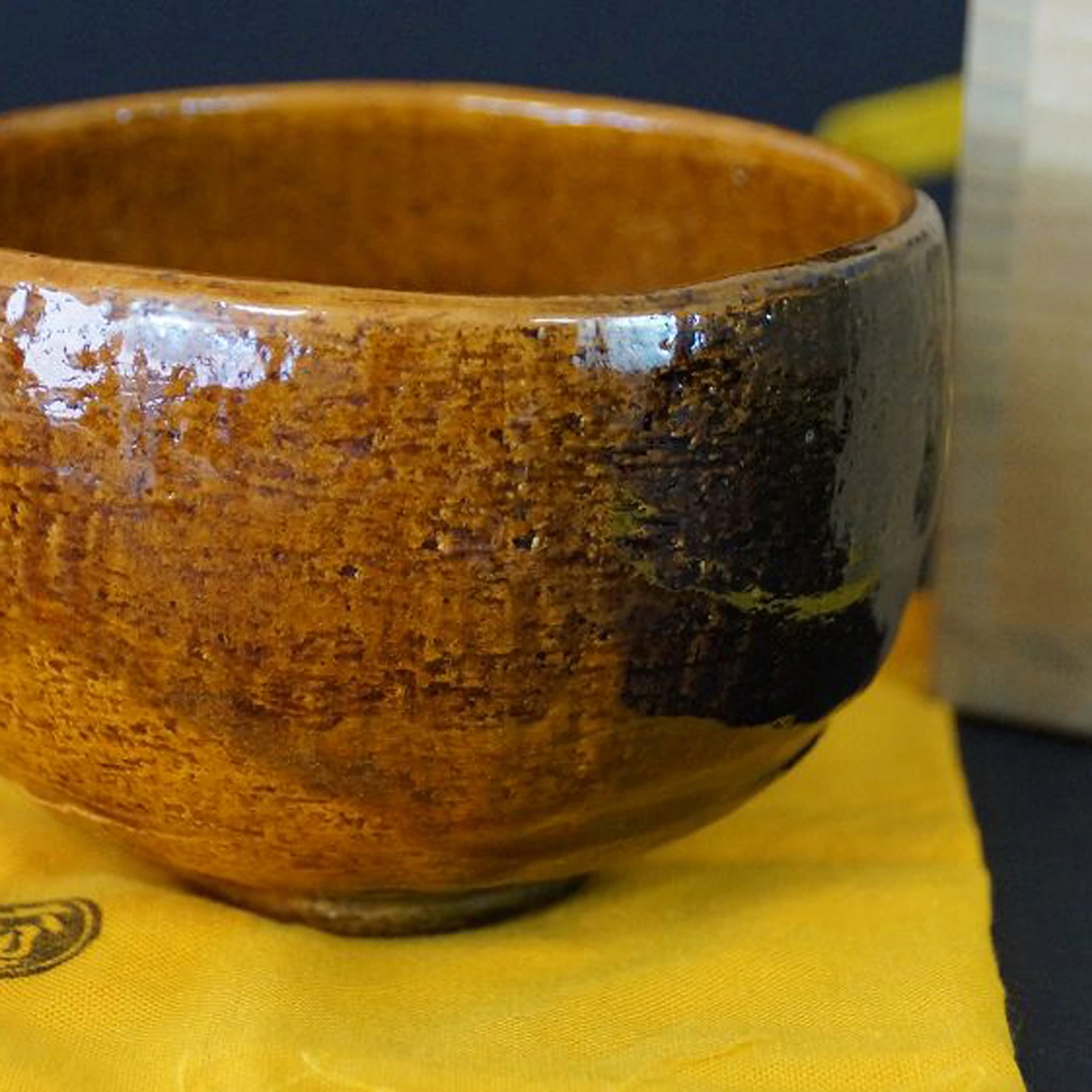
Hisashi Ohi
Chawan Tea Bowl Made of Ohi Ware by Hisashi Ohi
Chawan, unique work, with box, 8 x 11,5 cm
€240.00
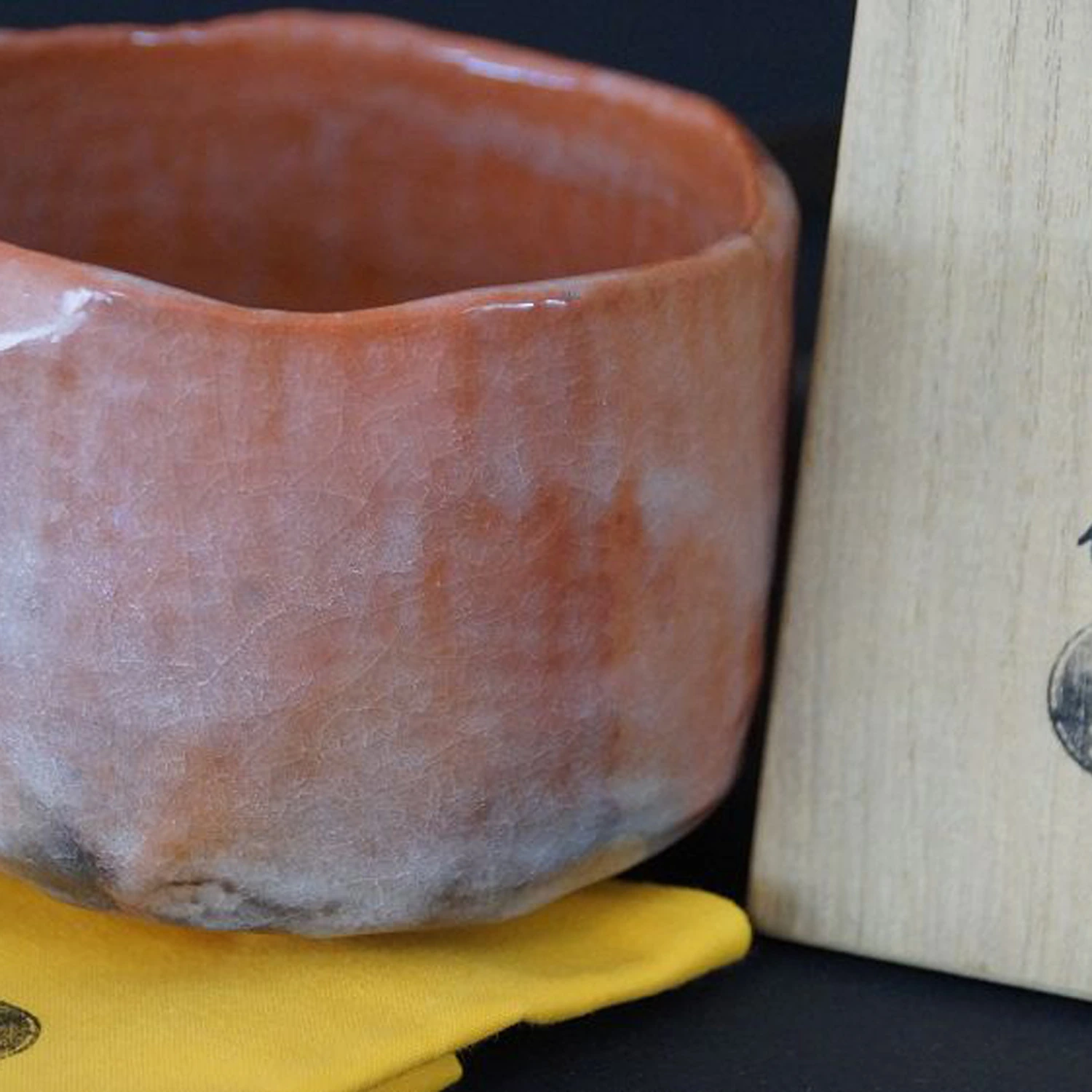
Ichiraku Nishimura
Chawan Tea Bowl Made of Raku Ware by Ichiraku Nishimura
Chawan, unique work, with box, 8 x 11,5 cm
€420.00
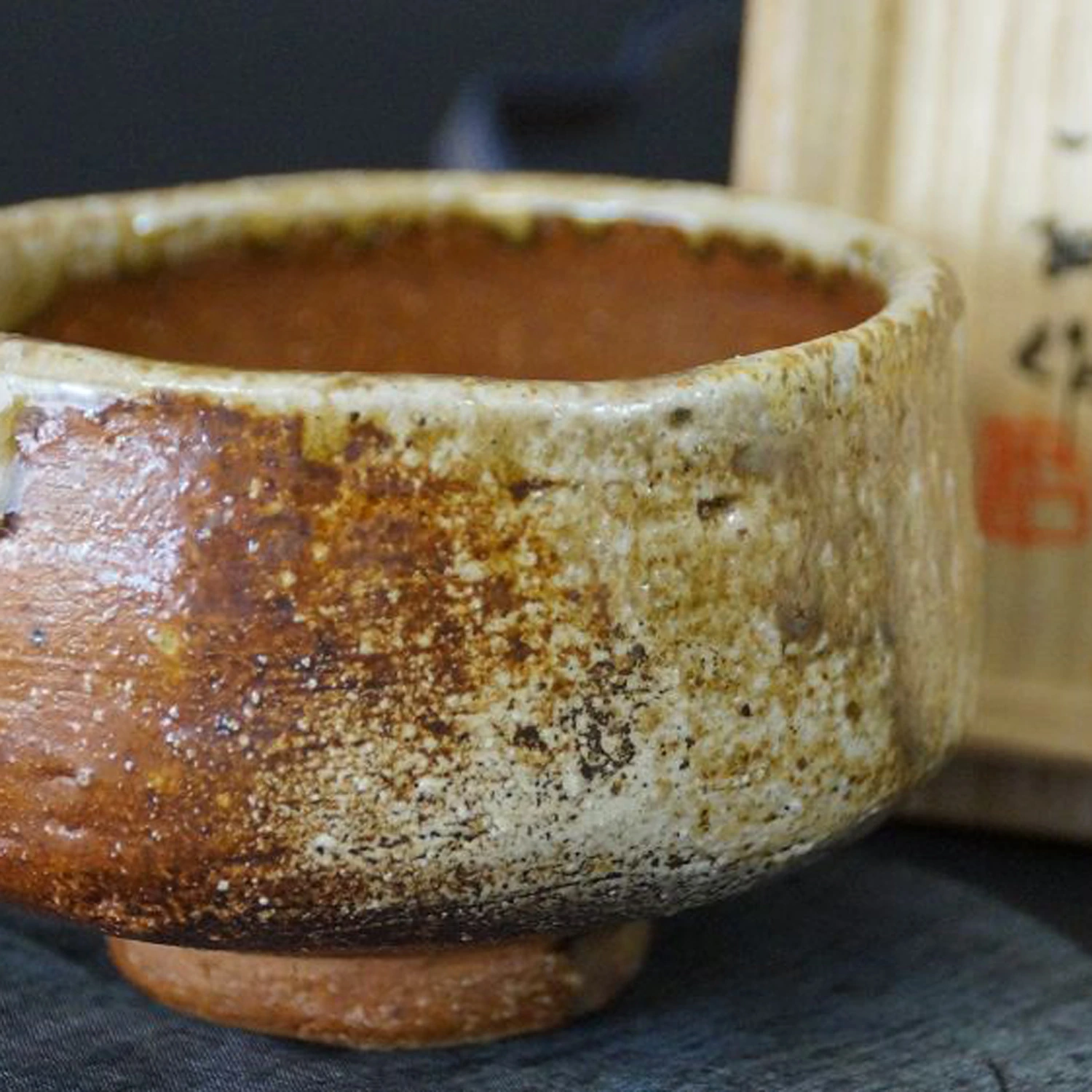
Kazuki Omi
Chawan Tea Bowl Made of Shigaraki Ware by Kazuki Omi
Chawan, unique work, with box, 8 x 12 cm
€210.00
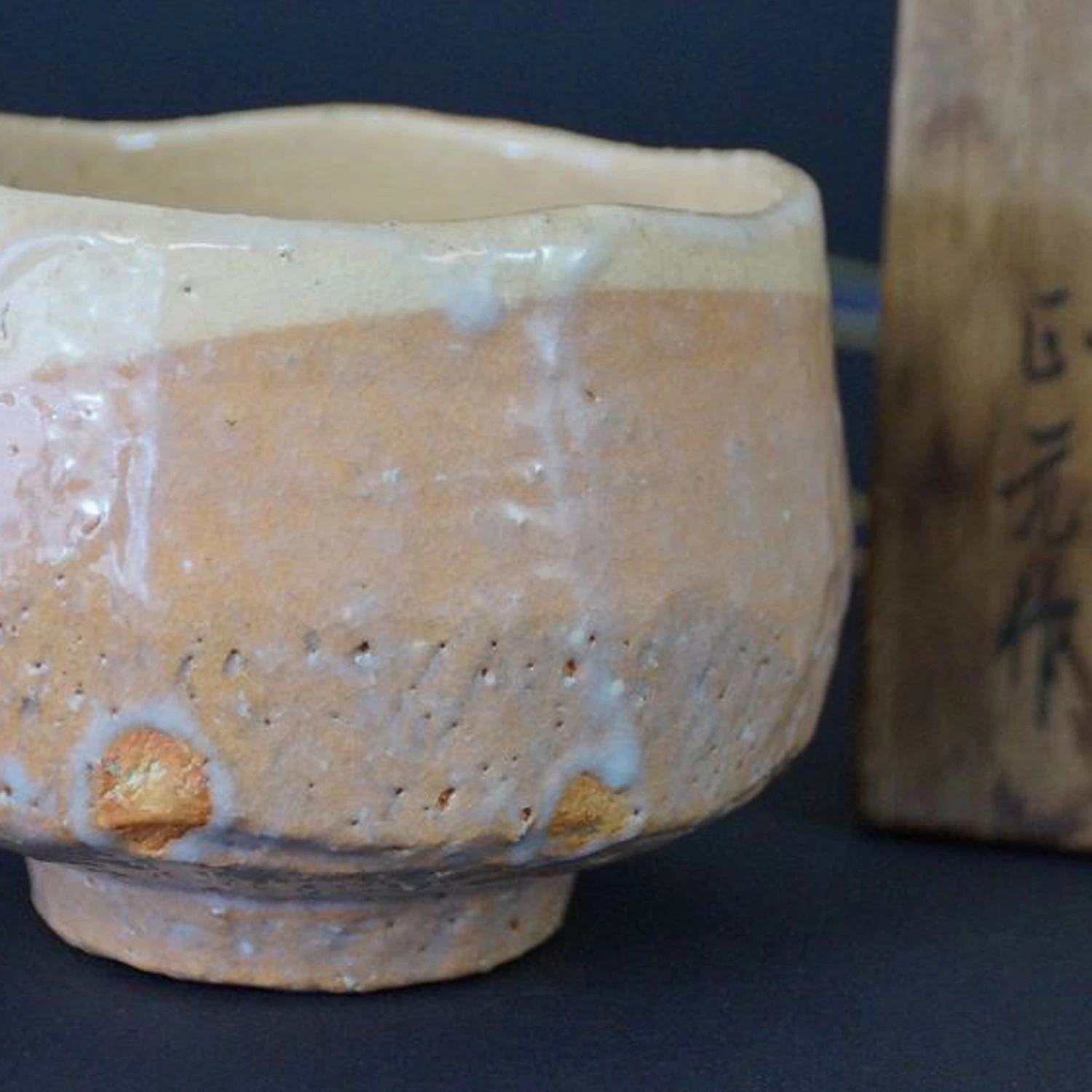
Shogen
Chawan Tea Bowl Made of Hagi Ware by Shogen
Chawan, unique work, with box, 8 x 12 cm
€220.00
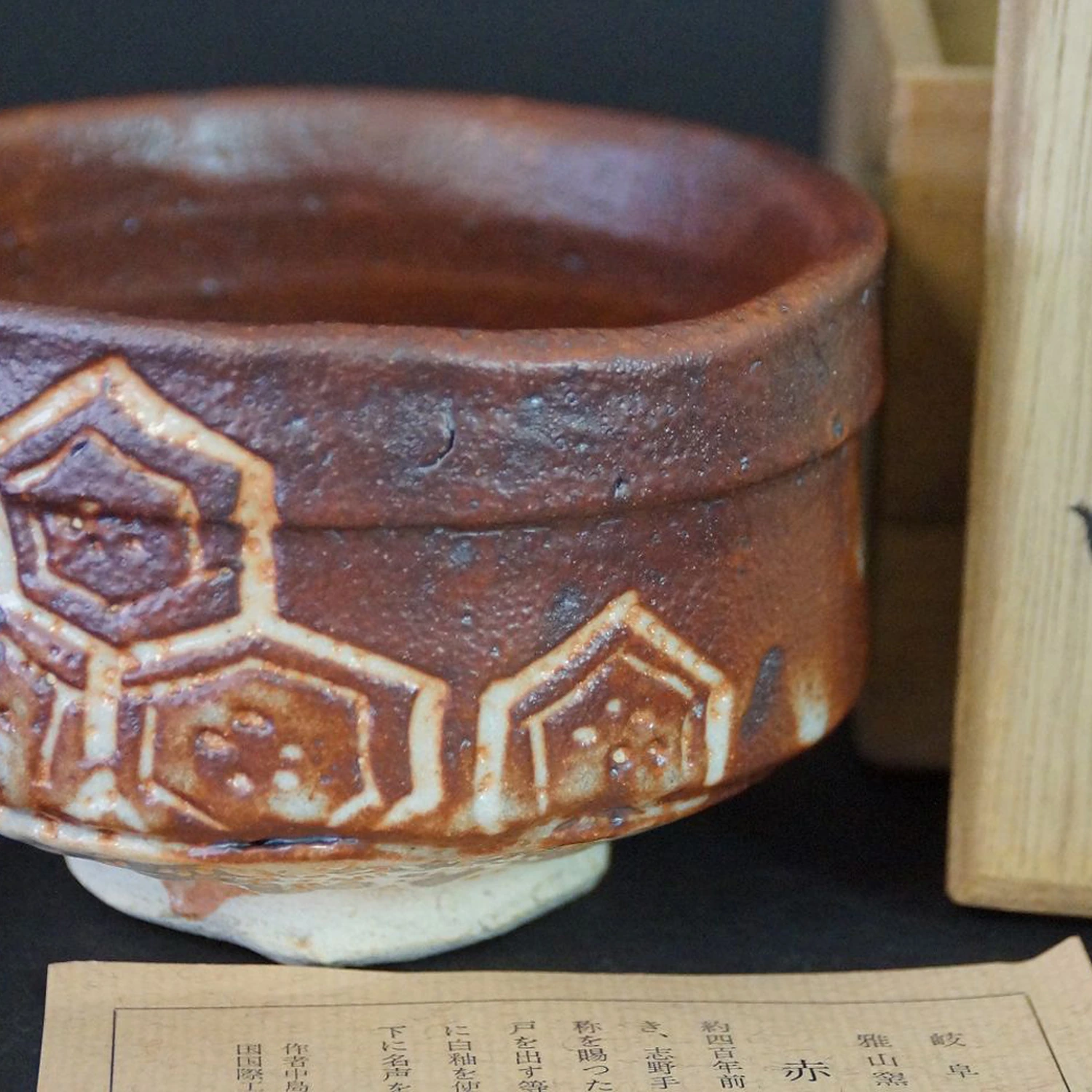
Masao Nakajima
Chawan Tea Bowl Made of Shino Ware by Masao Nakajima
Chawan, unique work, with box, 8 x 12,5 cm
€380.00
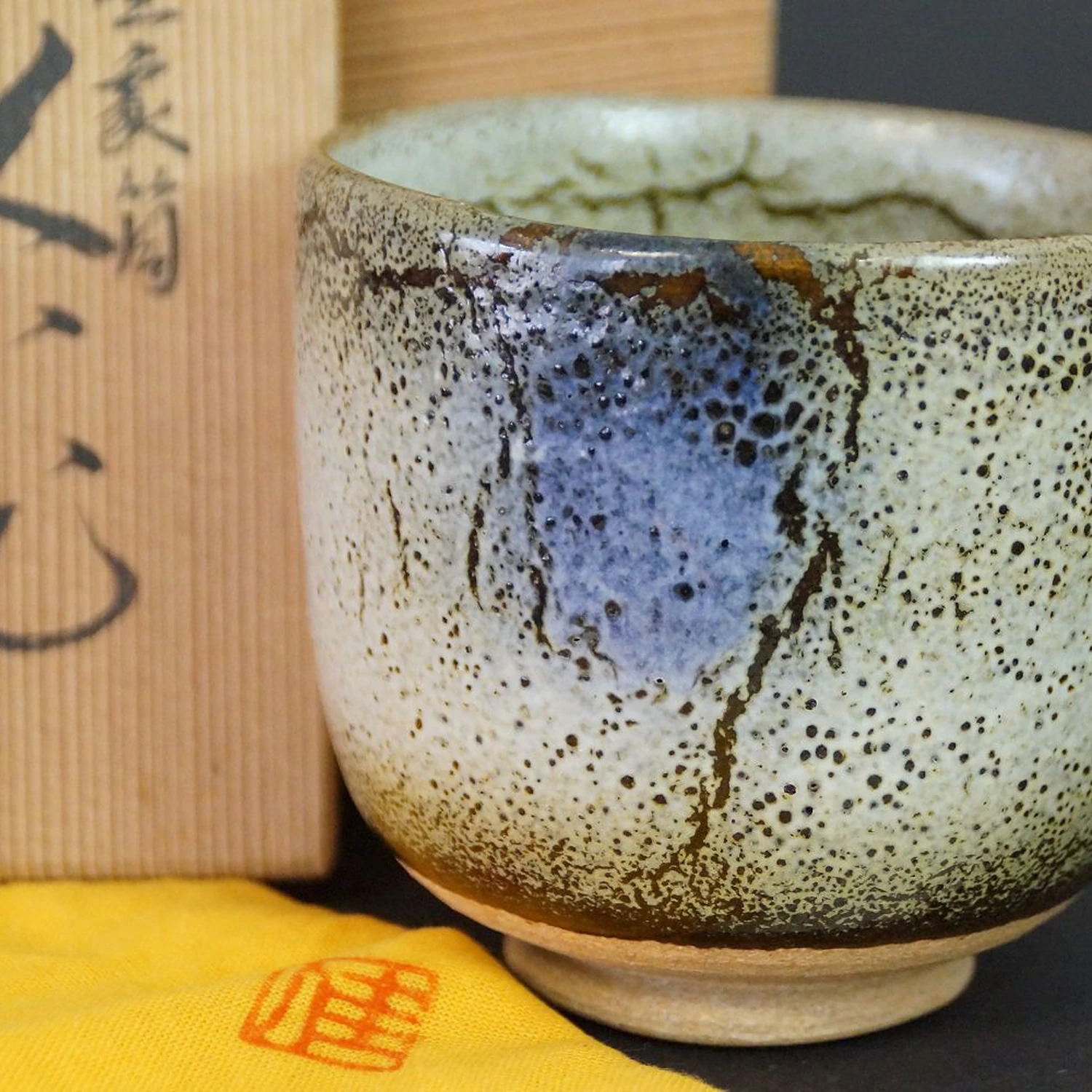
Yoshihisa Inoue
Chawan Tea Bowl Made of Kyoto Ware by Yoshihisa Inoue
Chawan, unique work, with box, 9,5 x 10 cm
€290.00
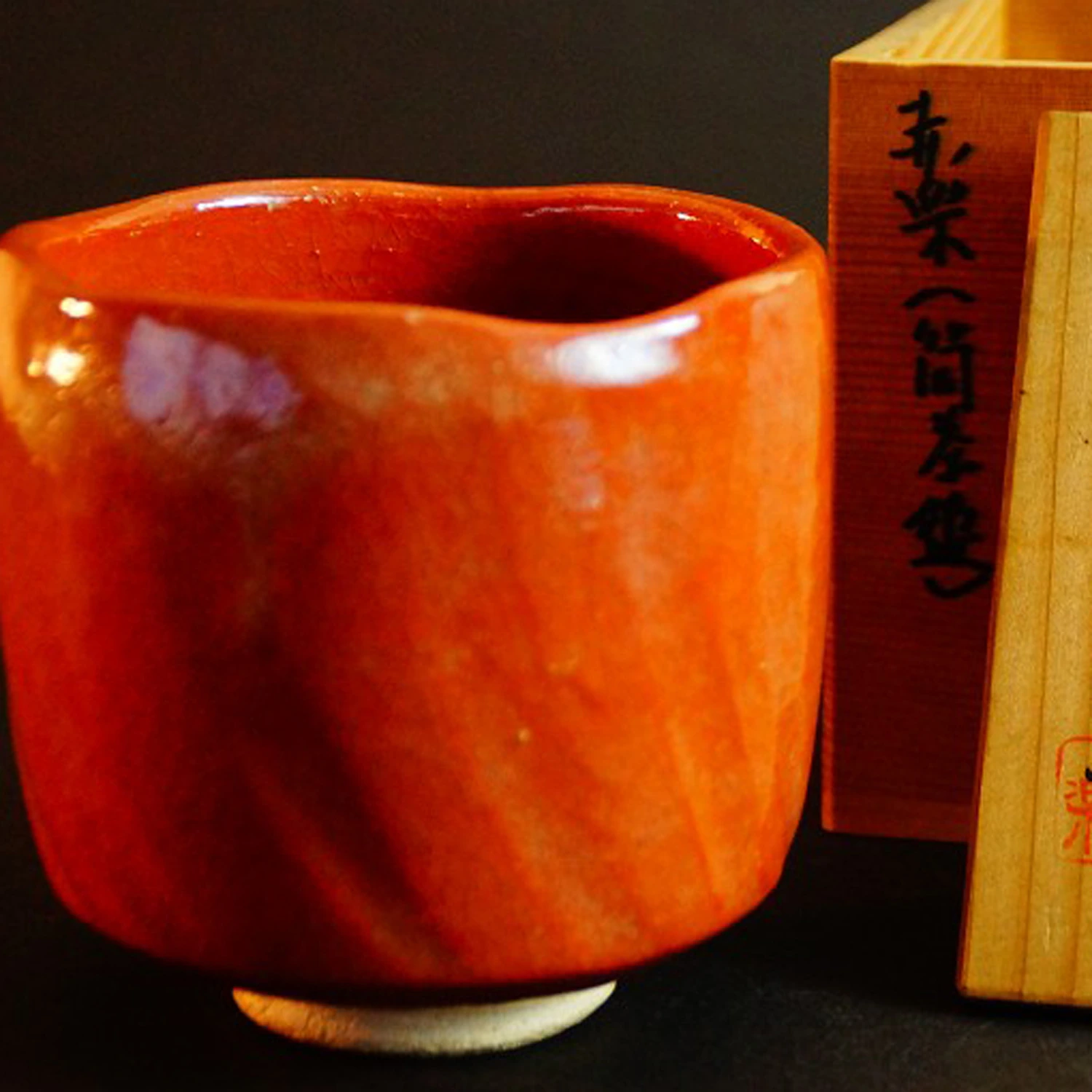
Seiraku
Chawan Tea Bowl Made of Raku Ware by Seiraku
Chawan, unique work, with box, 9,5 x 9,5 cm
€280.00