Japanese Art of the Taishō Period
Go directly to the artworksIn brief
The Taishō period (大正, 1912–1926) is the short era between the Meiji and Shōwa periods, named after the reign name of Emperor Taishō, meaning “great righteousness.” An economic upswing after the First World War, a growing urban culture and greater political freedom shaped these years. Traditional painting opened carefully to Western influences without giving up its craft foundations. At Densho you will find hand-painted kakemono and figures that we date to the Taishō period, as one-of-a-kind pieces direct from Japan.
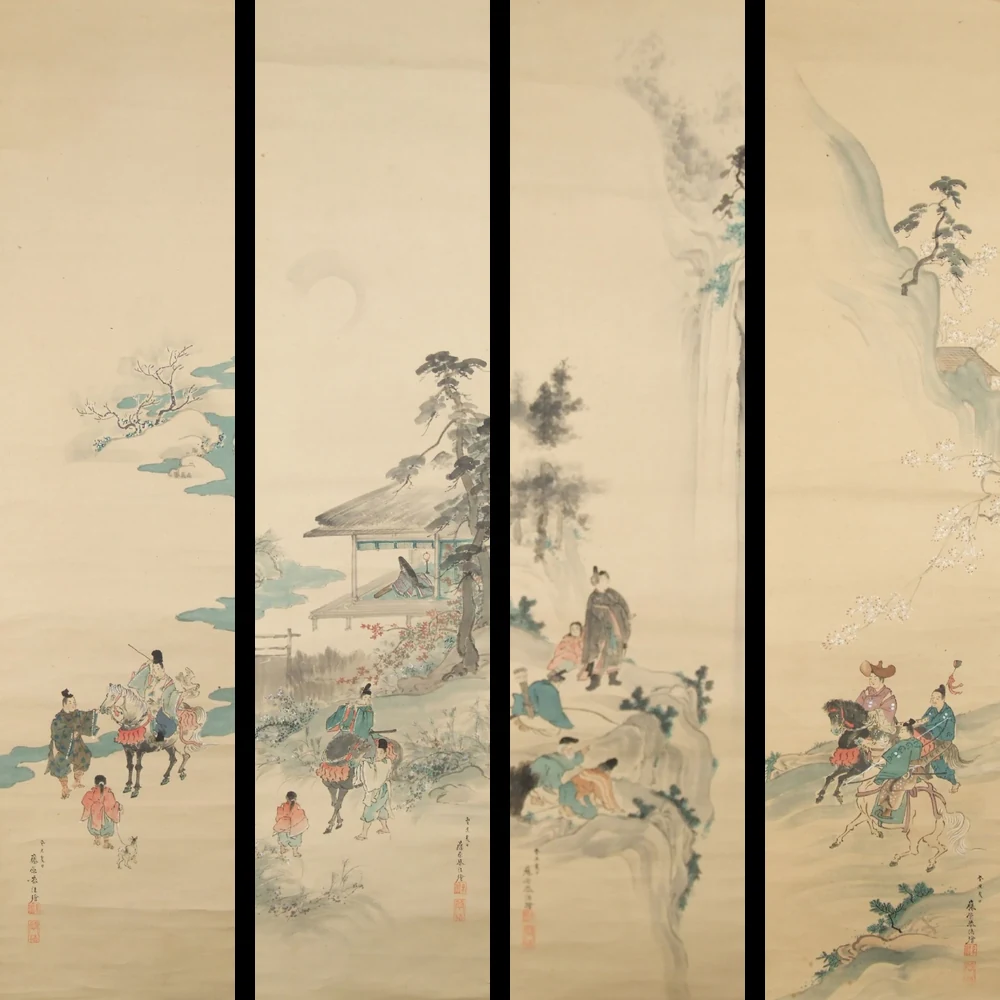
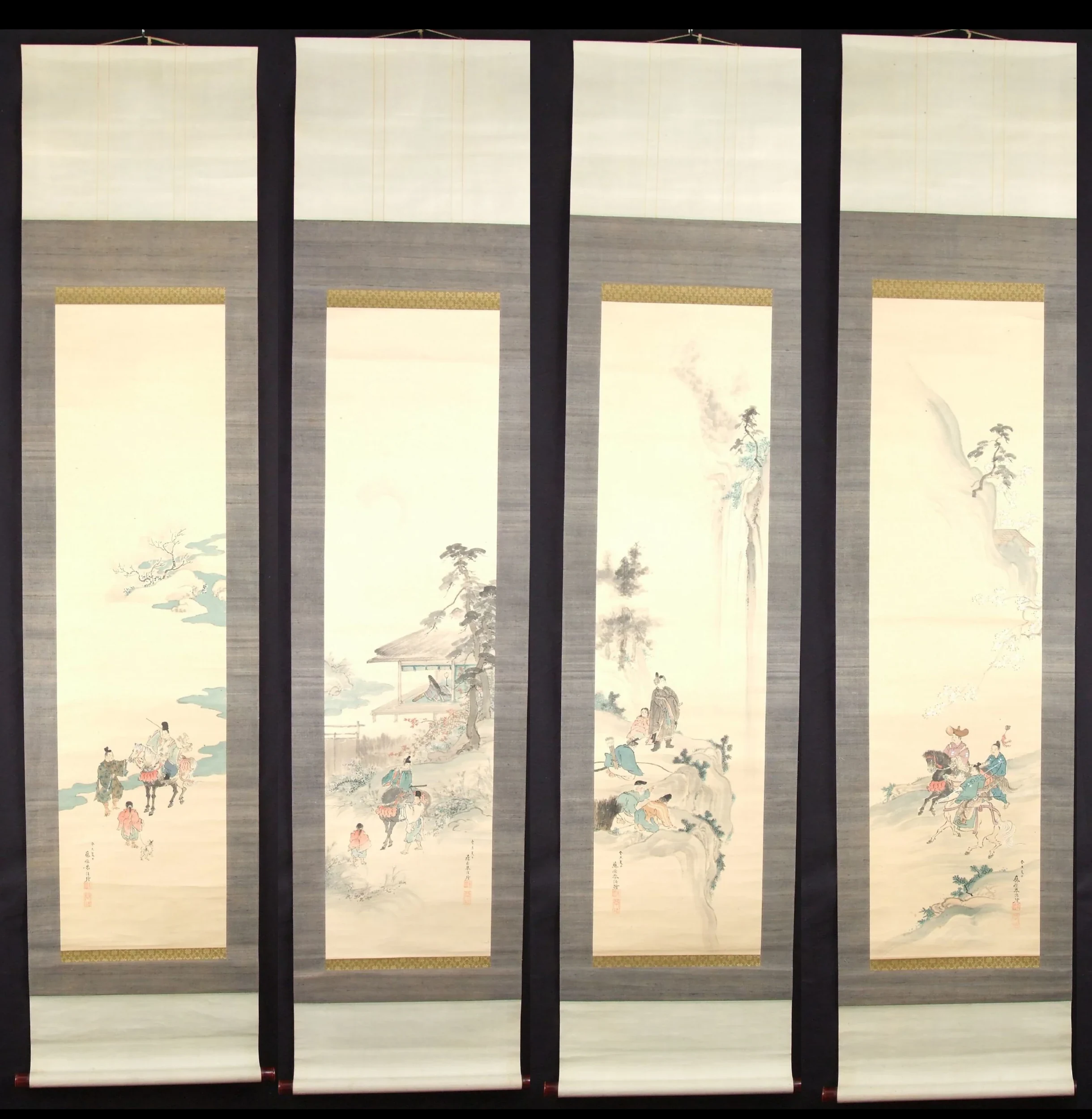
Okumura Kyōhō
Set of Four Paintings – Legends of the Four Seasons
Kakemono, unique work, with box, 192 x 48 cm
€1,210.00
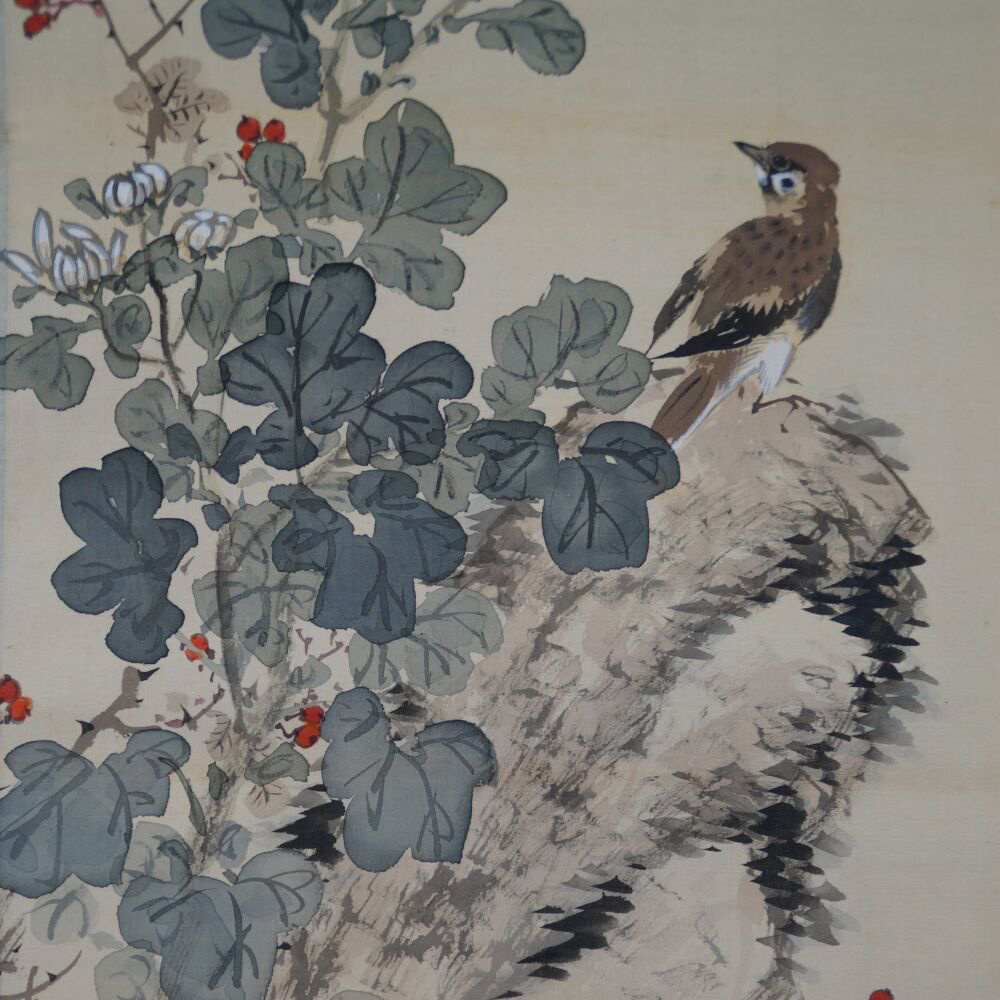
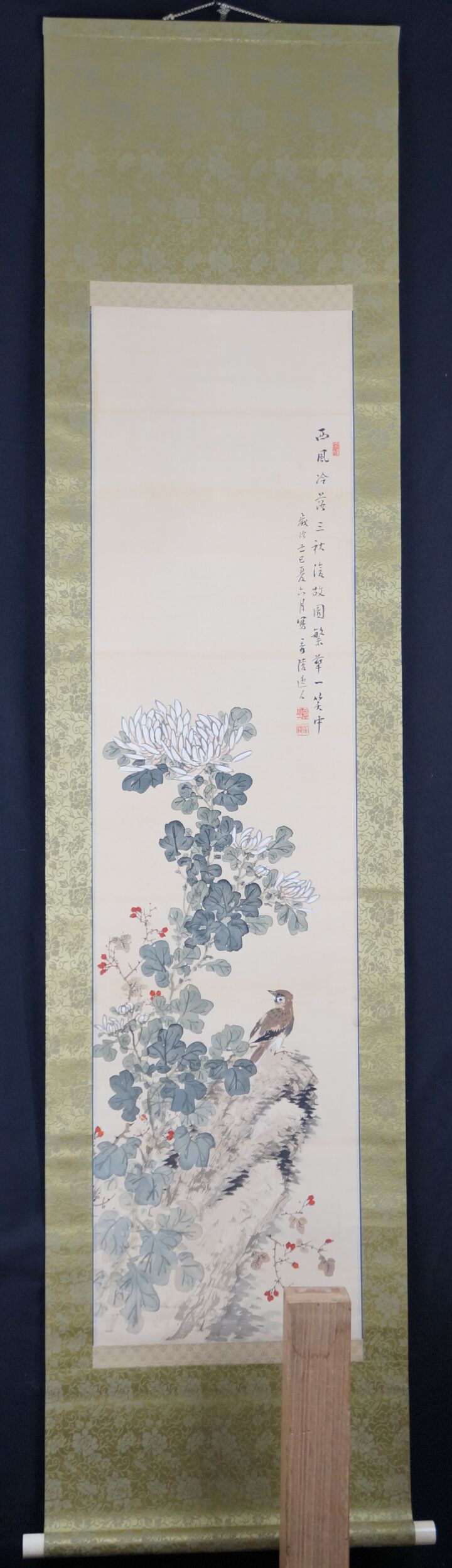
Amano Shuryo
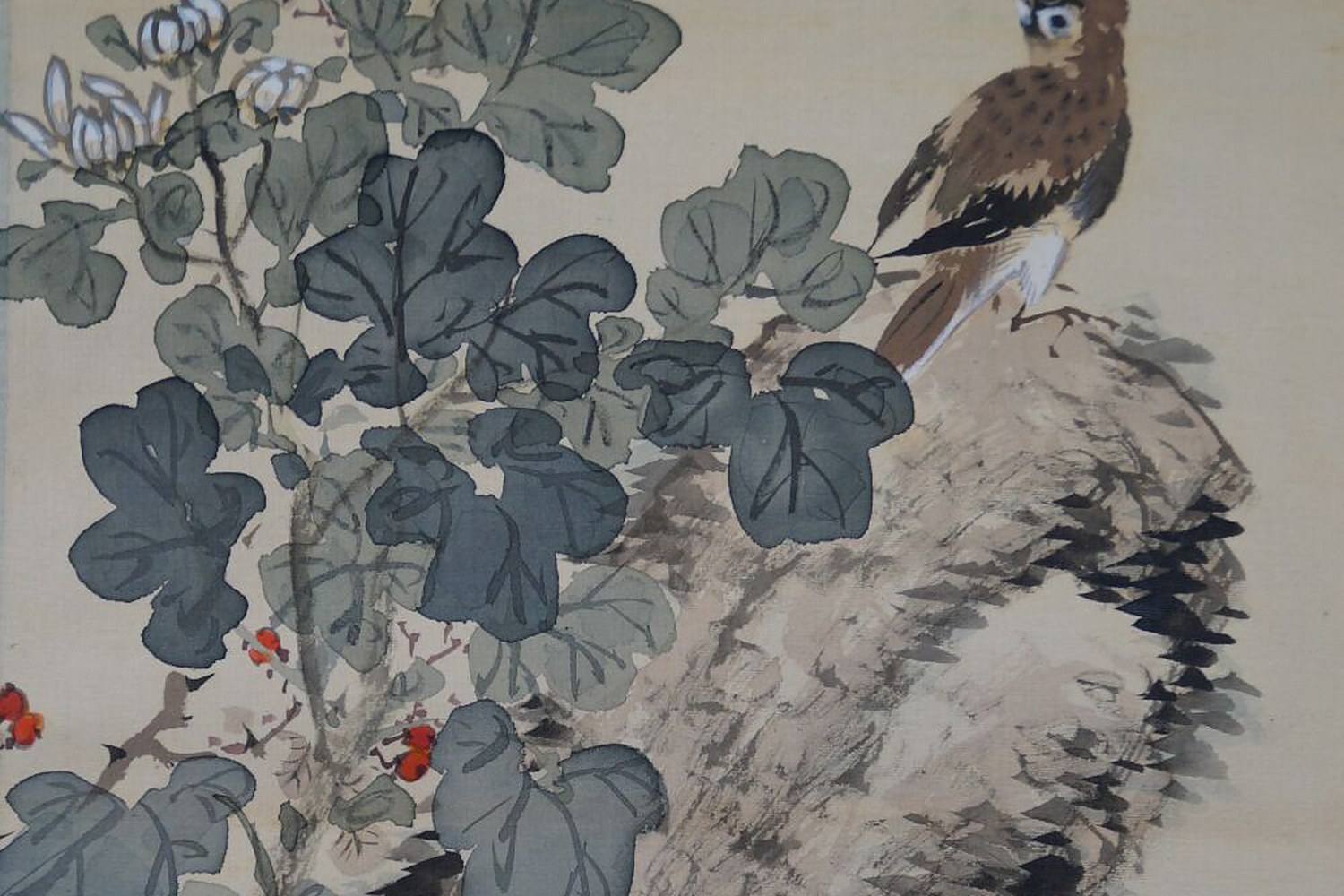
Autumn Chrysanthemums
Kakemono, unique work, with box, 190 x 51 cm
€480.00
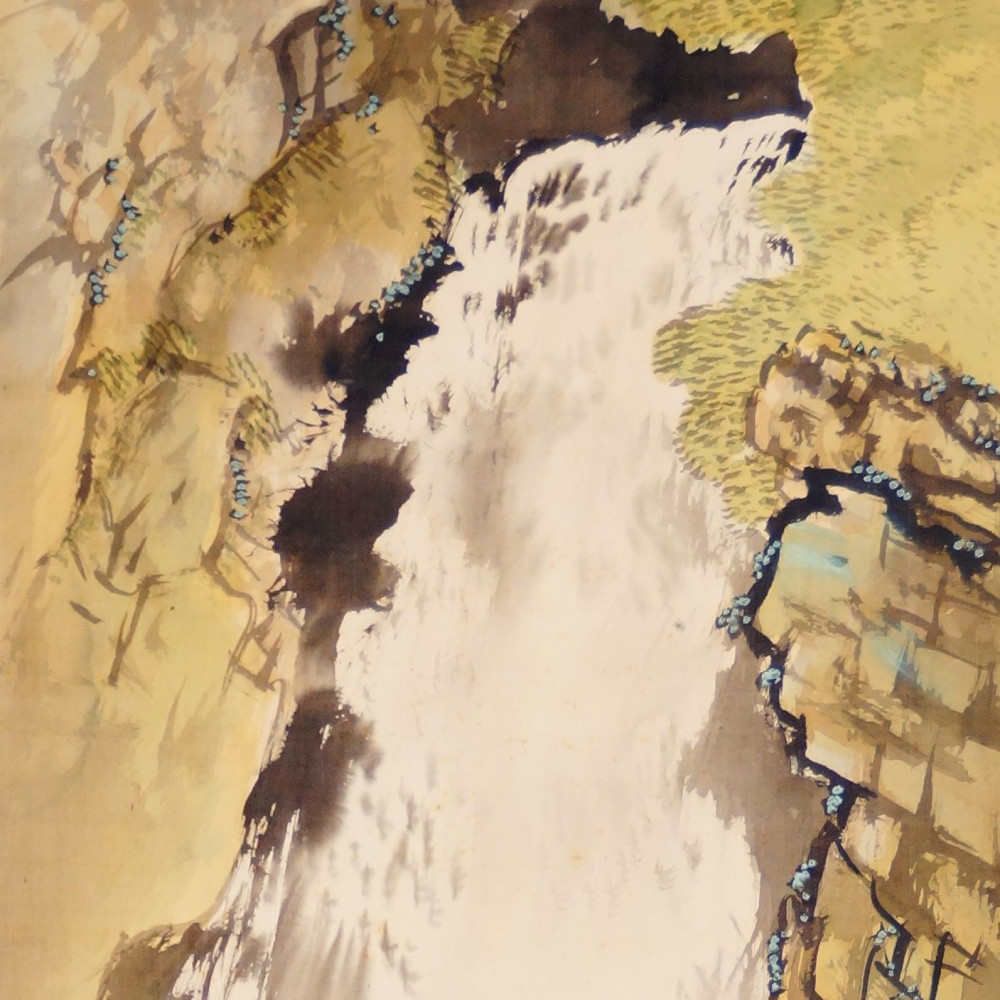

Yamamoto Shunkyo
Roaring Waterfall
Kakemono, unique work, 201 x 51 cm
€610.00
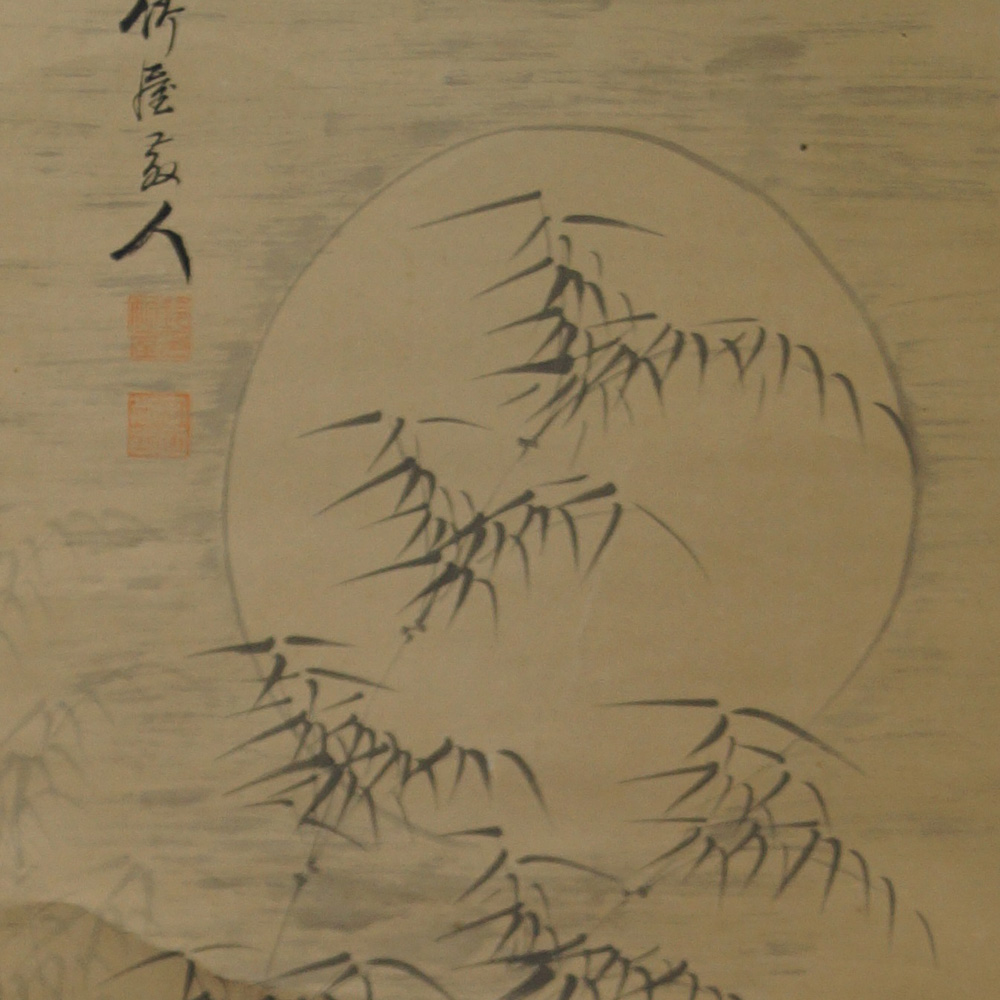
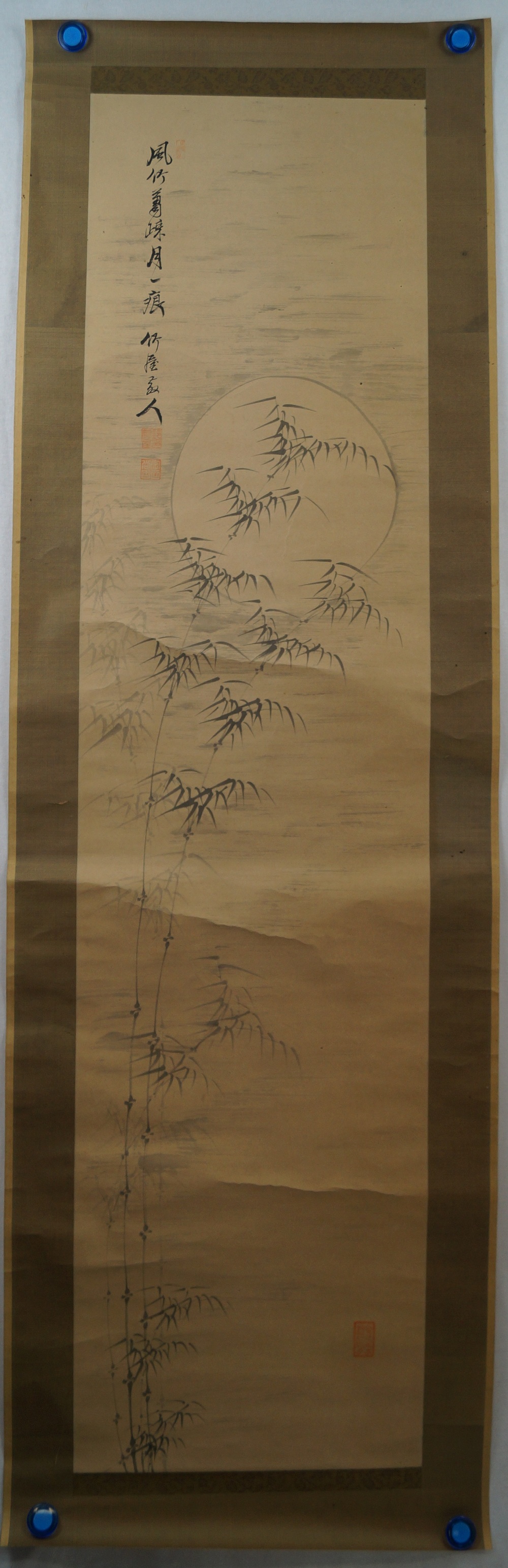
Makuri with Bamboo and Full Moon
Makuri, unique work
€168.00


Puppy Under Bamboo
Kakemono, unique work, 185 x 40 cm
€230.00
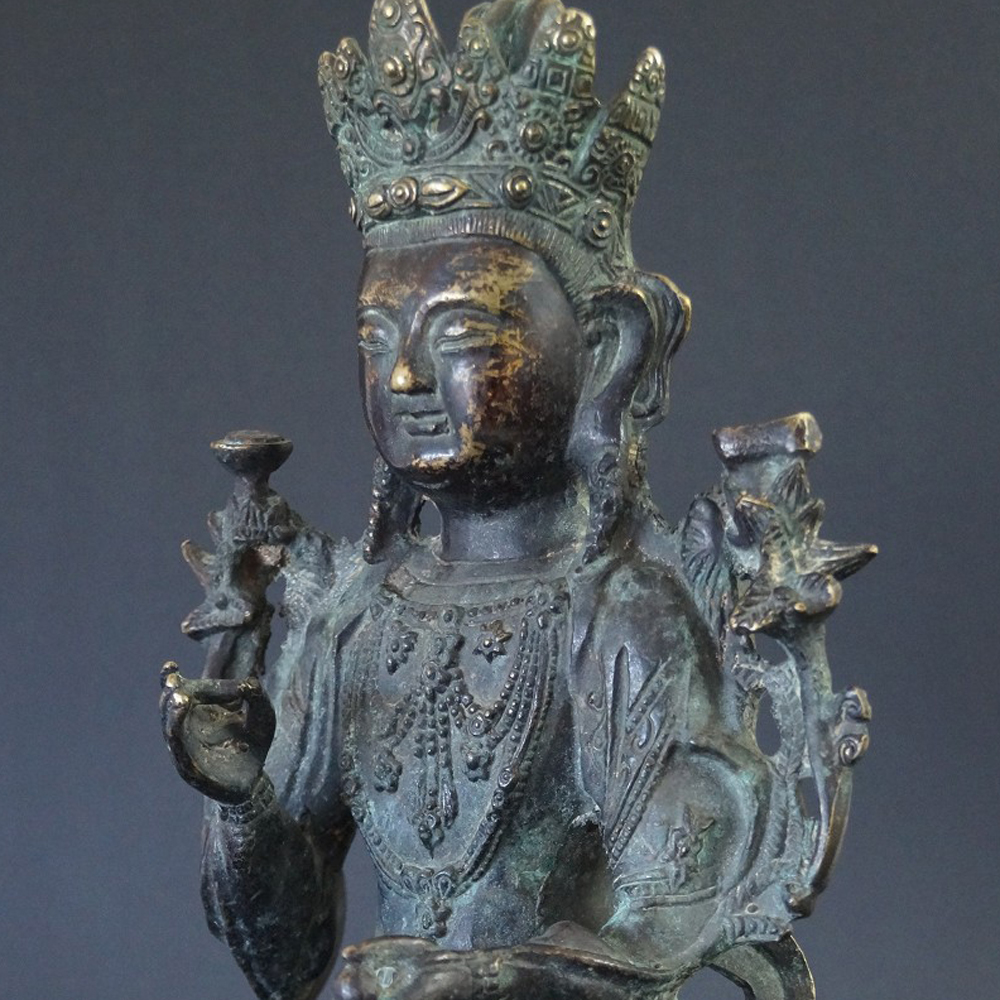
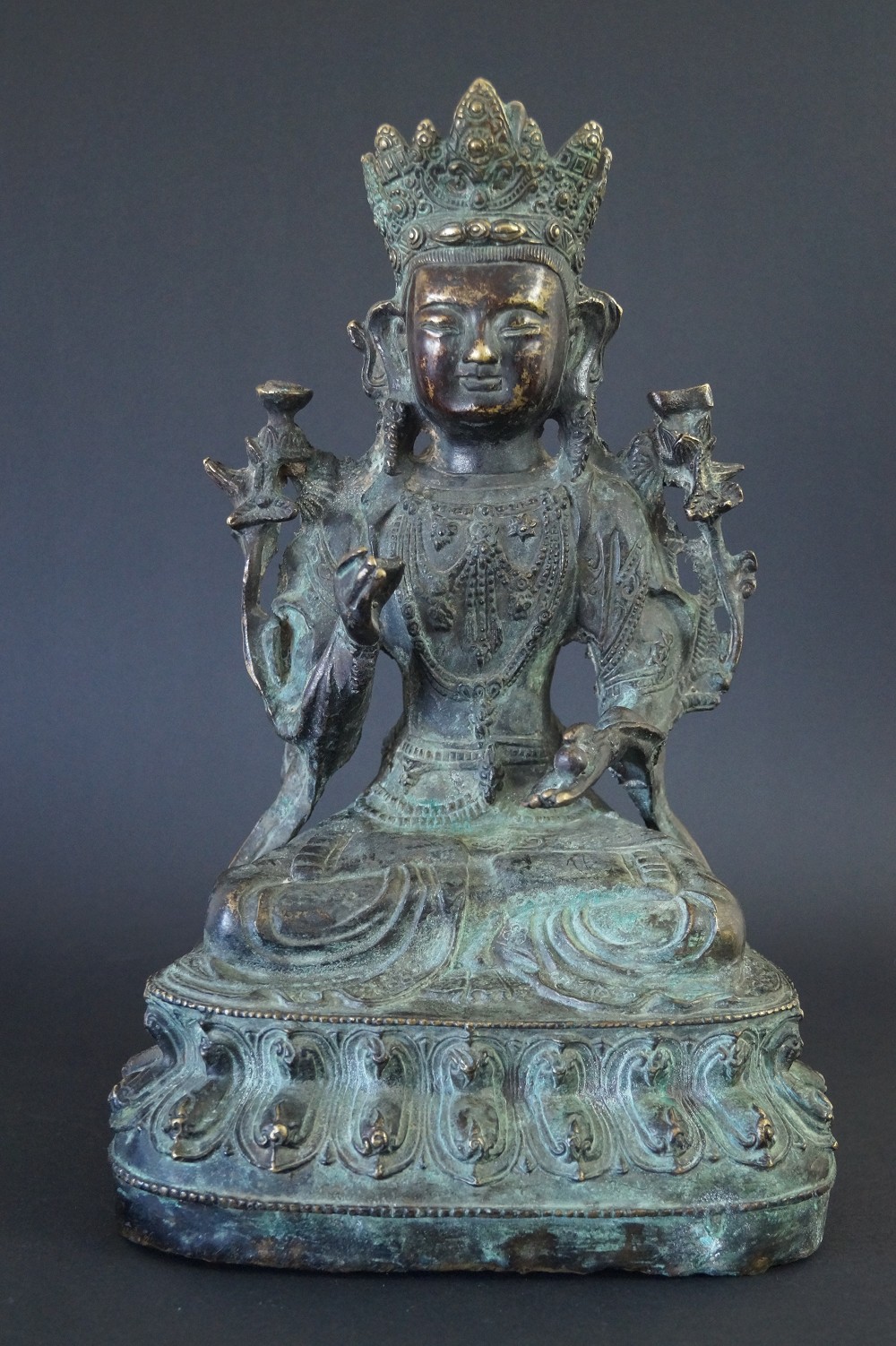
Chinese Buddha Figure Made of Bronze
Figure, unique work, 32 x 20 cm
€620.00
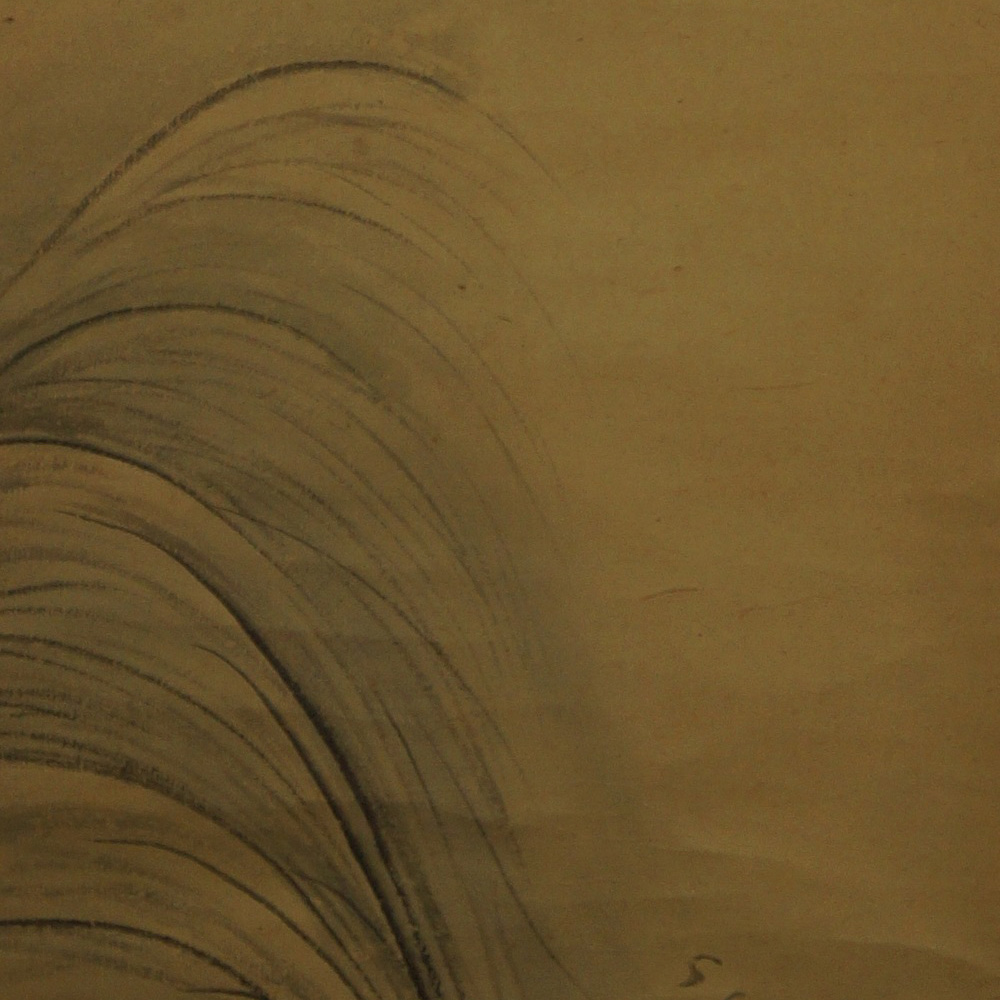
Rising Sun over High Wave
Kakemono, unique work, 177 x 42 cm
Sold

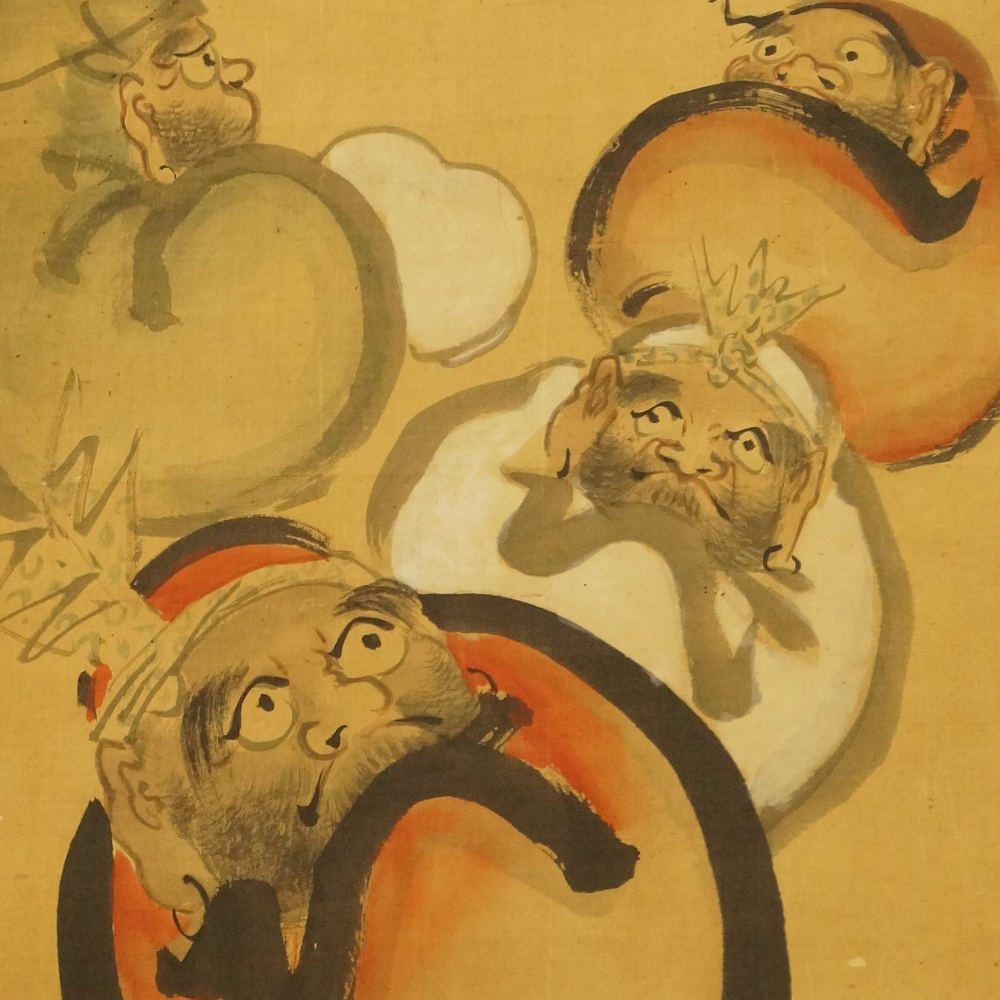
Daruma Round Dance
Kakemono, unique work, 151 x 46 cm
Sold

Calligraphy: Snow, Moon, Flowers
Kakemono, unique work, 112 x 61 cm
Sold
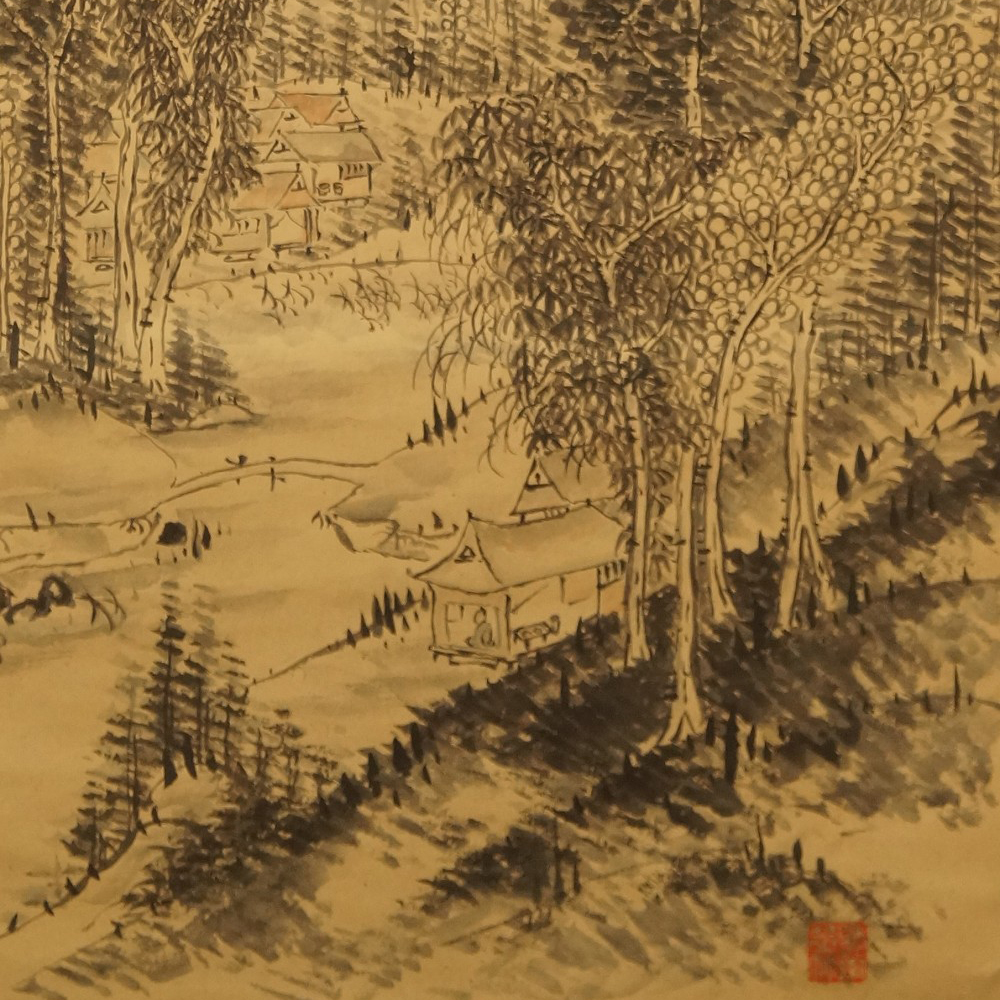
Mountain Village in Morning Fog
Kakemono, unique work, 190 x 60 cm
Sold

Beauty Crossing the River
Kakemono, unique work, 177 x 56 cm
Sold

Calligraphy Character Dragon
Kakemono, unique work, 115 x 36 cm
Sold
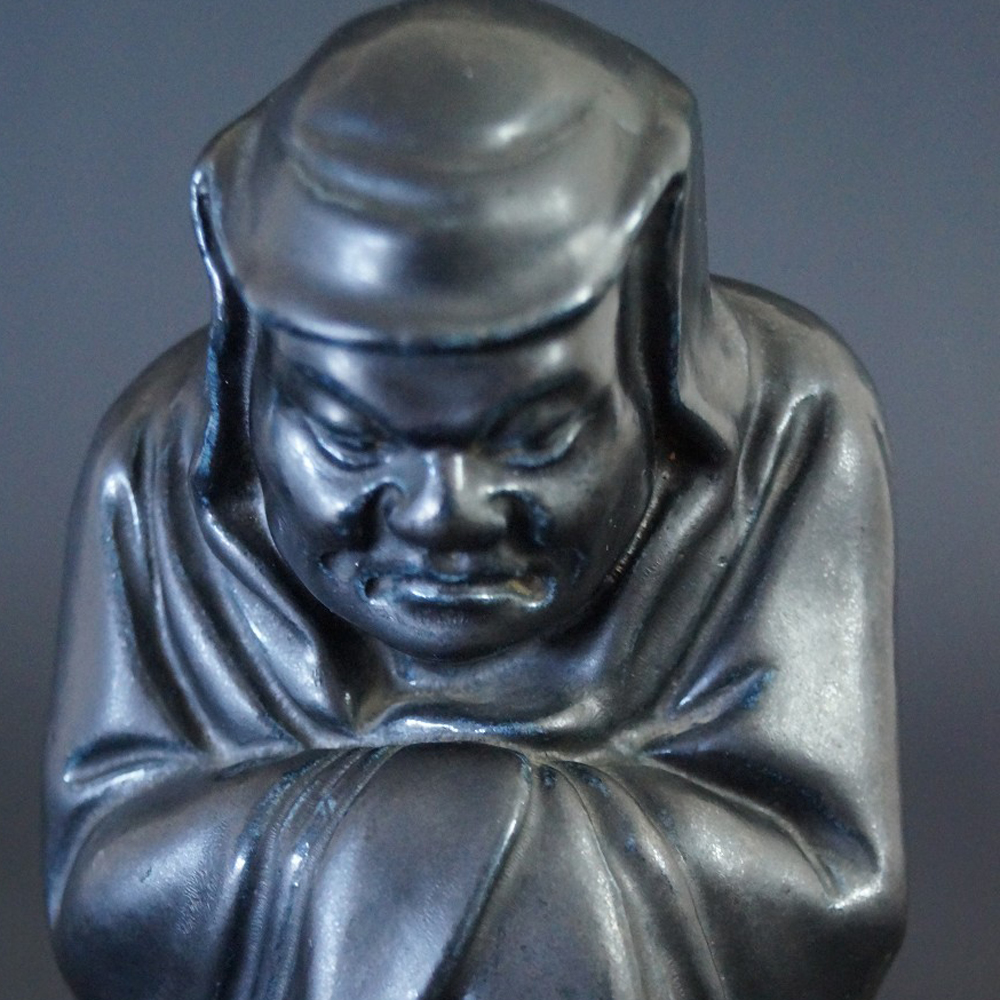
Daruma Figure Made of Black Kutani Porcelain
Figure, unique work, 14,5 x 13 cm
Sold

Crow on Blossoming Plum Branch
Kakemono, unique work, 192 x 48 cm
Sold

Sparrow under the Pine
Kakemono, unique work, 170 x 39 cm
Sold
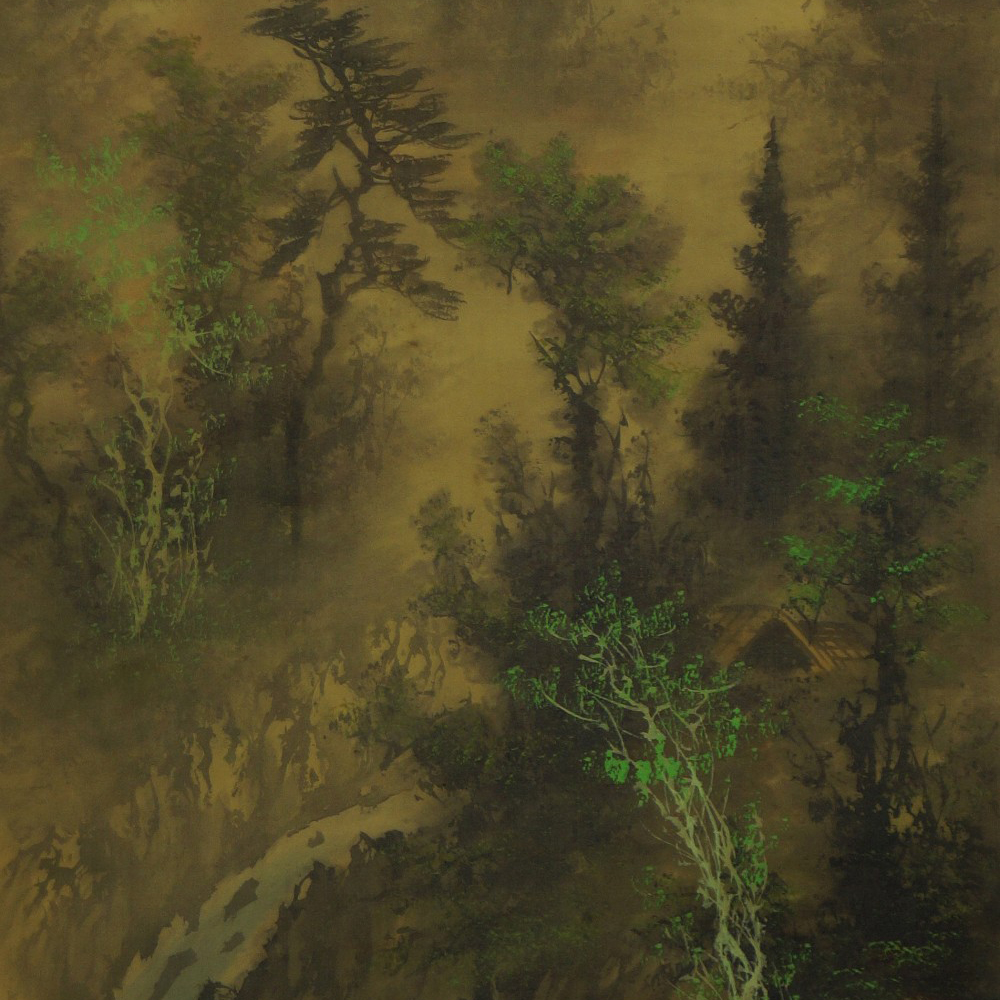
Misty Mountain Forest
Kakemono, unique work, 180 x 58 cm
Sold
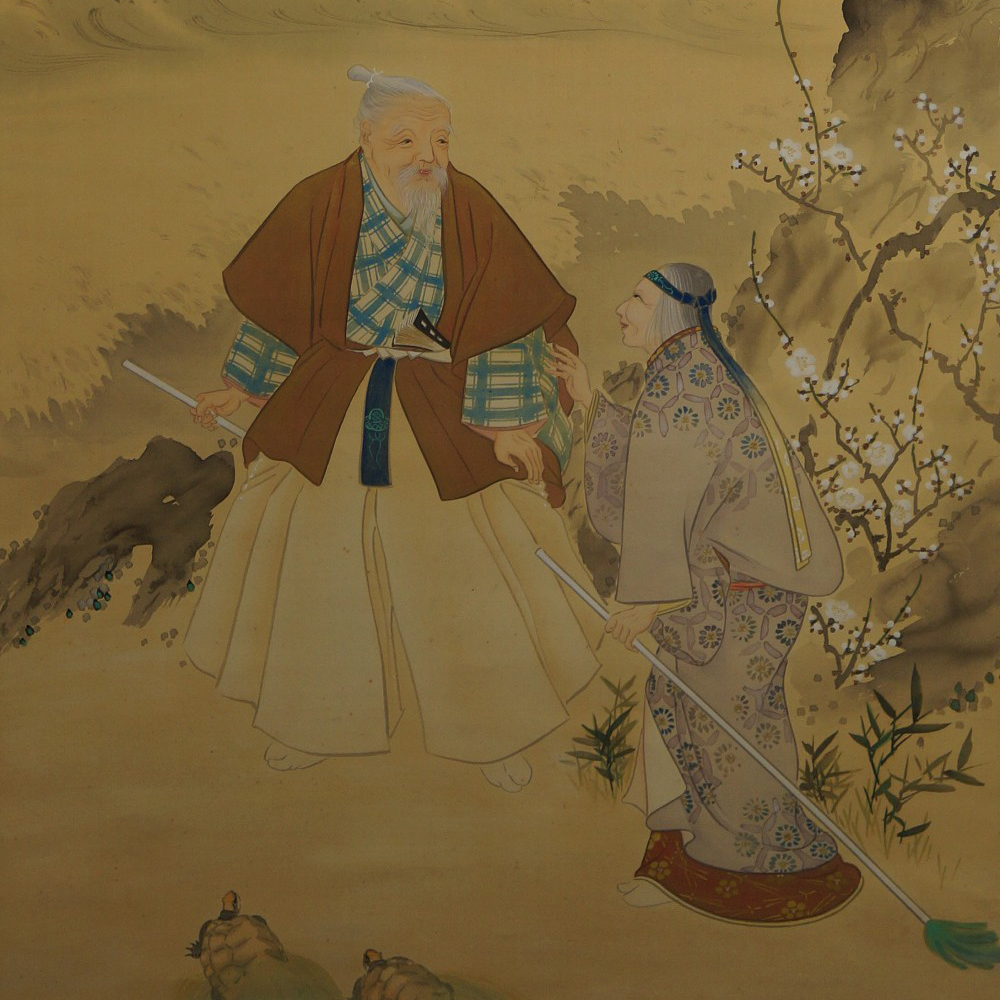
Takasago - The Old Couple with Turtles by the Sea
Kakemono, unique work, 200 x 71 cm
Sold
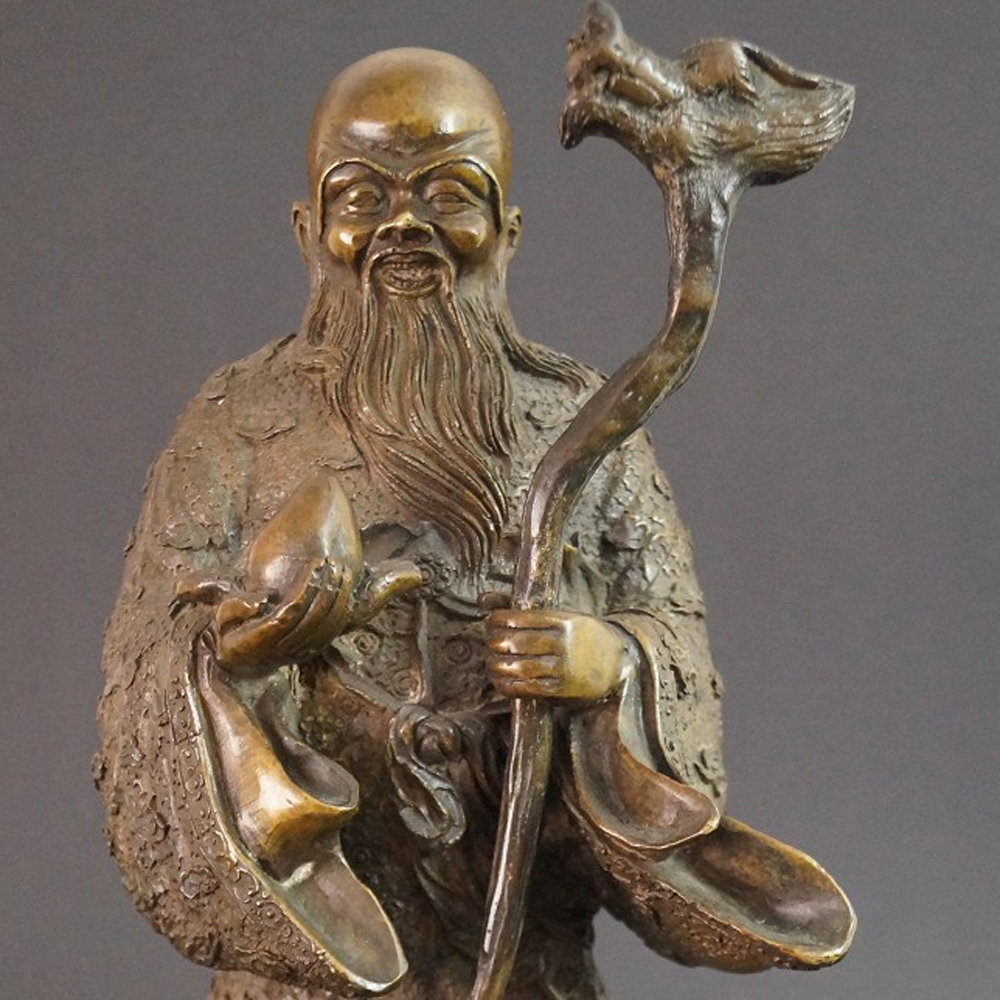
Chinese Laotse Figure Made of Bronze
Figure, unique work, 29 x 18 cm
Sold
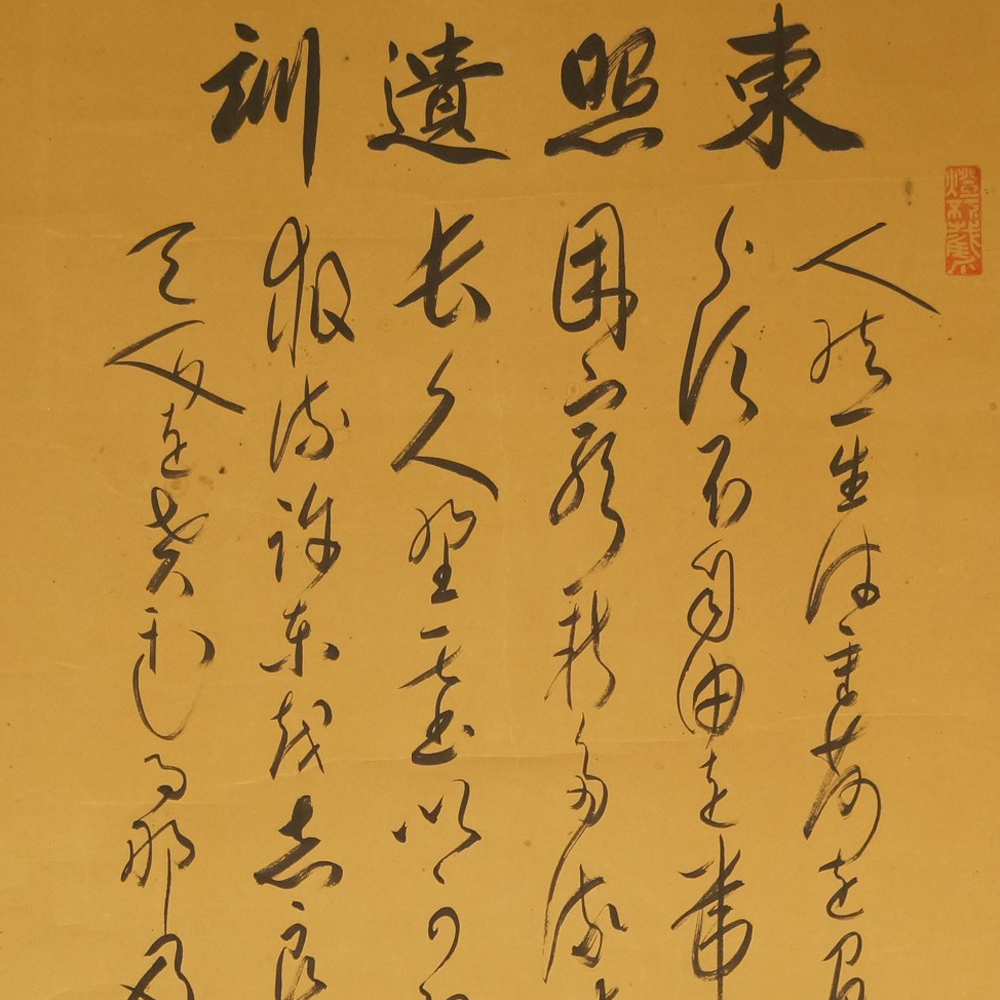
Calligraphy of the Teachings of Tokugawa Ieyasu
Kakemono, unique work, 155 x 77 cm
Sold
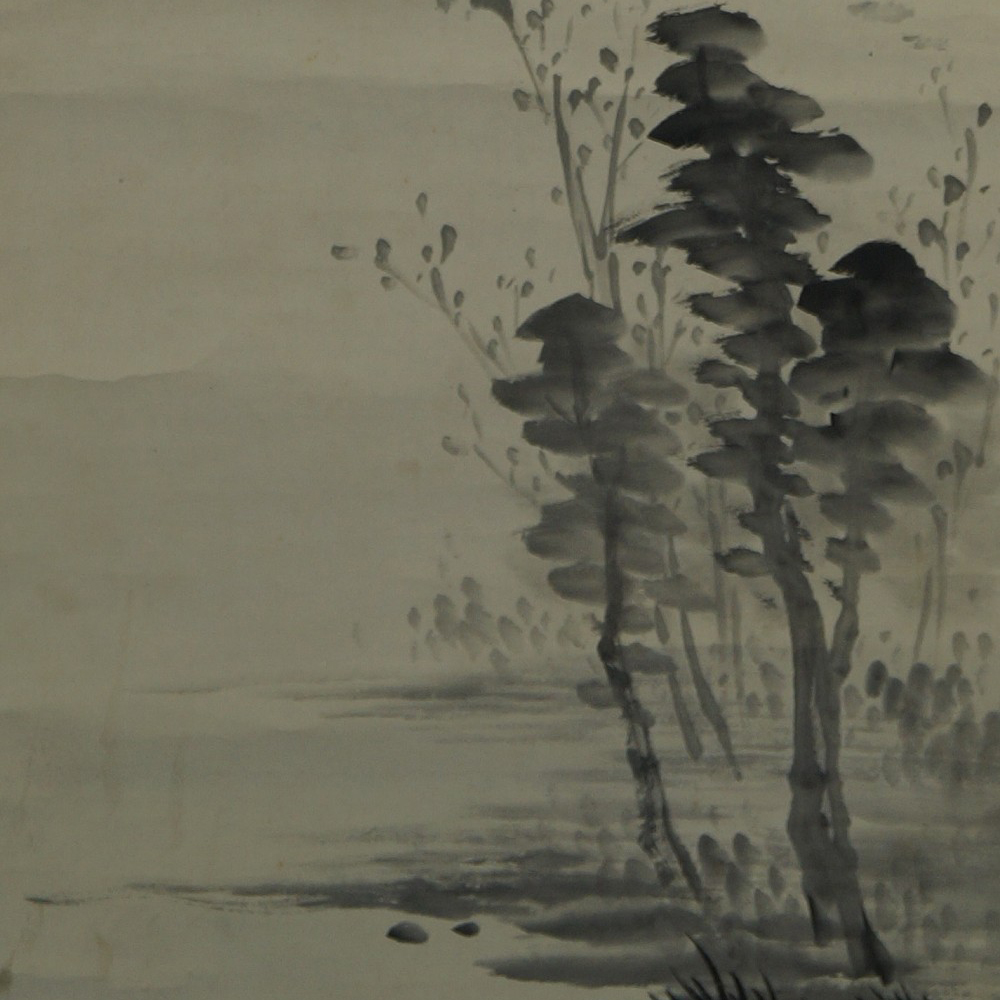
Landscape with Fishing Boat
Kakemono, unique work, 192 x 51 cm
Sold

Flowers
Kakemono, unique work, 164 x 50 cm
Sold

Koi in Water
Kakemono, unique work, 202 x 50 cm
Sold

Old Plum Tree in Full Bloom
Kakemono, unique work, 195 x 52 cm
Sold

Sparrows on a Plum Tree Branch
Kakemono, unique work, 190 x 48 cm
Sold
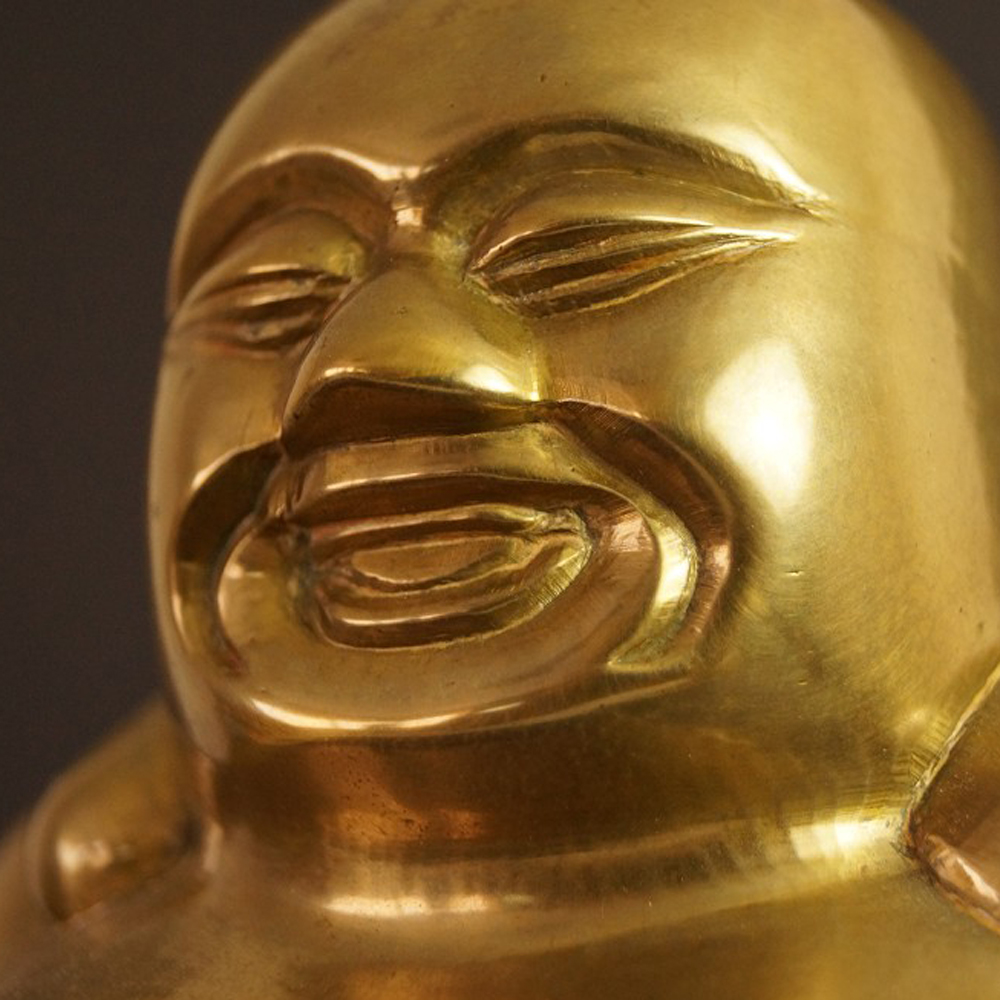
Hotei Figure Made of Brass with Wooden Stand
Figure, unique work, 24 x 20 cm
Sold
25 of 25 items shown
Fourteen years between Meiji and Shōwa
The Taishō period began in 1912 with the death of the Meiji emperor and the accession of his son, who took the reign name Taishō – “great righteousness.” It ended as early as 1926 with his death, making it one of the shortest eras in modern Japanese history. Because the emperor’s health was severely limited, political weight shifted to parliament. This phase is known as Taishō democracy, a period of opening between the more authoritarian Meiji era and the increasingly nationalist early Shōwa years.
Prosperity, city life and new buyers
Japan took part in the First World War on the side of the Entente without any fighting on Japanese soil, and profited economically from rising international demand. In Tokyo and Ōsaka, cafés, department stores and modern architecture shaped the streets, and women gained purchasing power of their own for the first time. For art and craft this meant a broader circle of buyers: fine painting and ceramics now found a place in middle-class homes as well.
Taishō romanticism and traditional painting
Illustration, advertising graphics, textile patterns and book design gave rise to what is called Taishō romanticism, a blend of Japanese imagery with Art Nouveau and Art Deco influences, delicate and often melancholy in tone. Traditional painting continued, cautiously, the dialogue with the West that had begun in the Meiji era. Artists still painted with brush and ink on silk or paper, mounted as kakemono, and the repertoire ranged from birds and flowers (kachō-ga) to landscapes and calligraphy.
What you will find from this era
The focus is on hand-painted hanging scrolls. Painted on silk are bird-and-flower pictures such as chrysanthemums with a songbird or sparrows on a plum branch, along with landscapes of waterfalls and misty mountain forests. On paper there are animal motifs, old plum trees and powerful calligraphy. Alongside these are individual figures in bronze, brass or Kutani porcelain. Not all of them come from Japan: for some bronze figures the Chinese origin is stated explicitly in the description.
The Kantō earthquake of 1923
A deep rupture in the era was the Great Kantō earthquake, which devastated large parts of Tokyo and Yokohama in 1923 and claimed several hundred thousand lives. Together with buildings and workshops, numerous art collections were lost in the fires that followed. The experience sharpened awareness of how fragile cultural heritage is and indirectly contributed to the later appreciation of traditional craftsmanship in the 20th century.
How a piece is assigned to the Taishō period
The period given is an assessment of the object itself: the support, the pigments, the condition and ageing of the paper or silk, and for figures the patina. Signature and seal, by contrast, only record what is written on the picture. That is why a scroll from this era can bear the name of a painter who died long before – copying from models was part of training for centuries. The silk brocade mounting says little about age, as scrolls are remounted roughly every one to two hundred years. Where a piece cannot be placed clearly, the description may read “Taishō or Shōwa period.”
Hanging scrolls at home and in the tokonoma
A kakemono is made to be changed: it is shown for a few weeks and then rolled up and kept in its wooden box. Many motifs are tied to the seasons – plum blossoms announce spring, while chrysanthemums belong to autumn and stand for longevity. In the tokonoma the scroll hangs low because it is viewed while seated; in a Western home it looks more natural when the center of the picture is at about eye level.
Caring for paper, silk and mounting
Direct sunlight fades pigments and silk irreversibly. The ideal spot is a quiet interior wall with indirect light, away from radiators and cold exterior walls. As a rule of thumb, aim for about 50 to 60 percent relative humidity: below that the paper becomes brittle, above roughly 65 percent mold and foxing set in. Remove dust only dry, with a soft brush, because moisture dissolves the starch paste of the mounting. Roll the scroll loosely and without tension.
What collectors look for
More important than a famous name is whether the work was painted by hand. A brushstroke starts with a pressure point, tapers and bleeds very slightly into the fibers at its edges; a print shows even color density and often a dot pattern under a loupe. A genuinely stamped seal in cinnabar paste sits slightly raised and has irregular edges. Also pay attention to the condition described and to whether a wooden box is included. We label prints as prints.