Watanabe Shikō (渡辺始興): a Kyōto painter between the schools
Watanabe Shikō (渡辺始興, 1683–1755) was born in Kyōto and died there in 1755. His common name was Kyūma, and his name is occasionally also read Motooki. He is one of the few painters of his time who mastered several traditions on an equal footing instead of committing himself to a single school.
In the service of the Konoe family
From around 1708, Shikō was in the service of Konoe Iehiro, one of the most influential court nobles of Kyōto and himself an important calligrapher and connoisseur. In this setting he also produced a copy of the illustrated scrolls of the legends of the Kasuga Shrine in twenty scrolls, which is now in the Yōmei Bunko, the collection of the Konoe family.
From the Kanō school to Kōrin
Shikō received his training in the Kanō school, whose ink painting he cultivated throughout his life. Later he came under the influence of Ogata Kōrin and adopted the decorative, flat style of Rinpa painting; he is regarded as the only painter who carried the Kōrin tradition forward in Kyōto. His well-known works include a pair of folding screens with irises in the Cleveland Museum of Art, sliding-door paintings of field work and leaping hares at the temple Daikaku-ji in Kyōto, and wall paintings at the Konbu-in in Nara.
Birds from nature
Shikō's nature studies proved especially influential. His scroll of closely observed birds, now in the Mitsui Memorial Museum in Tokyo, was copied by Maruyama Ōkyo and is regarded as a forerunner of shasei painting, painting from nature, which transformed Kyōto art in the late 18th century.
One signature, many hands
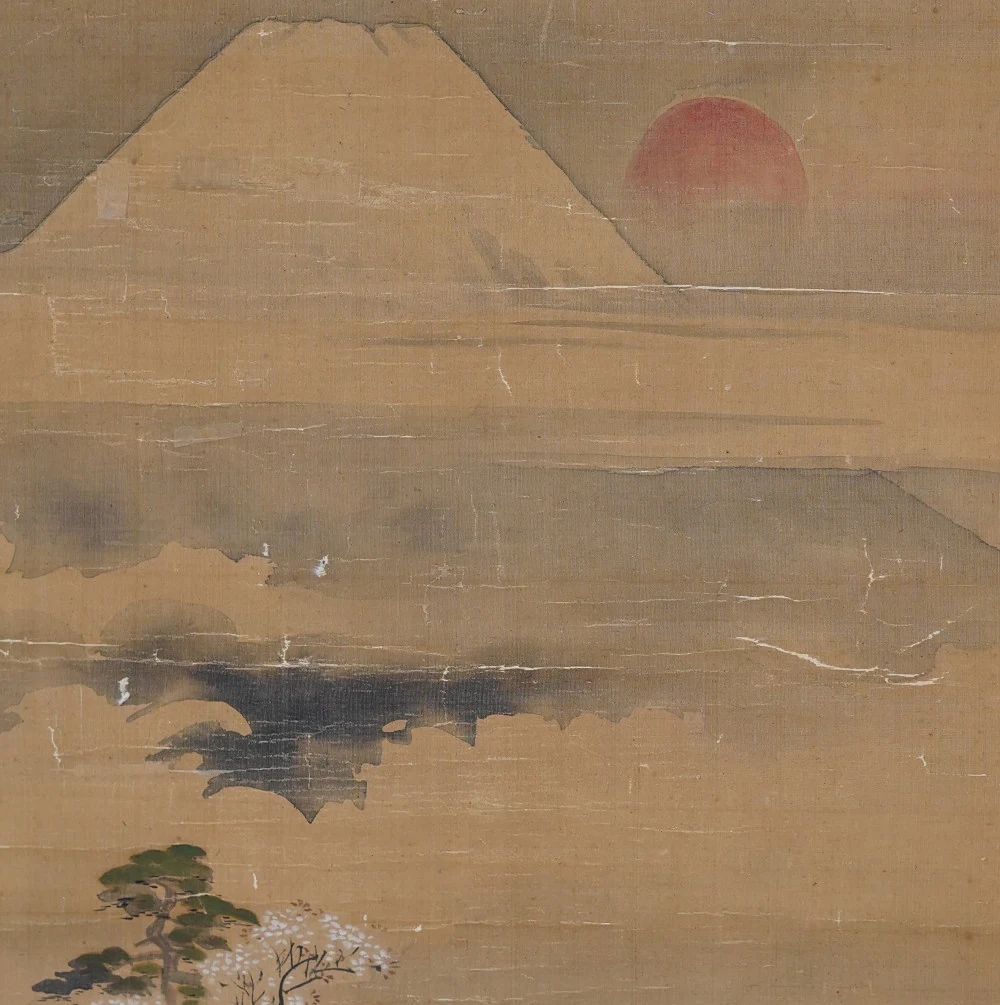
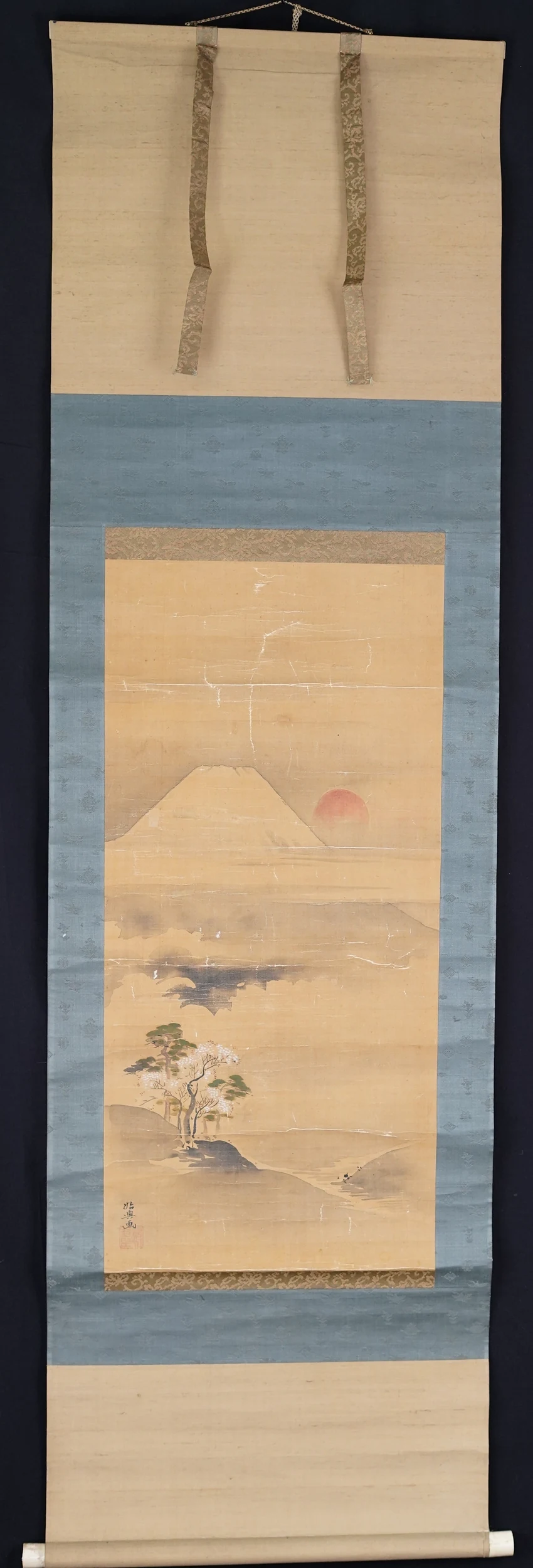
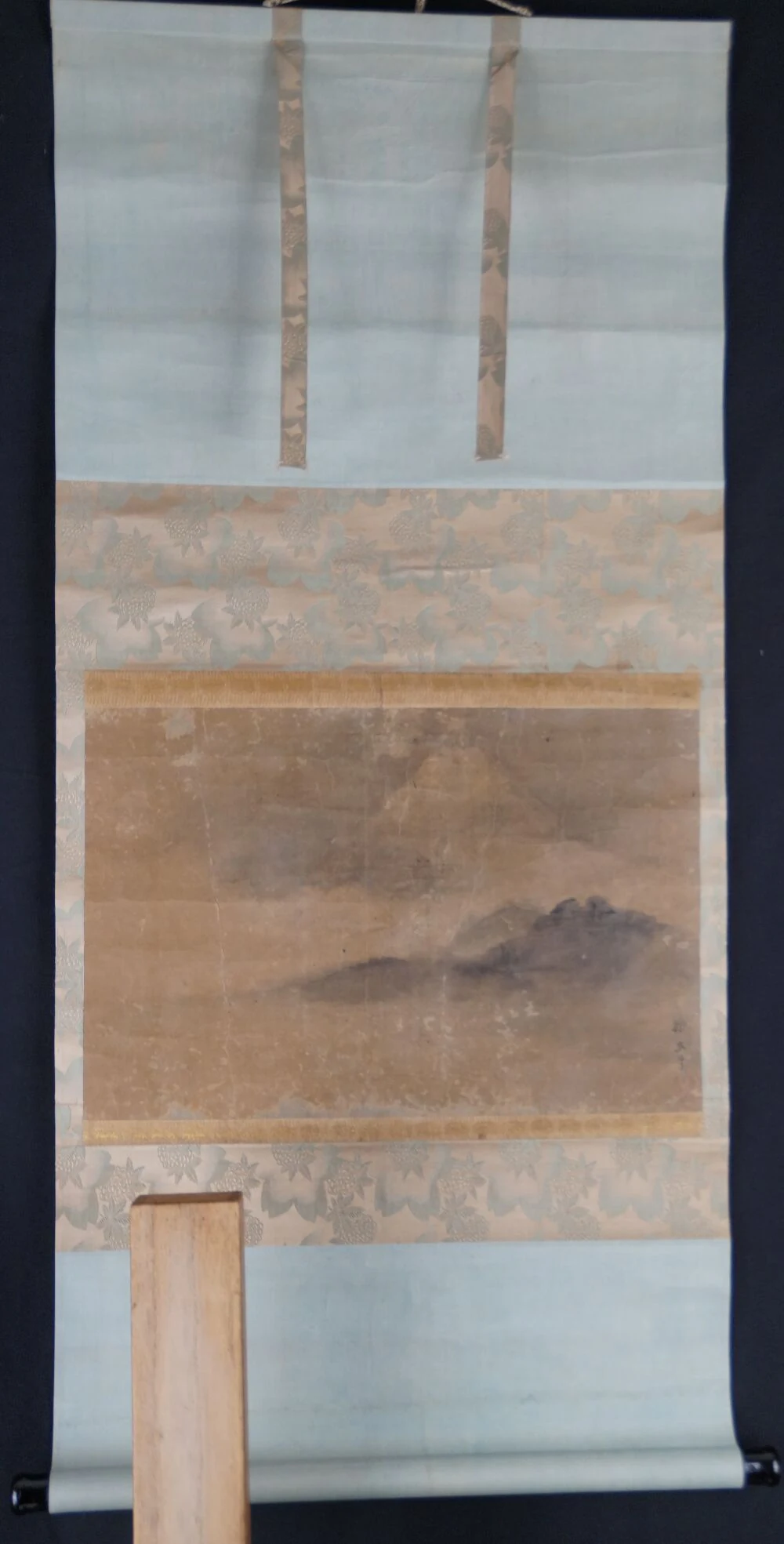
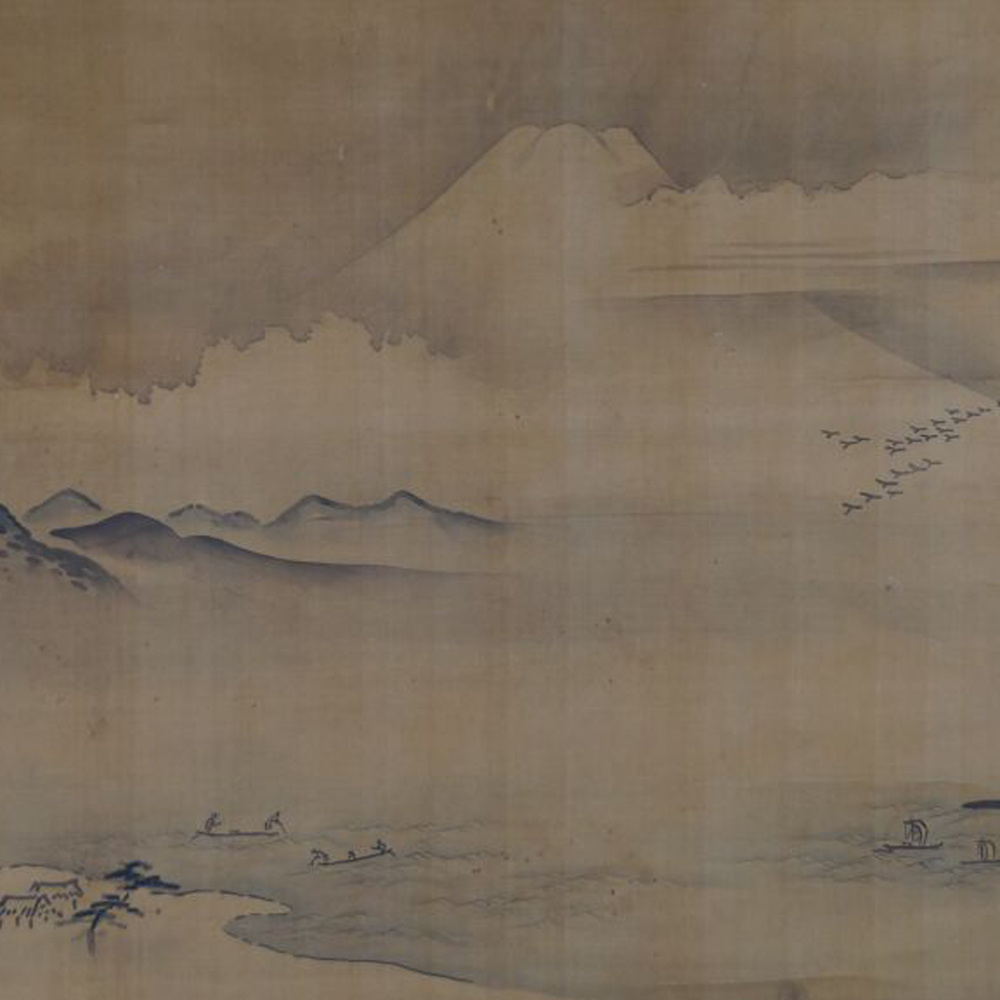
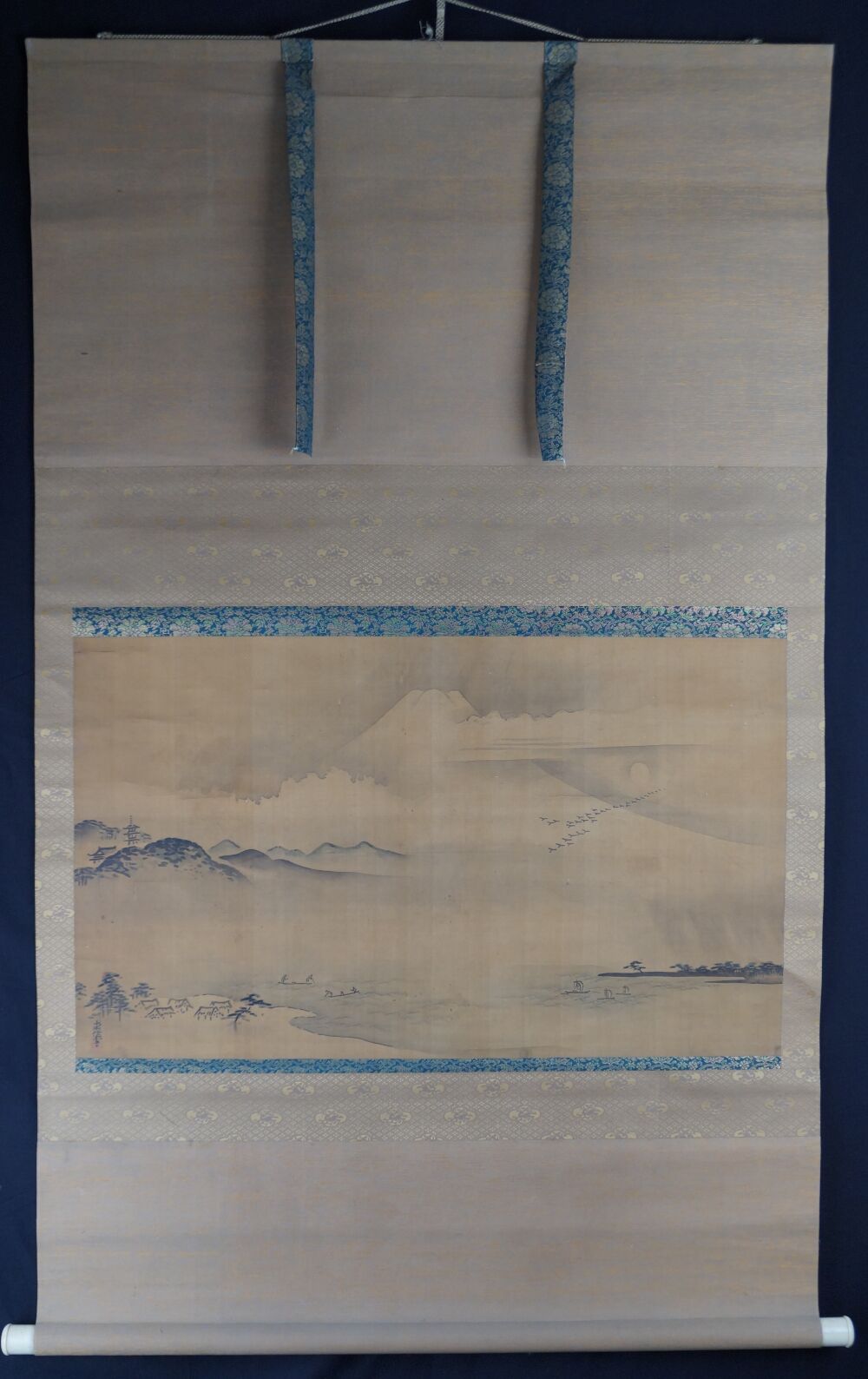
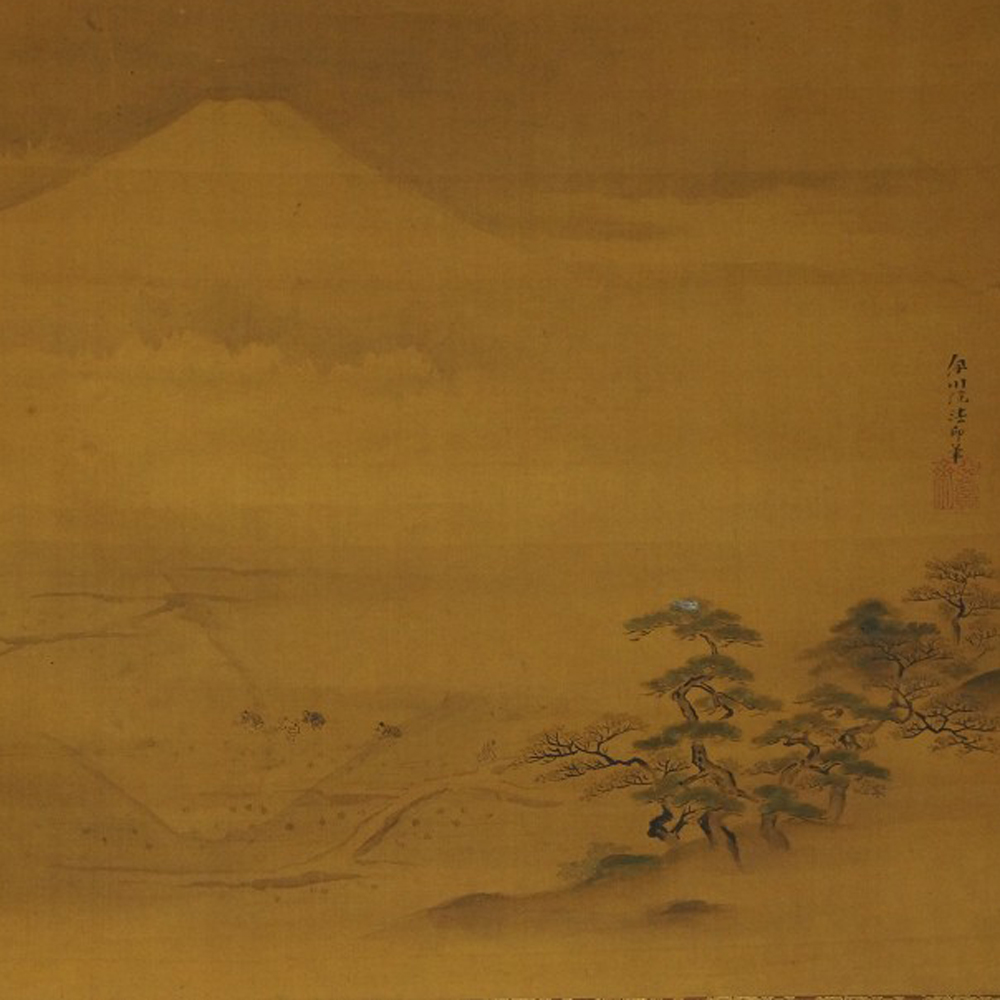
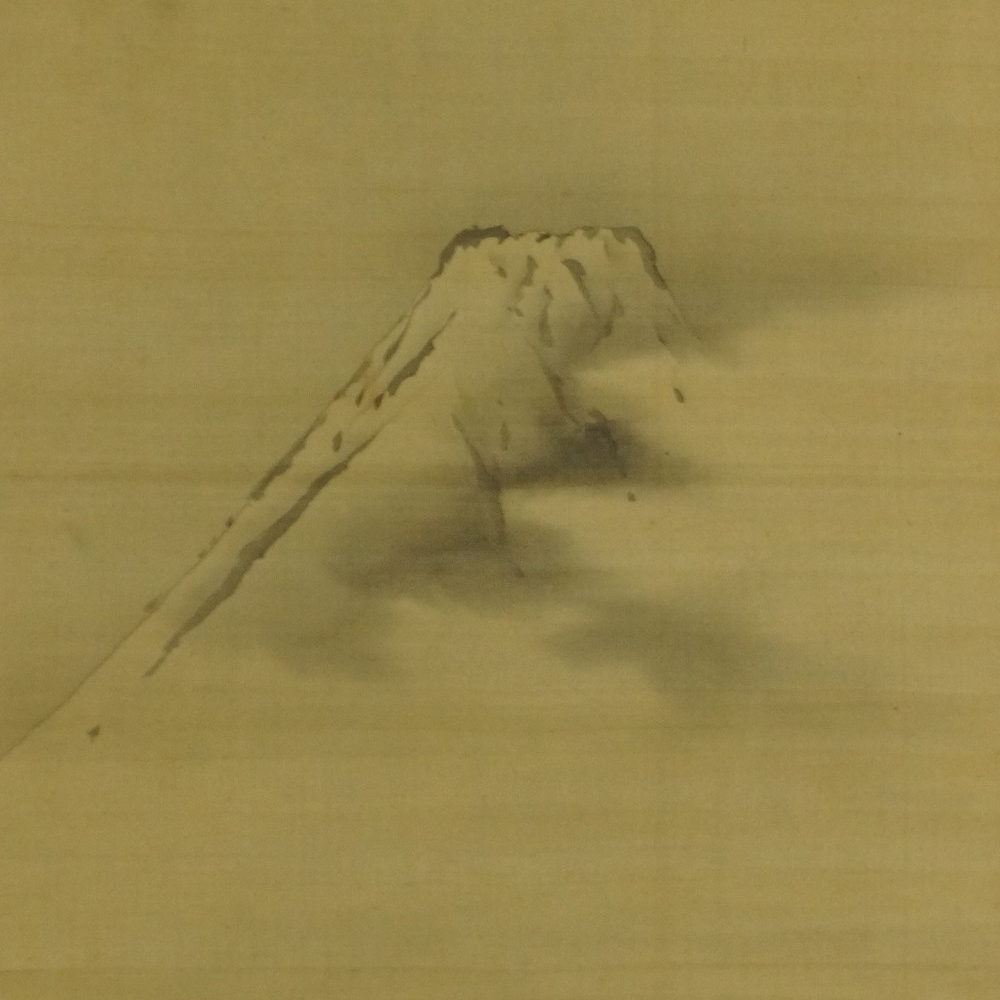
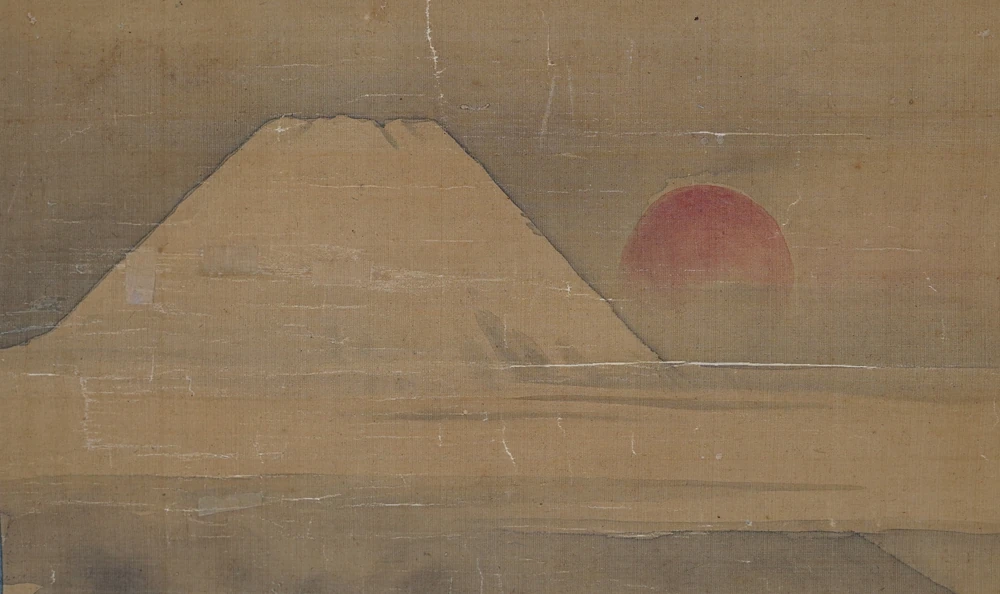
Museums carefully distinguish between Shikō's authenticated works, attributions and pictures in his manner. A signature therefore first gives the name a hanging scroll lays claim to; whether it is by his own hand can only be judged by comparison with authenticated works. It is precisely this diversity of transmission that shows how strongly his name continued to resonate in Kyōto painting.