
Japanese Art of the Meiji Period
Go directly to the artworksIn brief
The Meiji period (明治時代, Meiji jidai, 1868–1912) began with the Meiji Restoration, when the emperor regained real power and Japan, after more than two centuries of seclusion, opened rapidly to the West. In painting, traditional Nihonga deliberately set itself apart from Western oil painting (Yōga), while Japanese crafts sparked Japonisme in Europe. Many painters carried on the visual language of the Kanō school. At Densho you will find Meiji-period art – hand-painted kakemono and Daruma figures in Bizen ceramics and Kutani porcelain – as one-of-a-kind pieces direct from Japan.
Mochizuki Kinpō
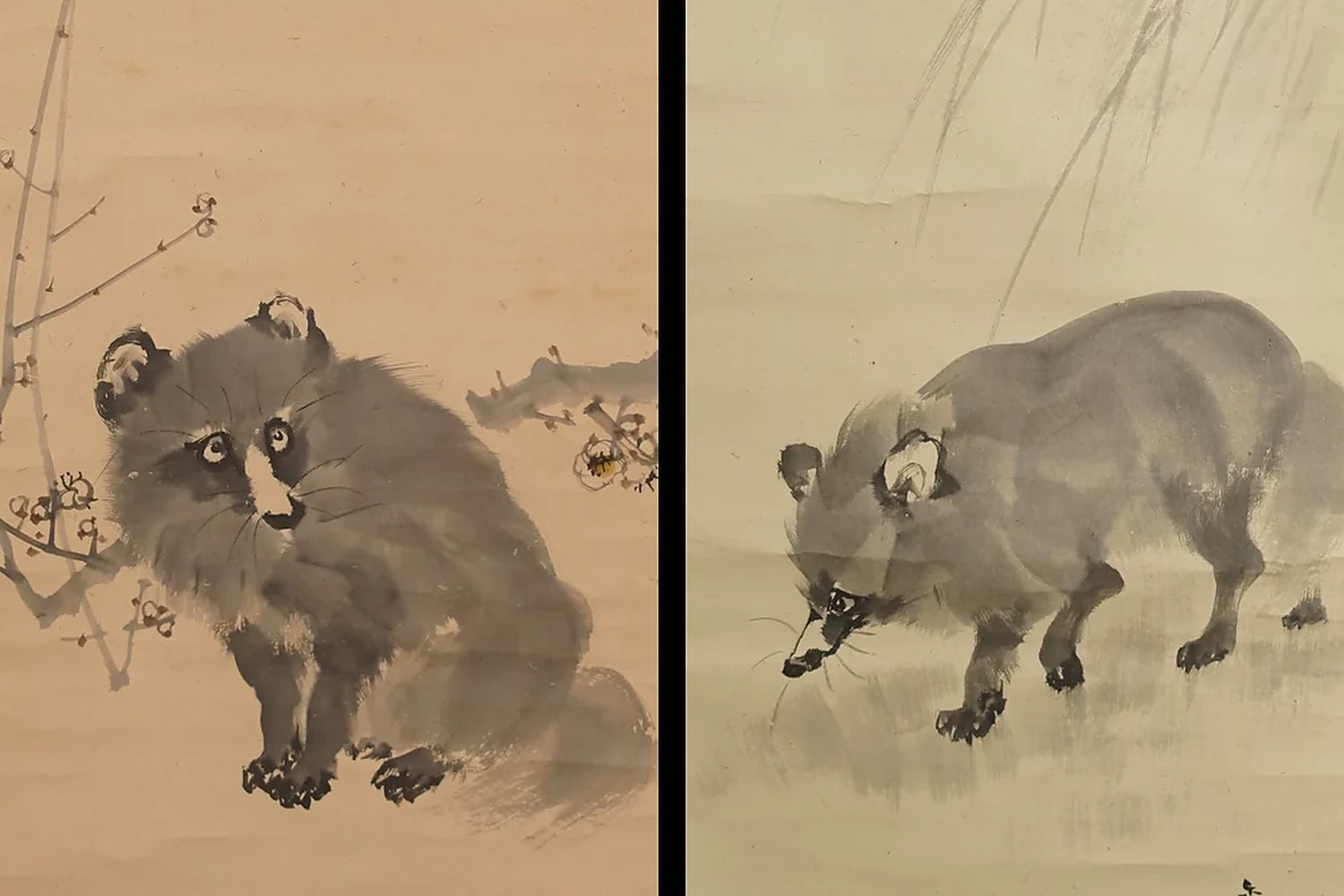
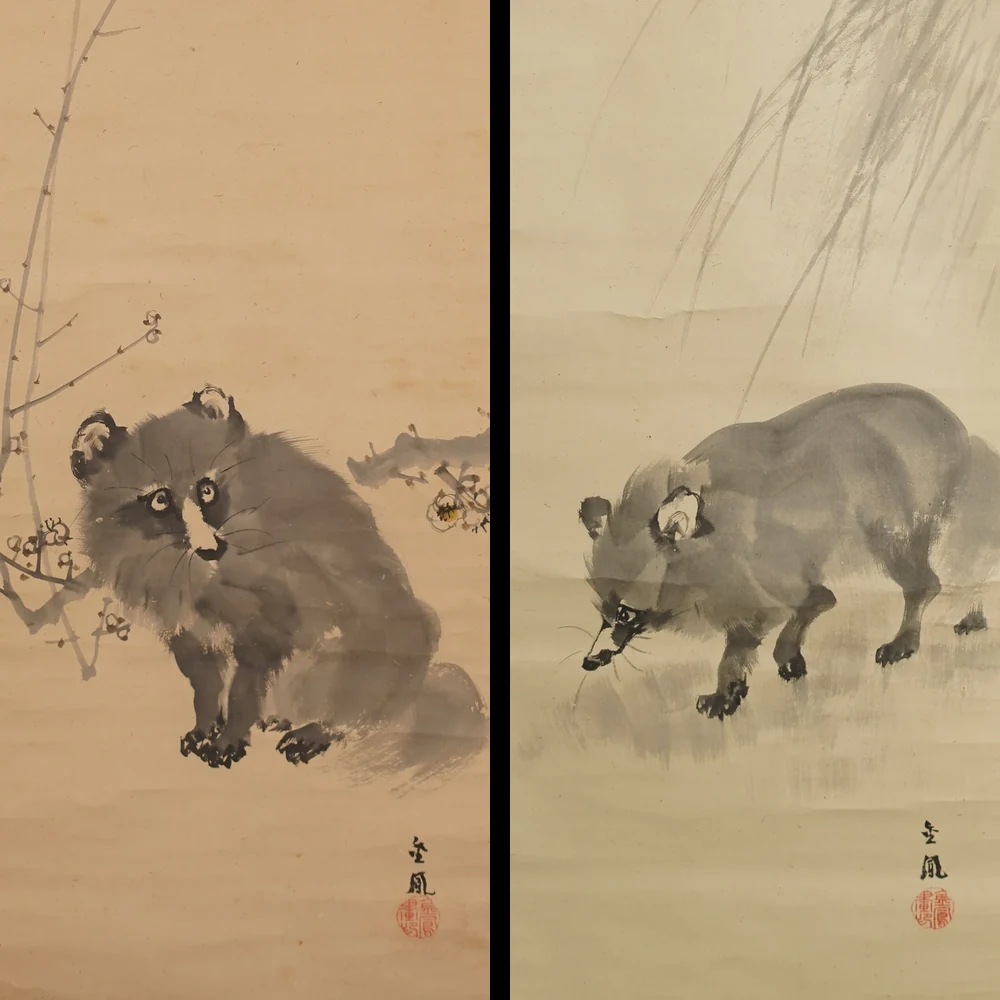
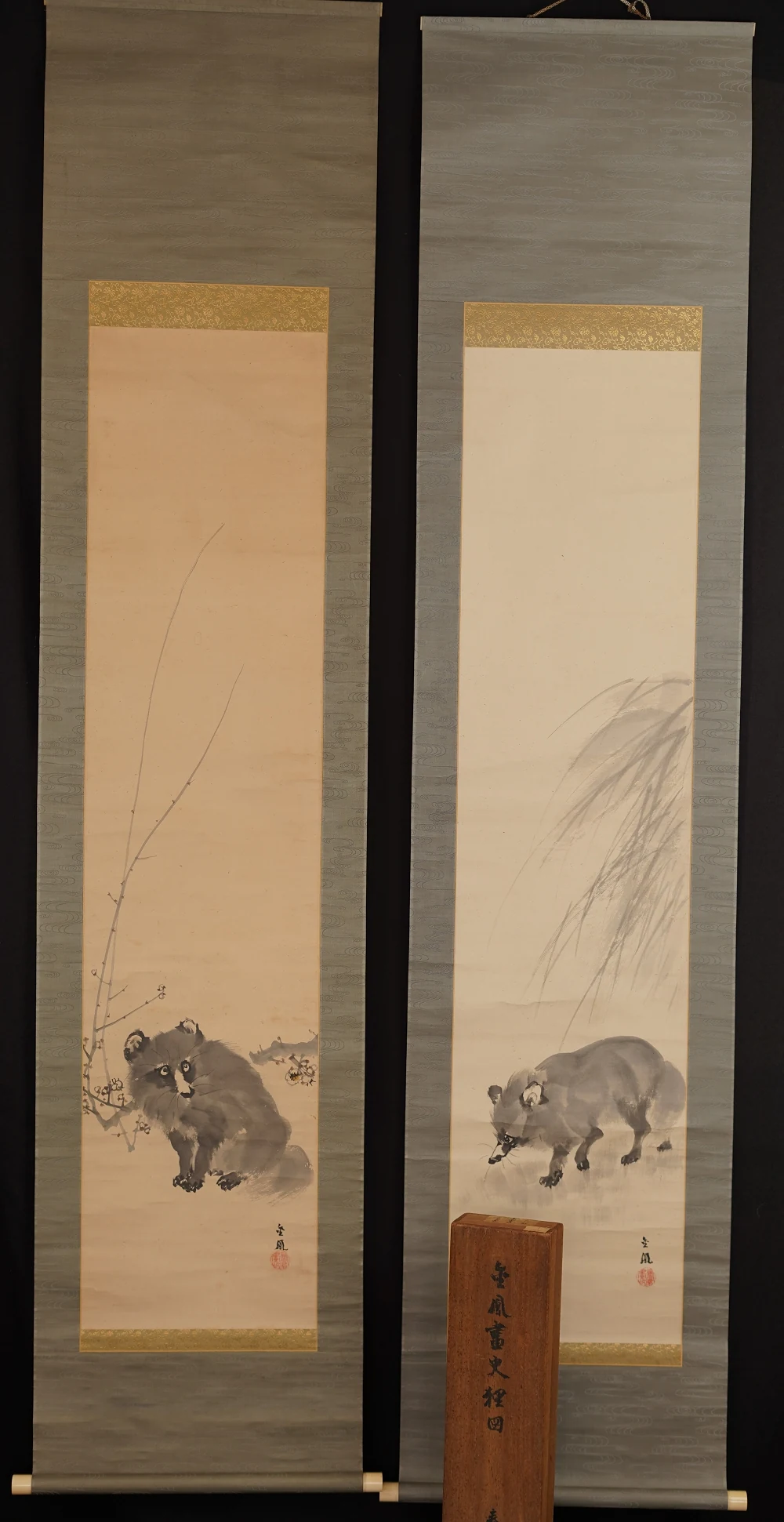
Set of Two Paintings – Tanuki Under Plum and Willow
Kakemono, unique work, with box, 195 x 48 cm
€3,590.00
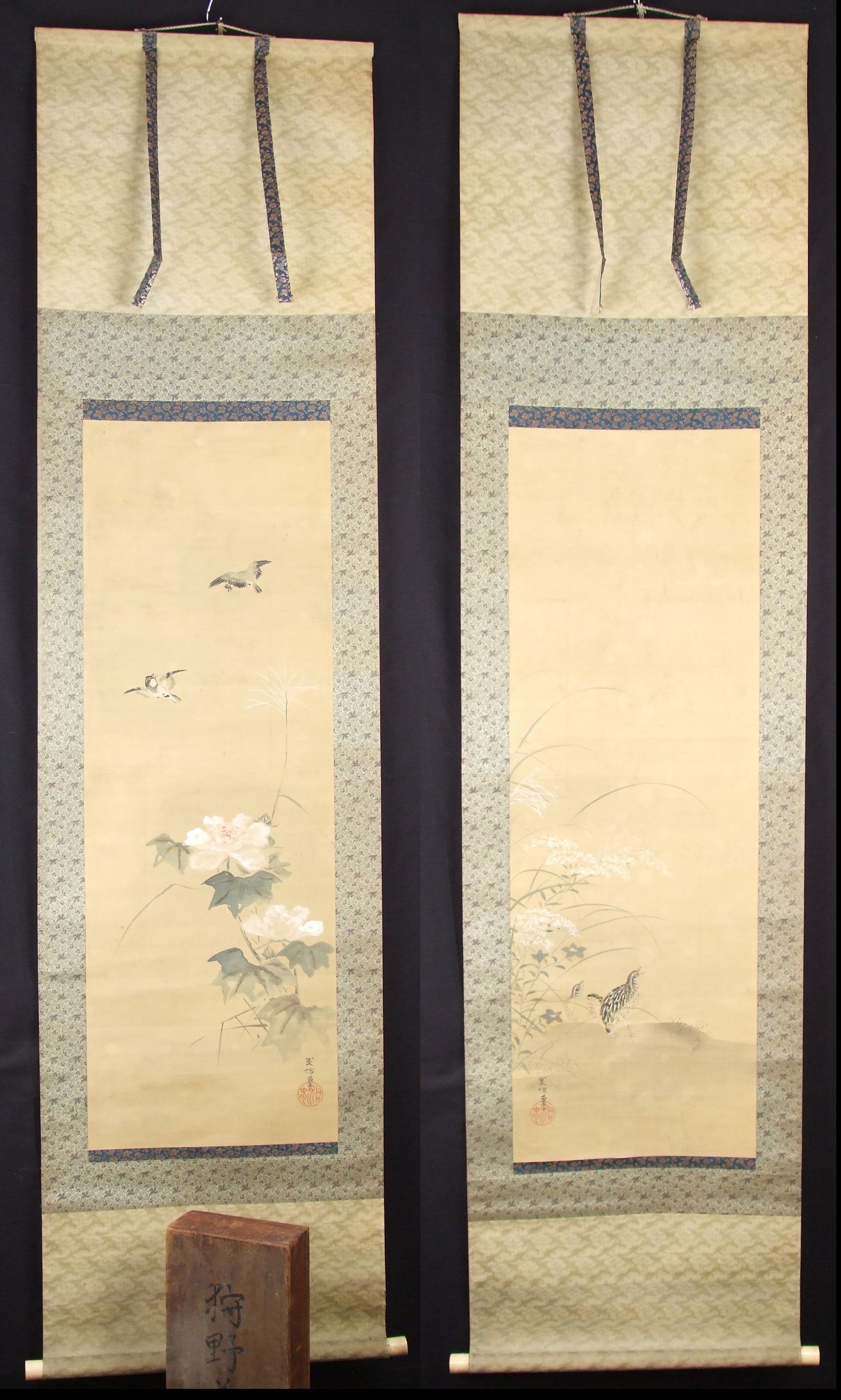
Kanō Tōshun Yoshinobu
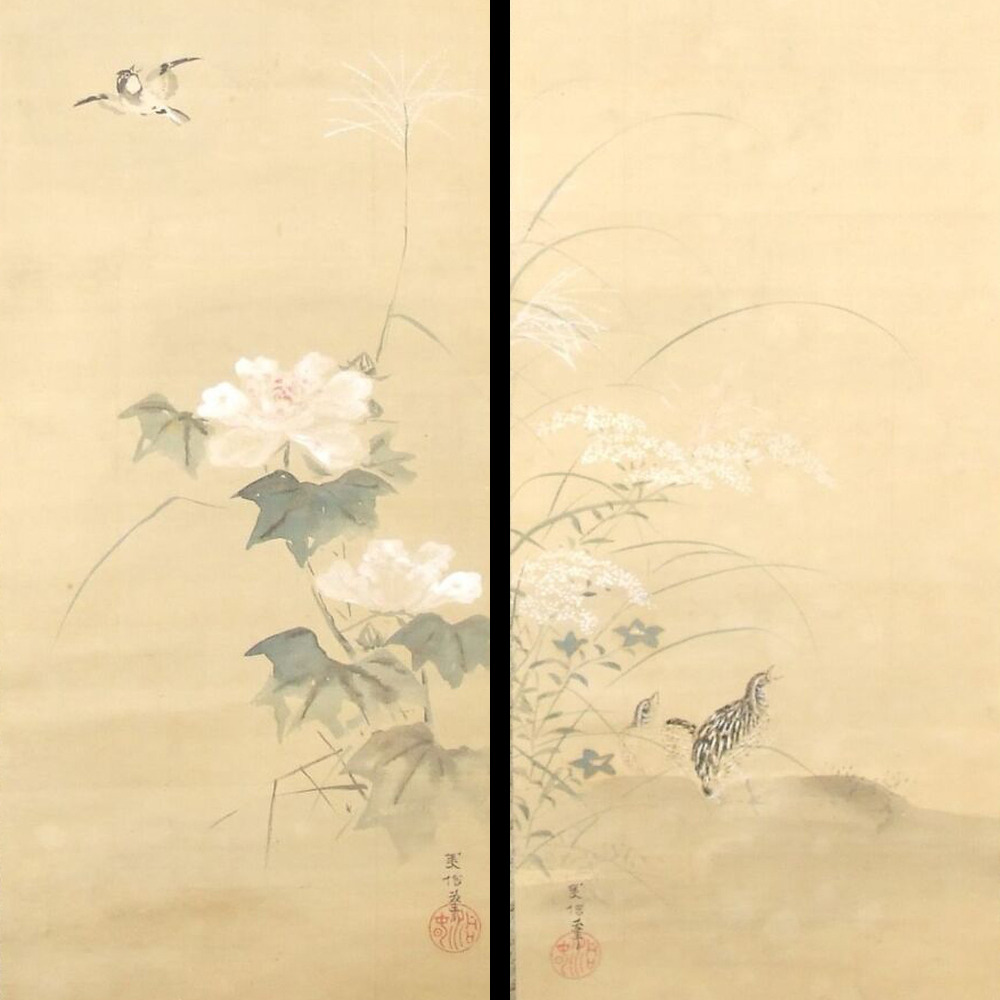
Set of Two Paintings – Birds and Autumn Flowers
Kakemono, unique work, with box, 200 x 56 cm
€770.00
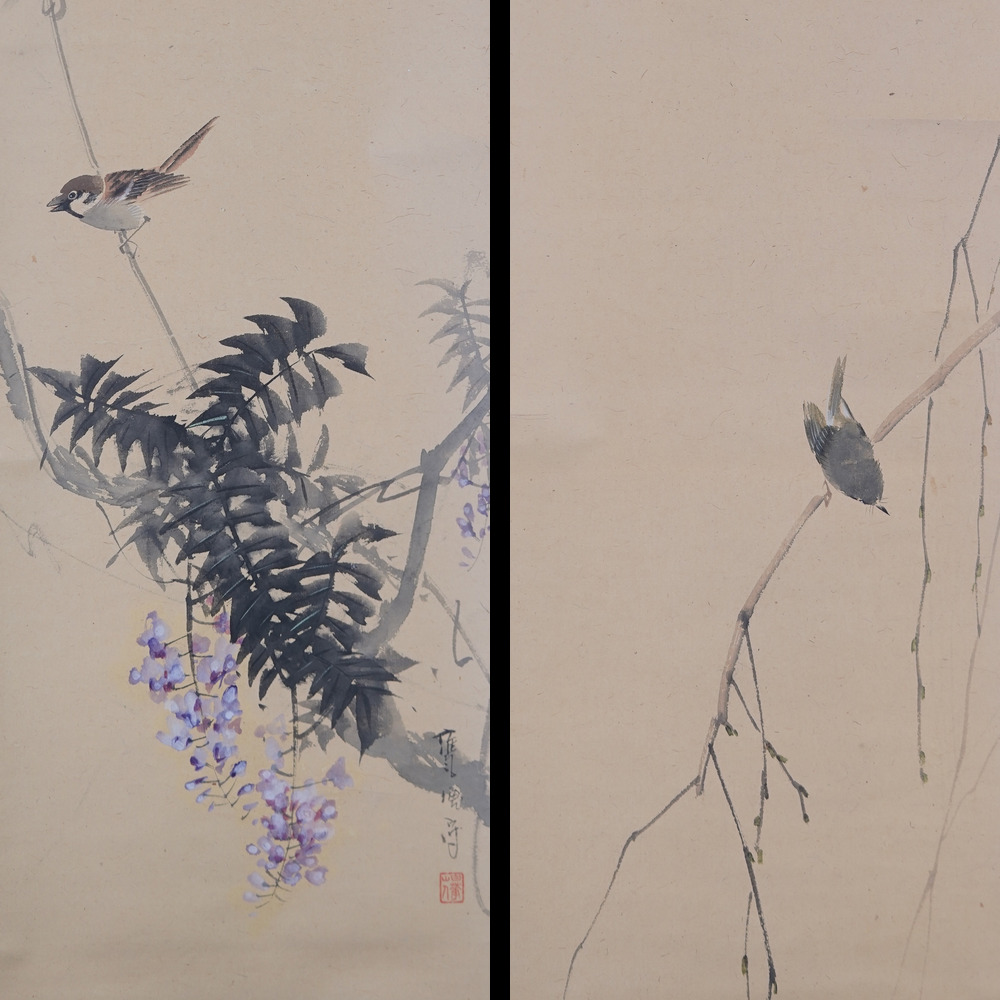
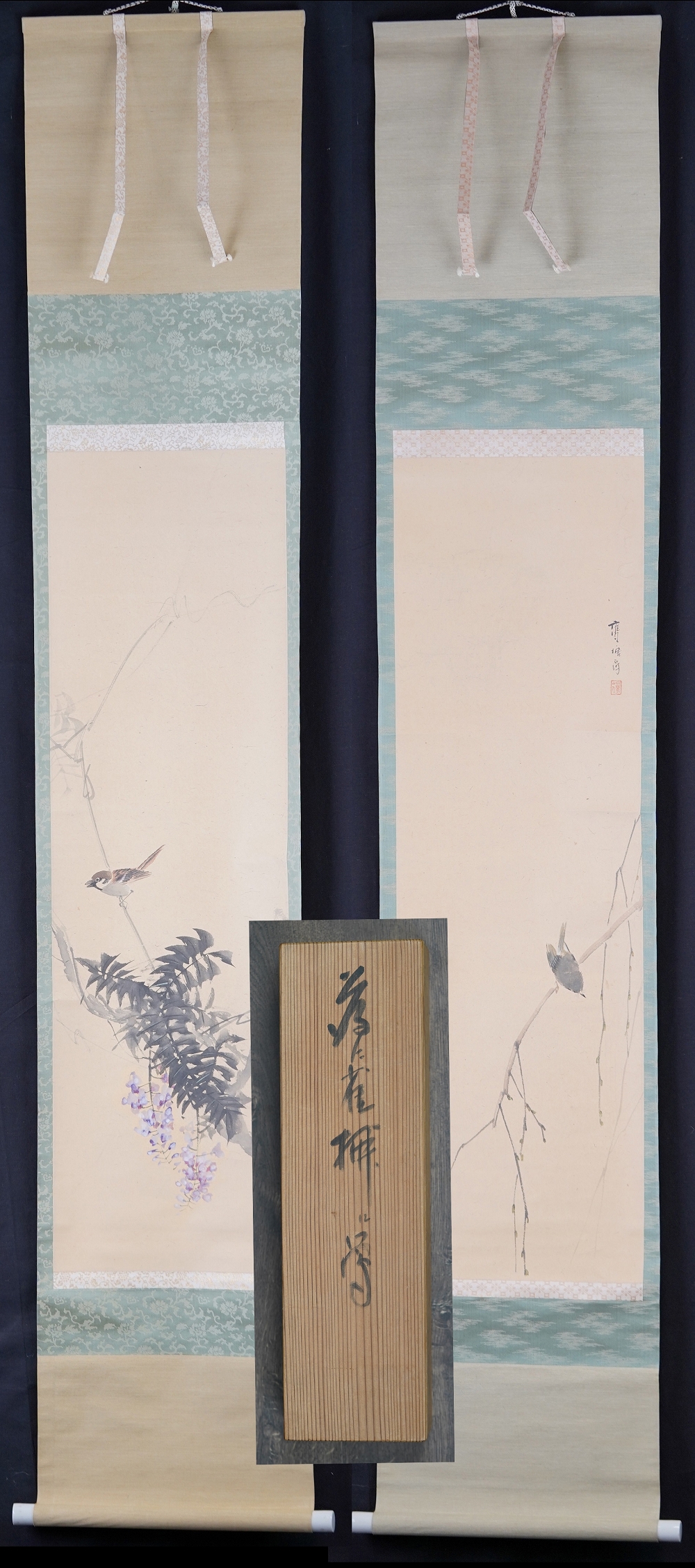
Nakahara Yōtō
Set of Two Paintings – Sparrows on Wisteria and Willow Branch
Kakemono, unique work, with box, 175 x 38 cm
€690.00
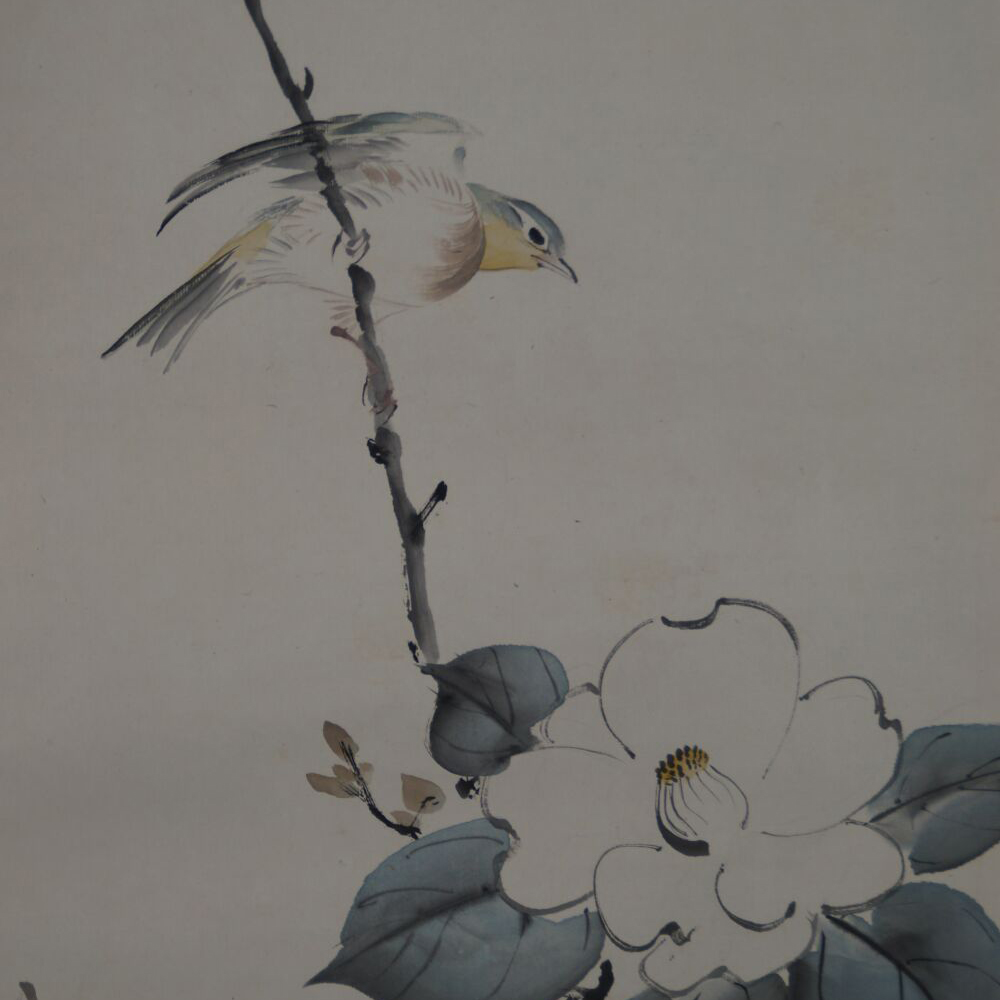
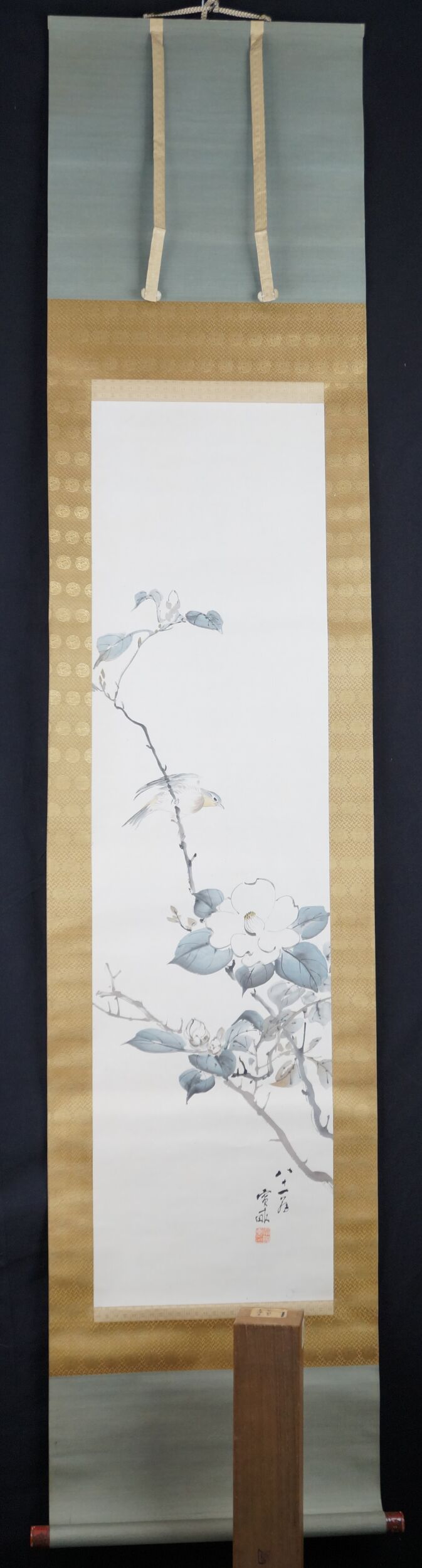
Araki Kanpo
Songbird on Blooming Camellia Branch
Kakemono, unique work, with box, 192 x 46 cm
€1,210.00
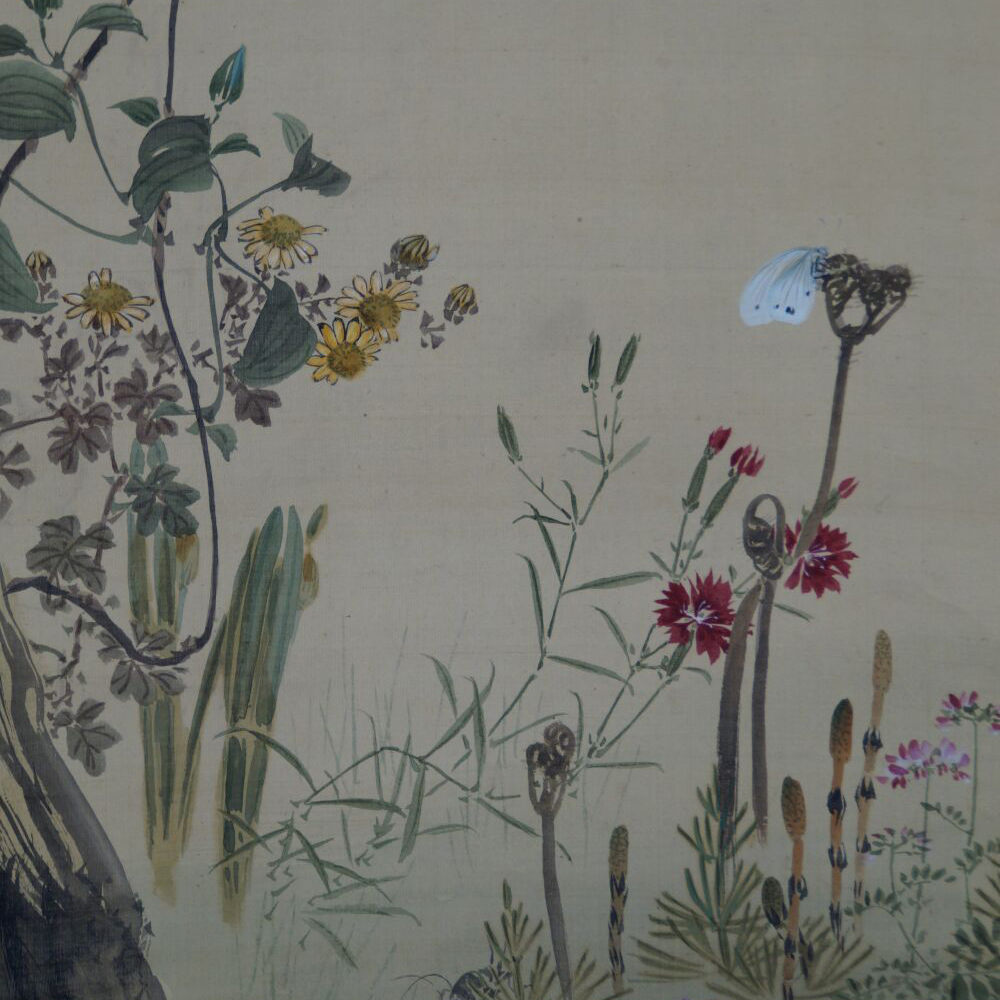
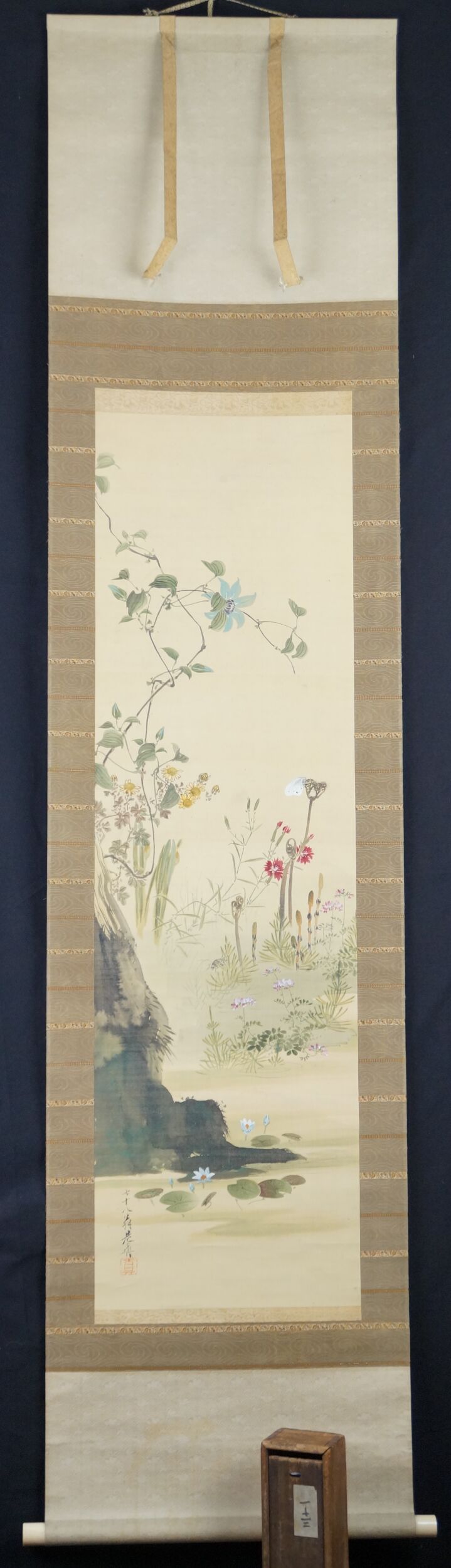
Shibata Zeshin
Autumn Riverside Vegetation with Butterfly
Kakemono, unique work, with box, 192 x 46 cm
€880.00
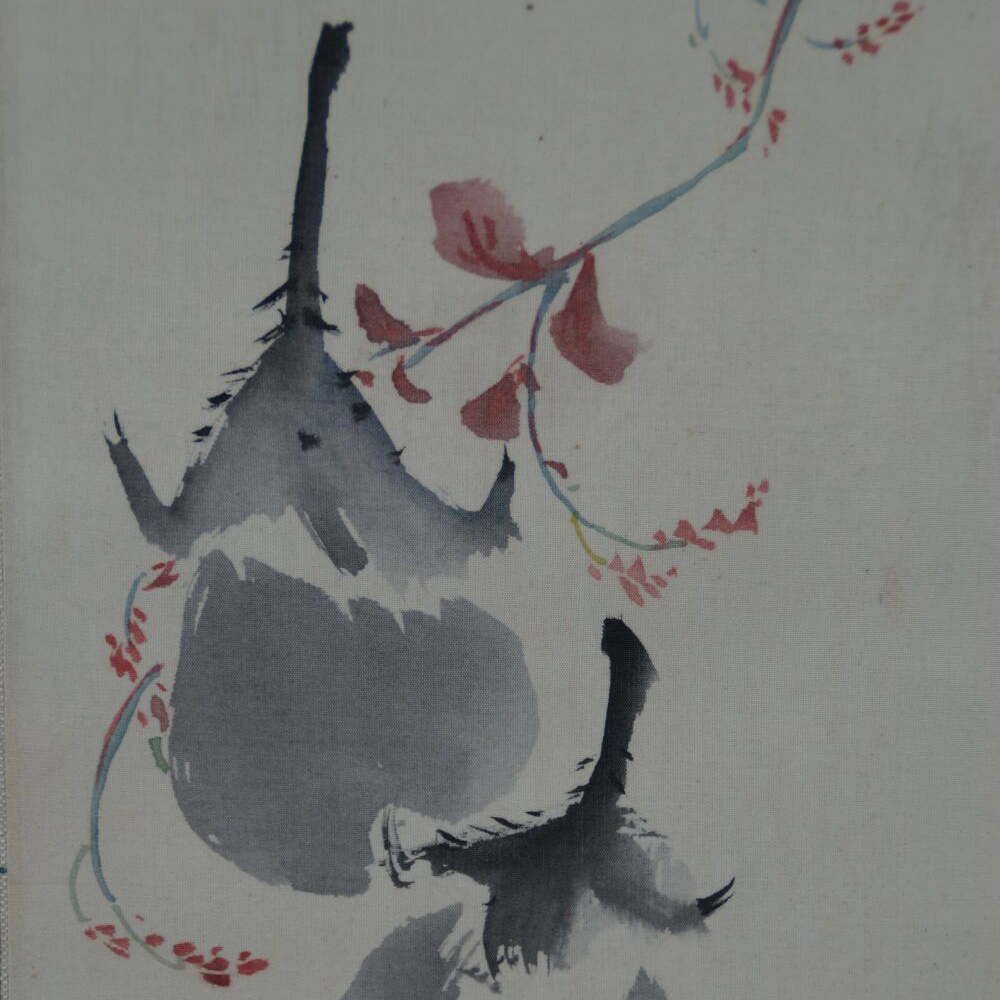
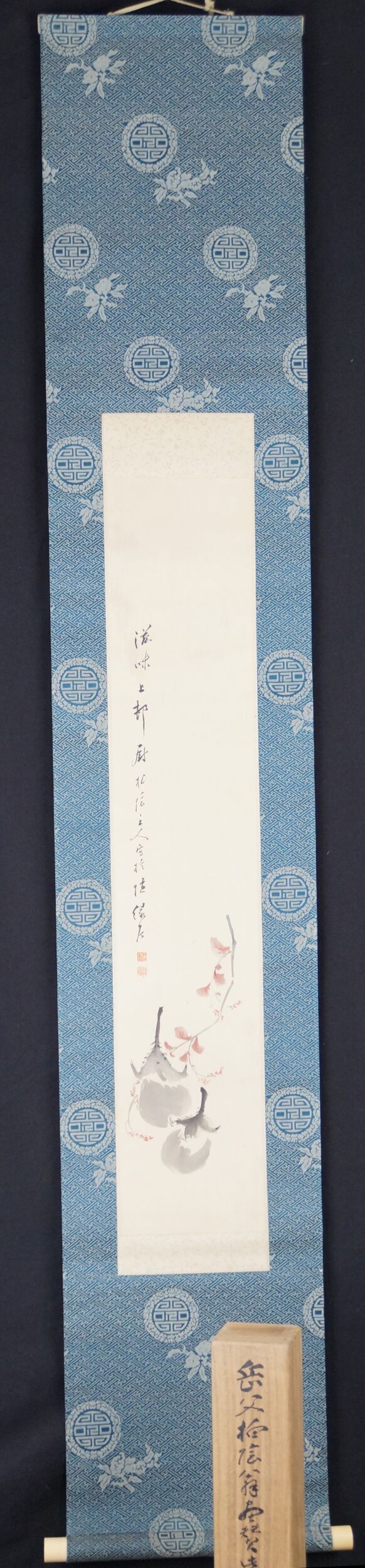
Tanaka Hakuin
Japanese Eggplant
Kakemono, unique work, with box, 164 x 33 cm
€340.00
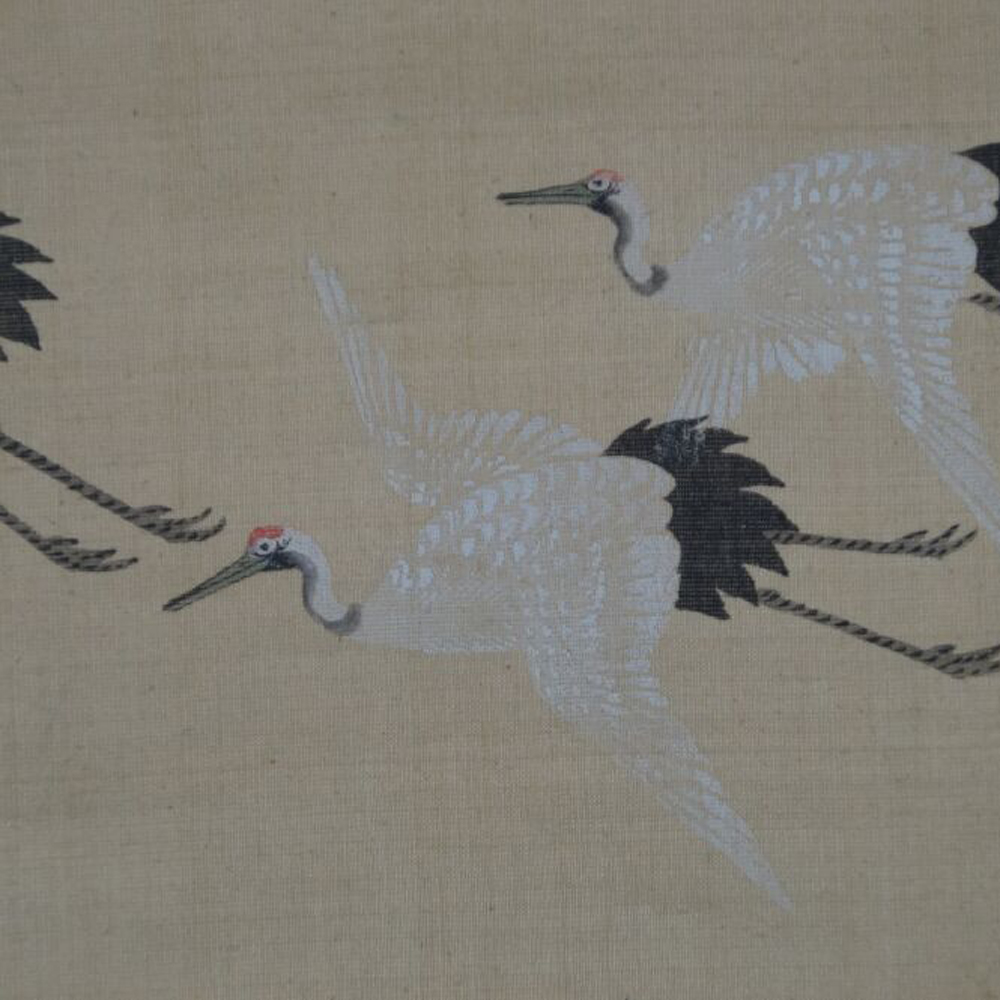
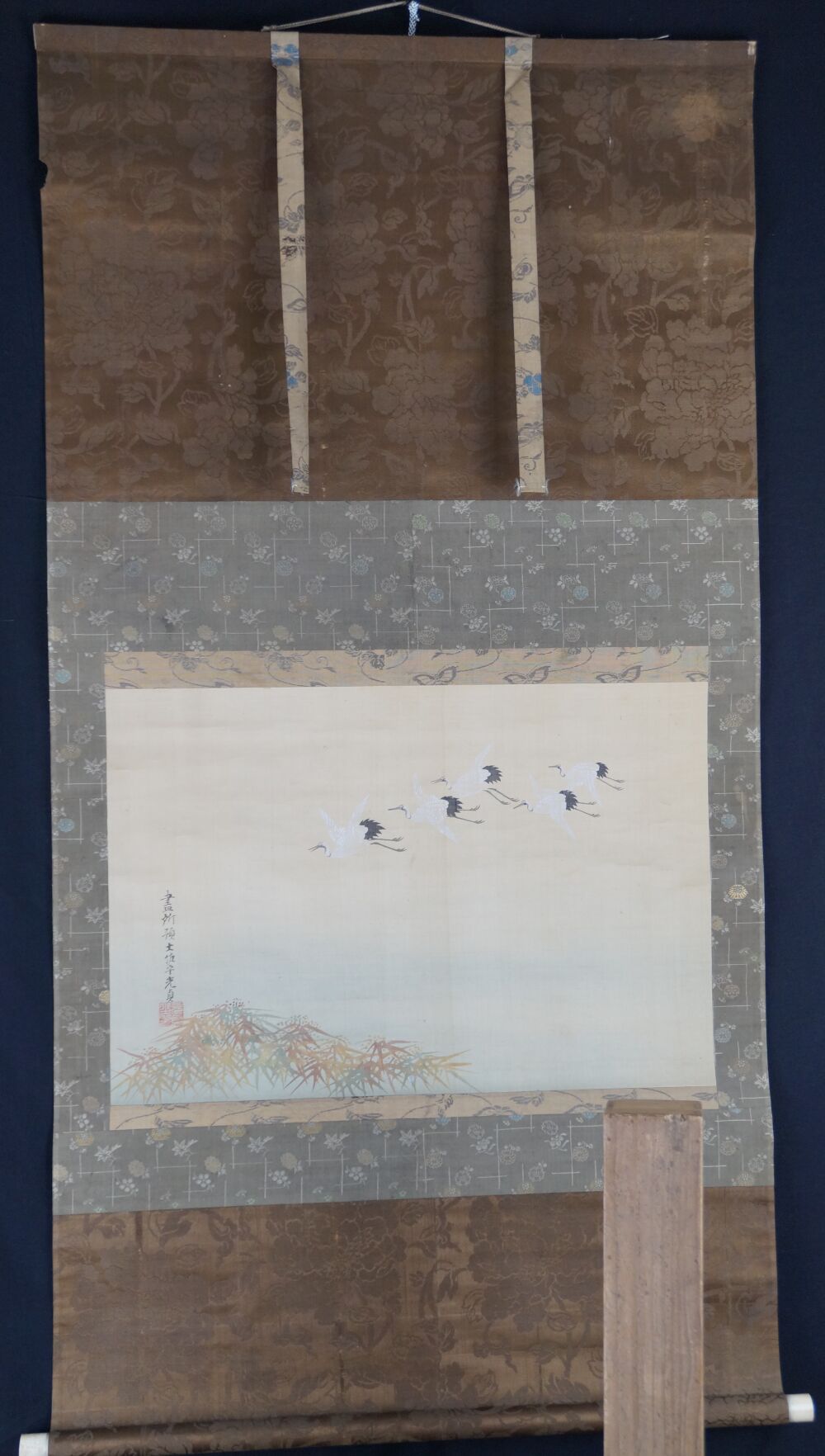
Tosa Mitsusada
Cranes in Flight over Bamboo
Kakemono, unique work, with box, 126 x 69 cm
€360.00
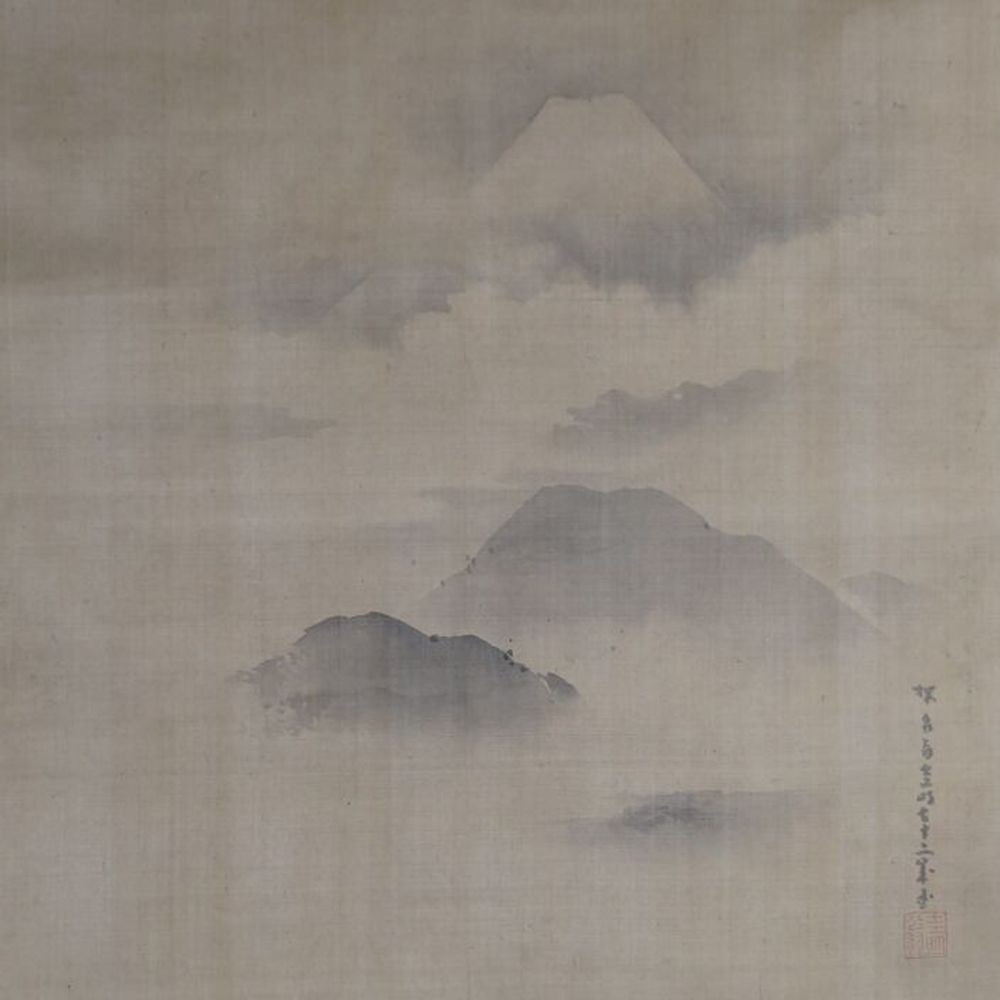
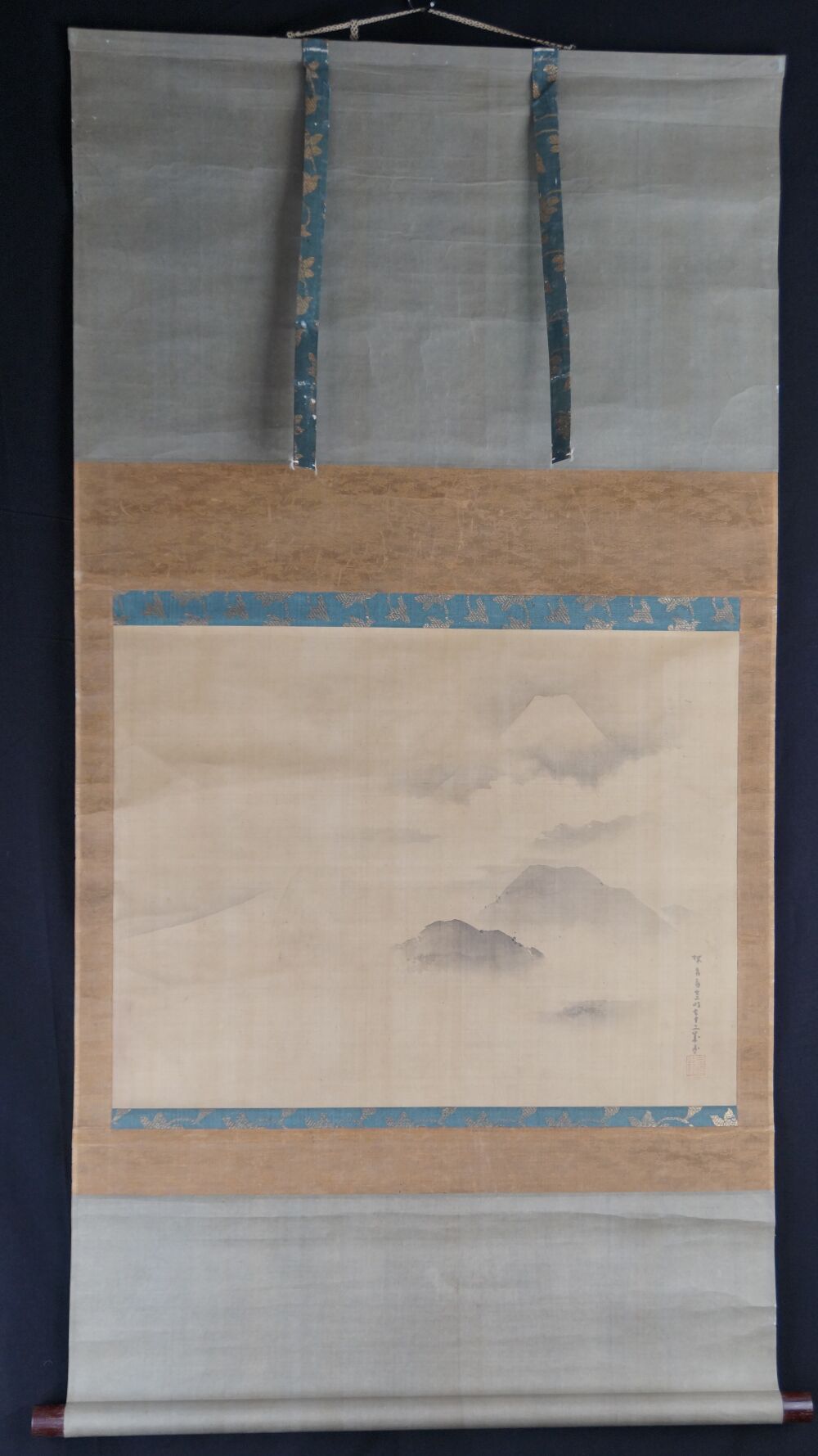
Tansenzai Keimei
Fuji in Cloud-Covered Heights
Kakemono, unique work, 123 x 63 cm
€440.00
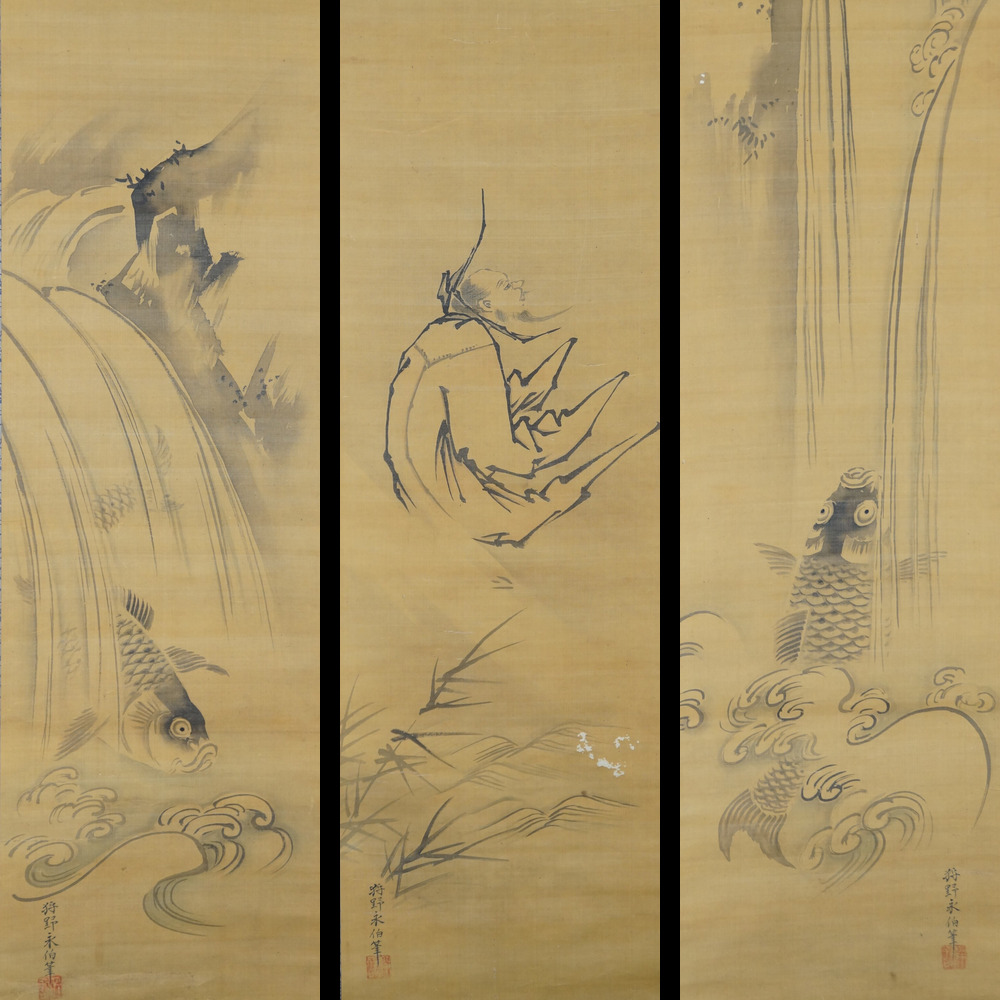
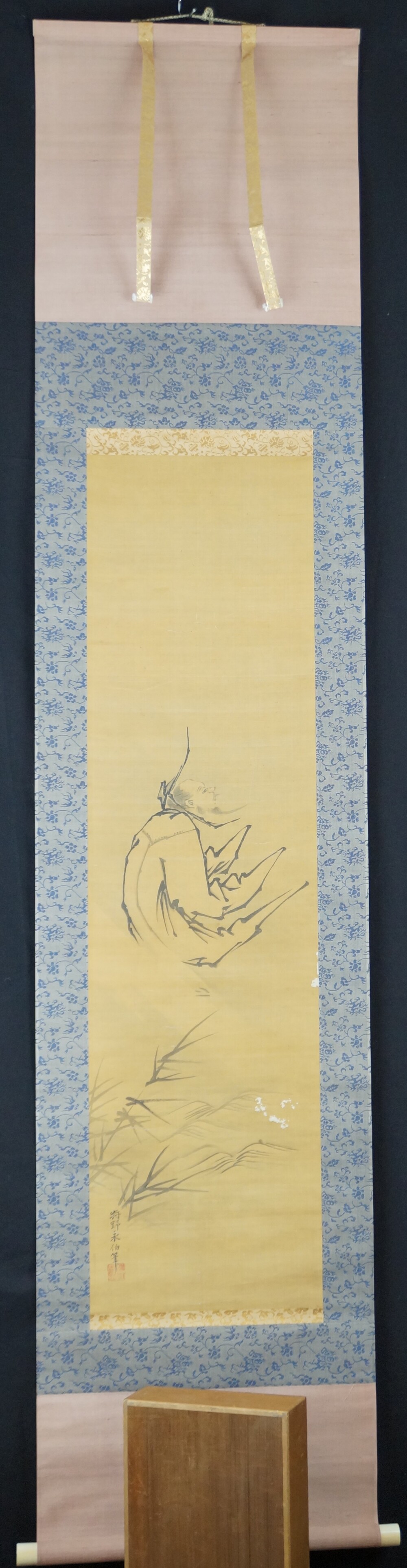
Kano Eihaku
Water, Retreat and Ascent - Set of 3
Kakemono, unique work, with box, 188 x 45 cm
€630.00
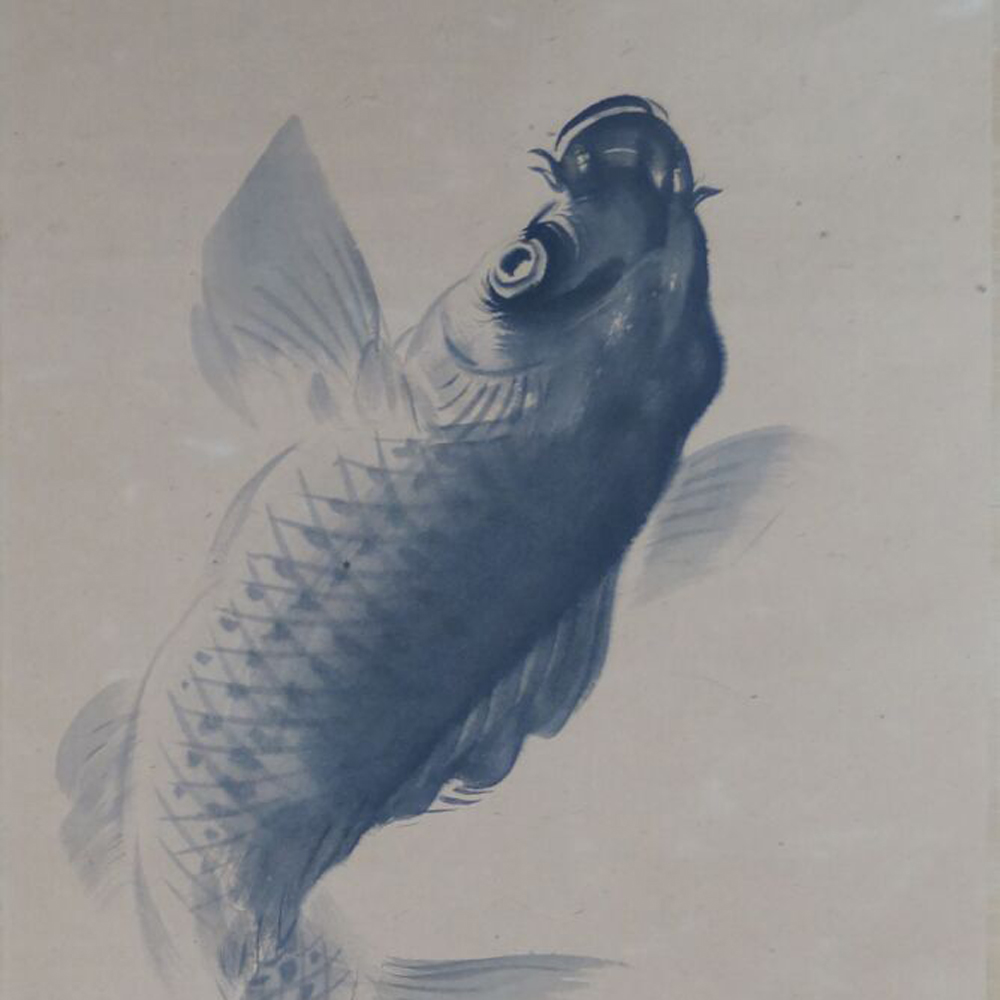
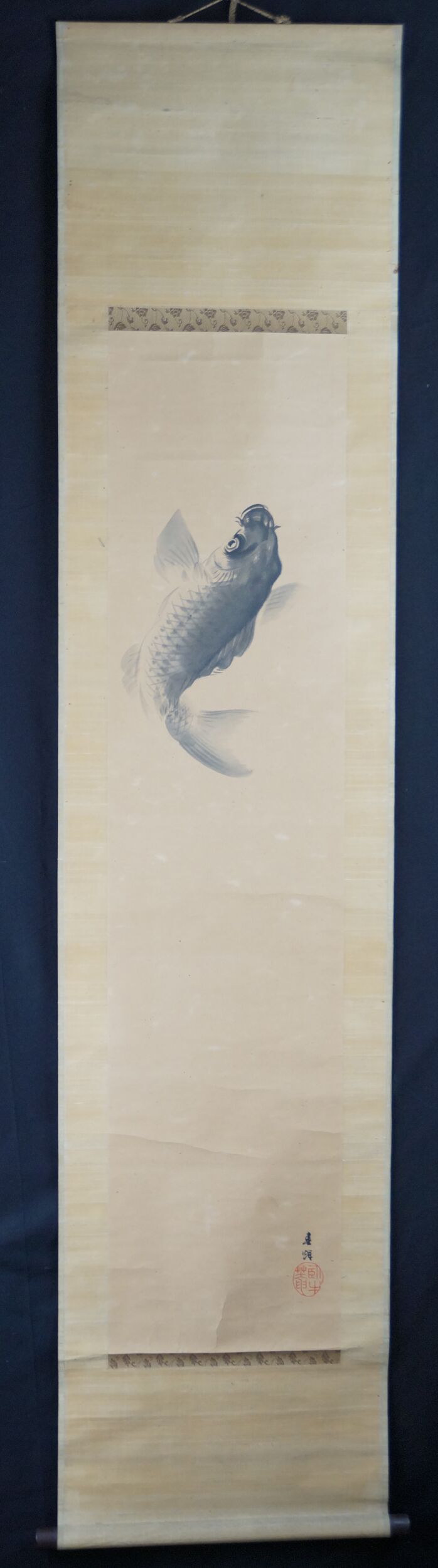
Gyokusha Shunki
Leaping Carp - Kakemono Gyokusha Shunki
Kakemono, unique work, 194 x 50 cm
€540.00
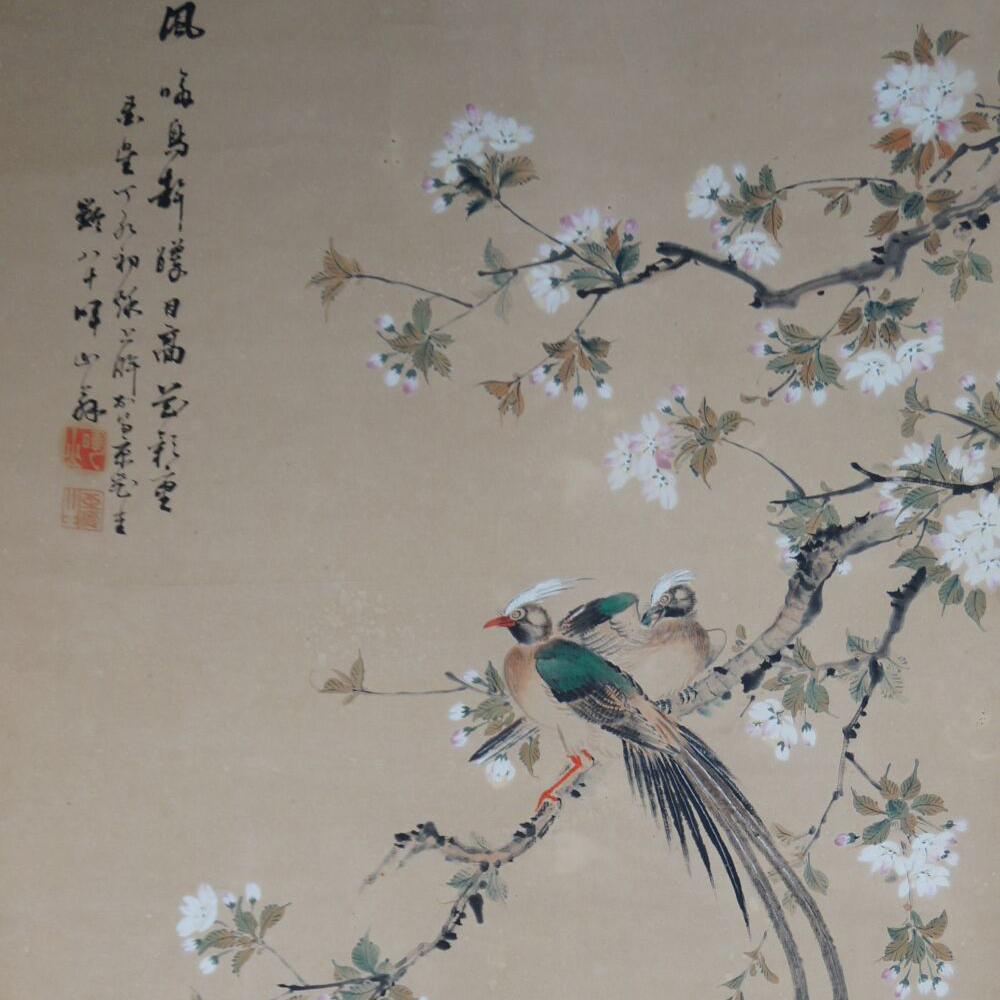
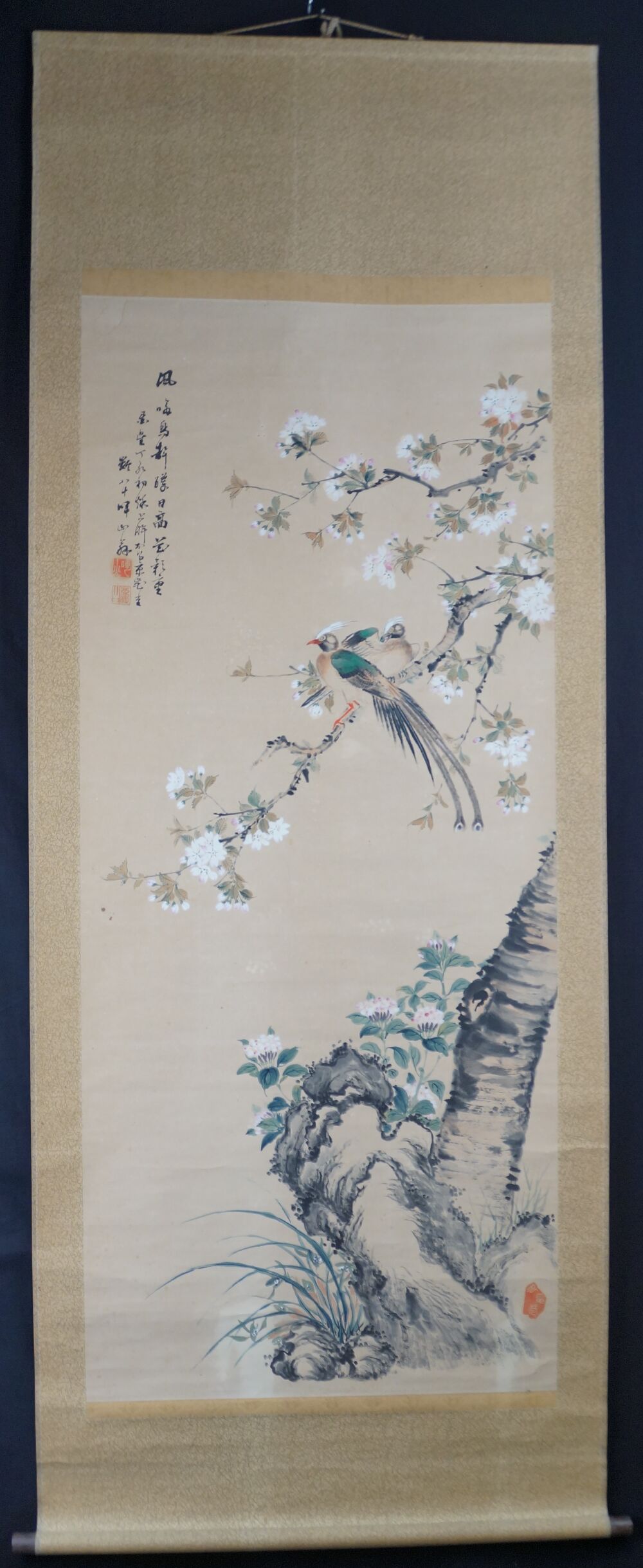
Takahashi Keizan
Spring Duet on Blooming Branch
Kakemono, unique work, 182 x 80 cm
€630.00
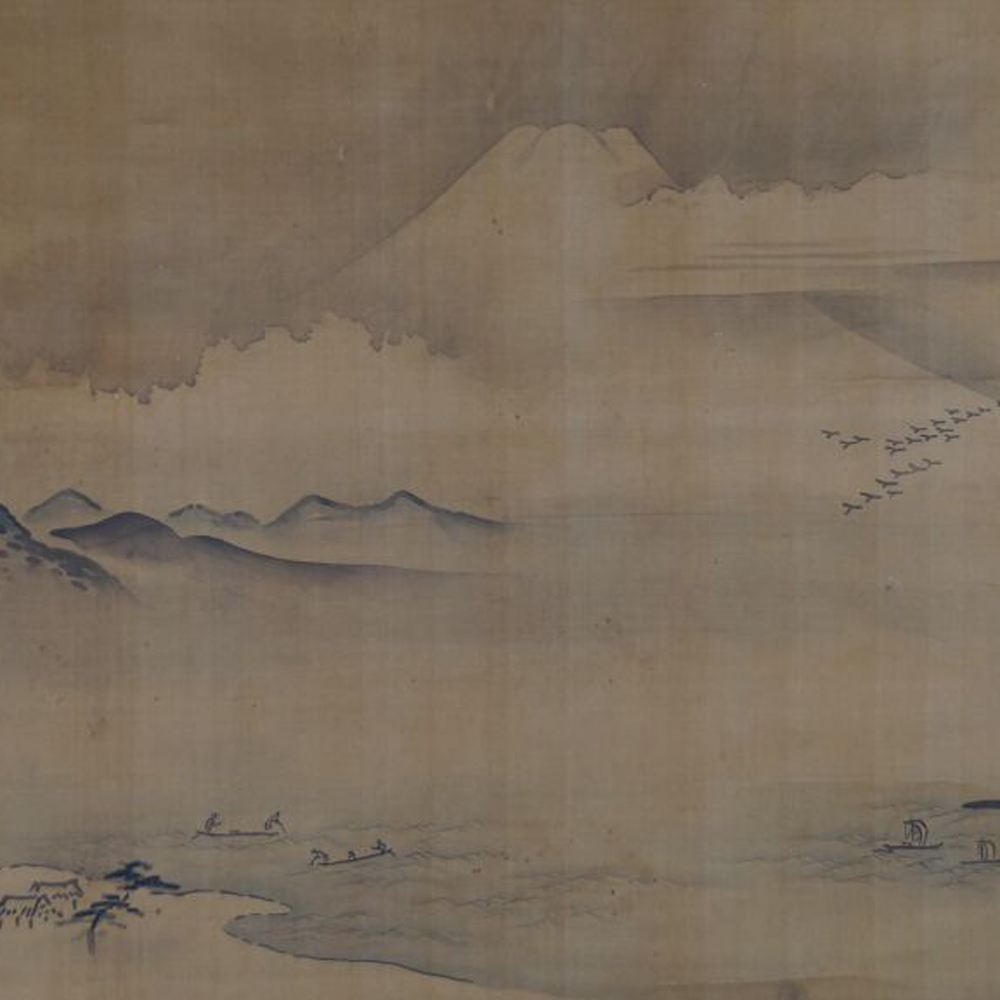
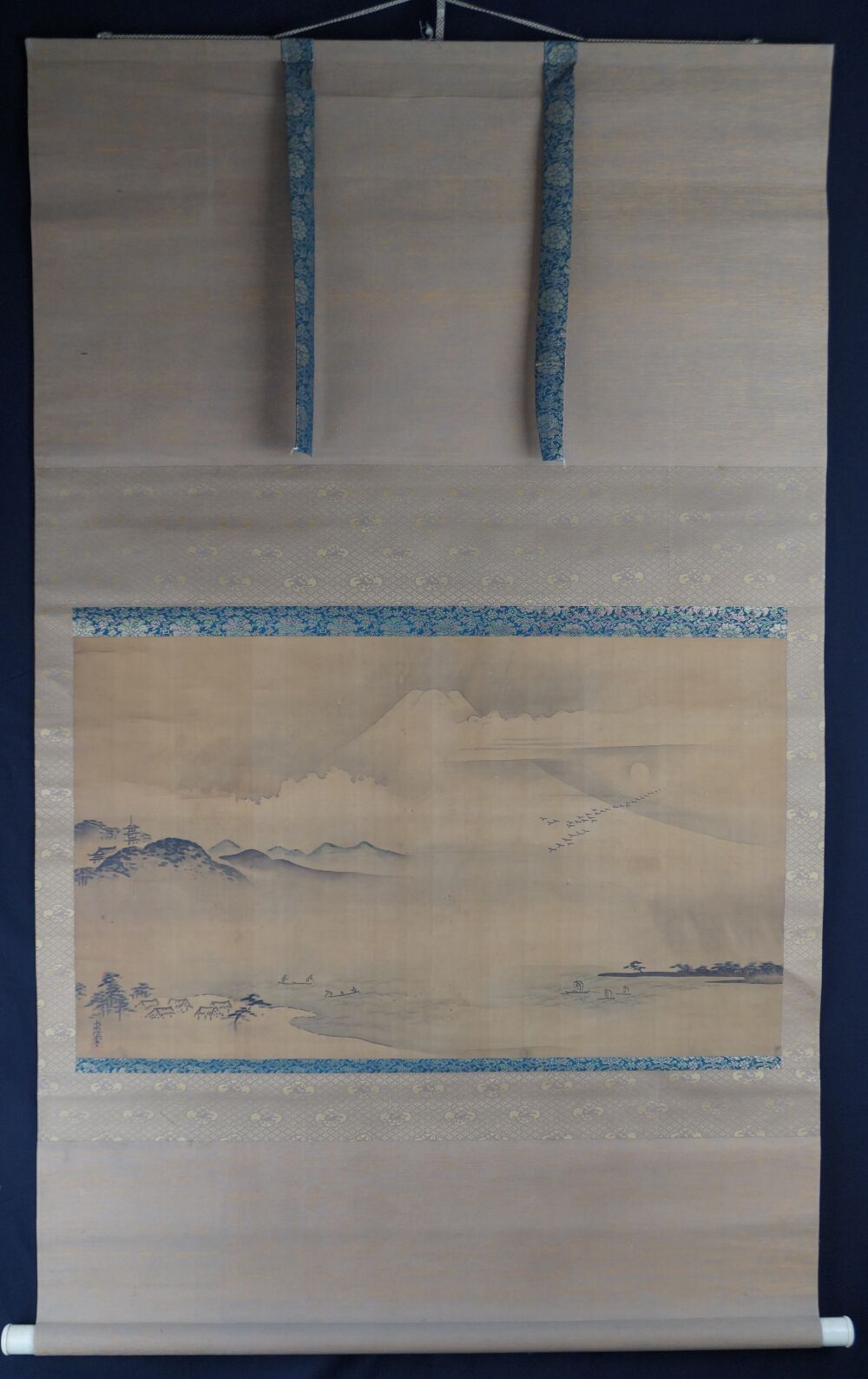
Kanō Zuizen
Fuji in Morning Mist
Kakemono, unique work, 140 x 91 cm
€1,170.00
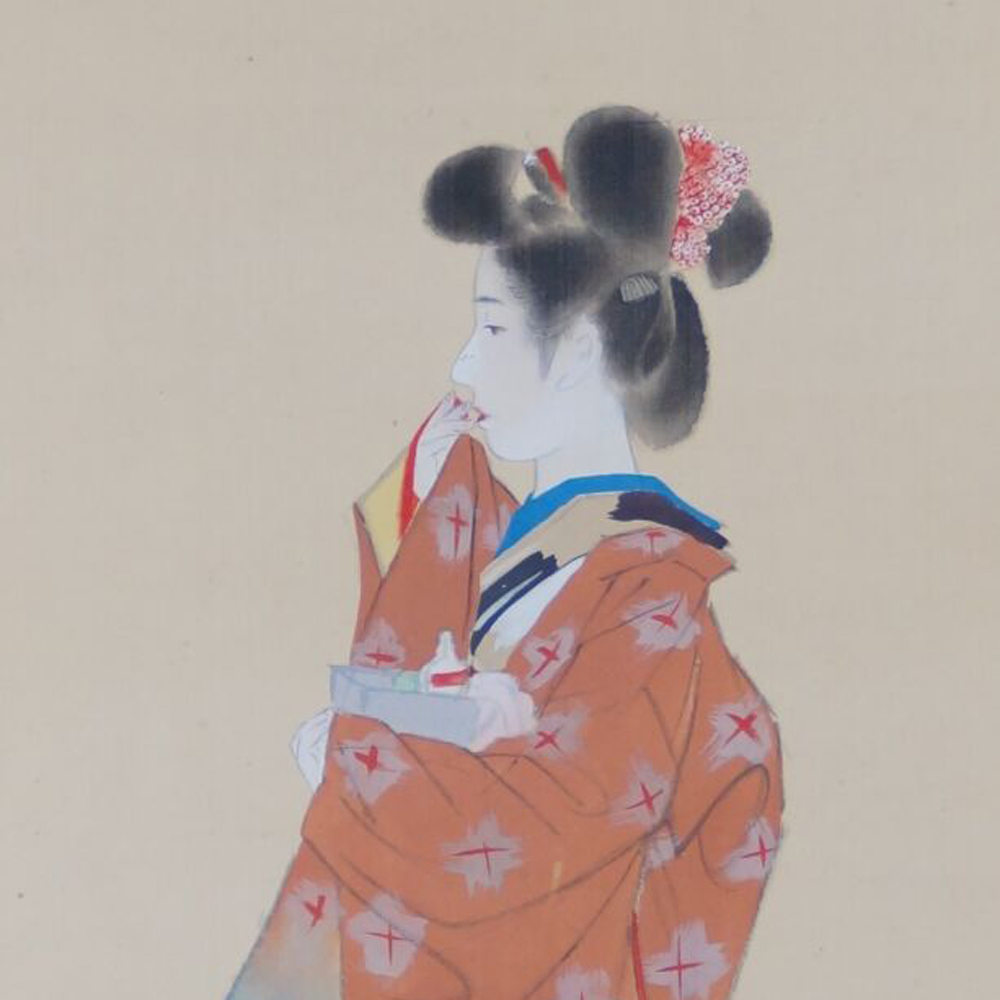
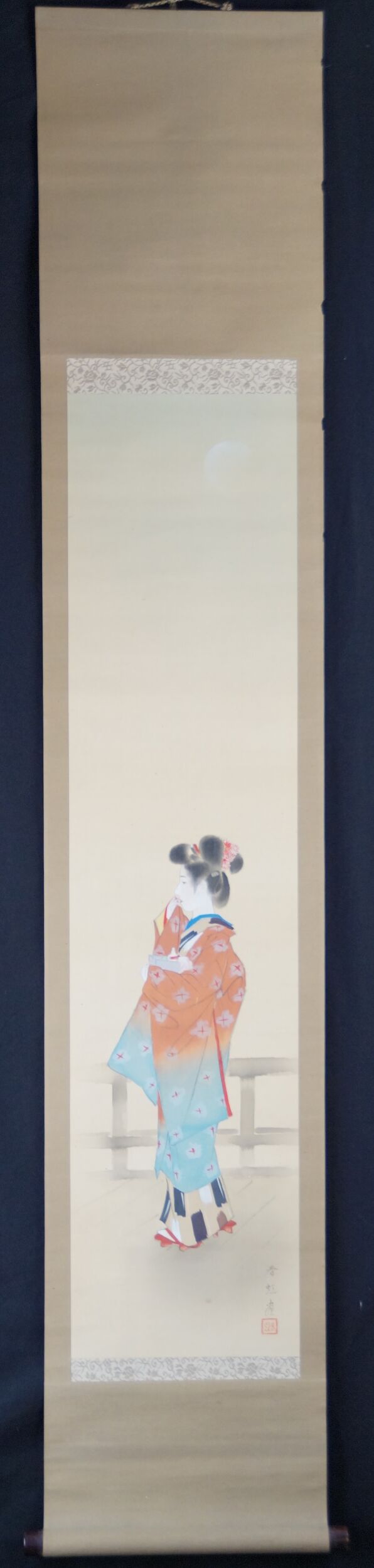
Saeki Shunkō
Beauty in Profile with Orange Kimono
Kakemono, unique work, 167 x 36 cm
€360.00
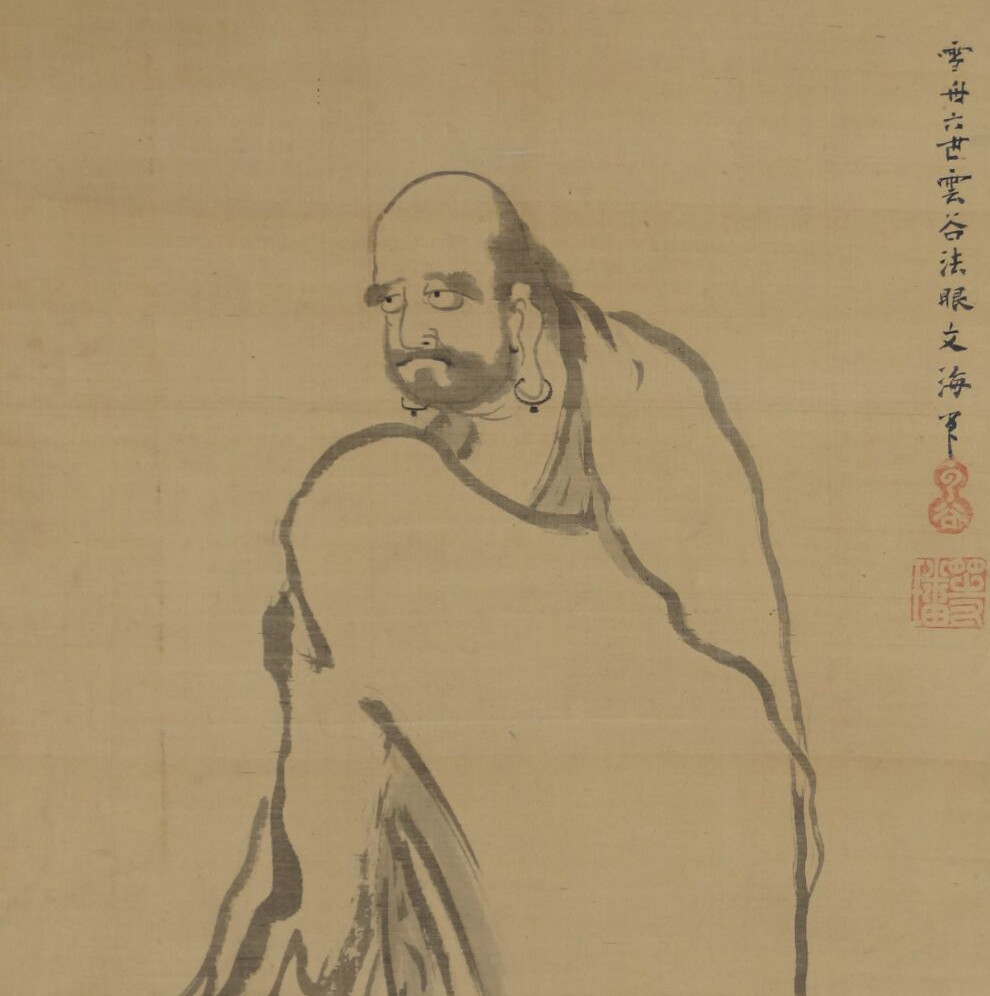
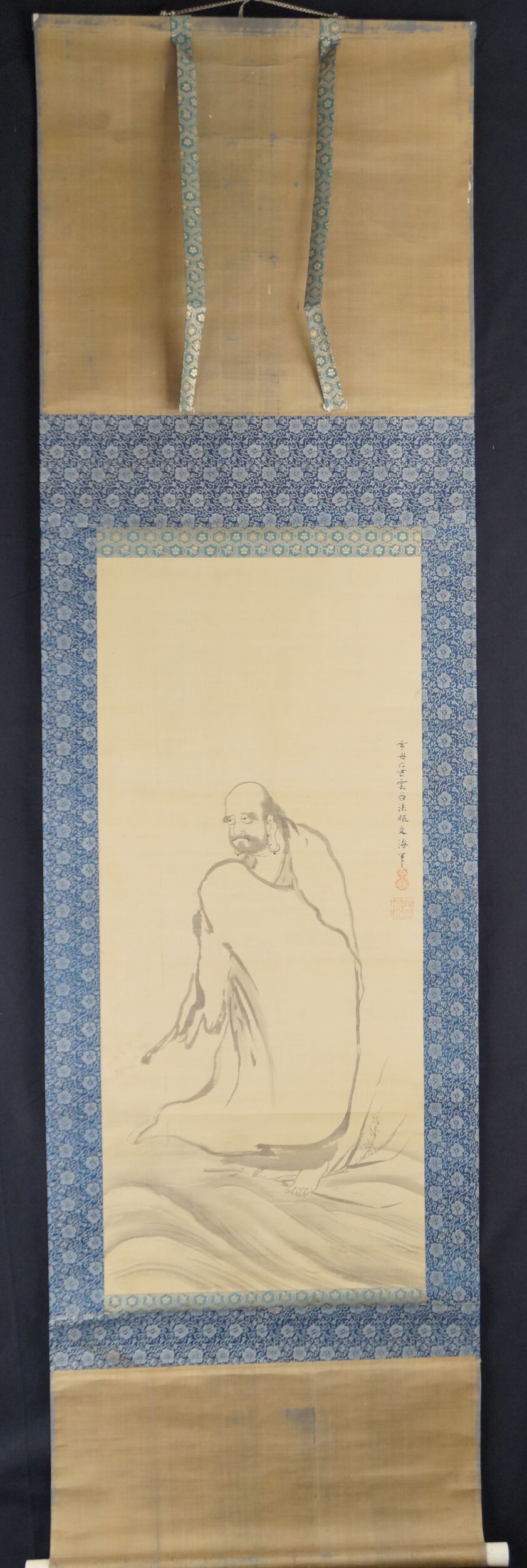
Unkoku Tōban
Bodhidharma on the Way
Kakemono, unique work, 168 x 52 cm
€550.00
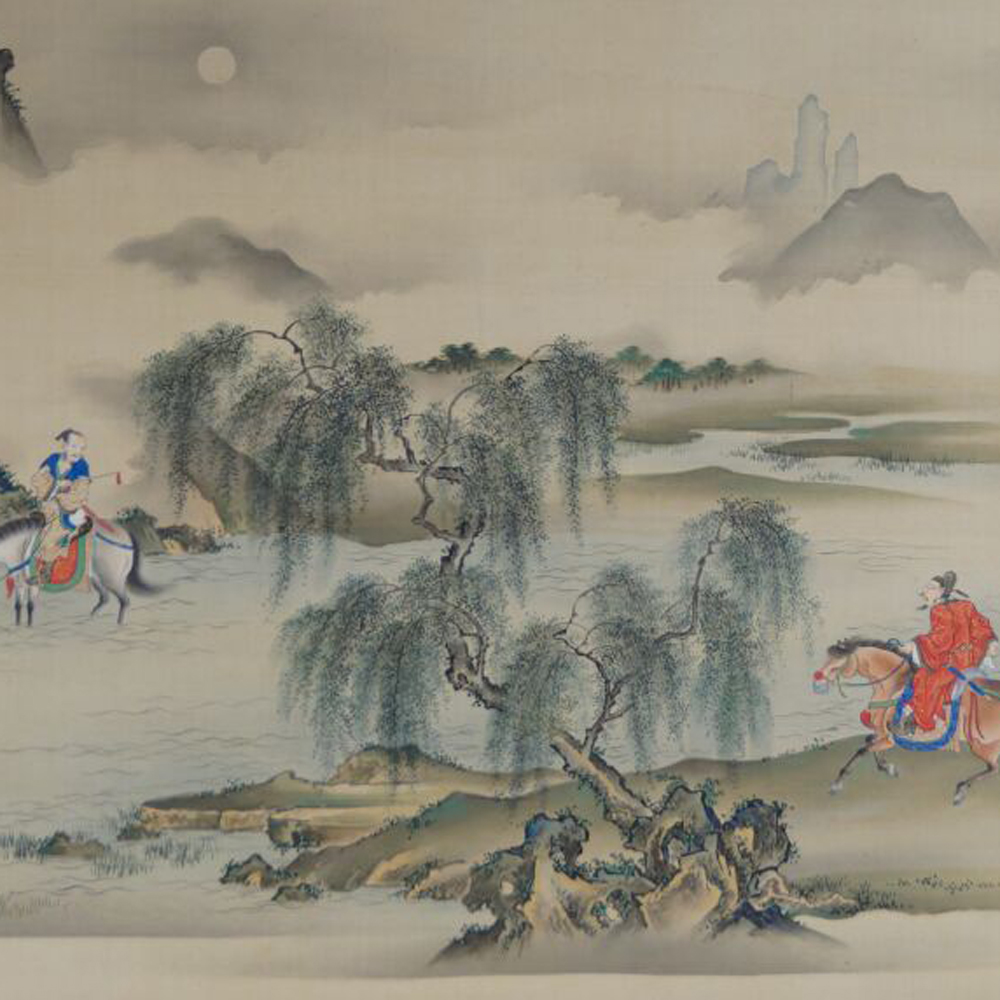
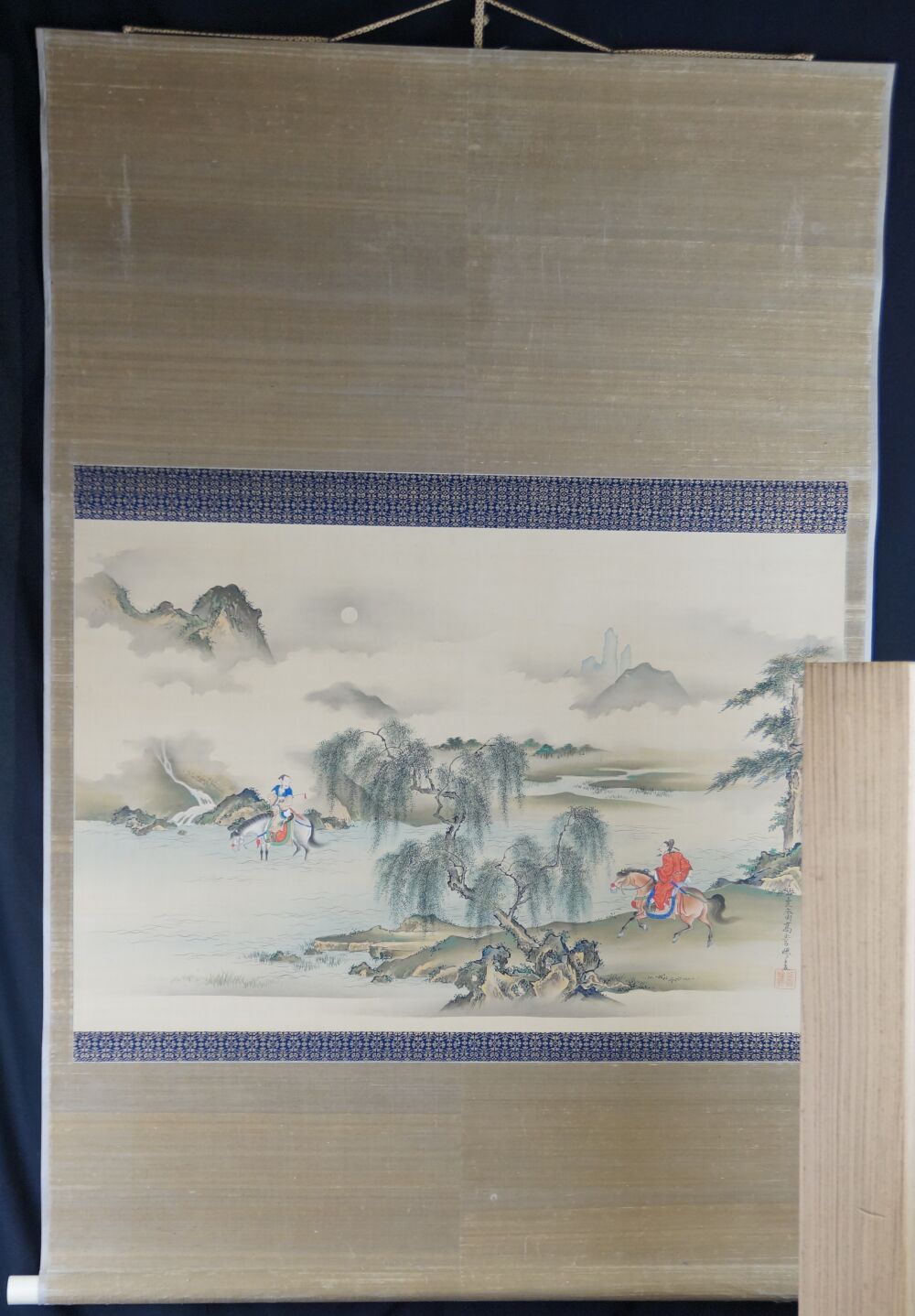
Kōsūkoku
Encounter by the River
Kakemono, unique work, with box, 136 x 97 cm
€1,290.00
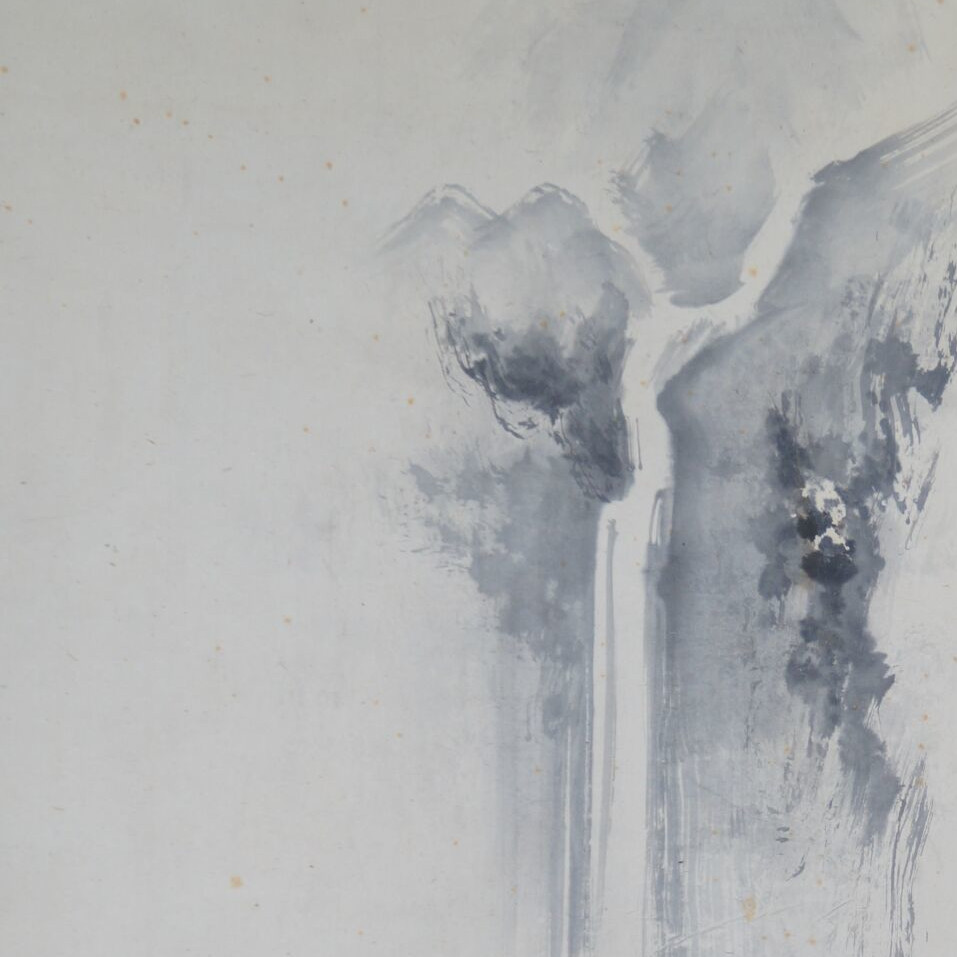
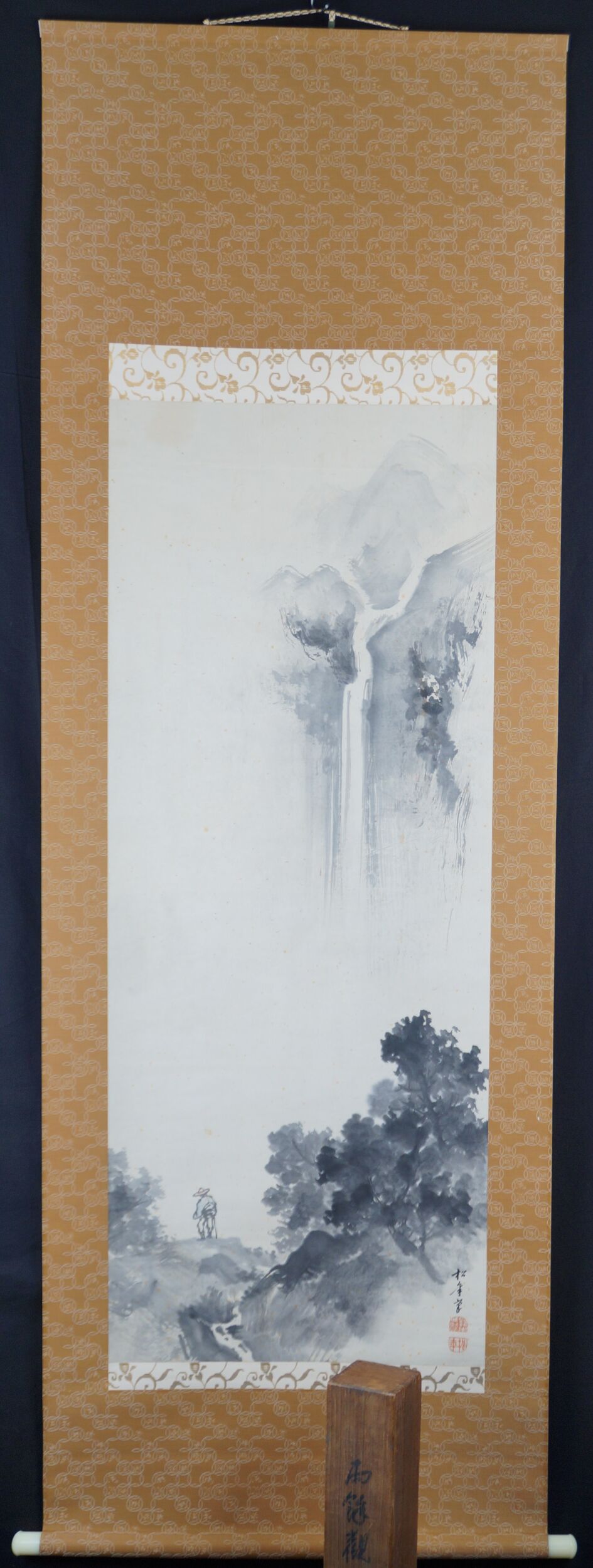
Suzuki Shonen
Wanderer Before the Waterfall - Suzuku Shonen
Kakemono, unique work, with box, 190 x 71 cm
€380.00
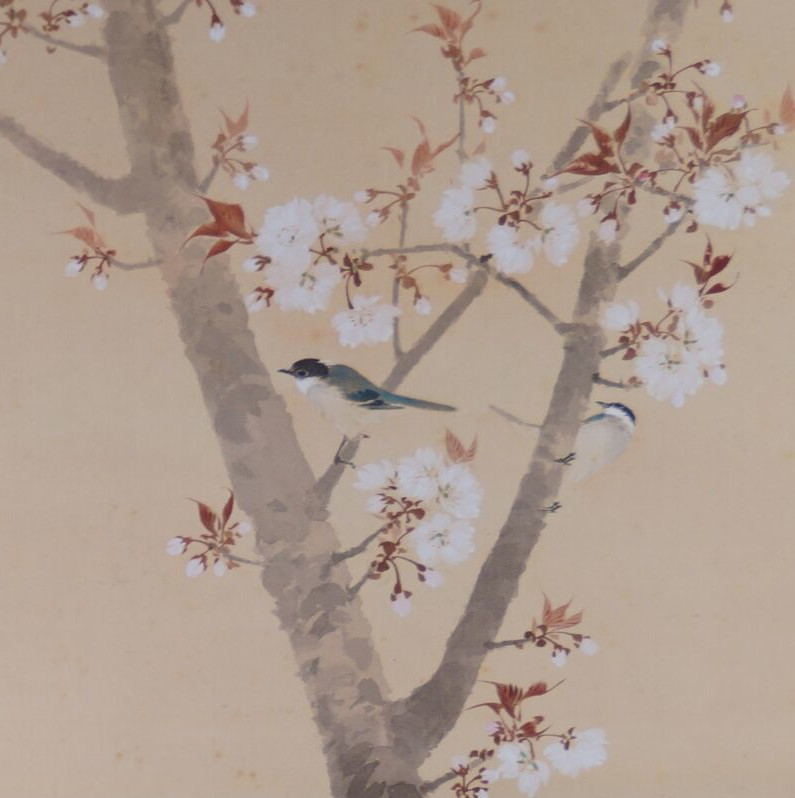
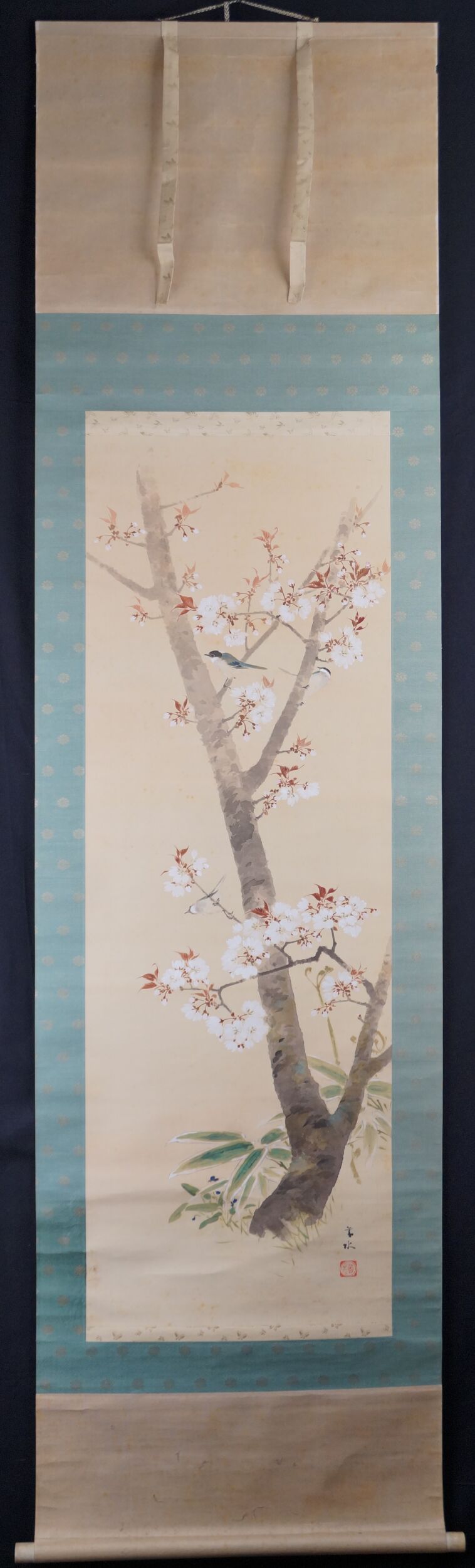
Suma Taisui
Spring at the Old Cherry Blossom
Kakemono, unique work, with box, 208 x 61 cm
€470.00
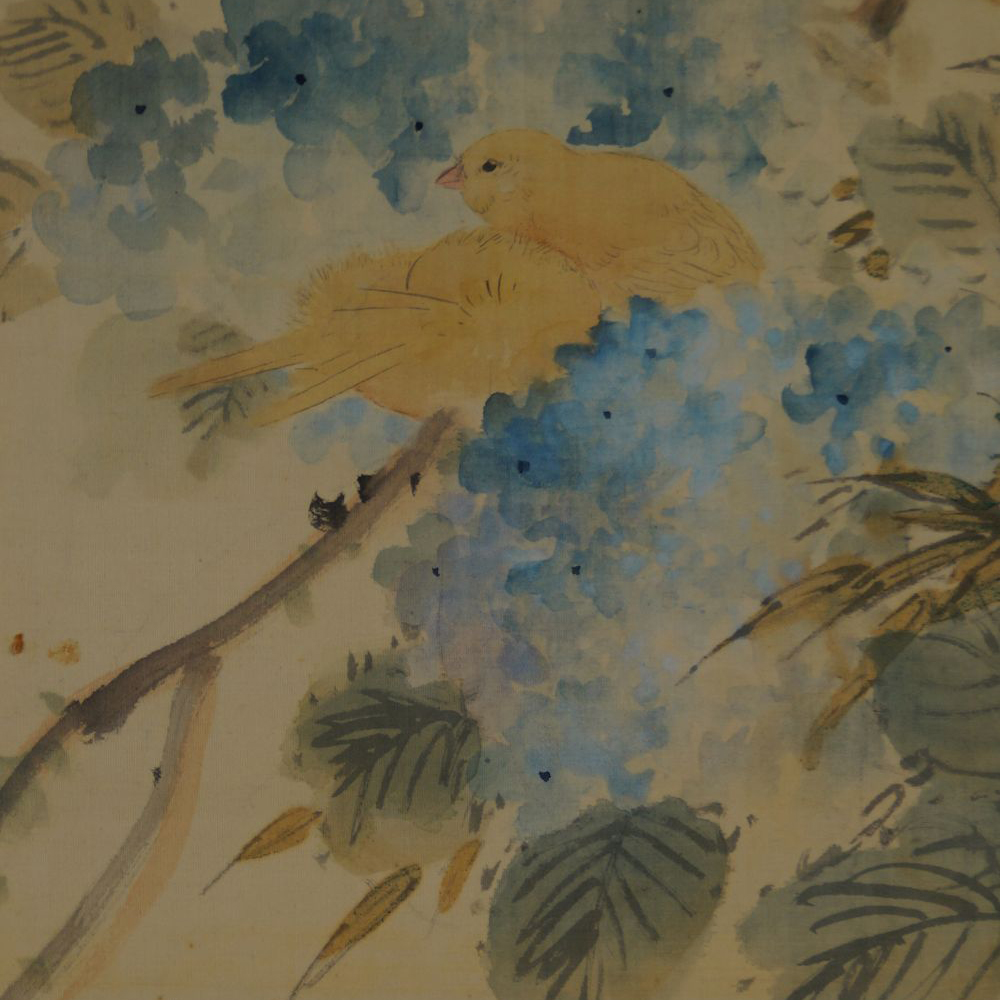

Ikuta Tōzan
Hydrangeas in Early Summer Light
Kakemono, unique work, 187 x 38 cm
€290.00
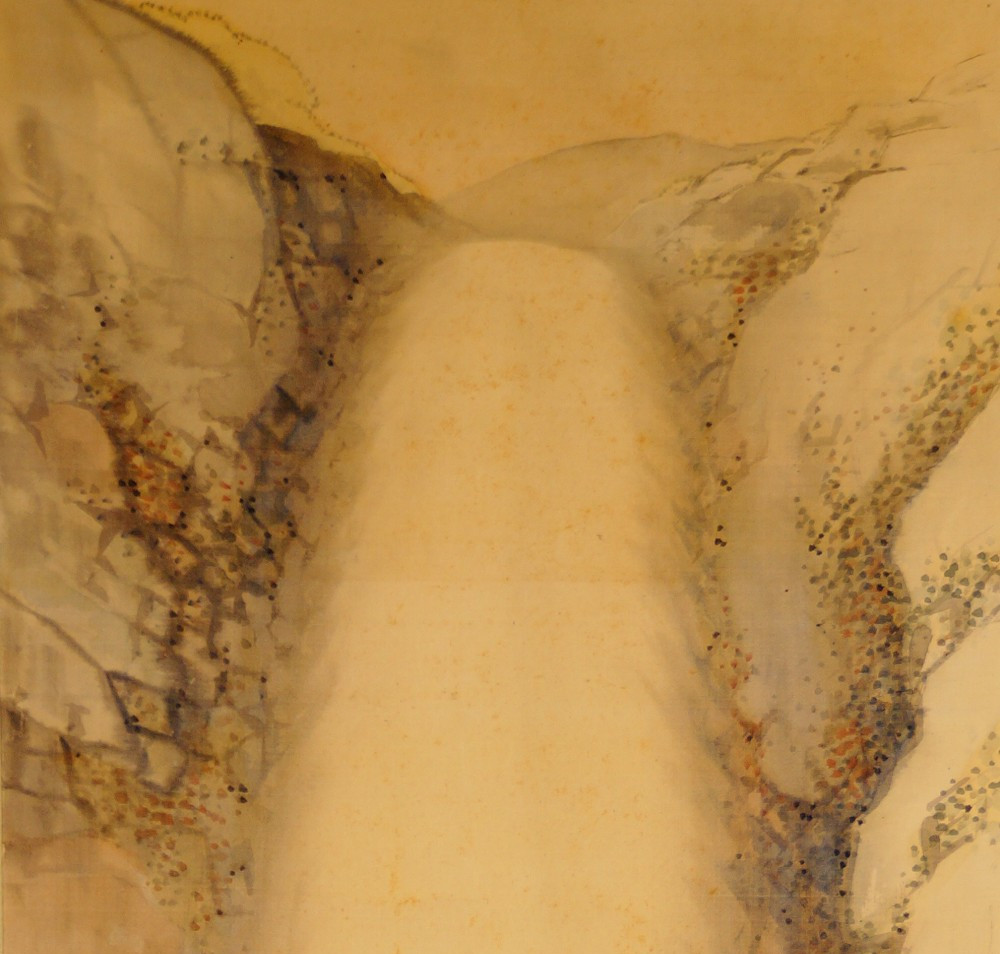

Nakagawa Wado
Waterfall in the Mountains
Kakemono, unique work, 195 x 59 cm
€380.00
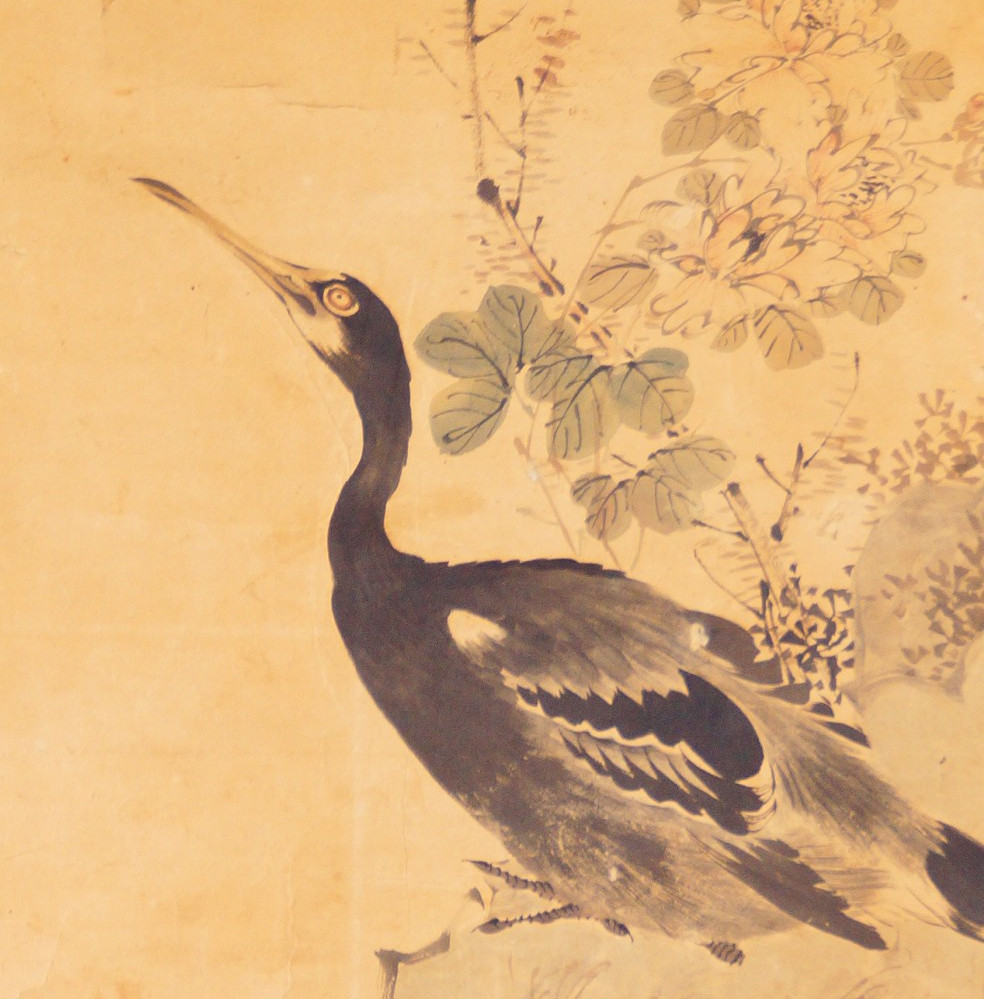

Yamamoto Baiitsu
Heron on Rock with Chrysanthemums
Kakemono, unique work, 189 x 60 cm
€290.00
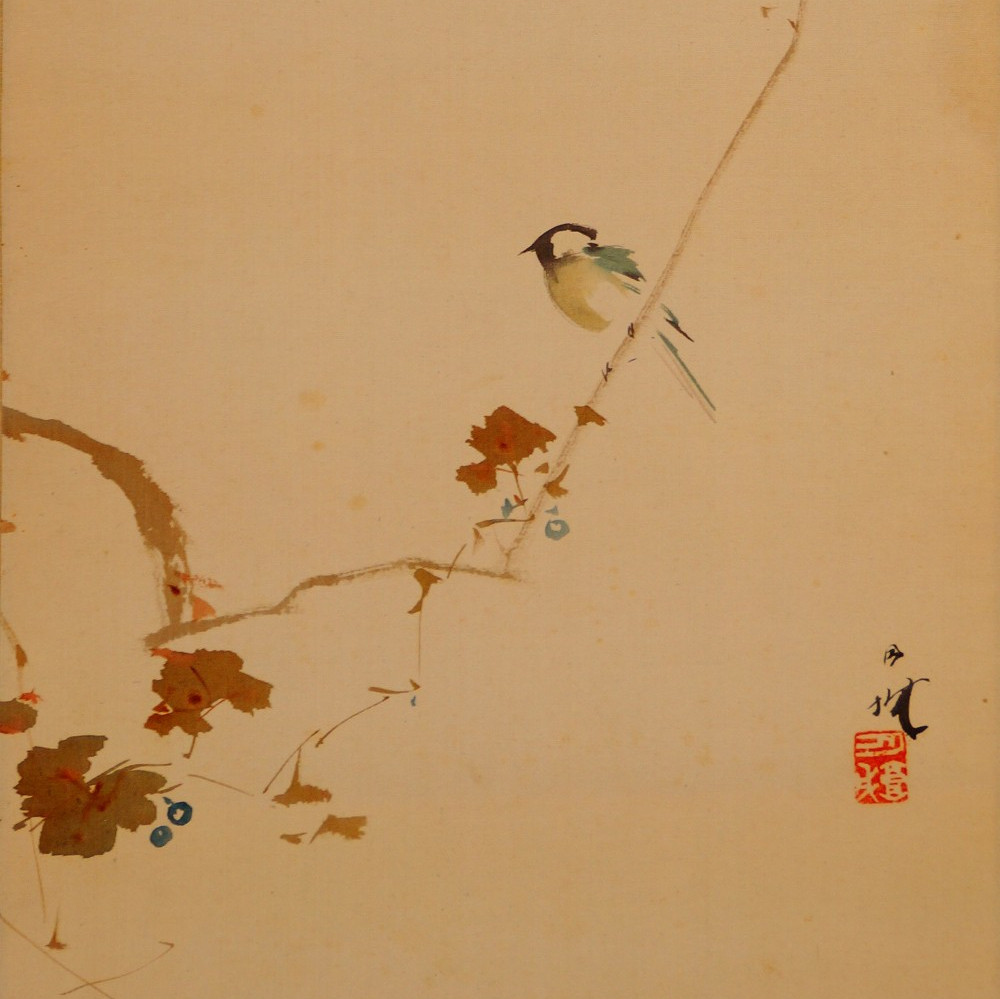

Mori Getsujō
Songbird on Grapevine
Kakemono, unique work, 142 x 37 cm
€1,420.00
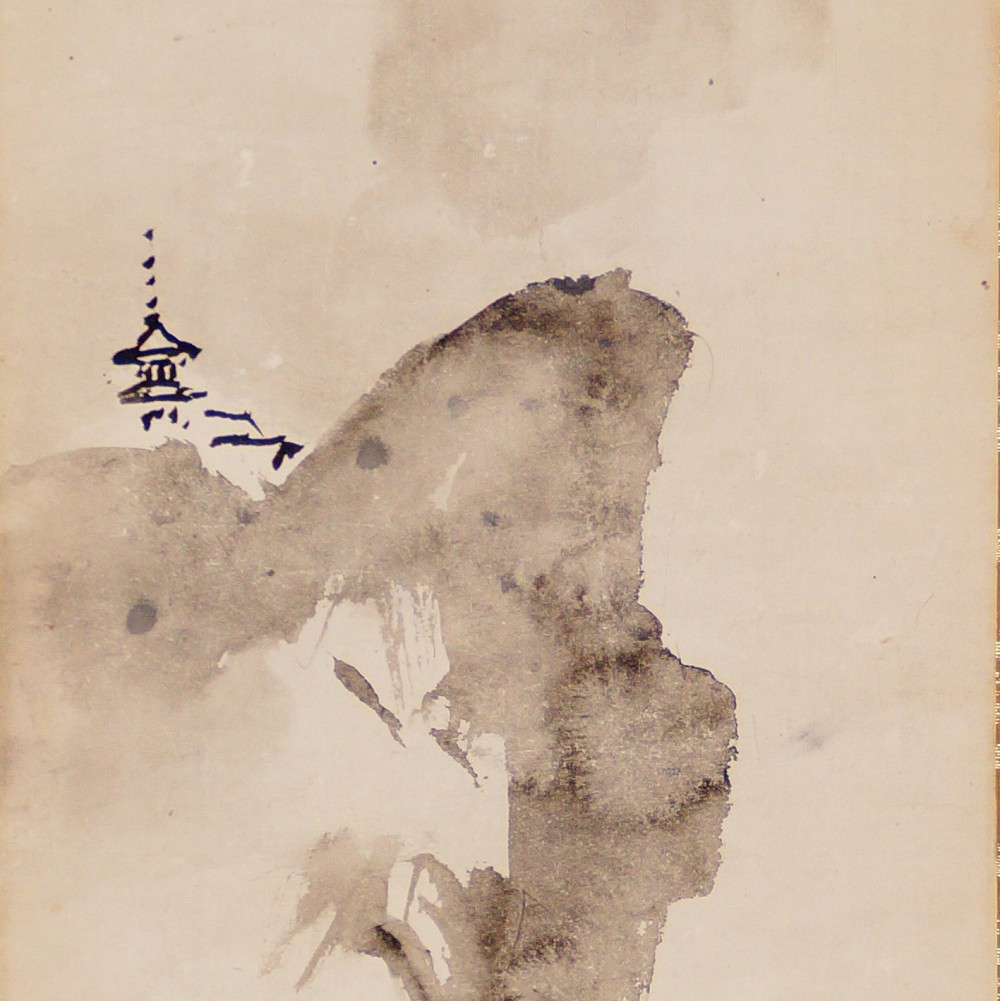

Kano Shūshin
Pagoda on the Cliff
Kakemono, unique work, 190 x 37 cm
€290.00
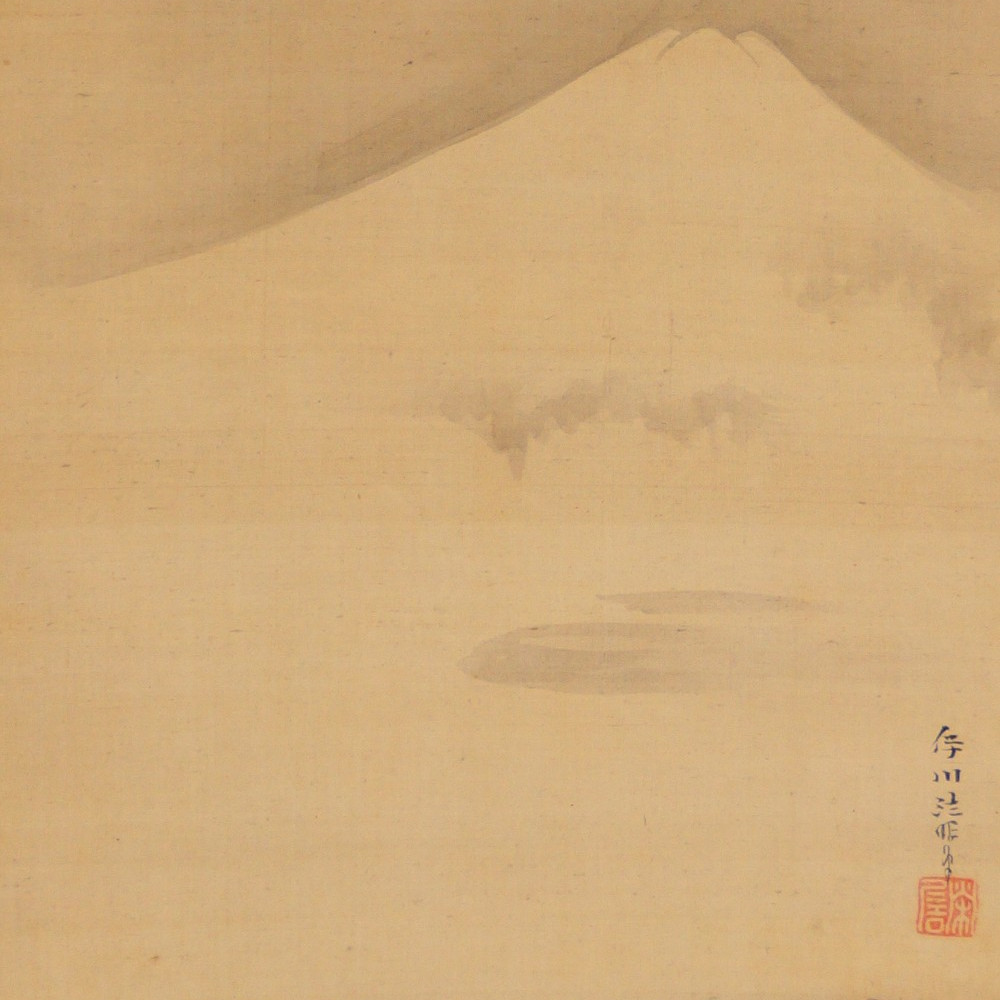

Kano Eishin und Kano Yoshinobu
Cranes Before Mount Fuji (in the Tradition of the Kano School)
Kakemono, unique work, with box, 162 x 41 cm
€450.00
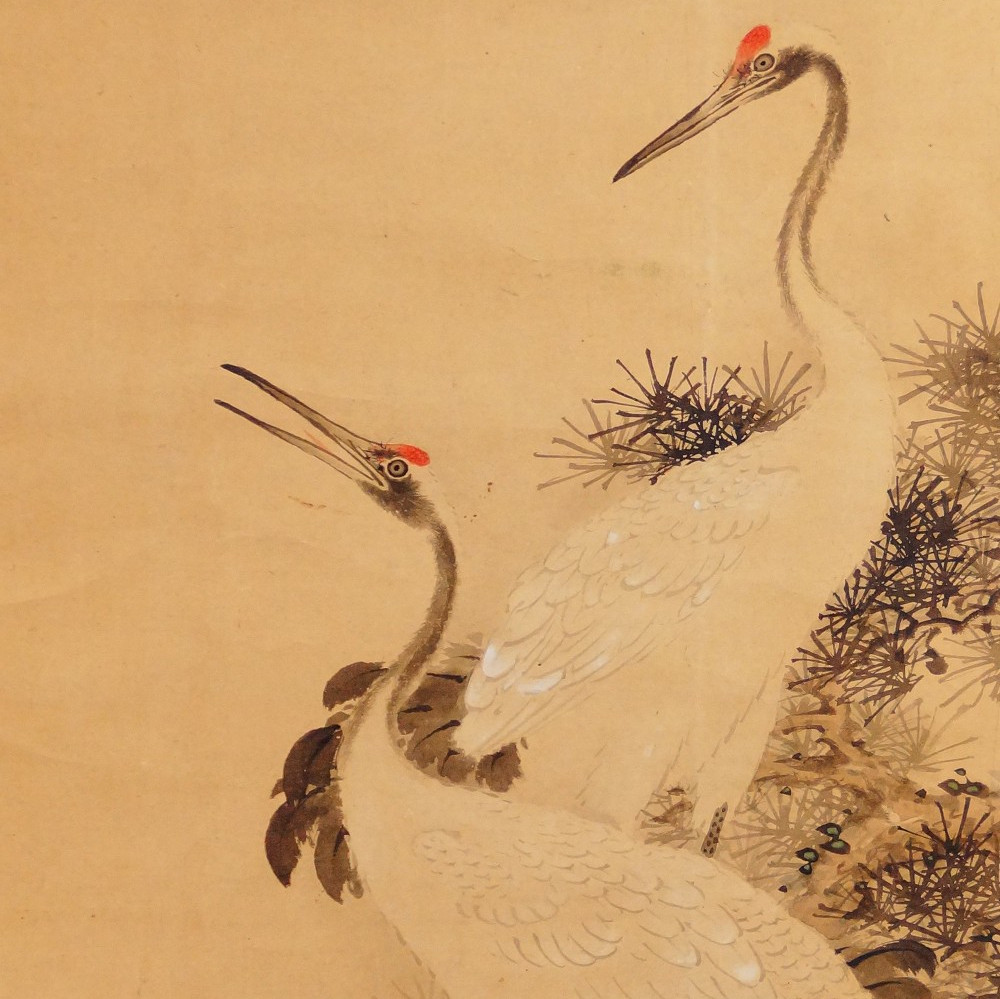

Murata Tōho
Pair of Cranes Between Pine Branches in Sepia Tones
Kakemono, unique work, 195 x 62 cm
€390.00
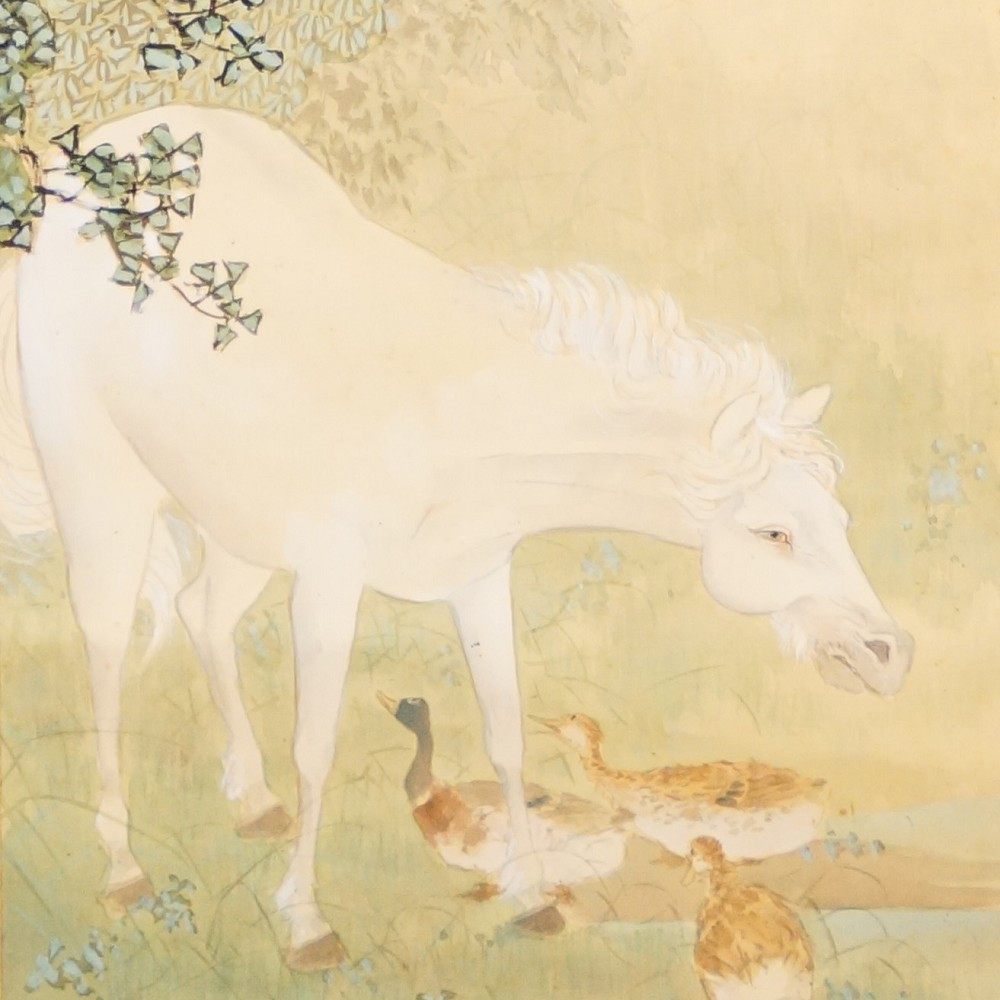

Sōbun
Harmony by the Water
Kakemono, unique work, 193 x 38 cm
€330.00
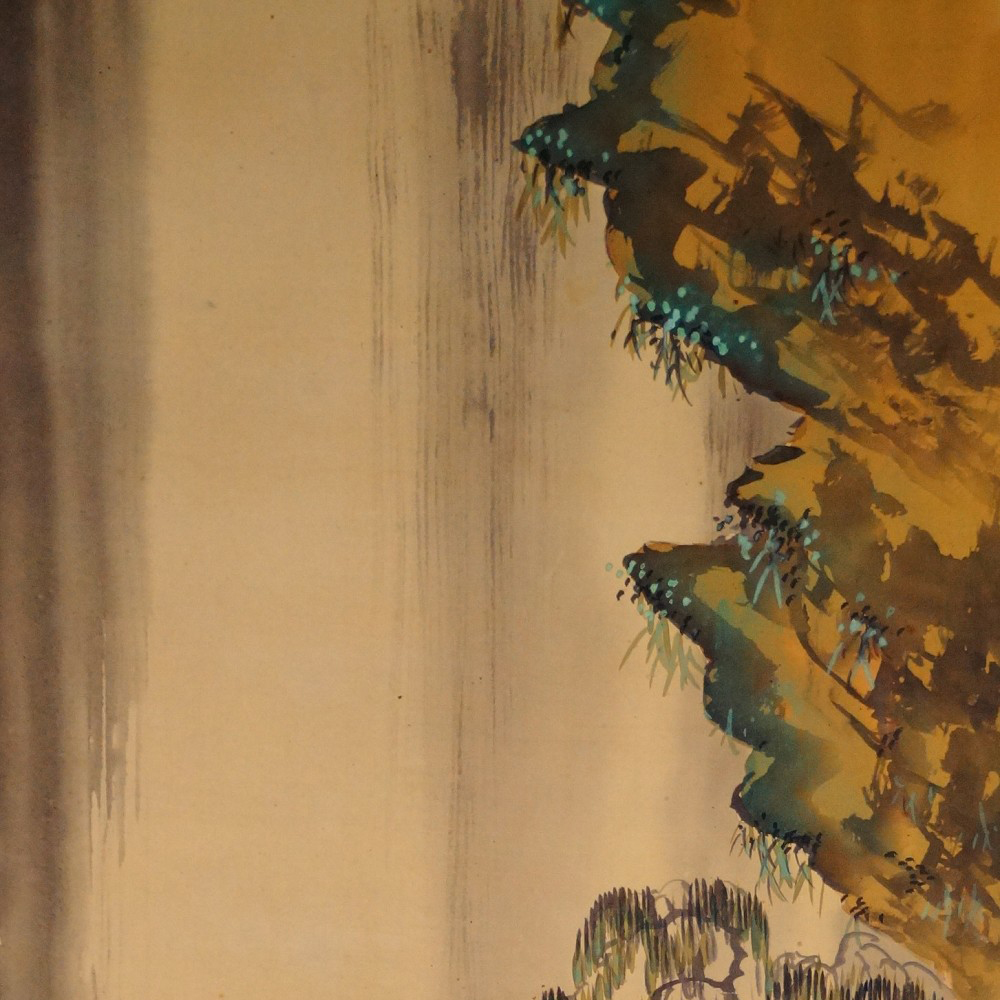

Jōdō
Bees Against a Waterfall Backdrop by Jodo
Kakemono, unique work, 188 x 62 cm
€375.00
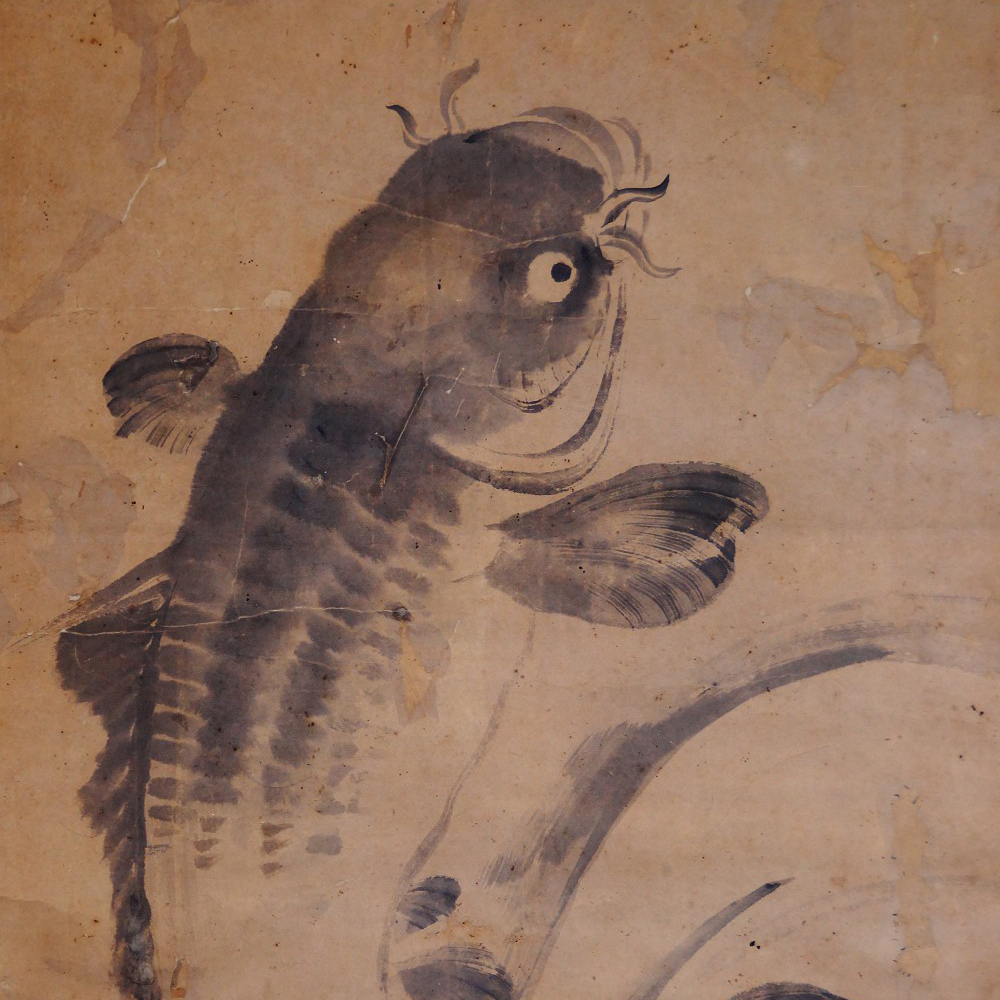

Shūjō
Carp Dancing in Water
Kakemono, unique work, 165 x 68 cm
€460.00
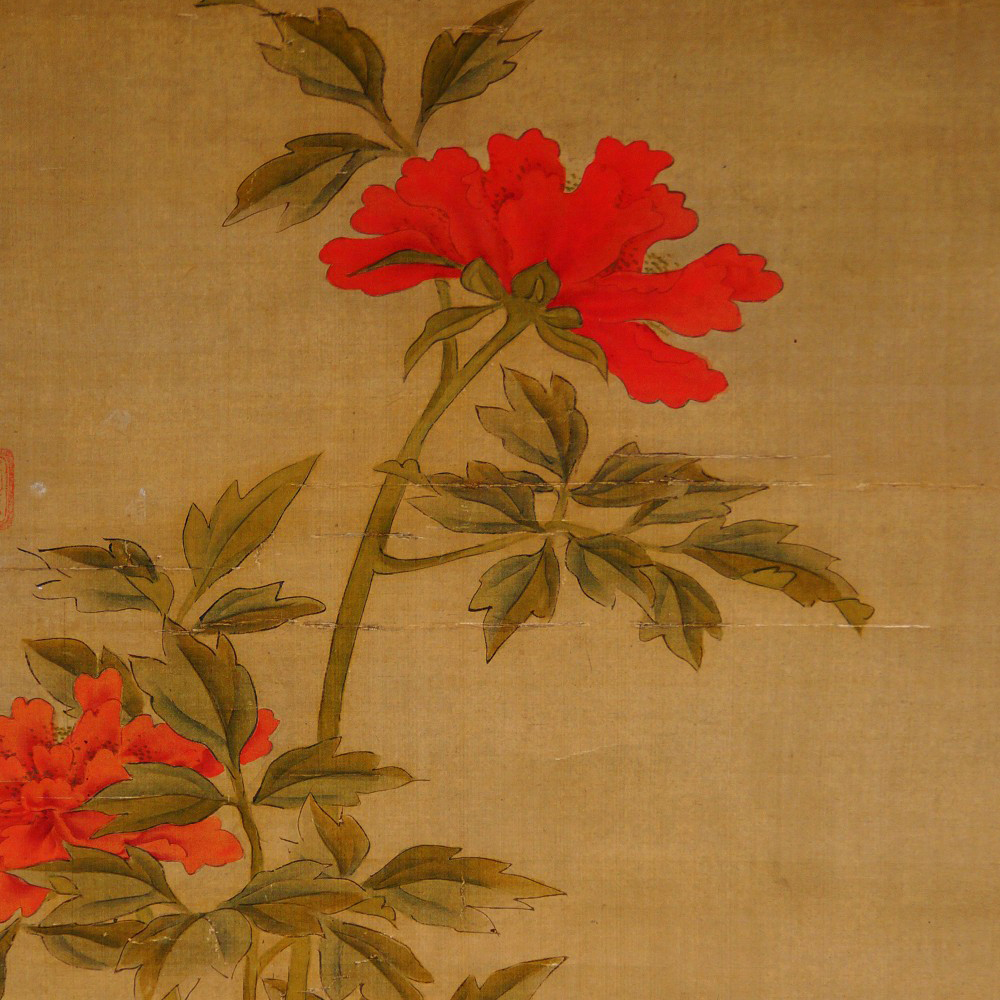

Sakai Hōitsu
Peonies Blooming on Rock
Kakemono, unique work, with box, 150 x 47 cm
€430.00
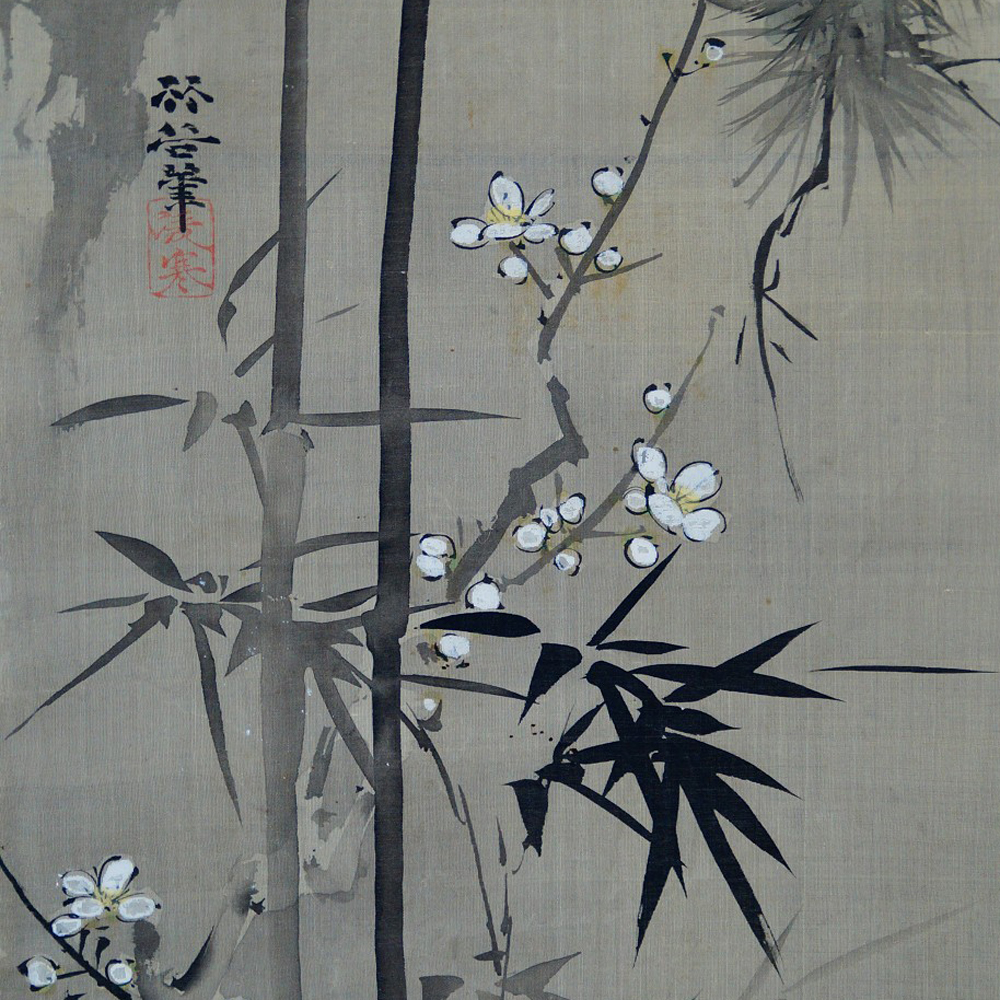

Yoda Chikoku
Three Friends of Winter
Kakemono, unique work, 168 x 49 cm
€380.00
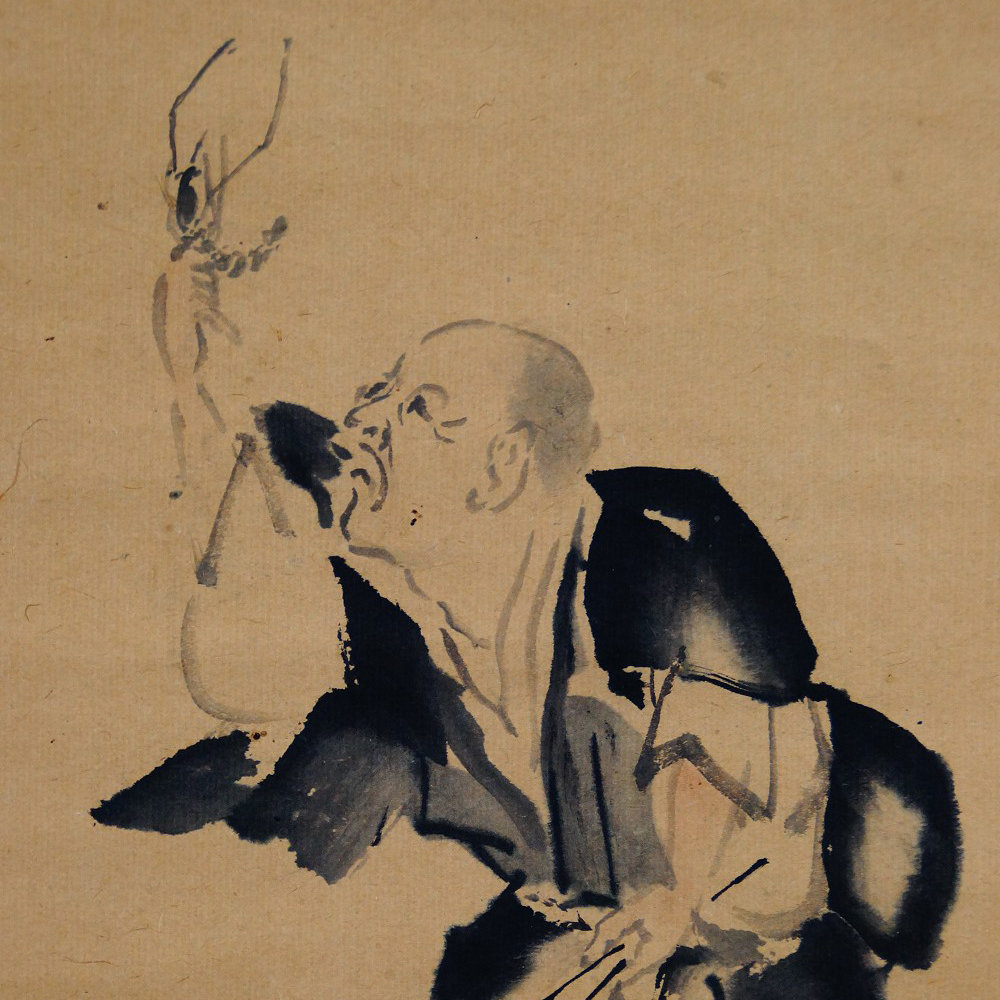

Yamauchi Kōsetsu
Monk Catching Shrimp
Kakemono, unique work, 186 x 45 cm
€270.00
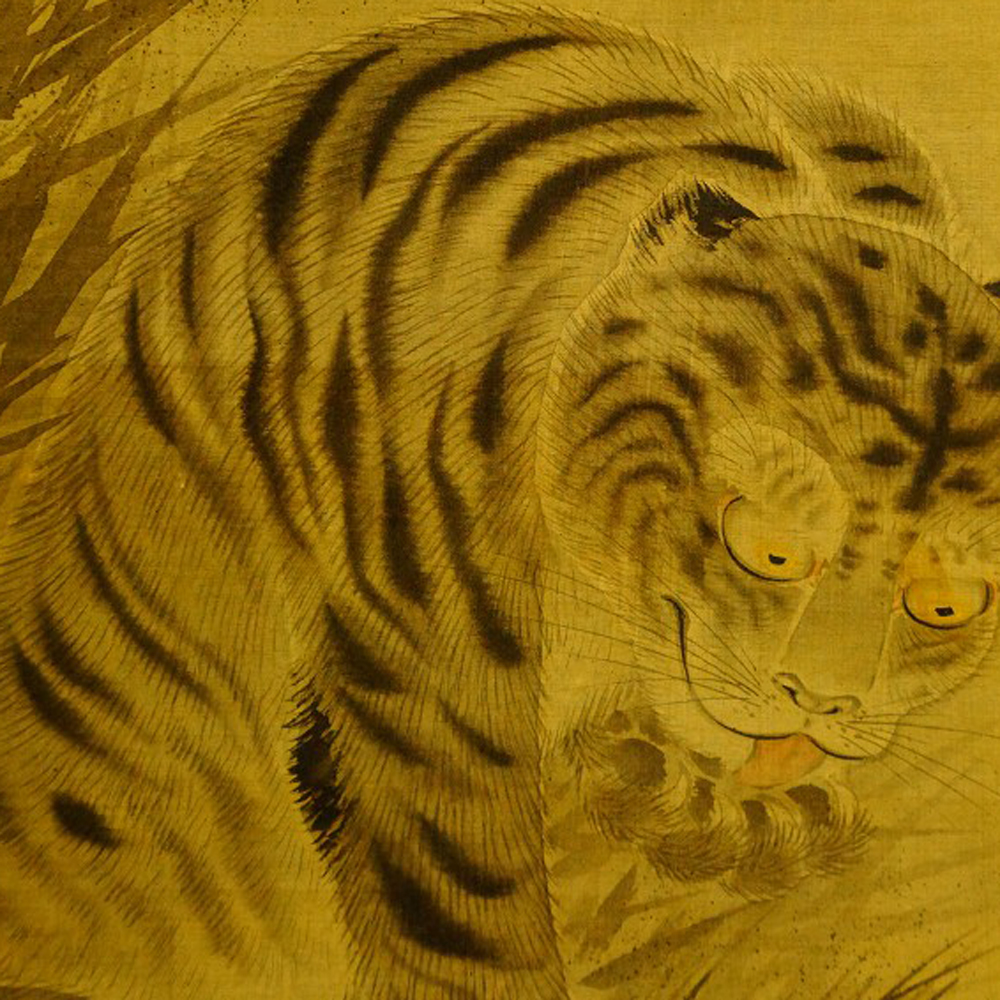

Kokyo
Gentle Elegance of the Tiger - Makuri without Mounting
Makuri, unique work, 94 x 32 cm
€890.00
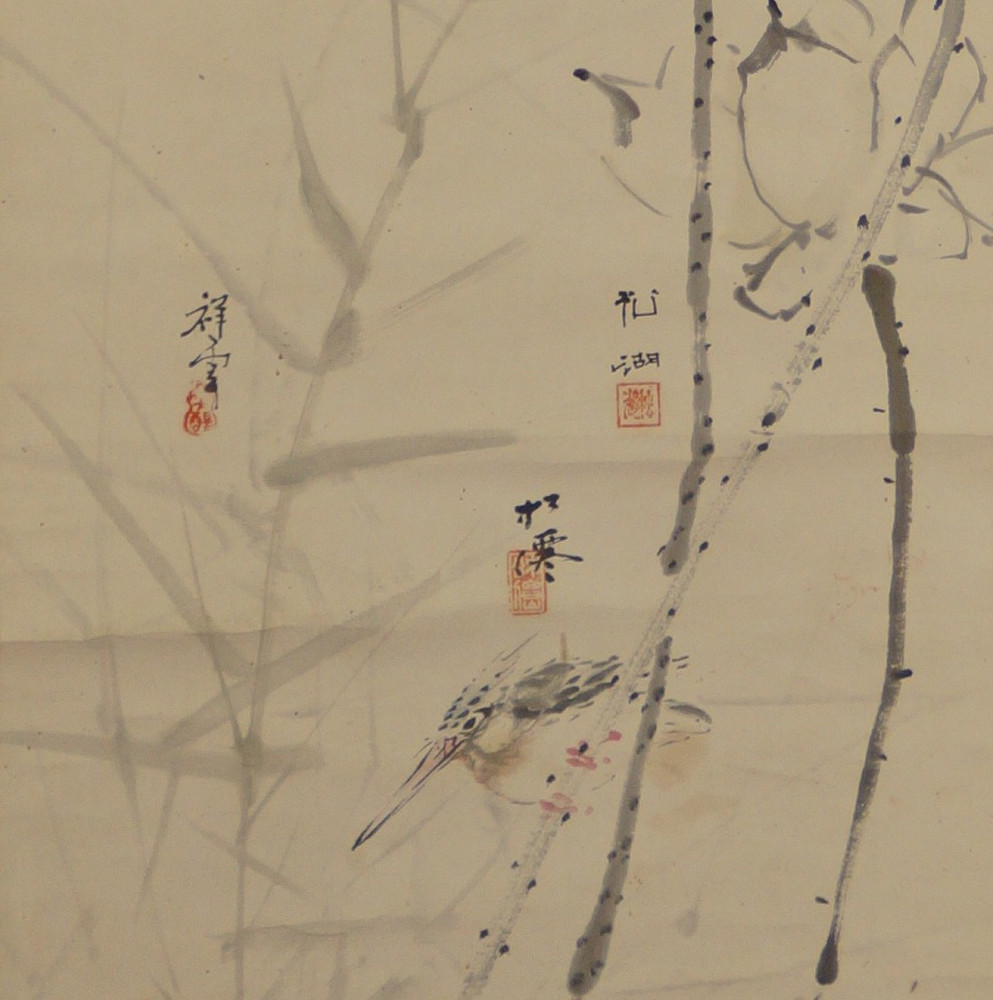

Kingfisher on a Lotus Flower
Kakemono, unique work, 192 x 49 cm
€690.00
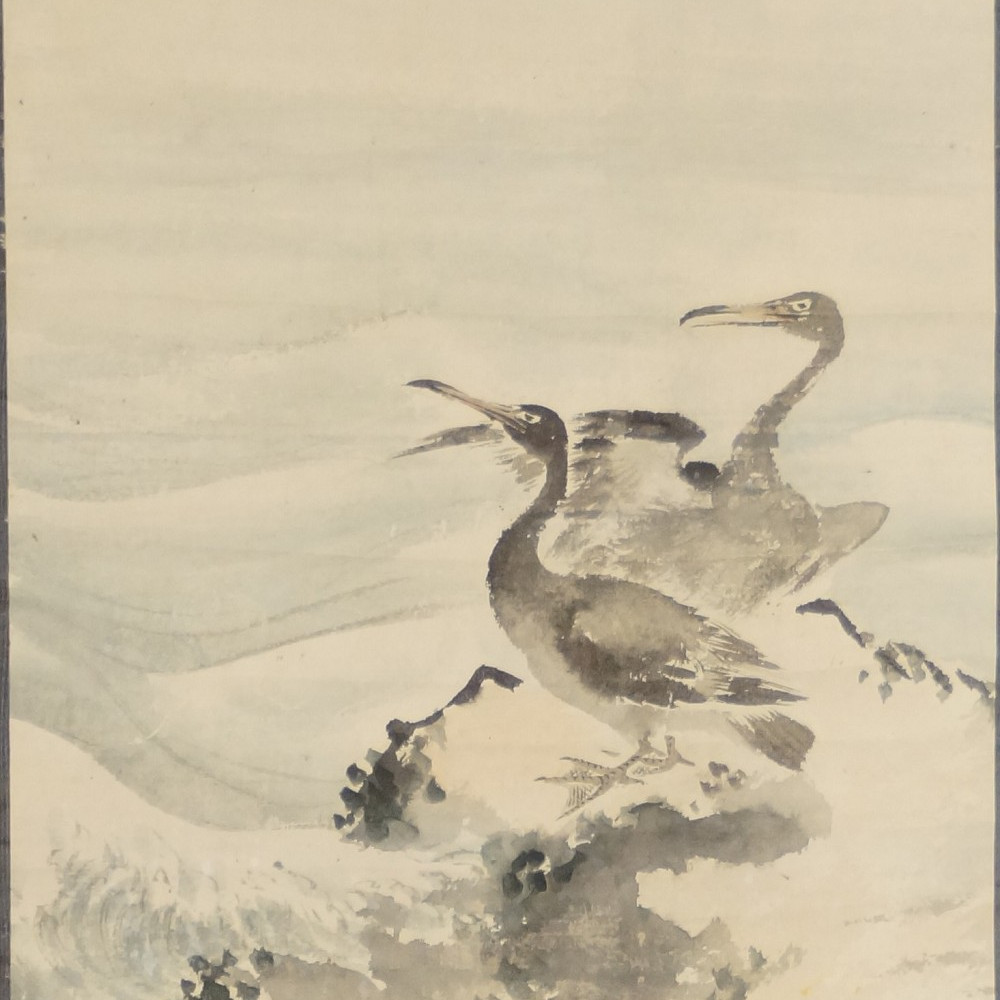

Kida Kado
Cormorants in the Sea
Kakemono, unique work, 190 x 52 cm
€450.00
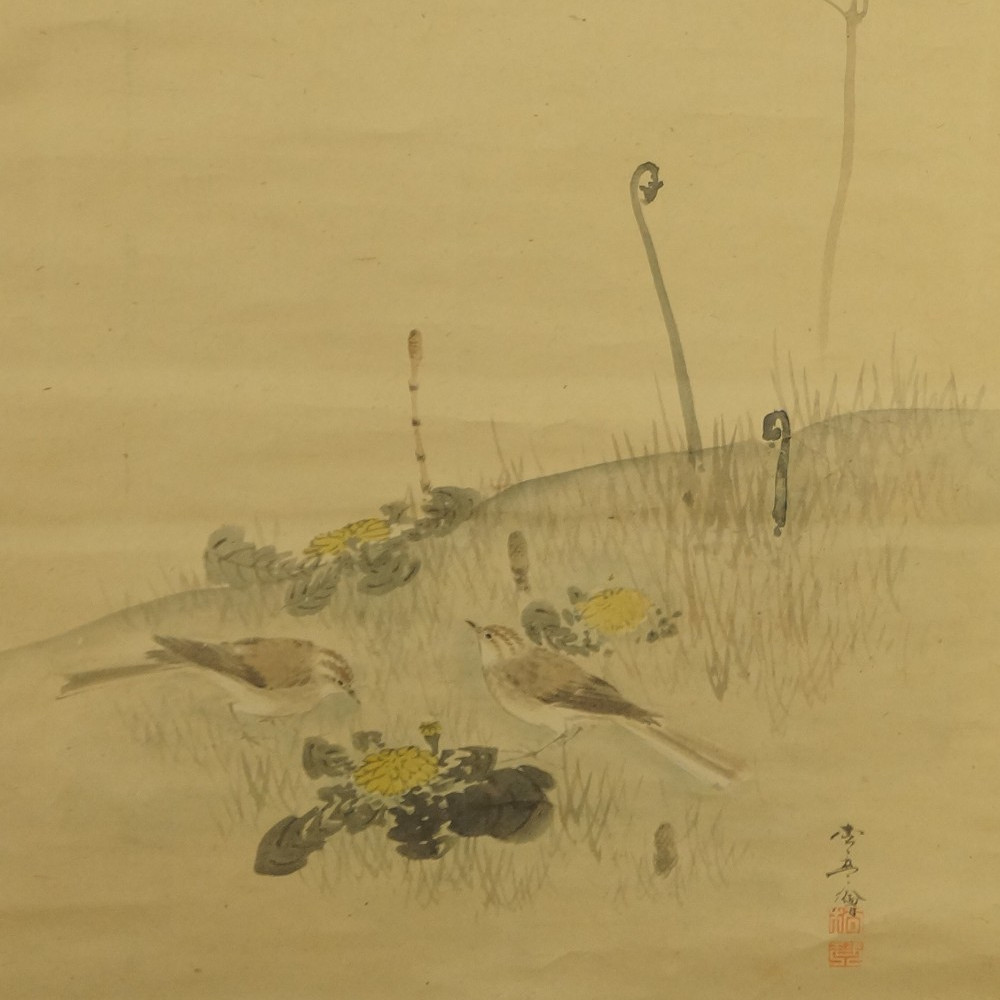

Birds on a Meadow
Kakemono, unique work, 180 x 60 cm
€280.00
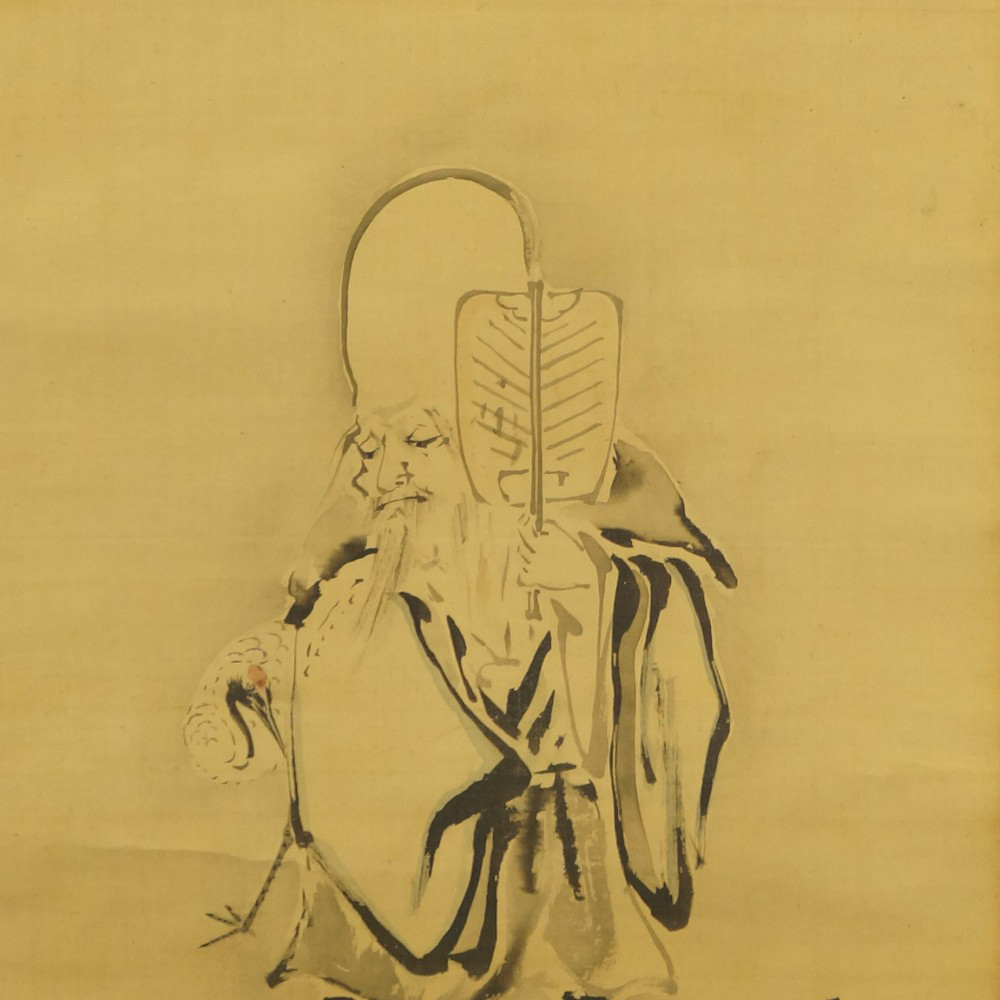

Kano Shunobu
Jurojin with Crane of Longevity
Kakemono, unique work, 183 x 52 cm
€330.00
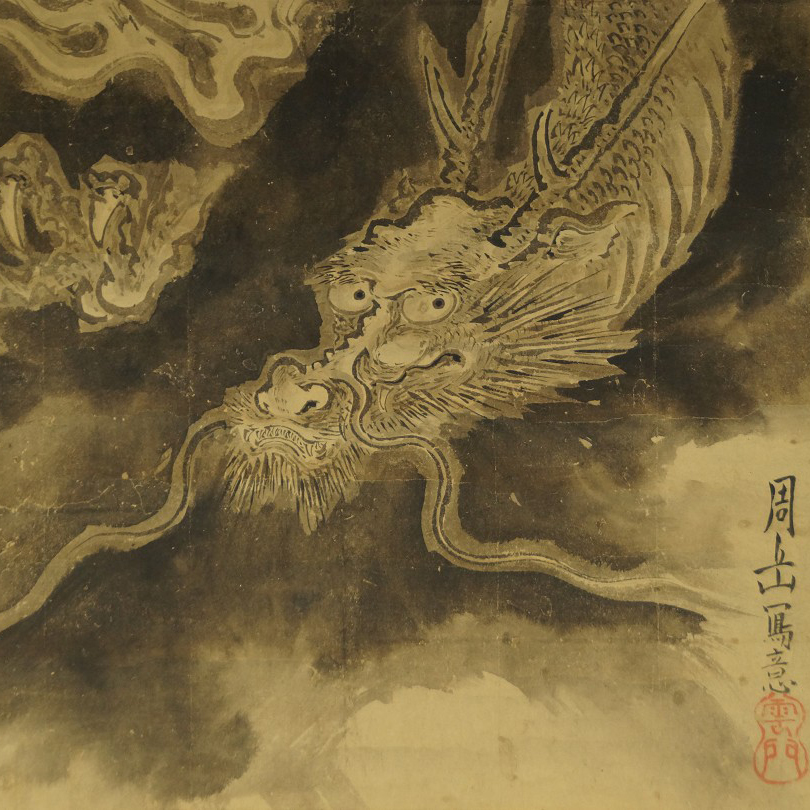

Natsume Shugaku
Dragon in Dark Clouds
Kakemono, unique work, 123 x 73 cm
€490.00
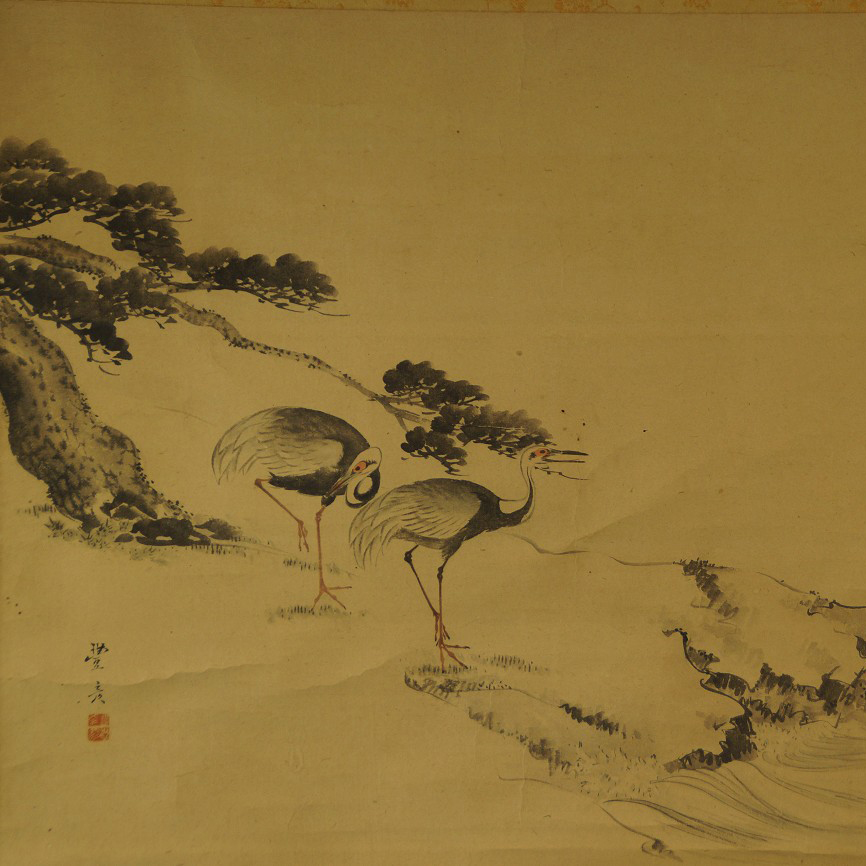

Okamoto Tohiyoko
Two Cranes Under Pines by the Shore
Kakemono, unique work, 139 x 65 cm
€330.00


Mei Harutaka
Two Koi Carp in Water
Kakemono, unique work, 123 x 62 cm
€290.00


Yoshida Toho
Jumping Carp in Water
Kakemono, unique work, 190 x 60 cm
€380.00
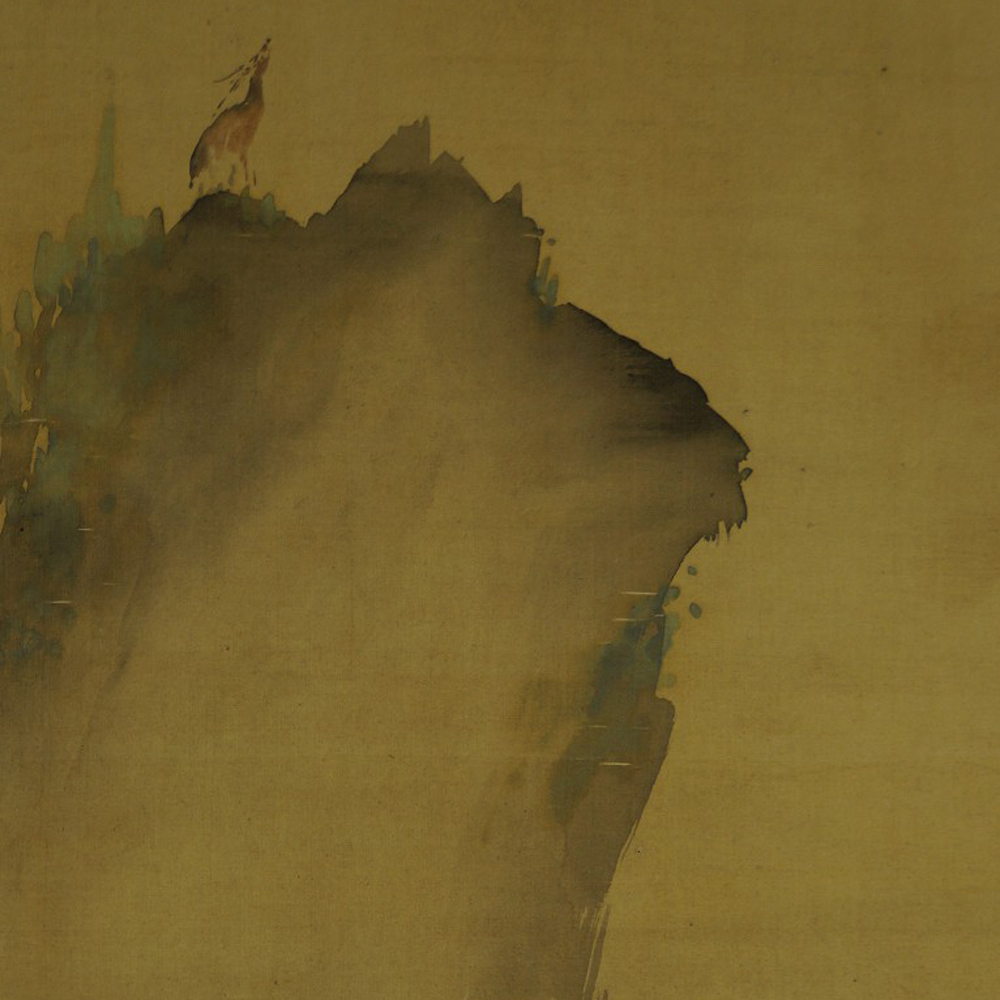

Tanaka Totsugen
Lone Deer in Moonlight
Kakemono, unique work, with box, 180 x 53 cm
€1,230.00
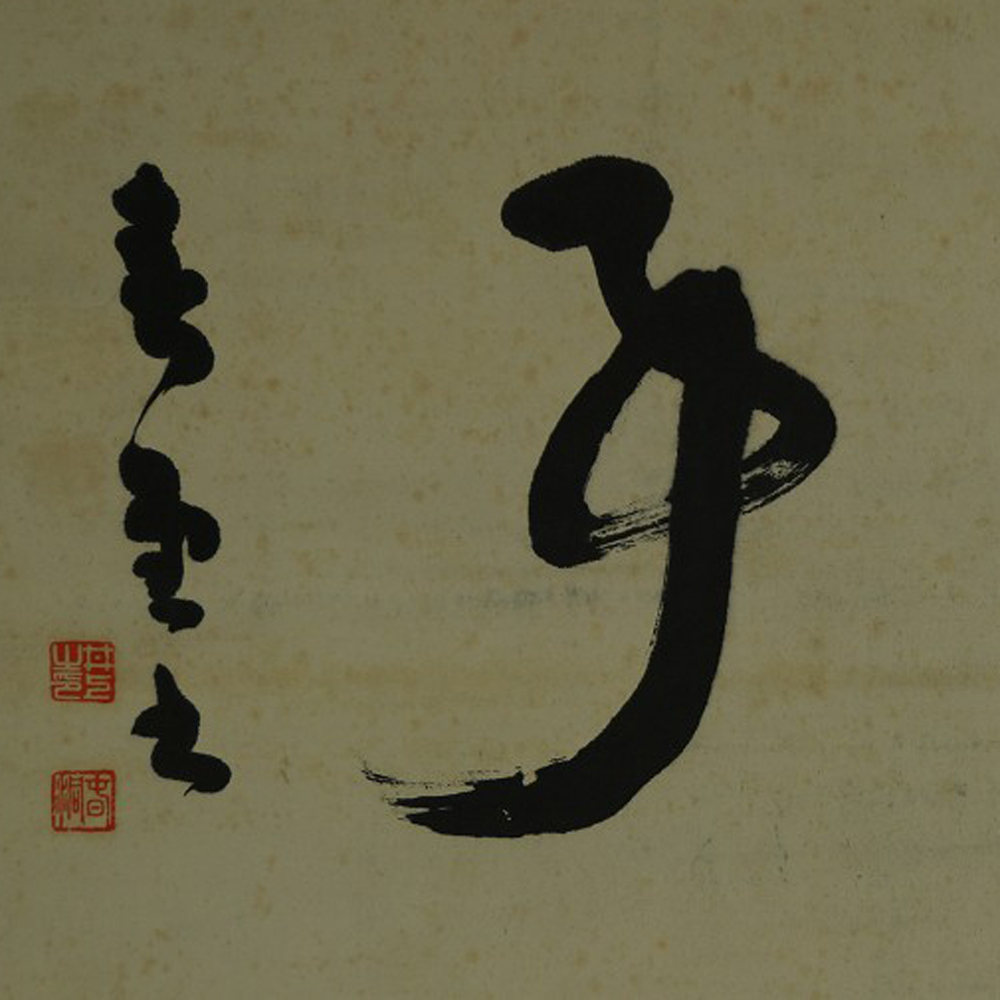

Inoue Shundo
Zen Calligraphy "Silence"
Kakemono, unique work, 128 x 72 cm
€480.00
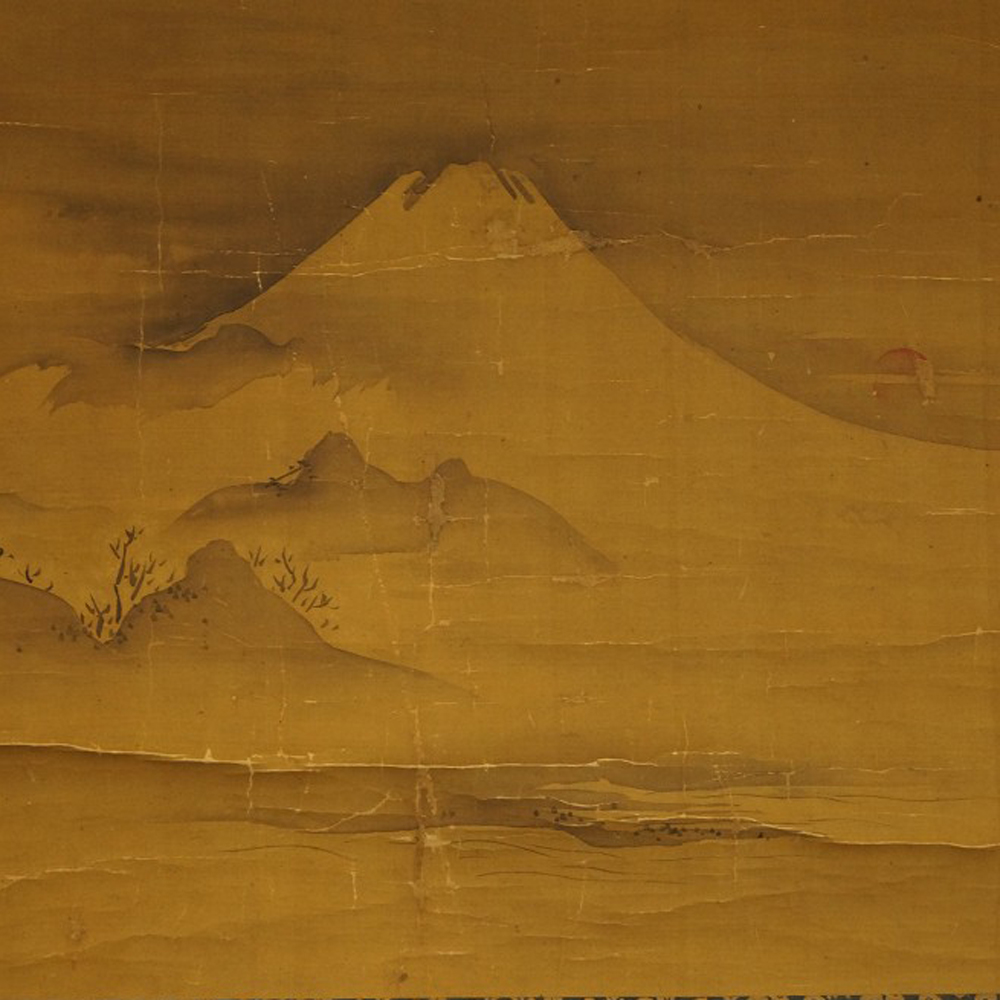

Kano Toun
Fuji-San in Morning Glow
Kakemono, unique work, 112 x 61 cm
€1,190.00
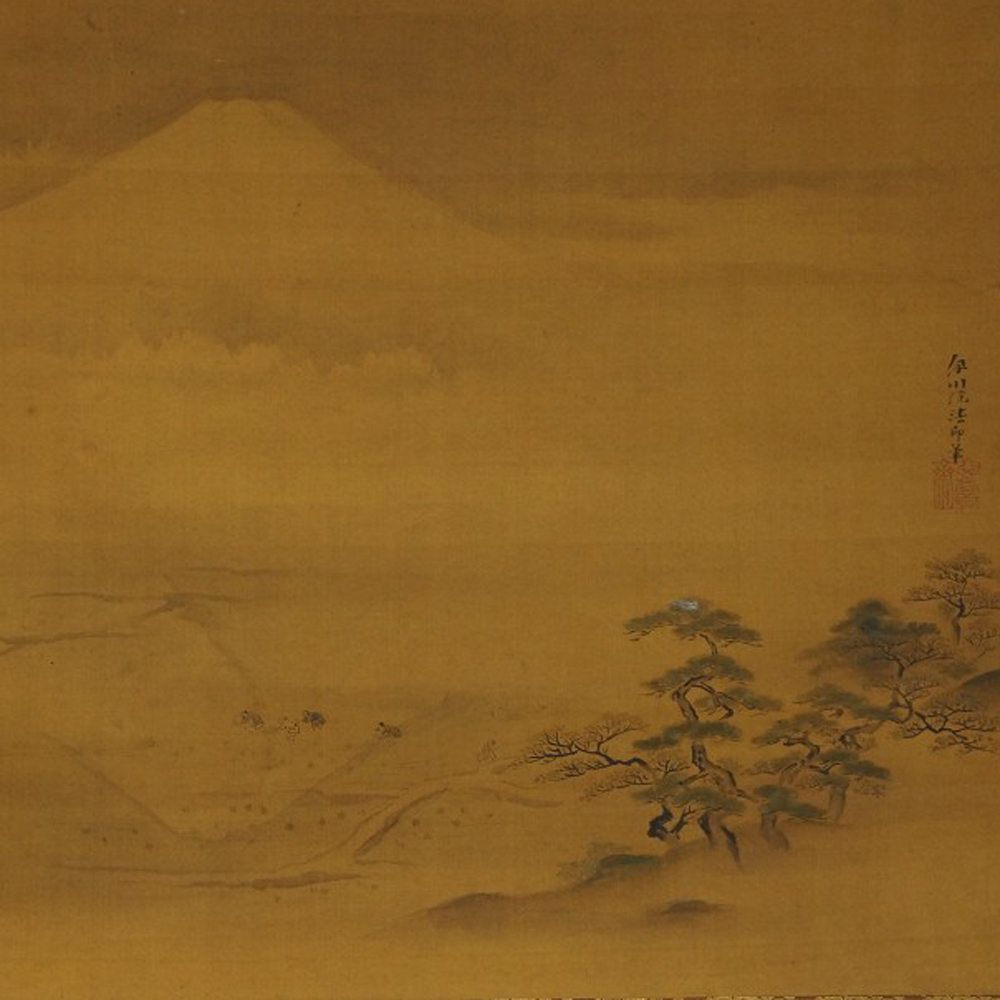

Kano Naganobu
Fuji-San Behind Pine Hill
Kakemono, unique work, 131 x 78 cm
€890.00
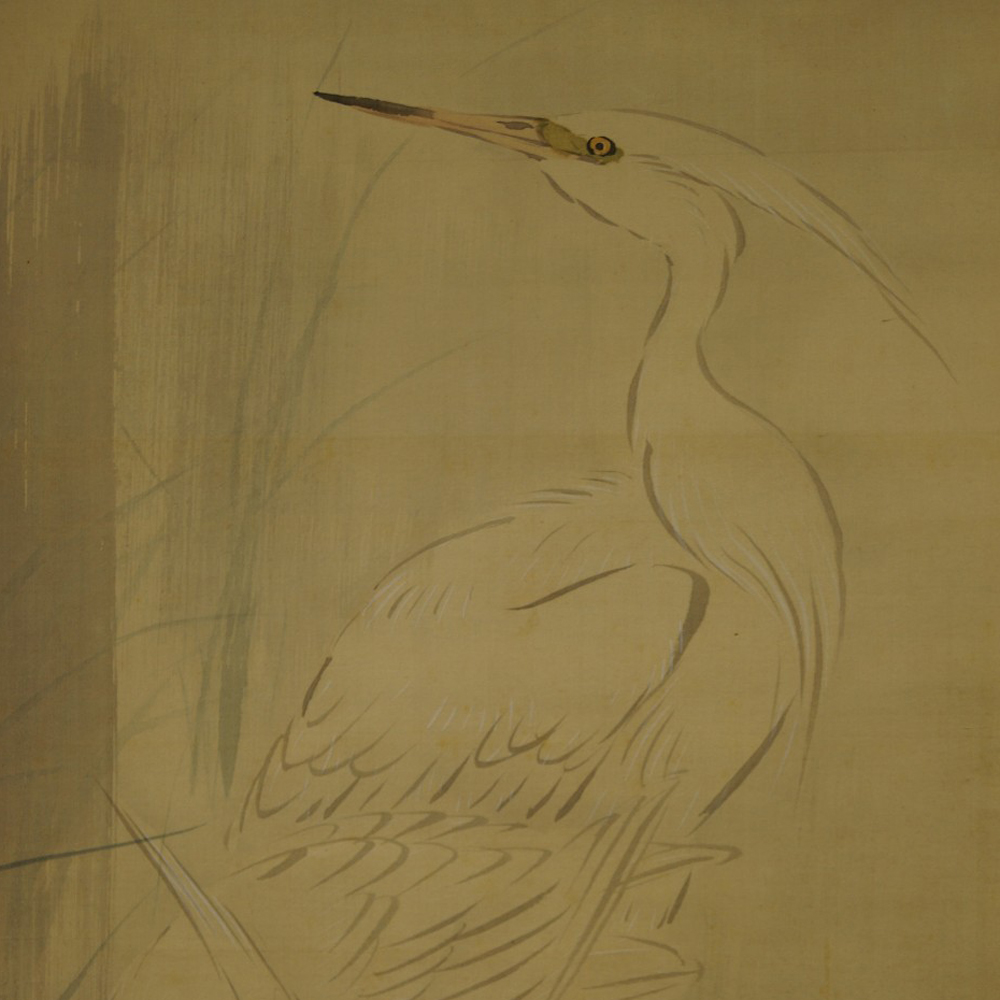

Kishi Renzan
Two White Herons
Kakemono, unique work, with box, 190 x 53 cm
€620.00
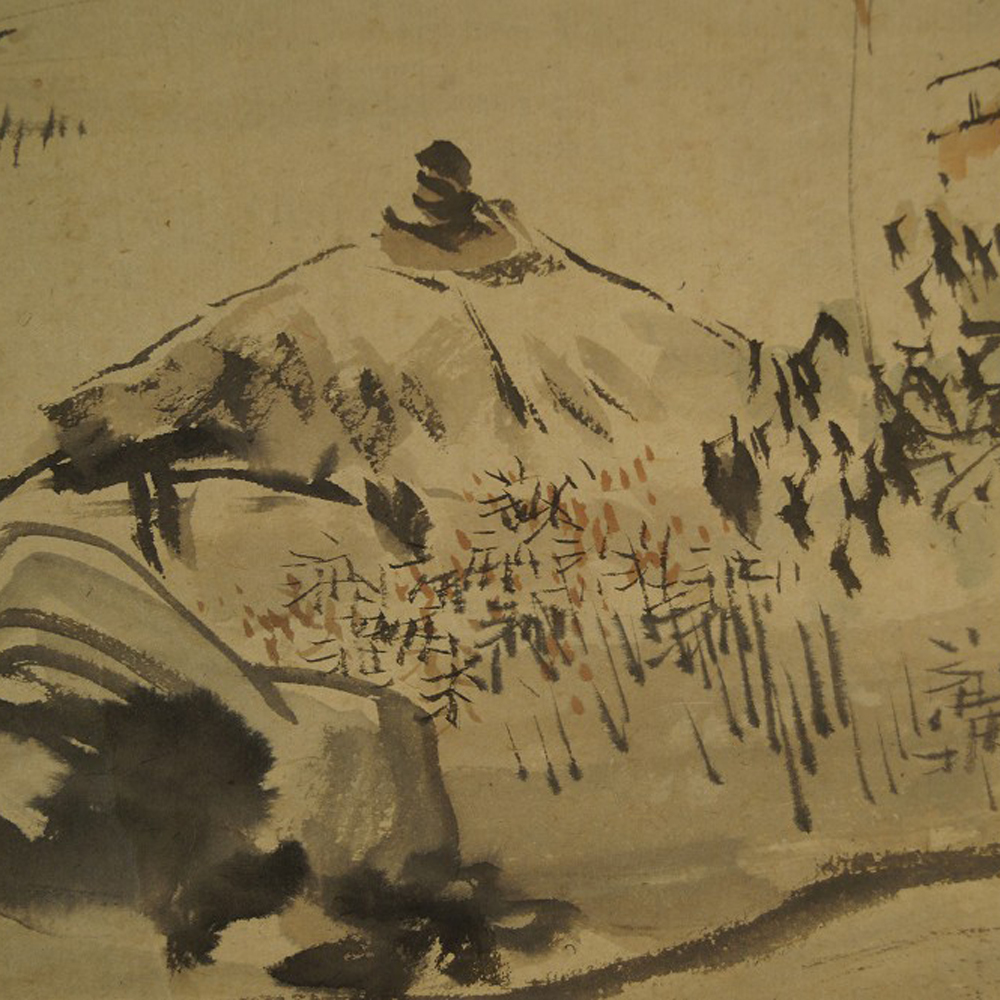

Kubota Beisen
Mountain Landscape in Mist by Kubota Beisen
Kakemono, unique work, with box, 117 x 66 cm
€410.00


Crow in Autumn Branches
Kakemono, unique work, 200 x 52 cm
€440.00
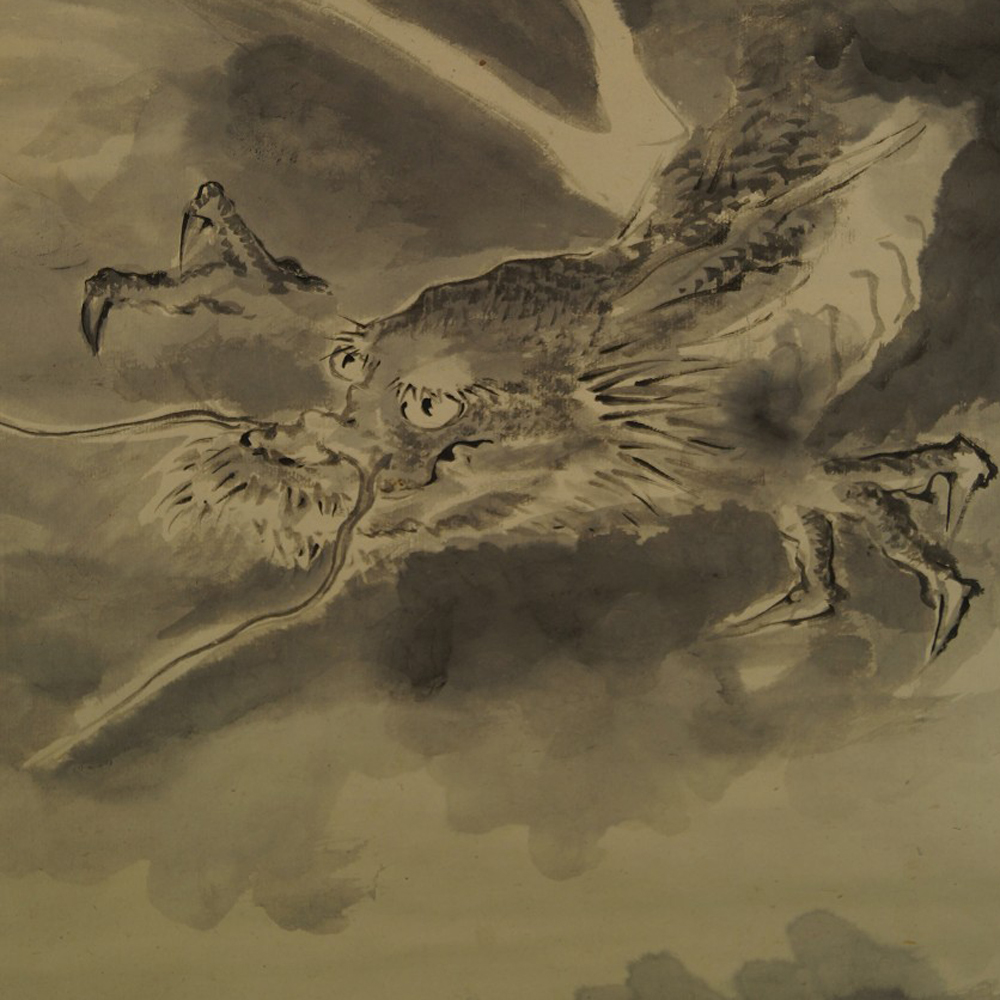

Bunkai
Two Dragons Ascending Through the Clouds
Kakemono, unique work, 184 x 55 cm
€380.00
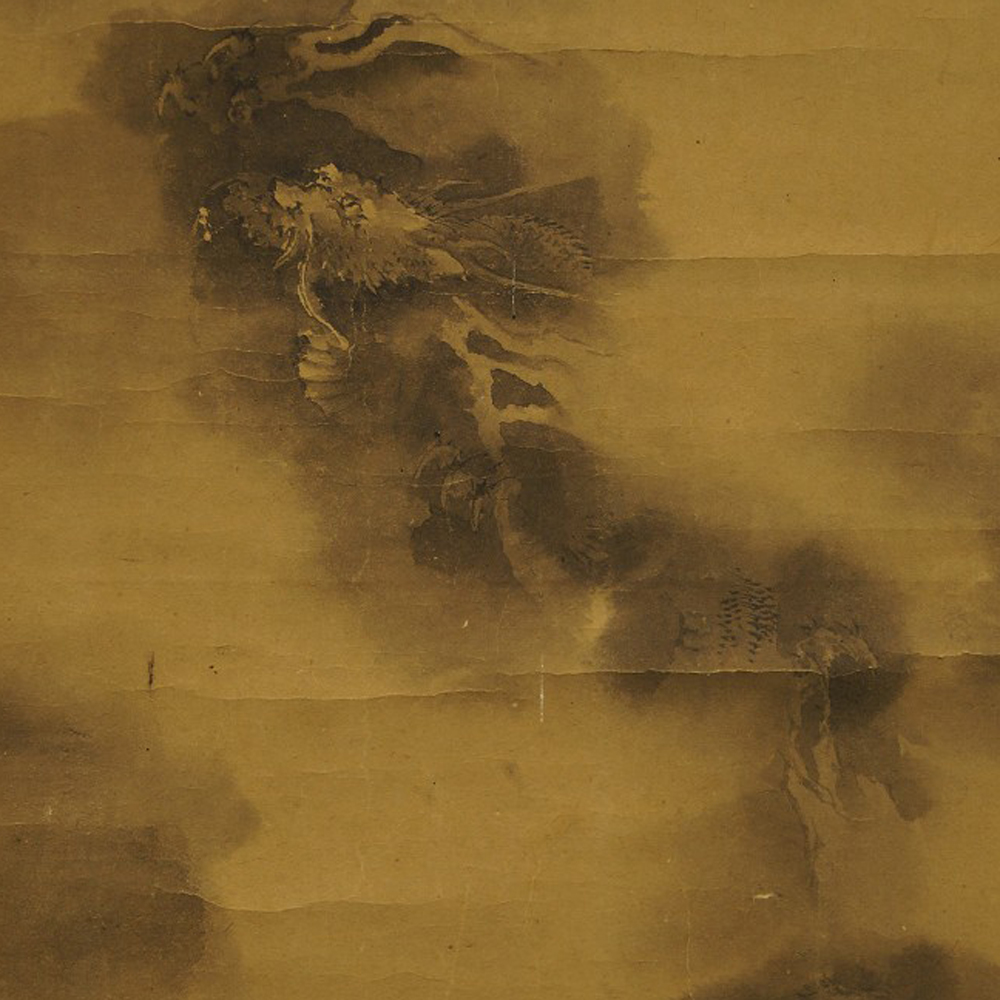

Kishi Ganku
Dragon over Fuji
Kakemono, unique work, 175 x 65 cm
€380.00
48 of 226 items shown
The Meiji Restoration: a country changes course
Japan's forced opening by the United States in 1853 ended centuries of seclusion and led in 1868 to the fall of the Tokugawa shogunate. Emperor Mutsuhito regained real power and took the reign name Meiji, "enlightened rule". Within a few decades Japan adopted Western administration, law, industry and a new school system, and by the end of the 19th century had risen to become the most powerful nation in Asia. The change reached clothing, architecture and the fine arts alike.
Nihonga and Yōga: a struggle for identity
With oil painting, called Yōga, Western techniques and forms of expression arrived in Japan. As a deliberate response, the term Nihonga – "Japanese-style picture" – emerged: artists explicitly invoked the native tradition with its pigments, supports and techniques. This debate shaped the Japanese art world for decades. That the traditional subjects did not disappear can be seen in scrolls of this era: cranes beneath pines, Mount Fuji above bands of cloud, carp in the current, dragons in ink clouds, birds and flowers through the changing seasons.
The Kanō tradition lives on
Many Meiji painters had still been trained in the visual language of the Kanō school, which had shaped Japan's official painting from the 15th into the 19th century. Anyone painting a Kanō landscape around 1900 was doing exactly what he had been trained to do. Some scrolls therefore bear the seals of earlier Kanō masters without being by them – as a bow to the school in whose lineage the painter placed himself. Besides landscapes and animal pictures there were paintings of beautiful women (bijinga), Zen subjects such as Bodhidharma or Kanzan and Jittoku, calligraphy and sets of several scrolls, for example on the four seasons.
Japonisme and the world's fairs
With the opening, Japanese woodblock prints, lacquerware, textiles and above all ceramics and porcelain reached Europe and the United States in large quantities. At the world's fairs in Vienna in 1873 and Paris in 1878 and 1889, Japan presented its crafts to an international public, and Japonisme had a lasting influence on Impressionism and Art Nouveau. For pottery centers such as Arita and Kutani this meant a second, vigorous export boom. At the same time, many small kilns lost their feudal patrons when the domain system ended and had to hold their own in the market.
Daruma figures in Bizen and Kutani
Among Meiji-period figures one subject is especially frequent: Bodhidharma, called Daruma in Japan, who is regarded as the founder of Zen Buddhism. He is usually shown with a piercing gaze, knitted brows and a hood drawn over his head – an expression of his legendary nine years of meditation. In Japan, Daruma is a good-luck charm and a symbol of perseverance. Figures in Bizen ceramics are unglazed and earth-toned; the wood firing leaves dark shading that deepens the expression. Figures in Kutani porcelain, by contrast, carry bold overglaze painting, often in vivid red with gold, occasionally also in brilliant white.
How to recognize Meiji pieces
With scrolls, the support reveals the most: paper and silk take on a warmer tone, and the ink draws into the fibers. Synthetic aniline dyes can be traced in Japan from the 1860s – strong colors on a Meiji painting are therefore no contradiction. The mounting says little, because it is renewed over time; roller ends (jikusaki) of bone or wood are part of the classic fittings. Signature and period are two separate statements that can diverge. On figures, the signature or stamp is usually on the underside; a stamp often denotes the workshop rather than an individual hand.
Display and care
A kakemono is traditionally shown in the tokonoma and hung low there, because it is viewed while seated. In a Western home it looks more natural with the center of the image at roughly eye level. It hangs for a few weeks at a time, in indirect light and steady humidity, and is then stored loosely rolled in its wooden box; remove dust only dry, with a soft brush. A Daruma figure needs a calm, secure spot – on a shelf, in a niche or beside a scroll with a Zen subject. Wooden box and enclosures always stay with the piece.
What collectors look for
A carefully painted Meiji scroll carries a great tradition forward and hangs on your wall as an original, not a reproduction. What matters is that it was painted by hand: brushstrokes start with pressure and trail off, and a genuinely stamped seal sits slightly raised. Make sure condition and attribution are openly described. With figures, look at the firing, glaze or painting and at the expression of the face – that is where the workshop's hand shows.
