

Japanese Art of the Shōwa Period
Go directly to the artworksIn brief
The Shōwa period (昭和, 1926–1989) is the reign of Emperor Hirohito and, at more than sixty years, the longest era of modern Japan. Its name means “enlightened peace”; it spans militarism and war as well as reconstruction and the economic miracle. For craft, the postwar years in particular brought a revival: the Mingei movement and the honoring of “Living National Treasures” preserved old techniques. At Densho you will find kakemono, tea ceramics, sake vessels and figures from the Shōwa period as one-of-a-kind pieces direct from Japan.
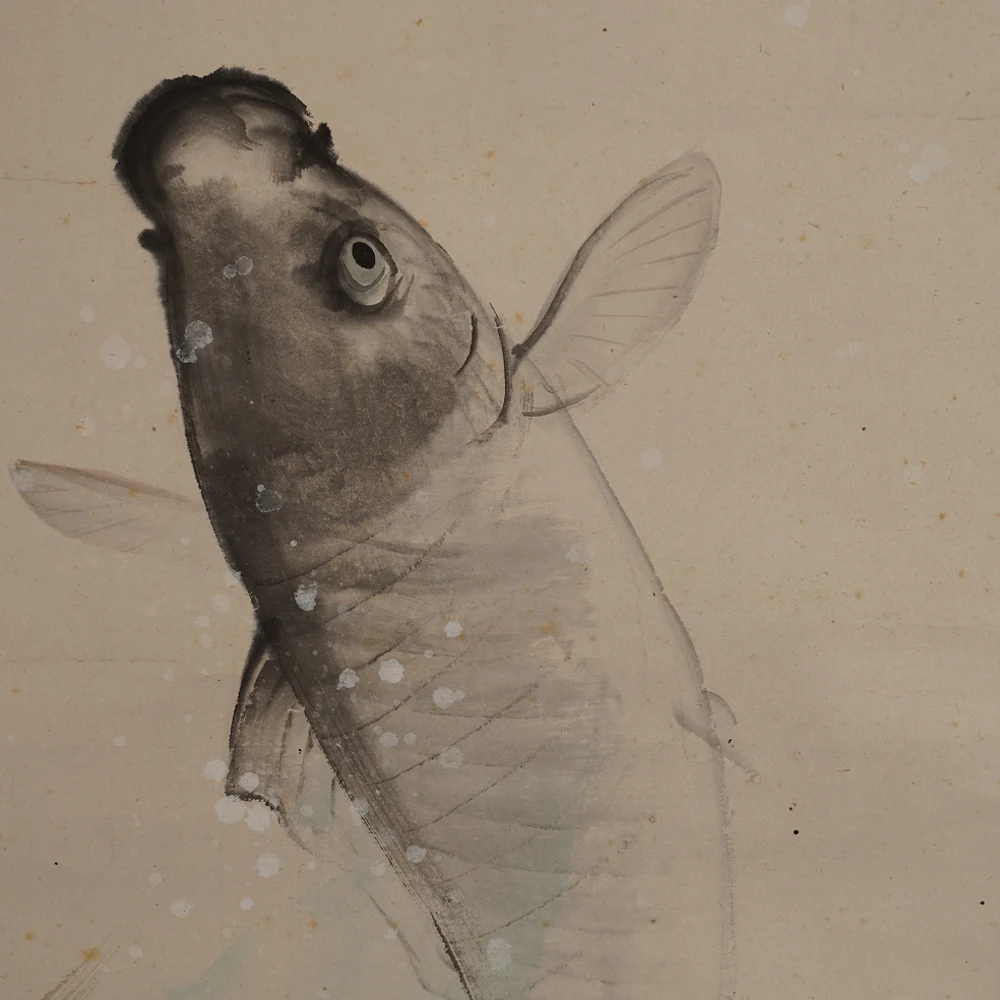
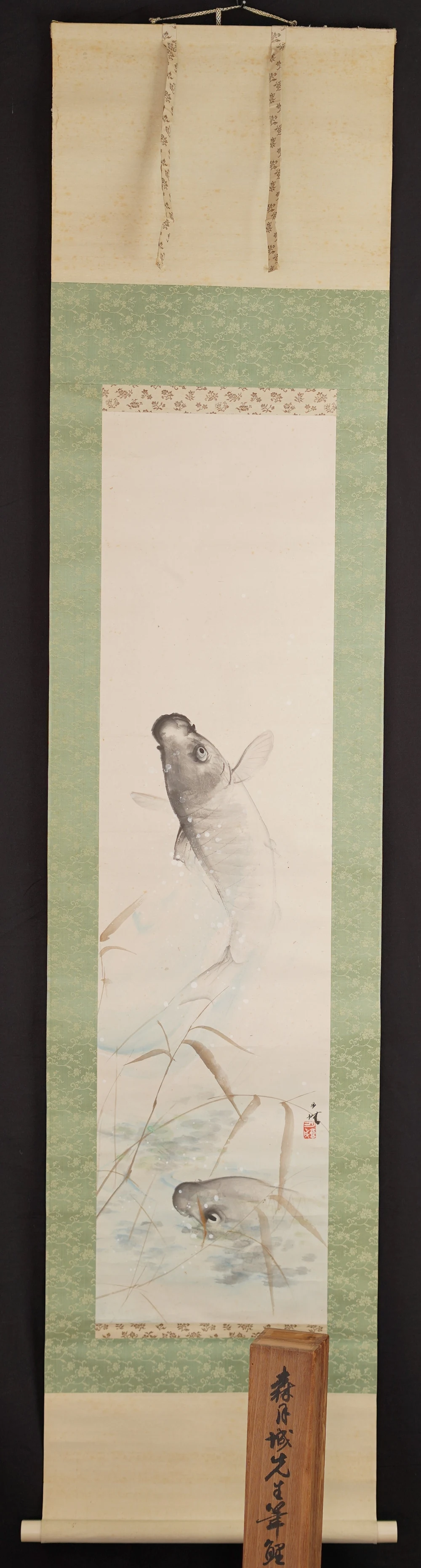
Mori Getsujō
Two Carp Among Reeds
Kakemono, unique work, with box, 190 x 48 cm
€320.00
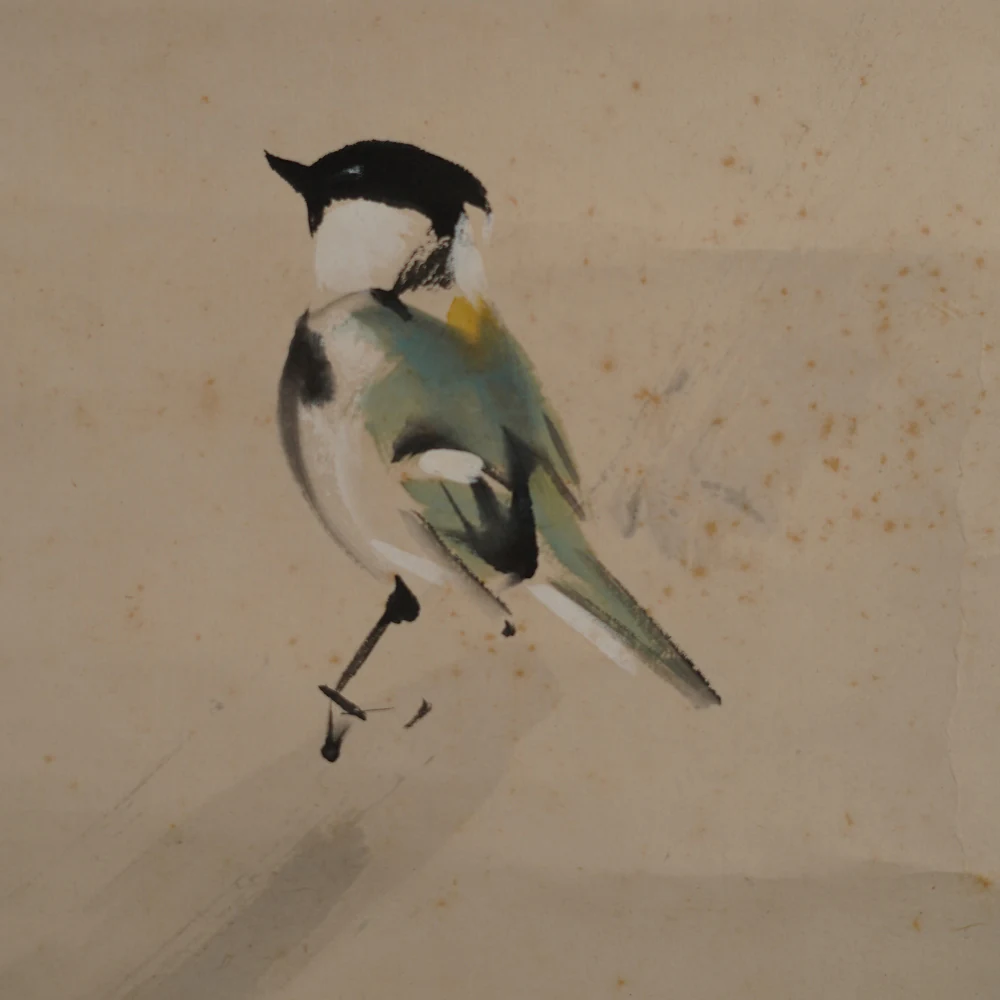
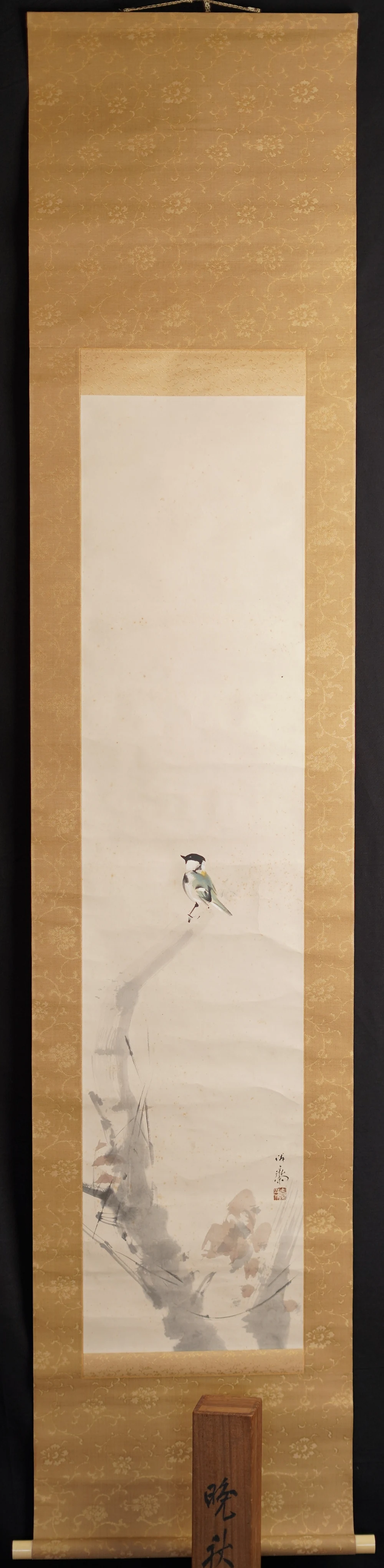
Tokuda Rinsai
Great Tit on a Late-Autumn Tree Trunk
Kakemono, unique work, with box, 205 x 49 cm
€270.00
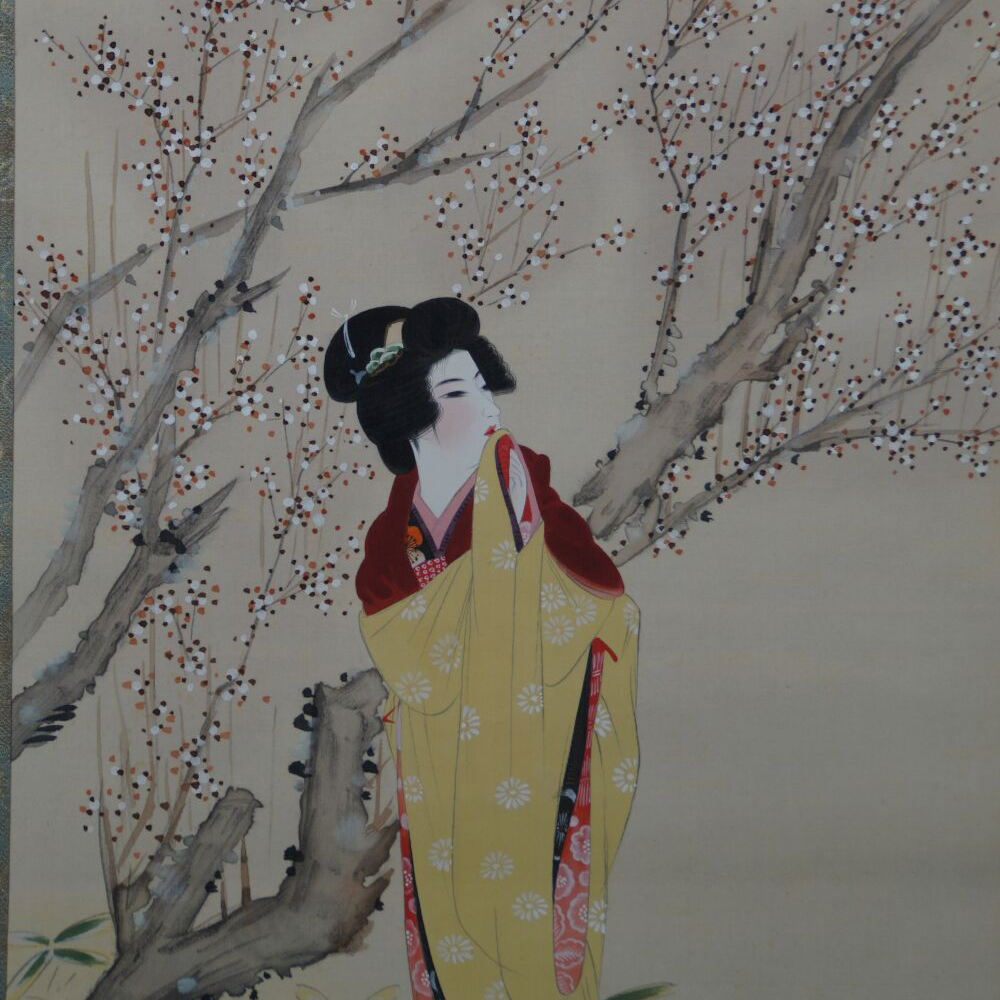
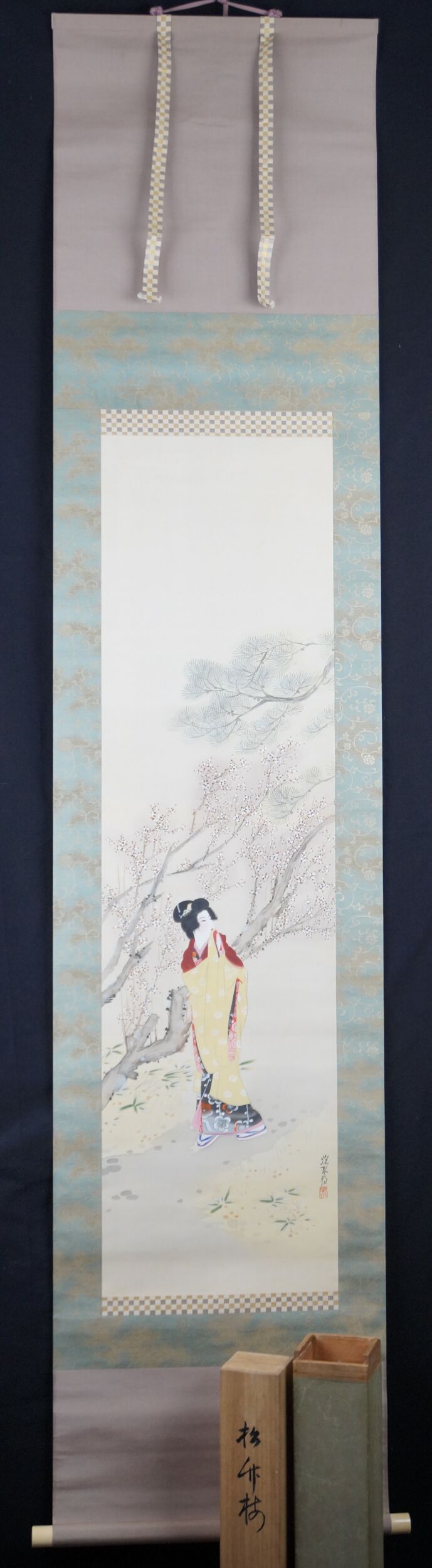
Itō Shinsui
Lady in Kimono Under Blossoming Plum Tree
Kakemono, unique work, with box, 205 x 50 cm
€1,680.00
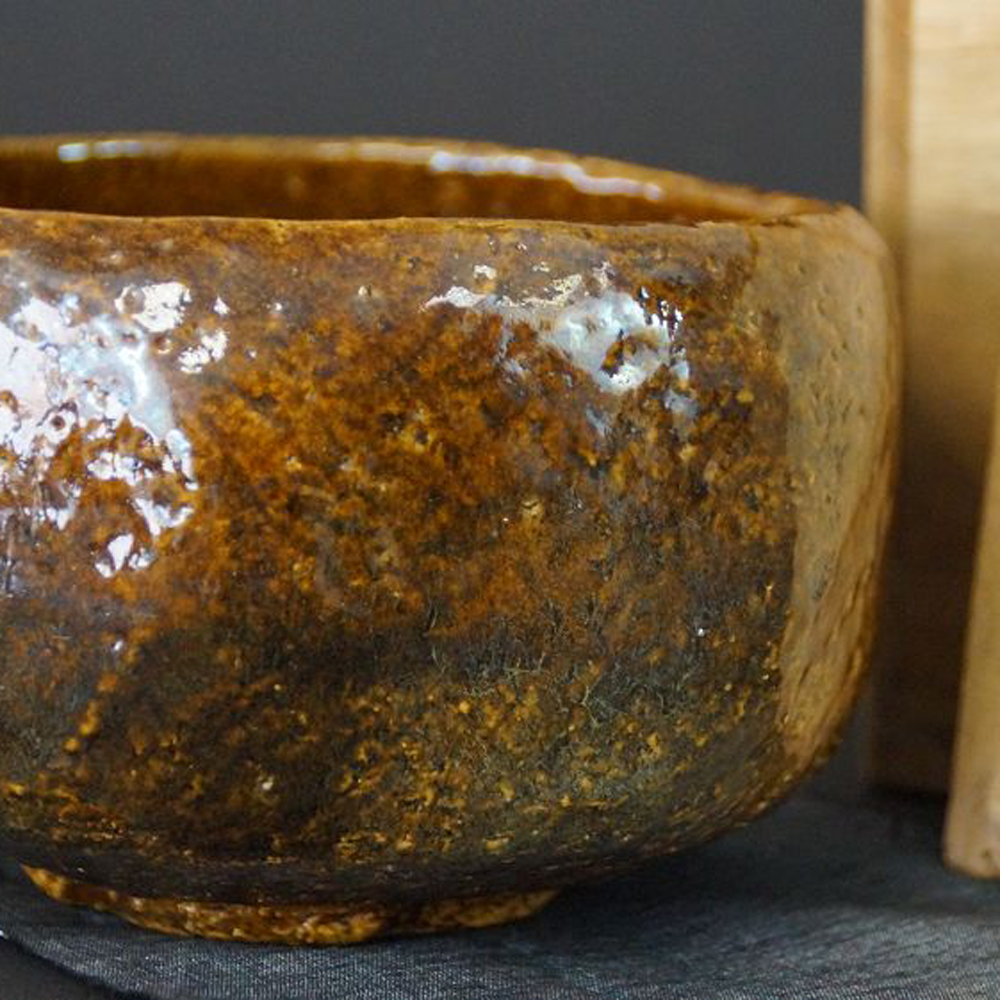

Sosei Heian
Chawan Tea Bowl Made of Raku Ware by Sosei Heian
Chawan, unique work, with box, 8,5 x 13 cm
€260.00
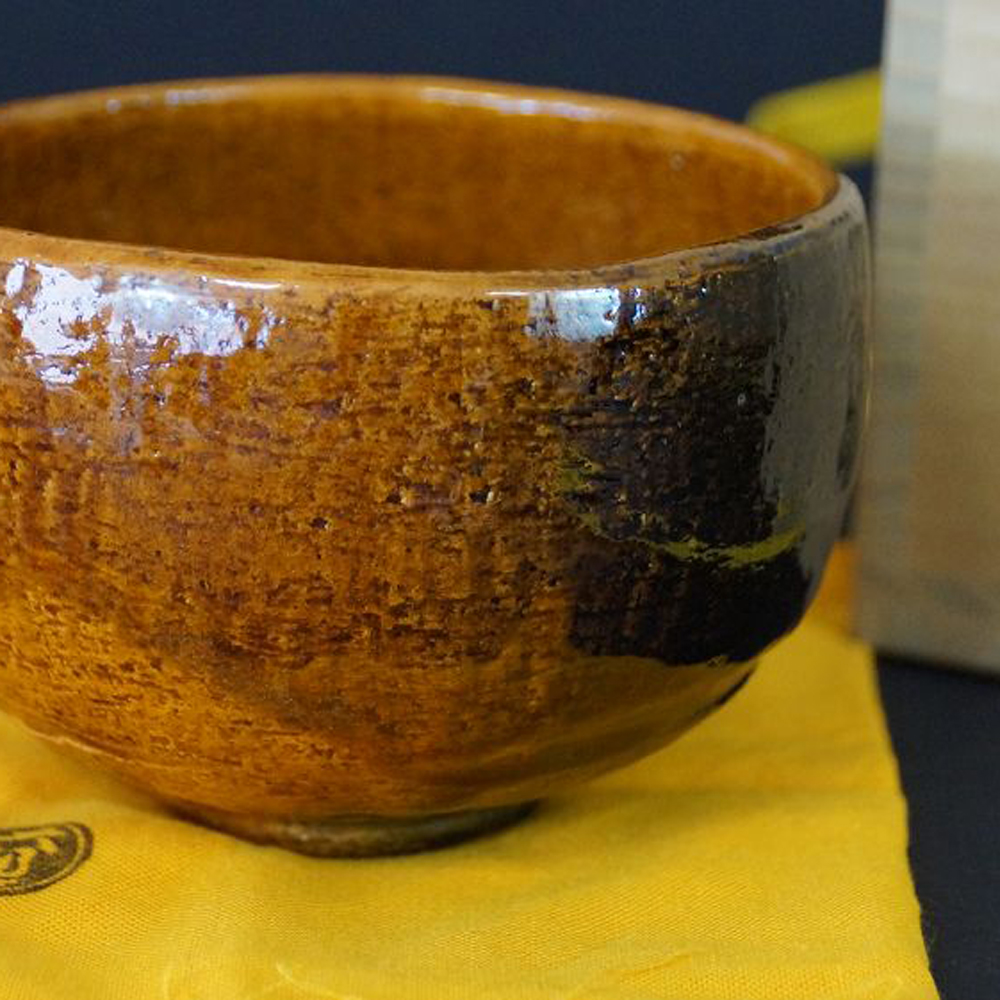

Hisashi Ohi
Chawan Tea Bowl Made of Ohi Ware by Hisashi Ohi
Chawan, unique work, with box, 8 x 11,5 cm
€240.00
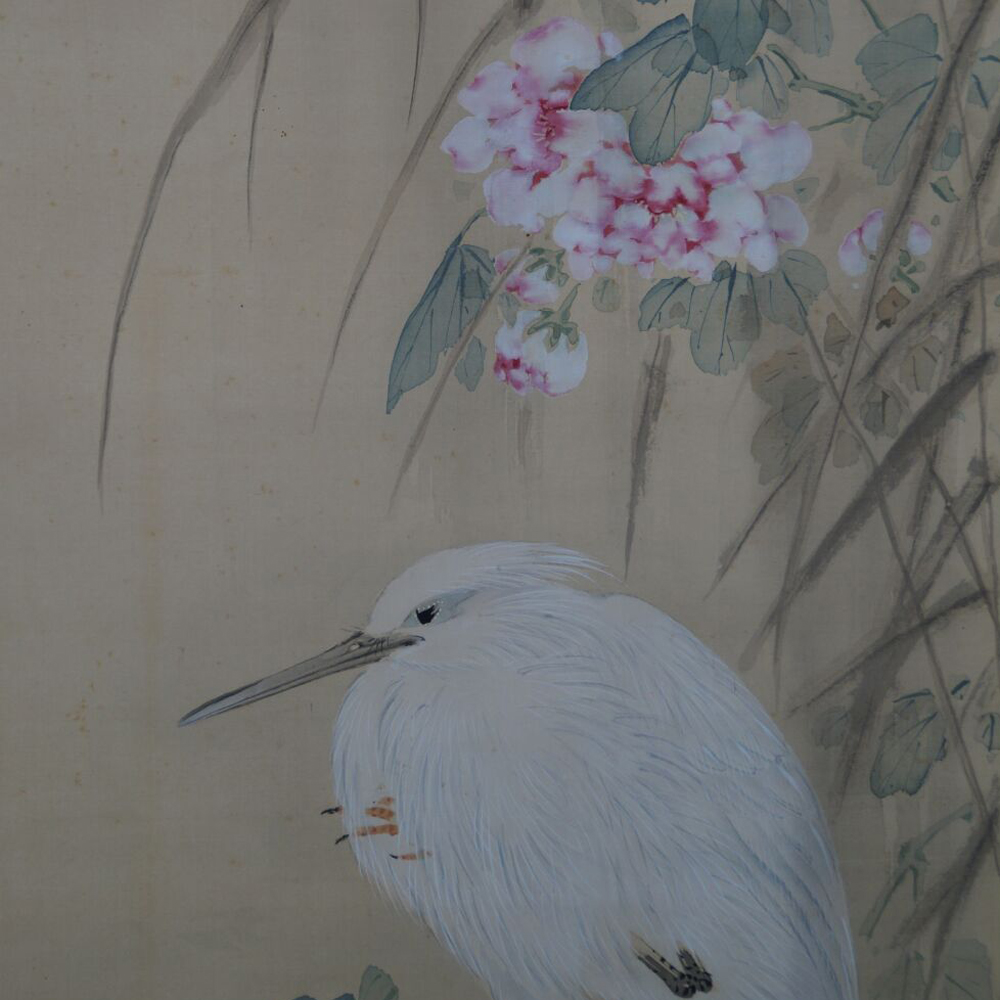
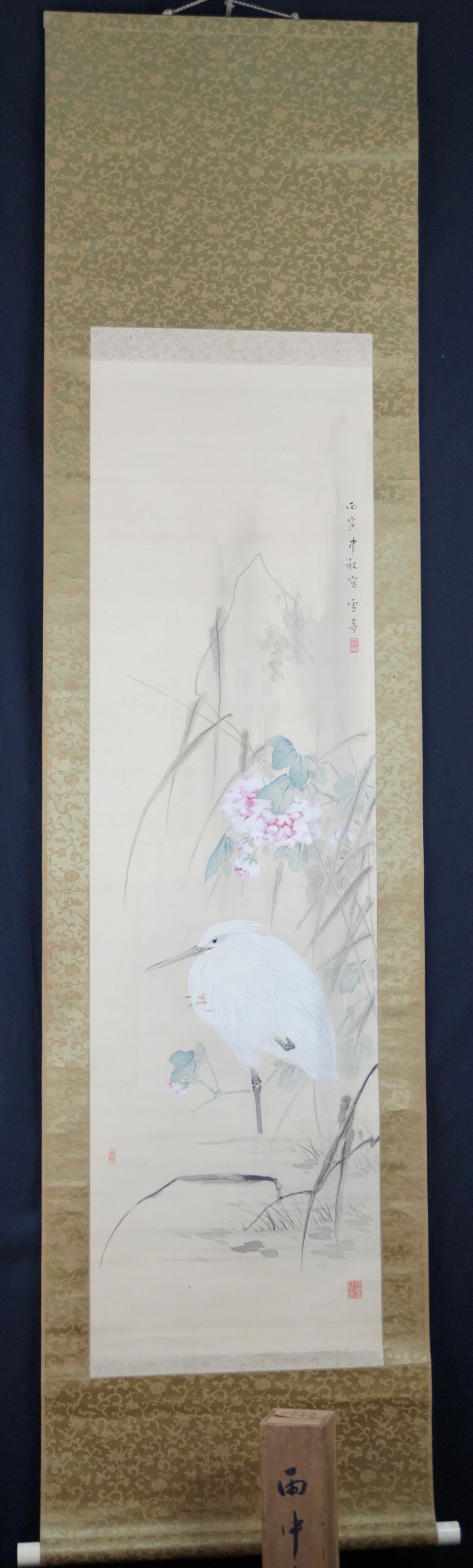
Koyama Setsurei
White Heron Among Blossoms and Reeds
Kakemono, unique work, with box, 195 x 54 cm
€720.00
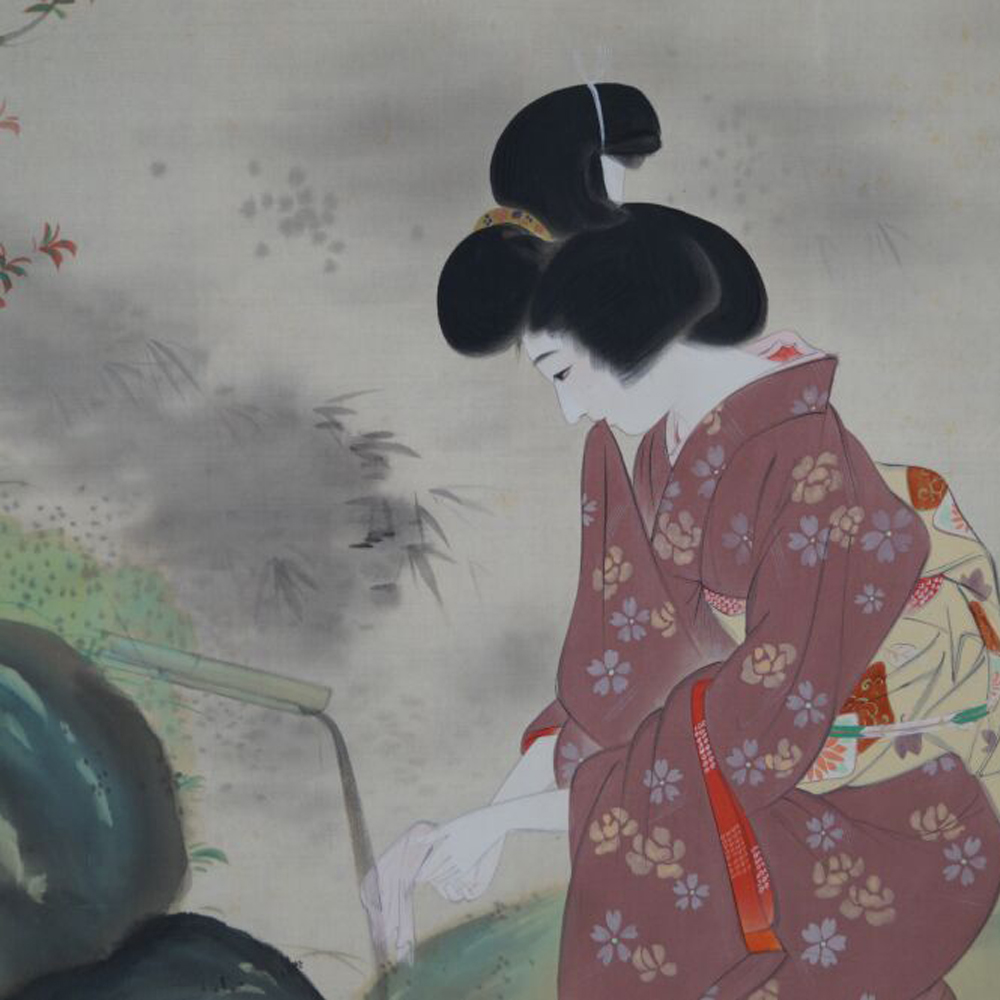
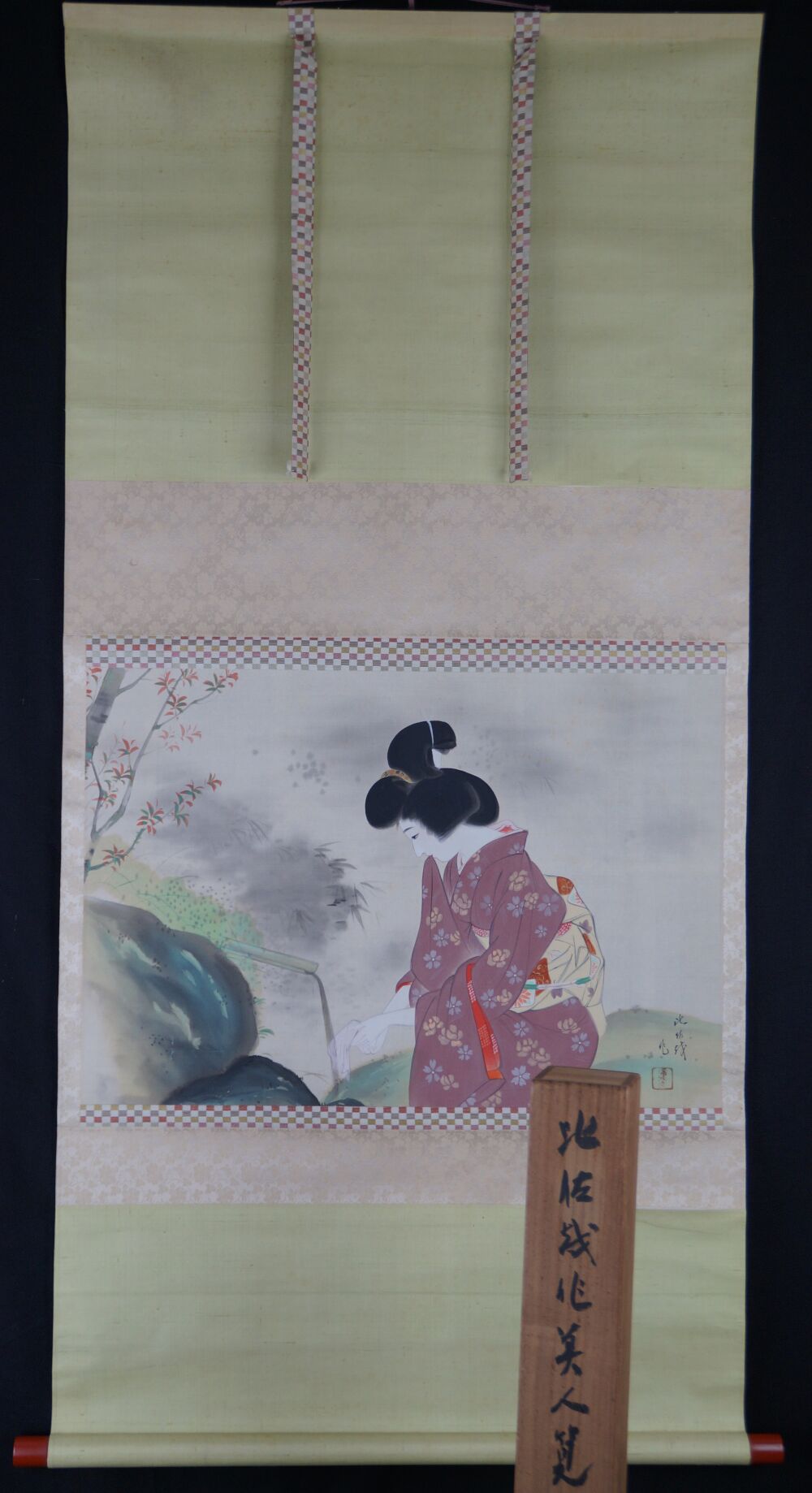
Lady in Kimono by the Garden Pond
Kakemono, unique work, with box, 136 x 71 cm
€480.00
Hashimoto Gyōin
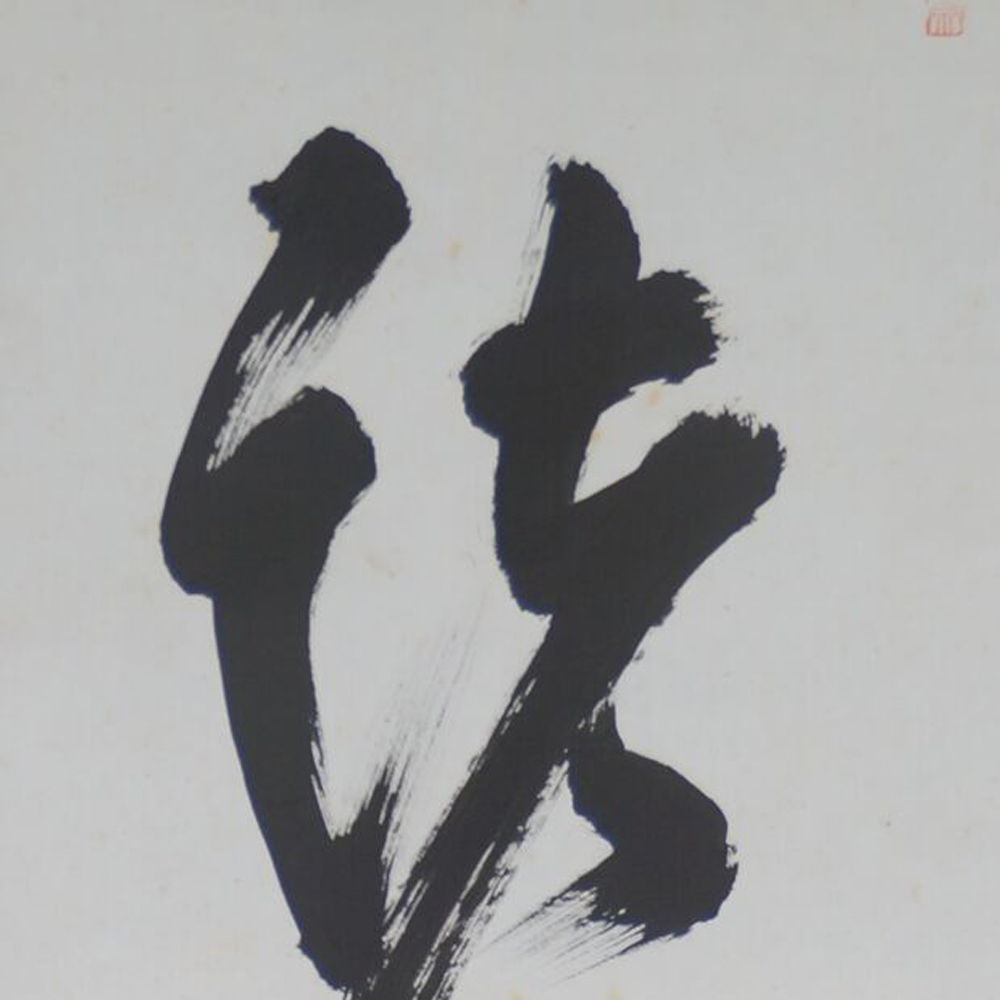
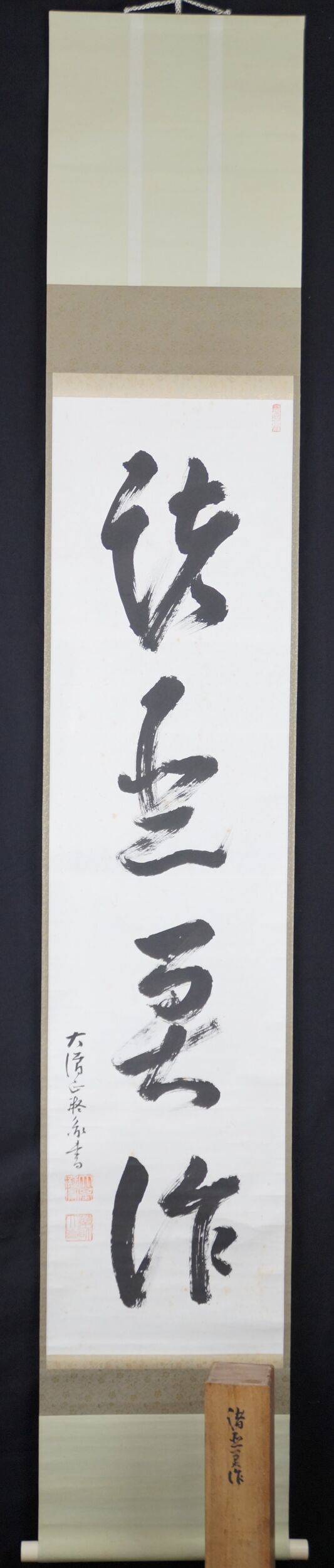
Calligraphy "Shoaku Makusa"
Kakemono, unique work, with box, 200 x 38 cm
€350.00
Nakamura Shunden
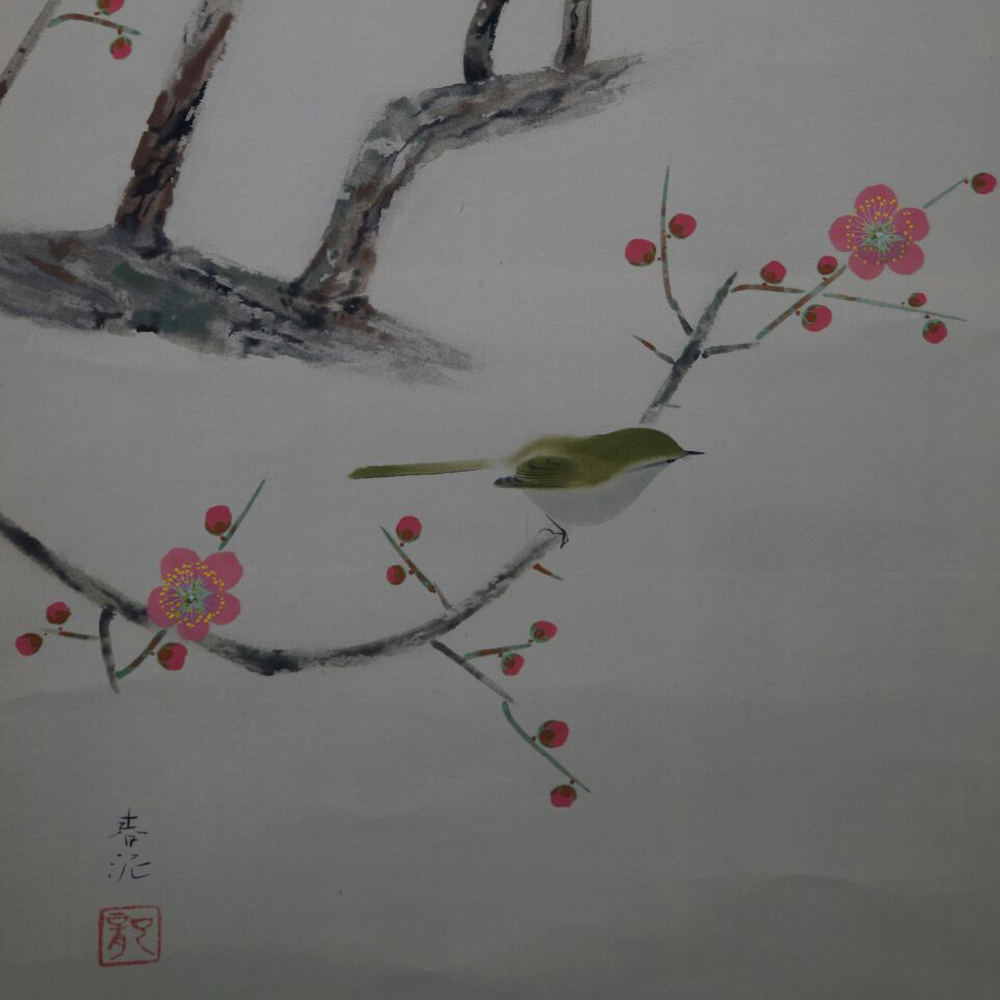
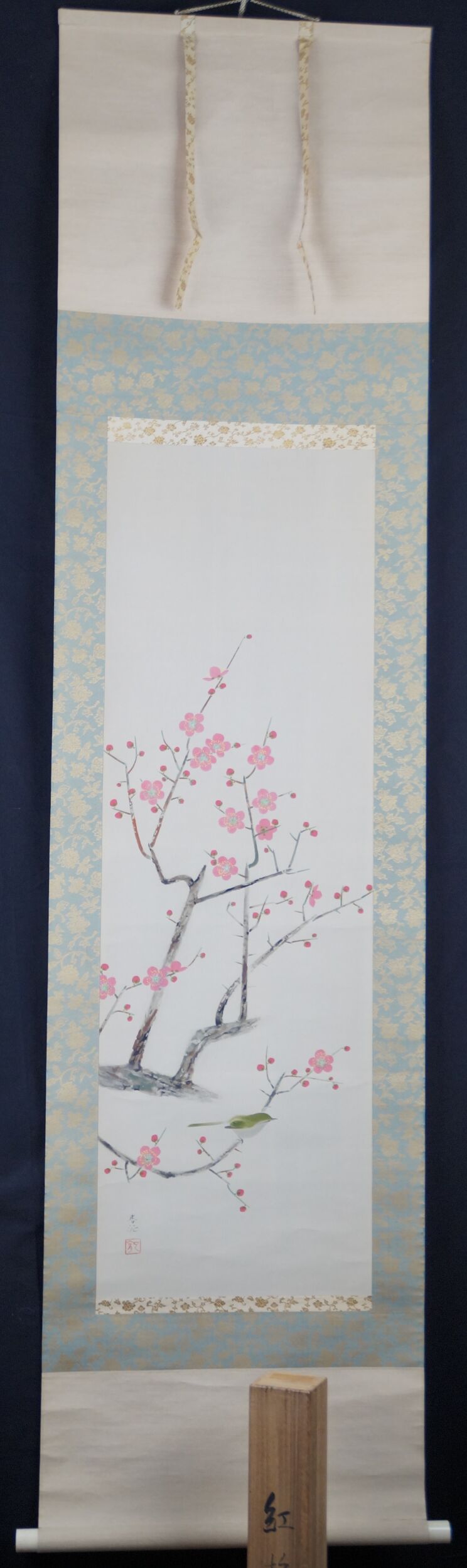
Uguisu on Blossoming Plum Tree
Kakemono, unique work, with box, 198 x 55 cm
€320.00
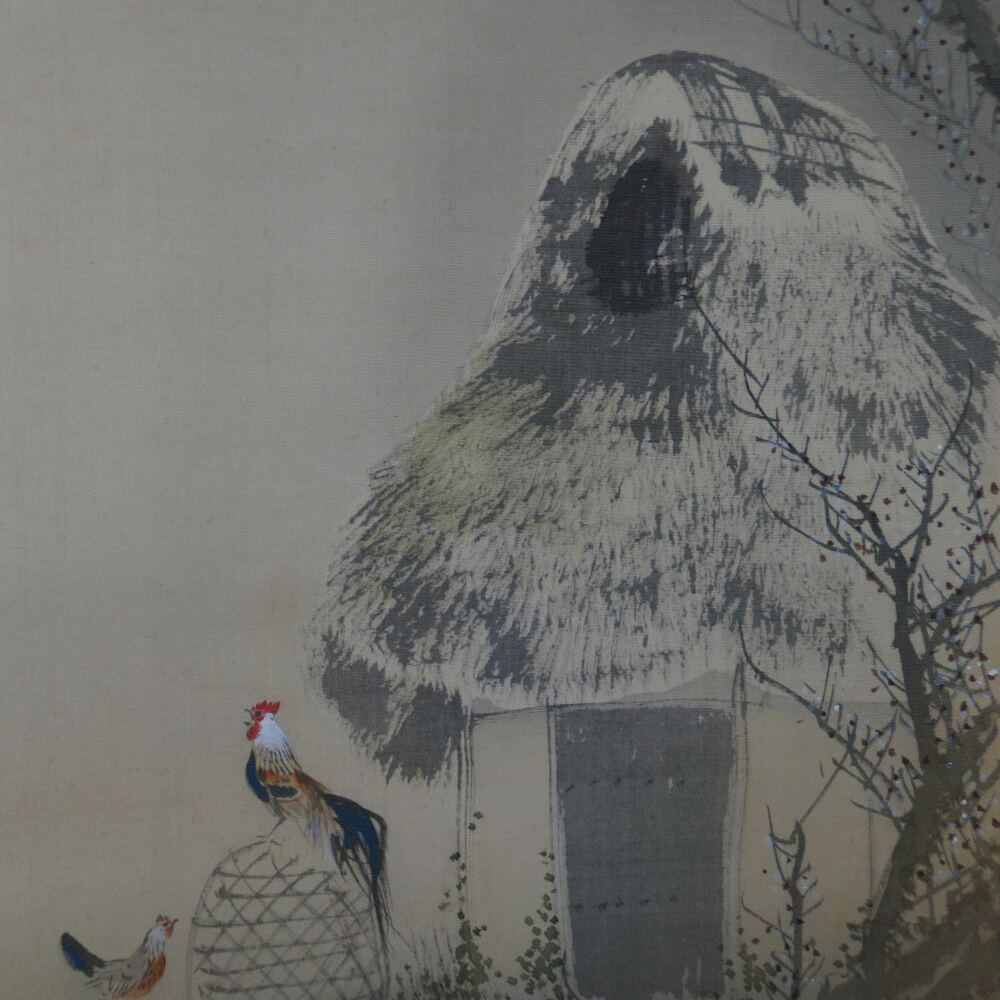
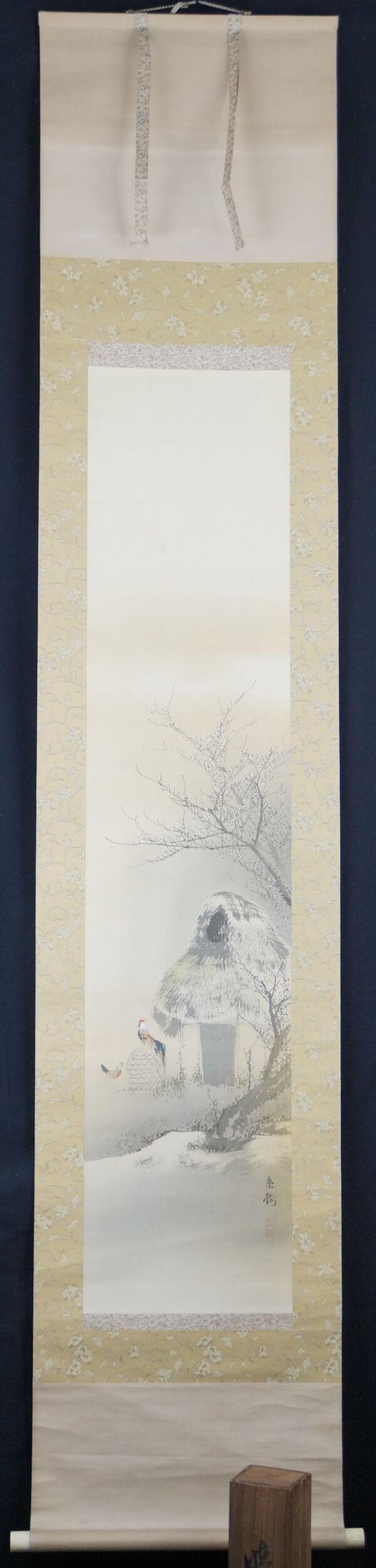
Imai Keiki
Rooster and Plum Blossoms
Kakemono, unique work, with box, 196 x 45 cm
€240.00
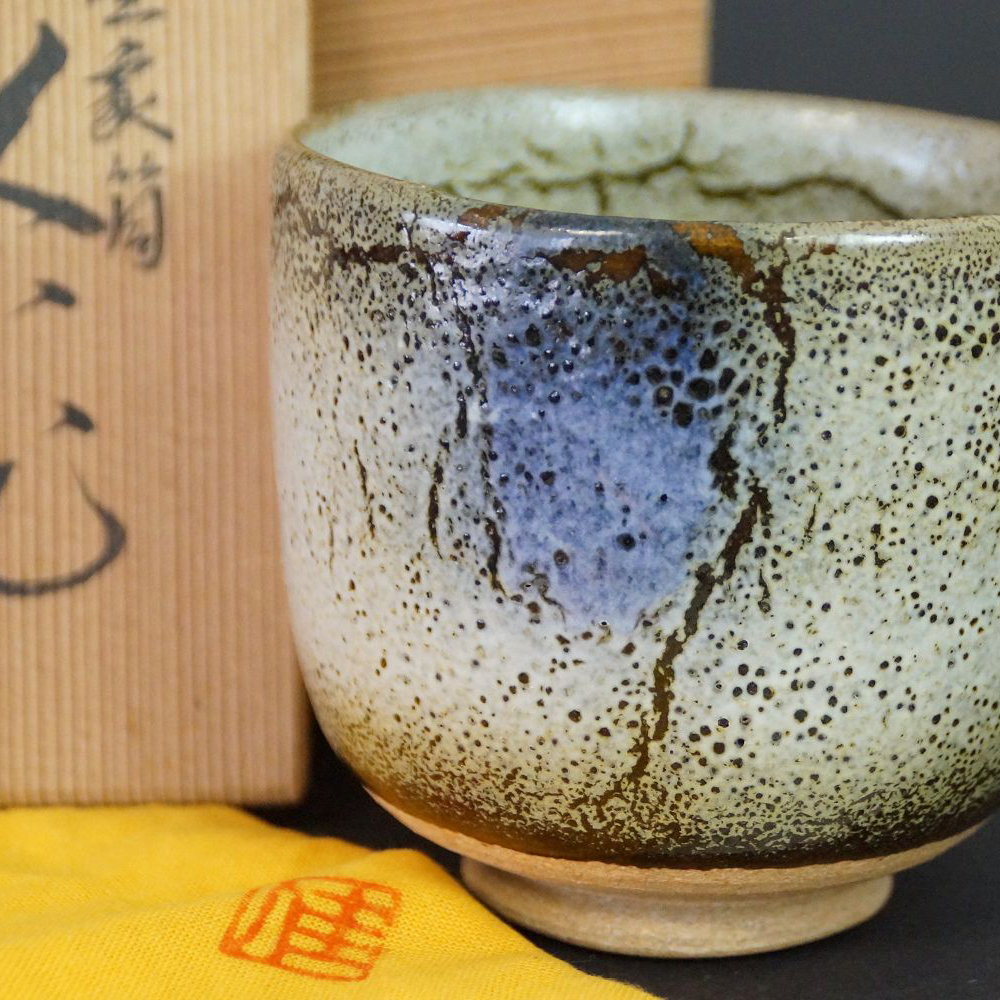

Yoshihisa Inoue
Chawan Tea Bowl Made of Kyoto Ware by Yoshihisa Inoue
Chawan, unique work, with box, 9,5 x 10 cm
€290.00
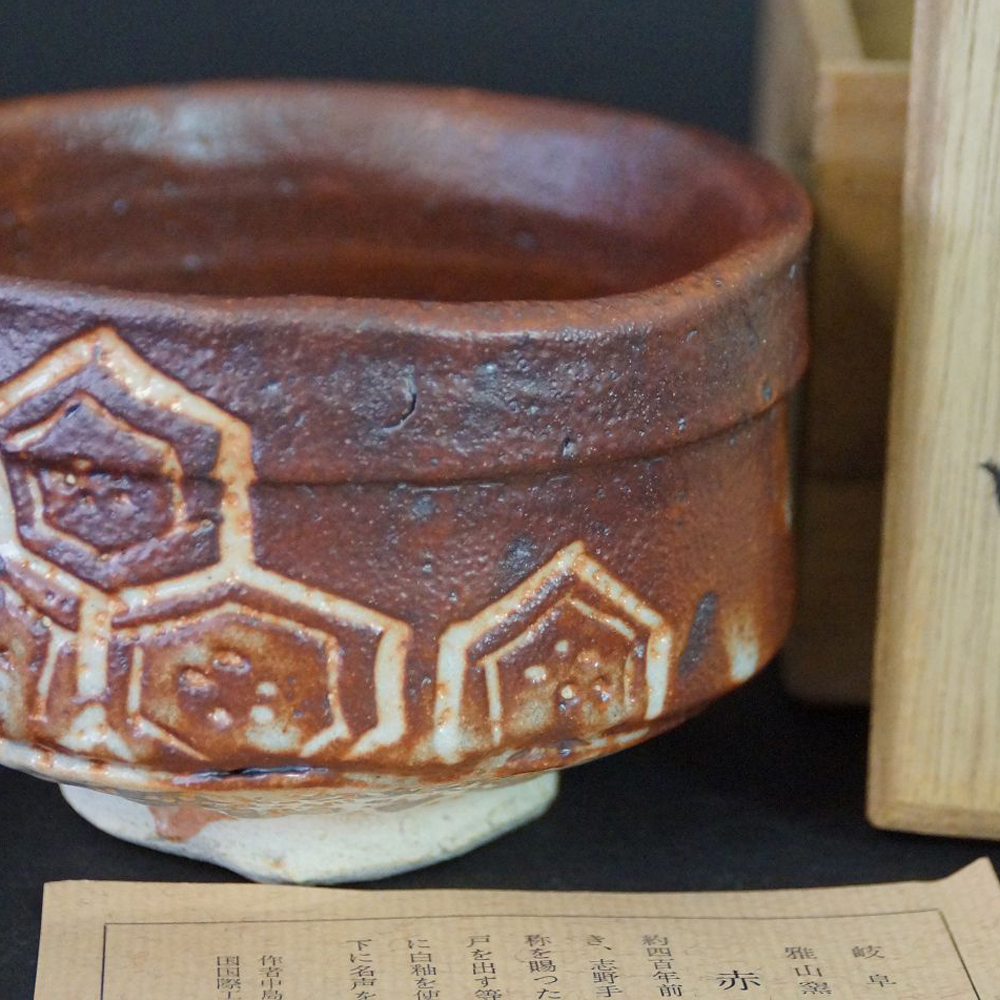

Masao Nakajima
Chawan Tea Bowl Made of Shino Ware by Masao Nakajima
Chawan, unique work, with box, 12,5 x 8 cm
€380.00
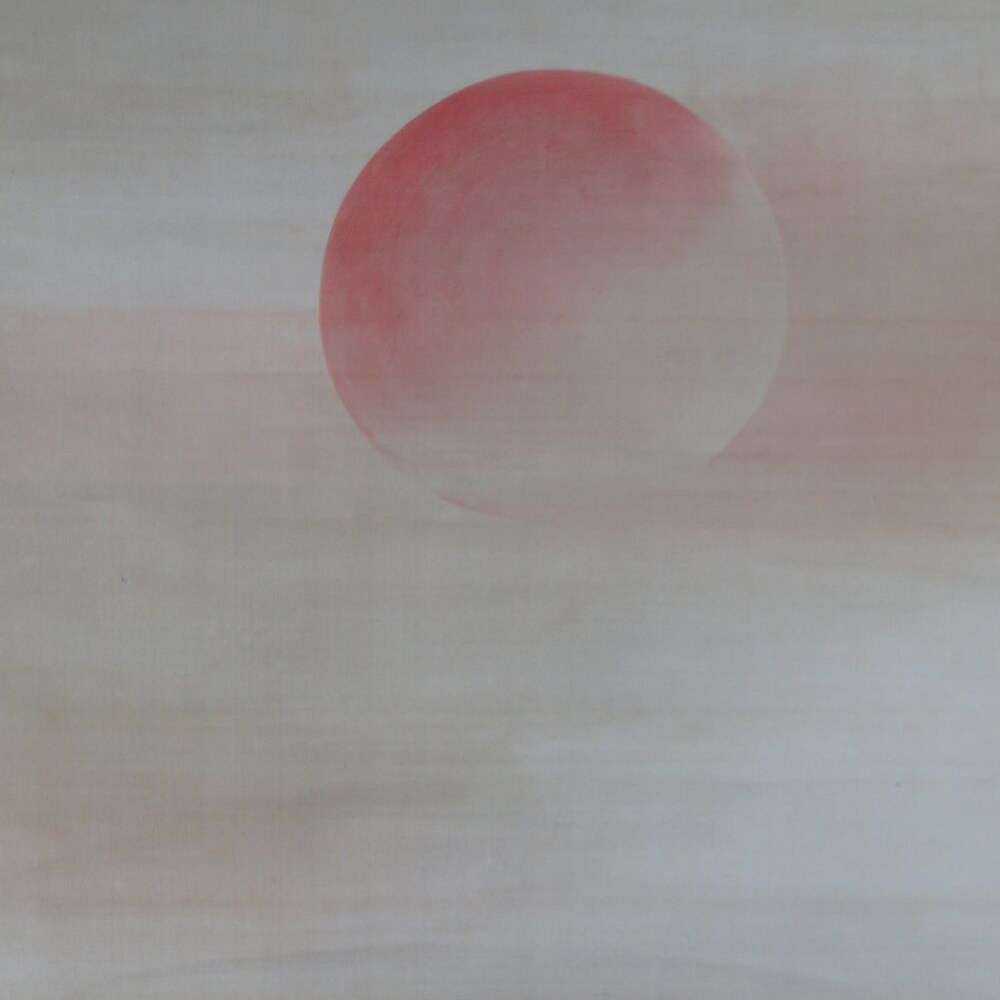
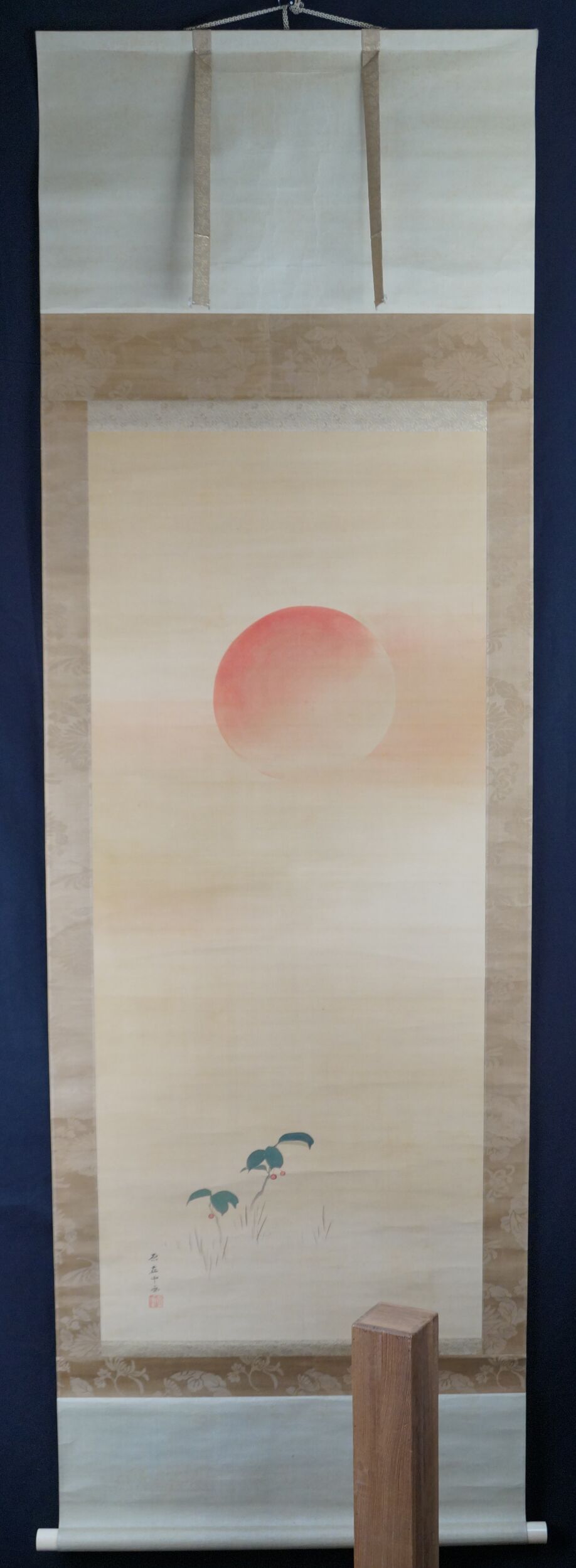
Hara Zaichu
Rising Sun over Misty Landscape
Kakemono, unique work, with box, 200 x 70 cm
€230.00
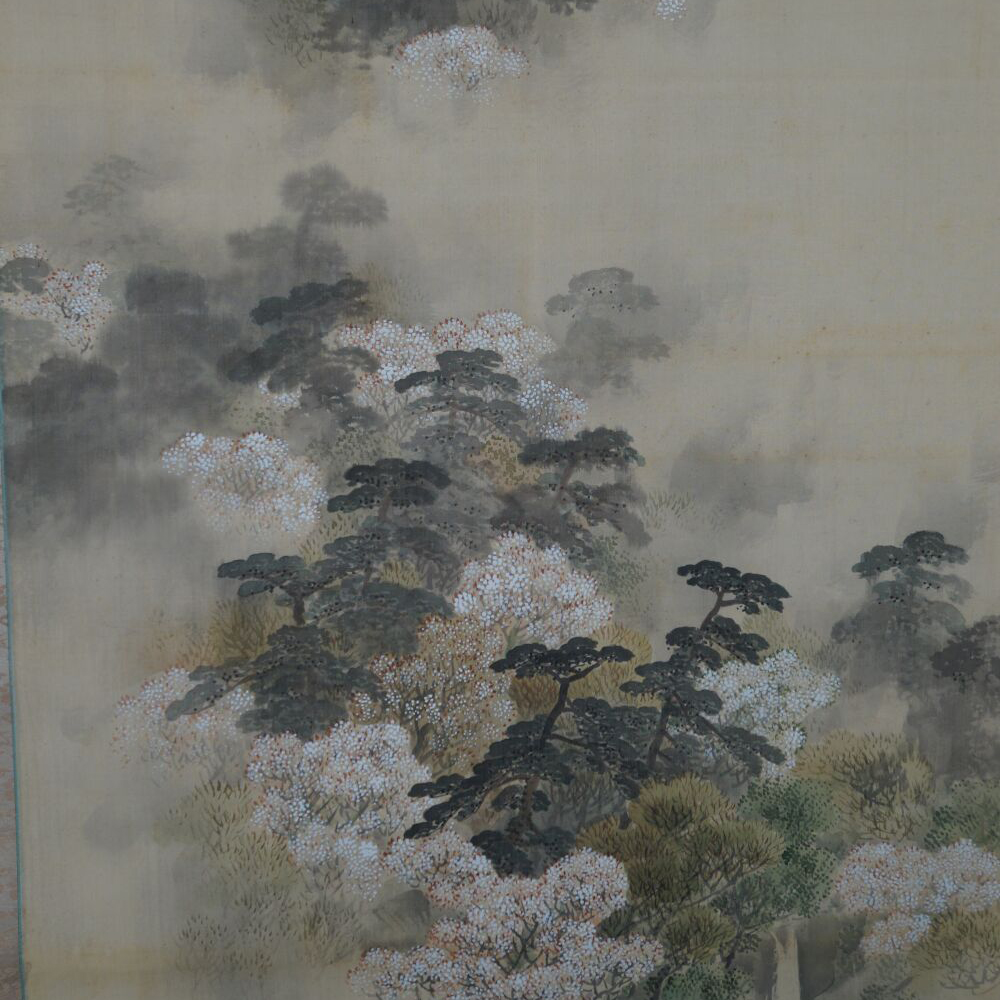
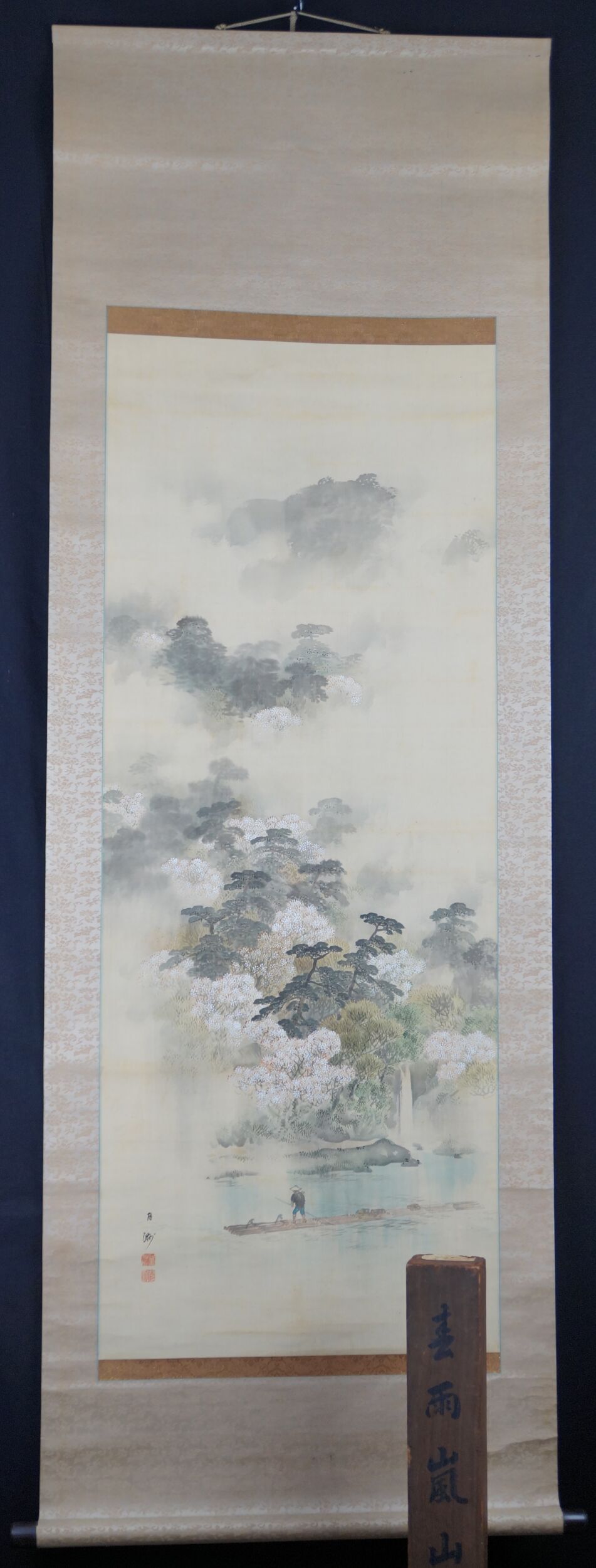
Haneda Getsushu
River in a Blooming Valley
Kakemono, unique work, with box, 192 x 72 cm
€250.00
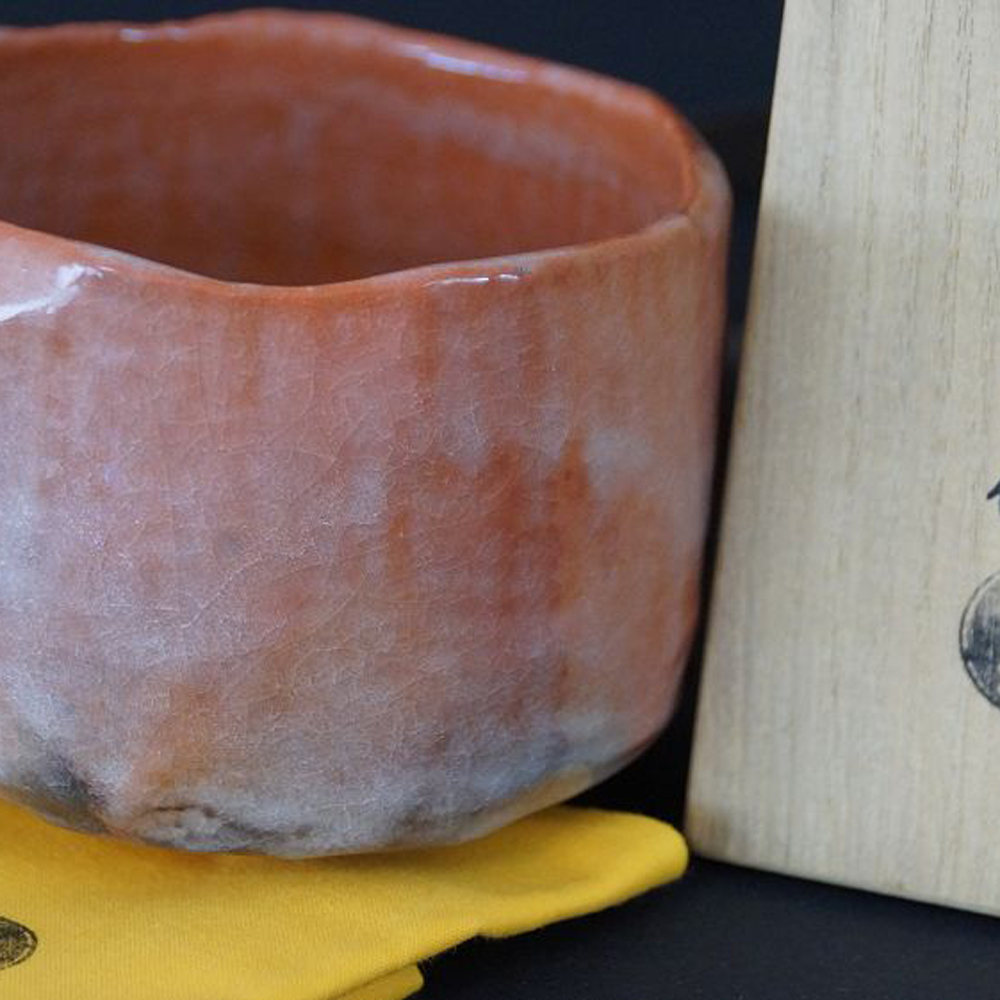

Ichiraku Nishimura
Chawan Tea Bowl Made of Raku Ware by Ichiraku Nishimura
Chawan, unique work, with box, 8 x 11,5 cm
€420.00
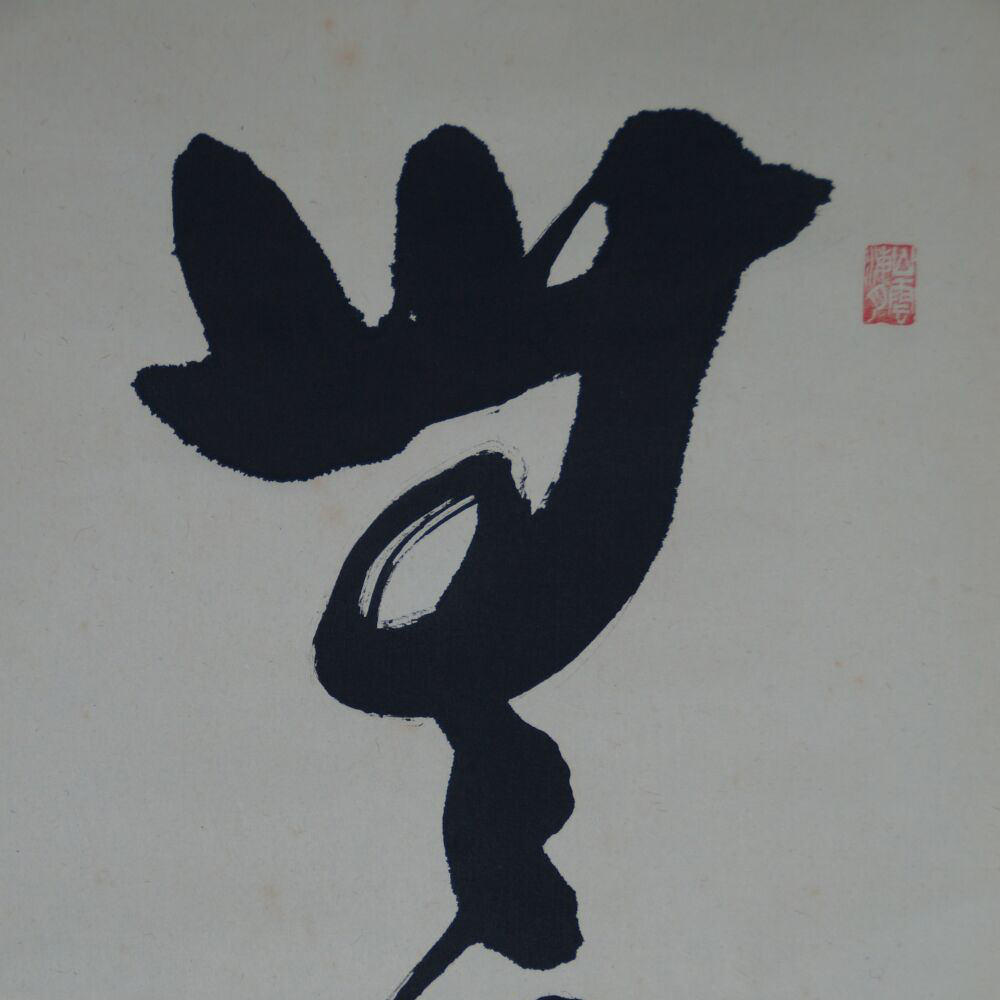
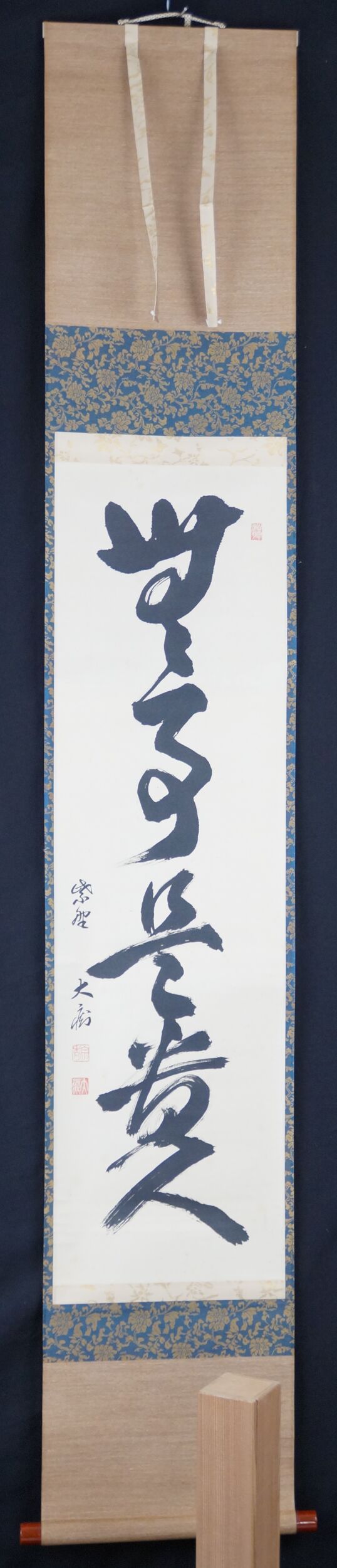
Yamaguchi Daichi
Calligraphy "No Business"
Kakemono, unique work, with box, 176 x 34 cm
€540.00
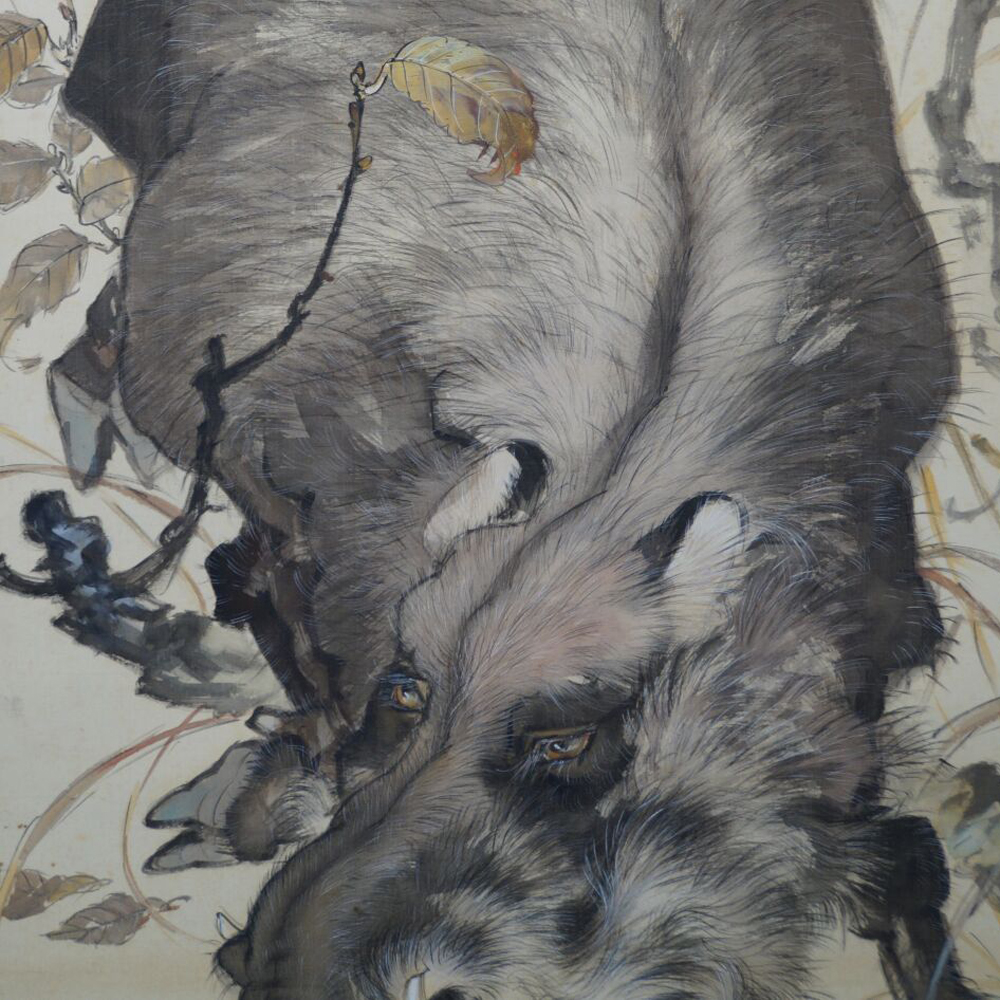
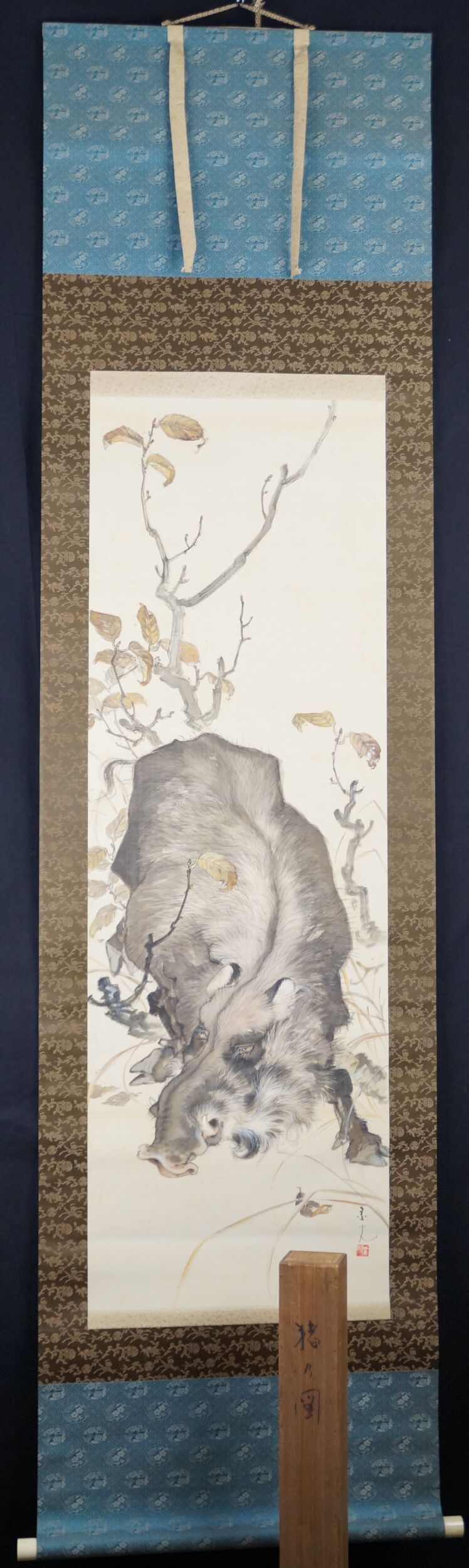
Saegusa Soko
Wild Boar in Autumn Foliage
Kakemono, unique work, with box, 210 x 60 cm
€950.00
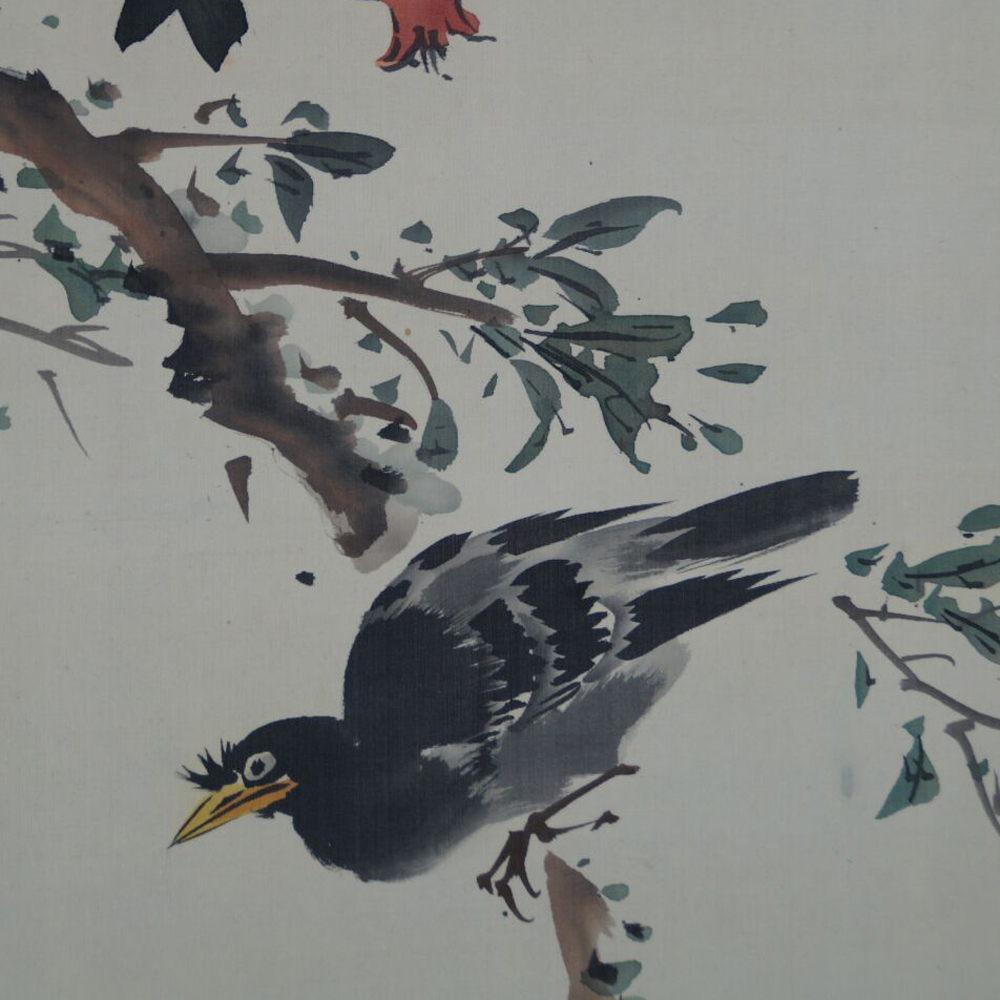
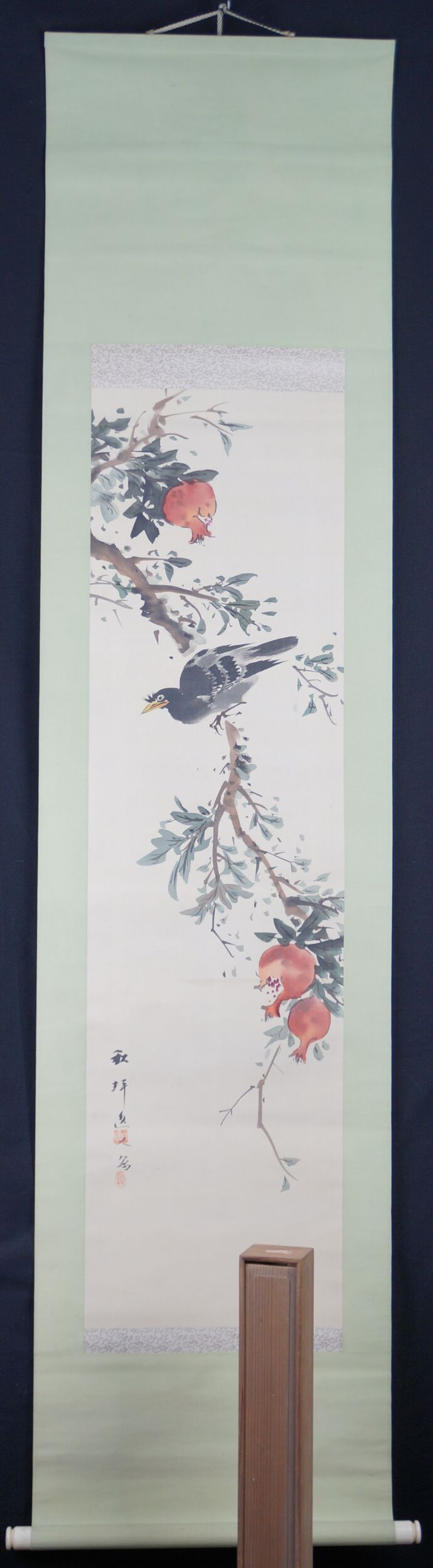
Yamada Shuhei
Pomegranate Branch and Star
Kakemono, unique work, with box, 187 x 51 cm
€530.00
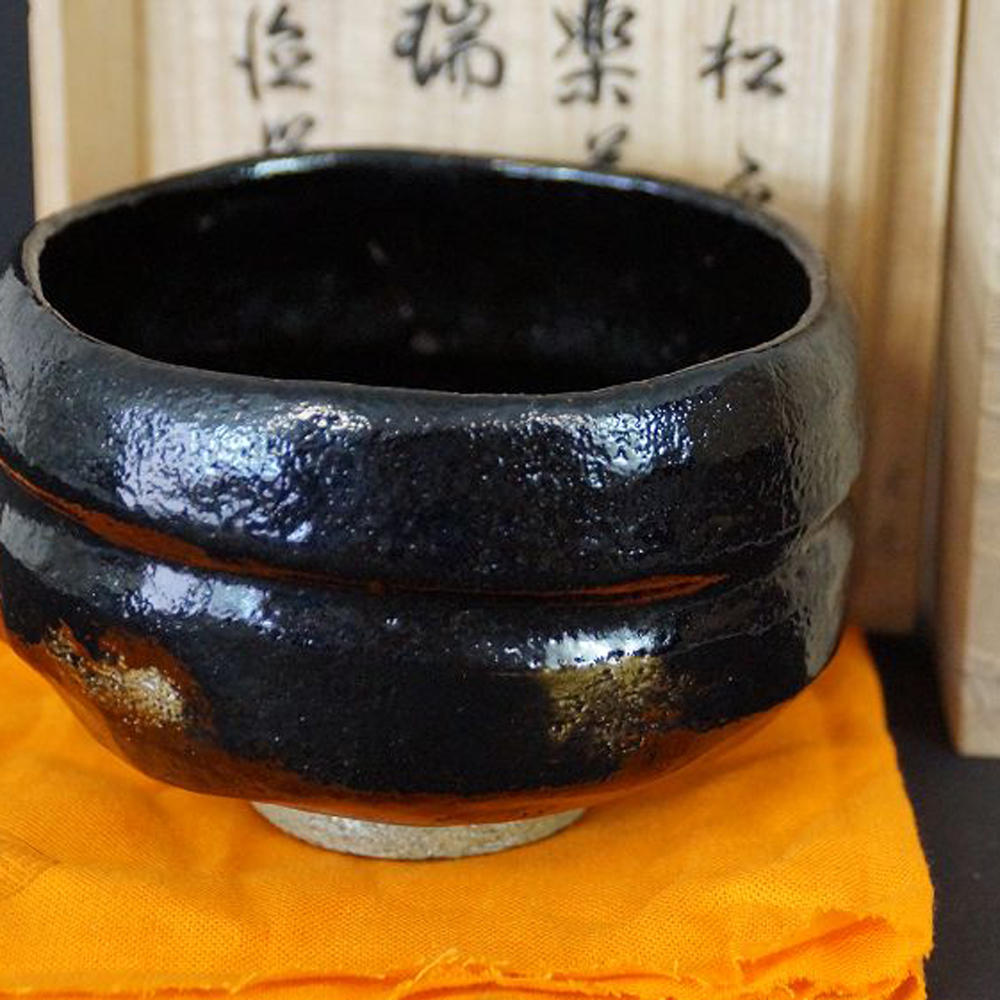

Shoraku Sasaki
Chawan Made of Kuro-Raku by Shoraku Sasaki, Wavy Rim
Chawan, unique work, with box, 8 x 12 cm
€380.00
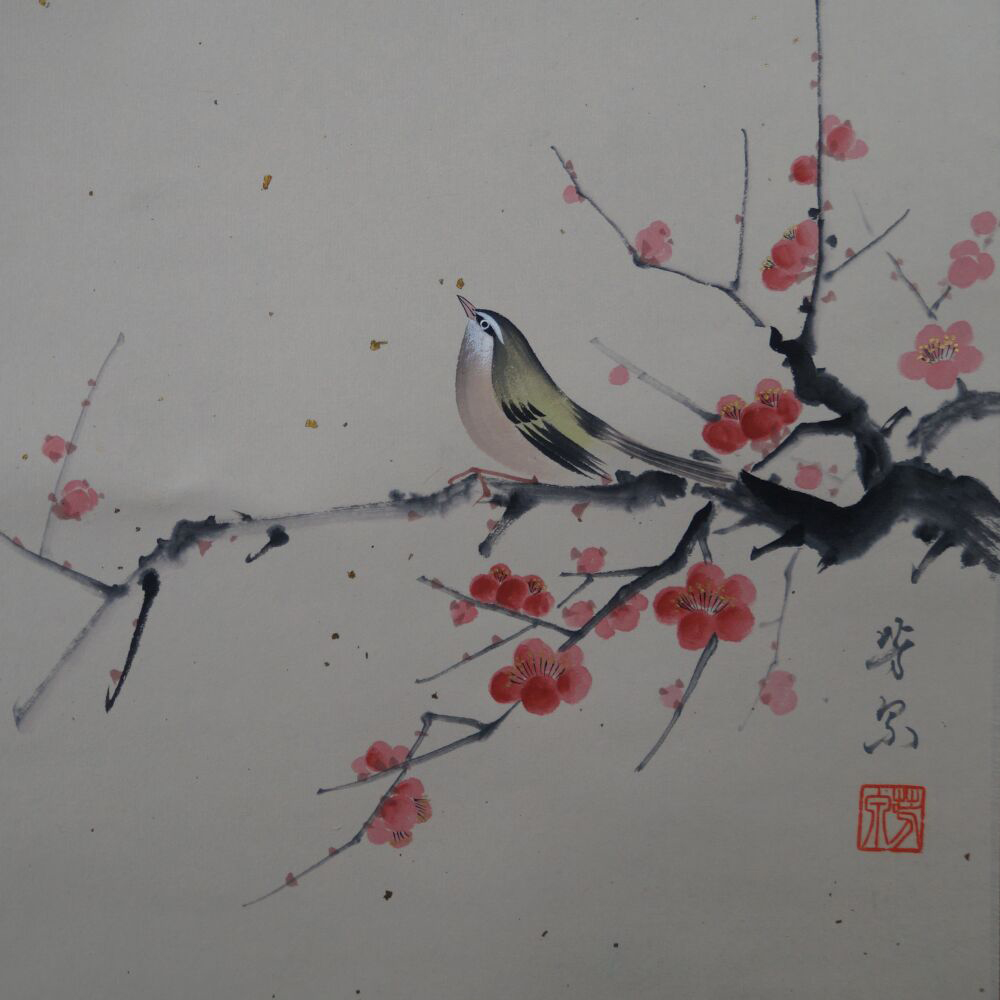
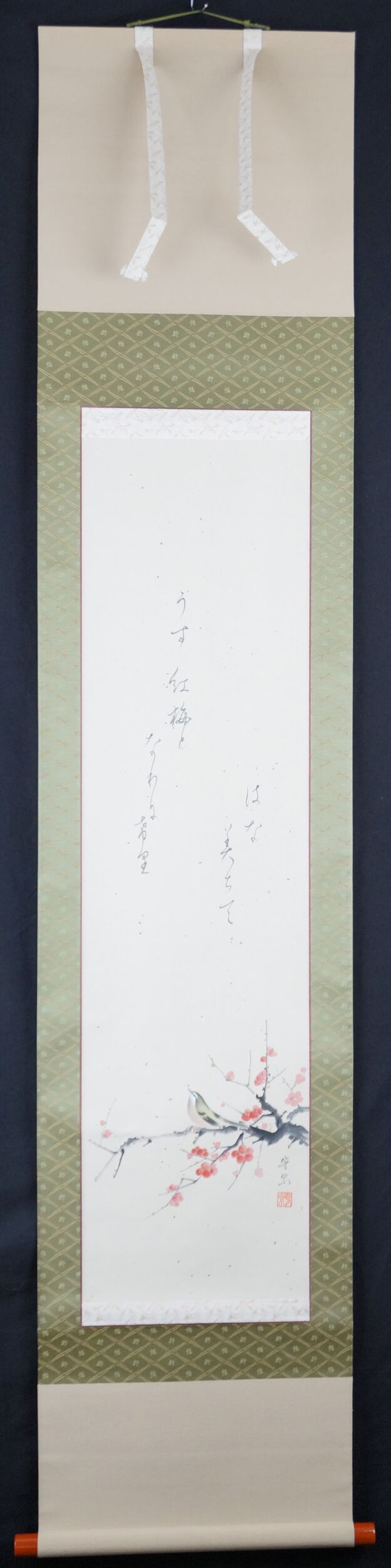
Sugaya Hosen
Pale Pink Plum Blossoms in Spring Light
Kakemono, unique work, with box, 193 x 46 cm
€490.00
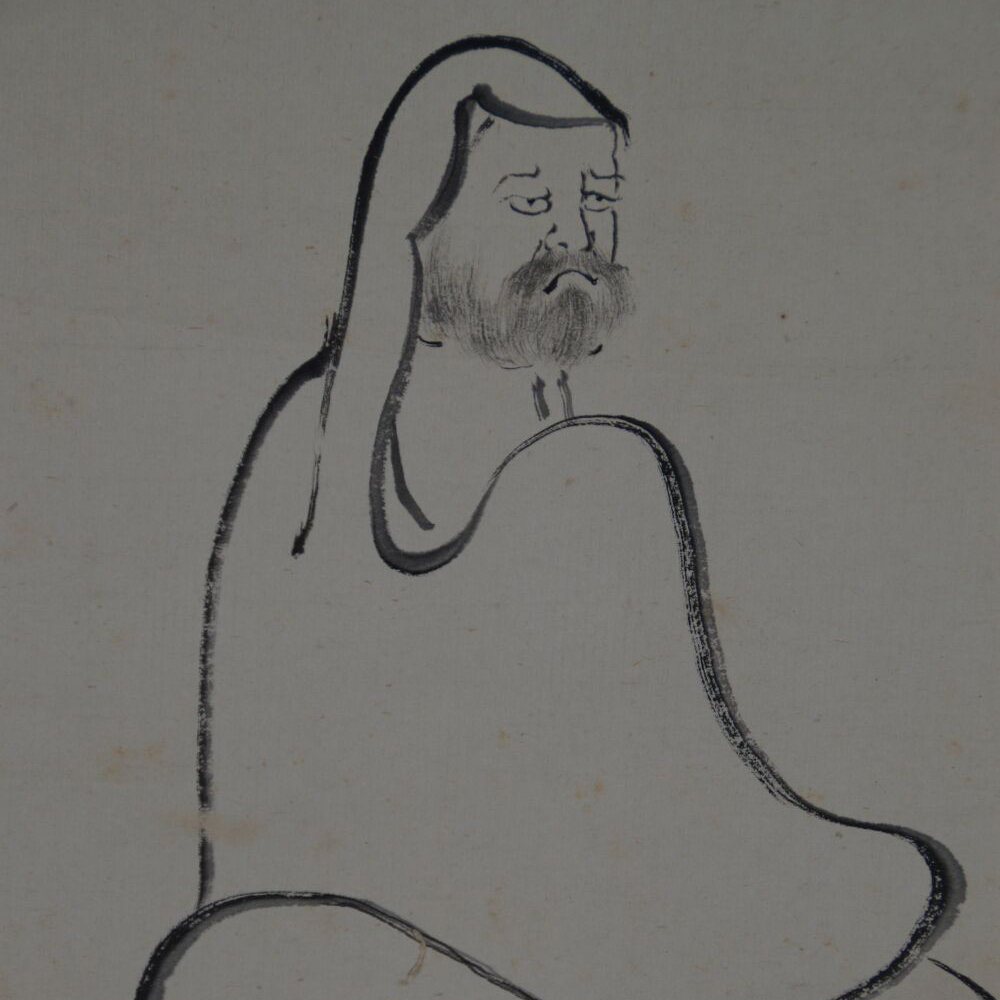
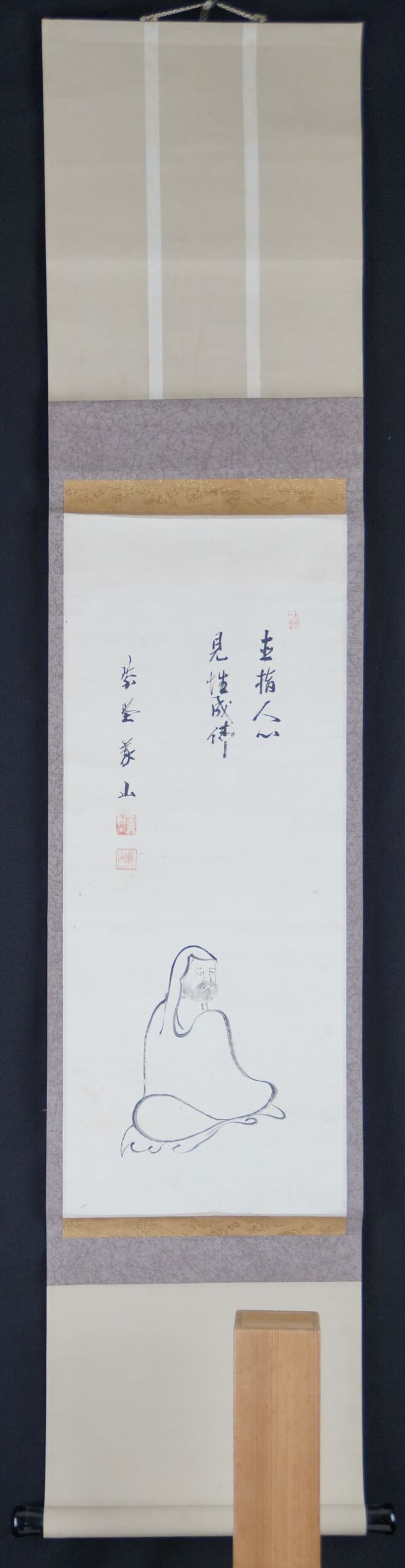
Ueda Gizan
Bodhidharma - Straight to the Heart
Kakemono, unique work, with box, 135 x 34 cm
€450.00
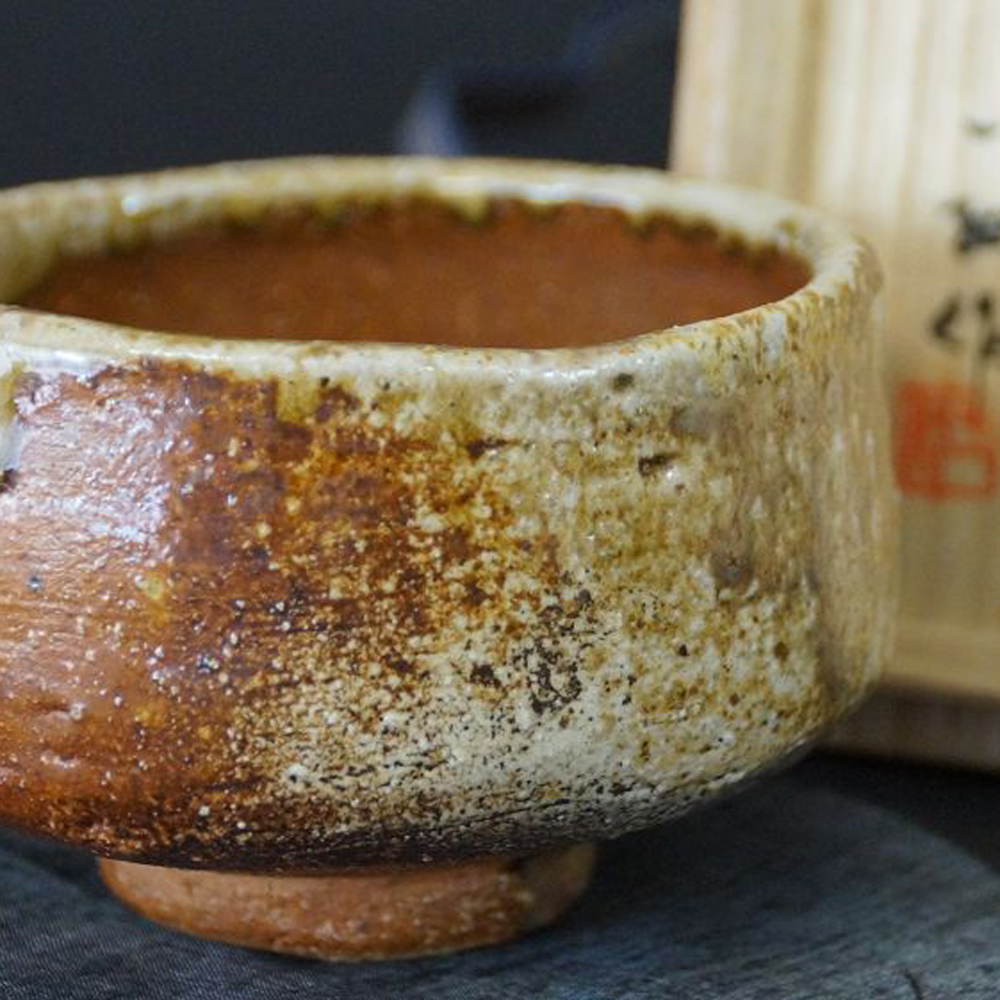

Kazuki Omi
Chawan Tea Bowl Made of Shigaraki Ware by Kazuki Omi
Chawan, unique work, with box, 8 x 12 cm
€210.00
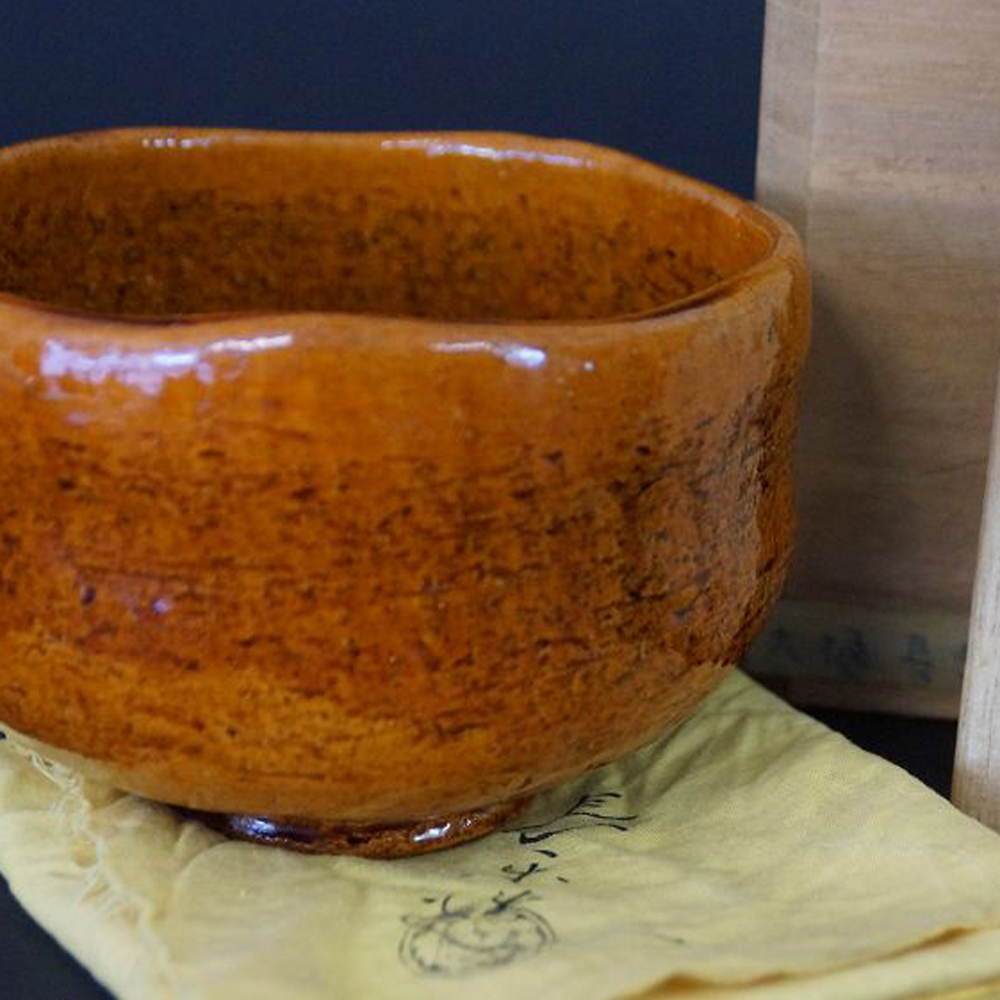

Choraku Ohi
Chawan Tea Bowl Made of Ohi Ware by Choraku Ohi
Chawan, unique work, with box, 8,5 x 12 cm
€250.00
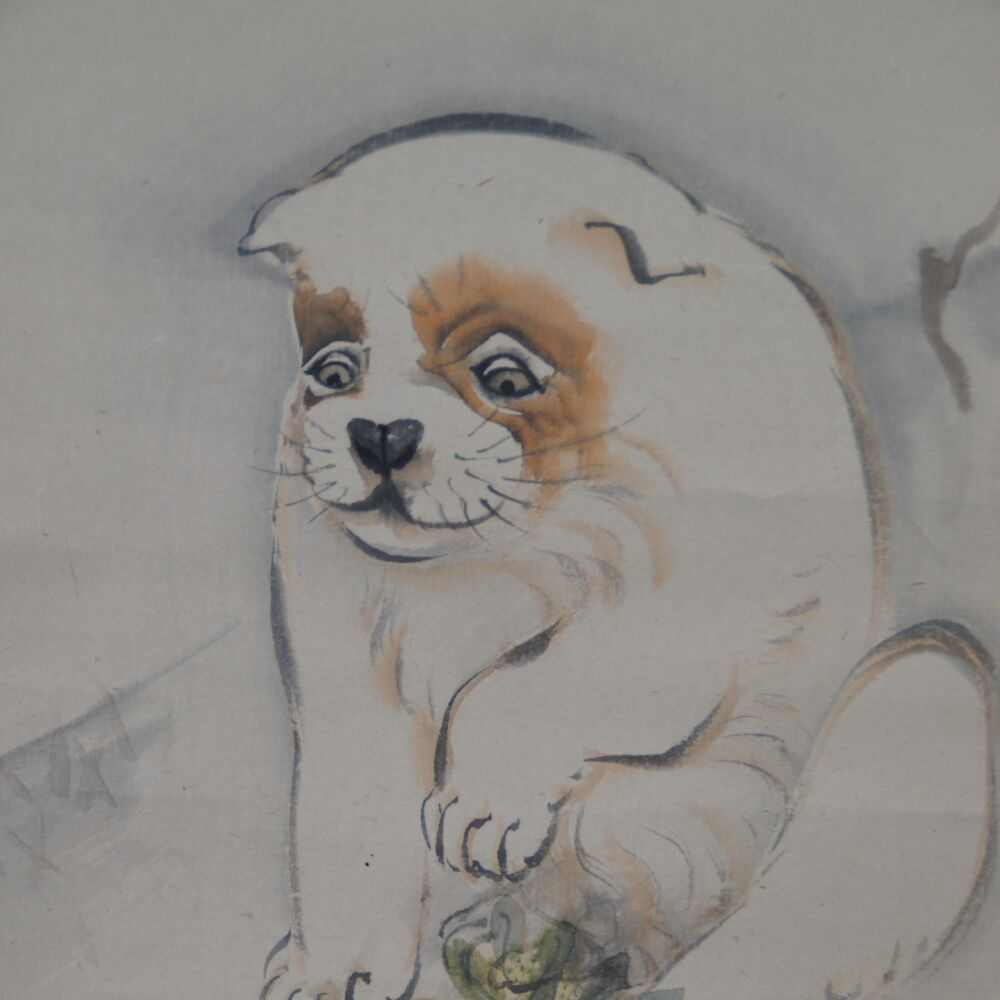
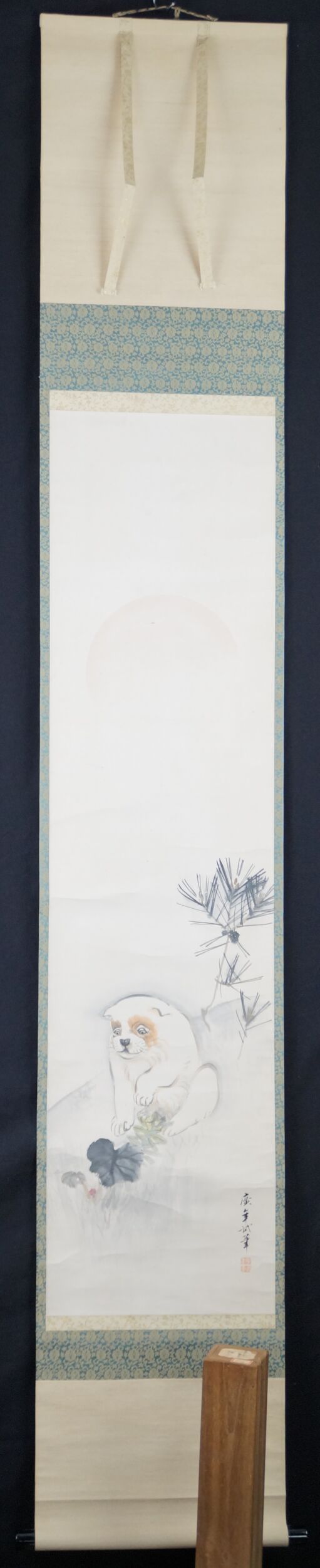
Puppy at Sunset Under Pine Trees
Kakemono, unique work, with box, 200 x 39 cm
€210.00
Kawasaki Shoko
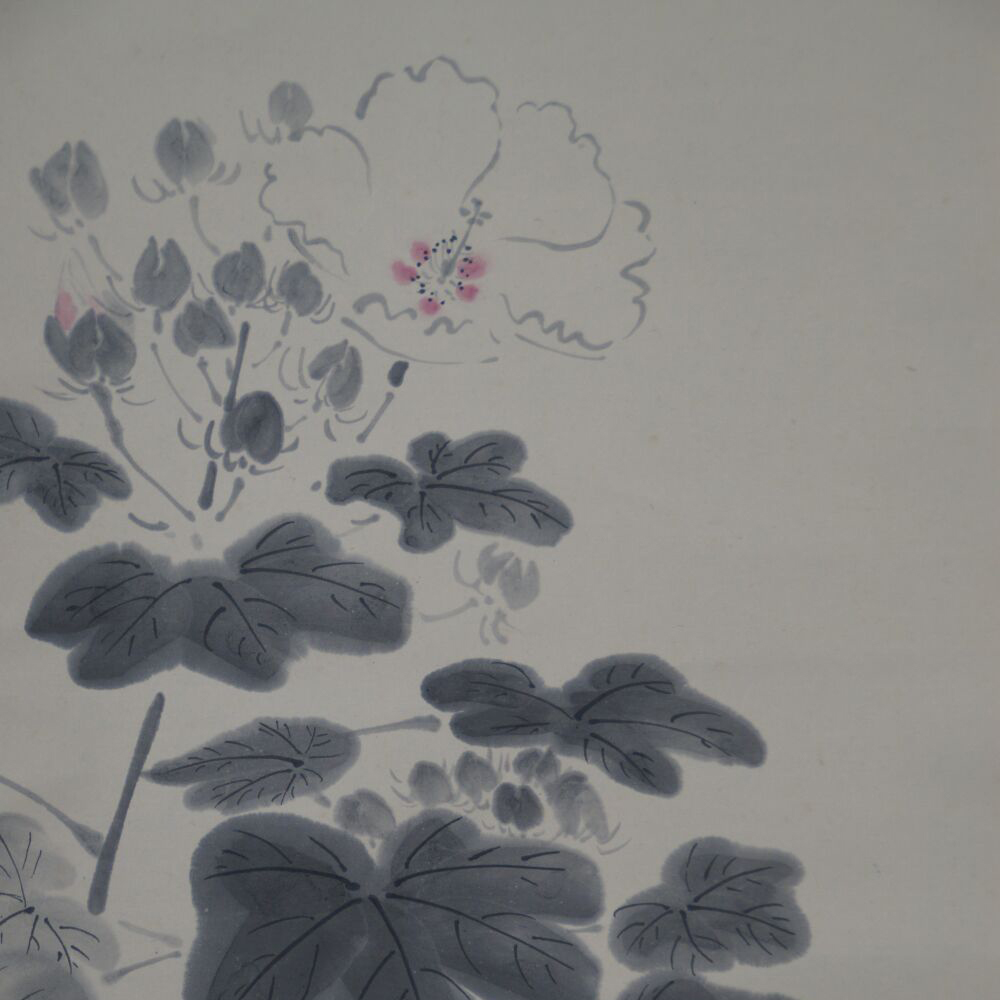
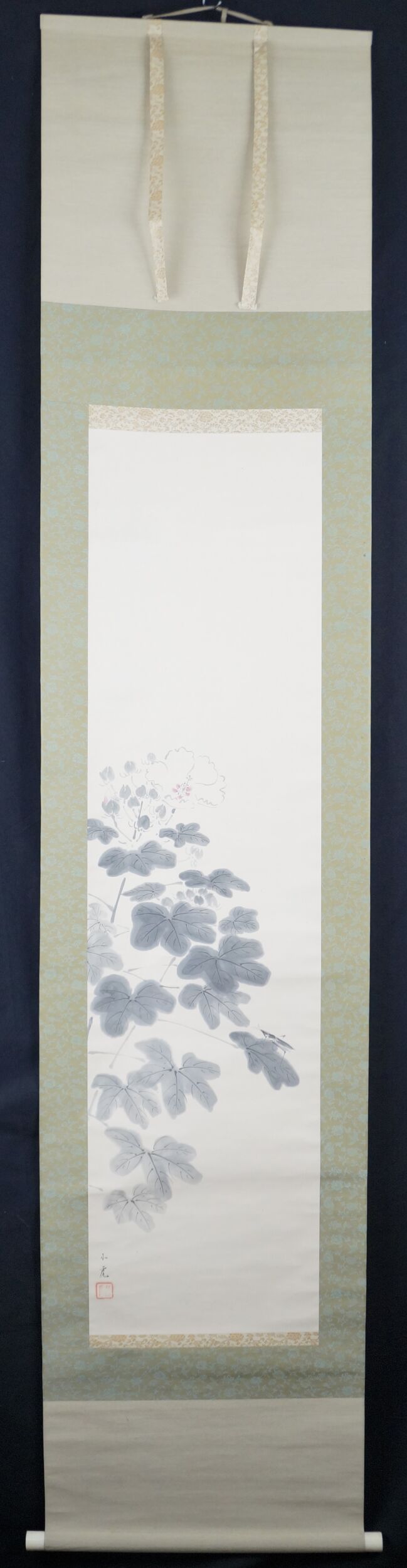
Hibiscus Flowers and Grasshopper
Kakemono, unique work, with box, 215 x 53 cm
€380.00
Sakai Sanryo
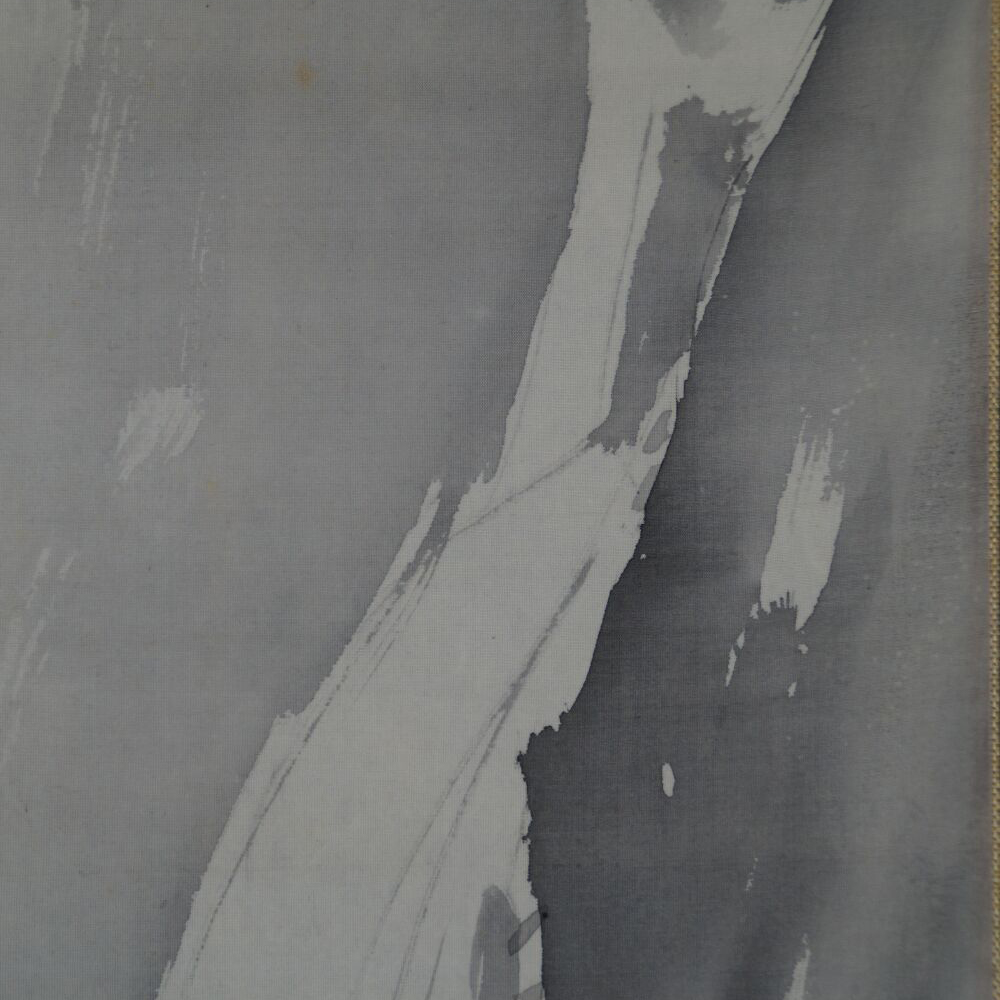
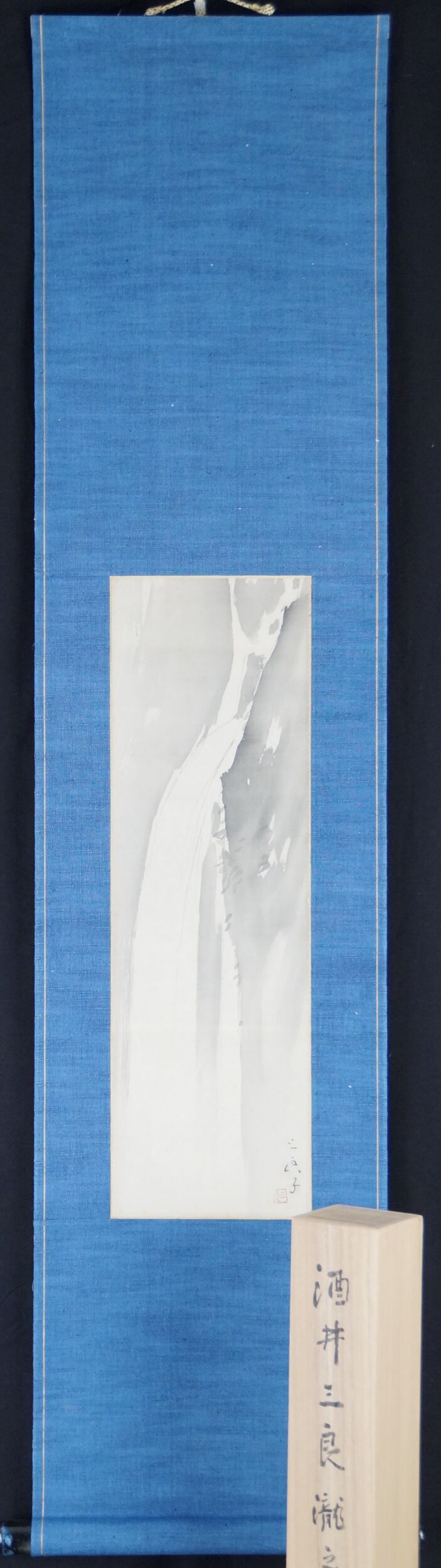
Waterfall in the Mist
Kakemono, unique work, with box, 129 x 36 cm
€570.00
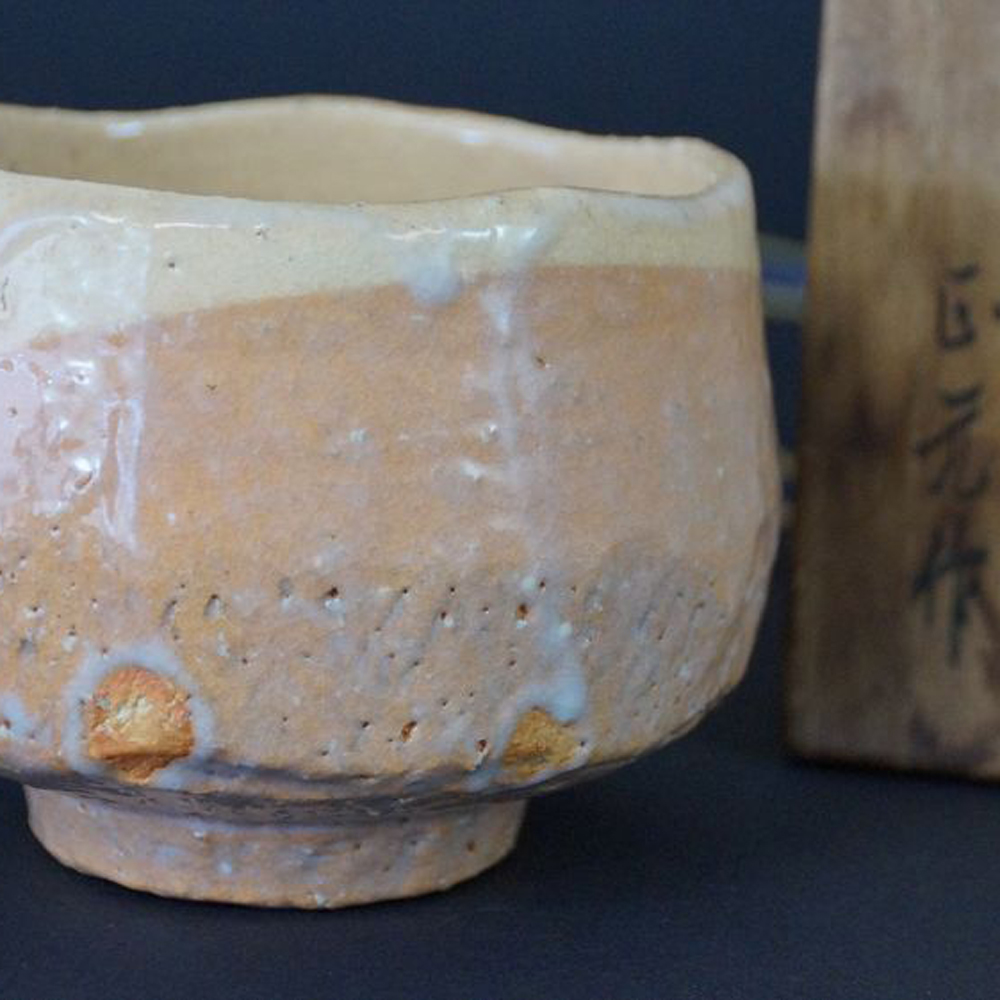

Shogen Heian
Chawan Tea Bowl Made of Raku Ware by Shogen Heian
Chawan, unique work, with box, 8 x 12 cm
€220.00
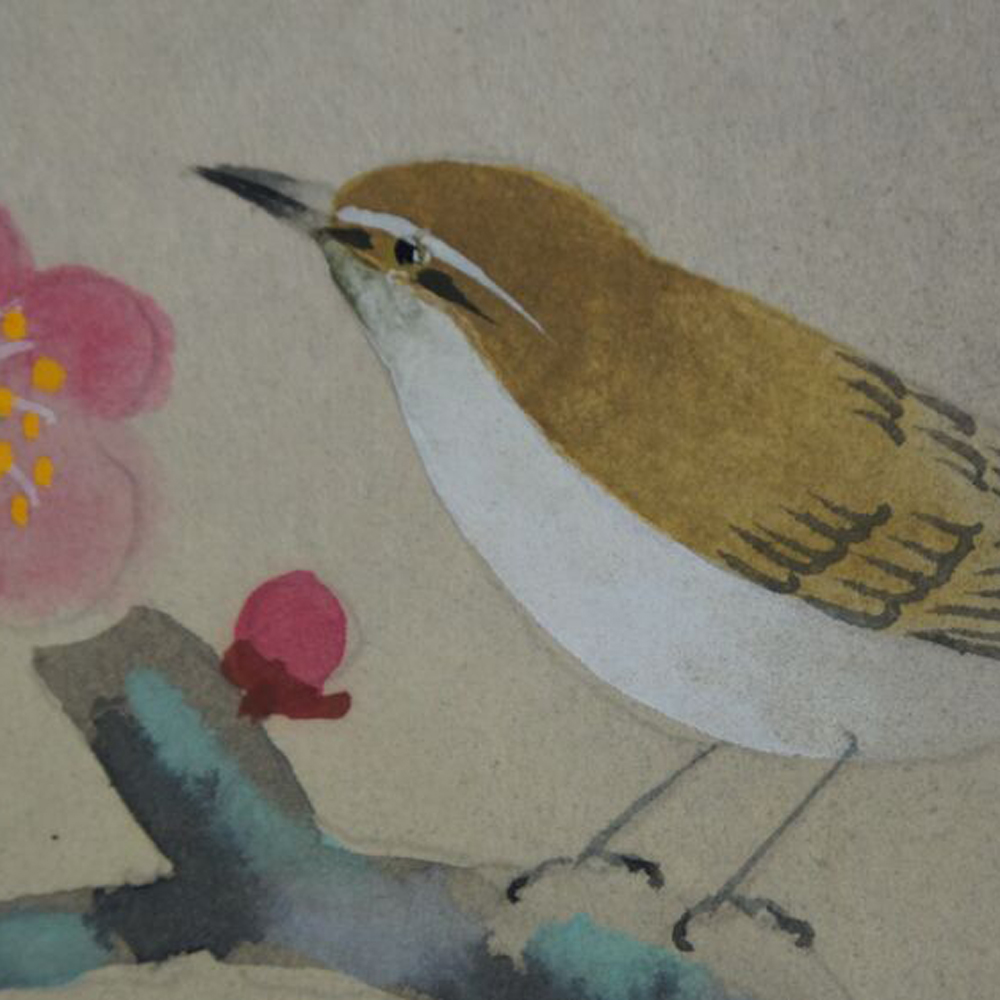
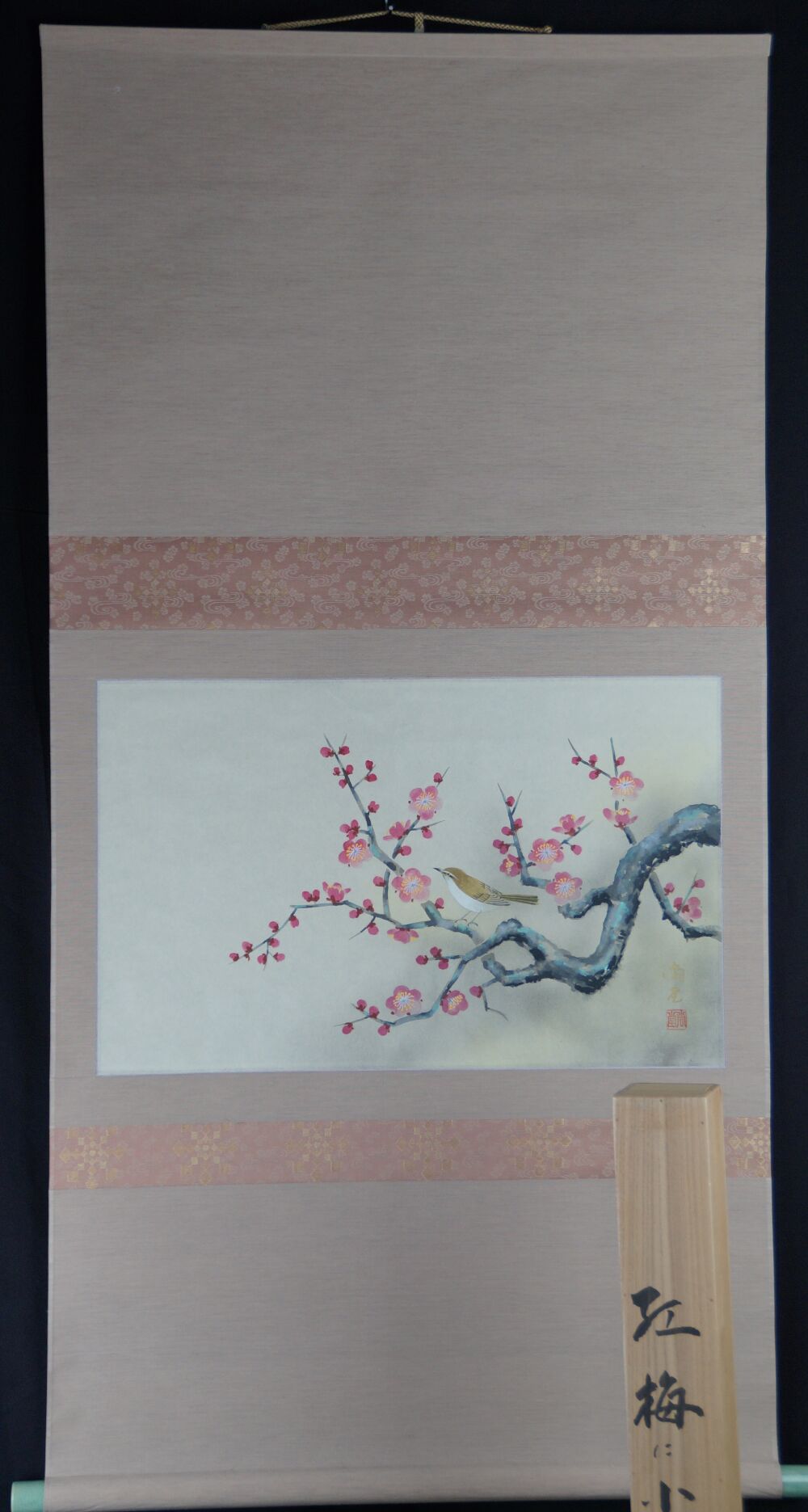
Ogawa Shodo
Songbird on Blooming Plum Tree
Kakemono, unique work, with box, 133 x 66 cm
€410.00
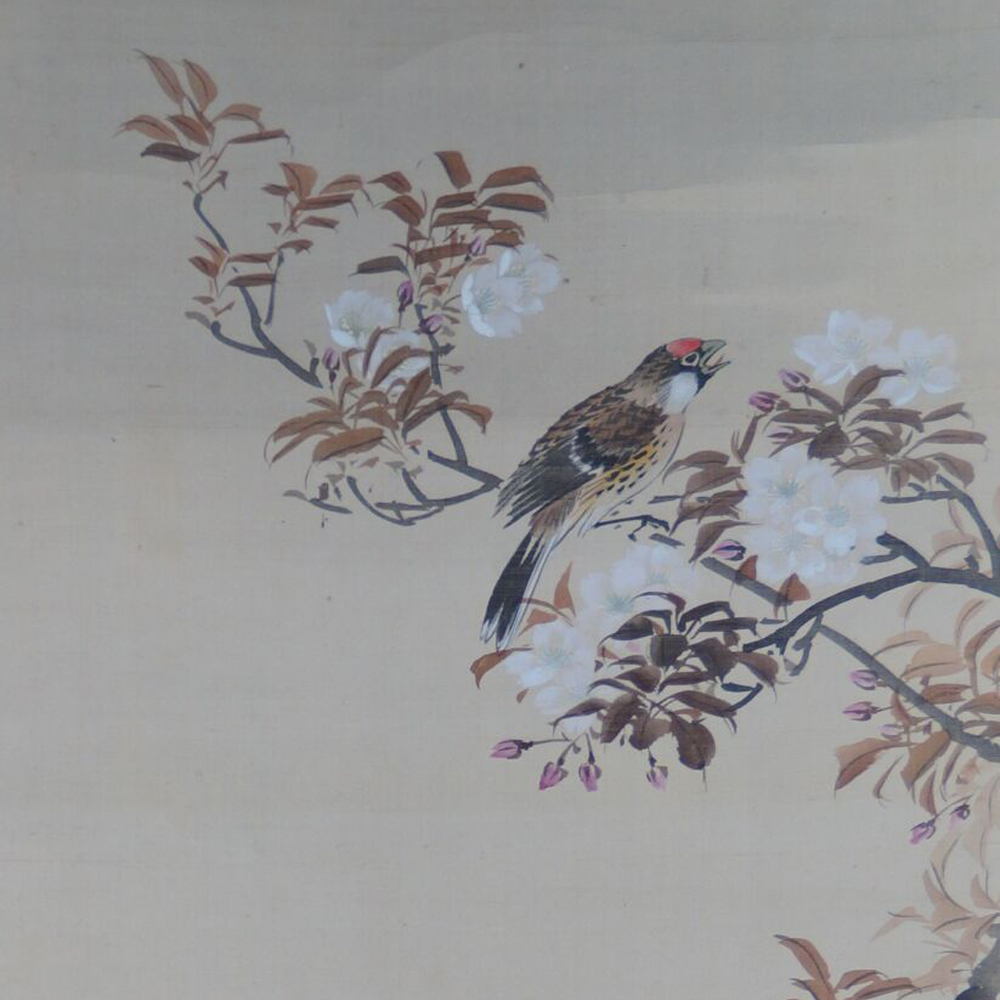
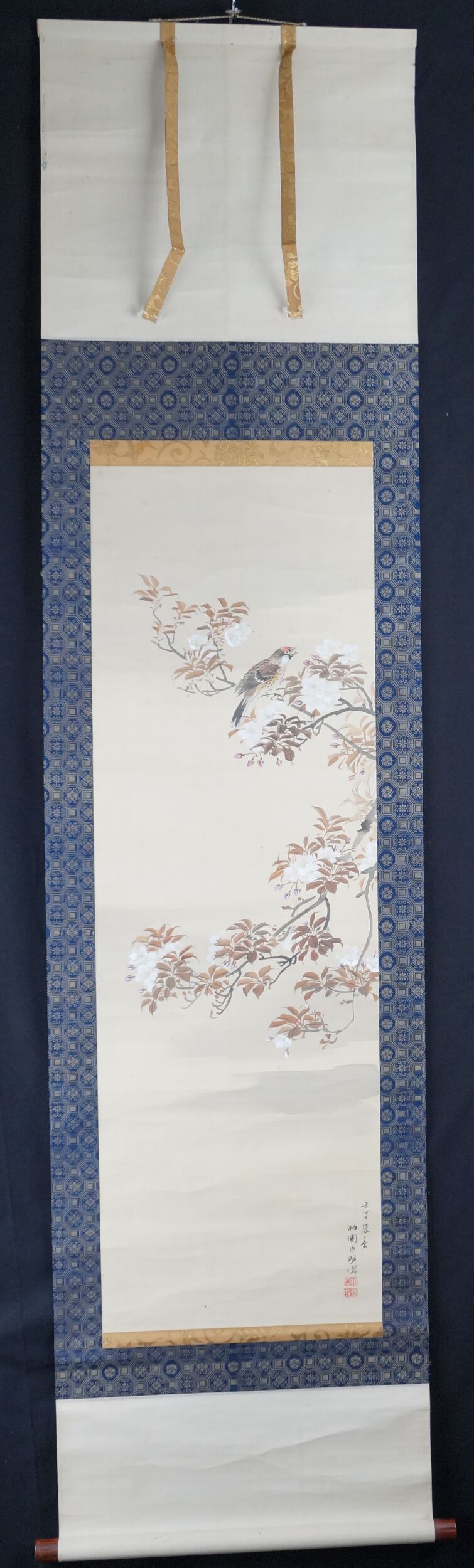
Hirose Hakuen
Singing Bird in Cherry Blossom Branch
Kakemono, unique work, 182 x 51 cm
€370.00
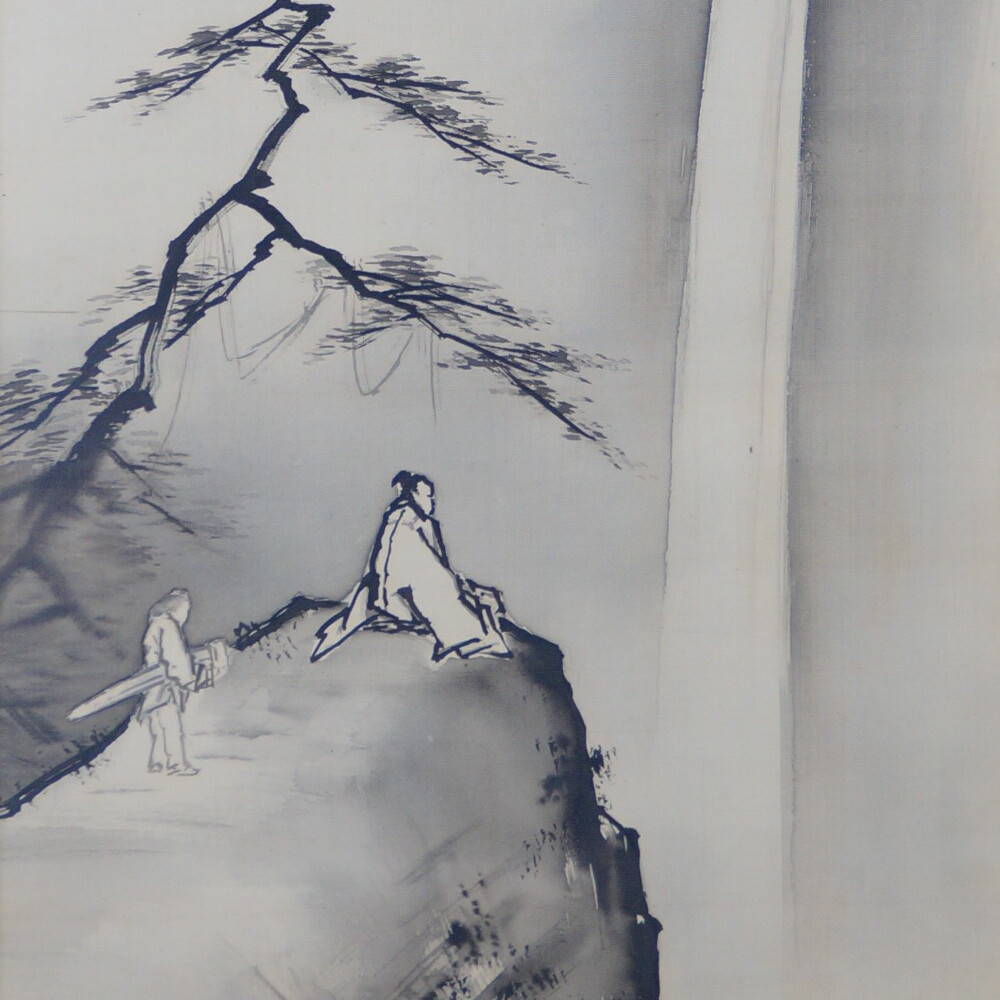
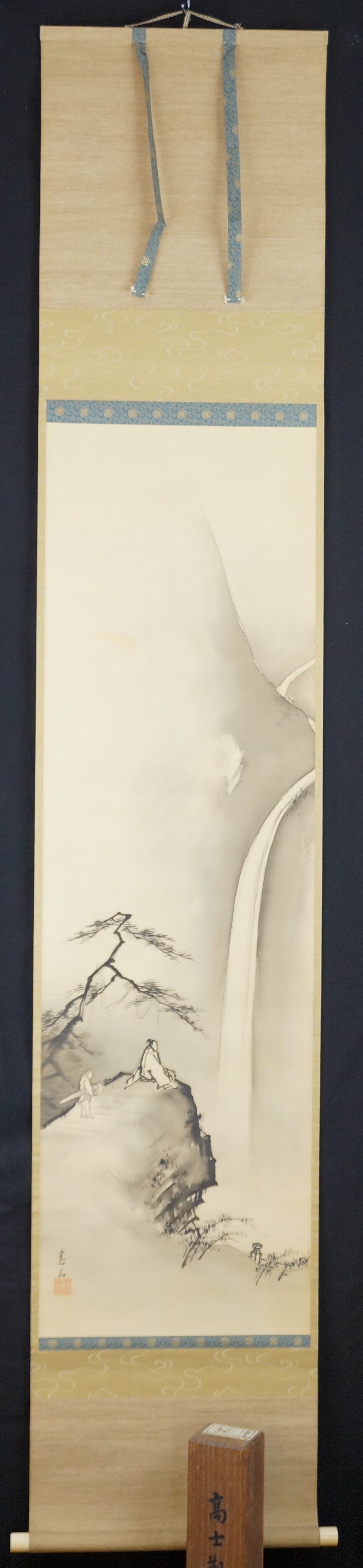
Yagioka Shunzan
Encounter at the Edge of the Waterfall
Kakemono, unique work, with box, 200 x 44 cm
€880.00
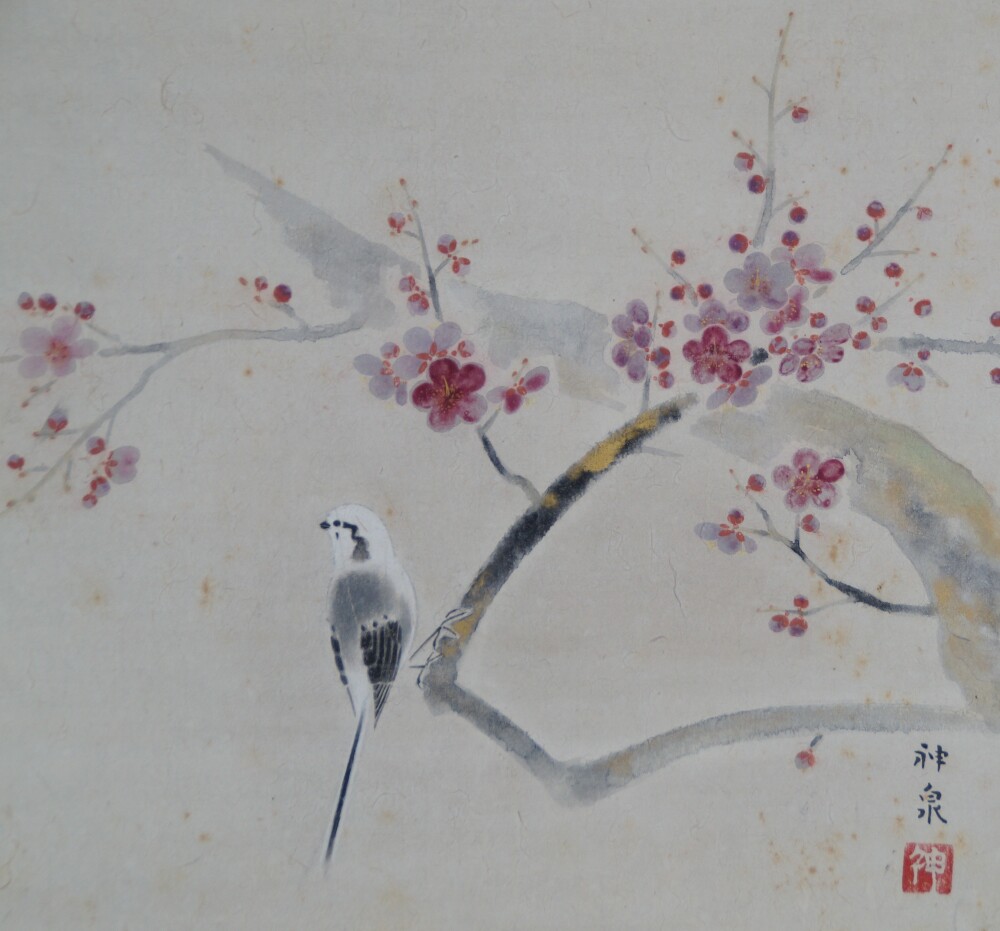
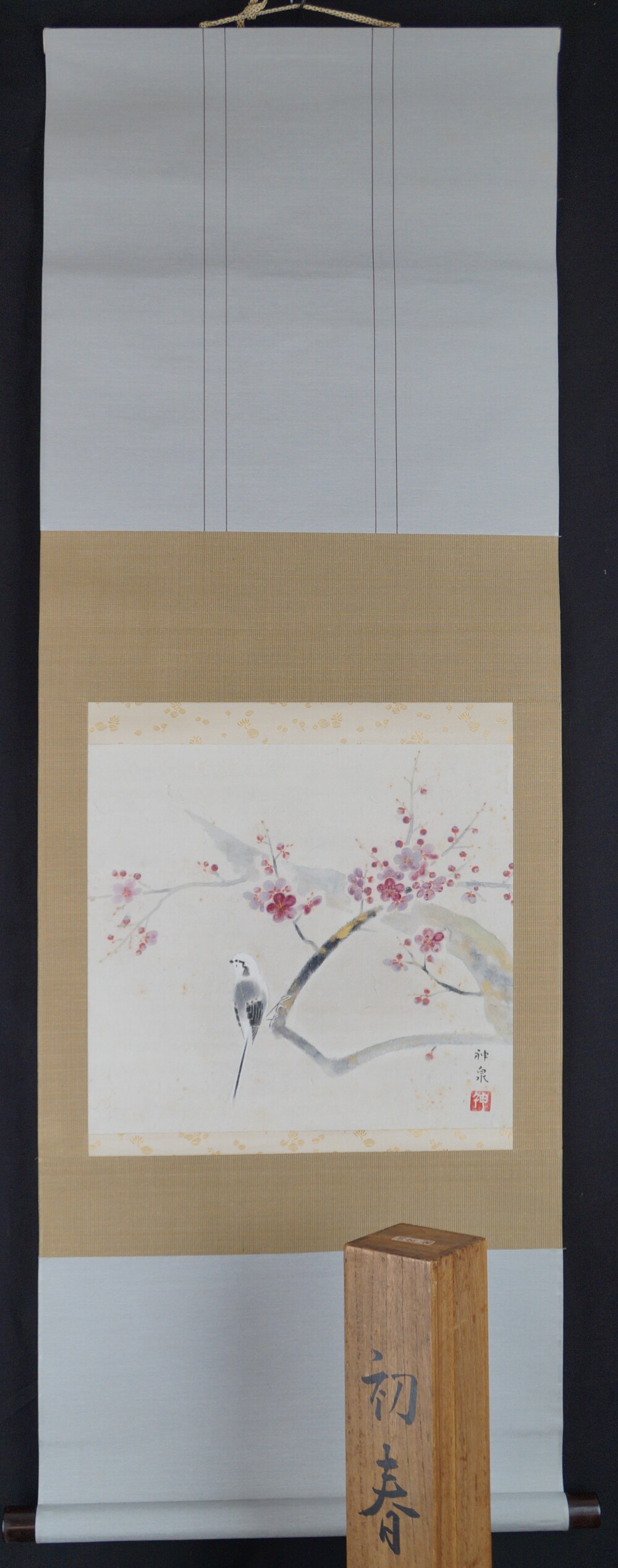
Tokuoka Shinsen
Plum Blossoms in Quiet Morning Light
Kakemono, unique work, with box, 124 x 49 cm
€280.00
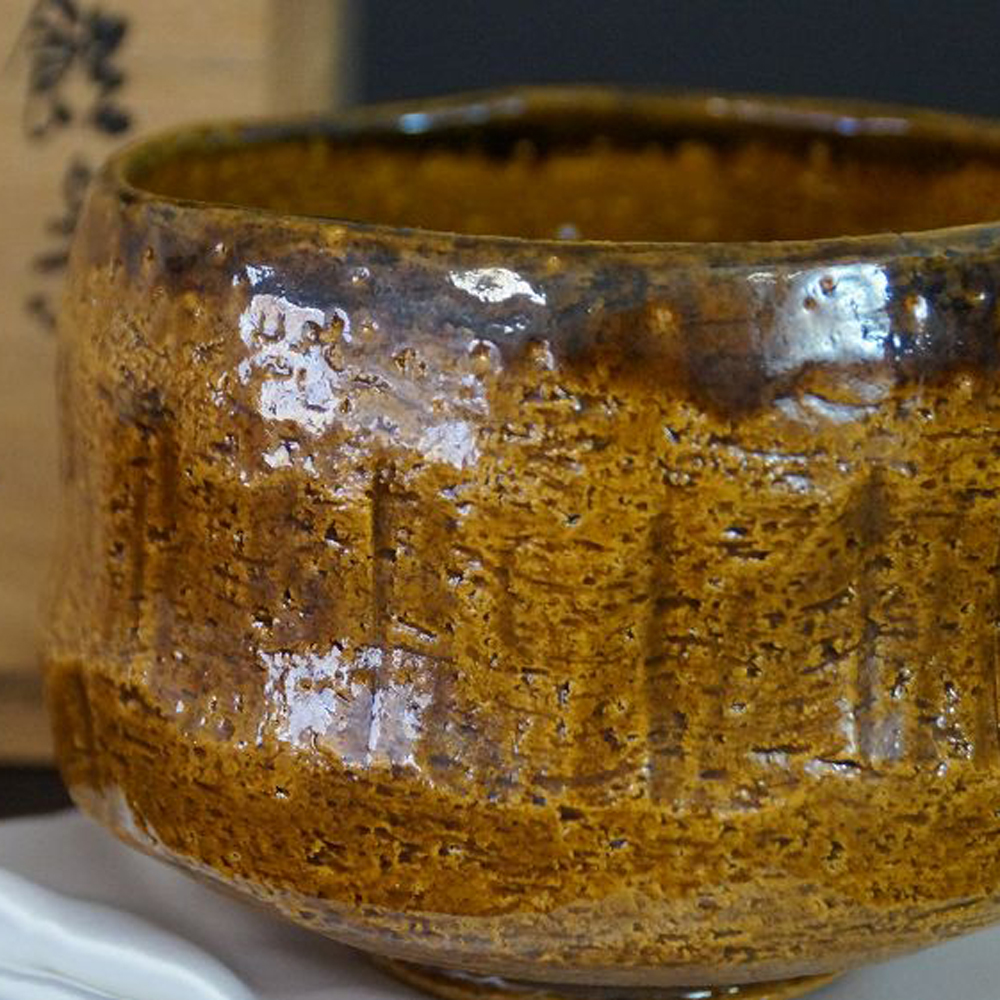

Rakunyu Yoshimura
Chawan Made of Raku Ware by Rakunyu Yoshimura
Chawan, unique work, with box, 9 x 12 cm
€350.00
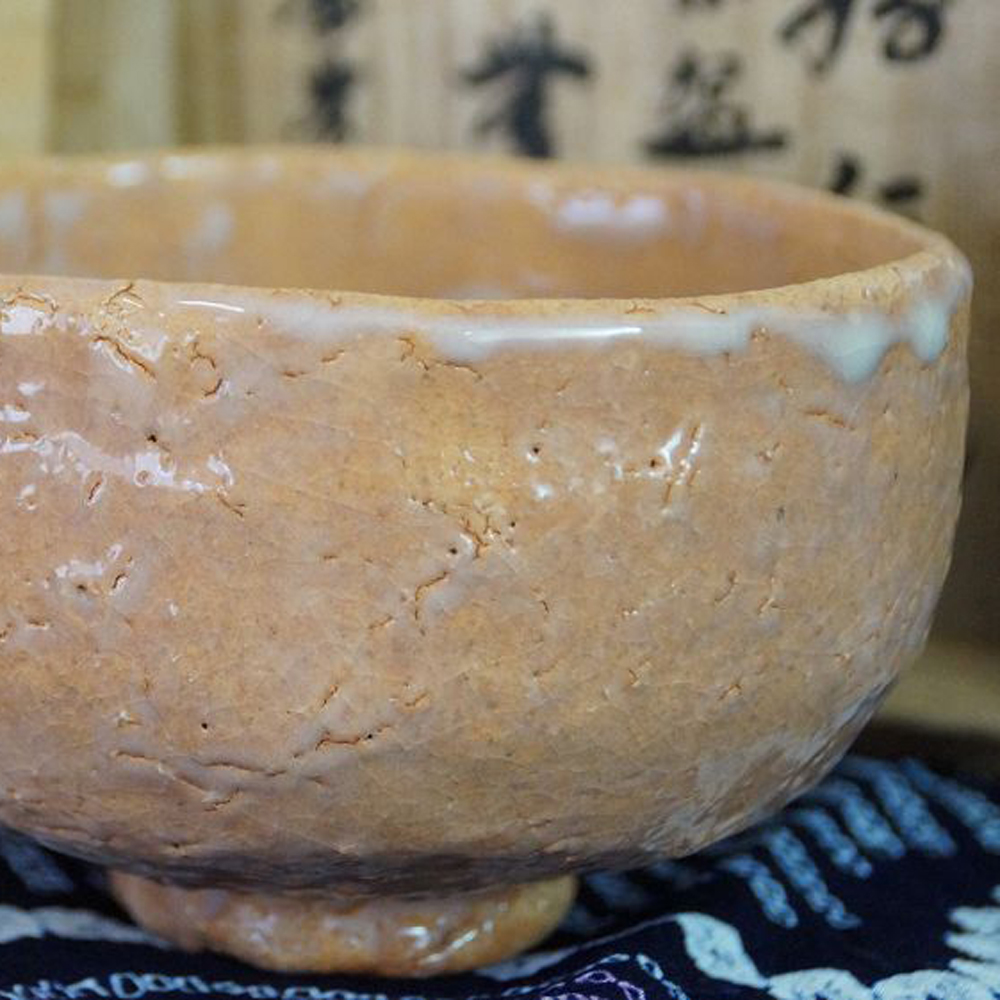

Yoshihito Miyamoto
Chawan Made of Hagi Ware by Yoshihito Miyamoto
Chawan, unique work, with box, 8 x 12,5 cm
€330.00
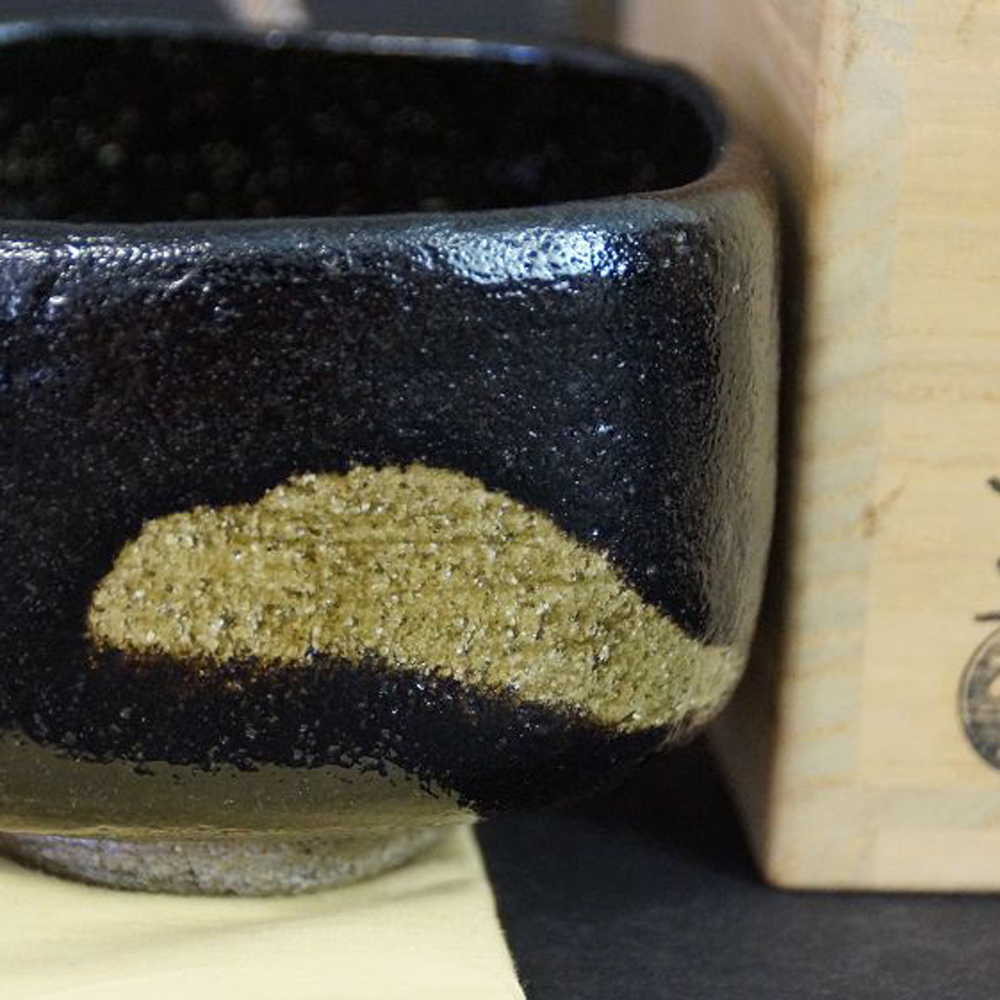

Keiraku Ito
Chawan Made of Raku Ware by Keiraku Ito
Chawan, unique work, with box, 8 x 12 cm
€430.00
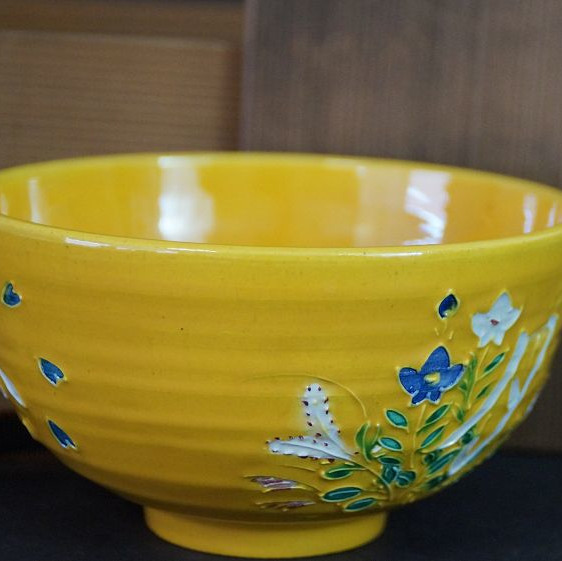
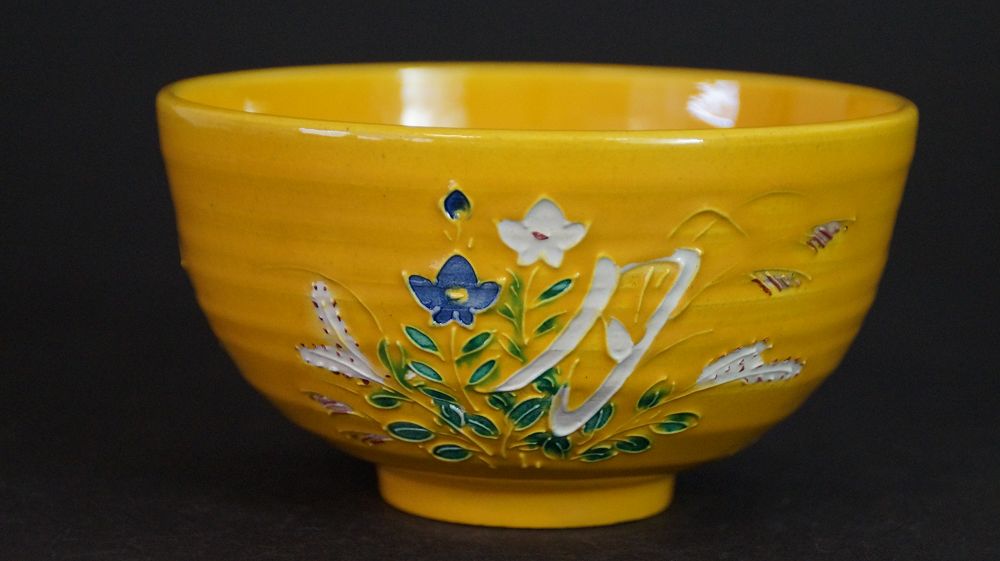
Roseki Akazawa
Chawan Made of Kyoto Ware by Roseki Akazawa
Chawan, unique work, 7,5 x 12,5 cm
€280.00
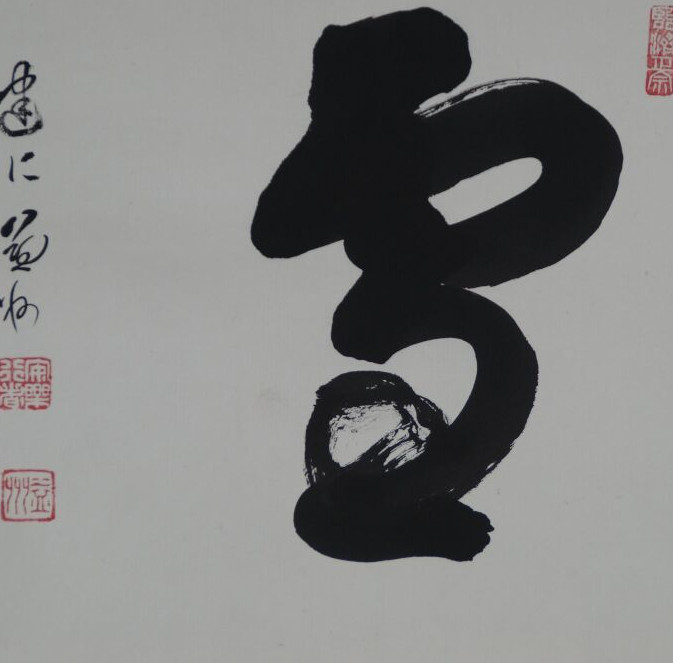
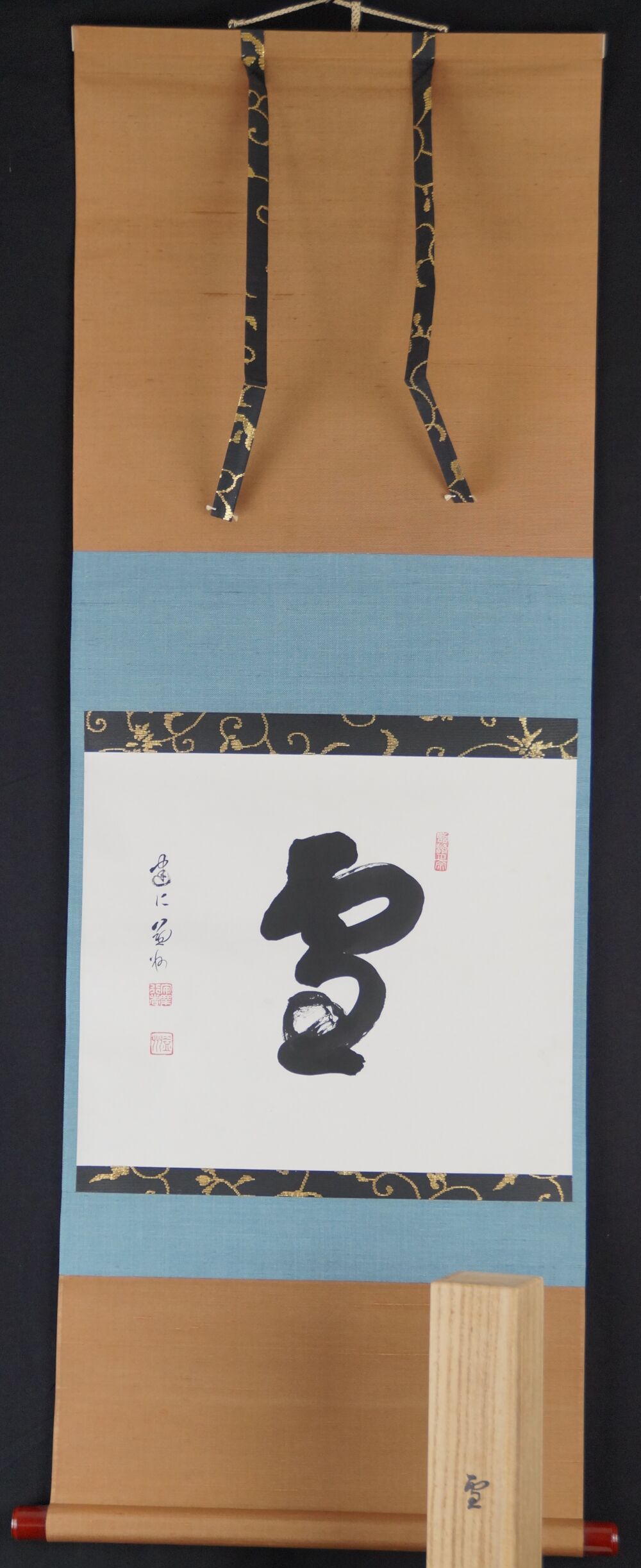
Takeda Masuyoshi
Calligraphy "Snow"
Kakemono, unique work, with box, 118 x 48 cm
€470.00
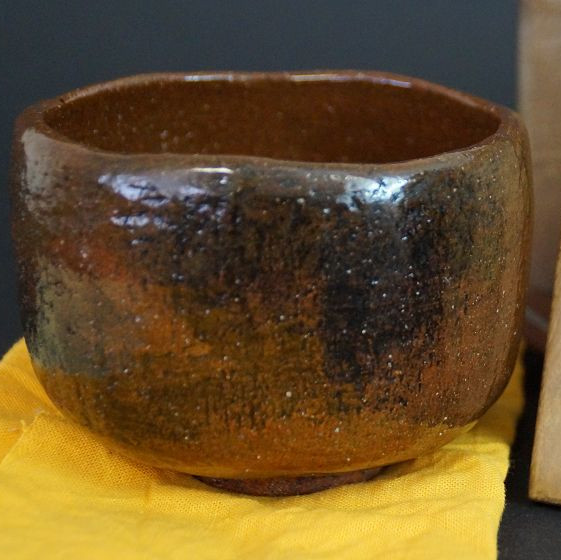
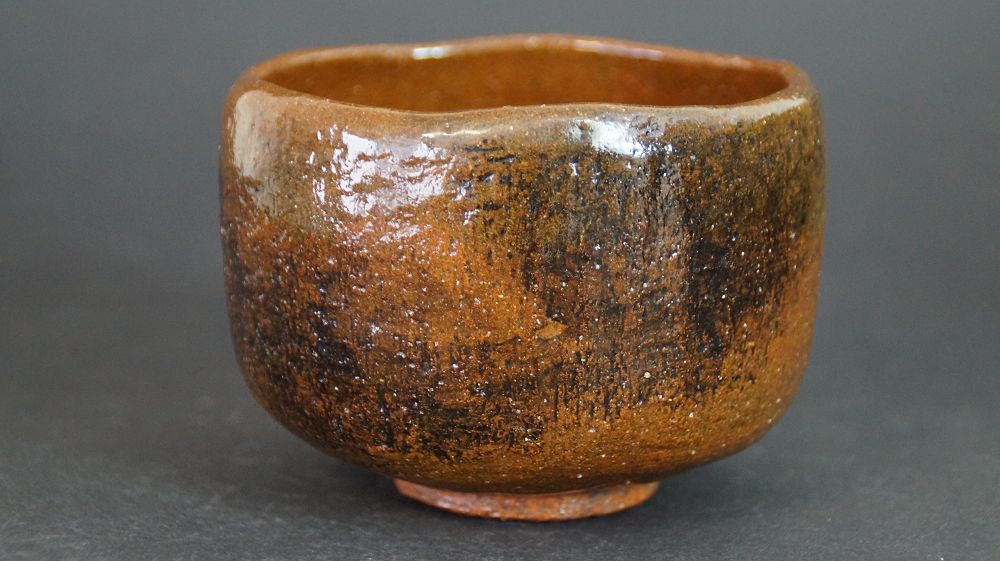
Choami Ohi
Chawan Made of Ohi Ware by Choami Ohi
Chawan, unique work, with box, 8 x 11 cm
€260.00
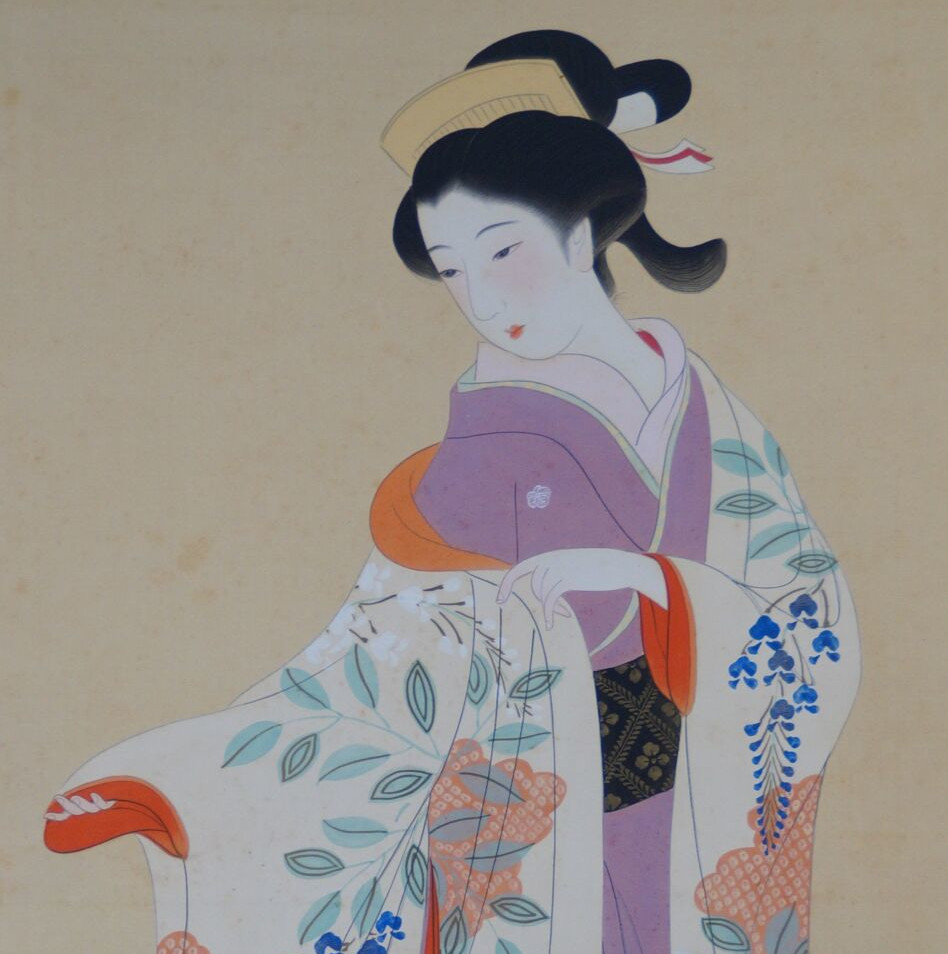
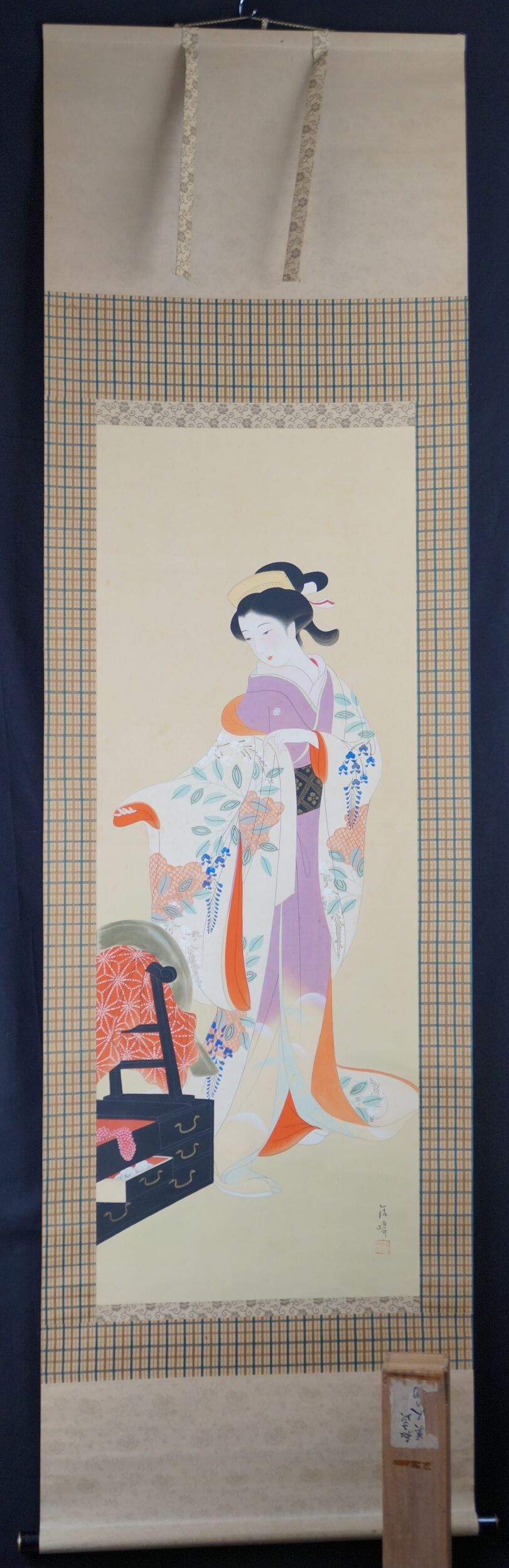
Seifune
Young Woman in Front of Her Kimono Cabinet
Kakemono, unique work, with box, 195 x 65 cm
€520.00
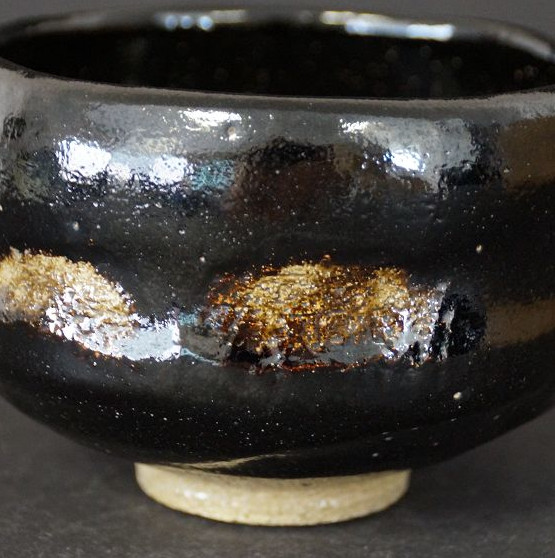

Shoraku Sasaki
Chawan Made of Kuro-Raku by Shoraku Sasaki with Golden Brown
Chawan, unique work, with box, 8 x 12 cm
€380.00
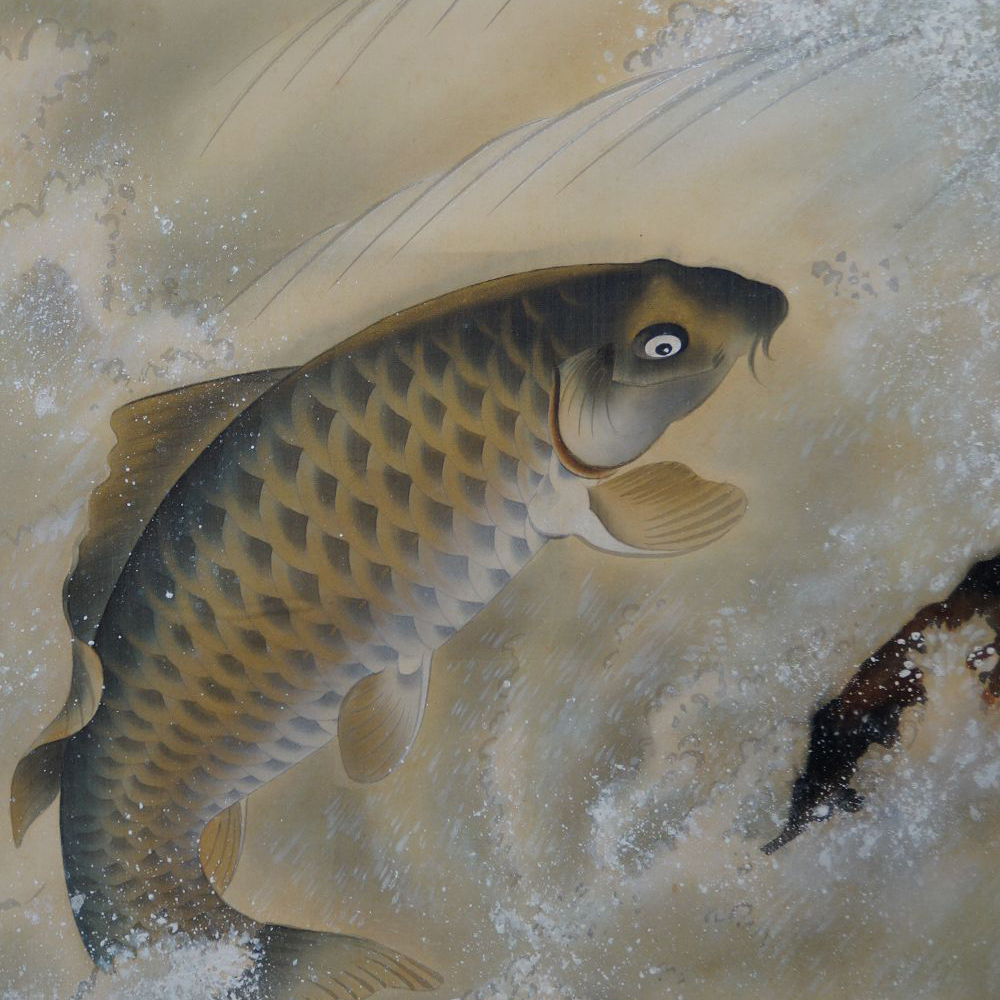

Carp in Turbulent Waterfall
Kakemono, unique work, 213 x 55 cm
€430.00
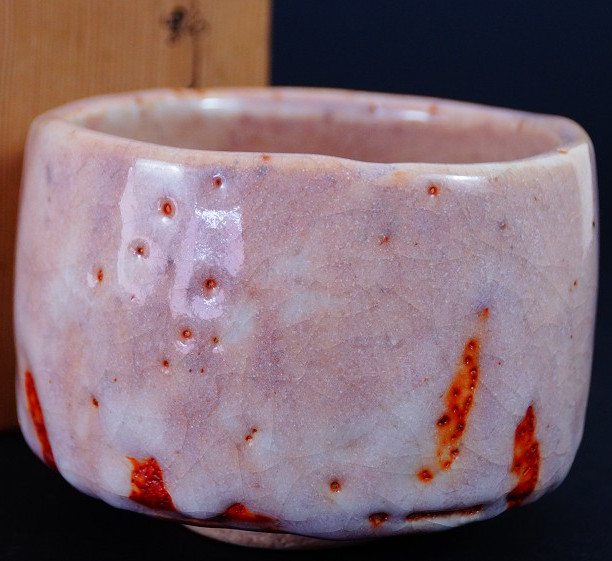

Masayoshi Kato
Chawan Made of Shino Ware by Masayoshi Kato
Chawan, unique work, with box, 9 x 12 cm
€340.00
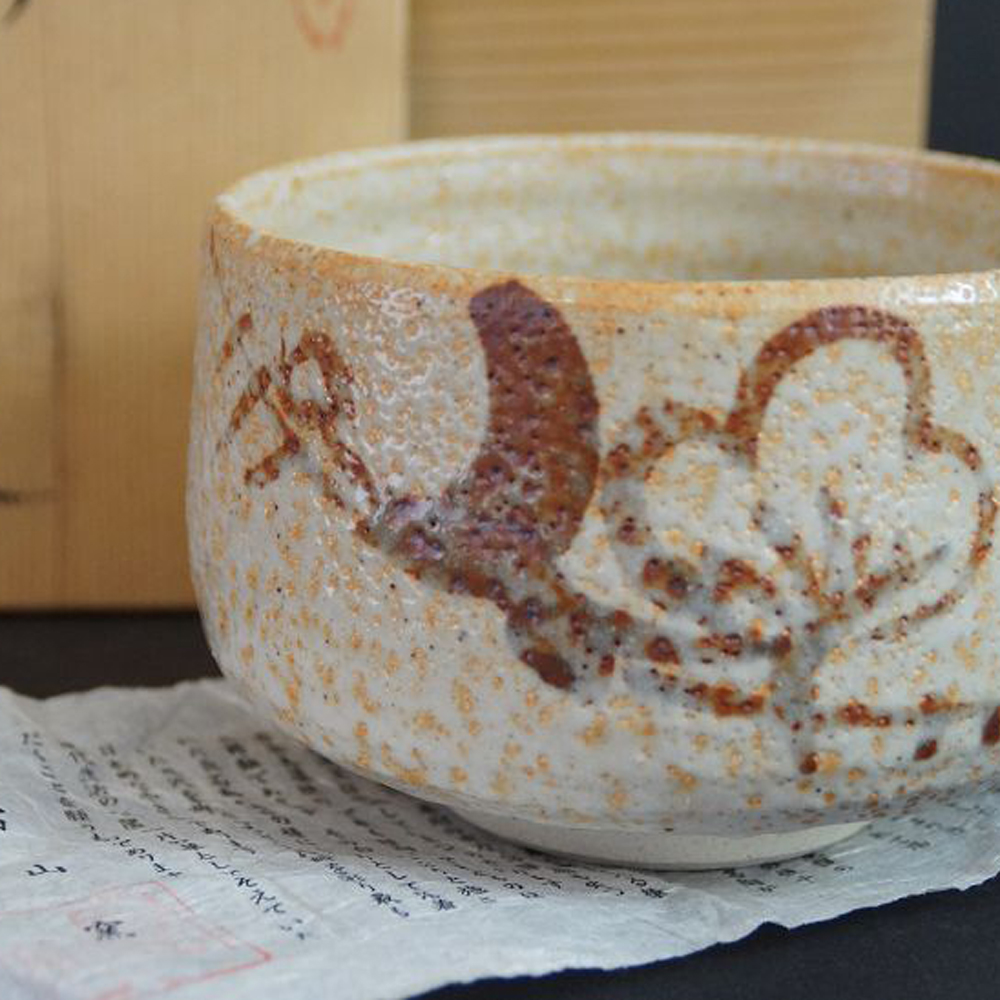

Toyama Ofen
Chawan Made of Shino Ware from Toyama Kiln
Chawan, unique work, with box, 8 x 12 cm
€280.00
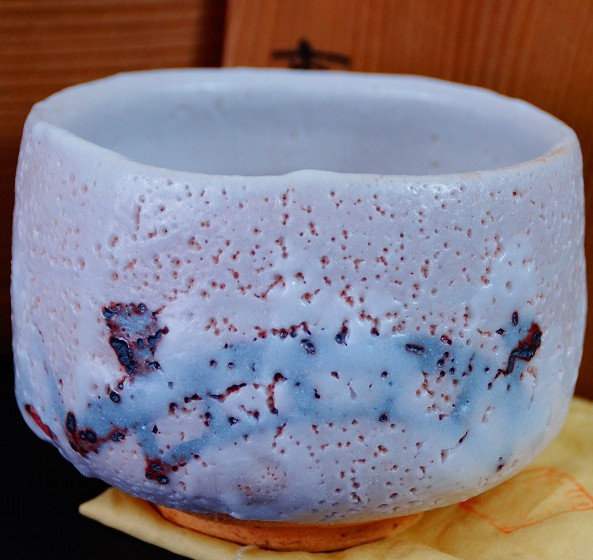

Jyuzo Sato
Chawan Made of Shino Ware by Jyuzo Sato
Chawan, unique work, with box, 9 x 11,5 cm
€320.00
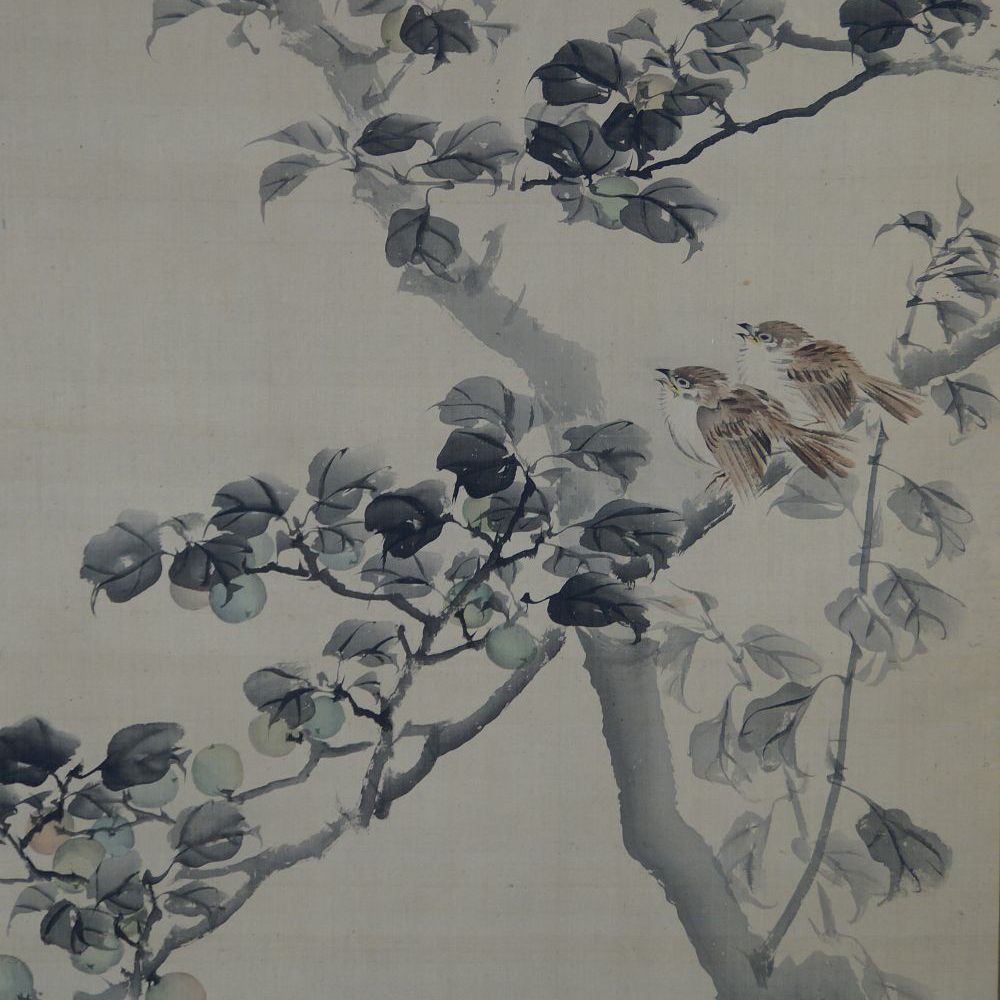

Okajima Kiyohiro
Sparrows on a Fruit Tree
Kakemono, unique work, with box, 190 x 60 cm
€340.00
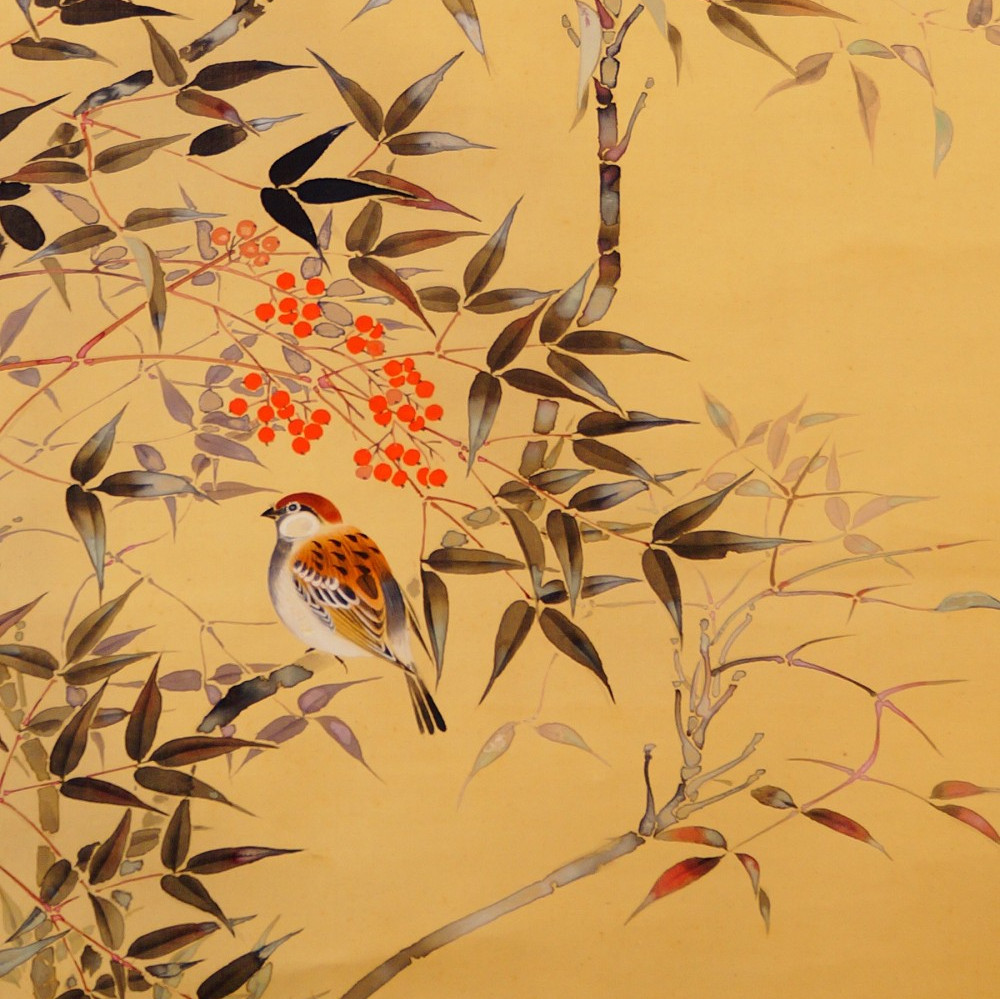

Mikami Kyokuhō
Naturstille
Kakemono, unique work, 202 x 61 cm
€265.00
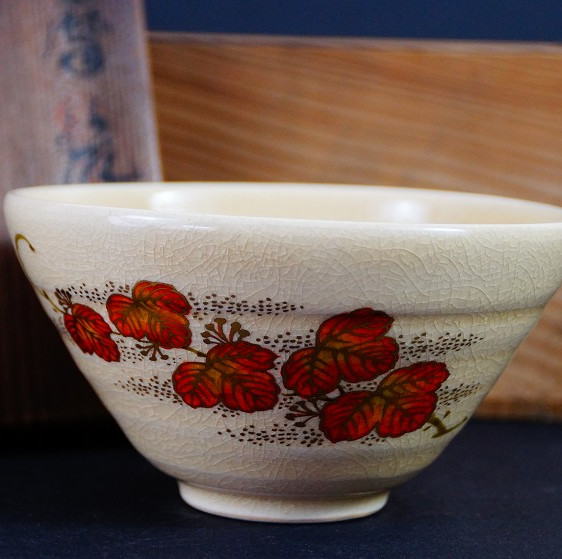

Gyokusen Nozaki
Chawan Made of Satsuma Ware by Gyokusen Nozaki
Chawan, unique work, with box, 7 x 12,5 cm
€380.00
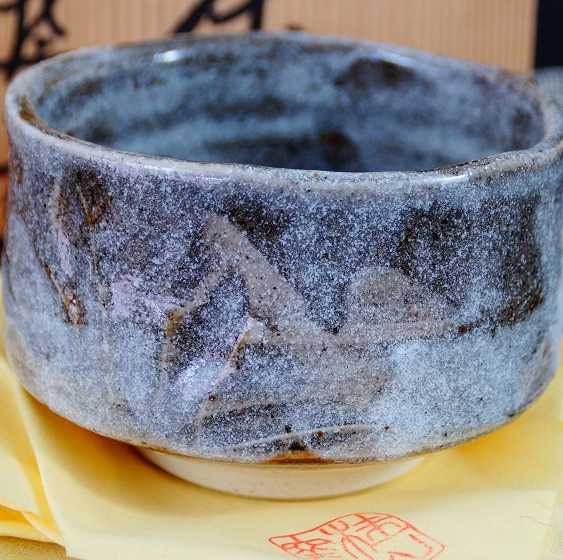

Kazufumi Wada
Chawan Made of Shino Ware by Kazufumi Wada
Chawan, unique work, with box, 8 x 12 cm
€310.00
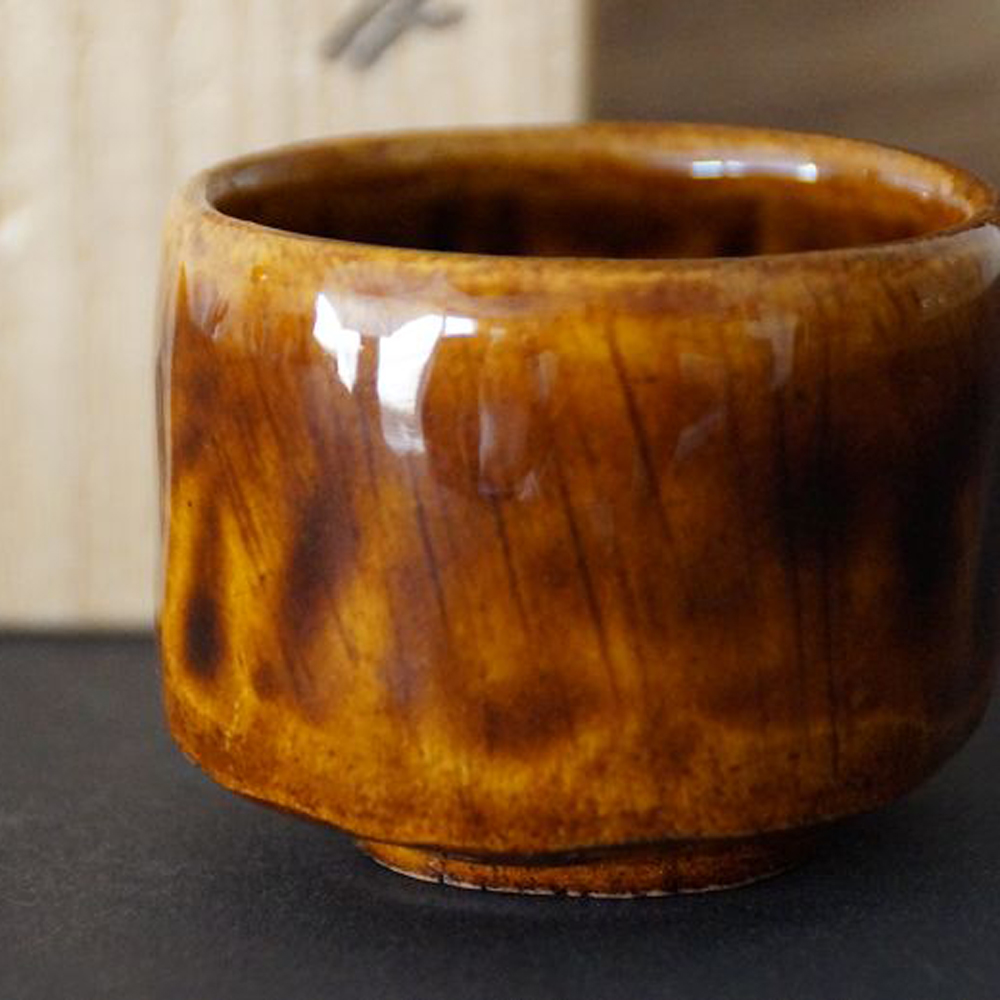

Ōhi Chō
Guinomi Made of Ohi Ware by Ohi Cho
Guinomi, unique work, with box, 4 x 5 cm
€610.00
48 of 826 items shown
The longest era of modern Japan
The Shōwa period began in 1926 with the accession of Hirohito, whose reign name means “enlightened peace,” and ended with his death in 1989. Measured by the reign of a single emperor, it is the longest era in modern Japanese history. It is usually divided into an early Shōwa period up to 1945 and a later Shōwa period afterwards – separated by the deep rupture of the Second World War.
Early Shōwa: years of restriction
The first two decades were marked by an increasingly nationalist and militarist course that led to Japan’s involvement in the Second World War. For art and craft it was a time of severe restrictions: resources went into the war economy, and many workshops, including numerous pottery kilns, had to cut production drastically or stop altogether.
Reconstruction, economic miracle and new collectors
After 1945, Japan became a constitutional monarchy with a democratic order under a new constitution. The economic miracle followed, visible in the 1964 Tokyo Olympics and the Shinkansen. Exhibitions of Japanese ceramics and painting found an enthusiastic public in Europe and the United States. Growing prosperity gave a wide population access to ceramics, painting and calligraphy, while emerging mass production sharpened the distinction between industrial goods and genuine craft.
Mingei and “Living National Treasures”
The philosopher Yanagi Sōetsu founded the Mingei movement together with potters such as Hamada Shōji; it found beauty in simple objects of daily use and, through Bernard Leach, influenced Western studio pottery. With the Ningen Kokuhō system the state created an honor for holders of important craft techniques, awarded to many ceramic masters from traditions such as Bizen, Shino and Hagi. Arakawa Toyozō reconstructed the Shino glaze, and Kaneshige Tōyō developed the hidasuki firing of Bizen further.
Painting, ceramics and figures of the period
The hanging scrolls include bird-and-flower paintings, landscapes with waterfalls, bijinga – pictures of beautiful women in kimono – Daruma portraits and Zen calligraphy from temples such as Myōshin-ji, as well as unmounted makuri and shikishi. The ceramics range from chawan in raku, Ōhi, Shino, Hagi or Kyoto style to sake flasks (tokkuri) and sake cups (guinomi) from Bizen, Karatsu, Seto or Tanba, through to vases and Kutani porcelain. There are also tea caddies (natsume) in maki-e lacquer and figures, such as a Kannon in Bizen ceramic or an iron Buddha.
Dating within a long era
More than sixty years cover very different pieces. The period given describes the object – material, condition, signs of age – and is independent of signature or seal. A scroll whose condition points to the later Shōwa period may therefore carry the seals of older Kanō masters: the painter was paying them respect. For ceramics, the wooden box with signature, seal and sometimes the generation number of a potter family helps to place a piece.
Use: tea room, tokonoma, living space
A chawan and a natsume belong to the tea ceremony, but can just as well be used and displayed every day; tokkuri and guinomi are made for sake. A kakemono is shown for a few weeks in the tokonoma or on a quiet wall and then stored in its wooden box. Buddhist figures were traditionally set up as devotional objects and today are equally at home as sculptures with a spiritual presence.
Caring for ceramics and scrolls
Tea ceramics are cleaned only with hot water and a soft sponge, without detergent, never in the dishwasher or microwave, and then left to air-dry completely. Otherwise porous bodies such as Hagi absorb soap and fragrances. The brownish coloring in the crackle is intended ageing. Scrolls need indirect light and about 50 to 60 percent humidity, and are dusted only dry with a soft brush.
What collectors look for
The tomobako, the paulownia wood box with the artist’s signature and seal, attests to origin and authenticity; a box separated from its piece lowers the value in collectors’ eyes. With scrolls, what counts above all is whether the work was painted by hand – among the kakemono of this period there are also prints and silkscreens, which we label as such. Read the condition notes carefully as well.
